Posts from the ‘patient care’ category

All are welcome to share condolences and memories of Dr. Cohn in the comments section below the story.

BWH and the Division of Cardiac Surgery mourn the loss of Lawrence H. Cohn, MD, a pioneering cardiac surgeon and devoted educator, former chief of the Division of Cardiac Surgery and the Virginia and James Hubbard Chair in Cardiac Surgery at Harvard Medical School. He passed away Jan. 9 at the age of 78.

“Dr. Cohn believed that holding a patient’s heart in one’s hand was a privilege, and he was determined that those he taught would be worthy of that privilege,” said BWHC President Betsy Nabel, MD.

Added Michael Zinner, MD, chair of the Department of Surgery: “In his nearly 45 years at BWH, Dr. Cohn has left an indelible mark on the hospital, helping to position it as a leader in minimally invasive cardiac surgery and training scores of surgeons, many of whom have become national leaders in the field. He was a giant in the field of cardiac surgery and will be missed.”

Having performed more than 11,000 cardiac surgical operations, Dr. Cohn was a world-renowned expert in the field of valve repair and replacement surgery and minimally invasive heart valve surgery. His leadership was instrumental to many “firsts” at the hospital. In 1984, he was part of a team that completed the first heart transplant in New England at a time when very few medical centers in the country were performing such operations. In 1996, he led a team that replaced an aortic valve through a three-inch incision instead of opening the entire chest.

Eugene Braunwald, MD, founding chairman of the TIMI Study Group and former BWH physician-in-chief, was a mentor and close friend of Dr. Cohn. They worked together in the 1960s when Dr. Cohn was training at the NIH and again later at the Brigham.

“He was brilliant, one of the world’s top cardiac surgeons and had a great sense of humor,” said Braunwald. “He was very devoted to his patients and interacted closely with their families. He trained many of the most outstanding cardiac surgeons around the world; they came to the Brigham to train with him. He was a good personal friend, and we will miss him terribly.”

Called a “master of masters in cardiac surgery” by the Journal of Thoracic Disease, Dr. Cohn trained more than 150 residents and fellows at the BWH/Boston Children’s Hospital Program in Cardiothoracic Surgery. He helped to launch the careers of many surgeons who practice at major medical centers worldwide, including about 30 who went on to serve as division chiefs or department chairs.

“Dr. Cohn was a fantastic surgeon to watch and to learn from,” said Prem Shekar, MD, chief of Cardiac Surgery. “Training under Dr. Cohn was a life-changing experience for a surgeon.”

Born in San Francisco, Calif., Dr. Cohn earned his bachelor’s degree from the University of California, Berkeley, and his medical degree from Stanford School of Medicine. He completed his training at Boston City Hospital and the University of California, San Francisco Medical Center, and a fellowship at the National Heart Institute. Dr. Cohn joined the staff of BWH in 1971 and served as chief of Cardiac Surgery from 1987 until 2005. In 2000, he was awarded the first endowed chair in Cardiac Surgery at Harvard Medical School. Past leadership roles also include chair of the Brigham and Women’s Physicians Organization and director of the Cardiac Surgery Research Laboratory.

He published more than 500 peer-reviewed publications, 105 book chapters and 12 books, including the second, third and fourth editions of “Cardiac Surgery in the Adult,” the most referenced textbook in adult cardiac surgery today. Dr. Cohn’s clinical and research interests included reconstructive valve surgery, minimally invasive technology, adult congenital heart surgery and thoracic aortic pathology.

Dr. Cohn received numerous awards and accolades for his work as a physician, researcher and educator, including an honorary Masters of Medicine from Harvard and a Doctor Honoris Causa from the University of Paris. He also received the American Heart Association’s highest award, the Paul Dudley White Award.

In 2008, he and his wife, Roberta, established the Cohn Library—a collection of some of the earliest editions of books and papers about cardiac surgery and cardiology, donated by the Cohns to BWH.

“The library is an extremely valuable collection that is especially inspiring to young people in seeing how these fields have developed over the centuries,” said Braunwald.

Dr. Cohn’s generosity to BWH extended beyond the library. In addition to his own philanthropy and leadership as a founding member of the Hippocrates Society Committee, he was a tireless advocate for securing philanthropic support for research, education and innovative programs in cardiac surgery. With his leadership and passion, he helped raise funds for BWH’s minimally invasive valve repair and replacement program and outcomes research in cardiac surgery, as well as the establishment of a dedicated outcomes research fellowship program in the division.

Dr. Cohn was a board member of the Boston Symphony Orchestra and the Boys and Girls Club of Boston. He was also an active member of the Museum of Fine Arts and the Boston Historical Society and a former trustee of Massachusetts Financial Services. In his free time, Dr. Cohn was a competitive tennis player and avid golfer. He also enjoyed studying history, skiing, fishing and sailing. His family was extremely important to him, and he especially enjoyed spending time with his grandchildren.

He is survived by his wife, Roberta; daughters, Leslie Bernstein and Jennifer Cohn; son in-law, Stephen Bernstein; granddaughters, Carly and Rachel; and grandson, Cameron Ellis Cohn.

Information about a BWH memorial service will be forthcoming. Learn more about Dr. Cohn’s career by viewing a video.

45 Comments
From left: Susan, Robert and Hillary Davidson and Terri Halperin, outside the newly dedicated Michael J. Davidson, MD, Hybrid Operating Room

From left: Susan, Robert and Hillary Davidson and Terri Halperin, outside the newly dedicated Michael J. Davidson, MD, Hybrid Operating Room

On Dec. 16, hugs and smiles were exchanged as members of the BWH community and guests filled Bornstein Amphitheater for a special Department of Surgery Grand Rounds honoring the late Michael J. Davidson, MD.

“This is one of the more significant grand rounds this department can have, as it honors the life of our dear colleague and to me, a dear friend,” said Surgery Chair Michael Zinner, MD. “He has left an indelible mark on this institution.”

Davidson’s father, cardiologist Robert Davidson, MD, shared a few words at the beginning of the event, detailing his son’s interest in science and medicine from an early age, his visionary proposal of universal access to medical care as his 1992 senior thesis at Duke University, and his devotion to his family. Davidson’s wife, Terri Halperin, MD; mother, Susan Davidson; and sister, Hillary Davidson, were also present.

The keynote address, entitled “Caring Goes All the Way: A Talk to Honor Michael J. Davidson, MD,” was presented by Mark Rosenberg, MD, president and CEO of the Task Force for Global Health—an international organization that focuses on health system strengthening, immunization and vaccines, and neglected tropical diseases. Rosenberg, an expert on violence prevention who worked at the Centers for Disease Control and Prevention (CDC) for 20 years, talked about the role of research in preventing gun violence.

“Violence is a problem; it is not a part of life to be accepted,” said Rosenberg. He advocates for the use of the CDC’s public health model to address gun violence. The model consists of four parts: defining the problem, identifying causes, developing and testing prevention strategies, and assuring widespread adoption. Though the problem has been defined and the causes identified, a halt in gun violence research for the past 20 years, largely due to politics, has left the country with little information in terms of what prevention strategies work and how to apply them. Rosenberg is optimistic that gun violence research is starting to begin again and encouraged the BWH community to be leaders in the response.

Hybrid OR Dedication

Later the same morning, BWHers gathered in Shapiro—many wearing MJD pins and blue surgical caps with gold stars and the initials MJD on them in honor of Davidson—for the dedication of the Hybrid Operating Room (OR) as the Michael J. Davidson, MD, Hybrid Operating Room. With his bold vision for less invasive approaches for treating heart valve disease and his ability to bring together cardiology and cardiac surgery for the purpose of delivering better care to patients, Davidson was a driving force in establishing the Hybrid OR.

“Michael was steadfast in becoming a cardiac surgeon,” said Halperin. “He pursued an additional year in interventional cardiology because he was convinced that cross-training was the future. He was a visionary, and he was right.”

Added BWHC President Betsy Nabel, MD: “It is fitting that Dr. Davidson’s calling in medicine was the heart. He cared deeply for every patient who sought his help. No matter how busy he was, he had a way of making each one feel as though they were his only patient.”

Nabel read the words of a plaque that now appears inside the Hybrid OR with Davidson’s smiling photo: With heartfelt gratitude to Dr. Davidson for his incredible commitment to his patients and his profession, and in celebration of his legacy as an outstanding, compassionate, and innovative cardiac surgeon.

“Michael felt honored to work with an incredible team,” said Halperin. “The Brigham was his other family. He would be honored to have his name on the OR. He dedicated his life to the OR; it is only fitting that this room be dedicated to him.”

View a photo gallery of the events, along with recordings of Surgery Grand Rounds and the Hybrid OR dedication.

Save the Date

“Remembering Michael J. Davidson, MD: Reflections on His Life and Legacy” will be held on Jan. 20, at 10:30 a.m., in Bornstein Amphitheater. All are welcome to attend. Learn more at BWHPikeNotes.org.

From left: PIE Award recipients Jim McKinnon, Paula Barry, Therese Breen, Jonathan Santiago and Patrick Lally

From left: PIE Award recipients Jim McKinnon, Paula Barry, Therese Breen, Jonathan Santiago and Patrick Lally

More than 70 individuals from BWH, the Brigham and Women’s Physicians Organization and Dana-Farber/Brigham and Women’s Cancer Center were honored last month during the 20th annual Partners in Excellence (PIE) Awards. Additionally, 613 members of 38 project teams were recognized, all nominated by their peers. Awardees spanned departments and locations throughout the main and distributed campus.

BWHC President Betsy Nabel, MD, shared words of pride and gratitude with recipients, highlighting their work and dedication to the institution. “You fulfill our mission by providing the best care to our patients and their families, advancing our innovation and discovery through research, training the next generation of health care providers and leaders and serving our local and global communities.”

David McCready, senior vice president of Surgical, Procedural and Imaging Services, served as the ceremony’s emcee and shared his heartfelt thanks to recipients: “Quite simply, you are the reason that we are and will remain one of the finest hospitals in the world.”

Recipients and guests also heard from Paul Nuccio, MS, RRT, FAARC, director of BWH Pulmonary Services, a 2014 PIE award recipient. Nuccio asked attendees to take time to reflect on the positive impact they have on colleagues, as well as patients and families who look to BWH every day for support and healing.

During a special part of the program, the family of Christina Ruth, RN, a NICU nurse who passed away in October, accepted an individual PIE award on her behalf.

NICU nurse and friend Kerri Duggan, RN, spoke briefly about Ruth and her path to BWH, describing her as a “one-of-a-kind Brigham nurse.”

“Christina could instantly make a new mom comfortable leaving her most treasured gift in her hands,” Duggan said. “She could put a nervous father at ease through her genuine interactions and confidence. The way she connected with everyone who came across her path was truly one of her greatest gifts.”

The ceremony, which was held in Bornstein Amphitheater, concluded with a reception in Carrie Hall.

Michael VanRooyen

Michael VanRooyen

Interim Emergency Medicine Chair Michael VanRooyen, MD, MPH, has been appointed chair of the Department of Emergency Medicine at Brigham and Women’s Health Care (BWHC), effective Jan. 1.

VanRooyen has been serving as interim chair since Jan. 1, 2015, when Ron M. Walls, MD, assumed the role of BWHC executive vice president and chief operating officer. As interim chair, VanRooyen and the Emergency Department (ED) team have launched several new initiatives, including the integration of Partners eCare, the expansion of global partnerships and the design of an expanded ED with a new Oncology Emergency Care Unit, a plan set for completion in 2017. 

VanRooyen, who joined the Brigham in 2004 as an emergency medicine physician, is a professor of Emergency Medicine at Harvard Medical School and professor of Global Health at Harvard T.H. Chan School of Public Health. He co-founded and directs the Harvard Humanitarian Initiative (HHI), the largest academic and research center of its kind, focused on improving humanitarian strategies for relief in regions affected by war and disaster. He also founded and directs the Humanitarian Academy at Harvard (HAH), a Harvard-wide educational effort designed to advance humanitarian professionalism and develop the next generation of humanitarian leadership.

VanRooyen’s commitment to humanitarian work began long before he joined the Brigham family. Upon completing his residency in 1991, he began working with NGOs in conflict settings, such as Somalia, to advance emergency medical care. For the next two decades, he worked in some of the world’s most active conflict zones and disaster settings, including Sudan, Bosnia, Rwanda, North Korea, Iraq and Haiti. Through his work abroad, VanRooyen became further convinced that the field of humanitarian aid must create an evidence base and a professional pathway to advance quality and efficiency in the field.

Domestically, he worked with the American Red Cross to provide relief assistance at the site of the World Trade Center in New York on Sept. 11, 2001. He also helped to coordinate the American Red Cross public health response to Hurricane Katrina and worked with the Navajo and Apache tribes in Arizona and New Mexico.

“Dr. VanRooyen’s leadership and experience in the fields of global health and emergency medicine are unparalleled,” said Betsy Nabel, MD, BWHC president. “He is recognized by his colleagues as an outstanding leader with an unwavering commitment to emergency medicine, training the next generation of emergency medicine clinicians and providing superb compassionate care to patients and families. I look forward to a continued tradition of service to our mission in the department under his guidance.”

VanRooyen earned his MD from Wayne State University School of Medicine in Detroit and his MPH from the University of Illinois in Chicago.

New parents Lauren and Maegan Jerr have read to their triplets Theodore, Conrad and Charlie every day since the babies were born prematurely at BWH last fall.

During a newborn’s time in the NICU, critical brain development is occurring, including the development of the pathways that control language skills. By reading to their babies, the Jerrs are not only bonding with them and reducing some of the stress of being in the NICU, but they’re also aiding in their children’s brain development.

“More than half of babies born at very low birth weight have language delays during childhood,” said Carmina Erdei, MD, a neonatologist in the Department of Pediatric Newborn Medicine. “This is not a coincidence, and there is something we can do about it.”

Terrie Inder, MD, MBChB, chair of Pediatric Newborn Medicine, and Erdei say that infants need frequent exposure to meaningful auditory experiences to ensure optimal early brain development. Studies show that preterm infants who are not exposed to language while in the NICU have lower language performance at age 2. In an effort to prevent language delays, the NICU is committed to promoting reading through a new effort informally called the Brigham Baby Academy.

“It’s our goal to ensure that each infant is read to at least once a day by a staff member or a parent,” said Erdei, who is co-organizing a book drive with NICU Nursing Director Marianne Cummings, MS, RN, to provide ample reading material for families.

Research points to the vast benefits of reading beginning at birth. In addition to advancing brain development, language skills and vocabulary, it can also build listening and memory skills. Through a snowball effect, Erdei explained, early language exposure increases reading proficiency by third grade, which is a strong predictor of high school graduation and career success.

It’s also an important way for parents and babies to bond. “Even when their eyes are closed, babies can hear and recognize their parents’ voices and are comforted by them, so reading helps them connect and relieve anxiety,” said Erin Gorham, BSN, RN, clinical nurse in the NICU.

Establishing routines is another way to enhance bonding, so staff encourage families to follow a daily bedtime routine that includes reading. The activity gives families a sense of normalcy during what can be a stressful and uncertain time, explained Gorham.

“The Brigham NICU gave us a book as part of our welcome packet, which was an important gesture in letting parents know just how important reading is,” said Maegan Jerr. “For us, it’s a family tradition we hope to continue for many years to come.”

With its book drive, the NICU hopes to increase awareness about the importance of reading and build its collection of books so they can be passed on to parents whose babies need them the most. “We are looking for new or gently used children’s books in any language,” said Cummings. “Staff have brought in books in Russian, Spanish and French Creole, from all over the world. Reading is something that all parents can do for their child that has a lifelong impact.”

You can donate a new or gently used children’s book to the NICU by bringing it to the Connors Center for Women’s Health security desk (Lower Pike), mailing it to BWH’s Pediatric Newborn Administration Office (75 Francis St., Boston, MA 02115) or contacting Paul Hughes at phughes@partners.org.

 Learn more about how you can help the Brigham Baby Academy. 

BWHers Share Their One Shining Moments
BWH Bulletin’s year-end issue is a time to highlight BWHers’ proudest moments from the past year. We asked you to share one BWH-related memory from 2015 that was meaningful to you, and you offered touching stories about colleagues, patients, families, events and milestones that inspired you. We hope you enjoy these remarkable moments.

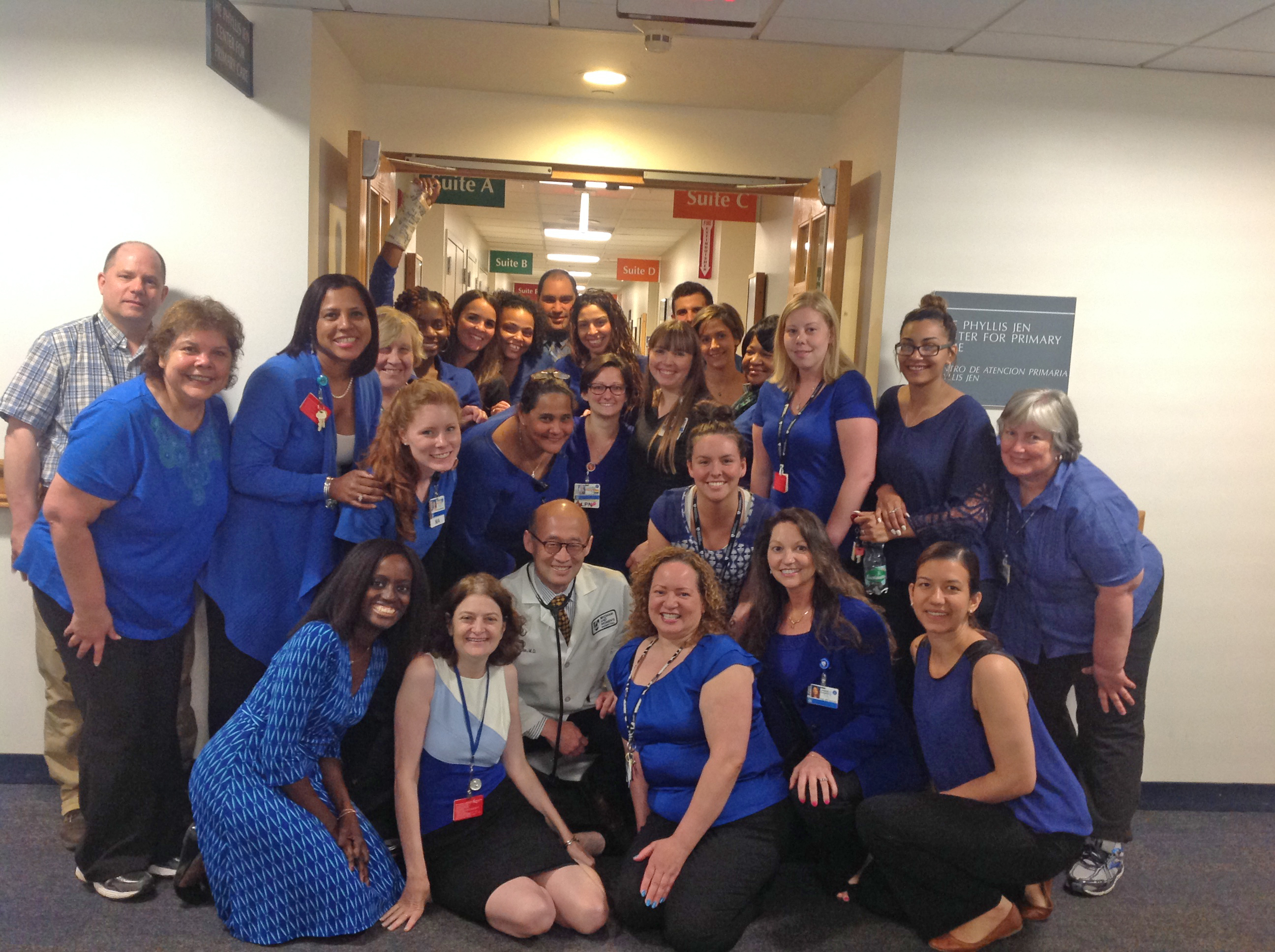
Lori TishlerA woman appeared in my office in distress. She was terrified and didn’t know what to do. I didn’t know what to do, either. But I knew who would: a social worker. I brought her to the Social Work team, which helped her come up with a plan to address her concerns.
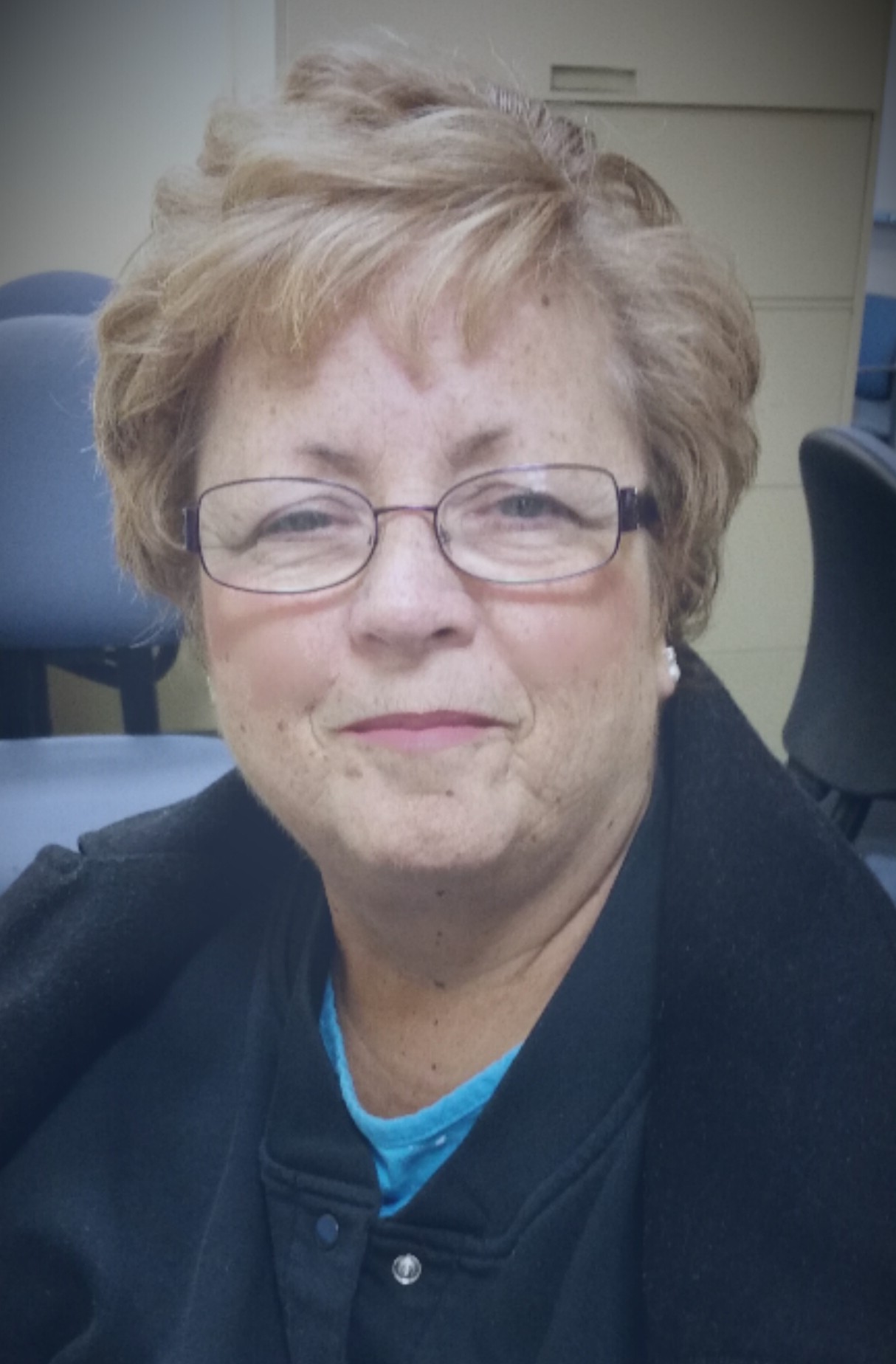
Another patient started taking her medicine and was at target for her treatment plan. Why? Regular meetings with our pharmacist convinced her that she wanted to live healthily.

I could keep sharing stories. The family meeting supported by the geriatrician, organized by the CMP nurse, including three different specialties; the connections made by a medical assistant or a nurse; the communication between home health care and us for a demented woman; medical treatment of alcohol use disorder. These are my stories, but they could have happened to any patient in the Jen Center. This is team-based care.

Teams share their strengths and knowledge to bring patients to a new level of care. Warmly handed from one caregiver to the next, the patient learns that he or she has not just a medical provider, but a group of people who can gather together, brainstorm, use their skills and provide so much more than a consultation or a checkup.

This doesn’t happen by accident. This happens because of hard work, dedication and efforts to understand each other’s roles and responsibilities. It is also a product of deep respect for each other and for our patients. In this season of giving, I am so thankful for what each member of our team does for our patients, and for each other.

Lori Tishler, MD
Medical Director, Jen Center

View all One Shining Moments

1 Comment

BWHers Share Their One Shining Moments
BWH Bulletin’s year-end issue is a time to highlight BWHers’ proudest moments from the past year. We asked you to share one BWH-related memory from 2015 that was meaningful to you, and you offered touching stories about colleagues, patients, families, events and milestones that inspired you. We hope you enjoy these remarkable moments.

94e4faf5755717b8000c25df8f2a213d_hd

On July 3, I got a sneak peak at the U.S. News & World Report’s Best Hospitals list, and BWH had moved from ninth to sixth place—our all-time high. This is an amazing achievement, even for this very amazing hospital. It is based on ratings by physicians all over the country, our quality and safety scores, our volume and other indicators in 16 specialties. So, essentially, this ranking is the result of the dedication and hard work of nearly everyone in this remarkable institution. I think it was a Shining Moment for us all!

Vicki Amalfitano
Vice President, Marketing and Planning

View all One Shining Moments

BWHers Share Their One Shining Moments
BWH Bulletin’s year-end issue is a time to highlight BWHers’ proudest moments from the past year. We asked you to share one BWH-related memory from 2015 that was meaningful to you, and you offered touching stories about colleagues, patients, families, events and milestones that inspired you. We hope you enjoy these remarkable moments.

June PierceOn July 7, 2015, while exiting the church stairs at my dad’s funeral, I fell and badly injured my left ankle. I was transported to BWH’s main campus, as paramedics determined it was a trauma case because it was a compound open fracture. From the moment I was wheeled into the Emergency Department, the nurses, technicians and doctors, especially Michael Weaver, MD, my trauma surgeon, could not have been more professional, sympathetic and helpful to my family and me. After surgery, I was transferred to the orthopedic floor, where I had the best nurses and patient care assistants I could have ever needed. My mental healing was just as important to them as my physical healing. My BWFH colleagues later visited me at Spaulding and sent well wishes and cards, which got me through. As an employee of BWFH for 22 years, I have to bring attention to these wonderful people who helped me through one of the most difficult times in my life.
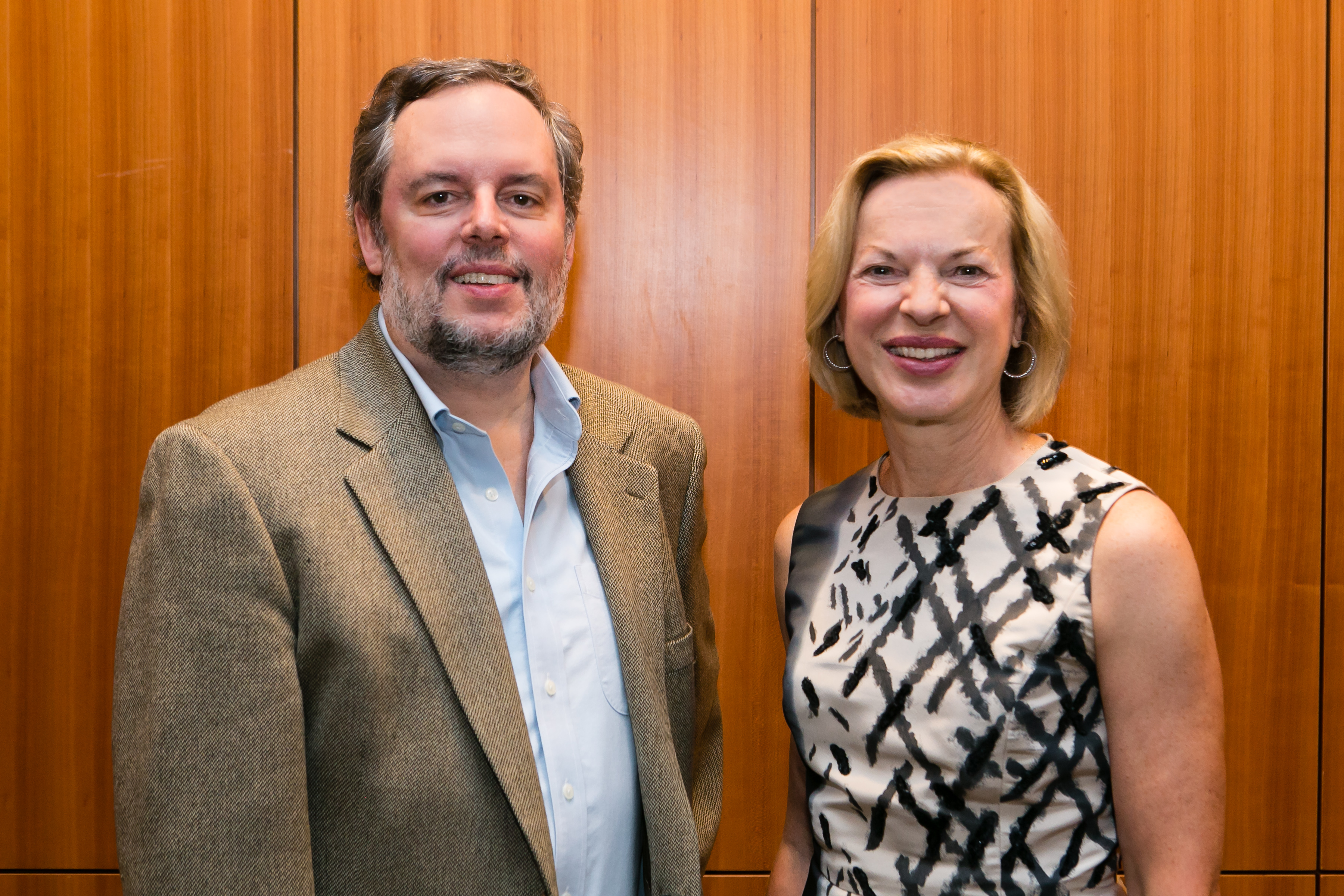
June Pierce
Practice Assistant, BWPO/BWFH

View all One Shining Moments

BWHers Share Their One Shining Moments
BWH Bulletin’s year-end issue is a time to highlight BWHers’ proudest moments from the past year. We asked you to share one BWH-related memory from 2015 that was meaningful to you, and you offered touching stories about colleagues, patients, families, events and milestones that inspired you. We hope you enjoy these remarkable moments.

150910_LASKERAWARD_BWH_JDL-65

Watching our own Steve Elledge, PhD, accept the Albert Lasker Basic Medical Research Award—one of the world’s most prestigious honors in biomedicine—was a Shining Moment not only for me, but for the entire research community at BWH. Steve was recognized for his work in illuminating how cells detect and repair DNA damage. His pioneering contributions have shaped the world’s understanding of cancer and other conditions.

Steve is a bright light in our Brigham community, whose success illustrates that we can change the future of medicine by asking questions and working tirelessly to find the answers. I can think of no more noble way to describe one’s calling to research than as Steve has articulated himself: “I have always wanted to make an impact on the world, to have my life on earth count for something. By contributing to basic research, I hope my work can accelerate discoveries to improve the lives and health of people.” As a leading academic medical center, we share Steve’s deep commitment to helping others by transforming the future of medicine, and I look forward to seeing what new advances our outstanding research community will make in 2016.

Betsy Nabel, MD
President, Brigham and Women’s Health Care

View all One Shining Moments

BWHers Share Their One Shining Moments
BWH Bulletin’s year-end issue is a time to highlight BWHers’ proudest moments from the past year. We asked you to share one BWH-related memory from 2015 that was meaningful to you, and you offered touching stories about colleagues, patients, families, events and milestones that inspired you. We hope you enjoy these remarkable moments.

20120711, Wednesday, July 11, 2012, Boston, MA, USA, LIGHTCHASER PHOTOGRAPHY, Members of the Partners HealthCare community joined together for milestone meeting led by Dr. Blumenthal and Partners CEO Gary Gottlieb, MD, who hosted over 100 people from across the Partners system to mark the commitment and signing of the contract between Partners and Epic cementing the decision as to the new coordinated Partners eCare system that will be implemented across the Partners system. The system will ultimately be utilized for clinical care, research and education and include at it's foundation the 'One patient, one record' concept...( lightchaser photography image by j. kiely jr. © 2012 )

My Shining Moment was on Saturday, May 30, during rounds after Partners eCare go-live and in the ensuing days. I felt incredibly proud of our clinicians and staff who were working very hard to deliver care to patients using the new system. This was a profound change in technology and, despite the challenges, people were calm and collected and helping each other get through those first tough days.

Allen Smith, MD, MS
President, Brigham and Women’s Physicians Organization

View all One Shining Moments

BWHers Share Their One Shining Moments
BWH Bulletin’s year-end issue is a time to highlight BWHers’ proudest moments from the past year. We asked you to share one BWH-related memory from 2015 that was meaningful to you, and you offered touching stories about colleagues, patients, families, events and milestones that inspired you. We hope you enjoy these remarkable moments.

Jayme DowdallI’ve never been more proud of our team. One of my patients, who is a mother of two, was unable to interact as she used to. Her one wish was to be able to interact more with her family: read bedtime stories, cheer at a game and chat over dinner.
My Shining Moment was a collaborative effort in caring for a very deserving woman. Our staff worked diligently to make our patient’s wish come true, including securing access to needed medical equipment and selflessly lending their expertise. Making this happen meant several staff members going above and beyond.

This effort was extremely meaningful to the patient. It’s an honor to work with such a hard-working staff who are dedicated to making a difference in the lives of our patients. Our team is thankful to work in a place where we can be of service patients in a special way. Operation bedtime stories: Mission accomplished.

Jayme Dowdall, MD
Laryngologist and Voice Program Co-Director

View all One Shining Moments

BWHers Share Their One Shining Moments
BWH Bulletin’s year-end issue is a time to highlight BWHers’ proudest moments from the past year. We asked you to share one BWH-related memory from 2015 that was meaningful to you, and you offered touching stories about colleagues, patients, families, events and milestones that inspired you. We hope you enjoy these remarkable moments.

CindyCao

My One Shining Moment of 2015 was when a family member called the floor to thank me directly for helping her father pass away peacefully. Her father was very sick and was transitioning into the comfort measures only phase of his illness during my shift. It was my priority to make him and his family as comfortable as possible during this sensitive time. He ended up passing two days later, but I will never forget his daughter’s gratitude. I was honored to be part of this intimate moment in this family’s life.

Cindy Cao, RN, BSN
Nurse, Tower 14AB

View all One Shining Moments

BWHers Share Their One Shining Moments
BWH Bulletin’s year-end issue is a time to highlight BWHers’ proudest moments from the past year. We asked you to share one BWH-related memory from 2015 that was meaningful to you, and you offered touching stories about colleagues, patients, families, events and milestones that inspired you. We hope you enjoy these remarkable moments.

Nadia RaymondOver the past year, we have continued to promote our goal of strengthening Haitian health care by providing continuing education to health professionals in Haiti. One of the main focuses of our nursing team has been working on a research-based needs assessment regarding the attitudes and knowledge of Haitian nurses toward continuing education. One year ago, our team traveled to Haiti to conduct focus groups and administer surveys across Haiti at four different health care locations, including public and private hospitals. We have just finished analyzing our data and plan to submit to a peer-reviewed journal. This past November, we shared our results at the annual EqualHealth Conference in Haiti and presented a poster on our research. More than 85 Haitian nurses attended the workshop.

The over-arching goal of the Haitian health community is to learn, engage and work together and strengthen team-based care. The BWH community has been very supportive of our EqualHealth team, as well as our Haitian nurse partners—a true Shining Moment for us all.

Nadia Raymond, MSN, MHA, RN 
Nurse, Intensive Care Unit Float Pool

Annie Lewis-O’Connor, PhD, MPH, NP, FAAN
Senior Nursing Scientist, Founder and Director of the C.A.R.E Clinic

View all One Shining Moments


BWHers Share Their One Shining Moments
BWH Bulletin’s year-end issue is a time to highlight BWHers’ proudest moments from the past year. We asked you to share one BWH-related memory from 2015 that was meaningful to you, and you offered touching stories about colleagues, patients, families, events and milestones that inspired you. We hope you enjoy these remarkable moments.

MariaDievlerOur office remains open during lunch hours so that patients can get an appointment during their own lunch breaks. Women, Infants and Children (WIC) and Nutrition staff stagger their lunch breaks in order to provide office coverage during this time.

One day earlier this year, one of our WIC staff, Myrta Montijo, went out to pick up lunch at a local restaurant while other staff covered the front desk. As Myrta returned to Brookside to eat her lunch, she passed through the waiting area. There was one woman waiting for her WIC appointment. The patient commented to Myrta that her lunch smelled so good and that she was so hungry, having spent many hours on the road and at appointments that day. She asked Myrta where she got her lunch, as she was hoping to stop there on her way home. The patient still had an hour or so longer before she would finish her appointments at Brookside and Myrta could see how exhausted she was, so she asked the patient if she could share half of her lunch with her.

The patient quickly agreed and was so grateful for Myrta’s kind gesture and generosity!

Maria Dievler, MA, RD, LDN
Director of WIC and Nutrition, Brookside Community Health Center

View all One Shining Moments

Tobin Elementary School students enjoy their new knit caps.

Tobin Elementary School students enjoy their new knit caps.

Each holiday season, the BWH community comes together to brighten the lives of those in need. By collecting toys, food, clothing and other items, BWHers do what they can to spread joy and bring smiles to people’s faces.

Wanda McClain, MPA, vice president of Community Health and Health Equity, said she’s astounded by the generosity of BWHers, not only during the holidays, but every day of the year. “Giving back is part of our mission and commitment to our local community,” she said. “These acts of kindness are just as important as the care we deliver to patients.”

Here are some of the ways BWH is giving back this season:

Toys for Tots Drive
More than 1,000 toys were collected this year and packed into 13 giant boxes to be delivered to the U.S. Marine Corps Reserve Toys for Tots Program. The generosity of BWHers and visitors has made the Toys for Tots collection at BWH a huge success for the last three years. A team of volunteers led by Bob Donaghue, operations manager for Security and Parking, organizes the drive each year.

Welcome Winter Food Drive
From now until Dec. 29, BWH is hosting a food drive to benefit the Parker Hill/Fenway ABCD Emergency Food Pantry in Mission Hill. Collection bins for canned, boxed and other non-perishable foods have been placed at various locations across BWH.

Caps for Kids
For more than 25 years, senior physical therapist Joan Casby and volunteers from BWH, the Dana-Farber Cancer Institute and elsewhere collect handmade hats, mittens, scarves and other warm winter items that are donated to local schoolchildren in Boston. On Dec. 16, 500 knitted items were distributed to students at the Tobin Elementary School in Mission Hill. Volunteers spent time with students as they chose their new warm winter items, and students later came back with thank-you notes in hand for the volunteers. This year, more than 13,000 hats, scarves and other items were made, all going to various schools and hospitals in the Boston area.

Caps for Kids organizer Joan Casby reads a thank-you letter from one student.

Bringing the Magic of the Holidays to BWH
For the 34th consecutive year, Jim Nentwig’s family and volunteers will present patients with flowers, gifts, knitted hats and blankets around Christmas. Nentwig first dressed up as Santa (and his children as elves) when his wife, Elizabeth, was a cancer patient at BWH in 1982 and brought gifts for all of the patients on her unit. Elizabeth asked Nentwig to continue the tradition after her death, which he has, facilitating the donation of hundreds of gifts to patients and staff, which now get delivered by many of his family members and volunteers dressed as Santa and elves here at BWH and elsewhere in the area.

Neurology Blood Drive
Earlier this month, BWH’s Department of Neurology hosted a team-wide blood drive challenge. Neurology physicians, researchers, staff, patients and families were invited to donate blood at the Kraft Family Blood Donor Center and Blood Mobile to help BWH patients in need. In total, 80 units of blood were donated.

View a gallery of photos.

This fall, Partnership for Community Health, co-founded by Partners HealthCare, awarded $6 million through a dozen grants that will support 22 community health centers (CHCs) across Massachusetts. The two-year Excellence and Innovation grants are allied with elements of the overall Partners strategy—improving the patient experience, increasing capacity to serve more patients and improving quality while reducing costs.

The partnership was launched three years ago as a joint initiative of Partners and Neighborhood Health Plan, in collaboration with the Massachusetts League of Community Health Centers. The goal is to support the continued efforts of CHCs to reduce barriers to access, promote health equity and provide patient care locally. To date, the partnership has committed $16 million to CHCs across the state.

Overall, the grants support the efforts of the centers to transform their operations and patient communications and find new ways to deliver shared services across different health centers.

Sixteen CHCs will benefit from three multi-institutional grants ranging from $450,000 to $1 million. All three projects involve the use of technology—from telemedicine to imaging to patient portals—to improve access and quality of care and reduce costs.

Individual grants ranging from $200,000 to $600,000 were awarded to 12 community health centers, half in Boston and half in other parts of the state, including Springfield, Worcester and Cape Cod.

Some grants will bolster staffing. For example, Southern Jamaica Plain Health Center will add a medical social worker and a health coach to help patients change health behaviors, and Caring Health Center in Springfield will add community health workers to support improved access and use of wellness services.

Others seek to enhance patient engagement. For example, both East Boston Neighborhood Health Center and South Cove Community Health Center will work on call center enhancements that will improve care coordination.

Additionally, other grants will target chronic conditions and process improvement.

The gym in BWFH’s new orthopedic and spine care unit overlooks Arnold Arboretum.

The gym in BWFH’s new orthopedic and spine care unit overlooks Arnold Arboretum.

Inside the new state-of-the-art orthopedic and spine care unit at BWFH, patients are receiving comprehensive orthopedic and spine care services in one convenient location.

After a year of construction, BWFH recently opened the new 7 South unit. The construction was coupled with renovations to the sixth floor operating rooms and the opening of Brigham and Women’s Orthopedic Center and Brigham and Women’s Comprehensive Spine Center.

The new patient unit features sweeping Boston skyline views, with a bright, modern look and feel. Emphasizing a healing environment, all 24 patient rooms are private and geared toward treating patients who are recovering from spine and orthopedic injuries and surgeries. The rooms include large bathrooms with showers, as well as ample space for visitors and rehabilitation equipment.

An exciting addition to the unit is a physical therapy gym, which was designed to offer patients physical and occupational therapy to begin their post-operative rehabilitation course. 

In addition to exercise mats and stationary and recumbent bikes, the gym includes the front seat of a car, a set of stairs and a bathroom to provide patients with training in activities of daily living. The seat of the car has been a great benefit, as getting into a car to drive tends to be one of the first functional activities a patient performs to leave the hospital to go home. 

Lynne Morrison, RN, 7 South nursing director, said that she and her colleagues had the opportunity to participate in the design and construction process from beginning to end, which allowed them to share their thoughts about how the unit should be arranged to best help patients in their recovery.

“This is a wonderful space for patients to heal and gain back their strength,” she said. “We know how difficult it can be to recuperate from an injury and surgery, so it was extremely important to us that we design the space to be comfortable for patients and their families.”

Jean Flanagan Jay, PT, DPT, CLT, director of BWFH Rehabilitation Services, added: “A majority of our patients do not go to a rehabilitation center after surgery. It’s our goal to provide them with the therapy and training necessary for them to get stronger and feel confident that they’ll be able to function safely once they are home.”

In addition to providing therapy to patients, the gym offers a quiet and relaxing environment, featuring large windows overlooking the Arnold Arboretum.

“We are very appreciative to have this wonderful new space to work in,” Flanagan Jay said. “We feel it reflects the professionalism and knowledge of the department staff. We look forward to advancing our program in a space that enhances healing for our patients.”

This week’s Safety & Security Corner is about Security’s presence on inpatient units. As a reminder, if you see something, please say something. Staff should report safety concerns by telling a manager or calling Security at 617-732-6565. For non-urgent concerns, email BWHSafety@partners.org.

BWH is increasing the Security team’s visibility on campus after an in-depth assessment of BWHC’s security program by Healthcare Security Consultants earlier this year. As a result, Security has been piloting a community service officer program, in which Security officer Ryan Carvalho patrols all inpatient units in the Tower, Connors Center for Women and Newborns and Shapiro Cardiovascular Center for the entirety of his shift each day. Security plans to expand the program with additional dedicated officers for the evening and night shifts as well.

“On his daily rounds, Ryan has been reaching out to staff on all floors to see if there is anything he can help with and to hear if they have any concerns from a security standpoint,” said Robert Chicarello, director of Security and Parking. “He is getting to know all of the inpatient teams and what is important to them.”

Another part of Carvalho’s job is testing all inpatient unit panic buttons with the help of staff. Once per month, he makes sure all panic buttons are functioning properly and invites staff to participate by testing the buttons themselves while he is present.

A group of meeting attendees, including BWH and BWFH CDI team members

A group of meeting attendees, including BWH and BWFH CDI team members

On Dec. 2, BWH and BWFH hosted a New England-wide meeting of clinical documentation improvement specialists to discuss the recent implementation of the 10th revision of the International Statistical Classification of Diseases and Related Health Problems (ICD-10). The day-long conference welcomed 55 attendees from Massachusetts, Rhode Island and Connecticut, including clinical documentation improvement nurses, program directors and physician advisors.

The meeting, called “Early Lessons from ICD-10 Implementation,” was organized by Cynthia Labins, MSN, RN, CCDS, clinical documentation improvement specialist and co-chair of the Massachusetts chapter of the Association of Clinical Documentation Improvement Specialists (ACDIS), and her BWH and BWFH clinical documentation specialist colleagues. It was held on the heels of the recent national conversion to ICD-10 as mandated by the Centers for Medicare and Medicaid Services. The classification list, which was developed by the World Health Organization (WHO), contains codes for diseases, signs and symptoms, abnormal findings, complaints, social circumstances and external causes of injury or diseases. These aspects of patient care are coded to capture the acuity and resource utilization for each patient visit and submitted for reimbursement. Before the Oct. 1 conversion to ICD-10, ICD-9 had been in use since 1979.

“The meeting was a great opportunity for us to share our own experiences, challenges and best practices from the transition in our respective organizations,” said Labins. “The day yielded much valuable information about how others are faring with ICD-10.”

According to Labins, the structure of codes in ICD-10 is similar to ICD-9, but the transition was valuable because the new system allows for much more specificity about patients’ condition. With ICD-10, the number of diagnostic codes available for coding health care services went from 13,000 to 68,000. This degree of complexity allows BWH and BWFH to better describe the nature of each patient’s diagnosis and treatment. In addition, it allows organizations to capture data about symptoms, risk factors and comorbidities that can be useful in conducting research, analyzing quality and measuring outcomes.

“I am very proud of the Brigham’s implementation of ICD-10,” said Labins. “A great deal of work and preparation went into the conversion across BWH and BWFH. We were fortunate that our director, Andrea M. Kelly, JD, MSN, RN, supported us by providing numerous educational opportunities to become prepared for this transition.”

Added Kelly, program director of Clinical Documentation Improvement (CDI): “By hosting the ACDIS regional meeting, BWH and BWFH demonstrated their ongoing commitment to ensuring that the clinical complexity of our patients is reflected in the coded data. CDI nurses possess both clinical insight and a working knowledge of the new ICD-10 code set. Their leadership and collaboration in preparing for this meeting were evident in the impressive turnout, as well as in the informed and inter-professional dialogue between the nurses and coding professionals.”

The beam features the names of two dozen pediatric patients from the Dana-Farber Cancer Institute, Children’s and BWH Radiation Oncology.

The beam features the names of two dozen pediatric patients from the Dana-Farber Cancer Institute, Children’s and BWH Radiation Oncology.

Tucked away on Shattuck Street, facing the windows of a Boston Children’s Hospital building, the names “Brooklyn,” “Nicholas,” “Kevin” and many others are spray-painted in bright orange, light blue, pink and white on a steel beam that will support the future Garden Café @ 75, BWH’s new Cafeteria.

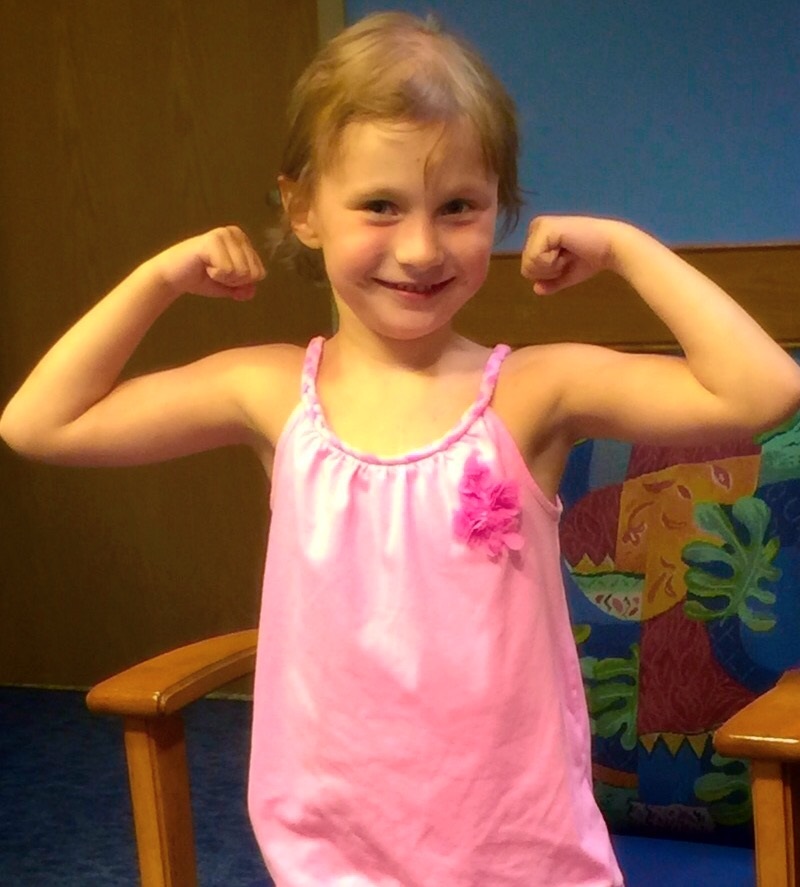
They are the names of about two dozen pediatric patients from the Dana-Farber Cancer Institute (DFCI), Children’s and BWH Radiation Oncology, including 5-year-old Brooklyn, who was the first patient to have her name spray-painted on the 63-ton beam. After seeing a Facebook post written by Brooklyn’s mother, a family friend working on the construction site was inspired to begin spray-painting the children’s names.

“Seeing Brooklyn’s name on that steel beam is a feeling I will never forget,” said Kerrin Dooley, Brooklyn’s mother. “To me, the beam is a symbol of community, caring, support, strength and teamwork—all critical aspects in the fight against cancer.”

After being diagnosed in 2014 with neuroblastoma, a rare and aggressive form of pediatric cancer, Brooklyn underwent chemotherapy, tumor resection surgery, a stem cell transplant and immunotherapy at Children’s and DFCI, as well as 12 days of radiation at BWH. Brooklyn, who is now enjoying kindergarten and dance class, finished treatment last April, and her recent scans were clear of neuroblastoma. She continues to visit the Longwood Medical Area every few months for checkups, and she and her mother always make a point to visit the beam.

Five-year-old Brooklyn, who called the Longwood Medical Area home for 17 months, is now a healthy and strong kindergartner.

Five-year-old Brooklyn, who called the Longwood Medical Area home for 17 months, is now a healthy and strong kindergartner.

“Other parents and I are so moved that the crew from Suffolk Construction was thinking about our little warriors and making them feel so special,” said Dooley, who lives in Woburn. “It helped to keep us going. We will never forget the love and support stemming from the compassionate community here in Boston.”

Courtney Audet, a child life specialist in Radiation Oncology, has worked with several pediatric patients at BWH whose names have been spray-painted on the construction beam. She helps children and families get through radiation, working to make the process less overwhelming and scary. The department has a pediatric waiting area with toys and games, which helps, she says.

Many children, usually under the age of 4, require anesthesia when they undergo radiation because they aren’t able to stay still for the treatment. Audet helps parents and children through this process as well.

“A part of them will always be with the hospital that is working so hard to save them,” said Audet. “Seeing their names is extremely important and empowering because the children and families see that they are not in this fight alone.”

Dooley praised her daughter’s BWH care team, including radiation oncologist Karen Marcus, MD, radiation therapy nurse Cathy Lew, RN, and anesthesiologist Babu Koka, MD, MBBS.

“Dr. Koka made each transition to sleep so easy for Brooklyn and for me,” said Dooley. “The nursing staff and radiation therapists were incredibly compassionate and consistently proved their expertise each and every day. I am so thankful for the care that was provided and will be forever grateful.”

BIBS-slide.jpg

In a hospital-wide effort to reduce costs and improve efficiency, BWH officially launched the Bold Ideas, Big Savings program on Dec. 1. Through the program’s website, BWHers are encouraged to submit any and all cost-savings ideas they can come up with. If the idea is implemented, the individual or team that submitted the idea will be awarded a cash prize. Each idea is reviewed by the Bold Ideas, Big Savings committee to ensure it meets eligibility requirements of originality and feasibility.

BWHC President Betsy Nabel, MD, announced the first winners of the new program at Town Meeting earlier this week. The BWH Audiovisual (A/V) Services team was surprised with a $2,000 check for its cost savings idea that is set to save the Brigham about $60,000 in the next year.

The team’s idea, which began as a pilot this fall, is to provide furniture moving assistance internally for events held in Cabot Atrium and other spaces around BWH. Prior to the pilot, if any BWH department held an event requiring furniture removal or rearrangement, an outside vendor had to be hired at a cost of about $1,100 per event, even for tasks as simple as moving chairs from one side of the room to the other.

By moving furniture in-house, the A/V team has helped BWH increase efficiency and minimize disruptions to nearby areas since moving furniture can now be completed closer to the time of an event instead of several hours before. Additionally, the cost per event has decreased to about $100. BWH ergonomist Michelle Murphy helped the team learn how to safely move furniture and avoid injury.

“We saw departments spending money to do a job that our team would like to do, just because they didn’t know there are other alternatives,” said Peter Linck, manager of Office Services. “We met early on with Environmental Services, Security, Catering and Ergonomics and got their take on the best times to move and how the process should work.”

For the A/V team, thrifty thinking has paid off.

Do you have a cost savings idea? Submit it to the Bold Ideas, Big Savings program.

The Partners PROMs team

The Partners PROMs team. Photo credit: Josie Elias

Last month, members of BWHC, MGH and other institutions across Partners HealthCare came together for the first Partners Patient Reported Outcome Measures (PROMs) Summit. As a national leader in PROMs, Partners invited BWHC’s pioneering PROMs clinical leaders William Gormley, MD, MPH, Neil Martin, MD, MPH, Timothy Smith, MD, PhD, MPH, and others to share the important PROMs work their departments are doing. PROMs Medical Director Neil Wagle, MD, MBA, hosted the summit, and Partners Chief Clinical Officer Gregg Meyer, MD, and Chief Quality and Safety Officer Tom Sequist, MD, MPH, presented the event keynote.

PROMs measure some of the outcomes that matter most to patients, including improvements in back pain for a Neurosurgery patient or side effects, such as nausea, for a Radiation Oncology patient.

The collection of PROMS first rolled out across Partners in 2012 and has rapidly expanded in the years since, including at BWH. Patients answer a set of validated questions on an iPad or using Partners Patient Gateway before their appointments and at pre-determined intervals. Teams of clinicians glean a great deal of insight about their patients and how to improve their care through the collection and analysis of these vast and detailed data.

“Nothing matches the breadth, technical expertise and sophistication of Partners’ PROMs,” said Wagle at the summit.

Outcomes that matter to patients include such things as whether the patient can climb up a flight of stairs without feeling pain, get dressed without becoming short of breath or feel well enough to go out and socialize.

Added Smith: “The more data we collect, the more information we have about each patient and the better we can provide their care.”

Mary Chalifoux-Conley

Mary Chalifoux-Conley

With its team of nurse care coordinators across Primary Care, BWH’s integrated Care Management Program (iCMP) has been providing personalized care and attention to some of the hospital’s most high-risk patients for more than five years. A large subset of these patients suffers from chronic heart failure—the most common cause of iCMP patients’ hospital admission.

Helping these patients to stay well is a privilege, says Mary Chalifoux-Conley, RN. She co-manages 71 iCMP heart failure patients alongside practice-based nurse care coordinators, with the goal of improving their care and reducing inpatient admissions through coaching and intensive disease management. The team also collaborates with BWH primary care physicians (PCP), cardiologists, heart failure nurse practitioners and palliative care specialists.

“I assess patients’ understanding of their diet and their medications,” said Chalifoux-Conley. “I help them navigate the health care system, engage their families in their care and support behavioral changes aimed at improving their health.”

She also frequently communicates with her patients’ PCPs and cardiologists, providing them with status updates or changes in vital signs, to determine if adjustments to medications or dietary restrictions are needed.

If patients are admitted to BWH, Chalifoux-Conley makes a point to visit them. She says it is important that these patients understand the role she plays in their care—especially if they are new to the Brigham—and how to find her. When they are ready for discharge, she strives to make their transition home as seamless as possible.

“Mary has been able to engage many high-risk patients in their own care, help them improve their health and prevent them from needing to be admitted to the hospital,” said Lisa Wichmann, RN, iCMP nursing director. “Everyone’s experience with Mary has been very positive.”

One of many beneficiaries of Chalifoux-Conley’s care is James Ackerman, a semi-retired professor who recently celebrated his 96th birthday. In the past year, Chalifoux-Conley has coordinated Ackerman’s home care, followed up with him on important test results and remained in touch with his PCP and cardiologist every step of the way.

Ackerman’s wife, Jill Slosburg-Ackerman, said, “I am so grateful to the staff at the Brigham for the amazing care that our family receives. I had no idea there would be this kind of support for my husband. Mary has an ability to balance the science and medical issues with humanity. It’s more than just the medicine; Mary has made it easier for all of us.”

When needed, Chalifoux-Conley refers patients to BWH’s Ambulatory Cardiac Triage Intervention and Education (ACTIVE) Unit, a multi-disciplinary outpatient cardiology infusion center led by advanced heart disease nurse practitioners. In the ACTIVE Unit, patients can receive intravenous diuretics as needed, as well as pharmacist-led medication reconciliation, and education and assessment by a nurse practitioner. As an ambulatory treatment alternative to a hospital admission, the unit has become a successful option for patients with worsening heart failure symptoms. To date, Chalifoux-Conley has referred 18 patients to the ACTIVE Unit for the most specialized care.

Chalifoux-Conley and her colleagues believe that the future of iCMP and heart failure outreach lies in preventive care. Rebecca Cunningham, MD, iCMP medical director, says there is a cohort of patients Chalifoux-Conley is not yet seeing who could benefit from earlier intervention and additional self-management tools.

“I think there’s a lot more we can do to educate patients,” said Chalifoux-Conley. “It’s the 40- to 50-year-olds who may all of a sudden start to see a rise in their blood pressure or lipids. We need to educate them more quickly about nutrition, and if they’re pre-diabetic, get them on the right medications and help them learn how to manage their health.”

This week’s Safety & Security Corner shares information about Security’s weapons policy. As a reminder, if you see something, please say something. Staff should report safety concerns by telling a manager or calling Security at 617-732-6565. For non-urgent concerns, email BWHSafety@partners.org.

As part of BWH’s commitment to keeping the hospital safe, BWH Security prohibits anyone on hospital property from possessing a weapon, except for three categories: law enforcement officers in the performance of their duties, corrections officers at BWH escorting an inmate or a similar circumstance, and armored car staff members, who are transporting money. No one else—which includes employees, patients, families or visitors—should be armed at any time.

If you observe a patient, visitor or anyone else who is armed, immediately call Security at 617-732-6565. Please do not confront the individual; the BWH Security team will confront the person directly. A member of Security is in the best position to discuss the policy and secure the weapon, said Bob Donaghue, operations manager for Security and Parking.

Donaghue says that occasionally a patient will unknowingly visit the hospital with a legally licensed weapon. In those cases, Security and the Boston Police Department will secure the weapon while the patient is receiving care. Security will later return the weapon after the appointment and ask that the patient not bring it again.

“Someone who is legally licensed to carry a weapon may inadvertently bring it into the hospital,” said Donaghue. “It does not mean they are dangerous, but Security must engage with them, and they must comply with our policy.”

BWH’s HIV Program team

BWH’s HIV Program team

Paul Sax, MD, clinical director of the Division of Infectious Diseases and BWH’s HIV Program, says that a person diagnosed with HIV today can live a life measured in decades.

This is a marked improvement from when the HIV Program was first established in 1990, when the average life expectancy after being diagnosed with AIDS was one to two years.

HIV, which stands for human immunodeficiency virus, weakens the body’s immune system and can lead to acquired immunodeficiency syndrome (AIDS)—a chronic, potentially life-threatening condition that leaves the body vulnerable to other infections and cancers if not medically managed. Each year, World AIDS Day is held on Dec. 1 to unite people in the fight against HIV/AIDS, in support of those living with the condition and those who have died from it.

“There has been enormous progress in the prevention, diagnosis and treatment of HIV infection throughout the world,” said Sax, who joined BWH and the HIV Program in 1992. “Among the greatest advances in the history of infectious diseases is the transformation of a rapidly fatal disease into a treatable, chronic condition. Many Brigham clinicians and researchers have played a major role in moving the field forward through their work in both basic and clinical research, and the hospital has become a well-known center for excellence in HIV care.”

BWH’s HIV Program has been providing compassionate, multidisciplinary high-quality care since its earliest days 25 years ago. As part of the Division of Infectious Diseases, the program uses the medical home model to achieve its mission of optimizing health outcomes for people living with HIV and conducting innovative research to benefit these patients. The team recently celebrated at an anniversary gala, at which several patients shared their stories.

The program’s 800 patients—ranging from 18 years old to patients in their late 80s—mostly hail from the greater Boston area and reflect the diversity of the community BWH serves. This includes a higher proportion of women (35-40 percent) than Boston’s other hospital-based HIV programs.

Where the program was once charged with managing a very sick population of inpatients with HIV/AIDS, including providing end-of-life counseling, everything changed when HIV became treatable in 1996, says Sax. Hospital admissions declined substantially, patients started to live longer and the program’s outpatient clinic became much busier.

“I’m now following people much longer term,” said social worker Susan Larrabee, LICSW, who has been part of the team since it was founded. “If people take their medication consistently, having children and healthy families is a reality now, as is working full-time and having productive careers. It’s very exciting to have been there at the beginning and to see how the prognosis has changed. I now see our patients living fully with this diagnosis.”

In addition to counseling, testing and clinical care, the program provides patients with access to resources to manage HIV, social work services, assistance with home care, medication coverage, housing and insurance, information about community-based services and support groups and additional resources.

Along with Sax and Larrabee, the team consists of the Infectious Disease Clinic’s Sigal Yawetz, MD, Jennifer Johnson, MD, Lisa Cosimi, MD, Cameron Ashbaugh, MD, Dan Kuritzkes, MD, chief of the Division of Infectious Diseases, fellow Mary Montgomery, MD, Charles Dewan, RN, ARCN, Brandi Couto, LPN, Brian Kavanah, LPN, and David Kubiak, PharmD; social worker Carrie Braverman, LICSW; psychiatrist John Grimaldi, MD; dermatologist Adam Lipworth, MD; neurologist Jennifer Lyons, MD; gynecologist Khady Diouf, MD; and hematologist Aric Parnes, MD.

“We have an incredible collaborative team model here that patients immediately recognize and feel comfortable in,” said Larrabee. “Some patients feel shame when they come in for the first time, but they leave feeling cared for and hopeful. It’s apparent to other professionals who come here, too, that something special happens here. Working with our patients is such a privilege.”

The program is also committed to research, as well as educating and training the next generation of clinicians. In addition to his laboratory-based work, Kuritzkes is the director of the AIDS Clinical Trials Group, the largest network of HIV researchers and clinical trial units in the world. Lindsey Baden, MD, runs an HIV vaccine research program, and numerous faculty conduct HIV-related research in international settings. Additionally, each year, an Infectious Disease Clinic fellow rotates through the program, gaining a deep expertise in HIV and becoming an integral part of the team. Larrabee also shares her work and knowledge with the nearly 85 social workers in her department to help them stay informed about issues related to HIV.

To learn more about the program, email slarrabee@partners.org.

Betsy Nabel surprises the A/V team with the announcement that its cost-savings idea was the first winner of a Bold Ideas, Big Savings award.

Betsy Nabel surprises the A/V team with the announcement that its cost-savings idea was the first winner of a Bold Ideas, Big Savings award.

Updates on Partners eCare, a new hospital-wide cost-savings program and Cafeteria construction were among the many topics discussed during Town Meeting: An Open Forum for BWHers on Dec. 1. About 200 BWHers gathered in Bornstein Amphitheater and more than 250 joined via webcast to hear about top-of-mind issues from BWHC President Betsy Nabel, MD, and other hospital leaders. Here are some of the highlights from the meeting. You can also view a recording of the webcast and fill out a Town Meeting survey.

Partners eCare

Since Partners eCare (PeC) launched at the end of May, BWHC has resolved more than 600 issues that users have experienced with the new system and currently has fewer than 200 to address, said Shelly Anderson, vice president of Strategy Implementation. PeC analysts, Epic experts and BWHC clinical business analysts began making on-site visits to practices in November for training and to determine opportunities to make workflow improvements. These visits will be ongoing. The Service Desk team has increased its staffing to shorten call wait times and resolve issues with the system as soon as possible. New training courses have been developed for providers that are specialty- and function-specific. They will be piloted this month for further rollout next year.

“What our organization has done to really pull together and move forward with the new system has been incredible, and we still have a long way to go,” said Anderson.

Anderson also talked briefly about recent visits that Epic President Carl Dvorak and Epic staff made to BWHC, where they met with many PeC users and observed what is going well with the system and what improvements still need to be made.

Bold Ideas, Big Savings Program

Nabel discussed the hospital’s budget, emphasizing the importance of identifying cost-savings opportunities as BWH and hospitals around the country face great financial challenges. She announced the launch of BWH’s Bold Ideas, Big Savings program, which rewards staff for creative cost-savings ideas, and surprised the Audiovisual (A/V) team with the program’s first award. The A/V team received a $2,000 check for an idea that is set to save the Brigham about $60,000 in the next year.

Nabel encouraged attendees to participate in the program: “I’m really looking forward to hearing your ideas about how we can achieve cost savings in different areas. Often, our frontline staff are in the best position to help identify new ways to do this.”

Cafeteria Renovation and Traffic Flow

John Pierro, BWHC senior vice president of Facilities and Operations, updated colleagues about two top-of-mind issues: traffic flow on Francis Street and Cafeteria renovations. Cafeteria construction is expected to begin in January, requiring the temporary closure of the Cafeteria. The renovation will feature upgrades to the food preparation and serving areas and will expand and improve the seating area, incorporating natural light and greenery.

A grand reopening is tentatively scheduled for mid-May. During the closure, additional dining options will be available at BWH, including “pop-up” food stations.

Pierro also addressed the ongoing issue of traffic flow on Francis Street. His team is working with a traffic consulting company to help reduce the congestion around BWH. The company is currently collecting data that will guide our improvement efforts, including conducting car and turn counts and surveying traffic.

Fragrance control

During the open forum portion of the meeting, Nabel answered questions from attendees about a number of topics, including one about compliance with the hospital’s fragrance control policy (HR-108). She reminded BWHers that it is the responsibility of every employee to follow the policy and refrain from using fragrant products, such as perfumes and soaps. Fragrances can cause great discomfort, and severe reactions in some cases, for staff and patients with sensitivities, allergies or other medical conditions.


Anne_MazzellaBWH and the Department of Radiology mourn the loss of Anne Mazzella, a radiologic technologist, who died earlier this year. She was 58.

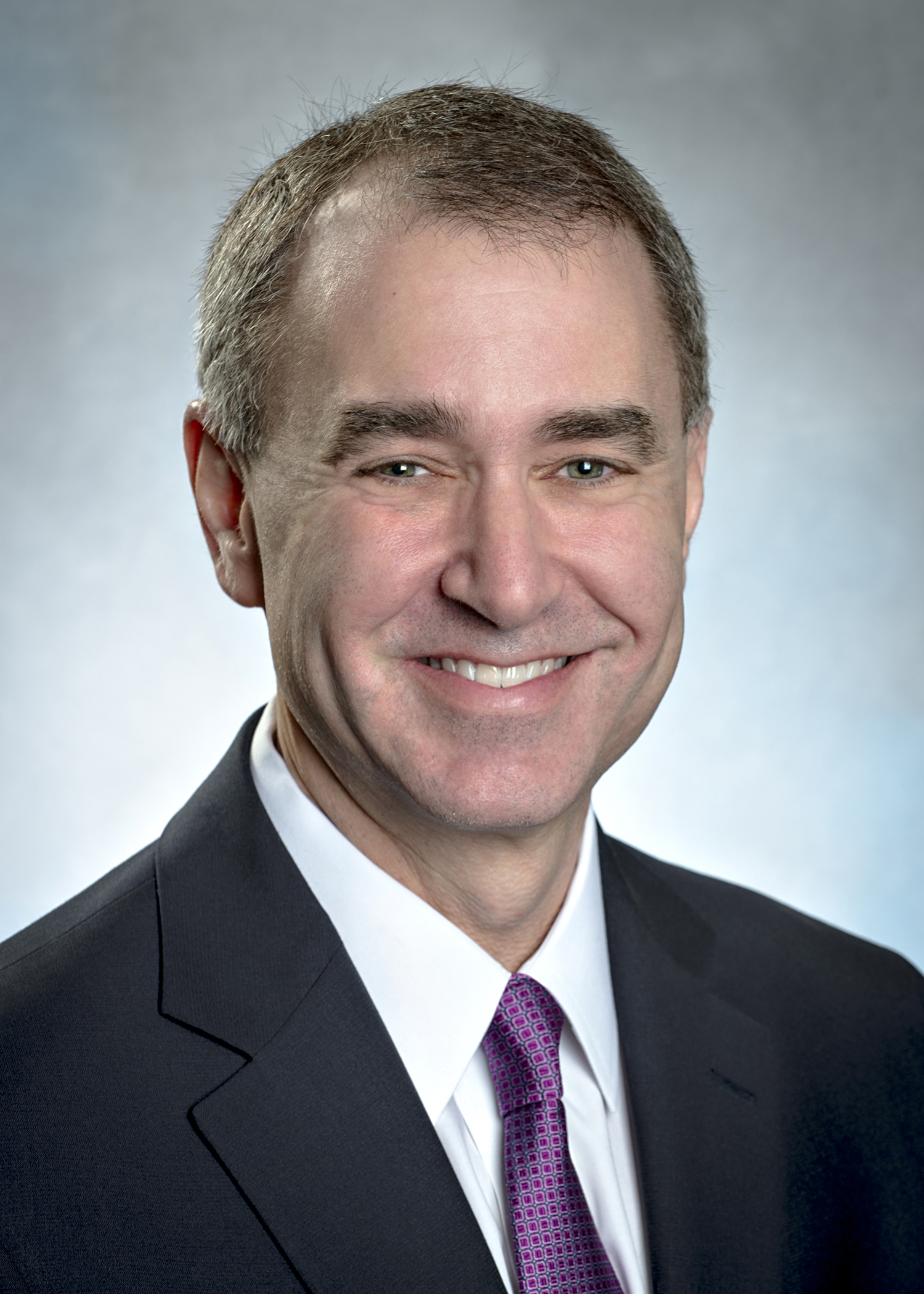
Ms. Mazzella, of Somerville, worked at BWH for more than 15 years, most recently in outpatient Radiology at 850 Boylston St. She received her associate degree in radiologic technology and worked at the former Harvard Community Health Plan prior to joining BWH. Colleagues said she always had a smile on her face.

“Anne put others first,” said Sandy McNamara, a fellow radiology technologist at 850 Boylston, who was friends with Ms. Mazzella for more than 20 years. “She had a big heart and would do anything for anyone.”

Ms. Mazzella’s supervisor, Keri-Leigh Doiron, chief Radiology technologist at 850 Boylston, says she will remember Ms. Mazzella as a hard-working, dedicated employee who always went the extra mile when caring for her patients.

“She would offer a blanket if a patient was cold or walk patients over to another service within the department if they needed directions,” Doiron said. “These small gestures meant a lot to our patients.”

Maryjane Devine also worked with Ms. Mazzella and described her as an exceptional technologist who mentored many peers. “We were all very lucky to have had the opportunity to work with her,” said Devine.

“My sister was always about helping our family and others,” said brother Mark Mazzella. “Even when she was ill, she was thinking about what everyone else was going through. I will always use her as the example as to how to live life.”

In addition to her brother, Ms. Mazzella is survived by many extended family members and friends.

This week’s Safety & Security Corner shares an update on de-escalation training across BWH. Staff should report safety concerns by telling a manager or calling Security at 617-732-6565. For non-urgent concerns, email BWHSafety@partners.org.

As part of BWH’s commitment to keep employees, patients, families and visitors safe, BWH’s Security Department provides de-escalation training to physicians and nurses in inpatient and ambulatory areas. John Pierro, BWHC senior vice president of Facilities and Operations, and Bob Chicarello, director of Security and Parking, are working with Rich Wong (BWH’s full-time de-escalation instructor), industry experts, physicians and staff to further customize and pilot additional modifications to the de-escalation training for ambulatory and off-site locations.

Similar to BWH’s S.A.F.E. program—an evidence-based inpatient clinical response for preventing, managing, de-escalating and responding to events—Security de-escalation training teaches employees how to recognize threatening behavior among patients and family members through didactic and in-person on-site training modules. The training includes protocols, techniques and resources designed to identify when help may be needed, while reducing the intensity of a situation through verbal responses and physical cues. BWH Security is developing a related HealthStream seminar and hopes to train all staff and employees who interact with patients across all ambulatory areas within the next year.

Roughly 240 employees have undergone de-escalation training so far. As rollout continues, if you are interested in offering de-escalation training to your unit or clinic, call 617-525-9313 or email rwong4@partners.org.

From left: Beverly Hardy, Chris Lee, of MIT Hacking Medicine, Pothik Chatterjee, Hillary White and Siddharth Parmar

From left: Beverly Hardy, Chris Lee, of MIT Hacking Medicine, Pothik Chatterjee, Hillary White and Siddharth Parmar

Looking to shape the future of health care and develop solutions to the field’s vexing challenges, creative minds gathered in Cabot Atrium from Nov. 6 to 8 for the third annual BWH Hackathon. The event was hosted by Brigham Innovation Hub (Brigham iHub) and MIT Hacking Medicine, a program that examines the intersection of technology and health care to solve the biggest health care challenges.

This year’s hackathon, which focused on digital health, gave clinicians, engineers, designers, programmers and entrepreneurs an opportunity to pitch projects aimed at improving health care delivery. It also included a special new track offered in partnership with Epic and Microsoft: developing innovative, clinically useful applications that integrate with Partners eCare.

“With the implementation of Partners eCare in May, there is tremendous opportunity for innovation building on Epic’s foundation,” said Adam Landman, MD, MS, MIS, MHS, BWHC chief medical information officer for Health Information, Innovation and Integration. “In 36 hours, several teams built working applications that have the potential to advance electronic health record systems.”

Throughout the weekend, experts from Partners HealthCare information systems, Epic and Microsoft were on hand to mentor teams on their applications and provide technical support.

More than 100 people formed 17 teams to develop solutions, and the teams competed for prizes during a pitch session on the last day of the hackathon. Team DrEvilCorp won the BWH Open.Epic Prize for its application that provides rapid interpretation of arterial blood gas (ABG) results in Epic. This information is vital when caring for patients with a critical illness or respiratory disease, but interpretation is complex. The application speeds up and simplifies interpretation and improves accuracy. The team will have the opportunity to meet with BWH and Partners experts for feedback and pilot the application at BWH in the future.

Team Herald was awarded the Microsoft Azure and Validic mHealth prizes for designing a platform for Epic that enables clinicians to set up rules to push real-time alerts when specific events occur. For example, cardiologists may create a Herald rule that pages them whenever one of their inpatients’ troponin—a marker of heart damage—rises.

Team ICDNav won the Brigham Innovation Hub Prize for creating a tool that makes applying ICD-10 diagnosis codes faster and more intuitive for providers.

Winning the MIT Hacking Medicine Prize was Vox Docs, which created an application that uses Amazon Echo, a wireless speaker and voice command device, to allow providers to use their voices to control the electronic health record without using a computer. For example, a provider could enter a room equipped with this tool and verbally ask for the patient’s allergies or order a CT scan.

“We learn a lot every year, and this year’s hackathon, in particular, felt extremely productive,” said Lesley Solomon, executive director of Brigham iHub. “The annual event is a great way for Brigham iHub to engage Boston’s extended innovation ecosystem to think about and help solve the health care challenges we face as a community. It creates a connection to the Brigham for many people who may never walk through our doors.”

Pothik Chatterjee, manager of Innovation Strategy & Ventures with Brigham iHub, was excited that so many people, including judges and mentors, participated.

“We had 40 mentors and collaborators in industry providing expert guidance,” he said. “I loved that so many BWH clinicians came to engage with teams and provide advice. It helped teams connect to the hospital and understand what happens here on a daily basis.”

In early 2016, Brigham iHub plans to meet with the winning teams to hear about their progress and offer advice on next steps.

Beginning Tuesday, Dec. 1, and continuing through the end of flu season, BWH and BWFH personnel who are not vaccinated for influenza for any reason, including a medical reason, will be required to wear a surgical or procedural mask while they are in patients’ rooms or patient care areas, and whenever there is a reasonable expectation of being within six feet of a patient in a patient care area (such as in a waiting room, patient care unit, family room or clinical research space). Those who fail to comply with this policy will be subject to corrective action.

“One of the simplest and most effective ways that we can protect our community from influenza is by receiving an annual flu vaccination,” said BWHC President Betsy Nabel, MD.

This requirement is in addition to the Massachusetts state requirement that all employees must attest in PeopleSoft (by Dec. 1) to either receiving influenza vaccine or declining to be vaccinated.

Attestation is done automatically for employees who receive vaccine through Occupational Health Services (OHS). Personnel who decline flu vaccine or who receive vaccination at a primary care practice or other non-OHS location must manually attest in PeopleSoft by Dec. 1. Employees can attest by visiting peoplesofthr.partners.org/public from a work or home computer or mobile phone.

OHS continues to offer flu vaccine at no cost to all personnel:

  • Monday, Nov. 23, in the Pechet Conference Room, Harvard Institute of Medicine/New Research Building, 1st floor, 9 a.m.–noon
  • Monday, Nov. 30, Tuesday, Dec. 1, and Wednesday, Dec. 2, 6:30 a.m.–4:30 p.m., in the Shapiro Center Miller Atrium (2nd floor)
  • Monday, Nov. 30, and Tuesday, Dec. 1, 6–8 p.m., on the Shapiro 2nd floor at the bridge
  • At the Neville House Clinic by appointment or during walk-in hours (Mondays, Tuesdays and Fridays: 7–9 a.m.; Wednesdays: 2–3 p.m.). Or call 617-732-6034 to make an appointment.
  • Through the unit-based Peer-to-Peer Program

All personnel will receive a sticker from OHS that must be worn on their ID badge as verification that they were vaccinated. Those who receive their vaccination elsewhere should obtain their sticker from OHS after attesting in PeopleSoft.

The updated policy and additional resources, such as employee FAQs, are available at BWHPikeNotes.org.

Guest speaker Heidi Behforouz (second from right), with the family of the late James Winshall—wife, Gail Levine, and children Dan and Lisa

Guest speaker Heidi Behforouz (second from right), with the family of the late James Winshall—wife, Gail Levine, and children Dan and Lisa

The eighth annual James S. Winshall Lectureship in General Internal Medicine was a homecoming of sorts for guest speaker Heidi Behforouz, MD, who attended Harvard Medical School (HMS), completed her residency and fellowship at BWH and later practiced in the Phyllis Jen Center and Division of Global Health Equity (DGHE).

Now an internist in Compton, Calif.; medical director of the LA County Department of Health Services’s Care Connections Program; and director of Innovations at Martin Luther King Outpatient Center in Los Angeles, Behforouz received a warm welcome back from a packed crowd of colleagues, former fellow trainees and others. (Behforouz remains affiliated with HMS and BWH’s DGHE.)

The lectureship is named in honor of James “Jamie” Winshall, MD, a beloved BWH primary care physician who died 10 years ago. Winshall’s wife, Gail Levine, MD, of the Department of Medicine, helps to organize the lecture each year.

“The reason we’re here today is Jamie’s impact as a primary care physician,” said Joel Katz, MD, director of the Internal Medicine Residency Program, during the Nov. 6 lecture. “He was an inventive community member, founder of the precursor to BWH’s hospitalist service and a gifted teacher and role-model. He had an eclectic taste in music, and I think we can all remember his cackle of a laugh.”

Behforouz, who worked with Winshall as an intern, has focused her career on the health issues of the urban poor. Committed to transforming primary care to better serve the needs of the most vulnerable patients, she founded Partners In Health’s Prevention and Access to Care and Treatment (PACT) project in Boston, which employs community health workers to advocate for the health and well-being of inner city residents infected with or at risk for HIV and other chronic diseases.

During the lecture, Behforouz discussed the unique role of community health workers in augmenting the patient-centered medical home model and reducing disparities and improving outcomes among the most high-risk patients. She drew upon recent patient cases and examples from the Mississippi Delta to Navajo Nation, where primary care resources tend to be more limited. She shared the story of one man who presented to her hospital in Compton with a simple sore throat, but was facing brain injury and alcohol use issues and had recently experienced a traumatic event with the police.

“The question is always: ‘What is a good primary care physician to do?’” said Behforouz. “There are so many forces that factor into health. If we don’t address the whole person, it is difficult for our patients to achieve health. We are spending increasing dollars and time on health care delivery, but are we addressing the root cause of this gentleman’s sore throat?”

This is where Behforouz believes community health workers come in, especially in resource-poor settings. Acting as guides, advocates and care facilitators, community health workers can increase patient engagement, provide social support and care planning, advocate for illness management support and much more.

Behforouz asked attendees to think about how the Brigham could be a pioneer in redefining health not only for patients here in Boston, but across the country and globe.

“How do all people reap the benefits of our advances?” she asked.

This week’s Safety & Security Corner focuses on infant security at BWH. As always, staff should report safety concerns by telling a manager, calling Security at 617-732-6565 or emailing non-urgent questions to BWHSafety@partners.org.

More than 6,000 babies are born every year at BWH, and it is the responsibility of all employees to keep them safe. Infant security at BWH includes training for all Connors Center for Women and Newborns (CWN) staff, monthly Code Pink drills to test CWN staff awareness and response, parental instructions on infant security issues and additional post-partum education for parents and significant others.

It is important to remember that all employees—not just CWN staff—are an essential part of the infant security program. When a Code Pink is called, employees should know what to do, what to look for and how to report suspicious activity. “A well-trained workforce and well-informed parents are our best defense against infant abduction,” said Bob Donaghue, operations manager for Security and Parking.

During a Code Pink, be vigilant:

  • Look for suspicious persons walking through or exiting the hospital. Pay close attention to BWH’s exits, even those far from CWN.
  • At BWH, all infants must be carried in a bassinet or carseat, so always be aware of anyone carrying a baby in their arms.
  • Should you observe a suspect individual, don’t get into a physical confrontation but attempt to engage the person in conversation, while having a colleague call Security. If possible and safe, follow the suspect, watching his or her direction of exit.
  • If the suspect has already left the building, get a good physical description, an exit direction and other pertinent information, such as the vehicle make or license plate, and contact Security at 617-732-6565 immediately.

It is everyone’s responsibility to keep our tiniest patients safe.

Mark Davis

Mark Davis

Mark A. Davis, MD, MS, was appointed executive director of Strategic Initiatives and Business Development for BWHC earlier this year. Davis had been an attending physician in BWH’s Department of Emergency Medicine since 2000, and most recently served as medical director of Network Development for BWHC, in addition to his clinical role.

As executive director, Davis will work closely with Steven Thompson, MBA, chief business development officer, to develop and shape the organization’s partnership and investment strategy and work with clinicians, leadership and others to identify, assess and operationalize new business opportunities.

As a founding director for the Institute for International Emergency Medicine and Health at BWH, Davis helped to establish high-quality medical training and systems development programs in the Middle East, frontline health care capacity development in Africa and trauma training in Romania.

Davis graduated from the University of Pennsylvania School of Medicine, as well as its Graduate School of Education.

In this new economic reality where health care organizations are faced with pressures to cut costs and deliver high-quality care, BWHC is focused on ways to ensure financial stability and preserve the hospital’s mission well into the future.

One rapidly developing area that is focused on both “mission and margin” is forming under the leadership of Chief Business Development Officer Steven Thompson, MBA, and a small team charged with assessing potential collaborations with organizations around the world.

“The Brigham receives many inquiries and requests to partner with groups to bring our expertise to other parts of the country and the world,” said Thompson. “Our business development team is able to thoughtfully consider how each opportunity will establish a meaningful clinical, scientific and educational connection to BWH, as well as to generate new sources of revenue.”

In the past few months, four partnerships focusing on different clinical areas have been forged in Miami, Bermuda and China. “These partnerships will help other institutions and groups build their capacity to bring care to patients who need it in a way that is consistent with BWHC’s strategic plans as well,” said Mark A. Davis, MD, MS, executive director for strategic initiatives and business development (see related story on page 2).

An agreement signed with the Bermuda Cancer and Health Centre will help cancer patients receive radiation therapy locally, rather than traveling off the island. The relationship will also facilitate transfers of the most complex patients in need of highly specialized care to the Dana-Farber/Brigham and Women’s Cancer Center (DF/BWCC). Experts from DF/BWCC will advise Bermuda Cancer and Health Centre on the design of a radiation therapy facility, the creation of clinical policies, procedures and safety protocols and the development of a training and education program. BWH will also work with the center to explore research opportunities and a telemedicine program. Partners HealthCare International and BWHC have worked collaboratively with leaders in Bermuda to support outstanding health care services for its citizens.

BWH’s experts in newborn medicine are working to strengthen care for newborns in need of immediate medical interventions after birth in Miami, thanks to a new relationship with Miami Children’s Health System (MCHS). Under the leadership of Terrie Inder, MD, MBChB, chair of Pediatric Newborn Medicine, BWH and MCHS staff will collaborate to explore the development of a comprehensive high-risk fetal and newborn medicine program at MCHS to care for healthy mothers expecting a baby with complex medical issues.

Two separate projects are underway across the globe in China. BWH, along with Partners HealthCare International, is partnering with Jiahui International Hospital in Shanghai to develop a women’s health center program. Discussions have focused on a women’s health affiliation, which includes the development of an integrated Women’s Health program, obstetrics, gynecology, gynecologic oncology and in vitro fertilization, as well as a neonatal ICU.

Recently, BWH also signed a memorandum of understanding with Evergrande Health Industry Group to advance the health care delivery system in China. BWH will advise on health care administration, training, hospital design, interface of research and patient care, and clinical programs.

BWH has seen a tremendous increase in international patients seeking highly specialized care available at BWHC. To help address these needs, BWH is developing integrated, advanced and streamlined programs including specialty destination health programs designed to target individuals who seek the highly specialized diagnostic and treatment services available at BWHC. In addition, a new complex care access program (CCAP), which has been developed in collaboration with BWHC Network Development and Innovations Groups, will facilitate communication between BWH physicians and physicians locally and in other parts of the world to review whether complex patients should be sent to BWH for care.

“It is an exciting time for the Brigham,” said Davis. “We are rapidly increasing our capacity to partner with groups around the world in service of providing outstanding patient care and advancing our research and educational missions. These programs also provide new opportunities to sustain the financial margins needed for long-term BWHC success.”

BWH NICU Medical Director Michael Prendergast cares for a baby who is wrapped in a cooling blanket.

BWH NICU Medical Director Michael Prendergast cares for a baby who is wrapped in a cooling blanket.

Babies and warm blankets often go hand-in-hand, but for some newborns, a cool blanket plays a part in saving their lives.

Within minutes of delivery, Baby Annie was very weak and unable to breathe on her own and showed signs of an abnormal nervous system. Doctors quickly sprang into action, examining the infant and delivering oxygen to her lungs through a small tube.

This situation came as a shock to Annie’s parents, Heidi and Matt Boucher, because Heidi, who delivered Annie at Newton-Wellesley Hospital, had experienced a full-term pregnancy with no complications. The care team recommended that Annie be transferred to BWH’s NICU for further treatment and evaluation the same day.

After Annie arrived at BWH, her care team explained to the Bouchers the benefits that a cooling blanket therapy, called therapeutic hypothermia, could have on their daughter’s life.

The blanket, or wrap, circulates cool water around a baby, lowering the body’s temperature to 33.5 degrees Celsius (92.3 degrees Fahrenheit). Research has shown that this decrease in temperature essentially cools a baby’s brain and body, reducing the risk of seizures by half and brain injury by 25 to 50 percent, said Terrie Inder, MD, MBChB, chair of the Department of Pediatric Newborn Medicine.

“If it weren’t for the blanket, we don’t know if Annie would be the happy, healthy and playful little girl that she is today,” said Heidi. “We were amazed that a blanket could have such positive effects on a newborn.”

Annie and Matt Boucher

Annie and Matt Boucher

Under the direction of Inder, the NICU has increased its use of cooling therapy in the past two years on babies born at full term who, like Annie, experience hypoxic-ischemic encephalopathy (HIE), a lack of oxygen and blood flow to the brain at or near the time of birth. For several years, Inder, an international leader in neonatal neurology, has been at the forefront of pioneering guidelines for the use of cooling therapy for newborns.

A baby can be wrapped in the blanket within minutes or hours after birth. The blanket is kept on the baby for up to 72 hours during his or her stay in the NICU, after which the baby is slowly re-warmed to natural body temperature. During the course of the therapy, some babies can be held by their parents, which facilitates the important bonding experience.

“Birth is usually a wonderful and healthy event, but unfortunately it can sometimes be complicated by a period of reduced oxygen supply to the brain,” said Michael Prendergast, MD, medical director of BWH’s NICU.

Babies who have been treated in the NICU with the therapy have dramatic improvements in the health of their brain, says Inder. The growing use of this treatment is part of a broader shift in early-infant medical care to brain-centered care, focusing on babies’ long-term health after they leave the NICU, a passion of Inder’s. To date, the therapy has helped more than 80 babies at BWH, and BWH’s NICU is leading the way in maximizing the use of this therapy. The technology is also being used for newborns in hospitals around the country.

Before this technology was available, Inder said there weren’t any options for treating or recovering babies’ brains.

Annie, who is now 17 months old, hasn’t shown any complications since birth. After spending time in the NICU, her care team monitored her for several months at follow-up appointments to make sure she was thriving and meeting her milestones.

Heidi and Matt say they are grateful for the care their daughter received at BWH.

“The team at BWH is outstanding and really took care of us,” said Matt. “Not only did they calm our fears, but they took the time to explain everything that was happening. We are so appreciative of what the Brigham NICU has done for us and our daughter.”

HAEMR2018_McCabe

Alexis McCabe

As one of the first female fighter jet pilots in the Marine Corps, BWH resident Alexis McCabe, MD, is used to thinking on her feet, a skill she says she’s grateful for as she trains to become an Emergency Medicine physician.

McCabe joined the Marine Corps in 1997 after graduating from college. She served 14 years on active duty, deploying to Iraq and Afghanistan in 2003 and 2005.

“All the men in my family served in the military,” McCabe said. “When I was graduating college, the law had just changed, and women were permitted to fly in combat. I wanted to serve, and I thought I would like to be a pilot.”

That initial interest eventually led her to become the first female Marine pilot to fly a F/A-18 Hornet combat jet off an aircraft carrier. Joining the military in 1997, she was commissioned as an officer and then began flight school. She received her wings in January 2001 and then underwent specialty training. “It was essentially residency for pilots,” she said.

After returning from her second deployment, McCabe did a tour in Pensacola, Fla., as a flight instructor. During that time, she decided that she wanted to pursue a second career in medicine, but with a limited science background (high school chemistry and geology 101), she needed the necessary prerequisites to apply to medical school and began taking night and weekend classes.

In 2010, McCabe started medical school at Tulane and served in the reserves. When she graduated in 2014, she knew that emergency medicine was the right specialty for her. “Nobody was surprised that I chose emergency medicine,” she said.

McCabe was thrilled to come to BWH for her training. “A good friend from medical school was training at BWH in Emergency Medicine, and I knew that if she liked the program, then so would I. After interviewing, I knew immediately this was my first choice.”

Added Eric Goralnick, MD, medical director of Emergency Preparedness: “Alexis is a dedicated compassionate physician who leads by example. We are so proud of her service to our community and our nation.”

When asked about the similarities between emergency medicine and flying a fighter jet, McCabe said: “Things move quickly, and you always have to be on your toes. You have to assimilate large amounts of information, picking out the most pertinent things and make a decision about what to do next almost simultaneously. You’re constantly reassessing as things can change in the blink of an eye. You have to always be ready for that.

“My previous career gave me experience in dealing with lots of different personalities, a skill I use in the Emergency Department every day,” she added. “And working as a team is also familiar. Everything in an airplane is team-based, and I know the importance of collaboration and bringing out the best in others. The ultimate goal is to get the aircraft airborne, complete the mission successfully and return safely. As the pilot, I’m only a very small piece of the puzzle.”

McCabe currently serves in the Individual Ready Reserves (IRR) and is in her second year of residency. Her husband is also a pilot, and together they have a 14-year-old girl and an 8-year-old boy.

1 Comment
Gertrude Glode

Gertrude Glode

BWH and the Department of Nursing mourn the loss of Gertrude Glode, RN, former nurse manager and longtime BWH volunteer. Ms. Glode died peacefully on Sept. 29, just days after her 99th birthday.

Known for her energy, sense of humor and unwavering devotion to the Brigham, Ms. Glode was a nurse manager who, after her retirement, volunteered in a variety of roles within the department until the age of 94.

“Gert had a wonderful presence,” said Leo Buckley, executive director of business operations for Patient Care Services. “She knew everyone by name and always asked about their families. She touched the hearts of so many people.”

Ms. Glode grew up in Melrose, Mass., and earned her nursing degree from Lawrence Memorial Hospital, where she graduated in 1939. In 1951, she joined the Robert Breck Brigham Hospital staff as a nurse manager in Rheumatology/Orthopedics. She left the hospital briefly from 1958 to 1960, when her husband was stationed in Germany and Maryland. She soon returned to Boston and to her work at the Robert Breck Brigham Hospital and later at BWH, where she worked on Towers 14 and 15. Ms. Glode was a member of the team that worked on developing operating procedures for BWH.

After decades of service as a nurse, Ms. Glode retired in 1981, but she didn’t stay away from her beloved BWH for long. Less than a year later, she returned as a volunteer. She served as the head of the Friends of BWH’s Patient Library, managing the hospital’s book and video donation program for more than 30 years. She also oversaw the Friends’ art cart, which enabled patients to choose framed prints with which to decorate their rooms, and she distributed paychecks every week in the Nursing Administration Office.

“Gert Glode will always be someone I hold close to my heart,” said Rosa Riley, senior administrative assistant in Patient Care Services. “I remember how she was always so polished and put together. More importantly, she was always smiling and laughing. She will be sorely missed.”

Ms. Glode is survived by her brother, John Powers, and his family, as well as many nieces and nephews.

Miriam Erick

With humor, patience and extensive knowledge of both nutrition and women’s health, dietician Miriam Erick, MS, RD, CDE, helps expectant mothers navigate one of the most common challenges of pregnancy: morning sickness.

Every Wednesday, Erick meets with pregnant patients at her Morning Sickness Nutrition Clinic. Together they talk through a variety of factors that may cause nausea, as well as warning signs of a worsening condition. Erick remains in contact with these patients and their other BWH physicians to monitor their health over time, focusing on weight changes and food intake.

“Nausea is an invisible ailment that is difficult to measure,” she said. “In 1891, it was considered psychological, and I think in some ways that mindset has stuck. In my opinion, many women don’t get the sympathy they need. Women who are ill have a hard time keeping up their nutrition, so it’s really important that family members and friends offer support.”

Malnutrition and consequential weight loss, as well as dehydration, are the risks Erick works to reduce before they become dangerous to both mother and baby. Malnourishment decreases major body organ function, and expectant mothers who don’t gain the needed weight during pregnancy can increase their risk for complications such as pre-term delivery or smaller babies. Adequate nutrition is also essential to maintain a mother’s immune system.

“When a woman suffers from nausea and vomiting, she is being robbed of the excitement and fun of impending motherhood,” Erick said. “Losing weight, not eating and not sleeping are also a setup for depression and poor pregnancy outcomes.”

Although the severity varies, morning sickness is a universal problem, affecting 50 to 90 percent of pregnant women. Although most see symptoms fade after week 17, some experience morning sickness through the entirety of their pregnancy. About 1 to 3 percent of U.S. women have very severe morning sickness, known as hyperemesis gravidarum (HG), with an estimated 60,000 women being hospitalized each year due to its symptoms.

Erick took an interest in obstetric health early in her training. She noticed the large number of women suffering from morning sickness, and in 1999, officially started the clinic as a joint initiative between Nutrition and the Department of Obstetrics and Gynecology.

She has written several books about morning sickness, including the first on the topic, “No More Morning Sickness,” which was published in 1993. This year, she released the e-book “Take Two Crackers and Call Me in the Morning: A Real-Life Guide for Surviving Morning Sickness,” an illustrated journey through the trials of morning sickness, with humor and helpful information. For example, Erick recommends using the scent of lemons to help overcome olfaction, a heightened sense of smell that often triggers nausea during periods of morning sickness. She has also found that watermelon can ease nausea and help keep women hydrated.

There is no proven cure for morning sickness. Instead, Erick focuses on three key goals to remedy the nausea: stopping weight loss, settling the stomach and keeping the expectant mother happy.

Learn more, including how to make an appointment.

2 Comments
Joshua Peltz

Joshua Peltz

Joshua Peltz, MBA, BSN, RN-BC, has joined BWH as nursing director of the Cardiovascular Diagnostic and Interventional Center (CDIC).

He is responsible for maintaining the standards of nursing care and practice within the CDIC, as well as fostering optimal patient outcomes and a professional practice environment. More than 4,000 procedures are performed each year in the CDIC’s Cardiac Cath Lab and Electrophysiology Labs, including angioplasties and diagnostic catheterizations.

Peltz began his career as a clinical nurse in cardiology and later became a nurse manager. He worked at Long Island Jewish Medical Center and Boston Children’s Hospital before joining BWH. He earned his BSN at the State University of New York Polytechnic Institute Utica/Rome and his MBA in health care management at the University of Phoenix. He is currently pursuing his MSN at Sacred Heart University.

Nawal Nour

Nawal Nour

As director of the BWH Ambulatory Obstetrics Practice and founder of the African Women’s Health Center at BWH, Nawal Nour, MD, MPH, knows the importance of providing culturally competent care to each of her patients.

“Many of the women I see have received inadequate care in the past,” she said. “It’s our duty as physicians to listen to our patients and provide compassionate care. By doing so, we gain their trust, maintain their access to health care, serve their needs and improve their quality of life.”

Nour and her clinical team in the African Women’s Health Center, which was founded in 1999, provide culturally and linguistically appropriate obstetric, gynecologic and reproductive health care to African immigrants and refugees. The center, which Nour says is “filled with beautiful colors” from the traditional African gowns and veils that many of its patients wear, is the first and only health practice in the U.S. that focuses on issues related to female genital mutilation/cutting, a practice Nour has devoted her career to researching.

Born in Sudan and raised in Egypt and England, Nour has spoken at many academic and national conferences regarding the medical management of women who have undergone this practice, which includes procedures that intentionally alter or injure the female genital organs for non-medical reasons. The practice has no health benefits and can cause severe bleeding, problems urinating, cysts, infections, infertility and complications in childbirth. According to the World Health Organization (WHO), more than 125 million girls and women alive today have undergone this practice in Africa and the Middle East, where female genital mutilation/cutting most often occurs. The practice is perpetuated because of cultural, not religious, beliefs.

Nour has also traveled throughout the U.S. to conduct workshops to educate African refugees and immigrants about the medical complications and legal issues of female genital mutilation/cutting.

Most recently, she has been working with WHO to publish recommendations that will help identify gaps in female genital mutilation/cutting research and the types of guidelines that are set for health providers in Africa and the Middle East who are performing the practice. She anticipates that the recommendations will be published soon.

“From a clinical perspective, we are trying to educate as many people as possible, especially physicians,” Nour said. “The practice is a violation of the human rights of girls and women, and those affected suffer long-term complications and require sensitive care. We need to create a safe haven for those who have undergone the practice and ensure that this practice is eradicated.”

Nour has also worked with the American College of Obstetricians and Gynecologists (ACOG) to create recommendations on how to provide culturally competent clinical care to women who have undergone female genital mutilation/cutting. These recommendations have been used nationwide and in Canada.

She says there has been more national attention focused on younger children who are at risk of female genital mutilation/cutting. Some women and girls living in the U.S. are being taken to their native countries in order to undergo the practice. These trips abroad are sometimes referred to as “vacation cutting.”

Nour joined Senate Minority Leader Harry Reid, Sen. Elizabeth Warren, Sandra Carson, MD, ACOG vice president for education, and key advocates in Washington, D.C., this past summer to discuss what is being done to fight vacation cutting and female genital mutilation/cutting in general across the globe.

“We do not know the scope of the problem with vacation cutting, but it’s time we investigate how widespread this issue is,” Nour said. “We need to advocate for families and protect the women and girls who are at risk.”

Families received small stones with words of inspiration at the service.

Families received small stones with words of inspiration at the service.

Earlier this month, more than 125 people gathered in Cabot Atrium for the 12th Connors Center for Women and Newborns (CWN) Service of Remembrance. The service supports families who have experienced the loss of a baby during or after pregnancy and honors the babies who have passed away.

For many years, the CWN Bereavement Committee—a multidisciplinary group consisting of Social Work, Nursing, Spiritual Care Services and physicians—provides compassionate care to families who experience these tender losses. The committee hosts the service, with families and BWH staff gathering to share personal stories and support.

Social worker Claire Welch, MSW, LICSW, of BWH Care Coordination, has attended every service to date, and said it is comforting to reconnect with parents in remembering their babies.

“It’s an honor to be part of a family’s life during this unique loss,” she said. “Some families have made this an annual remembrance of their babies. It is meaningful to all of the staff attending to have been a part of their experience.”

The parents, siblings and other family members who attended this year’s service received forget-me-not flower seed packets and small stones engraved with the words “love,” “hope” and “cherish.” Children received donated toys. Attendees were also given an interdenominational prayer book created by Rev. Katarina Bergh, MDiv, of Spiritual Care Services.

During a poignant part of the ceremony, families placed a star with their child’s name on a felt board depicting a night sky, which BWH Engineering created and donated two years ago. In addition to music provided by harpist Nancy Kleiman, parents were welcomed to the podium to speak about their personal experiences.

BWH Food Services, Audiovisual, VPNE and other departments and teams also helped to make the service possible.

Karin Michels

Karin Michels

Years or even decades before a diagnosis, a cell can go rogue, acquiring the changes necessary to turn it cancerous.

Karin B. Michels, ScD, PhD, of the Department of Obstetrics, Gynecology and Reproductive Biology, and her colleagues are interested in both the environmental triggers that can increase the risk of a person getting cancer and the most vulnerable times in a person’s life when such an exposure can put someone most at risk.

Earlier this month, Michels received an award as part of the Breast Cancer and the Environment Research Program (BCERP). Under Michels’ leadership, BWH will serve as one of seven institutions carrying out new research to study risk factors and susceptible time periods preceding breast cancer.

For the last four years, Michels has collaborated with investigators in Santiago, Chile, to study a group of 500 girls and their development during puberty, which may be associated with future breast cancer risk. The new grant will allow Michels and her colleagues to use blood and urine samples from the girls—who are now 13 years old—to measure exposure to three key chemicals: perfluorooctanoic acid, found in consumer and commercial products and food packaging; butyl benzyl phthalate, a plasticizer used in materials such as PVC pipes; and zeranol, a chemical widely used by the U.S. and Chilean beef industries. Michels will also measure breast density in these girls—the strongest predictor of breast cancer risk later in life—using an innovative, extremely low-dose X-ray approach.

Breast cancer epidemiologists have traditionally studied middle-aged women and measured whether behaviors such as diet, exercise and body weight may increase the risk of developing a tumor. But Michels notes that there’s increasing evidence that breast cancer starts at a much earlier stage in life, long before symptoms are experienced, and that environmental and behavioral factors at an earlier age may be of critical importance for predicting—and limiting—risk.

“For us, the time of puberty is of particular importance because that is when the breast rapidly grows,” said Michels. “Any exposure during this time could impact long-term risk for breast cancer.”

Early risk factors for breast cancer that have been observed previously include a woman’s age at the time of her first period, her birth weight, her age at the birth of her first child and the number of children she has. But Michels and her colleagues are primarily interested in risk factors that one can mitigate or avoid, such as exposure to pesticides or chemicals found in plastic bottles or cosmetics.

“We want to translate and share our findings with the community, so that they are informed and changes can be made at the societal or individual level based on evidence,” said Michels. “It’s really about giving women the tools they need to make informed choices about their health.”

BWH’s renovated Cardiac Catheterization Lab (pictured above) opened on Oct. 26 after about five months of construction and roughly two years of planning. The lab features updated technology and equipment, more physical space and the ability to integrate newer, more compatible modalities in patient care. Cath Lab volume has grown significantly in the past few years, specifically in the structural heart procedure arena, which includes transcatheter aortic valve replacement (TAVR). The new lab replaces the prior Cardiac Cath Lab, which opened 15 years ago. Below: Members of the Cardiovascular Division/Interventional Cardiology gather in the new space on the morning it opens.

Cathlab1

From left: Jonathan Burdick, Pinak Shah, Ron Newman, Jack West, Rebecca Bailey, Cory Gallant, Mary Lou Dorman and Joshua Peltz

This week’s Safety & Security Corner shares a few security-related updates and statistics from John Pierro, BWHC senior vice president of Facilities and Operations. As always, if you see something, say something. Staff should report safety concerns by telling a manager or calling Security at 617-732-6565. For non-urgent concerns, email BWHSafety@partners.org.

The safety and security of patients, employees and visitors are of paramount importance at Brigham and Women’s. In the last nine months, the hospital has examined its security operations to build upon our tradition of strength in this area.  We have enhanced training, operations and communication efforts, and will continue to do so in the months ahead.

To date, more than 10,000 employees have received active shooter training and more than 3,400 nurses have been trained in S.A.F.E. (Spot a threat; Assess the risk; Formulate a clinical response; Evaluate the outcome), an evidence-based clinical response for preventing, managing, de-escalating and responding to events. Both S.A.F.E. and active shooter trainings are offered through video sessions accessible in HealthStream. In addition, nearly 240 employees have trained in small group settings on workplace violence, de-escalation, security awareness and/or active shooter training scenarios.

Bruce Cohen

Bruce Cohen

Cycling dozens of miles on a route filled with steep hills, winding turns and strong winds may be a daunting challenge, but BWH patient Bruce Cohen says it was a gift to be able to get back on his bike route after suffering a heart attack and undergoing major surgery last year.

“I feel so fortunate that my body has healed and I’ve been able to resume an activity that is so important to my daily life,” said Cohen, who lives in Wayland and logs an average of 7,000 to 8,000 miles on his bike each year. “I thought that after surgery, I wouldn’t be able to ride daily like I had been, but in truth, I’m now riding stronger than ever.”

In early 2014, Cohen, a member of the National Lacrosse Hall of Fame and Jewish Sports Hall of Fame, began feeling shortness of breath while exercising. After seeing his primary care physician for a routine appointment, he was sent to BWH, where severe blockages were discovered in two of his major coronary arteries, which supply blood to the heart. After performing tests, physicians found that Cohen had suffered a heart attack and would need to undergo a procedure called coronary artery bypass graft (CABG) surgery, which would route blood past the blocked arteries and improve blood flow to the heart. A multidisciplinary care team from Cardiac Surgery, Cardiology, Cardiac Anesthesia, Perfusion, Nursing and Physician Assistant Services planned and performed the successful surgery.

CABG, a form of open-heart surgery in which the heart is stopped for a period of time, uses blood vessels taken from veins in the leg or an artery in the chest to create a graft that bypasses the blocked portion of the coronary artery. After the graft is attached during surgery, blood can flow around the blockage to reach the heart more easily.

Since the early 1970s, BWH has performed more than 10,000 CABG surgeries. Approximately 600 CABG surgeries are performed at BWH annually.

Cohen’s cardiologist, Stephen Wiviott, MD, FACC, said that although Cohen led a healthy and active lifestyle before his heart attack, there are many factors that can lead to blocked arteries, including advancing age, being male and genetics. Wiviott said because Cohen took good care of himself through the years, it’s likely that he delayed the onset of a more severe or even fatal heart attack.

“Mr. Cohen’s experience is a great example to encourage people that it is often possible to do the things you love even after suffering a heart attack, particularly if you get appropriate medical care quickly,” Wiviott said.

Earlier this month, Cohen and a group of about 30 other cyclists completed a challenging 65-mile bike ride in the Berkshires. Organized by Cohen for the last several years, the ride consists of several difficult hills and takes place during peak fall foliage time.

Danny Muehlschlegel, MD, MMSc, director of Cardiovascular Anesthesia Research, has known Cohen for nine years and participates in several rides with him each year, including this one. Muehlschlegel, who was also the cardiac anesthesiologist for Cohen’s surgery, said how great it was to see his friend and patient be able to ride again.

“I’m lucky to be alive today,” Cohen said. “The care at BWH was excellent, and I’m fortunate that I’ve been able to return to my normal lifestyle again.”

1 Comment

On Oct. 26, BWHers gathered in Bornstein Amphitheater to celebrate the launch of the new Patient & Family Advisory Council (PFAC) for Gender and Sexuality, one of the first of its kind in the nation.

Consisting of patients, family members and employees who are patients, the council will focus on health care issues faced by LGBT patients, serve as a resource to staff and ultimately help improve the experience of all patients at BWH.

“The Brigham is a wonderful place,” said council member Barry Nelson. “Patients are looking to you as their care providers to have their best interests at heart and support their needs.”

Maureen Fagan, DNP, MHA, WHNP-BC, FNP-BC, associate chief nurse for the Connors Center for Women and Newborns-OB/GYN and executive director of the BWH Center for Patients and Families, spoke about the important role the council will play in collaborating with staff.

“Working together on issues of inclusivity is important for the BWH community and will help us learn and improve the care we provide to all patients,” she said.

From left: PFAC members Carrie Braverman, Maureen Fagan, Martie Carnie, Juan Jaime de Zengotita, keynote speaker Gary Bailey, Kevin Benisvy and Barry Nelson

From left: PFAC members Carrie Braverman, Maureen Fagan, Martie Carnie, Juan Jaime de Zengotita, keynote speaker Gary Bailey, Kevin Benisvy and Barry Nelson

The event included insightful remarks by Gary Bailey, DHL, MSW, ACSW, professor at the School of Social Work at Simmons College. He spoke about intersectionality, the study of intersections among forms of discrimination. Whether based on race, gender, sexual orientation, ethnicity, abilities or socioeconomic class, forms of discrimination can be interrelated and result in injustice and inequality.

“What is good for those whom society has placed at the margins is ultimately in the best interest of all of us,” said Bailey. “I commend Brigham and Women’s Hospital for responding to the needs of all patients and families by seeking to better understand LGBT health care concerns.”

Simmons College nursing students from Tower 15C, with their instructor Lisa Gillis, BWH staff nurse (far right)

Simmons College nursing students from Tower 15C, with their instructor Lisa Gillis, BWH staff nurse (far right)

Martie Carnie, BWH senior patient advisor, spoke about the importance of creating a positive and welcoming environment. “We can’t always control the outcome of a patient’s care or diagnosis, no matter how hard we try. But we can control the experience people have here by treating everyone who comes through our doors with the utmost dignity and respect,” she said.

Since 2008, PFACs have been working to create an environment that fosters patient- and family-centered care across BWH and BWFH. There are currently 16 councils comprised of 95 patient and family advisors who serve inpatient and ambulatory populations, using their experiences to help inform the relationship between patients, families and staff. Most of the councils are geared toward a specific line of service, such as cardiology or neurology. However, the Gender and Sexuality PFAC will support all departments.

The council hopes to establish resources for clinicians and other staff to help them learn how to be more inclusive of every patient they care for. The council also plans to design and implement a series of community-wide conversations to foster ongoing dialogue about inclusivity.

As part of the event, BWH launched a social media campaign, inviting staff and the public to come out as allies in support of the LGBT community.

The council is currently recruiting members. To join or recommend a patient, family member or colleague, or to ask the council a question, email Maureen Fagan at mfagan@partners.org.

From left: Juan Jaime de Zengotita, Martie Carnie, Carrie Braverman and Barry Nelson

From left: Juan Jaime de Zengotita, Martie Carnie, Carrie Braverman and Barry Nelson

VAD

BWHers and three patients from the Mechanical Circulatory Support program staffed an information table by the Shop on the Pike to raise awareness about ventricular assist devices (VADs) during the hospital’s VAD Awareness Day on Oct. 13. VADs are mechanical pumps that are used to support heart function and blood flow in people who have weakened hearts. Pictured at left, from left are patients Ryan Interlande, Taylor MacLean and Glen Hall. Each have implanted VADs and spoke with passersby about their experiences.

Jackie Somerville (at right) at the induction ceremony

Jackie Somerville (at right) at the induction ceremony

On Oct. 17, Jackie Somerville, PhD, RN, FAAN, chief nursing officer and senior vice president of Patient Care Services, and Jeffrey M. Adams, PhD, RN, NEA-BC, FAAN, senior nurse scientist at BWH and executive director of the Workforce Outcomes Research and Leadership Development Institute (WORLD-Institute), were inducted as fellows in the American Academy of Nursing during its annual policy conference. Being named an academy fellow is one of the most prestigious honors that can be achieved in the nursing profession.

A group of more than 20 BWHers, including nurses and Nursing and Patient Care Services leaders, traveled to Washington, D.C., to attend the induction and show their support.

“As a clinical nurse at BWH, I was honored to witness Jackie and Jeff’s induction as fellows in the American Academy of Nursing,” said Suzanne Fernandes, BSN, RN, of the ICU Float Pool. “It was a privilege to be in the presence of so many esteemed nurse leaders who have devoted their careers to improving the lives of patients in this country and around the world.”

Added Ron M. Walls, MD, executive vice president and chief operating officer: “On behalf of the entire Brigham community, I congratulate Jackie and Jeff for their outstanding achievement, which reflects the superior level of nursing and nursing leadership here at BWH.”

Throughout her career, Somerville has been guided by the principle that nurses must know the patient as a whole person to deliver the very best care. For her doctoral dissertation, she developed an instrument called the Patients’ Perceptions of Feeling Known by Their Nurses Scale. Measures include being recognized as a unique human being by their nurses, feeling safe, experiencing a meaningful, personal connection with nurses, and feeling empowered by their nurses to participate in their care. The instrument has been published and is used in hospitals nationwide.

Adams, a Robert Wood Johnson Foundation executive nurse fellow who recently joined BWH as a senior nurse scientist in the Center for Nursing Excellence, has devoted his career to nursing research. He has developed and published the Adams Influence Model, which defines the factors, attributes and process of influence and power as they relate to nursing leaders, and the Model of the Interrelationship of Leadership, Environments & Outcomes for Nurse Executives, which provides structure for nursing administration education and practice.

Together, Somerville and Adams lead the WORLD-Institute, a novel academic and practice collaboration among BWH, Dana-Farber Cancer Institute and the Arizona State University College of Nursing and Health Innovation, that studies nursing leadership.

Somerville and Adams were among a group of 163 nurse leaders inducted as academy fellows in recognition of their key contributions to the fields of nursing and health care and their influence on health policies and the well-being of the public.

“Being present at the induction ceremony was a great honor,” said Marjorie Brunache-Depestre, RN, nurse-in-charge and Caritas Coach on Tower 14AB. “I was so humbled in the presence of so many living legends in nursing. I couldn’t be prouder to be a BWH nurse.”

Athena Lacaire

Athena Lacaire

When BWH Obstetrical (OB) Admitting officer Athena Lacaire arrived to work on Oct. 9, she couldn’t have imagined what her morning would bring.

Just before 10:30 a.m., a pregnant patient arrived to OB Admitting in active labor. Not unusual for OB Admitting patients, this situation was something Admitting staff were prepared for. A patient in active labor is typically expedited to the Labor and Delivery Unit; however, Lacaire realized that there was no time to move the patient before she delivered. Remaining calm, Lacaire sprung to action and helped the patient deliver her baby in the waiting area, as colleague Robin Naistadt called a code to alert the OB care team that help was needed immediately.

Lacaire, who started working in OB Admitting two months ago, received the baby with a towel given to her by the patient’s sister and patted the baby’s back until she coughed. Physicians and nurses arrived soon after to care for the baby and patient, and Lacaire later admitted them to the Labor and Delivery Unit. She says the adrenaline-inducing experience left her feeling energized and joyful.

“In these types of high-intensity situations, your instincts dominate,” she said. “I had no prior experience with delivering babies, but I have a duty to protect those that come into my care and knew I needed to take action. Once that beautiful baby landed into my arms, I knew that my final step was to start her breathing. The sound of her first breath was everything I needed to hear. I was in complete awe of her—this miracle that landed right into my arms.”