Posts from the ‘patient care’ category

Raymond Reilly

Raymond Reilly

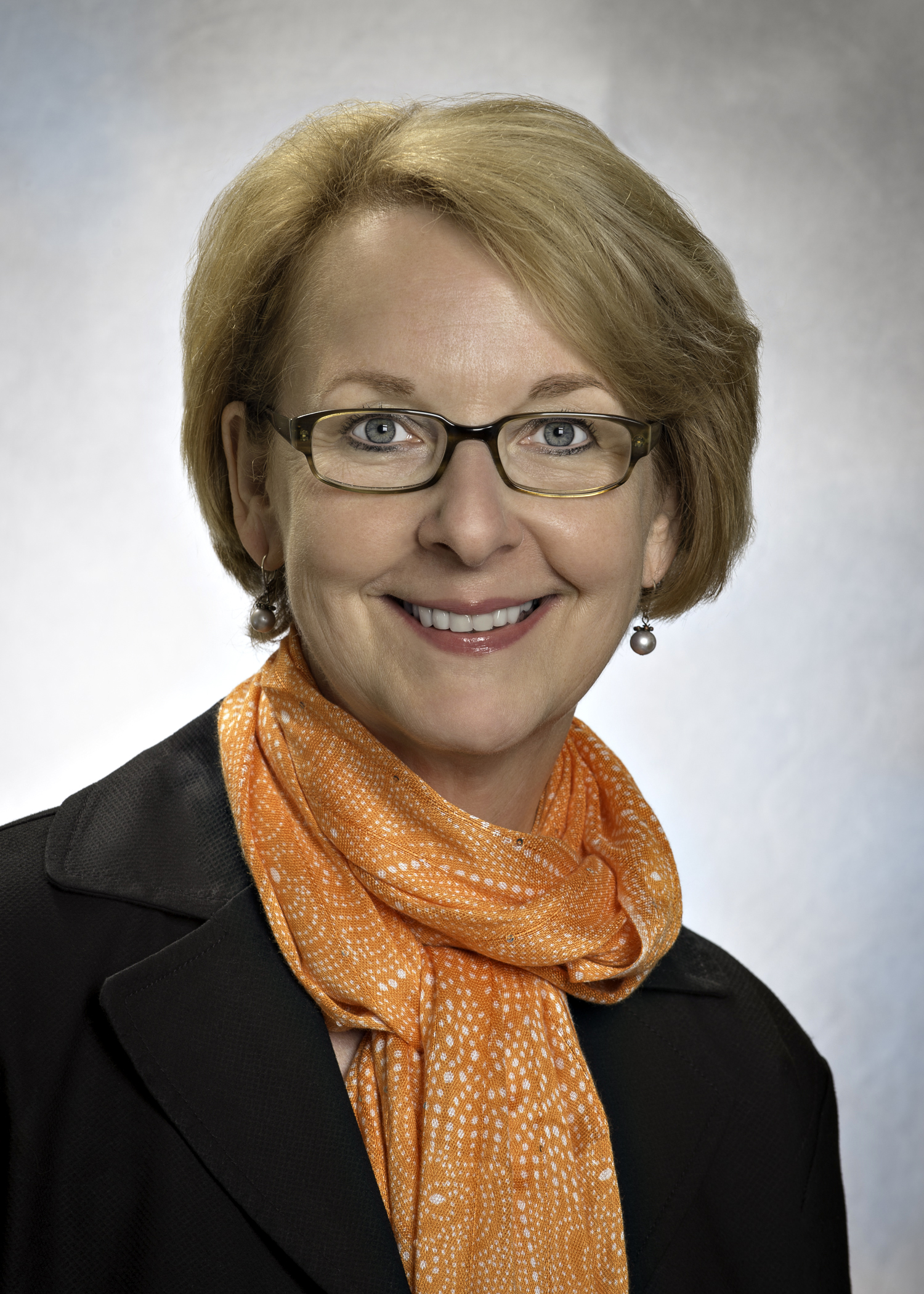
A devoted teacher and role model, BWH gynecological surgeon Raymond Reilly, MD, has been training the next generation of surgeons year after year for decades.

A faculty member for 47 years, Reilly is the director of pelvic surgery at BWH. He served as the chief of gynecological surgery at the Peter Bent Brigham Hospital from 1975 to 1980, when the hospital merged with the Boston Lying-In Hospital and Robert Breck Brigham Hospital to form BWH.

Reilly works closely with BWH gynecological chief residents for six weeks in their last year to help them solidify the surgical skills needed to succeed in the field. Chief residents affectionately refer to this cherished time as the “Ray Reilly Fellowship Program.”

Reilly has worked with more than 500 residents during his time at BWH and is admired by younger residents, who look forward to working with him during their final year of residency.

“Legions of residents are grateful to Dr. Reilly for being a role model to whom they can aspire,” said Robert Barbieri, MD, chair of the Department of Obstetrics and Gynecology. “Additionally, surgical nurses set a high bar when they evaluate the surgeons they work with, and they greatly respect Dr. Reilly. I am deeply grateful for his help in making the Department of Obstetrics and Gynecology at the BWH one of the best in the country.”

Reilly says he values the idea of mentorship and takes pleasure in hearing about his trainees’ achievements during their medical careers. Many of Reilly’s former trainees have gone on to lead surgical departments at hospitals and universities across the country. One trainee performed the world’s first laparoscopic hysterectomy. Reilly says he is proud of the successes of his students, as well as BWH Obstetrics and Gynecology’s prominence as a national leader in the field. The department has placed second in the country in U.S. News & World Report’s specialty rankings for several years.

“Dr. Reilly is dedicated to ensuring that every person receives the best surgical care and recovers quickly from their surgery,” said Marikim Bunnell, MD, of Obstetrics and Gynecology. “Every day, he works hard to ensure that all nurses and staff caring for patients feel supported and enjoy their work. He was a team player in the surgical field before the team concept became the standard.”

In addition to surgical guidance, education and mentorship, Reilly also provides general wisdom and life advice to those he instructs.

“I feel that the biggest piece of advice I can give to residents as they depart the fellowship is that the most important thing in their lives is their family,” he said. “I tell them to always try to keep that in mind.”

Learn about the Raymond J. Reilly, MD, Innovation Fund.
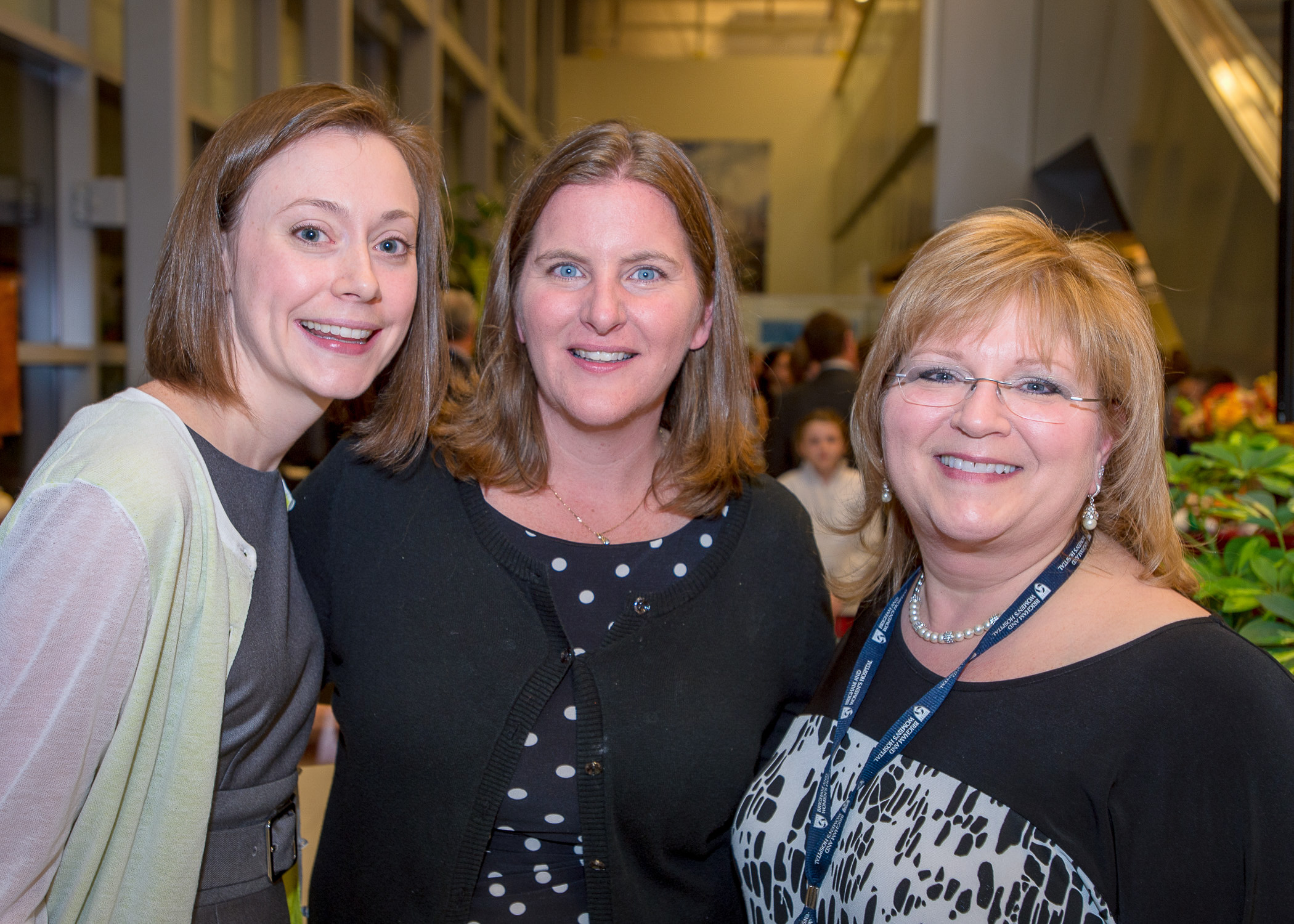
From left: 2015 PA Recognition Award recipients Courtney Moller, Shauna Curran and Genina Salvio

From left: 2015 PA Recognition Award recipients Courtney Moller, Shauna Curran and Genina Salvio

The number of physician assistants (PA) practicing in the U.S. is rapidly expanding. As nationally certified and state-licensed medical professionals who practice under the direction of an attending physician, PAs play a vital role in the health care field and on care teams here at BWH, from examining patients and diagnosing conditions to prescribing medications and scrubbing in for surgery.

There are more than 200 PAs on staff at BWH, contributing to more than 20 areas, including Emergency Medicine, Primary Care, Interventional Cardiology and Medicine. BWH is the largest employer of PAs in the Northeast and fifth-largest employer of PAs in the country.

“We so deeply value the work and care provided by our PAs,” said Jessica Logsdon, PA-C, MHA, assistant director of BWH PA Services. “PAs are involved in nearly every facet of the care BWH delivers, not only as providers but as leaders in the development and implementation of new patient care processes on many services.”

Stanley Ashley, MD, BWH chief medical officer, said PAs play a critical role in BWH’s care models in both inpatient and ambulatory settings.

“Our PAs are not simply filling a gap; they bring something unique in terms of continuity, participation and leadership in hospital initiatives and patient- and family-centered care,” Ashley said. “We are privileged to have so many PAs at BWHC.”

When Leanne Wines, PA-C, chief PA of the BWH Hospitalist Service, first joined BWH in 2009, there were four full-time PAs working on the service; now there are 13. Wines says it is an exciting time to be a PA here.

“I love being able to collaborate with attendings and other colleagues,” Wines said. “I feel like I have enough autonomy to get the personal satisfaction that I’m making a difference, but I also appreciate that someone is always available if I have questions or need advice.”

PAs from BWH, BWFH and the Dana-Farber/Brigham and Women’s Cancer Center (DF/BWCC) were recognized at an annual dinner earlier this month. Genina Salvio, PA-C, of BWH Cardiac Surgery, Shauna Curran, PA-C, of DF/BWCC, and Courtney Moller, PA-C, of DF/BWCC, were honored with 2015 PA Recognition Awards for their contributions to medicine.

To read more about PAs at BWH, visit bwhclinicalandresearchnews.org.

From left: Clinical nurses Allison Bell, Colleen Marsh and Andrew Bober in Tower 16A

From left: Clinical nurses Allison Bell, Colleen Marsh and Andrew Bober in Tower 16A

Over the course of five weeks in September and October, five patient care units moved to new locations in the Tower and Connors Center as part of the hospital’s ongoing patient progression efforts. These moves will improve the flow of patient care by grouping teams together that had previously been spread across different floors and locations. This process, called “regionalization,” enables staff to care for patients and communicate across multidisciplinary care teams more effectively and efficiently.

“Our efforts around patient progression ensure that we are placing patients in the right bed at the right time for the right amount of time, as well as improving care coordination and communication among all care team members,” said Jackie Somerville, PhD, RN, senior vice president of Patient Care Services and chief nursing officer. “Our goal in doing this is to deliver the best possible experience for all patients and their families.”

An undertaking of this magnitude—which involved the relocation of patients, equipment and services—has been possible due to the collaboration of many departments and teams, including Pharmacy, Biomedical Engineering, Nursing, Materials Management, Environmental Services, Engineering, Security, Information Systems, Patient Transport, Laboratory Administration and Operations.

“Every single component of each move was carefully planned,” said Linda McGrath-Adams, project manager in Real Estate, who managed the day-to-day operations of the moves. “Together, we ensured that patients could be moved as quickly as possible, without any disruption in their care, and that their new space was set up for them when they arrived.”

Added George Player, director of Engineering: “The amount of work completed in a very compressed schedule was incredible. It was a true team effort.”

Cathy Rumble Paccioretti, MS, RN, Float Pool nurse director, whose unit moved from Tower 12C to 16A, shared that the move is beneficial because it increases the unit’s capacity. “The timing couldn’t be better, as flu season is approaching, and we anticipate more patients in need of our care.”

Another move benefits Orthopedic Surgery patients. In its new location on CWN-7, patients have more space on the unit for ambulation, an important part of their recovery process after surgery. Orthopedic Surgery Chief Resident Thomas Parisi, MD, says it will be great to have all orthopedic patients on one floor because the care they require is unique and their rehabilitation requires a lot of equipment.

The Women’s Cancer Program and Gynecology Oncology, both formerly on CWN-7, moved to separate locations (Tower 12C and CWN-8 North, respectively) to accommodate the regionalization process, as 12C is a medical oncology unit and CWN-8N is a surgical unit. With the Women’s Cancer Program move, all medical oncology units are now located in the Tower.

“Moving staff, patients, equipment, furniture and supplies in such a short timeframe was extremely challenging,” said Jim McKinnon, manager of Materials Management. “Painting, upgrading systems and many other tasks required many people to work in a confined space before and after each move, and everyone helped each other consistently.”

Patient Care Unit Moves

Orthopedic Surgery :

Tower 16A moved to CWN-7N

Tower 16B moved to CWN-7S

Float Pool:

Tower 12C moved to Tower 16A

Gynecology Oncology:

CWN-7N moved to CWN-8N

Women’s Cancer Program:

CWN-7S moved to Tower 12C

Screen Shot 2015-10-23 at 9.21.35 AM

On Oct. 15, Barry Wante, director of Emergency Management, and Bob Donaghue, operations manager of Security and Parking, led a “deliberate vertical evacuation” exercise in Tower 14CD, with help from Central Transport, Engineering, Security and Parking, STRATUS, the Center for Patients and Families, Patient Access Services, Admitting, Spiritual Care Services, Environmental Affairs and Communication & Public Affairs. Pictured above: Karla Mendoza, of valet company VPNE, plays the role of a non-ambulatory patient and is transported down a stairwell in a med-sled by Security Officer Ryan Carvalho and Emergency Management’s Michael Rourke (far right).

BWH volunteers at the RTH Health Fair

BWH volunteers at the RTH Health Fair

Late last month, BWH’s Lung Center, Heart & Vascular Center and Phyllis Jen Center joined the Roxbury Tenants of Harvard (RTH) for its annual health fair, providing health resources and information to community members and other attendees.

BWH physicians and staff, including Aaron Waxman, MD, PhD, director of the Pulmonary Vascular Disease Program; Chris Fanta, MD, of the Pulmonary Division and director of the Partners Asthma Center; Lori Tishler, MD, medical director of the Jen Center; and Jorge Plutzky, MD, director of Preventive Cardiology, were on hand to talk with community members about their heart and lung health. The BWHers offered lung fitness tests using spirometers, an instrument for measuring the air capacity of the lungs, as well as screening for asthma and chronic obstructive pulmonary disease (COPD), an inflammatory lung disease. Information about smoking cessation and hands-only CPR was also available.

“We had more than 180 members of the community drop in, and we signed up more than 40 people for a healthy nutrition program and 30 for a healthy exercise program,” said Waxman. “It was a very successful health fair.”

Other organizations at the fair included Dana-Farber Cancer Institute, the National Kidney Foundation, Harvard School of Dental Medicine, Mass Eye and Ear and the American Heart Association.

BWH is a longstanding partner of RTH—a nonprofit organization devoted to developing and maintaining safe and affordable housing for low- and moderate-income people of diverse backgrounds in Mission Hill.

Maureen Fagan

Maureen Fagan

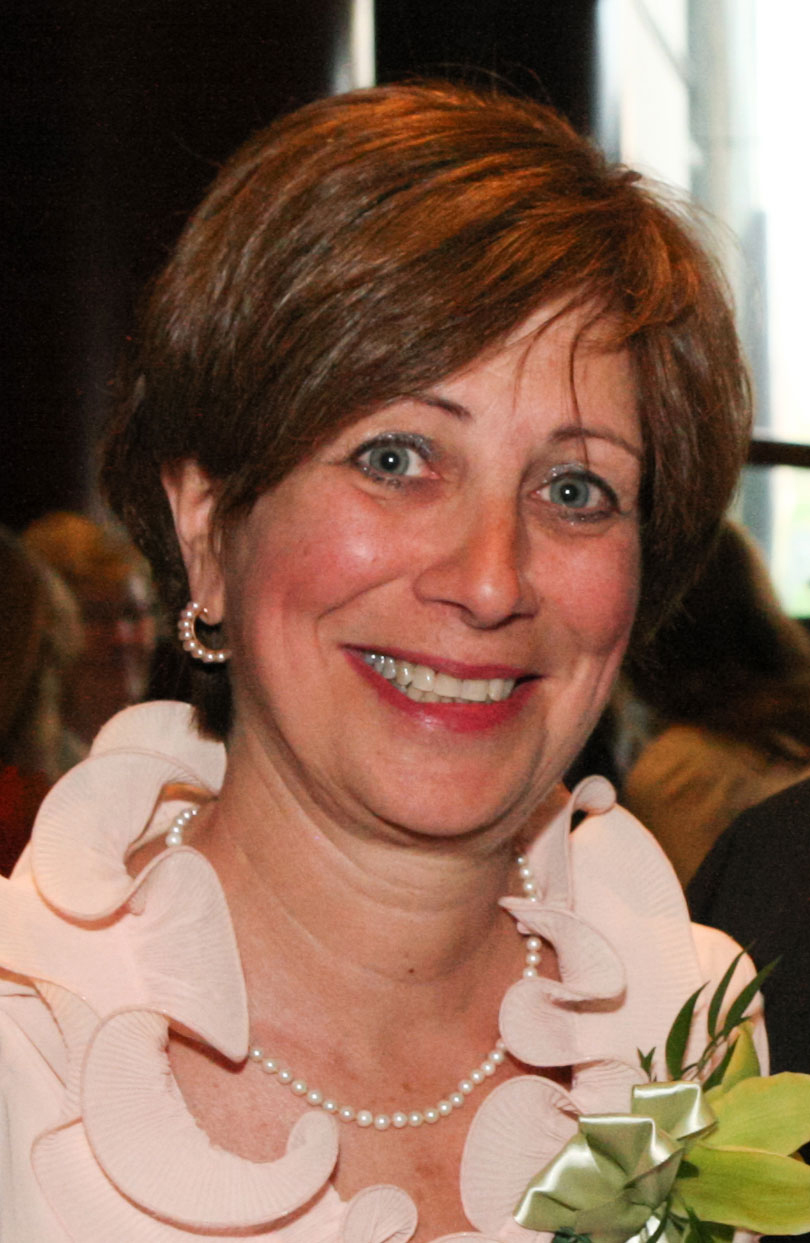
After serving as interim associate chief nurse for OB/GYN since January, Maureen Fagan, DNP, MHA, WHNP-BC, FNP-BC, has been named associate chief nurse for the Connors Center for Women and Newborns-OB/GYN. Fagan will also continue to serve as executive director of the Center for Patients and Families. She has been at BWH since 2000.

After earning her BS in psychology from St. Joseph’s College and her MHA from Albany Medical College, Fagan went on to receive her DNP from Simmons College. Fagan is a board-certified women’s health nurse practitioner, as well as a board-certified family nurse practitioner.

lgbt-flag

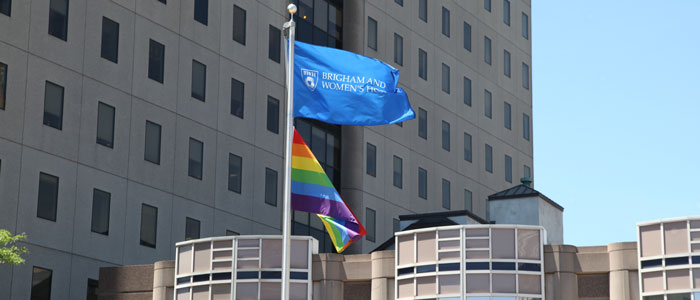
Earlier this month, the U.S. Department of Health and Human Services announced that electronic health records must now include the option to designate patients’ sexual orientation and gender identity (SO/GI). Though care providers will not be required to ask patients about SO/GI, this important addition to electronic medical records has the ability to improve patient care, facilitate better research and reduce the health inequities faced by LGBT patients.

At BWHC, Harry Reyes Nieva and Kerstin Palm, MA, OTR/L, CHT, co-chairs of the LGBT & Allies Employee Resource Group, have been working to make this change a reality since May 2014, when BWHC and Partners leadership made a significant commitment to support the work necessary for the ability to document SO/GI demographics in Epic for Partners eCare implementation.

The multidisciplinary SO/GI eCare Working Group was then formed—comprised of clinical content experts, admitting and registration personnel, social workers and many others—to develop a framework for collection of SO/GI demographics in Partners eCare across all Partners institutions. The group created the Epic fields, developed the specific language that would be used in the system, held training sessions for clinicians and shared best practices to improve clinicians’ knowledge about how to accurately and compassionately gather SO/GI information.

Through the Employee Resource Group’s efforts, leaders at BWHC, Partners and MGH also co-signed a letter with several non-Partners institutions to advocate for inclusion of SO/GI demographics in Meaningful Use 3, further demonstrating the system’s commitment to LGBT health equity on a national scale. Meaningful Use is a Medicare and Medicaid program that awards incentives for using certified electronic health records to improve patient care.

“Collecting this information allows us to better understand LGBT health, including inequities in insurance coverage, access to care, diagnosis and treatment,” said Reyes Nieva, a research manager in General Medicine and Primary Care. “From a clinical perspective, understanding our patients as individuals is imperative to tailoring their health care to ensure a positive experience and the best possible outcome. By capturing SO/GI information, clinicians can be sure appropriate preventive care and screenings are conducted.”

Some of the health inequities experienced by LGBT patients include high rates of behavioral health issues, such as thoughts of suicide and suicide attempts, a higher prevalence of sexually transmitted infections and HIV, and a greater likelihood of being overweight or obese, lipid abnormalities, glucose intolerance, inactivity and cardiovascular disease.

Reyes Nieva, Palm and Tanya Zucconi, MBA, formerly of BWH, recently presented a workshop at this year’s Gay and Lesbian Medical Association (GLMA) annual meeting about the work they and colleagues across BWHC and Partners did to ensure the collection of SO/GI data from BWHC patients. The inclusion of SO/GI demographics in Partners eCare has positioned BWHC and Partners as leaders in the field of LGBT health care equality.

“Providers who may not have asked these questions in the past are now more aware of its importance and the support that exists for them institutionally,” said Palm, Outpatient Rehab Services manager at BWFH. “This is a systematized way that providers will be cued to get to know their patients in the areas of sexual orientation and gender—a way for patients to be known by their providers and have their health care tailored to them as individuals. This is best practice for patient care and continues our long tradition of high-quality health care centered on patients. I’m glad we’re doing it here.”

The BWHC LGBT & Allies Employee Resource Group meets the fourth Tuesday of every month. To learn more, email bwhlgbt@partners.org.

The C4HDS team

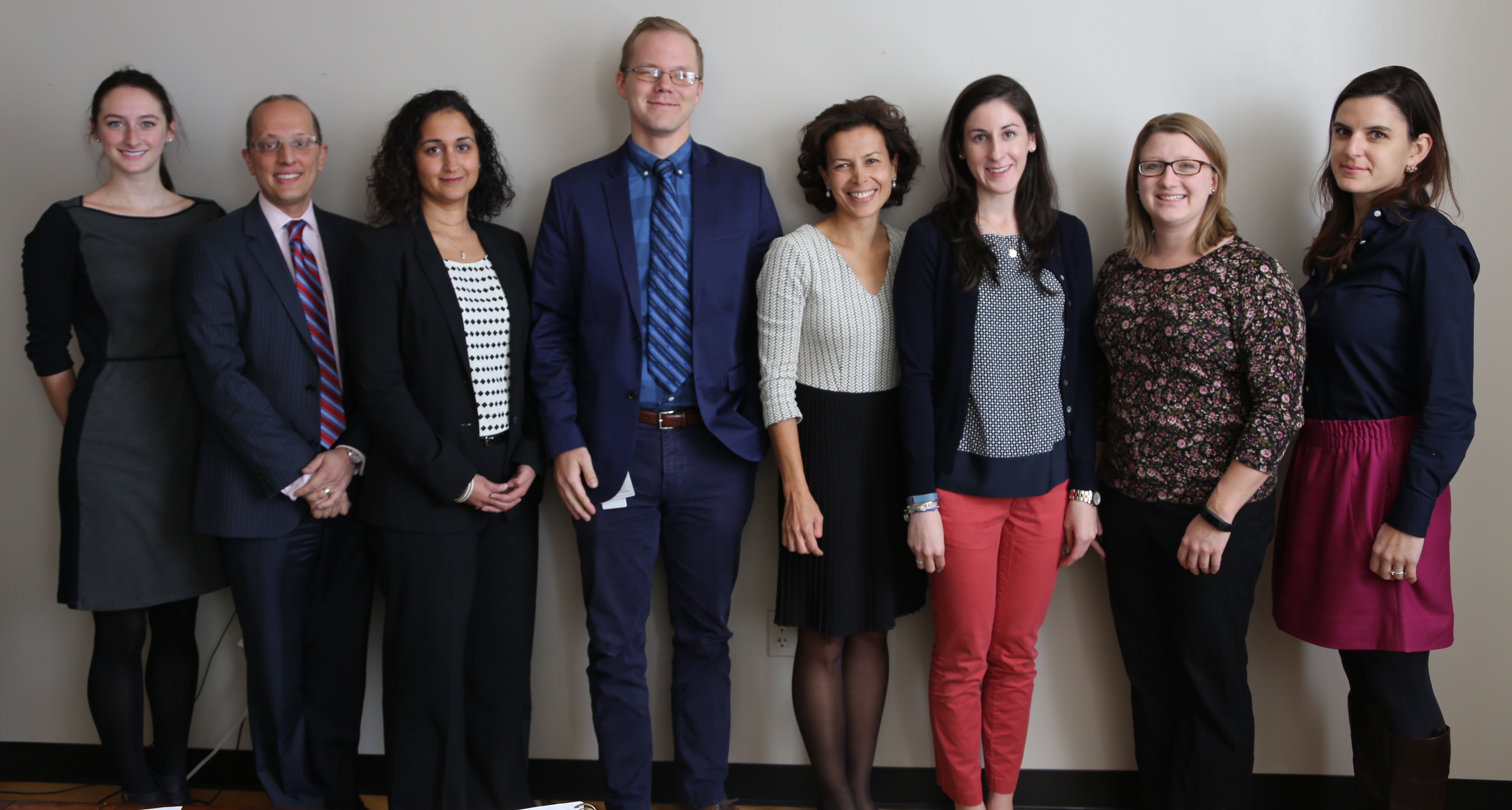
From left: C4HDS team members Danielle Isaman, Niteesh Choudhry, Namita Mohta, Kyle Morawski, Roya Ghazinouri, Julianne McDonough, Julie Lauffenburger and Alexis Krumme

Many highly effective health interventions are never widely adopted into routine care—sometimes because patients do not follow through on what has been recommended or because providers do not practice as the evidence would indicate they should.

For example, only about 40 percent of adults receive a flu vaccine and only half of patients who have had a heart attack continue to take their cardiac medications over the long term. Overcoming these gaps in health care implementation requires patients and providers to be more actively involved in health care delivery.

The Center for Healthcare Delivery Sciences (C4HDS), a newly created research center within the Department of Medicine, is working to address this problem by design, implementation and rigorous evaluation of novel ways to engage patients and providers in care delivery.

Under the leadership of hospitalist Niteesh Choudhry, MD, PhD, of the Division of Pharmacoepidemiology and Pharmacoeconomics, the C4HDS team focuses on interventions that have the potential to be scaled across settings and could help address engagement problems, including medication adherence, smoking cessation and narcotic misuse.

Studies currently underway at the center include randomized evaluations of the impact of text messaging to increase medication adherence; written commitment devices and “nudges” to increase influenza vaccination rates among Medicare beneficiaries; electronic medical record-based tools to prevent opioid over-prescribing; and others.

Choudhry said C4HDS wants the studies to be undertaken in the same conditions—with the same distractions, impediments and pitfalls—as physicians and patients would experience.

“The ultimate goal for the studies initiated by C4HDS is to create effective, simple and easily scalable interventions,” said Choudhry. “In addition, wherever possible, we want those interventions to address vital challenges: behaviors that can simultaneously address related problems, such as extended disability and hospital readmission.”

Additionally, the center’s two-year fellowship program in implementation research trains the next generation of delivery science academics and researchers.

“The center is a unique place for those interested in improving health care quality to gain the expertise and knowledge to conduct pragmatic clinical trials and evaluate novel strategies in a rigorous manner,” said Roya Ghazinouri, DPT, a physical therapist with extensive expertise in quality improvement, who directs operations at the center.

To learn more about C4HDS and ways to collaborate with the center, email rghazinouri@bwh.harvard.edu.

Ann DeBord Smith

Ann DeBord Smith

Kicking off the innovation track at Discover Brigham were four presenters who have been able to leverage digital health care to solve common patient issues. The session, moderated by Jeff Greenberg, MD, MBA, associate medical director of the BWPO and medical director of the BWH Innovation Hub, gave each presenter seven minutes to present a compelling pitch for their project.

First to the podium was Alexander Lin, PhD, director of the BWH Center for Clinical Spectroscopy, who walked the audience through his cloud-based system that allows radiologists to detect brain tumors in MRI scans in as few as 30 seconds by keying in on a chemical by-product known as 2-HG (2-hydroxygulatarate). This technology, he believes, has the potential to expedite the diagnosis of brain cancer and ultimately improve surgical outcomes.

Benjamin Raby, MD, MPH, of the BWH Channing Division of Network Medicine and the Division of Pulmonary and Critical Care, followed with a presentation of his smartphone application programmed to interpret a user’s breathing pattern in speech to detect the onset of an asthma attack. Raby is currently working with Cogito, a local tech company that specializes in voice analytic software, to optimize his program. His hope is that this same technology can be used to detect potential heart failure and chronic obstructive pulmonary disease (COPD) as well.

The third presenter of the morning, Ann DeBord Smith, MD, MPH, a BWH General Surgery resident, detailed her own smartphone application, VISION, that can detect peripheral arterial disease (PAD) in as few as two minutes by simply analyzing a photo of one foot or hand and comparing it to the other. DeBord Smith’s application seeks to improve upon more commonly used tests, like a segmental doppler, and make identifying this very common disease easier for clinicians.

Wrapping up the session was Mark Zhang, DO, a Palliative Care consultant at Dana-Farber Cancer Institute, whose project focused on end-of-life care planning. His online tool, called CAKE, allows people to answer questions that shed light on their end-of-life preferences, breaking the ice for difficult conversations.

What do cake and planning for the end of life have in common? Listen to find out.

Zhang calls it a “handbook for the end of life” that can make a potentially very difficult conversation a little easier.

100% of people die, but end-of-life questions still come as a surprise to many of us. Here’s how CAKE breaks the ice to start these important discussions.

NancyThe BWH community mourns the loss of Nancy Hickey, MS, RN, former associate chief nurse and long-time member of the BWH Nursing Department, who passed away on Oct. 5 after several weeks in hospice care. She was 56.

Ms. Hickey joined BWH in 1981 and served most recently as associate chief nurse for Emergency Medicine, Medical/Surgical units, Neuroscience units, Orthopedics, IV Therapy, Float Pool Staffing, Dialysis & Infusion, Blood Donor Center, Endoscopy and the General Clinical Research Center for nearly a decade. She leaves a legacy as a compassionate nursing leader who was dedicated to supporting her colleagues and fostering the most compassionate patient- and family-centered care at BWH.

“Nancy was devoted to the Brigham and touched so many lives here,” said Leo Buckley, Jr., MBA, executive director of business operations for Patient Care Services. “She made everyone around her feel welcome and cared for.”

Jackie Somerville, PhD, RN, chief nursing officer and senior vice president for Patient Care Services, noted Ms. Hickey’s remarkable capacity for connecting with people. “Whether it was a patient awaiting test results or a colleague needing advice or guidance, Nancy always knew how to lift up those around her and ease their burdens. She will be remembered as a passionate voice and leader in the profession she so dearly loved.”

Known as an extraordinary mentor and coach to her nursing peers, Ms. Hickey believed in helping every person reach his or her full potential. In 2001, she was honored with BWH’s Dennis J. Thomson Leadership Award, in recognition and celebration of her outstanding leadership marked by courage, character, composure, competency, deep respect for others and commitment to the highest-quality patient care.

“Nancy was an exceptional role model,” said Ron M. Walls, MD, executive vice president and chief operating officer of BWHC. “She brought the highest degree of intelligence, skill and professionalism to everything she did, pairing it with an enduring empathy that made everyone feel so much better for her presence.”

Roula Kerins, BSN, RN, nurse-in-charge on Shapiro 6 and 7, worked with Ms. Hickey for 22 years at BWH. “Nancy was my nurse manager, role model, mentor and leader, but most of all, she was my friend,” said Kerins. “Her compassion, comfort and acceptance will always inspire me to be the best nurse I can be.”

Born in Boston, Ms. Hickey graduated from Norwood High School and Salem State College. She earned her MS from Simmons College. Ms. Hickey loved rock music and attending the concerts of her favorite bands.

She is survived by her loving husband, Billy Hickey, her sons, Billy and Kevin, and her sister, Joan, as well as additional family and friends.

Information about a BWH memorial service will be forthcoming.

BWH Bulletin invites you to share your reflections and condolences in the comments section below.

8 Comments
Charles Czeisler

Charles Czeisler

BWH researchers discussed recent novel findings in sleep medicine during this afternoon session. Frank Scheer, PhD, MSc, neuroscientist and director of BWH’s Medical Chronobiology Program, shared information about circadian rhythms and the timing of meals, which may help prevent physiological changes that put overnight workers more at risk for the development of diabetes, obesity and cardiovascular disease. Susan Redline, MD, MPH, program director in the BWH Division of Sleep and Cardiovascular Medicine, spoke about the high prevalence of sleep apnea, treatment options available to patients today and opportunities to improve screening, diagnosis and treatment with use of patient-centered research. Charles Czeisler, MD, PhD, chief of the Division of Sleep and Circadian Disorders, discussed our country’s sleep deficiency epidemic and why sleep is so crucial to good health. Czeisler said while we are all facing increased pressures to meet the demands of everyday life, we must ensure that we get adequate sleep (seven to nine hours per night for adults) in order for our bodies and our brains to perform at their best. New Yorker writer Maria Konnikova served as moderator.

Find out one important statistic Charles Czeisler, MD, PhD, thinks everyone should know about safety and sleep by listening here.

The session, like many others of the day, drew a large crowd.

The session, like many others of the day, drew a large crowd.

As our ability to monitor almost everything we do increases with wearables like FitBits and Apple Watches, technology companies and health care leaders alike are considering how the tremendous amount of data collected by these devices could be leveraged to improve health care delivery. During a panel discussion, BWHC Chief Medical Information Officer for Health Information, Innovation & Integration Adam Landman, MD, MS, MIS, MHS, noted that a great deal of analysis is still required. “We need real clinical trials to validate that these sensors measure what they say they are measuring, and we need to determine if they are of value in a clinical setting. That will require FDA approval and time.” He also emphasized that how the data is displayed to providers will be a key factor in whether it is useful to them. “We need ways to summarize the data and highlight what’s important, so that clinicians can quickly see and share this information with a patient during an appointment,” he said, noting that clinicians cannot comb through weeks’ worth of data to find the important points. Proper interface and display “will help make or break these tools for providers.” Boston Business Journal health care reporter Jessica Bartlett moderated.

Terrie Inder (left) and moderator Mallika Marshall

Terrie Inder (left) and moderator Mallika Marshall

BWH has a long history of transforming health care for mothers and babies, from the 1832 founding of BWH predecessor hospital Boston Lying-In—one of America’s first maternity hospitals—up through the fascinating neurodevelopment research being explored by BWH’s Department of Pediatric Newborn Medicine (PNM) today. During an informative session on newborn health, PNM Chair Terrie Inder, MD, MBChB, shared how BWH is helping to build a better brain beginning with babies in utero, by focusing on different types of risks to the developing brain. From maternal obesity to infant congenital heart disease to the effects of pharmacological agents given to babies experiencing pain, BWH’s Sarbattama Sen, MD, Cynthia Ortinau, MD, and Christopher McPherson, PharmD, respectively, took attendees through the many factors that can impact a baby’s brain development before and after birth and later in life. Physician and WBZ-TV medical reporter Mallika Marshall, MD, moderated the session.

We asked Terrie Inder, MD, MBChB, the one thing she wanted people to take away from the session.

Jackie Somerville (left) and Susan Gennaro

Jackie Somerville (left) and Susan Gennaro

The sixth annual BWH Haley Nursing Forum celebrated innovative nursing research taking place at BWH. Jackie Somerville, PhD, RN, chief nursing officer and senior vice president of Patient Care Services, and Susan Gennaro, PhD, RN, FAAN, dean and professor of the William F. Connell School of Nursing at Boston College, talked about the Haley Nurse Scientist program, a collaboration between the two institutions that is designed to advance nursing science through research. Three Haley Nurse Scientists gave overviews of their work. Katherine Gregory, PhD, RN, spoke about her investigation of the gut microbiome and its impact on newborn health; Patricia Dykes, PhD, RN, detailed her work enhancing patient engagement and communication around safety measures, such as fall prevention; and Lichuan Ye, PhD, RN, spoke about her research on sleep promotion in the hospital setting.

Oren Levy

Oren Levy

From contact lenses to dental fillings to sutures, bioengineering materials are everywhere. The discovery and improvement of biomaterials have the potential to offer major advances in the treatment of patients. Following an engaging history of the field of bioengineering, Jeff Karp, PhD, introduced speakers who are advancing approaches with industry to usher in new therapies for patients. Natalie Artzi, PhD, presented her work on developing disease-responsive and disease-selective biomaterials that can be delivered locally to treat cancer. Aaron Goldman, PhD, spoke about computational approaches that can improve treatment regimens for breast cancer, and Oren Levy, PhD, discussed designing therapeutic stem cell “ninjas” that can zoom in on the right place at the right time to treat diseases like multiple sclerosis and prostate cancer. Health and science reporter Megan Scudellari later led a lively discussion about how bioengineering is perceived as a hot topic in the media and one that captures the public’s imagination.

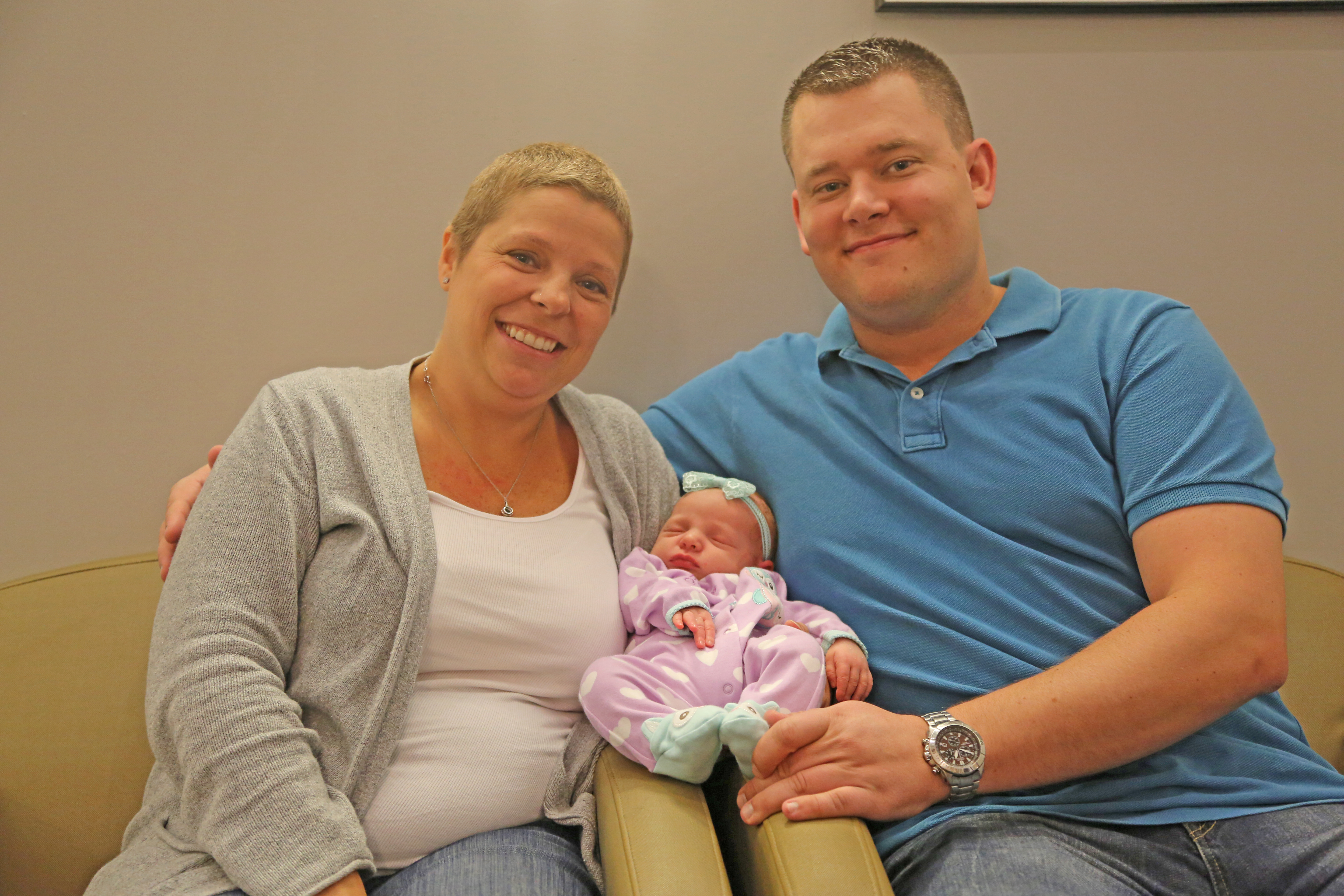
Jodi and Nate Killeffer, with new baby Coraline

Jodi and Nate Killeffer, with new baby Coraline

At 14 weeks pregnant, many excited moms-to-be are sharing the news with family and friends and getting over first-trimester sickness. But Jodi Killeffer’s 14th week of pregnancy was marked by something else—a diagnosis of breast cancer, after inquiring about a lump she had for a while.

After learning the news, Killeffer came to the Brigham to undergo surgery and receive expert care from a multidisciplinary team, including Katherine Economy, MD, of Maternal-Fetal Medicine, and Erica Mayer, MD, MPH, of Dana-Farber Cancer Institute.

breastcancerribbon“There was an instant connection,” said Killeffer, who lives in Braintree. “I knew I was in good hands and that they would take care of me and my munchkin. And the care was seamless.”

Fortunately, Killeffer did not experience any complications during her pregnancy, and healthy baby Coraline arrived in early September. Though she and her husband Nate are lacking sleep these days, they love being new parents and call Coraline an easy baby.

Killeffer is also more than halfway through chemotherapy, which she was able to start during pregnancy. Economy says that many chemotherapies are safe for pregnant women and their babies. After finishing chemotherapy, Killeffer will undergo radiation.

“Jodi is an incredibly optimistic and strong woman, and she was always focused on the next step,” said Economy, who specializes in breast cancer during pregnancy and has cared for dozens of expecting mothers who have cancer in BWH’s Center for Breast Cancer and Pregnancy. “When we have a pregnant patient with breast cancer, we take a multidisciplinary approach. A surgeon, oncologist and maternal-fetal medicine specialist have a conversation about the best way to get the patient to a good gestational age and receive as much treatment as is safely possible. It has been a privilege to be able to care for Jodi.”

As for getting through a cancer diagnosis while pregnant, Killeffer says that “trusting in the whole process and letting go of control” helped her along the way.

“I kept reminding myself that it was going to be OK,” she said.

Screen Shot 2015-10-08 at 1.28.09 PM

buzz of excitement filled the air as BWHers waited in Bornstein Amphitheater to learn the winner of this year’s BRIght Futures Prize at the end of the hospital’s fourth annual research day, formulated this year into Discover Brigham. The day combined BWH’s Research Day and Clinical Innovation Day of past years into one energizing and inspiring event showcasing the breadth and depth of research being conducted at BWH.

Nearly 15,000 people from all 50 states and 96 countries cast their votes for one of three finalists competing for the grand prize of $100,000 to fund their innovative work.

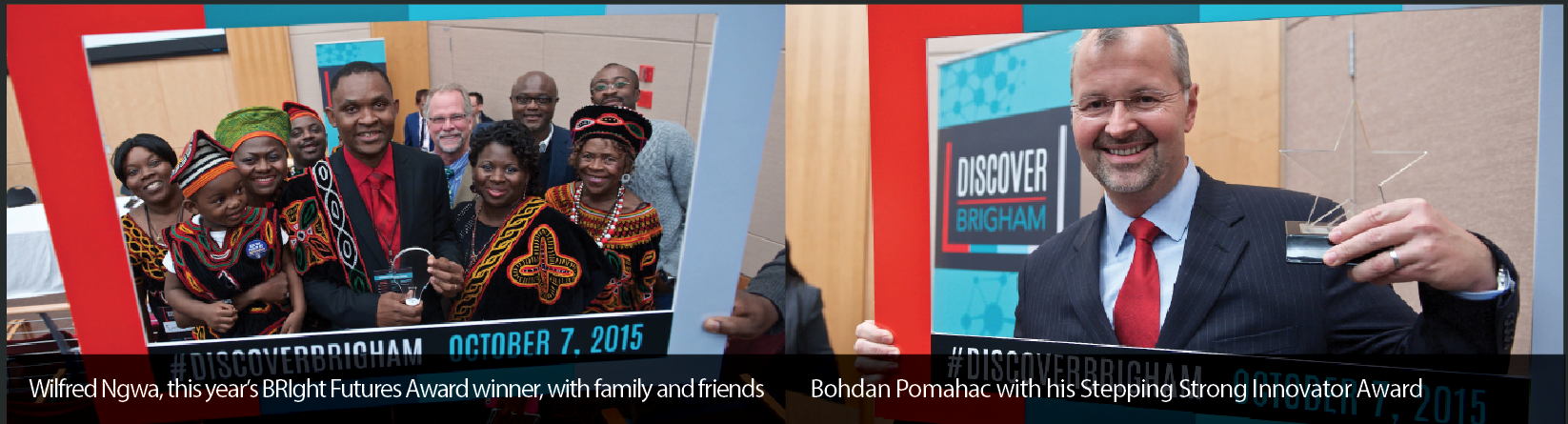
Just after 4:30 p.m., Wilfred Ngwa, PhD, of the Department of Radiation Oncology, was announced as the winner. Ngwa and his team have developed a powerful new technology designed to kill cancer cells that have spread to other parts of the body. The technology combines microscopic nanoparticles with medicine, packed into a tiny drone the size of a grain of rice.

“Thank you so much for this award,” said Ngwa, who acknowledged the other finalists and thanked his family members, who were in the audience. “I was born in Africa, where in many places we don’t have a word for ‘cancer.’ Through this campaign, we have been able to create a lot of awareness and education. I really appreciate what the Brigham has done for me; I cannot begin to express my joy.”

Listen to the family of Wilfred Ngwa, PhD, cheer and sing when he was announced as the winner.

The competition’s other finalists were Christopher Fanta, MD, of the Pulmonary Division, and William Savage, MD, PhD, of the Department of Pathology.

Hosted by the Brigham Research Institute (BRI) and Brigham Innovation Hub, Discover Brigham brought together the BWH and greater Boston health care communities to educate, inspire and foster collaboration around innovative science, technology and medicine. The Oct. 7 day-long event took place during Boston’s first HUBweek—a week celebrating art, science and technology in the city.

Earlier in the afternoon at a trauma research session, Bohdan Pomahac, MD, director of Plastic Surgery Transplantation, was announced as this year’s winner of the Stepping Strong Innovator Awards—a $100,000 grant to advance trauma research and care at BWH. More than 5,000 votes from all 50 states and 74 countries were cast for the competition.

Pomahac and his team have developed a portable machine that may be able to keep detached limbs—arms, legs, hands and feet—alive for half a day or possibly longer. Following traumatic amputation, detached extremities can currently only survive for four to six hours.

“Thank you very much to those who voted for us and a special thanks to the team,” said Pomahac, after accepting the prize. “Nothing could have happened without the hard work of our fellows and the rest of the team, who spent long hours in the lab analyzing results. It is a tremendous honor that we can take this further and push for new therapies for our patients and ultimately everyone.”

BWHC President Betsy Nabel, MD, made a surprise special announcement that competition finalists Su-Ryon Shin, PhD, of the Department of Medicine, and Omid Farokhzad, MD, of the Department of Anesthesiology, Perioperative and Pain Medicine, would also each receive $100,000, from her president’s fund, to pursue their work.

The Stepping Strong Innovator Awards competition was inspired by Gillian Reny, who was injured in the 2013 Boston Marathon bombings. Grateful to the BWH team that saved her life and helped her recover, Gillian and her family launched the Gillian Reny Stepping Strong Fund in February 2014.

Was the announcement made by President Betsy Nabel, MD, a surprise to the Reny family? Hear Audrey Epstein Reny and Steven Reny’s reaction to the Stepping Strong Innovator Awards announcement.

A second $100,000 Stepping Strong Innovator Awards grant will be distributed in a closed-door session later this year.

The Discover Brigham awards ceremony also recognized other members of the BWH research community for their outstanding contributions with Research Excellence Awards and BRI Director’s Transformative Awards.

View the list of award winners. View a photo gallery.

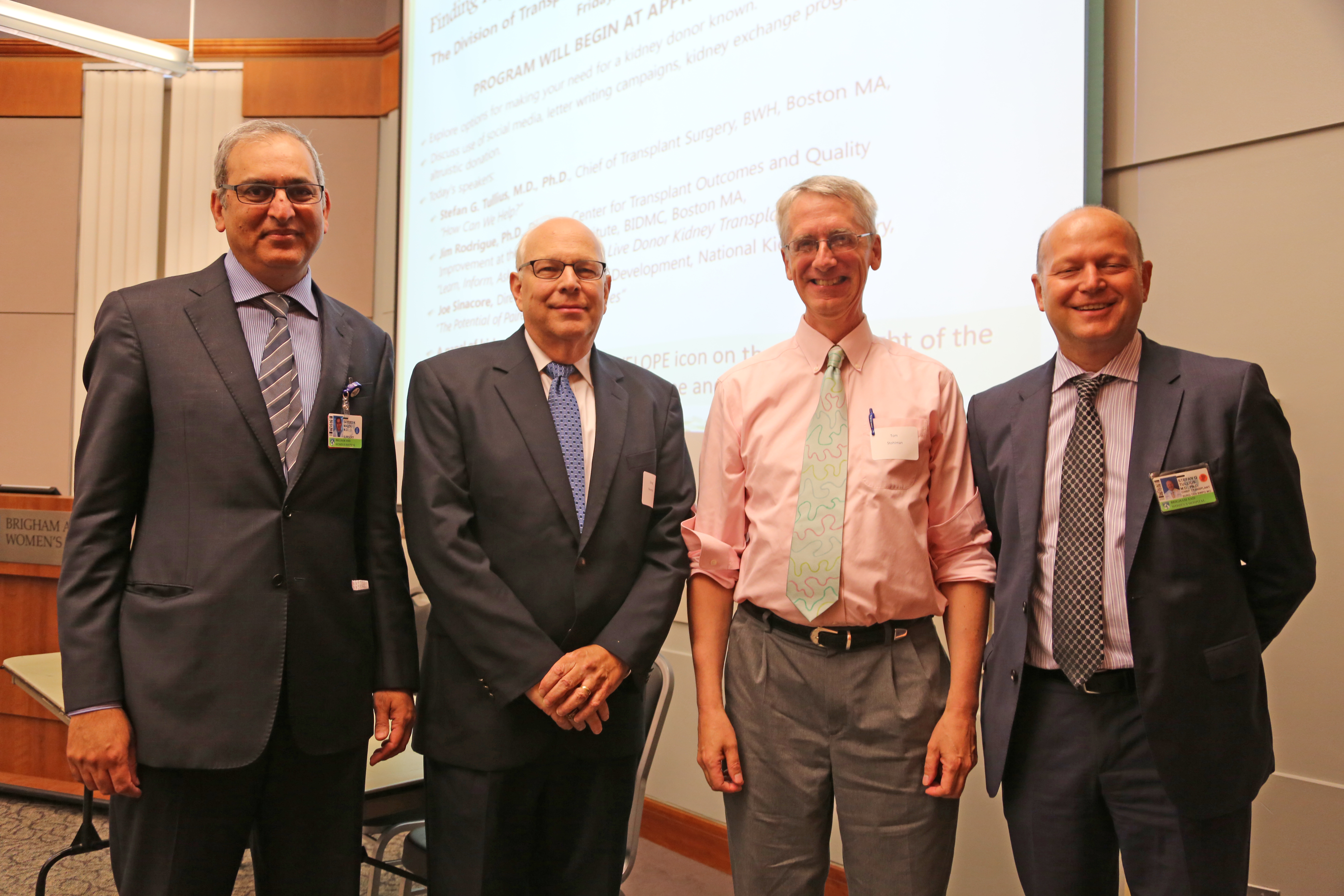
From left: BWH transplant surgeon Sayeed Malek, live kidney transplant recipient Doug Newman and his friend and donor Tom Stohlman, and Stefan Tullius.

From left: BWH transplant surgeon Sayeed Malek, live kidney transplant recipient Doug Newman and his friend and donor Tom Stohlman, and Stefan Tullius.

The name of a recent BWH event—“Finding A Living Donor: How on Earth Do I Do This?”—conveys the difficulties felt by many transplant candidates who are searching for a living kidney donor.

Last month, BWH’s Division of Transplant Surgery sought to make the process less overwhelming by offering helpful resources and education, as well as advice from kidney donors and recipients. Speakers covered a variety of topics, including the use of social media, letter-writing campaigns, kidney exchange programs and chains, and altruistic donation.

Transplant Surgery Chief Stefan G. Tullius, MD, PhD, shared the benefits of seeking a living donor as opposed to a deceased donor. With a living donor, the kidney lasts much longer, and transplant candidates’ wait time for a kidney can be reduced. Additionally, living donor kidneys lead to better outcomes 10 years after transplant surgery. Currently, there are about 6,500 registered living donors in the U.S., a fraction of the 90,000 candidates waiting for a kidney.

Kristi Sorrell Noone, of Westwood, Mass., was one of the donors who shared her personal experience at the event. Earlier this year, Noone donated a kidney to a man in New York as part of kidney chain 357—the country’s largest multi-hospital kidney transplant chain, which included four BWH patients. In return, Noone’s brother received a kidney from a matched donor.

“How many people in your social network know that a living donor is your best treatment option?” asked presenter James Rodrigue, PhD, a transplant psychologist at Beth Israel Deaconess Medical Center. Rodrigue explained that most people find it very challenging to ask someone to consider being a living donor; however, informing friends and loved ones about their need—and putting people at ease and letting them know it’s OK to say “no”—can be a helpful approach. “You’re much more likely to find a living donor when more people know you need one.”

View a recording of the event. To learn more about live kidney transplantation, email bwhkidneydonorinfo@partners.org.

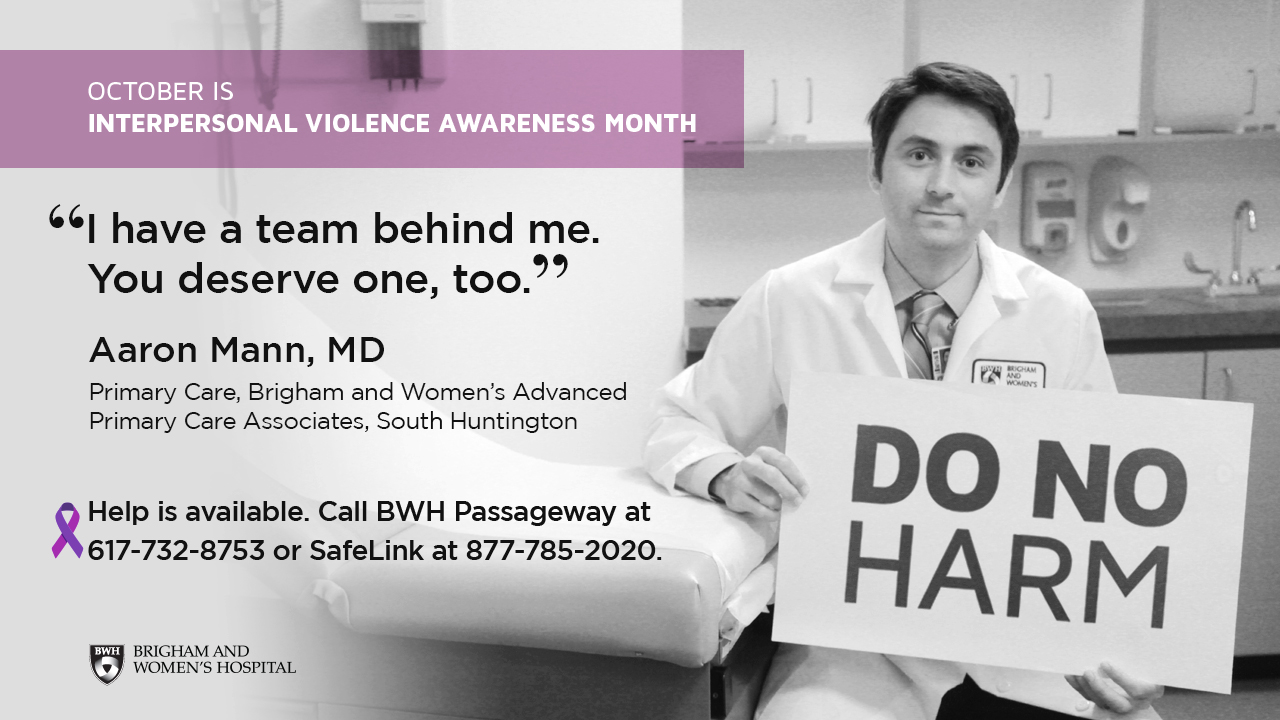
Domestic-Violence-Aaron-Mann

Every October, with the help of the Center for Community Health and Health Equity (CCHHE), BWH takes part in national Domestic Violence Awareness Month. This year, the hospital is broadening its efforts and recognizing the month as Interpersonal Violence Awareness Month in order to educate and raise awareness of not only domestic violence, but all forms of violence that take place in our community, homes and institutions.

“Patients present with many forms of trauma and injury caused by violence,” said Mardi Chadwick, JD, director of Violence Intervention and Prevention Programs for the CCHHE. “By silo-ing care, we may be missing the larger context of our patients’ lives. Changing Domestic Violence Awareness Month to Interpersonal Violence Awareness Month is the first in many steps to re-envision how we understand and provide trauma-informed care to all patients.”

By focusing on the intersections of trauma and violence, the Brigham community is considering the ways in which trauma is differentially experienced across the lines of race, gender, culture, class, sexual identity and socioeconomic status, and how these many factors impact health.

“The more we learn about, recognize and support patients who have complicated experiences, the more we will advance in our efforts to achieve greater health and social equity for patients surviving trauma,” said Chadwick.

Several events will be held this month to generate awareness of interpersonal violence and promote safety and well-being for everyone in the BWH community. BWHers can stop by an information table in the 75 Francis St. lobby all month long to learn more and obtain resources about interpersonal violence.

Additionally, Schwartz Rounds on Oct. 13 will highlight a specific case related to community violence, and a service on Oct. 14 will honor all survivors, victims and community members impacted by violence and trauma, among other events. BWHers will also see the hospital’s “Do No Harm” campaign on the television screens across BWH and the distributed campus, featuring personal messages of hope, support and inspiration to those experiencing interpersonal violence.

BWHers can join the cause virtually on Facebook or Twitter (@passagewayBWH). For more information, email passageway@partners.org. View the full calendar of events and the “Do No Harm” campaign.

Laura Medina Martell (at right) meets Pharmacy student Oluwafeyisikemi Obatusin at the readiness fair.

Laura Medina Martell (at right) meets Pharmacy student Oluwafeyisikemi Obatusin at the readiness fair.

Between now and February 2016, surveyors from The Joint Commission (TJC) are expected to arrive at BWH to conduct a hospital-wide accreditation survey, which occurs every three years. TJC, which accredits and certifies more than 20,000 health care organizations and programs in the U.S., is recognized nationwide as a symbol of quality that reflects an organization’s commitment to meeting certain performance standards.

To be sure staff are ready for the visit, BWH’s Clinical Compliance team held a readiness fair in Cabot Atrium last month with informational tables where employees could ask questions and gather tips. The different tables included Billing Compliance, Emergency Management, Interpreter Services, Biomedical Engineering, Ambulatory Services, Nursing, Pharmacy, Patient Safety, Influenza Vaccine, Infection Control and Security.

“TJC standards are about patient safety and quality, and its mission is to help organizations be their best,” said Kelly Doorley, director of Clinical Compliance. “Our upcoming survey is an opportunity to demonstrate to TJC the excellent care we provide to patients every day. If TJC identifies opportunities for improvement, we will work hard to implement the necessary changes, as we are an organization that strives to continually improve.”

Doorley said that staff need to remain focused on the basics, including asking patients to confirm their name and date of birth or medical record number; labeling specimens in front of patients; following precaution signs outside of patient rooms; cleaning shared patient equipment with sanitizing wipes; and cleaning hands before entering and exiting a patient’s room.

According to TJC, the survey is data-driven, patient-centered and focused on evaluating actual care processes. The objective of the survey is not only to evaluate the organization, but to provide education and best practice guidance that will help to improve performance. The on-site survey focuses on continuous operational improvement in support of safe, high-quality care, treatment and services.

Laura Medina Martell, a medical assistant in Thoracic Surgery, appreciated the opportunity to test her TJC knowledge at the recent fair and prepare for the survey.

“It’s important to be ready,” Martell said. “The Joint Commission makes sure we are doing everything in our power to improve patient care and safety. I want to give patients the best care, so why would I not want to be ready for that? I’m thankful that TJC keeps us on our toes.”

Test your TJC knowledge with a crossword puzzle and brush up on ways to prepare at BWHPikeNotes.org.

BWH nurses Chantal Cayo (at left) and Katie Labella go through an Epic tutorial with Sam Sanni, of health care solutions company HCTec.

BWH nurses Chantal Cayo (at left) and Katie Labella go through an Epic tutorial with Sam Sanni, of health care solutions company HCTec.

This is the first in a series of stories that BWH Bulletin will feature in the coming months about Partners eCare implementation.

Since Partners eCare went live just over four months ago, staff across BWH, BWFH and Dana-Farber/Brigham and Women’s Cancer Center (DF/BWCC) have been diligently learning and adapting to the new system, adjusting their workflows and troubleshooting issues with colleagues. During the next five years, the new system will integrate all clinical, administrative and revenue systems across Partners into one comprehensive system, improving the way BWHC delivers care to patients across the hospitals and distributed campus.

BWH Bulletin talked to several BWHers about improvements, growing pains and overall impressions of the new system so far. Here is what a few of them had to say:

Rob Boxer, MD, PhD, Hospitalist, Director of BWH’s General Medicine Service

“Given the amount of change providers have absorbed, things overall have gone really well. People are getting used to the new system and becoming more efficient with it. Some areas already recognize Partners eCare as a clear improvement from old systems, especially the ability to access and receive information in a timely fashion.

“I’ve been hearing about the place where providers are most struggling with the transition, which has been medication reconciliation on admission and discharge. Orders are now written with a particular phase of a patient’s care in mind and reviewed and ordered at different stages. Providers didn’t have to do this prior to Epic implementation and are getting used to it; there have been fewer concerns over time.

“There are also pockets of concern related to certain workflows. Some of the homegrown systems that were custom-fit to our needs and adapted over the years are certainly missed, but Epic is working to fix our issues and has been open to where the gaps are. Additional tip sheets are being developed on how to best use the new system, and sessions with frontline providers are identifying root causes related to workflow issues. Committees are working to understand how much of our challenges are due to people getting used to a new system, which is natural, as opposed to areas where Epic needs to update or change the system.

“Providers recognizing areas of concern in their workflows can submit tickets to the Help Desk to alert the Partners eCare team of the issue. If the issue relates to patient care, it will be resolved right away. Larger system-build issues go to a committee to review the root cause of the problem and determine options for changes to the system. Shelly Anderson [vice president of Strategy Implementation] is organizing different workgroups to focus on key areas—lab orders, radiology, IP workflows, ambulatory workflows—to identify and prioritize the work that needs to be done.

“Overall, this has been a hard period of transition, as we’ve identified the gaps and problems with initial implementation, but we are adapting and can see that there is great opportunity to make our workflows more efficient and to be able to provide the highest-quality care for our patients using the new tool. Anytime I talk to someone about Partners eCare, he or she says, ‘I miss this aspect [of an old system], but overall, I think the new system will be better.”

Theresa Stone, Research Billing Compliance Manager

“The Epic research functionality allows for increased transparency and the ability to provide better and more streamlined care, both in terms of patients’ usual clinical care and their research-related care as subjects in clinical trials. With the ability to enroll patients as subjects and link their research-related ordered or scheduled services, all clinical staff are able to see these different layers of care. In addition, we have a more robust method of ensuring research billing compliance.

“Study coordinators and department administrators have told me that they feel they can track things better. For example, after working out some of the kinks, Epic has been hugely beneficial to them in placing lab orders because they are getting the lab results more quickly. For patients in that area, it’s a huge improvement.

“It’s been challenging for many folks with varying degrees of frustrations; there have been some issues to work out that we didn’t anticipate with regard to weaving research activity into clinical activity. But truly, there has been much success and support for this functionality within our research community.”

Diane Miller, RN, Emergency Department Clinical Nurse Educator

“There are 144 nurses in the ED, and they have all really stepped up to the plate. The morning we went live, a major trauma patient came in, and nurses jumped right onto the Trauma Navigator and documented the case in real-time; that was a huge accomplishment. There was a big crowd huddled around one computer; everyone wanted to learn the process. We had lots of help with super-users and our Partners eCare partners to help us in documenting trauma right off the bat.

“Now, we’re problem-solving when nurses have trouble with their workflows. We’re looking at revising tip sheets and connecting with Epic to resolve some of the issues. There are parts of Epic that fit really well with our workflows and parts where we stumble a bit, and that’s when we hear from staff.

“Our department has embraced Epic and done well with it. There have been challenges, such as being slowed down at triage. We are still working through those processes, and Janet Gorman, RN, BSN, MM [Emergency Medicine nurse director] has been instrumental in helping us work through that.

“In the ED, nurses and all staff have put their best foot forward.”

Population health management (PHM) is a system for managing the health of entire populations of patients—for example, those with diabetes, those at high risk for being readmitted to a hospital, those with both medical and mental health issues, or the elderly. The goal is to improve patient outcomes while controlling total medical expense by adding preventive services, chronic illness care and high-risk care management.

In the past four years, Partners HealthCare has developed a number of programs to proactively address the health needs of specific patient groups. These programs include the Integrated Care Management Program (iCMP) that coordinates treatment for high-risk patients across the continuum of care, as well as the team-based patient-centered medical home model for primary care that promotes coordinated, comprehensive care for patients. These programs were implemented in response to new payment models, such as Medicare’s Pioneer ACO.

Other components of PHM at Partners include the integration of behavioral health into primary care practices; mobile observation units to avoid unnecessary hospitalizations for conditions that can be treated at home; shared decision-making tools to educate and aid patients in making personalized medical decisions; and home-based palliative care services for patients near the end of life.

“We’ve had considerable success with our initial efforts, like iCMP and the patient-centered medical home, that concern primary care,” said Timothy Ferris, MD, who leads PHM efforts at Partners. “Now we are advancing a range of additional programs including those focused on specialty, post-acute and palliative care.”

The following are two examples of “PHM 2.0”:

E-Consults. This program features an electronic referral platform that allows primary care physicians to request an “e-consult” from a specialist. The ability to ask specific questions about a diagnosis or treatment plan can provide an alternative pathway for some patients and may be faster and more efficient than an in-person visit.

If an in-person visit with a specialist is required, the process can enable better preparation for the visit. Tests, lab work or other work-ups can be recommended and conducted prior to the visit. The program is live at BWH and MGH with 16 specialty areas and will soon be moving to community affiliates.

Patient Reported Outcome Measures (PROMs). This program measures the outcomes that matter most to patients—symptoms, functional status and quality-of-life, rather than, for example, how many days a patient stayed in the hospital.

“While scores and other quality measures are important to payers, they may not be as relevant to patients as quality-of-life measures are,” said Jessica Dudley, MD, BWPO chief medical officer. “Patients care about things like how quickly they were able to return to work after knee-replacement surgery or whether the ‘winter blues’ is really depression that should be treated.”

PROMs are measured through structured questionnaires using tablet computers in clinic waiting rooms and from home via Patient Gateway. They are being used by more than 20 medical and surgical specialties at more than 50 locations across Partners. PROMs leaders expect to have collected 75,000 surveys by the end of 2015 and 150,000 by the end of 2016. By focusing on objective measurements of symptoms and function, providers can use routine PROMs data collection to augment their ability to provide patients with the best clinical outcomes. By comparing data among institutions, aggregate data can be used to improve quality, aid in public reporting and eventually orient care toward the outcomes that matter most to patients.

Helene Langevin

Helene Langevin

Though it is sometimes ignored, pain can be the first sign that something is wrong. In her role as a researcher, Helene Langevin, MD, focuses on understanding and addressing patients’ pain. As director of the Osher Center for Integrative Medicine at BWH and Harvard Medical School (HMS), she works to overcome the challenges facing investigators in the field of integrative medicine.

For more than 20 years, Langevin has been investigating how acupuncture and other forms of mechanical tissue stimulation may help ease pain. Her research focuses on fascia—the connective tissue found beneath the skin, around muscles and internal organs.

In addition to conducting her own research, Langevin’s mission at the Osher Center is two-fold: bringing researchers in the field together and incorporating integrative medicine into the foundation of conventional medicine.

Integrative medicine—a model of care that uses therapies differing from conventional medical methods—includes acupuncture, meditation, herbal medicine, massage, yoga and tai chi, among other therapies. The Osher Center works to enhance human health, resilience and quality-of-life by connecting integrative medicine researchers, educators and clinicians across BWH, MGH, HMS, the Osher Centers at the University of California San Francisco and Northwestern, the Karolinska Institute in Sweden, and Vanderbilt. Ultimately, they strive to bring together the integrative medicine community and, on a second level, incorporate integrative therapies into the traditional medical field.

To do this, the BWH- and HMS-based center features an online network map on its website linking about 700 integrative researchers in the Boston area. Each has at least one integrative medicine-related publication. Navigating the map, viewers can see each researcher’s collaborations and publications.

“It’s a really useful tool that shows the extent of what is already happening here,” Langevin said. “This network of integrative medicine is so huge and so rich, but we suspected that it wasn’t fully aware of itself.”

To extend the web connection, the Osher Center is now building a clinical network map that captures the connections among integrative medicine practitioners across Boston.

“Research thrives on collaboration,” Langevin said. “Ultimately, to strengthen integrative medicine, we need to join up and work as a collective.”

The center is also bringing clinicians and researchers together physically for events on and around the BWH campus. Since March, the center has been hosting conventional grand rounds with an unconventional twist.

“We bring a patient in and discuss the management of his or her care from the point of view of a multidisciplinary team, including conventional and integrative medicine practitioners,” said Langevin.

Through these and other events, Langevin hopes the center will foster inclusiveness and break down the silos that isolate different disciplines.

Integrative Medicine Grand Rounds occur on the first Tuesday of each month from 8 to 9 a.m. in the Bornstein Amphitheater. All are welcome to attend. The center is also hosting a conference about the use of integrative medicine to treat various cancers on Nov. 14 at Harvard Medical School. Register online.

From left: Maureen Fagan, Kristen Koch, Roya Ghazinouri and Arden O’Donnell

It was 5 a.m. on a weekday about a year ago when Roya Ghazinouri, PT, DPT, MS, entered BWH with her father, who was scheduled for a surgical procedure. Although Ghazinouri had walked into BWH’s main entrance countless times in the previous decade as an employee, this instance felt different to her because she was entering as the daughter of a patient.

“When it’s your own loved one who is sick or injured, navigating a health care system, even one you know well, can feel very daunting and unsettling,” said Ghazinouri, who is the strategic program manager for the new BWH Center for Healthcare Delivery Science. “Although we offer the same compassionate care to all patients who come through our doors, it can often feel different being involved in the care of our own loved ones.”

On Sept. 8, a panel of BWHers spoke about the experience of having their work family take care of their loved ones during Schwartz Rounds. The series, which focuses on a different topic each month, is a unique multidisciplinary forum focused on optimizing compassionate patient care through an exploration of human dimensions of health care.

Kristen Koch, administrator for the Center for Patients and Families, also shared her experience when her parents were patients at BWH. She said she was grateful that her parents’ care teams always took the time to listen to her and answer questions.

“It was a wonderful partnership,” she said. “Even though I am an employee at the Brigham, I was treated as a family member first.”

Maureen Fagan, DNP, WHNP-BC, FNP-BC, executive director of the BWH Center for Patients and Families and associate chief nurse for the Connor’s Center for Women and Newborns, moderated the discussion, and said the experience of having a loved one in the hospital can be staggering. She shared that a common thread in these and other stories she hears from patients and families is the power of “being known.”

“A simple ‘hello’ or head nod can go a long way,” she said. “We have the privilege of taking care of each other every day, and it’s so important to lead with kindness and compassion.”

Palliative care social worker Arden O’Donnell, MPH, LICSW, also part of the panel, emphasized the need to balance the respect for an employee’s dual role as a staff and family member.   

“We want to provide compassionate care for all our patients and families, but employees with loved ones here have unique role struggles,” said O’Donnell. “Our job is to ensure that they and their loved one feel seen, heard and respected. Sometimes the care team can do this through increased communication, direct questions and acknowledging their unique situation. It’s in these moments that healing begins.”

The next Schwartz Rounds, which will focus on compassionate care in the aftermath of community violence, will be held at noon on Oct. 13 in the Anesthesia Conference Room.

For Maria Mejias, a program assistant for the Women, Infants and Children Nutrition Department at Brookside Community Health Center, BWH has been more than a workplace for the past 20 years—it has been a second home.

“I love my job because I’ve developed excellent relationships with my co-workers, patients and their families in the last two decades,” she said. “It’s wonderful being able to come to work and see the different stages children experience in life as they grow and develop.”

Mejias and many other BWHers and guests gathered in the Joseph B. Martin Conference Center at Harvard Medical School on Sept. 21 to celebrate the dedication and achievements of employees during the 35th annual Employee Service Awards ceremony. The event honors employees who have worked at the hospital in increments of five years. Employees with five years of service through 40 years were honored this year.

Julie Celano, vice president of Human Resources, thanked employees for their service to the Brigham.

“You are the reason we are one of the very best hospitals in the world,” Celano said. “Your passion and commitment make an extraordinary difference in the lives of our patients, their families and our community.”

Added BWHC President Betsy Nabel, MD: “I want to thank each and every one of you for your outstanding contributions this year and every year. You are committed to making this hospital a true community—a place where you stay for years, strengthening your skills, building relationships and welcoming new members to our family.”

Nabel noted that this year’s ceremony held extra meaning for her as she is celebrating five years of service at BWH.

With noise makers in hand, hospital leaders recognized employees and recounted milestones and major events—both at BWH and around the world—that took place at each five-year interval. Leadership and attendees also danced along to snippets of chart-topping songs from those years.

View more photos from the event.

Screen Shot 2015-09-24 at 4.00.51 PM

BWHC President Betsy Nabel receives flu vaccine at last year’s OHS Employee Flu Clinic.

This flu season, BWHC is making a change that will enable us to better protect patients, families, staff and visitors from the spread of flu.

Beginning Dec. 1 and continuing through the end of flu season, BWH and BWFH personnel who are not vaccinated for influenza for any reason, including a medical reason, will be required to wear a surgical or procedural mask while they are in patients’ rooms or patient care areas, and whenever there is a reasonable expectation of being within six feet of a patient in a patient care area (such as in a waiting room, patient care unit, family room or clinical research space). Those who fail to comply with this policy will be subject to disciplinary action.

“BWH is committed to providing a safe environment for our patients, families, staff and visitors,” said BWHC President Betsy Nabel, MD. “One of the simplest and most effective ways that we can protect our community from influenza is by receiving an annual flu vaccination.”

This requirement is in addition to the Massachusetts state requirement that all employees must attest in PeopleSoft to either receiving influenza vaccine or declining to be vaccinated.

Attestation is done automatically for employees who receive vaccine through Occupational Health Services (OHS) at Employees Flu Clinics, at the OHS Neville House and through the Peer-to-Peer program. Personnel who decline flu vaccine or who receive vaccination at a primary care practice or other non-OHS location must manually attest in PeopleSoft by Dec. 1, 2015.

Employees can attest by visiting peoplesofthr.partners.org/public/ from a work or home computer or mobile phone.

OHS offers seasonal flu vaccinations at no cost to all personnel. Vaccination will be available at BWH:

  • Beginning Sept. 21 through the Peer-to-Peer program, available on most nursing units in the Tower, Shapiro and CWN buildings.
  • Sept. 26–Oct. 3, 6:30 a.m.–4:30 p.m., at OHS Employees Flu Clinics in the Miller Atrium (second floor lobby of the Shapiro Center). Please note this year’s new location.
  • Oct. 5–Oct. 9 in the Neville House Lobby, 7:30 a.m.–4 p.m.
  • After Oct. 9 in the Neville House Clinic by appointment or during walk-in hours (Mondays, Tuesdays and Fridays: 7–9 a.m.; Wednesdays: 2–3 p.m.). Call OHS at 617-732-6034.
  • Offsite locations, dates and times are available at BWHPikeNotes.org.

At BWFH, vaccination will be available beginning Sept. 21, Monday–Friday, 8 a.m.–4:30 p.m., at OHS on the 7th floor. Walk-ins are welcome, or call 617-983-4628 to make an appointment.

All personnel will receive a sticker from OHS Employee Flu Clinics, the Neville House Lobby program and the Peer-to-Peer program that must be worn on their ID badge as verification that they were vaccinated. Those who receive their vaccination elsewhere should obtain their sticker from OHS after attesting in PeopleSoft.

Employees can contact their Human Resources business partner or manager with any questions or concerns. The updated policy and additional resources, such as employee FAQs, are available here.

Kim and Steve Lubin, with healthy and happy twins, Eliza and Gus, in 2011

Kim and Steve Lubin, with healthy and happy twins, Eliza and Gus, in 2011

BWH has a long history of providing the most compassionate care to fragile newborns and their families.

Just ask Kim Lubin. Now a senior director of Development at BWH—who raises funds for the NICU, as well as newborn medicine and OB/GYN research—Lubin gave birth to twins at just 25 weeks gestation in 2009. The twins spent four months in the NICU, where they received life-saving care. Eliza weighed a mere 1.9 pounds at birth, while Gus weighed 2.1 pounds.

The NICU felt like family for Lubin and her husband, Steve. As the twins underwent five surgeries between them, she says the emotional support was just as critical as the medical care. Nurses shared inspirational stories of babies born at 25 weeks who later went on to make the honor roll in school or who were playing soccer. They encouraged her and Steve to record story books so the twins could hear their voices when they were not with their babies.

This sense of compassion and family continues in the NICU today. As one of the leading medical centers in the world, BWH not only cares for patients and families, but also helps set the standards of neonatal care worldwide.

“We consider ourselves privileged to care for BWH’s tiniest patients and their families,” said Terrie Inder, MD, MBChB, chair of Pediatric Newborn Medicine. “We want to be known as the place where your sick baby would be cared for in the most special, compassionate and highly skilled way.”

A dual-boarded child neurologist and neonatologist, Inder has conducted clinical and translational research concerning the nature and timing of brain injury in preterm and high-risk term-born infants. She joined BWH as chair of the department in September 2013, leading the transition of the Division of Newborn Medicine to the Department of Pediatric Newborn Medicine. The restructuring helps enhance BWH’s position as a national leader in neonatal care, research and education, with a particular focus on neonatal neurology. Inder also led the reorganization of BWH’s residency program to provide more structured learning in the area of the newborn infant.

A renovated home for state-of-the-art care

BWH’s commitment to neonatal care dates back to 1832 with the opening of the Boston Lying-In Hospital—one of the country’s first maternity hospitals and one of BWH’s predecessor institutions.

Today, BWH’s NICU continues to lead the way in newborn care as the largest NICU facility in Massachusetts, caring for nearly 3,000 premature and sick infants, as well as their families, each year.

When the unit opened in its current location in CWN in 1992, most of the care provided focused solely on the medical needs of the baby. Today’s NICU focuses its attention on the entire family, with parents as integral care partners. There are no visiting hours for parents; they are welcome in the unit around the clock.

Though NICU parents have always played an active role in their babies’ care, a more formal partnership was established with the Parent Advisory Group, which is comprised of NICU staff and former NICU parents. Created in 2006, the group’s mission is to incorporate the vision and voices of former NICU parents into the care environment—for providers to see the experience through the “lens of a parent.”

Earlier this year, construction began to redesign and renovate the unit to better serve patients and their families in a state-of-the-art family-focused facility. The updated NICU—expected to be completed by the end of 2017—will allow NICU parents to be even more involved in their babies’ care, which leads to better outcomes. Current construction efforts will transform the physical space into a more family-friendly environment, with private rooms where parents can spend the night. As parental involvement is critical to babies’ care, the space will evolve to better accommodate parents as partners in the care of their infant.

New NICU room mock-up

New NICU room mock-up

Research has shown that a private-room NICU has the potential to improve outcomes and brain development, reduce infections and increase family involvement, privacy and satisfaction. The new design will maximize the use of natural light and include individual room controls. The NICU facility will be supportive and comforting while preserving family privacy.

In addition to more clinical space and private family rooms, the NICU has also been designed to include rooms that can be occupied by three babies at a time, allowing maximum positive stimulation during the non-acute period of their growth and development. A family lounge will foster group education and social mingling of families and will be supported by the NICU Family Support personnel.

What happens in the NICU isn’t just about helping a baby be well enough to go home; BWH seeks to enhance patients’ entire lifespan by providing the right foundation in the first hours, days and weeks of a baby’s life, when brain development is at its all-time peak.

Stephen J. Elledge

Stephen J. Elledge

Stephen J. Elledge, PhD, of BWH’s Division of Genetics, has been selected as a co-recipient of this year’s Albert Lasker Basic Medical Research Award.

The Albert Lasker Basic Medical Research Award honors researchers whose investigations have “provided techniques, information or concepts contributing to the elimination of major causes of disability and death.” Widely considered to be among the most prestigious awards in biomedicine, the Lasker Awards are popularly known as “America’s Nobels” due to the fact that so many Lasker recipients have gone on to win a Nobel Prize (including 44 within the last three decades).

Elledge will share the award with Evelyn Witkin, PhD, of Rutgers University, for discoveries that have illuminated the DNA damage response (DDR)—a cellular pathway that senses when DNA is altered and triggers a series of responses to protect the cell and repair damage.

I have always wanted to make an impact on the world, to have my life on earth count for something. I hope my work can accelerate discoveries to improve people’s health and lives.”

– Stephen Elledge

This year’s Lasker Awards will be presented to Witkin and Elledge at a ceremony on Sept. 18. Their work has laid a foundation for understanding how cells detect and repair DNA damage. Witkin discovered how bacteria resist the damaging effects of ultraviolet light, while Elledge detailed the molecular pathway by which cells in more complex organisms, including humans, detect and respond to DNA damage. DNA damage repair processes are crucial for maintaining health and preventing cancer and other diseases related to cell growth.

Over the years, Elledge and his colleagues have continued to uncover the components of a signaling network that informs a cell when DNA sustains damage. The DDR network senses the problem and sends a signal to the rest of the cell so it can begin to repair itself. As a result, the pathway helps keep the genome stable and suppresses adverse events such as tumor development. When individuals are born with mutations in this pathway, they often have severe developmental defects. If the pathway is interfered with later in life, cancer can result.

In addition to his groundbreaking contributions to understanding DDR and to many other fields of research, including cancer biology, host-pathogen investigations and technology development, Elledge is also known for his dedication to mentoring the research community’s next generation of investigators.

“Courageous and insatiably inquisitive, Dr. Elledge represents the best of BWH and our mission of transforming the future of medicine to improve health,” said BWHC President Betsy Nabel, MD. “The Lasker Awards are a reflection of the caliber of scientific discovery that takes place here. This distinguished honor for Dr. Elledge brings immense pride to our entire institution.”

Elledge hopes that his research contributions will lead to a better understanding of cancer and other conditions, and provide therapeutic opportunities for many diseases.

“I have always wanted to make an impact on the world, to have my life on earth count for something,” he said. “By contributing to basic research, I hope my work can accelerate discoveries to improve people’s health and lives.”

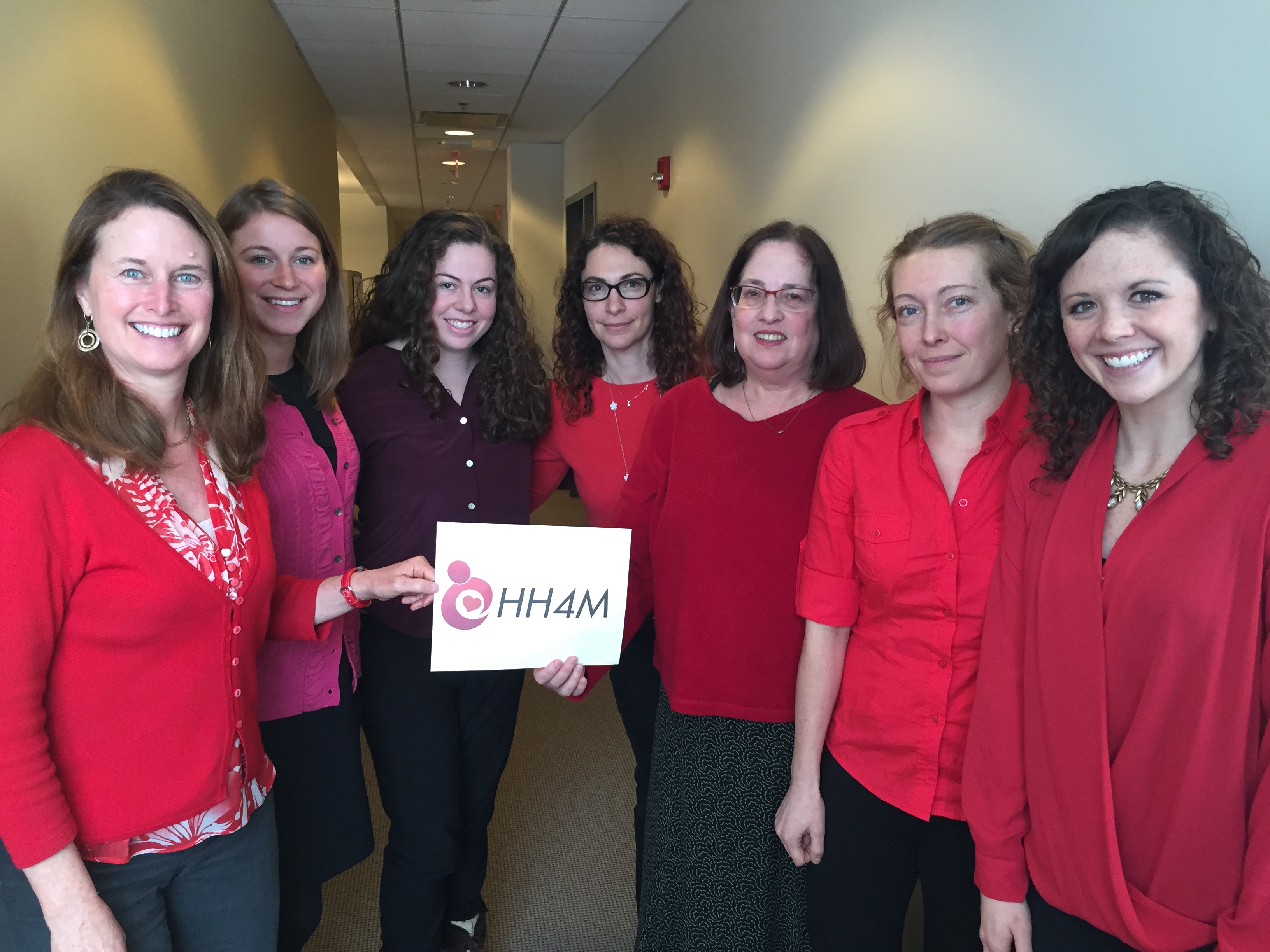
The Heart Health 4 Moms team, including Janet Rich-Edwards (far left) and Ellen Seely (third from right), wearing red to support heart health

The Heart Health 4 Moms team, including Janet Rich-Edwards (far left) and Ellen Seely (third from right), wearing red to support heart health

Five out of every 100 pregnant women are diagnosed with preeclampsia during the second half of their pregnancy. Characterized by high blood pressure and signs of kidney damage, preeclampsia can lead to serious complications if left untreated. Currently, the only cure is delivery of the baby.

Additionally, although women generally return to good health after delivery, preeclampsia is a predictor of future hypertension and cardiovascular disease. According to the American Heart Association, preeclampsia doubles the risk of heart disease and stroke and triples the risk for high blood pressure later in life.

In order to help new mothers who recently experienced preeclampsia improve their long-term health and well-being, BWH’s Ellen W. Seely, MD, and Janet Rich-Edwards, ScD, joined forces with the Preeclampsia Foundation to launch an online study called “Heart Health 4 Moms” (HH4M). The online study is currently open to women living in the U.S. or its territories, who have given birth in the past five months and who had preeclampsia. The study is being funded in part by the national Patient-Centered Outcomes Research Institute.

“Our study is the first attempt to identify the group of women who have experienced preeclampsia and help them take charge of their health after pregnancy, while raising awareness about the condition,” said Rich-Edwards, director of Developmental Epidemiology in the Connors Center for Women’s Health and Gender Biology.

The study, which began recruiting in July, tests a lifestyle intervention program that encourages participants to make healthy changes, such as getting consistent exercise and making nutritious food choices, in order to lower their blood pressure, weight and risk factors for cardiovascular disease. In addition to empowering participants to improve their health, the study also seeks to help them return to their pre-pregnancy weight since weight retained six and 12 months after childbirth is a predictor of being overweight or obese in the future—a major risk factor for hypertension and type 2 diabetes.

Participants are divided into two groups: an enhanced control group, which receives a variety of online resources, such as access to patient information on smoking cessation and healthy eating; and an intervention group, which receives information about behavioral changes, as well as support to make these changes. The second group also has email and phone access to a lifestyle coach who is a registered dietician, and participants can view online educational PowerPoint modules. These participants create a personalized action plan each week with goals for the week, which the lifestyle coach reviews and advises on.

Both groups receive a scale and a blood pressure device that uploads the gathered information to the site. Data on blood pressure and weight are collected at the beginning of the study, three months after the start date and then at nine months after childbirth.

“This study is so important because we are taking a step to enable women with prior preeclampsia to reduce their risk for hypertension and heart disease,” said Seely, director of Clinical Research in the Endocrinology, Diabetes and Hypertension Division. “A web-based program accessible by PC or cell phone allows new mothers to access the program at any hour, day or night, when they can fit it into an already demanding schedule.”

Learn more at http://www.hh4m.org.

1 Comment
The herb garden on Shattuck Street

The herb garden on Shattuck Street

Earlier this summer, members of Patient Care Services (PCS) had the idea to create something new on BWH’s campus: a small herb garden on Shattuck Street.

The effort to plant and maintain the garden was led by Kathy McManus, MS, RD, director of Nutrition, and Maureen Fagan, DNP, MHA, WHNP-BC, FNP-BC, associate chief nurse for Obstetrics and Gynecology and executive director of the Center for Patients and Families. They have developed a schedule in which members of the Nursing and PCS departments take turns watering the herbs.

“We are always trying to find creative ways to promote health and wellness,” said McManus, who routinely sends her PCS colleagues unique recipes from Food Services that incorporate the herbs. “We hope that this garden will inspire us all to get back to the fundamentals of cooking at home and taking care of ourselves. We know there is a strong connection between food and medicine and that many cultures rely on food as medicine. Nutrition is very powerful.”

The garden contains mint, basil, Thai basil, cilantro, parsley, sage and rosemary. Patients, families, staff and visitors are welcome to take a cutting from the herbs to use when preparing meals. Cutting the herbs helps them grow and, in turn, yield more herbs.

The garden is symbolic of several core values of the PCS department, such as including the family as a key part of the care team; promoting cooking and living a healthy lifestyle; and incorporating healing and caring modalities.

“The beauty found in nature can enhance healing,” said Fagan. “Seeing a beautiful garden helps our patients, their families and our staff relieve stress, which benefits their well-being.”

McManus and Fagan encourage all BWH staff with or without a green thumb to join them in their gardening and healthy eating efforts. For more information, call 617-732-6636.

The Nutrition and Food Services departments host a Heart-Healthy Cooking Demo on the first Wednesday of every month from 2 to 2:30 p.m. on the second floor of 75 Francis St., near the entrance to the Shapiro bridge.

AMIGO suite

AMIGO suite

The National Institutes of Health (NIH) has renewed funding for the National Center for Image Guided Therapy (NCIGT) at BWH. The five-year $12 million grant will allow the center to continue its work focused on the multidisciplinary development of innovative image-guided intervention technologies to enable effective, less invasive clinical treatments that improve outcomes and value for patients.

Under the leadership of Clare Tempany, MD, the NCIGT is helping to implement this vision with support from the National Institute of Biomedical Imaging and Bioengineering (NIBIB), by serving as a proving ground for some of the next generation of image-guided therapies.

Since its inception in 2005, NCIGT has provided local, regional, national and international researchers with access to these capabilities. Recent groundbreaking scientific achievements of NCIGT include the use of focused ultrasound energy to disrupt the blood brain barrier and deliver targeted drugs to the central nervous system, and the use of intraoperative mass spectrometry to guide brain tumor surgery. These and other innovations have resulted in more than 400 peer-reviewed publications, some of which have been translated into the treatment of more than 900 patients in the Advanced Multimodality Image-Guided Operating (AMIGO) suite at BWH.

“Having performed hundreds of cases in AMIGO, the NCIGT team has a deep understanding of the current limitations of image-guided cancer treatments,” said Tempany, director of the NCIGT. “This renewed funding will allow us to develop novel innovative technologies for ideal precision cancer surgery.”

In addition to technology development, NCIGT will conduct trials to validate and translate the technologies, primarily involving prostate and brain cancer patients. These cases span a broad range of diseases and technological applications, from cancer diagnosis and characterization to its subsequent complete removal. Specifically, researchers at the NCIGT will develop, test and investigate novel techniques to define the tumor with precision to ensure precise biopsy sampling and complete treatment.

In addition to Tempany, who is the principal investigator (PI) of the Prostate Core, the NCIGT leadership team consists of Tina Kapur, PhD, executive director and Outreach PI; Ron Kikinis, MD, Collaborations director; Alexandra Golby, MD, Neurosurgery Core PI; William Wells, PhD, Computation Core PI; and Noby Hata, PhD, Guidance Core PI.

Save My Life

Dana Mower and BWH’s Kevin Croce

Dana Mower says he’s lucky to be alive today and credits BWH and the ABC News documentary series “Save My Life: Boston Trauma” with saving his life last month.

“I could have had a major heart attack,” Mower said. “I probably wouldn’t be here right now if I didn’t watch the program.”

On the evening of Aug. 16, Mower and his wife, Gail, who live in Lynn, tuned in to an episode of the six-part series, which highlighted the extraordinary trauma care provided at BWH, Massachusetts General Hospital and Boston Medical Center.

The episode featured a story about a man who thought he had heartburn and indigestion but was actually experiencing a heart attack. He was triaged in the BWH Emergency Department, and then interventional cardiologist Kevin Croce, MD, PhD, performed a heart catheterization. During the procedure, Croce inserted a small catheter tube through the patient’s arm to remove a clot near his heart and placed a stent to open the blocked heart artery and restore normal blood flow. The “Save My Life” episode was followed by a report on WCVB Channel 5, in which Croce spoke further about symptoms of a heart attack that often go unrecognized.

Mower, a retired engineer, had been experiencing indigestion and heartburn for several days. Discounting the symptoms, he went about his normal routine and figured he would feel better by the end of the week. Mower became more concerned when he saw the patient on TV because he realized his symptoms were similar. The next morning, Mower decided to go to BWH.

A BWH care team recognized that Mower was experiencing a heart attack and arranged for an urgent heart catheterization. Coincidentally, Croce was on call, and he and the BWH Cardiac Catheterization team, including Natalia Berry, MD, MBA, Joseph Dognazzi, RT, Robyn Weiser, CVT, and Nicole Segalini, RN, responded quickly. The team used a balloon and stent to open one of Mower’s arteries, which was 99-percent blocked.

Croce stressed that symptoms of a heart attack can vary from person to person, and it’s critical to see a physician if you are experiencing discomfort.

“Irreversible heart damage happens about 90 minutes to two hours after someone first experiences symptoms,” said Croce. “The damage caused by a heart attack can reduce the heart’s ability to pump blood.” In the most extreme cases, the heart attack can cause the “heart to stop completely before patients are able to get to the hospital.”

Croce said Mower’s prognosis is very good. To help mend his heart, Mower will start new medications, see a cardiologist regularly and attend a cardiac rehabilitation program.

Looking back, Mower wishes he went to the hospital sooner. He hopes his story will help others recognize the signs of heart attack and respond more quickly than he did.

“I can’t say enough good things about the Brigham and my care here,” he said. “From my care team following proper hand washing protocol to answering all of my questions, I am just so pleased with my experience and grateful I came to the Brigham when I did.”

Special “Save My Life: Boston Trauma” Event at BWH, Sept. 16

In collaboration with ABC News, BWH will host a special event to celebrate its participation in “Save My Life: Boston Trauma” and the awareness it brought to the general public about important medical issues and the exceptional trauma and emergency care provided at BWH. On Wednesday, Sept. 16, at noon, in Bornstein Amphitheater, all staff are invited to attend a viewing of the BWH vignettes that aired on “Save My Life: Boston Trauma” and hear from ABC News staff who produced the show, as well as BWH staff who participated.

Carolyn Mary Kaelin Photo Credit: Steve Marsel

Carolyn Mary Kaelin
Photo Credit: Steve Marsel

BWH and the Dana-Farber/Brigham and Women’s Cancer Center (DF/BWCC) mourn the loss of Carolyn Kaelin, MD, MPH, FACS, who died surrounded by loved ones on July 28. She was 54.

Dr. Kaelin, of Boston, was a breast cancer surgeon at DF/BWCC and the founding director of the Comprehensive Breast Health Center at BWH. Known for her empathy and skill, Dr. Kaelin was active in the research field, focusing on quality of life issues for breast cancer survivors and how doctors and patients make medical decisions.

“Our hearts go out to Dr. Kaelin’s family in this time of profound loss and sadness,” said Michael Zinner, MD, BWH Surgery chair. “As we grieve for our dear colleague and friend, let us find some comfort in the remarkable legacy she leaves behind. In her life, she made an everlasting difference to each patient who came to her for care and to every colleague she mentored. Let us be inspired by her example of grace and fortitude.”

Born in Syracuse, New York, Dr. Kaelin graduated from Smith College and Johns Hopkins School of Medicine. She earned her master’s degree from Harvard School of Public Health.

In 2003, Dr. Kaelin was diagnosed with breast cancer and had a mastectomy. A rare complication of breast cancer therapy prevented her from returning to clinical practice. She decided to redouble her patient education and survivorship efforts, with a particular emphasis on the underserved population. In 2010, she was diagnosed with brain cancer, which was unrelated to her previous cancer.

Over the years, Dr. Kaelin worked to improve the lives of women facing breast cancer. She established the Quality of Life Fund at BWH to support breast cancer survivorship projects and launched the “Knowledge, Strength and Grace” conference series for breast cancer patients and their families. She also cofounded the Quality of Life Cancer Fund in Aspen, Colorado, to support indigent cancer patients.

Dr. Kaelin coauthored two award-winning books, “Living Through Breast Cancer” and “The Breast Cancer Survivor’s Fitness Plan,” and helped to create an innovative, exercise-centered breast cancer recovery program at the YMCA. She was extremely physically active throughout her life and cycled in Dana-Farber Cancer Institute’s (DFCI) Pan-Mass Challenge to support cancer research and treatment.

In 2001, Newsweek featured her as one of “15 Women of the New Century.” She received many honors, including an Exceptional Women Award and the Mary Horrigan Connors Award at BWH, which recognized her outstanding commitment to women’s health.

Dr. Kaelin is survived by her husband, William G. Kaelin, Jr., MD, Howard Hughes Medical Institute investigator at DFCI and Harvard Medical School professor; children, Kathryn Grace and William (Tripp); parents, Mary and Richard Scerbo; brother, Richard Scerbo, and his wife, Ellen; and additional family and friends.

On Friday, Aug. 28, at 4 p.m., a memorial service will be held at St. Ignatius Church, 28 Commonwealth Ave., in Chestnut Hill. Guests are welcome to wear a touch of pink.

In lieu of flowers, memorial donations can be made in Dr. Kaelin’s honor to Spaulding Rehabilitation Hospital or DFCI to support brain tumor research under the supervision of Patrick Wen, MD, chief of BWH’s Division of Neuro-Oncology. Read an obituary written by Dr. Kaelin’s family.

The Rad Onc Wait Time App allows patients to check waiting times from a web browser or smartphone.

The Rad Onc Wait Time App allows patients to check waiting times from a web browser or smartphone.

It seemed like a simple request. Back in 2005, Joseph Killoran, PhD, a medical physicist in the Department of Radiation Oncology, created a popular application that informed patients of current treatment wait times. But it had one problem: patients, many of whom needed daily treatment, could only view the wait times once they were at the hospital.

One day, a patient asked Jay Harris, MD, former department chair, if it would be possible to view this information online before leaving home. And if the wait times could be displayed on a website, could they also be displayed on a smartphone app so that patients could check them on the fly?

As the wait time app bloomed into something more than an internal tool, Killoran found himself wading into uncharted territory. He wanted to go through proper channels to expand the reach of the app, without compromising security or privacy. He knew that information systems resources could make this possible but didn’t know how to navigate them. The process of connecting with the right people was made easier when Killoran’s colleague, Neil Martin, MD, MPH, contacted Adam Landman, MD, MS, MIS, MHS.

That’s how Killoran learned of the BWHC Information Systems (IS) Digital Health Innovation Group (DHIG). Led by Landman and Donna Fraser, senior project specialist, DHIG supports BWH researchers, clinicians and staff who seek to use digital health technologies in their practice or research.

“One of the challenges of being an innovator is that you are doing things for the first time, and it’s not easy to find out how to get the assistance that you need,” said Fraser. “We’re trying to be a point of contact within IS that can help get innovators to the right services and the right contacts and follow up if they’re having any issues.”

“Adam and Donna were my advocates,” said Killoran. “The overall process was challenging—it took five months and involved assistance from many different groups—but in the end, we were able to connect with the right people and meet our goal of developing an accessible site that meets Partners standards.”

DHIG offers this assistance to all innovators and works closely with the Brigham Innovation Hub. In addition to Landman and Fraser, DHIG also includes representatives from research, Partners IS Information Security, Partners eCare and Materials Management. “We can help throughout the entire lifecycle of an idea,” said Fraser.

DHIG has supported several other groups and researchers around the hospital, including Katherine Rose, MD, who began a pilot project with Twine Health, a software platform for chronic-disease management, to empower patients to manage hypertension and other conditions. It has also supported Stephanie Shine, BSN, RN, who adapted Google Glass technology to allow new mothers to see their baby in the NICU.

Landman and Fraser want the entire clinical and research community to know that DHIG is here to help BWHers develop new applications to address important hospital challenges.

“This group was formed to help BWHC leverage digital health technologies safely and efficiently to improve health care delivery and facilitate research discoveries,” said Landman.

To learn more, email BWHCDigitalHealthSupport@partners.org.

Cordelia White arrived at BWH’s NICU late last month with a homemade cake, balloons, photo albums, her neonatal medical record and some preemie outfits and diapers in hand. She couldn’t think of a better way to ring in her 30th birthday than with the people who took care of her for the first six months of her life.

“I always knew that someday I would be back to visit; I just wasn’t sure when,” said White, donning a big smile and birthday party hat. “This seemed like the right time.”

On July 24, White and her father, Peter, drove from New Hampshire to visit BWH’s NICU. It was an opportunity for the family to acknowledge the life-saving efforts of her care team.

White, who was born at 25-weeks gestation and weighed just one-and-a-half pounds, has persevered through many health obstacles since birth. While times haven’t always been easy for her, she’s stayed positive and worked toward achieving her goals, including graduating from high school and moving into her own apartment.

Kathleen Murphy, NP, who was White’s primary care nurse 30 years ago, reunited with her during the celebration.

“Cordelia was an incredibly sick baby, but she never gave up,” Murphy recalled. “Her parents were fierce advocates for their child and were confident Cordelia was receiving the best care. She’s one of my favorite preemies.”

During the visit, Spiritual Care Services performed a reaffirmation of White’s baptism. Since White was so sick when she was born, she received an emergency baptism in case she did not survive. The ceremony on her recent visit was a comfort, she said.

A proud father, Peter said he was happy he could visit BWH with his daughter and reflect upon how far she has come since her time in the NICU.

“This is a pretty important day,” he said. “It was emotional stepping into the Brigham nearly three decades later, but it’s a dream come true to be back here.”

3 Comments

The Boston Business Journal recently announced its 2015 Healthcare Heroes, recognizing those who have been steadfast in their commitment to improving the health and wellness of Massachusetts residents. Four members of the BWH community were named to the list of 14 recipients from across the city: Joel Katz, MD, Stephanie Shine, BSN, RN, Adam Landman, MD, MS, MIS, MHS, and Audrey Epstein Reny.

“Our BWH honorees are truly accomplished in their fields and have made a difference here at BWH, in the greater Boston community and beyond,” said BWHC President Betsy Nabel, MD. “We are proud that they have been recognized for their tireless efforts to advance the highest-quality patient care, innovative research, stellar education and community outreach.”

The award winners, listed by name and category below, were featured in a special section in the Boston Business Journal on Aug. 14.

Educator: Joel Katz, MD

Joel Katz

Joel Katz

As director of the Internal Medicine Residency Program, a general internist and an infectious disease specialist, Joel Katz, MD, has been responsible for training 170 residents each year for the last 15 years. Since becoming director in 2000, he has dedicated himself to creating a vision and infrastructure in order for residents to simultaneously achieve clinical excellence and establish themselves as productive innovators, researchers and leaders in internal medicine. He also co-created innovative courses that unite his greatest interests—fine arts and teaching. For example, the first-year Harvard Medical School preclinical course “Training the Eye: Improving the Art of Physical Diagnosis” features observation exercises at Boston’s Museum of Fine Arts to train students to look carefully for subtle clues in patients. The course has become a model for this type of cross-disciplinary medical humanities teaching throughout the U.S.


Non-Physician Provider: Stephanie Shine, BSN, RN

Stephanie Shine

Stephanie Shine

An expert clinician, innovative researcher, driven leader and compassionate caregiver, Stephanie Shine, BSN, RN, provides excellent care to infants, mothers and families in the NICU during what is often the most difficult time of their lives. She is the principal investigator of an innovative study called “Love at First Sight” that incorporates video conferencing into the NICU via Google Glass, allowing new mothers to see and hear their babies in real time through the eyes of their birth partner as they are recovering. The study addresses maternal-infant separation after birth, and to date, 250 mothers have been enrolled as participants.


Innovator: Adam Landman, MD, MS, MIS, MHS

 Adam Landman

Adam Landman

Adam Landman, MD, MS, MIS, MHS, BWHC chief medical information officer (CMIO) for Health Information Innovation & Integration, oversees BWHC’s clinical information technology innovation initiatives, including many projects related to Partners eCare. He has also developed mobile apps to securely capture and store clinical images and to improve electronic medication administration and reconciliation. Landman is also exploring how secure video can be used in the Emergency Department and elsewhere to capture details, including patient histories and assessments, faster.


Volunteer: Audrey Epstein Reny

Audrey Reny

Audrey Reny

On April 15, 2013, Audrey Epstein Reny stood at the finish line of the Boston Marathon with her family, including her daughter Gillian, who was critically injured during the bombings. Gillian was rushed to BWH, where a multidisciplinary trauma team saved her life and her legs. Out of gratitude, the Reny family established the Gillian Reny Stepping Strong Fund at BWH to fuel innovative trauma research and clinical care. Since establishing the fund in 2014, Audrey Epstein Reny has made it her life’s work to turn tragedy into hope for future trauma patients by raising funds and awareness about the field. In just 17 months, the Stepping Strong Fund has raised nearly $4.4 million, funded six researchers and engaged more than 7,100 people around the globe in the mission.

Marla Wolk and her children deliver handmade blankets to the NICU. Ian, wearing yellow, and Oliver, in blue, were 27 week identical twins almost 12 years ago and traveled with their parents Marla, and Jeffrey along their little sister, Serenity Rose to the Connors Center 6th floor on Saturday. The Wolk Family were assisted by NICU Family specialist, Niurka Pitts who was on hand to help the children distribute the blankets. ( lightchaser photography © 2015 )

Marla Wolk and her children–Ian (wearing yellow), Oliver (in blue) and their little sister, Serenity Rose–recently delivered handmade blankets to the NICU.

On July 25, the Wolk family visited BWH’s NICU with 60 handmade blankets in tow. Jeffrey and Marla Wolk brought their 11-year-old twins, Ian and Oliver, and their younger daughter, Serenity, to deliver the blankets to babies and their families, as they have done every year for the past decade.

The beautiful new blankets were draped over each NICU baby’s isolette—the incubator that provides controlled temperature and humidity and an oxygen supply for premature babies. Preemies benefit from a dark and quiet environment, resembling the womb, and the heavy, lined blankets help keep out light and sound.

The Wolk family’s generosity and dedication to the NICU and its occupants began when Ian and Oliver were born at BWH 14 weeks premature in July 2003. The twins spent the first three-and-a-half months of their lives in the NICU growing, developing and recovering. They overcame critical health challenges related to their early arrival.

During their July 25 visit, the Wolk family visited with NICU parents and families, and reconnected with BWH nurses and NICU family support specialist Niurka Pitts.

Serenity Wolk wheels a pile of blankets nearly as tall as she is.

Serenity Wolk wheels a pile of blankets nearly as tall as she is.

OLYMPUS DIGITAL CAMERA

Christopher Chiodo

Earlier this year, the state’s Department of Public Health released data showing that opioid overdoses and deaths are increasing at an alarming rate.

Opioids are medications that are commonly prescribed after surgery for short-term pain relief, especially for musculoskeletal pain. In addition to significant side effects, long-term opioid use can result in physical dependence.

The number of opioid-related deaths in 2014 (approximately 1,000) was 33 percent higher than two years ago, as well as the most ever recorded in Massachusetts. Every county in the state experienced at least one opioid-related death, and a few Boston-area counties, such as Middlesex and Essex, saw significant spikes.

Thousands of opioid overdoses result in emergency room visits and hospital stays and cause immeasurable suffering for families. Hospitals throughout the Partners system, including BWFH, have developed a variety of responses to this escalating crisis.

BWFH’s Addiction Recovery Program has a long-standing tradition of comprehensive care for people seeking recovery from alcohol and other drug addictions. Services include inpatient detox, group treatment programs and self-help meetings, as well as individual counseling. One of the program offerings is an outpatient suboxone program. Suboxone is a medication used to treat opioid addiction and help with pain control. The program involves suboxone induction followed by weekly maintenance group sessions for at least 12 weeks.

Additionally, a team at BWH and BWFH is exploring the cause of addiction and how it can be prevented. After a recently conducted study found that opioid addiction may begin in the doctor’s office, the team set out to learn why opioid consumption and dependence have become so common in the first place.

“I see patients every week who are battling or have battled addiction,” said Christopher Chiodo, MD, chief of Brigham and Women’s Foot and Ankle Surgery Service. “Even outside of the health care industry, just about everyone knows someone who has been affected by opioid addiction. My colleagues and I began to wonder where these patients get their initial exposure to opioids and to what extent we as physicians play a role?”

Together with Orthopedics colleagues Eric Bluman, MD, and Jeremy Smith, MD, psychiatrist Joji Suzuki, MD, and Orthopedics research assistant Mike Penna, Chiodo conducted a study titled “Opioid Addiction Resulting from Legitimate Medical Prescriptions” to explore the topic.

The study surveyed 50 patients ages 19 to 59 who were being treated for opioid addiction at BWFH’s Outpatient Addiction Treatment Center. Patients were asked about their initial exposure to opioids, when they first considered themselves “addicted” and about their later dependency. They were also asked about heroin use, comorbid psychiatric disorders, such as depression and anxiety, and the nature of the disorder for which opioids were initially prescribed.

The survey found that 58 percent of patients first began taking opioids when they were prescribed by a doctor. The most common drugs patients began with were Percocet (oxycodone), OxyContin (oxycodone) and Vicodin (hydrocodone). After they considered themselves “addicted,” 45 percent of patients reported getting the majority of their opioids through a prescription. Seventy-two percent of patients surveyed reported a history of heroin use.

Chiodo presented these findings at the 2015 American Psychiatric Association annual meeting held in Toronto.

“Too often surgeons prescribe an opioid pain medication for a longer time period than necessary,” said Chiodo. “I make sure to explain the side effects and risks of dependence to my patients. Opioids can mask symptoms that we need to know about and can cause gastrointestinal problems. But most importantly, we know they are highly addictive.”

State legislators including Governor Charlie Baker and former Senator Steven Tolman have also expressed concern about prescription opioids, urging physicians to take action.

“We need improved prescription monitoring programs, and our patients need better access to pain management specialists,” Chiodo added. “But even before that, as physicians who prescribe these types of medications, we need to be aware that we are oftentimes the starting point. We need to take our time with our patients and watch for warning signs. When we see signs of dependence, we have to be willing to have that difficult conversation with our patients.”

James Tulsky

James Tulsky

James Tulsky, MD, has been appointed director of Palliative Care at BWHC and inaugural chief of the Division of Palliative Care in the Department of Medicine at BWH, effective Sept. 1. He will also become chair of the Department of Psychosocial Oncology and Palliative Care at the Dana-Farber Cancer Institute (DFCI).

In these roles, Tulsky, who is nationally recognized for his leadership and achievements in end-of-life care and provider-patient communication, will lead the palliative care and psychosocial oncology efforts at BWHC, DFCI and Boston Children’s Hospital.

“The vision of the new BWH Division of Palliative Care is to support patients with life-threatening illness and their families, enhance quality of life and well-being and relieve suffering by providing compassionate clinical care,” said BWHC President Betsy Nabel, MD. “Our mission also includes training the next generation of leaders in psychosocial oncology and palliative care. We are extraordinarily fortunate to have Dr. Tulsky paving the way for us and bringing his inspiring vision to our community.”

Tulsky will join BWHC from the Duke University Health System, where he is a professor of Medicine and Nursing at Duke School of Medicine and a senior fellow in the Center for the Study of Aging and Human Development. He has received National Cancer Institute funding for the development of an online intervention to improve communications skills and build trust between clinicians and patients. He is the author of 160 peer-reviewed publications and the book “Mastering Communication with Seriously Ill Patients.”

Tulsky received his medical degree from the University of Illinois College of Medicine at Chicago and trained as a resident in internal medicine at the University of California, San Francisco. He joined Duke’s faculty in 1993, where he worked in the Palliative Care Unit.

Tulsky is the recipient of many awards, including the 2002 Presidential Early Career Award for Scientists and Engineers and the 2013 George L. Engel Award from the American Academy on Communication in Healthcare for “outstanding research contributing to the theory, practice and teaching of effective healthcare communication and related skills.”
Tulsky succeeds Susan Block, MD, who established and led Psychosocial Oncology and Palliative Care at DFCI and palliative care services at the Brigham. Joanne Wolfe, MD, served as interim chair as Block transitioned to Ariadne Labs.

“Dr. Block has nurtured and developed the careers of an exceptional faculty and staff, and has built robust clinical and teaching services at Dana-Farber, BWH and Boston Children’s Hospital,” said Nabel. “We are very pleased that she will continue to be an active member of our medical staff. Additionally, Dr. Wolfe has done a terrific job balancing her roles as leader of palliative care and psychosocial oncology programs with her duties as interim head of the department.”

This year’s Stepping Strong Innovator Awards finalists are addressing complex challenges related to trauma research. Each of the three finalists hopes to receive the $100,000 Stepping Strong Innovator Awards, which will be awarded at Discover Brigham on Oct. 7. Read about their work below, and vote for your choice.

Bohdan Pomahac, MD, Division of Plastic Surgery

20120112, Thursday, January 12, 2012, Boston, MA, USA, LIGHTCHASER PHOTOGRAPHY, Brigham and Women's Hospital plastic surgeon Bohdan Pomahac, MD stands on the third floor walkway of the Shapiro Cardiovascular Center building at Brigham and Women's Hospital on Thursday, January 12, 2012...( lightchaser photography 2012 © image by j. kiely jr. )

What is your research project about?

Following traumatic amputation, detached extremities can only survive for four to six hours. We have developed a portable machine that may be able to keep detached limbs—arms, legs, hands and feet—alive for half a day, and possibly even longer.

The machine will also allow us to test how to:

  • Extend the time available for transportation of donated extremities for transplantation
  • Manipulate detached extremities prior to replantation—in other words, make the detached extremities “better” before reattaching them on the body
  • Treat patients who suffer certain types of cancer of the extremities with targeted high doses of chemotherapy, without affecting the rest of their body

What is a compelling aspect of your research project?

Think about all of the brave warriors who lost their limbs in the wars in Iraq and Afghanistan. Our device could provide sustainment of severed limbs by supplying them with oxygen and important nutrients. It could keep these body parts alive outside of the body for more than three times longer than what is currently possible. This extended time would allow for the transfer of wounded warriors and their limbs from the battlefield to hospitals in the U.S. or Europe, where surgeons could then attempt reattachment. We hope our device will buy precious time, allowing us to provide the best possible care to those who experience a traumatic injury.

How will your research project benefit future patients who suffer from trauma-related injuries?

More than 1 million Americans are living with missing limbs, many of them due to traumatic amputation. Likewise, more than 1,200 of our brave servicemen and servicewomen lost one or more limbs in recent wars. Our machine will enable the saving of amputated extremities for up to three times longer than what is currently possible. Moreover, it will provide amputees with a better chance of receiving an extremity transplant years after their initial trauma by facilitating the transportation of donated limbs over longer distances and greater time.

The machine can also treat detached limbs with drugs that cannot be introduced into the entire body’s circulation for safety or other reasons. While the limb is attached to the machine, drugs and compounds can be introduced to treat various conditions, such as cancer or infections.

CAST YOUR VOTE
or read more about the other Stepping Strong Innovator Awards finalists:

Omid FarokhzadHealing Bones with Nanodrones:
Next Frontier in Orthopedic Surgery
 Su-Ryon ShinHealing Muscle Trauma Using 3-D Bioprinting

This year’s Stepping Strong Innovator Awards finalists are addressing complex challenges related to trauma research. Each of the three finalists hopes to receive the $100,000 Stepping Strong Innovator Awards, which will be awarded at Discover Brigham on Oct. 7. Read about their work below, and vote for your choice.

Su-Ryon Shin, PhD, Division of Medicine

Su-Ryon ShinWhat is your research project about?

Tissue engineering has emerged as a promising way to create 3-D tissue for patients who have lost muscle through traumatic, athletic, military and disease-related injuries. However, developing muscle tissue that functions as real muscle—allowing the proper flow and penetration of nutrients like blood and oxygen—remains a challenge.

Our project addresses this obstacle by introducing an entirely new approach: bioprinting. Through bioprinting, we can create 3-D muscle tissue that contains blood vessels and mimics living cells. This advanced technology also has the potential to create significant financial savings by treating muscle trauma without requiring muscle organ donors—a surgical process that imposes staggering costs on our health care system.

What is a compelling aspect of your research project?

The use of bioprinting as an alternative way to treat muscle trauma is a revolutionary scientific concept. Our project uses a perfusable, breathable tissue construct. This is a distinct improvement over earlier models because it allows the flow of a patient’s own blood through the muscle tissue to prevent tissue death. We accomplish this by inserting a hollow tube within the thick muscle tissue construct that enables the proper flow and penetration of nutrients. We also use bioink fibers—biodegradable materials that mimic the elasticity and mechanical properties of living muscle tissues. We believe this novel bioprinting approach will not only help heal muscle trauma but also advance the field of large-scale muscle tissue engineering. Best of all, this process can be readily applied to other areas of regenerative medicine, such as generating new organs.

How will your research benefit future patients who suffer from trauma-related injuries?

Damage and loss of skeletal muscles are common for survivors of trauma-related injuries. When large amounts of muscle tissue are lost, the body is unable to replace it. The trauma site often forms scar tissue that lacks the functionality of the lost muscle. Current treatment options are limited, and many trauma patients must undergo multiple surgeries, which often aggravate the damage. Tissue engineering using 3-D bioprinting holds great promise as an alternative therapy because of its ability to re-establish the structure and function of the injured muscle tissue without potentially harmful surgeries or costly transplants.

CAST YOUR VOTE
or read more about the other Stepping Strong Innovator Awards finalists:

20120112, Thursday, January 12, 2012, Boston, MA, USA, LIGHTCHASER PHOTOGRAPHY, Brigham and Women's Hospital plastic surgeon Bohdan Pomahac, MD stands on the third floor walkway of the Shapiro Cardiovascular Center building at Brigham and Women's Hospital on Thursday, January 12, 2012...( lightchaser photography 2012 © image by j. kiely jr. )From Battlefield to Bedside:
A Portable Device for Rescuing
Limbs

Omid FarokhzadHealing Bones with Nanodrones:
Next Frontier in Orthopedic Surgery

This year’s Stepping Strong Innovator Awards finalists are addressing complex challenges related to trauma research. Each of the three finalists hopes to receive the $100,000 Stepping Strong Innovator Awards, which will be awarded at Discover Brigham on Oct. 7. Read about their work below, and vote for your choice.

Omid Farokhzad, MD, Department of Anesthesiology

Omid FarokhzadWhat is your research project about?

Our project aims to address the problem of bacterial infections and lack of new bone growth in patients who undergo orthopedic trauma surgery. Injuries from accidents and severe trauma can cause large open bone fractures and, in more extreme cases, large bone defects. Such injuries are frequently prone to poor bone healing and high rates of infection. As a result, orthopedic trauma surgeons are often challenged to both stabilize and repair bone injuries, while also promoting an optimal environment to prevent infection and aid bone healing.

Currently, the standard of care is rudimentary. A cement paste containing antibiotics to kill infecting bacteria is molded into the open fracture and the wound is closed up. At best, only about 25 percent of the antibiotic is released from the cement, and since the cement is not biodegradable, patients require further operations for removal. The cement can also cause bacterial biofilms to grow, leading to more infection.

This project addresses these challenges by developing very small biodegradable robots called nanomedicines that can deliver antibiotics and other drugs to promote bone growth and wound healing in a much more efficient way. These nanorobots can stick to a biodegradable moldable material that is placed in the bone defect, target bacteria and deliver drugs to kill them, and can also deliver drugs that will help the bone heal faster and better.

What is a compelling aspect of your research project?

We are harnessing the power of nanotechnology to treat infections, heal bone fractures, minimize the need for patients to have follow-up surgeries after injury or trauma, and prevent amputations. Our team is highly multidisciplinary in that a nanomedicine scientist and an orthopedic trauma surgeon are working closely together to achieve these goals.

How will your research project benefit future patients who suffer from trauma-related injuries?

In the short term, bacterial infections are minimized or eradicated, and natural bone growth is accelerated. In the long term, the patient may not need follow-up surgery, as the moldable matrix can biodegrade in the body, leaving new bone in its place. We aim to improve the quality of life for trauma patients and to lower health care costs by minimizing the need for further surgeries.

CAST YOUR VOTE
or read more about the other Stepping Strong Innovator Awards finalists:

20120112, Thursday, January 12, 2012, Boston, MA, USA, LIGHTCHASER PHOTOGRAPHY, Brigham and Women's Hospital plastic surgeon Bohdan Pomahac, MD stands on the third floor walkway of the Shapiro Cardiovascular Center building at Brigham and Women's Hospital on Thursday, January 12, 2012...( lightchaser photography 2012 © image by j. kiely jr. )From Battlefield to Bedside:
A Portable Device for Rescuing
Limbs
 Su-Ryon ShinHealing Muscle Trauma Using 3-D Bioprinting

This year’s BRIght Futures Prize finalists are pursuing forward-thinking and inventive research to improve patient care. Each of the three finalists hopes to receive the $100,000 BRIght Futures Prize, which will be awarded at Discover Brigham on Oct. 7. Read about their work below, and vote for your choice.

William Savage, MD, PhD, Department of Pathology

Savage_cropWhat is your research project about?

Thousands of patients with cancer, sickle cell disease or autoimmune disease, as well as organ transplant recipients require specialized blood treatments, called apheresis. During apheresis, blood is taken out of the body using large, specialized medical devices, and the part of the blood that is causing disease is selectively removed. The rest of the healthy blood is returned to the patient. The current process, which uses a large, complicated centrifuge-based machine, can require donor blood transfusions and a big catheter placed into a large vein near the patient’s heart. Our project will make apheresis easier for both patients and the people who operate the devices.

What is a compelling aspect of your research project?

In collaboration with engineers at the Charles Stark Draper Laboratory, our team has invented a technology that uses ultrasound waves to separate blood into its components for apheresis. We call this “acoustic apheresis,” and it represents a completely new way to perform the procedure.

Also, we use materials that make the technology scalable for pediatric to adult-sized patients.

How will your research project benefit people?

First, our device is smaller, simpler, mounted on an IV pole, and will require less training to use and maintain, reducing health care costs.

Second, because it is a small device, acoustic apheresis reduces the need for large catheters and eliminates the need for donor blood to fill up the large volume of current devices, a huge improvement for people who may receive up to 100 treatments annually. Moreover, for critically ill patients, removing less blood means a safer procedure.

Third, because of its simplicity, our device can be used continuously for days, like an IV infusion. Many apheresis treatments for hospitalized patients are staggered three times a week because of the staffing complexity and large blood volumes involved. With a smaller, simpler device that can be operated continuously, patients won’t have to wait between treatments, and we can remove more disease-causing antibodies and blood cells than is currently feasible.

CAST YOUR VOTE
or read more about the other BRIght Futures finalists:

Ngwa_crop1
Tiny Drones to Target Cancer
Fanta_crop1
AIMSpire: Outsmarting Asthma

This year’s BRIght Futures Prize finalists are pursuing forward-thinking and inventive research to improve patient care. Each of the three finalists hopes to receive the $100,000 BRIght Futures Prize, which will be awarded at Discover Brigham on Oct. 7. Read about their work below, and vote for your choice.

Wilfred Ngwa, PhD, Department of Radiation Oncology

Ngwa_crop1What is your research project about?

Cancer is a leading cause of death worldwide, accounting for more than 8.2 million deaths per year. About 90 percent of cancer deaths are caused by the spread of the cancer to other parts of a patient’s body, making it more difficult to treat effectively.

We have developed a powerful new technology designed to kill cancer cells that have spread to other parts of the body. The technology combines microscopic nanoparticles with medicine—all packed into a tiny drone the size of a grain of rice. Currently in the clinic, similar rice-size materials are routinely implanted in patients to guide radiotherapy treatment of cancers such as pancreatic, lung or prostate cancer. We want to upgrade the technology that is currently used with our “smart” technology, which can be employed at no additional inconvenience to patients. Once in place, our technology will proficiently release the microscopic particles/medicine to enhance local tumor cell death during radiotherapy and act as a beacon to call in the patient’s white blood cells. The white blood cells are then trained to kill cancer cells and can patrol the entire body, fighting cancer that has spread with greater effectiveness.

What is a compelling aspect of your research project?

Our team brings a new approach to an old problem. Our unique combination of state-of-the-art radiotherapy with nanotechnology and immunotherapy in one device will pack a pretty impressive punch.

When patients are treated with radiotherapy and/or drugs delivered via injections, the treatment can often harm healthy cells and tissue, in addition to cancer cells. Our tiny drones will enable highly targeted tumor cell death, with minimal damage to healthy tissue. In addition, the trained white blood cells will have the potential to kill off any cancer that may arise or come back in the future.

How will your research project benefit people?

Our technology is designed to substantially boost cancer cure rates, with minimal harm to healthy tissue, including for patients whose cancer has spread. One of the greatest fears of patients who are receiving treatment for cancer or are in remission is that their cancer will come back. Our technology is also designed to help prevent that from happening. Overall, our transformative new technology could drastically increase the survival rate and quality of life for cancer patients, particularly those with pancreatic cancer, for whom current treatments are limited.

CAST YOUR VOTE
or read more about the other BRIght Futures finalists:

Savage_crop
Making Blood Treatments Better
Fanta_crop1
AIMSpire: Outsmarting Asthma
3 Comments

Two compelling competitions to advance innovation—the BRIght Futures Prize and Stepping Strong Innovator Awards—are currently underway at BWH, and voters from BWH and beyond will determine the winners. Both competitions feature inventive ideas from across the hospital community, and each competition’s winner will receive a $100,000 prize.

The BRIght Futures Prize supports BWH investigators as they work to answer provocative questions or solve vexing problems in medicine. The fourth annual BRIght Futures Prize competition features three projects that have the potential to make a difference in patients’ lives.

You can learn more about the three finalists—BWH researchers and clinicians Christopher Fanta, MD, Wilfred Ngwa, MD, PhD, and William Savage, MD—in this issue of BWH Bulletin. The BRIght Futures Prize will be presented at Discover Brigham (formerly known as Research Day) on Oct. 7.

CAST YOUR VOTE FOR THE BRIGHT FUTURES PRIZE

The Stepping Strong Innovator Awards program is part of the Gillian Reny Stepping Strong Fund that was established by the Reny family following the 2013 Boston Marathon bombings, which left Gillian Reny, a student and aspiring dancer, with severe injuries to both of her legs. The fund’s goal is to support and advance clinical and research efforts related to trauma, enabling patients who have suffered from traumatic, athletic, military or disease-related limb injuries to return to their highest level of function and mobility. This award seeks to inspire innovative research addressing clinical problems in areas related to limb reconstruction, limb transplant, advanced stem cell technology, orthopedic and plastic surgery, bioengineering and rehabilitation.

You can learn more about the three finalists—BWH researchers and clinicians Omid Farokhzad, MD, Su-Ryon Shin, PhD, and Bohdan Pomahac, MD—and their projects in this issue as well, view a video about their work below and cast your vote here. The Stepping Strong Innovator Awards winner will also be announced at Discover Brigham.

CAST YOUR VOTE FOR THE STEPPING STRONG INNOVATOR AWARDS

Be sure to cast your vote in both competitions, and help spread the word via social media!

From left: Patrick Hubbard, Pierre Adelson, Food Services staff member, and Manar Alsebai, Food Services executive chef

From left: Patrick Hubbard, Pierre Adelson, Food Services staff member, and Manar Alsebai, Food Services executive chef

In an effort to increase patients’ satisfaction with their meals, BWH Food Services is rolling out several improvement initiatives, including overhauled menus that promote health and wellness, faster delivery times and a more personalized approach to menu selection, preparation and distribution.

“Patients expect a dining experience that is parallel to the level of care they receive during their hospital stay,” said Peter Lamb, BWH Food Services director. “Our Food Services team is committed to making improvements and gathering feedback from patients to ensure we not only meet, but strive to exceed, their expectations.”

One of the biggest improvement initiatives focuses on the patient menu. The menu was redesigned last fall with the goal of providing information that encourages patients to make nutritious food choices that fit their diet restrictions. Fried foods and soda were removed from the menu, while nutritional content information, including kosher and gluten-free symbols, was added.

Food Services has also been working closely with the departments of Nursing and Nutrition and Wellness and the Center for Patients and Families to redesign the menu layout and bring back some favorite comfort foods that are now baked instead of fried, including chicken tenders and French fries. The team will also add flavorful, healthy rotating specials and entrees.

When renovations to BWH’s Cafeteria are complete early next year, food production for the Cafeteria and patients will occur in one kitchen, enabling Food Services to offer some items from the Cafeteria menu to patients as well. Currently, food production for the Cafeteria and patients takes place in separate kitchens.

A few months ago, Food Services staff participated in a two-day Lean Kaizen event, which focuses on continuous improvement and eliminating waste. They brainstormed ideas about how to reduce the time it takes to cook, prepare and deliver patient meals. Small changes to workflows and equipment layout, for example, have resulted in reduced tray delivery times.

As Food Services staff make changes, they are committed to listening to feedback from patients. The department has been conducting an average of 300 meal rounds per week at BWH. Staff visit patients in their rooms to hear about the quality of meals directly from patients. They also speak with nurses to gain feedback about meals and delivery.

“Initial feedback from our patients has been positive and helpful,” said Lamb. “We’re collecting the information from our rounds with patients and reviewing it to see which areas need more attention.”

Another exciting improvement initiative began when Partners eCare (PeC) launched on May 30: a diet order interface was built between Epic and HealthTouch, BWH’s meal order software. With the interface, HealthTouch acts as a listener to Epic, meaning that diet orders, allergies and supplements prescribed by doctors in Epic are automatically transferred into HealthTouch. In addition, foods containing ingredients a patient shouldn’t consume are automatically eliminated from the available menu options in HealthTouch. Before the interface, Food Services staff would have to pick up diet order sheets from every pod and floor throughout the hospital each morning and then enter the orders manually in HealthTouch, which took about two hours.

The new software has resulted in shorter wait times for meals and improved patient safety. The call center can now take future meal orders for patients, up to a week in advance, which saves time for patients, nurses and call center staff.

Since the new interface went online, the call center’s 25 operators, who assist patients with meal orders, have had the bandwidth to answer calls more frequently, resulting in fewer hang-up calls. Patrick Hubbard, operations manager for Patient Dining Services, says the number of hang-up calls for meal orders dropped from approximately 1,100 in April to 300 in June.

Food Services manager Roxanne Noseworthy said she and her colleagues are thrilled with the efficiency of the new interface: “I was emotional and excited when Epic went live and I saw the first diet order come through the new interface. We’ve waited more than 16 years for this, and I couldn’t be happier about it. I’m glad this interface has already started to benefit patients. It’s a win-win for Food Services and the entire hospital.”

savemylife

Last fall, ABC News crews embedded within BWH for the filming of a new documentary series highlighting the extraordinary trauma care provided at BWH, Massachusetts General Hospital and Boston Medical Center. On July 19, “Save My Life: Boston Trauma,” premiered, shining a national spotlight on “top-tier trauma teams at some of the nation’s most prestigious hospitals,” according to ABC News.

“It is extraordinary that so much medical excellence is concentrated in one city,” said executive producer Terence Wrong. “Boston has half a dozen nationally—even internationally—prominent research hospitals and eight Level 1 trauma centers.”

Wrong, who also produced “Boston Med” and “Hopkins,” sought to return to Boston to tell stories of heroism and poignancy by highlighting the day-to-day work of care providers at these three hospitals and the response of Boston Emergency Medical Services (EMS).

Emergency Department nurse Jennifer Verstreken, RN, MSN, MBA/MHCA, was one of several BWH care providers featured in the first episode. She says it was fun to get a behind-the-scenes view of the making of a TV show. She said that during slower times, the crew would interview her about such topics as why she decided to become a nurse and her favorite aspect of her profession.

In the premiere episode, Verstreken was shown caring for an older patient with back pain and a keen sense of humor.

“Every day, I arrive to work with the goal of providing the best care possible,” said Verstreken. “Nurses arrive with our empathetic cup brimming over in order to provide compassionate care. By the end of the day, many of us are empty from this rewarding but challenging work. The patient featured in the episode with me was one of those patients who fills you back up.”

BWH International Emergency Medicine Fellow Kayla Enriquez, MD, was also featured in the premiere, encouraging resident Sabrina Poon, MD, in relocating a Boston Police officer’s knee cap. The officer was initially hesitant in having a physician-in-training perform the quick procedure.

“Overall, I think most patients understand that the Brigham is a teaching hospital and the importance of supporting resident education through hands-on experience and active management of care,” said Enriquez. “Despite this, it is understandable when some patients are initially hesitant in having interns and residents care for them, so it is key to explain to patients the importance of fostering the growth of those in training by allowing them to learn excellent clinical skills.”

The six-part series continues on Sunday, July 26, at 10 p.m., on WCVB Channel 5.

Metabolic Test Kitchen staff

Metabolic Test Kitchen staff

BWH’s Metabolic Test Kitchen on Tower 9A is equipped with precision balances, industrial refrigerators and other specialized equipment. Walk into the test kitchen on any given day and you’ll find team members designing menus and preparing meals for BWH research studies and meeting with study participants about nutrition.

As part of the Center for Clinical Investigation (CCI), the test kitchen provides nutrition resources and expertise to investigators whose studies involve a nutrition component. Depending on study protocol, the team’s dietitians and nutrition research assistants calculate and create individual menus according to study participants’ food preferences and the study’s nutrient targets. Diet technicians weigh each food and prepare it for outpatient pick-up or inpatient trays.

“Nutrition plays a big role in treatment and prevention in many realms of medicine,” said Karen Yee, MS, RD, senior dietitian for BWH Nutrition. “It’s an integral part of health and wellness, which shows in the variety of studies we’re involved in.”

The nutrition team is deeply involved in several ongoing studies. For example, staff are working on a weight loss study that assists participants in losing 10 percent of their total body weight. Subjects participate for three to six months, consuming meals that are carefully designed and prepared by test kitchen staff. In addition to meals and snacks, nutrition staff provide weight loss counseling to help participants reach the study goals and continue a healthy lifestyle after the study ends.

“The kitchen is an integral resource in the discovery of how food affects metabolism and other processes and the translation of these findings to benefit patients,” said research dietitian Leigh Keating, MS, RD.

Learn more at brighamandwomens.org/research/cci/dietary.aspx. View a recipe designed by the team below:

Screen Shot 2015-07-23 at 4.48.15 PM

James Kang

James Kang

James D. Kang, MD, has been appointed chair of the Department of Orthopedic Surgery, effective Sept. 1.

A nationally recognized orthopedic spine surgeon, Kang joins BWHC from the University of Pittsburgh Medical Center (UPMC), where he is the executive vice chair for the Department of Orthopedic Surgery, the endowed chair in Orthopedic Spinal Surgery and the director of the Ferguson Laboratory Musculoskeletal Research Center for Spine Research.

Kang is an internationally renowned leader in the basic science and clinical treatment of intervertebral disc degeneration—osteoarthritis of the spine—with a research team that focuses on the biochemistry of disc degeneration and the biomechanics of the spine. Kang has been leading the development of novel therapies for disc degeneration based on the latest gene transfer and stem cell technologies. He has also been an invaluable teacher to residents and fellows, as well as graduate students and post-doctoral research fellows at the University of Pittsburgh.

“A collaborative leader, Dr. Kang brings a depth of experience in patient care, research and teaching that will surely enrich our orthopedic services and benefit our patients for years to come,” said BWHC President Betsy Nabel, MD. “Additionally, his boundless energy and enormous contributions to excellent clinical care and cutting-edge scientific work have been recognized by several leading spine societies, including the International Society for the Study of the Lumbar Spine, where he was just installed as president, the Cervical Spine Research Society and the North American Spine Society.”

Kang received his MD from the University of Oklahoma College of Medicine. He completed his orthopedic surgery residency at the University of Pittsburgh School of Medicine and a spine surgery fellowship at Case Western Reserve University in Cleveland.

Kang will succeed Thomas S. Thornhill, MD, who announced his intention to step down last year after 20 years of extraordinary leadership in the department.

“We are so grateful to Dr. Thornhill for his unwavering commitment to the department and his dedication to innovation, his passion for training and education and his commitment to providing exceptional care to our patients and their families, setting a standard that other institutions seek to emulate,” said Nabel.

Thornhill will remain part of the Brigham family as a clinician, surgeon, investigator and mentor, in addition to continuing to lead Operation Walk Boston, which he founded in 2007.

1 Comment

This slideshow requires JavaScript.

Brigham and Women’s Hospital has achieved its highest-ever ranking on the U.S. News & World Report’s Honor Roll of America’s Best Hospitals, advancing three spots to number six.

This is BWH’s 23rd consecutive year on the Honor Roll; it has ranked ninth for the last three years. The Honor Roll highlights just 15 hospitals out of nearly 5,000 nationwide for their outstanding range of clinical excellence.

In addition, nine BWH specialties (of the 13 in which the hospital is ranked) have moved up on the list this year: Cardiology & Heart Surgery, Diabetes & Endocrine Disorders, ENT, Gastroenterology & GI Surgery, Geriatric Care, Neurology & Neurosurgery, Orthopedics, Pulmonary and Urology. Four other specialties—Cancer, Gynecology, Nephrology and Rheumatology—held strong in their impressive spots from last year.

“Our continued prominence on the Honor Roll of Best Hospitals is possible because of our employees’ deep commitment to carrying out our precious mission,” said BWHC President Betsy Nabel, MD.

Across Partners, BWH’s sister institutions were also recognized with top honors, including Massachusetts General Hospital, which ranked first on the Honor Roll, moving up one spot from last year. McLean Hospital ranked fourth in Psychiatry, and Spaulding Rehabilitation Hospital placed sixth in the nation for Rehabilitation.

Each year, U.S. News performs a comprehensive, nationwide evaluation of hospitals in 16 adult specialties, ranking the country’s top 50 hospitals and recognizing other high-performing hospitals that provide exceptional care.

“While we celebrate this news together, let us keep in mind that what makes BWH a world-class institution cannot be found within the criteria for one award or by simply analyzing our clinical data,” added Nabel. “Rather, we are defined by the exquisite and compassionate care we provide to our patients, the rigorous scientific research and pioneering innovation we conduct to accelerate treatments and cures, our steadfast and enduring pledge to advance the health of our local and global community, and our unwavering dedication to training the next generation of health care professionals and leaders.”

As a way to celebrate, all are invited to visit the 75 Francis St. lobby, where a congratulatory message is displayed on the wall outside of the Emergency Department for use as a photo background for six weeks. Feel free to stop by and take a “selfie” or group photo and share it on social media using #BWHproud, or send it to BWHBulletin@partners.org for inclusion in a photo gallery and the hospital’s social media vehicles.