Posts from the ‘research’ category

This year’s Stepping Strong Innovator Awards finalists are addressing complex challenges related to trauma research. Each of the three finalists hopes to receive the $100,000 Stepping Strong Innovator Awards, which will be announced online on Monday, Oct. 17. Read about their work below, and vote for your choice.


Giorgio Giatsidis, MD

Giorgio Giatsidis, MD

Stimulating Muscles to Accelerate Rehabilitation – Giorgio Giatsidis, MD

What challenge does your project address?

Injuries to the legs and arms often destroy muscle, reducing both mass and strength. Today, there are almost no approved therapies or strategies—for use in conjunction with standard physical therapy—to induce muscle regeneration or accelerate recovery following trauma. Unfortunately, current interventions remain rudimentary, and prolonged hospitalization incurs further tissue damage.

Once home, trauma patients face a steep path of rehabilitation. I call this “the trauma iceberg.” That is, what we see—and treat—is only the tip of what our patients actually experience. This project aims to break the trauma iceberg by developing novel therapies to initiate muscle recovery immediately following the trauma, prevent the onset of further inactivity-induced damage and accelerate the rehabilitation path toward a normal life.

What is a compelling aspect of your project?

Our cells regenerate in response to mechanical stimulation. For example, when we go to the gym, we stimulate muscles by stretching and contracting them, and this activity makes them grow. These principles can also be used to design novel, safe, non-invasive and patient-friendly therapies.

This project seeks to address the burden of prolonged trauma rehabilitation by passively stimulating injured muscles to regenerate and accelerate their recovery directly at the bedside. To realize our goals, our team will determine the exact conditions to effectively promote mechanically induced regeneration of injured muscle and, in collaboration with engineers, integrate these findings into the development of a portable device that can be easily applied to trauma patients inside the hospital and at home.

How will your project benefit future patients who suffer from trauma-related injuries?

Traumatic muscle injuries to legs and arms are a very common and dramatic occurrence. Trauma care for these patients does not end with the treatment of acute, life-threatening conditions and wounds. It continues through the long, challenging path of rehabilitation.

Our proposed therapy and device will help to facilitate muscle regeneration in a hospital setting, prevent the onset of further damage and accelerate the path of rehabilitation.

CAST YOUR VOTE
or read more about the other Stepping Strong Innovator Awards finalists:


mikeweaver_ortho21st Century Tools to Measure
the Progress of Bone Healing

jay-zampiniDetecting Early Neurological Decline
to Prevent Paralysis

This year’s BRIght Futures Prize finalists are pursuing forward-thinking and inventive research to improve patient care. Each of the three finalists hopes to receive the $100,000 BRIght Futures Prize, which will be awarded at Discover Brigham on Nov. 10. Read about their work below, and vote for your choice.


Giovanni Traverso, MD, PhD

Giovanni Traverso, MD, PhD

Ultrasound Device for Ulcerative Colitis – Giovanni Traverso, MD, PhD

What problem are you trying to solve and why?

Ulcerative colitis is a lifelong, debilitating disease that causes severe inflammation of the gastrointestinal tract—specifically, the colon. It affects almost 800,000 people in the U.S., with an additional 60,000 new cases diagnosed every year. Symptoms include abdominal pain, rectal bleeding and chronic diarrhea. More than 20 percent of patients eventually undergo surgery to remove part or all of the colon. The disease also carries a social stigma and can significantly diminish quality of life. Better treatment options are urgently needed.

Today, patients are often prescribed medicated enemas that require them to retain the medication overnight to maximize its absorption in the colon. It is an uncomfortable experience that a patient may have to endure nightly for weeks. While some drugs are highly effective at quelling the inflammation that causes UC’s symptoms, they are too large and delicate to be delivered directly into the colon. They must be injected, which has many drawbacks.

What is your solution?

We have developed a device that uses ultrasound to deliver therapies directly to the site of disease with a brief enema, stopping inflammation without the need for an injection or overnight enema. Patients can use this device themselves in their homes, enabling them to take back control and live happier, healthier lives.

By using ultrasound to gently propel medication into the tissue, significantly greater amounts of the drugs can be delivered. And it only takes one minute—as opposed to several hours—for this device to administer medication. We also anticipate that we will be able to use our method to deliver a wide variety of drugs and new treatments as they become available—not just for treating ulcerative colitis, but also for other diseases.

How will your research project benefit people?

This device will be easier and more convenient for patients to use, with better clinical outcomes for those who suffer from ulcerative colitis. Not only will our device reduce the burden of enema administration, but it will also enable patients to receive highly effective medications that currently may only be injected. This will reduce patients’ medical expenses, improve their outcomes and prevent the worsening of symptoms or the development of related diseases. Finally, the technology this device runs on has the potential to be used in treating a wide range of other diseases, and due to its simplicity, our device can be used continuously for days, like an IV infusion. Many apheresis treatments for hospitalized patients are staggered three times a week because of the staffing complexity and large blood volumes involved. With this device, patients won’t have to wait between treatments, and we can remove more disease-causing antibodies and blood cells than is currently feasible.

CAST YOUR VOTE
or read more about the other BRIght Futures finalists:

tracyyoungpearse_headshot2Predicting Alzheimer’s

davidlevine_headshot1Home Hospital

This year’s BRIght Futures Prize finalists are pursuing forward-thinking and inventive research to improve patient care. Each of the three finalists hopes to receive the $100,000 BRIght Futures Prize, which will be awarded at Discover Brigham on Nov. 10. Read about their work below, and vote for your choice.


Tracy Young-Pearse, PhD

Tracy Young-Pearse, PhD

Predicting Alzheimer’s – Tracy Young-Pearse, PhD

What problem are you trying to solve and why?

Alzheimer’s disease is devastating for patients and their families. Unfortunately, it’s also incredibly common: More than 5 million Americans are living with Alzheimer’s. One of the reasons why we have not been able to successfully treat it is that by the time patients enter the clinic and are diagnosed, many of their brain cells have already died. Many doctors and scientists agree that early intervention, prior to the onset of memory loss and cognitive decline, may be the key. But in order to intervene early, we must be able to predict who will develop the disease. Further complicating our efforts today is that Alzheimer’s disease can come in different forms, and some patients may respond to a given therapy while others may need a different kind of intervention. If we could predict who would respond to particular therapies, this could transform how we treat Alzheimer’s disease.

What is your solution?

We want to understand why some people develop Alzheimer’s disease when others don’t so that we can intervene early to prevent disease progression in those who are at risk. Our idea is to take blood cells from individual people, turn these into brain cells in a dish and use measurements from these cells to predict Alzheimer’s.

For this project, we first are making stem cells from blood samples from three groups of people: 1) those who lived to be in their 90s and 100s with excellent cognitive abilities and no signs of disease in their brain, 2) those with Alzheimer’s disease who had plaques or tangles in their brain and 3) those who had plaques and tangles in their brain but had excellent cognition.

Through a series of manipulations, we can efficiently turn these stem cells into brain cells in just a few weeks. From these living brain cells, we will acquire measurements of the proteins that accumulate and cause the disease, and develop predictive tools that will help us assess who is at risk of developing Alzheimer’s. In addition, we will examine which cells respond to a new therapy in clinical development.

How will your research project benefit people?

If successful, our project could transform how we test new therapies for Alzheimer’s disease, allowing us to treat the disease before brain cells die. Importantly, it could also help us identify which treatment will be the most effective for which patients, and if no treatment exists for a given patient, test for new interventions that would work for them. Together, this could potentially mean reducing the suffering of the millions of families affected by this devastating disease. 

CAST YOUR VOTE
or read more about the other BRIght Futures finalists:

giotraverso_headshot2Ultrasound Device for Ulcerative Colitis

davidlevine_headshot1Home Hospital

This year’s BRIght Futures Prize finalists are pursuing forward-thinking and inventive research to improve patient care. Each of the three finalists hopes to receive the $100,000 BRIght Futures Prize, which will be awarded at Discover Brigham on Nov. 10. Read about their work below, and vote for your choice.


The Home Hospital – David Levine, MD, MA

David Levine, MD, MA

David Levine, MD, MA

What problem are you trying to solve and why?

When an older adult has to be hospitalized, it can be uncomfortable. They may not sleep well, there can be a lack of privacy, they may not like the food and it can be hard for family to visit. And sometimes, it can be more than just uncomfortable. They may fall in the hospital, catch an infection, become confused or lose strength that is never regained, keeping them from returning home. Hospitalization can also be very expensive: Medical bills and time away from work put many Americans into debt.

We think there is a better option: “hospitalization” at home, where visits from doctors and nurses, treatment with medications, blood tests and monitoring all occur at home. For over a decade, the home hospital model has been practiced in Europe and Australia, where these patients have experienced the same level of safety and quality as traditional hospital stays, in addition to improved patient satisfaction and reduced costs. But this model has rarely been tried or rigorously tested in the U.S.

What is your solution?

We plan to bring the hospital to the home for patients in the United States. We will ask carefully selected patients to participate in a randomized, controlled study, which is the best way to evaluate this model. Patients will benefit from state-of-the-art technology in their own home, including a remote vital-sign monitoring device that enables their doctor and nurse to check their heart rate, among other metrics, with a skin patch. Another technology will monitor patient activity and sleep tracking, which will allow us to test our hypothesis that patients move and sleep more at home. Patients will be able to video conference with health care providers and, best of all, doctors and nurses will visit patients in their homes. They won’t need to come to a hospital setting to receive world-class care. Lastly, patients will be in the ideal setting to receive the education and coaching from community health workers so that they’ll be able to take care of themselves once the acute illness is over.

How will your research project benefit people?

We want to build a better model of care for ill adults in need of hospitalization. Some procedures will always need to be done in a hospital setting, but in certain cases, home may be the best place for a patient to receive care, monitoring and treatment. We believe receiving care at home puts the patient first, improves patient satisfaction, and reduces cost. Patients can sleep in their own bed, eat their own food and spend more time with friends and family. For many conditions, home hospital will transform our concept of safe, high-quality, cost-effective care.

CAST YOUR VOTE
or read more about the other BRIght Futures finalists:

giotraverso_headshot2Ultrasound Device for Ulcerative Colitis

tracyyoungpearse_headshot2Predicting Alzheimer’s

Two compelling competitions to advance innovation—the BRIght Futures Prize and Stepping Strong Innovator Awards—are currently underway at BWH, and voters from the Brigham and beyond will determine the winners. Both competitions feature inventive ideas from across the hospital community, and each competition’s winner will receive a $100,000 prize.

Both competitions embody the Brigham’s ongoing focus on scalable innovation—research discoveries that can rapidly translate into clinical therapies for patients here and around the world.

The BRIght Futures Prize supports BWH investigators as they work to answer provocative questions or solve vexing problems in medicine. The fifth annual BRIght Futures Prize competition features three projects that have the potential to make dramatic improvements in patients’ lives.

Learn more about the finalists—Giovanni Traverso, MD, PhD, of the Division of Gastroenterology, Tracy Young-Pearse, PhD, of the Department of Neurology, and David Levine, MD, MA, of the division of Internal Medicine and Primary Care—in this issue of BWH Bulletin. The BRIght Futures prize will be presented at Discover Brigham on Thursday, Nov. 10.

The Stepping Strong Innovator Awards program is part of The Gillian Reny Stepping Strong Center for Trauma Innovation, established by the Reny family following the 2013 Boston Marathon bombings. The attack left Gillian Reny, a student and aspiring dancer, with severe injuries to both of her legs. The center seeks to mobilize the full potential of interdisciplinary innovation for the benefit of citizens and military personnel worldwide who have suffered from the devastation of traumatic injuries and events. The Stepping Strong Innovator Awards program, one of three funded areas in the center, supports multidisciplinary, groundbreaking projects to inspire innovative research in trauma treatment and recovery.

Learn more about the three Stepping Strong Innovator Awards finalists—Giorgio Giatsidis, MD, of the Department of Surgery, Michael J. Weaver, MD, of the Department of Orthopaedic Surgery, and Jay Zampini, MD, of Orthopaedic Surgery—and their projects in this issue, as well. The Stepping Strong Innovator Awards winner will be announced online on Monday, Oct. 17.


StrategyIcon_WordpressBWHC’s Strategy in Action: Scalable Innovation
Learn more about our strategic priorities at BWHPikeNotes.org.

The following is excerpted from the “Building on Excellence” series in BWH Clinical & Research News. Learn more about departments, divisions and labs moving into the new building at BWHClinicalandResearchNews.org.

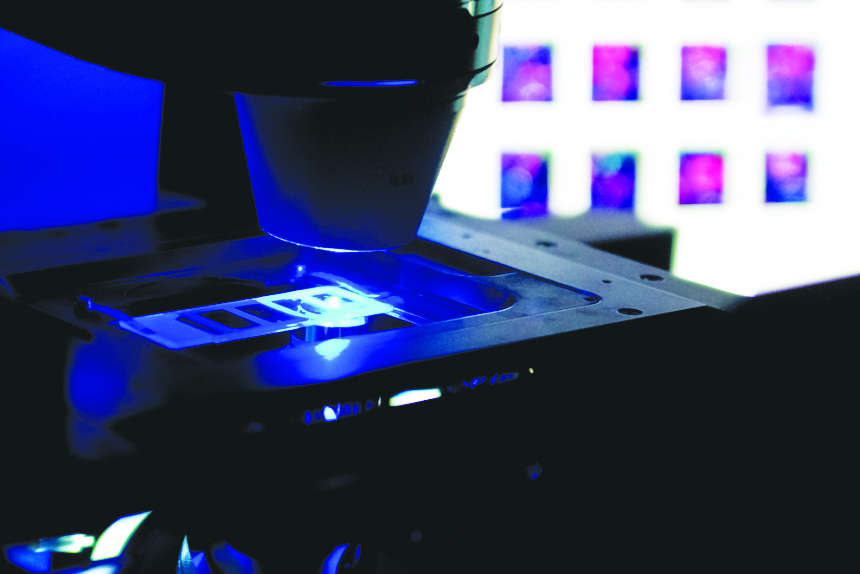
The Zeiss confocal microscope in the Young-Pearse lab, one of many labs moving into the building, is used to capture images of neurons.

The Zeiss confocal microscope in the Young-Pearse lab, one of many labs moving into the building, is used to capture images of neurons.

Smarter clinical trials. Advanced care for patients. Sophisticated imaging technologies. And bridges—both literal and figurative—to other departments and research areas. Members of the BWH Institute for the Neurosciences (BWIN) have all this and more to look forward to when the new building opens its doors this fall.

“Though no single building can hold all that we are doing at the Brigham in the neurosciences, our hope is that the new building will act as a focal point for all clinical and research areas that are a part of the BWH Institute for the Neurosciences,” said Adrian Ivinson, PhD, the institute’s executive director.

BWIN is the umbrella entity that facilitates all forms of collaboration—clinical care, research and education—within the neurosciences. Nine departments focus on disorders of the nervous system to varying degrees, yet they are currently scattered across BWH’s campus.

Once the new building opens, the institute’s three core departments—Neurology, Neurosurgery and Psychiatry—will physically come together. The close proximity of the clinicians, researchers and staff working in the new building will help connect colleagues, patients and ideas.

The timing of the new building’s opening helps herald a new century of discovery and progress in understanding and treating nervous system diseases, said Martin A. Samuels, MD, chair of the Department of Neurology, director of BWIN and the Miriam Sydney Joseph Professor of Neurology at Harvard Medical School.

“To our knowledge, there is no other place on earth that will have a building like this with a neurosciences institute of this magnitude,” he said. “This is the century of the brain, and we’re hoping to witness monumental progress made in advancing research and patient care.”

Having neuroscience labs and clinics in one building means it will be easier for researchers to identify and enroll patients in clinical trials for new treatment options tailored to their genetic backgrounds. This will allow small-scale but precise clinical trials to be undertaken that can lay a foundation for larger-scale trials to be conducted in partnership with industry.

“Crossing the translation bridge, which spans the gap between the laboratory and the clinic, is the key to creating personalized medicine,” Ivinson said. “This is how you bridge the gap between research discoveries and clinical implementation.”

David Wolfe, MD, MPH, director of Research for the Depression Center, and his team are currently working on three clinical trials. They are collaborating with colleagues in Neurology and Rheumatology to study the effects of novel anti-inflammatory medications to treat major depression.

“We hope that this move will provide a better experience for patients, allowing them to transition more easily between clinical and research settings,” said Wolfe. “The building will be a ‘one-stop shop,’ making scheduling, testing and patient care easier to coordinate and execute.”

We asked BWHers to weigh in on what they’re looking forward to seeing and experiencing at 60 Fenwood Road.

chico

“The addition of 400 new parking spaces in the new building will have a huge impact on patient parking, which we are always striving to improve.”

– Robert Chicarello, director, Security & Parking

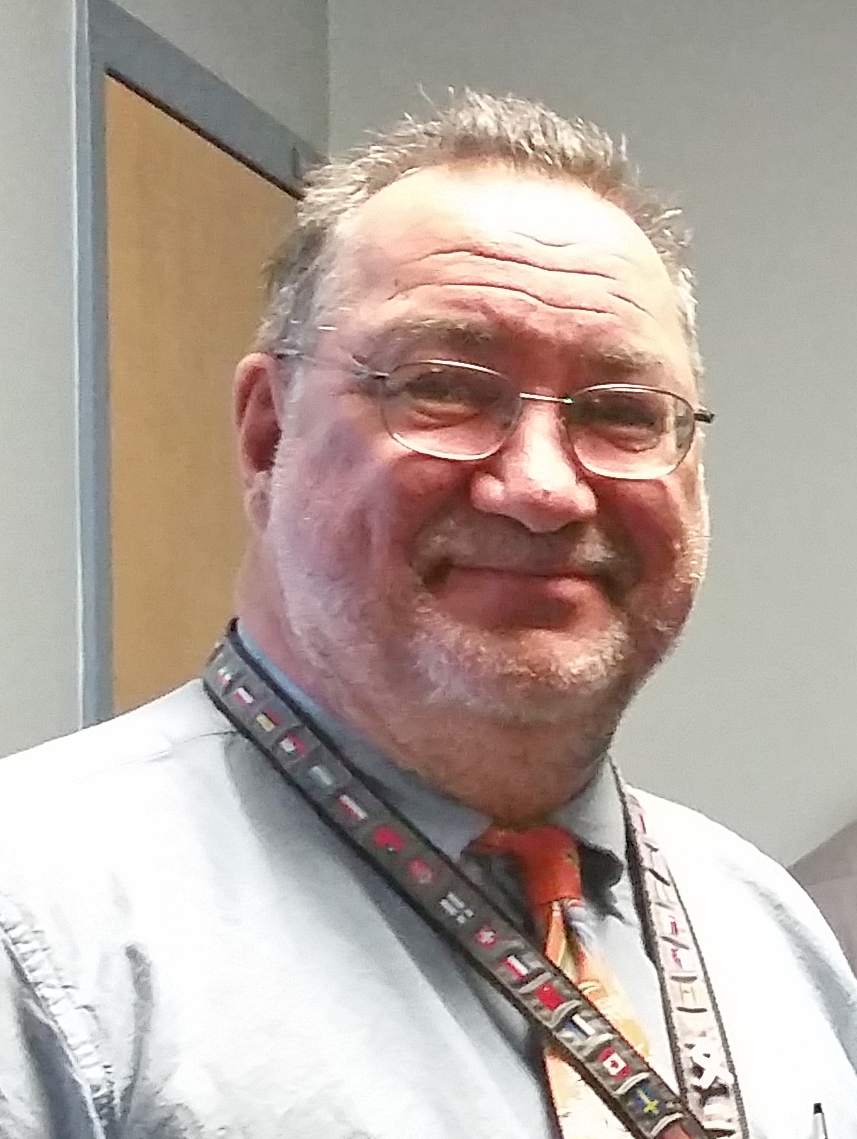
matzkin“I am most excited about the potential multidisciplinary collaborations that will occur on all levels—among basic scientists, clinical researchers and clinicians managing patients with state-of-the-art technology. Exposure and small interactions will hopefully lead to big discoveries.”
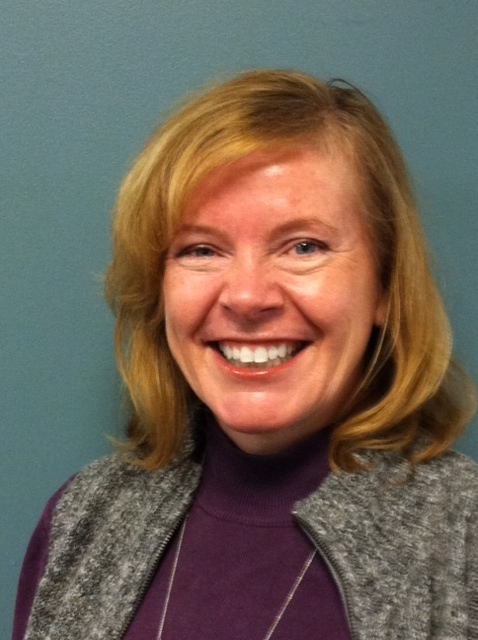
– Elizabeth Matzkin, MD, chief of Women’s Sports Medicine, Department of Orthopaedic Surgery

mvandervliet“As a research RN who is about to move into the building, I am excited about the integration of research and clinical care under one roof. Both divisions depend on each other to accomplish the ultimate goal: health!”

– Martha Vander Vliet, RN, CCRC, research nurse, Center for Alzheimer Research & Treatment

hernandez“It’s exciting to me because I’m working mostly in the building, and I love to be busy and interact with people.
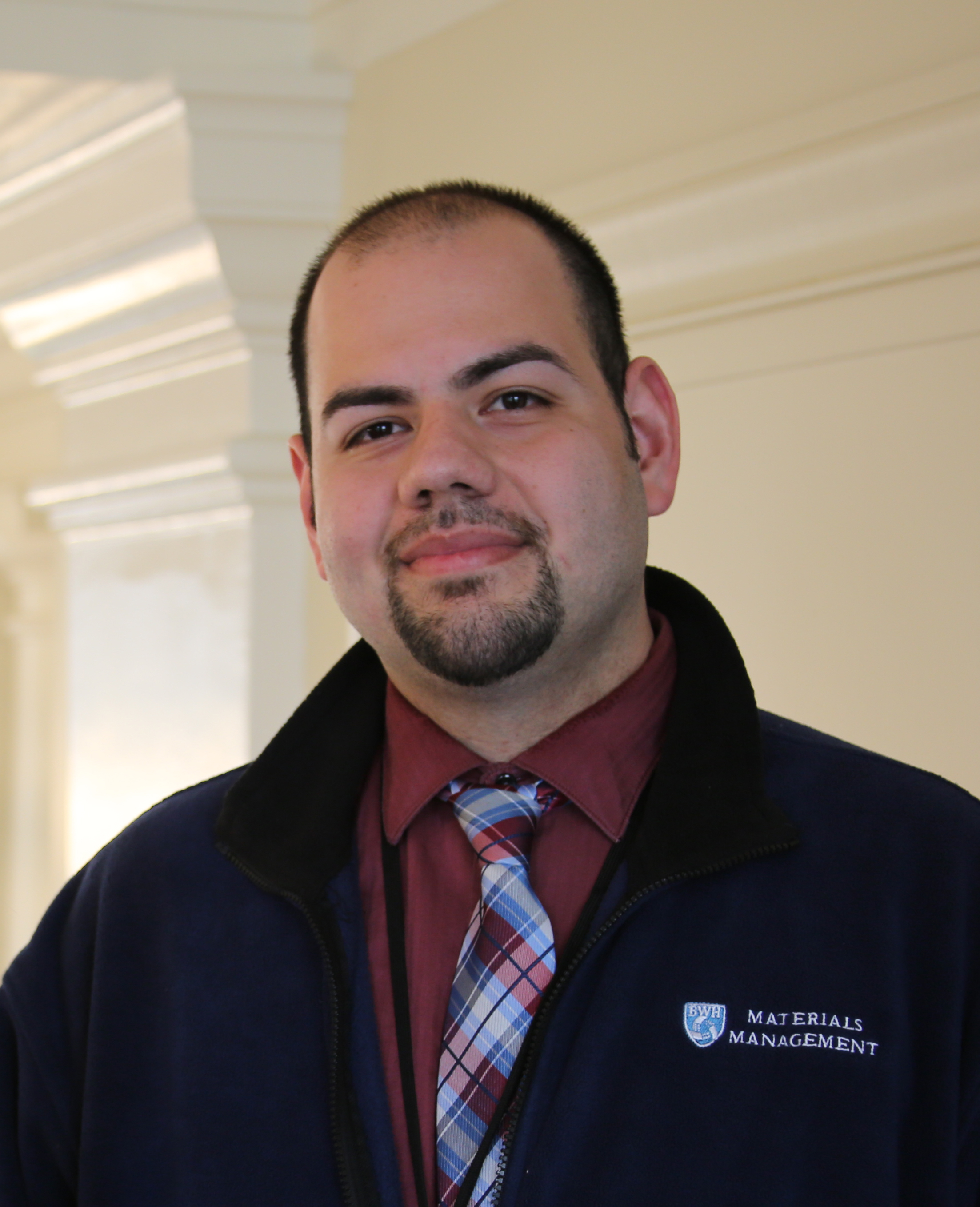
I can’t wait to get my toolbox in there!”

– Rich Hernandez, mechanic, Engineering

angel“It is great that the researchers have space that is designed for collaboration. I am excited to be able to assist them with all of their audiovisual needs.”
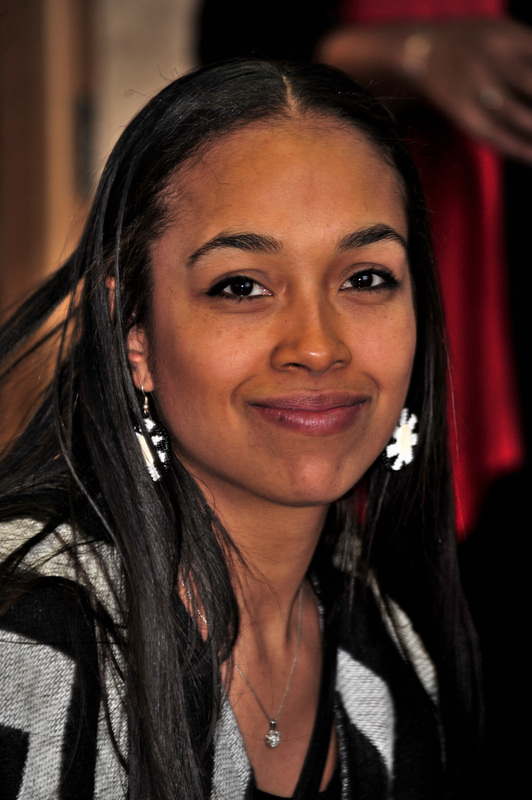
– Angel Ayala, senior technician in BWH Office Services

shauntea“The rooftop garden is such a great feature and really exciting, as is the new conference room space on the third floor. Overall, it’s exciting to have a new building open up, and it’ll be especially interesting to see the interactions between the research labs and clinics.”

– Shauntéa Turner, program and training coordinator, Office for Sponsored Staff and Volunteer Services

orgill“The new building will bring physicians of different disciplines together to work on some of our most challenging medical problems.  Researchers will also be close by to apply the newest research techniques to develop innovative therapies.”
– Dennis Orgill, MD, PhD, vice chair for Quality Improvement, Division of Plastic Surgery

soto“It’s exciting to me to see a new ‘green’ research building that will allow us to expand into new areas and continue providing excellent patient care.”
– Luis Soto, director, Environmental Services & Central Transport Services

pennington“Our core values are healing and compassion, and I believe the new building will support this environment for our patients and families.”

– Mary Pennington, MS, RN, nurse director, Neuroscience Intermediate Care Unit

chris-fenton“I am excited for the grand opening of the new building. I am glad to see most of our researchers located back on the main campus. I look forward to supporting the many research efforts with behind-the-scenes tech support from our audiovisual team.”

– Christopher Fenton, technician in BWH Office Services

“I am happy to see how BWH is expanding. I started working here a decade ago, and when I take a look now, I see the difference. BWH has been creating more spaces and more buildings. Every single corner counts here.”

– Ferney Munera, coordinator, Interpreter Services

“I am lucky enough to be moving into the second floor of our new building from ASB-ll, level 1, which is below ground. I am most looking forward to daylight, the lunch room and a roof deck on the third floor!”

– Wendy Kelly, RN, nurse, Allergy Clinic


Patients will begin receiving care in the new building on Oct. 3.

Patients will begin receiving care in the new building on Oct. 3.

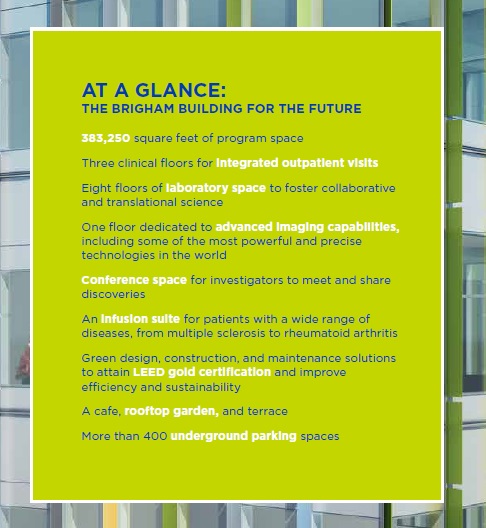
When the Brigham’s newest building opens in October, it will be a hub for state-of-the-art labs, outpatient clinical space and advanced imaging facilities. It will also be home to researchers and clinicians from across many disciplines with a shared vision for collaboration, acceleration and translation of laboratory discoveries into novel treatments for patients. The facility, located at 60 Fenwood Road, will bring together leading clinicians and scientists to collaborate on and advance care for patients suffering from a range of diseases, including neurologic, orthopedic and rheumatologic conditions, such as Alzheimer’s disease, Parkinson’s disease and rheumatoid arthritis.

“Patients are at the center of everything we do, and this building embodies this cherished belief,” said BWHC President Betsy Nabel, MD. “As a hub of innovation and collaboration, the new building will bring profound scientific breakthroughs and discoveries from bench to bedside in a way that hasn’t been possible until now.”

This special edition of BWH Bulletin is your in-depth guide to the latest addition to the Brigham’s main campus—the newest building since the Carl J. and Ruth Shapiro Cardiovascular Center opened its doors in 2008. Get a behind-the-scenes look at the exceptional experience awaiting our patients, environmental features that save (and produce) energy, opportunities for collaboration among researchers and more.

The 383,250-square-foot facility includes three floors with outpatient clinics, eight floors dedicated to research, one administrative floor and an imaging floor. The building will house cutting-edge imaging equipment, specifically selected to best serve the needs of the patient populations that will be seen in the building, such as patients with multiple sclerosis and those with implanted devices. Within the next year, BWH will install five MRIs, including a Magnetom Terra 7.0 Tesla MRI—the newest and most powerful MRI machine available and the first to be installed in a clinical setting in North America.

Each research floor in the building will measure 30,000 square feet and will house approximately 30 principal investigators and 240 research staff. The Brigham Innovation Hub, which fosters collaboration among leading experts to further enable partnerships within the Brigham and with industry, will also relocate to the space.

Celebrate the upcoming opening at an ice cream social for staff on Thursday, Sept. 8, 2:30–5:30 p.m., on the ground level of the new building.

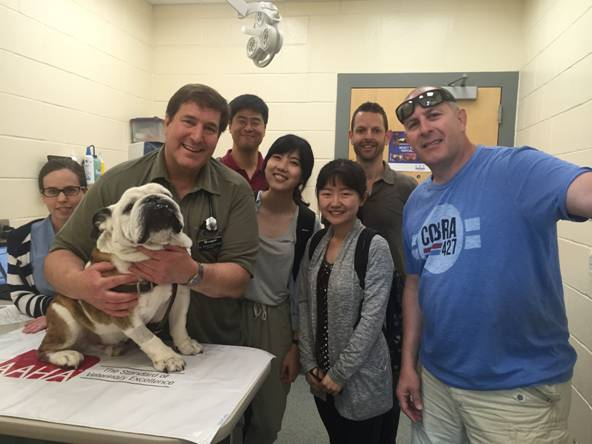
From left: Joanne Malley, William Rosenblad, Little Papi, Yuhan Lee, Song Yi Lin, Keyue Chen, Jeff Karp and John Shanahan

From left: Joanne Malley, William Rosenblad, Little Papi, Yuhan Lee, Song Yi Lin, Keyue Chen, Jeff Karp and John Shanahan

“Little” Papi, a bulldog named after the Boston Red Sox’s David “Big Papi” Ortiz, may not share his namesake’s home run record, but a grand slam surgery using technology developed by BWH researchers has made life a lot more enjoyable for the 10-year-old pup from Boston.

Papi had undergone three unsuccessful procedures to treat a large hole in his mouth leading to his nasal cavity. Known as an oral nasal fistula, the condition had become painful and difficult to treat, according to William Rosenblad, DVM, Papi’s dental surgeon at the MSPCA-Angell Animal Medical Center in Jamaica Plain.

But thanks to the combined efforts of Rosenblad, the lab of BWH bioengineer Jeff Karp, PhD, and a newly engineered tissue glue produced by the lab, Papi is doing well today.

“Our team turns to nature for inspiration for creating new biomaterials and devices, and we most often think about opportunities for treating human diseases and conditions,” Karp said. “We are truly delighted and inspired that the materials developed in our lab may be able to help alleviate pain in pets like Papi, as well. I am a huge dog lover, so this has been quite a meaningful experience for me and the whole team.”

Karp and his team engineered a tissue glue that, when activated by light, becomes strong and elastic enough to bind tissue together. In the future, the team plans to use the glue to repair cardiac defects without the need for open heart surgery and to repair defects in blood vessels, bone and intestinal tissue.

After hearing Karp present on his work to a group of clinicians and veterinarians at a recent event at Boston’s New England Aquarium, Rosenblad immediately thought of an application for his four-legged patients and approached Karp about collaborating.

Papi’s latest surgery, in which Rosenblad used Karp’s tissue glue, has been a success.

More than 10 weeks out from the procedure, Papi is recovering smoothly.

Yuhan Lee, a post-doctoral fellow in Karp’s lab, helped engineer the glue that was used to treat Papi and has been inspired by the treatment’s success.

“Seeing how well Papi was doing a few weeks after the surgery has been the most exciting moment of my career,” said Lee.

Gecko Biomedical, a company co-founded by Karp, will test the tissue glue in humans later this year to assess its potential for repairing arteries and veins.

“We all strive to make a difference through our research,” Karp said. “It was amazing to collaborate with Dr. Rosenblad to help Papi. My new goal now is to improve quality of life for both patients and pets.”

A screen shot of the Aspirin Guide app

Low-dose aspirin is recommended by experts as a preventive measure for patients who have previously had a heart attack or stroke, but the risk of taking it to prevent or delay a first heart attack or stroke is less clear. BWH physician-researchers have developed a free mobile app that takes guesswork out of the equation.

The benefit for reducing the risk of cardiovascular disease (CVD) must be balanced with the increased risk of gastrointestinal or other bleeding. The iPhone and iPad app, “Aspirin Guide,” calculates both the CVD risk score and the bleeding risk score for the individual patient, and helps clinicians decide which patients are appropriate candidates for the use of low-dose aspirin (75 to 81 mg daily).

The app’s content and algorithms were developed by Samia Mora, MD, a cardiologist in the BWH divisions of Preventive Medicine and Cardiovascular, and JoAnn Manson, MD, DrPH, chief of the Division of Preventive Medicine, with technical assistance from software developer Jeffrey Ames. A web-based and Android version of the app will be released in a few weeks.

“We developed the Aspirin Guide app because we realized that weighing the risks and benefits of aspirin for individuals who have not had a heart attack or stroke is a complex process,” Mora said. “The new mobile app enables individualized benefit to risk assessment in a matter of seconds while the patient is with the physician.”

The app calculates a patient’s 10-year CVD risk score and a bleeding risk score, based on the individual risk factors. It uses evidence from the literature, together with the above scores, to guide the clinician on whether the patient is a good candidate for aspirin.

“Aspirin Guide is a user-friendly clinical decision support tool that will facilitate informed and personalized decision-making about the use of aspirin in primary prevention of CVD,” Manson said.

The new building at 60 Fenwood Road opens this fall.

The new building at 60 Fenwood Road opens this fall.

When the Brigham’s new building at 60 Fenwood Road opens this fall, it will be a hub for state-of-the-art labs, outpatient clinical space and advanced imaging facilities.

Researchers and clinicians moving into the building will help accelerate and translate laboratory discoveries into novel treatments for patients.

In addition to its three floors of clinical space, the building will also serve as an anchor for several key research areas, including the Neurosciences, Orthopaedics and Musculoskeletal, and Rheumatology, Immunology and Allergy. It will also be a place for innovation in regenerative medicine, imaging technology and clinical trials.

Departments, divisions and labs will move into the building gradually, starting with administrative spaces in September, clinics in October and research spaces through early 2017.

Here’s a brief look at what you’ll find in the new building:

Neurosciences. The Neurosciences Center will allow investigators from the nervous system disciplines to come together in a single space for the first time. Patients who are seen in the Neurosciences Clinical Center, on the building’s first floor, will be able to enroll in clinical trials. Neurology, Neurosurgery and Psychiatry investigators will pursue basic and translational research on the eighth, ninth and 10th floors of the building, which will include the Harvey Cushing Neuro-Oncology Laboratory (HCNL).

Orthopaedics and Musculoskeletal. The new building will be home to the Orthopaedics and Arthritis Center, which will be jointly led by the Department of Orthopaedics and the Division of Rheumatology, Immunology and Allergy. Through the center, molecular biologists, biomechanical engineers, rheumatologists and others will work in close proximity, sharing their perspectives and solutions with one another. Two centers in the new space, PIVOT and OrACORe, will focus on patient outcomes and the value of specific orthopedic procedures. The Stepping Strong Trauma Center, which aims to accelerate promising multidisciplinary trauma research and clinical care, will reside on the building’s fifth floor. Labs on floor five will focus on bone biology, stem cell biology, orthopedic material sciences and more.

Rheumatology, Immunology and Allergy. Clinical researchers from the Division of Rheumatology, Immunology and Allergy will conduct research on floors five and six of the building. They will also be able to conduct clinical trials in the new space. The division’s Aspirin-Exacerbated Respiratory Disease (AERD) Center will conduct research studies to test hypotheses about the underlying cause of this complex disease and try out new treatments.

Innovation. A new Brigham Innovation Hub space on the third floor will serve as a resource for first-time and experienced innovators. Meanwhile, the building’s lower level will be dedicated to advanced imaging technologies—including a CT scanner and five cutting-edge MRI machines—for research and clinical use. In addition, labs pursuing advances in regenerative medicine and nanotechnology, treatments for immunologic diseases and more will be found on the third and seventh floors of the building.

Investigators at BWH and the Harvard T.H. Chan School of Public Health have found that the level of prostate specific antigen (PSA), protein in the blood, can be used to predict a man’s likelihood of dying from prostate cancer later in life.

Mark Preston, MD, MPH

Mark Preston, MD, MPH

In a study of 234 men between the ages of 40 and 59 who were later diagnosed with prostate cancer,  more than 70 percent of men who developed lethal prostate cancer showed elevated levels of prostate-specific antigen (PSA) in their blood above the median for their age. The study also found that men over 60 who had below-median PSA levels were unlikely to develop lethal prostate cancer and likely don’t need additional screening.

“Our findings suggest that measuring PSA levels at mid-life could help us risk-stratify men and identify those who should undergo more intensive PSA screening so that early identification of lethal cancer and intervention are possible,” said co-lead author Mark Preston, MD, MPH, a urologic surgeon in the Division of Urology.

The authors noted the limitations of the study, including that the study population primarily consisted of Caucasian men and few men died over the course of the study. Another limitation is that an unknown proportion of participants may have undergone opportunistic screening prior to the study, in which, as opposed to organized screening, tests offered by a physician or another health care professional may not be monitored.

Every staff member, position and department at BWH affects at least one aspect of our institutional strategy. Here are a few examples of how different roles contribute to BWH’s areas of strategic focus, helping to ensure our success well into the future.

Clinician

Advanced, Expert Care; Improve Health; Timely Access; Exceptional Experience; Highest-Quality, Safe Care: Provide patients and families with highly skilled, compassionate and patient-centered care. Follow best practices daily to improve quality (e.g., hand hygiene to reduce infection rates). Follow the principles of a Just Culture. Teach and mentor residents, fellows and other trainees.

Environmental Services Staff

Timely Access; Exceptional Experience; Highest-Quality, Safe Care: Keep patient rooms, hallways and public areas clean so that patients and their families are comfortable and safe from infection, falls and other issues and so that they receive care in a timely manner. Be timely in response to requests for action. Support each other and the care teams.

Researcher

Scalable Innovation; Improve Health: Perform ground-breaking research; accelerate findings that improve health; and facilitate collaboration across teams and disciplines.

Food Services Staff

Timely Access; Exceptional Experience; Highest-Quality, Safe Care: Ensure meals are cooked to highest standards, in terms of both quality and food safety, and delivered on time. Support each other and the care teams.

Security Officer

Exceptional Experience: Provide a safe and secure environment for all patients, visitors and staff. Be approachable to all patients, visitors and staff.

Lab Technician

Timely Access; Highest-Quality, Safe Care: Collect and process lab specimens carefully and without delay so that care teams can communicate lab results to patients promptly and help them make informed decisions about their care.

Front Desk Staff

Timely Access; Exceptional Experience: Greet patients warmly. Ensure a prompt check-in process and be transparent with the patient if there are delays. Support each other and the care teams.

Finance Professional

Scalable Innovation; Highest-Quality, Safe Care: Find fiscally responsible opportunities to reinforce or strengthen our financial foundation in order to ensure the continued growth of patient care initiatives, ground-breaking research and infrastructure investments. Work to ensure proper payments are collected for services rendered.

Community Outreach Worker

Timely Access; Improve Health; Highest-Quality, Safe Care: Share Brigham’s expertise and compassionate care model with our local and global community, such as participating in violence prevention efforts and other public health concerns in Boston or medical missions abroad.

All Staff

No matter what your role is, everyone in the hospital can contribute to the goal of Affordability: Lowest Cost Possible by finding ways to improve productivity, reduce waste, add efficiencies and identify cost-saving measures. Everyone also plays a part in providing patients, families and visitors with an Exceptional Experience. This can be something as simple as looking out for patients and visitors who appear lost and offering to assist them.

BWHC Strategic Priorities Slide 2016 v4

Strategic Priorities

We have prioritized these seven objectives to ensure that we are a high-performance health care organization that meets patient needs and remains competitive in the marketplace. The examples listed below are meant to illustrate one instance—not a comprehensive review—of how we meet these goals. For more examples of how we achieve these priorities, visit BWHPikeNotes.org. As our strategic priorities evolve in fiscal year 2017, read BWH Bulletin for the latest updates.

Scalable Innovation
LIGHTCHASER PHOTOGRAPHY -- BRIGHAM AND WOMEN'S HOSPITAL STAFF WORKINGS

The remarkable discoveries and innovations at BWHC improve our understanding, prevention and treatment of diseases.

BWH researchers were the first to study the long-term effects of multivitamins, discovering in 2012 that men over 50 who take a daily multivitamin reduce their risk of cancer, but not cardiovascular disease—a finding that affects millions.

Advanced, Expert Care
SOG_2401_13

Patients from around the world seek out the expertise of our highly specialized clinical and research staff, who pioneer medical breakthroughs and provide individualized care.

Launched  as an initiative of the Dana-Farber/Brigham and Women’s Cancer Center, PrecisionCancerMedicine.org serves as a hub for physicians and patients looking for resources, including clinical trials, to help pinpoint therapeutic agents designed to precisely target and treat an individual’s cancer.

Improve Health
Global healthcare

Healing and caring for patients locally and globally means not only treating disease, but also preventing it and improving a patient’s quality of life.

The Center for Community Health and Health Equity works with community partners to reduce health care inequities and increase access to care for vulnerable populations. Our primary care and specialty services enable us to help patients sustain good health and prevent disease.

Timely Access
Medical register

Our ongoing efforts to optimize operations, productivity and efficiency mean we can help more patients in need of BWHC’s expert care and in their preferred timeline.

Our Epic system helps make scheduling for appointments and procedures easier for patients and families. We also aim to assign patients to a room as quickly as possible and ensure we can rapidly accept direct transfers of patients who need our care.

Exceptional Experience
Environmental Services4

BWHC is committed to providing patients and families with the best possible care experience—from their first interaction with BWHC to follow-up care they receive after leaving the hospital.

This includes valet services when patients or family members arrive, a seamless registration process, clean inpatient rooms, high-quality meals, compassionate and highly skilled care, among many other elements.

Highest-Quality, Safe Care
Close up of nurse caring for a senior patient

Our patients and families deserve the best possible care, which means the right diagnosis and treatment, coordinated communication with care teams, transparency and prevention of harm.

We are improving patient safety by fostering a Just Culture, where staff feel comfortable reporting errors so that we can prevent them from reoccurring. Our Safety Matters initiative encourages transparency and sharing stories about mistakes we made, what we learned from them and the improvements we are making as a result.

Affordability
HiRes

The effective use of clinical, research and administrative resources and processes helps reduce the cost of care.

As part of a hospital-wide effort to reduce costs and improve efficiency, the BWH Audiovisual Service team began providing furniture moving assistance last year for internal events. The hospital had previously relied on an outside vendor. Using our in-house staff is expected to save the Brigham $60,000 this year.

Areas of Focus: Fiscal Year 2016

These areas of strategic focus position BWHC to achieve the seven objectives outlined above. Included with each description are examples of how we’re bringing these to life. For a full list of objectives, visit BWHPikeNotes.org.

Discovery & Innovation
8977_©Maglott_BWH_010509 copy

BWHC will continue to build on our rich legacy as pioneers in patient care and research.

FY ’16 goals: Brigham Building for the Future will be completed this fall on time and on budget. Increase our number of invention disclosures from 200 in 2015 to 210 this year to advance academic, clinical and financial progress.

Leading-Edge Care Redesign
BWH Buildings_100815_1991

We never stop looking for ways to improve patient care.

FY ’16 goal: Implementing an initiative called “Active Asset Management,” focused on improving the effective utilization of surgical, procedural and inpatient resources; improved transfer of patients; more efficient and supportive discharge processes; and improved referral management and ambulatory access.

Business Development
Stock market price display

Sustaining our mission requires an ongoing commitment to revenue growth and financial stability.

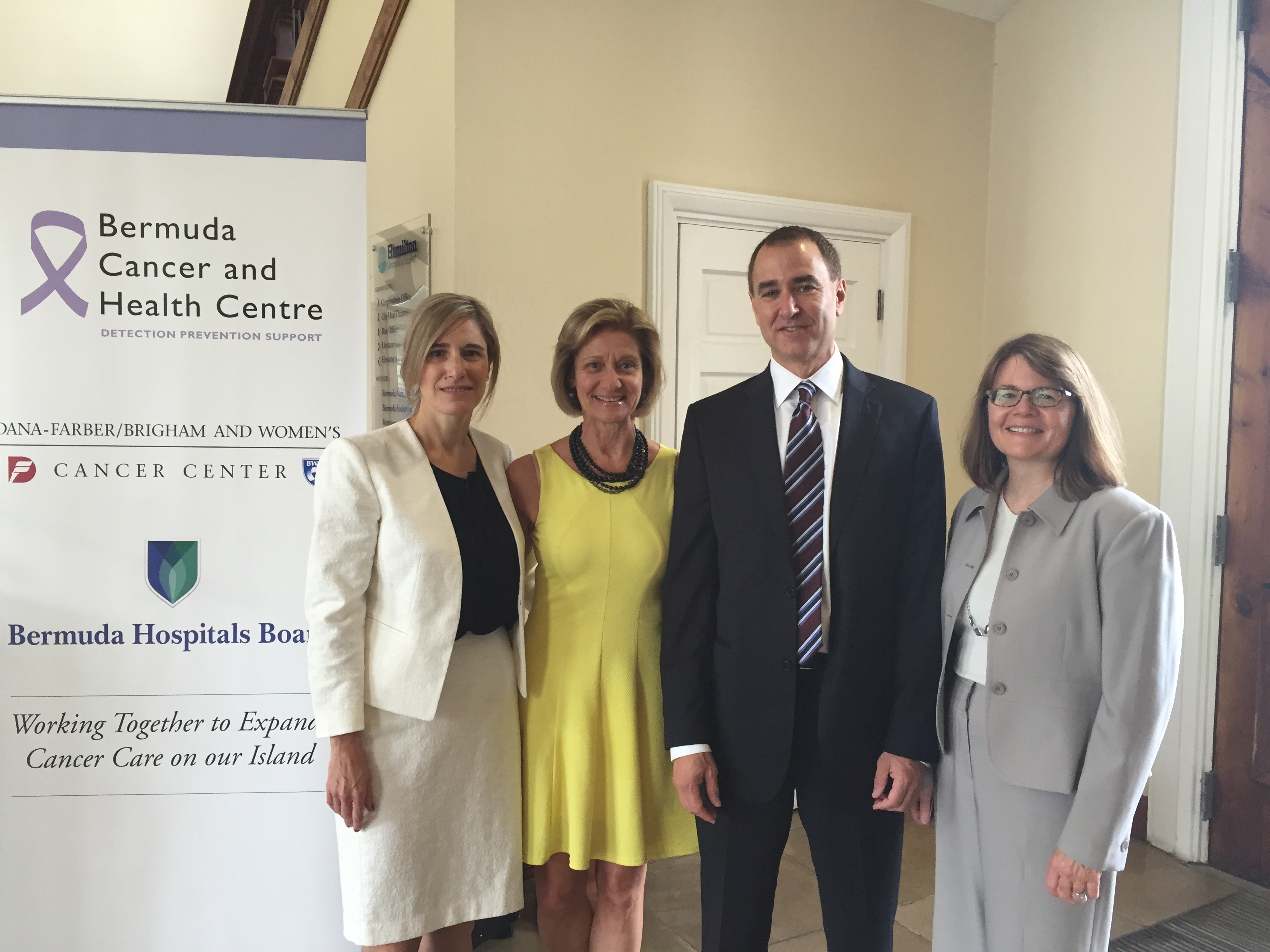
FY ’16 goals: Partnering with Bermuda Cancer and Health Centre to construct the island’s first radiation oncology facility. The business development team has also identified opportunities in China to lend Brigham expertise to new health systems there, greatly benefiting both organizations. Locally, we will meet our target of providing primary care for more than 200,000 patients in Greater Boston and Southeastern Massachusetts.

Our Foundation

People, Education, Skills and Capabilities
Longwood Primary Care

We seek to attract and retain the best staff, whose talents make our work possible.

FY ’16 goal: Strengthen the newly launched Brigham Education Institute—a central, cross-department organization launched earlier this year to coordinate medical education opportunities for our health care providers and trainees.

Financial Strength
stock graphy on screen

Without a solid financial foundation, our work in carrying out our mission and achieving our vision simply isn’t possible.

FY ’16 goal: Use our existing assets wisely to generate margin and operate within our budget so that we can continue to provide exceptional, leading-edge care, regardless of external challenges.


Betsy Nabel discusses BWHC’s institutional strategy with Medicine residents.

Betsy Nabel discusses BWHC’s institutional strategy with Medicine residents.

As health care institutions navigate an increasingly complex environment, it is imperative that we, as an organization, continue to differentiate ourselves through discovery, innovation and excellence in patient care. Having a clear strategy with specific goals will ensure our organizational strength for generations to come.

BWH Bulletin sat down with BWHC President Betsy Nabel, MD, to talk about our strategy and what it means for the BWH community.

Could you briefly summarize why having a strategy is important?

Our strategy articulates what we believe in as an organization, who we want to be in the future and what we need to accomplish today in order to realize our goals over the next five years.

Walk us through the framework image.

BWHC Strategic Priorities Slide 2016 v4

The image resembles the exterior of the historic Peter Bent Brigham entrance at 15 Francis St., emphasizing that our values are the same today as they were more than a century ago when our predecessor hospitals were established. You’ll see our vision at the top of the framework—that is who we aspire to be—and our mission is underneath, describing what we do and why we’re here.

The seven boxes below represent our strategic objectives—in other words, what we need to do to achieve our mission and vision. Three pillars underneath those boxes outline the priorities that we will focus on to meet our strategic objectives. Our people and our financial strength are at the foundation, as we cannot accomplish any of our goals or carry out our precious mission without continued development of our talented, dedicated staff and a strong financial foundation.

Why is it important for all employees to know our institutional strategy?

Our people have a deep-seated connection to our mission of patient care, research, teaching and community engagement. It’s equally important that they connect with our strategy. If all 18,000 of us understand the big picture and the goals, we’re better positioned to achieve them. Having conversations with each other about what the goals are and how we contribute to achieving them reaffirms our sense of engagement, unity and commitment.

Is having a strategy new for us?

We have always set strategic goals, but this framework gives us a way to make difficult choices based on where the Brigham should be in five years, not just this year or next. This builds on the strategic commitments we laid out in 2011. Once everyone understands the strategy and feels connected to it, we can all work together to ensure that we succeed.

Can every staff member have an impact?

Absolutely. Our clinicians are among the best in the world and can ensure every patient receives the advanced, expert care that sets us apart by working and communicating as a team to deliver truly patient-focused care. In addition, we all can have an impact on affordability, for example. You can be more efficient in your work, regardless of your role, and look for cost-savings ideas to share with your manager or submit to Bold Ideas, Big Savings at BoldIdeasBigSavings.org.

Exceptional experience is another goal where we all can contribute. Each one of us can be on the lookout for patients who are lost and offer to help them. Offering words of encouragement, empathy and kindness, providing support to patients and families, and going above and beyond what is expected—these are the things that profoundly affect how our patients feel about their care and their experience at the Brigham.

Not every role or department has a direct impact on every area of the strategy, but we can all affect some of these areas. I encourage everyone to use the worksheet in this issue to think through how you connect to our strategy and talk with your colleagues about it.

Will this change how we do things?

Yes, our strategy will guide us as we consider new initiatives and programs. We realize that we can’t do everything and, going forward, this approach will help us determine what new things we will take on and also what we will discontinue or decide not to do. These decisions, guided by our strategy, will also help us set priorities during our budgeting process.

Can you elaborate on how changes in the budgeting process will affect us?

We know every year that our expenses are higher than our revenue, so each year we begin with a gap that we need to close. We want to be more strategic and thoughtful as we consider what we should be doing more or less of in order to differentiate ourselves in the market, rather than just focusing on the numbers for one year. We need to think about the big picture so that we can be successful for years to come.

Where does the education component of our mission fit into the strategy?

Education is a vital part of our mission. The newly formed Brigham Education Institute is mapping out our strategy for education and training programs. As that matures, we will be able to set specific objectives in this critical area as well.

At Town Meeting, you discussed the strategic priorities that differentiate us. Can you elaborate on that?

As you look at the strategy framework, you’ll see that two of the seven boxes below the mission are shaded: “Scalable Innovation” and “Advanced, Expert Care.” In the other five boxes are goals we know we must achieve to be competitive, but they don’t necessarily distinguish us. All hospitals must ensure safe care, for example. But scalable innovation and advanced, expert care are what make us different from many other hospitals in the nation.

People come to the Brigham from all over the world because of the outstanding, highly specialized care they receive here—we take care of many patients whose cases are too complex for other hospitals. And our research community continually innovates and makes discoveries that we can rapidly translate to the bedside and the clinic to improve care for many patients at the Brigham and beyond—that’s scalable innovation.

We have always excelled in these two areas, and we know that they need to be a focus of our strategy going forward.

Does focusing more on these initiatives mean we’re focusing less on others?

Yes. As ideas or proposals for new initiatives and programs come to us, we will look to our strategy to guide us. That means there are some things we will discontinue or downsize and new projects we will implement.

How will we measure our success relating to strategy?

Strategy constantly evolves and adapts to the environment. As we set our strategic objectives, we are also committing to consistently measuring our progress in these vital areas and the performance of the hospital as a whole. That way, we will know if we have selected the right programs and priorities, and whether we are moving in the right direction. If we don’t see the progress we anticipated, we will course-correct.

How will these efforts benefit our patients?

Patients are at the center of everything we do, and articulating our strategy is no exception. Our strategy is designed to help us be successful for generations to come, which will ensure that we can continue to provide patients with care they simply can’t receive anywhere else. In addition, our focus on discovery and innovation will help accelerate the prevention, treatment and, ultimately, cures for many of the health concerns that those who depend on us face. The strategy not only positions the Brigham for success; in doing so, we believe that it will also improve the health of patients around the world for generations to come.

Havens headshot

Joaquim Havens

Seven surgical procedures account for about 80 percent of all admissions, deaths, complications and inpatient costs attributable to operative emergency general surgery (EGS) in the U.S., according to a recent study led by Brigham researchers.

The seven procedures are ranked in terms of their overall “burden,” which is defined by how frequently they occur, result in death and cause complications, as well as their costs. Lead investigator Joaquim Havens, MD, of the Center for Surgery and Public Health, and his team found that partial colectomies—removal of part of the colon—carried the biggest overall burden. Small-bowel resections, cholecystectomies (removal of gallbladder), operative management of peptic ulcer disease, removal of peritoneal (abdominal) adhesions, appendectomies and laparotomies (opening the abdomen) also topped the list.

“Given the high prevalence nationally and high proportion of burden with these seven procedures, this study could lead to better clinical decision-making, patient outcomes and cost savings,” said Havens.

Emergency general surgery encompasses the care of the most acutely ill, highest-risk and most costly general surgery patients. More than 3 million people are admitted to hospitals in the U.S. each year for EGS diagnoses. This population of surgery patients is at particularly high risk for postoperative death when compared to patients undergoing the same procedures under non-emergency circumstances.

Preventive measures, such as undergoing a routine colonoscopy or mentioning the onset of heartburn to a primary care provider, can lessen the likelihood of having to undergo these procedures in an emergency setting, Havens says.

“By reducing the number of people who need these surgeries and making it safer for those patients who do need them, we can make an important difference in people’s health,” Havens said.

Over the four-year study period, Havens and his team analyzed more than 420,000 adult patients who had been admitted with EGS diagnoses and undergone operative procedures within two days of admission. They, to their knowledge, are the first researchers to use a nationally representative sample to identify EGS procedures.

2016

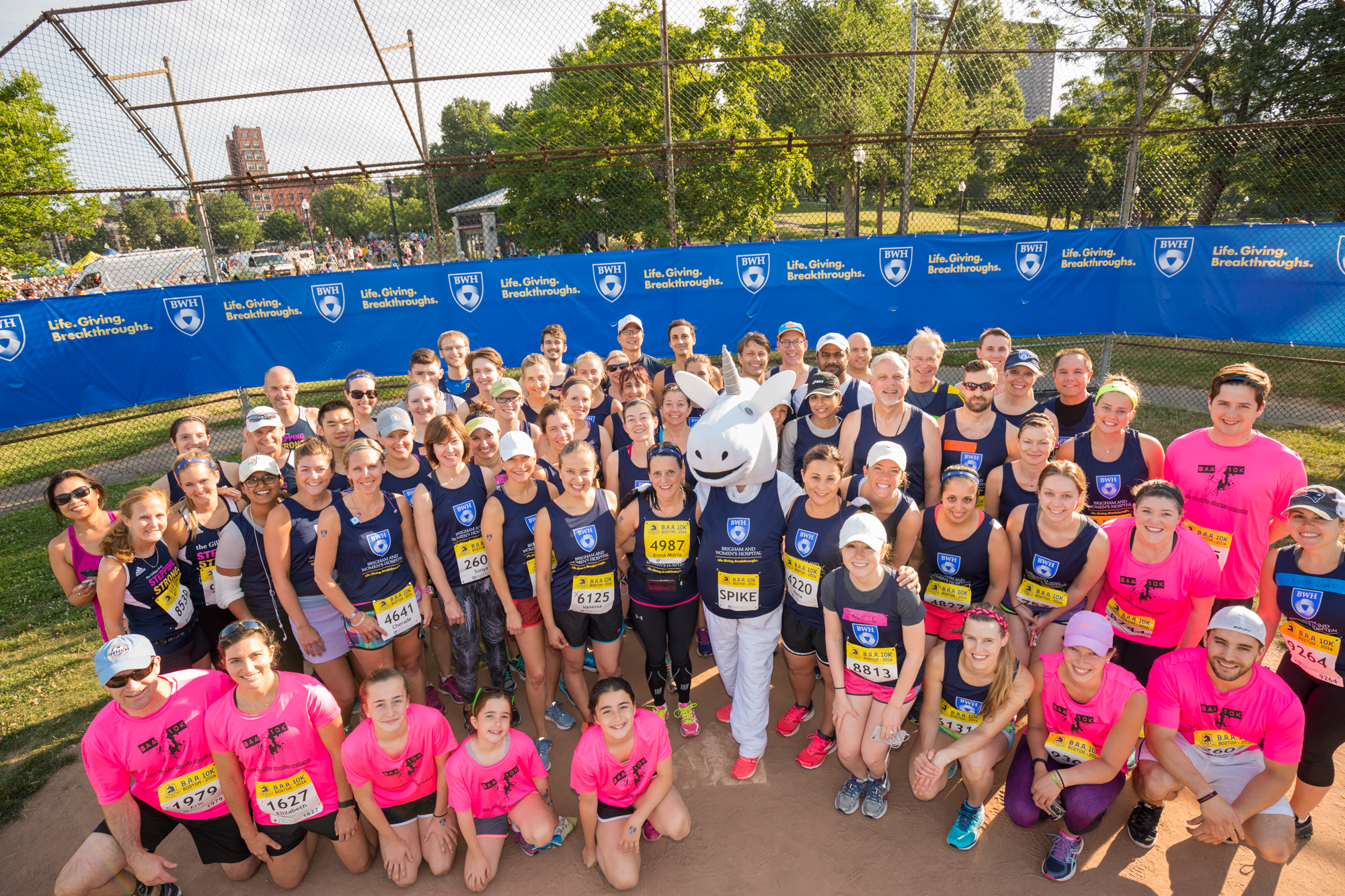
Runners from BWH’s fundraising team for the B.A.A. 10K

Among the 9,000-plus runners racing through Back Bay in the Boston Athletic Association 10K—presented by Brigham and Women’s Hospital—were 200 members of the BWH fundraising team. They stayed in high spirits as they tackled the 6.2-mile course while representing and supporting the hospital on June 26.

The BWH team is projected to raise $110,000 to support life-giving breakthroughs for patients and families in Boston and around the globe.

Their reasons for running varied, but participants all shared one sentiment—a desire to give back to the hospital that provides extraordinary care to patients and families.

Megan Jordan, of Roslindale, ran in honor of her niece, Surina, who was born prematurely and spent more than three months in the Newborn Intensive Care Unit (NICU) at BWH.

“I wanted to do something to support the NICU,” she explained. “If you ever need to deliver a preterm infant, you want to be near the Brigham because the NICU is amazing. The nurses made scrapbooks. My sister would come in and they’d have new clothes for her. The care they provided made something very difficult more manageable. Surina is just the perfect little one.”

Sally Wang, MD, a hospitalist at BWH, ran in memory of Michael J. Davidson, MD, and to support the fellowship that bears his name.

“Dr. Davidson was a phenomenal physician, and I hope we can continue to honor his legacy to support new trainees in the field of cardiothoracic surgery,” Wang said.

Elizabeth Matzkin, MD, surgical director of Women’s Sports Medicine at BWH, formed the Bone to Run team to raise money for research in her field.

“I’ve been wanting to organize a race for our group for a long time, so when the Brigham paired up with the B.A.A., it was a great opportunity to put together a team,” she said. “We hope it will only grow in the years to come.”

Anders Ohman, a senior technical research assistant at BWH, chose to run to support the Gillian Reny Stepping Strong Fund, which was founded by a Boston Marathon bombing survivor to fuel trauma research and care.

“It’s inspiring to see a family turn tragedy into a personal way of giving back, and I love representing the Brigham. I’m really proud to work here,” Ohman said.

2 Comments
BBF Entrance HF

New imaging technologies will begin moving into the BBF on July 7.

When the Brigham Building for the Future opens this fall, clinicians and researchers will have access to state-of-the-art technologies that will enable them to push the boundaries of discovery in ways never before possible.

“The BBF will be a one-stop shop, with multidisciplinary experts within arm’s reach and top-of-the-line imaging technologies, interventional procedures and clinical evaluation,” said Stacy Smith, MD, chief of the Division of Musculoskeletal Imaging and Intervention in the Department of Radiology.

In addition to an extensive array of X-Ray, fluoroscopy and ultrasound technologies, a new impressive fleet of noninvasive medical imaging devices will streamline and improve patient care and support Brigham’s research mission to translate promising medical and scientific advances to the clinic. The equipment will be moved into the BBF over several days this month, starting July 7.

New imaging technologies will be housed in the Radiology Department on the Musculoskeletal floor and within Radiology on the lower level of the building. The imaging facility on the lower level will contain a CT scanner and five MRI machines, including a 7 Tesla (7.0T), one of the most powerful commercially available MRI machines in the world, due to arrive in summer 2017. BWH’s 7.0T will be the first installed in a clinical setting in North America. The model is still pending approval by the Food and Drug Administration for clinical use, so the 7.0T in the BBF will be used for research until that time.

Two of the other MRIs will be Siemens’ newest model, the Magnetom Prisma—the first at BWH and the most advanced clinical MRI scanner available. The Prisma has the capability to perform advanced imaging that was previously only available on research scanners.

A ‘Game-Changer’

When it arrives next year, the 7.0T will allow clinicians and researchers to see images that until now were not visible by MRI. It could be “a game-changer” in the diagnosis and treatment of neurodegenerative diseases such as multiple sclerosis (MS) and traumatic brain injury—two major areas of focus for the Ann Romney Center for Neurologic Diseases—said Srinivasan Mukundan, MD, PhD, of the Department of Radiology.

Even researchers who are not moving to the BBF stand to gain from the imaging facility’s offerings. One of those researchers is Alexander Lin, PhD, director of the Department of Radiology’s Center for Clinical Spectroscopy. He and his team are working to create noninvasive, diagnostic methods to better understand how to identify and treat brain cancer. He says that most spectroscopy is done using a standard MRI scanner, but the 7.0T will provide them with much more detailed images of metabolic pathways in the brain.

“We’ll be going from a 3.0T MRI to a 7.0T, which is more than double the strength,” said Lin. “The higher field strength means a better signal and higher-resolution images that will allow us to obtain more information than we can today.”

The imaging facility at the BBF will house equipment specifically selected to best serve the needs of the patients who will be seen in the new building, including those with MS and implanted devices, said Andrew Menard, JD, director of Business Development for the Department of Radiology. Many of the current Radiology spaces throughout the BWH campus that cater to the needs of patients receiving other kinds of treatments will remain where they are.

“Rather than consolidating Radiology spaces, we’ve adapted to the needs of patients,” said Menard. “We’ve selected the right technology for patients who will be seen in this building, and we’ve tried to make access as convenient as possible so that patients can receive imaging without ever having to leave the building where they are being treated.”

Learn more at BWHClinicalandResearchNews.org.

Human beta cells derived from stem cells

Human beta cells derived from stem cells

BWH and four other Harvard-affiliated institutions have joined forces to establish the Boston Autologous Islet Replacement program—a new center that will perform cell transplantation to accelerate a cure for diabetes.

Recent advancements in stem cell biology have provided an unprecedented opportunity to treat diabetes. Researchers have developed a process to generate a virtually unlimited number of beta cells—insulin-producing cells found in the pancreas—from adult stem cells in the lab. The stem cells would be created from the patient’s own blood cells, which could effectively be “reprogrammed” to perform this new role.

In people with diabetes, beta cells are either depleted or can’t produce enough insulin to maintain a healthy blood sugar level. These new stem-derived beta cells could be used in a clinical setting to replace or replenish a person’s beta cells as a treatment for diabetes.

The newly announced transplantation center, launched by Harvard Stem Cell Institute, BWH and the Joslin Diabetes Center (JDC), in collaboration with Semma Therapeutics and Dana-Farber Cancer Institute, will work toward translating these stem-cell discoveries into treatments that could ultimately cure diabetic patients.

Generating clinical-grade stem cells suitable for use in patients will take time; the program does not expect to conduct its first transplant until 2019 at the earliest. The initial clinical trial will enroll a very small, select group of patients—individuals who have had their pancreas surgically removed because they had incurable pancreatitis or similar conditions and who have not shown signs of islet autoimmunity (the body attacking its own insulin-producing cells).

BWH and JDC will work together in screening and identifying suitable patients. BWH will perform the transplantation procedure, and both BWH and JDC will provide follow-up care.

The Brigham’s involvement in the project has grown out of its international reputation as a leader in transplantation research and surgery. 

“This project builds on our pioneering work in transplantation and exemplifies the Brigham’s commitment to fostering discovery and innovation in order to translate research advancements into new therapies and treatments for our patients,” said BWHC President Betsy Nabel, MD. “We’re excited to partner with these esteemed institutions to push the boundaries in improving the care and treatment of patients with diabetes.”

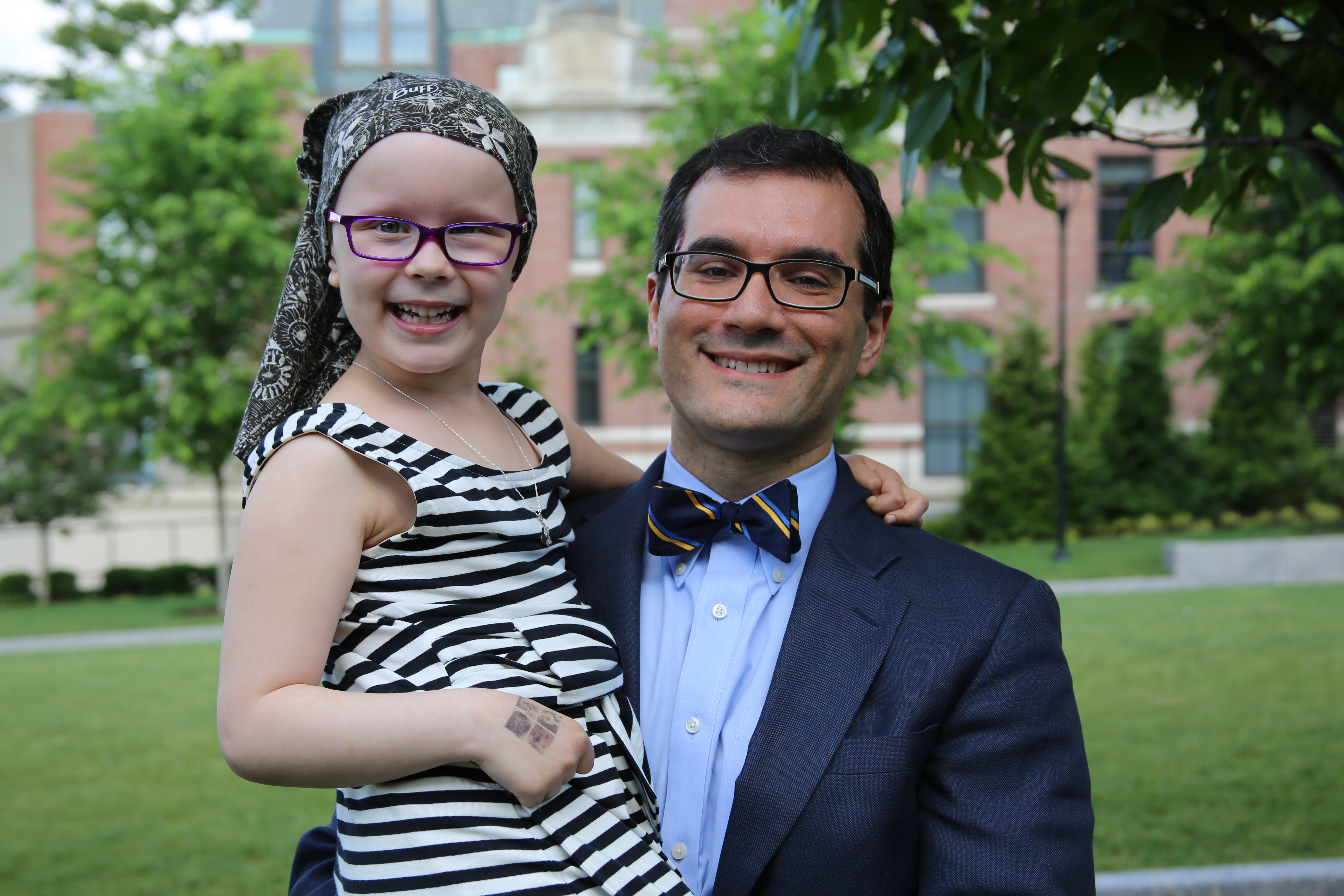
Leila and Arash Mostaghimi

Leila and Arash Mostaghimi

Leila Mostaghimi was in preschool when her hair started to fall out in clumps.

“Mommy asked me, ‘Did you razor your hair?’” recalled Leila, who is now almost 7. Over the next few months back then, she lost all of the hair on her scalp, her eyebrows and on most of her body.

Leila was soon diagnosed with alopecia areata, a dermatologic autoimmune disease that causes hair loss in round patches. It was both a life-changing and career-altering moment for her father, Arash Mostaghimi, MD, director of the Dermatology Inpatient Service and co-director of the Complex Medical Dermatology Fellowship Program at BWH.

At the time, Mostaghimi was an attending dermatologist who had focused his research entirely on ways to optimize costs and outcomes in dermatology. But after Leila’s diagnosis, the Brigham dad decided to devote 25 percent of his research to the disease.

“At first, I had mixed feelings about making the change because my entire research had been about making rational decisions, and this was an emotional one,” said Mostaghimi, who has served as a lead investigator or co-author on 35 papers. “I’m not a big karma or kismet person, but it made so much sense to do it. I think if you’re in the right position and have a personal stake, then it’s important to say you tried to be part of the solution.”

He reached out to BWH colleague Kathie Huang, MD, co-director of the Hair Loss Clinic, who was already working on research related to the disease. Together, they focus on understanding the epidemiology of alopecia areata and its association with other diseases, as well as exploring innovative therapies and clinical trials to treat it.

“It’s really fantastic to be part of a department that’s supportive of me making these changes in my research agenda,” Mostaghimi said.

Leila, who wants to be a doctor when she grows up—“a different kind than Daddy,” she quickly clarified—says alopecia areata hasn’t stopped her from doing what she enjoys. Nor does she let it get in the way of making new friends.

“Alopecia areata doesn’t change much because none of that really matters,” she said.

This Father’s Day, Leila plans to show her love for her dad with a handmade craft she created with some assistance from the jewelry club at her school. It’s a token of appreciation for her father, who, among other life lessons, is teaching her how to ride a bicycle without training wheels.

“If he lets go, I wobble,” Leila said.

But her father is always there to catch her.

This slideshow requires JavaScript.

The Brigham Research Institute capped off a decade of supporting discovery and innovation last week with a celebration honoring its community and accomplishments. At a reception in Cabot Atrium on June 1, members of the research community gathered to share food and drink and hear remarks from the BRI’s past and current directors.

“The BRI was originally conceived of as an experiment,” said Thomas Kupper, MD, chair of the Department of Dermatology and the first director of the BRI. “Today, it is a powerful force of collaboration.”

Kupper highlighted research funding programs, such as the Fund to Sustain Research Excellence (FSRE), which provides interim support to sustain research projects that are likely to receive federal funding in the future. Through the FSRE, the BRI has distributed more than $6 million to 95 investigators. In turn, award recipients have used that to attain more than $200 million in funding.

“I’m proud to have launched the FSRE and to have been on the committee that hired our executive director, Jackie Slavik, PhD,” Kupper said.

In total, the BRI has distributed more than $10 million in awards since 2006 through the FSRE, micro-grants and other competitive funding programs, such as the BRI Director’s $500K Transformative Award, BRIght Futures Fund and BWH Health & Technology Innovation Fund.

Slavik, who has served as executive director since the BRI launched, introduced each of the BRI’s past and present directors, including Kupper, Cynthia Morton, PhD, Joseph Loscalzo, MD, PhD (in absentia), Christine Seidman, PhD, and Richard Blumberg, MD, who highlighted milestones and achievements from their tenure as directors.

During the celebration, attendees were encouraged to submit one-word answers to the question, “What does the BRI mean to you?” By providing this feedback to the BRI, attendees could be entered into a raffle for prizes.

See how the BRI has evolved over the last decade

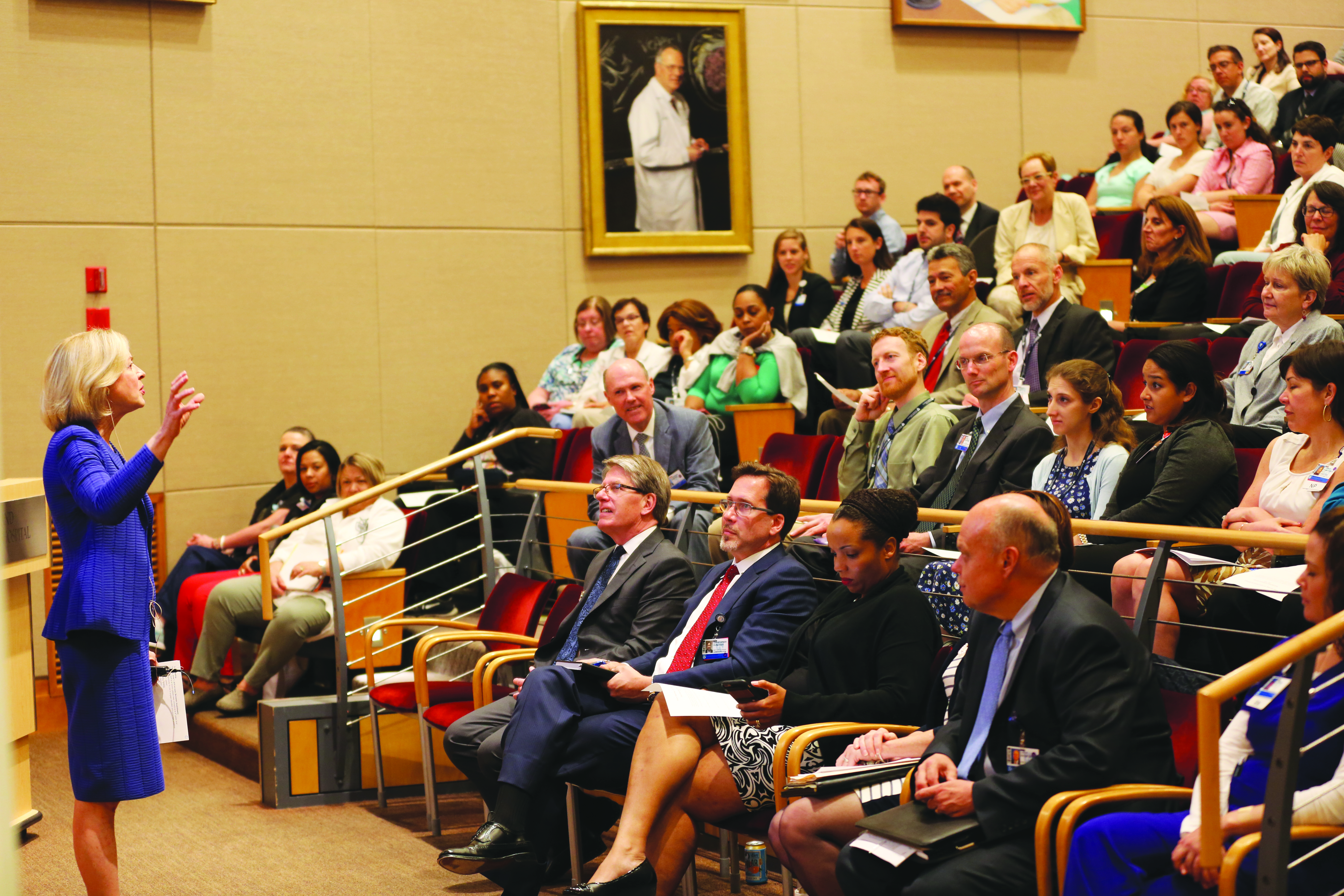
Betsy Nabel addresses BWH employees.

Betsy Nabel addresses BWH employees.

Earlier this week, BWHC President Betsy Nabel, MD, provided a comprehensive update on several key issues to a full crowd of employees in Bornstein Amphitheater and those tuning in by webcast. Town Meeting topics consisted of an update on nursing contract negotiations (see related story), institutional strategy, and building upgrades and planning projects.

“As we think about BWH, our values today are the same as they were 100 years ago,” said Nabel in outlining the institutional strategy. “The foundation of everything we do is exceptional patient care, research, education and caring for our community.”

Nabel walked attendees through the hospital’s seven strategic priorities and three areas of focus: discovery and innovation, leading-edge care redesign and business development. (Learn more about BWH’s strategic commitments and areas of focus in a special issue of BWH Bulletin on June 24.)

Steve Dempsey, director of Planning and Construction, detailed several of BWH’s ongoing and upcoming capital projects, providing updates on the BBF, NICU and Emergency Department expansions, The Garden Café progress, Thorn Building and 221 Longwood Ave. upgrades, and main entrance renovations at 75 Francis St.

During the question-and-answer session, employees asked about access to standing desks, reduced seating in the Shapiro Center’s Miller Atrium and alternate routes for patient stretchers so that, in the interest of patient safety and privacy, they do not pass through the hospital’s temporary dining areas. Luis Soto, director of Central Transport and Environmental Services, shared that he has put a plan in place for alternate patient transport routes that avoid dining and other busy areas.

If you missed Town Meeting, view the webcast here.

Francisco Quintana

Francisco Quintana

Bacteria living in the gut may influence the activity of brain cells involved in controlling inflammation and neurodegeneration—both of which are tied to multiple sclerosis—according to a new study by BWH researchers.

“For the first time, we’ve been able to identify that food has some sort of remote control over central nervous system inflammation,” said Francisco Quintana, PhD, of the Ann Romney Center for Neurologic Diseases, and the paper’s senior investigator. “What we eat influences the ability of bacteria in our gut to produce small molecules, some of which are capable of traveling all the way to the brain. This opens up an area that’s largely been unknown until now: how the gut controls brain inflammation.”

Quintana, an associate professor of Neurology at Harvard Medical School, is also an associate member of the Broad Institute.

The research team’s results, published earlier this month in Nature Medicine, may point to potential therapeutic targets.

Previous research has suggested a connection between the gut microbiome—the collection of microorganisms that live inside the intestine—and brain inflammation. But how the two are linked and how diet may influence this connection has remained largely unknown.

In a mouse model of multiple sclerosis, Quintana and colleagues found that when a greater number of molecules derived from dietary tryptophan (an amino acid famously found in turkey and other foods) were present, cells called astrocytes, which reside in the brain and spinal cord, were able to limit brain inflammation. Conversely, the team found decreased levels of these tryptophan-derived molecules in blood samples from patients with multiple sclerosis.

“Deficits in the diet, gut flora or the ability to uptake products from the gut flora or transport them from the gutany of these may contribute to disease progression,” said Quintana.

1 Comment
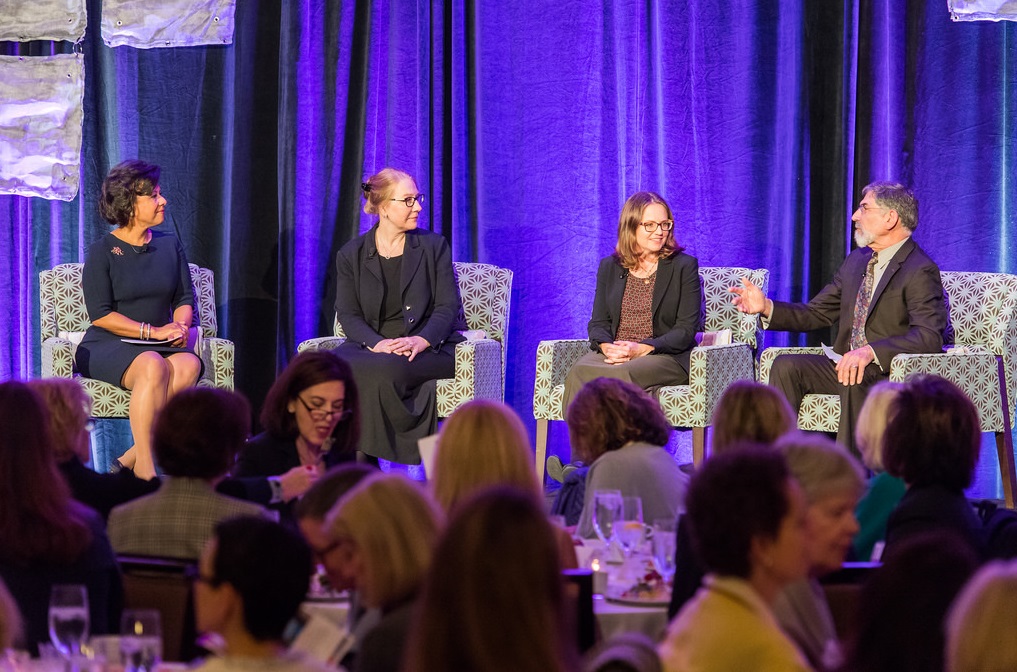
From left: Paula Johnson, Elizabeth Loder, Kristin Schreiber and Gary Strichartz

From left: Paula Johnson, Elizabeth Loder, Kristin Schreiber and Gary Strichartz

As a young doctor completing her residency at BWH in the late 1980s, Paula A. Johnson, MD, MPH, was unaware there was an essential element missing from the study of medicine: Women were underrepresented in clinical trials and research. This was a fact that had historically gone unrecognized, Johnson told a packed room at the 11th annual Women’s Health Luncheon on May 6.

“When I began my training at the Brigham 30 years ago, women’s health in our country was in a very different place,” said Johnson, executive director of BWH’s Mary Horrigan Connors Center for Women’s Health and Gender Biology and chief of the Division of Women’s Health. “The lessons I learned then about heart disease, neurologic disorders, autoimmune disease and so many others were based predominantly on studies conducted almost exclusively on men.”

The luncheon was Johnson’s last as the head of the Connors Center. She leaves BWH this summer to become president of Wellesley College.

Thanks to the work of Johnson, the Connors Center and its supporters, local and national awareness of the gender disparity in research has grown. Subsequently, researchers and clinicians have learned more about how disease and the efficacy of treatments differ between sexes.

“We’ve made women’s health into a topic of national significance,” Johnson said. “We’ve influenced legislation requiring that women be included in biomedical research, and we’ve fueled critical research leading to advancements in gender-based care and public health policy. We’ve committed ourselves to making sure that the health of our mothers, daughters, sisters, friends and ourselves is not left to chance.”

Progress Continues

The fight is not over, however. Heart attacks are the leading cause of death for women, but only 30 percent of cardiovascular study participants today are women. Statistics like these prompted the launch of “Us Plus One,” an awareness campaign to recruit new members to the Women’s Health Board of Advocates, a volunteer organization that supports the Connors Center. A brief video, available at usplusone.org, explains why this movement is so critical to ensuring women’s health is not left to chance.

“We need to be confident that health care decisions for diagnoses, medications, medical devices and treatments have been designed for us,” said Karen Zahorsky, chairwoman of the Board of Advocates, who announced at the luncheon that Johnson would be the first to join the board.

Pain is one of many areas where differences in diagnosis and treatment should be different for men and women, according to experts. This topic, “Power Over Pain,” was the focus of the luncheon’s panel discussion with three BWH experts: Elizabeth Loder, MD, MPH, chief of the Divison of Headache and Pain; Kristin Schreiber, MD, PhD, an anesthesiologist and clinical pain researcher; and Gary Strichartz, PhD, MDiv, FRSM, director of the Pain Research Center.

One example of this disparity is seen in fibromyalgia, a disorder causing widespread pain that is more common in women, said Schreiber. The lack of an easily identifiable source, such as an inflamed joint, and its predominance in women have led some in the medical community to take it less seriously, she added.

“The fact that fibromyalgia has been diagnosed predominantly in women has made it a second-class pain diagnosis,” Schreiber said. “For a long time, some physicians didn’t even believe in it. However, we’ve been seeing real biomedical differences in people who have fibromyalgia—these people actually do feel more pain.”

Some research has shown that if a healthy person and someone with fibromyalgia are given the same amount of pain stimulus, Schreiber added, there is more activation in the pain areas of the brain—especially those that have to do with the emotional reaction to pain—in the person with fibromyalgia. “And that activation lasts longer than in healthy people,” she said.

Championing Women’s Health

As Johnson summarized the Connor Center’s contributions to the field of women’s health since the last luncheon in 2015, she highlighted a report from the U.S. Government Accountability Office assessing women’s inclusion in National Institutes of Health-funded clinical trials. The report, which was catalyzed by the center’s work, recognized that much more needs to be done to ensure women are sufficiently represented in research of diseases that affect both men and women. Johnson called it the most significant shift in policy in 20 years.

“None of this progress would be possible without the dedication of the people sitting in this room,” she said. “I am extraordinarily proud, and I know that with the incredible foundation and community we have built, you will be a champion of this work for decades to come.”

Dr.TylerBWH and the Department of Neurology mourn the loss of H. Richard Tyler, MD, former chief of the Division of Neurology and BWH’s first full-time neurologist. He passed away May 9 at the age of 88.

“Known as a brilliant clinician and memorable teacher, Dr. Tyler made enormous contributions to the Brigham community, its patients and the field of neurology,” said Martin Samuels, MD, chair of the Department of Neurology.

Dr. Tyler, who lived in Brookline, is credited with building BWH Neurology from the ground up, serving as chief from 1956 to 1988. Under Dr. Tyler’s leadership, the department added a major basic research program in 1985, led by Dennis Selkoe, MD, and Howard Weiner, MD, co-directors of the Ann Romney Center for Neurologic Diseases. The Neurology Division at BWH became an independent department in 1995.

Dr. Tyler received his MD from Washington University School of Medicine in 1951. He interned at the BWH predecessor Peter Bent Brigham Hospital in 1951, followed by a neurology residency at Boston City Hospital. He then spent two years abroad at The National Hospital for Neurology and Neurosurgery, Queen Square in London and at the Pitié-Salpêtrière Hospital in Paris. He later worked at The Johns Hopkins Hospital before returning to BWH in 1956. He was appointed professor of Neurology at Harvard Medical School in 1974 and became emeritus professor in 1999.

During his time as chief, Dr. Tyler helped to develop the field of renal neurology, based on his experience with early dialysis and organ transplantation. He also characterized the physiological basis of asterixis, one of the cardinal signs of metabolic encephalopathy, also known as brain disease, damage or malfunction. He was an expert in the neurological aspects of congenital heart disease in adults and the neurological aspects of alcohol and malnutrition.

He always felt that his greatest contribution was not his personal work but rather the generations of medical students, residents and faculty he trainedmany of whom went on to assume major leadership positions in neurology, locally and throughout the nation.

After stepping down as chief in 1988, Dr. Tyler continued to maintain a busy neurology practice until 2015, and he remained a valued consultant for internists and neurologists. He continued to develop one of the great modern collections of books related to neurology and neuroscience.

Samuels said generations of Harvard Medical School students have vivid memories of Dr. Tyler’s prodigious teaching skills. He was one of the founders of the Harvard Longwood Neurology Training Program and recruited a group of distinguished neurologists to join him at BWH, including Selkoe and Weiner.

“Rick Tyler was the single most influential teacher in my quest to become an academic neurologist and to develop my career at BWH,” said Selkoe. “I will greatly miss his remarkable depth of insight into how brain diseases work and how to humanely care for those suffering chronic neurologic illnesses.”

Weiner said he learned neurology from Dr. Tyler at a time when all doctors had to work with were a patient’s medical history and physical exam.

“He was a master clinician who made neurology come alive for me,” Weiner said.

He is survived by his wife, Joyce; children Kenneth Tyler and wife, Lisa; Karen Tyler; Douglas Tyler and wife, Donna; and Lori Spisak and husband, Ken; 12 grandchildren; eight great-grandchildren; brother-in-law, Edward Colby; nephews David and Geoffrey Colby; and many friends and colleagues.

2 Comments
From left: Marcia Niland, Wendy Fuld and Anne McCue at an ice-cream social

From left: Marcia Niland, Wendy Fuld and Anne McCue at an ice-cream social celebrating a successful Joint Commission survey

Last month, representatives from The Joint Commission witnessed firsthand BWH’s leadership in promoting excellence in the quality and safety of patient care during their survey of BWH’s clinical Pathology labs.

“It was very gratifying to hear the inspectors compliment us on having outstanding clinical labs with many best practices,” said Jeffrey Golden, MD, chair of the Department of Pathology. “I am extremely proud of our incredibly strong team and the care we provide to our BWH patients every day.”

During the four-day unannounced visit, which takes place every two years, surveyors from TJC evaluated compliance with laboratory standards in the labs, patient care areas, select on-site ambulatory practices and select off-site locations across BWH, including Anatomic Pathology, ambulatory labs, Blood Bank, Chemistry and various patient nursing units. In addition, the surveyors also focused on TJC National Patient Safety Goals, infection control and emergency preparedness in these locations.

Surveyors used the tracer methodology, a means of evaluation in which they select a patient and use that individual’s record as a roadmap to assess an organization’s compliance with certain standards and its systems of care and services.

“The excellent marks received during this survey epitomize the Department of Pathology’s relentless pursuit of service excellence,” said Milenko Tanasijevic, MD, MBA, director of Pathology’s Clinical Laboratories Division, noting that for the last two decades, Pathology has received high marks from TJC. “We strive continually to provide high-quality, timely laboratory testing to our patients and clinicians.”

Even more impressive, Tanasijevic said, was Pathology staff’s ability to accomplish a host of service advancements while facing the unprecedented challenge of having only 18 months to implement a new laboratory information system and interface it with Partners eCare, BWH’s Epic-based electronic health record system, which launched last year.

There are a few findings that will need to be addressed, mostly related to Epic. For example, there were locations where the names and addresses of the test-performing labs, a requirement on all reports, were not present. Golden said BWH is committed to correcting the findings in an effort to remain at the very highest standard.

“There are always opportunities to do better, and our staff is firmly committed to ongoing quality improvement,” Tanasijevic said.

This survey is particularly notable because it affects almost every department in the hospital, as clinical labs are dispersed across BWH, said Pamela Wakefield, compliance officer for the Clinical Laboratories.

“This was a massive team effort, and we didn’t miss a beat in terms of our preparedness. The credit goes to the frontline staff who made this survey a success. They make us very proud,” Wakefield said.

221 Longwood Ave.

221 Longwood Ave.

Discovery and innovation are among the key areas of strategic focus for BWH. The Brigham Building for the Future is one example of the hospital’s commitment to translational care and the future of research; another is its investment in upgrades to improve Brigham research facilities, including the George W. Thorn Research Building and research facilities at 221 Longwood Ave.

“Thorn and 221 Longwood have a 40-plus year distinguished history in service to our research mission. A lot of great discoveries were made in these facilities, but they are unable to sustain the load of modern research,” said Paul J. Anderson, MD, PhD, chief academic officer and senior vice president of Research. “We now have an opportunity to change that. By addressing the infrastructure needs, we hope to stabilize the buildings and keep them as valuable assets and places to do research for many years to come.”

John Pierro, senior vice president of Facilities and Operations, and his team have completed a detailed engineering facility condition assessment of Thorn and are currently conducting a similar assessment of 221 Longwood. The assessments include an analysis of climate control, air exchanges, electrical power, plumbing and all critical infrastructure.

“These are very precise and detailed infrastructure condition assessments, including major equipment and the operating needs of the user groups in each area,” said Pierro. With this technical engineering data in hand, Pierro and his team are able to develop and implement specific capital improvements to address infrastructure issues in the buildings.

Ryan Lavoie, director of Research Facilities Planning and Management, and George Player, director of Engineering, highlighted several improvements being implemented in the Thorn initiative. Walk-in environmental cold rooms will be upgraded and replaced floor by floor in the building. Contractors will also be installing a new wireless alarm system that will allow real-time temperature reads while offering customizable temperature parameters.

“With this system, we’ll be aware of problems before the building occupants notice them,” said Player.

Other improvements include cosmetic upgrades, such as renovated bathrooms and breakout areas and repainted walls.

Earlier this year, Pierro and Anderson brought their assessment to the BWH Board of Trustees, which approved $24 million for infrastructure improvements. During a Town Meeting earlier this spring for those who work in Thorn, as well as interested members of the BWH community, Pierro, Anderson and Ron M. Walls, MD, executive vice president and chief operating officer, presented the assessment for Thorn and an overview of the infrastructure upgrades.

Since then, Pierro and his team have begun to implement these corrective plans, floor by floor, in Thorn. Pierro’s team has also established channels for communicating updates about upcoming improvements to the researchers who will be affected. Additionally, an Infrastructure Oversight Committee, made up of investigators, lab managers and administrators, has been established to get feedback and input on plans from the research community.

At the 221 Longwood Town Meeting on May 17, Pierro shared his team’s goals for the building, which are to eliminate electrical power interruptions and weather-related flooding; improve ventilation, air circulation and staff comfort; upgrade the building’s automation, mechanical, electrical and plumbing infrastructures; and improve its aesthetics. A ceiling replacement project and upgrades to window films and glazing have recently been completed, but after the facilities condition assessment concludes at the beginning of July, Pierro’s team will develop a comprehensive plan to address the underlying causes of many of the challenges at 221 Longwood, including issues with temperature control and freezer failure.

“With overwhelming support from senior leadership and the board, our joint teams in Facilities and Research will restore these landmarks, which have been vital to fulfilling our mission,” said Pierro.

Elizabeth Matzkin

There’s a reason many people prefer to enjoy the Boston Marathon from the sidelines: Running 26.2 miles is a demanding endeavor that requires months of training through the winter and, for charity runners, a significant fundraising commitment.

While marathon running is not for everyone, other races can give runners that same euphoric feeling of crossing the finish while helping a cause—albeit with a more manageable commitment. BWH employees participating in the 2016 Boston Athletic Association (B.A.A.) 10K race, sponsored by BWH this year, say the event is far more accessible to runners—and even non-runners—who may feel intimidated by the training routines or fundraising minimums of larger races.

“You can run a 10K in one hour, or you could run it in two; there’s no rush and no pressure,” said Giorgio Giatsidis, MD, a researcher in the Department of Surgery and a plastic surgeon, who is running on the Gillian Reny Stepping Strong team. “My goal is to get to the end—it doesn’t matter to me how long it takes.”

The 6.2-mile race is on Sunday, June 26. Its route loops through Back Bay, starting and ending in the Boston Common.

Giatsidis had never tried running until last year and almost quit when he couldn’t finish one mile on his first run. But he stuck with it, and last month he completed the Boston Marathon.

To help novice and even first-time runners get ready for race day, the B.A.A. offers several training programs that can help new runners get ready for a 10K in just a few weeks, says Jonathan Hawkes, a member of the BWH Development Office who formed a team to support the Ann Romney Center for Neurologic Diseases at BWH. Because of these resources, the 10K felt like a far more realistic goal than the Boston Marathon.

“I’ve had a number of colleagues run the Boston Marathon, and I see how it brings people together,” Hawkes said. “There’s a real sense of community at events like these, and I want to be part of that experience.”

Elizabeth Matzkin, MD, an orthopedic surgeon and chief of Women’s Sports Medicine, says that with the right training plan, a 10K is doable for a healthy person who has never run a race before. She notes that runners should increase mileage and distance slowly each week, and ensure they’re meeting their nutritional needs to avoid injury during training.

“Train to finish, not for a personal record, if it is your first 10K,” advised Matzkin, who is running with “Bone” to Run, a team she organized to raise money for research and education in women’s sports medicine. “Training for a half-marathon or a marathon is a big commitment, but a 10K is a great distance for everybody.”

Putting ‘Fun’ in Fundraising

Giorgio Giatsidis

This year, BWH is the exclusive fundraising partner for the race, meaning that individuals and teams who join the BWH team will run to raise funds for the hospital. The fundraising minimum is $500, and runners can allocate funds raised to a BWH fund of their choosing, allowing them to support the life-giving breakthroughs most meaningful to them.

Giatsidis says he was initially nervous about meeting the goal but has found that fundraising is actually his favorite part of the process.

“Fundraising gives me the opportunity to reach out to a lot of people, explain why I am doing this and get their feedback,” he said. “I love the fact that I can share my motivations and passions with a lot of people I haven’t been in touch with for a long time.”

Hawkes chose to run to support the Ann Romney Center for Neurologic Diseases in honor of his grandmother, who has lived with Alzheimer’s disease for the past eight years. While his fundraising efforts are still ongoing, Hawkes says that potential runners shouldn’t be intimidated by the goal.

“Your network is larger than you think it is,” he said. “Five-hundred dollars may seem like a lot, but if you think of it in smaller increments—say, 20 donations of $25—it becomes a lot more manageable.”

To learn more or register for the B.A.A. 10K, visit www.crowdrise.com/baa10k.

BWH’s Monica Bertagnolli at this year’s World Medical Innovation Forum

BWH’s Monica Bertagnolli at this year’s World Medical Innovation Forum

Cancer experts from around the world—including many from the Brigham—conveyed a resounding message of hope as they discussed innovation in cancer prevention, detection and treatment at Partners HealthCare’s second annual World Medical Innovation Forum (WMIF).

The three-day forum, held April 25 to April 27 at the Westin Copley Place in Boston, hosted compelling events that brought together titans of industry and top cancer experts to collectively explore the latest advancements in cancer research.

“The issue before us is how to improve access to treatment for all of our patients: How do we get the right treatment to the right patient at the right time, knowing that there’s now a combination of precision medicine, immunotherapies and cancer vaccines to amplify how a patient responds to treatment?” said BWHC President Betsy Nabel, MD, who spoke on a panel titled “Curative Therapies: The Economics of Game-Changing Science.”

Many of the events centered on fostering collaboration as part of innovation. During the “Discovery Cafe,” renowned leaders in the field interacted with small groups of attendees who registered in advance to discuss topics such as immunotherapy, diagnostics, therapy resistance and pathology.

The importance of partnerships in cancer research cannot be understated, says Monica Bertagnolli, MD, chief of BWH’s Division of Surgical Oncology and co-chair of this year’s forum.

“We think of multidisciplinary cancer research as coming from basic biologists, cancer surgeons, medical oncologists and so on, but to be truly innovative, we’re also looking to better engage researchers in fields like pathology, psychiatry and imaging—people who are invested in cancer but knowledgeable in many other areas, which is the beauty of a multidisciplinary approach,” she said.

Brand new this year was the “First Look,” which featured rapid-fire presentations by early-career researchers and clinicians about their cutting-edge innovations, including new therapies for metastatic cancers and the use of image-guided surgery in BWH’s AMIGO suite. Learn more about these technologies and read additional coverage of the forum at BWHClinicalandResearchNews.org.

Celine Vetter

Celine Vetter

Heart disease is the leading cause of death in the U.S., contributing to one in every four deaths. In a new BWH study published in the Journal of the American Medical Association, researchers found that women who have performed rotating night shift work for more than 10 years had a 15 to 18 percent increased risk of developing coronary heart disease (CHD)—the most common type of heart disease—compared to women who did not work rotating night shifts.

“There are a number of known risk factors for CHD, such as smoking, poor diet, lack of physical activity and elevated body mass index (BMI),” said lead author Celine Vetter, PhD, associate epidemiologist in the Channing Division of Network Medicine and a chronobiologist at BWH. “These are all critical factors when thinking how to prevent CHD; however, even after controlling for these risk factors, we still saw an increased risk of CHD associated with rotating night shift work. Even though the absolute risk is small, and the contribution of shift work to CHD is modest, it is important to note that this is a modifiable risk factor and changing shift schedules may have an impact on the prevention of CHD.”

Researchers examined the association between rotating night shift work and CHD over a period of 24 years. About 189,000 women in the Nurses’ Health Study I and II who reported their lifetime exposure to rotating night shift work (defined as three or more night shifts per month, in addition to day and evening shifts) were included in the analysis. These women also reported on their heart health, indicating whether they had CHD-related chest pain, a heart attack or cardiovascular procedures such as angioplasty, coronary artery bypass graft surgery or stents. In the case of a death or self-reported heart attack, information was confirmed by death certificates and medical records to ensure that the event was related to CHD. Questionnaires also collected data on known risk factors of CHD every two to four years throughout the study period. Over the 24-year period, more than 10,000 newly developed cases of CHD occurred.

Researchers also found that recent night shift work might be most relevant for CHD risk. Additionally, for women who stopped working shifts, a longer time since quitting was associated with a decreasing CHD risk, a new finding that researchers note warrants replication.

“We believe that the results from our study underline the need for future research to further explore the relationship between shift schedules, individual characteristics and coronary health to potentially reduce CHD risk,” Vetter said.

Researchers note that the individual’s biological rhythm—which is often disrupted in rotating night shift workers—along with sleep patterns and quality might modify the association of CHD with shift work. Together with more detailed information on work schedules, future studies might help identify which aspects of work schedules are most critical and who is at highest risk.

Jeffrey Golden, left, announces the award winners, including Matthew Rose, right, at the Department of Pathology’s annual research celebration.

Jeffrey Golden, left, announces the award winners, including Matthew Rose, right, at the Department of Pathology’s annual research celebration.

The Department of Pathology recognized several young investigators at its 10th annual research celebration for their basic, clinical and translational research being conducted both in the department and in collaboration with other departments. In total, more than 30 posters were presented at the April 15 event.

Dozens of clinicians and investigators gathered in the Miller Atrium to listen to Jeffrey Golden, MD, chairman of the Department of Pathology, as he announced the Posters of Distinction Awards, including the first to be chosen by using a crowd-sourcing app developed in the department specifically for scientific meetings.

The event is an exciting opportunity to recognize trainees and junior faculty, Golden said.

“The annual Department of Pathology Research Celebration accentuates the extraordinary depth and breadth of research that is conducted in our department each year,” he said. “Every year, I am awed and impressed by what is done in this tremendous department.”

Lori Ramkissoon, PhD, Matthew Rose, MD, PhD, and Gurpanna Saggu, PhD, received the Posters of Distinction Awards. Saggu’s poster was chosen through the crowd-sourcing app. Distinguished guests Thomas J. Gill III, MD, and Simon J. Simonian, MD, ScD, were also in attendance to present the Thomas J. Gill III, MD, and Simon J. Simonian, MD, ScD, Prize for Research Excellence to Sankha Basu, MD, PhD, and his mentor Scott Lovitch, MD, PhD. This award recognizes the accomplishments of young investigators and how their relationships with mentors have influenced their success.

“This was a remarkable showcase of the cutting-edge nature of the research activities ongoing in our department,” said Michael Gimbrone, MD, former department chairman and the director of the Center for Excellence in Vascular Biology.

Lesley Solomon introduces speakers at the Cambridge Science Festival.

Lesley Solomon introduces speakers at the Cambridge Science Festival.

The immune system can be a force for good—protecting the body from outside invaders—but it can also have a so-called dark side. Expert speakers explored that dark side, discussing the science behind allergies to food, medication and the environment during a session at the Cambridge Science Festival in Bornstein Amphitheater on April 20. The event, titled “The Immune System Awakens: The Force Behind Allergies,” was organized by the Brigham Research Institute (BRI) and open to the general public. The BRI has participated in the Cambridge Science Festival for the last four years with the goal of raising the visibility of BWH research and researchers within the local community.

Lesley Solomon, MBA, executive director of Brigham Innovation Hub and director of strategy and innovation in the BRI, introduced the evening’s speakers and theme for the event by sharing her personal connection to the subject: Her son has a severe food allergy to dairy, peanuts and tree nuts. Solomon noted that food allergies affect 15 million Americans and approximately one in every 13 children. From 1997 to 2011, food allergies among children rose by 50 percent.

“One of my personal goals is to make sure that over the next 15-year period, that number doesn’t increase by another 50 percent,” said Solomon.

The evening’s first speaker, Andrew MacGinnitie, MD, PhD, the clinical director of the Division of Immunology at Boston Children’s Hospital, described new thinking and therapies to prevent and treat food allergies. Previously, allergists advised that children likely at risk for food allergies should not be given highly allergenic foods until age 3, but new studies now suggest that the opposite may be true: Exposure early in life to foods like peanuts may actually prevent food allergies. A study published last year from the U.K. found that children at risk of developing allergies who were regularly given peanut snacks beginning in the first 11 months of life had lower peanut allergy rates than those who were not given peanut products until age 5.

“Our understanding and advice about allergies has changed,” said MacGinnitie. “New studies on peanut allergies offer a new way of thinking about prevention.”

Paige Wickner, MD, of BWH’s Division of Rheumatology, Immunology and Allergy, then discussed the challenges of drug allergies and potential solutions. The most commonly reported drug allergy is to penicillin; at BWH, more than 220,000 patients report having a penicillin allergy. However, studies have found that 90 to 99 percent of patients are not actually allergic when tested. Through funding from BCRISP (Brigham and Women’s Care Redesign Incubator and Startup Program), Wickner and her colleagues are working on a project to safely and efficiently administer antibiotics to patients who have a history of a penicillin allergy.

The evening’s final speaker, Juan Carlos Cardet, MD, also of BWH’s Division of Rheumatology, Immunology and Allergy, studies and treats patients with asthma. One of his research projects focuses on the connection between asthma and a diet-derived chemical known as enterolactone. Enterolactone is commonly detected in people who consume a Western diet, and new research suggests that higher rates of enterolactone are tied to lower probability of asthma. Cardet and his colleagues are exploring this connection and the role that the microbes living in the gut may be playing in asthma.

“Treatment for food allergies remains an unmet need,” said Solomon. “Diagnosis is limited and so is prognosis. We’re unable to predict if and when someone will outgrow an allergy. Our hope is that by bringing more attention to food allergies, we will create more funding opportunities and bring more scientists into the field.”

Members of the colorectal surgery team and others at BWH have seen major improvements in patient outcomes after implementing the “Enhanced Recovery After Surgery” protocol for various procedures.

Members of the colorectal surgery team and others at BWH have seen major improvements in patient outcomes after implementing the “Enhanced Recovery After Surgery” protocol for various procedures.

Sometimes the biggest improvements begin with the smallest of changes.

Since the summer of 2014, a group of BWH anesthesiologists, surgeons, nurses and other staff involved in colorectal surgery and recovery have come together to implement an “Enhanced Recovery After Surgery” (ERAS) protocol. The protocol’s seemingly small changes—such as giving patients a carbohydrate-rich drink before surgery, precisely managing fluid delivery during surgery and mobilizing the patient sooner—have added up to major improvements in patient outcomes and quality of life.

Patients who are on the ERAS pathway have lower rates of complications after surgery. Cardiac events have dropped by as much as 90 percent, while surgical site infections have fallen by 66 percent. Patients are well enough to leave the hospital an average of two days earlier than their counterparts.

“The results we’ve seen are phenomenal,” said Ron Bleday, MD, section chief of the Division of Colorectal Surgery. “As clinicians, it’s encouraging to see our patients benefiting from these changes. This is good for us and for our patients—everyone wins.”

Achieving these outcomes is what makes the work so rewarding, said Matthias Stopfkuchen-Evans, MD, of the Department of Anesthesiology, Perioperative and Pain Medicine.

“Anesthesiologists often fly under the radar, but with ERAS, we see the tremendous effect that we can have on patients’ outcomes,” Stopfkuchen-Evans said.

He and Bleday came together in 2012 to discuss how to reduce complications after surgery, with Stopfkuchen-Evans sharing ideas he had heard at a conference about how anesthesiologists could help ease recovery for patients. Bleday had ideas about reducing IV fluids delivered during surgery to help improve patient outcomes, and the two began to implement the ERAS protocol for colorectal surgery. BWH is among just a few academic medical centers in the nation implementing this protocol for various procedures.

Putting the Ideas into Practice

Nurse educators Sarah Thompson, MSN, RN, of Tower 15CD, and Elizabeth Doane, MSN, RN, of 15AB, were involved from the start. Along with Lauren Wolf, MSN, RN, of the Post Anesthesia Care Unit, and nurse practitioners from the Weiner Center, they developed a checklist to keep track of multi-disciplinary responsibilities that span preoperative, perioperative and postoperative care.

“We’ve seen that the patients on the ERAS pathway have less pain, less nausea, fewer complications and go home sooner,” said Thompson.

Patients first hear about ERAS at their surgeon’s office and receive additional information during their preoperative visit at the Weiner Center. One aspect of the pathway that usually pleasantly surprises patients is that instead of fasting for 12 hours before surgery, they are given a clear liquid drink that is rich in nourishing carbohydrates and electrolytes. After surgery, patients report less nausea and vomiting. The carbohydrate drink also reduces metabolic stress, which helps speed recovery.

During surgery, the amount of IV fluid an anesthesiologist administers is carefully calibrated using a doppler monitor that helps tailor fluid replacement to each patient. Too much fluid can lead patients to gain more than the average of 4.4 pounds, causing them to feel bloated and waterlogged. This may also lead to complications and slower recovery.

After surgery, patients are supported while they sit up in bed and dangle their feet over the edge of the bed. They are given sips of water and can often advance to a regular diet on their first day after surgery. They also receive gum, as chewing it prepares the gastrointestinal track to digest food. 

The ERAS team engages patients in their recovery process and recommends they keep a log (in addition to what the clinical team documents) of what they are eating and drinking and their pain level. “Our patients feel so good so fast that they are sometimes surprised when we tell them they are well enough to leave—the log helps them to see the progress they are making,” Wolf said.

ERAS began on a trial basis with 40 elective surgery patients, increasing to 70 as the team started to see promising results. The team compared their recovery to that of patients who had received similar colorectal surgeries prior to ERAS.

“After the first 70 patients, we saw a decrease in the length of stay by one-and-a-half days. Their bowel woke up a day to a day-and-a-half faster so that they were eating a regular diet. Surgical site infections and cardiac complications dropped by two-thirds,” said Bleday.

Bleday described the science behind these impressive results: Administering less fluid means less swelling, allowing the immune system to get to the site of a wound faster and promote healing. Extra fluid can also put stress on a person’s heart, sometimes leading to arrhythmias. Decreasing the fluid administered during an operation can avoid placing this stress on the patient.

All colorectal surgery patients are now on the ERAS protocol.

“ERAS is all about applying evidence to what we do every day, and there’s so much we stand to gain from that,” said Stopfkuchen-Evans. “We’ve been able to bring different disciplines together to put this into place, and that kind of collaboration is what we’ll need to continue expanding the practice of ERAS at the hospital.”

Expanding ERAS

Urology began implementing ERAS about a year ago for patients undergoing radical cystectomy and urinary diversion (the removal of the bladder) for bladder cancer. This is a procedure commonly associated with long hospital stays, primarily due to delayed bowel function. Mark Preston, MD, MPH, of Urology, says that his team began seeing dramatic reductions in length-of-stay of approximately two days for these patients after beginning the ERAS protocol.

“ERAS helps patients to heal faster and may decrease the risk for infections, fluid overload and cardiac complications,” he said.

Expanding and adapting this approach for other surgical patients is the next step—and hospital leaders are working hard to make it happen. With the support of the Department of Quality and Safety, other teams are already adopting ERAS-inspired pathways, including Gynecology Oncology, Surgical Oncology, Plastic Surgery and Trauma. These teams are piloting the pathway for certain procedures, with a goal of expanding it to others once they’ve seen some initial success.

Radiation Oncology’s Rose Damaskos, sr. director of Clinical Planning and Development, and Tatiana Lingos, MD, network director; Mark Davis; and Ann Egan, director of business development at DFCI.

Radiation Oncology’s Rose Damaskos, senior director of Clinical Planning and Development, and Tatiana Lingos, MD, network director; Mark Davis; and Ann Egan, director of business development at DFCI

In the last 18 months, the newly formed BWHC Business Development team has been busy assessing potential collaborations with organizations around the world that will enable the hospital’s unique expertise to benefit countless patients in new ways. These relationships are also an important means of generating new sources of revenue, a vital part of BWHC’s institutional strategy to help ensure financial stability at a time when health care organizations are faced with constant pressures to cut costs.

Mark A. Davis, MD, MS, executive director for Strategic Initiatives and Business Development, gave BWH Bulletin an inside look at the work that he and Chief Business Development Officer Steven Thompson, MBA, are doing to help BWH promote both “mission and margin” objectives.

How do you determine which relationships are right for BWH?

We are a charitable, mission-based organization that puts patients first. We apply the same principles when we decide how to work nationally and internationally. The opportunities we participate in must improve the way our collaborators deliver care to their patients, share best practices and research protocols and, if needed, transfer highly complex patients to BWHC. These guiding principles exemplify our joint mission and margin approach to growth.

Can you provide an example?

As a result of our relationship with Bermuda Cancer and Health Centre, construction is underway for the island’s first radiation oncology facility. This means that residents of Bermuda will no longer need to fly elsewhere to receive treatment. Our world-class Dana-Farber/Brigham and Women’s Cancer Center Radiation Oncology group, as well as their expert colleagues in Oncology and Urology, are working closely with clinicians on the island to ensure the best possible care is delivered at this new facility. Patients with the most complex needs who cannot receive local treatment can be seamlessly transferred to DF/BWCC for the highly specialized care we provide here.

Do you ever decline opportunities for collaboration?

Absolutely. Each opportunity must be aligned strategically with BWHC’s priorities for the future. Deals that are a no-go may seem fantastic on paper in every way except one—they’re not consistent with our mission.

You mentioned Bermuda. Where else are we forging relationships?

Our Pediatric Newborn Medicine team is exploring the development of a program focused on high-risk fetal and newborn medicine in Florida. We are also now entering the first phase of work with the Evergrande Health Industry Group in China, which will be building a hospital that will be the flagship of a new health care system. Additionally, we are considering a number of other opportunities in various places, including Asia, the Middle East and South America. In many cases, these potential partners wish to build or augment their local capabilities.

Tell us more about the relationship with Evergrande.

Evergrande is the second-largest real estate group in China, and it recently expanded into health care. Evergrande leaders approached us about joining as strategic advisors to help guide them as they seek to ultimately build a network of hospitals and web-based patient support systems.  This includes new technologies that will enable BWHC staff to remotely provide second opinions on complex medical conditions to patients through their local physicians.

Why is collaborating with a real estate group the right fit for BWH?

We are actually working with the health care company that is part of that group. The relationship utilizes their experience with development in China and our expertise in health care delivery and research to improve health in China. There’s a real need to advance the health care system in China. It’s not uncommon to see hundreds of patients lined up to literally spend just a minute or two seeing a doctor. They get a quick opinion, and the doctor has to move on because of that tremendous volume of patients. We want to be part of a relationship that will help evolve that system with committed local collaborators. We’ve had very open conversations with Evergrande leadership about the purpose of our agreement before we began. We both agreed that BWHC’s role is to help them create a system of hospitals grounded in evidence-based practices.

Who from BWH will be involved?

Our administrators, physicians, nurses, scientists and many other staff will have the opportunity to teach and learn as this relationship evolves in many elementsacademic, clinical development and appropriate transfer of patients to BWHC. We will have a true exchange of ideas and visits with health care professionals from China as the next phases of work get underway. I have no doubt that each side will learn from the other.

What opportunities are there for research?

When Evergrande builds its first hospital, the plan is to construct a co-located research facility. You can imagine the tremendous innovation that will result. The diagnostics and therapeutics will be cutting-edge. We will be working closely with the hospital and leading academic institutions in China on research and clinical care.

How can people get involved with the work you’re doing?

Given the talents of our staff here at the Brigham, we want to involve as many people as possible. The idea of business development is to harness the creative ideas of all of our talented staff members, along with our collective national and international contacts, and build relationships that advance our mission while supporting our margin. I encourage staff to reach out to me directly with ideas and questions.

What are you most excited about?

I’ve been at BWH for almost 20 years, and this is truly an extraordinary time. We are limited only by our ability to think differently. The traditional ways of operating give us a foundation upon which to build, but now is the time to evolve our approach so we can ensure the Brigham will thrive and continue to advance health for generations to come.

This slideshow requires JavaScript.

More than a hundred BWH runners laced up their sneakers and gave it their all as they participated in the 120th Boston Marathon for causes close to their hearts on April 18.

The 60 members of BWH’s Life.Giving.Breakthoughs. Marathon Team ran in support of the hospital’s campaign to transform the future of medicine, including 10 who ran in honor of Dr. Michael J. Davidson and raised funds to establish an endovascular fellowship in his name. The 48 runners on the BWH Stepping Strong Marathon Team were supporting innovative research and clinical programs to advance trauma healing.

Salena Cui

Salena Cui

Salena Cui, a clinical research coordinator in the Division of Renal Medicine, was proud to have completed her first marathon with the Life.Giving.Breakthoughs. Marathon Team. For Cui, it was a way to thank doctors and patients at BWH who have made an impact on her career as a researcher.

“I feel so lucky that I was able to run with the Life.Giving.Breakthroughs. Marathon Team,” she said after the race. “I felt supported by my teammates the whole way through, leading up to race day. I know this hospital means so much to so many people, and it was exciting to hear ‘Go Brigham!’ cheers as I ran by.”

Maine native Danny Rosquete, a Boston-based sports attorney and member of the Stepping Strong team, described his first marathon experience as “life-changing.” Although some parts of the course were more difficult than others, seeing crowds of people cheering for the runners got him through the race.

“I enjoyed every bit of today,” Rosquete said. “Running the Boston Marathon is a gift I wish I could give to everyone else. I’m so glad that I was able to join the Stepping Strong team with so many great people.”

Kyle Rogers

Kyle Rogers

Running his first Boston Marathon and fifth marathon overall, Kyle Rogers, of Carlisle, Mass., said it felt good to raise funds to advance trauma healing as part of the Stepping Strong Marathon Team. “Crossing the finish line was a good sense of accomplishment,” said Rogers, a robotics engineer. “It was a rough race for me, but to be able to finish and know that I was running for Stepping Strong made it all worth it.” 

IMG_0524

Meryn Boraski with her parents

Meryn Boraski, CRNA, a nurse anesthetist in the Department of Anesthesiology, Perioperative and Pain Medicine, dedicated her first Boston Marathon with the Life.Giving.Breakthoughs. Team to her late grandmother. She also wanted to honor BWH for inspiring her to become a nurse. Marathon Monday was a day she’ll never forget.

“It was very inspiring to be around a group of BWH runners, all with individual stories of why they were here,” she said. “The Brigham team sets you up to succeed. They want you to do well. The camaraderie has been terrific. Today was by far the best experience I’ve had in my 16 years of living in this unbelievable city.”

Since 1998, BWH has raised more than $8.5 million to date through its Boston Marathon running program, which has helped improve the lives of patients and families in Boston and around the world.

Listen to more stories about the race from our Brigham runners:

Paula Elbert

Paula Elbert

IMG_0534

Danny Rosquete


Paul Nguyen

Paul Nguyen

new BWH study has found a significant association between depression and patients being treated for localized prostate cancer (PCa)—cancer that has not spread beyond the prostate—with androgen deprivation therapy (ADT). Through drugs or surgery, ADT reduces a patient’s level of androgen hormones to prevent prostate cancer cells from growing. These findings were published online in the Journal of Clinical Oncology earlier this month.

“We know that patients on hormone therapy often experience decreased sexual function, weight gain and have less energy—many factors that could lead to depression,” said senior author Paul Nguyen, MD, of Radiation Oncology. “After taking a deeper look, we have discovered a significant association between men being treated with ADT for PCa and depression.”

Nguyen calls this discovery “a completely under-recognized phenomenon.” Around 50,000 men are treated with ADT each year.

“It’s important not only for patients to know the potential side effects of the drugs they’re taking, but also for physicians to be aware of this risk so they can recognize signs of depression and refer these patients for appropriate care,” said Nguyen, who is the director of Prostate Brachytherapy at BWH. “Patients and physicians must weigh the risks and benefits of ADT, and the additional risk of depression may make some men hesitant to use this treatment, especially in clinical scenarios where the benefits are less clear.”

Researchers reviewed the data of 78,552 men over the age of 65 with stage I to III PCa; the data came from the SEER Medicare-linked database from 1992 to 2006. Researchers investigated the association between ADT and a diagnosis of depression or confirmation of inpatient or outpatient psychiatric treatment. Additionally, they looked at the association between the duration of ADT and depression.

When compared to patients who did not receive ADT, patients who received ADT had higher incidences of depression and inpatient and outpatient psychiatric treatment. Patients who received ADT had a 23-percent increased risk of depression, a 29-percent increased risk of inpatient psychiatric treatment and a non-significant 7-percent increased risk of outpatient psychiatric treatment when compared with patients not being treated with ADT. The risk of depression increased with the duration of ADT, from 12 percent with fewer than six months, to 26 percent from seven to 11 months of treatment, to 37 percent with patients being treated for 12 months or longer. A similar duration effect was seen for inpatient and outpatient psychiatric treatment.

Researchers encourage future studies to focus on interventions that could successfully reduce this risk and examine whether particular subpopulations are at a higher risk, such as patients with a history of depression.

This slideshow requires JavaScript.

BWH wishes the Stepping Strong, Life.Giving.Breakthroughs. and Running to Remember Dr. Michael J. Davidson Marathon teams and all runners a healthy and strong race on Marathon Monday. Congratulations on all of your hard work, fundraising efforts and training. Your BWH family will be cheering for you on April 18!

David Baker

David Baker

Nearly 15 years ago, David Baker’s uncle Lennie Baker—saxophonist for the doo-wop rock group Sha Na Na—lost kidney function due to diabetes and was put on dialysis. When David learned that his uncle needed a kidney transplant and that he was a match, he decided to donate his own kidney, giving his uncle more than a decade more of life.

Though he originally joined BWH’s Life.Giving.Breakthroughs. Marathon Team to honor his uncle, David is now running the Boston Marathon on April 18 in memory of Lennie, who passed away earlier this year.

“I run to honor my uncle and to show appreciation for the gift of life that BWH gave to him,” said David, of Hanson, Mass. “The doctors and all of the staff at BWH are miracle workers. As I run, I will be thinking of their hard work and all of the amazing memories I have of my uncle. I look forward to continuing to push my personal limits while assisting BWH in pushing the limits of medicine.”

Kelly Laws

Kelly Laws

Many runners decide to join one of the BWH Marathon teams to honor a loved one. Kelly Laws, RN, another member of BWH’s Life.Giving.Breakthroughs. Marathon Team, is running for those close to her heart: her mother-in-law, who passed away last Marathon Monday, and her patients in BWH’s Medical Intensive Care Unit (MICU). The Boston Marathon will be Laws’s seventh marathon and third time running Boston.

Laws says that many of her patients suffer from interstitial lung disease—a large group of disorders that involve progressive scarring of the lung tissue that supports the air sacs.

“Without a lung transplant, these patients must be on oxygen in the hospital or at home,” said Laws, who lives in Somerville. “These patients can’t breathe on their own, so I thought that I could run for them since they cannot run for themselves.”

In addition to thinking of her patients as she runs, Laws says she looks forward to taking in the experience and enjoying the race with her fellow Marathon team members.

To learn more about the BWH Marathon Program, visit BWHMarathonProgram.org.

Lawrence Cohn

Lawrence Cohn

Eugene Braunwald, MD, founding chair of the TIMI Study Group in BWH’s Division of Cardiovascular Medicine, shared that when he first met Lawrence H. Cohn, MD, in the mid-1960s, he knew that Dr. Cohn was “headed for greatness.” BWHC President Betsy Nabel, MD, said that Dr. Cohn taught her that “holding a patient’s heart in one’s hand was a privilege.” Former trainee and friend Tomislav Mihaljevic, MD, chief executive officer of Cleveland Clinic Abu Dhabi, described him as “Larry the Lion.”

During a memorial event held April 11 at Boston Symphony Hall, friends, family members, trainees and colleagues came together to honor the life and legacy of the late Dr. Cohn, who was part of the Brigham family for more than 45 years. Dr. Cohn, who was the Virginia and James Hubbard Chair in Cardiac Surgery at Harvard Medical School and former chief of BWH’s Division of Cardiac Surgery, passed away in January. The event began with Tony Bennett’s song “I Left My Heart in San Francisco,” one of Dr. Cohn’s favorites.

“Larry was the consummate physician, educator and academician,” said Nabel. “But what he cared about more than anything were his patients, and he expected the same from his trainees.”

A world-renowned expert in the field of valve repair and replacement surgery, Dr. Cohn performed more than 11,500 cardiac surgical operations during his esteemed career. He also trained more than 150 residents and fellows.

Dr. Cohn and his wife, Roberta, high-school sweethearts, were married for 55 years. In 2008, they established the Cohn Library at BWH—a collection of some of the earliest editions of books and papers about cardiac surgery and cardiology.

“He was the protector of the history of his field and of the Brigham’s history,” said Dale Adler, MD, executive vice chair of the Department of Medicine.

Dr. Cohn was also a lover of the arts, as well as a competitive tennis player. Close friend and tennis doubles partner Peter Banks, MD, director of the Center for Pancreatic Disease at BWH, shared stories of their friendship and tennis matches, as well as Dr. Cohn’s devotion to his family.

Daughters Jennifer Cohn and Leslie Bernstein closed the event with a moving tribute, recounting their father’s love for numbers—especially 11—his support and guidance throughout their lives, and his adoration of grandchildren Carly, Rachel and Cameron.

“Our father truly cared about the person behind each surgery,” said Jennifer. “His life is a testament to how much of an impact a person can make.”

Read Dr. Cohn’s obituary in Bulletin to learn more about his career, and view a recording of the event.

Suzanne Koven

Suzanne Koven

On April 1, BWH clinicians and researchers from across the hospital gathered in the Zinner Conference Center for a special program that explored the role of narrative—any kind of writing that tells a story—in medicine and how physicians can better know their patients by listening to their stories.

Sponsored by the Center for Faculty Development & Diversity and the Brigham Education Institute (BEI) and organized by Christy Di Frances, PhD, MA, the morning featured an engaging presentation by Suzanne Koven, MD, an assistant professor of Medicine at Harvard Medical School (HMS) and writer-in-residence and primary care physician at Massachusetts General Hospital.

“We lose something if we don’t acknowledge that the fundamental tool we have as clinicians is finding out and understanding our patients’ stories,” said Koven. “Getting to the story makes all the difference between diagnosing and not diagnosing, between healing and not healing.”

Koven’s presentation was followed by breakout workshops on fiction and poetry writing, scientific storytelling and close reading, which is the careful interpretation of a brief passage of text.   

Poetry in Medicine Workshop

Medicine is not only about writing but reading as well, poet Gregory Abel, MD, MPH, MFA, an oncologist at Dana-Farber Cancer Institute and assistant professor of Medicine at HMS, shared with a group of participants in a workshop on reading and writing poetry.

During the one-hour session, poems with themes in medicine written by famous poets, such as Anne Sexton and Jane Kenyon, were read aloud and examined for content, technique and style.

The workshop concluded with a writing exercise in which participants wrote about a time leading up to an event that affected them. Participants shared their drafts with a partner, and partners then wrote what they thought happened next, illustrating the narrative significance of differing points of view.

Close-Reading Workshop

“Oh I suppose I should” are the opening words of William Carlos Williams’s poem “Le Médecin Malgré Lui” and also served as a writing prompt for those who attended a close-reading workshop led by Koven and Andrea Wershof Schwartz, MD, MPH, of BWH’s Department of Medicine. Schwartz began the workshop by reading Williams’s poem aloud and then inviting participants to closely examine the phrases and words Williams used and share their reactions.

Koven then led the group in a five-minute writing exercise, instructing participants to begin with the same opening line as the poem and write continuously for five minutes before sharing the results with the group.

“This kind of writing is highly desired,” said Koven, noting that publications such as The New England Journal of Medicine and The New York Times are interested in personal essays by clinicians.

creative writing workshop

Author and Simmons College professor Lowry Pei, PhD, MA, led participants through a discussion of Richard Selzer’s short story “Four Appointments with the Discus Thrower,” noting areas where Selzer exercised restraint and lets readers make their own judgments. Pei emphasized how, with such storytelling, the key is to dramatize rather than explain everything.

Scientific-Storytelling Seminar

Rafael Luna, PhD, author of the book “The Art of Scientific Storytelling” and program director for Senior Faculty Promotions in the Office for Faculty Affairs at HMS, described how to incorporate the elements of narrative craft into scientific manuscripts. He challenged the audience to think about how to capture seven years of work in the seven words of a paper’s title and noted that even the most complex scientific studies can have conflict and resolution, a beginning, middle and end, and a protagonist, which can be in the form of a protein, pathway or process.

To learn more about the CFDD’s work and offerings, visit cfdd.brighamandwomens.org.

On April 6, in observance of National Donate Life Month, BWH held a flag-raising ceremony to honor the lives of people who have been impacted by organ and tissue donation and those who have received the life-changing gift of a transplant. BWH patient and double arm transplant recipient Will Lautzenheiser performed the honor of raising the Donate Life flag at 15 Francis St. during the ceremony. Lautzenheiser received a double arm transplant at BWH in 2014.

Stay tuned for a story about Donate Life Month in an upcoming issue of BWH Bulletin.

Stacey Missmer

Stacey Missmer

Women with endometriosis, especially those 40 years old or younger, may have a higher risk of heart disease, according to new BWH research published in Circulation: Cardiovascular Quality and Outcomes, an American Heart Association journal.

The study examines the link between coronary heart disease—which occurs when plaque builds up inside the coronary arteries and causes damage in the heart’s major blood vessels—and endometriosis, a disorder in which tissue that normally lines the uterus grows outside of the uterus. Researchers reviewed the records of 116,430 women enrolled in the Nurses’ Health Study II. Endometriosis was diagnosed using surgical examinations in 11,903 women.

During 20 years of follow-up with participants, researchers found that compared to women without endometriosis, women with the condition were:

  • 1.35 times more likely to need surgery or stenting to open blocked arteries,
  • 1.52 times more likely to have a heart attack and
  • 1.91 times more likely to develop angina, or chest pain

Moreover, women age 40 or younger with endometriosis were three times more likely to develop heart attack, chest pain or need treatment for blocked arteries, compared to women without endometriosis in the same age group.

“Women with endometriosis should be aware that they may be at higher risk for heart disease compared to women without endometriosis, and this increased risk may be highest when they are young,” said Fan Mu, ScD, the study’s lead author, who was a research assistant at BWH when the study was conducted.

Researchers noted that surgical treatment of endometriosis—removal of the uterus or ovaries—may partly account for the increased risk of heart disease. Surgically induced menopause prior to natural menopause may increase the risk of heart disease, and this elevated risk may be more evident at younger ages.

An estimated 6 to 10 percent of women of reproductive age have endometriosis, but exact numbers are unknown since it cannot be diagnosed without surgery. Many girls and women do not realize that distressing menstrual cramps and pelvic pain can be due to endometriosis.

“It is important for women with endometriosis to adopt heart-healthy lifestyle habits, be screened by their doctors for heart disease and be familiar with symptoms because heart disease remains the primary cause of death in women,” said senior study author Stacey Missmer, ScD, director of Epidemiologic Research in Reproductive Medicine at BWH and scientific director of the Boston Center for Endometriosis.

BWH’s Janet Rich-Edwards, ScD, MPH, director of Developmental Epidemiology at the Connors Center for Women’s Health and Gender Biology, epidemiologist Eric Rimm, ScD, and biostatistician Donna Spiegelman, ScD, were also co-authors of this study.

From left: Piper Orton, Katie Armstrong, Yolonda Colson, Cheryl Arena and Sophie-Charlotte Hofferberth, of BWH’s Lung Cancer Strategist Program

From left: Piper Orton, Katie Armstrong, Yolonda Colson, Cheryl Arena and Sophie-Charlotte Hofferberth, of BWH’s Lung Cancer Strategist Program

When it comes to lung cancer diagnosis, time is of the essence. But due to the complexity of the disease and individual barriers to care, a portion of BWH’s lung cancer patients are at higher risk of falling through the cracks and losing contact with the hospital leading up to and after diagnosis, says thoracic surgeon Yolonda Colson, MD, PhD.

In 2014, thanks to the Brigham Care Redesign Incubator and Startup Program (BCRISP), Colson and her team launched a pilot study called the Lung Cancer Strategist Program (LCSP) to help these vulnerable patients. Established in 2013, BCRISP is an initiative in which teams of frontline clinicians submit proposals for projects that improve quality of care and reduce health care costs.

The LCSP is a patient-centered approach to lung cancer care for vulnerable patients—racial and ethnic minorities, patients with a physical disability or mental illness, individuals with language barriers or difficulties with transportation, and others. These patients are referred to the LCSP by a primary care physician or other care provider, and a dedicated thoracic surgery physician assistant serves as a clinical strategist. The clinical strategist works with a group of physicians and surgeons to create a care plan and then coordinates care for each patient.

“The program is our way of changing the system,” said Colson, who directs the Women’s Lung Cancer Program. “Many of these patients don’t need multiple tests or hospital visits, but rather, more coordinated care. We are streamlining the system and being strategic about the fastest way to get patients the care they need and make it easier for them to access it.”

Once patients are referred to the program, relevant testing is arranged, and patients are often seen on the same day by a multidisciplinary care team tailored to meet their unique needs. The team may consist of a pulmonologist, radiation oncologist, medical oncologist, social worker and other specialists.

“The clinical strategist, Cheryl Arena, PA-C, has extensive expertise in working with lung cancer patients and is able to identify barriers to care and the treatment goals for each patient,” said BWH Surgery resident Sophie-Charlotte Hofferberth, MD, who helped launch the LCSP program with Colson. “The clinical strategist provides a streamlined work-up and organizes the right team around each individual patient, so that at the first clinic visit, each patient is seen by those specialists who are going to be involved in his or her care throughout treatment.”

During the six-month pilot, the LCSP cared for 11 high-risk lung cancer patients. Many of these vulnerable patients previously did not receive treatment for several months due to the logistics of multiple tests and missed appointments, but within the LCSP, the average time to diagnosis was only 15 days. Additionally, LCSP patients received treatment for their lung cancer in an average of one month, as opposed to five months before the pilot. Hofferberth says the pilot study results are highly encouraging and that the team is eager to move on to the next phase—one of the goals of which is to care for at least 50 new patients through LCSP in the coming year.

Since the LCSP pilot ended last year, there have been ongoing referrals to the program. The team will be appointing a new thoracic surgery physician assistant to serve as the dedicated clinical strategist going forward in order to increase referrals and services, and it also hopes to establish key performance metrics for each stage of the program so that it can be reproduced as a model for other programs and institutions.

“We’ve been extremely fortunate to receive funding through BCRISP to enable us to launch the program, and we are excited to be moving to the next phase,” said Hofferberth. “The goal of the program is meeting the needs of high-risk groups of patients using a clinical strategist-led care model beyond the Brigham and ultimately improving care for all patients with lung cancer. BCRISP has been a fantastic support.”

Learn more about BCRISP.

WMIF_logoThe Partners strategy is driven by its four-part mission: a fundamental commitment to patient care, research, teaching and service to the community locally and globally. While Partners has an international reputation in all of these areas, as the largest academic research enterprise in the U.S., it is a clear leader in research. In 2015, Partners’ research expenditures totaled more than $1.5 billion.

Research is essential to the health of our communities, our country and world. The treatments, tests, drugs and medical devices used today have come about as the result of successful past research—everything from basic science to clinical trials and patient-centered research, health services and epidemiological research.

But translating research breakthroughs into patient care is a complex process. At Partners, this is the mission of the Partners Innovation team, which has extensive experience in every aspect of the commercial application of research, including business development, deal making, company creation, licensing, IP management and investing.

Much of the work of Partners Innovation occurs behind the scenes. But one event, the annual World Medical Innovation Forum, attracts an international audience of 1,100 of science’s most prominent leaders—CEOs, investors, entrepreneurs and officers of venture-backed companies, business-minded clinicians and investigators, government principals and dealmakers.

This year’s forum, which will be held April 25–27 in Boston, will highlight state-of-the-art emerging approaches to diagnose, treat and manage cancer. A highlight of the forum will be a showcase of the most promising cancer technology innovations from around the world—12 technologies with the potential to revolutionize cancer treatment and patient care over the next decade. The selections, called “The Disruptive Dozen,” will be announced on the final day of the forum. Opening the forum will be rapid-fire presentations by emerging cancer research stars called “First Look: Next Wave of Cancer Breakthroughs.”

“We are pleased to team up with colleagues across all Partners institutions to discuss recent advances in the field of oncology,” said Monica Bertagnolli, MD, chief of BWH’s Division of Surgical Oncology and co-chair of the 2016 World Medical Innovation Forum. “The focus is on Partners research that promises to change the lives of cancer patients in the near future. The range of topics is broad and includes discussion of exciting original approaches, as well as breakthroughs in work that has been pursued for decades. Additional input from leaders in biotechnology will provide valuable insights into the real-world challenges of bringing new anti-cancer therapies to the clinic.”

Learn more about this year’s forum.

Margarita Ramos

Margarita Ramos

research fellow in the Department of Surgery, Margarita Ramos, MD, MPH, will run her first marathon on April 18 as a member of the BWH Stepping Strong Marathon Team, supporting innovative trauma research and clinical care.

“I can’t wait to join thousands of runners at the Boston Marathon who believe in making a difference,” Ramos said. “It will be a day to celebrate the resilience of the human spirit.”

Ramos says she is excited to run in honor of Gillian Reny, a family friend and Boston Marathon bombing survivor, who was treated at BWH. Ramos, a spectator at the 2013 Boston Marathon, quickly learned from a friend of the Renys that Gillian had been critically injured and transported to BWH. Ramos hurried to the hospital to see how she could help.

“As a trusted friend, I wanted to do everything I could to help Gillian’s family understand the steps the surgical trauma team was taking to care for her,” said Ramos. “I reviewed X-ray images with them and answered their questions. It takes a multidisciplinary medical team to care for our trauma patients, and I was glad to participate.”

Because of this experience, Ramos was inspired to continue research in the field of limb reconstruction. During her general surgery training at BWH, Ramos participated in more than a thousand surgeries. She founded the Cost and Effectiveness in Surgery research group with E.J. Caterson, MD, PhD, of Plastic and Reconstructive Surgery, where she has mentored dozens of premedical, medical and dental students and published numerous articles on providing cost-effective care and improving the quality of life for people with disabilities.

Ramos is currently working on several research projects, including preserving tissue after trauma and treating and preventing traumatic wound infections with a novel biogel dressing.

Having run two half-marathons before, Ramos says she has always wanted to participate in the Boston Marathon. She’s been training hard and has enjoyed getting to know her teammates. 

“Boston is a special city to me,” Ramos said. “This marathon opportunity is dear to my heart. The support I have received from family, friends, the hospital, colleagues and complete strangers has been amazing.”

To learn more about the BWH Marathon Program, visit BWHMarathonProgram.org.

1 Comment
Stephanie Caterson

Stephanie Caterson

BWH plastic surgeon Stephanie Caterson, MD, originally went to medical school with the goal of becoming an astronaut. She studied aerospace engineering in college and graduate school, but it wasn’t until medical school that she discovered that she loved medicine and surgery as well—so much so that she went on to a residency in general surgery.

“Many astronauts who are physicians don’t actually complete a residency program,” said Caterson. “They graduate from medical school and then go straight to the astronaut program. But I felt like I wouldn’t be an effective astronaut or physician if I didn’t do a residency because that’s where you learn how to really be a doctor. Medical school is like learning a new language, but residency is when you submerge yourself in a new country and become fluent.”

During her residency, Caterson met an inspiring plastic surgeon who divided his time between reconstruction and cosmetic surgery and encouraged her to specialize in plastics.

“I thought it was amazing that a woman with breast cancer could fall asleep for a mastectomy [the surgical removal of one or both breasts] and wake up with a full breast reconstruction,” said Caterson. “It was such a silver lining.”

Plastic surgery and the path of an astronaut did not align, so Caterson decided to apply for a plastics fellowship and the astronaut program after her general surgery residency and see what transpired. A few months before Caterson started her astronaut program application, NASA closed the program due to a shuttle disaster. So she continued her path to plastic surgery, which would include a microsurgical breast reconstruction fellowship.

Pushing the Envelope to Provide Better Options

Since joining BWH in 2007, Caterson has been a champion of new options for breast cancer patients seeking breast reconstruction. She began the hospital’s deep inferior epigastric perforator (DIEP) flap program, which marked its 1,000th procedure late last year. In 2009, plastic surgeon Matthew Carty, MD, joined the team, and he and Caterson have since done the majority of DIEP flaps together.

“It’s a complex operation, and it’s very different than most plastic surgery procedures,” said Caterson. “There are always two attending surgeons in the room working on different areas of the body; it’s almost two separate operations that meld together.”

The DIEP flap procedure uses a patient’s abdominal tissue—skin, fat and blood vessels, which together are called a “flap”—to create a new breast after a mastectomy. It is the most common type of flap procedure performed at BWH. The flap is transferred to the chest, where the surgeon, aided by a microscope, attaches the tissue’s blood vessels to the chest blood vessels and reconstructs the breast.

The biggest difference between DIEP flaps and other types of flaps, such as transverse rectus abdominis (TRAM) flaps, is that the DIEP flap preserves the patient’s abdominal muscle, and in turn, abdominal strength. The procedure also lessens the likelihood of a hernia, shortens recovery time and produces a more natural-looking breast and slimmer appearance of the stomach.

A Deeper Look at the DIEP Flap Team

For the first few years after Carty joined the DIEP flap team, he and Caterson performed about 100 DIEP flaps per year. In 2012, former BWH resident Jessica Erdmann-Sager, MD, came back to the Brigham after completing a fellowship in breast microsurgery, and in 2013, Eric Halvorson, MD, another expert in breast microsurgery, joined the team, doubling its capacity to perform these intensive surgeries.

“Between the four of us, we have been able to ramp up the program, and now we’re doing more than 200 flaps a year,” said Caterson. “The Brigham has been very supportive of us and of this procedure for patients.”

Caterson is quick to emphasize that the success of her program is a team effort and the superior results could not be delivered by one person alone. From preoperative evaluation to postoperative care, the DIEP flap team includes staff from the Weiner Center for Preoperative Evaluation, Department of Surgery, Department of Anesthesiology, Perioperative and Pain Medicine, Operating Room and floor nurses, scrub techs, coordinators, residents, nurse practitioners, physician assistants, physical therapists and more recently, Radiology staff. Caterson has been working with Radiology resident Tatiana Kelil, MD, who is using CT volumetric imaging and 3-D printing to improve breast reconstruction. Using CT images, a model of the patient’s healthy breast can be 3-D printed and used in the OR as a cutting guide to help reshape and contour the tissue flap.

“Residents are an essential part of these complex microsurgical cases, so there is a huge opportunity for teaching in a controlled environment, which I love,” said Caterson, who started a microsurgery skills lab for residents several years ago. “Residents in most other plastic surgery programs who are interested in offering DIEP flaps usually go on to a microsurgery fellowship. However, due to BWH’s high DIEP flap volume, our residents are able to take that skill and perform DIEP flaps right after graduating from residency.”

Keeping Patients at the Forefront

Caterson says that her patients continue to motivate and inspire her as she performs the delicate and complex DIEP flap procedure, which has an average recovery time of six weeks.

“They are women who have been through the devastation of breast cancer, and we have the privilege of helping them feel whole again,” said Caterson, who sees each of her DIEP flap patients at least once per year for follow-up. “I’m grateful that they put their lives in our hands. We make every decision based on the questions, ‘What care would I want a loved one to receive?’ and ‘What is the safest approach for each individual patient?’ Our entire DIEP flap team has this same approach, which gives our patients the highest quality of care.”

BBF_back_72dpi

A rendering of the Brigham Building for the Future, which will open this fall

The Brigham Building for the Future (BBF), opening this fall, will be home to research labs and ambulatory clinics dedicated to the neurosciences, orthopaedics, immunology, rheumatology and musculoskeletal health. Clinical and research teams from across BWH’s campus will come together in the 12-story building to collaborate and accelerate the translation of laboratory discoveries into novel treatments for patients.

BWH Bulletin asked for your questions about the new state-of-the-art building and talked with Lani Kuzia, project manager for Real Estate, to find the answers. Here they are below:

What is the address of BBF?
BBF is located at 60 Fenwood Road.

When will various teams be moving in?
With the first patients scheduled to be seen on Oct. 3, the first move is set for Sept. 30. There will be staggered move-ins through March 2017, but all clinical teams will be moved in before the end of October 2016.

What are the plans for patient parking?
Patients able to do so may self-park in the BBF’s underground garage, which contains 150 spaces for patients. They may also leave their car with BWH’s valet service on the second level of the BBF underground garage or at 75 Francis St. for valet parking.

Will people be able to access BBF directly from the Mission Park Garage without having to go outside?
No, there will not be indoor access from the Mission Park Garage to the BBF; however, BBF is just a few steps away from the garage.

Will there be any inpatient beds in the new building?
No. The building will consist of eight floors of research laboratory space and three floors for outpatient clinical visits.

Will there be any food options in the new building?
There will be a cafe in the BBF operated by BWH and Sodexo, a hospitality company.

Are there any public spaces that employees will be able to reserve?
There will be public conference space that employees will be able to reserve as meeting space through the Audio/Visual Resource Scheduler (at BWHPikeNotes.org).

Are there any “green” features in the new building?
The building will incorporate a number of innovative, environmentally friendly features, including a roof garden to reduce storm water runoff and a co-generation power plant that will enable BWH to make enough electricity to power about 80 percent of the BBF’s and Shapiro Center’s electrical needs. The power plant, which was built in Germany, is a natural gas-fired engine that will supply the building with electricity and steam. The BBF has been designed to achieve the environmentally friendly Leadership in Energy and Environmental Design (LEED) Gold certification.

What other innovative features will be part of BBF?
Six highly-sophisticated MRI and CT machines will comprise the BBF’s state-of-the-art underground imaging facility. One of the MRI machines, the 7-Tesla, is the most powerful MRI machine in the world and one of only a few of its kind available to clinicians and researchers. The MRI provides extremely detailed images of metabolic pathways in the brain.

BBFstats

Were any patients or family members of patients involved in the design of the building?
Martie Carnie, BWH’s senior patient advisor, was involved in the planning and design of the building from the beginning, sharing insights from the patient and family perspective with BWH Real Estate and Facilities staff and building architects.
“We talked about what kinds of resources and information would be helpful to patients at the front desk in patient waiting areas and how the front desk should be set up for an easy approach for patients,” said Carnie. “We also discussed clear signage for patients, traffic flow, the use of media in waiting areas and colors for building finishes. It’s important for people to know that the patient and family voice was incorporated.”

Will there be employee tours of the new building?
Employee tours will be available in September for day, evening, night and weekend staff. Dates and more details about tours and celebrations will be forthcoming.

Do you have a question about the BBF? Share it with bwhbulletin@partners.org. Stay tuned for additional stories about the BBF in the coming months in the print and online Bulletin, and view BWH Clinical & Research News’s BBF series.

6 Comments
Giorgio Giatsidis

Giorgio Giatsidis

Researcher Giorgio Giatsidis, MD, of the Department of Surgery, is running this year’s Boston Marathon as a member of the BWH Stepping Strong Marathon Team. His motivation: honoring patients affected by traumatic wounds.

“My patients are my life,” said Giatsidis. “I wanted to run the Boston Marathon to pay tribute to anyone who has ever suffered from a traumatic wound and to raise awareness of innovative research and clinical programs at BWH that are helping to advance trauma healing.”

Giatsidis, a native of Milan, Italy, is a plastic surgeon who specializes in reconstructive and aesthetic surgery. He’s also a researcher, who is currently focused on trauma-related issues and, in particular, methods to reconstruct damaged soft tissues and improve the chance of tissue survival.

After hearing Boston Marathon bombing survivor Gillian Reny’s story of hope and perseverance, Giatsidis was inspired to raise funds to advance trauma research and clinical care. Giatsidis says he has enjoyed the challenge of training for his first marathon and getting to know his teammates. Come race day, he’s excited to run along the historic route and witness the energetic crowds cheering runners on.

“Throughout my career, I’ve had the opportunity to assist a large number of patients affected by trauma,” said Giatsidis. “It has meant so much to me to be able to support them and help them get back to their lives. When I’m running on Marathon Monday, I’ll be thinking about Gillian and all of the other patients who have experienced trauma. These stories are what drive me to be a better physician, researcher and person.”

To learn more about the BWH Marathon Program, visit BWHMarathonProgram.org.

From left: Histology supervisor Donna Skinner and Teresa Bowman, with the team’s staining technology

From left: Histology supervisor Donna Skinner and Teresa Bowman, with the team’s staining technology

On March 10, BWH labs recognized National Histotechnology Day and the role histotechnologists play in patient care and research.

Using tissue samples from patients, plants or preclinical models, histotechnologists process, slice and stain samples for pathologists. In a clinical setting, these stains can help to diagnose cancers and other disorders in patients, while other tissue samples help with research.

“We are proud that our work contributes directly to patient care,” said Teresa Bowman, manager of the Specialized Histopathology Lab, which is directed by Jon Aster, MD, PhD.

The National Society of Histotechnology started celebrating the work of histotechnologists four years ago, as there was no existing day or event drawing attention to their work. For Pathology labs, where dedicated technicians sometimes work seven days per week and through holidays, the day of national recognition serves as a positive way to highlight the role they play in patient care.

Each day, the Specialized Histopathology Lab can process and stain anywhere from 20 to 150 tissue samples, depending on demand, and the team typically processes more than 4,000 cases each year. While most of the samples are research-related, the lab also tests preclinical samples for drug efficacy and assesses different types of treatment.

There are five primary steps to histotechnolgy. First, technicians must examine and trim tissue samples to fit on the slides and then place them in chemical solutions to prevent decomposition. Next, the water is removed from the tissue and substituted with wax to provide support, after which the sample is embedded into a larger block of wax. The block of wax and tissue are then placed on an instrument called a microtome, where small sections are cut to form a thin ribbon. These sections of ribbon are placed on slides for observation. Finally, the slides are stained with different dyes to identify cell structures, antibodies or other structures that will help a pathologist or researcher make a diagnosis.

“A lot of people will tell you it’s an art form and that not everyone can do it,” says Bowman. “The tissue can be dry and tissues with disease can be more difficult to section, so you have to have some patience and take the time and finesse to get a good section.”

Although the role histotechnologists play may fly under the radar of most patients, Bowman is proud of the work the lab completes day in and day out.

“The clinical diagnosis and the satisfaction of getting a tough stain to work are the most rewarding parts of the job,” Bowman said. “Although some people don’t know we are here, we are an important part of the diagnostic process.”

Mehra Golshan

Mehra Golshan

The use of contralateral prophylactic mastectomy (CPM)—the surgical removal of a breast unaffected by cancer as part of the course of treatment for breast cancer—more than tripled from 2002 to 2012. However, according to a new BWH study, there has been no evidence of a survival benefit for patients who receive CPM compared to patients who receive breast-conserving surgery, which removes part of the breast tissue but not the entire breast.

Researchers note that while CPM may have a survival benefit for patients who are at high risk of developing breast cancer, such as those with a genetic mutation, the majority of women undergoing CPM are at low risk for developing breast cancer in the unaffected breast. Data show that women who are diagnosed with cancer in one breast are increasingly unlikely to be diagnosed with cancer in the other breast.

“Our analysis highlights the sustained, sharp rise in popularity of CPM and the mounting evidence that this more extensive surgery offers no significant survival benefit to women with a first diagnosis of breast cancer,” said senior author Mehra Golshan, MD, distinguished chair in Surgical Oncology at BWH. “Patients and caregivers should weigh the expected benefits with the potential risks of CPM, including prolonged recovery time, increased risk of complications, cost, the possible need for repeat surgery and effects on self-image.”

Researchers analyzed data from a group of nearly 500,000 women with a stage-one to stage-three breast cancer diagnosis in one breast and followed them from 1998 to 2012. Patients undergoing breast-conserving surgery, unilateral mastectomy—the removal of one breast—and CPM were compared. Nearly 60 percent underwent breast-conserving surgery, 33.4 percent underwent unilateral mastectomy and 7 percent underwent CPM. Overall, the proportion of women undergoing CPM increased from 3.9 percent in 2002 to 12.7 percent in 2012. When compared with breast-conserving therapy, no significant improvement in survival was found for women undergoing CPM.

Importantly, CPM may be indicated for women with BRCA1/2 mutations, a strong family history of breast or ovarian cancer or a personal history of mantle field radiation during childhood. A significant number of younger women are actively choosing CPM over conservative surgery, but only about a third of women who opt for CPM have one or more of these risk factors. Surveys of women suggest that a desire to minimize breast asymmetry and improve overall appearance through increasingly available and expanding reconstructive techniques may influence a decision to undergo CPM. Specifically, research shows that rates of reconstruction in CPM patients increased from 35.3 percent to 55.4 percent during the study period.

“Women with unilateral breast cancer undergoing CPM continue to report a desire to extend life as one of the most important factors leading to their surgical decision,” said Golshan, who is also the medical director of International Oncology Programs at Dana-Farber/Brigham and Women’s Cancer Center. “Understanding why women choose to undergo CPM may create an opportunity for health care providers to counsel women about surgical options, address anxieties, discuss individual preferences and ensure peace of mind related to a patient’s surgical choice.”