Mother’s Food Choices During Pregnancy May Influence Inflammation, Outcomes

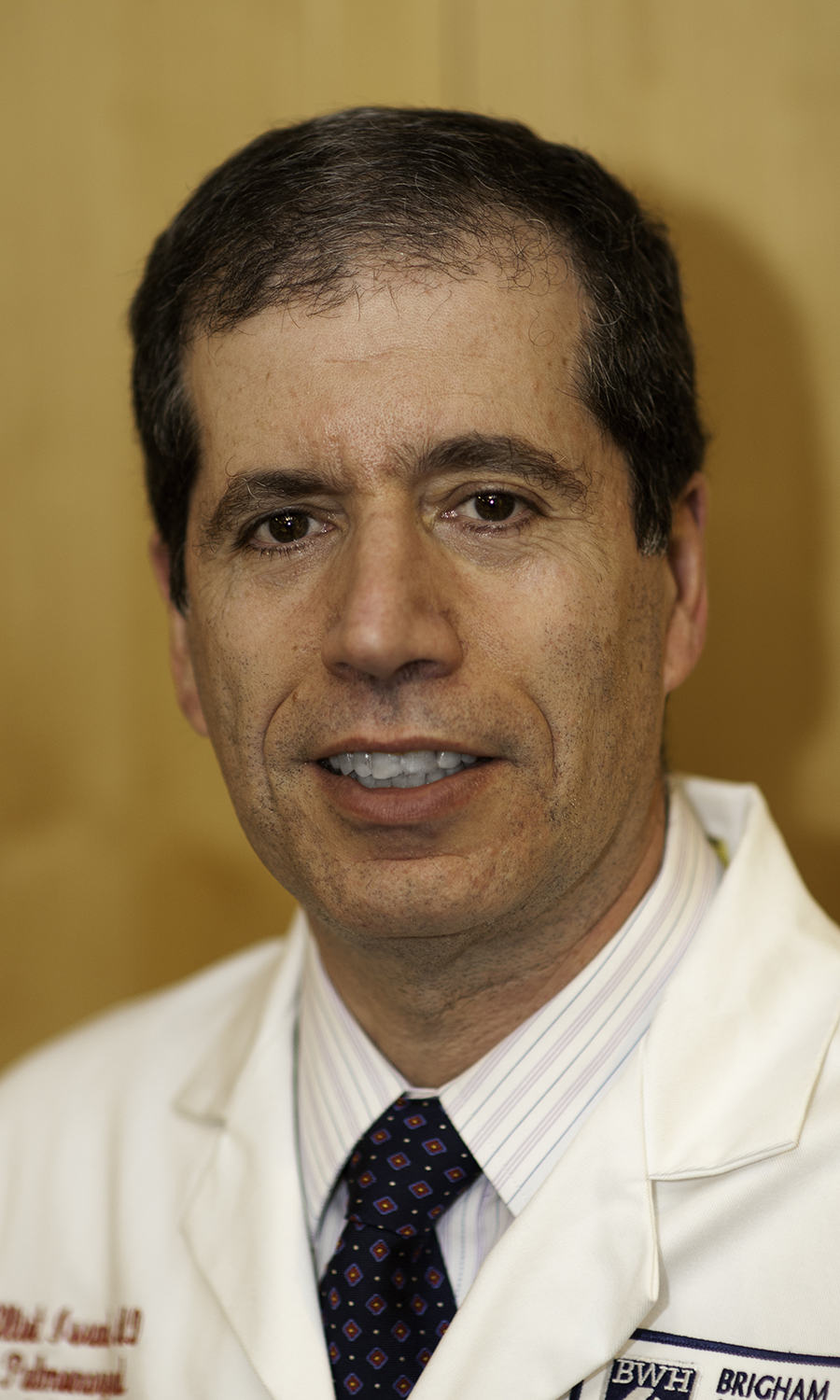
Sarbattama Sen
Inflammation is part of the immune response, allowing the body to heal from injury, but uncontrolled inflammation can stress or damage the body. Diet is known to play a role in inflammation in adults, but exactly how a woman’s diet during pregnancy may affect inflammation and, in turn, her health and the health of her baby, is not well understood.
A new study led by BWH researchers uses the Dietary Inflammatory Index (DII) to score a woman’s diet during pregnancy and measure the influence of diet on both inflammation during pregnancy and on maternal and infant outcomes before and after childbirth. The team found that more pro-inflammatory diets are associated with lower rates of breastfeeding and lower-than-expected birth weight in certain groups.
“As health care providers for pregnant and post-partum women, we often think about and advise women on diet in the conventional sense of calorie and macronutrient intake, but we haven’t paid much attention to dietary inflammation,” said Sarbattama Sen, MD, a neonatologist in BWH’s Department of Pediatric Newborn Medicine. “By focusing on the elements of diet that may be linked to inflammation, we’ve been able to tease out certain outcomes associated with a more pro- or anti-inflammatory diet.”
The DII focuses on the nutrients that are found in different food items and uses evidence from previous studies to assign an inflammatory score to each food component. Previous studies in non-pregnant adults have found that some food components—such as caffeine, as well as trans, saturated and monounsaturated fats—have a pro-inflammatory effect, while others—such as vitamin A, beta carotene, fiber and magnesium—have an anti-inflammatory effect. Using these data, past researchers were able to assign foods an inflammatory score.
In the current study, 1,808 participants in Project Viva, a study of expectant mothers in Massachusetts that began enrollment in 1999, completed food questionnaires in the first and second trimesters of pregnancy, which were used to create individualized DII scores for the women. Higher scores indicated a more pro-inflammatory diet and lower scores indicated a more anti-inflammatory diet. A blood sample was drawn from each participant in the second trimester, and two markers of inflammation—C Reactive Protein (CRP) and white blood cell count—were measured. The team also collected information on women’s pre-pregnancy body mass index (BMI).
Participants who had higher DII scores also had higher CRP levels. Women who had higher BMIs before pregnancy tended to have higher DII scores and also higher CRP levels.
Researchers also looked at a number of pregnancy outcomes. Among women who reported that they initiated breastfeeding, women who had a more pro-inflammatory diet had a lower likelihood of successfully breastfeeding their child past one month of age. Obese women who had a more pro-inflammatory diet were also more likely to deliver a baby who weighed less than would be expected at a given gestational age. Researchers did not observe an association between dietary inflammation and other maternal or infant outcomes such as gestational diabetes, preeclampsia, maternal weight gain during pregnancy or cesarean-section delivery.
“We have known for some time that excessive inflammation is associated with adverse health outcomes in adults,” said Sen. “But there have been few studies investigating the role of inflammation in pregnancy, when both the health of the mother and the fetus are at stake. We hope that this work opens the door for more investigation of the role of inflammation in important pregnancy outcomes such as fetal growth and breastfeeding.”







 B
B


 BWH and the Division of Cardiac Surgery mourn the loss of Lawrence H. Cohn, MD, a pioneering cardiac surgeon and devoted educator, former chief of the Division of Cardiac Surgery and the Virginia and James Hubbard Chair in Cardiac Surgery at Harvard Medical School. He passed away Jan. 9 at the age of 78.


 In September 1983, I proudly walked through the doors of BWH as a Simmons College undergraduate nursing student. Almost exactly 32 years later, I returned, once again, to proudly walk through the doors of this world-renowned institution. This return to BWH is my Shining Moment.
 In research administration, it’s impossible to think of one singular Shining Moment because discovery is a process—an exciting, fascinating, life-giving (in many ways) process. I remember working on a proposal late one night (roughly 1 a.m.) and was startled to hear screaming coming from the lab. I ran out of the office to see what was going on, only to find a post-doc whose gene knockout experiment had worked. She’d have to repeat the experiment (and it worked again), but that first moment of discovery was such a thrill. And yet there is discovery even in a failed experiment. So, maybe we’re in the midst of one long, ongoing Shining Moment.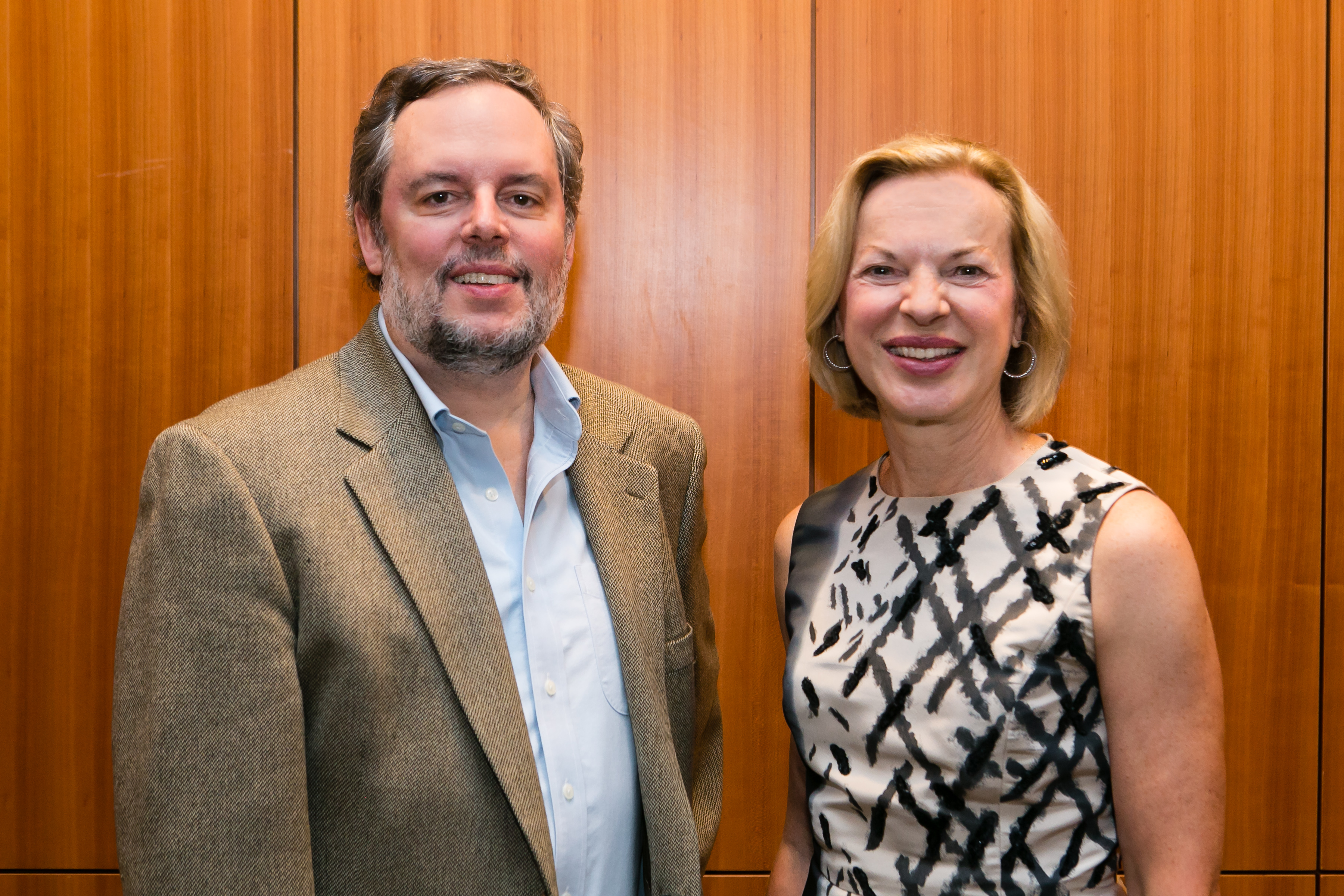
 Over the past year, we have continued to promote our goal of strengthening Haitian health care by providing continuing education to health professionals in Haiti. One of the main focuses of our nursing team has been working on a research-based needs assessment regarding the attitudes and knowledge of Haitian nurses toward continuing education. One year ago, our team traveled to Haiti to conduct focus groups and administer surveys across Haiti at four different health care locations, including public and private hospitals. We have just finished analyzing our data and plan to submit to a peer-reviewed journal. This past November, we shared our results at the annual EqualHealth Conference in Haiti and presented a poster on our research. More than 85 Haitian nurses attended the workshop.



 M
M