Posts from the ‘research’ category

Screen Shot 2015-10-08 at 1.28.09 PM

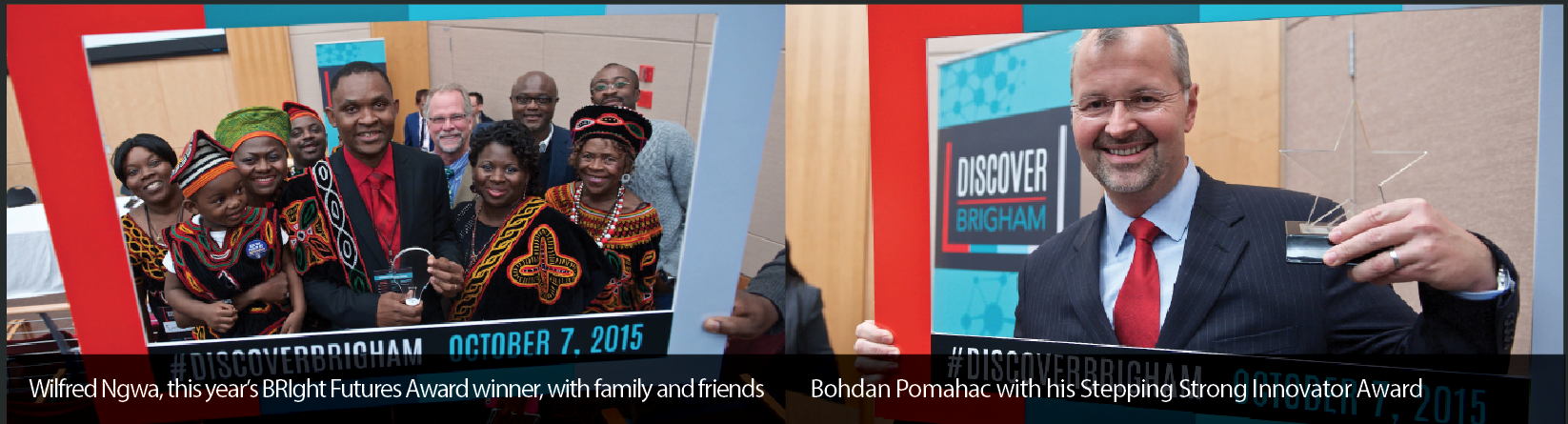
buzz of excitement filled the air as BWHers waited in Bornstein Amphitheater to learn the winner of this year’s BRIght Futures Prize at the end of the hospital’s fourth annual research day, formulated this year into Discover Brigham. The day combined BWH’s Research Day and Clinical Innovation Day of past years into one energizing and inspiring event showcasing the breadth and depth of research being conducted at BWH.

Nearly 15,000 people from all 50 states and 96 countries cast their votes for one of three finalists competing for the grand prize of $100,000 to fund their innovative work.

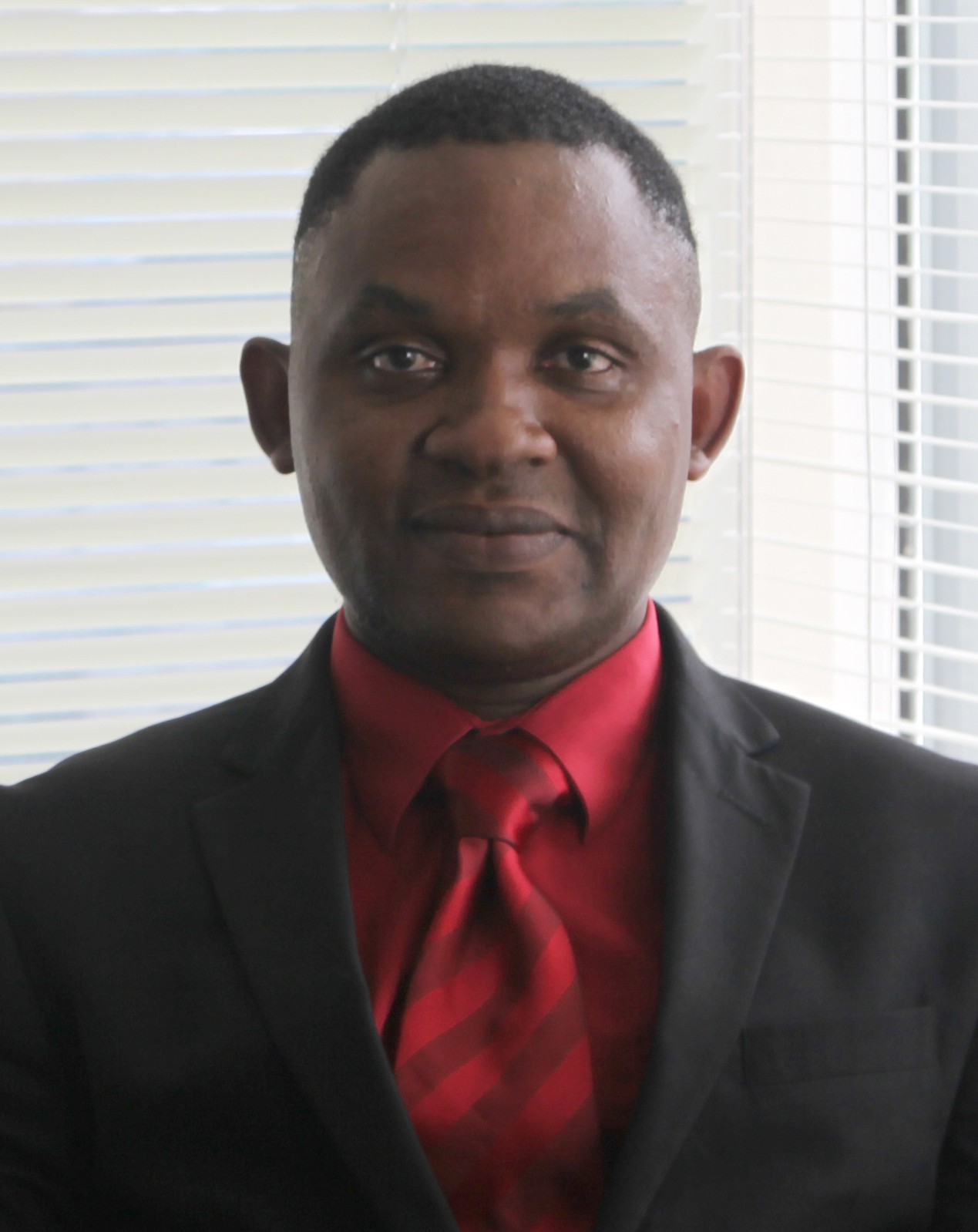
Just after 4:30 p.m., Wilfred Ngwa, PhD, of the Department of Radiation Oncology, was announced as the winner. Ngwa and his team have developed a powerful new technology designed to kill cancer cells that have spread to other parts of the body. The technology combines microscopic nanoparticles with medicine, packed into a tiny drone the size of a grain of rice.

“Thank you so much for this award,” said Ngwa, who acknowledged the other finalists and thanked his family members, who were in the audience. “I was born in Africa, where in many places we don’t have a word for ‘cancer.’ Through this campaign, we have been able to create a lot of awareness and education. I really appreciate what the Brigham has done for me; I cannot begin to express my joy.”

Listen to the family of Wilfred Ngwa, PhD, cheer and sing when he was announced as the winner.

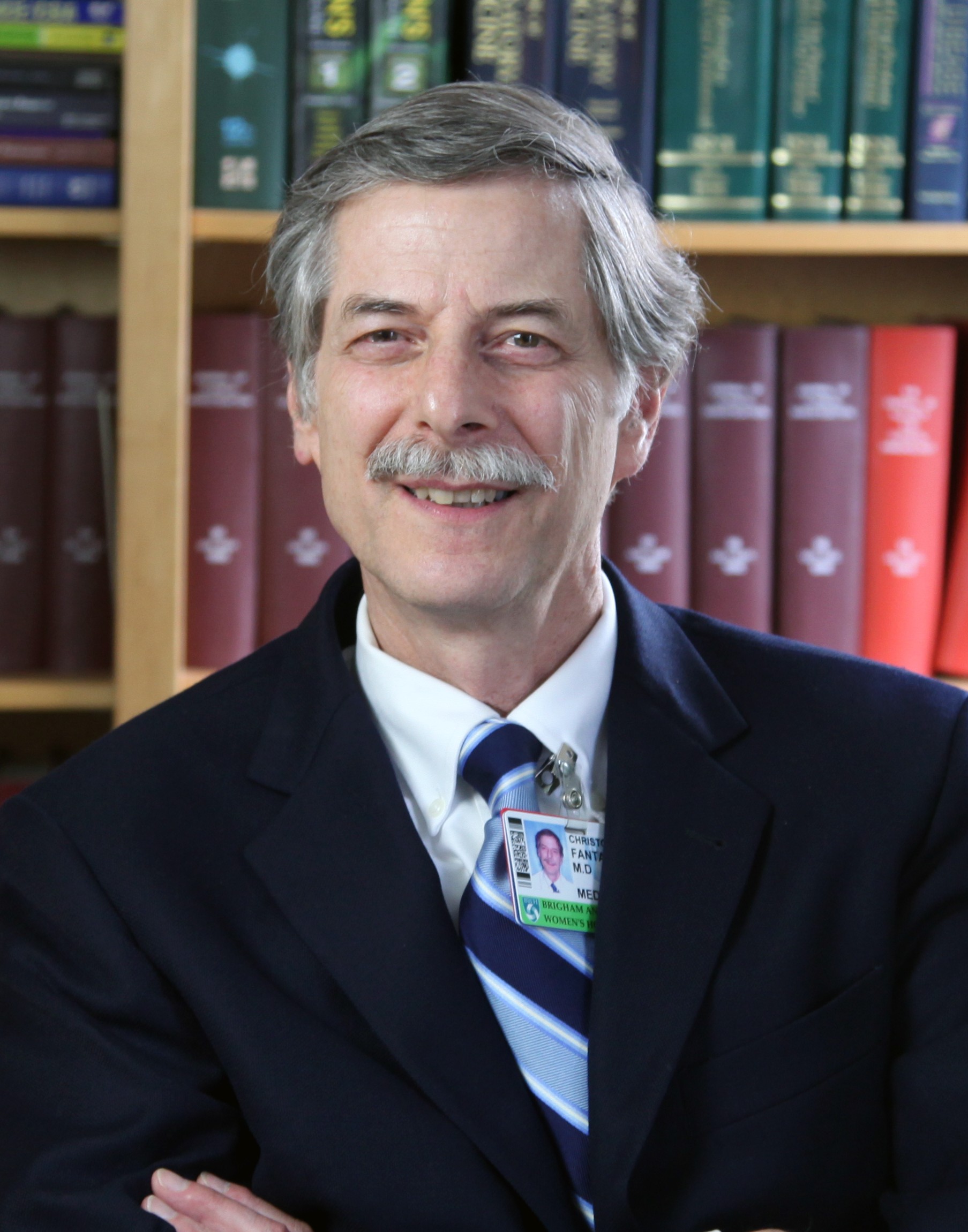
The competition’s other finalists were Christopher Fanta, MD, of the Pulmonary Division, and William Savage, MD, PhD, of the Department of Pathology.

Hosted by the Brigham Research Institute (BRI) and Brigham Innovation Hub, Discover Brigham brought together the BWH and greater Boston health care communities to educate, inspire and foster collaboration around innovative science, technology and medicine. The Oct. 7 day-long event took place during Boston’s first HUBweek—a week celebrating art, science and technology in the city.

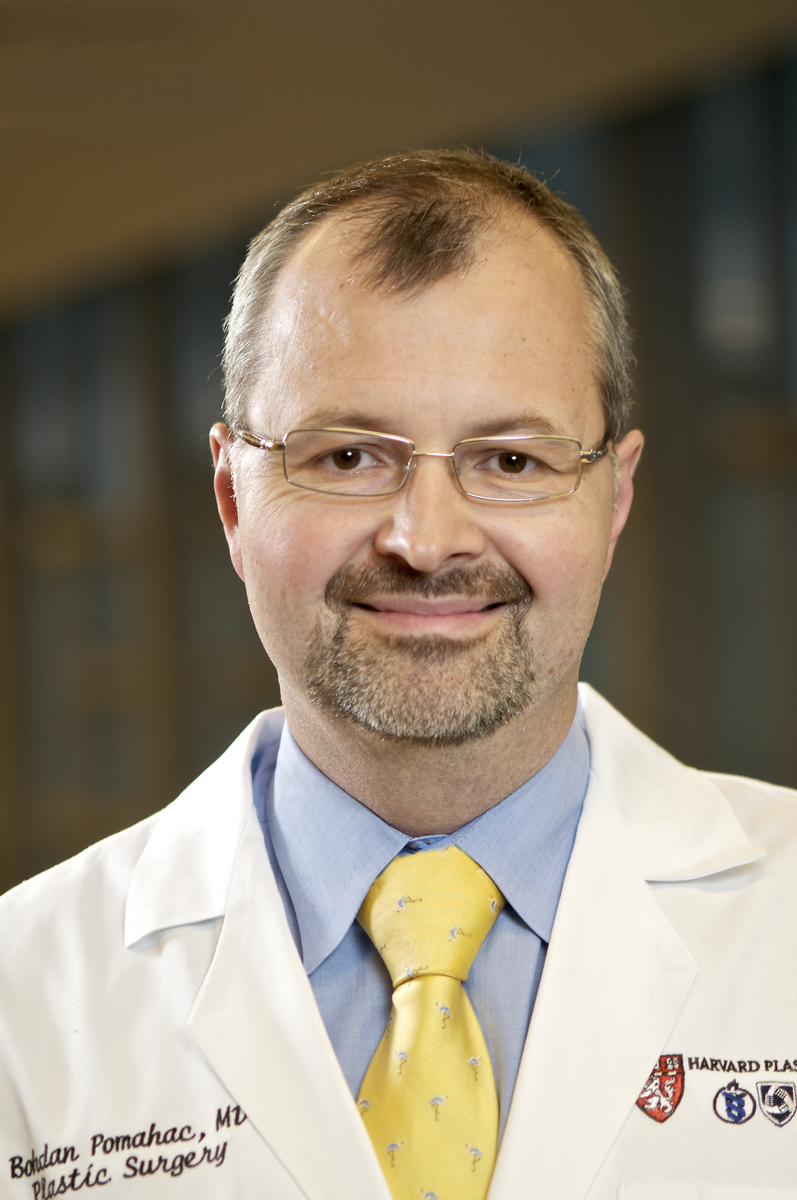
Earlier in the afternoon at a trauma research session, Bohdan Pomahac, MD, director of Plastic Surgery Transplantation, was announced as this year’s winner of the Stepping Strong Innovator Awards—a $100,000 grant to advance trauma research and care at BWH. More than 5,000 votes from all 50 states and 74 countries were cast for the competition.

Pomahac and his team have developed a portable machine that may be able to keep detached limbs—arms, legs, hands and feet—alive for half a day or possibly longer. Following traumatic amputation, detached extremities can currently only survive for four to six hours.

“Thank you very much to those who voted for us and a special thanks to the team,” said Pomahac, after accepting the prize. “Nothing could have happened without the hard work of our fellows and the rest of the team, who spent long hours in the lab analyzing results. It is a tremendous honor that we can take this further and push for new therapies for our patients and ultimately everyone.”

BWHC President Betsy Nabel, MD, made a surprise special announcement that competition finalists Su-Ryon Shin, PhD, of the Department of Medicine, and Omid Farokhzad, MD, of the Department of Anesthesiology, Perioperative and Pain Medicine, would also each receive $100,000, from her president’s fund, to pursue their work.

The Stepping Strong Innovator Awards competition was inspired by Gillian Reny, who was injured in the 2013 Boston Marathon bombings. Grateful to the BWH team that saved her life and helped her recover, Gillian and her family launched the Gillian Reny Stepping Strong Fund in February 2014.

Was the announcement made by President Betsy Nabel, MD, a surprise to the Reny family? Hear Audrey Epstein Reny and Steven Reny’s reaction to the Stepping Strong Innovator Awards announcement.

A second $100,000 Stepping Strong Innovator Awards grant will be distributed in a closed-door session later this year.

The Discover Brigham awards ceremony also recognized other members of the BWH research community for their outstanding contributions with Research Excellence Awards and BRI Director’s Transformative Awards.

View the list of award winners. View a photo gallery.

Laura Medina Martell (at right) meets Pharmacy student Oluwafeyisikemi Obatusin at the readiness fair.

Laura Medina Martell (at right) meets Pharmacy student Oluwafeyisikemi Obatusin at the readiness fair.

Between now and February 2016, surveyors from The Joint Commission (TJC) are expected to arrive at BWH to conduct a hospital-wide accreditation survey, which occurs every three years. TJC, which accredits and certifies more than 20,000 health care organizations and programs in the U.S., is recognized nationwide as a symbol of quality that reflects an organization’s commitment to meeting certain performance standards.

To be sure staff are ready for the visit, BWH’s Clinical Compliance team held a readiness fair in Cabot Atrium last month with informational tables where employees could ask questions and gather tips. The different tables included Billing Compliance, Emergency Management, Interpreter Services, Biomedical Engineering, Ambulatory Services, Nursing, Pharmacy, Patient Safety, Influenza Vaccine, Infection Control and Security.

“TJC standards are about patient safety and quality, and its mission is to help organizations be their best,” said Kelly Doorley, director of Clinical Compliance. “Our upcoming survey is an opportunity to demonstrate to TJC the excellent care we provide to patients every day. If TJC identifies opportunities for improvement, we will work hard to implement the necessary changes, as we are an organization that strives to continually improve.”

Doorley said that staff need to remain focused on the basics, including asking patients to confirm their name and date of birth or medical record number; labeling specimens in front of patients; following precaution signs outside of patient rooms; cleaning shared patient equipment with sanitizing wipes; and cleaning hands before entering and exiting a patient’s room.

According to TJC, the survey is data-driven, patient-centered and focused on evaluating actual care processes. The objective of the survey is not only to evaluate the organization, but to provide education and best practice guidance that will help to improve performance. The on-site survey focuses on continuous operational improvement in support of safe, high-quality care, treatment and services.

Laura Medina Martell, a medical assistant in Thoracic Surgery, appreciated the opportunity to test her TJC knowledge at the recent fair and prepare for the survey.

“It’s important to be ready,” Martell said. “The Joint Commission makes sure we are doing everything in our power to improve patient care and safety. I want to give patients the best care, so why would I not want to be ready for that? I’m thankful that TJC keeps us on our toes.”

Test your TJC knowledge with a crossword puzzle and brush up on ways to prepare at BWHPikeNotes.org.

BWH nurses Chantal Cayo (at left) and Katie Labella go through an Epic tutorial with Sam Sanni, of health care solutions company HCTec.

BWH nurses Chantal Cayo (at left) and Katie Labella go through an Epic tutorial with Sam Sanni, of health care solutions company HCTec.

This is the first in a series of stories that BWH Bulletin will feature in the coming months about Partners eCare implementation.

Since Partners eCare went live just over four months ago, staff across BWH, BWFH and Dana-Farber/Brigham and Women’s Cancer Center (DF/BWCC) have been diligently learning and adapting to the new system, adjusting their workflows and troubleshooting issues with colleagues. During the next five years, the new system will integrate all clinical, administrative and revenue systems across Partners into one comprehensive system, improving the way BWHC delivers care to patients across the hospitals and distributed campus.

BWH Bulletin talked to several BWHers about improvements, growing pains and overall impressions of the new system so far. Here is what a few of them had to say:

Rob Boxer, MD, PhD, Hospitalist, Director of BWH’s General Medicine Service

“Given the amount of change providers have absorbed, things overall have gone really well. People are getting used to the new system and becoming more efficient with it. Some areas already recognize Partners eCare as a clear improvement from old systems, especially the ability to access and receive information in a timely fashion.

“I’ve been hearing about the place where providers are most struggling with the transition, which has been medication reconciliation on admission and discharge. Orders are now written with a particular phase of a patient’s care in mind and reviewed and ordered at different stages. Providers didn’t have to do this prior to Epic implementation and are getting used to it; there have been fewer concerns over time.

“There are also pockets of concern related to certain workflows. Some of the homegrown systems that were custom-fit to our needs and adapted over the years are certainly missed, but Epic is working to fix our issues and has been open to where the gaps are. Additional tip sheets are being developed on how to best use the new system, and sessions with frontline providers are identifying root causes related to workflow issues. Committees are working to understand how much of our challenges are due to people getting used to a new system, which is natural, as opposed to areas where Epic needs to update or change the system.

“Providers recognizing areas of concern in their workflows can submit tickets to the Help Desk to alert the Partners eCare team of the issue. If the issue relates to patient care, it will be resolved right away. Larger system-build issues go to a committee to review the root cause of the problem and determine options for changes to the system. Shelly Anderson [vice president of Strategy Implementation] is organizing different workgroups to focus on key areas—lab orders, radiology, IP workflows, ambulatory workflows—to identify and prioritize the work that needs to be done.

“Overall, this has been a hard period of transition, as we’ve identified the gaps and problems with initial implementation, but we are adapting and can see that there is great opportunity to make our workflows more efficient and to be able to provide the highest-quality care for our patients using the new tool. Anytime I talk to someone about Partners eCare, he or she says, ‘I miss this aspect [of an old system], but overall, I think the new system will be better.”

Theresa Stone, Research Billing Compliance Manager

“The Epic research functionality allows for increased transparency and the ability to provide better and more streamlined care, both in terms of patients’ usual clinical care and their research-related care as subjects in clinical trials. With the ability to enroll patients as subjects and link their research-related ordered or scheduled services, all clinical staff are able to see these different layers of care. In addition, we have a more robust method of ensuring research billing compliance.

“Study coordinators and department administrators have told me that they feel they can track things better. For example, after working out some of the kinks, Epic has been hugely beneficial to them in placing lab orders because they are getting the lab results more quickly. For patients in that area, it’s a huge improvement.

“It’s been challenging for many folks with varying degrees of frustrations; there have been some issues to work out that we didn’t anticipate with regard to weaving research activity into clinical activity. But truly, there has been much success and support for this functionality within our research community.”

Diane Miller, RN, Emergency Department Clinical Nurse Educator

“There are 144 nurses in the ED, and they have all really stepped up to the plate. The morning we went live, a major trauma patient came in, and nurses jumped right onto the Trauma Navigator and documented the case in real-time; that was a huge accomplishment. There was a big crowd huddled around one computer; everyone wanted to learn the process. We had lots of help with super-users and our Partners eCare partners to help us in documenting trauma right off the bat.

“Now, we’re problem-solving when nurses have trouble with their workflows. We’re looking at revising tip sheets and connecting with Epic to resolve some of the issues. There are parts of Epic that fit really well with our workflows and parts where we stumble a bit, and that’s when we hear from staff.

“Our department has embraced Epic and done well with it. There have been challenges, such as being slowed down at triage. We are still working through those processes, and Janet Gorman, RN, BSN, MM [Emergency Medicine nurse director] has been instrumental in helping us work through that.

“In the ED, nurses and all staff have put their best foot forward.”

Helene Langevin

Helene Langevin

Though it is sometimes ignored, pain can be the first sign that something is wrong. In her role as a researcher, Helene Langevin, MD, focuses on understanding and addressing patients’ pain. As director of the Osher Center for Integrative Medicine at BWH and Harvard Medical School (HMS), she works to overcome the challenges facing investigators in the field of integrative medicine.

For more than 20 years, Langevin has been investigating how acupuncture and other forms of mechanical tissue stimulation may help ease pain. Her research focuses on fascia—the connective tissue found beneath the skin, around muscles and internal organs.

In addition to conducting her own research, Langevin’s mission at the Osher Center is two-fold: bringing researchers in the field together and incorporating integrative medicine into the foundation of conventional medicine.

Integrative medicine—a model of care that uses therapies differing from conventional medical methods—includes acupuncture, meditation, herbal medicine, massage, yoga and tai chi, among other therapies. The Osher Center works to enhance human health, resilience and quality-of-life by connecting integrative medicine researchers, educators and clinicians across BWH, MGH, HMS, the Osher Centers at the University of California San Francisco and Northwestern, the Karolinska Institute in Sweden, and Vanderbilt. Ultimately, they strive to bring together the integrative medicine community and, on a second level, incorporate integrative therapies into the traditional medical field.

To do this, the BWH- and HMS-based center features an online network map on its website linking about 700 integrative researchers in the Boston area. Each has at least one integrative medicine-related publication. Navigating the map, viewers can see each researcher’s collaborations and publications.

“It’s a really useful tool that shows the extent of what is already happening here,” Langevin said. “This network of integrative medicine is so huge and so rich, but we suspected that it wasn’t fully aware of itself.”

To extend the web connection, the Osher Center is now building a clinical network map that captures the connections among integrative medicine practitioners across Boston.

“Research thrives on collaboration,” Langevin said. “Ultimately, to strengthen integrative medicine, we need to join up and work as a collective.”

The center is also bringing clinicians and researchers together physically for events on and around the BWH campus. Since March, the center has been hosting conventional grand rounds with an unconventional twist.

“We bring a patient in and discuss the management of his or her care from the point of view of a multidisciplinary team, including conventional and integrative medicine practitioners,” said Langevin.

Through these and other events, Langevin hopes the center will foster inclusiveness and break down the silos that isolate different disciplines.

Integrative Medicine Grand Rounds occur on the first Tuesday of each month from 8 to 9 a.m. in the Bornstein Amphitheater. All are welcome to attend. The center is also hosting a conference about the use of integrative medicine to treat various cancers on Nov. 14 at Harvard Medical School. Register online.

Francisco Quintana

Francisco Quintana

For multiple sclerosis (MS) patients and clinicians alike, there’s been a mystery: Why do symptoms of MS seem to get better in the winter and worse in the summer?

A group led by Francisco Quintana, PhD, of the Ann Romney Center for Neurologic Diseases at BWH, and collaborators has found an explanation that could lead to a deeper understanding of the disease and more targeted treatment options for patients. By first looking broadly at possible environmental factors and then at preclinical models of MS, the research team found that melatonin—a hormone involved in regulating a person’s sleep-wake cycle—may influence MS disease activity. The team reported its findings earlier this month in scientific journal Cell.

“We know that for MS and most autoimmune diseases, both genetic and environmental factors play an important role, but in the last decade or so, most research has focused only on the genetic side of the equation,” said co-corresponding author Quintana. “But we wanted to see what environmental factors would reveal to us about this disease. We knew that MS disease activity changed with the seasons. What we’ve uncovered offers an explanation for why that is the case.”

Working closely with colleagues at the Center for Research on Neuroimmunological Diseases at the Raul Carrea Institute for Neurological Research in Argentina, Quintana and his colleagues found that during the fall and winter, a group of 139 MS patients experienced a significant improvement in symptoms (a phenomenon that’s been observed in previous studies). The team then explored a variety of environmental factors that has been proposed as possibly linked to MS symptoms, including vitamin D levels, UV incidence and upper respiratory tract infections. But the factor that was consistently associated with severity of MS symptoms was melatonin. Melatonin levels are known to correlate with day length; during the longer days of spring and summer, levels are lower and during the shorter days of fall and winter, levels are higher.

The team tested this lead in the lab, studying the role that melatonin may play on a cellular level. Using both preclinical models and human cells, they investigated the effects of melatonin on certain types of cells known to play a role in the immune response that leads to MS symptoms. The team found that melatonin affected the roles of two kinds of cells that are important in MS disease progression: pathogenic T cells, which directly attack and destroy tissue, and regulatory T cells, which are supposed to keep pathogenic T cells in check.

“We found that melatonin has a protective effect,” said Quintana. “It dampens the immune response and helps keep the ‘bad guys,’ or pathogenic T cells, at bay.”

Researchers caution that the work does not mean MS patients should start taking supplements of melatonin—an imperfect drug. Although melatonin is available over the counter, it has significant drawbacks, including causing unwanted drowsiness. Instead, this new approach, which takes its lead from environmental observations, can be seen as a first step toward better and more targeted therapies. The team hopes to tease apart the molecular mechanisms that underlie melatonin’s role in order to develop targeted, non-toxic drugs that are safe and effective with minimal side effects.

“In the future, after appropriate clinical trials are conducted and dosage is established, melatonin or its derivatives may be used in MS patients,” said Quintana. “However, extreme caution should be exercised: additional studies are needed before melatonin or its analogs can be used to treat MS.”

The team is currently working to establish a pilot clinical trial to study the effects of targeting melatonin signaling in MS patients and identify additional mechanisms of action.

For Maria Mejias, a program assistant for the Women, Infants and Children Nutrition Department at Brookside Community Health Center, BWH has been more than a workplace for the past 20 years—it has been a second home.

“I love my job because I’ve developed excellent relationships with my co-workers, patients and their families in the last two decades,” she said. “It’s wonderful being able to come to work and see the different stages children experience in life as they grow and develop.”

Mejias and many other BWHers and guests gathered in the Joseph B. Martin Conference Center at Harvard Medical School on Sept. 21 to celebrate the dedication and achievements of employees during the 35th annual Employee Service Awards ceremony. The event honors employees who have worked at the hospital in increments of five years. Employees with five years of service through 40 years were honored this year.

Julie Celano, vice president of Human Resources, thanked employees for their service to the Brigham.

“You are the reason we are one of the very best hospitals in the world,” Celano said. “Your passion and commitment make an extraordinary difference in the lives of our patients, their families and our community.”

Added BWHC President Betsy Nabel, MD: “I want to thank each and every one of you for your outstanding contributions this year and every year. You are committed to making this hospital a true community—a place where you stay for years, strengthening your skills, building relationships and welcoming new members to our family.”

Nabel noted that this year’s ceremony held extra meaning for her as she is celebrating five years of service at BWH.

With noise makers in hand, hospital leaders recognized employees and recounted milestones and major events—both at BWH and around the world—that took place at each five-year interval. Leadership and attendees also danced along to snippets of chart-topping songs from those years.

View more photos from the event.

Screen Shot 2015-09-24 at 4.00.51 PM

DiscoverBrigham

Coinciding with Boston’s first-ever HUBweek—a week celebrating art, science and technology in Boston—the Brigham Research Institute (BRI) and Brigham Innovation Hub (Brigham iHub) will host Discover Brigham on Wednesday, Oct. 7. This all-day event will bring together the BWH community and greater Boston health care ecosystem to educate, inspire and foster collaborations around innovative science, technology and medicine.

Discover Brigham will celebrate the contributions of BWH’s 1,300 physician-investigators and renowned biomedical scientists and 1,700 physicians. Sessions will highlight cutting-edge work spanning research and clinical disciplines with the potential to change health care, including sleep medicine, trauma, mental health, newborn medicine, allergy and wearables. The day will feature a poster session, panel discussions and awards ceremony.

Discover Brigham combines Clinical Innovation Day, held for the past two years in the summer, and Research Day, held for the past three years in November, into one energizing and exciting day.

“Discover Brigham gives our community the opportunity to showcase the progress and discoveries being made across BWH,” said Jacqueline Slavik, PhD, BRI executive director. “We are deeply proud of BWH’s role as an international leader in basic, clinical and translational research, and this event gives us the ability to share that research with our community, our collaborators and the general public.”

The event will also feature notable guest speakers and moderators, including Maria Konnikova, author and contributing writer at The New Yorker; Mallika Marshall, MD, medical reporter for WBZ TV; Brian Gormley, writer for The Wall Street Journal; and many more.

“We’re thrilled that Discover Brigham will bring everyone together around big ideas that have the potential to transform medicine,” said Lesley Solomon, executive director of Brigham iHub.

The day will conclude with a ceremony where more than $1.2 million will be awarded through the BRI Director’s Transformative Awards, the fourth annual BRIght Futures Prize, the Stepping Strong Innovator Awards and the Research Excellence Awards, followed by a reception celebrating the BRI’s 10th anniversary.

Register for Discover Brigham at discoverbrigham.org. You can also vote for this year’s BRIght Futures Prize and Stepping Strong Innovator Awards winners at discoverbrigham.org.

Stephen J. Elledge

Stephen J. Elledge

Stephen J. Elledge, PhD, of BWH’s Division of Genetics, has been selected as a co-recipient of this year’s Albert Lasker Basic Medical Research Award.

The Albert Lasker Basic Medical Research Award honors researchers whose investigations have “provided techniques, information or concepts contributing to the elimination of major causes of disability and death.” Widely considered to be among the most prestigious awards in biomedicine, the Lasker Awards are popularly known as “America’s Nobels” due to the fact that so many Lasker recipients have gone on to win a Nobel Prize (including 44 within the last three decades).

Elledge will share the award with Evelyn Witkin, PhD, of Rutgers University, for discoveries that have illuminated the DNA damage response (DDR)—a cellular pathway that senses when DNA is altered and triggers a series of responses to protect the cell and repair damage.

I have always wanted to make an impact on the world, to have my life on earth count for something. I hope my work can accelerate discoveries to improve people’s health and lives.”

– Stephen Elledge

This year’s Lasker Awards will be presented to Witkin and Elledge at a ceremony on Sept. 18. Their work has laid a foundation for understanding how cells detect and repair DNA damage. Witkin discovered how bacteria resist the damaging effects of ultraviolet light, while Elledge detailed the molecular pathway by which cells in more complex organisms, including humans, detect and respond to DNA damage. DNA damage repair processes are crucial for maintaining health and preventing cancer and other diseases related to cell growth.

Over the years, Elledge and his colleagues have continued to uncover the components of a signaling network that informs a cell when DNA sustains damage. The DDR network senses the problem and sends a signal to the rest of the cell so it can begin to repair itself. As a result, the pathway helps keep the genome stable and suppresses adverse events such as tumor development. When individuals are born with mutations in this pathway, they often have severe developmental defects. If the pathway is interfered with later in life, cancer can result.

In addition to his groundbreaking contributions to understanding DDR and to many other fields of research, including cancer biology, host-pathogen investigations and technology development, Elledge is also known for his dedication to mentoring the research community’s next generation of investigators.

“Courageous and insatiably inquisitive, Dr. Elledge represents the best of BWH and our mission of transforming the future of medicine to improve health,” said BWHC President Betsy Nabel, MD. “The Lasker Awards are a reflection of the caliber of scientific discovery that takes place here. This distinguished honor for Dr. Elledge brings immense pride to our entire institution.”

Elledge hopes that his research contributions will lead to a better understanding of cancer and other conditions, and provide therapeutic opportunities for many diseases.

“I have always wanted to make an impact on the world, to have my life on earth count for something,” he said. “By contributing to basic research, I hope my work can accelerate discoveries to improve people’s health and lives.”

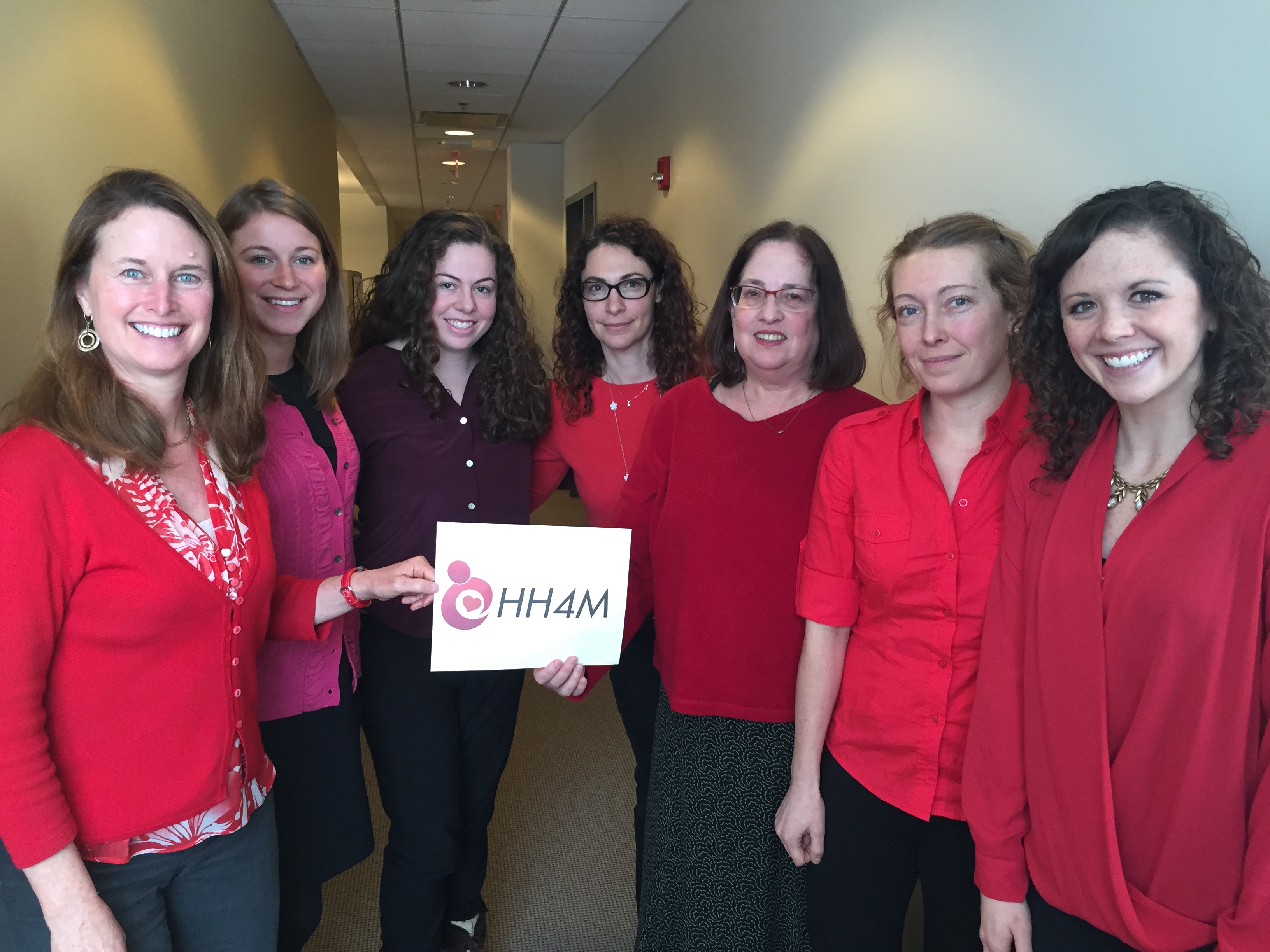
The Heart Health 4 Moms team, including Janet Rich-Edwards (far left) and Ellen Seely (third from right), wearing red to support heart health

The Heart Health 4 Moms team, including Janet Rich-Edwards (far left) and Ellen Seely (third from right), wearing red to support heart health

Five out of every 100 pregnant women are diagnosed with preeclampsia during the second half of their pregnancy. Characterized by high blood pressure and signs of kidney damage, preeclampsia can lead to serious complications if left untreated. Currently, the only cure is delivery of the baby.

Additionally, although women generally return to good health after delivery, preeclampsia is a predictor of future hypertension and cardiovascular disease. According to the American Heart Association, preeclampsia doubles the risk of heart disease and stroke and triples the risk for high blood pressure later in life.

In order to help new mothers who recently experienced preeclampsia improve their long-term health and well-being, BWH’s Ellen W. Seely, MD, and Janet Rich-Edwards, ScD, joined forces with the Preeclampsia Foundation to launch an online study called “Heart Health 4 Moms” (HH4M). The online study is currently open to women living in the U.S. or its territories, who have given birth in the past five months and who had preeclampsia. The study is being funded in part by the national Patient-Centered Outcomes Research Institute.

“Our study is the first attempt to identify the group of women who have experienced preeclampsia and help them take charge of their health after pregnancy, while raising awareness about the condition,” said Rich-Edwards, director of Developmental Epidemiology in the Connors Center for Women’s Health and Gender Biology.

The study, which began recruiting in July, tests a lifestyle intervention program that encourages participants to make healthy changes, such as getting consistent exercise and making nutritious food choices, in order to lower their blood pressure, weight and risk factors for cardiovascular disease. In addition to empowering participants to improve their health, the study also seeks to help them return to their pre-pregnancy weight since weight retained six and 12 months after childbirth is a predictor of being overweight or obese in the future—a major risk factor for hypertension and type 2 diabetes.

Participants are divided into two groups: an enhanced control group, which receives a variety of online resources, such as access to patient information on smoking cessation and healthy eating; and an intervention group, which receives information about behavioral changes, as well as support to make these changes. The second group also has email and phone access to a lifestyle coach who is a registered dietician, and participants can view online educational PowerPoint modules. These participants create a personalized action plan each week with goals for the week, which the lifestyle coach reviews and advises on.

Both groups receive a scale and a blood pressure device that uploads the gathered information to the site. Data on blood pressure and weight are collected at the beginning of the study, three months after the start date and then at nine months after childbirth.

“This study is so important because we are taking a step to enable women with prior preeclampsia to reduce their risk for hypertension and heart disease,” said Seely, director of Clinical Research in the Endocrinology, Diabetes and Hypertension Division. “A web-based program accessible by PC or cell phone allows new mothers to access the program at any hour, day or night, when they can fit it into an already demanding schedule.”

Learn more at http://www.hh4m.org.

1 Comment

This slideshow requires JavaScript.

Construction on the Brigham Building for the Future (BBF) is moving along, with an expected opening in fall 2016. The 12-story, 675,000-square-foot LEED Gold-certified building will include research laboratories, outpatient clinical space, a state-of-the-art imaging facility and a conference and teaching center. The first and second floors will house ambulatory clinics dedicated to orthopedics, rheumatology and the neurosciences, and clinical groups and labs from across BWH’s campus will come together in the new space to bring clinical advances from the bench to the bedside.

The building will incorporate a number of innovative features, including a roof garden to reduce storm water runoff and a cogeneration plant that will enable BWH to make enough electricity to power about 80 percent of the BBF and Shapiro Center’s electrical needs. A bridge walkway will connect the new building to the Shapiro Center, and 400 spaces of underground parking will be available for patients and employees. The facility will also include a café with tables and lounge seating.

AMIGO suite

AMIGO suite

The National Institutes of Health (NIH) has renewed funding for the National Center for Image Guided Therapy (NCIGT) at BWH. The five-year $12 million grant will allow the center to continue its work focused on the multidisciplinary development of innovative image-guided intervention technologies to enable effective, less invasive clinical treatments that improve outcomes and value for patients.

Under the leadership of Clare Tempany, MD, the NCIGT is helping to implement this vision with support from the National Institute of Biomedical Imaging and Bioengineering (NIBIB), by serving as a proving ground for some of the next generation of image-guided therapies.

Since its inception in 2005, NCIGT has provided local, regional, national and international researchers with access to these capabilities. Recent groundbreaking scientific achievements of NCIGT include the use of focused ultrasound energy to disrupt the blood brain barrier and deliver targeted drugs to the central nervous system, and the use of intraoperative mass spectrometry to guide brain tumor surgery. These and other innovations have resulted in more than 400 peer-reviewed publications, some of which have been translated into the treatment of more than 900 patients in the Advanced Multimodality Image-Guided Operating (AMIGO) suite at BWH.

“Having performed hundreds of cases in AMIGO, the NCIGT team has a deep understanding of the current limitations of image-guided cancer treatments,” said Tempany, director of the NCIGT. “This renewed funding will allow us to develop novel innovative technologies for ideal precision cancer surgery.”

In addition to technology development, NCIGT will conduct trials to validate and translate the technologies, primarily involving prostate and brain cancer patients. These cases span a broad range of diseases and technological applications, from cancer diagnosis and characterization to its subsequent complete removal. Specifically, researchers at the NCIGT will develop, test and investigate novel techniques to define the tumor with precision to ensure precise biopsy sampling and complete treatment.

In addition to Tempany, who is the principal investigator (PI) of the Prostate Core, the NCIGT leadership team consists of Tina Kapur, PhD, executive director and Outreach PI; Ron Kikinis, MD, Collaborations director; Alexandra Golby, MD, Neurosurgery Core PI; William Wells, PhD, Computation Core PI; and Noby Hata, PhD, Guidance Core PI.

Carolyn Mary Kaelin Photo Credit: Steve Marsel

Carolyn Mary Kaelin
Photo Credit: Steve Marsel

BWH and the Dana-Farber/Brigham and Women’s Cancer Center (DF/BWCC) mourn the loss of Carolyn Kaelin, MD, MPH, FACS, who died surrounded by loved ones on July 28. She was 54.

Dr. Kaelin, of Boston, was a breast cancer surgeon at DF/BWCC and the founding director of the Comprehensive Breast Health Center at BWH. Known for her empathy and skill, Dr. Kaelin was active in the research field, focusing on quality of life issues for breast cancer survivors and how doctors and patients make medical decisions.

“Our hearts go out to Dr. Kaelin’s family in this time of profound loss and sadness,” said Michael Zinner, MD, BWH Surgery chair. “As we grieve for our dear colleague and friend, let us find some comfort in the remarkable legacy she leaves behind. In her life, she made an everlasting difference to each patient who came to her for care and to every colleague she mentored. Let us be inspired by her example of grace and fortitude.”

Born in Syracuse, New York, Dr. Kaelin graduated from Smith College and Johns Hopkins School of Medicine. She earned her master’s degree from Harvard School of Public Health.

In 2003, Dr. Kaelin was diagnosed with breast cancer and had a mastectomy. A rare complication of breast cancer therapy prevented her from returning to clinical practice. She decided to redouble her patient education and survivorship efforts, with a particular emphasis on the underserved population. In 2010, she was diagnosed with brain cancer, which was unrelated to her previous cancer.

Over the years, Dr. Kaelin worked to improve the lives of women facing breast cancer. She established the Quality of Life Fund at BWH to support breast cancer survivorship projects and launched the “Knowledge, Strength and Grace” conference series for breast cancer patients and their families. She also cofounded the Quality of Life Cancer Fund in Aspen, Colorado, to support indigent cancer patients.

Dr. Kaelin coauthored two award-winning books, “Living Through Breast Cancer” and “The Breast Cancer Survivor’s Fitness Plan,” and helped to create an innovative, exercise-centered breast cancer recovery program at the YMCA. She was extremely physically active throughout her life and cycled in Dana-Farber Cancer Institute’s (DFCI) Pan-Mass Challenge to support cancer research and treatment.

In 2001, Newsweek featured her as one of “15 Women of the New Century.” She received many honors, including an Exceptional Women Award and the Mary Horrigan Connors Award at BWH, which recognized her outstanding commitment to women’s health.

Dr. Kaelin is survived by her husband, William G. Kaelin, Jr., MD, Howard Hughes Medical Institute investigator at DFCI and Harvard Medical School professor; children, Kathryn Grace and William (Tripp); parents, Mary and Richard Scerbo; brother, Richard Scerbo, and his wife, Ellen; and additional family and friends.

On Friday, Aug. 28, at 4 p.m., a memorial service will be held at St. Ignatius Church, 28 Commonwealth Ave., in Chestnut Hill. Guests are welcome to wear a touch of pink.

In lieu of flowers, memorial donations can be made in Dr. Kaelin’s honor to Spaulding Rehabilitation Hospital or DFCI to support brain tumor research under the supervision of Patrick Wen, MD, chief of BWH’s Division of Neuro-Oncology. Read an obituary written by Dr. Kaelin’s family.

The Rad Onc Wait Time App allows patients to check waiting times from a web browser or smartphone.

The Rad Onc Wait Time App allows patients to check waiting times from a web browser or smartphone.

It seemed like a simple request. Back in 2005, Joseph Killoran, PhD, a medical physicist in the Department of Radiation Oncology, created a popular application that informed patients of current treatment wait times. But it had one problem: patients, many of whom needed daily treatment, could only view the wait times once they were at the hospital.

One day, a patient asked Jay Harris, MD, former department chair, if it would be possible to view this information online before leaving home. And if the wait times could be displayed on a website, could they also be displayed on a smartphone app so that patients could check them on the fly?

As the wait time app bloomed into something more than an internal tool, Killoran found himself wading into uncharted territory. He wanted to go through proper channels to expand the reach of the app, without compromising security or privacy. He knew that information systems resources could make this possible but didn’t know how to navigate them. The process of connecting with the right people was made easier when Killoran’s colleague, Neil Martin, MD, MPH, contacted Adam Landman, MD, MS, MIS, MHS.

That’s how Killoran learned of the BWHC Information Systems (IS) Digital Health Innovation Group (DHIG). Led by Landman and Donna Fraser, senior project specialist, DHIG supports BWH researchers, clinicians and staff who seek to use digital health technologies in their practice or research.

“One of the challenges of being an innovator is that you are doing things for the first time, and it’s not easy to find out how to get the assistance that you need,” said Fraser. “We’re trying to be a point of contact within IS that can help get innovators to the right services and the right contacts and follow up if they’re having any issues.”

“Adam and Donna were my advocates,” said Killoran. “The overall process was challenging—it took five months and involved assistance from many different groups—but in the end, we were able to connect with the right people and meet our goal of developing an accessible site that meets Partners standards.”

DHIG offers this assistance to all innovators and works closely with the Brigham Innovation Hub. In addition to Landman and Fraser, DHIG also includes representatives from research, Partners IS Information Security, Partners eCare and Materials Management. “We can help throughout the entire lifecycle of an idea,” said Fraser.

DHIG has supported several other groups and researchers around the hospital, including Katherine Rose, MD, who began a pilot project with Twine Health, a software platform for chronic-disease management, to empower patients to manage hypertension and other conditions. It has also supported Stephanie Shine, BSN, RN, who adapted Google Glass technology to allow new mothers to see their baby in the NICU.

Landman and Fraser want the entire clinical and research community to know that DHIG is here to help BWHers develop new applications to address important hospital challenges.

“This group was formed to help BWHC leverage digital health technologies safely and efficiently to improve health care delivery and facilitate research discoveries,” said Landman.

To learn more, email BWHCDigitalHealthSupport@partners.org.

The Boston Business Journal recently announced its 2015 Healthcare Heroes, recognizing those who have been steadfast in their commitment to improving the health and wellness of Massachusetts residents. Four members of the BWH community were named to the list of 14 recipients from across the city: Joel Katz, MD, Stephanie Shine, BSN, RN, Adam Landman, MD, MS, MIS, MHS, and Audrey Epstein Reny.

“Our BWH honorees are truly accomplished in their fields and have made a difference here at BWH, in the greater Boston community and beyond,” said BWHC President Betsy Nabel, MD. “We are proud that they have been recognized for their tireless efforts to advance the highest-quality patient care, innovative research, stellar education and community outreach.”

The award winners, listed by name and category below, were featured in a special section in the Boston Business Journal on Aug. 14.

Educator: Joel Katz, MD

Joel Katz

Joel Katz

As director of the Internal Medicine Residency Program, a general internist and an infectious disease specialist, Joel Katz, MD, has been responsible for training 170 residents each year for the last 15 years. Since becoming director in 2000, he has dedicated himself to creating a vision and infrastructure in order for residents to simultaneously achieve clinical excellence and establish themselves as productive innovators, researchers and leaders in internal medicine. He also co-created innovative courses that unite his greatest interests—fine arts and teaching. For example, the first-year Harvard Medical School preclinical course “Training the Eye: Improving the Art of Physical Diagnosis” features observation exercises at Boston’s Museum of Fine Arts to train students to look carefully for subtle clues in patients. The course has become a model for this type of cross-disciplinary medical humanities teaching throughout the U.S.


Non-Physician Provider: Stephanie Shine, BSN, RN

Stephanie Shine

Stephanie Shine

An expert clinician, innovative researcher, driven leader and compassionate caregiver, Stephanie Shine, BSN, RN, provides excellent care to infants, mothers and families in the NICU during what is often the most difficult time of their lives. She is the principal investigator of an innovative study called “Love at First Sight” that incorporates video conferencing into the NICU via Google Glass, allowing new mothers to see and hear their babies in real time through the eyes of their birth partner as they are recovering. The study addresses maternal-infant separation after birth, and to date, 250 mothers have been enrolled as participants.


Innovator: Adam Landman, MD, MS, MIS, MHS

 Adam Landman

Adam Landman

Adam Landman, MD, MS, MIS, MHS, BWHC chief medical information officer (CMIO) for Health Information Innovation & Integration, oversees BWHC’s clinical information technology innovation initiatives, including many projects related to Partners eCare. He has also developed mobile apps to securely capture and store clinical images and to improve electronic medication administration and reconciliation. Landman is also exploring how secure video can be used in the Emergency Department and elsewhere to capture details, including patient histories and assessments, faster.


Volunteer: Audrey Epstein Reny

Audrey Reny

Audrey Reny

On April 15, 2013, Audrey Epstein Reny stood at the finish line of the Boston Marathon with her family, including her daughter Gillian, who was critically injured during the bombings. Gillian was rushed to BWH, where a multidisciplinary trauma team saved her life and her legs. Out of gratitude, the Reny family established the Gillian Reny Stepping Strong Fund at BWH to fuel innovative trauma research and clinical care. Since establishing the fund in 2014, Audrey Epstein Reny has made it her life’s work to turn tragedy into hope for future trauma patients by raising funds and awareness about the field. In just 17 months, the Stepping Strong Fund has raised nearly $4.4 million, funded six researchers and engaged more than 7,100 people around the globe in the mission.

OLYMPUS DIGITAL CAMERA

Christopher Chiodo

Earlier this year, the state’s Department of Public Health released data showing that opioid overdoses and deaths are increasing at an alarming rate.

Opioids are medications that are commonly prescribed after surgery for short-term pain relief, especially for musculoskeletal pain. In addition to significant side effects, long-term opioid use can result in physical dependence.

The number of opioid-related deaths in 2014 (approximately 1,000) was 33 percent higher than two years ago, as well as the most ever recorded in Massachusetts. Every county in the state experienced at least one opioid-related death, and a few Boston-area counties, such as Middlesex and Essex, saw significant spikes.

Thousands of opioid overdoses result in emergency room visits and hospital stays and cause immeasurable suffering for families. Hospitals throughout the Partners system, including BWFH, have developed a variety of responses to this escalating crisis.

BWFH’s Addiction Recovery Program has a long-standing tradition of comprehensive care for people seeking recovery from alcohol and other drug addictions. Services include inpatient detox, group treatment programs and self-help meetings, as well as individual counseling. One of the program offerings is an outpatient suboxone program. Suboxone is a medication used to treat opioid addiction and help with pain control. The program involves suboxone induction followed by weekly maintenance group sessions for at least 12 weeks.

Additionally, a team at BWH and BWFH is exploring the cause of addiction and how it can be prevented. After a recently conducted study found that opioid addiction may begin in the doctor’s office, the team set out to learn why opioid consumption and dependence have become so common in the first place.

“I see patients every week who are battling or have battled addiction,” said Christopher Chiodo, MD, chief of Brigham and Women’s Foot and Ankle Surgery Service. “Even outside of the health care industry, just about everyone knows someone who has been affected by opioid addiction. My colleagues and I began to wonder where these patients get their initial exposure to opioids and to what extent we as physicians play a role?”

Together with Orthopedics colleagues Eric Bluman, MD, and Jeremy Smith, MD, psychiatrist Joji Suzuki, MD, and Orthopedics research assistant Mike Penna, Chiodo conducted a study titled “Opioid Addiction Resulting from Legitimate Medical Prescriptions” to explore the topic.

The study surveyed 50 patients ages 19 to 59 who were being treated for opioid addiction at BWFH’s Outpatient Addiction Treatment Center. Patients were asked about their initial exposure to opioids, when they first considered themselves “addicted” and about their later dependency. They were also asked about heroin use, comorbid psychiatric disorders, such as depression and anxiety, and the nature of the disorder for which opioids were initially prescribed.

The survey found that 58 percent of patients first began taking opioids when they were prescribed by a doctor. The most common drugs patients began with were Percocet (oxycodone), OxyContin (oxycodone) and Vicodin (hydrocodone). After they considered themselves “addicted,” 45 percent of patients reported getting the majority of their opioids through a prescription. Seventy-two percent of patients surveyed reported a history of heroin use.

Chiodo presented these findings at the 2015 American Psychiatric Association annual meeting held in Toronto.

“Too often surgeons prescribe an opioid pain medication for a longer time period than necessary,” said Chiodo. “I make sure to explain the side effects and risks of dependence to my patients. Opioids can mask symptoms that we need to know about and can cause gastrointestinal problems. But most importantly, we know they are highly addictive.”

State legislators including Governor Charlie Baker and former Senator Steven Tolman have also expressed concern about prescription opioids, urging physicians to take action.

“We need improved prescription monitoring programs, and our patients need better access to pain management specialists,” Chiodo added. “But even before that, as physicians who prescribe these types of medications, we need to be aware that we are oftentimes the starting point. We need to take our time with our patients and watch for warning signs. When we see signs of dependence, we have to be willing to have that difficult conversation with our patients.”

This year’s Stepping Strong Innovator Awards finalists are addressing complex challenges related to trauma research. Each of the three finalists hopes to receive the $100,000 Stepping Strong Innovator Awards, which will be awarded at Discover Brigham on Oct. 7. Read about their work below, and vote for your choice.

Bohdan Pomahac, MD, Division of Plastic Surgery

20120112, Thursday, January 12, 2012, Boston, MA, USA, LIGHTCHASER PHOTOGRAPHY, Brigham and Women's Hospital plastic surgeon Bohdan Pomahac, MD stands on the third floor walkway of the Shapiro Cardiovascular Center building at Brigham and Women's Hospital on Thursday, January 12, 2012...( lightchaser photography 2012 © image by j. kiely jr. )

What is your research project about?

Following traumatic amputation, detached extremities can only survive for four to six hours. We have developed a portable machine that may be able to keep detached limbs—arms, legs, hands and feet—alive for half a day, and possibly even longer.

The machine will also allow us to test how to:

  • Extend the time available for transportation of donated extremities for transplantation
  • Manipulate detached extremities prior to replantation—in other words, make the detached extremities “better” before reattaching them on the body
  • Treat patients who suffer certain types of cancer of the extremities with targeted high doses of chemotherapy, without affecting the rest of their body

What is a compelling aspect of your research project?

Think about all of the brave warriors who lost their limbs in the wars in Iraq and Afghanistan. Our device could provide sustainment of severed limbs by supplying them with oxygen and important nutrients. It could keep these body parts alive outside of the body for more than three times longer than what is currently possible. This extended time would allow for the transfer of wounded warriors and their limbs from the battlefield to hospitals in the U.S. or Europe, where surgeons could then attempt reattachment. We hope our device will buy precious time, allowing us to provide the best possible care to those who experience a traumatic injury.

How will your research project benefit future patients who suffer from trauma-related injuries?

More than 1 million Americans are living with missing limbs, many of them due to traumatic amputation. Likewise, more than 1,200 of our brave servicemen and servicewomen lost one or more limbs in recent wars. Our machine will enable the saving of amputated extremities for up to three times longer than what is currently possible. Moreover, it will provide amputees with a better chance of receiving an extremity transplant years after their initial trauma by facilitating the transportation of donated limbs over longer distances and greater time.

The machine can also treat detached limbs with drugs that cannot be introduced into the entire body’s circulation for safety or other reasons. While the limb is attached to the machine, drugs and compounds can be introduced to treat various conditions, such as cancer or infections.

CAST YOUR VOTE
or read more about the other Stepping Strong Innovator Awards finalists:

Omid FarokhzadHealing Bones with Nanodrones:
Next Frontier in Orthopedic Surgery
 Su-Ryon ShinHealing Muscle Trauma Using 3-D Bioprinting

This year’s Stepping Strong Innovator Awards finalists are addressing complex challenges related to trauma research. Each of the three finalists hopes to receive the $100,000 Stepping Strong Innovator Awards, which will be awarded at Discover Brigham on Oct. 7. Read about their work below, and vote for your choice.

Su-Ryon Shin, PhD, Division of Medicine

Su-Ryon ShinWhat is your research project about?

Tissue engineering has emerged as a promising way to create 3-D tissue for patients who have lost muscle through traumatic, athletic, military and disease-related injuries. However, developing muscle tissue that functions as real muscle—allowing the proper flow and penetration of nutrients like blood and oxygen—remains a challenge.

Our project addresses this obstacle by introducing an entirely new approach: bioprinting. Through bioprinting, we can create 3-D muscle tissue that contains blood vessels and mimics living cells. This advanced technology also has the potential to create significant financial savings by treating muscle trauma without requiring muscle organ donors—a surgical process that imposes staggering costs on our health care system.

What is a compelling aspect of your research project?

The use of bioprinting as an alternative way to treat muscle trauma is a revolutionary scientific concept. Our project uses a perfusable, breathable tissue construct. This is a distinct improvement over earlier models because it allows the flow of a patient’s own blood through the muscle tissue to prevent tissue death. We accomplish this by inserting a hollow tube within the thick muscle tissue construct that enables the proper flow and penetration of nutrients. We also use bioink fibers—biodegradable materials that mimic the elasticity and mechanical properties of living muscle tissues. We believe this novel bioprinting approach will not only help heal muscle trauma but also advance the field of large-scale muscle tissue engineering. Best of all, this process can be readily applied to other areas of regenerative medicine, such as generating new organs.

How will your research benefit future patients who suffer from trauma-related injuries?

Damage and loss of skeletal muscles are common for survivors of trauma-related injuries. When large amounts of muscle tissue are lost, the body is unable to replace it. The trauma site often forms scar tissue that lacks the functionality of the lost muscle. Current treatment options are limited, and many trauma patients must undergo multiple surgeries, which often aggravate the damage. Tissue engineering using 3-D bioprinting holds great promise as an alternative therapy because of its ability to re-establish the structure and function of the injured muscle tissue without potentially harmful surgeries or costly transplants.

CAST YOUR VOTE
or read more about the other Stepping Strong Innovator Awards finalists:

20120112, Thursday, January 12, 2012, Boston, MA, USA, LIGHTCHASER PHOTOGRAPHY, Brigham and Women's Hospital plastic surgeon Bohdan Pomahac, MD stands on the third floor walkway of the Shapiro Cardiovascular Center building at Brigham and Women's Hospital on Thursday, January 12, 2012...( lightchaser photography 2012 © image by j. kiely jr. )From Battlefield to Bedside:
A Portable Device for Rescuing
Limbs

Omid FarokhzadHealing Bones with Nanodrones:
Next Frontier in Orthopedic Surgery

This year’s Stepping Strong Innovator Awards finalists are addressing complex challenges related to trauma research. Each of the three finalists hopes to receive the $100,000 Stepping Strong Innovator Awards, which will be awarded at Discover Brigham on Oct. 7. Read about their work below, and vote for your choice.

Omid Farokhzad, MD, Department of Anesthesiology

Omid FarokhzadWhat is your research project about?

Our project aims to address the problem of bacterial infections and lack of new bone growth in patients who undergo orthopedic trauma surgery. Injuries from accidents and severe trauma can cause large open bone fractures and, in more extreme cases, large bone defects. Such injuries are frequently prone to poor bone healing and high rates of infection. As a result, orthopedic trauma surgeons are often challenged to both stabilize and repair bone injuries, while also promoting an optimal environment to prevent infection and aid bone healing.

Currently, the standard of care is rudimentary. A cement paste containing antibiotics to kill infecting bacteria is molded into the open fracture and the wound is closed up. At best, only about 25 percent of the antibiotic is released from the cement, and since the cement is not biodegradable, patients require further operations for removal. The cement can also cause bacterial biofilms to grow, leading to more infection.

This project addresses these challenges by developing very small biodegradable robots called nanomedicines that can deliver antibiotics and other drugs to promote bone growth and wound healing in a much more efficient way. These nanorobots can stick to a biodegradable moldable material that is placed in the bone defect, target bacteria and deliver drugs to kill them, and can also deliver drugs that will help the bone heal faster and better.

What is a compelling aspect of your research project?

We are harnessing the power of nanotechnology to treat infections, heal bone fractures, minimize the need for patients to have follow-up surgeries after injury or trauma, and prevent amputations. Our team is highly multidisciplinary in that a nanomedicine scientist and an orthopedic trauma surgeon are working closely together to achieve these goals.

How will your research project benefit future patients who suffer from trauma-related injuries?

In the short term, bacterial infections are minimized or eradicated, and natural bone growth is accelerated. In the long term, the patient may not need follow-up surgery, as the moldable matrix can biodegrade in the body, leaving new bone in its place. We aim to improve the quality of life for trauma patients and to lower health care costs by minimizing the need for further surgeries.

CAST YOUR VOTE
or read more about the other Stepping Strong Innovator Awards finalists:

20120112, Thursday, January 12, 2012, Boston, MA, USA, LIGHTCHASER PHOTOGRAPHY, Brigham and Women's Hospital plastic surgeon Bohdan Pomahac, MD stands on the third floor walkway of the Shapiro Cardiovascular Center building at Brigham and Women's Hospital on Thursday, January 12, 2012...( lightchaser photography 2012 © image by j. kiely jr. )From Battlefield to Bedside:
A Portable Device for Rescuing
Limbs
 Su-Ryon ShinHealing Muscle Trauma Using 3-D Bioprinting

This year’s BRIght Futures Prize finalists are pursuing forward-thinking and inventive research to improve patient care. Each of the three finalists hopes to receive the $100,000 BRIght Futures Prize, which will be awarded at Discover Brigham on Oct. 7. Read about their work below, and vote for your choice.

William Savage, MD, PhD, Department of Pathology

Savage_cropWhat is your research project about?

Thousands of patients with cancer, sickle cell disease or autoimmune disease, as well as organ transplant recipients require specialized blood treatments, called apheresis. During apheresis, blood is taken out of the body using large, specialized medical devices, and the part of the blood that is causing disease is selectively removed. The rest of the healthy blood is returned to the patient. The current process, which uses a large, complicated centrifuge-based machine, can require donor blood transfusions and a big catheter placed into a large vein near the patient’s heart. Our project will make apheresis easier for both patients and the people who operate the devices.

What is a compelling aspect of your research project?

In collaboration with engineers at the Charles Stark Draper Laboratory, our team has invented a technology that uses ultrasound waves to separate blood into its components for apheresis. We call this “acoustic apheresis,” and it represents a completely new way to perform the procedure.

Also, we use materials that make the technology scalable for pediatric to adult-sized patients.

How will your research project benefit people?

First, our device is smaller, simpler, mounted on an IV pole, and will require less training to use and maintain, reducing health care costs.

Second, because it is a small device, acoustic apheresis reduces the need for large catheters and eliminates the need for donor blood to fill up the large volume of current devices, a huge improvement for people who may receive up to 100 treatments annually. Moreover, for critically ill patients, removing less blood means a safer procedure.

Third, because of its simplicity, our device can be used continuously for days, like an IV infusion. Many apheresis treatments for hospitalized patients are staggered three times a week because of the staffing complexity and large blood volumes involved. With a smaller, simpler device that can be operated continuously, patients won’t have to wait between treatments, and we can remove more disease-causing antibodies and blood cells than is currently feasible.

CAST YOUR VOTE
or read more about the other BRIght Futures finalists:

Ngwa_crop1
Tiny Drones to Target Cancer
Fanta_crop1
AIMSpire: Outsmarting Asthma

This year’s BRIght Futures Prize finalists are pursuing forward-thinking and inventive research to improve patient care. Each of the three finalists hopes to receive the $100,000 BRIght Futures Prize, which will be awarded at Discover Brigham on Oct. 7. Read about their work below, and vote for your choice.

Wilfred Ngwa, PhD, Department of Radiation Oncology

Ngwa_crop1What is your research project about?

Cancer is a leading cause of death worldwide, accounting for more than 8.2 million deaths per year. About 90 percent of cancer deaths are caused by the spread of the cancer to other parts of a patient’s body, making it more difficult to treat effectively.

We have developed a powerful new technology designed to kill cancer cells that have spread to other parts of the body. The technology combines microscopic nanoparticles with medicine—all packed into a tiny drone the size of a grain of rice. Currently in the clinic, similar rice-size materials are routinely implanted in patients to guide radiotherapy treatment of cancers such as pancreatic, lung or prostate cancer. We want to upgrade the technology that is currently used with our “smart” technology, which can be employed at no additional inconvenience to patients. Once in place, our technology will proficiently release the microscopic particles/medicine to enhance local tumor cell death during radiotherapy and act as a beacon to call in the patient’s white blood cells. The white blood cells are then trained to kill cancer cells and can patrol the entire body, fighting cancer that has spread with greater effectiveness.

What is a compelling aspect of your research project?

Our team brings a new approach to an old problem. Our unique combination of state-of-the-art radiotherapy with nanotechnology and immunotherapy in one device will pack a pretty impressive punch.

When patients are treated with radiotherapy and/or drugs delivered via injections, the treatment can often harm healthy cells and tissue, in addition to cancer cells. Our tiny drones will enable highly targeted tumor cell death, with minimal damage to healthy tissue. In addition, the trained white blood cells will have the potential to kill off any cancer that may arise or come back in the future.

How will your research project benefit people?

Our technology is designed to substantially boost cancer cure rates, with minimal harm to healthy tissue, including for patients whose cancer has spread. One of the greatest fears of patients who are receiving treatment for cancer or are in remission is that their cancer will come back. Our technology is also designed to help prevent that from happening. Overall, our transformative new technology could drastically increase the survival rate and quality of life for cancer patients, particularly those with pancreatic cancer, for whom current treatments are limited.

CAST YOUR VOTE
or read more about the other BRIght Futures finalists:

Savage_crop
Making Blood Treatments Better
Fanta_crop1
AIMSpire: Outsmarting Asthma
3 Comments

Two compelling competitions to advance innovation—the BRIght Futures Prize and Stepping Strong Innovator Awards—are currently underway at BWH, and voters from BWH and beyond will determine the winners. Both competitions feature inventive ideas from across the hospital community, and each competition’s winner will receive a $100,000 prize.

The BRIght Futures Prize supports BWH investigators as they work to answer provocative questions or solve vexing problems in medicine. The fourth annual BRIght Futures Prize competition features three projects that have the potential to make a difference in patients’ lives.

You can learn more about the three finalists—BWH researchers and clinicians Christopher Fanta, MD, Wilfred Ngwa, MD, PhD, and William Savage, MD—in this issue of BWH Bulletin. The BRIght Futures Prize will be presented at Discover Brigham (formerly known as Research Day) on Oct. 7.

CAST YOUR VOTE FOR THE BRIGHT FUTURES PRIZE

The Stepping Strong Innovator Awards program is part of the Gillian Reny Stepping Strong Fund that was established by the Reny family following the 2013 Boston Marathon bombings, which left Gillian Reny, a student and aspiring dancer, with severe injuries to both of her legs. The fund’s goal is to support and advance clinical and research efforts related to trauma, enabling patients who have suffered from traumatic, athletic, military or disease-related limb injuries to return to their highest level of function and mobility. This award seeks to inspire innovative research addressing clinical problems in areas related to limb reconstruction, limb transplant, advanced stem cell technology, orthopedic and plastic surgery, bioengineering and rehabilitation.

You can learn more about the three finalists—BWH researchers and clinicians Omid Farokhzad, MD, Su-Ryon Shin, PhD, and Bohdan Pomahac, MD—and their projects in this issue as well, view a video about their work below and cast your vote here. The Stepping Strong Innovator Awards winner will also be announced at Discover Brigham.

CAST YOUR VOTE FOR THE STEPPING STRONG INNOVATOR AWARDS

Be sure to cast your vote in both competitions, and help spread the word via social media!

Metabolic Test Kitchen staff

Metabolic Test Kitchen staff

BWH’s Metabolic Test Kitchen on Tower 9A is equipped with precision balances, industrial refrigerators and other specialized equipment. Walk into the test kitchen on any given day and you’ll find team members designing menus and preparing meals for BWH research studies and meeting with study participants about nutrition.

As part of the Center for Clinical Investigation (CCI), the test kitchen provides nutrition resources and expertise to investigators whose studies involve a nutrition component. Depending on study protocol, the team’s dietitians and nutrition research assistants calculate and create individual menus according to study participants’ food preferences and the study’s nutrient targets. Diet technicians weigh each food and prepare it for outpatient pick-up or inpatient trays.

“Nutrition plays a big role in treatment and prevention in many realms of medicine,” said Karen Yee, MS, RD, senior dietitian for BWH Nutrition. “It’s an integral part of health and wellness, which shows in the variety of studies we’re involved in.”

The nutrition team is deeply involved in several ongoing studies. For example, staff are working on a weight loss study that assists participants in losing 10 percent of their total body weight. Subjects participate for three to six months, consuming meals that are carefully designed and prepared by test kitchen staff. In addition to meals and snacks, nutrition staff provide weight loss counseling to help participants reach the study goals and continue a healthy lifestyle after the study ends.

“The kitchen is an integral resource in the discovery of how food affects metabolism and other processes and the translation of these findings to benefit patients,” said research dietitian Leigh Keating, MS, RD.

Learn more at brighamandwomens.org/research/cci/dietary.aspx. View a recipe designed by the team below:

Screen Shot 2015-07-23 at 4.48.15 PM

James Kang

James Kang

James D. Kang, MD, has been appointed chair of the Department of Orthopedic Surgery, effective Sept. 1.

A nationally recognized orthopedic spine surgeon, Kang joins BWHC from the University of Pittsburgh Medical Center (UPMC), where he is the executive vice chair for the Department of Orthopedic Surgery, the endowed chair in Orthopedic Spinal Surgery and the director of the Ferguson Laboratory Musculoskeletal Research Center for Spine Research.

Kang is an internationally renowned leader in the basic science and clinical treatment of intervertebral disc degeneration—osteoarthritis of the spine—with a research team that focuses on the biochemistry of disc degeneration and the biomechanics of the spine. Kang has been leading the development of novel therapies for disc degeneration based on the latest gene transfer and stem cell technologies. He has also been an invaluable teacher to residents and fellows, as well as graduate students and post-doctoral research fellows at the University of Pittsburgh.

“A collaborative leader, Dr. Kang brings a depth of experience in patient care, research and teaching that will surely enrich our orthopedic services and benefit our patients for years to come,” said BWHC President Betsy Nabel, MD. “Additionally, his boundless energy and enormous contributions to excellent clinical care and cutting-edge scientific work have been recognized by several leading spine societies, including the International Society for the Study of the Lumbar Spine, where he was just installed as president, the Cervical Spine Research Society and the North American Spine Society.”

Kang received his MD from the University of Oklahoma College of Medicine. He completed his orthopedic surgery residency at the University of Pittsburgh School of Medicine and a spine surgery fellowship at Case Western Reserve University in Cleveland.

Kang will succeed Thomas S. Thornhill, MD, who announced his intention to step down last year after 20 years of extraordinary leadership in the department.

“We are so grateful to Dr. Thornhill for his unwavering commitment to the department and his dedication to innovation, his passion for training and education and his commitment to providing exceptional care to our patients and their families, setting a standard that other institutions seek to emulate,” said Nabel.

Thornhill will remain part of the Brigham family as a clinician, surgeon, investigator and mentor, in addition to continuing to lead Operation Walk Boston, which he founded in 2007.

1 Comment
henske

Elizabeth Henske

When Elizabeth (Lisa) Henske, MD, began her research on the rare, progressive lung disease lymphangioleiomyomatosis (LAM), the genetic mutations that caused the disease were unknown.

Henske helped change that; her discovery of mutations that cause one form of LAM accelerated the field. The pace of discovery in the decade since has been rapid, with the results of a recent clinical trial suggesting that a drug known as rapamycin may be able to help keep LAM in check. But Henske has her eyes on the end goal: a cure for LAM.

“Our team can achieve breakthroughs,” said Henske, who is the director of the Center for LAM Research and Clinical Care at BWH and works closely with Lung Research Center collaborators David Kwiatkowski, MD, PhD, Souheil Y. El-Chemaly, MD, MPH, and Carmen Priolo, MD, PhD. “We want to achieve additional breakthroughs in a five-year timeframe or even sooner.”

In patients with LAM, smooth muscle cells grow abnormally, invading the lungs, blood and lymph vessels. These cells have the ability to grow uncontrollably in the lungs. As they do, they destroy the delicate alveoli (air sacs) of the normal lung, which can lead to lung collapse, shortness of breath and even death.

LAM occurs almost exclusively in women and can appear “sporadically” in otherwise healthy women or in women with another disease known as tuberous sclerosis complex (TSC). Up to 80 percent of girls diagnosed with TSC will go on to develop evidence of lung destruction from LAM as adults.

Henske recently received a $5 million gift from Gregg and Molly Engles to establish the Lucy Engles TSC/LAM Medical Research Program at BWH, which will focus on TSC and LAM research. The new program is named after the Engles’ 3-year-old daughter.

According to Henske, the gift comes at a pivotal moment.

“With this gift, we will take the very strong foundation of knowledge about the functions of the TSC genes and use that knowledge to develop more effective treatments, including treatments that can essentially eliminate LAM,” she said.

Henske’s research has the potential to impact the care of patients with other diseases of the lung. Understanding how LAM destroys the lungs may lead to new insights into diseases such as emphysema, and learning how LAM cells spread to the lungs could shed new light on how cancer cells spread.

Henske is optimistic about what the new gift from the Engles family will allow her team to accomplish.

“With BWH’s new Lung Research Center, our well-established Clinical LAM Center and a strong research base in LAM and TSC, we are poised to translate basic discoveries into better treatments and a cure for LAM,” said Henske. “We have lots of questions to pursue but also tremendous optimism and the right team to advance this field.”

Elizabeth Donahue

Elizabeth Donahue

Since the opening of Brigham and Women’s Primary Care, Longwood, located at 800 Huntington Ave., board-certified family nurse practitioner Elizabeth Donahue, MSN, RN, NP-C, has been accepting new patients. (See related story)

“This is an incredible opportunity for me to care for community members and hospital employees,” said Donahue, who, as part of her new role, has taken on oversight of the interdisciplinary team supporting her panel of patients. “I am grateful to practice to the full extent of my education and hope that my work demonstrates to other nurses what potential exists in our field.”

With a primary care physician shortage in Boston and across the country, the rise of nurse practitioners offers/* additional capacity in caring for patients. BWH’s ultimate goal is to enhance its primary care offerings to provide patients—both community members and employees alike—with more options and better health outcomes.

“The goal of primary care is to take care of the whole patient,” said Jackie Somerville, PhD, RN, chief nursing officer and senior vice president for Patient Care Services. “Similarly, nursing practice is focused on truly knowing patients, so nurse practitioners are well-positioned to be part of this evolving model for primary care.”

“Nurses and nurse practitioners have a proven track record of positive outcomes and patient satisfaction,” said Stephanie Ahmed, DNP, FNP-BC, nursing director of Ambulatory Care. “Having nurse practitioners serve as primary care providers is a cost-effective way to deliver high-quality patient-centered care.”

The practice at 800 Huntington plans to gather data and measure the effectiveness of the new care model.

“I’m looking forward to working with our patients and providing them with comprehensive, holistic care,” said Donahue. “Similar to the primary care vision, our nursing model is also focused on developing a relationship with the patient and learning the social and psychological factors that can affect their health.”

Added Joseph P. Frolkis, MD, PhD, Primary Care vice chair: “Elizabeth is well-versed in the model of a medical home. She understands the importance of innovation, care redesign and working in a team-based context. She continues the tradition that began at Brookside Community Health Center to have a nurse practitioner on staff who has his or her own panel of patients.”

At Brookside Community Health Center—one of BWH’s two community health centers—family nurse practitioners Christy Sullivan, FNP, MPH, Linda Foxworthy, FNP, and Cecilia O’Malley, FNP, also care for their own panel of primary care patients.

Donahue, who earned her master of science from the Connell School of Nursing at Boston College, previously served as family nurse practitioner at Massachusetts General Hospital. She is a member of several professional organizations, including the American Academy of Nurse Practitioners and the Massachusetts Coalition of Nurse Practitioners.

Prem

Prem Shekar

Prem Shekar, MBBS, MS, MCh, FRCSEd, a renowned cardiothoracic surgeon in BWH’s Division of Cardiac Surgery, was appointed chief earlier this spring. He was also appointed surgical director of BWH’s Heart & Vascular Center.

“Highly skilled and respected, collaborative and a truly caring surgeon, Prem will be an excellent leader for our continuing work to further strengthen the Heart & Vascular Center vision,” said Michael Zinner, MD, chair of the Department of Surgery.

Shekar’s clinical and research interests include surgery for hypertrophic cardiomyopathy—a disease in which the heart muscle becomes abnormally thick—and surgical correction of aortic root and mitral valve disease in patients with Marfan’s syndrome and other connective tissue disorders. He is also interested in minimally invasive valve surgery and radiation-induced heart disease, as well as conventional surgery. He is well-known among his colleagues for his thoughtful approach to complex cases.

Shekar is involved in clinical outcomes research and has published numerous papers. He was the principal investigator in the CIMIT-funded Hybrid Cardiovascular Operating Room project and the site principal investigator for the HeartMate II Pivotal trial, which investigated the role of a novel ventricular assist device as a permanent therapy for patients with advanced heart disease who are not candidates for transplantation.

Shekar joined BWH in 2001 as a cardiothoracic surgical fellow and became a faculty member in 2004. He has served in leadership roles in the division, including interim surgical director of the Integrated Cardiovascular Services Program and surgical director of the BWH Patient Progression initiative.

He received his medical degree from Bangalore University, India, and completed his postgraduate training at the Command Hospital–Indian Air Force and Jawaharlal Institute of Postgraduate Medical Education and Research in India. He completed advanced cardiothoracic fellowships at the Fremantle Hospital and Royal Adelaide Hospital in Australia and at BWH. He is also a fellow of the Royal College of Surgeons of Edinburgh.

Shekar succeeds John G. Byrne, MD, who resigned as chair in May.

“John’s leadership and experience, which encompass the broad spectrum of cardiac surgery, have been instrumental in the transformation of the Heart & Vascular Center,” said Zinner. “His commitment upon his arrival to BWH was to focus on enhancing the collaboration and teamwork between Cardiology and Cardiac Surgery. He achieved that goal, helping to establish a patient-centric, integrated-care delivery system.”

Byrne will continue to assist BWH in its ongoing efforts to strengthen relationships with community cardiac surgery programs.

For two former NICU preemies and their family, BWH was a home away from home for nearly the first year of their lives.

In July 1987, twin sisters Justine and Alexandra Bryar were born at BWH at 25 weeks gestation, each weighing only three pounds. For months, their parents visited the NICU daily to be with their newborn girls, with their then-six-year-old brother in tow.

“There was a little family that formed around us,” said Justine, referring to the physicians and nurses who not only provided life-saving care but also comforted the family throughout their journey.

Despite their struggles at birth, Justine and Alex grew into healthy “rough and tumble little girls” and the closest of friends, they said. Years later, they have both rejoined the Brigham family in new ways—Justine as an assistant director for BWH Development and Alex as a primary care medical assistant at BWFH. Alex dreams of becoming a nurse and working in the NICU someday.

“We’re really thankful to not have any health issues,” said Alex. “I think our experience as preemies has given us a positive outlook on life physically and mentally. Nothing really stops you.”

Justine and Alex are extremely grateful to BWH for their care.

“My sister and I would not be here if somebody hadn’t funded research for the NICU and saved our lives,” said Justine.

Rathmell

James Rathmell

James P. Rathmell, MD, MS, has joined BWHC as chair of the Department of Anesthesiology, Perioperative and Pain Medicine.

“Dr. Rathmell is a thoughtful and collaborative leader and a deeply devoted clinician and researcher who brings a depth of experience that will enrich our anesthesiology service and benefit the patients we serve,” said BWHC President Betsy Nabel, MD.

Rathmell is an established leader in pain medicine who has directed much of his time to the care of patients with acute, chronic and cancer-related pain. He has been recognized for enhancing medical education for physicians and trainees through teaching in the classroom, strengthening continuing medical education activities and publishing original research and textbooks. His research will focus on emerging pain treatments and the evaluation of the safety and effectiveness of specific interventions for pain.

Rathmell comes to BWHC from Massachusetts General Hospital, where he was executive vice chair and chief of the Division of Pain Medicine and the Henry Knowles Beecher Professor of Anesthesia at Harvard Medical School. At MGH, Rathmell guided the Center for Pain Medicine to become a successful patient-centered clinical operation, as well as a top-tier fellowship training program.

Among other local and national leadership roles, Rathmell serves as a director for the American Board of Anesthesiology and recently served on the National Institutes of Health Interagency Pain Research Coordinating Committee’s National Pain Strategy taskforce.

He received the Resident/Fellow Teaching Award from the American Society of Regional Anesthesia and Pain Medicine for his role as teacher and mentor; the Bonica Award from the World Institute of Pain for clinical excellence and education; and the Phillipe M. Lippe Award from the American Academy of Pain Medicine for outstanding contributions to the social and political aspects of pain medicine.

Rathmell received his medical degree and master’s in biochemistry at Wake Forest in Winston-Salem, N.C. He completed his internship, residency and research fellowship at Wake University Baptist Medical Center. Rathmell succeeds Bhavani Kodali, MD, who has been interim chair of the department since September 2014, when Charles Vacanti, MD, stepped down as chair.

Pathology resident Carolyn Glass takes part in this year’s annual research celebration.

Pathology resident Carolyn Glass takes part in this year’s annual research celebration.

Members of the BWH Department of Pathology come from a variety of backgrounds and specialties, but are united by the conviction that a deeper understanding of the causes of a patient’s disease will help transform a patient’s treatment.

The paths of Lynette Sholl, MD, and William Lane, MD, PhD, to the department and their current research interests illuminate the important work unfolding in the field today and the efforts underway at BWH to propel pathology forward.

A New View of Lung Cancer

Lynette Sholl, MD, began her residency at BWH just as the field of genetics was beginning to transform the understanding and treatment of lung cancer. A year earlier, while Sholl was an intern in medicine at the University of Pennsylvania, she had been part of a case that illustrated how urgently such transformation was needed. She remembers taking care of a woman with metastatic lung cancer. Sholl and her team had heard about a few cases of success treating such patients with a new kind of drug, but when they gave the patient the drug, she developed complications. No one knew how the drug worked or if it would help this patient.

“We had so little information to go on at the time,” said Sholl.

The following year though, thanks to studies from the Dana-Farber/Brigham and Women’s Cancer Center and elsewhere, Sholl and others learned why the drug worked so well in some patients. They could also now better predict which patients would respond well to the drug.

At the 2015 Department of Pathology Annual Research Celebration held in May, Sholl described PROFILE, an initiative to help capture and record information about the genetic causes of cancer into a database. Sholl and her colleagues have analyzed data from the first year of cases, which includes information from the tumors of 3,700 people.

“We’re beginning to appreciate the complexity of the genomics of cancers of the lung and other organs; even within a population of patients who have the same genetic mutation, their response to treatment is very different,” said Sholl. “There’s a lot of nuance there.”

Resources like PROFILE may help Sholl and other researchers and clinicians further refine and personalize the diagnosis and treatment of patients.

Lynette Sholl is working to help capture and record information about the genetic causes of cancer.

Lynette Sholl is working to help capture and record information about the genetic causes of cancer.

Blood Type Predictions

As director of Clinical Lab Informatics and assistant director of the Tissue Typing Lab, William Lane, MD, PhD, sees the potential of advances in genomics to transform the method for determining people’s blood type. Classic typing methods involve mixing a sample of a person’s blood with known antibodies. If a specific antigen—a sugar or protein molecule on the surface of red blood cell—is present, “clumping” will occur. In addition to the well-known A, B and O blood group antigens, there are hundreds of other antigens that can also trigger a response. Sequencing could allow blood banks to routinely and accurately determine all possible blood group antigens.

“This would allow us to go beyond the current standard of matching most transfusions for just the ABO and RhD antigens,” said Lane. “Using precision medicine, we have the ability to better match blood donors and recipients up front. This could allow us to prevent new antibodies from forming in a recipient, which should result in reduced transfusion complications.”

Lane works closely with Heidi Rehm, PhD, of the Department of Pathology, and Robert Green, PhD, of the Division of Genetics, to leverage data from participants who have had their genomes sequenced through the MedSeq project. He envisions a day when sequencing will become routine and blood type will be determined more accurately.

“We want to be able to give people the blood that they are least likely to react negatively to,” he said. “With a curated database of blood group information, automated prediction software and advances in sequencing, we are getting closer to that goal.”

View photos from the 2015 Department of Pathology Annual Research Celebration here.

Allison Moriarty

Allison Moriarty

Allison P. Moriarty, MPH, who most recently served as director of BWH Research Compliance, has been appointed vice president of Research Administration and Compliance for Brigham and Women’s Health Care, effective immediately.

As vice president, Moriarty will continue to oversee compliance and ensure that all endeavors meet or exceed federal, state and local regulations and other policy requirements. She is also responsible for oversight of research operations at BWH and BWFH, including building and maintaining the necessary infrastructure and resources to support the institutions’ research goals. She will work closely with leadership at BWHC, Partners, Harvard Medical School and other institutions and sponsors to ensure that BWHC research continues to thrive.

In her previous role as director, Moriarty worked to create and implement a comprehensive research compliance program that includes oversight of animal and human subject welfare, safety, research misconduct, grants management, human resources and more. Moriarty has led institution-wide efforts to prevent, detect and correct compliance risks and provide regulatory training and guidance.

Before joining BWH in 2007, Moriarty worked at Partners Community Healthcare, Inc. (PCHI) and the Dana-Farber Cancer Institute.
She earned her master’s degree in Health Policy and Management from Harvard School of Public Health and her bachelor’s degree from Williams College.

Angela Vail

Angela Vail

The Brigham also announced that Angela M. Vail, administrative director of Research Administration for BWH, has been appointed executive director of Academic Finance at BWHC.

In this role, Vail will continue to oversee the BWHC research operating budget. She will also oversee the expanded academic portfolio governed by Paul Anderson, MD, PhD, BWHC’s chief academic officer and senior vice president of Research, to help develop the necessary operational infrastructure and resources for future research and academic projects, including the Brigham Education Institute and the Translational Accelerator.

Vail joined BWH’s Hematology Division in 1992, and since then, has held positions in the Experimental Medicine Division and BWH Research Administration. She received her bachelor’s degree in business administration from Boston University.

MFCDA recipients Liza Colimon (at left) and Monik Jimenez (at right) with Office for Women’s Careers Faculty Director Kathryn Rexrode

MFCDA recipients Liza Colimon (at left) and Monik Jimenez (at right) with Office for Women’s Careers Faculty Director Kathryn Rexrode

At BWH’s annual Minority Faculty Career Development Award (MFCDA) Grand Rounds, hospitalist and social epidemiologist Cheryl Clark, MD, ScD, spoke about health inequalities faced by minority populations in the U.S. using the lens of aging.

Throughout the years, various departments have hosted the grand rounds featuring a speaker who is a past recipient of the award — this year, the Department of Medicine hosted. The MFCDA program, founded in 1996, provides financial support to early-career underrepresented minority physicians and scientists at BWH, with the goal of increasing their presence across the institution. The five-year $100,000 award is given to two underrepresented minority faculty members annually.

This year’s recipients, Liza Colimon, MD, of the Department of Obstetrics and Gynecology, and Monik Jimenez, ScD, SM, of the Department of Medicine, were presented with their awards by Robert Handin, MD, of the Hematology Division.

Clark, who is a faculty member of the Division of General Medicine and Primary Care and the director of Health Equity Research and Intervention at BWH’s Center for Community Health and Health Equity, reviewed strategies for promoting equity in mid-life and elder groups. She also emphasized what individuals can do in a health care setting to address inequities.

Clark illustrated the ways BWH is making a difference through emerging interventions to address social inequities through social partnerships and strategic planning. She also highlighted BWH neurologist Jennifer Lyons, MD, who provides multidisciplinary, coordinated care to improve access for patients with neurologic infections. For example, Lyons gives enhanced phone access to patients to help manage urgent issues. Having access to this kind of communication with their doctors has saved many patients from making an unnecessary visit to the emergency room.

“It is an important part of all of our collective work to implement strategies that improve opportunities and reduce inequities for the diverse communities we serve,” Clark said.

The MFCDA awards are sponsored by the Center for Faculty Development & Diversity and funded by the President’s office and academic departments.

Next week’s issue of BWH Bulletin, which will be on newsstands Friday, May 22, will be dedicated to Partners eCare (PeC), our new Epic-based electronic health record system.

As May 30, PeC’s go-live date, rapidly approaches, staff will receive more communication with resources, tips and reminders to help prepare for PeC implementation. If you will be using PeC, please sign up for the “Partners eCare at BWHC Epic Matters” e-newsletter by visiting BWHPikeNotes.org.

You can also attend Quality Rounds, “Coordinating Effectively Through an Epic Go-live: Command Center, Communication Structure and at the Elbow Support,” on Thursday, May 21, noon–1 p.m., in Bornstein Amphitheater, or watch via webcast at BWHPikeNotes.org.

mainimage

Bruce Levy, Shaf Keshavjee and Raphael Bueno

BWH has long been renowned for its exceptional pulmonary medicine and thoracic surgery care, research and teaching. Last week, the hospital announced the start of a new chapter in lung services, with the formal launch of the Lung Center—BWH’s newest center of excellence—and the Lung Research Center, part of the Brigham Research Institute.

Together, the two centers will enable BWH to provide the highest level of personalized care by bringing the latest advances in the prevention, diagnosis and treatment of lung disease directly to patients.

“The Lung Center is focused on our patients and is structured to foster communication and teamwork, facilitate collaboration between departments and services, and enhance our existing areas of strength,” said BWHC President Betsy Nabel, MD. “We look forward to watching the Lung Center harness the entrepreneurial spirit of many staff and disciplines to further improve the patient care experience within BWH and in collaboration with our colleagues at the Dana-Farber Cancer Institute.”

Several events celebrating the launch took place last week, including Pulmonary Grand Rounds and Thoracic Surgery Grand Rounds, featuring guest speaker Shaf Keshavjee, MD, professor and chair of the Division of Thoracic Surgery at the University of Toronto, director of the Toronto Lung Transplant Program, and surgeon-in-chief of University Health Network.

Keshavjee spoke about ex vivo repair of organs for transplantation, an innovative therapy that provides the ability to evaluate donor lungs outside of the body before transplantation. The therapy improves organ quality and makes lungs that were previously unsuitable safe for transplant. Ex vivo repair has the potential to increase the pool of lung donors.

On May 6, BWH lung researchers and clinicians celebrated the launch of the Lung Research Center with an inaugural event featuring a keynote address by Jeffrey M. Drazen, MD, of the Pulmonary Division at BWH and editor-in-chief of the New England Journal of Medicine. Drazen shared stories from a research career that has spanned more than 30 years and included personal anecdotes about key figures and discoveries that have helped transform the care of asthma patients. After the keynote, clinicians and researchers were invited to attend a poster session in Cabot Atrium.

In addition, BWHers from the Lung Center, Pulmonary and Critical Care Medicine and Partners Asthma Center gave a hands-on presentation about asthma to children and their families at the Roxbury Tenants of Harvard Community Center in recognition of World Asthma Day.

Under the leadership of Raphael Bueno, MD, chief of the Division of Thoracic Surgery, and Bruce Levy, MD, chief of the Division of Pulmonary and Critical Care Medicine, supported by a multidisciplinary organizing committee, the Lung Center is poised to lead BWH into the next generation of advances in pulmonary and thoracic care.

The mission of the Lung Research Center is to highlight the exciting current research activities of lung researchers at BWH and to encourage future advances in our understanding of lung biology and disease.

The research center will connect BWH’s outstanding researchers in lung health and disease to accelerate discoveries and quickly bring them to the bedside. Bueno and Levy, along with Ed Silverman, MD, PhD, chief of the Channing Division of Network Medicine, will co-direct the research center’s efforts to conduct scientific research that helps us better understand, treat and prevent lung disease.

bates-thumb

David Bates and Ronen Rozenblum

Though few in the field would argue that engaging patients in their care is not important, few have written about patient engagement with patients, instead of about them,” writes BWH’s Ronen Rozenblum, PhD, MPH, in a new book published this spring.

The book, titled “Information Technology for Patient Empowerment in Healthcare,” is one of the first to delve into the intersection of patient-centered care, patient engagement and health information technology, and includes the patient and family voice alongside those of health professionals. With instant access to health information via computers or mobile phones, patients are becoming better informed and more active participants in their care. At the same time, these technologies enable health care providers to partner with their patients, optimize quality of care, improve health outcomes and transform the health care system. Rozenblum calls this intersection “the perfect storm.”

Founding director of the Unit for Innovative Healthcare Practice & Technology and director of Business Development for the Center for Patient Safety Research and Practice at BWH, Rozenblum edited the book with BWH Senior Vice President and Chief Innovation Officer David Bates, MD, MSc, and Maria Adela Grando, PhD, of Arizona State University and the Mayo Clinic.

The book aims to provide a 360-degree perspective on information technology for patient empowerment by incorporating the diverse perspectives of patients and family members, clinicians, researchers, health care organization leaders, health information technology experts and others. It discusses the existing needs, challenges and opportunities for improving patient engagement and empowerment through health information technology, mapping out what has been accomplished and what work remains to truly transform care and fully engage patients in their care.

“Patients are more empowered to shape their own health care today than ever before,” said Rozenblum. “The book is about engaging patients and their families in new and innovative ways to support the management of their own health.”

As a leader in patient-centered care and research, BWH is using health information technology to engage patients and families in several ways. One example is the PROSPECT (“Promoting Respect and Ongoing Safety through Patient-centeredness, Engagement, Communication and Technology”) clinical research initiative, in which patients and their family members in the ICU and oncology units have access to a tablet at the bedside. Using the tablet, they are able to view their plan of care and goals, their schedule, medications and care team members. They are also able to send a question to their entire care team through a microblog messaging function.

“The notion is to change the way care is delivered,” said Bates.

BWH has also been a leader in the collection of PROMs, or patient-reported outcome measures, in which patients answer a series of questions using an iPad in the waiting room and then receive follow-up questionnaires. In addition to engaging patients in their care, PROMs help BWH collect data about quality outcomes that matter to patients, provide new insights into patient behavior and allow for better tailoring of care to specific patient groups.

“Engaging and partnering with patients are top priorities at the Brigham,” said Rozenblum.

Learn more about the book.

BWH clinical social worker Jeffrey Robbins with symposium host Meredith Vieira

BWH clinical social worker Jeffrey Robbins with symposium host Meredith Vieira

Originally established in 2011, the Harvard College Alzheimer’s Buddies (HCAB) program has grown from 10 participating student volunteers to 90 today, becoming one of the fastest-growing volunteer programs at the college.

As the co-founder and senior advisor to the program, Jeffrey Robbins, LICSW, a clinical social worker in BWH’s Department of Neurology, is excited to see the program expanding both here in Massachusetts and soon across the country, with the establishment of the National Alzheimer’s Buddies program. Gordon College in Wenham, Mass., has a chapter consisting of 20 volunteers called GCAB, and a chapter at Cal Poly Pomona in California (CPAB) is in the works through the new national nonprofit.

HCAB pairs Harvard undergraduates, many of whom are pre-med students, with Alzheimer’s patients living at Hebrew Senior Life, a skilled nursing facility in Brookline. Students visit their buddies every Sunday and participate in a variety of activities with them, such as playing board games, reading and chatting with them about the week.

“It’s amazing and inspirational to see a generation of college students who are so committed and put so much of themselves into this program, and to hear how it impacts them and touches their lives personally,” said Robbins.

The program is based off of a similar program Robbins co-founded in 1998 with a former BWH colleague, after his mother passed away from the disease. The program matched high school students with Alzheimer’s patients at local nursing homes.

Robbins trains all HCAB, GCAB and CPAB student volunteers, which includes information about the disease, as well as its mechanism and progression.

“The substantive part of the training is teaching students how to communicate effectively with people who have Alzheimer’s in the moderate to late stage of illness,” he said. “The vast majority of students have a personal connection to the disease.”

In addition to weekly visits, HCAB holds an Alzheimer’s symposium every other year, with the first one held in 2013. This year’s symposium, held April 18, featured a keynote address from Gov. Charlie Baker, a video message from Sen. Elizabeth Warren and presentations by Robbins and BWH neuropsychologist Dorene Rentz, PsyD, as well as many others. Journalist and talk show host Meredith Vieira joined as the symposium’s host for the second year. More than 200 people attended the symposium, which was held in Cambridge.

One hospital. Three teams.

On April 20, 103 runners laced up their sneakers and donned their Brigham tanks to complete the 119th Boston Marathon for causes close to their hearts.

Members of BWH’s Life.Giving.Breakthroughs. and Stepping Strong Marathon teams trained through rain, sleet and an abundance of snow and raised more than $750,000 to transform the future of medicine for patients and families in Boston and around the world. Running to Remember Dr. Michael J. Davidson team runners—most of whom were friends and colleagues of the late BWH cardiac surgeon Michael Davidson, MD—formed the team earlier this year to run in their friend’s memory and honor his legacy at BWH. The team raised more than $82,000, all of which will go to the Davidson Family Fund, which supports the four children of Davidson and his wife, Terri Halperin, MD—Kate, Liv, Graham and Mikaela.

Ty Velde, who was part of the Life. Giving. Breakthroughs. team, ran to give back to the hospital that saved his newborn son’s life almost seven years ago. He beat his personal goal of 3 hours and 15 minutes by a few minutes, despite Monday’s rain and cold temperatures. He said he was inspired by Gillian Reny’s encouraging words at a pasta dinner held for Brigham Marathon runners the night before. Reny, a 2013 Boston Marathon bombing survivor, received life-saving care at BWH after the bombings and established the Stepping Strong Foundation and Marathon team with her family to fuel innovative research and clinical programs to advance trauma healing.

“She told us to ‘step strong,’ and I kept using that as my mantra to stay motivated throughout the Marathon,” said Velde.

Sarah Wolter, a former NICU baby, also ran for the Life. Giving. Breakthroughs. team and says she enjoyed feeling the spirit of the city on such a special day. It was her third time running the Boston Marathon. In 1989, her father ran as part of Team Stork to support BWH and the NICU.

Screen Shot 2015-04-23 at 1.57.25 PM

Charles Nyman, MD, associate director of Interventional Cardiac Anesthesiology, and Danny Muehlschlegel, MD, MMSc, director of Cardiovascular Anesthesia Research, ran for their friend Davidson and described feeling highs and lows during the race.

“The outpouring of support was phenomenal,” said Nyman. “It is a testament to how much Mike meant to the Brigham family.”

Derek Hibbard, part of the Life. Giving. Breakthroughs. team, ran to support innovation at BWH. His mother died from cancer when he was a teenager, so he was inspired to support a cause that will hopefully one day find a cure, said his wife Lesley Solomon, MBA, Brigham Innovation Hub executive director.

“It was great to be part of a team that was there supporting me all the way,” said Hibbard.

Since 1998, BWH has raised more than $6.6 million through its Marathon program, making a difference in the lives of patients and families for generations to come.

This slideshow requires JavaScript.

BWH wishes the Stepping Strong, Life.Giving.Breakthroughs. and Running to Remember Dr. Michael J. Davidson Marathon teams and all runners a healthy and strong race on Marathon Monday. Congratulations on all of your hard work, fundraising efforts and training. Your BWH family will be cheering for you on April 20!

You are When You EatA new BWH study may help explain why glucose tolerance—or the ability to regulate blood sugar levels—is lower at dinner than at breakfast for healthy people. It may also provide clues as to why shift workers have an increased risk of diabetes, which is caused by high blood sugar and can lead to serious health problems.

In a highly controlled study of 14 healthy individuals, a team led by BWH researchers measured the independent influences of behavioral factors—such as meal time and sleep/wake cycle—and the body’s internal clock, and how the misalignment between these behaviors and the body clock can affect a person’s ability to control blood sugar. The team reported its findings, with implications for shift workers and for the general public, earlier this week in Proceedings of the National Academy of Sciences.

“Our study underscores that it’s not just what you eat, but also when you eat that greatly influences blood sugar regulation and that has important health consequences,” said co-author Frank Scheer, PhD, associate neuroscientist in the Division of Sleep and Circadian Disorders and departments of Medicine and Neurology at BWH. “Our findings suggest that the circadian system strongly affects glucose tolerance, independent from the feeding/fasting and sleep/wake cycles.”

In the study led by Scheer and co-author Christopher Morris, PhD, an instructor of medicine in the Division of Sleep and Circadian Disorders, participants took part in two protocols. In the first, participants had breakfast at 8 a.m. and dinner at 8 p.m. and slept at night. In the second, participants’ schedules were reversed by 12 hours, with breakfast at 8 p.m. and dinner at 8 a.m., and they slept during the day. The meals were identical in both protocols. The research team measured levels of glucose and insulin at 10-minute intervals after each meal and hourly throughout the full sleep/wake cycle, among a number of other hormones.

The team found that glucose levels after meals were 17 percent higher—indicating lower glucose tolerance—in the evening than in the morning, independent of when a participant had slept or had their meals. They also found that simulating night work—by having participants sleep during the day and eat breakfast at 8 p.m.—lowered glucose tolerance over the course of multiple days. This phenomenon, known as “circadian misalignment,” may have important implications for shift workers.

Researchers hypothesize that conflicting signals from the body’s central internal clock and the behavioral cycle to various organs, such as the liver and pancreas, may contribute to these effects of misalignment on glucose control.

The new work may help the team and others develop and improve strategies for controlling glucose levels in day-active people and night workers. In addition to considering the roles of diet and exercise, some groups are pursuing drugs that may help regulate blood sugar levels in shift workers. Scheer, Morris and their colleagues are focusing on the role of meal timing.

“Because night work will never disappear, we’re investigating whether it’s possible to schedule food intake to occur at more advantageous times,” said Scheer, who is also the director of the Medical Chronobiology Program at BWH. “By better understanding the key factors that contribute to changes in glucose tolerance, we may be able to find better strategies to help mitigate the risk of diabetes for shift workers.”

Other authors of the publication are the Division of Sleep and Circadian Disorders’ Wei Wang, PhD, Orfeu Buxton, PhD, and Steven Shea, PhD, as well as former BWHers Jessica Yang, Joanna Garcia, Samantha Myers and Isadora Bozzi.

From left: Elazer Edelman; Gina Vild, Harvard Medical School chief communications officer, who welcomed attendees to the event; Jeff Karp and Conor Evans

From left: Elazer Edelman; Gina Vild, Harvard Medical School chief communications officer, who welcomed attendees to the event; Jeff Karp and Conor Evans

“To succeed you must fail, often.”

This phrase is often given as advice on how to thrive. At last month’s High-Tech Med Talk, part of Harvard Medical School’s “Mini-Med School Series,” BWH cardiologist Elazer Edelman, MD, PhD, and biomedical engineer Jeff Karp, PhD, along with MGH’s Conor Evans, PhD, confirmed that the adage is true, especially in the age of high-tech innovation.

Edelman, director of the Harvard-MIT Biomedical Engineering Center, moderated the event. He began by explaining that innovation in the world of medicine is not a straight and fast road, despite how good the final product may look. The barriers researchers and physicians encounter every day are huge. For example, the amount of funding the government allocates to innovation every year is negligible. Through extensive research and novel thinking, Edelman’s team has developed a stent-based drug delivery system that has helped decrease cardiovascular disease sixfold over the past 40 years.

Karp shared information about one of his projects, which is seeking to find solutions for clinicians who treat young children with heart conditions. Using a viscous glue that repels water—inspired by the secretion of slugs and snails—Karp and his team developed a patch that can be applied to repair a blood vessel or cardiac tissue. During a pilot study with the patch, it was too small and slipped off; however, his team scraped up remaining glue to seal the wound. It then functioned perfectly, “failing” and yet ultimately leading to success.

“As we encounter challenges, we approach them the same way and expect a different outcome,” said Karp. “We have been educated out of being creative, and we must break free from the repetitive process and relaxed state our brains gravitate towards.”

Karp and his team have developed a company called Gecko Biomedical, which is pursuing this technology to simplify surgical procedures, specifically minimally invasive surgery. “This has the potential to replace sutures and staples in many procedures,” he said.

Evans, a chemist at MGH’s Wellman Center of Photomedicine, has been trying to solve problems using photomedicine—or the interaction of light and tissues—since he joined the center in 2010. Photomedicine involves the study and application of light to develop innovative medical products or new approaches to providing patient care—such as the virtual biopsies and SMART bandages Evans is working on. The noninvasive virtual biopsy creates a 3-D image using a scanned light beam, while SMART bandages can map oxygen concentrations in skin burns and other wounds. The liquid bandage glows green when the tissue is oxygenated and red when there is less oxygen.

“A lack of oxygen, called hypoxia, can trigger a host of problems depending on where it occurs,” said Evans. “In the skin, low oxygenation leads to the formation of ulcers and chronic wounds, which are difficult to treat and heal. Oxygenation levels within wounds are predictive for how quickly a wound will heal, and low oxygenation is indicative of poorly healing wounds or disease. Unfortunately, we really have no simple-to-use tool that clinicians and patients can use to assess skin oxygenation. A bandage that can measure oxygenation in skin would give doctors, nurses and patients a ‘window’ into their wounds to detect problems in wound healing so that they can receive accurate, prompt care.”

Both Evans and Karp talked about how they have written many unsuccessful grants, which has only motivated them further. Through persistence and assembling multi-disciplinary teams, they have been able to turn those failures into successes, creating the perfect recipe for achievement.

To learn more about the series or to register to attend upcoming talks, visit hms.harvard.edu/news/longwood-seminars. Read more stories about discovery, clinical impact and breakthroughs in BWH Clinical & Research News.

Katey Mirch

Katey Mirch

Katey Mirch, a physical therapist at BWH, is running this year’s Boston Marathon and raising funds for trauma care and research as a member of BWH’s Stepping Strong Marathon team.

Many of her patients have severe disease-related and traumatic limb injuries. After working with Gillian Reny, who nearly lost her life when she was injured by the 2013 Boston Marathon bombings, Mirch reconnected with the Renys when Gillian underwent a second surgery last year.

“Gillian was so motivated and had such a positive attitude throughout,” said Mirch. “In fact, all of the Boston Marathon survivors were wonderful to work with.”

steppingstrongMirch says she is honored to be running with the team this year—“for Gillian, for the other Marathon survivors and for the many patients I will have the opportunity to care for in the future.”

Having run five other marathons—in Disney World, Chicago, Nashville and Hyannis and the Boston Marathon in 2011—Mirch knows how to stay motivated during training.

“I love training with the BWH team,” she said. “The energy is great, but what really gets me inspired is thinking about my patients, many of whom would benefit from improved limb reconstruction techniques. Working with them makes me love what I do.”

She added: “As a runner and physical therapist, this cause is very close to my heart.”

Learn more about Mirch and the rest of the team at crowdrise.com/brighamwomensboston2015.

Ranga Papanna

Ranga Papanna

Ranga Papanna, MD, is running his first marathon on April 20 as a member of BWH’s Life.Giving.Breakthroughs. Marathon Team for two reasons: to raise awareness about the obesity epidemic and to celebrate turning 40.

“I’ve never run a marathon before, so I’m very excited to take on a new challenge,” said Papanna, a hospitalist in BWH’s Department of Medicine, whose 40th birthday was last November. “I feel fortunate to be able to run with the BWH team and to be a participant in this world-renowned race.”

With a mission to transform the future of medicine for patients and families in Boston and around the world, BWH’s Life.Giving.Breakthoughs. Marathon Team is dedicated to raising awareness of all disciplines and disease areas at BWH.

Papanna, who began working at BWH in 2012, said that fundraising for the BWH team has given him the opportunity to spread awareness about the benefits of lifestyle modifications, including a healthy diet and physical activity.

“These changes can prevent obesity and its complications, such as diabetes, high blood pressure, stroke and heart attack,” said Papanna. “By running, I hope to create more public awareness and help fund research and educational activities at BWH geared toward preventing obesity.”

Papanna says he is inspired to run by the dedication of the entire BWH community in supporting the hospital’s mission and helping to achieve the kind of life-giving breakthroughs for which the Brigham is known. He is also motivated by his colleagues who ran in previous years.

Although this winter in Boston was grueling, Papanna said he has been able to stay on track with training thanks to his support system of family, friends, fellow teammates and the team coach.

“I’m so humbled by this whole experience,” he said. “I’ve come to realize that running a marathon takes so much discipline. I’m looking forward to hearing the crowd cheer us on and crossing the finish line with my BWH family.”

Learn more about Papanna and the rest of the team at crowdrise.com/brighamwomensboston2015.

WIFPartners Innovation is sponsoring the inaugural World Medical Innovation Forum April 27–29 in Boston. Each annual forum will focus on one clinical field. In 2015, that’s neuroscience, and several BWH leaders and experts in the field will be presenting,  including BWHC President Betsy Nabel, MD, Antonio Chiocca, MD, PhD, Atul Gawande, MD, MPH, Alexandra Golby, MD, Dennis Selkoe, MD, Howard Weiner, MD, David Silbersweig, MD, Jeffrey Golden, MD, Nathalie Agar, PhD, Charles Czeisler, MD, PhD, and Clemens Scherzer, MD. Ann Romney, for whom the Ann Romney Center for Neurologic Diseases at BWH is named, will also be speaking.

“This year, we’ll be exploring approaches to diagnosing and caring for neurologic and psychiatric disorders, such as multiple sclerosis, Alzheimer’s disease, Parkinson’s disease, depression, schizophrenia, autism, stroke and sleep disorders,” said Chris Coburn, vice president of Partners Innovation. “We’ll also hear about game-changing diagnostic tools and therapeutic interventions, including genome editing, gene therapy, neuro-stimulation, neuro-regeneration, population management, neuro-imaging and novel biomarkers.”

Learn more about the event. A special Partners HealthCare employee rate of $499 is being offered.

BWH Heart & Vascular Center leaders join BWHC leadership, clinicians and guests at the recent Heart of the Future event in Bornstein Amphitheater.

BWH Heart & Vascular Center leaders join BWHC leadership, clinicians and guests at the recent Heart of the Future event in Bornstein Amphitheater.

On March 5, BWHers gathered in Bornstein to reflect on a year of accomplishments, a legacy of transformational innovation and the bright future of the Heart & Vascular Center (HVC).

The second annual “Heart of the Future” event included an annual recap of the HVC delivered by Mandeep Mehra, MD, medical director of the HVC, and David McCready, senior vice president of Surgical and Procedural Services. Mehra and McCready reviewed the HVC’s mission and values and described how the HVC is trying to collectively leverage institutional and departmental resources to develop a patient-centric, integrated-care delivery system embraced by transformational and innovative medicine. The two highlighted the success of BWH faculty in furthering that vision through major clinical trials, global leadership, academic and clinical innovations. They closed by focusing on the HVC programmatic initiatives for 2015 that emphasize high-impact procedure oversight, easy patient access and navigation, inpatient care redesign, enhanced reputation and coordination of philanthropic initiatives.

BWHC President Betsy Nabel, MD, later introduced the first annual Kenneth L. Baughman, MD, Master Clinician lecture honoring the memory of Baughman, who served as director of the Advanced Heart Disease and Cardiac Transplantation Program at BWH and helped establish the platform on which cardiovascular clinical care is based at BWH.

“Ken was a model and inspiration,” said Nabel, who then introduced Delos Cosgrove, MD, president and CEO of the Cleveland Clinic, as the first visiting professor for the lecture. Cosgrove shared his views on transforming health care in today’s ever-changing medical landscape, including insights and statistics from the Cleveland Clinic, as well as a moving video on empathy and patient care.

Mehra then transitioned the focus of the event to the recently celebrated 30th anniversary of New England’s first heart transplant, which took place at BWH in 1984. Lawrence Cohn, MD, and Gilbert Mudge, MD, who played pivotal roles in the historic operation and many transplants since then, shared memories and successes from the program’s three-decade history. The two celebrated a special guest in attendance, Michael Winot, BWH’s longest living heart transplant recipient who will be celebrating the 30th anniversary of his transplant on September 25.

Expanding on Cohn’s recollection of BWH’s program launch and first procedure, Mudge detailed his experiences with Michael Winot and his family later that year. Mudge also read a heartfelt letter from BWH’s second heart transplant recipient, Matthew Shelales, who was 16 years old at the time he received his transplant in 1984. Mudge described how he received an unfinished letter from Shelales in 2006, a month after he died. The letter included an autobiographical list of what the young man was able to do because of the surgery that saved his life, including going back to school and falling in love.

Senior cardiac surgeon Prem Shekar, MD, brought the program to a close with a moment of silence to honor BWH cardiac surgeon Michael J. Davidson, MD, and his legacy of compassionate, patient- and family-centered care.

View the webcast.

While the pillars of Partners HealthCare’s strategic initiative revolve around care redesign and patient affordability, the strategy encompasses all aspects of the Partners mission: patient care, teaching, community health and research.

In the world of research, Partners is the country’s largest non-university-based not-for-profit private medical research enterprise. In 2014, total research expenditures were more than $1.4 billion, about half of which was funded by the National Institutes of Health and other federal agencies. Research at Partners encompasses bench research, patient-centered research conducted at Partners hospitals, clinical trials of new drugs and devices, and health services and research about various diseases.

Every day in research labs across Partners, investigators are working to discover new treatment options, medical devices and technology to improve the lives and outcomes of patients. But getting those discoveries from bench to bedside is complicated, to say the least.

Enter Partners Innovation, a group of experts in company creation, IT commercialization, licensing, patenting, funding and business development, among other areas. Partners Innovation works closely with Brigham Innovation Hub to help clinicians and scientists move ideas forward for possible commercialization.

“We work collaboratively with staff to bring their breakthroughs to the commercial markets whether they stem from laboratory research, care delivery or management systems,” said Chris Coburn, vice president of Partners Innovation. “Our goal is to deliver the unique attributes developed by Partners innovators into products and services that can benefit patients and reduce the cost of care. We bring deep expertise in every phase of discovery, application and commercialization.”

Successful industrial enterprises take great science and innovators matched with exceptional business collaborations. Here is one example from the Brigham:

CoStim Pharmaceuticals emerged in 2011 from work being done at BWH related to immunotherapy—the treatment of disease by inducing, enhancing or suppressing an immune response—in the laboratory of Vijay Kuchroo, DVM, PhD, of the Ann Romney Center for Neurologic Diseases. The therapies enabled doctors to regulate a patient’s immune system to attack the infection or pathogen while not becoming overactivated. In just two years, CoStim developed a pipeline of antibody agents for the treatment of cancer and chronic viral diseases and was acquired by a major pharmaceutical company in 2014.

“Working with innovators, thought leaders, entrepreneurs and industry, our job is to enable commercialization of the amazing work done by Partners scientists and investigators,” said Coburn.

Partners Innovation is sponsoring the inaugural World Medical Innovation Forum in Boston April 27–29, which this year will focus on neuroscience. Learn more at worldmedicalinnovation.org.

innovationforum

Earlier this month, BWH Bulletin shared a story about how the Brigham and Women’s Physician Organization (BWPO) is working to redesign clinical care, improve quality and decrease costs. One of the ways it’s doing this is through the BWPO Care Redesign and Incubator Startup Program, or BCRISP.

“We’re trying to engage our clinicians to come up with great ideas,” said Karl Laskowski, MD, assistant medical director of the BWPO, who oversees BCRISP. “We don’t have all the answers, but people on the frontlines do. We wanted to put a structure in place where we could succeed in helping these projects prove their value.”

Established in 2013, BCRISP encourages teams of frontline clinicians to submit proposals for projects that improve quality of care and reduce health care costs. More than 100 proposals and 16 project pilots later, BCRISP has led to $1.2 million in total medical expense savings.

The latest round of BCRISP projects, called BCRISP 2.0, includes 10 projects, all of which began last summer and have since been designed and implemented at BWH. The groups will share their successes later this month at an event open to all employees.

“All of the projects are so innovative and exciting,” said Elizabeth Cullen, senior project manager of Care Redesign for the BWPO.

Led by Jay Schuur, MD, MHS, and Michelle Lin, MD, MPH, of Emergency Medicine, and Christine Dutkiewicz, RN, MSN, CCM, Care Coordination nursing director, one project focuses on identifying patients who are the most frequent users of the Emergency Department (ED). The goal is to reduce their ED visits by better coordinating care with their primary care physicians and care team. A community health worker provides social support and manages patients’ care, including checking in on them by phone and arranging home visits. The project also includes acute care plans, engagement with ED providers and a pager notification to alert the ED team when one of these patients comes to the ED.

Pharmacists Amrita Chabria and Lina Matta have spearheaded another project, creating a system for delivering medications to the patient bedside before discharge. This avoids delays for patients who need to begin taking their medications immediately. The project also offers education about medications at the bedside and seeks to help patients avoid hospital readmissions. Patients are able to transition more easily after discharge since critical medications are in their hands before they leave the hospital.

In Obstetrics and Gynecology, Louise Wilkins-Haug, MD, PhD, Carolina Bibbo, MD, and Sarah Little, MD, developed a twin initiative project to reduce the number of ultrasounds and avoid unnecessary C-sections for expectant mothers of twins. The project created two websites—one for patients and one for providers—with educational videos to help patients and physicians start thinking about delivery earlier during the pregnancy. An interactive portal was also created for patients to log into and submit their questions.

All 10 pilot projects will be presented in Carrie Hall on Wednesday, March 25, from 2 to 4 p.m. All are welcome to attend.

In a study published in The Lancet on March 10, researchers from BWH reported that patients with a genetic sensitivity to warfarin—the most widely used drug for preventing blood clots—have higher rates of bleeding during the first several months of treatment. These patients benefited from treatment with a different anticoagulant drug. Analyses from the TIMI Study Group, which has conducted numerous cardiovascular disease clinical trials since its founding in 1984, suggest that using genetics to identify patients who are most at risk of bleeding, and tailoring treatment accordingly, could offer important safety benefits, particularly in the first 90 days of treatment.

“We were able to look at the data of patients from around the world who were being treated with warfarin and found that certain genetic variants make a difference for an individual’s risk for bleeding,” said Jessica Mega, MD, MPH, a cardiologist at BWH, senior investigator in the TIMI Study Group and lead author of the paper. “For these patients who are sensitive or highly sensitive responders based on genetics, we observed a higher risk of bleeding in the first several months with warfarin, and consequently, a big reduction in bleeding when treated with the anticoagulant drug edoxaban instead of warfarin.”

Warfarin has been in clinical use for 60 years. Genetics has been thought to influence an individual’s sensitivity to the drug, and the FDA label for warfarin notes that genetic variants in two genes can help determine the right warfarin dose for an individual. But a conclusive link between variation in these two genes and bleeding had only been debated.

Researchers used data from the ENGAGE AF-TIMI 48 trial, an international trial in which patients with atrial fibrillation—an irregular, often rapid heart rate—received either a high dose of edoxaban, a lower dose of edoxaban or warfarin to prevent blood clots from forming in the heart and leading to stroke. TIMI investigators were able to observe important connections between genetic differences and patient outcomes. The trial represents the largest study of this kind to date and included nearly three years of follow-up with participants.

In ENGAGE-TIMI 48, patients were randomly assigned treatment and followed over time. The research team divided 14,000 study participants into three categories based on genetic makeup: normal responders, sensitive responders or highly sensitive responders. During the first 90 days, sensitive and highly sensitive responders who received warfarin experienced significantly higher rates of bleeding compared to normal responders. As a result, during this early time period, edoxaban was more effective than warfarin at reducing bleeding in sensitive and highly sensitive responders.

“These findings demonstrate the power of genetics in personalizing medicine and tailoring specific therapies for our patients,” said Marc Sabatine, MD, MPH, a cardiologist at BWH, chairman of the TIMI Study Group and senior author of the paper.

Warfarin remains the most common anticoagulant in part due to economics and availability, but several novel oral anticoagulants have entered the market. Edoxaban received FDA approval for stroke prevention in atrial fibrillation earlier this year based on the results of the ENGAGE AF-TIMI 48 trial.

From crafting the perfect tweet to finding the right audience for your message, BWHers came together to learn how to build an effective social media presence late last month.

During the event “Social Media as a Career Tool: A Beginner’s Guide,” BWH’s Asaf Bitton, MD, MPH, assistant medical director at Brigham and Women’s Advanced Primary Care Associates, South Huntington; Austin Chiang, MD, Gastroenterology fellow; and Quoc-Dien Trinh, MD, of Urological Surgery, spoke about how they use social media in their professional lives and offered tips to colleagues interested in using the platforms. The event was co-sponsored by the Center for Faculty Development & Diversity, Communication & Public Affairs, the Brigham Innovation Hub (iHub) and the Brigham Research Institute. Lesley Solomon, MBA, executive director of Brigham iHub, moderated the panel.

Attendees learned that a great starting place for using social media professionally is signing up for LinkedIn, Doximity—a LinkedIn for doctors—and Twitter. These networks are effective for sharing career-focused news, establishing a social media presence in a certain field of expertise and shaping your online reputation.

The panelists said that by using social networks, specifically Twitter, they’ve been able to connect with colleagues around the world, share career successes and stay up-to-date with research publications by following academic journals’ Twitter accounts.

From left: Panelists Quoc-Dien Trinh, Austin Chiang and Asaf Bitton

From left: Panelists Quoc-Dien Trinh, Austin Chiang and Asaf Bitton

In addition, panelists said they like using Twitter during health care conferences because it allows them to connect with other participants and stay engaged by tweeting and re-tweeting news coming out of the events.

“The best thing about Twitter is its speed,” Bitton said. “There’s no faster way to bridge two or three degrees of separation.” By the same token, he said that every Twitter user should be aware of speed and transparency, as any Twitter posts could go viral—for better or for worse—for any reason.

During the event, panelists also spoke about the intersection of social media efforts and patient care. Jessica Caragher, media relations and social media specialist for Communication & Public Affairs, said that if patients have contacted physicians via a social media site, physicians should either take the conversation offline with the patient or call the Communication & Public Affairs office at 617-525-6370 for advice. She also referred audience members to BWH’s social media policy, which can be found on BWHPikeNotes.org.

The panel stressed that no information about patient cases, even if it’s not identifiable, should be posted on social media.

While using and navigating social media might seem intimidating, panelists encouraged colleagues to give one of the sites a try, explaining that social media is here to stay.

“Don’t be shy,” Trinh said. “The more you engage with your friends and peers, the better your experience will be. Give it a try.”

Check out tweets from the event at #BWHtweets.


To address health care cost growth, BWHC is redesigning care to provide more value to patients, including improved outcomes, higher-quality care and lower costs. BWPO Chief Medical Officer and BWHC Vice President of Care Redesign Jessica Dudley, MD, led a Quality Rounds presentation last month to share the various BWPO projects that are doing just this—from Partners eCare and the integrated Care Management Program (iCMP) to projects that facilitate patient engagement and more.

“While national and state governments are very focused on identifying approaches to controlling health care costs, we as providers are uniquely positioned to identify opportunities to improve efficiencies and outcomes for patient care,” said Dudley. “Through our efforts in population health management, we have been investing in the infrastructure and developing programs to improve outcomes while also reducing medical expense trend.”

Rebecca Cunningham, MD, iCMP medical director, provided an update about the program, which is a key strategy of population health management that focuses on BWHC’s highest-risk patients. As part of the program, nurse care coordinators collaborate with patients’ primary care teams to help manage every aspect of their care.

The result is a nurse-led multidisciplinary care team that provides better care coordination for patients in order to improve health outcomes and reduce preventable hospital admissions. So far, more than 3,000 patients have been engaged in the program, which is supported by a multidisciplinary team of nurses, social workers, psychiatrists, pharmacists and community resource specialists. The program is measuring health care utilization and costs, as well as patient and provider experience. With the support of this enhanced care team, hospital admission rates for iCMP patients decreased by 18 percent from 2013 to 2014.

During the presentation, Adam Licurse, MD, MHS, BWPO assistant medical director and a primary care physician at Brigham and Women’s Advanced Primary Care Associates, South Huntington, also spoke about the medical neighborhood, which links primary care, specialists and other providers into one coordinated team. The defining features of the medical neighborhood are eReferral and Team Care. The first is a web portal in which primary care physicians can send referrals to any ambulatory BWH specialist—an effort to ensure the patient is seen by the right specialist in a timely manner and prevent patients from leaving the BWHC family for specialty care. Until eReferral, there hadn’t been a standardized hospital-wide system that coordinated referrals.

Similarly, Team Care provides physicians with a portal to ask each other questions about a patient’s care before a referral is made, potentially avoiding unnecessary referrals.

Satisfaction about the referral process jumped from 21 percent to 69 percent from 2013 to 2014 among the specialties piloting eReferral and Team Care, which includes Orthopedics, Gastroenterology, Neurology and others.

Licurse also shared some of the ways BWHC is improving patient engagement, leading to improved decision-making and increased self-care at home. BWHC has been a leader in the collection of PROMs, or patient-reported outcome measures, in which patients answer a series of questions using an iPad in the waiting room and then receive follow-up questionnaires. In addition to engaging patients in their care, this helps BWHC collect data about quality outcomes that matter to patients, provides new insights into patient behavior and allows for better tailoring of care to specific patient groups.

Additionally, an online video software program called Vidscrips allows clinicians and other staff to easily record short informative video “prescriptions” that are specific to certain diseases or patient populations. Patients are able to watch the videos whenever they have questions related to their condition or information their clinician has shared. Vidscrips, along with virtual video visits, which the BWPO is also piloting across a number of departments, may allow for improved patient self-management in between care episodes and higher patient satisfaction.

Karl Laskowski, MD, MBA, BWPO assistant medical director, shared an update on the BWPO Care Redesign and Incubator Startup Program (BCRISP), an initiative established in 2013 in which teams of frontline clinicians submit proposals for projects that improve quality of care and reduce health care costs. BCRISP projects have focused on a variety of topics, including bedside medication delivery, Emergency Department observation of atrial fibrillation and innovative clinical pathways in lung cancer. More than 100 proposals and 16 project pilots later, BCRISP has led to $1.2 million in total medical expense savings.

Read more about the latest round of BCRISP projects in BWH Bulletin later this month.

Patient Donna Murphy and her son, Jason

Patient Donna Murphy and her son, Jason

Approximately 1 in 50 people in the U.S. have an unruptured brain aneurysm—a weak bulge or ballooning in a blood vessel in the brain. Most aneurysms are small and rarely cause symptoms, unless they rupture.

Though a rupture is relatively rare, affecting about 30,000 people per year in the U.S., the blood from a ruptured aneurysm can damage brain tissue and increase pressure on the brain that can be life-threatening.

Often aneurysms are not detected until they rupture, but sometimes they are seen on imaging tests or diagnosed if they grow large enough to put pressure on areas of the brain and create symptoms, like headaches or visual disturbances.

For many patients, an open surgery, in which an aneurysm is clipped to prevent rupture, or a minimally invasive procedure in which coils or stents are used to fill the bulge, are good options. But for some patients, including BWH patient Donna Murphy, neither option would work, due to the type of brain aneurysm or the possibility of complications. For this group of patients, a new technology, the WEB Aneurysm Embolization System (called WEB for short), offers a solution.

“This is an exciting new treatment for challenging ruptured and unruptured aneurysms for which other therapy options—such as open surgery or an endovascular procedure—are not ideal,” said BWH neurosurgeon M. Ali Aziz-Sultan, MD.

Last month, Aziz-Sultan and his team used the newest FDA-approved version of WEB as part of a clinical trial to treat Murphy’s aneurysm. The procedure was performed in a hybrid endovascular neurosurgery suite at BWH, a first of its kind in the U.S., where both open and closed surgical procedures can be performed.

The WEB device is made of dense mesh constructed from a large number of extremely fine wires, and was customized to the exact size of Murphy’s aneurysm. Once inserted, the device fills the aneurysm completely to disrupt the inflow of blood and prevent it from rupturing.

Before performing the surgery, Aziz-Sultan 3-D printed Murphy’s brain, including her aneurysm, and practiced on the model, providing a personalized approach.

Murphy, who lives in Fall River, says she is back to her regular routine and feels relieved that she no longer has to worry about her aneurysm rupturing.

“The whole process was unbelievable,” said her son, Jason. “I am so grateful for what the care team did for her.”

The procedure was done as part of a study called WEB Intrasaccular Therapy Study (WEB-IT), which is approved to enroll 139 patients at up to 25 sites in the U.S., Canada and Europe. The study will evaluate the WEB device for the treatment of both ruptured and unruptured aneurysms.

3 Comments