Posts from the ‘research’ category

From left: Victor Dzau, Vikram Patel and Paul Farmer

From left: Victor Dzau, Vikram Patel and Paul Farmer

Around the globe, about 10 percent of pregnant women and 13 percent of women who have just given birth experience a mental disorder, mostly depression, according to the World Health Organization. In developing countries, the percentages are even higher—about 16 percent and 20 percent, respectively. In addition to the suffering this causes for women themselves, their children’s growth and development may also be negatively affected.

Earlier this month, BWH held a special medical grand rounds, the 2015 Victor Dzau Lecture in Global Health Equity, on maternal mental health in low- and middle-income countries and potential ways to make a sustainable difference. Global health luminaries—including Institute of Medicine President Victor Dzau, MD, former chair of BWH’s Department of Medicine; Paul Farmer, MD, PhD, chief of BWH’s Division of Global Health Equity; and Howard Hiatt, MD, the division’s first deputy chief—and others gathered in Bornstein Amphitheater for the talk, which was presented by psychiatrist and researcher Vikram Patel, MSc, MRCPsych, PhD, FMedSci. Incoming Partners In Health CEO Gary Gottlieb, MD, MBA, also attended.

As co-director of the Centre for Global Mental Health in the London School of Hygiene and Tropical Medicine, Patel’s work spans child development and disability, adolescent health and mental disorders in low-resource settings. During his introduction, Farmer called him “the most important researcher in the world in academic psychiatry today.”

Patel shared some staggering statistics. For example, infants in Goa, India, whose mothers were experiencing depression after birth were three times more likely to have cognitive delays compared to babies whose mothers were not depressed.

Two of the challenges of improving maternal mental health in developing countries are a lack of understanding of mental health disorders and a lack of mental health specialists. To solve this, Patel outlined a promising approach of training community members to provide mental health interventions, empowering ordinary people to care for others. It has already led to a 40-percent reduction in depression among mothers in Goa, where Patel’s work has been based for much of the year.

“Our hypothesis is that if we intervene early, there are real catch-up benefits for mothers and children,” said Patel. “For children to develop in good health, we have to address maternal mental health and the many factors that affect it.”

Patel is part of a group developing India’s first national mental health policy, which seeks to narrow the treatment gap for mental disorders.
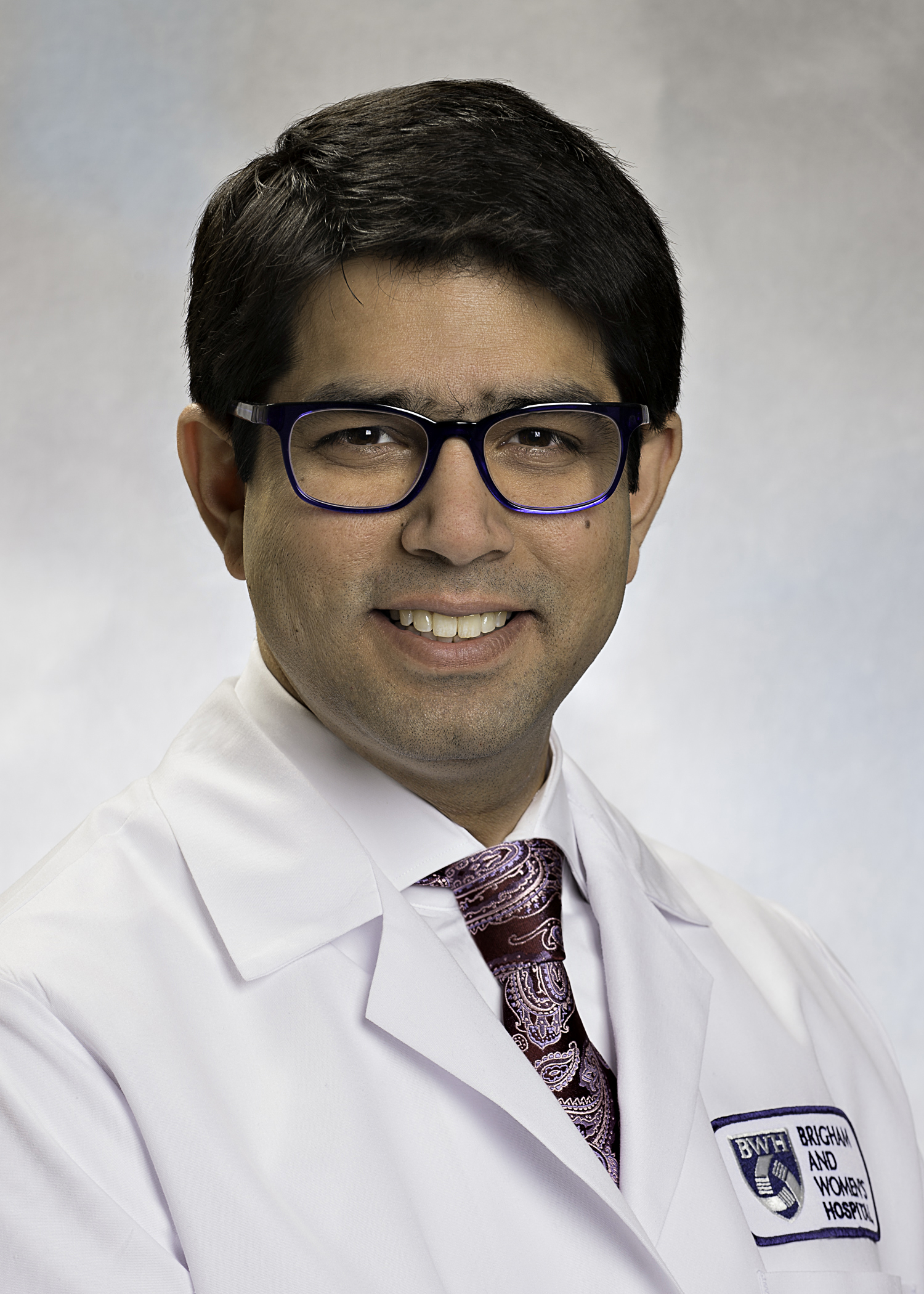
Adil Haider

Adil Haider

Adil Haider, MD, MPH, describes his role as director of BWH’s Center for Surgery and Public Health as his dream job. A prominent health services researcher and trauma surgeon, Haider has trained in the fields of surgery and public health, and his passion for both helped lead him to the Brigham.

The Center for Surgery and Public Health is a joint program with Harvard Medical School and the Harvard School of Public Health, founded in 2005 by Executive Director Michael Zinner, MD, BWH Surgery chair. Its mission is to advance the science of surgical care delivery by studying effectiveness, quality, equity and value at the population level, and to develop surgeon-scientists committed to excellence in these areas.

Haider recently shared his insights with BWH Bulletin.

Your research on disparities in patient outcomes forces us to confront our biases. What did you find when you looked at the data?

Implicit bias or unconscious preference—the attitudes or stereotypes that may affect our interactions—is not something you would typically associate with my area of medical practice (trauma surgery). But there are plenty of disparities in terms of patient outcomes in fields such as cancer care, where early access to care may differ. But what could possibly explain differences in outcomes after trauma surgery?

In our first paper on the subject, we found differences in outcomes for children after surgery; minority children had worse outcomes in their ability to eat, talk and walk after having an injury than white children. When we looked at a larger database of adults, we found that for black patients, risk of death after surgery increased by about 20 percent, and for Hispanic patients, risk went up by 50 percent.

We all knew something was going on; we wanted to understand why.

What accounts for these disparities?

I believe that people don’t go into trauma surgery or any other field of medicine to treat people differently, but individuals may have an unconscious preference without even realizing it.

That’s why we started looking at unconscious bias as one of several potential mechanisms. We raised this as a question, and we’re now trying to answer it.

Are there other mechanisms that might explain differences in patient outcomes?

An additional mechanism we’re studying are differences in empathy. How we relate to a person based on how they look may influence the degree and extent of our involvement in their care. We are trying to quantify that. We are also looking at mindfulness—the difference between telling someone to “eat more fruits and vegetables” before sending them on their way and inquiring about their home environment and community to understand their ability to access fresh produce. By getting to know my patients, I’ve learned so much about myself.

How did you become a trauma surgeon with an interest in public health?

When I was 6 years old, I wanted to be a trauma surgeon because of a TV show called “Trapper John,” a spinoff from “MASH” about this guy who could fix anything. Later on, I also understood the impact of public health, which is why I pursued a master’s of public health degree right after medical school.

During my trauma fellowship, I went to Africa and spent many nights operating nonstop. I loved it and thought I was making a big difference and began to make plans to work overseas. But when I got home to Baltimore, my mentor said, “You don’t need to go to Africa to take care of people who could use your help. They are right here.” I started getting to know my patients better. And that’s when I started thinking about disparities and solutions to eradicate them.

Why did you accept the position of kessler director of the Center for Surgery and Public Health?

Meeting the team here was extremely inspiring; everyone cares about making a difference, and we have the right combination of resources and will to truly have an influence on the art and practice of surgery to impact the health of millions, from Boston to Botswana. Our institution’s history is also extremely compelling; the founding documents of the Brigham proposed building a hospital for patients who are in indigent circumstances. That’s our founding principle, and it’s reflected in so many of the hospital’s priorities. BWH’s commitment to global equity and surgery extends from President Betsy Nabel, MD, throughout the institution. The opportunity to lead a center charged with doing this work felt like a true calling, and I’m thrilled to have been chosen to do it.

Clinical trial recruitment is a major challenge in biomedical research. Nearly 80 percent of clinical trials fall short of enrollment timelines, and recruiting patients is costly. But Patient Gateway, an online portal accessed by more than 500,000 patients, offers an opportunity to overcome this challenge, said Joshua Di Frances, Strategy and Innovation project manager for the Innovation Hub and Brigham Research Institute.

Di Frances and his colleagues Daniel Solomon, MD, MPH, and Joel Weissman, PhD, have been working to develop a mechanism that will easily allow patients to find out about and enroll in clinical trials through Patient Gateway. Known as Partners HealthCare HOPE (Health Online for Patient Enrichment), the new tool will enable patients to see all current IRB-approved research studies in relevant health areas, request to participate in them and receive health information specific to those areas. Patients will be able to access HOPE through a Quicklink on the Patient Gateway homepage and select “I’m interested” to learn more about specific research studies and access information about certain conditions.

HOPE will begin with research studies in four focused health areas: arthritis, cardiovascular disease, depression and diabetes, a list that will expand in the coming year. An initial roll out is planned for early spring. Clinical investigators are encouraged to add their trials on the HOPE platform by submitting their protocols here. They can also contact Joshua Di Frances with any questions.

From left: Panelists JoAnn Manson and Paula Johnson

From left: Panelists JoAnn Manson and Paula Johnson

Earlier this month during the Dr. Lawrence H. and Roberta Cohn Forums’ inaugural event, “Women and Heart Disease: What You Don’t Know May Kill You,” BWH experts raised awareness of women’s heart health and shared a number of small steps that women of all ages can take to stay healthy.

In the U.S., heart disease is the leading cause of death in women and is deadlier than all forms of cancer combined. However, by exercising moderately for about 30 minutes a day, maintaining a heart-healthy diet and weight, and not smoking, women can significantly reduce their risk of heart disease, stroke, type 2 diabetes and even dementia.

“It’s never too late to start making important lifestyle changes to lower your risk,” said JoAnn Manson, MD, DrPH, chief of the Division of Preventive Medicine at BWH, at the forum, which was held at the Harvard School of Public Health (HSPH). “Once you know the risk factors and how modifiable and preventable the disease is, there’s so much you can do to reduce your own risk.”

Manson, along with Paula Johnson, MD, MPH, executive director of BWH’s Connors Center for Women’s Health & Gender Biology; Frank Sacks, MD, professor of Cardiovascular Disease Prevention in the Department of Nutrition at the HSPH; and Stephanie Mohl, senior government relations advisor at the American Heart Association, discussed how heart disease symptoms in women can vary from those experienced by men. Additionally, women’s symptoms, such as shortness of breath and extreme fatigue, are often overlooked. There are also certain disorders in pregnancy, such as preeclampsia and gestational diabetes, that put women and their children at risk for heart disease.

Johnson discussed how heart disease should be evaluated across a person’s lifespan, not just when someone starts to experience symptoms. She also explained that some groups of women are at a higher risk of developing the disease, such as African-American women.

Most importantly, experts stressed that in addition to advancing the science, women need to get as much information as they can about the disease, listen to their bodies and take action to reduce their risk.

“Information is power; knowledge is power,” Manson said.

View the webcast.

In addition to their vital work at home, BWH anesthesiologists are making an impact on patient care, education and research across the globe—from Haiti and the Dominican Republic to Rwanda and beyond. Attending anesthesiologist Emily Nelson, MD, and Monica Sa Rego, MD, clinical director of the Department of Anesthesiology, Perioperative and Pain Medicine—who volunteered together in Haiti following the 2010 earthquake—recently shared some of these efforts with BWH Bulletin.

Medical Missions

Since 2008, Team Heart has traveled to King Faisal Hospital in Rwanda’s capital city of Kigali to perform lifesaving cardiac surgeries for people suffering from rheumatic heart disease. Each year, the team has performed more than a dozen successful heart valve surgeries per trip, a life-changing experience for those who receive surgery and an eye-opening one for volunteers.

J. Danny Muehlschlegel, MD, MMSc, FAHA, director of Cardiac Anesthesia Research, is part of a team of BWH anesthesiology attendings and residents, cardiac surgeons, perfusionists, nurses and pharmacists who volunteer for the mission. From beginning to end, the anesthesiologists provide the integral service of preparing patients for surgery, monitoring and administering anesthesia, and ensuring a stable recovery.

In addition to patient care and coinciding with the mission, Muehlschlegel is working on the RECHARGE (Rheumatic Heart Disease Genetics) Study. One component of the study is to see if genetic variants among Rwandan teens and young adults are associated with the development of heart valve lesions. He and his colleagues will examine 400 Rwandan patients with early onset severe rheumatic valve disease using next-generation sequencing.

In a similar vein, Operation Walk Boston has helped patients with arthritis and joint disease in the Dominican Republic get back on their feet through knee and hip replacement surgeries since 2007.

Nelson first joined Operation Walk as a resident at BWH, with anesthesiologist Mercedes Concepcion, MD, whom Nelson calls “the mother of global anesthesia.”

Every year, three anesthesiology attendings and two residents from the department participate in the mission, along with surgeons, pharmacists, nurses, physical therapists and technicians.

“Whenever you practice in a country that doesn’t have the same resources as we have here, it makes you more humble and appreciative of what we have,” said Sa Rego. “When you work in other countries, you become more flexible and better able to adapt to many different clinical situations.”

Added Nelson: “Operation Walk is not only a medical service trip, but we’re helping to improve the systems there and exchange ideas, so clinicians in the Dominican Republic can better care for patients on their own after we leave.”

Harvard Global Anesthesia Initiative

This year, anesthesia leaders at Harvard Medical School-affiliated hospitals have established the Harvard Global Anesthesia Initiative to support and develop anesthesia trainees and faculty committed to improving anesthesia access and safety in under-resourced settings. From short-term mission team members to future leaders in the field, the initiative seeks to help anesthesiologists hone the cognitive and technical skills necessary to make a sustainable impact in underserved populations around the world.

“The main thing that we try to teach residents in global health work is that it’s about collaboration,” said Nelson. “It’s about helping to enable local practitioners to take care of the population they’re serving as best as they can. Instead of asserting our way of doing things on local practitioners, it’s about an exchange of ideas and listening to our colleagues abroad who have a lot to teach us in terms of caring for patients with limited resources.”

Matt Kynes, MD, a fourth-year BWH anesthesia resident, co-founded the initiative and is helping to plan its first workshop, which will take place Saturday, Feb. 28, at BWH. Participation is open to residents and staff with interest in global health. It will consist of simulated clinical scenarios, teaching, case-based discussions and hands-on demonstrations.

“I think it’s fantastic that so many people in our department are concentrating on global anesthesia,” said Nelson. “There has been continuity in our presence and commitment to serving folks in under-resourced settings over the years, as well as a strong commitment by our interim Chair Bhavani Kodali, MD, and past leadership to enable and support people doing this work.”

Interested in learning more or participating in the Harvard Global Anesthesia Workshop? Email epnelson@partners.org. You can also learn more about Operation Walk Boston and Team Heart.

John Saltzman

John Saltzman

Recognized for its quality of service, the expertise of its faculty and the contributions it has made to international teaching in digestive endoscopy, BWH’s Endoscopy Center was recently designated for the second time as a Center of Excellence by the World Endoscopy Organization (WEO).

“Our goal is to train physicians and fellows to become leaders in the field,” said John Saltzman, MD, director of the BWH Endoscopy Center and chair of educational affairs for the American College of Gastroenterology. “We choose physicians who have the drive to make lasting contributions to the work we do every day to care for our patients.”

Endoscopy is a nonsurgical procedure that is used to examine and treat issues inside a person’s digestive tract. The Endoscopy Center at BWH offers inpatient evaluations, outpatient evaluations and treatments for disorders of the esophagus, stomach, small bowel, colon and the biliary/pancreatic system.

The WEO Centers of Excellence are a select group of endoscopy units that are chosen from around the world. BWH was one of 16 Centers of Excellence to be designated this year. The designation, which lasts through 2020, also comes with the expectation that the centers will consider ways that they can collaborate with one another to advance research and teaching.

Saltzman, who was named director of the center in 2006, said he has been building educational programs, including the advanced Endoscopy Fellowship, a specialized program designed for physicians looking for a comprehensive therapeutic endoscopy training program and for those interested in pursuing an academic medical career.

The BWH Endoscopy Center sponsors several major endoscopy courses, including those in Boston, Utah and Bermuda. The center’s leadership for the last 10 years in an international live endoscopy course, the New England Boston International Live Endoscopy Course, also contributed to it being designated as a Center of Excellence.

The course, designed for gastroenterologists, surgical endoscopists, gastroenterology fellows and nurses, includes simultaneous live viewings of endoscopic procedures being performed at hospitals including BWH, Beth Israel Deaconess Medical Center, Massachusetts General Hospital and Boston Medical Center. The course employs a wide range of internationally renowned endoscopists, including Saltzman and other members of his team.

Describing his team as a “powerhouse of innovative ideas,” Saltzman said team members also teach various courses each year to clinicians around the country on different endoscopy techniques, such as reducing weight endoscopically. The team is also devoted to research in areas including management of gastrointestinal bleeding and new endoscopic devices.

One technique that Saltzman is especially excited about is being brought to BWH from Japan by physician Hiroyuki Aihara, MD, PhD. Endoscopic submucosal dissection has been applied in Japan primarily to treat gastric (stomach) cancers. The technique, which can be performed in the colon, esophagus or stomach, is used to remove gastrointestinal tumors that have not entered the muscle layer.

Aihara is a recognized expert in the performance of endoscopic submucosal dissection of the colon and previously spent two years at BWH in a research position before joining the center in a clinical role earlier this month.

“Hiroyuki is bringing with him a skill that is new to the U.S.,” Saltzman said. “He knows this technique at an advanced level, and we are excited to begin to employ it here to improve patient care.”

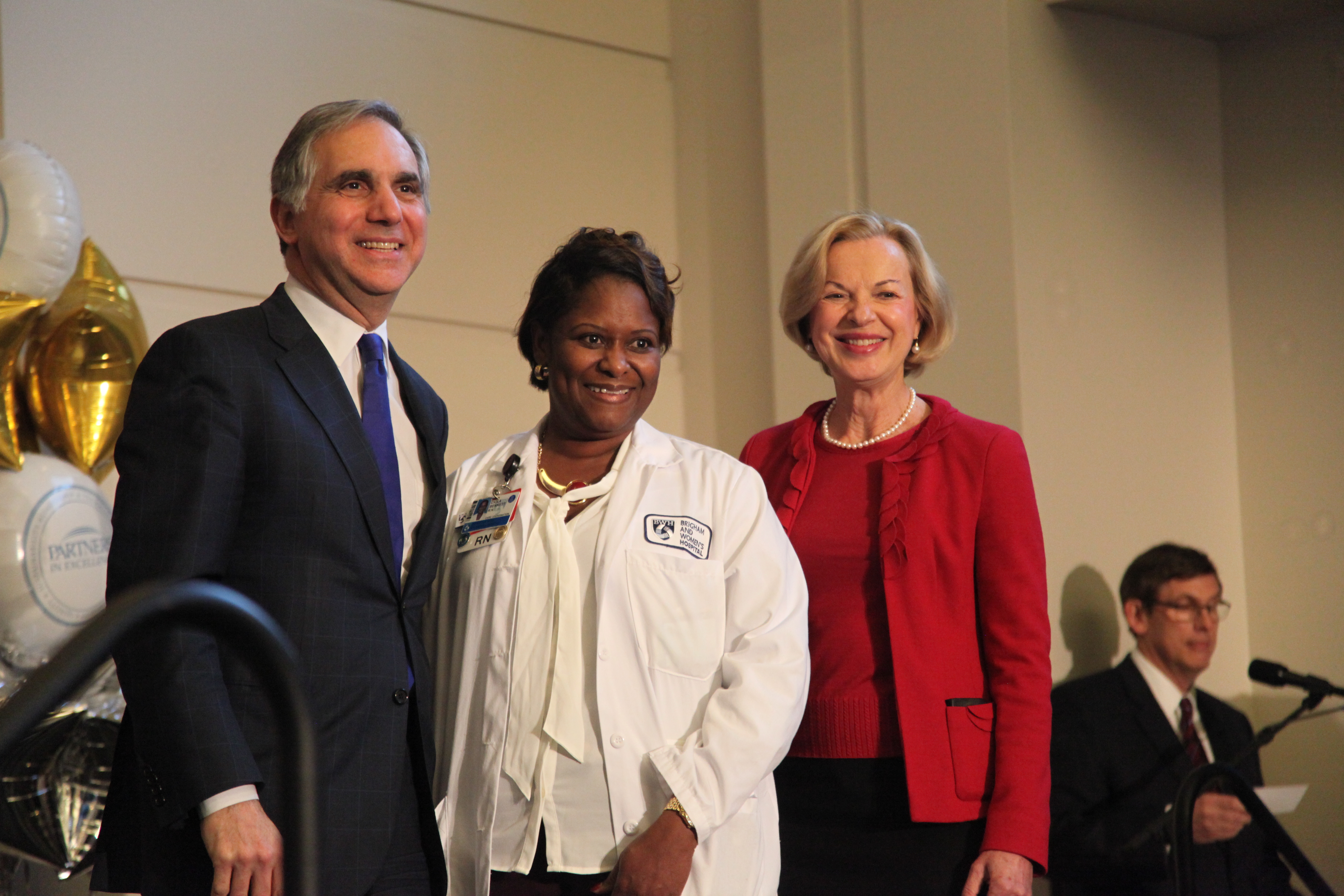
At left, from left: Diego Martinez, Donna Ward, Patty Bryan and Eugene Dziedzic, of the Hybrid Interventional Obstetrical Surgery Team, which received a PIE award. At right: PIE award recipient Ciola Bennett, of BWH Care Coordination, poses with Partners President Gary Gottlieb and Betsy Nabel.

At left, from left: Diego Martinez, Donna Ward, Patty Bryan and Eugene Dziedzic, of the Hybrid Interventional Obstetrical Surgery Team, which received a PIE award.

More than 100 individuals from BWH, the Brigham and Women’s Physicians Organization and Dana-Farber/Brigham and Women’s Cancer Center were honored last month during the 19th annual Partners in Excellence (PIE) Awards. Additionally, 601 members of 44 project teams were recognized, all nominated by their peers. Awardees spanned departments and teams including Environmental Services, the BWHC Ebola Virus Disease Working Group, the Surgical ICU Translational Research Team and many more.

PIE_2

PIE award recipient Ciola Bennett, of BWH Care Coordination, poses with Partners President Gary Gottlieb and Betsy Nabel.

BWHC President Betsy Nabel, MD, shared words of gratitude and pride with the recipients, highlighting their “vital role in fulfilling our precious mission by providing high-quality care, pushing the boundaries of science, training the next generation of health care leaders and serving our local and global communities.”

Recipients and guests also heard from BWH NICU nurse Kate Higgins, BSN, RN, a 2013 PIE award recipient. Higgins shared her extraordinary story of accompanying a NICU family as they moved back to Colorado with their newborn and helping them get settled. A former NICU baby herself, Higgins left attendees with the advice that hard work and dedication will always make a difference. The ceremony concluded with a reception in the Pod B Cafeteria.

The BBF has reached its full size at 11 floors and 620,000 square feet.

The BBF has reached its full size at 11 floors and 620,000 square feet.

The Brigham Building for the Future (BBF) might look like a ghostly figure right now as tarps covering the soon-to-be walls of the steel structure flap in the wind, but behind the cloth, the 11-story translational research and clinical space is transforming into something spectacular every day.

With the final piece of steel placed on the building in December and the addition of an extra floor, the BBF has now reached its full height, which is a significant milestone, says lead architect Tom Sieniewicz, a partner at NBBJ architecture firm in Boston. Work is also being done to complete the underground parking garage.

The BBF, a 620,000-square-foot building scheduled to open in fall 2016, will include research laboratories, outpatient clinical space, a state-of-the-art imaging facility and a conference and teaching center. It will also house a co-generation power plant built in Germany—a natural gas-fired engine that will supply the building with electricity and steam.

Another major underground component will be the imaging facility. Inside the space, crews are currently building vibration isolation pads, which are massive blocks of concrete that will be used to ensure that the six highly-sophisticated MRI and CT machines maintain separation from the building structure and produce precise images.

An underground tunnel that connects the imaging facility and BBF to the Shapiro Cardiovascular Center is also being constructed. A bridge that will offer a public connection over Fenwood Road is being built and will also link the BBF to Shapiro and the rest of BWH via the second-floor Pike.

Steve Dempsey, director of Planning and Construction at BWH, said BWH was able to fund an additional floor with unused project funds that were left over as a result of effective design and cost projection efforts. Also, because the building was shorter—by a half floor—than the proposal approved by the city, adding an extra floor was an option.

Dempsey said the additional floor, which will house faculty offices, helped the project team go a long way toward aligning faculty, staff and researchers inside the BBF. He and his team have had discussions with all of the clinical and research groups that will practice and study inside the BBF and know who will be on which floors and in what locations.

Designed to achieve the environmentally friendly Leadership in Energy and Environmental Design (LEED) Gold certification, the building will feature a roof garden to reduce storm water runoff, a system that cleans and reuses storm water for mechanical equipment, the co-generation plant and other “green” aspects.

Vinnie McDermott, vice president of Finance and Real Estate for BWHC, said the project has proceeded remarkably well, which is a testament to the efforts of many people.

“The BBF will provide a platform for collaboration of clinical and research talent, investigating leading-edge discovery and providing innovative clinical care to our patients across the region, nation and world,” he said.

By springtime of this year, the building will be fully enclosed and transformed visually. This is when additional crews will be called in to work on the inside of the structure.

Screen Shot 2015-02-05 at 2.31.50 PM