Posts from the ‘patient care’ category

Human beta cells derived from stem cells

Human beta cells derived from stem cells

BWH and four other Harvard-affiliated institutions have joined forces to establish the Boston Autologous Islet Replacement program—a new center that will perform cell transplantation to accelerate a cure for diabetes.

Recent advancements in stem cell biology have provided an unprecedented opportunity to treat diabetes. Researchers have developed a process to generate a virtually unlimited number of beta cells—insulin-producing cells found in the pancreas—from adult stem cells in the lab. The stem cells would be created from the patient’s own blood cells, which could effectively be “reprogrammed” to perform this new role.

In people with diabetes, beta cells are either depleted or can’t produce enough insulin to maintain a healthy blood sugar level. These new stem-derived beta cells could be used in a clinical setting to replace or replenish a person’s beta cells as a treatment for diabetes.

The newly announced transplantation center, launched by Harvard Stem Cell Institute, BWH and the Joslin Diabetes Center (JDC), in collaboration with Semma Therapeutics and Dana-Farber Cancer Institute, will work toward translating these stem-cell discoveries into treatments that could ultimately cure diabetic patients.

Generating clinical-grade stem cells suitable for use in patients will take time; the program does not expect to conduct its first transplant until 2019 at the earliest. The initial clinical trial will enroll a very small, select group of patients—individuals who have had their pancreas surgically removed because they had incurable pancreatitis or similar conditions and who have not shown signs of islet autoimmunity (the body attacking its own insulin-producing cells).

BWH and JDC will work together in screening and identifying suitable patients. BWH will perform the transplantation procedure, and both BWH and JDC will provide follow-up care.

The Brigham’s involvement in the project has grown out of its international reputation as a leader in transplantation research and surgery. 

“This project builds on our pioneering work in transplantation and exemplifies the Brigham’s commitment to fostering discovery and innovation in order to translate research advancements into new therapies and treatments for our patients,” said BWHC President Betsy Nabel, MD. “We’re excited to partner with these esteemed institutions to push the boundaries in improving the care and treatment of patients with diabetes.”

Filming an NOTSS training video in Rwanda

Filming an NOTSS training video in Rwanda

All physicians want to provide the best possible care to their patients, but clinicians in parts of the world where resources are limited can face many challenges in doing so.

Recognizing this challenge, John Scott, MD, MPH, a general surgery resident and research fellow at the Center for Surgery and Public Health, teamed up with surgeons in Rwanda to improve surgical care for patients through the Non-Technical Skills for Surgeons (NOTSS) training program. This program—originally designed in Scotland by a team of psychologists, surgeons and anesthesiologists—was created to assess and improve surgeons’ non-technical skills, such as situation awareness, decision-making, communication, teamwork and leadership.

With the help of his mentors Robert Riviello, MD, MPH, of Trauma, Burns and Critical Care, and Steven Yule, PhD, of the STRATUS Center for Medical Simulation, Scott redesigned the NOTSS program to be used in a resource-limited setting for the first time. Additionally, they collaborated with students at the KWETU Film Institute in Kigali, Rwanda, to produce an on-location video series to complement the curriculum.

“Surgery is very technical, but expert performance takes more than just cutting and stitching,” said Scott. “Before the NOTSS program, we didn’t have a reliable way to teach these critically important non-technical skills.”

Having training in skills like situation awareness, leadership and decision-making makes it easier for doctors in resource-limited settings to resolve problems that may be specific to their operating rooms, Scott says. For instance, surgeons in Rwanda see variability in the equipment they use, the personnel and assistance they receive, and the support systems they work within. This makes it difficult for surgeons to plan ahead, and they must think creatively and deal with changes very rapidly, as their access to these medical resources can change quickly.

“The long-term goal is to improve the surgical service in Rwanda so that resource variability is no longer an issue,” said Scott. “But NOTSS enables us to improve patient safety and surgical performance here and now, without waiting around for more money and technology.”

For more information about BWH’s global health initiatives, visit BWHGlobalHealthHub.org.

BWH leaders gather in Bornstein.

BWH leaders gather in Bornstein.

After nine months and 19 bargaining sessions, contract negotiations have stalled between the hospital and the Massachusetts Nurses Association, the union representing about 3,300 nurses at the Brigham. The MNA has called for a strike authorization vote on Monday, June 13.

If the majority of nurses who vote that day elect to authorize a one-day strike, the union must give the hospital 10 days notice of any planned action. Authorizing a one-day strike does not mean that a strike is definite. If nurses approve a strike authorization, the earliest date a strike could take place would be June 24 if the MNA gives its notice to BWH immediately after the vote. The MNA has the right, however, to hold the strike at a future date with 10 days notice. The hospital community would be notified if a strike date has been issued. 

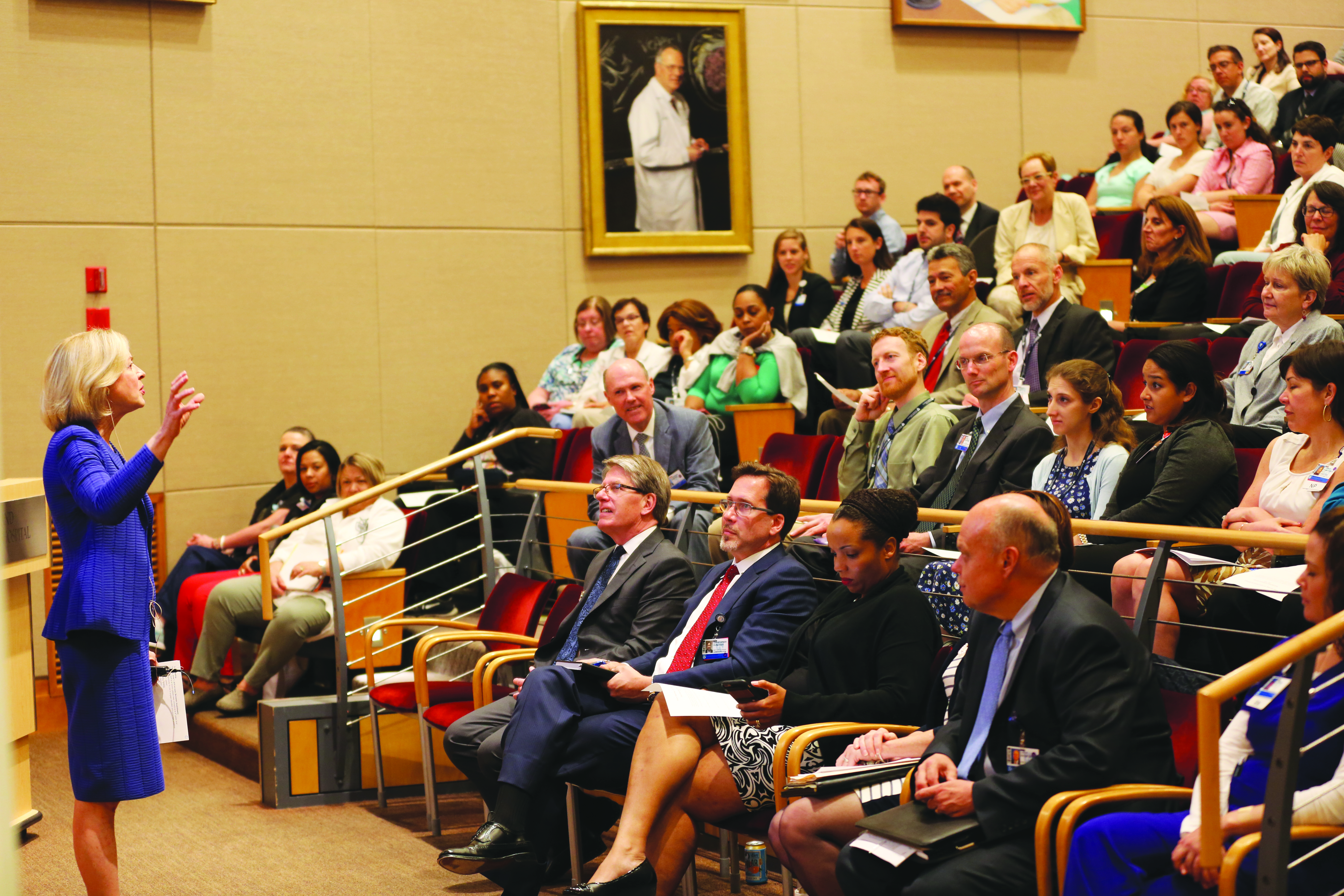
To ensure the continuity and safety of patient care if nurses authorize a strike, BWHC leadership, including managers, directors and department heads, filled Bornstein Amphitheater on June 3 to activate BWH’s Hospital Incident Command System—an organization-wide, detailed tactical plan for keeping a hospital running safely during an emergency or a non-emergency event that would disrupt operations, such as a labor strike. If a strike is called, this early preparation enables BWH to immediately activate its tactical plan and use the 10-day notice to put it in motion.

The Strike Planning Incident Command team has been formed and is meeting regularly to hone BWH’s operational plan. BWHC leaders have stated that if the MNA calls for a one-day strike, the hospital will contract with an agency to bring in professional nurses to provide coverage. To ensure continuity of care, BWH nurses who are part of the MNA bargaining unit would not be allowed to return to work for five days.

BWHC President Betsy Nabel, MD, briefly addressed the hospital’s contingency plan at Town Meeting in Bornstein on June 7.

“Caring for our patients is our top priority, and we’ve made plans to respond accordingly in the event of a strike,” Nabel said. “We all deeply respect our nurses and the incredible care they provide. Union negotiations can be a trying time in any industry, and I know that this is difficult for all of us. We will come through this together.”

Vincent Vacca, nurse educator, left, accepts an award from Shaun Golden, nurse director for the Neuro ICU, at the conference.

Vincent Vacca, nurse educator, left, accepts an award from Shaun Golden, nurse director for the Neuro ICU, at the conference.

BWH nurses, nurse directors, educators and other team members gathered for the annual Neuroscience Nursing Conference in the State Street Pavilion Club at Fenway Park on May 19. BWHers and guests discussed stroke in women, neurological critical care for children and more.

Zinnia Feliciano, MS, AGCNS, CNRN, last year’s Essence of Nursing recipient, and Eileen McMahon-Bowen, BSN, RN, CNRN, the 2014 Essence of Nursing recipient, read narratives about their most memorable patients. Additionally, Greg Coutu, a former patient of the Neurosciences ICU, and his wife, Jillian, shared their care experience.

Throughout the conference, celebratory messages for BWH nurses appeared on Fenway’s big screen. Conference-goers also received a visit from the Red Sox mascot, Wally the Green Monster, and had the chance to see the team’s World Series trophies.

Betsy Nabel addresses BWH employees.

Betsy Nabel addresses BWH employees.

Earlier this week, BWHC President Betsy Nabel, MD, provided a comprehensive update on several key issues to a full crowd of employees in Bornstein Amphitheater and those tuning in by webcast. Town Meeting topics consisted of an update on nursing contract negotiations (see related story), institutional strategy, and building upgrades and planning projects.

“As we think about BWH, our values today are the same as they were 100 years ago,” said Nabel in outlining the institutional strategy. “The foundation of everything we do is exceptional patient care, research, education and caring for our community.”

Nabel walked attendees through the hospital’s seven strategic priorities and three areas of focus: discovery and innovation, leading-edge care redesign and business development. (Learn more about BWH’s strategic commitments and areas of focus in a special issue of BWH Bulletin on June 24.)

Steve Dempsey, director of Planning and Construction, detailed several of BWH’s ongoing and upcoming capital projects, providing updates on the BBF, NICU and Emergency Department expansions, The Garden Café progress, Thorn Building and 221 Longwood Ave. upgrades, and main entrance renovations at 75 Francis St.

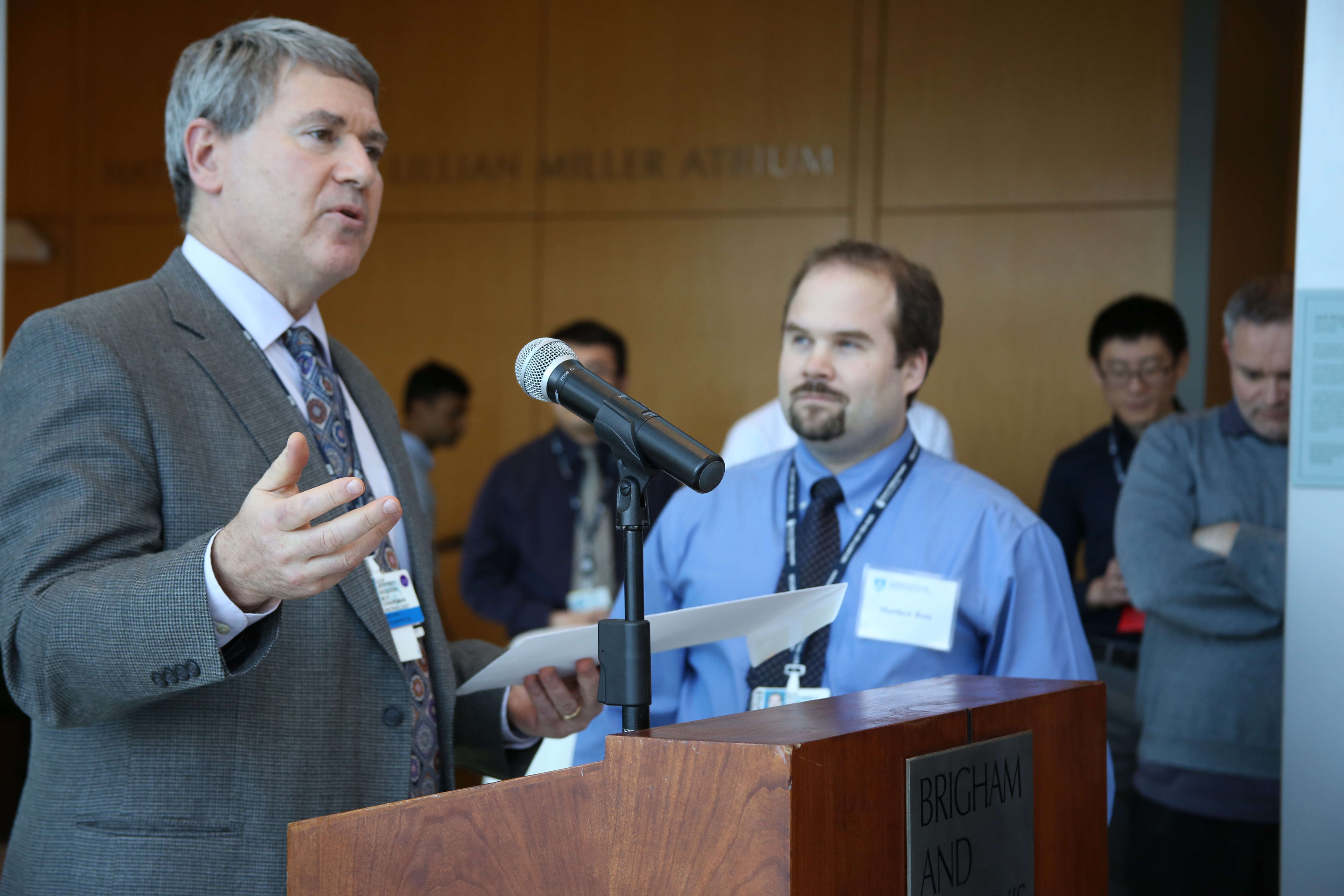
During the question-and-answer session, employees asked about access to standing desks, reduced seating in the Shapiro Center’s Miller Atrium and alternate routes for patient stretchers so that, in the interest of patient safety and privacy, they do not pass through the hospital’s temporary dining areas. Luis Soto, director of Central Transport and Environmental Services, shared that he has put a plan in place for alternate patient transport routes that avoid dining and other busy areas.

If you missed Town Meeting, view the webcast here.

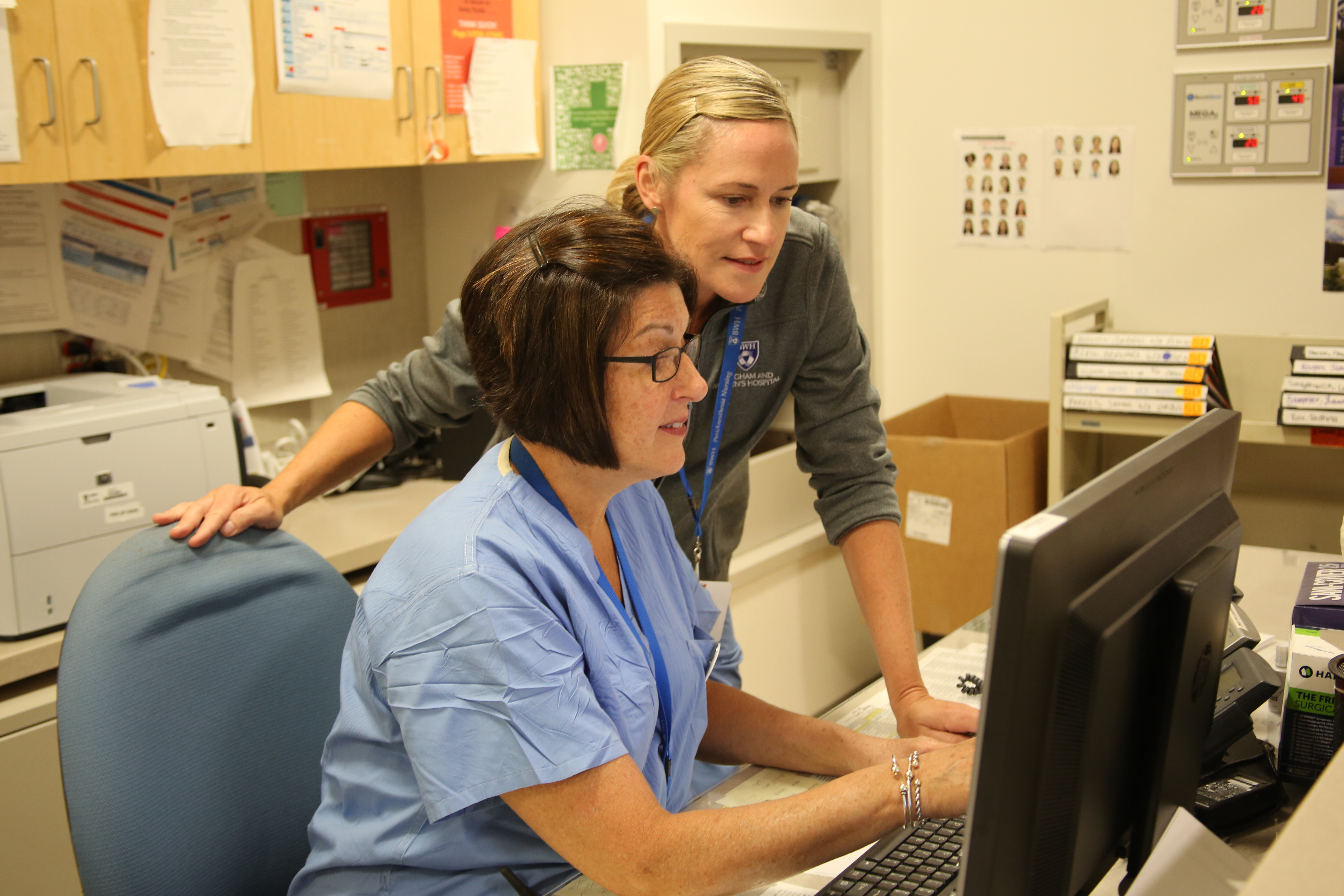
Operating Room nurses Cynthia Engel, seated, and Roberta Bernard review information in Partners eCare.

Operating Room nurses Cynthia Engel, seated, and Roberta Bernard review information in Partners eCare.

Last month marked the one-year anniversary of Partners eCare, BWHC’s Epic-based electronic medical record system, which went live May 30, 2015.

“The past year had its challenges, but we’ve made tremendous progress,” said Adam Landman, MD, MS, MIS, MHS, BWHC CIO and vice president of IS. “Our focus going forward is to upgrade Epic, improve user support and training, enhance Epic In Basket and reporting, and fully integrate Radiant, Epic’s radiology module, into our system.”

BWH Bulletin recently spoke with several employees to hear about some of the highlights and challenges of the past year.


John Solman, Staff Nurse

John Solman, BSN, RN, recalls the exact moment he realized how powerful Partners eCare could be in improving patient care.

It was early June—the week Epic went live—and Solman, a staff nurse on Tower 10BA, saw in the status board that a patient was being transferred to BWH from Brigham and Women’s Faulkner Hospital. Solman could review the patient’s chart and medication in advance—something he hadn’t been able to do in such detail before.

“That’s when it struck me that there’s something here that’s going to lead to better patient outcomes,” he said.

Solman, who co-chairs the Nursing Informatics and Clinical Innovation Committee, was a designated subject-matter expert and
super-user prior to the launch of Partners eCare, so he had a lot of exposure to the system before it went live. It gave him a different perspective on the rollout.

“Overall, I think it’s been a dramatic improvement,” Solman said. “We have to recognize the enormity of what we were undertaking. There were growing pains, but the support team was very responsive to the critical issues that were developing.”


Amanda Moment, Social Worker

When Amanda Moment, LICSW, and her co-workers attended Partners eCare training last year, they got an initial walkthrough but not one that met their needs as social workers.

That was when Moment and her co-workers decided to take training into their own hands. They came together and customized templates and code sheets for social workers, in addition to writing their own instruction manual for the new system.

“We did a tremendous amount of work to make the system fit our processes,” said Moment, a super-user for her department.

The hard work paid off. “The ability to look at any of my patients’ notes at any point is incredible,” she said. “I don’t have to be on the floor, reading a paper chart. The ease of accessing other providers’ documentation is one of the biggest plusses.”

Still, some barriers remain. Moment and her team haven’t had much success in analyzing trends with Epic’s reporting features. They also see challenges around locating, documenting and sharing the most up-to-date information about a patient’s health care proxy designation, code status and other high-risk indicators in such a large system.

“We are actively working with Epic on these issues, but they are by no means resolved,” she said.


David Rubins, Medicine Resident

David Rubins, MD, a second-year resident in General Internal Medicine and Primary Care, looks back on the first year of Partners eCare as a challenging one.

Rubins was apprehensive about the transition, as he was used to the homegrown, legacy applications he was trained on: BICS and LMR, which went live at BWH in 1993 and 2006, respectively.

Using Partners eCare has been easier since the implementation last year, Rubins says. He suspects it will be even smoother for new interns.

“A lot of the difficulties we ran into initially revolved around the transition,” he said. At that time, some medications were missing from a patient’s history or showed the incorrect dose, Rubins said. That led to a lot of manual re-entry of data.

“Any time you’re re-entering things, it takes extra time and there’s a risk of putting in the wrong thing,” he said.


Kristen DeVoe, Social Worker

Gone are the days of having to decipher a colleague’s handwriting in a patient chart, says Kristen DeVoe, LICSW, a social worker in the Heart Transplant and Mechanical Circulatory Support Program.

“It’s easier to navigate now—everything is in the computer—so you don’t have to find the paper chart, look through notes and try to read people’s handwriting,” she said.

DeVoe, a super-user who helped customize the Partners eCare platform for colleagues, says she appreciates not only having patient information available electronically, but also having it accessible in a system that can simplify data input.

“A lot of us use the same phrases over and over again, and in Partners eCare, you can create a ‘smart phrase,’” she said. The customized feature suggests commonly used phrases as a user starts typing them, similar to the auto-fill feature on smartphones.

Rajesh Patel, Hospitalist

There’s one thing that Rajesh Patel, MD, MPH, doesn’t miss about the pre-Epic era: toggling between multiple applications to piece together a patient’s history.

“There wasn’t an integrated electronic medical record system,” said Patel, a hospitalist in the Department of Medicine. “You would sit down at a computer and have to open up three, four or five different programs in order to collect information on a patient. I was excited to get everything in one place.”

While Patel says he is reaping the rewards of a more streamlined system, he acknowledges that it didn’t happen overnight.

“It’s important to keep in mind that it was an ambitious undertaking to implement Epic across every clinical setting at the Brigham, and the anxiety and concern people had was valid,” Patel said. “But I think we’re over that first hump and things are stable. Now, we need to focus on concrete ways to refine the product.”

Theresa Jasset, Nursing Program Director

Things move fast in the Operating Room and the Pre- and Post-Anesthesia Care Units (PACUs). Patients are cared for by several teams in a relatively short amount of time, making it essential that clinicians have a complete picture of each patient.

Before Partners eCare, that picture was fragmented, says Theresa Jasset, MSM, RN, CNOR, program director for Perioperative Nursing Informatics. Patient history used to be scattered throughout legacy systems and paper records, but Partners eCare has given care providers in the OR and PACUs a comprehensive view in one interface.

As with any big operational change, it took time for employees to get used to Partners eCare, she said.

“We have sick patients and things here move quickly, which can add to the stress of learning to navigate a new system,” Jasset said. “But that stress is decreasing every day.” 

From left: Lauren Wolf, Anna Gielazyn and Carole Molly

From left: Lauren Wolf, Anna Gielazyn and Carole Molly

Nadine Wint, PCA, carries a letter in her pocket written by one of her most memorable patients. After the patient was discharged, she sent it to thank Wint for her excellent care.

It was a small gesture, but one that left a big impact. Wint, a patient care assistant on Tower 14CD, has held onto the letter since receiving it in 2012 and often reads it when she’s had a difficult day.

“This is one of the greatest letters I’ve ever received,” said Wint as she pulled the folded piece of paper from her pocket and held it in her hand. “This patient’s letter always gives me the courage to keep going. It’s such a joy for me to wake up each morning and come to work to care for my patients. Every day I say to myself, ‘I want to make a difference in someone’s life today.’”

Earlier this month at Schwartz Rounds, a panel of BWHers described by their colleagues as “unsung heroes” shared how they approach their roles and contribute to patient care. They were joined by their managers and directors, who described what makes them exceptional. The Schwartz Rounds series, which focuses on a different topic each month, is a multidisciplinary forum aimed at promoting compassionate care by exploring the human side of health care.

Lauren Wolf, MS, RN, nurse director of 10BA, said highlighting unsung heroes at BWH has prompted conversations about how vital such supporting roles are to delivering safe, high-quality care.

“Recognizing the important contributions of our ancillary staff has also brought a great, positive energy to our unit,” Wolf said. “To have had the opportunity to thank some of our staff in a special way at Schwartz Rounds was important. We are blessed to have staff at BWH who go above and beyond in their roles each day.”

Esteban Gershanik, MD, MPH, MMSc, an attending physician and medical director of 14CD, described the panelists as integral members of the medicine units. Gershanik and Wolf, both members of the General Medical Service, worked together to bring the topic of unsung heroes to Schwartz Rounds. They hope it will inspire staff from other departments and services to begin similar conversations with colleagues about the importance of recognizing these employees.

“Sometimes it’s the smallest things that staff members do for patients and colleagues that make a big difference,” Gershanik said. “We’re really focused on making sure employees know they are valued and respected.”

Regionalization of the General Medical Service has encouraged care teams to work more closely together, resulting in better patient care, Gershanik said.

Carole Molly, of Environmental Services, has worked on Tower 10 as a housekeeper for 17 years. Molly says she’s always happy to come to work and appreciates when patients thank her for cleaning their rooms.

“I’m always smiling when I’m at work,” Molly said. “I feel good when I am here. Patients and colleagues are really kind to me and grateful for my help.”

The best reward for Anna Gielazyn, unit coordinator on Tower 10A, is when patients thank her personally.

“I’ll visit a patient’s room for a few seconds to make sure they are doing OK, and it’s really great when they say, ‘Thank you, Anna,’” she said. “These short, but meaningful interactions are what make my day.”

Julieann Tamayo, operations supervisor for Tower 14ABCD, says she’s proud of her colleagues who go above and beyond their daily responsibilities to make BWH a warm and welcoming place for patients, families and colleagues. When she delivered her daughter at BWH, Tamayo said her entire care team, including the lactation nurse, housekeepers and OB/GYN technician, made her feel well-cared for and safe.

“It’s a privilege for me to be able to spend as much time as I can on the units observing these special moments that affect our patients,” Tamayo said. “Having experienced this excellent level of care myself, I know that we are doing everything we can each day to make patients feel as though they are part of the Brigham family.”

The BWH Schwartz Rounds are open to all hospital staff. They take place on the second Tuesday of each month, from noon–1 p.m., in the Anesthesia Conference Room. The next Schwartz Rounds is June 14. After a summer break, Schwartz Rounds will resume in September.

The Brigham Way Campaign

Did you know BWH has a program for recognizing unsung heroes? Nominate a colleague for the Brigham Way to honor him or her for the many ways, both big and small, they go above and beyond to make BWH a warm and welcoming place. Learn more at BWHPikeNotes.org.

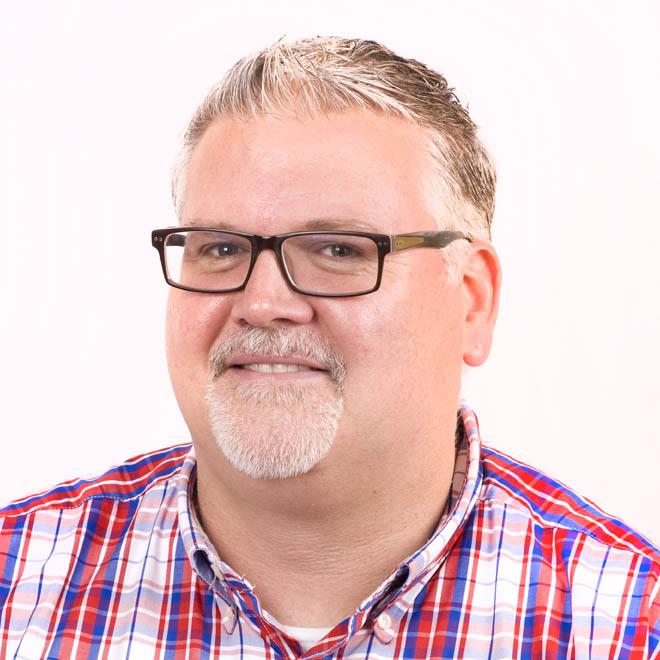
Shane McBride

Shane McBride

Shane McBride, MBA, was named executive director of Brookside Community Health Center, effective April 25. He succeeds Paula McNichols, who served as executive director since 1990 and retired after working at BWH for nearly 45 years.

McBride is an accomplished leader with more than 20 years of experience in health care strategy and operations, including population health management initiatives. As Brookside executive director, he will promote and champion the health center’s mission to provide high-quality, comprehensive, multi-disciplinary, family-centered care to all who live and work in Jamaica Plain and the city of Boston.

Prior to joining BWH, McBride served as vice president of Quality and Clinical Systems at the South End Community Health Center in Boston, where he was responsible for setting a vision of quality improvement and directing the Patient Services department. He led the center’s successful effort to achieve patient-centered medical home recognition from the National Committee for Quality Assurance. McBride has also worked at the Harvard Pilgrim Health Care Foundation and Neighborhood Health Plan in Boston. He is an emeritus advisor for Dana-Farber Cancer Institute’s Adult Patient/Family Advisory Council.

McBride received his MBA from the Kellogg School of Management at Northwestern University and his BS in mechanical engineering from Worcester Polytechnic Institute. He completed the Geiger Gibson Capstone Fellowship in Community Health Policy and Leadership at the Milken Institute School of Public Health at George Washington University in 2015.

From left: Michael Givertz, Arnold Ketchum, Nicolette McDermott-Ketchum and Lynne Stevenson

From left: Michael Givertz, Arnold Ketchum, Nicolette McDermott-Ketchum and Lynne Stevenson

At Northern Navajo Medical Center in Shiprock, New Mexico, physician assistant Nicolette McDermott-Ketchum, PA-C, cares for patients who are part of Navajo Nation, the largest Native American tribe in the U.S. at about 175,000 people.

About 37 percent of Navajos live in poverty. Access to specialty and preventive medical care is limited, with patients often having to travel a long distance to obtain medical services. Adding to these challenges is a lack of primary care physicians and specialists in New Mexico, Arizona and Utah, where Navajo Nation is based.

Clinicians like McDermott-Ketchum, who are part of the Indian Health Service (IHS)—a federal agency within the Department of Health and Human Services—provide care to nearly 2 million Native Americans at 35 hospitals and more than 300 health centers across the country. In 2008, the BWPO formed the Brigham and Women’s Outreach Program with the Indian Health Service. The outreach effort enables BWH clinicians to provide ongoing training and up-to-date clinical knowledge to IHS clinicians, with the goal of expanding IHS clinicians’ expertise in managing a spectrum of conditions.

McDermott-Ketchum and her husband, Arnold Ketchum, PA-C, a fellow IHS physician assistant, visited BWH last month to sharpen their cardiac care skills and heart disease knowledge in service to their patients in New Mexico. Many of their patients suffer from diabetes, high blood pressure and high cholesterol.

“I married into the tribe, and I love serving the Navajo people, who are kind, patient, resilient and family-oriented,” said McDermott-Ketchum.

During their visit, the couple shadowed Lynne Stevenson, MD, director of the Cardiomyopathy and Heart Failure Program, and Michael Givertz, MD, medical director of the Heart Transplant and Mechanical Circulatory Support Program.

“It was an amazing opportunity to observe Drs. Givertz and Stevenson in the Watkins Clinic and see the compassion and skill they demonstrated in every patient encounter,” said McDermott-Ketchum. “It is one thing to hear didactics about how clinical cardiology practice is supposed to operate, but viewing the interactions between BWH staff and their patients reinforced the knowledge with a human element. This is something I will keep in mind during my patient sessions.”

As part of the three-pronged Outreach Program, more than 100 Brigham clinicians have traveled to the Navajo Reservation in Shiprock and Gallup, New Mexico, and Chinle, Arizona, to care for patients and teach members of the local medical staff. Dozens more lead remote teaching and patient consultation sessions by video conference or volunteer to host IHS visitors here in Boston for more focused learning, says Ellen Bell, MBA, MPH, senior project manager for the Brigham and Women’s Outreach Program.

During the past seven years, 14 IHS clinicians have visited BWH to shadow clinicians across a wide range of specialties, including Emergency Medicine, Dermatology, Gynecology, Radiology and Cardiology.

“The Brigham and Women’s Outreach Program is the perfect reflection of the core values of the hospital in that we have been able to apply the expertise of our senior clinicians to improve the health of the community through teaching and clinical care,” said Tom Sequist, MD, MPH, medical director of the Brigham and Women’s Outreach Program. “Most importantly, this is not a one-way street, as our clinicians have been very vocal in expressing that they gain as much, if not more, from their experience volunteering in the program. In many ways, our program offers a life-changing experience.”

To learn more about the Outreach Program and how you can participate, visit http://www.brighamandwomens.org/ihs.

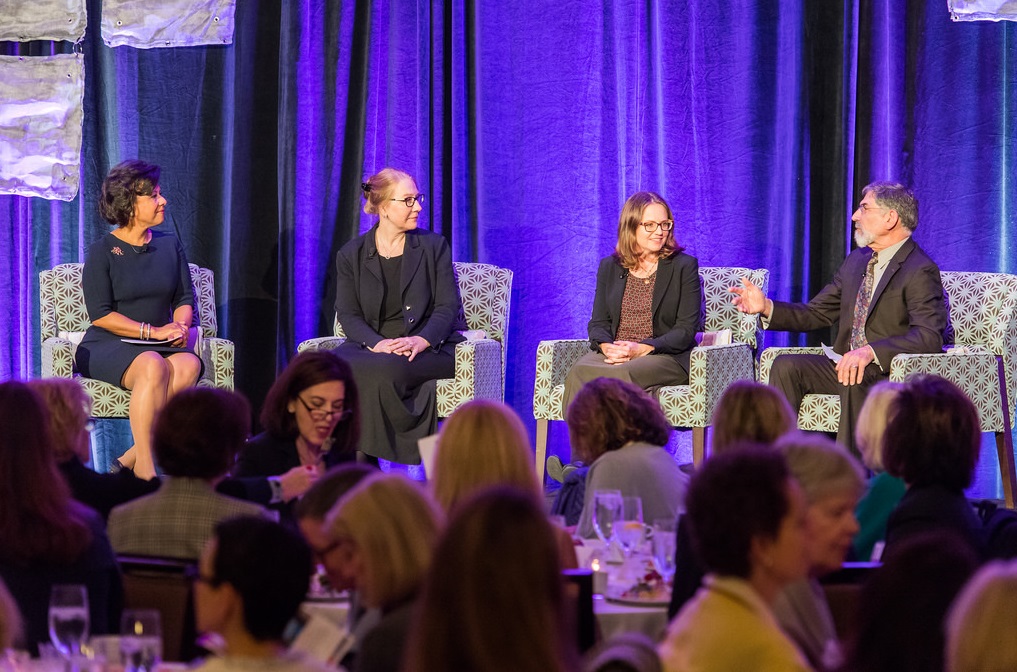
From left: Paula Johnson, Elizabeth Loder, Kristin Schreiber and Gary Strichartz

From left: Paula Johnson, Elizabeth Loder, Kristin Schreiber and Gary Strichartz

As a young doctor completing her residency at BWH in the late 1980s, Paula A. Johnson, MD, MPH, was unaware there was an essential element missing from the study of medicine: Women were underrepresented in clinical trials and research. This was a fact that had historically gone unrecognized, Johnson told a packed room at the 11th annual Women’s Health Luncheon on May 6.

“When I began my training at the Brigham 30 years ago, women’s health in our country was in a very different place,” said Johnson, executive director of BWH’s Mary Horrigan Connors Center for Women’s Health and Gender Biology and chief of the Division of Women’s Health. “The lessons I learned then about heart disease, neurologic disorders, autoimmune disease and so many others were based predominantly on studies conducted almost exclusively on men.”

The luncheon was Johnson’s last as the head of the Connors Center. She leaves BWH this summer to become president of Wellesley College.

Thanks to the work of Johnson, the Connors Center and its supporters, local and national awareness of the gender disparity in research has grown. Subsequently, researchers and clinicians have learned more about how disease and the efficacy of treatments differ between sexes.

“We’ve made women’s health into a topic of national significance,” Johnson said. “We’ve influenced legislation requiring that women be included in biomedical research, and we’ve fueled critical research leading to advancements in gender-based care and public health policy. We’ve committed ourselves to making sure that the health of our mothers, daughters, sisters, friends and ourselves is not left to chance.”

Progress Continues

The fight is not over, however. Heart attacks are the leading cause of death for women, but only 30 percent of cardiovascular study participants today are women. Statistics like these prompted the launch of “Us Plus One,” an awareness campaign to recruit new members to the Women’s Health Board of Advocates, a volunteer organization that supports the Connors Center. A brief video, available at usplusone.org, explains why this movement is so critical to ensuring women’s health is not left to chance.

“We need to be confident that health care decisions for diagnoses, medications, medical devices and treatments have been designed for us,” said Karen Zahorsky, chairwoman of the Board of Advocates, who announced at the luncheon that Johnson would be the first to join the board.

Pain is one of many areas where differences in diagnosis and treatment should be different for men and women, according to experts. This topic, “Power Over Pain,” was the focus of the luncheon’s panel discussion with three BWH experts: Elizabeth Loder, MD, MPH, chief of the Divison of Headache and Pain; Kristin Schreiber, MD, PhD, an anesthesiologist and clinical pain researcher; and Gary Strichartz, PhD, MDiv, FRSM, director of the Pain Research Center.

One example of this disparity is seen in fibromyalgia, a disorder causing widespread pain that is more common in women, said Schreiber. The lack of an easily identifiable source, such as an inflamed joint, and its predominance in women have led some in the medical community to take it less seriously, she added.

“The fact that fibromyalgia has been diagnosed predominantly in women has made it a second-class pain diagnosis,” Schreiber said. “For a long time, some physicians didn’t even believe in it. However, we’ve been seeing real biomedical differences in people who have fibromyalgia—these people actually do feel more pain.”

Some research has shown that if a healthy person and someone with fibromyalgia are given the same amount of pain stimulus, Schreiber added, there is more activation in the pain areas of the brain—especially those that have to do with the emotional reaction to pain—in the person with fibromyalgia. “And that activation lasts longer than in healthy people,” she said.

Championing Women’s Health

As Johnson summarized the Connor Center’s contributions to the field of women’s health since the last luncheon in 2015, she highlighted a report from the U.S. Government Accountability Office assessing women’s inclusion in National Institutes of Health-funded clinical trials. The report, which was catalyzed by the center’s work, recognized that much more needs to be done to ensure women are sufficiently represented in research of diseases that affect both men and women. Johnson called it the most significant shift in policy in 20 years.

“None of this progress would be possible without the dedication of the people sitting in this room,” she said. “I am extraordinarily proud, and I know that with the incredible foundation and community we have built, you will be a champion of this work for decades to come.”

Dr.TylerBWH and the Department of Neurology mourn the loss of H. Richard Tyler, MD, former chief of the Division of Neurology and BWH’s first full-time neurologist. He passed away May 9 at the age of 88.
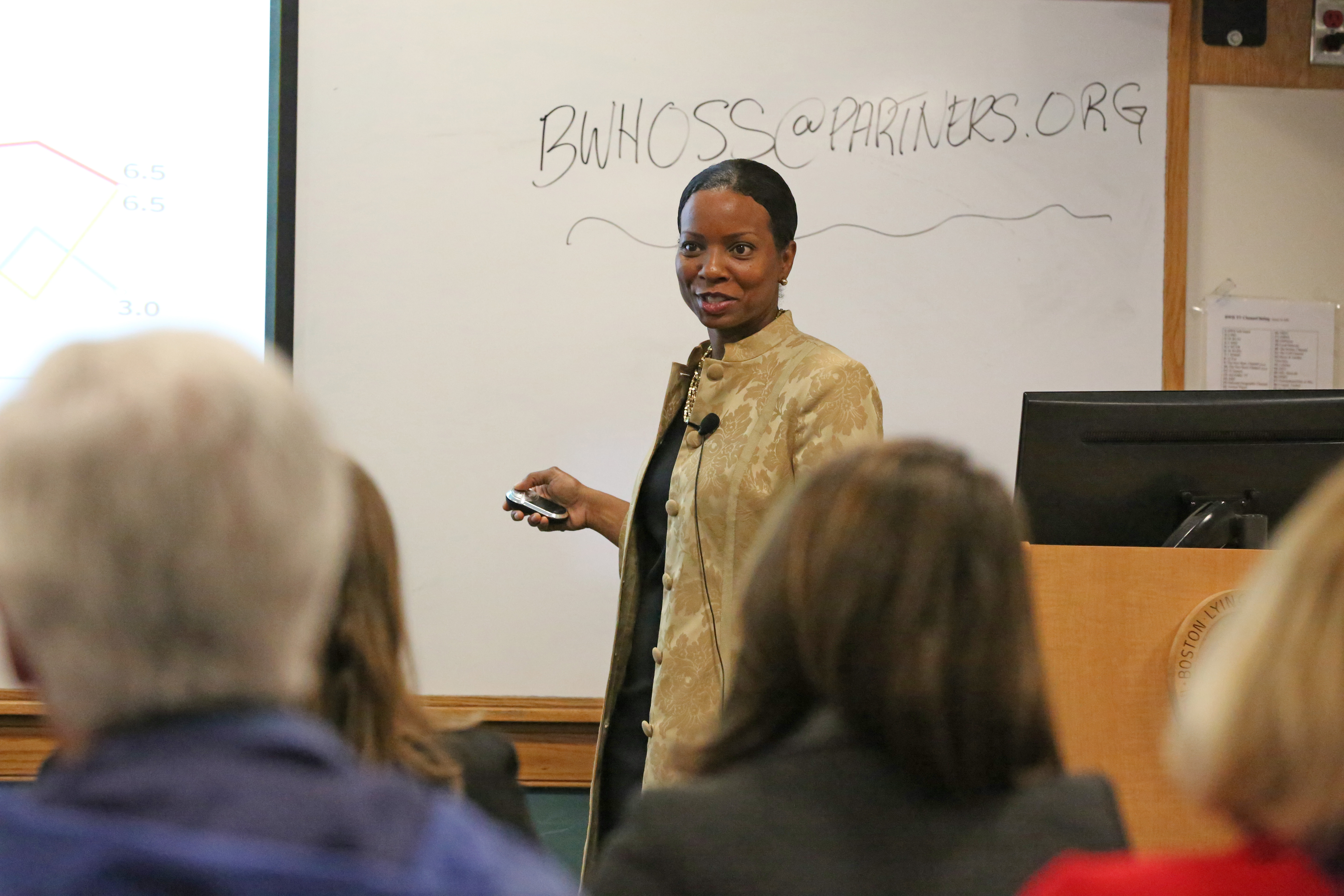
“Known as a brilliant clinician and memorable teacher, Dr. Tyler made enormous contributions to the Brigham community, its patients and the field of neurology,” said Martin Samuels, MD, chair of the Department of Neurology.

Dr. Tyler, who lived in Brookline, is credited with building BWH Neurology from the ground up, serving as chief from 1956 to 1988. Under Dr. Tyler’s leadership, the department added a major basic research program in 1985, led by Dennis Selkoe, MD, and Howard Weiner, MD, co-directors of the Ann Romney Center for Neurologic Diseases. The Neurology Division at BWH became an independent department in 1995.

Dr. Tyler received his MD from Washington University School of Medicine in 1951. He interned at the BWH predecessor Peter Bent Brigham Hospital in 1951, followed by a neurology residency at Boston City Hospital. He then spent two years abroad at The National Hospital for Neurology and Neurosurgery, Queen Square in London and at the Pitié-Salpêtrière Hospital in Paris. He later worked at The Johns Hopkins Hospital before returning to BWH in 1956. He was appointed professor of Neurology at Harvard Medical School in 1974 and became emeritus professor in 1999.

During his time as chief, Dr. Tyler helped to develop the field of renal neurology, based on his experience with early dialysis and organ transplantation. He also characterized the physiological basis of asterixis, one of the cardinal signs of metabolic encephalopathy, also known as brain disease, damage or malfunction. He was an expert in the neurological aspects of congenital heart disease in adults and the neurological aspects of alcohol and malnutrition.

He always felt that his greatest contribution was not his personal work but rather the generations of medical students, residents and faculty he trainedmany of whom went on to assume major leadership positions in neurology, locally and throughout the nation.

After stepping down as chief in 1988, Dr. Tyler continued to maintain a busy neurology practice until 2015, and he remained a valued consultant for internists and neurologists. He continued to develop one of the great modern collections of books related to neurology and neuroscience.

Samuels said generations of Harvard Medical School students have vivid memories of Dr. Tyler’s prodigious teaching skills. He was one of the founders of the Harvard Longwood Neurology Training Program and recruited a group of distinguished neurologists to join him at BWH, including Selkoe and Weiner.

“Rick Tyler was the single most influential teacher in my quest to become an academic neurologist and to develop my career at BWH,” said Selkoe. “I will greatly miss his remarkable depth of insight into how brain diseases work and how to humanely care for those suffering chronic neurologic illnesses.”

Weiner said he learned neurology from Dr. Tyler at a time when all doctors had to work with were a patient’s medical history and physical exam.

“He was a master clinician who made neurology come alive for me,” Weiner said.

He is survived by his wife, Joyce; children Kenneth Tyler and wife, Lisa; Karen Tyler; Douglas Tyler and wife, Donna; and Lori Spisak and husband, Ken; 12 grandchildren; eight great-grandchildren; brother-in-law, Edward Colby; nephews David and Geoffrey Colby; and many friends and colleagues.

2 Comments
Audra Meadows

Audra Meadows

Part of BWH’s mission of providing excellent patient care involves not only identifying health care inequities that some patient populations face, but also working to eliminate those disadvantages.

Closing that gap comes with challenges, but at the 2016 Minority Faculty Career Development Award Grand Rounds, held on May 4, Audra Meadows, MD, MPH, of Obstetrics and Gynecology, shed light on potential solutions.

The event—hosted by the Center for Faculty Development & Diversity’s Office for Multicultural Careers—also included recognition of this year’s MFCDA recipients, Joseph Mancias, MD, PhD, of Radiation Oncology, and Viviany Taqueti, MD, MPH, of the Division of Nuclear Medicine and Molecular Imaging, and an honorees’ breakfast reception.

The MFCDA program, founded in 1996, provides financial support to early-career underrepresented in medicine (URM) physicians and scientists at BWH, with the goal of increasing their presence across the institution. The five-year $100,000 award is given to two URM faculty members annually, with more than 30 awards having been distributed since the program began.

During her presentation, Meadows, a 2009 MFCDA recipient, explored whether group prenatal care is the future of care in Obstetrics. Group prenatal care particularly benefits women at high risk of preterm birth and infant mortality, which includes African-Americans and women under the age of 21.

“The goals of obstetric care are a healthy mom, a healthy baby and a term delivery,” said Meadows. “But for black patients, infant mortality is higher in Boston, in Massachusetts and across the U.S. We want to know why this disparity exists and how to reduce the gap and bring infant mortality to zero.”

Meadows detailed BWH’s CenteringPregnancy® program, a partnership between BWH’s Ambulatory Obstetrics Practice and the Center for Community Health and Health Equity, which has garnered success since its launch last June. The program provides prenatal care and peer support in a group setting, as well as individual clinical evaluations and time with BWH clinicians. The women learn how to conduct self-health assessments, take their own blood pressure and record their weight. They also meet each week in groups of eight to 12, with dedicated physicians and nurses present, for 90 minutes to discuss prenatal and parenting topics.

The program is helping young women through such issues as teen pregnancy, family support and pregnancy education. Several studies have demonstrated the benefits of group prenatal care compared to traditional, individual care when it comes to pregnancy outcomes and health behaviors. Of 83 BWH participants surveyed, 100 percent reported satisfaction with their care. Additionally, the average weight of participants’ babies was a healthy 7 pounds, and the average gestation period was 39 weeks.

“CenteringPregnancy® is one of very few ongoing training programs available to expand the reach of this care model to more women, and we’re proud to be championing it here,” said Meadows.

Learn more about the MFCDA.

From left: Marcia Niland, Wendy Fuld and Anne McCue at an ice-cream social

From left: Marcia Niland, Wendy Fuld and Anne McCue at an ice-cream social celebrating a successful Joint Commission survey

Last month, representatives from The Joint Commission witnessed firsthand BWH’s leadership in promoting excellence in the quality and safety of patient care during their survey of BWH’s clinical Pathology labs.

“It was very gratifying to hear the inspectors compliment us on having outstanding clinical labs with many best practices,” said Jeffrey Golden, MD, chair of the Department of Pathology. “I am extremely proud of our incredibly strong team and the care we provide to our BWH patients every day.”

During the four-day unannounced visit, which takes place every two years, surveyors from TJC evaluated compliance with laboratory standards in the labs, patient care areas, select on-site ambulatory practices and select off-site locations across BWH, including Anatomic Pathology, ambulatory labs, Blood Bank, Chemistry and various patient nursing units. In addition, the surveyors also focused on TJC National Patient Safety Goals, infection control and emergency preparedness in these locations.

Surveyors used the tracer methodology, a means of evaluation in which they select a patient and use that individual’s record as a roadmap to assess an organization’s compliance with certain standards and its systems of care and services.

“The excellent marks received during this survey epitomize the Department of Pathology’s relentless pursuit of service excellence,” said Milenko Tanasijevic, MD, MBA, director of Pathology’s Clinical Laboratories Division, noting that for the last two decades, Pathology has received high marks from TJC. “We strive continually to provide high-quality, timely laboratory testing to our patients and clinicians.”

Even more impressive, Tanasijevic said, was Pathology staff’s ability to accomplish a host of service advancements while facing the unprecedented challenge of having only 18 months to implement a new laboratory information system and interface it with Partners eCare, BWH’s Epic-based electronic health record system, which launched last year.

There are a few findings that will need to be addressed, mostly related to Epic. For example, there were locations where the names and addresses of the test-performing labs, a requirement on all reports, were not present. Golden said BWH is committed to correcting the findings in an effort to remain at the very highest standard.

“There are always opportunities to do better, and our staff is firmly committed to ongoing quality improvement,” Tanasijevic said.

This survey is particularly notable because it affects almost every department in the hospital, as clinical labs are dispersed across BWH, said Pamela Wakefield, compliance officer for the Clinical Laboratories.

“This was a massive team effort, and we didn’t miss a beat in terms of our preparedness. The credit goes to the frontline staff who made this survey a success. They make us very proud,” Wakefield said.

Kara Burge (center), a staff nurse in Orthopaedic Surgery, with two Operation Walk Boston patients

Kara Burge (center), a staff nurse in Orthopaedic Surgery, with two Operation Walk Boston patients

year had passed since a young man came to the clinic with severe joint disease in his hips that left him unable to stand up straight, his torso pitched forward about 45 degrees as he steadied himself on a crutch.

But thanks in part to a group of volunteer clinicians from the Brigham, he was now running laps up and down a hallway at a hospital in the Dominican Republic, where he had received bilateral hip-joint replacement surgery through Operation Walk Boston—an orthopedic medical mission founded by Thomas S. Thornhill, MD, former chair of the BWH Department of Orthopaedic Surgery.

The program partners with Hospital General de la Plaza de la Salud in Santo Domingo to perform hip- and knee-joint replacements for patients who can’t afford the procedures. It completed its ninth mission last month.

Seeing that young man run down the hall when he came back for a follow-up visit was an unforgettable moment—one that illustrates why BWH volunteers give their time to give back, said Judith Nagle, MSN, RN, CNOR, nurse-in-charge in the Orthopaedics Operating Room who has gone on every Operation Walk Boston mission since its launch in 2008.

“When people come back and show you what they can now do that they couldn’t do last year, it just overwhelms you,” said Nagle, who took on the role of scrub nurse in the Operating Room during the trip. “I only did my job; these patients did the hard work.”
The latest mission served 37 patients and resulted in 56 replaced joints over five days. To date, Operation Walk Boston has provided 380 people with joint replacements. Clinicians perform the procedures pro bono, and all supplies are donated.

Each year, the mission takes about 50 volunteers, including surgeons, anesthesiologists, nurses, physical therapists, pharmacists and Operating Room staff. That group also includes residents from Orthopaedic Surgery, the Department of Anesthesiology, Perioperative and Pain Medicine, and Pharmacy. Additionally, the team trains about 70 medical students in the Dominican Republic to help support local care providers.

Daniel Tobert, MD, a third-year resident in Orthopaedic Surgery, went on his first Operation Walk Boston mission this year. Although the days were long, often starting at 4:30 a.m., he says the experience was fulfilling both personally and professionally.

“Everyone on the trip is giving up their free time to do hard work—and, in some respects, harder work than we’d do in a normal week—but it’s an incredibly rewarding experience,” said Tobert, who will be the mission’s chief medical officer next year.

Sarah Kelly, PT, DPT, a senior physical therapist in the Department of Rehabilitation Services, also joined Operation Walk Boston for the first time and says she was humbled by not only how grateful the patients were, but also how hard they worked during recovery. Because the volunteers are there for such a short time, they have to get patients walking as soon as possible, sometimes within a few hours of surgery. 

“It’s one of those trips that reminds you why you wanted to be a physical therapist in the first place,” Kelly said. “Patients who haven’t walked in years can finally get up and sit at the edge of the bed, stand on two feet or bend their knee a little more. To help somebody do that for the first time is unbelievable.”

Julia Rodriguez, RN, a staff nurse in the Post-Anesthesia Care Unit who has gone on several Operation Walk Boston missions, says she enjoys connecting with the patients and the Dominican clinicians and medical students. She also appreciates having the opportunity to speak her second language, Spanish.

“It appealed to me: going to a country that had fewer medical services than we have and being able to do mission work for patients who can’t afford this surgery on their own,” Rodriguez said.

This slideshow requires JavaScript.

Taking the Lessons Home

Volunteers say the mission also provided learning experiences they wouldn’t normally be exposed to and fostered a deep sense of teamwork. Nagle appreciated the opportunity to attend a grand rounds-style meeting where doctors discussed their plans for surgery that week.

“You get to hear their thought process, which adds a whole other dimension to my practice here at home,” Nagle said.

Learning is also a two-way street, she said. Over the years, BWH volunteers have trained hundreds of medical students in Santo Domingo and helped local practitioners improve their quality of care. 

The limited resources during the mission can be challenging, but volunteers say they enjoyed having the chance to think critically and creatively to find solutions.

“It presents a situation we don’t normally have here, where you have an isolated opportunity to intervene surgically,” Tobert said. “This gives me experience in how to deal with more complex care decisions, which is something they don’t teach you in medical school.”

The Levy family

The Levy family

Rena and Yonatan Levy, of Brookline, got an extra-special Mother’s Day gift in the early morning hours of May 8: They welcomed their first child to the world, a baby boy, at 1:25 a.m. Baby Levy arrived seven days after his due date, but his parents said it was exciting that their son was born on such a special day.

Throughout the day, Rena said many nurses popped into her room to congratulate the family and wish her a happy Mother’s Day.

“It was really special,” she said. “It felt so nice to be acknowledged, especially since it was my first Mother’s Day.”

The Levy family, who plans to decide on a name for their new baby this weekend, said they were very pleased with all aspects of their care at BWH, specifically thanking the team of anesthesiologists, whom they described as compassionate and reassuring.

“Our experience here has been wonderful,” Rena said.

From left: Carrie Braverman, Garrett Garborcauskas, Ole-Petter Hamnvik and Juan Jaime de Zengotita

From left: Carrie Braverman, Garrett Garborcauskas, Ole-Petter Hamnvik and Juan Jaime de Zengotita

harrowing statistic came to light several years ago: Nearly one in five transgender people in the United States has been refused medical care due to their gender identity or expression, according to a survey by the National Center for Transgender Equality and the National LGBTQ Task Force.

And while transgender equality has become a more visible national priority since the 2011 release of that report, “The National Transgender Discrimination Survey,” transgender patients and advocates who spoke at a recent BWH event say there is still plenty of room for progress.

“We need health care providers to be sensitive to LGBTQ patients’ needs because insensitivity can result in inappropriate behaviors, alienation and mistrust,” said Juan Jaime de Zengotita, MD, a primary care physician and medical director of Southern Jamaica Plain Health Center, at “Creating a Caring Environment for Transgender Patients: A Panel Discussion for Care Providers and Staff.”

The event, held May 4 in Bornstein Amphitheater, was jointly organized by the BWH/BWFH LGBT & Allies Employee Resource Group and BWHC’s LGBTQ Patient and Family Advisory Council. Its goal was to provide a nonjudgmental venue for education and awareness, said Maureen Fagan, DNP, MHA, executive director of the Center for Patients and Families and associate chief nurse for the Center for Women and Newborns.

“We are on the journey of learning how we can best meet the needs of all our patients,” said Fagan. “We need guidance, and we’re very open to that as an institution.”

Starting the Conversation

Seemingly well-intentioned comments can sometimes make transgender patients feel singled out, explained Garrett Garborcauskas, an MGH employee and founder of the Partners Transgender Alliance. As a patient, Garborcauskas said there is no need for clinicians to mention gender identity or expression unless it’s directly related to the care being provided.

“I’ve seen doctors who say, ‘You’re my first transgender patient,’ and I have no idea how that’s relevant for something like an eye exam,” he said. Other times, curious clinicians have asked Garborcauskas questions about medical care regarding his transition, despite having no relevance to the reason for his appointment.

To care providers, such comments may seem like friendly conversation or an attempt to acknowledge a patient’s gender identity in a positive way, but they can often have the reverse effect—calling undue attention to otherness. In those situations, Garborcauskas said he struggles to respond in a way that won’t create an awkward situation that detracts from the issue at hand.

In response, clinicians in the audience asked how they can best signal their support to transgender patients and help them feel more comfortable at BWH.

“Even having a little rainbow sticker on your nametag helps,” said panelist and endocrinologist Ole-Petter Hamnvik, MD. “I’ve had several patients point it out.”

Panelists also recommended asking all patients their preferred pronouns (for example, he, she or they, among others) during patient check-in or registration to avoid stereotyping and to ensure that no one feels singled out. The suggestion resonated with attendee Ellen Steward, manager of Client and Physician Relations.

“One takeaway for me is that there is a real need for training for staff and clinicians who will be the first point of contact regarding what information they should ask for and how to ask for it,” Steward said. “I see that as so important if we want BWHC to be LGBTQ-friendly.”

Health care providers are already accustomed to asking patients a litany of questions about everything from alcohol intake to seatbelt use to domestic violence concerns. Similarly, posing a broad question—such as, “Is there anything about your sexuality or gender you’d like to discuss today?”—might be a natural opening for clinicians to empower transgender patients to feel safe coming out. It also creates an opportunity to encourage any patient to discuss sexual orientation, reproductive health or similar topics, said panelist Carrie Braverman, LICSW, of Social Work.

Employees who would like a rainbow sticker for their nametags may visit Meredith Solomon in the BWH Medical Library. To join the BWHC LGBT Employee Resource Group listserv, email bwhclgbt@partners.org.

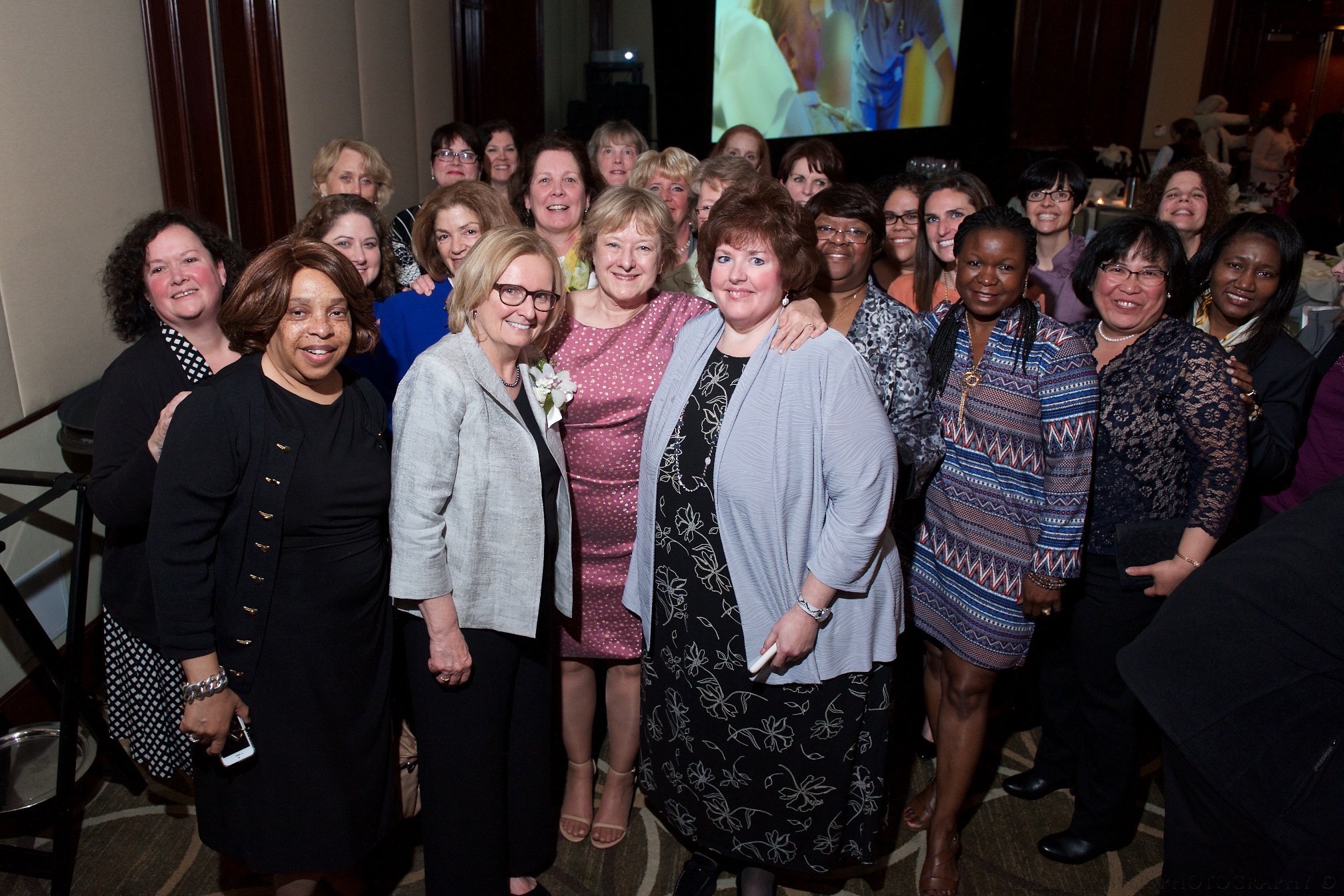
Nancy Kelleher (front row, second from left, in gray blazer) with colleagues at this year’s Nurse Recognition Dinner

Nancy Kelleher (front row, second from left, in gray blazer) with colleagues at this year’s Nurse Recognition Dinner

Nancy Kelleher, MSN, RN, of Care Coordination, approaches her patients with grace and dignity. No matter a patient’s background or situation, Kelleher treats all patients with the respect they deserve.

“Every patient I care for is important to me,” said Kelleher, who practices on Tower 14B, a general medical service with medically complex patients. “It’s essential that I spend time getting to know the patient and their situation so that I’m able to develop the best discharge plan for everyone involved.”

For her compassion, expertise, leadership and many other outstanding qualities, Kelleher received this year’s Essence of Nursing Award, the highest honor presented to clinical nurses at BWH. She accepted the award at the Nurse Recognition Dinner on May 5.

Kelleher, who began as a nurse care coordinator at BWH in 1994, works closely and collaboratively with many members of the interdisciplinary team, patients and their families to ensure patient care is well-coordinated across the continuum from pre-admission to post-discharge.

“What strikes me about Nancy is her commitment to her work and patients,” wrote nominator and Care Coordination Program Director Terri O’Sullivan, MPH, MSN, RN, ACM. “As a care coordinator, her nursing practice reflects her exceptional commitment.”

When Kelleher first engages with patients and their families, she initiates discussions about discharge plans with all who are involved in their care to meet their individualized needs. Her leadership and clinical expertise direct the team’s focus on the issues at hand and possible strategies to solve problems. She communicates the necessary steps required and joins in to be part of the solution. If the team encounters a barrier, she quickly regroups to develop an alternate plan, which can include reaching out to community resources.

“Nancy is a most-valued member of the team and stands out as one of the best individuals to work with at BWH,” said O’Sullivan. “She is extraordinarily flexible, willing to meet early or late with the team, patients and their families. She demonstrates amazing insight into facilitating transitions of care from inpatient to outpatient.”

During this year’s Nurse Recognition Dinner, the four exemplary nurses named as honorees were also recognized: Andrea Fonseca, MSN, RN, ANP-C, Shapiro 8 Vascular Surgery/Cardiology, nurse-in-charge; Melanie Nedder, BSN, RN, CCRN-CMC, clinical nurse in the Levine Cardiac Intensive Care Unit; Hayley Tuon, BSN, RN, CCRN, clinical nurse in the Medical Intensive Care Unit; and Ann Walsh, BSN, RN, clinical nurse at Brigham and Women’s and Mass General Health Care Center, Foxborough. Nearly 500 attendees gathered at the dinner to recognize Kelleher and the honorees.

“I was delighted to celebrate the many strengths and achievements of our recipient, honorees and department and the extraordinary care we provide to our patients and their families every day,” said Jackie Somerville, PhD, RN, FAAN, chief nursing officer and senior vice president of Patient Care Services.

Learn more about BWH nurses’ compassionate patient-centered care in this video.

The Shook family

The Shook family

Baby Goes Home After More Than 100 Days in NICU

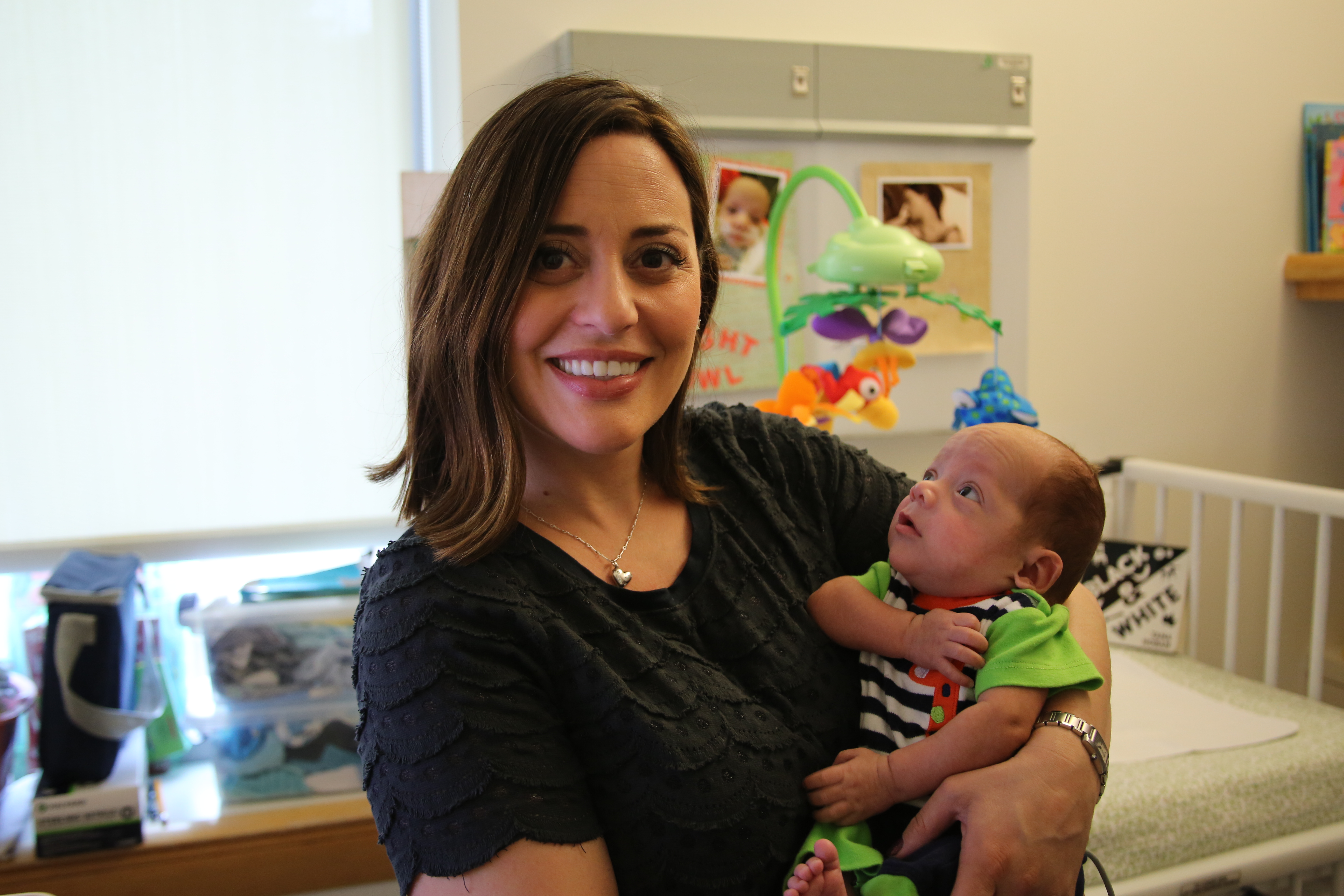
“We’ve been looking forward to this moment for a while now,” said Monica, a former BWH Anesthesiology resident who currently practices at Anaesthesia Associates of Massachusetts, a private group in the Boston area. “It’s so wonderful to be at home with both of our boys for the first time since William was born.”

The Shooks hoped to take William home on Mother’s Day after 107 days in the NICU, but he had a minor setback and needed to stay two additional days.

Delivered via an urgent C-section, William was born prematurely in January at 29 weeks gestation. Because he wasn’t breathing, he was intubated and taken to the NICU. During his first few weeks, William faced several health issues, including lung disease related to his prematurity, which was further complicated by a collapsed lung.

Since then, William has overcome many obstacles. His lungs are getting stronger, and he’s able to eat without the assistance of a feeding tube. He’s grown from three pounds at birth to almost 10 pounds today.

Monica Shook with Baby William

Monica Shook with Baby William

“He’s made tremendous progress,” said Carmina Erdei, MD, a neonatologist in the Department of Pediatric Newborn Medicine. “We are all so happy that he’s able to go home. William is fortunate to have an incredibly dedicated family, who has been by his side and involved in his care every single day since he was born, and that really set him up for success. We’re confident that he will continue making big strides; that’s the best gift parents can hope for.”

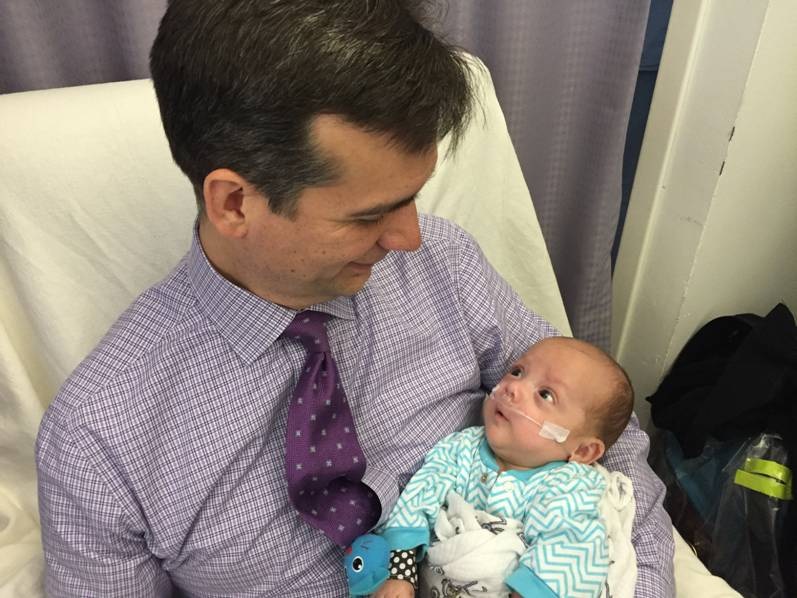
For the past three-and-a-half months, the Shooks have been in the NICU each day, along with an incredible support team. Douglas, who is the program director of the Cardiothoracic Anesthesia Fellowship and director of Interventional Cardiac Anesthesia, said from the moment William went to the NICU, both he and Monica felt included in their son’s care team.

“The level of care has been outstanding,” Douglas said. “We were invited from the very beginning to sit in on conversations the care team had about William; we were updated regularly on his progress and could always ask questions. The open communication we experienced in the NICU has been terrific.”

William’s primary nurse, Jeanine Levantian, RN, has been with him every step of the way.

“It was both a privilege and an honor to care for this beautiful baby,” she said.

Looking back on their experience, Douglas says he’s especially grateful for his Anesthesiology colleagues who have supported his family since before William was born. On multiple occasions, colleagues brought food for them and visited with Monica while she was on bed rest prior to William’s birth. Douglas’s current fellowship class even pitched in and delivered a week’s worth of groceries to the family’s home in Newton to support them after William’s birth. 

“People visited us every day,” Douglas said. “We experienced unbelievable generosity from my colleagues. It brings a warm feeling to my heart that I’m associated with such incredible people who are essentially my second family.”

Douglas Shook with Baby William

Douglas Shook with Baby William

1 Comment
JazzBoston musicians perform for fair attendees.

JazzBoston musicians perform for fair attendees.

On April 30, the BWH Lung Center, BWH Center for Pulmonary Heart Disease and JazzBoston—a nonprofit advocacy organization for Greater Boston’s jazz community—teamed up with the Roxbury Tenants of Harvard (RTH) for the first “Good Music = Good Health Jazz Fair,” a community-based health and wellness event held in RTH’s outdoor Levinson Plaza in Mission Hill. In addition to spirited musical performances, the event provided education about lung health, physical fitness and nutrition to community members.

The event is the result of the Lung Center and JazzBoston’s joint initiative in music and medicine, announced last month, to create a new model for managing and improving lung health based on the breathing and blowing techniques of jazz singers and wind instrumentalists. The April 30 event, which coincided with International Jazz Day, was a great way to kick off an important partnership, said Bruce Levy, MD, medical director of the Lung Center and chief of the Pulmonary and Critical Care Medicine Division.

“Music therapy is increasingly recognized for its holistic roles in health and healthy living,” Levy said. “We are delighted to join these outstanding community leaders in a unique collaboration that promotes music as a healing medium and expands both our organizations’ outreach to the city of Boston.”

BWHers Aaron Waxman, MD, PhD, director of the Pulmonary Vascular Disease Program; Brad Wertheim, MD, of the Center for Chest Diseases; Abbey Karin and Julie Tracy, senior exercise physiologists in the Dyspnea and Performance Evaluation Program; Eliza Shirazi, BWH health and fitness specialist; staff from Brigham and Women’s Primary Care Associates, Longwood; and others were on hand to talk with community members about their lung health. Jackie Rodriguez-Louis, MPH, MEd, program coordinator for the Partners Asthma Center, provided smoking cessation education.

More than 300 people attended and were able to participate in asthma and blood pressure screenings and exercise assessments, while performers from JazzBoston encouraged attendees to join in on the music-making. The event included an instrument petting zoo, which gave visitors a chance to hold and try out instruments, and contests and prizes for attendees of all ages. The afternoon concluded with a community concert.

“The idea is to play good music, and to do that, you need healthy lungs,” Waxman said.

The BWH Lung Center, Center for Pulmonary Heart Disease and JazzBoston have begun organizing additional community-based health and wellness fairs in Boston that integrate education and music to help raise awareness of the importance of taking care of one’s lungs and teach participants techniques for strengthening their lungs, whether they have a respiratory disorder or not.

Master teachers and performers identified by JazzBoston will also work with Lung Center physicians to develop new therapies that accelerate the rehabilitation process for patients who have chronic lung disease or are recovering from chest surgery. The musician/physician team will design and hold clinics that incorporate wind instruments, including the voice, to create a lively, motivational therapy experience.

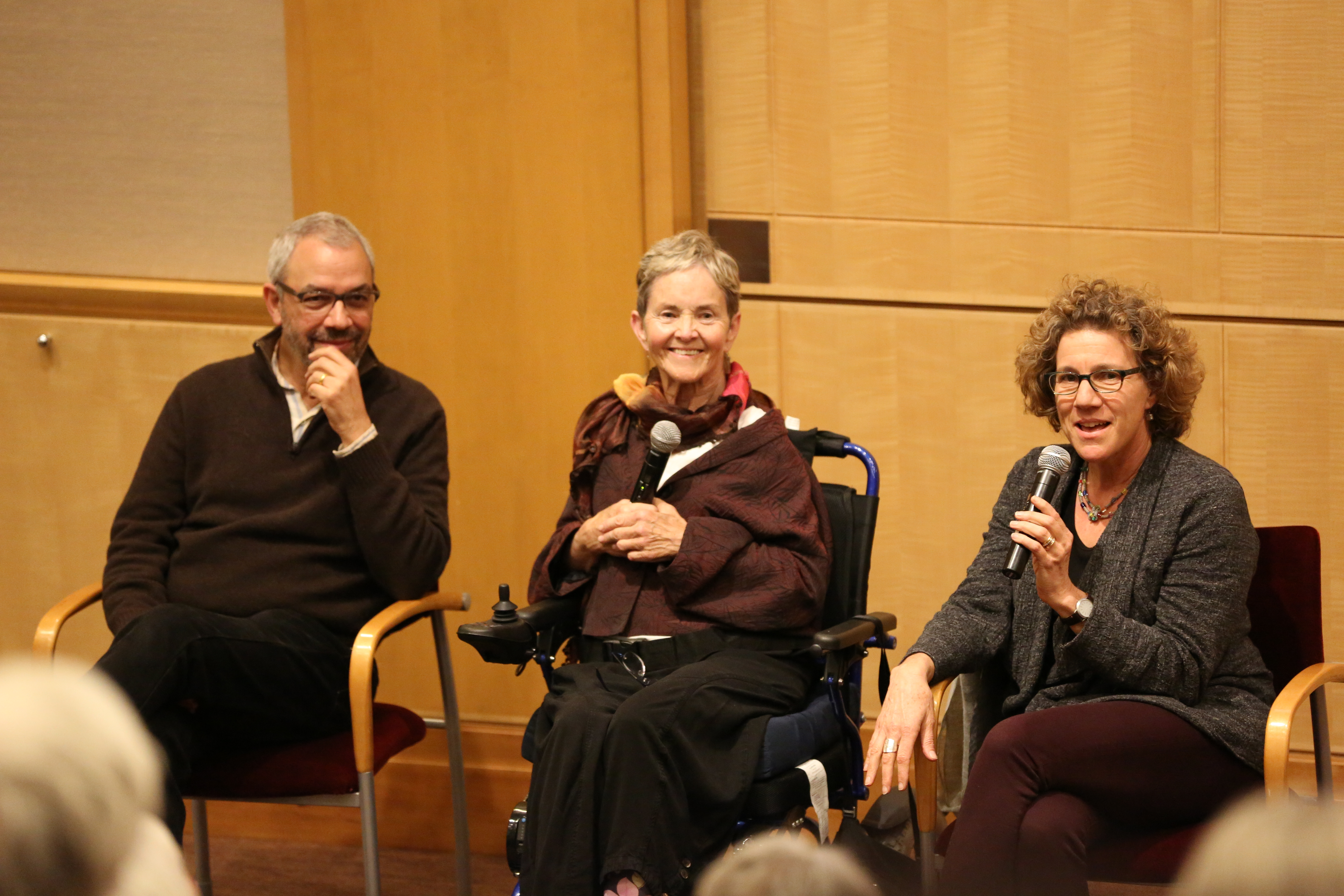
From left: Mark Lipman, Grace Dammann and Helen Cohen

From left: Mark Lipman, Grace Dammann and Helen Cohen

On April 19, BWHers attended a screening of the documentary film “States of Grace” and had the pleasure of meeting the subject of the film, Grace Dammann, MD, along with the film’s directors.

The film shares the story of Dammann, an HIV specialist in San Francisco who was seriously injured in a head-on collision on the Golden Gate Bridge in 2008.

“The film is one of the most honest, informative and inspiring documentaries about illness and recovery that I have ever seen,” said Carolyn Becker, MD, of the BWH Division of Endocrinology, Diabetes and Hypertension, who saw the film at a conference in Portland, Oregon, last year. “When I first saw it, I knew it could carry great appeal for our housestaff and faculty, showing how a severe and sudden life event can lead to disability, family tensions, loss of sense of self and ultimate healing and renewal.”

Thanks to the generous financial support of Marshall Wolf, MD, emeritus vice chairman for medical education at BWH, and his wife, Katie, the film was shown at the hospital. Wolf believed the film was especially important for medical students and residents to view and learn from because it includes many lessons about caregiving and recovery.

Following the screening, Dammann and directors Helen Cohen and Mark Lipman answered questions from the audience about the documentary and Dammann’s journey.

BWH chaplain Monique Cerundolo, of Spiritual Care Services, said it was an honor to learn more about Dammann’s story as she responded to questions.

“The program was greatly pertinent to the work we do at the Brigham every day, portraying through Grace’s story the feelings, challenges and needs of patients and caregivers,” said Cerundolo. “Her journey is as profound, painful and inspiring as her strong spirit. Her presence was a gift.”

Abbie Engelstad, also a chaplain in Spiritual Care Services, meets patients and their families at particular moments on their journey, whether it’s just after experiencing trauma, returning to the hospital following a setback or during a routine check-in that has become part of a patient’s daily life.

“Watching Grace move through all of those moments in the film, and the huge range of emotions she and her caregivers felt along the way, reminded me of the deep reserves of strength and resilience our patients and their families need in order to move through each day, much less thrive,” Engelstad said. “Most inspiring of all was witnessing Dr. Dammann transform when she went back to practicing medicine. This strengthened my conviction that a sense of purpose is vitally important for the dignity, healing and well-being of all of our patients.”

To learn more about “States of Grace” and view the trailer, visit www.statesofgracefilm.com.

For Mother’s Day, we asked BWH moms & daughters to share how their bonds have grown while working together at the hospital

Lindsey Sadler and Patrice Nicholas

Patrice (mom) & Lindsey (daughter)

Patrice Nicholas and Lindsey Sadler

When Lindsey Sadler, began working at the hospital in 2013, she could have never imagined just how closely she would end up working with her mother in-law, Patrice Nicholas, DNSc, DHL (Hon.), MPH, MS, RN, ANP, FAAN, to help others.

Nicholas is director of Global Health Programs in the Center of Nursing for Excellence, and Sadler, a practice manager in OBGYN, had always admired her mother in-law’s commitment to mentoring young professionals. Sadler began to realize there were opportunities for Nicholas to connect with and advise medical assistants from her department who looking to advance their careers in nursing.

“When medical assistants told me they wanted to pursue a career in nursing, I immediately connected them with Patrice,” said Sadler. “They would meet, have an informational interview and talk about whether to get an RN or a BSN. Patrice continued to mentor them after that conversation.”

And the relationship goes both ways. Nicholas also directs students that she meets with to Sadler’s office when they are interested in externship opportunities in OBGYN. Inspired by her mother-in-law, Sadler became motivated to be a better mentor in her own role by actively seeking out talent and opportunities for those she works with. “It’s exciting to help people grow in their careers,” Sadler said of her experience so far.

Although Nicholas says she truly enjoys helping others grow, she notes that her daughter in-law is her “favorite mentee”.

Amanda Munden and Lauren Willard

Amanda Munden and Lauren Willard

Amanda Munden and Lauren Willard

Amanda Munden, RN, always knew she wanted to be a nurse. “Both my mother and aunt were nurses. Growing up I saw how caring, nurturing and selfless they were – they constantly put others first,” Munden recalled.

“I could not be prouder that she has also chosen a career in nursing,” said her mother, Lauren Willard, RN, who has been a nurse at BWH for 35 years and currently serves as a nursing director for Gynecology/Oncology.

Although Amanda works in 14 CD and Lauren works in 12C, one patient scenario left them crossing paths in a very unexpected, but touching, way. A patient Willard developed a close relationship with emailed her when she was re-admitted to BWH and asked if she would visit. “Of course the next day I walked over to her room, only to find Amanda was in there taking care of her – they had no idea she was my daughter!” Willard said, laughing.

“The patient told me what a wonderful job Amanda was doing; it was a really special feeling to hear that. I’m very proud that Amanda chose nursing as her career and that she works here at the Brigham,” said Willard. “It’s just a good feeling for me as a mother and a nurse.”

Rita McCarthy and Laura McCarthy

Laura McCarthy and Rita McCarthy

Laura McCarthy and Rita McCarthy

“It’s been awesome to see Laura as she has progressed from receiving her first bachelor’s degree and continued on to nursing,” said Rita McCarthy, RN, a nurse practitioner in the Diabetes and Metabolism department at BWH, and a nurse for over 35 years, about her daughter, Laura, who is now a staff nurse at BWH. “It was fun for me to hear what she was learning about in her nursing programs and how similar, and also how different, it all was from when I was becoming a nurse.”

After receiving her first degree in education, Laura soon realized that, like her mother, she wanted to pursue a nursing career. After graduating from an accelerated, 16 month program, she joined BWH and now works in the vascular and cardiac medicine unit.

Although mother and daughter work different hours, and in different areas, their shared chosen profession has created a special bond between them. “Sometimes Laura asks me questions about nursing, and it’s really fun to share my experience. She also helps me when it comes to using and understanding all the new technology! It’s a really fun exchange of information,” said Rita.

As a new nurse, Laura turned to her mother often for advice. “I could always ask her something, or get her opinion, because at one point she was in my position. She has a unique perspective and to connect with her in that way is pretty cool,” Laura said.

Additionally, Rita is excited for her daughter to experience all the growth and opportunities that Brigham has to offer. “The Brigham is a good place to work. I have had a lot of opportunities throughout my career here, and as Laura keeps advancing through her career, she’ll find a lot of opportunities here for herself,” she says.

A BWH Family for Almost 200 Years

Sandy’s mom at her retirement party in 1983

Sandy’s mom at her retirement party in 1983

At a recent holiday gathering, Sandy (Holmes) Vance and her family, who grew up in Brigham Circle, started tallying the number of years that the family has worked at Brigham and Women’s Hospital (BWH), realizing that the total approaches nearly two centuries.  “Combined, it was close to 200 years of service to BWH from just our family. When you think about that, it’s really amazing,” said Vance, a nurse at BWH.

“Our mom started the tradition,” she recalled of her mother, Sarah Holmes, who worked in the Parkway division at the Boston Hospital for Women, one of the hospitals that merged with Peter Brent and Robert Breck Brigham to form BWH, in the 1960s.  “She worked in Central Processing, putting together the surgical kits for the OR.  She worked there until she retired in 1983.” As each of her six children turned 16, she helped almost all of them secure their first job at BWH.

During his high school years, Vance’s oldest brother, Mike, worked in the hospital’s kitchen at the Parkway. “After that, my older sister Debbie started as a candy striper and got her first nursing job at the hospital after graduation in 1976.” Her sister, Deb Cotto, now 40 years later, still works at BWH, but in the abnormal Pap Smear Center. Cotto’s daughter, Elizabeth Donovan, a nurse as well, has now been with BWH for 10 years.

Then Vance followed in joining the BWH family. “My first nursing position was also at the Parkway in 1979, and then I moved over to the Tower when it opened.” She spent three years in GYN oncology before she left Boston to travel around the country, but returned in 1996 to the Center for Infertility and Reproductive Surgery. She left for a short time, returning in 2014 to BWH and works in the Center for Infertility and Reproductive Surgery where she plans to retire.

For about two years, her younger brother, Jim Holmes, worked at the hospital as a technician in anesthesia before he became a nurse. His wife, Patty Holmes, a nurse, has now been working at BWH for 20 years, now in the Shapiro Cardiovascular Center.

Eddie Holmes, Sandy, her niece Elizabeth Donovan, and her sister Deb Cotto

Eddie Holmes, Sandy, her niece Elizabeth Donovan, and her sister Deb Cotto

Lastly, Vance’s youngest brother, Ed Holmes, who started working at Peter Bent Brigham in 1979 at 17 years old, currently works in Biomedical Engineering as an OR equipment specialist.  “When he retires, he will have 50 plus years of service at the hospital,” she said.  His daughter, Melynda, also worked at BWH for about five years.

Vance says her mother would be proud to hear how many years her family has devoted to BWH. “There are still a few people here who remember her; it just warms my heart when they talk about her because everyone loved her,” she said.  “Whenever I meet anyone who knew her, it’s a special feeling.”

Although the family has already dedicated many years of service to BWH, Vance laughed and said, “We still have many more to go.”

1 Comment
Frank Denaro (center) with some of his colleagues (from left): Nancy O’Grady, Rosalie Blenkhorn, Pat McEntee, Deb Ayers and Mat Motroni. Inset: Esther Zaff with Denaro

Frank Denaro (center) with some of his colleagues (from left): Nancy O’Grady, Rosalie Blenkhorn, Pat McEntee, Deb Ayers and Mat Motroni.

Frank Denaro, RN, was recently in the Tower when his cell phone buzzed with a text message from a colleague in the Dana-Farber/Brigham and Women’s Kraft Family Blood Donor Center. The message said that his coworkers had a surprise for him.

Unsure of what to expect, Denaro headed back to the Blood Donor Center—where he cares for patients receiving bone marrow transplants—and walked into a standing ovation of cheers and applause. Colleagues at the center had just learned that Denaro was one of 39 BWH nurses being honored in The Boston Globe’s annual “Salute to Nurses” program, which recognizes nurses who provide patients with extraordinary care. Honorees, who were announced in The Globe earlier this week, were nominated by patients, patients’ family members and colleagues.

Amid the laughter and applause, one quiet moment made the day even more special: Esther Zaff, a patient who visits the center weekly for treatment—and who happened to be there that day—sidled up next to Denaro and said, “Frank, I’m the patient who nominated you.”

Zaff, whose nomination letter appeared in The Globe, wrote that she appreciated Denaro’s ability to care for her as a person and not just as a patient.

Esther Zaff with Denaro

Esther Zaff with Denaro

“More than performing his job at the highest level, Frank understands the human component of nursing,” Zaff wrote. “He knows when to chat, when to back off, when to joke and when to simply offer a supportive nod or hand squeeze.”

It’s a level of care that all the nurses in the center practice, says Denaro, adding that his colleagues deserve to share the honor. The nurses function as a team to create a friendly and compassionate environment for patients, some of whom come to the center very ill and require ongoing treatments, each of which may last several hours.

“We spend a lot of time with our patients, so we get to know them really well,” said Denaro, who joined BWH in 2001. “When they talk to us, they know we’re serious about connecting with them. And that’s very important—it’s the essence of nursing.”

Denaro has the gift of being serious about his work without having an overly serious demeanor, Zaff wrote.

“Knowing I’ll be hanging out with Frank makes me almost look forward to my treatments,” she added. “I think that’s the highest praise any patient can offer.”

Read the nomination letters and view all of the honorees in The Boston Globe’s “Salute to Nurses.”

Celine Vetter

Celine Vetter

Heart disease is the leading cause of death in the U.S., contributing to one in every four deaths. In a new BWH study published in the Journal of the American Medical Association, researchers found that women who have performed rotating night shift work for more than 10 years had a 15 to 18 percent increased risk of developing coronary heart disease (CHD)—the most common type of heart disease—compared to women who did not work rotating night shifts.

“There are a number of known risk factors for CHD, such as smoking, poor diet, lack of physical activity and elevated body mass index (BMI),” said lead author Celine Vetter, PhD, associate epidemiologist in the Channing Division of Network Medicine and a chronobiologist at BWH. “These are all critical factors when thinking how to prevent CHD; however, even after controlling for these risk factors, we still saw an increased risk of CHD associated with rotating night shift work. Even though the absolute risk is small, and the contribution of shift work to CHD is modest, it is important to note that this is a modifiable risk factor and changing shift schedules may have an impact on the prevention of CHD.”

Researchers examined the association between rotating night shift work and CHD over a period of 24 years. About 189,000 women in the Nurses’ Health Study I and II who reported their lifetime exposure to rotating night shift work (defined as three or more night shifts per month, in addition to day and evening shifts) were included in the analysis. These women also reported on their heart health, indicating whether they had CHD-related chest pain, a heart attack or cardiovascular procedures such as angioplasty, coronary artery bypass graft surgery or stents. In the case of a death or self-reported heart attack, information was confirmed by death certificates and medical records to ensure that the event was related to CHD. Questionnaires also collected data on known risk factors of CHD every two to four years throughout the study period. Over the 24-year period, more than 10,000 newly developed cases of CHD occurred.

Researchers also found that recent night shift work might be most relevant for CHD risk. Additionally, for women who stopped working shifts, a longer time since quitting was associated with a decreasing CHD risk, a new finding that researchers note warrants replication.

“We believe that the results from our study underline the need for future research to further explore the relationship between shift schedules, individual characteristics and coronary health to potentially reduce CHD risk,” Vetter said.

Researchers note that the individual’s biological rhythm—which is often disrupted in rotating night shift workers—along with sleep patterns and quality might modify the association of CHD with shift work. Together with more detailed information on work schedules, future studies might help identify which aspects of work schedules are most critical and who is at highest risk.

From left: Lotus Award recipients Barbara Kalinowski, Maxine Rose, Cheri Blauwet and Margarette Marcelin, with Jackie Somerville

From left: Lotus Award recipients Barbara Kalinowski, Maxine Rose, Cheri Blauwet and Margarette Marcelin, with Jackie Somerville

Four BWHers were recently honored with Lotus Awards for their commitment to teamwork and fostering a culture of diversity and inclusion.

During a ceremony in Bornstein Amphitheater on April 20, each of the recipients received a crystal lotus flower in recognition of their efforts. The honorees were Barbara Kalinowski, MSN, RN, NEA-BC, nurse director of Radiation Oncology, in the category of “Leader”; Cheri Blauwet, MD, of Physical Medicine and Rehabilitation and Orthopaedics, in the category of “Licensed Clinician”; Maxine Rose, Nursing staffing coordinator, in the category of “Non-Clinical Support Staff”; and Margarette Marcelin, Tower 7C patient care assistant, who received the award in the category of “Clinical Support Staff.”

“Inclusion is about feeling respected and valued for who you are, and the goal is to find ways to celebrate everyone,” said Jackie Somerville, PhD, RN, FAAN, chief nursing officer and senior vice president of Patient Care Services. “The Lotus Awards help us stay true to our goal of ensuring BWH is a place where all patients, families and staff feel welcome and cared for.”

The Lotus Awards were established in 2014 by the departments of Nursing and Patient Care Services to recognize staff members who promote excellence, diversity, teamwork and inclusion at BWH. The award was named after the lotus flower, which represents self-awareness and growth to full enlightenment, knowledge and openness. Instrumental in leading this work is the Diversity and Inclusivity Committee, co-chaired by Shelita Bailey, director of the Office for Sponsored Staff and Volunteer Services, and Martha Jurchak, PhD, RN, director of the Ethics Service.

Blauwet, who is a Paralympic athlete in the sport of wheelchair racing, reflected on the importance of diversity, both for patients and staff.

“We know that true excellence in patient care requires recognition of the many backgrounds that our patients bring with them when they enter our doors,” Blauwet said. “We need to move forward to encourage open conversations about all different aspects of the diversity that we represent. To restate something a mentor once told me: ‘Patients don’t care how much you know until they know how much you care.’”

‘The Seeds of Hope’

Following a prayer by BWH chaplain James Ojo, attendees heard from Ron M. Walls, MD, BWHC executive vice president and chief operating officer.

“We have a very diverse patient population, and it’s important that we embrace and celebrate our diversity and understand how best to serve each and every one of our patients,” Walls said.

Recipients display not only a spirit of grace and gratitude, but also an appreciation for acceptance and inclusion as they care for others, said Dani Monroe, the first chief diversity and inclusion officer at Partners HealthCare.

“Their examples are what we should acknowledge and expect from all of our colleagues at BWH and across the Partners system,” Monroe said. “Yes, the nature of our world is often muddy waters, but like the lotus flower, the recipients have risen out of mud and transformed our lives with the beauty of their care. Beginning with the seeds of hope, recipients continue to grow and develop with a resiliency that saves lives and offers acceptance and inclusion.”

Recipient Marcelin said that “teamwork, safety and love” are three words that guide each of the awardees in their approach to work.

For Rose, receiving the award solidified that her work at BWH has a great impact on the people she cares for. In addition to having her mother and grandmother attend the ceremony, Rose was overjoyed to have her 8-year-old son, Jason, there to witness this milestone in her life.

“He’s my daily dose of motivation,” Rose said. “I hope, by example, my son follows suit and yearns to do even greater things in life.”

Jeffrey Golden, left, announces the award winners, including Matthew Rose, right, at the Department of Pathology’s annual research celebration.

Jeffrey Golden, left, announces the award winners, including Matthew Rose, right, at the Department of Pathology’s annual research celebration.

The Department of Pathology recognized several young investigators at its 10th annual research celebration for their basic, clinical and translational research being conducted both in the department and in collaboration with other departments. In total, more than 30 posters were presented at the April 15 event.

Dozens of clinicians and investigators gathered in the Miller Atrium to listen to Jeffrey Golden, MD, chairman of the Department of Pathology, as he announced the Posters of Distinction Awards, including the first to be chosen by using a crowd-sourcing app developed in the department specifically for scientific meetings.

The event is an exciting opportunity to recognize trainees and junior faculty, Golden said.

“The annual Department of Pathology Research Celebration accentuates the extraordinary depth and breadth of research that is conducted in our department each year,” he said. “Every year, I am awed and impressed by what is done in this tremendous department.”

Lori Ramkissoon, PhD, Matthew Rose, MD, PhD, and Gurpanna Saggu, PhD, received the Posters of Distinction Awards. Saggu’s poster was chosen through the crowd-sourcing app. Distinguished guests Thomas J. Gill III, MD, and Simon J. Simonian, MD, ScD, were also in attendance to present the Thomas J. Gill III, MD, and Simon J. Simonian, MD, ScD, Prize for Research Excellence to Sankha Basu, MD, PhD, and his mentor Scott Lovitch, MD, PhD. This award recognizes the accomplishments of young investigators and how their relationships with mentors have influenced their success.

“This was a remarkable showcase of the cutting-edge nature of the research activities ongoing in our department,” said Michael Gimbrone, MD, former department chairman and the director of the Center for Excellence in Vascular Biology.

Lesley Solomon introduces speakers at the Cambridge Science Festival.

Lesley Solomon introduces speakers at the Cambridge Science Festival.

The immune system can be a force for good—protecting the body from outside invaders—but it can also have a so-called dark side. Expert speakers explored that dark side, discussing the science behind allergies to food, medication and the environment during a session at the Cambridge Science Festival in Bornstein Amphitheater on April 20. The event, titled “The Immune System Awakens: The Force Behind Allergies,” was organized by the Brigham Research Institute (BRI) and open to the general public. The BRI has participated in the Cambridge Science Festival for the last four years with the goal of raising the visibility of BWH research and researchers within the local community.

Lesley Solomon, MBA, executive director of Brigham Innovation Hub and director of strategy and innovation in the BRI, introduced the evening’s speakers and theme for the event by sharing her personal connection to the subject: Her son has a severe food allergy to dairy, peanuts and tree nuts. Solomon noted that food allergies affect 15 million Americans and approximately one in every 13 children. From 1997 to 2011, food allergies among children rose by 50 percent.

“One of my personal goals is to make sure that over the next 15-year period, that number doesn’t increase by another 50 percent,” said Solomon.

The evening’s first speaker, Andrew MacGinnitie, MD, PhD, the clinical director of the Division of Immunology at Boston Children’s Hospital, described new thinking and therapies to prevent and treat food allergies. Previously, allergists advised that children likely at risk for food allergies should not be given highly allergenic foods until age 3, but new studies now suggest that the opposite may be true: Exposure early in life to foods like peanuts may actually prevent food allergies. A study published last year from the U.K. found that children at risk of developing allergies who were regularly given peanut snacks beginning in the first 11 months of life had lower peanut allergy rates than those who were not given peanut products until age 5.

“Our understanding and advice about allergies has changed,” said MacGinnitie. “New studies on peanut allergies offer a new way of thinking about prevention.”

Paige Wickner, MD, of BWH’s Division of Rheumatology, Immunology and Allergy, then discussed the challenges of drug allergies and potential solutions. The most commonly reported drug allergy is to penicillin; at BWH, more than 220,000 patients report having a penicillin allergy. However, studies have found that 90 to 99 percent of patients are not actually allergic when tested. Through funding from BCRISP (Brigham and Women’s Care Redesign Incubator and Startup Program), Wickner and her colleagues are working on a project to safely and efficiently administer antibiotics to patients who have a history of a penicillin allergy.

The evening’s final speaker, Juan Carlos Cardet, MD, also of BWH’s Division of Rheumatology, Immunology and Allergy, studies and treats patients with asthma. One of his research projects focuses on the connection between asthma and a diet-derived chemical known as enterolactone. Enterolactone is commonly detected in people who consume a Western diet, and new research suggests that higher rates of enterolactone are tied to lower probability of asthma. Cardet and his colleagues are exploring this connection and the role that the microbes living in the gut may be playing in asthma.

“Treatment for food allergies remains an unmet need,” said Solomon. “Diagnosis is limited and so is prognosis. We’re unable to predict if and when someone will outgrow an allergy. Our hope is that by bringing more attention to food allergies, we will create more funding opportunities and bring more scientists into the field.”

Ron Walls discusses the role patient safety plays in the Brigham’s strategic priorities.

Ron Walls discusses the role patient safety plays in the Brigham’s strategic priorities.

You wouldn’t choose an airline that tries to attract customers by saying its planes are safe most of the time. Safety is an expectation no matter whose flight you’re on, while updated aircraft, expert and supportive cabin attendants, and a streamlined boarding process are what set apart one airline from another.

The same expectation needs to be set regarding patient care at BWH, said Ron M. Walls, MD, BWHC executive vice president and chief operating officer, speaking at a Quality Rounds presentation, “Delivering High-Quality, Safe Care: A Strategic Imperative” in Bornstein Amphitheater on April 21.

Although two of the strategic priorities the hospital has established—scalable innovation and advanced, expert care—distinguish BWH as a leader compared to other institutions, these priorities cannot be achieved without a strong foundation of excellence in safety, quality and patient experience, Walls explained.

“Delivering the highest-quality safe care and providing an exceptional patient experience are as critical to the hospital’s existence as food and water are to our personal existence,” he said.

The Brigham has long held a reputation for safe, high-quality patient care, but there is an ongoing requirement for improvement. According to Walls, this hinges on staff embracing safety and quality as part of our patient care culture, and making them part of every thought and action.

“Safety and quality are completely interwoven,” he said. “They’re not a series of programs that you add onto or integrate into things—they require a culture of collective and personal responsibility and accountability.”

Shifting Focus

This hospital is supporting efforts to consistently achieve safe, high-quality care for our patients by focusing on three key areas: increasing transparency, creating a Just Culture and improving communication and resolution after a medical injury.

In terms of transparency, BWH goes beyond the minimum reporting requirements by disclosing not only the number of serious reportable events, but also the narrative that goes with them. The hospital’s Safety Matters blog is one place where this happens, detailing errors that have occurred and what has been changed to prevent them from happening again.

Traditionally, health care providers have only scrutinized errors that resulted in harmful outcomes, but incidents that don’t appear to cause immediate harm need to be treated equally seriously, Walls said.

“Our focus has shifted from being compliant with market and regulator expectations, in terms of safety disclosure, to being leaders in transparency,” he said. “We’re telling those stories to shine a light not only on the incidents so others can learn from them, but also on ourselves so it’s clear to us and everyone else that we hold ourselves to the highest safety standard.”

That’s why fostering a Just Culture at BWH is so important. A Just Culture abandons a “blaming culture” where people are afraid to voice concerns or report mistakes for fear of punishment.

“There is always a need for individual accountability around safety,” Walls said. “But if the person who makes a mistake is being careful and acting in a reasonable way, and our systems facilitate the error, then we must correct the systems and support the person.”

Clinicians should do more than just disclose and apologize for such errors to patients. In fact, it is best to work with the patient to identify what would be necessary to make the situation right. This latter step might include an offer of compensation, a significant departure from traditional approaches, he added. These practices are necessary to achieve resolution after a medical injury.

Walls expressed empathy for the fear that patients and their families can face when interacting with a hospital, stating, “Our job is to communicate with them openly and honestly, and to treat them with respect so that we can establish trust and alleviate their fears.”

View the Quality Rounds webcast here. (This link is available only to Partners employees.)

Members of the colorectal surgery team and others at BWH have seen major improvements in patient outcomes after implementing the “Enhanced Recovery After Surgery” protocol for various procedures.

Members of the colorectal surgery team and others at BWH have seen major improvements in patient outcomes after implementing the “Enhanced Recovery After Surgery” protocol for various procedures.

Sometimes the biggest improvements begin with the smallest of changes.

Since the summer of 2014, a group of BWH anesthesiologists, surgeons, nurses and other staff involved in colorectal surgery and recovery have come together to implement an “Enhanced Recovery After Surgery” (ERAS) protocol. The protocol’s seemingly small changes—such as giving patients a carbohydrate-rich drink before surgery, precisely managing fluid delivery during surgery and mobilizing the patient sooner—have added up to major improvements in patient outcomes and quality of life.

Patients who are on the ERAS pathway have lower rates of complications after surgery. Cardiac events have dropped by as much as 90 percent, while surgical site infections have fallen by 66 percent. Patients are well enough to leave the hospital an average of two days earlier than their counterparts.

“The results we’ve seen are phenomenal,” said Ron Bleday, MD, section chief of the Division of Colorectal Surgery. “As clinicians, it’s encouraging to see our patients benefiting from these changes. This is good for us and for our patients—everyone wins.”

Achieving these outcomes is what makes the work so rewarding, said Matthias Stopfkuchen-Evans, MD, of the Department of Anesthesiology, Perioperative and Pain Medicine.

“Anesthesiologists often fly under the radar, but with ERAS, we see the tremendous effect that we can have on patients’ outcomes,” Stopfkuchen-Evans said.

He and Bleday came together in 2012 to discuss how to reduce complications after surgery, with Stopfkuchen-Evans sharing ideas he had heard at a conference about how anesthesiologists could help ease recovery for patients. Bleday had ideas about reducing IV fluids delivered during surgery to help improve patient outcomes, and the two began to implement the ERAS protocol for colorectal surgery. BWH is among just a few academic medical centers in the nation implementing this protocol for various procedures.

Putting the Ideas into Practice

Nurse educators Sarah Thompson, MSN, RN, of Tower 15CD, and Elizabeth Doane, MSN, RN, of 15AB, were involved from the start. Along with Lauren Wolf, MSN, RN, of the Post Anesthesia Care Unit, and nurse practitioners from the Weiner Center, they developed a checklist to keep track of multi-disciplinary responsibilities that span preoperative, perioperative and postoperative care.

“We’ve seen that the patients on the ERAS pathway have less pain, less nausea, fewer complications and go home sooner,” said Thompson.

Patients first hear about ERAS at their surgeon’s office and receive additional information during their preoperative visit at the Weiner Center. One aspect of the pathway that usually pleasantly surprises patients is that instead of fasting for 12 hours before surgery, they are given a clear liquid drink that is rich in nourishing carbohydrates and electrolytes. After surgery, patients report less nausea and vomiting. The carbohydrate drink also reduces metabolic stress, which helps speed recovery.

During surgery, the amount of IV fluid an anesthesiologist administers is carefully calibrated using a doppler monitor that helps tailor fluid replacement to each patient. Too much fluid can lead patients to gain more than the average of 4.4 pounds, causing them to feel bloated and waterlogged. This may also lead to complications and slower recovery.

After surgery, patients are supported while they sit up in bed and dangle their feet over the edge of the bed. They are given sips of water and can often advance to a regular diet on their first day after surgery. They also receive gum, as chewing it prepares the gastrointestinal track to digest food. 

The ERAS team engages patients in their recovery process and recommends they keep a log (in addition to what the clinical team documents) of what they are eating and drinking and their pain level. “Our patients feel so good so fast that they are sometimes surprised when we tell them they are well enough to leave—the log helps them to see the progress they are making,” Wolf said.

ERAS began on a trial basis with 40 elective surgery patients, increasing to 70 as the team started to see promising results. The team compared their recovery to that of patients who had received similar colorectal surgeries prior to ERAS.

“After the first 70 patients, we saw a decrease in the length of stay by one-and-a-half days. Their bowel woke up a day to a day-and-a-half faster so that they were eating a regular diet. Surgical site infections and cardiac complications dropped by two-thirds,” said Bleday.

Bleday described the science behind these impressive results: Administering less fluid means less swelling, allowing the immune system to get to the site of a wound faster and promote healing. Extra fluid can also put stress on a person’s heart, sometimes leading to arrhythmias. Decreasing the fluid administered during an operation can avoid placing this stress on the patient.

All colorectal surgery patients are now on the ERAS protocol.

“ERAS is all about applying evidence to what we do every day, and there’s so much we stand to gain from that,” said Stopfkuchen-Evans. “We’ve been able to bring different disciplines together to put this into place, and that kind of collaboration is what we’ll need to continue expanding the practice of ERAS at the hospital.”

Expanding ERAS

Urology began implementing ERAS about a year ago for patients undergoing radical cystectomy and urinary diversion (the removal of the bladder) for bladder cancer. This is a procedure commonly associated with long hospital stays, primarily due to delayed bowel function. Mark Preston, MD, MPH, of Urology, says that his team began seeing dramatic reductions in length-of-stay of approximately two days for these patients after beginning the ERAS protocol.

“ERAS helps patients to heal faster and may decrease the risk for infections, fluid overload and cardiac complications,” he said.

Expanding and adapting this approach for other surgical patients is the next step—and hospital leaders are working hard to make it happen. With the support of the Department of Quality and Safety, other teams are already adopting ERAS-inspired pathways, including Gynecology Oncology, Surgical Oncology, Plastic Surgery and Trauma. These teams are piloting the pathway for certain procedures, with a goal of expanding it to others once they’ve seen some initial success.

Soul and jazz singer Wanetta Jackson, of Jazz Boston, performs for BWH patients and employees on World Voice Day.

Soul and jazz singer Wanetta Jackson, of Jazz Boston, performs for BWH patients and employees on World Voice Day.

On April 15, singers from BWH’s Division of Otolaryngology and guest musicians treated employees, patients, families and visitors to a concert in honor of World Voice Day, an annual celebration held in April.

“World Voice Day celebrates the human voice and the power it gives us,” said Thomas Carroll, MD, director of the BWH Voice Program. “World Voice Day has helped to spread this message around the globe, with concerts, symposiums and training programs all meant to recognize the power of the human voice.”

The concert, held in the Cabot Atrium, included a range of performances, showcasing popular songs from well-known singers and performers, classical operatic pieces and even an original song.

Intuition, an all-female barbershop quartet consisting of Kelly Winnick, Dianne Nitzschke, Susan Kapur and Jen Winston, one of the Voice Program’s speech-language pathologists, sang in the hospital’s lobbies beforehand to drum up attention for the main event. The group kicked off one of the mini-concerts with a performance of “Somewhere over the Rainbow,” followed by the barbershop song “The Moment I Saw Your Eyes.” The group ended their set with “You Are My Sunshine,” drawing in a crowd of patients and employees.


Listen to Intuition perform “You Are My Sunshine”
Screen Shot 2016-04-21 at 4.33.56 PM

At the main event, with support from the BWH Lung Center, soul and jazz singer Wanetta Jackson, of Jazz Boston, performed two Stevie Wonder songs while the crowd clapped along. Jessica Taylor, MM, an administrative assistant for the Voice Program, and Chandler Thompson, DMA, MS, CCC-SLP, voice specialist and coordinator of Voice Services, followed her act, singing the “Flower Duet” from the opera Lakme. Shannon Corey, a local pianist and singer songwriter, performed three songs, including the Irving Berlin classic “Cheek to Cheek,” which prompted a few couples to begin dancing. For the grand finale, all members of the Voice Program, including Co-Director Jayme Dowdall, MD, took to the stage for a group rendition of “One Voice,” encouraging the crowd to sing along.

Although the day was celebrated through music, it also served as an opportunity for the Division of Otolaryngology to highlight the importance of its work in protecting the human voice from harm and rehabilitating the injured voice. The Voice Program at BWH helps to address vocal issues by providing expert care and diagnosis and innovative therapies for a range of voice, swallowing and laryngeal breathing disorders, including chronic cough.

2 Comments
Radiation Oncology’s Rose Damaskos, sr. director of Clinical Planning and Development, and Tatiana Lingos, MD, network director; Mark Davis; and Ann Egan, director of business development at DFCI.

Radiation Oncology’s Rose Damaskos, senior director of Clinical Planning and Development, and Tatiana Lingos, MD, network director; Mark Davis; and Ann Egan, director of business development at DFCI

In the last 18 months, the newly formed BWHC Business Development team has been busy assessing potential collaborations with organizations around the world that will enable the hospital’s unique expertise to benefit countless patients in new ways. These relationships are also an important means of generating new sources of revenue, a vital part of BWHC’s institutional strategy to help ensure financial stability at a time when health care organizations are faced with constant pressures to cut costs.

Mark A. Davis, MD, MS, executive director for Strategic Initiatives and Business Development, gave BWH Bulletin an inside look at the work that he and Chief Business Development Officer Steven Thompson, MBA, are doing to help BWH promote both “mission and margin” objectives.

How do you determine which relationships are right for BWH?

We are a charitable, mission-based organization that puts patients first. We apply the same principles when we decide how to work nationally and internationally. The opportunities we participate in must improve the way our collaborators deliver care to their patients, share best practices and research protocols and, if needed, transfer highly complex patients to BWHC. These guiding principles exemplify our joint mission and margin approach to growth.

Can you provide an example?

As a result of our relationship with Bermuda Cancer and Health Centre, construction is underway for the island’s first radiation oncology facility. This means that residents of Bermuda will no longer need to fly elsewhere to receive treatment. Our world-class Dana-Farber/Brigham and Women’s Cancer Center Radiation Oncology group, as well as their expert colleagues in Oncology and Urology, are working closely with clinicians on the island to ensure the best possible care is delivered at this new facility. Patients with the most complex needs who cannot receive local treatment can be seamlessly transferred to DF/BWCC for the highly specialized care we provide here.

Do you ever decline opportunities for collaboration?

Absolutely. Each opportunity must be aligned strategically with BWHC’s priorities for the future. Deals that are a no-go may seem fantastic on paper in every way except one—they’re not consistent with our mission.

You mentioned Bermuda. Where else are we forging relationships?

Our Pediatric Newborn Medicine team is exploring the development of a program focused on high-risk fetal and newborn medicine in Florida. We are also now entering the first phase of work with the Evergrande Health Industry Group in China, which will be building a hospital that will be the flagship of a new health care system. Additionally, we are considering a number of other opportunities in various places, including Asia, the Middle East and South America. In many cases, these potential partners wish to build or augment their local capabilities.

Tell us more about the relationship with Evergrande.

Evergrande is the second-largest real estate group in China, and it recently expanded into health care. Evergrande leaders approached us about joining as strategic advisors to help guide them as they seek to ultimately build a network of hospitals and web-based patient support systems.  This includes new technologies that will enable BWHC staff to remotely provide second opinions on complex medical conditions to patients through their local physicians.

Why is collaborating with a real estate group the right fit for BWH?

We are actually working with the health care company that is part of that group. The relationship utilizes their experience with development in China and our expertise in health care delivery and research to improve health in China. There’s a real need to advance the health care system in China. It’s not uncommon to see hundreds of patients lined up to literally spend just a minute or two seeing a doctor. They get a quick opinion, and the doctor has to move on because of that tremendous volume of patients. We want to be part of a relationship that will help evolve that system with committed local collaborators. We’ve had very open conversations with Evergrande leadership about the purpose of our agreement before we began. We both agreed that BWHC’s role is to help them create a system of hospitals grounded in evidence-based practices.

Who from BWH will be involved?

Our administrators, physicians, nurses, scientists and many other staff will have the opportunity to teach and learn as this relationship evolves in many elementsacademic, clinical development and appropriate transfer of patients to BWHC. We will have a true exchange of ideas and visits with health care professionals from China as the next phases of work get underway. I have no doubt that each side will learn from the other.

What opportunities are there for research?

When Evergrande builds its first hospital, the plan is to construct a co-located research facility. You can imagine the tremendous innovation that will result. The diagnostics and therapeutics will be cutting-edge. We will be working closely with the hospital and leading academic institutions in China on research and clinical care.

How can people get involved with the work you’re doing?

Given the talents of our staff here at the Brigham, we want to involve as many people as possible. The idea of business development is to harness the creative ideas of all of our talented staff members, along with our collective national and international contacts, and build relationships that advance our mission while supporting our margin. I encourage staff to reach out to me directly with ideas and questions.

What are you most excited about?

I’ve been at BWH for almost 20 years, and this is truly an extraordinary time. We are limited only by our ability to think differently. The traditional ways of operating give us a foundation upon which to build, but now is the time to evolve our approach so we can ensure the Brigham will thrive and continue to advance health for generations to come.

This slideshow requires JavaScript.

More than a hundred BWH runners laced up their sneakers and gave it their all as they participated in the 120th Boston Marathon for causes close to their hearts on April 18.

The 60 members of BWH’s Life.Giving.Breakthoughs. Marathon Team ran in support of the hospital’s campaign to transform the future of medicine, including 10 who ran in honor of Dr. Michael J. Davidson and raised funds to establish an endovascular fellowship in his name. The 48 runners on the BWH Stepping Strong Marathon Team were supporting innovative research and clinical programs to advance trauma healing.

Salena Cui

Salena Cui

Salena Cui, a clinical research coordinator in the Division of Renal Medicine, was proud to have completed her first marathon with the Life.Giving.Breakthoughs. Marathon Team. For Cui, it was a way to thank doctors and patients at BWH who have made an impact on her career as a researcher.

“I feel so lucky that I was able to run with the Life.Giving.Breakthroughs. Marathon Team,” she said after the race. “I felt supported by my teammates the whole way through, leading up to race day. I know this hospital means so much to so many people, and it was exciting to hear ‘Go Brigham!’ cheers as I ran by.”

Maine native Danny Rosquete, a Boston-based sports attorney and member of the Stepping Strong team, described his first marathon experience as “life-changing.” Although some parts of the course were more difficult than others, seeing crowds of people cheering for the runners got him through the race.

“I enjoyed every bit of today,” Rosquete said. “Running the Boston Marathon is a gift I wish I could give to everyone else. I’m so glad that I was able to join the Stepping Strong team with so many great people.”

Kyle Rogers

Kyle Rogers

Running his first Boston Marathon and fifth marathon overall, Kyle Rogers, of Carlisle, Mass., said it felt good to raise funds to advance trauma healing as part of the Stepping Strong Marathon Team. “Crossing the finish line was a good sense of accomplishment,” said Rogers, a robotics engineer. “It was a rough race for me, but to be able to finish and know that I was running for Stepping Strong made it all worth it.” 

IMG_0524

Meryn Boraski with her parents

Meryn Boraski, CRNA, a nurse anesthetist in the Department of Anesthesiology, Perioperative and Pain Medicine, dedicated her first Boston Marathon with the Life.Giving.Breakthoughs. Team to her late grandmother. She also wanted to honor BWH for inspiring her to become a nurse. Marathon Monday was a day she’ll never forget.

“It was very inspiring to be around a group of BWH runners, all with individual stories of why they were here,” she said. “The Brigham team sets you up to succeed. They want you to do well. The camaraderie has been terrific. Today was by far the best experience I’ve had in my 16 years of living in this unbelievable city.”

Since 1998, BWH has raised more than $8.5 million to date through its Boston Marathon running program, which has helped improve the lives of patients and families in Boston and around the world.

Listen to more stories about the race from our Brigham runners:

Paula Elbert

Paula Elbert

IMG_0534

Danny Rosquete


Paul Nguyen

Paul Nguyen

new BWH study has found a significant association between depression and patients being treated for localized prostate cancer (PCa)—cancer that has not spread beyond the prostate—with androgen deprivation therapy (ADT). Through drugs or surgery, ADT reduces a patient’s level of androgen hormones to prevent prostate cancer cells from growing. These findings were published online in the Journal of Clinical Oncology earlier this month.

“We know that patients on hormone therapy often experience decreased sexual function, weight gain and have less energy—many factors that could lead to depression,” said senior author Paul Nguyen, MD, of Radiation Oncology. “After taking a deeper look, we have discovered a significant association between men being treated with ADT for PCa and depression.”

Nguyen calls this discovery “a completely under-recognized phenomenon.” Around 50,000 men are treated with ADT each year.

“It’s important not only for patients to know the potential side effects of the drugs they’re taking, but also for physicians to be aware of this risk so they can recognize signs of depression and refer these patients for appropriate care,” said Nguyen, who is the director of Prostate Brachytherapy at BWH. “Patients and physicians must weigh the risks and benefits of ADT, and the additional risk of depression may make some men hesitant to use this treatment, especially in clinical scenarios where the benefits are less clear.”

Researchers reviewed the data of 78,552 men over the age of 65 with stage I to III PCa; the data came from the SEER Medicare-linked database from 1992 to 2006. Researchers investigated the association between ADT and a diagnosis of depression or confirmation of inpatient or outpatient psychiatric treatment. Additionally, they looked at the association between the duration of ADT and depression.

When compared to patients who did not receive ADT, patients who received ADT had higher incidences of depression and inpatient and outpatient psychiatric treatment. Patients who received ADT had a 23-percent increased risk of depression, a 29-percent increased risk of inpatient psychiatric treatment and a non-significant 7-percent increased risk of outpatient psychiatric treatment when compared with patients not being treated with ADT. The risk of depression increased with the duration of ADT, from 12 percent with fewer than six months, to 26 percent from seven to 11 months of treatment, to 37 percent with patients being treated for 12 months or longer. A similar duration effect was seen for inpatient and outpatient psychiatric treatment.

Researchers encourage future studies to focus on interventions that could successfully reduce this risk and examine whether particular subpopulations are at a higher risk, such as patients with a history of depression.

BWHers from many services gathered in the command center to respond to last week’s Code Amber, Internal.

BWHers from many services gathered in the command center to respond to last week’s Code Amber, Internal.

It was an “all hands on deck” approach to respond to a Code Amber Phase 2, Internal, that was called the morning of April 6 as a result of an extremely high patient census in nearly every unit, including Intensive Care Units, the PACU, Operating Rooms (ORs) and the Emergency Department (ED). With steady communication and intricate teamwork among many departments and services, the code was cleared just about six hours later—a remarkable feat, said Executive Vice President and Chief Operating Officer Ron M. Walls, MD.

“To be able to accomplish what we did in just a few hours was nothing short of extraordinary,” said Walls. “I was so proud of the teamwork and leadership demonstrated by hundreds of staff, who remained focused on quality and patient safety while working to create capacity for those in need of care.”

In the 10 days that preceded the code, leaders from BWH and BWFH met frequently to identify potential patient flow concerns in preparation for the Partners eCare go-live at Mass. General Hospital and Newton-Wellesley Hospital. During go-live, both hospitals were accepting fewer patient transfers, and BWHC anticipated additional transfers.

At regular intervals throughout the day on April 6, representatives from many services came together in the hospital command center to provide updates, report on barriers to discharge and work together to solve them.

“There was unity of effort and remarkable teamwork,” said Eric Goralnick, MD, MS, medical director of Emergency Preparedness, who served as incident commander. “The lessons learned from this event will help guide our future capacity management efforts.”

Care teams on the units identified various issues that were delaying patient discharges, from logistical issues like waiting for transportation to go home or to other facilities, to requiring prescriptions, labs, tests and physical therapy. With expertise from so many areas in the command center, leaders from each area were able to quickly respond. Radiology and Phlebotomy expedited tests and labs, respectively, as Pharmacy and Rehabilitation Services addressed prescription needs and physical therapy. 

Care Coordination identified various means of transportation available to patients and worked with rehabilitation facilities to expedite the transfer of patients going to these locations. The Center for Patients and Families was on hand to explain the situation to patients and family members, providing them with information and resources as they waited.

Environmental Services and Central Transport doubled up on staff to clean rooms and turn them over as quickly as possible and to ensure transport within the hospital was available immediately. Admitting staff remained in constant communication with all services, monitoring available beds and quickly assigning them to waiting patients. Housestaff, fellows, attending physicians, nurses, unit coordinators and all team members on inpatient units, the ED, PACU and ORs worked together to ensure that every patient’s care needs were met during an especially challenging situation. Many other services and staff, including Food Services, were at the ready, ensuring minimal disruption for patients and families.

“Through excellent teamwork and collaboration, our triads of nurses, physicians and administrators were able to address barriers and free up capacity to safely manage the increase in volume and acuity of our patients,” said Lisa Morrissey, DNP, MBA, RN, associate chief nurse for Perioperative Nursing and Procedure Areas. “This would not have been possible without the hard work of everyone on the units and in many services who worked closely to prioritize, coordinate and provide patient care.”

BWHC President Betsy Nabel, MD, rounded throughout the hospital during the day, talking with patients, families and staff. “Patients and families were quite understanding of the situation and knew that we were focused on taking care of the needs of every patient,” she said. “For me, this urgent situation brought out the best of the Brigham. We can all be proud of the care we delivered during a challenging time.”

This slideshow requires JavaScript.

BWH wishes the Stepping Strong, Life.Giving.Breakthroughs. and Running to Remember Dr. Michael J. Davidson Marathon teams and all runners a healthy and strong race on Marathon Monday. Congratulations on all of your hard work, fundraising efforts and training. Your BWH family will be cheering for you on April 18!

David Baker

David Baker

Nearly 15 years ago, David Baker’s uncle Lennie Baker—saxophonist for the doo-wop rock group Sha Na Na—lost kidney function due to diabetes and was put on dialysis. When David learned that his uncle needed a kidney transplant and that he was a match, he decided to donate his own kidney, giving his uncle more than a decade more of life.

Though he originally joined BWH’s Life.Giving.Breakthroughs. Marathon Team to honor his uncle, David is now running the Boston Marathon on April 18 in memory of Lennie, who passed away earlier this year.

“I run to honor my uncle and to show appreciation for the gift of life that BWH gave to him,” said David, of Hanson, Mass. “The doctors and all of the staff at BWH are miracle workers. As I run, I will be thinking of their hard work and all of the amazing memories I have of my uncle. I look forward to continuing to push my personal limits while assisting BWH in pushing the limits of medicine.”

Kelly Laws

Kelly Laws

Many runners decide to join one of the BWH Marathon teams to honor a loved one. Kelly Laws, RN, another member of BWH’s Life.Giving.Breakthroughs. Marathon Team, is running for those close to her heart: her mother-in-law, who passed away last Marathon Monday, and her patients in BWH’s Medical Intensive Care Unit (MICU). The Boston Marathon will be Laws’s seventh marathon and third time running Boston.

Laws says that many of her patients suffer from interstitial lung disease—a large group of disorders that involve progressive scarring of the lung tissue that supports the air sacs.

“Without a lung transplant, these patients must be on oxygen in the hospital or at home,” said Laws, who lives in Somerville. “These patients can’t breathe on their own, so I thought that I could run for them since they cannot run for themselves.”

In addition to thinking of her patients as she runs, Laws says she looks forward to taking in the experience and enjoying the race with her fellow Marathon team members.

To learn more about the BWH Marathon Program, visit BWHMarathonProgram.org.

Endocrinologist and Brigham Diabetes Program Director Marie McDonnell conducts a video visit with one of her patients.

Endocrinologist and Brigham Diabetes Program Director Marie McDonnell conducts a video visit with one of her patients.

If you asked Adam Licurse, MD, MHS, five years ago about telemedicine—the remote diagnosis and treatment of patients by means of mobile and telecommunications technology—he may have likened it to a science project.

“It has long been a cool idea, but the technology was not that good and the workflow was clunky,” said Licurse, a primary care physician at Brigham and Women’s Advanced Primary Care Associates, South Huntington, assistant medical director of the BWPO and associate medical director of Partners Population Health Management. “Providers were not reimbursed for their time, and the demand just wasn’t there.”

Contrast this notion with today, with advanced video technology that works as well as Skype and FaceTime and a clear demand from patients and providers to have new ways to connect with each other outside of the traditional health care setting.

“Telemedicine has taken off,” said Licurse. “A lot of doctors and practices are becoming really excited about it, and we’ve hit a point where patients are hearing about video visits and other technologies through media and their health plans and asking their physicians about them.”

BWH has been exploring telemedicine through several BWPO-led pilots for the past two years. These pilots consist of video visits and e-visits between providers and patients, as well as video consults and e-consults between providers.

“There is a large and growing group of departments and divisions at BWH that are offering video visits to replace or supplement outpatient visits for certain groups of patients,” said Jasdeep Sahota, MSc, EMBA, senior project manager for the BWPO. “The Department of Medicine, including Endocrinology, Gastroenterology and Primary Care, is the largest group, and the departments of Surgery and Psychiatry are also exploring these tools.” Fifteen to 20 additional groups are expected to begin using video visits in the next six months.

E-visits are underway through Partners Patient Gateway. Instead of patients asking their providers questions through the portal’s email functionality, patients use Patient Gateway to fill out a questionnaire that simulates the questions that clinicians would ask during an in-person visit. When providers later answer their patients’ questions via the portal, they have much more information at their disposal thanks to the robust questionnaire, which on the provider side is integrated into Partners eCare.

Provider-to-provider video consults are used when clinicians at different institutions need to connect with each other about a shared patient, sometimes directly involving that patient in the video encounter, such as through BWH’s current pilot with Spaulding Rehabilitation Hospital. The effort is focused on improving patient care and avoiding unnecessary hospital readmissions.

Lastly, through provider e-consults, primary care providers can get feedback from specialists on specific patient cases to see if a referral to a specialist is necessary. This type of communication has been happening informally for years but is now formalized through Partners eCare, with many primary care physicians and specialists participating.

“These tools are helping providers create more access for patients in their clinics,” said Sahota. “Video visits and e-visits are more convenient for patients who struggle to get into the city, and follow-up visits are quicker and easier for patients.”

Licurse says these tools also allow providers to better meet patients where they are, helping to make health care more patient-centric and lower-cost.

“At the highest level, these tools translate into better care for appropriate patients,” said Licurse. “With more tools for self-care, patients feel more engaged and empowered to participate in their care. Our goal is to continue to use these tools to tailor our care based on the unique populations we serve.”

Sarah Hosein

Sarah Hosein

Sarah Hosein, MSc, was recently appointed director of Strategy Implementation at BWH. Hosein joins BWH from Boston Medical Center, where she was administrative director of Psychiatry.

As director of Strategy Implementation, Hosein is responsible for supporting the hospital’s clinical teams in developing new and innovative approaches to improve patient flow. Her focus is to add value across the hospital by designing and implementing patient-centric initiatives that enable more timely access to inpatient services.

Hosein has worked for the UK National Health Service in London and King’s College London’s Centre for Global Health, where she oversaw efforts to build hospital management capacity across Sierra Leone’s health system. Hosein received her master’s degree in international management from King’s College London and her bachelor’s in international relations from the London School of Economics.   

Lawrence Cohn

Lawrence Cohn

Eugene Braunwald, MD, founding chair of the TIMI Study Group in BWH’s Division of Cardiovascular Medicine, shared that when he first met Lawrence H. Cohn, MD, in the mid-1960s, he knew that Dr. Cohn was “headed for greatness.” BWHC President Betsy Nabel, MD, said that Dr. Cohn taught her that “holding a patient’s heart in one’s hand was a privilege.” Former trainee and friend Tomislav Mihaljevic, MD, chief executive officer of Cleveland Clinic Abu Dhabi, described him as “Larry the Lion.”

During a memorial event held April 11 at Boston Symphony Hall, friends, family members, trainees and colleagues came together to honor the life and legacy of the late Dr. Cohn, who was part of the Brigham family for more than 45 years. Dr. Cohn, who was the Virginia and James Hubbard Chair in Cardiac Surgery at Harvard Medical School and former chief of BWH’s Division of Cardiac Surgery, passed away in January. The event began with Tony Bennett’s song “I Left My Heart in San Francisco,” one of Dr. Cohn’s favorites.

“Larry was the consummate physician, educator and academician,” said Nabel. “But what he cared about more than anything were his patients, and he expected the same from his trainees.”

A world-renowned expert in the field of valve repair and replacement surgery, Dr. Cohn performed more than 11,500 cardiac surgical operations during his esteemed career. He also trained more than 150 residents and fellows.

Dr. Cohn and his wife, Roberta, high-school sweethearts, were married for 55 years. In 2008, they established the Cohn Library at BWH—a collection of some of the earliest editions of books and papers about cardiac surgery and cardiology.

“He was the protector of the history of his field and of the Brigham’s history,” said Dale Adler, MD, executive vice chair of the Department of Medicine.

Dr. Cohn was also a lover of the arts, as well as a competitive tennis player. Close friend and tennis doubles partner Peter Banks, MD, director of the Center for Pancreatic Disease at BWH, shared stories of their friendship and tennis matches, as well as Dr. Cohn’s devotion to his family.

Daughters Jennifer Cohn and Leslie Bernstein closed the event with a moving tribute, recounting their father’s love for numbers—especially 11—his support and guidance throughout their lives, and his adoration of grandchildren Carly, Rachel and Cameron.

“Our father truly cared about the person behind each surgery,” said Jennifer. “His life is a testament to how much of an impact a person can make.”

Read Dr. Cohn’s obituary in Bulletin to learn more about his career, and view a recording of the event.

Third-year Harvard Medical School students attend an orientation day at BWH before beginning their clinical rotations.

Third-year Harvard Medical School students attend an orientation day at BWH before beginning their clinical rotations.

It’s a busy morning in the BWH Emergency Department (ED). A 23-year-old woman walks in with abdominal pain. A third-year Harvard Medical School (HMS) student on her Surgery rotation is asked by her resident to perform an initial evaluation of the patient.

“What should you do? Do you follow the instructions and meet the patient, or do you need a resident or intern to accompany you?” asked Erik Alexander, MD, an endocrinologist and director of Medical Student Education at BWH, during a mock case discussion with 59 third-year HMS Principal Clinical Experience (PCE) students.

These questions and many others were presented to students during a day-long orientation this month that was designed to prepare students for their first year of clinical rotations at BWH.

“The goal of this case discussion and others is to walk students through scenarios that they’ll most likely encounter as early as tomorrow,” Alexander said.

Implemented by HMS in 2008, the PCE is a 12-month integrated program comprised of one- to three-month clinical rotations through the departments of Medicine, Surgery, Obstetrics and Gynecology, Neurology, Psychiatry, Radiology and Newborn Medicine, as well as Pediatrics through a partnership with Boston Children’s Hospital. In addition to directly observing and learning in an inpatient care environment during what is known to be medical students’ most demanding year, students also receive yearlong mentoring, consistent feedback and experience in ambulatory care settings.

Students are assigned to a faculty mentor at HMS for the year and paired with a BWH resident physician. They work alongside other residents and attendings as part of the patient care team. The experience enables students to immerse themselves in the specialties they are rotating through and gain a better understanding of different disciplines and the multidisciplinary nature of medicine.

During the mock case discussion, students also learned what to do if a patient does not speak English and how they should answer questions from a patient’s family member, for example.

Obstetrics/Gynecology Clerkship Director Nicki Johnson, MD, and Kathleen Wittels, MD, director of Student Programs for the Department of Emergency Medicine, participated in the mock case discussion and guided students through answers to several questions, including what to do when a patient calls a medical student “doctor.”

“You want to clearly and calmly explain to the patient that you are a third-year medical student, who is part of his or her care team,” said Johnson. “If the patient continues to call you doctor, it’s important not to overcorrect them.”

During the orientation, students also participated in a hospital scavenger hunt and attended a meet-and-greet dinner where they met their resident “big siblings.”

HMS student Anji Tang, who will begin her rotation in the Department of Surgery later this year, has spent the past year working in a research lab at BWH. Tang said she’s looking forward to transitioning to a clinical role and learning as much as she can during the next year.

Third-year student Eugene Vaios, whose first rotation is in the Department of Medicine, says he appreciated the opportunity to ask questions and learn more about the different types of situations he may soon encounter.

“Today was a fantastic learning experience,” Vaios said. “I feel a lot more prepared and confident going into my rotation. It was wonderful hearing from expert physicians throughout the day and taking in everything they had to teach us. I can’t wait to get started.”

HMS2

Third-year HMS students

The Accreditation Council for Graduate Medical Education (ACGME) established the Clinical Learning Environment Review (CLER) program to assess and improve the learning environment of the country’s teaching hospitals. CLER emphasizes hospitals’ responsibility for the quality and safety of its environment for learning and patient care. These site visits occur approximately every 18 to 24 months at each institution.

Last month, BWH hosted its second CLER site visit. Over two and a half days, CLER site visitors conducted walking rounds, observed resident end-of-shift handoffs and met with senior leaders, program directors, faculty, patient safety and quality officers, and residents and fellows.

“The site visitors remarked on the wonderful conversations they had with nurses, interns, residents, fellows, faculty and program directors during their visit,” said Deborah Mulloy, PhD, RN, CNOR, associate chief nurse of Quality and the Center for Nursing Excellence.

CLER site visits began in 2012 with several goals, including gaining a better understanding of how well graduate medical education is incorporated into a teaching hospital’s quality and safety activities. During a typical ACGME institutional site visit, site visitors spend a significant portion their time delving into hospitals’ written policies and procedures. In contrast, during CLER site visits, site visitors have the opportunity to walk around patient care units and engage in conversations with residents, fellows, faculty, nurses and other frontline staff in their actual work environment. Group meetings provider further opportunities for site visitors to better understand how residents, fellows, program directors and faculty view the learning environment.

“Residents are so intricately involved in frontline care; it’s essential that their voices are heard, which is part of the value of these visits to help us assess how well we are accomplishing this,” said John Co, MD, MPH, Partners director of Graduate Medical Education.

With CLER site visits, site visitors are looking at how hospitals are creating a strong learning environment in the areas of patient safety, quality improvement, care transitions, supervision, duty hours and professionalism. The CLER site visit does not affect hospitals’ accreditation status; instead, site visitors provide feedback in a report several weeks after the visit, allowing institutions to identify strengths and areas for improvement.

“The visitors told us they were impressed by the enthusiasm and dedication of faculty, trainees and nurses around creating a safe learning environment,” said Co. “There was a lot of discussion about Partners eCare, too, and recognition that we’re doing some things to improve in the areas of safety reporting and teaching quality improvement principles.”

Co says the visitors also praised the Center for Professionalism & Peer Support for being a valuable resource for faculty and residents, as well as BWH’s Housestaff Safety and Quality Council, which is comprised of a group of residents and fellows who work closely with Chief Medical Officer Stan Ashley, MD, Chief Quality Officer Allen Kachalia, MD, JD, and Co to engage housestaff on improving quality and safety at the Brigham.

Suzanne Koven

Suzanne Koven

On April 1, BWH clinicians and researchers from across the hospital gathered in the Zinner Conference Center for a special program that explored the role of narrative—any kind of writing that tells a story—in medicine and how physicians can better know their patients by listening to their stories.

Sponsored by the Center for Faculty Development & Diversity and the Brigham Education Institute (BEI) and organized by Christy Di Frances, PhD, MA, the morning featured an engaging presentation by Suzanne Koven, MD, an assistant professor of Medicine at Harvard Medical School (HMS) and writer-in-residence and primary care physician at Massachusetts General Hospital.

“We lose something if we don’t acknowledge that the fundamental tool we have as clinicians is finding out and understanding our patients’ stories,” said Koven. “Getting to the story makes all the difference between diagnosing and not diagnosing, between healing and not healing.”

Koven’s presentation was followed by breakout workshops on fiction and poetry writing, scientific storytelling and close reading, which is the careful interpretation of a brief passage of text.   

Poetry in Medicine Workshop

Medicine is not only about writing but reading as well, poet Gregory Abel, MD, MPH, MFA, an oncologist at Dana-Farber Cancer Institute and assistant professor of Medicine at HMS, shared with a group of participants in a workshop on reading and writing poetry.

During the one-hour session, poems with themes in medicine written by famous poets, such as Anne Sexton and Jane Kenyon, were read aloud and examined for content, technique and style.

The workshop concluded with a writing exercise in which participants wrote about a time leading up to an event that affected them. Participants shared their drafts with a partner, and partners then wrote what they thought happened next, illustrating the narrative significance of differing points of view.

Close-Reading Workshop

“Oh I suppose I should” are the opening words of William Carlos Williams’s poem “Le Médecin Malgré Lui” and also served as a writing prompt for those who attended a close-reading workshop led by Koven and Andrea Wershof Schwartz, MD, MPH, of BWH’s Department of Medicine. Schwartz began the workshop by reading Williams’s poem aloud and then inviting participants to closely examine the phrases and words Williams used and share their reactions.

Koven then led the group in a five-minute writing exercise, instructing participants to begin with the same opening line as the poem and write continuously for five minutes before sharing the results with the group.

“This kind of writing is highly desired,” said Koven, noting that publications such as The New England Journal of Medicine and The New York Times are interested in personal essays by clinicians.

creative writing workshop

Author and Simmons College professor Lowry Pei, PhD, MA, led participants through a discussion of Richard Selzer’s short story “Four Appointments with the Discus Thrower,” noting areas where Selzer exercised restraint and lets readers make their own judgments. Pei emphasized how, with such storytelling, the key is to dramatize rather than explain everything.

Scientific-Storytelling Seminar

Rafael Luna, PhD, author of the book “The Art of Scientific Storytelling” and program director for Senior Faculty Promotions in the Office for Faculty Affairs at HMS, described how to incorporate the elements of narrative craft into scientific manuscripts. He challenged the audience to think about how to capture seven years of work in the seven words of a paper’s title and noted that even the most complex scientific studies can have conflict and resolution, a beginning, middle and end, and a protagonist, which can be in the form of a protein, pathway or process.

To learn more about the CFDD’s work and offerings, visit cfdd.brighamandwomens.org.

BWH Security offers all employees a variety of training sessions on topics including workplace safety, crime prevention, general de-escalation and more. “The tips and techniques for personal safety that we teach here can be used both inside and outside of BWH,” said Richard Wong, Security training manager.

BWH Bulletin spoke with Wong, who oversees all of the trainings below, to learn more about each offering.

Workplace Violence: one-hour in-person detailed look into different categories of communications, including personal space, eye analysis, gestures and behaviors; various methods of de-escalation; and resources available. This also includes discussions about example situations.

Patient/Visitor De-Escalation: 45-minute in-person training primarily for administrative and outpatient staff that includes a detailed look into physical communications (reading body language) to decipher the level of threat to safety, as well as discussions of example scenarios.

S.A.F.E. De-Escalation: 45-minute in-person training for inpatient staff that includes the S.A.F.E. Response for de-escalating a potential safety threat, as well as discussions of example scenarios.

Management of Aggressive Behavior (MOAB) Introduction: three-hour in-person MOAB training, including the causes and effects of escalation, as well as hands-on techniques, such as body language deciphering, planning for immediate egress and blocking stances.

Active Shooter Video and Discussion: 30-minute in-person training that includes a 10-minute video and an opportunity to ask questions about the video, preparedness or any other concerns.

General De-Escalation: five-minute general training about de-escalation techniques in HealthStream (accessible at any time via login.healthstream.com).

Crime Prevention: 15-minute in-person training on the fundamentals of “street smarts,” including how to stay safe while riding the MBTA, getting to your car, walking down the street and at home.

Workplace Safety: 15-minute in-person training about basic safety within the workplace, such as ID badge information, locking valuables, access control, how to call Security and how to respond to a disgruntled person.

Emergency Codes: 15-minute training on HealthStream that discusses the different codes used on campus (accessible at any time via login.healthstream.com).

Counterfeiting: one-hour in-person training on identifying and handling counterfeit money and how to respond, including hands-on teaching and video viewing.

With questions or to schedule a training class for your department or team, contact rwong4@partners.org.

On April 6, in observance of National Donate Life Month, BWH held a flag-raising ceremony to honor the lives of people who have been impacted by organ and tissue donation and those who have received the life-changing gift of a transplant. BWH patient and double arm transplant recipient Will Lautzenheiser performed the honor of raising the Donate Life flag at 15 Francis St. during the ceremony. Lautzenheiser received a double arm transplant at BWH in 2014.

Stay tuned for a story about Donate Life Month in an upcoming issue of BWH Bulletin.

Stacey Missmer

Stacey Missmer

Women with endometriosis, especially those 40 years old or younger, may have a higher risk of heart disease, according to new BWH research published in Circulation: Cardiovascular Quality and Outcomes, an American Heart Association journal.

The study examines the link between coronary heart disease—which occurs when plaque builds up inside the coronary arteries and causes damage in the heart’s major blood vessels—and endometriosis, a disorder in which tissue that normally lines the uterus grows outside of the uterus. Researchers reviewed the records of 116,430 women enrolled in the Nurses’ Health Study II. Endometriosis was diagnosed using surgical examinations in 11,903 women.

During 20 years of follow-up with participants, researchers found that compared to women without endometriosis, women with the condition were:

  • 1.35 times more likely to need surgery or stenting to open blocked arteries,
  • 1.52 times more likely to have a heart attack and
  • 1.91 times more likely to develop angina, or chest pain

Moreover, women age 40 or younger with endometriosis were three times more likely to develop heart attack, chest pain or need treatment for blocked arteries, compared to women without endometriosis in the same age group.

“Women with endometriosis should be aware that they may be at higher risk for heart disease compared to women without endometriosis, and this increased risk may be highest when they are young,” said Fan Mu, ScD, the study’s lead author, who was a research assistant at BWH when the study was conducted.

Researchers noted that surgical treatment of endometriosis—removal of the uterus or ovaries—may partly account for the increased risk of heart disease. Surgically induced menopause prior to natural menopause may increase the risk of heart disease, and this elevated risk may be more evident at younger ages.

An estimated 6 to 10 percent of women of reproductive age have endometriosis, but exact numbers are unknown since it cannot be diagnosed without surgery. Many girls and women do not realize that distressing menstrual cramps and pelvic pain can be due to endometriosis.

“It is important for women with endometriosis to adopt heart-healthy lifestyle habits, be screened by their doctors for heart disease and be familiar with symptoms because heart disease remains the primary cause of death in women,” said senior study author Stacey Missmer, ScD, director of Epidemiologic Research in Reproductive Medicine at BWH and scientific director of the Boston Center for Endometriosis.

BWH’s Janet Rich-Edwards, ScD, MPH, director of Developmental Epidemiology at the Connors Center for Women’s Health and Gender Biology, epidemiologist Eric Rimm, ScD, and biostatistician Donna Spiegelman, ScD, were also co-authors of this study.

Vivian Wexler is preparing to run this year’s Boston Marathon as part of BWH’s Life.Giving.Breakthroughs. Marathon Team.

Vivian Wexler is preparing to run this year’s Boston Marathon as part of BWH’s Life.Giving.Breakthroughs. Marathon Team.

Ten years ago, if you told BWH patient Vivian Wexler she would be running a marathon, she wouldn’t have believed it. After ignoring warning signs and symptoms for years, she was diagnosed with multiple sclerosis (MS) in 2006.

“I was always making the excuse that I was too busy to seek medical attention,” said Wexler, of Hingham. “I scheduled doctors’ appointments and MRIs and canceled them; there was always a conference call for work that conflicted and took priority.”

At the time Wexler was diagnosed with MS, she says her health was an afterthought and she attributed her symptoms to stress. She lost sight in her left eye and was overweight, and in 2007, at the age of 32, she needed a cane to walk. “I will never forget the look in my mother’s eyes when she saw me walking with the cane for the first time,” she said.

Wexler, a lawyer, wife and mother, received a major wake-up call after her twin girls were born in 2009. When they turned three, Wexler couldn’t carry them up the stairs anymore. She felt tired, winded and weak. She realized that if she didn’t do something, she would never be able to carry them again. So she began walking and jogging on a treadmill and adopted healthier eating habits to manage her MS-related fatigue. Slowly, Wexler began to experience a transformation.

Fast-forward to 2016. Wexler is 65 pounds lighter and has regained her eyesight and run six half-marathons. She can carry both of her girls up the stairs at the same time. While she does experience some symptoms of MS, such as occasional numbness in her legs, Wexler isn’t letting that break her stride.

Turning 40 this year and feeling healthy and strong, Wexler could think of no better way to celebrate than to run the 2016 Boston Marathon with BWH’s Life.Giving.Breakthroughs. Marathon Team. It will be her first marathon.

“Every step of the way, I’ve experienced such unbelievable blessings from the Brigham,” she said. “I am lucky I have a team of excellent doctors who have been so successful in caring for and rehabilitating me and helping me maintain my health. I also have the Brigham to thank for delivering and caring for my baby girls. Giving back is the least I can do to demonstrate my gratitude for all that the hospital and its exceptional staff have done and continue to do for me.”

Wexler says that training has gone well for this year’s race. She’s looking forward to running alongside thousands of other runners on April 18 and crossing the finish line.

“I’ve come this far, and nothing is going to slow me down,” she said. “Running the Boston Marathon, a race that is a symbol of resilience, and commemorating the past decade, during which I’ve discovered how important resilience is to living my best life—I believe nothing could be more meaningful to me.”

To learn more about the BWH Marathon Program, visit BWHMarathonProgram.org.

From left: Committee members Brooke Reyes, Stephanie Gelinas and Leo Buckley; winners Mustapha Khiyaty, Rohit Majumdar, Sheila Grant and David Shelton; Senior Vice President of Facilities and Operations John Pierro; and James McKinnon, of Materials Management

From left: Committee members Brooke Reyes, Stephanie Gelinas and Leo Buckley; winners Mustapha Khiyaty, Rohit Majumdar, Sheila Grant and David Shelton; Senior Vice President of Facilities and Operations John Pierro; and James McKinnon, of Materials Management

Rather than using prepackaged, one-size-fits-all trays for medical instruments needed during delivery, members of BWH’s Labor & Delivery (L&D) and Materials Management teams realized it would be more cost-effective and less wasteful to create and provide customized trays for each patient’s delivery. The Bold Ideas, Big Savings program selected this as a winning idea, and the change was successfully implemented at the end of last year. It will provide an annual savings of $10,000.

The Bold Ideas, Big Savings program committee recently visited the winning team members to present each with a certificate and $500 check. Learn more about the program and past winners, or submit your own cost-savings idea at boldideasbigsavings.org.

From left: Piper Orton, Katie Armstrong, Yolonda Colson, Cheryl Arena and Sophie-Charlotte Hofferberth, of BWH’s Lung Cancer Strategist Program

From left: Piper Orton, Katie Armstrong, Yolonda Colson, Cheryl Arena and Sophie-Charlotte Hofferberth, of BWH’s Lung Cancer Strategist Program

When it comes to lung cancer diagnosis, time is of the essence. But due to the complexity of the disease and individual barriers to care, a portion of BWH’s lung cancer patients are at higher risk of falling through the cracks and losing contact with the hospital leading up to and after diagnosis, says thoracic surgeon Yolonda Colson, MD, PhD.

In 2014, thanks to the Brigham Care Redesign Incubator and Startup Program (BCRISP), Colson and her team launched a pilot study called the Lung Cancer Strategist Program (LCSP) to help these vulnerable patients. Established in 2013, BCRISP is an initiative in which teams of frontline clinicians submit proposals for projects that improve quality of care and reduce health care costs.

The LCSP is a patient-centered approach to lung cancer care for vulnerable patients—racial and ethnic minorities, patients with a physical disability or mental illness, individuals with language barriers or difficulties with transportation, and others. These patients are referred to the LCSP by a primary care physician or other care provider, and a dedicated thoracic surgery physician assistant serves as a clinical strategist. The clinical strategist works with a group of physicians and surgeons to create a care plan and then coordinates care for each patient.

“The program is our way of changing the system,” said Colson, who directs the Women’s Lung Cancer Program. “Many of these patients don’t need multiple tests or hospital visits, but rather, more coordinated care. We are streamlining the system and being strategic about the fastest way to get patients the care they need and make it easier for them to access it.”

Once patients are referred to the program, relevant testing is arranged, and patients are often seen on the same day by a multidisciplinary care team tailored to meet their unique needs. The team may consist of a pulmonologist, radiation oncologist, medical oncologist, social worker and other specialists.

“The clinical strategist, Cheryl Arena, PA-C, has extensive expertise in working with lung cancer patients and is able to identify barriers to care and the treatment goals for each patient,” said BWH Surgery resident Sophie-Charlotte Hofferberth, MD, who helped launch the LCSP program with Colson. “The clinical strategist provides a streamlined work-up and organizes the right team around each individual patient, so that at the first clinic visit, each patient is seen by those specialists who are going to be involved in his or her care throughout treatment.”

During the six-month pilot, the LCSP cared for 11 high-risk lung cancer patients. Many of these vulnerable patients previously did not receive treatment for several months due to the logistics of multiple tests and missed appointments, but within the LCSP, the average time to diagnosis was only 15 days. Additionally, LCSP patients received treatment for their lung cancer in an average of one month, as opposed to five months before the pilot. Hofferberth says the pilot study results are highly encouraging and that the team is eager to move on to the next phase—one of the goals of which is to care for at least 50 new patients through LCSP in the coming year.

Since the LCSP pilot ended last year, there have been ongoing referrals to the program. The team will be appointing a new thoracic surgery physician assistant to serve as the dedicated clinical strategist going forward in order to increase referrals and services, and it also hopes to establish key performance metrics for each stage of the program so that it can be reproduced as a model for other programs and institutions.

“We’ve been extremely fortunate to receive funding through BCRISP to enable us to launch the program, and we are excited to be moving to the next phase,” said Hofferberth. “The goal of the program is meeting the needs of high-risk groups of patients using a clinical strategist-led care model beyond the Brigham and ultimately improving care for all patients with lung cancer. BCRISP has been a fantastic support.”

Learn more about BCRISP.

WMIF_logoThe Partners strategy is driven by its four-part mission: a fundamental commitment to patient care, research, teaching and service to the community locally and globally. While Partners has an international reputation in all of these areas, as the largest academic research enterprise in the U.S., it is a clear leader in research. In 2015, Partners’ research expenditures totaled more than $1.5 billion.

Research is essential to the health of our communities, our country and world. The treatments, tests, drugs and medical devices used today have come about as the result of successful past research—everything from basic science to clinical trials and patient-centered research, health services and epidemiological research.

But translating research breakthroughs into patient care is a complex process. At Partners, this is the mission of the Partners Innovation team, which has extensive experience in every aspect of the commercial application of research, including business development, deal making, company creation, licensing, IP management and investing.

Much of the work of Partners Innovation occurs behind the scenes. But one event, the annual World Medical Innovation Forum, attracts an international audience of 1,100 of science’s most prominent leaders—CEOs, investors, entrepreneurs and officers of venture-backed companies, business-minded clinicians and investigators, government principals and dealmakers.

This year’s forum, which will be held April 25–27 in Boston, will highlight state-of-the-art emerging approaches to diagnose, treat and manage cancer. A highlight of the forum will be a showcase of the most promising cancer technology innovations from around the world—12 technologies with the potential to revolutionize cancer treatment and patient care over the next decade. The selections, called “The Disruptive Dozen,” will be announced on the final day of the forum. Opening the forum will be rapid-fire presentations by emerging cancer research stars called “First Look: Next Wave of Cancer Breakthroughs.”

“We are pleased to team up with colleagues across all Partners institutions to discuss recent advances in the field of oncology,” said Monica Bertagnolli, MD, chief of BWH’s Division of Surgical Oncology and co-chair of the 2016 World Medical Innovation Forum. “The focus is on Partners research that promises to change the lives of cancer patients in the near future. The range of topics is broad and includes discussion of exciting original approaches, as well as breakthroughs in work that has been pursued for decades. Additional input from leaders in biotechnology will provide valuable insights into the real-world challenges of bringing new anti-cancer therapies to the clinic.”

Learn more about this year’s forum.

Margarita Ramos

Margarita Ramos

research fellow in the Department of Surgery, Margarita Ramos, MD, MPH, will run her first marathon on April 18 as a member of the BWH Stepping Strong Marathon Team, supporting innovative trauma research and clinical care.

“I can’t wait to join thousands of runners at the Boston Marathon who believe in making a difference,” Ramos said. “It will be a day to celebrate the resilience of the human spirit.”

Ramos says she is excited to run in honor of Gillian Reny, a family friend and Boston Marathon bombing survivor, who was treated at BWH. Ramos, a spectator at the 2013 Boston Marathon, quickly learned from a friend of the Renys that Gillian had been critically injured and transported to BWH. Ramos hurried to the hospital to see how she could help.

“As a trusted friend, I wanted to do everything I could to help Gillian’s family understand the steps the surgical trauma team was taking to care for her,” said Ramos. “I reviewed X-ray images with them and answered their questions. It takes a multidisciplinary medical team to care for our trauma patients, and I was glad to participate.”

Because of this experience, Ramos was inspired to continue research in the field of limb reconstruction. During her general surgery training at BWH, Ramos participated in more than a thousand surgeries. She founded the Cost and Effectiveness in Surgery research group with E.J. Caterson, MD, PhD, of Plastic and Reconstructive Surgery, where she has mentored dozens of premedical, medical and dental students and published numerous articles on providing cost-effective care and improving the quality of life for people with disabilities.

Ramos is currently working on several research projects, including preserving tissue after trauma and treating and preventing traumatic wound infections with a novel biogel dressing.

Having run two half-marathons before, Ramos says she has always wanted to participate in the Boston Marathon. She’s been training hard and has enjoyed getting to know her teammates. 

“Boston is a special city to me,” Ramos said. “This marathon opportunity is dear to my heart. The support I have received from family, friends, the hospital, colleagues and complete strangers has been amazing.”

To learn more about the BWH Marathon Program, visit BWHMarathonProgram.org.

1 Comment
Anthony Hodges practicing rehabilitation exercises

Anthony Hodges practicing rehabilitation exercises

BWH neurosurgeon Yi Lu, MD, PhD, was moved to tears when 23-year-old patient Anthony Hodges walked into the Neurosurgery clinic for a follow-up appointment.

“I couldn’t believe it,” said Lu, who performed emergency spine surgery on Hodges after a car accident last summer left him paralyzed. “With his type of complete spinal cord injury, Anthony had less than a 5 percent chance of ever walking again, and he was able to step into the hospital on his own two feet. His case was a miracle.”

Last July, Hodges, the former captain of the Salem State University basketball team, was riding in the passenger seat during a car accident in Brockton. The crash left him unable to move his hands, legs or feet. He was rushed to BWH for surgery, where doctors determined that he had a complete spinal cord injury—an injury that often results in the permanent loss of function below the injury site, which in Hodges’s case was a spinal disc near the back of his neck. During surgery, which occurred just six hours after the accident, Hodges’s team removed a broken vertebra bone that was pressing on his spinal cord and replaced it with a bone graft that was stabilized with a titanium plate.

“I couldn’t move anything,” said Hodges. “I relied heavily on doctors, family members and my girlfriend to help me for everything.”

Lu, whose research is focused on spinal cord injury, said because Hodges was brought into surgery so quickly following the accident and because he was young, in good physical shape and otherwise healthy, his chances of recovering were somewhat better. Still, he was not optimistic that Hodges would be able to walk again. Lu often sees patients who recover from incomplete spinal cord injuries—where some feeling or movement still exists below the point of injury—but it is very rare to see a patient regain movement after a complete or near complete spinal cord injury.

Hodges remained paralyzed for several days following surgery, but he refused to give up hope that he would be walking and playing basketball again.

“I kept my head up,” said Hodges, who is the third of 12 children. “I have an amazing support system. There was never a point where I was alone. I’ve always been a leader for my little brothers and sisters, so I knew that losing hope and quitting were never options for me.”

After regaining feeling in his feet in the ICU, Hodges was transferred to Spaulding Rehabilitation Hospital, where he began to make even more progress.

Now, almost 10 months since the accident, Hodges is able to walk on his own and is getting stronger every day. While he still experiences some weakness on his left side due to nerve damage, he’s able to jog again. He goes to the gym as often as possible, attends physical therapy weekly and has reconnected with his basketball trainer. He said he won’t stop reaching for his goal of playing on the team when he returns to Salem State this fall for his final year of college.

“The Brigham was very good to me,” said Hodges. “I appreciate all that Dr. Lu and the care team have done for me. They got me back on my feet again.”

Hodges has already returned to the basketball court to shoot hoops with his friends: “I had a basketball in my hands and was surrounded by friends and family, and in that moment I felt complete again.”