Posts from the ‘Brigham Values’ category

Audrey Fritzinger, MMSc, PA-C, joined the Brigham three years ago as a physician assistant (PA) in Interventional Radiology and now cares for patients in both Cross-Sectional Interventional Radiology as well as the Division of Angiography and Interventional Radiology. In addition to her clinical work, she leads several diversity, equity and inclusion (DE&I) activities for PA Services.

Fritzinger recently spoke with Brigham Bulletin about her work as a PA and her commitment to expand opportunities for more PAs of color.

What’s your career path been like so far?

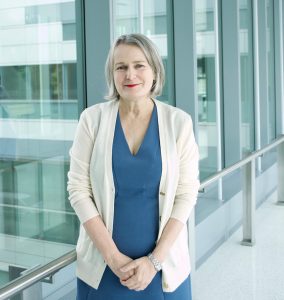
Audrey Fritzinger

AF: I was introduced to the PA profession through federally qualified health centers (FQHCs) in Philadelphia. I always knew I wanted a career with an intersection of medicine and public health, seeing the PAs in practice helped me solidify the decision to pursue a career as a PA. As a student at Yale, I did a rotation in the ICU at Yale New Haven Hospital, learning to practice critical care medicine in an urban environment. This helped guide me toward a position in the ICU after graduation, I loved practicing critical care medicine and performing procedures, and I really enjoyed utilizing ultrasound as a means to perform bedside procedures and evaluate progression of critical illness. When my time in the ICU came to an end and family brought me to Boston, I found my calling in interventional radiology, a specialty which is the perfect intersection of critical care, procedural and outpatient medicine.

Let’s talk more about your involvement in DE&I. What inspired you to become engaged in this work?

AF: My involvement DE&I work started when I was in high school. I attended predominately white high school and college and was involved in many extracurricular activities in this realm. This continued as I transitioned to PA school at Yale.

Yale is a predominantly white institution, and the PA profession is occupied predominantly by white females. So, early on, I saw there weren’t a lot of providers, preceptors or faculty who resembled me. I had to look outside of the program for mentors.

I was lucky enough to work with Dr. Marcella Nunez-Smith and a group of medical students and nursing students to create an elective course called U.S. Health Justice. We felt that there were a lot of gaps in the curriculum in terms of things that were happening in New Haven and more broadly — things that we never discussed but saw in our rotations.

For example, we partnered with community organizations — including, but not limited to, the Needle Exchange Program and the Community Health Care Van — and we delved deep into other social determinants of health that we were not really discussing in medical lectures. The course is still ongoing, and it’s now been integrated into the curriculum.

It excited me to be involved in this great work, but in my post-graduate period of starting a new job in the ICU, other Yale students continued this work while my focus shifted for a brief period. I didn’t really do anything extracurricular just because of the crazy hours, so when I came to the Brigham, I realized that was something that I needed fulfilled.

What kinds of initiatives are you working on now?

AF: I read about a PA student at Morehouse College, Calbeth Alaribe, who participated in the MIT Healthcare Hackathon and whose group won an award. After an exciting conversation with her, bells went off that there might be an opportunity for the Brigham to partner with a historically black college and university (HBCU) and potentially positively influence the community here.
Stronger Together Brigham Values LogoI find it a privilege to be around Black people and to have that celebrated. Boston is not a historically diverse city. In a lot of spaces where I occupy, it’s not celebrated. I’m also not frequently around a lot of Black people, especially here at the Brigham. I wanted to see if we could diversify the PA workforce here at the Brigham.

Jess Logsdon [senior director of PA Services] and Rosann Ippolito [manager of PA Education] were very excited about this collaboration and how we can foster a relationship with an HBCU — potentially opening the doors for more PA students who might want to work here at Brigham.

The plan is to start with a cohort of students this spring to offer clinical didactics and mentorship, including one-to-one mentors of color aside from their preceptors.

Other training programs in medicine have a visiting period, whether it’s residency or fellowship, or they get paid opportunities to visit a program. As PAs, we don’t have that, so when you’re considering whether to take a job somewhere, you don’t get to have an extended visit at the institution beforehand. I think what we’re doing with this rotation is unique and will allow students to experience the culture firsthand and see how we practice medicine here at the Brigham.

What do you find most rewarding about this work?

AF: I’m not the only PA doing it. There are so many other PAs who are active in DE&I work at the Brigham. I had an idea, I asked for help and people came running to support it.

I get excited when others are just as enthusiastic about this work as I am — that this is as close to their heart as it is to mine. That makes me feel like I’m at the right institution and in the right community. It also makes me want to invite others to join, which is why I’m so excited and confident about opening the Brigham up to more PA students of color, because it’s a great place to be. I want them to be here and learn alongside us.

Physician Assistant Week is held annually Oct. 6–12 to honor physician assistants’ substantial role in improving health. In celebration of Brigham PAs and their involvement in nearly every facet of the care across the institution, Brigham Bulletin has highlighted one of the many exceptional physician assistants to cap off PA Week this year.

4 Comments
Family of four

Alex and Tim Lieto with their children, Luca and Faith, outside their New Hampshire home

It’s hard to imagine a mom who cherishes Mother’s Day more than Alex Lieto, 34, of Portsmouth, N.H.

She still gets choked up remembering what it was like to hold her firstborn, Faith, now 2 and a half. After more than two years of fertility treatments, six pregnancy losses and unfathomable heartbreak, arriving at that moment with her husband, Tim, 34, felt like a dream — one they almost couldn’t believe had come true.

“There are no words,” Alex said through tears, recalling their experience in Labor & Delivery at the Brigham. “The second she came out, I was like, ‘She did it. We did it. I can’t believe we did it. Is this really happening? Thank God.’”

This Mother’s Day is even sweeter for the Lieto family, who recently celebrated the birth of their second baby — a boy, Luca, now 5 months old.

“There’s a heck of a lot more laughter in this house with them here. Even when things are really crazy with the kids, we never complain. Just being with them — and being a family — is something we never take for granted,” Tim said. “Al is a fantastic mom, and seeing her have the chance to be one is all we could ask for.”

Reflecting on the profound losses they have experienced over the years, Alex acknowledged that Mother’s Day also remains a somewhat bittersweet holiday.

“Before I had my kids, there was a handful of really hard days — Christmas, New Year’s, birthdays. Mother’s Day was the hardest of all,” she said. “The fact that they’re here is frankly surreal, and while I feel so blessed to be able to celebrate this day with them, my heart breaks for the women who are struggling because I know their pain.”

Two smiling children

“There’s a heck of a lot more laughter in this house,” says Tim Lieto of his children, Luca and Faith

Guiding and supporting the Lietos on their path to parenthood over the past six years was Antonio Gargiulo, MD, a reproductive endocrinologist and surgeon at the Brigham’s Center for Infertility and Reproductive Surgery.

Gargiulo, whose team performed several rounds of in vitro fertilization (IVF) for the couple at a Mass General Brigham-affiliated satellite in Exeter, N.H., said this was one of the most challenging, and ultimately heartwarming, cases he has worked on his 25 years in the field.

“This was a particularly hard-fought battle,” he said. “The humbling and inspiring part of this for me, as a provider, is seeing how these two people never lost hope. We’ve had many very difficult discussions and a lot of tears through the years, but the reality is our team knew they were going to be successful because of their attitude, dedication and the fact that they made this their No. 1 goal.”

More than just providers, Gargiulo and his multidisciplinary colleagues truly became part of their team, the Lietos said. “He’s part of our family, and he treated us like family,” Alex said.

‘A Whole Other Level of Loss’

Originally high school sweethearts, Alex and Tim married at 25 and knew that they would soon want to start a family. After struggling to conceive naturally due to male-factor infertility, they began pursuing IVF.

Initially, the procedure seemed promising. Egg retrieval and fertilization went smoothly, and Alex got pregnant right away. Within a few short weeks, however, she suffered a miscarriage. They waited and tried again — and saw the same outcome, over and over.

“When you have a miscarriage, it’s a pain you can’t even describe. Within a second, your world comes crashing down,” Alex said. “I remember very vividly talking to friends and family after my first miscarriage, and they would say, ‘So many women have a miscarriage, but the odds are you won’t go through that again.’ So, we tried again but had another miscarriage — and another and another and another.”

On their fifth round of IVF, they pursued additional screening to ensure a genetically healthy embryo was implanted. After they passed the first trimester, the couple allowed themselves to exhale. They excitedly began picking out names for a boy or girl.

But at 19 weeks gestation, they experienced their most tragic loss of all — a baby boy they named George. The grief was incomparable to anything they had gone through previously.

We care. Period. logo“It was a whole other level of loss,” Alex said. “We assumed we were just the unluckiest people ever.”

Alex and Tim delivered George at the Brigham in 2016, and the extraordinary compassion their Maternal Fetal Medicine care team demonstrated touched them deeply.

“The care we received during that delivery was amazing,” Alex said. “The nurse who delivered George impacted our life forever. After we went through that process, I realized there was no other place I’d rather deliver a baby and no other hands I wanted to be in. We always knew we had the best care in the world.”

Staff prepared a memory box for the family, including photos and other keepsakes, to honor baby George.

“It’s the worst day of your life. And then, all of sudden, you have this staff who are treating it not as the worst day but rather as an important day,” Tim said. “They said how beautiful he was and made us feel like it was going to be OK.”

Hope and Faith

Over the years, Alex and Tim said they explored countless explanations for their fertility challenges. They underwent medical and genetic tests and tried dietary changes, exercise regimens and more. They leaned on family, friends and their religious faith for strength. After experiencing yet another loss after George, they started considering options such as adoption and surrogacy.

Mom and child on the beach

Alex shares a special moment with her daughter, Faith, on the beach.

Gargiulo told them he had one more idea. He reached out to a colleague in New York — and former Brigham resident — who specialized in recurrent pregnancy loss. After extensive testing, they discussed two peculiarities in Alex’s biology that otherwise weren’t affecting her health but might explain their hardships: She had a form of insulin resistance that caused blood sugar spikes, although not severe enough to make her diabetic, and an inability in her body to break down blood clots.

Alex began taking medications to address both issues, and they tried another round of IVF. From the beginning, the odds did not seem to be in their favor. Of the 12 eggs retrieved, only two fertilized. Just one tested as genetically healthy.

The Lietos braced themselves for another heartbreak. But as the weeks went by, Alex’s pregnancy was closely monitored by her Maternal Fetal Medicine care team and continued to progress without major complications. Nine months later, they welcomed baby Faith into their arms.

Despite all they had to overcome, the couple say they never lost faith in their dream — the very sentiment that inspired their daughter’s name.

“We always kept hope,” Tim said. “We knew, one way or another, we were going to have a family.”

It’s a message the Lietos hope will resonate with other families experiencing similar challenges.

“I always had to dig a little bit deeper and find the strength I never knew I had. You can too. Don’t give up,” Alex said. “We always say to each other the only way out is through. All the losses we had were so that we could get to Faith and Luca. Do I want to do it again? No. But would I to get them? Every day for the rest of my life.”

3 Comments
Physician and medical assistants look at computer

From left: Judy De Leon, medical assistant, Ann-Marcia Tukpah, clinical fellow in Pulmonology, and Fotine Liakopoulos, medical assistant, converse outside a patient room in the COVID Recovery Center, located in the Lung Center.

There were so many things Monique Vaughan, 31, used to do without a second thought.

She worked full-time, sometimes up to 60 hours per week, at a busy mental health facility. To clear her head after work, she took her dog on a leisurely walk through her neighborhood for 30 to 45 minutes. In college, she had taken courses to sharpen her IT skills, making it a breeze for her to troubleshoot technology issues at home.

All of that changed after Vaughan tested positive for COVID-19 over one year ago. Long after recovering from the initial infection — which made her sick enough to require hospitalization for several days — she continues to live with a variety of lingering symptoms that have significantly affected her quality of life. Over the past year, she has been coping with extreme fatigue, intense migraines, severe muscle pain and ongoing cognitive struggles (or “brain fog”) and memory loss.

As a result, Vaughan says she had to scale back her hours at work to part-time. Walking more than a block feels like running a marathon. Focusing on a seemingly basic task can feel impossible at times.

“I was recently having trouble with my router at home. I’m a millennial, so internet stuff has never been hard for me to figure out. It was an issue I had fixed many times before, but this time I couldn’t remember how to do it,” she said. “I got so frustrated that I just sat in front of the router and cried.”

Among the many concerning aspects of COVID-19 has been its long-term effects on the body and mind — a mystery that scientists and health care experts are still just beginning to understand.

We pursue excellence logo

Seeking to address the complex medical and psychosocial needs of “long-hauler” patients like Vaughan, the Brigham recently launched the COVID Recovery Center, a new clinical and research center that brings together experts from a diverse range of disciplines. Each patient is assigned a patient navigator to help coordinate their care and facilitate follow-up appointments, referrals and testing.

While located in the Brigham’s Lung Center, pulmonology is just one of the many specialties the center offers. Depending on what a patient’s individual needs are, they can also be connected with cardiologists, hematologists, infectious disease specialists, nephrologists, neurologists, psychiatrists, dietitians, social workers or other health care providers.

“A new illness mandates a new approach,” said Bruce Levy, MD, chief of the Division of Pulmonary and Critical Care Medicine. “A lot of the symptoms these patients are experiencing are rather non-specific, so primary care providers are often challenged to figure out who is best suited to help their post-COVID patient when help is needed. For patients who may be going to multiple specialty clinics, finding those locations and navigating that system is not easy either. In the COVID Recovery Center, our goal is to ensure COVID ‘long-hauler’ patients get the best, most efficient care possible.”

Centered on Collaboration and Equity

Collaboration is at the heart of the center’s strategy. A multidisciplinary team conducts weekly case reviews to ensure all aspects of a patient’s care plan are thoroughly evaluated. Similar centers recently established at Massachusetts General Hospital and the Spaulding Rehabilitation Hospital for recovering COVID-19 patients offer additional systemwide collaboration opportunities.

The COVID Recovery Center team also works closely with primary care providers for referrals, serving as a centralized resource to patients and providers who are struggling with the management of long-term symptoms, also known as post-acute sequelae. In addition, the center plans to launch peer support groups to allow patients to connect with each other and share their experiences in a safe space.

An estimated 10 to 20 percent of people who had COVID-19 experience persistent symptoms long after their infection has resolved, Levy said. In addition to the symptoms that patients like Vaughan encounter, COVID-19 can also cause the immune system to have a long-term inflammatory response that may lead to serious consequences for the heart, lungs, kidneys and other organs.

“We’ve always known that surviving a critical illness isn’t the same as recovering,” said Daniela Lamas, MD, co-director of the COVID Recovery Center. “Our hope is that this isn’t a chronic condition but rather a lingering condition that improves over time. We are trying to not only respond to it but also find ways to help people improve.”

As part of a broader commitment to health equity, the COVID Recovery Center hopes to partner with community organizations to remove barriers that may prevent patients from disadvantaged communities from seeking care.

“The shared vision we all had was to ensure we were serving the patients who were acutely affected by this pandemic,” said Ann-Marcia Tukpah, MD, MPH, a clinical fellow in Pulmonology who was involved in drafting the proposal for the center last year. “We want to make sure that every element of how care is provided in the center confronts these inequities. It’s not enough to just have the center — we have to think about improving awareness, engaging patients in a thoughtful way, considering transportation costs, the prospect of multiple visits and so on. We have to first identify these barriers, then develop processes to eliminate them.”

In addition to providing clinical services, the center will also include a robust research component to advance our understanding of the long-term impact of COVID-19 from pulmonary, vascular, immunologic, neuropsychiatric, psychological and social perspectives. Patients will be invited to enroll in clinical trials and a clinical research registry.

“There’s a lot we don’t know about this disease,” said Elizabeth Gay, MD, director of the COVID Recovery Center. “Being able to see patients in a setting where other clinicians and providers are thinking about a similar set of issues can allow us to identify patterns and understand needs. And from a research perspective, that offers the ability to develop a cohort you can follow to try to answer some of these questions.”

For patients like Vaughan — who began receiving care at the Brigham prior to the center’s establishment — the prospect of getting answers, and hopefully relief from her symptoms, might be that much closer.

“My body is not the same as it was before,” she said. “It feels like I don’t know myself anymore. It is unsettling to have the body you’ve been in for 31 years feel like a complete stranger. And I don’t know if I’ll go back to normal or this is just the new normal — but I hope not.”

Collage of infants in formalwear

From left: Baby Maddie, Baby Alex and Baby Della, with her parents, get all dolled up for “prom night” in the NICU.

Before the pomp and circumstance of graduation come the festivities of prom night — and with it an opportunity to celebrate an important milestone in style. On the eve of their graduation from the Brigham’s Neonatal Intensive Care Unit (NICU), three infants and their families did just that in the most adorable fashion.

Babies Alex, Della and Maddie — whose families met and bonded while the three infants were receiving care in the NICU’s Growth and Development Unit — got glammed up for their own version of prom night on March 9, thanks to a team of creative and compassionate NICU staff.

The idea was the brainchild of NICU nurses Kerri Duggan, RN, SarahKatherine Mascoli, BSN, RN, and Mary Sawyer, RN, who were part of Baby Maddie’s care team.

When Maddie had enjoyed a successful feeding session after some previous difficulties, Duggan joked that Baby Alex could take her to prom as a show of support for her upcoming graduation from the NICU. As the families had also formed close ties with Baby Della’s family in the Growth and Development Unit — where each baby is assigned a bed space in different areas of a shared room — it was only fitting that Della also join the festivities.

We care. Period. logo“The moms found the concept comical, but also it ignited an idea — why couldn’t they have a NICU prom?” said Sawyer. “Our parents and their babies don’t often have ‘typical’ birth stories. We in the NICU celebrate every moment and milestone, as we recognize it’s important for parents to know that their infants are making progress. ‘NICU prom’ just seemed like an ideal way to celebrate all of the infants’ and parents’ hard work before they ultimately graduate from the NICU.”

Mascoli purchased supplies and props to set up a makeshift photo booth, which she decorated with the help of NICU physical therapist Tricia Flynn, PT. The families brought formalwear for their little ones, and Sawyer’s sister, a student in floral design school and former Brigham nurse, fashioned miniature corsages and a boutonniere.

Maddie’s mother, Eliza, expressed her gratitude to the care teams for devising such a special and heartwarming way to celebrate the families’ next chapter.

“Our NICU team brought in decorations and accessories, had customized corsages and a boutonniere made, and were able to celebrate our incredible infants with us,” Eliza said. “Of course, all three babies fell asleep almost instantly, but they were still completely adorable in their dresses and tux! We will never forget the NICU prom as a very bright spot during an emotional journey. To say that our care team is amazing is an understatement. They are now friends for life.”

Sawyer said that staff were grateful to help create a magical moment for the families.

“For these parents, it was a night of laughter that followed many days of a stressful hospital admission and an experience they can carry with them throughout the days ahead,” she said. “Since COVID-19, we have had to change so much, including how families interact with each other. They no longer have a dedicated parent lounge where they can meet other parents and reflect on what each other is going through. These three sets of parents have forged a unique bond from behind curtains and masks where they cheer on each other’s infant and the milestones they accomplish.”

2 Comments
zoom call

Members of the Equity Response Team virtually “join hands” during a meeting last year.

Last April, a multidisciplinary group of equity leaders at the Brigham came together to develop strategies for addressing emerging equity issues in the pandemic and, when needed, escalating key concerns through the institution’s COVID-19 Incident Command structure.

With the support and engagement of leaders across the Brigham, the Brigham Health COVID-19 Equity, Diversity and Community Health Response Team became a driving force behind a number of initiatives during the height of the pandemic, including helping to establish community-based testing sites, advocate for equity in the state’s Crisis Standards of Care and conduct more than 100 COVID-19 information sessions for vulnerable populations of employees. As a reinvigorated racial justice movement swept the nation last summer, the group’s twice-monthly meetings also provided a haven for employees to express their concerns and organize actions to help dismantle structural racism.
Stronger Together Brigham Values Logo

Nearly one year after its formation, the Equity Response Team continues to meet and mobilize to address health equity issues at the Brigham and beyond. Most recently, the group has focused its efforts on equitable vaccine distribution, virtual care access and the dramatic rise of food and housing insecurity.

“We had a big opportunity to connect in an integrated way that hasn’t been done before,” said Cheryl Clark, MD, ScD, a hospitalist in Division of General Internal  Medicine and Primary Care, health equity researcher in the Center for Community Health and Health Equity (CCHHE) and a leader of the Equity Response Team. “Clinical departments, community health, employee wellness, the diversity, equity and inclusion team — all of these different workstreams came together under one umbrella to work together on health equity.”

As the crisis evolves, the team remains energized and continues to advance its mission, Clark said.

“We have a very inclusive way of thinking about health equity, and, because of that, the community that continues this work is very cohesive,” she said. “We have a lot to accomplish in vaccine equity, and I think we also have the potential to provide support for burgeoning health equity efforts in the hospital, as well as the United Against Racism work that’s happening MGB-wide.”

‘Inequities Thrive in Silence’

Comprising approximately 90 members, the Equity Response Team formed in response to the recognition last year that local neighborhoods with large communities of color were experiencing significantly higher rates of infection, hospitalization and mortality from COVID-19. These communities also have experienced immense economic and social stress due to job loss, food insecurity and housing instability.

To address these issues, members have focused their work on five equity workstreams: community health, patient access, employee equity, health equity data, and proactive engagement and policy development on key community health issues.

“This group has been a voice and a force for the community — patients, staff and those outside of the hospital walls,” said Tracy Sylven, director of Community Health & Wellness at BWFH and a leader of the team’s community health workstream. “We helped to drive the equity agenda and need to the forefront of the institution during this time of crisis, including the pandemic and the racial inequality and protests we saw during the past year. The group, with the variety of workstreams and leads, has a voice across many aspects of the institution and helps to incorporate equity into the planning and process of work.”

RonAsia Rouse, MPH, project manager for the team, said the group’s diverse makeup sparks innovation and inspires progress.

“The Equity Response team offers a space for employees to collaborate and have their ideas and opinions heard in a way that is unlike any other meetings I’ve been a part of,” said Rouse, who also serves as program manager for Health Equity in the CCHHE. “Our members include clinicians, researchers and administrators, and having the ability to get everyone’s direct feedback and input on equity-focused topics has propelled projects and strategies that otherwise may not have been thought of or initiated.”

Michelle Keenan, senior director for Health Equity and Social Innovation in the CCHHE, agreed.

“What I have valued the most is that it is a multiracial, multidisciplinary group with a deep commitment to be the change we want to see in the world,” Keenan said. “As we have built our equity response to COVID, we have also built trust and understanding among staff. Inequities thrive in silence, and what has been most important is breaking this silence and taking collective action.”

‘We Know the Goal’

In the realm of community health, the group worked closely the Ambulatory Services team, led by Kelly Fanning, MBA, vice president of Ambulatory Services, and leaders from Brookside Community Health Center and Southern Jamaica Plain Health Center to support testing sites in four Boston neighborhoods. At these sites, staff conducted approximately 19,000 COVID-19 tests, distributed over 12,000 food boxes and 18,700-plus hot meals, handed out more than 20,000 care kits and performed about 15,000 social-determinants-of-health screenings.

In the area of patient access, members created a virtual care equity committee and advocated along with Interpreter Services leaders for increasing access to iPads to better support patients who communicate in languages other than English. In an effort led by Bernie Jones, EdM, vice president of Public Policy, and Wanda McClain, MPA, vice president of Community Health and Health Equity, and supported by Equity Response Team members, the group reached out to state lawmakers to advocate for an eviction moratorium and developed resources to support patients facing eviction.

“We know the goal — breaking down unequal systems, not people,” Jacqueline Rodriguez-Louis, MPH, M.Ed., a member of the Equity Response Team and programs leader for Community Outreach at the Partners Asthma Center in the Division of Pulmonary and Critical Care Medicine. “That’s what this group endeavors to do. Together, we are making a real and measurable difference in the organization and in the community we serve. This work is not only rewarding, but it is also soul-healing for me as a person of color during this incredibly difficult time.”

The team has also worked in close coordination with colleagues across Mass General Brigham (MGB). More broadly, MGB has led a systemwide commitment to incorporate an equity lens into every aspect of pandemic response and other initiatives, including the United Against Racism campaign.

“I’m just so excited by the work everyone has done,” said Clark, who also serves as director of Health Equity Research and Intervention in the CCHHE and a multi-principal investigator for the All of Us Research Program. “Those of us who are engaged in health equity work, including health equity research, understand this is a multidisciplinary proposition. It has been really rewarding to be able to operationalize our workstreams and build partnerships to create an infrastructure where that kind of multidisciplinary, systemwide work can happen.”

Finding Community amid ‘the Crisis of Our Time’

Contributing to these efforts has been an empowering experience, especially during such an uncertain time, say the team’s members and leaders.

“When this crisis hit and research paused, I thought it was important to ‘redeploy’ myself and raise my hand to guide these efforts,” Clark said. “It really is the crisis of our time.”

Rodriguez-Louis said the team’s regular meetings were an essential source of support after the killings of Ahmaud Arbery, Breonna Taylor and George Floyd.

“This group has been a lifeline,” she said. “Our meetings have allowed us to put our feelings someplace safe. We cry together, scream when we need to and put our hands to work.”

Christin Price, MD, program director of Medicaid ACO for Brigham Care Strategies & Innovation, who led several of the team’s community health-related initiatives, said being part of the group has been both professionally and personally rewarding.

“For me, the greatest part of this experience was the opportunity to participate in work that I otherwise would perhaps not have the opportunity to be involved in, such as being site lead at the new testing site or being a part of the vaccine trial group,” Price said. “The other part has been being able to work closely with colleagues across Brigham that I had not known or not worked closely with before. I have made very close connections with new colleagues.”

The Brigham Health COVID-19 Equity, Diversity and Community Health Response Team meets virtually twice a month, Thursdays, 5–6:15 p.m. All members of the Brigham Health community and MGB system are welcome to attend. To learn more or become a member, contact covid19equity@bwh.harvard.edu.

Collage of photos from COVID-19 vaccine clinics

As of March 1, the Brigham has completed about 8,600 patient COVID-19 vaccination appointments, including both first and second doses, at the Hale and Pembroke clinics.

Editor’s note: This is the second in a two-part series recognizing the extraordinary efforts of staff who made the Brigham’s employee and patient COVID-19 vaccination programs possible. Click here to read part one, which highlighted members of the employee vaccination team.

As the first patients age 75 and older began receiving the COVID-19 vaccine at Brigham and Women’s Health Care Center, Pembroke, on Feb. 3, an unexpected sound caught the attention of Julie Owens, BSN, RN, one of the site’s clinical leads.

What she heard was cheers and applause.

“I soon realized that the patients were celebrating this moment and the joy of being able to get a vaccine,” said Owens, who normally serves as professional development manager for Brigham and Women’s Harbor Medical Associates in South Weymouth.

The emotions in the room — happiness, relief and excitement — were contagious, Owens recalled.

“Several patients commented on how grateful and happy they were to be one step closer to hugging their children and grandchildren again,” she said. “This touched me personally, as a daughter and mother of two young children who long to hug their grandparents again.”

That celebratory evening kicked off the Brigham’s patient vaccination program, which in its first week delivered approximately 1,700 vaccinations in total at the Pembroke site and the Hale Building for Transformative Medicine on the main campus. As of March 1, the Brigham has completed about 8,600 patient vaccination appointments, a measure that includes both first and second doses. Brookside Community Health Center will also begin providing vaccines for local residents starting March 4.

Stronger Together Brigham Values LogoThe program’s successful launch was made possible by the efforts of a large multidisciplinary team who worked tirelessly behind the scenes — and in close collaboration with colleagues across Mass General Brigham (MGB) — to provide a seamless, safe experience for patients and clinic staff alike.

“I am always looking for the silver lining to this challenging COVID experience. When I think about a silver lining now, I am grateful for the wonderful people across Brigham Health Ambulatory,” said Kelly Fanning, MBA, vice president for Ambulatory Services and Patient Experience. “Consistently, clinical and non-clinical leaders have stepped up to the plate to go above and beyond and deliver for our patients. What it has meant for patient vaccination efforts is that we have been able to run clinics daily, nightly and weekends to care for our patients and serve the broader public health need.”

Kali Kearns, senior project manager for Ambulatory Services, said she cherished the opportunity to contribute to such a historic and important moment.

“When we first started planning, I don’t want to say it seemed impossible, but we’ve never really done this and didn’t know what to expect,” Kearns said. “But once all was said and done, our first night in Pembroke was full of joy and relief. I was a little bit tearful myself because my grandpa just got the vaccine, and our patients coming in reminded me of him. It was so touching. They were so vocally thankful and said things like, ‘This is the best day,’ ‘This is going to change my life’ and ‘You’re helping me see my family again.’”

Pam Cormier, MSN, RN, AHN-BC, who led strategic planning efforts for the Brigham’s patient vaccination program and collaborated with leaders at the system level, described being part of this team as “a highlight of [her] career.”

“It’s been a lot of work, but when you can get this vaccine into people, it’s the best feeling in the world,” said Cormier, professional development manager in Primary Care. “Everybody has been willing to step up and do whatever it takes to help. I’ve yet to encounter anyone who’s said, ‘No, I’m not interested’ or ‘I don’t have time for this.’ The minute we reach out, people drop what they’re doing and ask, ‘How can I help?’ It’s the Brigham way.”

Complex Challenges, Creative Solutions

In planning a strategy for setting up and running patient vaccination sites, the team drew from their experiences with the patient flu shot clinics held last fall.

Nurse Cassandra Kelly unpacks vials of the COVID-19 vaccine in preparation for the first patient clinic at Pembroke.

“We knew the model of standing up in existing clinic spaces — using the exam rooms, physical structures and staff who could work an extra shift — worked really well for the flu,” Cormier said. “We did have to pace it differently with the COVID vaccines, as we had to factor in the 15-minute observation period, but the bones of the model were pretty much the same.”

The employee COVID-19 vaccination clinics were also an important learning opportunity for understanding how a patient clinic would work.

“Starting with employees gave us a big window into some of the challenges we were going to face when we moved to patients,” Cormier said.

But the patient vaccination also presented new challenges — including different scheduling needs, additional staffing and location demands, alternative communication and outreach strategies — in addition to the ongoing uncertainties around vaccine supply.

Because demand for the vaccine greatly outweighed supply, the Brigham and other MGB institutions were unable to allow patients to self-schedule their appointments. Instead, the team began the meticulous process of proactively identifying eligible patients through Epic, formulating a strategy for inviting patients in waves and developing an efficient cadence in the clinic.

“It’s really about knowing how many patients we can vaccinate per hour and making sure that we build schedules that reflect that,” said Bill Guptill, director of Ambulatory Capacity Management, whose team developed the complex scheduling templates for the vaccine clinics.

On-site teams also worked around the clock to ready the clinics in Pembroke and Hale. In addition to setting up the sites’ various technology needs — from wireless networking to electrical engineering to software applications — a dedicated team of Information Systems (IS) staff provided at-the-elbow support for clinic staff before and after the vaccine clinics launched, said Michael Sweet, MBA, executive director of Clinical Systems in Brigham Health IS and Digital Innovation.

“Trying to see and touch base with everybody is a little more challenging in some of the ambulatory locations,” Sweet said. “By comparison, Hale is one big room, so we can see the vaccinators and check-in and check-out staff. But in Pembroke, staff operate on two floors and are more cordoned off, so it’s a little more difficult for them to see us, and for us to see them, when they need help. It was a collaborative effort to figure out how we could best support them in that space.”

Exceptional Teamwork

Those who contributed to the patient clinics in February said they were grateful to make a difference and be part of this dedicated team.

“This was truly an endeavor where we operated as one system,” Cormier said. “For me, it was a very tangible way to show and leverage the power of an entire health care system. If you normally get your care at the Brigham but live closer to Newton-Wellesley, then you could go to the Needham site — no questions asked. That’s really powerful for patients. They see and know they’re part of a larger system that takes care of them.”

The amount of planning that occurred behind the scenes was a sight to behold, Owens said.

“Operationalizing these vaccine clinics has taken the work of so many people. Through countless hours and attention to every detail, our staff have made the process as smooth and streamlined as possible while maintaining our Safe Care Commitment,” she said. “I am especially thankful to our staff for their dedication to our patients.”

Staff in clinical and non-clinical roles have volunteered their time or taken on new assignments to keep the employee COVID-19 vaccination clinic in the Hale building running smoothly and safely. Top row, from left: Megan O’Connor; Gyorgy Frendl vaccinating Zara Cooper; Brieanna Gacek. Bottom row, from left: Brendan Cormier, Rachel Fearing and Sarah Micucci

Editor’s note: This is the first in a two-part series recognizing the extraordinary efforts of staff who made the Brigham’s employee and patient COVID-19 vaccination programs possible. Click here to read part two, which features the patient vaccination teams.

In December, the second-floor atrium of the Hale Building for Transformative Medicine transformed from a quiet lunch spot to the bustling hub of activity for employee COVID-19 vaccination at the Brigham. In the weeks and months since, Brigham staff have continued to work tirelessly behind the scenes to administer the vaccine to their colleagues and provide a seamless experience for all who entered the clinic — all while becoming a part of history in the making.

To ensure the clinic was operational as soon as vaccines were available, the Brigham drew from its existing workforce to staff clinical and non-clinical roles. That included dozens of employees — medical assistants, nurses, physicians, physician assistants, practice managers, research assistants and more — who volunteered or were temporarily reassigned to support the clinic’s day-to-day operations and collectively administer thousands of vaccinations every week.

Stronger Together Brigham Values Logo“I have been so impressed by our Brigham staff who have stepped up to administer vaccines and support the clinic in Hale,” said Karl Laskowski, MD, MBA, associate chief medical officer for Ambulatory Services, who co-lead the employee vaccination program with Paula Kackley, MBA, executive director of Clinical Services, and Sarah Kirchofer, MSN, RN, NP-C, NE-BC, interim director of Occupational Health Services.

“Their enthusiasm and dedication have provided hope during what would otherwise be a very hard winter,” Laskowski added. “They have worked extra hours, sometimes in addition to their regular roles. They have braved snowstorms. They have come in early and left late. And they have administered tens of thousands of vaccines. None of this would be possible without their hard work.”

‘The Best Job I’ve Ever Had’

Among the vaccinators is physician assistant Megan O’Connor, PA-C, who volunteered to work 12-hour shifts at the Hale clinic once a week and said she gives about 70 to 80 doses of the vaccine per shift.

“It’s been such a rough year that it’s so nice to have a little bit of a bright side,” O’Connor said. “It’s exciting. I haven’t been involved in anything like this before.”

Every shift, O’Connor converses with colleagues she hasn’t seen in months, as well as many new faces, as she gives them a dose of the groundbreaking vaccine. Despite the long hours, O’Connor said the work is extremely rewarding.

“It seems like a simple task to give shots in arms all day, but the reaction from people is really overwhelming. Everyone’s so excited, emotional and a little bit anxious,” O’Connor said.

Image of quote from articleNurse Brieanna Gacek, RN, BSN, PCCN, helped open the first Special Pathogens Unit and Special Pathogens-Intensive Care Unit (ICU) during the first surge in spring 2020. Nearly one year later, she received a new assignment — to administer some of the first doses of the vaccine in the Hale clinic.

“We were all really grateful for the opportunity. I felt like it was a glimpse of hope after what we all had gone through in the last year,” Gacek said. “To be able to give the vaccine to my colleagues has been an honor and I am so grateful to help keep them safe from the virus.”

Gacek said it has been inspiring to see so many people come together, including colleagues from many different departments and retired staff who returned to support the clinic, all with the shared goal of overcoming the pandemic.

“The vaccine clinic is very busy. There are a lot of questions that come up and it can be hectic at times, but it’s been so rewarding to be there making a difference and seeing people who are so gracious and genuinely happy to be there,” Gacek said. “A lot of the vaccinators have said, ‘This is the best job I’ve ever had.’ Everyone feels they’re getting this sense of fulfillment from being able to help protect people from the virus and return to a sense of normalcy.”

Anesthesiologist Gyorgy Frendl, MD, PhD, who also serves as director of Anesthesia Critical Care Research, spent his vacation days volunteering as a vaccinator at the employee clinic in Hale.

“At some point, there were a lot of doctors, surgeons and anesthesiologists coming in to get vaccinated, and they were all surprised that I was sitting there. But I think it was very reassuring for them to hear that I already got the vaccine,” Frendl said. “So, I not only vaccinated them, but I also told them that when I got it, I was OK.”

‘Even Better Than I Could Have Hoped’

Non-clinical staff have also played an essential role in employee vaccination efforts — including checking in colleagues for their appointments, scheduling their next dose and countless unseen contributions that keep the clinic running smoothly.

Sarah Micucci, a medical assistant in the Division of Rheumatology, works as an operations lead at the Hale clinic, where she helps with check in and check out, greeting new arrivals, distributing the vaccine to vaccinators and assisting with Epic troubleshooting. She said the vaccine clinic’s greatest strength is that it draws on the diverse experience and expertise of employees from across the Brigham, resulting in a team with an expansive skill set.

Image of quote from article

“I’m extremely grateful to be working and learning alongside people who genuinely want to help in any way that they can,” Micucci said. “This has made the clinic run even better than I could have hoped.”

Brendan Cormier, a Safe Care Commitment assistant and nursing student, said being an operations lead at the clinic has been his favorite job to date. Playing a crucial part in helping colleagues receive the vaccine, and working in the clinic’s inviting atmosphere, keeps him motivated during long shifts.

“Arriving to work and seeing the schedule full of people to be vaccinated can be a bit daunting at times, but then I remember that every person who comes into the clinic is one more person who is on their way to being protected,” Cormier said.

Patient care associate and graduate student Rachel Fearing said she checks in about 700 to 800 people during her shifts as an operations lead. When the employee vaccine clinic began transitioning to appointments for patients 75 and older, Fearing remembered one woman tearing up when she arrived for her first dose.

“No matter how hectic the day is, or how long the hours are, experiences like that one — with someone who was just so overwhelmed and so overjoyed with our little clinic in the Hale building — make it all worth it,” Fearing said.

Laskowski reflected on the tremendous difference that clinic staff have had on the Brigham community.

“With very little lead time and a seemingly non-stop schedule since then, staff in Hale clinic have done an outstanding job in helping our employees get vaccinated these past three months,” he said. “Leaders from some of the mass vaccination sites visited Hale prior to their launch to learn how they might model a successful high-throughput clinic. We could not have achieved nearly a fraction of what we did without the remarkable contributions of our vaccinators and clinic staff.”

1 Comment
Collage of two photos. Left photo, Carmen Blandin Tarleton seven months after her second face transplant. Right photo: Bohdan Pomahac examines Tarleton during a recent follow-up appointment.

Left photo: Carmen Blandin Tarleton, seven months after her second face transplant; Right photo: Bohdan Pomahac examines Tarleton during a recent follow-up appointment.

An unusual pain on her face caught Carmen Blandin Tarleton by surprise one day in August 2019.

It had been six years since Tarleton underwent a face transplant at the Brigham following a brutal attack by her estranged husband, who doused her with chemicals that caused severe burns on over 80 percent of her body and rendering her legally blind.

A former nurse, Tarleton knew the symptoms might be her body signaling that her transplant was failing. Her doctors had warned her of the possibility over the years. Fiercely optimistic by nature, however, she tried to push the thought out of her mind. The pain could be anything, she told herself.

Within two days, it became clear something was wrong. Her discomfort worsened, and now it was accompanied by swelling. Tarleton contacted her Brigham care team and scheduled an appointment for the following week. But by the time the weekend arrived, the swelling turned into intensely painful blisters. She came to the Brigham, where her care team confirmed her worst fear: Her body was rejecting the transplant.

“I was in shock,” Tarleton recalled.

Nearly one year later, life would surprise her again — this time for the better.

Last July, at age 52, Tarleton became the first person in the U.S. and second in the world to receive a second face transplant. The 20-hour surgery, involving a multidisciplinary team of over 45 clinicians, was the 10th face transplant performed at the Brigham since 2011 and the 16th nationwide.

Photo of Tarleton being transported to the Operating Room

Tarleton is transported to the Operating Room for the first of two procedures for her second face transplant in July 2020.

“I said, ‘I want one more shot, and if it doesn’t work, then so be it,’” Tarleton said, recounting a conversation with her care team about pursuing a second face transplant. “If I was a candidate, I wanted the best possibility. But I just let it go after that. I didn’t worry about it, and that’s sort of how I roll because you can’t get caught up in the drama, worry and concern of that and still feel good.”

Now, seven months after her second face transplant, Tarleton says she feels better than she has in years and is deeply grateful for not only her donor’s gift but also the compassionate, dedicated Brigham team who has stood behind her every step of the way.

“When life brings you negative experiences, it’s only to allow you to evolve as a human being, and I feel like that’s what happened to me,” she said. “Do things get easier, and then I get happier? No. I get happier, and things get easier. And that’s what I’m realizing.”

Tarleton had the opportunity to speak with the family of the donor recently and came away inspired after the emotional meeting.

“I have such great appreciation for my donor and donor family for this life-changing gift,” she said. “Their ability to make such a decision in the most difficult of times is a true offering of love to their family member and me, a stranger they did not know. I was so happy for the opportunity to let them know how much they impacted my life for the better.”

Writing Her Next Chapter

Compared to her first face transplant, the donor tissue used in Tarleton’s recent surgery is far more compatible — greatly reducing the risk of another rejection — and it more closely resembles how Tarleton looked before her injury, in terms of skin tone, hair color and face size. Her recovery has also been smoother this time, thanks to several changes her surgeons made to the transplant procedure (see related sidebar for more details).

Bohdan Pomahac, MD, director of Plastic Surgery Transplantation, who led the surgical team for both of Tarleton’s transplants, said he has been delighted with how well Tarleton is progressing and recovering.

We care. Period. logo

“One can hope for a transplant to last a patient’s lifetime, but realistically speaking, every type of transplant has a finite lifespan. Carmen’s second transplant was a carefully planned and executed operation that provides hope to all patients whose transplant is failing,” Pomahac said. “Carmen is one of the most resilient patients that I have had the opportunity to care for. We call this procedure life-giving, and we are thrilled to offer her the opportunity to return to the type of life that she so richly deserves.”

Since her injury, Tarleton’s life has been full of rewarding experiences. She became a published author and inspirational speaker, sharing her story of courage and forgiveness with audiences worldwide. She also celebrated more personal milestones, including learning to play piano and becoming a grandmother.

“My first face transplant served me very well. I accomplished many things that I really needed to stay in this life, and one of them was comfort,” Tarleton said.

With her next chapter waiting to be written, Tarleton sees only greater possibilities on the horizon.

“I am looking for a new life, new adventures,” she said. “I can’t put it into words yet, but it’s going to be a lot of fun. I’m just going to have a really good time, and I know it.”

A Different Transplant Experience

Photo of surgeons in Operating Room

Members of the Otolaryngology-Head and Neck Surgery team work in collaboration with members of the Plastic Surgery team to prepare Tarleton’s face for transplant.

Carmen Blandin Tarleton’s first transplant experience was challenging because the lifesaving blood products and tissue grafts she needed as a result of her original injury placed her at a higher risk to reject the transplant, a complication known as sensitization. Over the years, she experienced repeated episodes of rejection, which injured the blood vessels supporting her first transplant.

“Once a patient is highly sensitized, they remain at higher risk of rejection,” said Anil K. Chandraker, MD, director of Renal Transplant Medicine and a member of the transplant team. “Going into her second face transplant, Carmen was not highly sensitized, not at high risk of rejection, as she had lost nearly all of the HLA antibodies in her blood that had made her previously highly sensitized — likely due to the immunosuppression she had received during the first transplant.”

In addition to the rarity of a second face transplant, the surgery was unique on several other fronts. First, it was marked by an unusually close tissue match from Tarleton’s donor, which lowers her future risk of rejection. Additionally, the surgery progressed differently than the previous ones the Brigham team had performed.

“This will likely serve as a prototype going forward,” said Bohdan Pomahac, MD, director of Plastic Surgery Transplantation. “The surgical team paused the transplant approximately 15 hours into the surgery, allowing us to better manage the blood loss, which can interfere with blood clotting during the operation. We completed the surgery the following day, which decreased the time Carmen had to spend in the operating room overall.”

Tarleton said the acceleration of her recovery was remarkable. “I stayed in the hospital for half as long than I did the first time, and I did not need as many medications. I almost lost my first face transplant post-operatively, and this time it wasn’t like that at all,” she said. “I did so much better. My recovery has gone extremely well.”

From left: Jeremy Dias, Jeanette Cote, Kenisha Lewis and Paige Wickner helped lead the team behind a new clinic supporting employees with allergy concerns related to the COVID-19 vaccine.

The arrival of COVID-19 vaccines inspired hope and relief around the world, but it also raised another emotion — uncertainty — for those with a history of allergic reactions to certain vaccines. A new clinic at the Brigham is helping employees across the system assess and alleviate allergy concerns by helping them better understand their risk and, in many cases, develop a plan to safely receive the vaccine.

We pursue excellence logo

Launched in late December, the service is part of the Division of Allergy and Clinical Immunology. It is one of two specialized clinics to offer skin and allergy testing for employees across Mass General Brigham (MGB) who are at risk of an allergic reaction to the COVID-19 vaccine. The second clinic is located at Massachusetts General Hospital (MGH).

“When we were developing our plan for vaccination for employees across MGB and saw the emerging reports about allergic reactions to the COVID-19 vaccine, we knew we had to work across our system to develop a framework so that our employees felt safe, comfortable and supported,” said Paige Wickner, MD, MPH, an allergist and immunologist who developed the framework for the Brigham clinic.

Providing these services and support to colleagues who might otherwise decline the vaccine has been tremendously gratifying, said Jeanette Cote, MSN, RN, charge nurse for the Allergy and Clinical Immunology Clinic, who led the implementation of the new clinic’s skin testing protocol.

“There’s a lot of anxiety about vaccination, especially for people with allergies, so it’s nice to offer some peace of mind,” Cote said. “This is why nurses go into our profession — it’s rewarding to know that you’re helping somebody.”

Although it’s been a fast-moving project and the additional visits have added to the Allergy and Clinical Immunology team’s usual caseload, providers and staff are committed to supporting their colleagues across the system, said Jeremy Dias, DNP, RN, NEA-BC, nursing director for Allergy and Clinical Immunology.

“Despite the challenges, it’s gone really smoothly, which speaks to everybody’s willingness to step up and go above and beyond to make this happen,” Dias said. “What was most important to us was making sure this vaccine could be available to as many people as possible, as fast as possible, so that our community is protected.”

Creating a Safe Plan for Vaccination

The team has worked closely with colleagues in Ambulatory, IS and Occupational Health Services to proactively identify employees who might be at risk for an allergic reaction to the vaccine.

Before employees can schedule a vaccine appointment in COVID Pass, they must complete a brief questionnaire to assess their allergy risk. Those whose indicate they have a history of allergies to ingredients in the vaccine or a history of anaphylaxis — a rare but severe allergic reaction throughout the body — are referred to the clinic for a consult with an allergist.

The team aims to schedule virtual consults within three days of receiving an employee’s responses to the questionnaire. In the five weeks the clinic has been operational, the team has conducted hundreds of virtual consults.

“We are aware that many employees are very anxious to get their vaccination, so it’s important that we get them in for a consult in a timely manner, especially if they’re concerned about a possible reaction,” said Kenisha Lewis, practice manager for the Allergy and Clinical Immunology Clinic, who led efforts to develop the scheduling strategy for the vaccine allergy and skin testing clinic.

If an allergist determines the employee would benefit from skin testing, a follow-up appointment is scheduled. During a skin test, small amounts of three vaccine ingredients that are known allergens are injected into the skin. In this controlled setting, a reaction would be far milder than if an allergic person received the full amount present in the vaccine.

The team also maintains a pager for an on-call allergist to assist with allergy questions that arise at the employee vaccination clinic. In addition, the small subset of employees who had an unanticipated reaction to their first dose can arrange for an allergist to be present for their second-dose appointment.

In many areas of the country, those with vaccine allergies are simply advised not to receive the vaccine or to forego their second dose if they have a reaction to the first. Leaders at the Brigham, MGH and MGB saw an opportunity to support their workforce by leveraging the system’s expansive allergy expertise, Wickner said.

“A lot of systems in the U.S. don’t have anything like this in place,” she added. “Our goal was to be risk-averse and develop a framework to help our employees safely get vaccinated. We’ve also learned a lot from this process, and this collaboration will inform what we’ll be able to offer patients.”

‘Passionate About the Power of Immunization’

Launched just 10 days after the Brigham vaccinated its first employees, the clinic rapidly came together thanks to interdisciplinary collaboration.

“It needed to be multidisciplinary because everybody’s expertise was needed,” Dias said.

Designing the framework and protocols from scratch in such a short timeframe was an intense process with a rapid cycle of process improvement.

“When we started, it was two to three meetings per day, every day. If we saw something wasn’t working, we were like, ‘Let’s jump on a call to figure this out,’ and within a week it was running very smoothly,” Lewis said. “It was challenging because we’re working with the same amount of staff and still running the regular allergy clinic as well, but we put in the time and made it a priority because we know how important this is.”

Collaboration also extended beyond the core team at the clinic. For example, nurses worked closely with Pharmacy Services at 850 Boylston St. to make the process seamless for providers who conduct skin testing. Cote recognized the efforts of Tamara Roldán Sevilla, PhD, BPharm, senior pharmacist, who sought to support her nurse colleagues by preparing convenient, individualized packets of medications for the skin-testing orders.

“Tamara went the extra mile to make sure we had what we needed and delivered it to us in a way that eliminated any guesswork,” Cote said. “We didn’t have to go hunting for anything. She made it very easy for us.”

The entire team’s dedication has been nothing short of remarkable, Wickner said.

“This has been a very heavy lift for everyone. Like everything from the past year, this clinic has been an ‘add on,’ not an ‘instead of,’ and it’s a real testament to all our staff who have worked tirelessly on this effort,” Wickner said. “We all feel so passionate about the power of immunization and helping those who have a history of allergies get vaccinated safely.”

Amanda, Patrick and Noah Beauregard

Amanda and Patrick Beauregard bond with their newborn son, Noah

Amanda Beauregard, 31, did her best to ignore the mounting discomfort in her belly while resting in her husband Patrick’s room in Medical Oncology on Connors Center 7.

Amanda, then 38 weeks pregnant, tried to reassure herself the pain was probably just pent up stress after the crazy day they’d had. The Lowell couple originally planned to come into the Brigham that morning for an MRI scan to determine if some worrying symptoms Patrick, 32, was experiencing meant the colon cancer he’s lived with for three years had spread to his brain.

But that morning, Patrick’s symptoms were so severe that they instead took an ambulance to a nearby community hospital, and he was soon transferred to the Brigham. After an MRI confirmed a cluster of tumors were pressing on Patrick’s brain, the couple met with his care team to discuss their options, ultimately opting for surgery and radiation therapy.

After they were settled on Connors Center 7, Amanda sent a message to her obstetrician’s office about potentially transferring her care from Massachusetts General Hospital, where she had planned to deliver, to the Brigham. Just in case.

Baby Noah unexpectedly arrived a few hours later. Patrick went into the Operating Room the following day.

Behind the scenes of the family’s emotional whirlwind of events, their Brigham care teams — comprising countless staff across multiple areas — rallied together in extraordinary ways to support them at every turn.

We care. Period. logoThroughout the family’s stay, staff from several areas coordinated visits between floors so that Patrick and Amanda could be by each other’s side and bond with Baby Noah together. Anesthesiology, Neurosurgery and Operating Room (OR) staff seamlessly accommodated a last-minute schedule change to move Patrick’s surgery from Saturday to Sunday to give the couple extra time to celebrate the joyous addition to their family.

And while navigating the compounding challenges of a high census and the COVID-19 pandemic, several teams collaborated to ensure Amanda and Baby Noah could stay a few extra days so that all three could go home together when Patrick was ready for discharge.

“We were treated with such care, compassion and thoughtfulness,” Amanda said. “It took a lot of people working together to make sure we got the best care — not just physically but also emotionally — and could stay together as a family, understanding how important that was to us.”

Katherine Gregory, PhD, RN, associate chief nursing officer for Women and Newborns, described the event as a shining example of the compassionate, patient- and family-centered care that staff deliver every day.

“The pandemic has changed many things about how we care for patients and families, but it has not changed our commitment to meeting our patient’s complex health needs with expertise and empathy,” Gregory said. “Caring for Patrick, Amanda and Noah as a family required the expertise of many teams from across the Brigham.”

‘Let’s Do This for This Family’

When Amanda went into labor in Patrick’s room, Medical Oncology nurses accompanied her to Obstetrical Admitting. Baby Noah arrived about two hours later — before Patrick could even make it to Labor and Delivery, where staff ensured Amanda received additional support amid such a rapidly evolving event.

“It is not often in adult Oncology that we have a crossover to Labor and Delivery, but I think this event truly exemplifies the level of compassion and dedication that exists among our staff,” said Emily Hagens, MSN, RN, nurse director for Connors Center 7. “Everyone on the unit recognized what a unique and incredibly stressful situation it was for Patrick and Amanda.”

Obstetrics and Gynecology resident Samantha Truong, MD, who was among the many members of Amanda’s multidisciplinary care team, agreed: “In so many ways, our care expands beyond just making sure a patient is meeting their postpartum milestones. We wanted to make sure their family could be together during such an important time, from the birth of their son to Pat’s surgery. As a care team, this family’s story sat in our hearts.”

Neurosurgeon Nirav Patel, MD, who was part of the multidisciplinary team that performed Patrick’s surgery, recalled how the family’s touching story inspired the whole team.

“After we decided to postpone the surgery, I explained the situation to the OR team. To be honest, I wasn’t sure how people would react. It was already a busy weekend, and the OR was stretched a little thin due to COVID,” he said. “But, of course, everyone jumped in to help. The day of the surgery, Evan Blaney, the anesthesiologist, turned to me and said, ‘Let’s do this for this family.’ Our patients’ bravery makes any challenges we face look like nothing.”

Supporting Patients and Families

During such an unpredictable time in their lives, it was reassuring to have so many people in their corner, Amanda said.

Beauregard family

Amanda and Patrick Beauregard, with Baby Noah, during their stay at the Brigham

“I cannot imagine having to go home without Pat. It just meant so much to be able to stay there and know that we were in such good hands. If I was trying to speak with one of Pat’s providers on the phone and Noah started to have a fit, my nurses would say, ‘It’s OK. I’ve got him. I’ll take him to the nursery for you,’” Amanda said. “Then they’d be on the phone with Pat’s nurses coordinating so that Pat could come down or, if Noah was in the nursery, that I could go up and see Pat.”

The dedication demonstrated by staff in the Neurosciences Intensive Care and intermediate units, where Patrick recovered after surgery, came as no surprise to Karen Reilly, DNP, RN, MBA, NEA-BC, associate chief nursing officer for Critical Care, Cardiovascular and Surgical Services.

“We have extraordinary staff who not only provide outstanding clinical care but also go above and beyond to meet the physical and emotional needs of both the patient and family,” Reilly said. “This is vital to the healing process.”

After experiencing so many ups and down with Patrick’s illness over the years, Amanda said they take each day together as a gift — one that has now become even more precious.

“Any time we get bad news, it’s obviously very shocking and so upsetting. But I think we’ve always tried to stay positive, stay hopeful and keep moving forward,” she said. “We don’t want to fill any day with negativity. We just don’t see a point in it, and that’s especially true now with Noah. We try to soak up every day together as much as we can.”

4 Comments
Peter Chai demonstrates "Spot," a robot

Peter Chai demonstrates “Spot,” a robot used in the Emergency Department to remotely triage COVID-19 patients. Photo credit: Susan Symonds/Mainframe Photographics

Physical distancing remains one of the most important and effective measures for preventing the spread of COVID-19, but it initially presented clinicians with a dilemma: How do you safely deliver care when face-to-face interactions suddenly pose so many challenges?

One compelling solution: digital technology.

The meteoric rise of virtual care and rapid adoption of new technologies across Brigham Health helped keep staff, patients and families healthy, safe and connected throughout the pandemic. From the booming expansion of existing programs to the swift implementation of new ones, multidisciplinary teams used mobile devices, video conferencing and even robots to continue delivering expert care with compassion.

“Before COVID, there was almost no virtual care happening in our acute care settings, and less than 1 percent of ambulatory visits were done virtually,” said Adam Licurse, MD, MHS, executive director of Virtual Care for Brigham Health. “That changed nearly overnight.”

 ‘A Game-Changer’

When the spread of COVID-19 prompted the Brigham to shutter most ambulatory clinics in mid-March, the Virtual Care team and Information Services (IS) staff came together to support hundreds of providers who were caring for patients remotely for the first time.

In February, prior to COVID-19’s widespread presence in the Northeast, Brigham outpatient providers collectively conducted 200 virtual visits. In May, they completed 80,000.

“Very quickly, we had to train nearly all outpatient providers on how to do visits over the phone and by video,” Licurse said. “It was a huge mobilization of resources and communication, including guidance around regulatory issues and reimbursement, in addition to procuring and distributing a lot of new equipment like webcams.”

We pursue excellence logo

Primary care physician Lilian Mahrokhian, MD, completed approximately 500 virtual visits between March and May, mostly from her home via video. In May alone, her appointment volume exceeded that of a typical October, historically the busiest month for primary care.

“It’s been a game-changer. Patients have loved the opportunity to see and talk with us, and it has been invaluable to check in with them while keeping all of us safe,” said Mahrokhian, who practices at the Fish Center for Women’s Heath. “I keep thinking, what if this pandemic had hit at a time when this technology wasn’t in place? We would not be able to deliver this type of care as effectively.”

Mahrokhian, an enthusiastic proponent of telehealth prior to the pandemic, said that while not every condition can be treated remotely, many aspects of primary care are well-suited to the model.

“There’s a lot of counseling we can do in primary care that translates well to virtual care,” she said. “An in-person exam is not as relevant for evaluating a patient’s response to an antidepressant or helping them manage weight loss.”

Mahrokhian said she was exceptionally grateful to Virtual Care and IS teams who worked behind the scenes to continually monitor the system, respond to providers’ needs and quickly implement improvements.

“As a provider, I felt really supported,” she said. “It seemed like they were working tirelessly to get this up and running for us, and there was always someone available to help if I ran into any issues.”

Keeping Everyone Safe

Inside the hospital, where care teams needed to maintain in-person contact with patients, the use of technology flourished in creative ways as staff sought to minimize exposure to COVID-19, conserve personal protective equipment (PPE) and help patients and families remain connected while most visitors were prohibited.

A video intercom system enabled hospitalized patients with COVID-19 and their providers to interact via secure video conferencing. Through a bedside iPad in the patient’s room, clinicians could initiate a video chat using a computer or mobile device — relieving providers from needing to enter patient rooms for every routine question or conversation.

Thanks to the innovative work of a multidisciplinary team — led by Cheng Zhang of Virtual Care, Greg Kane of Analytics, Planning, Strategy and Improvement, and Laura Carroll and Steve Penney of Brigham Health IS — the group deployed nearly 400 iPads in only a few weeks.

To help nurses wearing full PPE in patient rooms communicate more easily with colleagues on the other side of the door, Brigham Health IS staff also expanded the hospital’s use of Vocera, a system of lightweight, wearable badges that staff can clip to scrubs or a gown for hands-free, real-time voice communication.

person holding tablet

Staff communicate through a video intercom system. Photo credit: Max Esposito

“A silver lining of the COVID-19 pandemic has been the rapid adoption of new technology. We have achieved years of digital transformation in just a few months,” said Adam Landman, MD, vice president and chief information and digital innovation officer at Brigham Health. I’m especially proud of the BH Information Systems, Virtual Care and Digital Innovation Hub (iHub) team members, who worked tirelessly to rapidly deploy these new tools to front-line clinicians.

Additionally, the pandemic transformed daily rounds, as several inpatient units used iPads to conduct virtual rounds to limit the number of providers who needed to enter a patient’s room.

Hospitalist Karen Jiang, MD, medical director for BWFH’s 7 North, normally conducts rounds on her own, but during the pandemic she found that conducting virtual rounds with a trainee was helpful in juggling the many tasks at hand.

“Even though we didn’t have as many patients, I spent much more time and energy planning each interaction,” Jiang said. “I had to think a lot about hand-washing, wiping things down, gowning and de-gowning each time, so to have another person helping with other needs, such as taking notes, allowed me to stay more focused on everything I needed to do in the room.”

In the Emergency Department (ED), a research team piloted the use of Boston Dynamics’ four-legged robot, known as “Spot,” which was equipped with a video conferencing-enabled tablet. By sending Spot to interact with patients in a triage tent outside the ED, providers could evaluate patients while conserving PPE.

Other uses of digital technology were more internally facing, such as the COVID Pass app, a mobile app and web-based portal staff used to attest to their wellness each day before reporting to work. The multidisciplinary project, which was deployed across the entire Mass General Brigham system, was led by Landman and Mark Zhang, DO, MMSc, medical director of the Brigham Digital Innovation Hub, with app development completed by the MGB IS Application Development team.

Staying Connected

Technology also became an essential means of maintaining human connection, such as when staff on Connors Center 7 donned party hats and used the video intercom system to sing “Happy Birthday” to their patient.

To support patients who didn’t have access to personal devices, a device loaner program enabled any hospitalized patient to borrow mobile devices and laptops to stay in touch with loved ones through apps like Zoom and FaceTime.

Additionally, a virtual family visit program also provided an opportunity for patients and their loved ones to connect through staff-facilitated video sessions at the bedside. Ngoc Vu, a medical assistant in the Neurosciences Center who was redeployed to support the program, coordinated and conducted eight to 10 video sessions each day throughout the pandemic.

While holding an iPad so that a patient and their loved one could see each other and speak, Vu often used her free hand to offer a comforting touch, such as holding the patient’s hand, during the session.

“Sometimes the conversations were very sad, but other times they were happy — the patient was doing well and getting extubated, and the family members were excited to see them,” she said. “It gave me a new appreciation for how precious life is and how important these connections are.”

Two staff members at an attestation table

From left: Victoria Glassman and Marlee Anne Jean Philippe staff an attestation table at the 15 Francis St. entrance.

When Courtney Callahan, a medical assistant at Brigham and Women’s Harbor Medical Associates in Scituate, learned that a new COVID-19 testing site at Brigham and Women’s Health Care Center in Pembroke needed staff support, she didn’t hesitate to volunteer.

“I wanted to do something — I wanted to help,” said Callahan, who was among the thousands of staff members who accepted temporary reassignments during the pandemic.

As hospital operations shifted to address the rapidly evolving demands of COVID-19, entirely new categories of staffing needs emerged. In response, the Brigham community heeded the call to serve wherever help was needed. At the same time, maintaining a flexible workforce enabled staff whose normal duties were temporarily suspended to remain employed during the pandemic.

After valet service was halted in March, valets helped distribute face masks to employees, patients and visitors at hospital entrances. Nurses from clinical areas whose services were scaled back, such as procedural and perioperative areas, went to inpatient floors to care for COVID-19 patients in specialized units. Administrators, physical therapists, practice assistants and others helped run attestation sites at employee entrances, where staff were required to report their wellness upon entering the building.

A Rewarding Experience

For Callahan, supporting the team in Pembroke, where she helped prepare and swab patients for COVID-19 testing, was more rewarding than she ever anticipated.

Courtney Callahan

Courtney Callahan

“I remember my first day. I was very nervous, but the nurses there were so helpful and supportive, and they always made sure we were safe,” she said. “I’m going to attend nursing school in the fall, and I’m so glad I experienced this because it has shown me I’m on the right path.”

Robb Ponder, RMA, practice operations lead for Neurosurgery in South Weymouth, learned that the attestation team needed supervisor coverage for overnight shifts. Despite the personal sacrifices it entailed, he eagerly offered to help.

“I had just returned in February from parental leave, so I hadn’t even been back in the swing of things for long before the pandemic hit. I also hadn’t worked an overnight shift in 20 years, and personally it was challenging to adjust to that schedule and sacrifice the time with my daughter during the first months of her life,” he said. “That said, it was very inspiring to see so many people from across the organization come together for this important job. We all understood the value of what we were doing and did it with purpose.”

The experience also gave Ponder a new appreciation for the many, and sometimes unseen, contributions of departments across the Brigham.

“You can work your whole career in a place and not know half of what goes on in areas you aren’t directly working with,” he said. “Through this role, I got to know many new colleagues from other areas of the organization, and it gave me an appreciation for their work and all the elements that make a hospital function.”

Supporting At-Risk Patients

Other members of the Brigham community shifted the focus of their work to support the unprecedented needs around caring for COVID-19 patients.

Prior to the pandemic, Lynne O’Mara, PA-C, a physician assistant in the Center for Geriatric Surgery, spent much of her time providing consults for geriatric surgical patients. But that work paused in March when the hospital canceled all elective surgeries in preparation for a surge of COVID-19 patients.

Stronger Together Brigham Values Logo

O’Mara began working from home full-time — often balancing a toddler in her lap — and collaborating with on-site colleagues Rachelle Bernacki, MD, a palliative care specialist and geriatrician, and Shoshana Streiter, MD, a geriatrician, to establish a program for identifying older, at-risk patients with COVID-19 in the Emergency Department (ED).

Because older adults are at higher risk for the most severe symptoms of COVID-19, and the disease often progresses rapidly, there was an urgent need to establish a proactive model and remove the burden of arranging consults from their ED colleagues, the team said.

Each day, O’Mara would pore over the ED track board — a digital database of patients in Epic — and search for patients age 70 and up who had signs of frailty, a complex syndrome characterized by physical decline and increased vulnerability to stressors.

“Once Lynne identified a patient, she would call me, and I’d run down to the ED quickly to see them,” Bernacki said. “Because of this, we were able to have important conversations with patients and their families early in their care. Intubating a 90-year-old patient or sending a really frail patient to the ICU is different from a younger, healthy patient, and it’s vital that everyone understands what it means.”

Although the work in some ways familiar, O’Mara said much of it was new territory for her. Even so, it was immensely gratifying.

“I’m used to seeing patients in person, so I was adjusting to a new virtual world, and the number of patients was overwhelming at times,” she said. “But I always had Shoshana and Rachelle as backup, and I never met a patient or family member who wasn’t deeply thankful for every single person caring for them. I don’t think I’ll ever forget how many times people said thank you.”

1 Comment
Victoria Addonizio and Krista Atherton prepare a COVID-19 testing booth

From left: Victoria Addonizio and Krista Atherton prepare a COVID-19 testing booth at a community site in Dorchester.

One of the pandemic’s greatest tragedies was COVID-19’s disproportionate impact on underserved communities, particularly among people of color — a grim trend caused by structural inequities throughout the nation, local communities and the health care system at large.

During the pandemic, state data revealed several “hotspots” — areas with disproportionately high rates of infection – in predominantly Black and Latinx communities, including Dorchester, East Boston, Hyde Park and Roxbury.

By late April, Black residents of Boston accounted for 41 percent of known COVID-19 cases and 34 percent of deaths, yet Black people comprise only 22 percent of Boston’s population. Similar disparities were reflected in the Brigham’s own patient census during the pandemic.

“Prior to COVID-19, many of us were painfully aware of the inequities faced by patients in our surrounding communities as a result of racism and poverty,” said Christin Price, MD, program director for Medicaid ACO/E-Care Optimization in Brigham Care Strategies & Innovation. “When COVID-19 disproportionately hit such neighborhoods, these inequities were brought to light for all to witness.”

In mid-March, a large team at the Brigham came together in anticipation of this crisis and to plan a comprehensive response. Meeting daily, the multidisciplinary team worked to identify, escalate and address equity concerns within the Brigham and the communities it serves.

“One of my biggest lessons from the COVID-19 equity response is how necessary it is to have teams that are multidisciplinary, diverse and community-engaged if we hope to be effective at addressing inequities,” said Cheryl Clark, MD, ScD, a hospitalist and health equity researcher, who led Incident Command’s Equity, Diversity and Community Health Response team.

Offering a Helping Hand

One notable aspect of the Brigham’s equity response was the establishment of several temporary sites in Dorchester, Hyde Park, Jamaica Plain and Roxbury where staff provided COVID-19 testing, educational resources and care kits containing cloth masks and hand sanitizer. In addition, eligible residents received boxes of fresh fruits and vegetables. At Brookside Community Health Center, staff also distributed diapers and assisted residents with voter registration.

“Social determinants of health (SDOH) — such as food, housing and financial stability — greatly impact one’s health and access to quality treatment,” Price said. “The Brigham Health response, therefore, involved an approach that served the needs of the whole person.”

We care. Period. logo

Tracy Sylven, CHHC, MCHES, director of Community Health & Wellness at BWFH, worked closely with a team from across Brigham Health, which included Price and Kelly Fanning, MBA, executive director for Ambulatory Services, to stand up the sites, facilitate testing and manage the logistics to support the teams performing SDOH screenings.

“Just as a blood sample can tell us so much about your health, the same rings true about your address,” Sylven said. “We’re committed to reaching those who have been underserved. Our calling is to allow every voice to be heard and to make a positive impact in each community we serve, but the stark reality is that not only do people need our help today more than ever but they’re also going to need our help going forward, too.”

Patricia Gonzalez, a community health worker at the Phyllis Jen Center for Primary Care who supported the community testing sites, said it was “a true blessing” to help local families.

“Through working at these community sites, I have seen firsthand the struggles that families are facing right in our neighborhood,” Gonzalez said. “This experience has given me an even greater sense of responsibility to make sure I am taking care of each of my patients to the best of my ability every time.”

Read more reflections from staff who supported community testing sites.

Wanda McClain, MPH, vice president of Community Health and Health Equity, praised the team’s response and noted that it creates a strong foundation for future equity work.

Group photo

Staff supporting the Hyde Park-based mobile testing site gather for a team photo.

“This multi-departmental and Brigham Health-wide team broke down silos, came together quickly and got to work,” McClain said. “I could not be prouder of this group and look forward to carrying the lessons learned during the pandemic into our reimagined future.”

Brigham clinicians and staff also helped support Boston Hope, a 1,000-bed medical center built at the Boston Convention and Exhibition Center for COVID-19 patients who could safely recover outside of an acute care facility. Giles Boland, MD, chair of the Department of Radiology, served as its co-medical and operations director.

Bernie Jones, EdM, vice president of Public Policy, expressed his admiration for the many ways the Brigham community supported its neighbors in their hour of need. He applauded the teams led by Fanning, Price and Sylven for stepping up to assist with the sites during the pandemic.

“Their collective work clearly represented our value ‘We’re stronger together’ and embodied teamwork, partnership and community, in every sense of those words,” Jones said. “People came together from across the institution in a way that was nothing short of inspirational, propelled by a common desire to serve communities disproportionately impacted by the virus.”

Supporting the Brigham’s Workforce

In addition to community-based efforts, staff from several areas — including the Center for Diversity & Inclusion, the Center for Community Health and Health Equity, the Office of Diversity, Equity and Inclusion, Patient Safety, Quality and Safety and the COVID-19 Equity, Diversity and Community Health Response team — collaborated to support the Brigham’s workforce on issues related to equity.

They organized several virtual forums on a range of topics, including raising awareness about health equity issues, prejudice against Asian-American communities during the pandemic and the combined trauma of racism and COVID-19.

Recognizing that many members of the Brigham’s workforce live in communities that were disproportionately affected by COVID-19, they also organized a series of educational forums for groups of employees.

“We will continue to be persistent with our anti-racism work, our commitment to health equity, diversity and inclusion as our institutional priorities,” said Tina Gelsomino, MSW, LCSW, RCC, director of the Center for Diversity & Inclusion. “Compassion for ourselves and each other is also an essential tool as we continue to work through this.”

Meeting Multilingual Needs

Interpreter Services staff worked tirelessly throughout the pandemic to ensure multilingual access to resources and information. The team not only provided medical interpreter services in clinical settings, but also completed more than 140 urgent translation projects for materials distributed to staff, patients and families.

Interpreter Services staff

Interpreter Services staff, from left: Veronica Larouche, Yilu Ma and James Wiggins

“Timely translations are essential to reach underserved populations,” said Yilu Ma, MA, MS, CMI, director of Interpreter Services.

During the pandemic, Interpreter Services and others also helped launch a new program, Bilingual Clinician Volunteers for Interpreter Services Emergency Response Planning, to ensure that patients and families with language barriers wouldn’t experience challenges accessing interpreting services, even during a worst-case pandemic scenario.

Led by Marta Solis, Spanish-language interpreter and training coordinator, the program assessed more than 20 medical professionals at the Brigham who could potentially be called upon to interpret if all other interpreter resources were exhausted.

“Being able to experience firsthand the candidates’ outpouring of love and willingness to help was my silver lining during this pandemic,” Solis said.

Two researchers in PPE working in lab

From left: Vannessa Davis and Samuel Bates support the MGB Center for COVID Innovation’s Diagnostic Accelerator.

With expertise that spans basic, translational and clinical research, Brigham clinicians and investigators have been working tirelessly to address the most urgent needs related to the COVID-19 pandemic.

To help reduce the spread of COVID-19, the Brigham shut down most of its physical research labs from March through the beginning of June. But even during the shutdown, many labs continued their work remotely and new efforts began to better understand the virus that causes COVID-19 (SARS-CoV-2), and the nature of the pandemic itself, in order to develop treatment strategies against them.

“In mid-March, hundreds of Brigham investigators and laboratory staff quickly pivoted to contribute to COVID-19 research and addressing COVID-related problems,” said Jacqueline Slavik, PhD, MSc, executive director of the Brigham Research Institute (BRI). “Within days, Brigham investigators were launching clinical trials, developing safer testing procedures and solving problems around personal protective equipment (PPE) shortages.”

Throughout the pandemic, Brigham investigators continued to pursue and receive funding for COVID-19 research — including clinical studies for a variety of potential therapies — through government and industry grants.

“Thanks to incredible ingenuity, a strong foundation and a breadth of core resources, our research community remains remarkably successful at putting forward award-winning research proposals and conducting first-class research,” said Paul Anderson, MD, PhD, chief academic officer and senior vice president of Research and Education. “As our research enterprise ramps up, these awards will become more important than ever, not only for individual research labs but also for the larger world as we continue to combat this pandemic.”

A Wave of New Solutions for COVID-19

Anesthesiologist Greg Crosby wears a 3D-printed face shield. Photo credit: Jim Rathmell, MD

Clinicians and researchers from the Brigham have come together with colleagues from around the world to produce a wave of innovative solutions faster than ever before.

Some of the Brigham’s advances in the fight against COVID-19 include:

  • Developing an innovative testing strategy to conserve PPE: A Brigham team developed the Brigham Protective Equipment for Clinical Test Environment and Diagnostics (B-PROTECTED) booth to preserve PPE and protect clinicians from COVID-19.
  • Creating in-house COVID-19 testing with results available within 24 hours: Brigham investigators implemented a rapid in-house test for COVID-19 patients who’ve been admitted to the Brigham but don’t yet have a definitive diagnosis.
  • Designing new face shields to protect health care workers from infection: A team of clinicians at the Brigham worked with academic and industry partners to design and develop a new 3D-printed face shield that offers a number of advantages over traditional shields.
  • Developing new protective materials: The lab of Jeff Karp, PhD,is working on an extended-duration sanitizer and a nasal spray to form a shield that protects against inhaled pathogens and viruses.
  • Investigating a safer way to split ventilators: Pulmonary physicians and biomedical engineers have been working together to develop a system that can be built from off-the-shelf components to allow for patient-specific volume and pressure control when using a single ventilator for more than one patient.
  • Using sewage to map an outbreak: Physician-investigators Peter Chai, MD, and Tim Erickson, MD, both of the Division of Medical Toxicology, are working with collaborators to develop technology and a plan for sampling sewage in North Carolina and Boston. These samples may provide important clues about the presence or absence of SARS-CoV-2 over time.
  • Investigating connections during social distancing: The lab of Amar Dhand, MD, DPhil, of the Department of Neurology, is researching the connections between individuals and their social networks. The team is learning firsthand how to stay connected during the time of social distancing.
  • Developing a universal coronavirus vaccine: The lab of Thomas Kupper, MD, chair of the Department of Dermatology, is investigating a vaccine that may protect against COVID-19 along with past, current and future strains of coronavirus.
Shriya Srinivasan and colleagues are working on a safer way to split ventilators

Shriya Srinivasan and colleagues are working on a safer way to split ventilators

“It’s inspiring to see how highly collaborative the Brigham research community has been during this crisis,” said Slavik. “Our research efforts have involved countless individuals from many academic institutions, the technology sector, industry and private companies — all of whom are working towards the common goal of mitigating COVID-19.”

Clinical Studies to Understand, Treat and Prevent COVID-19

To better understand COVID-19 and the virus that causes it, investigators are working on a range of studies and trials. These include:

  • Remdesivir clinical trials: The Brigham is a clinical trial site for evaluating the antiviral medication remdesivir in patients with COVID-19.
  • Learning from patients who’ve recovered from COVID-19: The lab of Duane Wesemann, MD, PhD, of the Division of Immunology and Allergy, is testing blood samples from people who’ve recovered from infection. These samples will help the team learn more about rates of exposure, the types of antibodies an infection elicits and the degree of immunity recovered patients have against re-infection.

“The Brigham has also created a COVID-19 biorepository to collect an array of biospecimens from patients who are or have been COVID-positive,” said Allison Moriarty, MPH, vice president of Research Administration and Compliance. “We believe this biorepository will be a key tool in helping us learn how to detect, treat and prevent COVID-19 in the future.”

A New Center for COVID Innovation

To rapidly develop new innovations and protect frontline staff across the Mass General Brigham (MGB) community and beyond, colleagues at Massachusetts General Hospital (MGH) and the Brigham research community launched the Mass General Brigham Center for COVID Innovation (MGBCCI) in March.

We create breakthroughs. It's in our DNA logo.“The mission of the MGB Center for COVID Innovation is to organize and consolidate the rapid investigation and clinical deployment of devices, diagnostics, data, analytics and the therapeutics that MGH and the Brigham is generating to combat the COVID-19 crisis,” center co-director said David Walt, PhD, a medical diagnostics researcher at the Brigham and Harvard University’s Wyss Institute for Biologically Inspired Engineering.

Investigators at the MGBCCI directly responded to, and continue to address, the most pressing needs that face health care workers — prototyping and testing new PPE, patient isolation hoods, alternative versions of respirators, face masks, face shields and nasal swabs.

Working groups within the MGBCCI have already identified and developed several new devices. They’re exploring other potential solutions for problems related to the pandemic. These efforts include:

  • Improving surgical mask design: The surgical masks group identified design inputs and criteria that are being applied to the design of an “ideal” surgical mask to improve upon the current design.
  • Reusing ventilators: The ventilators team is investigating the potential disinfection and reuse of HME/HEPA ventilator filters. They’re also working with software engineers to build a remote monitoring and alarm system for ventilators.
  • Replacing N95 respirators with novel devices: The N95 respirators team is exploring novel ideas for devices that could replace N95 respirators that aren’t dependent on the filtration media supply chain. They also developed a way to repair 50,000 defective N95 respirators with New Balance.

“We’re also working to identify a direct-to-consumer diagnostic test that could be used at home. When implemented, people can quarantine themselves if they are positive for COVID-19,” said Walt. “These tests could help stem flare-ups of COVID-19 cases that will invariably happen when people return to work and reintegrate into society.”

Nancy Donovan

Nancy Donovan

The death of a spouse often means the loss of intimacy, companionship and everyday support for older adults. A new Brigham-led study finds that widowhood can have another profound effect: It may accelerate cognitive decline.

Investigators from the Brigham and Massachusetts General Hospital analyzed older, cognitively normal Americans enrolled in the Harvard Aging Brain Study whose marital status and brain β-amyloid levels — a marker of Alzheimer’s disease — were determined at the beginning of the study. The team found that individuals who were widowed experienced a sharper cognitive decline than their married counterparts, especially among those who had high β-amyloid levels.

The study suggests that widowhood may be an important and understudied risk factor for cognitive decline associated with Alzheimer’s disease and highlights the need for increased focus on this high-risk population. The team’s findings were published recently in JAMA Network Open.

“We know that social relationships can be an important buffer against cognitive decline,” said senior author Nancy Donovan, MD, of the Division of Geriatric Psychiatry. “Being married provides opportunity for more social engagement and emotional support from a spouse, it expands one’s social network and it provides more opportunity for cognitive stimulation. All of these benefits are lost in widowhood. Importantly, loss of a spouse is a highly stressful life event, which can have deleterious effects on the brain.”

Women are at increased risk for both widowhood and Alzheimer’s disease, both of which increase in frequency with age. The study, which included 260 cognitively unimpaired men and women ages 62 to 89, classified its subjects into three groups: married, widowed or unmarried (divorced, single, separated or never married).

We create breakthroughs. It's in our DNA logo.

Donovan and colleagues evaluated a participant’s cognitive performance each year for four years using a series of tests to analyze various dimensions of cognition. They found that cognitive performance declined in the widowed group, differing significantly from the married group. There was no difference between the married group and the unmarried group.

In addition, they found that among adults with the highest β-amyloid levels, widows had the sharpest decline in cognition compared to those who were married, declining at a rate three times faster. This finding was independent of many factors, including age, sex, socioeconomic status and a diagnosis of depression.

The authors noted this is the first study to show widowhood and β-amyloid have a combined effect on cognitive decline and will need to be replicated in other studies.
“Our division has become very interested in understanding the physiological effects of widowhood so that we can develop interventions to try to alter these trajectories,” said Donovan. “Our findings also suggest that researchers engaged in Alzheimer’s disease prevention trials may want to pay particular attention to widowed older adults to tailor interventions for this especially susceptible group of patients.”

1 Comment
Dr. Morris stands in front of audience in lecture hall

Charles A. Morris, vice president and associate chief medical officer, responds to an audience question during the forum.

Editor’s note: Due to the rapidly evolving nature of the worldwide COVID-19 (Coronavirus Disease 2019) outbreak, faculty and staff are strongly encouraged to stay tuned to their work email for updates from Partners HealthCare and Brigham-specific guidance. Visit PikeNotes for additional resources and updates.

On March 3, clinical experts and hospital leaders on the front line of the Brigham’s COVID-19 (Coronavirus Disease 2019) response hosted an open forum to provide an update on preparation efforts and respond to questions from faculty and staff.

In a wide-ranging presentation before a full audience in Bornstein Amphitheater and more than 800 webcast viewers, speakers reviewed what is currently known about the disease, how caregivers should screen and care for potential COVID-19 patients, protocols for using personal protective equipment (PPE), other preventive measures and guidance around travel, furlough and sick time.

“You are all very important to us, to the organization and to the patients and families whom we serve and support. We want you to know, too, that we want to support all of you by making sure that you’re well-educated,” said Jean Jackson, SPHR, SHRM-SCP, RACR, vice president of Human Resources. “It’s really important to us that we keep the lines of communication open and continue to have opportunities to engage.”

Patient Screening

Worldwide, most COVID-19 patients have a mild form of the illness, with only 20 percent requiring hospitalization, explained Michael Klompas, MD, MPH, hospital epidemiologist. Of that 20 percent, one-quarter need to be treated in an intensive care unit (ICU). The U.S. Centers for Disease Control and Prevention (CDC) report that the disease has a 2 percent mortality rate as of March 5.

We pursue excellence logo

During the open forum, Brigham clinical leaders emphasized the importance of following the Identify, Isolate and Inform protocol (see related box below) for screening patients in inpatient settings, ambulatory areas and the Emergency Department (ED).

In the ED, patients are being screened at registration for fever, cough or respiratory symptoms and recent travel outside the U.S. In the ambulatory setting, teams are screening all patients proactively before their appointment and upon arrival at the clinic.

“What I would ask of everyone is to take a philosophy much like hand-washing,” said Karl Laskowski, MD, MBA, associate chief medical officer for Ambulatory Services. “We need to hold ourselves accountable. If you go into a clinic and see people aren’t asking these questions, politely remind each other we should be asking these patients about fever, cough and travel history.”

Preparations Continue

Since Jan. 29, a multidisciplinary team has met regularly to develop, update, drill and refine the Brigham’s preparation and response plan in coordination with colleagues across Partners HealthCare and its member institutions. This includes readying the hospital and distributed campus for a variety of potential scenarios, including patient surges, to ensure the Brigham has the supplies, staffing and protocols in place to safely deliver care no matter the circumstances.

For example, ED staff have been conducting ongoing drills in close coordination with the Medical ICU (MICU), where initial patients with a suspected or confirmed case of COVID-19 would receive care, said Janet Gorman, BSN, MHA, associate chief nursing officer for the ED.

An important part of the strategy for managing a potential patient surge will be helping clinicians determine which patients need acute care, which can be monitored at home and which require an intermediate approach, said Eric Goralnick, MD, MS, medical director of Emergency Preparedness.

Michael Klompas standing behind podium

Michael Klompas presents during the forum.

As drills continue and the first test cases emerge, Goralnick encouraged staff to share their feedback about opportunities for process improvement.

“We need your help to get this right — to ensure that we communicate with all of our teammates, understand where our gaps are and learn from every one of these engagements,” he said.

Jon Boyer, ScD, CIH, director of Environmental Affairs and hospital safety officer, reviewed when and how PPE — including N95 respirators and powered-air purifying respirators (PAPRs) — should be used. To protect critical supplies, N95 masks are being provided at high-risk locations, and PAPRs are available 24/7 from Central Transport.

Boyer also clarified the process for N95 fit-testing. Nearly 6,700 staff have been fit-tested, including those who would most likely assist or care for a COVID-19 patient, such as clinicians, Environmental Services staff and Brigham Police and Security personnel.

Protecting Each Other

To minimize the risk of infection, speakers at the forum advised employees to practice what they normally would do during flu season: frequent hand-washing, staying home if sick and avoiding touching one’s mouth, nose and eyes.

Responding to an audience question about the effectiveness of hand sanitizer versus hand-washing, Meghan Baker, MD, associate hospital epidemiologist, said that alcohol-based hand sanitizer effectively kills coronavirus. She noted that someone who has soiled hands, including direct exposure to blood or other bodily fluids, should wash them with soap and water for at least 20 seconds.

Speakers reiterated that all personnel should stay home if they are sick. Jackson noted that the Human Resources team is working with Partners to review sick-time and remote-work policies.

Staff who stay home because they do not feel well and who cannot perform their job duties remotely will be paid under the guidelines of their paid time-off policy. If an employee does not have enough paid time off available, Partners will advance them up to two weeks of their scheduled hours, as needed. Staff who do not accrue paid time off may use time off available to them per Massachusetts’ Earned Sick Time law. (Learn more.)

Brigham personnel who travel to areas with widespread local transmission of COVID-19 must complete Occupational Health Services’ Returning Traveler Activity Survey, and OHS will communicate when they are allowed to return to work. Employees who have traveled to these areas — regardless of whether or not they have symptoms — will be furloughed from work upon their return date for 14 days. Partners’ TravelSafe website contains the most up-to-date information about what qualifies as an area with widespread local transmission.

For more information, including FAQs and a webcast recording of the March 3 forum, visit BWHPikeNotes.org.

Patient Screening for COVID-19: Identify, Isolate and Inform

Identify: Ask patients if they have a fever, cough or respiratory symptoms and if they have traveled outside the U.S. in the past 30 days.

Isolate: If the patient has a fever or respiratory symptoms and either (1) recent travel to an area with widespread COVID-19 or (2) contact with someone who has a known or suspected case of COVID-19, implement precautions immediately. If the patient is already on site, this includes giving the patient a surgical mask and directing them to a private room, preferably one with negative pressure if available, and closing the door.

Inform: Page the Biothreats Attending (pager #30331). For nonurgent questions, page Infection Control (pager #11482).

For more details about screening protocols, visit BWHPikeNotes.org.

project team members standing in front of table

DO IT Challenge project team members, from left: Santosh Mohan, Callie Patel, Caroline Coy and Reed Goldberg

Through a new challenge called DO IT — Decreasing Operational Inefficiencies Together — the Brigham Digital Innovation Hub (iHub) is inviting faculty, staff and trainees to help uncover the most inefficient, cumbersome or redundant work-related tasks and technologies that they wrestle with daily.

But that’s just the beginning. The iHub team also wants to solve these day-to-day headaches and administrative burdens using digital technology.

“It’s the little things that amount to mountains — stacks of paperwork, confusing technology, long hours spent on bureaucratic tasks like documentation and billing, resulting in less and less time to deliver care,” said Santosh Mohan, MMCi, CPHIMS, FHIMSS, managing director of iHub. “These everyday inefficiencies clutter our workflows and lead to frustration among staff and patients.”

Now through March 18, the DO IT Challenge welcomes all Brigham employees, regardless of department or role, to participate by visiting bwhihub.org/doit. Using an online submission form, staff can describe an existing problem and share a digital solution, including ways to improve Partners eCare (Epic). Staff can vote and comment on their favorite ideas to give them a better chance at being selected.

The iHub team will begin evaluating the crowdsourced ideas and proposed solutions in late March. One or two submissions will be chosen and matched with resources and support from the iHub and other internal funding to bring them to life. The winning projects will be announced this summer.

We pursue excellence logo

“Maybe someone has an idea about moving an inefficient paper process into the digital age, or perhaps they’re interested in how to make any number of arduous and repetitive technology-based tasks in their workflow more efficient,” Mohan said. “Whatever their ‘Eureka!’ moment is, DO IT is all about enabling simple and nimble digital solutions to creatively solve cumbersome problems.”

Channeling a Community of ‘Doers’

In developing the program, the iHub team partnered with Healthbox, the innovation arm of the Healthcare Information and Management Systems Society (HIMSS), and drew inspiration from an unconventional source: Marie Kondo, the Japanese author and self-described tidying expert who became a global sensation for her philosophy of discarding possessions that fail to “spark joy.”

“We are on a quest for digital solutions that can help us get rid of things that don’t ‘spark joy’ for our staff and patients,” Mohan said.

Another large source of inspiration was a similar initiative at Hawaii Pacific Health, a health care system in Honolulu, whose “Getting Rid of Stupid Stuff” program aimed to reduce documentation burdens for clinicians using its electronic health record (EHR) system.

“The initiative struck a chord with us,” Mohan said. “We decided to leverage the crowdsourcing approach, expand the scope of our program to cover more than the EHR, and collect not just problems, but also solutions and votes from staff.”

DO IT’s grassroots approach is essential to ensuring that whatever solutions are implemented address true pain points and resonate with staff, Mohan said.

“Our team believes that those best suited to voice these frustrations and help solve them are the employees who deal with them firsthand,” he said. “We’re bringing together a community of creative, insightful thinkers and ‘doers’ who want to improve the Brigham Experience for all of us.”

To participate in the DO IT Challenge, visit bwhihub.org/doit. The submission deadline is Wednesday, March 18. For questions or assistance, email ihub@partners.org.

Hazel Carleton unpacks carton of gloves

Hazel Carleton, a member of the Supply Support team, unpacks a carton of nitrile gloves.

When Mustapha Khiyaty joined the Brigham’s Supply Support team 10 years ago, the importance of his contributions as a supply supervisor for Labor and Delivery and the Neonatal Intensive Care Unit became apparent to him almost immediately.

“It makes you feel like you’re making a difference when you see a new mom with a smile on her face,” said Khiyaty, now an inventory controller on the 42-person Supply Support team.

Stronger Together Brigham Values Logo

Part of Materials Management, Supply Support oversees the procurement, stocking and distribution of clinical supplies — such as bandages, gloves and syringes — throughout the hospital. At an institution as large and busy as the Brigham, this is no small feat. The team maintains 90 supply areas, and at any given time manages a total inventory of about 1,300 items.

To accomplish this, members of the team work closely with staff and distributors to ensure clinical areas have the supplies they need to deliver safe, high-quality care.

A tight-knit unit with a shared passion for helping others — and each other — the team emphasizes that their close bond is key to their success.

“On our team, it’s easy to care about the people you’re working with,” said Dave Shelton, a Supply Support manager.

Always on the Lookout

On a typical day, the first shift arrives and evaluates the status of current supplies, places orders as needed and responds to supply requests or concerns. When the team’s second-shift staff arrive, they unload any newly delivered supplies, put together orders for different areas of the hospital and make deliveries. Staff on the third shift assist with any remaining supply deliveries for the day.

Even getting a single box of disposable gloves to an individual hospital room takes a great deal of care and coordination, team members say, and everyone works together to ensure nothing gets left behind or lost in the process.

“No task is too small for anyone on our team, no matter your role,” Khiyaty said.

Mustapha Khiyaty examining shelves with supplies

Mustapha Khiyaty examines the stock of clinical supplies in one of the team’s main inventory areas.

Supply Support staff work to anticipate future needs. They track and analyze previous records and data to plan and account for a variety of situations so that they can anticipate supply needs for whatever may come their way. They maintain a robust backup inventory in case an unexpected event — including everything from snowstorms to supply shortages — interrupts regular deliveries.

If an unavoidable supply disruption does occur, they pivot quickly to identify and procure alternatives.

“We have to look at the news and be proactive,” Khiyaty said.

Like a Family

Supply Support staff say one special component about the team is its retention rate, with many members being part of the Brigham for 10 to 20 years.

“We get to see the people we started with getting married and having kids,” Shelton said.

In addition to creating a family feel, the prevalence of long tenures on the team has resulted in a wealth of institutional knowledge and given staff the opportunity to support their colleagues’ growth and development.

“Brigham has always been nice to me. I’ve been here for almost half my life. I care about the people who work for me and whom I work with,” said Benjamin Wallace, operations team manager.

“Behind the Scenes at the Brigham” is a monthly series in Brigham Bulletin that provides a glimpse of the people whose everyday contributions help make the Brigham a world-class institution. Is there a team you’d like to see featured? Send your ideas to bulletin@bwh.harvard.edu.

George Araneo walking in woods

George Araneo enjoys a hike in Maudslay State Park in Newburyport about a month after his procedure.

George Araneo’s life changed forever last October. Walking home from dinner on Halloween night, Araneo, 66, suddenly became unconscious and fell to the ground. Having no idea what just happened or why, his next memory is waking up on the sidewalk. Today, the avid cyclist, runner and hiker is on the road to recovery, thanks to the lifesaving care he received at the Brigham. He’s back to exploring his favorite walking trails and working out at the gym. He’s even entertaining a future cross-country bike trip — an activity he worried might not be possible when he got sick.

Two years ago, Araneo, who lives in Newburyport, was at a general check-up when his physician heard a strong heart murmur — an unusual sound heard between heartbeats. He was sent for an echocardiogram and was diagnosed with aortic stenosis, a common but serious disorder in which blood is unable to flow freely from one of the heart’s valves to the body’s main artery, the aorta.

Experiencing no symptoms prior to this diagnosis, Araneo was shocked when he received this news. He continued to live as much of a normal life as possible following that appointment, but in 2019 he noticed cardio exercise was becoming more difficult and subsequently scaled back his workout routine.

It was not until that evening last fall when Araneo knew his heart problems were more serious than he realized.

An Alternative to Surgery

After seeing his cardiologist in Brookline, Araneo was referred to the Brigham, where his care team began preparing to replace his heart valve. Upon being evaluated at the Brigham’s Structural Heart Clinic, Araneo learned that he was a candidate for transcatheter aortic valve replacement (TAVR), a minimally invasive alternative to open-heart surgery performed in the Cardiac Catheterization Lab.

Traditionally reserved for sicker, older patients in their late 70s and 80s who have other health complications — and for whom surgery carries higher risks — TAVR uses advanced imaging to help specialists guide a catheter into the heart through a small incision in the groin and insert a replacement aortic valve. Last year, the U.S. Food and Drug Administration approved the clinical use of TAVR for low-risk patients like Araneo.

Interventional cardiologist Pinak Shah, MD, medical director of the Brigham’s TAVR program, said Araneo was a good candidate for TAVR because he was in great physical shape and had the ideal valve anatomy for obtaining a positive result from the procedure.

We care. Period. logo

“He is definitely one of the more active and fit patients whom we have treated with TAVR,” Shah said. “He is in excellent physical condition, and our team wanted to avoid surgery in order to help him get back to his activities sooner.”

When Araneo heard the news that he would not need open-heart surgery, he relaxed instantly.

“As soon as I walked into the Brigham, I felt safe and secure,” he said. “I always knew I was in good hands and that my comfort was top priority for my care team.”

An ‘Incredible’ Experience

Araneo underwent a TAVR in January, and the procedure was a resounding success. Immediately afterward, he was transported to the Cardiovascular Recovery Room and was speaking with friends 30 minutes later, said cardiac surgeon Tsuyoshi Kaneko, MD.

“TAVR is a game-changer in the management of aortic stenosis,” Kaneko said. “Traditional open-heart surgery would have required George to stay in the hospital for four to five days, and he would have had at least six weeks of recovery time. Instead, he was discharged the next day and almost fully recovered within a week.”

Araneo is grateful for the care he received at the Brigham and was elated to return to his normal routine just days after the procedure.

“I had the surgery on Thursday, and I was walking out of the hospital at 2 p.m. that Friday,” Araneo said. “The procedure was just unbelievable. I got in a cab from the Brigham to North Station and was on the train heading home before I knew it.”

Now, he’s back at the gym, getting outside as much as possible and researching upcoming cycling events.

“My entire experience at the Brigham was incredible,” Araneo said. “I met great people who took such great care of me.”

Kaneko said the Brigham Heart Team hopes more people will be able to benefit from this minimally invasive procedure now that it’s been approved for a larger patient population.

“It is a great joy for us to see our patients recovering so quickly following the TAVR procedure,” Kaneko said. “Our dream is to treat more patients like George.”

To learn more about TAVR at the Brigham, contact the Structural Heart Program at 617-732-7678.

1 Comment
Arash Mostaghimi

Arash Mostaghimi

In the largest study to date of skin cancer rates among gay, lesbian or bisexual individuals, a team of Brigham investigators found important differences in skin cancer prevalence among sexual minorities in the United States. Rates of self-reported skin cancer were higher among gay and bisexual men compared to heterosexual men, but lower among bisexual women than heterosexual women. The team’s results were published in JAMA Dermatology.

Arash Mostaghimi, MD, MPA, MPH, director of the Brigham’s Dermatology Inpatient Service, and colleagues analyzed data from the U.S. Centers for Disease Control and Prevention’s annual Behavioral Risk Factor Surveillance System (BRFSS) surveys from 2014 to 2018. The BRFSS interviews approximately 450,000 adults for the survey each year, and only began asking about sexual orientation and gender identity in 2014.

“This is the first time we’ve been able to look nationally at data about skin cancer rates among sexual minorities,” said Mostaghimi.

After analyzing data from 37 states, Mostaghimi and colleagues found that 8.1 percent of gay men and 8.4 percent of bisexual men had a history of skin cancer, compared to 6.7 percent of heterosexual men — a statistically significant difference. Women fared somewhat differently. Lesbian and heterosexual women had a similar rate of skin cancer (5.9 percent and 6.6 percent, respectively), while bisexual women had a considerably lower risk at 4.7 percent.

The survey did not collect information about risk factors for skin cancer. However, smaller studies have reported higher use of indoor tanning beds, a known risk factor for skin cancer, among gay and bisexual men.

We create breakthroughs. It's in our DNA logo.

The study has important implications for patient education and community-outreach initiatives for reducing skin cancer risk.

“This helps inform the nation about how to allocate health resources and how to train future physicians,” Mostaghimi said. “As a next step, we want to connect with sexual-minority communities to help identify the cause of these differences in skin cancer rates.”

The findings also reinforce the value of asking questions about sexual orientation and gender identity in national health surveys, he added.

“We have uncovered a clinically meaningful health variation,” Mostaghimi said. “If the BRFSS survey had never asked questions about sexual orientation and gender identity, we would never have known that these differences exist.”

Seven panelists sitting in chairs

Panelists, from left: Nomi Levy-Carrick, Gail Levine, Cheryl Clark, Lindsey Wu, Kerry Quealy Son, Bill Theisen and Joji Suzuki

The first time Dawn Shreve reached out for help, she was a scared and confused teenager struggling to cope with a series of disorienting changes at home, including her parents’ divorce and the death of her grandmother.

At age 12, she smoked marijuana for the first time. Soon, she was using it every day to dull her distress. It wasn’t long before Shreve, previously an honor roll student, began struggling academically and acting out at home. Her parents urged her to see a counselor, but it took time for her to warm up to the idea.

Eventually, she made an appointment. Despite feeling overwhelmed and vulnerable, she hoped it would start a healing process. Instead, Shreve said, she was shuffled between various therapists and psychiatrists who made her feel judged and powerless.

“They never listened, so I stopped talking,” she said.

That experience stayed with Shreve throughout her teens and 20s — discouraging her from trusting the health care system again even as her need for support only grew. She started misusing other substances, including prescription painkillers and alcohol, and experienced addiction, relapse, intimate partner violence, the death of two children and several other traumas.

Dawn Shreve

Dawn Shreve shares her story.

Today, she is nearly 11 months sober, backed by a robust support network and filled with hope. Shreve — who shared her powerful story of recovery and resilience as the keynote speaker of the Brigham’s fifth annual V-Day event on Feb. 6 — said she would not be where she was today without the compassionate, expert care she received at the Brigham’s Bridge Clinic, which provides rapid access to multidisciplinary care for patients with substance use disorders.

“Seeking their help was one of the best decisions of my life. They believed in me when I did not believe in myself,” she said. “My providers don’t judge me for who I was but rather look towards the future. They focus on what and who I can be, not who I used to be.”

The event, “Caring for Survivors of Interpersonal Violence with Complex Medical Needs: Fostering Resilience,” was among the hundreds held worldwide this month to honor V-Day, a movement aimed at raising awareness about violence against women and girls.

A New Approach

Following Shreve’s remarks, a panel of multidisciplinary experts reflected on what providers can learn from her story and how they can best deliver trauma-informed care more broadly.

Joji Suzuki, MD, director of the Division of Addiction Medicine in the Department of Psychiatry, said Shreve’s early experiences underscored the need for providers to become well-versed in motivational interviewing, a clinical technique for accomplishing behavior change in patients by evoking their own desire to and reasons for change that align closely with principles of trauma-informed care.

“Earlier on, clinicians did care but they didn’t know how to express that care other than being punitive and coercive because that was the definition of ‘helping,’” Suzuki said. “We’ve evolved to a place where we acknowledge that coercive strategies can be useful in certain situations, such as emergent and acute situations. But for the most part, it has to be about empowering patients to make the choices they would like to make and giving the choice back to them.”

We care. Period. logo

Lindsey Wu, MD, a hospitalist and director of the Integrated Teaching Unit, agreed that all patients, and especially those with a trauma history, need to have “a voice and a choice” in their care plan.

Bill Theisen, RN, nurse case manager for the Integrated Care Management Program in Care Continuum Management, also emphasized that providers need to exercise patience and flexibility when caring for patients with complex needs and backgrounds. “It takes a long time sometimes for people to feel safe enough to tell you some of the things that are really underlying all the challenges,” he said.

Jeffrey Katz, MD, MSc, a member of the V-Day Planning Committee and director of the Orthopaedic and Arthritis Center for Outcomes Research in the Department of Orthopaedic Surgery, offered the event’s closing remarks and invited attendees to reflect on the discussion’s themes of patient empowerment.

“As employees in a health care institution, it’s our privilege to nurture and bear witness to the resilience of survivors of interpersonal violence, and it’s also our responsibility to take care of these survivors with compassion,” he said.

View a webcast recording of the event.

On Feb. 7, the Brigham community came together to offer support to one another in the aftermath of a shooting that took place outside of the hospital that morning and injured a member of the Valet team. His condition has improved, and he was listed in good condition as of Feb. 13.

Within hours of the incident, hospital leaders organized a forum in Bornstein Amphitheater and via webcast, during which they encouraged attendees to both care for one another and practice self-care. Faculty, staff and trainees were also invited to access support and resources at the Kessler Library in the Bretholtz Center for Patients and Families, where counselors, chaplains and social workers were available 24/7 for several days.

“There’s no extra credit for feeling brave through this,” said Ron M. Walls, MD, executive vice president and chief operating officer. “It’s normal to feel frightened and vulnerable, and it’s natural to wonder what might happen next. But please know that we are a community. We need to bring our arms out around one another — our whole community — including our valets, our Police and Security team, our patients and their families, and our co-workers.”

Sejal Shah, MD, director of the Division of Medical Psychiatry, amplified the message of self-care and offered additional insight into common reactions after a traumatic event. She explained it’s normal to experience a range of emotions, some of which may be new or unexpected.

“We all react in different ways — accept that in yourself. Make sure you are looking out for yourself,” Shah said. “The most important thing you can do is try to return to a routine that seems normal and recognizable to you.”Stronger Together Brigham Values Logo

Shah noted that if someone is not able to return to a normal routine, and is scared to leave his or her house or return to work, those are signs that additional support, such as talking to a counselor or therapist, would be beneficial.

She added that, for some, it can also be helpful to take a break from social media and other news sources after an incident like the Feb. 7 shooting, explaining that rewatching and rereading coverage of the event often increases distress without offering any benefit.

“I’ll end by saying this: We are a community. We are a family,” Shah said. “I think of this place as my second family. Reach out to each other. Give each other a hug. Check in with each other.”

In addition to the Feb. 7 forum, the Emergency Preparedness team hosted two more on Feb. 13 for the Brigham community to share feedback about how the hospital responded to and communicated about the incident. Staff were also invited to share their feedback via an online form.

In a message to staff on Feb. 7, Brigham Health President Betsy Nabel, MD, and Walls expressed their appreciation for the “utmost care, professionalism and compassion” demonstrated by all, despite the trying circumstances.

Among the many groups that rapidly responded were the Employee Assistance Program, Psychiatry, Spiritual Care Services and the Center for Community Health and Health Equity’s Violence Intervention and Prevention programs, whose clinicians and advocates provided in-person counseling in the Kessler Library.

“Like many of you, we experienced a range of emotions in response to today’s terrible events: disbelief, sadness, worry and uncertainty,” Nabel and Walls wrote. “Upon witnessing how quickly and skillfully our Brigham family came together during and after this emergency, another feeling soon surfaced: immense pride in the extraordinarily expert and supportive way you comforted and cared for our patients, their loved ones and each other.”

Resources for Support

Employee Assistance Program (EAP)

Free, voluntary and confidential support, available 24/7
866-724-4327

Spiritual Care Services

Chaplains are available to counsel individuals and teams.
617-732-7480 or pager #11724

Psychiatry

For emergencies, call 911 or go to the Emergency Department. For non-emergency acute distress, contact EAP at 866-724-4327 or Psychiatry Triage at 617-732-6753. Staff should identify themselves as an employee and indicate they would like to speak with someone in relation to the Feb. 7 events.

Learn more at BWHPikeNotes.org.

Michael Fischer

Michael Fischer

A new nationwide study led by investigators at the Brigham found that more than a quarter of antibiotic prescriptions dispensed to Medicaid recipients were not associated with a clinician visit. The results, published in Health Affairs, raise questions about the effectiveness of efforts to curb inappropriate prescribing.

A wide range of clinical guidelines aim to reduce the prescribing of antibiotics for illnesses not caused by a bacterial infection. These efforts aim to help lower the rate of antibiotic prescribing in the U.S., which is about double that of many other countries. However, such efforts may miss antibiotics that providers prescribe outside of clinical visits.

After evaluating nearly 300 million antibiotic prescriptions filled by Medicaid recipients over a decade, investigators found 28 percent were not associated with a clinician visit in the preceding seven days. In addition, 17 percent were prescribed after visits where no infection-related diagnosis had been documented.

“If we’re thinking about how to improve antibiotic prescribing, we need to understand the context in which it occurs,” said the study’s lead author, Michael Fischer, MD, MS, of the Division of Pharmacoepidemiology and Pharmacoeconomics. “If prescribing is taking place outside of an office visit, most of the approaches we are taking to combat antibiotics overuse will miss those completely.”

To capture these blind spots, Fischer and colleagues examined national Medicaid claims data from 2004 to 2013. They identified 298 million antibiotic prescriptions filled during this time for 53 million patients. The researchers used this data to determine whether patients had made a clinic visit in the seven days prior to filling the prescription. When there was a visit, they checked whether billing claims data specified an infection as the cause for the visit.

We create breakthroughs. It's in our DNA logo.

The authors acknowledge that a critical question remains: What occurred clinically in the many cases when antibiotic prescriptions were dispensed without a visit?

Since researchers’ analyses were based on claims data, they did not have access to medical records to determine what types of interactions took place between patients and prescribing clinicians. The authors said they assume most of these prescriptions were associated with a phone interaction, although some communication may have occurred over email, via web portals or during informal, uncaptured visits. Most encounters would be blind spots for existing interventions designed to improve appropriate antibiotic use, they noted.

Fischer said it will be important for future research to use clinical data to examine outcomes for patients who are prescribed antibiotics outside of office visits, adding that future interventions should be designed with the study’s findings in mind so that this large proportion of prescriptions is not missed.

Suzanne Erwin standing with book cart

Suzanne Erwin delivers books and magazines to patients with warmth and compassion.

Even in the era of Kindles, iPads and countless other digital distractions, technology is no replacement for the simple joy of curling up with a book or thumbing through a magazine for some people. One person who is keenly aware of this is Brigham volunteer Suzanne Erwin, the shepherd of the hospital’s traveling book cart.

For more than 20 years, the Brigham’s book cart program has invited hospitalized patients to enjoy donated reading materials delivered by friendly volunteers, including Erwin. The cart, which visits most inpatient units once per week, is filled with books and magazines spanning a variety of genres — mystery novels, historical nonfiction, celebrity gossip magazines and crossword-puzzle books, just to name a few.

It would be inaccurate to call the program a lending library; it offers the books and magazines with no expectation of return. For that reason, the need for a steady donation of reading materials is ongoing.

“There’s just something special about reading an actual book that brings comfort to a lot of people,” said Kelsey Craig, volunteer program and training coordinator in the Office for Sponsored Staff and Volunteer Services, which oversees the program. “It’s not just about the books, either. It’s also the conversation and human connection. Some people don’t want to take anything but appreciate having someone to talk to.”

We care. Period. logo

Erwin, who began volunteering at the Brigham last September, agreed that the books and magazines are only part of what the program contributes to the patient experience. Patients who have been in their hospital room for several days may want to chat about the weather. Others swap book recommendations with Erwin. On Mondays during football season, Erwin noticed that many patients were eager to chat about the previous night’s game, so she often brushes up on sports news before making her rounds.

Some simply thank her for coming in.

“Even if they don’t take a book or magazine, people are really happy to have that face-to-face interaction and have a conversation about something other than their illness,” Erwin added. “Some patients may not be up for a visit when I come by with the cart, and that’s OK, too. They’ve got a lot on their plate. But if they’re receptive to a visit, I’m delighted to help make their stay here a little more comfortable.”

The Write Stuff

To protect the health and safety of all patients and families, the book cart is unable to visit certain units — such as those caring for patients with a compromised immune system — or rooms where precautions for infection control are in effect.

For those patients who are able to participate, many will opt for a standard novel or nonfiction book. But most gravitate toward shorter paperbacks and, most popular of all, magazines. Perhaps unsurprisingly, thick tomes like War and Peace aren’t in high demand.

“Especially for someone who isn’t feeling well, or who may be in the hospital for only a day or two, flipping through something like People magazine or National Geographic can be a relaxing and welcome distraction from their illness,” Craig explained.

Erwin, who previously worked in health care, said it has been immensely gratifying to combine her love of reading with the opportunity to give back.

“At this moment in my life, I have time to give, and seeing the impact of that contribution is super rewarding,” she said.

If you would like to donate books or magazines to the book cart, contact Kelsey Craig at kcraig5@bwh.harvard.edu or 617-732-6584. Materials should be new or gently used. For magazines, recent editions are preferred, but all donations are welcome.

Four staff members singing

From left: Patty Lee, Monique Cerundolo, Holly White and Stephen Nicholson perform a song during the service.

Uplifted by solidarity and song, the Brigham community came together to show its support for the people of Puerto Rico during a service on Jan. 29. Since December, the island has been devastated by hundreds of earthquakes and aftershocks, leaving many regions and cities there in disarray.

Organizers of the event, hosted by Spiritual Care Services and held in Bornstein Amphitheater, said they sought to not only acknowledge the recent natural disasters but also celebrate and honor Puerto Rico and its culture. The bilingual service featured scripture readings, a candle-lighting ceremony, a photo slideshow depicting scenes from the island, live and recorded performances of Puerto Rican music and remarks from staff who shared stories about what Puerto Rico means to them.

“The ceremony was very beautiful. I feel very grateful for the thoughtfulness towards our people. It was a beautiful gesture,” said Nelly Pardo, an Environmental Services employee and native of Puerto Rico, who contributed to the event planning and music selection.

Patty Lee, a chaplain in Spiritual Care Services, expressed her gratitude for all who came to collectively celebrate Puerto Rico and mourn its many losses.

“It was an honor to be part of such a moving prayer service and to feel the warmth and love that is present at the Brigham in our community of strength and solidarity,” she said. “We join together in prayer and hope as Puerto Rico continues to rebuild its beautiful island together.”

Stronger Together Brigham Values Logo

George Player, CPE, FMA, vice president of Facilities and Operations, was among those who saw a need to bring the Brigham community together and helped organize the service to support colleagues affected by the earthquakes.

“I want our employees to know that we are family at the Brigham, and we are here to support each other — always,” Player said. “There are events that happen every day all over the world, and it can be difficult to have family living in an area affected by a natural disaster, deal with the unknown and wonder if everyone is safe.”

For Monique Cerundolo, MA, BCC, a staff chaplain in Spiritual Care Services, it was vital that the event centered on the themes of family and hope. As a member of the Hispanic community herself, Cerundolo, who is Uruguayan, also felt a personal and special connection to the service.

“We want people to know that they aren’t alone,” Cerundolo said. “In Puerto Rican culture, there is a tremendous sense of community. The concept of familia is very vivid. We hope those who attended found the event to be comforting and unifying.”

Small prayer cards were handed out during the event that included various prayers and blessings in Spanish. By the event’s conclusion, all 150 cards had been distributed. Many attendees told organizers they were going to hold on to the cards and share them with loved ones. For Kevin Long, MEd, operations project coordinator in Spiritual Care Services, it was a touching symbol of community.

A Message of Hope

Cerundolo said the event’s organizers — who also included Kathleen Gallivan, SNDdeN, PhD, director of Spiritual Care Services, Mikhala Heil, MDiv, chaplain, and John Kearns, MDiv, BCC, staff chaplain — wanted to ensure that music played a pivotal role in the ceremony. The event featured live performances of the Spanish-language songs “Color de Esperanza” and “Dios Milagroso Asi Eres Tú,” performed by Spiritual Care Services staff. Singers included Cerundolo, Lee and White, who were accompanied by chaplain Stephen Nicholson on acoustic guitar and members of the audience who sang along.

During one especially moving part of the program, organizers played a recording of “Almost Like Praying,” a song written by Hamilton creator Lin-Manuel Miranda, who is of Puerto Rican descent, and performed by him and more than 20 Latino musicians. Written in 2017 to support the victims of Hurricane Maria, the lyrics individually reference all 78 of Puerto Rico’s cities and towns.

“We wanted to make sure the music we played during the ceremony was something that our Puerto Rican employees could identify with,” Cerundolo said. “That song is very comforting, unifying and supportive for the Puerto Rican people.”

1 Comment
Juan Herrera-Escobar

Juan Herrera-Escobar

A new study led by investigators at the Brigham found that survivors of firearm violence have worse long-term outcomes than those who had sustained similar injuries in motor vehicle crashes. The results, published in Annals of Surgery, highlight the need to follow survivors after discharge and provide continued care.

The research team, led by investigators from the Brigham’s Center for Surgery and Public Health (CSPH), found that six to 12 months following a traumatic injury, rates of chronic pain, post-traumatic stress disorder (PTSD) and other poor physical and mental health outcomes were alarmingly high among survivors of firearm violence.

“When it comes to the public health problem posed by firearm injury, death is just one piece of the puzzle,” said corresponding author Juan Herrera-Escobar, MD, MPH, research director of Long-Term Outcomes in Trauma at CSPH. “Mortality rates for trauma patients have been dropping significantly over the last 20 years, but this presents a new challenge: What will we do for patients whose lives we save but who continue to suffer from the repercussions of traumatic injury? Our study shows that injury, and especially firearm injury, casts a long shadow over the lives of those who survive.”

As part of the Functional Outcomes and Recovery after Trauma Emergencies (FORTE) project — a study out of the CSPH that collects data from patients to understand the long-term recovery experience after traumatic injury — Herrera-Escobar and colleagues surveyed 63 adults who survived traumatic injury after being treated at one of three level-I trauma centers in Boston between 2015 and 2018. FORTE is intended to measure long-term outcomes that are meaningful to patients and their families; metrics include functional status, health-related quality of life and treatment adherence.

We create breakthroughs. It's in our DNA logo.

The team analyzed outcomes for people who had survived firearm injury and compared this data to those who survived similar injuries sustained in motor vehicle crashes.

Among survivors of firearm injury, 68 percent reported daily pain, 53 percent screened positive for PTSD, 39 percent reported a new functional limitation in an activity of daily living (such as walking, cooking, eating or going to the bathroom) and 59 percent had not returned to work. Most individuals experienced more than one of these negative long-term outcomes.

Not only were these rates significantly higher than those among the general population, but survivors of firearm injury were also far more likely than the survivors of motor vehicle crashes to have daily pain or PTSD and significantly worse quality-of-life issues related to physical and mental health.

The authors note that their findings may or may not be generalizable to the rest of the U.S. given their analysis was conducted at three urban trauma centers in Boston. As with all survey-based studies, this research may also be limited by selection and recall bias, as well as a lack of baseline information about those surveyed.

Herrera-Escobar said he and his colleagues have just begun to scratch the surface and more questions remain.

“We need to better understand the causes of these outcomes so that we can find opportunities for intervention,” he said. “This work has profound implications for trauma systems and highlights the limitations of their ability to help patients receive the proper services for a successful recovery after a traumatic firearm-related injury.”

Home

1 Comment
Robert Livingston and Normella Walker standing behind podium

From left: Robert Livingston and Normella Walker

After spending two years as a professor in England, Robert Livingston, PhD, returned to the U.S. in 2015 and found himself facing a personal challenge that would tie into his professional focus — diversity, leadership and social justice — in an unexpected way.

While living in the U.K., Livingston quickly discovered that he preferred to walk as much as possible. His physical fitness improved, and he lost weight. But after moving back to the States for a new job opportunity, he settled back into a more sedentary routine. Within six months, he regained the weight he had lost and more.

Livingston knew exactly how to address his issue — diet and exercise — yet he also struggled to come to terms with the changes he would need to make to achieve his goal. The thought of spending hours on a treadmill and giving up chocolate was demoralizing. But he soon found a healthier way to satisfy his sweet tooth and rekindled a childhood love of bike riding. Thanks to his continued efforts, the pounds dropped off.

This journey mirrors what many organizations experience when they seek to advance diversity, inclusion and equity in a profound and sustainable way, said Livingston, a lecturer of Public Policy at Harvard University’s John F. Kennedy School of Government, who shared his reflections during Brigham Health’s annual tribute to the legacy of the Rev. Dr. Martin Luther King Jr. on Jan. 24.

“Strategy is the easiest part of this whole model,” Livingston told attendees in Bornstein Amphitheater during the event, which was hosted by the Brigham’s Office of Diversity and Inclusion. “If an organization really wants to make progress on diversity, equity and inclusion, I can give them any number of strategies that are guaranteed to work — just like you can give someone a diet or a gym membership. But it gets down to that big question: Are you actually willing to do what needs to be done in order to see the change that you say you want to see?”

Split Perspectives

That question — how to transform a desire for progress into meaningful cultural change — was central to the theme of the Brigham event, “Bringing the Dream to Life,” a callback to Dr. King’s celebrated “I Have a Dream” speech at the March on Washington for Jobs and Freedom in 1963. During that historic address, Dr. King articulated his vision for a world free from racism, inequity and discrimination.

Pointing to a 2011 study from Harvard Business School and Tufts University, Livingston noted that the public’s perception of how much progress society has made in fulfilling Dr. King’s dream appears to be subjective, depending on whom you ask.

Researchers asked black and white Americans to indicate, on a scale of one to 10, how harshly they perceived each of the two groups to be the target of racism, decade by decade, from the 1950s to 2010. Both groups agreed that anti-black racism was at its worst in the 1950s and has decreased over time. But researchers were surprised to learn that white Americans perceived themselves as the primary targets of racism in 2010, and they believed anti-black racism had declined faster and more substantially than black respondents did.

Livingston said the findings reflect one of the biggest contemporary challenges in achieving equity.

“There’s a problem, which is we cannot agree that there is a problem,” he said. “So, if you’re an organization that adopts diversity and inclusion policies, and people don’t understand why you’re doing that, then at best they are going to be apathetic to these policies and at worst actively resistant to them.”

‘The Perfect Trifecta’

Livingston explained that achieving real progress in diversity and inclusion requires change on three levels: values, culture and policy.

Using the example of an unattended bicycle on the street, he noted that these three areas dictate whether someone would steal the bicycle. Some people would never take something that doesn’t belong to them because that goes against their values, Livingston said. Others might steal the bicycle if no one was watching, but they otherwise refrain from doing so because theft is culturally unacceptable. Lastly, some might not care about values or cultural norms but don’t steal the bike because they don’t want to face legal repercussions.

Stronger Together Brigham Values Logo

“Those three things are the perfect trifecta,” he said. “Organizations have to create policies that promote diversity, equity and inclusion; build a culture that creates greater belonging; and hire individuals who believe in the tenets, or values, upheld by the organization.”

These principles are closely aligned with the Brigham’s ongoing work to create a more transparent, diverse, inclusive and innovative culture, said Normella Walker, MA, CDP, director of Diversity and Inclusion.

“Each of us plays an essential part in shaping the Brigham Experience in our day-to-day decisions and actions. As individuals, our behaviors should reflect our shared values, contribute to an inclusive culture and be consistent with our policies,” Walker said. “Dr. Livingston’s remarks echo our own journey of cultural transformation and our vision for who we are — and where we want to be — as a community.”

Home

Two staff members prepare a stretcher for transport

From left: Tigist Asseged and Germaine Dorfeuille prepare a stretcher for patient transport.

For 40 years, Germaine Dorfeuille, a supervisor in Central Transport and Equipment Services, has called the Brigham her second home. With a passion for helping others, she takes immense pride ensuring she and her team provide safe, courteous and timely transport of patients and equipment.

“I come in to work every day and feel like a little kid on their birthday,” said Dorfeuille, who started her career in Central Transport as a patient transporter. “I cannot put into words what the Brigham, our patients and the Central Transport team mean to me. I hope I can work here for another 40 years.”

A department within Inpatient Clinical Services, Central Transport is responsible for transporting patients, medical equipment and other patient care-related items throughout the hospital. The 125-person team operates 24/7, 365 days a year, transporting patients to and from testing and clinical appointments throughout the main campus, Dana-Farber Cancer Institute and Boston Children’s Hospital, as well as to the Brigham’s main lobby areas at discharge. They also provide transport from the Brigham’s helipad.

In addition to the transport of patients, Central Transport moves specimens to laboratories, disinfects transport and patient equipment, delivers oxygen tanks and responds to emergency codes.
The department also plays an important role in hospital-wide projects to improve patient care. Last January, Central Transport joined a multidisciplinary team to assist with a mattress conversion project, which involved replacing nearly 800 mattresses in patient care areas throughout the Brigham. In May, Central Transport staff were among the 12 teams that replaced about 3,800 large-volume infusion pumps with a new model, the Baxter Spectrum IQ pump.

Raul Rodriguez, the department’s senior manager, has worked in Central Transport for 30 years. Like Dorfeuille, he started at the Brigham as a transporter. He is proud of his team and everything they do to support patients, families and employees.

We care. Period. logo

“We function as part of the patient care team, and every request we receive is treated with the high level of respect it deserves,” Rodriguez said. “We are proactive, and each one of us is always willing to help.”

One part of the job that Rodriguez enjoys most is witnessing members of his team train one another and coach each other on different safety protocols and hospital systems, initiatives and procedures. Staff also mentor student interns and volunteers on the team.

Erlande Jean-Louis, a manager in Central Transport, said she and the team enjoy having the opportunity to mentor young students.

“We provide them with the tools they need to succeed and, through our work and interactions with patients and colleagues, inspire them to pursue a career in health care in the future,” Jean-Louis said.

For members of the Central Transport team, their interactions with new patients and those who come to the Brigham regularly for care make each day rewarding.

“Many patients request our transporters by name,” Rodriguez said. “We have the privilege to hear patients’ stories and learn from them. They appreciate that we are always here to help them, no matter the time of day.”

“Behind the Scenes” is a monthly series that provides a glimpse of the people whose everyday contributions help make the Brigham a world-class institution. Is there a team you’d like to see featured? Send your ideas to bulletin@bwh.harvard.edu.

Home

Beth Regan

There are five words that always make Beth Regan, MS, CCC-SLP, senior speech language pathologist in Rehabilitation Services, smile when she meets with patients at Brigham and Women’s/Mass General Health Care Center at Patriot Place in Foxborough: “I’m so relieved you’re here.”

That’s because, until recently, the Speech and Swallow Service at the Brigham had primarily functioned as an inpatient service. Upon recognizing the large and growing need for more comprehensive speech therapy services in an outpatient, community-based setting, the Rehabilitation Services team opened the ambulatory speech clinic in Foxborough last fall. The launch follows an expansion of outpatient services last summer on the main campus, where the team hosts a half-day clinic for patients with swallowing disorders.

The Foxborough clinic, which operates five days a week, cares for patients with a diverse range of needs around swallowing disorders, language disorders, speech difficulties and cognitive deficits. Patients may be referred to the service following a neurological event that affects their speech, such as a concussion or stroke, or if they experience difficulty swallowing food, liquids or medication.

We pursue excellence logo

Laura Kasparian, MS, CCC-SLP, a coordinator in the Speech and Swallow Service, said the team saw an opportunity to improve continuity of care for existing patients who were looking to access physical therapy, occupational therapy and speech therapy in one place. They were also watching the diminishing availability of speech services in the region with growing concern as more local rehabilitation centers closed their doors.

“After an acute neurological event, such as a stroke, patients usually make the most progress in speech rehabilitation within the first six months to a year. If a patient has trouble accessing services during that time, that is a precious window in which they could be making gains,” Kasparian said. “We’re really excited to help meet that need for patients in a convenient setting.”

Regan, who serves as the Foxborough clinic’s sole speech pathologist, said many patients have expressed appreciation for having access to these specialized services in the local community.

“Going into the city can be daunting for a lot of patients who live outside of Boston and are recovering from a stroke or traumatic brain injury,” Regan said. “Being able to access these services closer to home is a true relief for many of our patients.”

The clinic’s integration into the Brigham’s Foxborough site has also enabled Regan to work closely with colleagues in neurology, physical therapy, occupational therapy and other referring providers — ultimately enhancing care for their patients.

“We talk and collaborate often, sharing what we’re seeing in terms of a patient’s rehabilitation and what could be helpful moving forward,” she said. “It’s very much a team effort.”

Home

From left: Michael Mirabile meets with Cheyanne Perryman, an SSJP alumna and recent college graduate.

As Ekram Sakhta pursues her dream of becoming a Brigham nurse, she has been eager to soak up any career guidance she can find. So, when invited to an event that offered the chance to meet with a member of the Brigham’s Human Resources (HR) team, receive feedback on her resume and discuss career goals, she jumped on the opportunity.

This was not the first time that Sakhta, who is pursuing a nursing degree at Simmons University and working per diem as a unit coordinator in the Shapiro Cardiovascular Center, has found a helping hand at the Brigham. She is an alumna of the Student Success Jobs Program (SSJP), which partners with select Boston-area public high schools to foster the next generation of talented, diverse health care workers.

A program of the Brigham’s Center for Community Health and Health Equity (CCHHE), SSJP matches high school students with mentors and paid internships across the institution. Alumni of the program continue to receive support as they enter college and the professional world through individual mentorship and events such as the recent career workshop.

The Jan. 9 event Sakhta attended in Carrie Hall brought together nearly 25 SSJP alumni with members of HR’s Talent Acquisition team who volunteered their time. In one-on-one and group meetings, HR staff offered career guidance and shared tips for resume writing, searching for and applying to jobs, preparing for interviews and more. Following the event, staff and SSJP alumni mingled in the Fish Rotunda at 15 Francis St. for networking with senior leaders from the Brigham and Mass General Brigham.

“The Brigham has been my rock ever since I joined SSJP during sophomore year of high school,” Sakhta said. “Every step of the way, I have received so much support from SSJP and my mentors here. Having the chance to sit down with HR staff and review my resume was very helpful, and I am looking forward to keeping in touch with them as I begin to look for job opportunities.”

Feels Like Home

Pamela Audeh, CCHHE’s program director of Youth Development and Economic Advancement, has known some SSJP alumni since they were in elementary school due to their participation in CCHHE youth programs. To witness these graduates come back to the Brigham with their resume in hand was a special moment, she said. 

We care. Period. logo“Our students are very dedicated, and to see their ambition and drive is inspiring,” Audeh said. “For many of them, they grew up at the Brigham, so events like these offer them an opportunity to come back to a place that feels like home. It’s heartwarming to see them translate the experience they had at the hospital onto a resume.”

Michael Mirabile, Talent Acquisition manager in HR, was among the staff who volunteered at the SSJP event. He met with SSJP alumni to discuss their career paths and offer feedback on their resumes and cover letters.

“It was really exciting to meet the students and learn from each of them about their career goals and aspirations,” Mirabile said. “The job search process can be overwhelming, so we are here to help coach these students, listen to them and provide advice.”

Many SSJP participants are interested in pursuing a career at the Brigham once they finish school, and Mirabile said it’s a goal for his team to help the students identify how they might be able to grow within the system.

HR is also working to raise awareness about SSJP and its students so that hiring managers throughout the Mass General Brigham system are aware of this unique talent pool that brings Brigham experience to entry-level positions.

“This collaborative approach links our skilled, diverse SSJP alumni to roles that enable them to contribute to exceptional patient care at Brigham Health,” said Michelle Keenan, CCHHE’s senior director of Health Equity and Social Innovation. “I can think of no better way to live out our organizational values and realize our goal to contribute to a healthier community and world.”

Hiring managers and employees interested in becoming a mentor or volunteer for CCHHE youth programs can contact Pamela Audeh at paudeh@bwh.harvard.edu.


Home

Attendees, including Nadia Raymond (center left) and Jennifer Goldsmith (center right), join hands and sing in Haitian Creole.

For Nadia Raymond, MSN, MHA, RN, the memory of returning to her home country of Haiti days after the island’s 2010 catastrophic earthquake is still painfully vivid. One of the worst natural disasters in the nation’s history, the 7.0-magnitude quake left a devastating wake of death, trauma and destruction.

Raymond, a professional development manager in the Brigham’s Center for Nursing Excellence and co-leader of EqualHealth’s Women’s Leadership Roundtable, recalled what it was like gazing out the window during her ride from the airport to where she had been deployed to support the relief effort.

Parks, architecture, the presidential palace, her old high school, a new nursing school — all destroyed in the disaster, which killed an estimated 230,000 people and injured countless more. At that time, Raymond was among the many Brigham faculty, staff and trainees who responded to the humanitarian crisis to support their Haitian health care colleagues on the ground.

Reflecting on the experience during a recent event in Bornstein Amphitheater to commemorate the disaster’s 10th anniversary, Raymond said her colleagues’ swift, compassionate response and the courage of those affected by the quake gave her hope — a feeling that continues to shine brightly a decade later.

Stronger Together Brigham Values Logo

“I witnessed, as most of you have, that when our BWH community and Haiti came together as one, we remained strong, we remained resilient and we never quit,” she said. “Our hope never dies.”

The Jan. 10 event, “Many Hands Make the Burden Light — Remembering the 2010 Haiti Earthquake and Recovery,” provided an opportunity for the Brigham community to come together again to honor the lives and memory of those who were lost and recognize the teams and individuals who helped in the recovery.

Standing Together

Stephanie Kayden, MD, MPH, vice chair of Strategic Partnerships and chief of the Division of Global Emergency Care and Humanitarian Studies, who also assisted with relief efforts, recalled the tremendous contributions of everyday Haitians in the aftermath of the disaster.

After Kayden and her colleagues set up a field hospital outside Port-au-Prince to supplement overwhelmed trauma centers in the area, local schoolchildren were invaluable volunteer translators for the international response team. Grandmothers in the community served as “tent mothers,” offering comfort for unaccompanied children. Pastors organized spiritual services at the facility to help patients heal. Haitian medical students who had been studying in Cuba raced home to provide additional clinical support at the field hospital.

“All of these people had the resilience, smarts, organizational skills and natural talent for bringing their community together. The field hospital was a success because of them — not because of us,” Kayden said.

Paul Farmer, MD, PhD, chief of the Division of Global Health Equity and co-founder of Partners In Health (PIH), recognized the remarkable progress Haiti has made in rebuilding, both in terms of physical infrastructure and systems of support, in the face of tremendous challenges since the quake.

In one example, Farmer and other speakers highlighted the Hôpital Universitaire de Mirebalais (University Hospital), a teaching hospital established in partnership with the Haitian government, the Brigham, PIH and other Harvard-affiliated institutions.

Located in the city of Mirebalais, the University Hospital was recently awarded institutional accreditation by the Accreditation Council for Graduate Medical Education, the entity responsible for the accreditation of medical residency and fellowship programs. The news, announced on the eve of the earthquake’s 10-year mark, made Haiti the world’s first resource-poor country to achieve this prestigious status.

Jennifer Goldsmith, director of Administration and Programs in the Division of Global Health Equity, said she and her colleagues felt it was important to commemorate this date to reaffirm how the tragedy touched so many at the Brigham and affected them as family members, friends and caregivers of the victims.

“To see so many people from our Brigham community together — acknowledging both the loss and what good has come of this tragic event — was very meaningful to me, personally, and reflective of the heart of the Brigham,” Goldsmith said.

To close the event in Bornstein, Farmer and Joia Mukherjee, MD, MPH, of the Division of Global Health Equity, invited attendees to stand, hold hands and join them in an impromptu song in Haitian Creole, inspired by a scene from the documentary Bending the Arc. The song’s opening lyric: Tout moun se moun. Every person is a person.

View a webcast recording of the event.

Home

1 Comment

Murray Daniels practices on the piano using prostheses on his three injured fingers.

For as long as Murray Daniels can remember, he has felt most at home on a piano bench.

Around age 5, he began experimenting on the piano, trying to recreate songs he had heard elsewhere. That early start led to a lifetime of musicianship, mostly self-taught. For the past decade, Daniels, now 65, has played the keyboard in a cover band, performing songs from the Beatles, Billy Joel and Elton John, among other artists, at local charity events. Over the years, he has also served as a substitute organist at his local church.

“Music is a significant part of my life,” said Daniels, a former Air Force pilot and recently retired information systems engineer. “It engenders an emotional response both in the person creating the music and the person listening to it. It’s a form of emotional communication when done well, and I don’t mean when it’s performed without mistakes — rather, when you put your heart and soul into it.”

This deep connection to song made it especially devastating when he experienced a traumatic hand injury 15 months ago due to a snowblower accident, resulting in the partial loss of the three middle fingers on his right hand.

But thanks to the advanced, expert care he received at the Brigham, Daniels is back to doing what he loves most — making music.

Life-changing Events

On the morning of Nov. 16, 2018, Daniels looked out the window of his Bedford home to survey the unpleasant job ahead of him: removing several inches of wet, heavy snow that had piled up overnight.

“I try to be conscientious about clearing it quickly,” he explained.

He brought his snowblower out and got started, but it wasn’t long before the discharge chute clogged due to the snow’s slushy composition. Daniels released the controls and examined the obstruction.

“I was impatient. Being an engineer, I thought I understood how the snowblower worked and where the moving mechanisms were. I was wrong on both accounts,” he said. “There was some residual tension in the mechanism. Even though I had taken my hands off the controls and it appeared motionless, I put my hand where I shouldn’t.”

Once the clog began to dislodge, the blades abruptly rotated once more before Daniels could pull his hand away. He and his wife rushed to a nearby hospital for emergency care.

Knowing the Brigham had a renowned hand and upper-extremity trauma service, Daniels and his family advocated for his transfer to the Brigham for his surgery.

We care. Period. logo

Lydia Helliwell, MD, of the Division of Plastic and Reconstructive Surgery, was part of the multidisciplinary team who performed the surgery. In the operating room, the team focused on closing the wounds in a controlled manner and repairing the nerves to minimize the chance of hypersensitivity, she explained.

“We’re accustomed to managing complex injuries. The surgical team, colleagues in the Emergency Department and occupational therapists are all able to work together and deliver great outcomes for our patients,” Helliwell said. “That said, surgery is only half of the patient’s recovery. The other half is the therapy to get their motion back, and motivated patients such as Murray are the ones who do the best. I can’t take credit for all of his hard work.”

Daniels described his experience at the Brigham as nothing short of exceptional.

“I can’t say enough good things about Dr. Helliwell and all of the staff, especially the nurses, who were considerate, thoughtful and attentive to all of the things you take for granted,” he said. “I would not hesitate to recommend the Brigham to anybody.”

Back on the Bench

As Daniels embarked on recovery, he was eager to return to the piano.

“Music is terribly important to me,” he said. “I had to get back to it right away.”

Within two weeks of discharge from the Brigham, he was performing again with his band, although only with his uninjured left hand. Daniels quickly became aware of his new constraints as a musician. His three injured fingers were not long enough to reach between the black keys on a piano, which significantly limited what he could play. The reconstructive surgery had also thickened his fingers, affecting his dexterity at the keys.

During a follow-up appointment at the Brigham last year, he mentioned the concern to Helliwell, who suggested he consider prostheses and provided a referral to the Hanger Clinic.

By April, Daniels found a set of prostheses that enabled him to play the piano comfortably. About six weeks later, he was back to practicing on his home keyboard. Soon after, he returned to doing live performances with his bandmates and playing again at his church.

Reflecting on his experience, Daniels hopes others can take two lessons from his story. First: Never, ever put your hand in a snowblower. Second: It is possible to find fulfillment after a traumatic injury.

“I feel very lucky that I only lost what I lost and that I was able to get back a lot of my life,” Daniels said. “I understand that people who have the same kind of injury may lose more or less than what I did. Either way, I would encourage them to continue to try to get what they can out of life and don’t give up.”

Home

1 Comment

Brigham investigators found that abnormalities in a gene called SYCP2 were associated with low sperm count.

In a discovery 20 years in the making, Brigham investigators have uncovered a genetic abnormality that may be responsible for some unexplained cases of male infertility.

At least one in five cases of infertility remain unexplained. While men’s biology contributes to about half of these cases, doctors are often unable to identify a specific cause of their infertility. Researchers estimate that genetics could explain up to 50 percent of these cases, but many of the genes involved in male infertility remain unknown.

Now, Brigham investigators have found a chromosome rearrangement — a type of genetic mutation that alters DNA structure — and loss-of-function variants affecting one of those genes. Changes affecting this gene, known as SYCP2, are associated with low sperm count. The team’s findings, which report the first cases implicating this gene in four men with infertility, were recently published in the American Journal of Human Genetics.

“We hope that our evidence will contribute to this gene being included in panels for diagnosis of male infertility,” said medical geneticist and corresponding author Cynthia Morton, PhD, of the Department of Obstetrics and Gynecology and the Department of Pathology. “Infertility is a big problem for young people, and 40 to 72 percent of men lack a diagnosis. This means that we have a lot of gene-finding to do. My lab has a longstanding interest in studying individuals who have a balanced chromosome rearrangement where two chromosome segments swap places. In this case, it led us to an important discovery.”

The work that would lead the team to SYCP2 began in 1999, when Morton launched the Developmental Genome Anatomy Project (DGAP) to understand the genetic basis of birth defects and underlying molecular basis of development.

We create breakthroughs. It's in our DNA logo.

It was through this initiative that Morton and former graduate student and first author Samantha Schilit, PhD, along with colleagues from Harvard Medical School and Wesleyan University, were referred a case involving a 28-year-old man with a two-year history of infertility and severely low sperm count. By analyzing his chromosomes, the team found a genetic abnormality that led to a 20-fold rise in SYCP2 activity.

Through a series of elegant experiments involving yeast and cellular models, the researchers went about analyzing the effects of this abnormality, finding that it led to defects in sperm cell division — resulting in problems with sperm production and severely low sperm count.

“Balanced chromosomal rearrangements in infertile men are rarely followed up beyond reporting a risk for recurrent miscarriage. This work shows that a chromosomal rearrangement may also disrupt or dysregulate genes important in fertility, and therefore should be considered,” said Schilit.

In addition, the researchers looked for other cases of SYCP2 contributing to male infertility. To do so, they collaborated with investigators at the University of Münster in Germany who had enrolled men with infertility in a separate study. The University of Münster team’s search revealed three men with mutations that disrupt the function of SYCP2. These disruptions in SYCP2 were far more frequent among men with infertility than in the general population.

Morton notes that while the discoveries about SYCP2 may help inform a diagnosis, researchers still have much to learn about what it means for potential infertility treatments.

“A diagnosis can be therapeutic in itself — even if there isn’t something that can be done to correct it. It ends the search for the underlying issue and opens the door for enrolling in clinical trials,” said Morton. “And I believe there is good reason to be optimistic; we now have better tools for discovery and can begin on the path toward therapy.”

Home

Thinking about enrolling in a training class or educational course to enhance your professional skills? Thanks to a recent expansion in benefits, doing so is more affordable for eligible employees.

At the start of the new fiscal year in October, the Brigham increased its tuition-reimbursement benefit — now providing up to $3,000 for full-time, benefits-eligible, weekly paid employees and research fellows in good standing.

Paula Squires, MBA, SHRM-SCP, SPHR, senior vice president of Human Resources, said the Brigham encourages staff to take advantage of educational opportunities that help them build their skills and competencies and advance their careers.

“We care deeply about our staff, and we’re always working hard to ensure that we are able to support those who seek out educational opportunities,” Squires said. “We are pleased that we’ve been able to increase our tuition reimbursement amount and hope many colleagues take advantage of the program.”

About the Program

Employees and research fellows who have at least six months of continual employment at the Brigham upon submitting the tuition reimbursement application are eligible to apply.

To qualify for reimbursement, staff must receive at least a C grade in a for-credit course, a pass in a pass/fail course or earn a program certification. The course or program must take place outside of the employee’s regular working hours.

J.F. Goldstyn, MBA, director of Organization Development and Learning in Human Resources, said the beauty of the program is its flexibility around what types of courses are eligible for reimbursement. To qualify for reimbursement, the course must provide knowledge or skills that the employee can directly apply to a current position or would assist in transitioning to a new role within the Brigham.

We pursue excellence logoEmployees can receive reimbursement for tuition and fees, the latter of which includes laboratory, registration, exams, books, technology and application fees. The Brigham will reimburse employees who are successful in completing non-degree, degree courses and/or programs, continuing education and certification programs. All courses or programs must be completed either in person or online through an accredited school, college or university.

Courses and programs that are ineligible for reimbursement include doctoral degrees, audited courses, conferences and seminars. Nurses who are part of the Massachusetts Nurses Association bargaining agreement are not eligible for reimbursement through this program. These nurses are eligible for a separately administered tuition reimbursement and professional development program within the Department of Nursing.

Goldstyn said a key component of the program is the opportunity it provides for employees to discuss their career goals with their supervisor. All managers are involved in the approval process for tuition reimbursement.

“We view learning as a lifelong activity,” Goldstyn said. “Not only do we encourage you to take the time to learn, but we also want to help pay for your course expenses and make investments in your education.”

To learn more about the tuition reimbursement program, including how to apply via PeopleSoft, visit hospitalpolicies.ellucid.com and search for policy HR-507.


Home

1 Comment

Ann Taylor shares a moment with Deepak Bhatt.

Two years ago, on the eve of Thanksgiving, Ann Taylor and her family feared the worst.

After going to a community hospital near her home in Merrimac, Mass., to seek care for shortness of breath, Taylor learned she had experienced a heart attack, brought on by advanced cardiovascular disease. She was rushed to the Brigham, where her care team made a distressing discovery: Three of the four major arteries serving Taylor’s heart were 99 percent blocked. The fourth had a 90 percent blockage.

Her fragile condition and complex medical history meant Taylor was far too sick to survive coronary bypass surgery — one of the most common ways to restore blood flow to the heart when multiple arteries are blocked. Deepak L. Bhatt, MD, MPH, executive director of Interventional Cardiovascular Programs, presented another option to her and her family: a less-invasive procedure performed in the Cardiac Catheterization Lab to reopen her arteries using five thin tubes called stents.

While the procedure wouldn’t require open-heart surgery, Taylor and her family learned it was still extremely risky — offering only a 20 percent chance of survival — due to her frail state. A nurse gently suggested to David, her husband, that he contact their loved ones so that they could say their goodbyes. A priest was called to deliver Taylor’s last rites.

But seemingly against all odds, Taylor survived the procedure and rapidly recovered. On the recommendation of her care team, she returned to the Cath Lab the following week to have three more stents inserted in her coronary arteries. After about three months, she was home and regaining independence — learning how to walk, talk and feed herself again.

Today, as another Thanksgiving approaches, Taylor says her heart is not only strong but also overflowing with gratitude for the multidisciplinary care team at the Brigham who saved her life and restored her health. Over the past two years, her cardiac function has returned to near-normal levels, allowing the 57-year-old grandmother of four to get back to doing what she loves most — spending time with her family.

“I don’t know how to express it except that ‘thank you’ isn’t enough,” Taylor said. “I have so much to be thankful for. Brigham and Women’s gave me the chance to continue enjoying life with my husband, kids and grandchildren. You have no idea how much that means to me.”

We care. Period. logo

David echoed his wife’s appreciation for their care team’s determination, dedication and expertise.

“Anywhere else would have turned her away and sent her home, and we probably would just be waiting for a massive heart attack to occur,” he said. “Dr. Bhatt stepped up to the plate for Ann. If it wasn’t for Brigham and Women’s, she wouldn’t be with us today.”

‘Something Else Is Going On’

Part of what made Taylor’s care plan and prognosis so uncertain was her complex medical history. She lived with diabetes from age 11 to 36, eventually requiring her to undergo a kidney and pancreas transplant in 1999. She received a second kidney transplant in 2010 after the first donor organ failed.

While the transplants cured her diabetes, she continued to experience long-term complications from the disease. So, upon feeling fatigue and shortness of breath one day, Taylor said a heart attack was the furthest possibility from her mind. Having also been previously been diagnosed with cold-induced asthma, she thought the chilly November weather might be to blame for her breathing problems.

“I wasn’t sure what was happening. I was trying my inhalers, and nothing was working. I called my doctor’s office, thinking maybe it had something to do with my kidneys,” she recalled. “The nurse called me back and said, ‘This is not asthma. Get to a hospital. Something else is going on.’”

Beating the Odds

Among the potential complications that Taylor, her family and Brigham providers had to consider was how the Cath Lab procedure might affect her transplanted organs. Coronary stents are guided into the arteries with the help of contrast dye, which can be taxing on the kidneys. Fortunately, Taylor experienced no complications as a result — another unexpected outcome.

Bhatt said he’s been thrilled to see Taylor beat the odds and continue to thrive.

“Here was a woman who came to us in cardiogenic shock, which means the heart was not able to pump blood and therefore all of her vital organs weren’t getting the blood and oxygen they need to function. On top of that, she’d had at least one heart attack and multiple organ transplants,” Bhatt said. “If you put this into a predictive model, the statistics would not be in her favor. This is a wonderful example of our willingness to look beyond the numbers.”


Home | Heart & Vascular Center

1 Comment
Natalie Artzi and Jackie Slavik with award check

Natalie Artzi, left, receives the BRIght Futures Award from Jackie Slavik, of the Brigham Research Institute

Natalie Artzi, PhD, of the Division of Engineering in Medicine, and her team were hard at work on research related to delivering cancer treatment when tragedy struck close to home. Artzi found out that a family friend’s 13-year-old son had been diagnosed with brain cancer. As she began reading more about the disease, Artzi realized how little progress had been made in the last 20 years.

“Treatment hasn’t improved much for this deadly cancer. With all of the advancements in our understanding of immunology, we thought, maybe we can leverage what we’ve been working on to change this,” said Artzi.

Think Local Delivery

Artzi and her lab have been working on a new way to deliver effective cancer therapy where it is needed most. Their research on solid tumors, including breast cancer and colon cancer, has shown that local delivery — delivering a drug to the site of a tumor rather than infusing it into the bloodstream — is the best way to hit cancer hard while keeping side effects to a minimum.

“Less than 1 percent of the administered dose of drugs get to solid tumors. Now, imagine what’s happening when we have another biological barrier to cross, the blood-brain barrier, which is designed to keep molecules out,” said Artzi.We pursue excellence logo

Artzi’s team specializes in nanotechnology and is developing particles no larger than 1,000th the diameter of a human hair that can deliver cancer drugs. They envision that during surgery to remove a tumor, an adhesive material containing the nanoparticles can be sprayed onto the brain, creating a hydrogel patch.

Artzi’s team is especially excited about the power of immunotherapy — a therapeutic approach that retrains the immune system to detect and destroy cancer cells.

“We think that combining the power of local delivery and immunotherapy will have a big impact,” said Artzi.

Raising Excitement and Hope

To build public support and funding for this new approach, Artzi submitted an application for the BRIght Futures Prize.

“I felt both excitement and fear,” said Artzi. “I have a lot of experience presenting at scientific conferences. But I had little experience in talking to the public. But as a scientist, we’re trained to dive into new areas.”

Artzi and her lab worked tirelessly to engage with as many people as possible to raise awareness about their research, especially on social media.

“We did as much as we could, as fast as we could, and just when I thought we’d done everything possible to get the word out, we accelerated even more.” said Artzi.

Lab members from Mexico, Spain, Portugal, Brazil, England, Ireland, India, China and Israel began sharing news about the competition with people from their home countries and word spread rapidly. News stations became interested, and Artzi was soon interviewed by broadcasters in Israel. As the project began to go viral, messages of encouragement poured in.

“We got messages from families of brain cancer patients encouraging us to keep pursuing this project. Some said they knew it was too late for the work to help their loved ones, but they hoped it would save the lives of other children someday,” said Artzi. “There were so many times when I was in tears.”

The project also generated buzz closer to home — faculty members from the Neurosurgery Department have reached out to Artzi about future collaborations.

Artzi says the competition has given her team opportunities they could not have predicted.

“I didn’t anticipate that level of support and touching responses from people all around the world,” Artzi said. “The recognition, the excitement, and the hope it gave people — that’s what we came here to do. Saving lives is our dream, and this competition gave me a glimpse into how it could be.”

Description of BRIght Futures Prize Competition

Home

Mikhala Heil with a memory book used in the service.

Mikhala Heil with a memory book used in the service.

Sixteen years ago, the multidisciplinary Mary Horrigan Connors Center for Women and Newborns Bereavement Committee began hosting a small remembrance service in Carrie Hall to help families coping with the loss of a baby. Since then, the service has grown tremendously, with many families returning year after year to remember their babies and support each other.

“Grief does not end,” said Elisa Abdulhayoglu, MD, MS, FAAP, of the Department of Pediatric Newborn Medicine and a member of the Bereavement Committee. “It changes form over time. Families that have recently lost a baby and families that lost a baby years prior meet each other, and many times, this helps in the grieving process.”

This year’s service, held on Oct. 27 in Cabot Atrium, brought together more than 100 family members, some of whom experienced this tender loss as recently as September and others whose loss occurred over a decade ago.

“Families welcomed the opportunity to honor their baby and spend the day reflecting and remembering their child with others who understand their pain,” said Leslie Morette, BSN, RN, nurse-in-charge for the Center for Labor and Birth. “The friendships and relationships among these families have grown over time.”

We care. Period. logoThe ceremony included reflections, poetry, music and an opportunity for families to write their babies’ names on paper stars and place them on a board depicting the night sky.

Families also took time to write words of love they can share with others in memory books and on stones that are kept in the hospital chapel, said Mikhala Heil, MDiv, of Spiritual Care Services, who serves as chaplain resident for the Neonatal Intensive Care Unit.

“New bonds were made and old bonds were renewed,” Heil said. “Beautiful poems and words were shared, and, most importantly, these babies’ lives were honored and remembered by this community.”


Home

1 Comment
Dr. Suzuki speaking into microphone

Joji Suzuki speaks at a Discover Brigham panel.

On Nov. 7, members of the community interested in learning about the innovative research happening at the Brigham were invited to Discover Brigham for a full day of live demonstrations, speakers and scientific sessions. Attendees had the opportunity to hear from a Brigham researcher on a yet-to-be-identified plant that may be an eventual universal blood substitute for transfusions; immerse themselves in the future of Artificial Intelligence technology in medicine; and even get a look inside the medical bay on the International Space Station. We create breakthroughs. It's in our DNA logo.The event, hosted by the Brigham Research Institute, ended with an announcement that the $100,000 BRIght Futures Prize was awarded to Natalie Artzi, PhD, for her project aimed to fight childhood brain cancer.

Read more about Discover Brigham in the latest edition of Brigham Clinical & Research News.

Home

Raul Piña-Aguilar

Cynthia Morton

When a couple loses a pregnancy, and especially when the same couple loses multiple pregnancies, doctors are often at a loss to explain why. For about 40 to 60 percent of couples who experience recurrent miscarriages, the condition remains unexplained, even after costly testing.

Chromosomal abnormalities — rearrangements of large chunks of DNA — in the genomes of one or both individuals trying to conceive are thought to be one of the major genetic causes of recurrent miscarriages, which is defined as having two or more pregnancy losses. Routine chromosome analysis can currently detect these abnormalities in about one in 50 couples. A new study by investigators from the Brigham, Shandong University and The Chinese University of Hong Kong describes a special genetic-sequencing technique, known as low-pass genome sequencing (GS), that can reveal chromosomal abnormalities in more couples than traditional testing — increasing detection to one in nine couples. The findings are published in The American Journal of Human Genetics.

“Recurrent miscarriages carry an underappreciated psychological and financial burden for affected couples. It’s often difficult to know how to treat or counsel couples when the cause of their infertility remains unknown,” said co-author Cynthia Morton, PhD, director of Cytogenetics at the Brigham. “There are couples who have chromosomal rearrangements that can’t be seen by classical methods. The technique we’ve used here increases the number of couples who we can detect who are at risk for having a miscarriage.”

Building on a previous collaboration, researchers from the Brigham worked with colleagues at The Chinese University of Hong Kong and Shandong University to analyze samples from nearly 1,100 couples who had two or more pregnancy losses. Couples were enrolled from recurrent miscarriage clinics at Hong Kong and Shandong universities. Upon performing both traditional chromosome analysis and low-pass GS on the samples, the team detected 127 chromosomal abnormalities using low-pass GS, accounting for approximately 12 percent of the couples. By comparison, traditional chromosomal analysis detected 86 chromosomal abnormalities.

We create breakthroughs. It's in our DNA logo.

“This a perfect example of the fundamental role that genetics can serve to help patients with infertility,” said co-author Raul E. Piña-Aguilar, MD, a postdoctoral fellow in the Morton lab.

“We have found that additional couples with recurrent miscarriages have chromosomal rearrangements. Undoubtedly, these couples are the ones who will benefit most from personalized intervention.”

A technique known as pre-implantation genetic testing can help couples with genetic abnormalities conceive through in vitro fertilization. Such approaches are expensive and, until now, it’s been unclear which patients with recurrent miscarriages would benefit most from genetic testing of their embryos.

“Our results suggest that applying low-pass GS could help identify a larger subgroup of patients at increased risk of subsequent miscarriages who might take advantage of pre-implantation genetic testing,” Morton said.


Home

Sejal Shah meets with a patient in the ED.

The following is an excerpt from “Entitled to Hope: Odysseys in Mental Health” in the fall issue of Brigham Health magazine. Read the full story here. *All patient names have been changed to protect privacy.

At 8 a.m. on a Tuesday, Sejal Shah, MD, chief of the Division of Medical Psychiatry, headed to the Emergency Department (ED) for her morning rounds. She leads the hospital’s psychiatric consultation liaison service, the most consulted specialty throughout Brigham Health. In addition to the ED, units such as general medicine, oncology, cardiology, and obstetrics and gynecology call on consulting psychiatrists to assess patients and provide recommendations for care.

Shah checked in on her two psychiatric patients, including Ellen*, who was lying on a gurney in a treatment bay — one of two in the ED with a retractable metal door installed in the back. Any medical equipment Ellen could use to harm herself was secured behind the door. The overhead lights were dimmed. A patient care assistant sat nearby to monitor her safety and address any immediate needs.

This was Ellen’s second time in the Brigham’s ED in a week. She hoped an inpatient facility could help her recover from addiction and depression so she could get back home to her young son, who was being cared for by her mother. Asked what it’s like for her in this environment, Ellen shook her head: “It’s too much.”

Shah told Ellen they were looking for a bed for her. After 34 hours in the tiny room, Ellen transferred to an inpatient facility.

“The system is so broken,” Shah later said. “We’re grossly under-bedded. Patients can board for days in the ED waiting for an inpatient bed, and Massachusetts is one of the better states. In other states, patients can wait for weeks or months. More often, nothing is available, so they get discharged without their needs being met.”

Feeling the Crunch

On any given day in the U.S., thousands of people come to EDs in search of relief from symptoms of mental illness, only to find themselves at the mercy of an overburdened mental health care system.

During the past six years, the number of patients seeking emergency mental health care in the EDs at the Brigham and BWFH increased from 3,500 to 4,600 per year. However, these numbers do not reflect the total number of people who come to the EDs for other issues but ultimately also need mental health care.

We care. Period. logo“A lot of people arrive with substance use disorder, alcoholism, drug overdose and pain issues as their main concern, who also have overlying psychiatric complaints,” said Michael VanRooyen, MD, MPH, chair of the Department of Emergency Medicine. “The Brigham ED is adept at managing patients’ acute psychiatric complaints, particularly if they’re agitated or potentially violent. When patients require extended care, we try to move them to our inpatient psychiatric facility at the Faulkner campus, which has 24 beds, or to other facilities, but there is a severe shortage of inpatient capacity.”

To better accommodate patients experiencing mental health crises, the Brigham ED is adding a Behavioral Health Care Unit as part of its expansion, expected to be completed by late 2021. The unit will provide a safe, quiet place for vulnerable patients to receive the treatment they urgently need. The staff’s goal is to resolve patients’ symptoms and discharge them or to manage their conditions before transferring them to an inpatient psychiatric facility.

Not Giving Up

David Silbersweig, MD, chair of the Department of Psychiatry, is one of many people determined to improve care and the ways people access it — and to destigmatize mental illnesses.

“Psychiatric disorders are real medical disorders, and they are ubiquitous,” Silbersweig said. “Every year, one in four people is affected. When you add addictions, it goes way beyond that. And when you add co-morbid medical illness, which most people have by the time they’re older, the rate goes way up again. Every family is affected.”

Silbersweig acknowledged the difficulties of changing the way mental illnesses are understood, diagnosed and treated.

“It’s taken longer than cardiology or other fields because we’re dealing with the most complex functions of the most complex organ that make us who we are as human beings,” he said. “That’s also why these are among the most poignant of disorders: because they affect our individuality, relationships, identity, control of our own mind and behavior, and our subjective experience and emotions.”


Home

From left: Rintaro Sato, Mark Zhang and Aaron Pikcilingis display the BWH Maps app.

A new smartphone app called BWH Maps, released by the Brigham Digital Innovation Hub (iHub), makes finding your way around the hospital easier than ever with real-time indoor navigation to more than 300 destinations on the main campus.

With functionality similar to consumer apps like Google Maps, BWH Maps uses Apple and Android smartphones’ native capabilities — including Bluetooth and Wi-Fi — to pinpoint your exact location inside the hospital, track your movement on the map with a blue dot and deliver turn-by-turn walking directions to your chosen destination on the main campus. The mobile app is free and available for download by employees and the public.

“The Brigham is a big place, which can make it challenging to navigate. Whether you’re visiting a sick loved one in the hospital or you’re an employee trying to get to your next meeting in a hurry, the last thing you want to worry about is figuring out how to get there,” said Mark Zhang, DO, MMSc, iHub’s medical director. “Having an easy, reliable and fast tool in scenarios like these can be a godsend.”

With the release of BWH Maps, Brigham Health is the first organization in the Partners HealthCare system to support real-time indoor navigation on mobile devices. Earlier this year, iHub launched the BWFH Maps mobile app, which provides the same functionality for Brigham and Women’s Faulkner Hospital.

Aaron Pikcilingis, an innovation specialist at iHub and one of the project leads, said the value of the app was quickly proven whenever he and iHub colleague Rintaro Sato, an innovation and operations analyst, would walk around the main campus to test out and finetune the app.

“Pretty much every time Rin and I were out testing the app, we’d wind up using it to help five or six people who needed directions,” Pikcilingis said. “It’s amazing how the app makes it so easy to assist someone even if you don’t personally know where their destination is.”

A Game-Changer

Kelsey Craig, volunteer program and training coordinator in the Office for Sponsored Staff and Volunteer Services, sees tremendous potential for the app among her volunteer corps. For the past two years, all college volunteers enrolled in the Medical Career Exploration Program have been required to complete a rotation as wayfinders, a role in which they make themselves available in high-traffic areas of the main campus to proactively assist anyone who looks lost.

We pursue excellence logo

Until now, volunteers would direct patients and visitors using a printed map containing some general information about key areas of the hospital — such as the locations of entrances, bathrooms, amenities, elevators and some larger clinics — but it can’t compare to BWH Maps’ robust database of destinations, which include all patient-facing areas, most conference rooms and more.

Craig has begun training volunteers to use the app when providing directions. Volunteers will also show patients and visitors how to download the app themselves so that they can take advantage of the location-tracking feature and turn-by-turn directions on their own smartphones.

“Being able to pull up directions on their phone will be a game-changer for our volunteers,” Craig said. “They will be able to provide an answer more quickly and efficiently, leading to a better experience for our patients and families. In addition, I think the fact that volunteers are using a device they’re already comfortable with, rather than rustling through a packet of papers, will allow them to feel more confident helping someone — which in turn leads to better customer service.”

Building on Success

Since beta testing the BWH Maps app this spring, the iHub team has added more destinations to its database, improved the reliability of the location-tracking function and added an “offline mode” feature that enables the app to continue providing directions even if the device loses its internet connection.

The smartphone app builds on the success of a browser-based predecessor, maps.brighamandwomens.org — an effort previously led by Josie Elias, MBA, MPH, former iHub program manager for Digital Health Innovation. The website, which allows users to plot out directions in advance, remains available and will continue being updated by the team.

The most popular destinations accessed in the browser-based version have been clinics that use Medumo, a digital health tool that sends patients text messages with appointment reminders and other important information — including directions to the clinic via maps.brighamandwomens.org — in advance of their visit. The iHub team hopes to build a similar functionality with the BWH Maps mobile app and is beginning to explore opportunities for future integration with other Brigham apps and operations.

In addition to internal collaborations with departments such as Facilities and Patient Access Services, the iHub team worked with wayfinding technology vendor LogicJunction on both projects.

“Everyone who works here wants to be helpful, but sometimes you just don’t know the answer when a patient or colleague asks you how to get somewhere,” Zhang said. “This app is a great way to empower all of us to provide the best experience.”

Find BWH Maps in the Apple App Store or Google Play Store, or visit maps.brighamandwomens.org.


Home

Over the last decade, evidence has mounted that the measles vaccine protects in not one but two ways: Not only does it prevent the well-known acute illness that frequently sends children to the hospital, but it also appears to protect the body from other infections over the long term.

How does this work?

Reporting on Oct. 31 in Science, an international team of researchers led by investigators at the Brigham and Harvard Medical School show that the measles virus wipes out 11 percent to 73 percent of the different antibodies that protect against other viral and bacterial strains a person was previously immune to — anything from influenza to herpes virus to bacteria that cause pneumonia and skin infections.

The study is the first to measure the immune damage caused by the virus and underscores the value of preventing measles infection through vaccination, the authors said.

“The threat measles poses to people is much greater than we previously imagined,” said senior author Stephen Elledge, PhD, the Gregor Mendel Professor of Genetics and of Medicine in the Blavatnik Institute at HMS and the Brigham. “We now understand the mechanism is a prolonged danger due to erasure of the immune memory, demonstrating that the measles vaccine is of even greater benefit than we knew.”

We create breakthroughs. It's in our DNA logo.

Elledge and colleagues found that those who survive measles gradually regain their previous immunity to other viruses and bacteria as they get re-exposed to them. But because this process may take months to years, people remain vulnerable in the meantime to serious complications of those infections.

As a result, researchers say clinicians may want to consider strengthening the immunity of patients recovering from measles with a round of booster shots of all routine vaccines, such as hepatitis and polio.

Answers in the Blood

This new discovery was made possible thanks to VirScan, a tool Elledge, George Xu and Tomasz Kula, doctorate students in the Elledge Lab, developed in 2015. VirScan detects antiviral and antibacterial antibodies in the blood that result from current or past encounters with viruses and bacteria, giving an overall snapshot of the immune system.

For the study, Elledge’s group used VirScan to measure antibodies before and two months after infection in blood samples from unvaccinated children who’d contracted the disease during a 2013 measles outbreak in the Netherlands. The researchers also compared the measurements to uninfected children and adults.

When Kula examined an initial set of these samples, he found a striking drop in antibodies from other pathogens in the measles-infected children that “clearly suggested a direct effect on the immune system,” the authors said. This was strong support for the immune-amnesia hypothesis previously put forward in 2015 from epidemiological data by Michael Mina, MD, PhD, who helped initiate the new study while serving as a postdoctoral researcher in Elledge’s lab. Mina, first author of the recent Science paper, is now an assistant professor of epidemiology at the Harvard T.H. Chan School for Public Health.

Further tests revealed that a severe measles infection reduced people’s overall immunity more than a mild case of measles. This could be particularly problematic for certain categories of children and adults, the researchers said, especially those who are malnourished or less healthy before contracting the virus.

Inoculation with the MMR (measles, mumps, rubella) vaccine did not impair children’s overall immunity. This aligns with decades of research.

Ensuring widespread vaccination against measles would not only help prevent the 120,000 deaths that will be directly attributed to measles this year alone but could also avert potentially hundreds of thousands of additional deaths attributable to the lasting damage to the immune system, the authors said.

“This drives home the importance of understanding and preventing the long-term effects of measles, including stealth effects that have flown under the radar of doctors and parents,” Mina said. “If your child gets the measles and then gets pneumonia two years later, you wouldn’t necessarily tie the two together. The symptoms of measles itself may be only the tip of the iceberg.”

Home

Alicia Arevalo removes glassware from the autoclave.

Alicia Arevalo removes glassware from the autoclave.

When Brigham researchers finish their work in the laboratory, the equipment they use needs to be thoroughly cleaned not only to keep the environment safe but also to prevent contamination in future studies. But these beakers, flasks, funnels, graduated cylinders and similar tools require a more rigorous cleansing than typical glassware. That’s where Alicia Arevalo comes in.

Arevalo serves as the manager of the Brigham’s three Glasswash and Sterilization facilities — located in the Thorn Building, New Research Building and Hale Building for Transformative Medicine — which are responsible for sterilizing glass and plastic containers that research faculty, staff and trainees employ in the lab. The facilities contain specialized washing machines that use powerful, high-temperature water jets in combination with sanitizers to ensure each instrument is free of any debris or lingering microorganisms.

A Brigham employee for nearly two decades, Arevalo essentially operates the Glasswash and Sterilization Facilities as a one-woman show. But because she can’t be everywhere all the time, she has trained scores of colleagues on how to properly use the machines when she is not present. Each training session is over an hour long and covers a range of safety procedures. Nobody is permitted to use the sterilization facilities without completing a training module with Arevalo.

“It doesn’t matter if you are a student or a doctor. Everyone is expected to treat these machines with care and make sure they are being as safe as possible,” said Arevalo.

Every Detail Counts

There are three fundamental rules for washing lab equipment: fill the tray with the materials that need to be washed; close the door; and select the appropriate wash cycle. It sounds simple enough, but don’t be deceived. It’s not exactly like loading your kitchen dishwasher at home.

Each step must adhere to stringent safety regulations — including proper disposal of waste materials before washing, using the right machine for instrument and wearing appropriate safety gear.

As part of her training module, Arevalo shows a binder of images depicting melted containers, broken glass and plastic shards as a reference for what can happen when safety protocols are not followed. (In case that doesn’t resonate, she also keeps a bucket of misused instruments as tangible examples.) The binder also features diagrams and instructions for the proper use of each machine in the facilities.

“When training, I can spend hours talking about what precautions to take, but words don’t reach people as well as photographs and real-life examples,” Arevalo said.

But it’s not just about keeping the integrity of the machines and materials, said Arevalo. It’s also about keeping everyone safe.

“Some of the containers I receive are delivered from departments that handle hazardous materials, including radioactive waste,” she explained. “It would be horrible if the machine stopped working properly and those containers were not completely washed.”

A Home Away from Home

The Brigham has become like a second home, Arevalo said, and her role has given her the chance to meet new people every day and feel more connected to the Brigham community at large.

“Although it seems like I work independently, teamwork plays a big part in my day,” she said. “Without proper equipment care, research can’t be completed, so I love that my job makes an impact.”

Stronger Together Brigham Values LogoAngela Vail, executive director in Office of the Chief Academic Officer and Arevalo’s longtime supervisor, can attest to the warm environment she creates.

“Alicia always offers help to anyone stopping by for glass washing. She takes great pride in keeping her work areas clean and making sure everyone has what they need to get their own work done,” said Vail.

To help her colleagues feel at home too, Arevalo incorporates her love for nature into the Glasswash and Sterilization Facilities. The walls adjacent to her desk in Thorn are embellished with colorful photos of flowers and butterflies to maintain a welcoming atmosphere. To complement her floral décor, she keeps a collection of plants along the perimeter of the facility, which she tends to between wash cycles.

“I look forward to coming here every day, and I want my colleagues to feel the same,” Arevalo said.

“Behind the Scenes at the Brigham” is a monthly series in Brigham Bulletin that provides a glimpse of the people whose everyday contributions help make the Brigham a world-class institution. Is there an individual or team you’d like to see featured? Send your ideas to bulletin@bwh.harvard.edu.

Home

Brian Mushlin (center), with his family

After being diagnosed with an aggressive form of bladder cancer at age 40, Brian Mushlin spent the next five years trying to beat the disease through a multitude of medical treatments. But with each new chemotherapy drug, success was fleeting. While an initial follow-up test would appear promising, the cancer would soon creep its way back into his body.

“I kept thinking, ‘Onto the next treatment,’ but after a certain point, there really were no more treatments,” he said. “My doctor told me, ‘We need to start thinking about removing your bladder.’”

It was an option Mushlin, now 46, had hoped to avoid. For most patients, bladder removal requires a patient to undergo a urostomy — a surgical procedure that creates an opening, or stoma, in the abdominal wall that allows urine to pass through and empty into a pouch worn on the patient’s body. For the rest of their lives, patients must drain the bag several times each day as it accumulates urine.

In addition to being a young, active father of three, Mushlin is also a Cambridge Police patrol officer, SWAT team member, marksman and firearms instructor. Although very eager to have his cancer removed, he was concerned about the challenges a urostomy pouch could pose while, for example, serving a warrant or apprehending a suspect.

“Sometimes my job is a bit physical. What would happen if the bag was damaged or punctured, or how would I drain it at work, in uniform?” Mushlin said. “I’ve been a police officer for 21 years, and I want to continue my career in law enforcement, but it would be difficult if I had to manage a urostomy bag in my line of work.”

Seeking a second opinion, Mushlin and his family met with the Brigham’s Matthew Mossanen, MD, of the Division of Urology, to explore other options. Mossanen told Mushlin he was a good candidate for a novel procedure called neobladder reconstruction, which creates a substitute bladder from a portion of the patient’s intestines after bladder-removal surgery. During the procedure, surgeons connect the neobladder to the patient’s ureters — two tubes linking the bladder and kidneys — and urethra.

The substitute organ is placed in the original bladder’s location. Eventually, patients can urinate normally and maintain continence.

While a neobladder functions similarly to a regular bladder, it does lead to differences in sensation. Intestinal tissue doesn’t have the same nerves that tell the brain when you need to urinate; instead, patients with a neobladder must learn to recognize different bodily cues, sometimes described as feeling similar to abdominal fullness.

“Brian is unusually young for this type of bladder cancer, which on average is diagnosed at age 74,” said Mossanen, who performed the surgery with a large multidisciplinary team that included Steven Chang, MD, MS, of Dana-Farber/Brigham and Women’s Cancer Center. “Older patients typically are not as active, and therefore many are comfortable with a stoma. It’s a very personal decision. For Brian, a neobladder offered a much better quality of life compared to a stoma.”

Unparalleled Care and Compassion

Mushlin — who underwent the nine-hour, robot-assisted surgery in July — said he feels stronger and more confident each day. Within six weeks of discharge, he was back to walking his dog around his Walpole neighborhood, doing errands and beginning to try light exercise at the gym. His cancer is now in remission, and his care team continues to closely monitor his health and progress.

We care. Period. logoThe Brigham is one of the few hospitals in New England to perform robot-assisted neobladder reconstruction, an approach that enables surgeons to perform the complex procedure less invasively and with greater precision.

“We have a highly skilled multidisciplinary team with an amazing breadth of talent and experience,” Mossanen said. “While smaller hospitals will maybe do one of these procedures a year, we perform several each week. And a big reason why they go so smoothly is because there’s a large, specialized group of people — from the clinic to pre-op to the OR to the floors — ensuring that our patients receive the very best care.”

Mushlin agreed, noting that he was continually impressed by not only the quality of care he received, but also the warmth and compassion he and his family experienced every step of the way.

“From the minute I met with Dr. Mossanen, I knew I was in good hands, and he came to see me every day when I was in the hospital. The nurses and patient care assistants on the floor were also unbelievably awesome. Even after I went home, the staff continued to make themselves available and invited me to call the floor directly if I had any questions,” Mushlin said. “All of that means a lot to me. I mean, that’s what you’re looking for as a patient — they really care.”


Home

1 Comment

From left: Ryan Davidson, Zachary Pierre, John Nyonnoh, Samantha Campione, Caitlin Murphy and Daniel Fernandez display their pink patches.

By the time Capt. Kevin Slattery joined the Police and Security team two years ago, he was already well-acquainted with Brigham, although in an entirely different context compared to his role today. More than a decade prior, both his mother, Alice, and his sister, Katherine, were diagnosed with breast cancer and treated at Dana-Farber/Brigham and Women’s Cancer Center.

The experience gave Slattery — who regularly accompanied his loved ones to appointments and exams — a deep appreciation for the Brigham’s world-class care and the exceptional warmth and kindness of those who work here. So, when his Police and Security colleagues recently organized a campaign to raise awareness about and funds for the Brigham’s breast cancer programs and research, Slattery didn’t hesitate to participate.

In doing so, he is among many uniformed personnel in the department who are showing their solidarity for breast cancer patients, families, clinicians and researchers by swapping their standard blue shoulder patches for a pink patch in October, which is recognized as National Breast Cancer Awareness month.

The Brigham effort — spearheaded by Sgt. Samantha Campione, Sabrina Mason and Zachary Pierre — is inspired by the Pink Patch Project, a national campaign that invites public safety agencies across the U.S. to wear a pink uniform patch this month and support breast cancer research. As part of their homegrown initiative, the hospital’s Police and Security organizers worked closely with the Development Office to have their fundraising benefit the Brigham’s Comprehensive Breast Health Center.

By wearing the pink patches, Police and Security staff hope to spark conversations about the Comprehensive Breast Health Center’s services while also inspiring people to contribute to the team’s $4,000 fundraising goal, which will directly support the center’s work. Donors receive a collectible pink patch as a thank-you gift, but donations are not required to obtain a patch; they are freely available to anyone who’s interested, Campione said.

We care. Period. logo

“I thought this would be a great way to show our colleagues that we stand with you,” Campione said. “We’re all working toward the goal of helping people get better. This project shines a bright light on an important issue while demonstrating that we care in more ways than one.”

Serving the Brigham Community

Dave Corbin, director of Police, Security and Parking, said he is proud to see his team rally around such an inspiring cause.

“Breast cancer has touched almost everyone here, directly or indirectly,” Corbin said. “Our staff have been so passionate about this project since it launched, and their tenaciousness in engaging the community has been amazing to witness.”

Slattery said his family’s experience with breast cancer underscored for him the enormous importance of regular screening. His sister is now in remission — something he credits to her care team’s early detection of the disease and expert treatment. Their mother, who had been diagnosed with an aggressive form of breast cancer, survived for 10 years before passing away last year at age 88; he also attributes her extended prognosis to early detection.

“As someone with a wife, two daughters and four sisters, this issue is so important to me,” said Slattery. “Had it not been for the excellent care my sister received here at the Brigham and Dana-Farber, I don’t think she would be alive today.”

Department staff also highlighted how the initiative has been a rewarding opportunity to connect with colleagues and patients in a different way. “We’re here to serve the Brigham — this is our community,” Campione said. “This is just another way of serving.”

To learn more about obtaining a pink patch, speak with any uniformed Brigham Police and Security officer or concierge on the main or distributed campus, or call 617-732-6565.


Home | Pink Patch Project

1 Comment
face transplant

Robert Chelsea, shown before and after undergoing a face transplant at the Brigham.

When Robert Chelsea noticed his car was overheating while driving on a California freeway six years ago, he never could have imagined the life-altering trauma that would occur just moments after he stopped his vehicle on the side of the road.

Chelsea, who had been on his way home from church, was sitting in his car when a drunk driver struck his disabled vehicle. It burst into flames — resulting in a fiery explosion that burned over 60 percent of Chelsea’s body and face. After being rescued by a bystander and rushed to a nearby hospital, Chelsea remained in a coma for six months and hospitalized for a year and a half. During that time, he underwent more than 30 surgeries. His injuries drastically altered his physical function and appearance. His lips, part of his nose and left ear were unable to be reconstructed, and his face was severely scarred.

We pursue excellence logoAfter learning about face transplantation, Chelsea and his family pursued the option, in the hope that he could qualify for and receive a face transplant. In July, Chelsea, at age 68, became the first black patient, and the oldest, in the U.S. to receive a full face transplant in a procedure performed at the Brigham.

The 16-hour surgery, involving a team of over 45 physicians, nurses, anesthesiologists, residents and research fellows led by Bohdan Pomahac, MD, was the ninth face transplant procedure at the Brigham and the 15th nationwide.

“Despite being the oldest face transplant patient at 68, Robert is progressing and recovering remarkably fast,” said Pomahac, the Roberta and Stephen R. Weiner Distinguished Chair in Surgery and director of Plastic Surgery Transplantation at Brigham Health. “We are looking forward to seeing a significant improvement in Robert’s quality of life.”

Making History

The Brigham performed the nation’s first full face transplant in 2011 and has long been recognized as one of the world’s leaders in transplantation. The institution’s other transplant milestones include the first successful human organ donor transplant, a kidney, in 1954; the first heart transplant in New England in 1984; the first heart-lung transplant in Massachusetts in 1992; and the first bilateral hand transplant in New England in 2011.

From left: Robert Chelsea speaks with Bohdan Pomahac during a recent follow-up appointment.

After evaluation by Pomahac, and an extensive screening process, Chelsea became eligible for a face transplant in March 2018. His wait for a donor was longer than that of previous Brigham face transplant recipients due to the effort to find a match that would work for Chelsea’s skin tone. This was complicated by the fact that the number of black organ and tissue donors is disproportionately smaller — and range of skin tones much larger — compared to white donors. The gap is caused by several issues, but numerous studies have shown that chief among them is a broad mistrust of the U.S. medical system by many black Americans due to the racism that African-American patients experienced throughout the nation’s history.

Chelsea is the first-known black patient to receive a full face transplant; another black patient in Paris received a partial face transplant in 2007. The care that Chelsea received at the Brigham reflects the institution’s commitment to reversing the health disparities that patients of color nationwide continue to face today.

“It is vitally important for individuals of all races and ethnicities to consider organ donation, including the donation of external grafts, such as face and hands,” said Alexandra Glazier, president and CEO of New England Donor Services. “Unlike internal organs, the skin tone of the donor may be important to finding a match.”

A follow-up study of face transplant recipient outcomes, recently published in The New England Journal of Medicine, found the Brigham’s first face transplant patients had a robust return of motor and sensory function of their face, as well as functionality, allowing them to socially reintegrate in a way that would not have been possible pre-transplant. These data indicate Chelsea is likely to achieve near normal sensation and about 60 percent restoration of facial motor function within a year, including the ability to eat, smile and speak normally.

“Our previous experience has demonstrated that face transplantation is a viable option for patients with severe disfigurement and limited function who have no alternatives,” said Pomahac. “As we continue to expand this treatment to more patients, we are exploring the ways in which we can quantify how much benefit our patients receive as well as identifying opportunities to limit the risks of this transplant through new immunosuppression protocols.”


Home | Face Transplant Surgery Program

Jennifer Beatty

Jennifer Beatty

Physician Assistant (PA) Week is held Oct. 6–12 to honor physician assistants’ substantial role in improving health. In celebration of Brigham PAs and their involvement in nearly every facet of the care across the institution, Brigham Bulletin is highlighting one of the many exceptional physician assistants to cap off PA Week this year.
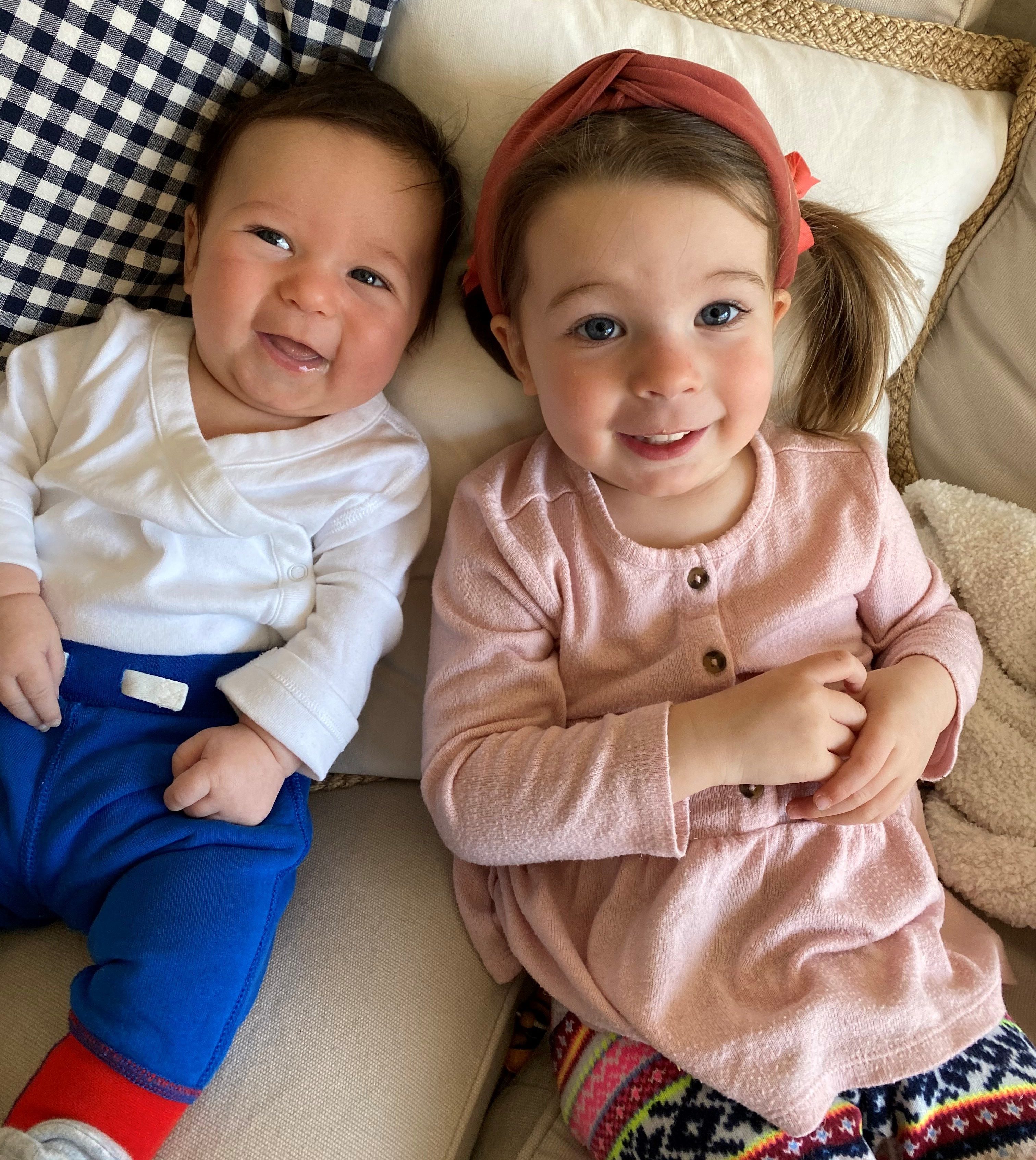
Looking back on when she joined the Brigham a decade ago as a new physician assistant in the Department of Surgery, Jennifer Beatty, PA-C, still remembers how daunting it all felt at first. Having made a career jump from physical therapy to medicine, she was filled with excitement and anticipation for this next professional chapter.

“Starting off as a brand-new PA was overwhelming. Trying to figure out how to care for complex patients while learning the ins of outs of an academic medical center — it took me a good year to 18 months to feel comfortable rotating into difference services,” Beatty recalled.

Now as the department’s first director of Surgical PAs and Clinical Operations — leading more than 100 surgical PAs and championing multidisciplinary process-improvement efforts — she draws on her years of experience at the bedside and operational expertise.

Continuing to devote 30 percent of her time to clinical practice, Beatty emphasized that staying close to patient care is essential for obtaining an authentic perspective on challenges and opportunities for surgical PAs.

“It’s hard to really know what the problems are without seeing what is happening on the floor, so having someone who can be a link between more senior leaders and frontline clinicians is vital as we all come together to set objectives and improve care,” said Beatty, who has served as director since March.

We pursue excellence logoAmong several projects she’s working on is a multidisciplinary effort to streamline patient flow and discharge processes for the Extended Recovery Unit, which serves patients who require overnight observation after a procedure.

Joy Brettler, PA-C, chief physician assistant in the Department of Surgery, applauded Beatty as a tremendous advocate who excels at identifying operational barriers and implementing smart interventions.

“As a surgical PA with nearly a decade of experience as part of the inpatient teams that provide care in General Surgery and Burn/Trauma, Jen understands the logistical issues each department has with hiring, training and retaining PA staff,” Brettler said. “Having her represent our voice and opinions on how to properly integrate and maximally utilize our skills is a huge asset.”

Malcolm Robinson, MD, associate chair of Surgery for Clinical Operations for the Department of Surgery and director of the Nutrition Support Service for its Division of Gastrointestinal and General Surgery, agreed that Beatty was an ideal fit for this new role.

“Jen is an excellent clinician who has the respect of her colleagues. She is a great leader and problem-solver, and she is a hard worker who collaborates well with health care professionals at all levels of responsibility and authority,” said Robinson said. “We are fortunate to have her and look forward to working with her for years to come.”

Above all, Beatty noted she is proud to be part of such an extraordinary group of PAs at the Brigham and have the support of her colleagues as well as hospital leaders, the latter of which include not only Robinson but also Gerard Doherty, MD, chair of Surgery; Kevin Hart, MBA, senior director of Clinical Operations for Surgery; and Jessica Logsdon, MHS, MHA, PA-C, senior director of PA Services.

“PAs have been in the Department of Surgery for 30 years, and we historically haven’t had an administrative structure to support their growth. The hope is that other departments see what we’re doing and adopt a similar model,” Beatty said. “We’re trailblazing a new level of support that our PAs deserve.”
 

Home

William Kaelin displays a model of the VHL protein, which is involved in the groundbreaking research for which he was honored.

Early Monday morning, William G. Kaelin Jr., MD, a senior physician-scientist at the Brigham, received one of the most thrilling calls a scientist can get. The call from Stockholm revealed that Kaelin had been awarded the 2019 Nobel Prize in Physiology or Medicine.

“Like most scientists, I did occasionally dream that maybe one day this would happen,” said Kaelin. “I try to ignore that most days, but when I was younger, my late wife and I would have fun together talking about what would that be like. I’m accepting this prize partly on behalf of my late wife, Carolyn Kaelin. I like to think she’s smiling down and nodding.”

Kaelin, who is the Sidney Farber Professor of Medicine at Dana-Farber and Harvard Medical School, and a Howard Hughes Medical Institute Investigator, joined the Brigham in 1991 and currently has a research staff appointment in the Division of Medical Oncology in the Department of Medicine.

Kaelin is being honored jointly with Sir Peter J. Ratcliffe, MD, of the University of Oxford, and Gregg L. Semenza, MD, PhD, of Johns Hopkins University for their discoveries of how cells sense and adapt to oxygen availability. Their contributions and insights have paved the way for new strategies to treat diseases such as heart disease, anemia and cancer.

“As part of the Dana-Farber/Brigham and Women’s Cancer Center, we have great pride in the scientific research, discovery and innovation that occur at the Dana-Farber Cancer Institute. That pride extends to taking those basic discoveries and translating them into new advances for patients to improve their lives on a daily basis,” said Betsy Nabel, MD, president of Brigham Health. “There are broad applications for this oxygen sensing mechanism across many fields — heart and vascular disease, pulmonary disease, kidney disease and many other organ systems. Bill’s advances extend to cancer and far beyond, and for that, we are enormously grateful.”

The Path to Discovery

In his laboratory based at Dana-Farber, Kaelin’s work focuses on how mutations in genes known as tumor suppressors can lead to cancer. When Kaelin first established his lab, he read about the identification of a mutation in a tumor suppressor gene that leads to von Hippel-Lindau (VHL) disease. Patients with this rare, hereditary syndrome are at heightened risk for developing tumors in the kidneys, adrenal glands or pancreas.

We create breakthroughs. It's in our DNA logo.

Kaelin’s lab found that the VHL protein prevents the onset of cancer and helps control responses to low oxygen levels by regulating another protein that can trigger or suppress the production of red blood cells and the formation of new blood vessels. Cancer cells with VHL mutations can take advantage of this mechanism to surround themselves with new blood vessels that can fuel their growth. This process is known as angiogenesis and has become a target for combating many diseases, including cancer.

Oxygen sensing is essential for many different functions, including fetal development, metabolism, immune response, and exercise. When oxygen sensing goes amiss, it can lead to many diseases, including anemia, cancer, stroke, infection, heart attacks and more. Kaelin’s contributions to the fundamental understanding of how cells sense and respond to oxygen have led to the development of new drugs that can manipulate oxygen-sensing machinery to treat various diseases. Kaelin said he is continuing to search for new, promising targets.

“My mentor David Livingston, MD, taught me to think, ‘The most important thing you’re ever going to discover lies ahead of you,’” said Kaelin. “I still try to adhere to David’s advice.”


Home | Nobel Prize

8 Comments
Karen Bruynell before and after her weight-loss journey

Left: Karen Bruynell in 2016, before embarking on her weight-loss journey. Right: Bruynell in 2019, after completing a recent 5K.

When Karen Bruynell, administrative director of Brigham Education Institute (BEI), sets a goal, she doesn’t stop until it’s achieved. So, when she decided to compete in 5K races in all 50 states, she hit the ground running — literally.

The idea came to her as part of a two-year weight-loss journey. In March 2017, at age 53, Bruynell realized several health issues were hindering her day-to-day activities. She began to change her lifestyle and improve her health, including undergoing bariatric surgery that fall. In January 2018, Bruynell embarked on her personal challenge to run throughout the country.

Since starting her journey and losing a total of 140 pounds, Bruynell, now 55, has competed in Florida, New York, Tennessee, Texas, Virginia and every state in New England. She set a goal to run in at least 10 states each year to complete the map by age 60.

But maintaining a healthy weight is not the only thing that motivates Bruynell to keep going. With every step, she is reminded that each charity race she runs benefits people all over the country.

“It’s great to be indirectly connected to people through a cause. I like the idea of being able to help everyone through donations and raising awareness, even if I only play a small part,” said Bruynell.

Many of the causes have personal connections. Bruynell participated in a charity run for multiple sclerosis research in honor of a colleague living with the disease. She selected a 5K in Arlington, Va., that benefited the maintenance of Mount Vernon — a place Bruynell cherishes because of her love for history. She also completed a race benefiting people with brain injuries in honor of her stepmother, who recently experienced a stroke.

One of the most poignant and touching events was a race she didn’t select for herself.

This past May, Bruynell’s youngest son suggested she take part in “Tracy’s Run,” a race dedicated to supporting individuals with mental health issues, in Gilford, Conn. What he didn’t know then was that Bruynell had lost her best friend, who lived in Gilford, to suicide 14 years ago. She said completing that race was an experience she will always hold close to her heart.

Drawing Inspiration

We pursue excellence logoIn addition to competing in about four 5Ks a month around the U.S., Bruynell maintains her athletic prowess by remaining active in local running programs, including the Brigham’s, and has participated in the Boston Athletic Association (B.A.A.) 5K and 10K races while fundraising on behalf of the hospital.
“The Brigham Running Program is excellent. The leaders’ enthusiasm is so great and helpful. It makes me consider running a marathon,” said Bruynell.

Cheering her on from not only the sidelines but also, in some cases, alongside her are Bruynell’s BEI colleagues. Anna De Cristofaro, senior administrative coordinator at BEI, said Bruynell inspired her to get back into running after taking a hiatus due to a prior injury. De Cristofaro has completed three races with Bruynell by her side, including one in Florida.

“Karen has been a great encouragement for me to get out there and get active with running again, and she is the sole reason why I pushed myself to start competing in more 5Ks,” said De Cristofaro. “She’s excelled immensely and exudes confidence in every workout she does.”

Looking to the future, Bruynell strives to make additional progress each day. Since embarking on her unexpected running career, Bruynell has improved her per-mile pace by five minutes, and in a recent race placed first in her age category. She plans to push herself to compete in longer races, such as 10Ks and half-marathons, more frequently.

“I am constantly striving to become better, and running presents me with that challenge,” she said. “Since deciding to follow through with my running goal, I feel like my life has just started.”


Home | PikeNotes

bright futures 2019 prize

Now in its eighth year, the BRIght Futures Prize competition invites the Brigham community and the public to determine which of three investigators will be awarded $100,000 to support a groundbreaking research project designed to translate scientific discovery into clinical therapies.

Sponsored annually by the Brigham Research Institute (BRI), the BRIght Futures Prize supports Brigham investigators as they work to answer provocative questions or solve vexing problems in medicine. The winner is selected through a public vote, and Brigham faculty, staff and trainees are strongly encouraged to participate and help shape the future of innovation.

We create breakthroughs. It's in our DNA logo.

The finalists’ novel projects are featured in this special edition of Brigham Bulletin:

This year’s BRIght Futures Prize winner will be announced at Discover Brigham on Thursday, Nov. 7. Cast your vote at brightfuturesprize.org.


Home