Posts from the ‘Uncategorized’ category

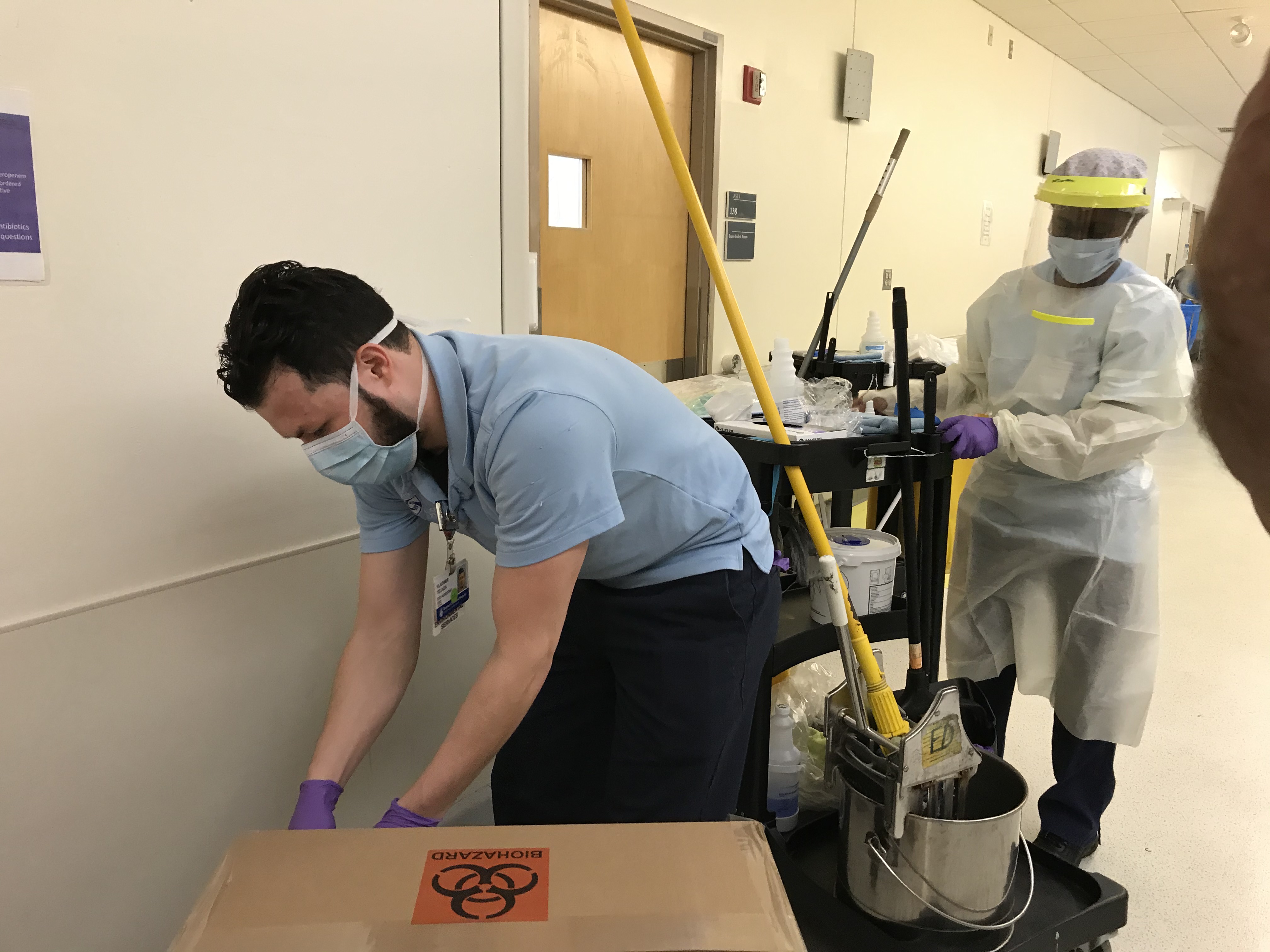
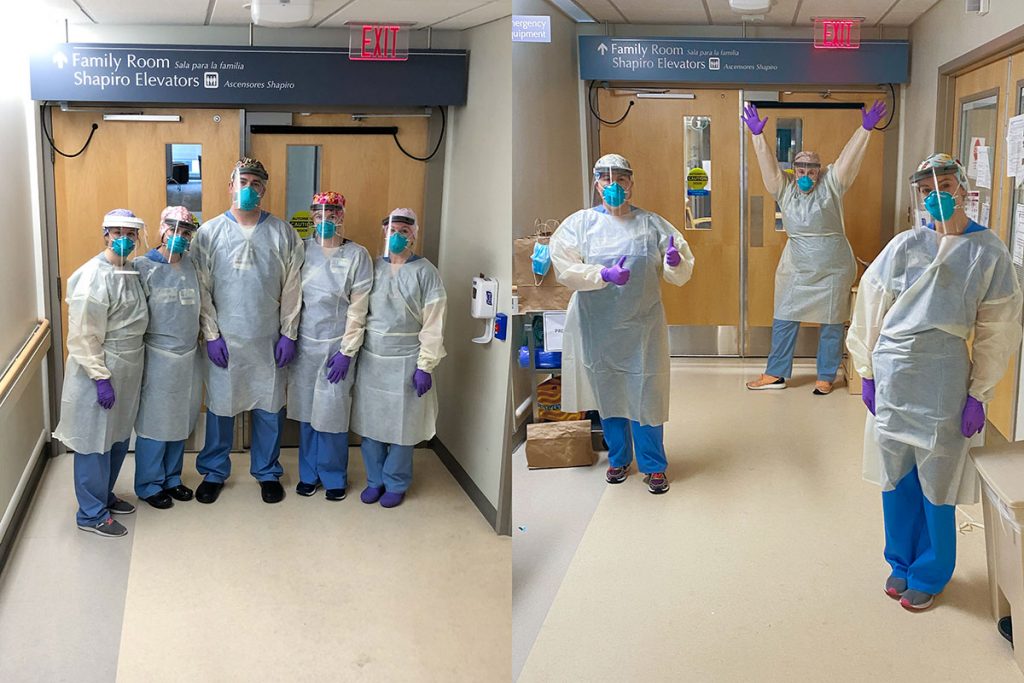
Brigham Staff in the Shapiro testing center.

Brigham staff in the Shapiro testing center.

The Brigham’s Safe Care Commitment assures patients that We Screen, We Clean and We Protect. We are grateful to all staff who are working to demonstrate this commitment to our patients. If you know someone who exemplifies this commitment, please nominate them to be featured in our Safe Care Commitment Spotlight by emailing bulletin@bwh.harvard.edu with a few sentences about why you are nominating them.

Today we are featuring the Expanded COVID-19 Testing team. Within 24 hours of an initial phone call with leaders at the Brigham, Broad Institute and the Cambridge Innovation Center, the hospital had an employee testing site up and running on Sept. 25. Since the site opened, the team has tested over 7,000 employees and received over 6,000 results.

Eric Goralnick, MD, MS, medical director of Emergency Preparedness and the Access Center, was struck by the determination, focus and can-do attitude of the testing site’s interdisciplinary team, led by Paula Kackley, MBA, executive director of Brigham Clinical Services and interim executive director of Operations, Mass General Brigham Urgent Care, and Susannah Rudel, MBA, MPH, Deland Fellow.

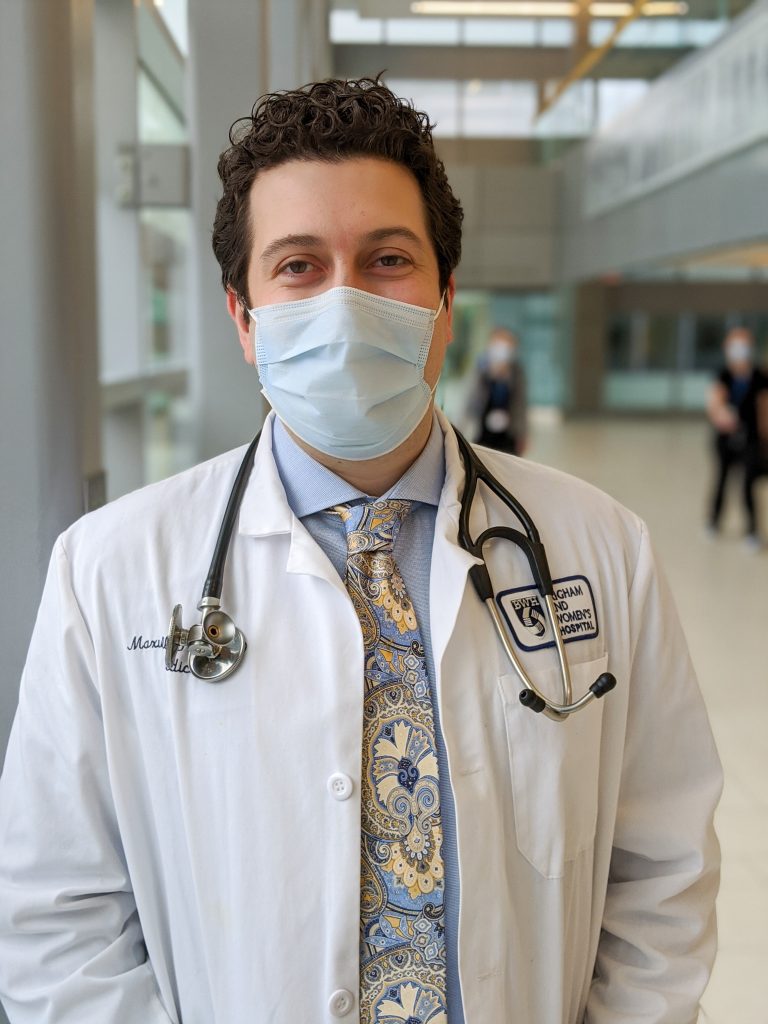
Andrew Phenox and Kelly O'Connell

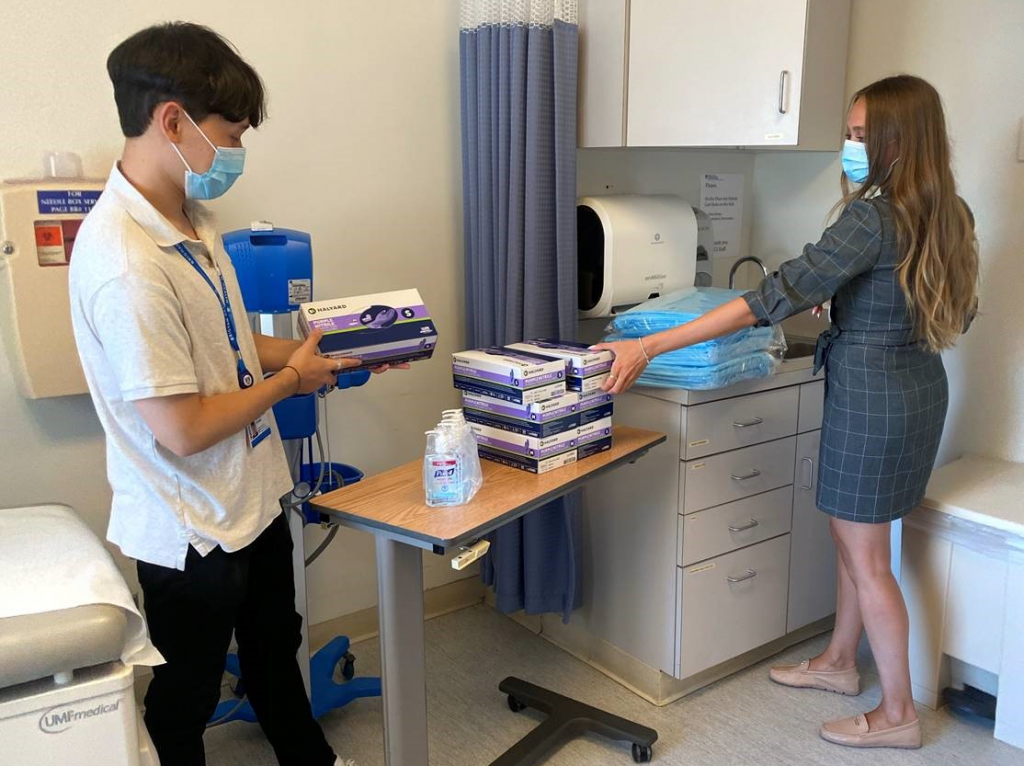
Physician assistants Andrew Phenix and Kelly O’Connell assist with employee testing.

“This team really exemplifies the Brigham Way: identifying a new challenge and teaming on solutions to best care for each other within our community,” Goralnick said.

Kelly O’Connell, PA-C, an instructor and observer of the testing in Zinner, said she was happy to have the opportunity to be a part of the testing program.

“This initiative has offered a peace of mind to Brigham staff,” O’Connell said. “It has been rewarding to meet many colleagues and provide each of them with quick and convenient access to a test.”
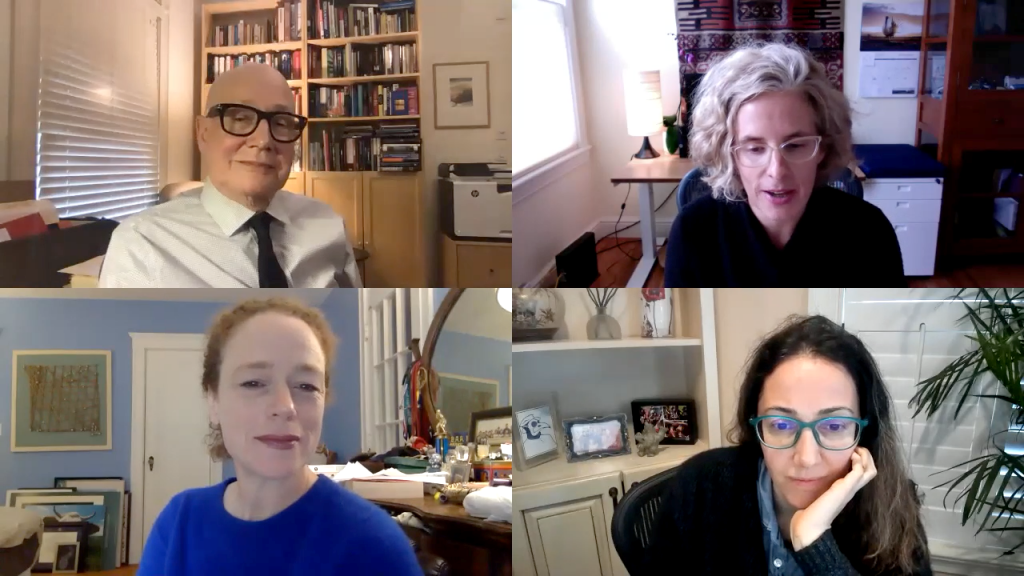
Experts speak during a Zoom presentation

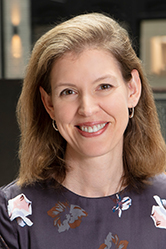
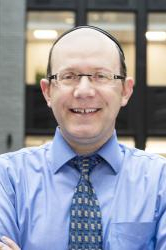
Clockwise, from upper left: Course co-directors Allan Brandt, of Harvard Medical School, and Ingrid Katz, of the Brigham; Pardis Sabeti, of the Harvard T.H. Chan School of Public Health; and Margaret Bourdeaux, of the Brigham, discuss COVID-19 testing and related topics during the undergraduate course’s Sept. 22 session.

Teaching history as it unfolds is no small feat, but several Brigham clinicians and researchers will do just that by sharing their experiences on the front lines of the COVID-19 pandemic in a new Harvard University undergraduate course.

Instead of traditional academic lectures, the virtual course — “Confronting COVID-19: Science, History, Policy” — will feature fireside chat-style discussions with 75 guest speakers from Harvard-affiliated institutions, including the Brigham, about how they responded to the crisis and the lessons they learned along the way.

“Having our faculty speak to their own experiences is so powerful. It brings the subject alive for students,” said Ingrid Katz, MD, MHS, an infectious diseases specialist in the Brigham’s Division of Women’s Health and associate faculty director of the Harvard Global Health Institute.

“These are people who had to make excruciating decisions about how to open up ICU beds, ensure access to adequate PPE and care for patients when visitors could not be in the hospital,” said Katz, who is co-leading the course with Allan M. Brandt, PhD, a bioethics expert and medical historian at Harvard Medical School and Harvard University. “They worked through all of these things as a team, which I think is one of the most valuable lessons that students can learn from this.”

Fourteen experts from the Brigham will reflect on their contributions to hospital preparedness and response, patient care, vaccine clinical trials, health equity, contact tracing, masking policies and more.

“There are so many layers, and we really want to provide students with a 360-degree view of this moment,” Katz said. “There is a remarkable diversity, depth and breadth of expertise among faculty who are engaged in this work here, and the fact that we could identify so many Brigham experts to represent all these different subjects is incredibly exciting.”

An Evolving Narrative

Among the speakers is pulmonary and critical care physician Daniela Lamas, MD, who cared for COVID-19 patients in specialized intensive care units during the height of the surge and oversees a new follow-up clinic for patients who have recovered from the disease.

Lamas will co-present with one of her patients and his son, who will also share their perspectives of this uncertain and emotional time for their family.

“The patient’s son is entering his freshman year in college, so I think offering undergrads a window into what it was like for somebody their age to be thrust into this role — helping navigate care for his dad and being afraid his father wasn’t going to survive — is extraordinarily powerful,” Lamas said.

Infectious diseases specialist and HIV researcher Bisola Ojikutu, MD, MPH, will present on the multiple concerns surrounding participation of Black and Latinx patients in future COVID-19 vaccines — including equitable representation in clinical trials, low anticipated uptake once vaccines are available and potential barriers to accessing them.

Having front-line experts speak directly about their experiences and present evidence-based data is valuable in helping combat the “overwhelming amount of misinformation regarding COVID-19 in the media,” explained Ojikutu, who also serves as director of the Community Engaged Research Program at the Harvard Center for AIDS Research.

“The mistrust of research (including vaccine research), medical institutions and health care providers is a complex phenomenon that is deeply rooted in the pervasive history of structural racism in the U.S.,” she said. “I hope to provide valuable information that will promote student interest in developing strategies to improve equity in the development and uptake of interventions, like vaccination, among vulnerable populations.”

Other Brigham speakers include Atul Gawande, MD, MPH, who will reflect on lessons learned from Mass General Brigham’s universal masking policy; Sonya Shin, MD, MPH, who will highlight the disproportionate effect the pandemic has had on Navajo Nation; and Lindsey Baden, MD, who will discuss the ongoing work to develop a safe, effective COVID-19 vaccine. (See the box below for a complete list of Brigham speakers.)

As the pandemic itself is still in flux, Katz expects the course will evolve during the semester.

“History is playing out in real time. Anything that’s ever been written on COVID has been written in the last six months,” she said. “I am certain this course is going look very different in October and December as the situation changes.”

Lamas agreed. “If we were to teach this five years later, it would be entirely different. But we’re in this moment now,” she said. “Throughout the course of this class, our understanding and this experience will change, and I think that’s really fascinating and exciting.”

Brigham Speaker Lineup: “Confronting COVID-19: Science, History, Policy”

  • Jonathan Abraham, MD, PhD, Division of Infectious Diseases
  • Lindsey Baden, MD, Division of Infectious Diseases
  • Margaret Bourdeaux, MD, MPH, Department of Medicine
  • Paul Farmer, MD, PhD, Division of Global Health Equity
  • Atul Gawande, MD, MPH, Department of Surgery
  • Ingrid Katz, MD, MHS, Division of Women’s Health
  • Michael Klompas, MD, Division of Infectious Diseases
  • Daniela Lamas, MD, Division of Pulmonary and Critical Care Medicine
  • Joia Mukherjee, MD, MPH, Division of Global Health Equity
  • Bisola Ojikutu, MD, MPH, Division of Infectious Diseases and Division of Global Health Equity
  • Raj Panjabi, MD, MPH, Division of Global Health Equity
  • Sonya Shin, MD, MPH, Division of Global Healthy Equity
  • Benjamin Sommers, MD, PhD, Division of General Internal Medicine and Primary Care
  • David Walton, MD, MPH, Division of Global Health Equity
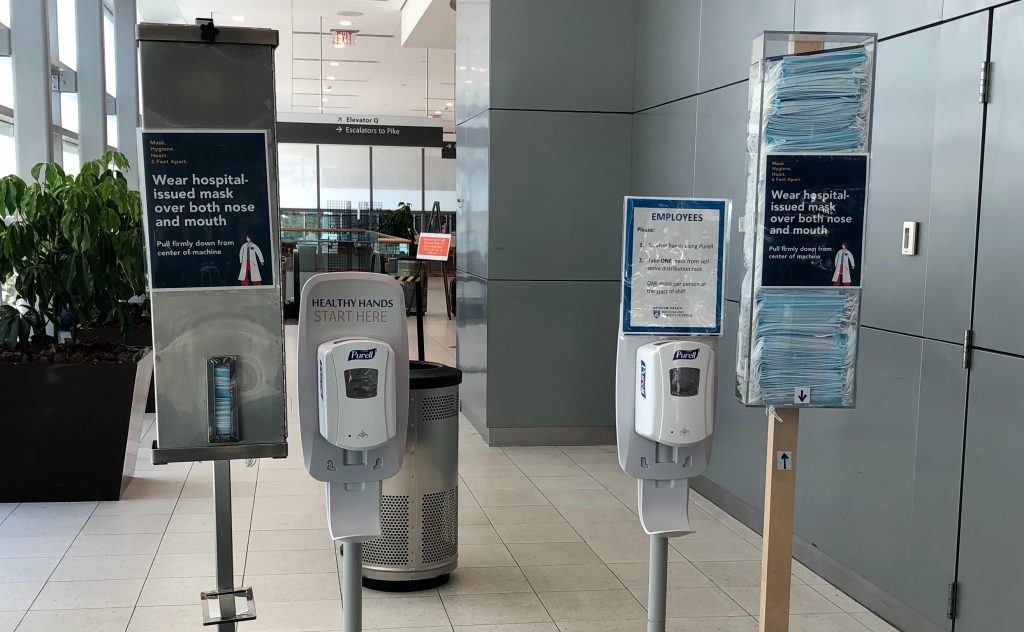
Photo of mask dispensers

Feedback from staff shows a preference for the pull-down mask dispensers currently in use at the employee entrances at the Brigham.

Over the past few months, the Brigham has been testing different methods for dispensing hospital masks at employee entrances, open mask “tree” racks and closed pull-down dispensers, with the goal of identifying a permanent fixture that is safe, efficient and creates the best flow for employees and patients as they enter the building.

While both options have been reviewed and deemed safe by our Infection Control experts, feedback from staff indicates that employees prefer the pull-down mask dispensers over the “tree” racks. Pull-down dispensers are currently in use at both the employee entrances and the patient entrances.

As a result of the feedback from employees, all mask dispensers at the main campus and the larger ambulatory sites will be transitioned to the new pull-down model as the dispensers become available.

Please remember:

  • All employees are given one hospital-issued procedural mask to wear upon entering the facility at the start of their shift.
  • Staff are only eligible to receive an additional mask if the one they were given has ripped and/or is visibly soiled.
  • When taking a mask from the pull-down dispenser, the dispenser itself should not be touched.
2 Comments
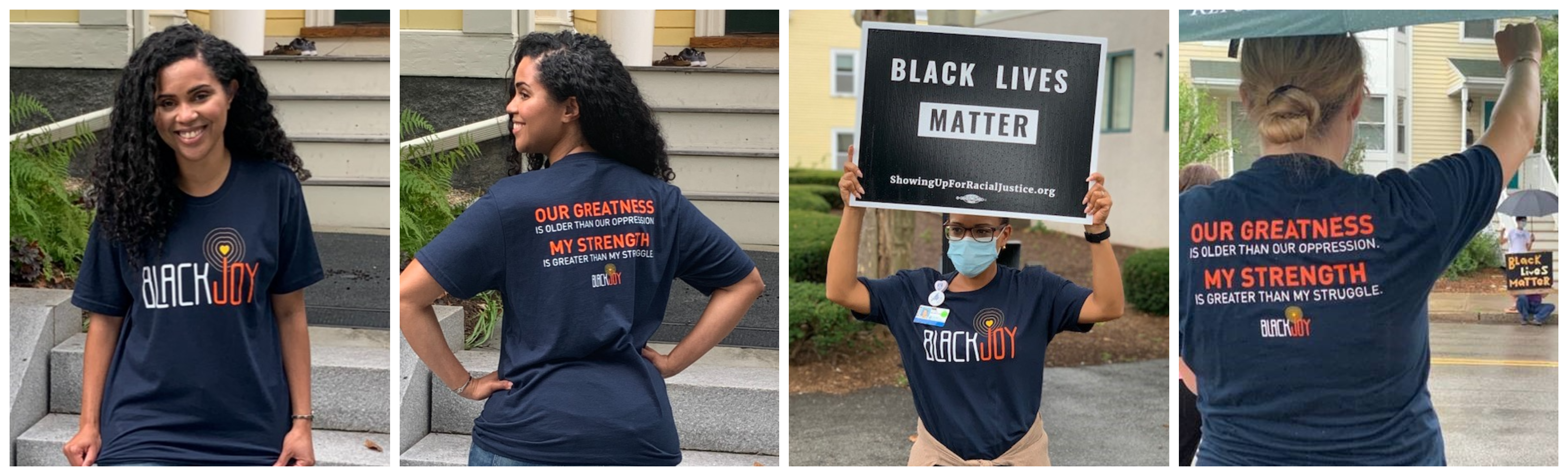
Brigham staff wear Black Joy Day shirts

Brigham staff show their spirit and support for Black Joy Day. From left: Amanda Mitchell, Pivel Morton and Meg Cole

Photographer and community activist Thaddeus Miles tries to find joy in most aspects of his life, and he encourages others to do the same. He is such a proponent of joy, in fact, that through his advocacy and determination, City Councilor Julia Mejia passed a resolution declaring Saturday, Sept. 12, Black Joy Day in the city of Boston.

“With so much constantly going on — from the COVID pandemic to the pandemic of racism these past months, to the Boston Marathon and other events this weekend — I just thought, ‘Can we just take a day and focus on joy?’” said Miles, director of Community Services at MassHousing and a member of the Brigham’s Committee Advisory Committee.

The celebration is the latest development in Miles’ ongoing “BlackJoy” project, which he describes as a collection of writing, poems, interviews and photos that reflect the multidimensional experience of what he describes as Black Joy.

“For me, accepting your blackness without any obstructions, while embracing ‘BlackJoy’ in all its magnificence is not only captivating, but one of the most potent sources of power and beauty,” Miles explained in an artist’s statement on the project’s blog. “‘BlackJoy’ is my contribution to the collective narrative of the power and influence of black traditions in the world. It is a testimony of the strength and resilience of our people. Most importantly, it is a love letter to Black people.”

Thaddeus Miles

Thaddeus Miles

In its resolution to recognize Black Joy Day, the City of Boston described the event as part of a continued effort of “shifting the narrative of Bostonians away from deficit-based descriptors and affirming our resilient yet under-represented communities.”

“I am grateful to Thaddeus Miles, City Councilor Julia Mejia and the City of Boston for recognizing Sept. 12 as Black Joy Day” said Wanda McClain, MPA, vice president of Community Health and Health Equity at Brigham Health. “Black Joy Day is a day to celebrate with family, friends and loved ones and to reflect on the strengths, influences and excellence of the Black community in all of its many forms. During these difficult times, and in society where anti-Blackness is pervasive, bringing awareness to Black Joy sparks hope for our future and is vital to the health, vibrancy and well-being of our city.”

Miles has spent the past year showcasing and highlighting events around Black Joy, beginning with a kickoff event in February at the Museum of Fine Arts. He also has been traveling the country photographing Black Lives Matter marches, which he also hopes to portray positively.

“I try to see the joy within the marches and not the anger,” he said. “My focus is seeing the human part of these people.”

Miles encourages everyone to commemorate Black Joy Day by taking the day to fully embrace things that fuel the spirit and bring peace and joy — be it spending time with loved ones, enjoying a song and dance, eating good food or simply finding a moment of calm.

“We must always find times to smile and to build our resilience,” says Miles. “We can’t sustain this movement through pain or anger. That’s really the challenge I’m facing. This one day, at least, is to get people to think about joy and focus on joy.”

Learn more about the events of Black Joy Day, including where you can watch it livestreamed, here.

Of the many lessons learned during the COVID-19 pandemic, infectious diseases experts from the Brigham and beyond say one takeaway rises to the top: the need to stay humble.

“What’s been remarkable is how much has changed, how much has been assumed and then rapidly overturned. We all need to appreciate that the things we think are true today might not be true tomorrow,” said Michael Klompas, MD, infectious diseases expert and hospital epidemiologist, during a virtual panel discussion on COVID-19. “I think that’s the lesson to apply to the inevitable next pandemic we face — to go in there not with certainty but with humility.”

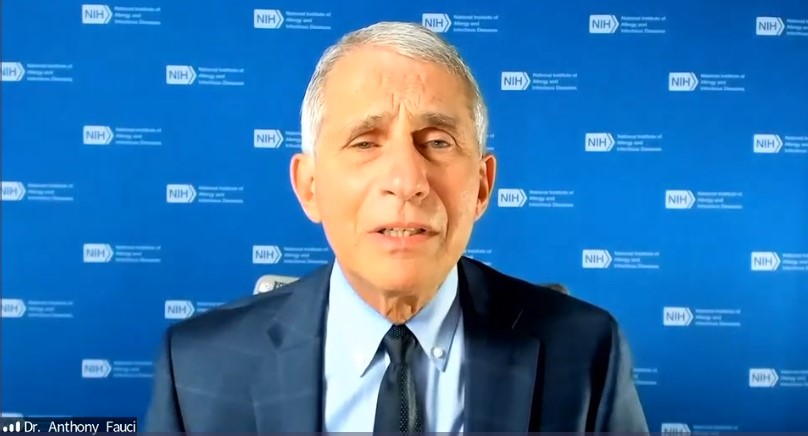
Anthony Fauci

Anthony Fauci discusses lessons learned and ongoing challenges around COVID-19 during a special HMS Medical Grand Rounds.

That earned a hearty agreement from the nation’s leading infectious diseases expert, Anthony S. Fauci, MD, director of the National Institute of Allergy and Infectious Diseases, who joined Harvard Medical School’s special Medical Grand Rounds event as a distinguished guest lecturer on Sept. 10.

When panelists were asked to reflect on what COVID-19 has taught them, Fauci responded that “humility really permeates” several of the important lessons he’s learned in leading the country’s pandemic response.

“When you’re experiencing an outbreak, don’t ever, ever underestimate the potential of the pandemic,” Fauci said. “We’ve been through this before — remember HIV. Five gay men, then 26 gay men, then it’s ‘only a gay man’s disease’ … and then fast-forward a few decades, you have 78 million people who have been infected and 30-plus million have died. Don’t ever try to underestimate as it evolves, and don’t try to look at the rosy side of things.”

Fauci opened the hour-long webcast with a wide-ranging presentation on what we do (and still don’t) know about COVID-19 and the virus that causes the disease, continued health equity concerns, how the U.S. is trending in infections, promising vaccine trials underway and the logistical challenges of distributing a vaccine nationwide.

Compared to countries in western Europe, the U.S. still has an “extraordinarily unacceptable baseline” of new cases per day, Fauci said. Continued surges in states that have been more aggressive in “reopening” society have caused the country to lose some of the gains made during the summer months, he added.

“I don’t talk about second surges because we’re still in the first surge. It isn’t as if we went way down,” Fauci said. “As we try to open up — and if we don’t do it correctly — we’re going to see these surges that we’ve seen the Southern states and the Midwest.”
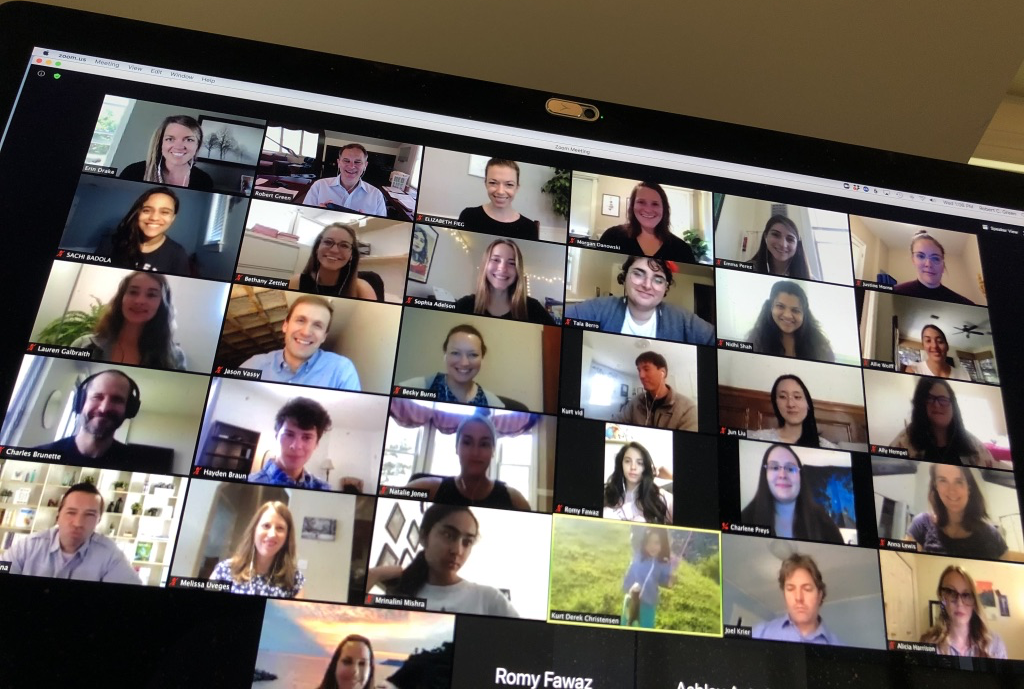
Despite the uncertain outlook, Fauci said there’s still cause for optimism. He pointed to a number of studies that have advanced science’s understanding of the coronavirus, as well as the clinical trials for vaccine candidates currently underway — pausing to recognize the Brigham’s Lindsey Baden, MD, for his leadership in a nationwide trial of a vaccine candidate currently under investigation.

“Boston is playing a major role in the kind of effort that we’re talking about, particularly in vaccines but also in other areas,” Fauci said. “We project that by the end of this calendar year — let’s say by November, December — we will know whether there’s a safe and effective vaccine, and I would say vaccines, plural. I’m cautiously optimistic that we will, based on encouraging Phase 1 and animal data. But with vaccines, you never say never, and you never say always.”

Following Fauci’s presentation, he participated in a question-and-answer session with Klompas and other panelists, including Rochelle Walensky, MD, MPH, chief of the Division of Infectious Diseases at Massachusetts General Hospital (MGH), and Sharon Wright, MD, MPH, senior medical director of Infection Control and hospital epidemiologist at Beth Israel Deaconess Medical Center. The discussion was moderated by Katrina Armstrong, MD, MSCE, physician-in-chief and chair of the Department of Medicine at MGH.

The Brigham’s Joel T. Katz, MD, director of the Internal Medicine Residency Program, delivered the event’s welcome address and speaker introductions.

View a recording of the webcast.

Brigham at night

The study found a “near-zero incidence” of COVID-19 acquisition among hospital patients during the surge.

In a thorough analysis of all COVID-19 cases diagnosed after admission or shortly after discharge, the Brigham Infection Control team found that hospital-acquired infection was extremely rare, even at the height of the state’s pandemic.

As COVID-19 began to surge in the Boston area earlier this year, new infection control measures implemented at the Brigham to protect patients and staff. Over the ensuing weeks, infection control policies continued to evolve, eventually encompassing:

  • Universal masking of all patients, staff and visitors
  • Dedicated COVID-19 units with airborne infection isolation rooms
  • Personal protective equipment in accordance with CDC recommendations
  • A restricted visitor policy
  • Daily symptom screening for employees and patients
  • Testing of all patients being admitted to the hospital

A new study addresses a critical question: Were these infection control measures successful in preventing transmission of COVID-19 to patients in the hospital?

In a paper published in JAMA Network Open, a team of investigators from the Brigham report on an analysis of all cases in which a patient tested positive for COVID-19 three days or later after coming to the hospital and up to 14 days after discharge during the first 12 weeks of the surge in Massachusetts.

They found that the Brigham cared for over 9,000 inpatients during this time frame — including nearly 700 with COVID-19 — and two patients likely acquired the disease within the hospital, including one who likely acquired it from his visiting spouse prior to universal masking and restriction of visitors, and one with no clear exposures within or outside the hospital.

“Our data show that in a hospital with robust, rigorous infection control measures, it is very much possible to prevent the spread of COVID-19 to patients,” said corresponding author Chanu Rhee, MD, MPH, an infectious disease and critical care physician and associate hospital epidemiologist at the Brigham. “This is an important finding as we know that many patients are avoiding essential care due to fear of contracting COVID-19 in health care settings. Our study shows that the hospital is in fact very safe, and if people need to go the hospital for care, they should go.”

Rhee and colleagues conducted their study on data from all patients seen at the Brigham beginning March 7 (when the first patient with COVID-19 was admitted) through May 30. During that 12-week period, 9,149 patients were admitted to the hospital. More than 7,300 diagnostic COVID-19 tests were performed, with 697 people testing positive. In total, 23 patients were diagnosed with COVID-19 after the third day of hospitalization or within two weeks after discharge.

All cases were reviewed in detail by Rhee and hospital epidemiologist and co-author Michael Klompas, MD, MPH, to assess the most likely source of each patient’s infection. Of these 23 patients, 14 had symptoms on admission and were deemed to have been infected prior to admission, while seven were diagnosed following high-risk, post-discharge exposures. Of the remaining two patients who may have acquired their infection in the hospital, one likely acquired his, prior to visitor restrictions and universal masking, from a visiting spouse who was found to have COVID-19. There was only one other patient without a clear exposure who may have been infected in the hospital.

Rhee characterized the team’s findings as “an exceedingly low rate of infection” and a “near-zero incidence” of COVID-19 acquisition among patients seeking care at the hospital during the surge.

The authors note that their study cannot determine which infection control measures in place at the hospital were most critical. In addition, while the researchers comprehensively analyzed and reviewed each case, they could not definitively determine the source of infection in every case. Results were also limited to the Brigham and may not be applicable to hospitals that have adopted other infection control measures. The study did not examine infection among health care workers, and the authors believe that this important topic warrants a separate, detailed analysis.

“Overall, our results should provide confidence to clinicians and patients around the country that currently recommended infection-control measures — if carefully implemented and followed — can prevent the spread of COVID-19 within the hospital,” said Rhee.

Seeking to curb the rapid spread of COVID-19, city officials canceled the Boston Marathon earlier this year for the first time in the race’s 124-year history. The pandemic, however, could not dampen the indomitable spirit of the thousands of runners and wheelchair athletes who will participate in the first virtual Boston Marathon, which can be completed between Sept. 5 and Sept. 14 along any 26.2-mile route the participant chooses.

Among this year’s athletes are 100 participants running to support The Gillian Reny Stepping Strong Center for Trauma Innovation at the Brigham. In interviews with Brigham Bulletin, three members of the Brigham’s Stepping Strong Marathon Team reflected on this historic experience in advance of their virtual marathon plans for this week.

About Stepping Strong

Established nearly seven years ago, The Gillian Reny Stepping Strong Center for Trauma Innovation has evolved from one family’s bold response to a personal tragedy to a thriving, multi-institutional, multidisciplinary hub that is transforming trauma research and care for civilians and military heroes who endure traumatic injuries and events. You can advance this critical work by supporting the Stepping Strong Marathon Team. Click here to meet members of the team or make a gift. Learn more about the center at BWHSteppingStrong.org.

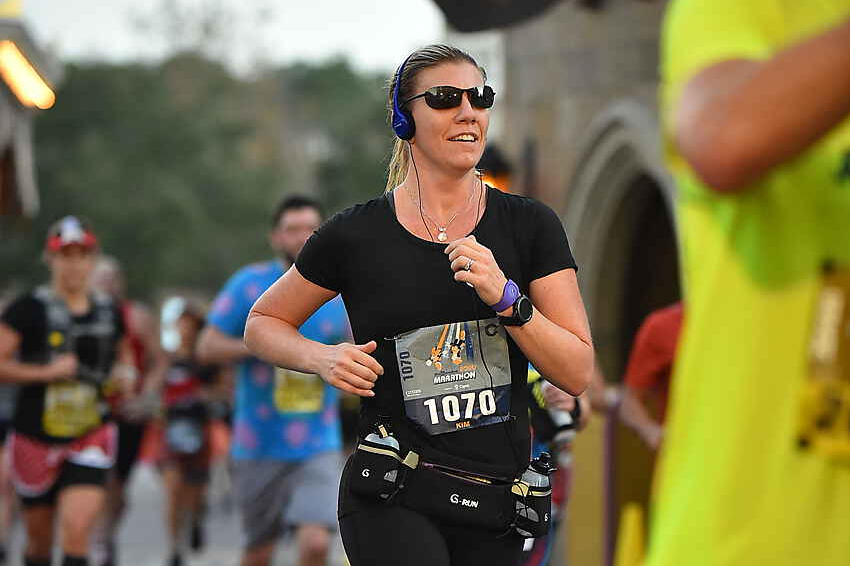
Kimberly Fyling-Resare

Kimberly Fryling-Resare (Photo taken prior to pandemic.)

Name: Kimberly Fryling-Resare

Brigham affiliation: Patient, Brigham Multiple Sclerosis Center

Virtual marathon route: I’m planning on running around my town (Bristol, R.I.), including parts of the East Bay Bike Path and Colt State Park.

What inspired you to run for the Brigham?

I was diagnosed with multiple sclerosis at the end of 2003, and I’ve been a patient at the Brigham MS Clinic since 2003. About 11 years ago, I discovered running as a way to help me manage living with multiple sclerosis. It is a personal goal and dream of mine to run in the iconic Boston Marathon, and when the opportunity arose to run on the Stepping Strong Marathon Team, I felt it was truly serendipitous.

The Brigham has played such a huge part in me living extremely well with multiple sclerosis. Running on this team was my way of giving back and also a true testament to the amazing work that is done at the Brigham. The Stepping Strong Center gives trauma patients back their mobility and their lives — very much in the same way that the MS Clinic has assisted me for all of these years. How could I not proudly run for the Brigham?

As the pandemic continues, why was it important to you to still run this year?

So many things in this life are out of our control. I’ve learned this through years of living with a chronic illness. The best we can do is to persevere and maintain hope. I’ve started this experience, and I’m going to see it through to the finish.

It will be a very different marathon experience this year. What are your hopes for the big day? 

Yes, it is not the experience that I was hoping for, but I raised close to $8,000 for the Stepping Strong Center, which is amazing. I owe it to them, my family and my friends and, most of all, I owe it to myself to complete this journey.

How will you celebrate your virtual marathon finish?

I have friends and family who are planning on supporting me along my route as well as celebrating with me at the finish.


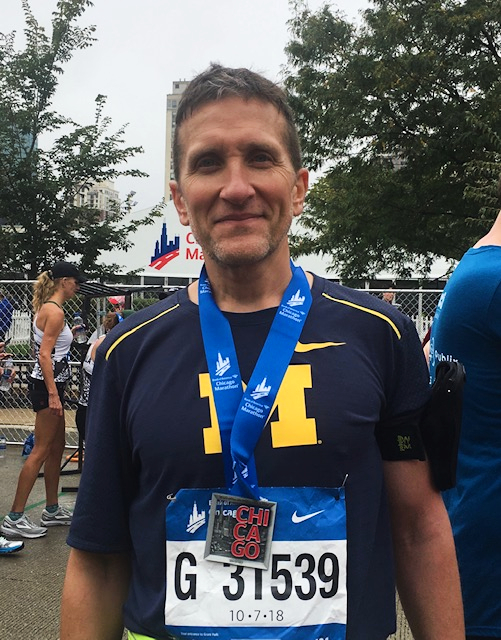
Ahmet Uluer

Ahmet Uluer (Photo taken prior to pandemic.)

Name: Ahmet Uluer, DO, MPH

Brigham affiliation: Director, Adult Cystic Fibrosis Program, The Lung Center

Virtual marathon route: I will run from my house in West Roxbury to the Charles (through the Boston University campus) to the Seaport; back to the Charles and Memorial Drive to Harvard Square; and make my way to Commonwealth Avenue to the finish line downtown.

What inspired you to run for the Brigham?

I’ve been a causal runner for a while — a 5K here and there — but my first inspiration to run a marathon came when I found myself in our Emergency Department (ED) seeing a patient when casualties from the 2013 marathon bombing started streaming in.

The ED took on the appearance of a field hospital or a mobile medical unit near the front lines of a battlefield, but it was also surrounded by the familiar, reassuring faces of the ED staff I have come to know and trust as a pulmonologist at Brigham and Women’s Hospital. More bad news came when one of our beloved patients with cystic fibrosis (CF) — whom I was seeing just prior to the arrival of the marathon bombing victims — was diagnosed later that day with a complication that took her life just weeks later. These events left me in shock, and soon thereafter I started running, not only to help manage my own mental health but also to somehow honor the victims from that day.

In addition to gathering 10 patients with cystic fibrosis to run the marathon on various charity teams (including ours), my inspiration to run in 2020 came from my nephew-in-law, Ryan, who suffered incredible physical and emotional trauma while serving our country in Afghanistan as an Army Ranger. On Aug. 30, 2019, Ryan and his men came under fire in Afghanistan. Ryan suffered almost certain life-ending injuries that led to him eventually lose his right arm and leg, including part of his pelvis, as well as his left foot. His arrival to San Antonio was a miracle, as he traveled directly from Bagram Airfield in Afghanistan, refueling twice in the air and receiving lifesaving treatment during that harrowing trip.

My 26.2 miles pales in comparison to his physical sacrifice. I can only begin to imagine the strength and resilience needed to rehabilitate his larger-than-life physique. His wife, son, parents, siblings, grandparents and other family members, and his team of Army Rangers, all look up to him and gain strength from his unbelievable courage.

As the pandemic continues, why was it important to you to still run this year?

I had been training with one of our runners with CF whenever possible just prior to the pandemic and ran 18 miles before we received the expected, but still disappointing, news of the race’s cancellation. And though it is disappointing to be running virtually and without the cheering crowds to give me the much-needed emotional energy, I hate to leave my goal to complete this marathon unmet. At least two other people with CF will be running virtually with me.

It will be a very different marathon experience this year. What are your hopes for the big day? 

The attention and encouragement we’ve received from our Stepping Strong Marathon Team — from Ali Luthman and Caroline Duncan, to John Furey, and to the amazing Reny family — renewed my desire to run the marathon. Their energy is infectious. I also hope to inspire our 10 runners with cystic fibrosis to take a second chance with me and apply for bibs to participate in the 2021 Boston Marathon!

How will you celebrate your virtual marathon finish?

I will celebrate with my family and virtually with my CF team members.


Ashley Buckley

Ashley Buckley (Photo taken prior to pandemic.)

Name: Ashley Buckley

Brigham affiliation: Manager of Hospitality, Brigham Health

Virtual marathon route: I will be taking off from my residence in West Roxbury, running past the Brigham towards Kenmore Square, down Beacon Street, onto Commonwealth Avenue, and all the way to Newton Marriott, where I will turn around and finish at the Brigham. I decided to end my route at the Brigham, as it’s symbolic of my connection to the Stepping Strong Marathon Team and my commitment to the Brigham!

What originally inspired you to run for the Brigham?

When I started here as a volunteer 16 years ago, I never thought I was going to work in health care. Once I started full time after graduating college in 2013, I fell in love with helping patients. Running for the Brigham gives me a different opportunity to help those who need it most.

As the pandemic continues, why was it important to you to still run this year?

I never in my wildest dreams thought I would run a marathon during a pandemic. This year, I am running in honor of my cousin and her husband, whose lives changed after a horrific car accident. I am running for them, for those who cannot, for those who have endured trauma during COVID and for myself.

It will be a very different marathon experience this year. What are your hopes for the big day? 

My hope is that I finish my run at a reasonable time. During the peak time of COVID, I had stopped training because in the beginning I was unsure if I was going to run, but I decided I needed to do this. I just hope I choose a nice sunny day that is not too hot.

How will you celebrate your virtual marathon finish?

I have done many races over the years, and I would not be able to do them without the support of all the amazing people I have in my life. As a tradition, I ask my mom to wait for me at the finish line with a doughnut or two — I need to ask for two, as my dad (Leo F. Buckley Jr., MBA, executive director of Business Operations in Patient Care Services and Nursing) sometimes will eat one!

Masked people distributing food at hospital

In May, members of the Brigham Digital Innovation Hub (iHub) team showcased new stickers on Sweetgreen salads to promote the Safe Care Ideas initiative.

Earlier this summer, the Brigham Digital Innovation Hub (iHub) partnered with the COVID-19 Operations Committee to launch a crowdsourcing website, called Safe Care Ideas, for Brigham Health staff to contribute suggestions to facilitate the Safe Care Commitment (SCC).

The Safe Care Ideas initiative crowdsourced suggestions from staff on how to improve our SCC and identify gaps. In total, 75 ideas were submitted, reviewed and shared with teams across the hospital for consideration. The ideas, submitted by staff from across the hospital, covered a broad range of topics, including signage, masking, attestation, hand hygiene and more.

To date, over half of the suggestions are being implemented across Brigham Health, including a handful in Environmental Services (EVS). Two ideas that were submitted as part of the initiative focused on disinfecting areas across the hospital: “disinfecting escalator handrails on a regular and frequent basis,” and “more frequent disinfecting of employee workstations and high-touch objects.”

The iHub worked with Environmental Services on implementing these suggestions. Loay Kitmitto, CMIP, director of Environmental Services, said his team has increased the frequency of disinfecting high-touch surfaces, such as tables and chairs in shared seating areas, door handles, call buttons, light switches and hand rails, on the main campus.

Using feedback from the SCC crowdsourcing effort, EVS is also looking into securing dispensers with disposable, disinfecting wipes to be placed in common areas.

Caroline Coy, iHub Innovation Strategy manager, said it was exciting to see how quickly staff began suggesting ideas. Each time the website was promoted, the iHub received a new batch of helpful and innovative suggestions.

“Once the ideas were shared with those who could help, we received a positive response to implementing many of the suggestions in a timely manner,” Coy said.

Kitmitto said he’s proud of his staff for doing everything they can to honor the Safe Care Commitment and providing the safest possible environment for everyone who walks through the hospital doors.

“Every day, our staff are working behind the scenes to clean and disinfect to ensure the Brigham is clean and safe,” Kitmitto said. “Their roles are essential to the healing process for our patients. I always like to remind our staff of the important role they have on care teams.”

Kitmitto said that all EVS staff undergo mandatory training when they are hired so that they can learn more about infection control procedures and their responsibilities. In addition, EVS staff have the option of completing two training and certification programs, sponsored by the Association for the Healthcare Environment, that enhance their knowledge of best practices for cleaning and disinfecting in a hospital environment.

As a reminder, staff are encouraged to submit requests for service and assistance with various tasks using the Brigham at Its Best tool. Send a Fixit request by visiting best.brighamandwomens.org on any desktop computer or mobile device. With just a few clicks or taps, staff can quickly submit requests from their desk or on the go. The site provides easy access to an extensive array of Brigham departments and services, including Environmental Services, Information Services, Security, environmental chemical waste collection, Interpreter Services, Audiovisual Services and more.

Illustration of person in mask and text reading We protect everyone in our environment

Proper donning and doffing of personal protective equipment (PPE) are key to the protection of our staff and patients, and more critical than ever in the face of the COVID-19 pandemic.

To ensure our staff are educated and prepared to properly don and doff PPE, the Brigham is introducing a new online HealthStream course that will be required for all employees who have been FIT tested. The new course, which only takes 15–20 minutes to complete, will be available starting Monday, Aug. 24. FIT-tested staff will need to complete the course by Wednesday, Sept. 23. New employees will complete the course as part of their new hire orientation program.

“This new approach to training helps us meet our Safe Care Commitment even in a time of constraints on supplies and staff time,” said Eric Goralnick, MD, MS, medical director of Emergency Preparedness and the Access Center for Brigham Health, who was involved in the creation of the course. “We hope this additional training will reinforce everyone’s knowledge of donning/doffing and continue to allow us to keep all staff and patients safe.”

The Brigham community and Department of Pathology mourn the loss of Noel Rose, MD, who passed away July 30. He was 92.

Over a career spanning seven decades, Dr. Rose made seminal contributions to the field of immunology and the understanding of autoimmune diseases. But what stands out to many of Dr. Rose’s colleagues and students are the small but deeply meaningful contributions he continued to make throughout his lifetime.

Dr. Rose joined the Brigham five years ago after retiring from Johns Hopkins School of Medicine. He was a familiar face at colloquia, conferences, grand rounds and group meetings and co-taught a class in clinical immunology each spring at Harvard Medical School. He treasured the opportunity to work with students and to consult with colleagues, and is remembered for his intellect and insightful advice, which enriched and inspired both those with well established careers and the next generation of scientists and physicians.

“Noel was often referred to as the father of autoimmunity,” said Jeff Golden, MD, chair of Pathology at the Brigham. “His seminal work essentially created a whole new field, or at least chapter, of medicine.”

Dr. Rose’s discoveries helped to overturn a central dogma in the field of immunology known as horror autotoxicus — the theory that the immune system cannot create antibodies that can injure one’s own cells. In the lab of Ernest Witebsky, MD, at University of Buffalo, Dr. Rose performed a series of experiments in the 1950s that provided compelling evidence that auto-antibodies could attack the body. Hard work, determination and peer-reviewed publications would change the prevailing thinking in the field, and lead to a new term for a category of conditions caused by auto-antibodies: autoimmune diseases. Today, autoimmune diseases are known to include type 1 diabetes, multiple sclerosis, lupus, rheumatoid arthritis, myocarditis (a disease that became a focus of Dr. Rose’s later research) and more than 100 other chronic conditions that affect more than 20 million Americans.

“In his early years in research, Noel showed unwavering determination and focus, attitudes that characterized his glorious 70 years at the forefront of the study of autoimmune diseases,” his colleague George C. Tsokos, MD, chief of the Division of Rheumatology and Clinical Immunology at Beth Israel Deaconess Medical Center, recently wrote. Tsokos is the current editor of the journal Clinical Immunology, a role he inherited from Dr. Rose. “His approach to science has been characterized by sharp focus, relentless persistence, innovation and disdain for ‘spinning’ data.”

Dr. Rose joined the faculty at Johns Hopkins in 1982 as chair of what is now the W. Harry Feinstone Department of Molecular Microbiology and Immunology at the Bloomberg School. He directed the PhD program in pathobiology there for many years and was adored by students, repeatedly winning his awards for his mentorship.

Kathleen Burns, MD, PhD, who now serves as the chair of Pathology at Dana-Farber Cancer Institute, knew Dr. Rose at Johns Hopkins, where she was a resident, fellow and faculty member. Even after retiring from Johns Hopkins and moving to the Brigham, Dr. Rose continued to provide Burns with invaluable perspectives and advice.

“I can remember no casual conversation with Noel,” said Burns. “Whenever we crossed paths, he would ask about what was important in my work and my life. Even his question would linger on my mind and call me to do something more significant with the day.”

Dr. Rose fondly called his position as part-time senior lecturer in the Department of Pathology at the Brigham his “retirement job” — one that allowed him to continue doing what he loved. Dr. Rose made the deliberate decision not to start another lab after leaving Johns Hopkins, in large part because he didn’t want to compete against or take resources away from early-career investigators. Instead, he continued to consult and teach and remained a vibrant part of the scientific community.

“Clearly, Noel never considered retirement as an option,” said Andrew H. Lichtman, MD, PhD, a professor of Pathology at the Brigham. “It was a great privilege for us to benefit from his intellect and knowledge, and that gift will endure.”

A new tented dining area in the Cohn Courtyard brings al fresco seating options to Shattuck Street.

Update on Eating Spaces, April 22, 2021:

Map showing updated dining spaces, effective April 22, 2021. (Click image to enlarge.)

To uphold our Safe Care Commitment, and in response to concerns expressed by Brigham patients and employees, the seating along the windows on the second floor of Shapiro will be designated as a no eating or drinking zone, effective Monday, April 26.


Update on Eating Spaces, April 6, 2021:

New Designated Dining Spaces Now Available

Map showing updated dining spaces, effective April 6, 2021. (Click image to enlarge.)

Regardless of vaccination status, all staff are expected to follow the guidelines for behaviors that are part of our Safe Care Commitment while on campus.

The Brigham has a number of designated dining areas to ensure staff have safe spaces for eating and drinking where appropriate physical distancing can be maintained.

In addition to the Adirondack chairs that have returned to the lawn in the Stoneman Centennial Park, staff are also encouraged to use these newly designated dining areas:

  • Shapiro 3 Terrace (at the top of the escalator) — safely seats five people
  • Duncan Reid — safely seats 20 people

Please note, the Anesthesia conference room is no longer a designated dining space.


Update on Eating Spaces, Dec. 10, 2020:

Designated dining areas provide safe spaces for eating and drinking where you can maintain appropriate physical distancing.

Map showing updated dining spaces, effective Dec. 10, 2020. (Click image to enlarge.)

Effective Thursday, Dec. 10:

  • The seating area on the first floor of Hale will be closing so that we can convert this space to become a vaccination clinic.
  • The following spaces will become available for dining:
    • Wolf conference room on the third floor of the Hale Building for Transformative Medicine
    • Seating along the windows on the second floor of Shapiro (please face the window while eating)

As a reminder, when using these spaces, please do not move the furniture. Additional designated dining spaces are available in locations across the hospital. See the updated map showing dining areas as well as study and work spaces.


Update on Eating Spaces, Nov. 2, 2020:

New seating has been added to the following area:

  • Outside of the Mary Horrigan Connors Center for Women and Newborns, adjacent to the security desk, lower Pike

See the updated map showing dining areas as well as study and work spaces.


Update on Eating Spaces, Oct. 8, 2020:

To ensure staff can maintain appropriate physical distance while eating, we continue to add seating.

  • The Brigham Education Institute (BEI) on the first floor of Thorne, room 127d, is now available for any employee to eat and work between 7 a.m. and 5:30 p.m. Reserve a space at the BEI.
  • The seating area of the Garden Café will now remain open 24/7. (Food service hours will remain the same, 6:30 a.m. through 8 p.m.)
  • The Anesthesia Conference Room on L1 is now available for eating.

See the updated map showing dining areas as well as study and work spaces.


The story below was posted on Aug. 12, 2020:

In response to the need to maintain appropriate physical distance while eating, seating has been adjusted in the Brigham’s three main dining areas — the Garden Café, the 45 Francis St. lobby and the Hale Building Atrium — and signage has been added to these locations to ensure safe, individual dining.

In addition, alternative dining areas have been set up in several other areas throughout the main campus. Outdoor seating is available at:

  • Stoneman Centennial Park at 15 Francis St.: 22 new seats
  • Cohn Courtyard on Shattuck Street: 28 new seats
  • Hale Building, open space along the extension of Binney Street: eight new seats
  • Hale Building, third-floor rooftop garden: seven new seats.

Indoors, additional seating has been created along the Pike before the Shapiro Bridge and in the Shapiro Building.

New and Ongoing Dining Options

The Garden Café, the Coffee Connection, Au Bon Pain, and Pat’s Place remain available to patients, visitors and staff. Au Bon Pain is open 24 hours a day, seven days a week. The Garden Café’s evening hours have been reduced, but a new Evening Delivery Service is available to staff Monday through Friday, 6 to 10 p.m. The online menu features freshly grilled sandwiches, pizzas, premium entree salads, bottled beverages and snacks. This program will deliver to any area on the main campus.

Map of dining areas and quiet spaces (updated Nov. 3, 2020): Click image to enlarge.

In addition, a new Meals to Go food and beverage kiosk opened on the Pike near the Shapiro Bridge to help reduce waiting times in the Garden Café. It is open Monday through Friday, 2 to 7:45 p.m., and offers beverages, snacks, soups, salads and complete entrees to go. There is also a 24-hour Micro Mart available to all badged employees on the third floor of the Hale Building, where staff can purchase packaged snacks, grab-and-go salads and sandwiches, bottled beverages, frozen microwaveable food and freshly brewed Starbucks coffee. Additional locations for grab-and-go food are being considered.

Another exciting addition is the arrival of food trucks to the main campus. As part of the Brigham’s Safe Care Commitment to provide options for both food and seating outside during the warmer months, local food trucks will be visiting the Brigham over the next several weeks and serving up delicious meals and snacks.

The trucks will be parked in the Cohn Courtyard, located on Shattuck Street behind the 75 Francis St. main lobby, Monday through Friday, 11 a.m. to 2 p.m. As with all dining spaces on campus, please remember to wear a mask and maintain physical distance from others while waiting in line and dining in the Cohn Courtyard.

Tower Catering

The Tower Catering department at the Brigham has reimagined its offerings to provide safe, high-quality service during the pandemic. All items are individually wrapped:

  • Traditional sandwiches and specialty salad entrees
  • “In the bag” lunches, ready for grab-and-go dining
  • Individually packaged hot entrees in microwavable containers

Customized menus are also available.

To support physical distancing, consider the following ideas when menu planning:

  • Afternoon treats, including ice cream novelties for departments
  • Meals delivered to a central location that can be picked up before or after a meeting
  • “Thank you” snack baskets for departments
  • Individual hot entrees, ready to eat or can be microwaved to enjoy later
  • Individual treat baskets delivered to a staff work station
  • Morning starter breakfast with individually packaged pastries, yogurt parfaits, fruit cups and beverages

Reach out to Tower Catering directly to customize your needs. Orders can be placed by visiting bwh.catertrax.com or by calling Tower Catering at 617-732-8899. For customized items, contact John Lew at 617-732-5539 or jalew@partners.org.

Ensuring Quiet Work Spaces

The availability of quiet space for staff to study, work and eat has also been affected by physical distancing measures and limits on room occupancy. In response, alternative quiet work spaces are being created across campus.

  • The Zinner Board Room in the Shapiro Building will be available to all staff for quiet study (eating is allowed) from 8 to 10:30 a.m. and noon to 3 p.m. on Mondays, Tuesdays and Thursdays.
  • The Bornstein Auditorium will be reserved and available to all staff at certain times of the day for quiet work/study. More details will be provided soon.
1 Comment
Platelet donor celebrates donation milestone.

From left: Someth Em, lead technician at the Kraft Center, celebrates with Bob Belluche, who recently made his 600th platelet donation.

For Bob Belluche, 82, making regular platelet donations at the Kraft Family Blood Donor Center has come down to simple arithmetic.

“It was just one plus one plus one — just give one more time,” he said.

All those one-plus-ones have really added up since the Tewksbury grandfather first started donating in October 1994. Last week, on Aug. 4, he made his 600th platelet donation at the Kraft Center — amounting to more than 75 gallons of blood product.

Platelets act as the body’s bandages, allowing blood to clot and wounds to heal. Cancer patients and other critically ill patients often require transfusions of healthy platelets because their blood does not clot properly. Platelets have a shelf life of just five days, which is why the need for donors is so great. Volunteer donors help ensure there is a sufficient supply for patients in need.

“We are very fortunate to have such dedicated donors like Bob at the Kraft Center. To hit the 600-donation milestone, he had to come in at least 20 weeks a year to donate for the past 26 years,” said Molly McDermott, recruitment program manager at the Kraft Center, which serves both the Brigham and Dana-Farber Cancer Institute. “To make that kind of commitment for a person you will never meet is truly heroic.”

Belluche was first inspired to donate after he learned of a friend’s daughter who needed platelet transfusions. Seeking to better understand what being a platelet donor involved, he reached out to the Blood Donor Program to learn more and soon scheduled his first appointment. He has made it a Saturday morning routine since then — sometimes driving over three hours from Maine, where he lives for part of the year.

“I had no aspiration of doing 600 donations,” said Belluche, who has since inspired his 17-year-old grandson, Liam, to begin donating as well. “I just got in the habit of it, and, all of a sudden, here we are.”

Belluche explained that growing up in a low-income neighborhood in North Providence gave him an appreciation for the value of life’s most priceless gifts.

“When I learned platelets have a shelf life of four or five days, I thought, why throw something away that’s lifesaving?” he said. “It’s a value beyond money. It’s the value of life.”

Most adults can safely donate platelets 24 times over a 365-day period, with at least seven days between each donation. As he’s gotten older, Belluche says that he’s needed to space out his donations more to give his body extra time to recover, but otherwise he plans to continue donating for as long as he can.

“I want to light one candle in the darkness,” he said. “So, I keep giving.”

To schedule an appointment at the Kraft Family Blood Donor Center (open seven days a week), email BloodDonor@partners.org or call 617-632-3206.

1 Comment
Laura Judge

Laura Judge

The Brigham community mourns the loss of Laura Judge, MSN, BSN, RN, a nurse practitioner in the Renal Medicine Ambulatory Clinic, who died on July 22 of cancer. She was 61 years old.

A member of the Brigham community for nearly 40 years, Mrs. Judge spent most of her career in the Dialysis Unit, which she joined in 1983 and remained for almost three decades. She moved to the Renal Clinic in 2011 while pursuing her master’s degree at Regis College to become a nurse practitioner.

Remembered for her exceptional warmth, thoughtfulness and deep expertise as a dialysis nurse, Mrs. Judge cared for her patients with tenderness and compassion. Colleagues recalled her unwavering advocacy for the safety, comfort and dignity of those in her care, as well as her commitment to ensuring patients and families understood their care plans.

“Laura had a tremendous heart. With her patients, she was kind but also clear-sighted, with good judgment and a sure sense of what mattered most. When she thought something was not right, she stood up,” said Julian Seifter, MD, a senior nephrologist in the Division of Renal Medicine who first met Mrs. Judge in 1982. “She was a remarkable educator for patients and their families as they came up against the most difficult decisions in their lives. She shared her wealth of experience and had deep reserves of empathy.”

Mrs. Judge’s daughter, Amanda Judge, RN, a nurse in the Cardiac Surgery Stepdown Unit, said her mother embodied the heart and soul of nursing — an example that continues to inspire her own practice.

“All of her colleagues, family and friends have countless experiences of her extending her nursing practice well beyond her patients. She didn’t just help; she educated and empowered her entire circle,” Amanda said. “My mum gave birth to me at the Brigham, counseled me through the trials of being a new nurse at the Brigham and received all her cancer care at the Brigham. I plan to rival her lifelong career with my own — striving to live up to her noble and purest brand of nursing. I will think of her every shift.”

In caring for those with chronic kidney disease who routinely returned for dialysis, Mrs. Judge forged longstanding and trusting relationships with her patients.

“Her patients loved her and asked about her all the time,” said nephrologist Gearoid McMahon, MB, BCh, who worked alongside Mrs. Judge in the Renal Clinic. “She was often the first to really talk to someone about the transition to dialysis, and her long experience as a dialysis nurse meant that she was able to help them in that transition. She was always thinking about how to improve patient care delivery.”

Mrs. Judge was one of the key nurses driving an initiative to improve hepatitis B vaccination rates among patients with advanced chronic kidney disease, with the goal of enabling them to develop immunity before progressing to end-stage kidney disease. McMahon and Mallika Mendu, MD, MBA, nephrologist and director of Quality for Renal Medicine, hope to publish a paper about the project in her honor.

She was also tenacious about ensuring care quality and patient safety were always prioritized. While training as a fellow on the Dialysis Unit, David Mount, MD, associate chief and clinical chief of Renal Medicine and director of Dialysis Services, recalled how Mrs. Judge quickly intervened one day when she saw a trainee pay insufficient attention to a patient’s discomfort during a dialysis line placement.

“She was a strong but gentle patient advocate,” Mount said. “After her passing, I heard from multiple generations of renal fellows, stretching back 30 years, for whom she had been a very special part of their nephrology training at BWH.”

Mrs. Judge was equally supportive of her colleagues, generously giving her time, attention and mentorship whenever it was needed. Joy Taylor, RN, a former Dialysis Unit nurse-in-charge and close friend of Mrs. Judge for more than 30 years, reflected on how Mrs. Judge never hesitated to help whomever she could.

“As a nurse, she went above and beyond not only with every patient and family who had the pleasure of meeting her, but she was also a mentor to students, new dialysis nurses, renal fellows and anyone else whom she could teach,” Taylor said. “She was an amazing person who touched the lives of many. She made everyone feel special. It was a gift that she had.”

Jayne Wheeler, MSN, RN, remembered being trained by Mrs. Judge upon joining the Dialysis Unit in 2001. The two became fast friends.

“Laura was a patient, kind and an expert dialysis nurse. She was a beautiful person inside and out, and she had such a deep love for her husband and children,” Wheeler said. “We had a lot in common, as we had young children at the time and talked about the kids a lot.”

Mendu also recalled Mrs. Judge as a caring and beloved colleague and mentor.

“Laura has a special place in my heart,” Mendu said. “She provided me with guidance as a new mom coming back from maternity leave and navigating motherhood and work. I’ll never forget her words of encouragement and advice that really helped me during some tough times.”

Gail Appling, practice secretary in the Dialysis Unit who worked with Mrs. Judge for 15 years, remembered her beloved friend and colleague’s authenticity, kindness and enthusiasm for helping others.

“Laura cared for everyone, always giving of herself to help others,” Appling said. “My car got totaled one winter, and when Laura found out I was without a car, every day that she was scheduled to work she would pick me up and bring me to work and even dropped me off at home if we were leaving at the same time. She was truly a gem who cared for all of us — family, friends, co-workers and patients. She will truly be missed.”

Mrs. Judge is survived by her husband, Paul; their daughter, Amanda; and son, Brian.

6 Comments
Staff prepare an exam room for the vaccine trial.

From left: Jun Bai Park Chang, Infectious Diseases research assistant, and Karina Oganezova, Infectious Diseases research coordinator, prepare an exam room in the Clinical Trials Center for the study.

The Brigham is playing key roles in a clinical trial of a potential vaccine for preventing COVID-19.

The COVE (Coronavirus Efficacy) study will enroll 30,000 participants at trial sites nationwide, including four locations at the Brigham, to evaluate mRNA-1273, a vaccine candidate manufactured by Cambridge pharmaceutical company Moderna, Inc.

The trial is the country’s first COVID-19 vaccine candidate to enter Phase 3. In research studies, phases 1 and 2 establish safety and effectiveness, respectively, with small populations. Phase 3 trials seek to validate those findings in larger groups of people.

The Brigham is serving as a clinical research site as part of the COVID-19 Prevention Network (CoVPN), funded by the National Institutes of Health (NIH). Multidisciplinary teams will support the trial at the Brigham’s main campus, Brookside Community Health Center, Southern Jamaica Plain Health Center and 830 Boylston St. in Chestnut Hill.

Lindsey Baden, MD, an infectious diseases specialist at the Brigham and an expert in vaccine development for viral diseases, will serve as co-principal investigator for the COVE study.

We create breakthroughs. It's in our DNA logo.

“This is the first Phase 3 trial in the U.S. that will test the effectiveness of a vaccine against COVID-19, and we’ve been working diligently across industry, academia and government to pave a path for launching this trial rapidly and safely,” said Baden. “Our goal has been to not only launch this important trial, but also to develop a rapid, high-quality process for future vaccine trials to come.”

Study participants will be randomized to receive either two injections of the investigational vaccine or a saline placebo. The trial is blinded, so the investigators and the participants will not know who is assigned to which group. Researchers will follow up with participants for two years to closely monitor their safety and to better understand how the vaccine works over a longer term. More details about participating in the COVID vaccine study are available on the Rally for Partners site.

The COVE study is part of Operation Warp Speed (OWS), a national initiative that aims to deliver 300 million doses of a safe, effective vaccine for COVID-19 by early 2021. Additional Phase 3 vaccine trials are being planned by the CoVPN in conjunction with pharmaceutical companies.

Engaging the Local Community

The target population for this study are adults whose locations or circumstances put them at increased risk of exposure to COVID-19 due to age, underlying medical conditions, location or other circumstances that increase risk. To ensure these populations have knowledge about the vaccine trials and access to participate, the Brigham research team has made community outreach a cornerstone of the trial. The team hopes to enroll 25 to 40 percent of participants from such groups.

“We need to understand how to develop a vaccine for everybody. We won’t have a successful vaccine if we don’t know that it works in all of us,” said Baden, an expert in developing novel diagnostics and therapeutics for viral diseases that disproportionately affect high-risk patients who serves as the Brigham’s vaccine clinical research site leader for the Harvard HIV Vaccine Clinical Trials Unit.

“COVID has taught us that we are one community,” he added. “A problem anywhere in the world is everywhere. We can’t get out of this problem unless we address it in all communities that are affected.”

This includes partnering closely with communities of color, particularly Boston’s Black and Latinx populations, who have experienced disproportionately higher rates of infection and death from the disease due to systemic inequities in housing, jobs and health care placing them at greater risk.

Paramount to this work is building trust with these communities and “acknowledging the painful history of racism in research that has devastated communities of color and, understandably, led to a deep mistrust of health care and research,” said Christin Price, MD, program director of Medicaid ACO/E-Care Optimization in Brigham Care Strategies & Innovation.

“We need to reframe our approach so that we really listen and understand the concerns and fears many people may have about a study like this, and we need to continue to do so throughout the duration of the trial — not just at the time of recruitment,” she said. “We are committed to creating equitable opportunities to participate without placing an undue burden on communities of color. Our goal is to enroll patients that could be at high risk for COVID-19 infection, whether that be a result of age, medical conditions, occupational exposure or living in a community that has had high rates of COVID-19.”

To help accomplish this, Brigham faculty and staff are hosting a series of virtual and in-person events for residents and partners at community-based organizations to learn more about the trial and ask questions.

“People want to learn about these opportunities, and it is our responsibility to bring this knowledge to the community,” said Rich Joseph, MD, medical director of the Brigham and Women’s Hospital’s Center for Community Wellness at Sportsmen’s Tennis & Enrichment Center in Dorchester, who recently hosted an educational webcast with Baden and interactive Q&A session for local residents.

Primary care providers at the Brigham can also play a vital role in helping get the word out, said primary care physician and epidemiologist Paulette Chandler, MD, MPH, who is leading the community engagement and recruitment efforts for the trial.

“We’re hoping more clinicians become involved in the education and recruitment process because those one-on-one discussions between providers and patients are critical, particularly when it comes to addressing patients’ questions and concerns,” Chandler said.

In addition, the team is collaborating with colleagues at Brookside and SJPHC to host in-person information and enrollment tables with bilingual staff alongside the community health centers’ ongoing COVID-19 testing, food distribution and social determinants of health screening events.

“It is important that we make a concerted effort to engage neighborhoods and communities that were disproportionately affected by COVID-19 and could be at higher risk if we see a resurgence,” said Price, who is helping coordinate the team’s work with the community health centers. “These are the communities that would benefit the greatest from an effective vaccine, and so I believe it is our duty to ensure that members of these communities, if interested, have access to a potentially lifesaving discovery.”

US News Best Hospitals Honor RollBrigham and Women’s Hospital rose to No. 12 on U.S. News & World Report’s 2020 ranking of Best Hospitals, up one spot from last year’s annual Honor Roll rankings. The Honor Roll is a distinction awarded to 20 hospitals that deliver the best care for the most serious or complicated medical conditions and procedures.

In addition, many specialties rose in the rankings this year and earned top spots. The Brigham is now ranked in 13 of the 14 specialties in which it is eligible to be ranked, with five specialties earning top 10 status. The Brigham ranks fifth for Rheumatology; sixth for both Nephrology and Cancer; seventh for Cardiology and Heart Surgery; and eighth for Gynecology.

In a message announcing the news to the Brigham community, Brigham Health President Betsy Nabel, MD, and Executive Vice President and Chief Operating Officer Ron M. Walls, MD, commended staff for their exceptional contributions in clinical care, research, education and community outreach.

“While we’re proud of these rankings, we recognize that what matters most to our community is the hope and compassion we bring to our patients, their loved ones and each other,” Nabel and Walls wrote. “Thank you for all that you do to help us advance our vision of creating a healthier community and a healthier world.”

U.S. News’ Honor Roll rankings are based on a point system derived from a nationwide evaluation of more than 4,500 medical centers in 16 adult specialties.

The complete listing will be published in the magazine’s August issue as part of its 2020–21 Best Hospitals Guide.

Brigham Rankings by Specialty

Rhonda Manczurowsky

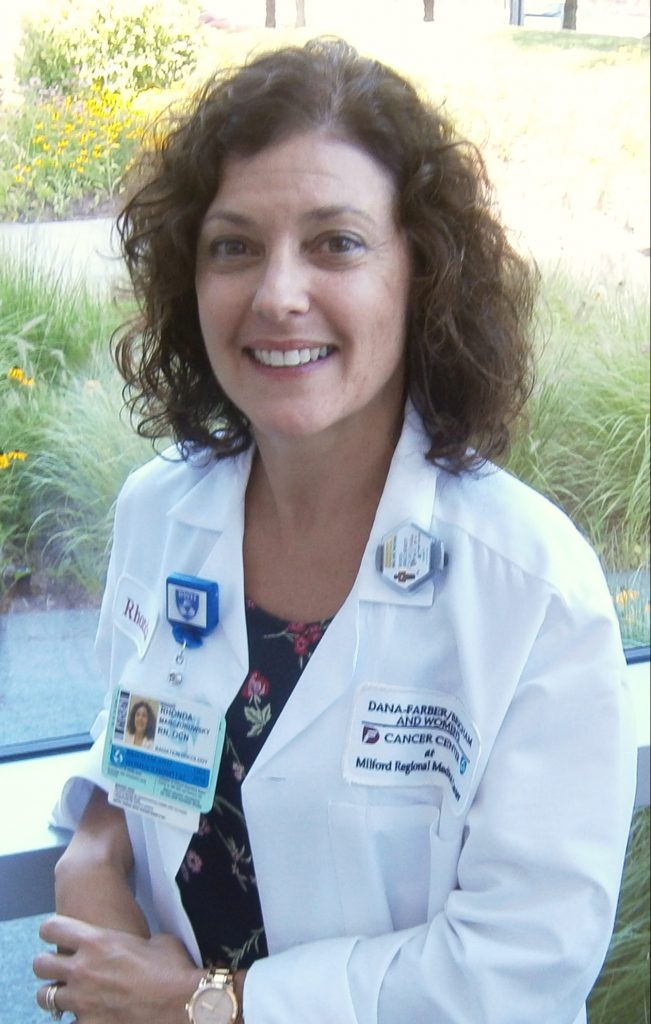
Rhonda Manczurowsky

The Brigham community mourns the loss of Rhonda Manczurowsky, RN, of Radiation Oncology at the Dana-Farber/Brigham and Women’s Cancer Center at Milford Regional Medical Center. Mrs. Manczurowsky died July 14 of mesothelioma. She was 54 years old.

She had been a member of the Radiation Oncology team at Milford since its opening in 2008 and was known by her colleagues for her enthusiasm, warmth and dedication to her patients.

“She was a wonderful nurse and person,” said Colleen Whitehouse, DNP, RN, nurse director of Radiation Oncology. “She was beloved by the patients and families she cared for. I miss her so much already.”

Patients and families would ask for Mrs. Manczurowsky when they returned for follow-up visits, even years after their treatment. These meetings would include “laughter, hugs, stories and this aura of peace and calm that had to be experienced to be understood,” wrote Peter Orio, DO, vice chair of Network Operations for Radiation Oncology, in a message to colleagues. “Rhonda would remember not only the names of each of her patients, but also their entire life stories, even as the years passed and follow-ups became less frequent. Our patients absolutely adored her.”

Kayla Manczurowsky, BSN, RN, of Gynecology Oncology at Brigham and Women’s Hospital, eulogized her mother during her memorial service, reflecting on her courage, selflessness and strength.

“She intimately impacted my career in nursing along her oncology journey, for she is the ultimate role model as a nurse in cancer care. It was truly an honor to care for my mother, especially in her final moments,” she said.

Kayla spoke of her mother’s “exquisite enthusiasm” for everything she did. “She even kept a quote on her desk at the cancer center, stating, ‘Enthusiasm makes the ordinary EXTRA-ordinary,’ and to this day, I hear countless people reciting those beloved words.”

Kayla noted that her mother, who previously worked in medical/surgical nursing, found her “true calling” as an oncology nurse at the DF/BWCC in Milford. “I will continue to bring her enthusiasm to every patient I encounter in the years to come,” she said.

Mrs. Manczurowsky’s colleagues plan to honor her by placing a bell on the unit for patients to ring on their last day of treatment. “Rhonda often ran to the treatment machine to celebrate with patients on their last day, and we want to dedicate the bell to her so she will be part of these celebrations for always,” said Whitehouse.

In addition to Kayla, Mrs. Manczurowsky is survived by her husband, Walter, and daughters, Julia and Sofia, in addition to her mother, Ann Marie; sister, Lynn; and brother, Ronald.

In honor of Mrs. Manczurowsky’s dedication to the field of oncology and in lieu of flowers, donations may be made to the Mesothelioma Applied Research Foundation at curemeso.org/donate.

1 Comment
Abraar Karan

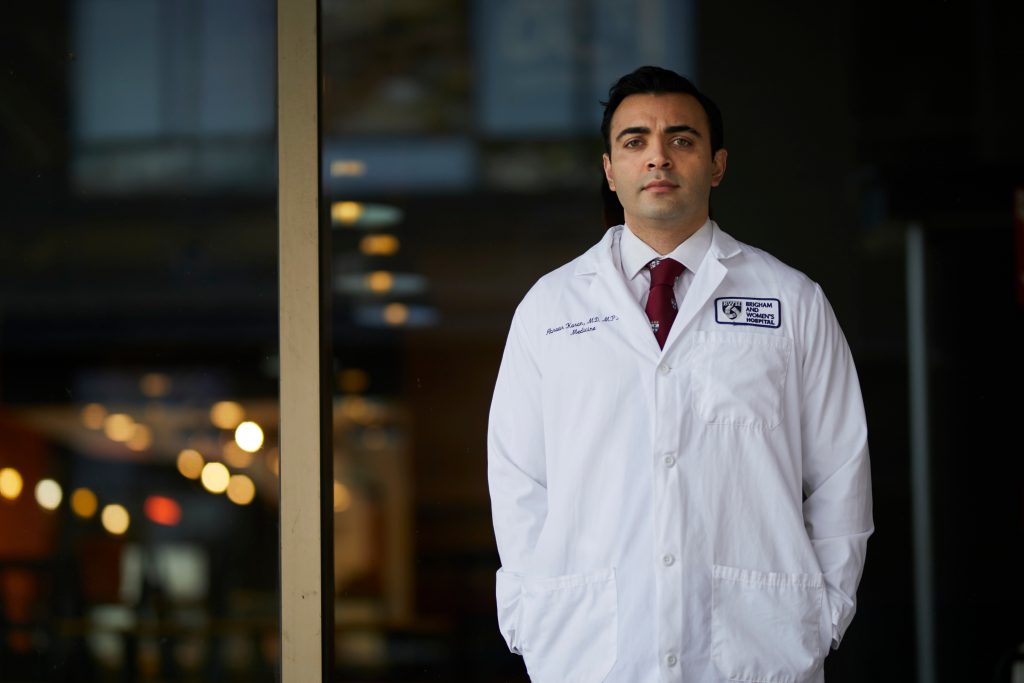
Abraar Karan (Photo credit: Kent Dayton)

Abraar Karan, MD, MPH, DTM&H, an aspiring infectious diseases specialist and medical resident in the Hiatt Residency in Global Health Equity program, serves as a medical fellow in the office of Massachusetts Department of Public Health (DPH) Commissioner Monica Bharel, MD, MPH, on the state’s response to COVID-19.

In this role, Karan collaborates with DPH leadership, including the commissioner, state medical director and state epidemiologist, to assist the state with its epidemic response strategy for the COVID-19 pandemic.

Karan recently spoke with Brigham Bulletin about his experiences.

How did you get interested in epidemics?

AK: I spent the last 12 years working in the global health sector, with most of my past experiences in Sub-Saharan Africa, Latin America and South Asia focused on ground-level work related to infectious diseases. The Ebola epidemic in West Africa in 2014 was what really sparked my interest in emerging infectious disease outbreaks, though. To me, it became clear how pandemic-prone diseases were, in a way, the ultimate test of the strength of a society’s fabric; they put a strain on every pillar of what holds us together. They require such an immensely complex interdisciplinary response — an understanding of medicine, politics, epidemiology, anthropology, ethics, law and more.

How were you selected to join Commissioner Bharel’s team?

AK: While I was earning my master’s degree at the Harvard T.H. Chan School of Public Health in 2016 and 2017, I worked at the DPH’s Office of Health Equity for my year-long practicum on combating homelessness in Massachusetts. The commissioner is very passionate about caring for homeless populations and was the leader in our state on this prior to her current role. Over the past few years, we have kept in touch, and I am lucky to call her a mentor.

Ultimately, it ended up being a matter of timing and being prepared. When Ebola struck again in the Democratic Republic of the Congo in 2018, during my second year of residency at the Brigham, I tried to understand how that response was managed. I went on to serve as the editor of the American Medical Association’s Journal of Ethics January 2020 theme issue on epidemic response, focusing on the Ebola outbreak. Through this, I had a chance to learn from many experts in epidemics. I had also just finished my Diploma in Tropical Medicine in London, which I pursued through the support of the Global Health Equity Residency, and much of my time there was also focused on epidemics. I remember in January when I had returned to Boston, I met with my program directors, Dr. Joel Katz and Dr. Joe Rhatigan, as well as Dr. Marshall Wolf, to let them know I had decided to commit to infectious disease training and epidemic response. Weeks after this, COVID-19 struck the U.S. in full force. I started at the DPH the last week of February when Massachusetts was just about to be hit hard.

What’s a typical day at the Department of Public Health like?

AK: Every day is different than the last as DPH communicates with its many stakeholders in the state, including legislators, local boards of health, the media, hospitals, schools, the transportation sector, emergency medical services and many others. DPH has an enormous purview and is responsible for so many aspects of public health, so the team needs to be on its toes at all times, really at any hour of the day.

During the pandemic response, our team at DPH would have calls and meetings every morning, most evenings and every weekend. I would join many of these team calls regarding new developments that needed attention. Earlier in the epidemic, I would get to the department around 8 a.m. and leave around 7 p.m., but I would usually be awake reading updates on new scientific and clinical literature until much later into the night. I am totally a night owl; even when I’m on clinical service, I rarely sleep before midnight, so it has worked out well.

What did you work on over the past few months?

AK: I’ve had the chance to work with the DPH team on our state Crisis Standards of Care Committee; with the ventilator procurement group; with the state reopening advisory board, which the commissioner is part of; the remdesivir allocation team and more. I’ve also been keeping up with the scientific literature and sending short daily summaries to the team. The work has been dynamic, and nonstop, but I always wake up energized, so I know it’s right for me.

How have your experiences at the Brigham prepared you for this role?

AK: Seeing patients, you are on the front lines of care delivery. I was working in our Emergency Department COVID-19 pod in April during the peak of the Massachusetts epidemic, as well as on the wards at the Faulkner intermittently. I was able to bring my clinical, ground-level experience and perspective back to the DPH. One key thing I noticed was how hard it was for patients with COVID-19 to safely isolate at home. I wrote about this important topic in an op-ed in the Washington Post and brought this up during my state work. I remember keeping one patient overnight in the ED so we could send her to Boston Hope in the morning. It felt great to be able to do that for her.

What do you hope to do next?

AK: This summer, I am continuing COVID-19 work at the DPH and starting to expand my research and studies into infectious disease modeling through some remote coursework with faculty at the Harvard Chan School and the University of Washington. I am applying for an infectious disease fellowship and hope to gain more field epidemiology training afterward, possibly through the CDC’s Epidemic Intelligence Service. I’m very excited about it!

3 Comments
Michael O'Rourke

Michael O’Rourke

The Brigham community and the Department of Engineering mourn the loss of Michael O’Rourke, who passed away on June 9 after a brief illness.

A member of the Brigham family for the past 44 years, Mr. O’Rourke worked as an HVAC technician, specializing in ice machine and refrigerator repair. Throughout his career at the Brigham, he was actively involved in many of the department’s initiatives and participated as a member of its safety committee.

Mr. O’Rourke was a longtime friend and colleague to many, including his supervisor, Eric Lindquist, who knew Mr. O’Rourke for 36 years.

“I have never had the privilege of working with a kinder, more caring person than Mike,” Lindquist said. “He was truly a good soul. The honor of knowing him is all mine.”

Colleagues remembered Mr. O’Rourke for his many thoughtful gestures, including how he would leave surprise treats, such as doughnuts and coffee, in the Engineering office for his co-workers to enjoy.

In addition to these personal touches, Mr. O’Rourke was widely respected for his engineering expertise and dedication to helping others. Staff who needed a machine repaired or evaluated, or were simply seeking his professional guidance on an engineering matter, would often call the department and ask for Mr. O’Rourke by name, Lindquist recalled.

Julianne Mazzawi, former assistant manager in the Neonatal Intensive Care Unit, remembered how Mr. O’Rourke would go above and beyond to make sure that new mothers had the right equipment in which to store their breast milk.

“Mike cared so much he even gave me his personal cell number so that I could update him on the freezer temperatures after he fixed them,” Mazzawi said. “He truly was an amazing man.”

Mr. O’Rourke’s previous supervisor, Chuck Thompson, worked with him for more than 25 years at the Brigham. Thompson said Mr. O’Rourke could not have been a more “honest, conscientious and dedicated employee.”

Mr. O’Rourke is survived by his wife, Catherine; his children, Laura Vines, Jonathan Vines and Briany O’Rourke; and many other loved ones and friends.

4 Comments

Screenshot of zoom meeting

Staff from the Genomes2People research program host a lab meeting over Zoom.

For more than 3,700 staff throughout the Brigham, office and home life merged on March 13, when the organization announced that all employees who could effectively perform their jobs remotely should do so, starting the following week.

Implemented in response to a directive from Gov. Charlie Baker — who had asked employers to help to slow the spread of COVID-19 by quickly transitioning their office workers to remote work — the move marked a new chapter for many teams across the Brigham.

“We announced it on a Friday and essentially enacted it the following Monday. That’s amazing for a workforce of this size,” said Paula Squires, MBA, SHRM-SCP, SPHR, senior vice president of Human Resources. “On top of that, we were all responding to the crisis at hand. It was a lot of transition in a very short time, and it has been incredible to see how quickly staff adapted.”

As schools and nearly all child care services remained closed during the pandemic, remote work presented challenges for working parents, who did their best to juggle their dual roles as parents and professionals.

“As a mother of two young children, I learned that you have to give yourself a lot of patience and grace,” said Erin Drake, director of research operations for Genomes2People, a translational research program within the Division of Genetics. “If we’re on a Zoom call and a toddler’s head pops into someone’s screen, we power through it or let that person know it’s OK to turn off their video for a few minutes and reconnect when they can.”

Despite the many challenges of working from home — from video call fatigue to the feeling of being always “at work” — remote staff remained dedicated and diligent throughout the pandemic, making essential contributions to the Brigham’s COVID-19 response. And even after the height of the crisis passed, thousands of staff members continued to work remotely to support the hospital’s safe care commitment by limiting on-site density and encouraging physical distancing.

New Dynamics

Although departments that adopted remote work represented a diverse range of roles and activities, they shared two important ingredients for success: teamwork and technology.

Drake said her team had to think creatively about how to continue their work after going fully remote.

“Many of our research projects involve human participants, and several came to a screeching halt due to the pandemic,” she said. “We put a lot of effort into figuring out how some work could be accomplished virtually, such as mailing genetic testing kits and coordinating how to receive them back if we couldn’t be in the office.”

While many of the program’s activities were disrupted, the team found ways to build and maintain momentum in other important areas, such as identifying new research projects, working on new grant applications and publishing prior work. Researchers affiliated with the program also pivoted to remotely contribute to two unfunded studies involving the role of genetics in COVID-19.

Among those who adapted to remote work were the Human Resources (HR) staff, a department comprising about 80 people spread across several specialized teams. From new hire orientation to recruitment for critical job openings to Employee Assistance Program services, nearly all HR operations had to switch to a remote model.

HR staff, in conjunction with Mass General Brigham HR colleagues, also adapted to new ways of working while supporting some of the Brigham’s most urgent workforce needs during the pandemic.

HR staff remotely managed the new Labor Pool and reassigned employees; managed recruitment, emergency on-boarding and orientation; provided support for child care and housing services; helped support multilingual staff; and created virtual support programs for staff via the Employee Assistance Program and the Office of Mediation, Coaching, Ombuds and Support Services. Occupational Health remotely conducted COVID-19 exposure tracing.

“The nature of my work changed,” said Gina DiCarlo, a senior HR business partner supporting several departments, who transitioned to remote work. “I became mainly focused on pandemic necessities, such as ADA accommodations and supporting my groups as they navigated through the impact of COVID-19.”

Bridging the Gap

Remote staff relied heavily on video conferencing and online collaboration software, including Microsoft Teams and Zoom, to stay connected and productive.

“Our HR Business Partner group has virtual daily huddles and weekly business meetings, as well as ad hoc Zoom meetings,” DiCarlo said. “Our department leadership also held weekly Zoom meetings with the team, so we always felt very connected and well-informed.”

Technology also helped remote teams maintain some of the social atmosphere of working in an office.

“Every Monday, we have a group check-in over Zoom for our core team. It’s less focused on our research and more of a morale check-in to support each other and talk about what we and our families are going through,” Drake said. “We have a couple of colleagues who live alone, so we want them to know they have another support network. We do a wellness check to make sure we’re all healthy and safe.”

While staying apart sometimes still felt isolating, DiCarlo said her connection to the Brigham family has remained strong, even from afar.

“I miss being in the heart of the action. I feel like it’s easy to still be effective remotely, but I found myself wanting to be on campus and be part of the energy,” DiCarlo said. “Every time I saw one of our medical professionals interviewed in the media, or saw one of our innovations on the news, a wave of pride came over me. It’s really a privilege to be part of this team.”

Nurse Erin Borland cares for a patient on Shapiro 9 East.

Nurse Erin Borland cares for a patient on Shapiro 9 East. Photo credit: James Rathmell, MD

A global pandemic. Widespread shortages of personal protective equipment and supplies. An anticipated surge in COVID-19 patients requiring hospitalization. Fear of getting sick and spreading the virus.

The teams on the front lines at the Brigham faced unprecedented challenges as they worked to care for COVID-19 patients and protect themselves. Through it all, many staff say what they will most remember is how everyone came together to support one another.

“This experience with COVID-19 has shown me that we are so much stronger together than we can ever be apart,” said NaTasha Washington, RN, of the Medical Intensive Care Unit, who was among many nurses who relocated to care for COVID-19 patients. “I had so much support from my team and the people I work with. With them, I felt invincible.”

Zara Cooper, MD, MSc, FACS, shared a similar sentiment. “What I will probably take away the most from the experience is the sense of pride and unity and how people came together,” said the trauma surgeon, surgical intensivist and the Kessler Director of the Center for Surgery and Public Health. “I don’t think anyone was prepared for this, but we were ready to be there when people needed us.”

Preparing for the Unknown

NaTasha Washington

NaTasha Washington was among many nurses who relocated to a different unit to care for COVID-19 patients during the crisis.

With so much unknown about the novel coronavirus that causes COVID-19, and the extent to which it would spread locally, care providers had to adapt to rapid changes in policies, procedures and technology as the situation evolved.

“It was a different disease, especially the tempo and the pace,” said Cooper. “People got sicker faster. They had this longer course. Some people got better when you didn’t expect them to. Some never did. Others got better after long, long periods of time — durations that, in other circumstances, we might have never expected them to recover.”

Emergency Department (ED) nurse Jillian Baker, BSN, RN, recalled how quickly — and how often — staff needed to adapt to new policies and processes in response to evolving needs.

“In the beginning, it seemed policies were changing hour to hour. It was hard to keep up with the information flowing through our emails,” Baker said. “It made for long and difficult shifts, but it was rewarding work. I think most nurses choose this work because they like to help people. This was a time when our patients were at their most vulnerable and needed our help, and I’m glad I had the opportunity to do so — and to have been surrounded by colleagues who felt the same way.”

Special Pathogens Units and Intensive Care Units were opened in the Shapiro Center, Braunwald Tower and Connors Center, with support from nurses, physicians, physician assistants and other staff from many units and services. To accommodate the launch of these areas, some units caring for non-COVID patients were relocated.

ED nurses

From left: Sisters and ED nurses Jillian Baker and Tama Baker

“For anesthesiologists, the influx of patients with coronavirus into the hospital felt like a call to action,” said Louisa Palmer, MD, of Anesthesiology, Perioperative and Pain Medicine. “We were involved with the care of these critically ill patients in so many ways, from caring for them as intensivists in the ICUs, forming specialized intubation and line teams, to providing anesthesia when they needed procedures in the operating rooms.”

It was difficult to predict how many patients would require hospitalization at the peak of the pandemic. Brigham Incident Command leaders planned for the worst-case scenario, creating a surge plan that would, in its final phase, enable the hospital to convert areas that aren’t designed to be inpatient units into SPUs if needed.

Fortunately, the surge plan for critical care was not activated beyond phase 1. At peak volume, 171 COVID patients were admitted to the Brigham. Intensive care units saw a total of 86 COVID patients, and more than 100 patients hospital-wide were on ventilators during the height of the surge.

“I was shocked at how many patients were critical enough to require ventilators and ECMO,” said Suzanne DeDominicis, RRT, of Respiratory Care. “The teamwork that I experienced in the SPU was inspiring. From my fellow respiratory therapists, to the nurses, patient care assistants, doctors and observers, I felt like we all came together to do what was best for our patients.”

By mid-March, the Brigham deferred most routine care and non-urgent procedures to accommodate the anticipated surge of COVID-19 patients. But many areas of patient care never stopped, and staff continued to deliver expert, compassionate care while navigating new policies and strict infection control guidance.

Providers meet outside a patient room.

Providers meet outside a patient room during the patient surge. Photo credit: Max Esposito

“Our biggest challenge of all has been supporting our families through all of the changes that have come with COVID,” said Ali Colarusso, BSN, RN, a nurse in the Neonatal Intensive Care Unit. “The visiting limitations are especially hard on new parents. Babies and families need extra love from us right now, and we have all come together to make sure that our new moms and dads feel that love, whether they are holding their tiny miracle in their arms on the unit or at home, away from the single thing they love most in this world — in which case we, as nurses, provide the snuggles as often as we can.”

Protecting Patients and Each Other

Those on the front lines worried not only for their patients, but also about getting sick themselves and spreading the virus to their loved ones at home, especially children and aging parents. “It took a huge personal toll on my family and me,” said Cooper. “There was a lot of fear and a lot of uncertainty.”

Palmer shared similar sentiments. “I will remember the very mixed emotions of walking into the COVID ICUs,” she said. “These included pride in every single member of the care team and the way everyone pulled together, fear of being exposed to an infectious disease that I worried I could take home to my family, the anxiety of trying to provide best practice to such sick patients when we had such little data to guide us, sadness for the patients dying without their loved ones beside them and awareness of the socioeconomic and racial inequalities that influenced the makeup of our patient population.”

Numerous measures were put in place to protect staff and patients. These included the strict use of personal protective equipment (PPE) and a new observer role to ensure that staff donned and doffed PPE correctly upon entering and exiting patient rooms.

“Patient care and safety have always come first, but this virus required us as health care providers to focus on protecting ourselves first by making sure we always wore the proper PPE,” said DeDominicis.

Environmental Services staff

From left: Vladimir Tejeda and Maria Centeio, housekeeping aides in the ED, empty biohazard bins.

Rigid cleaning protocols were also implemented to sanitize patient rooms, units and all areas of the hospital, requiring immense efforts from the Environmental Services teams.

“I wanted to do everything right for the patients,” said Maria Centeio of Environmental Services, who works in the Emergency Department. “People depend on me and my job because it is my responsibility to clean and help stop the virus from spreading. When I am needed to clean something, I am always right there.”

Interactions with outpatients changed dramatically, especially at the drive-thru testing sites that were set up at ambulatory locations.

“Instead of treating patients one on one in an exam room, we were greeting them car-side and counseling them through this new and unnerving process of testing,” said Katelyn Monroe, PA-C, who served as clinical director of the ambulance bay testing site. “As the pandemic evolved every day, our team had to to adapt to the influx of patients needing to be tested, and new staff who needed training, while allocating PPE safely and efficiently.”

The Need for Human Connection

New restrictions on visitors changed the experience of patients and staff in every unit and patient care area throughout the hospital. To help patients remain connected with loved ones, staff turned to technology, including iPads and tablets equipped with Zoom and FaceTime.

“COVID-19 created an unprecedented need for connection: a need to help patients and families to feel connected even when they could not be together at the bedside,” said Stephen Nicholson, SJ, resident chaplain in Spiritual Care Services. “From a patient care perspective, the pandemic made clear to me how all of us — patients, families, doctors, nurses, PCAs, chaplains and so many more — need to know that we are not alone, to be reminded that we are part of a network of care that is both human and spiritual.”

ED nurse Andrew Dundin, MSN, RN, took extra care to make eye contact with patients or touch their shoulder to maintain connection and show compassion during a frightening time for patients.

“Even with isolation and physical barriers, we never lost the determination to connect with our patients and families and provide them with the care that they need,” he said. “What’s remarkable is that although we have many new processes and workflows in place for safety, the feeling of camaraderie, compassion, family and commitment are still the binding forces that exemplify the ED team and the Brigham community.”

To help address the disproportionate impact COVID-19 had on underserved communities, the Brigham established a series of community-based testing sites in Dorchester, Hyde Park, Jamaica Plain and Roxbury. Staff who supported these sites share their reflections below.

Natasha Amaro“I grew up in Dorchester and live in Hyde Park. These were my neighbors. Going into this, I knew I would be able to help, but what I didn’t know was how much the patients would help me. It was such an amazing experience to be a part of this team. I was able to think less of how COVID-19 could affect me and instead put all my energy into making sure these people were safe. Every day I went home exhausted, but every morning I looked forward to being in the communities.

Now that I have had time to reflect on that experience, I feel as if it’s changed me and my outlook on life. Day after day, people were so thankful to us for being there. At first, I didn’t understand what the big deal was, since I felt like I was just doing my job. But later a patient told me that he didn’t think anyone would care about helping people in his community. He thanked me for caring and for being there. He was emotional when he spoke to me and prayed for us all. He is someone I will never forget.”

— Natasha Amaro, CST, Surgical Technologist, Endoscopy, Brigham and Women’s Health Care Center at Chestnut Hill (850 Boylston St.)

Joe Tulip“Working at the testing sites has taught me about the resiliency and versatility of the Brigham in order to rapidly respond to our patients’ needs. I have been working in this role for years, and it was not until the pandemic that I found that there was this much system-wide support around addressing patients’ resource needs. I look forward to continue the work to address these inequities and am excited to hear about more initiatives that Brigham will offer to patients in the future!”

— Joe Tulip, Patient Navigator, Emergency Department Care Continuum Management

Alyson Bracken“It was a great experience and so important for our institution to be out in the communities it serves.  I was impressed by the lack of barriers to testing and having that paired with services like food distribution and social determinants of health was so important in these communities. Patients were very appreciative of having the testing in their neighborhoods. I realized how important it is to work as a team through such a crisis to make an impact and continue this in the future.”

— Alyson Bracken, PA-C, Associate Chief PA, Primary Care; Physician Assistant, Faulkner Community Physicians at West Roxbury

Carlos Hernandez“It was such an honor to work alongside wonderful people doing important work! Being able to serve and help patients in the communities where they really need the help was so great. I have always felt strongly about health equity, so being able to directly reach patients in underserved communities is something I hope to continue to do as I work at the Brigham.”

— Carlos Hernandez, Emergency Department Patient Navigator, Care Continuum Management


Patricia Gonzalez“I feel extremely proud to work for an organization that is providing critical support for individuals and families in a such a great time of need. In speaking with individuals from all different areas of Boston during these past weeks, the service that Brigham Health provides through our testing sites has been a true blessing, including providing families access to necessities such as food and care kits. My leadership team has done an amazing job to coordinate and organize these testing sites. They have put in endless hours to make these sites be so effective in reaching community members in need.”

— Patricia Gonzalez, Community Health Worker, Phyllis Jen Center for Primary Care

Cori Kostick“It is amazing to see how much you can accomplish in a parking lot! We were able to test hundreds of people and give people food and much-needed masks and hand sanitizer. Patients were so appreciative. I was proud to be a part of the community testing team and represent BWH.”

— Cori Kostick, PA-C, Physician Assistant, Primary Care


Sandra Armand“It was the most rewarding experience ever. I went to work each day not knowing what to expect but knowing we all worked as a team. We served a very diverse population with kindness, compassion and understanding. I’m sure patients were scared to be tested — scared of not knowing what to expect or what was next to come. I felt that, and as a health care worker I had the same feelings at times, but I was there to serve a purpose, be there for the people in the community and give them hope that it will be OK and we were there for them.”

— Sandra Armand, Medical Assistant

Kelly Fanning“The community-based testing model was constantly evolving to meet the needs of the community from Hyde Park to Roxbury to Dorchester. I was impressed by Brigham’s commitment to meet community members where they were. The Brigham team that delivered this service impressed me in more ways than I can count. They had not worked together prior to this, but they came together and were the epitome of teamwork! Every day, they showed up ready to adapt to the community they were in and give 110 percent to the physical and emotional work ahead of them. I think the community members felt that dedication and teamwork.”

— Kelly Fanning, MBA, Vice President, Ambulatory Services & Patient Experience

Two electricians testing equipment

From left: Electricians Dean Lagone and Jeff McGee test equipment for a COVID-19 testing tent on Shattuck Street. (Photo taken March 20, prior to mandatory masking policy.)

Outdoor testing tents constructed in a matter of hours. The disappearance of self-service salad bars and coffee stations. Floor decals marking precisely where a limited number of elevator occupants were permitted to stand.

These are just a few examples of the many ways that the pandemic radically transformed not only how the Brigham operated day to day but also the very appearance of the hospital and distributed campus.

As it became increasingly apparent how quickly COVID-19 was spreading, the Brigham’s facilities and spaces needed to adapt to support physical distancing and reduce the risk of transmission. Practices that were once so ordinary and unquestioned in a hospital environment — such as staff cramming into crowded elevators or sick patients sitting in a common waiting room — suddenly became unthinkable.

From inpatient units to public areas, and practically everywhere in between, several teams at the Brigham rapidly responded to these needs and implemented a variety of changes to maximize safety and address the complexities of the pandemic.

Adapting on the Fly

“There were a lot of activities that were very visible, but there was also so much happening behind the scenes that few people saw,” said George Player, CPE, FMA, vice president of Facilities and Operations.

From left: William Smith and Kevin McPeek of Biomedical Engineering perform safety and function checks on patient care monitors in a Shapiro unit being converted to an SPU.

One of the largest-scale physical transformations the hospital underwent was a multidisciplinary effort to convert Shapiro 6–10, Braunwald Tower 3BC and 16CD, and Connors Center 7 into Special Pathogen Units (SPUs) dedicated to the care of COVID-19 patients.

Given the urgency of the crisis, launch teams often had a day or less to ready the units.

Biomedical Engineering, Central Transport and Equipment Services, Nursing and many others worked together to ensure units had the appropriate clinical equipment to care for COVID-19 patients.

In total, the Biomed team transported, installed, configured and tested approximately 450 clinical devices, including patient monitoring equipment, in SPUs across three buildings. The team also facilitated training and provided technical support for unit staff, many of whom had been temporarily reassigned to SPUs from other units and were getting acclimated to unfamiliar environments, said Elizabeth Brosseau, MBA, MSIT, BSN, RN, CBET, senior clinical engineer and team leader in Biomed.

“In some cases, we had nurses who were accustomed to using a different type of patient monitoring in their regular units, so we were able to help them get comfortable with this equipment,” Brosseau said.

Engineering staff also played a significant role in preparing SPUs by reprogramming airflow in patient rooms for negative pressure — an infection control measure that helps prevent airborne diseases from escaping a room.

“When we built Shapiro about 15 years ago, it was on the heels of the SARS epidemic. During the design phase, we worked closely with Infection Control to discuss what we would need if a pandemic occurred, so we built into the control sequence the ability to make all the rooms negative pressure,” Player said. “It was one of those things you hope you never need to use, but it was so valuable because we could reprogram a large number of rooms in a short amount of time.”

To support other areas of patient care, Engineering staff also built temporary tents used for triage and testing in front of the Emergency Department and on Shattuck Street, in addition to erecting larger temporary structures for drive-thru testing at ambulatory sites in Chestnut Hill and Pembroke. The team also constructed physical barriers in waiting rooms and other patient areas to protect staff who might interact with undiagnosed COVID-positive patients.

Ensuring a Safe Environment

Campus transformations extended far beyond patient areas. A cross-functional distancing team guided institution-wide efforts to promote physical distancing. This included rearranging seating in public areas, managing new signage, and placing hundreds of decals with distancing guidelines on tables, chairs and floors.

Seating in the 45 Francis St. lobby is reconfigured to promote physical distancing.

Food Services made multiple changes to its kitchens and dining venues, including the elimination of self-service options in the Garden Café and Coffee Connection at 45 Francis St. to comply with the latest infection control guidelines.

Where customers had once shared a single pair of tongs to retrieve pastries or used communal carafes of milk at coffee stations, Food Services staff quickly pivoted to replace such setups either with individually wrapped items or a different process.

The act of sharing a meal in close proximity to others emerged as an activity with heightened risk of transmission. As a result, Food Services staff also rearranged tables and chairs in dining areas — in many cases limiting table occupancy to one person — to support physical distancing.

In the Shapiro building, Engineering staff also reprogrammed escalators to only travel up in the morning to move staff through employee entrances quickly while allowing for better physical distancing.

“We continually made rapid changes,” Player said. “Everybody stepped up, helped where they were needed and never said no. It was always, ‘What can we do?’ It was an unbelievable demonstration of teamwork, and I am so proud how hard and tirelessly everyone worked.”

Senior leaders, including Incident Command leadership, reflect on this historic time and what they will remember most from their experience of guiding the institution through the pandemic response.

Betsy Nabel“In the midst of so much change, there was one thing that remained constant, and that was our commitment to our values. As an organization, we lived those values every day, drawing strength from one another and proving that we’re always stronger together.”

— Betsy Nabel, MD, President


Charles Morris“How would I describe our Brigham community’s response to the pandemic? Courageous and committed. We faced COVID-19 with strength, focus and resolve, proving yet again that Brigham Health triumphs in the face of crisis.”

— Charles A. Morris, MD, MPH, Vice President, Medical Affairs, and Associate Chief Medical Officer; Co-Incident Commander


Julie SInclair“I am most inspired by the teamwork I witnessed. People who barely knew each other were given new, unique and challenging assignments. Together, they designed and implemented new processes to support our patients with passion and thoughtfulness. It was inspiring and comforting to experience.”

— Julia Sinclair, MBA, Senior Vice President of Inpatient and Clinical Services; Co-Incident Commander


Ron Walls“My most indelible memory of the pandemic is rounding on the units where our COVID-19 patients were being treated and feeling so proud to see the awe-inspiring expertise, kindness, professionalism and teamwork as our clinicians and staff provided world-class care to patients with a life-threatening disease that didn’t even exist just a few months earlier.”

— Ron M. Walls, MD, Executive Vice President and Chief Operating Office


Maddie Pearson“I am so proud of the Herculean efforts by our teams to rapidly establish Special Pathogens Units and Intensive Care Units, care for all our patients and adapt to so many changes with respect to infection control as we learned more about the virus. Even in the face of such enormous challenges and uncertainty, our staff went above and beyond to support each other and care for our patients and their loved ones. The beautiful examples of compassion and humanity we witnessed during this time will be forever etched on my heart.”

Maddy Pearson, DNP, RN, NEA-BC, Senior Vice President, Clinical Services, and Chief Nursing Officer; Operations Section Chief, Incident Command

Brendan Russell“I will never forget the first time that I was present for an Operation Hope celebration. Seeing that patient, arms raised victoriously against the backdrop of dozens of staff and thunderous applause, filled me with great pride to be a part of this remarkable institution.”

— Brendan Russell, Executive Director, Emergency Medicine; Project Management Lead, Incident Command


Cheryl Clark“One of my greatest lessons from the COVID-19 equity response is how necessary it was to have worked within a team that was multidisciplinary, diverse, community engaged and supported by leadership. We accomplished a great deal together. If we hope to be effective at addressing inequities, we have to build and support the institutional structures needed to contribute perspectives and expertise that center equity for our patients and the communities we serve in all of our activities.”

— Cheryl Clark, MD, ScD, Hospitalist and Researcher; Equity, Diversity and Community; Health Response Team, Incident Command

Sunny Eappen“I will remember forever that my three kids came home from college with two other college friends from out of the country, and all seven of us have quarantined together for eight weeks.”

— Sunny Eappen, MD, MA, Chief Medical Officer; Medical Advisor, Incident Command


Erin McDonough“It’s widely known that the Brigham is great in a crisis. We’ve proven that many times over, and our response to this pandemic affirmed it. Despite the unknown, despite the fear, despite the many challenges, we once again came together to do everything possible for our patients and one another.  The unwavering compassion and commitment I witnessed every day made me feel safe and proud and so very grateful to be a part of this extraordinary community.”

— Erin McDonough, MBA, Senior Vice President and Chief Communication Officer; Public Information Officer, Incident Command

Bernie Jones“In a time of incredible isolation, one of the positive byproducts of the Incident Command was how it enhanced the relationships of an already very tight leadership team. The level of trust and faith we put in one another during these times is something I hope we can retain, along with the genuine friendship that came from working so closely during an otherwise traumatic and frightening period.”

— Bernie Jones, EdM, Vice President, Public Policy; Liaison Officer, Incident Command


Shelly Anderson “I first remember the fear that the initial New York City experience evoked. But then I remember the relief when we saw our peak of admissions flatten at a much lower level than we had anticipated. I will also remember feeling so much sadness for patients who didn’t survive the infection, as well as the joy of our first Operation Hope discharge. Overall, it has been surreal how the initial crisis, and even still now, has changed our workplace, community, nation and globe.”

— Shelly Anderson, MPM, Senior Vice President, Business Development and Innovation, and Chief Strategy Officer; Planning Section Chief, Incident Command

Garrett McKinnon“What I’ll remember most from this time is being so incredibly impressed by all our incredible colleagues across the organization. From senior leaders pivoting to oversight of unfamiliar functions practically overnight to staff across the hospital redeploying from their day jobs to serve in any roles were required to support our COVID response — the way that the Brigham rose to meet the challenge before us made me incredibly proud to be part of this organization.”

— Garrett McKinnon, Executive Director, Finance; Finance Section Chief, Incident Command

Kevin Giordano“In the face of extraordinary challenge, hardship and fear, our entire Brigham Health community came together to do what needed to be done. Providers selflessly took care of patients in need, staff voluntarily filled new roles and worked nights/weekends, and we completely reinvented the way that every employee works — in less than 30 days. All of this took focus, drive, courage, creativity and humility. It was terrifically inspiring.

— Kevin Giordano, MBA, FACHE, Senior Vice President, Clinical Services; Logistics Section Chief, Incident Command

Facing down a fast-moving pandemic caused by a novel coronavirus and entirely new disease — one without a proven treatment or cure — the Brigham’s Infectious Diseases specialists and Infection Control team devoted countless hours to lending their expertise to every aspect of the institution’s response. Three clinicians at the forefront of these efforts reflect on their experiences during this unprecedented time.

Meghan Baker, MD, ScD


“Despite the unprecedented stress and challenge of the situation, I will remember how the hospital came together during this time. Many took on roles that were very different from their usual work, and I was amazed at the selflessness, energy and dedication of the hospital community.”

— Meghan Baker, MD, ScD


Michael Klompas, MD, MPH“COVID-19 has turned our world upside down. Our work, our homes, our spaces, our assumptions and how we spend our time have all fundamentally changed. But one thing that has not changed has been our commitment to one another. Our care, concern and kindnesses to one another have only increased during this pandemic. This has been what has sustained me throughout this pandemic and continues to inspire and strengthen me.  Thank you to all.”

— Michael Klompas, MD, MPH


Rhee_resized“I will never forget the sense of enormity of the task that faced us in the early days of the pandemic in preparing to care for COVID-19 patients while controlling the spread of infection and keeping our staff safe. I will also remember the countless infection control-related challenges we encountered along the way, including PPE shortages, limited testing capacity, need for more airborne-infection isolation rooms, changing public health guidance and our incomplete but evolving knowledge of COVID-19 epidemiology and transmission. Most memorable, however, is the dedication, selflessness, comradery and shared sense of purpose I witnessed from the Incident Command team and the many other people involved in the hospital’s response.”
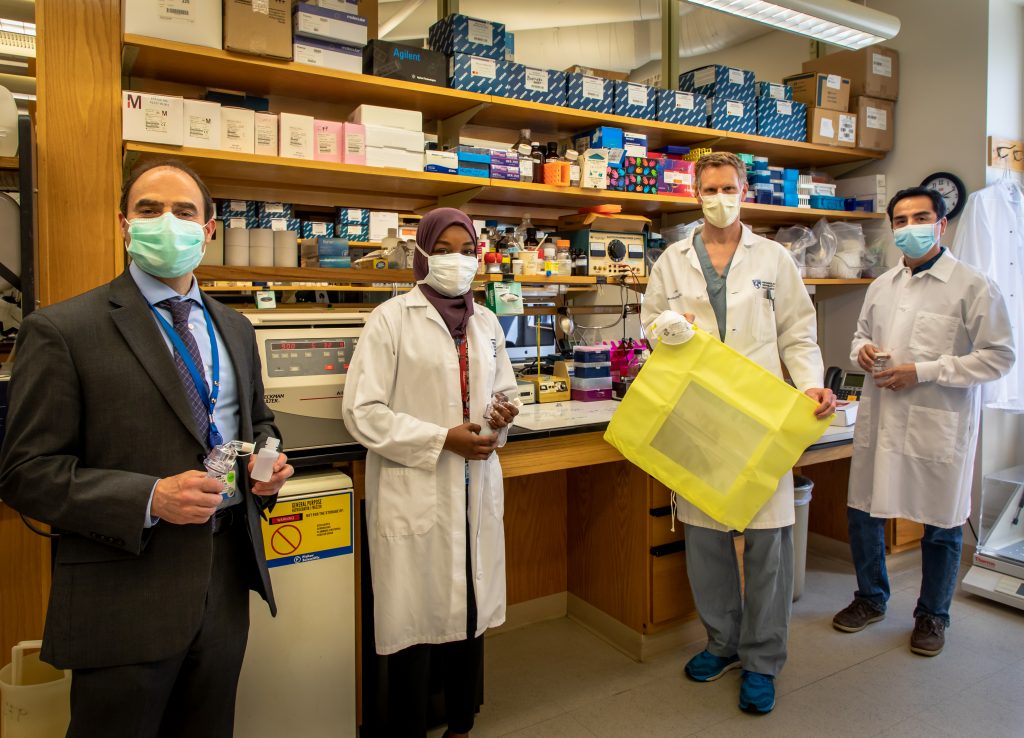
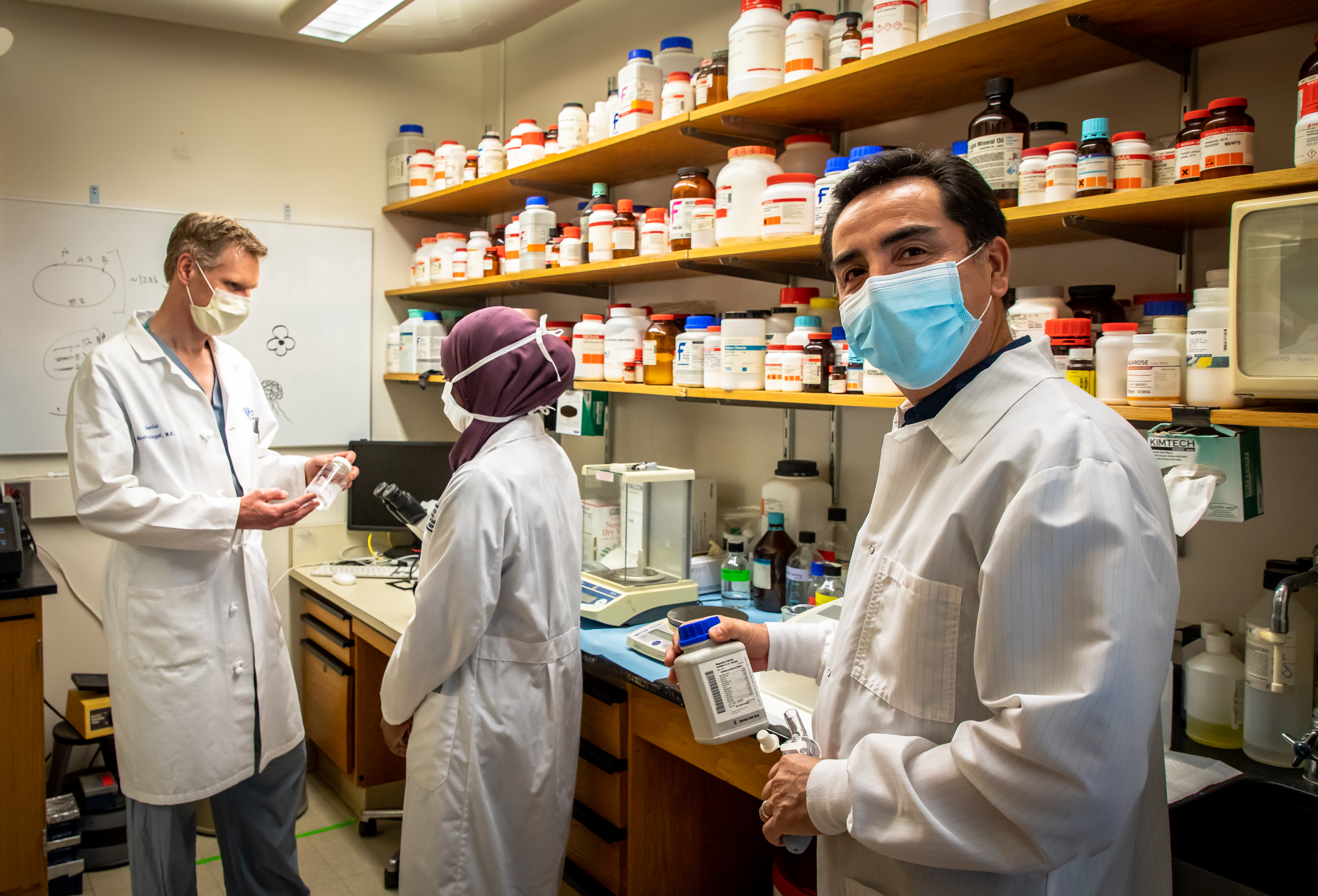
— Chanu Rhee, MD, MPH

From left: Jon Boyer, Reem Abbaker, Danny Muehlschlegel and Claudio Perez

From left: Jon Boyer, Reem Abbaker, Danny Muehlschlegel and Claudio Perez, each holding supplies used in fit testing or the production of fit-testing solution

While the dire scarcity of N95 respirators occupied most of the world’s attention during the early days of the COVID-19 pandemic, a related but lesser-known shortage of fit-testing solution — a substance used to evaluate how well an N95 fits someone’s face — had also begun to worry a group of operational leaders at the Brigham.

When an N95 respirator doesn’t fit properly, tiny gaps between the mask and wearer’s face that might be invisible to the naked eye can allow hazardous substances in the air, such as respiratory droplets from a sick person, to sneak into the wearer’s nose or mouth.

Ensuring that an individual is properly fitted to a mask that tightly seals to their face isn’t something that even a highly trained professional can simply eyeball. It requires wearers to undergo a 10- to 15-minute fit-testing process performed by a trained technician.

During a fit test, the wearer dons an N95 respirator as they normally would, and then after a preliminary taste sensitivity test, a hood is placed over their head. Next, a sweet- or bitter-tasting solution is sprayed repeatedly into the hood while the wearer performs a variety of actions, such as turning their head, bending over and speaking. If they can taste the solution through the N95 at any time, it means the seal between the respirator and the face isn’t snug enough and another size or brand should be tested.

On average, each fit test consumes about 0.1 to 0.2 fluid ounces of solution. Although that sounds like a small amount, it adds up rapidly during a crisis when thousands of staff suddenly need to be fit tested — as hospitals around the world, including the Brigham, learned during the pandemic.

Over a four-week period in April, 80 newly trained Brigham fit-testers performed 5,500 fit tests, consuming over 20 gallons of solution. (Since up to five different N95s were tested on each person before finding the proper fit, the total number of individual tests performed over this period is closer to 20,000.)

By comparison, the Brigham typically uses less than five gallons of fit-testing solution in a normal year.

When the crush of global demand for fit-testing solution overwhelmed commercial suppliers, leading to worldwide shortages, an unlikely set of collaborators at the Brigham came together to find a solution, in a manner of speaking.

Recipe for Success

Jon Boyer, ScD, CIH, director of Environmental Affairs, said it became clear early in the crisis that the Brigham and other institutions across the system would need a contingency plan for ensuring a sufficient supply of fit-testing solution.

Claudio Perez (foreground) shows some of the supplies used to make the solution, while Danny Muehlschlegel and Reem Abbaker (background) chat in the lab.

“When the Mass General Brigham system recognized that N95 respirators and fit-testing solutions were going to be supply issues, multiple collaborative discussions were springing up between operational leaders like myself and researchers looking for ways to help,” said Boyer.

The need became even greater when the Brigham received shipments of N95s from a different manufacturer than the hospital normally used. While these new respirators offered much-needed relief from one supply shortage, it compounded the other; staff had to undergo fit testing all over again, further draining supplies of fit-testing solution.

Upon discovering some online resources for making fit-testing solution from scratch, Boyer was connected with J. Danny Muehlschlegel, MD, MMSc, FAHA, vice chair of Research in the Department of Anesthesiology, Perioperative and Pain Medicine. Although the two had never previously worked together — and their professional lives may not have otherwise crossed — their teamwork brought the idea to life.

Even though the commercial product was sold out everywhere, Muehlschlegel found that he could easily order the reagents, or ingredients, for producing fit-testing solution in the lab. Drawing from scientific literature and guidelines from the U.S. Occupational Safety and Health Administration, Muehlschlegel and Reem Abbaker, a research assistant in the department, got to work.

But as they ran into issues during their initial trials, Muehlschlegel, a clinical translational researcher by training, soon realized he would need help from a colleague with greater expertise in basic research. He tapped Claudio Perez, PhD, lead investigator in the department’s Laboratory of Molecular Anesthesia and Muscle Physiology, who experimented with a few formulas before finding the perfect one.

Through this ongoing collaboration, the team has been able to produce gallons of fit-testing solution on demand, ensuring a stable source for this essential supply.

“Situations like this make you realize everybody is an extremely important cog in this gigantic wheel,” Muehlschlegel said. “Having a low supply of fit-testing solution might seem like a mundane detail, but that’s enough to stop the entire operation in its tracks. We could have all the N95 masks in the world, but they would do us no good if we couldn’t properly fit-test them. This reinforced for me how important every single person is in this institution.”

John Bourque

John Bourque

The Brigham community and Office Services mourn the loss of John Bourque, who passed away on May 14 following a sudden illness. He was 58.

A member of the Brigham family for 40 years, Mr. Bourque spent most of his career as part of the Office Services team, most recently serving as a supervisor and coordinator for the department. Over his four decades here, he worked tirelessly behind the scenes to coordinate thousands of Brigham events across the main and distributed campuses.

Between his expansive knowledge of event logistics, depth of institutional knowledge and enthusiasm for helping others, Mr. Bourque set an example for everyone who worked with him, said his colleagues.

Assisting staff with everything from booking rooms to arranging catering to coordinating audiovisual needs, Mr. Bourque consistently went above and beyond to ensure events ran seamlessly, said Peter Linck, area manager in Materials Management.

“If John was helping coordinate your event, you were going to be taken care of,” Linck said. “He exemplified the gold standard of service.”

The nature of Mr. Bourque’s work gave him the opportunity to collaborate with nearly every department across the Brigham, giving him a keen insight into the ins and outs of the institution.

“He was like a walking BWH encyclopedia,” said Steven Kyriakidis, public space coordinator in Office Services. “If you had a BWH question and John couldn’t answer it, you knew you were in trouble.”

Ann Edmonds Haley, former manager of Office Services, recalled how Mr. Bourque played a pivotal role in helping to transform the Mailroom and Print Shop into the multimedia and technology-driven organization that Office Services is today.

“John was a man of few words but many talents. He knew how to do everything, and he loved the challenge of creating Office Services,” said Haley, Mr. Bourque’s supervisor for 31 years and longtime friend. “He was extremely dedicated, and he knew that we provided a really valuable service and had a lot of pride in what we did.”

In addition to his professional talents, Mr. Bourque was cherished for his kindness, mentorship and authenticity, said Christopher Fenton, senior audiovisual technician in Office Services, who was a close friend and colleague of Mr. Bourque for three decades.

Angel Ayala, manager in Office Services, recalled how when he first joined the department as a teenager working in the Mailroom, Mr. Bourque quickly showed him the ropes. Over the years, their bond only strengthened, and Mr. Bourque continued to be a source of wisdom, guidance and encouragement.

“John was like my work dad,” Ayala said. “He would push me to try new things and not be scared of failing. He was a great mentor, and I will miss him.”

Mayra Scott, shipping coordinator in Office Services and Mr. Bourque’s colleague for more than 30 years, remembered her beloved friend and co-worker as kindhearted, compassionate and thoughtful.

“I admired his way of reaching out to people,” Scott said. “When my first husband passed away in 1990, John was very supportive of me and my girls during that traumatic dilemma. For that, I will be forever grateful to John.”

In addition to being there for life’s big moments, Mr. Bourque also touched the lives of others with smaller but equally meaningful gestures, such as bringing in a tray of home-cooked pasta for his colleagues to take home to their families — just because. Simply running into him on the Pike was also a highlight of the day, others said.

“I will miss his smile and his charismatic ways of greeting me every time he saw me,” Scott said.

Mr. Bourque is survived by his wife, Roreta; his stepdaughter, Elora Raymond; his sister, Anne Bourque-Bell; his sister-in-law, Mary Bourque; and many nieces, nephews, close friends and loved ones. He is predeceased by his three brothers, James, George and Joe, and his parents, Lucien and Mabel.

A virtual memorial service for Mr. Bourque will take place on Friday, June 5, 10–10:45 a.m. For details, contact Peter Linck at plinck@bwh.harvard.edu

In lieu of flowers, the Bourque family asks that donations be made in gratitude to Brigham and Women’s Hospital to support the Pulmonary and Critical Care Medicine Fund. Memorial gifts can be made at bwhgiving.org, or checks can be made payable to Brigham and Women’s Hospital, with “in memory of John Francis Bourque” in the memo line, and sent to: Brigham and Women’s Hospital, PO Box 414905, Boston, MA 02241.

6 Comments

Side by side images of Prone Team members

Left photo: Day shift Prone Team members, from left: Meredith Detwiller, Allison Trzaskos, Andrew Sullivan, Sarah Miller and Hayley Morse; Right photo: Night shift Prone Team members, from left: Jessica Meiley, Sarah Whyte and Emily Russo

One of the most striking features of COVID-19 has been the rapid, merciless way the disease attacks the lungs of patients with severe symptoms. For the sickest patients, it can mean going on a mechanical ventilator because they can no longer get enough oxygen by breathing on their own.

Although ventilators — which deliver air into the lungs through a tube placed down the windpipe — are a crucial and lifesaving tool for patients with respiratory failure, they are not without risks. What’s more, and for reasons still not understood, some COVID-19 patients’ lungs continue to worsen even when aided by a ventilator, which normally allows the lungs to rest and heal.

Despite having such complex challenges, many intensive care COVID-19 patients with respiratory failure have benefited from a seemingly simple solution: being repositioned from lying on their back to lying on their belly. This technique, known as proning or prone positioning, allows them to breathe better.

But while it sounds straightforward, there’s nothing easy about doing this for a critically ill patient on a ventilator. It can require four to six clinicians to safely prone an intensive care patient, and the process can take 30 to 45 minutes to complete.

As the number of COVID-19 patients on ventilators at the Brigham began to climb in March and April, it became apparent that unit staff alone would have difficulty keeping up with proning so many, said respiratory therapist Andrew Sullivan, RRT.

“The respiratory care department’s volume went from an average of 35 ventilators per day to a peak of 115, and most COVID-19 patients require prone positioning,” Sullivan said. “This put an enormous strain on respiratory therapists, who were already stretched thin and caring for three to four times more patients than usual.”

To help support their ICU colleagues in this work, Rehabilitation Services leaders and staff spearheaded the creation of two multidisciplinary Prone Teams to provide 24/7 support for Special Pathogens Units (SPUs), which is where hospitalized COVID-19 patients receive care. The teams, which launched in April, consist of physical therapists, occupational therapists and orthopaedic technicians, who work in collaboration with respiratory therapists and nurses on the units.

“We knew that our nursing and respiratory therapy colleagues in the SPUs had been overwhelmingly busy caring for our patients,” said Jillian Ng, PT, DPT, inpatient physical therapy clinical supervisor in Rehab Services and a member of the day shift Prone Team. “Having our rehab therapists available 24/7 to help prone patients has relieved some of the extra burden on ICU staff. We also bring experience with mobilizing patients in ICUs and knowledge about positioning and pressure ulcer prevention that is particularly helpful when proning a patient.”

Isabelle Shaw, MSN, RN, a nurse on Shapiro 9 West, said the additional support the Prone Teams provide has been invaluable to front-line staff.

“The implementation of the Prone Teams has been one of the biggest COVID ICU workflow improvements,” Shaw said. “Prior to their existence, it was very difficult to coordinate proning, as it required four nurses to assist. Now, it occurs seamlessly.”

One Team, One Goal

For decades, evidence has shown that many patients with respiratory failure can breathe more easily when placed in a prone position. This is partly due to gravity, as the heart and diaphragm press down on the lungs when someone is lying on their back. But proning has also been shown to improve the way that alveoli, which are tiny air sacs in the lungs, inflate and manage the flow of oxygen into the bloodstream.

“Patients oxygenate and ventilate better in the prone position, and sometimes we see this immediately,” Ng said.

As a respiratory therapist, Sullivan said the Prone Teams’ efforts have helped both patients and staff immeasurably.

“The Prone Teams are able to quickly and safely reposition these critically ill patients,” he said. “The time savings means we are able to spend less time holding a breathing tube and more time attending to other critically ill patients.”

The flexibility, enthusiasm and resilience of her Rehab Services colleagues on the Prone Teams have been extraordinary to witness, Ng said.

“This is a new role for us. Most of us had never proned a patient before, and none of us had ever worked an overnight shift before,” she said. “I am most proud of how a group of rehab therapists, nurses and respiratory therapists — often strangers — work together, support and encourage each other as a team for one goal: to help our patients oxygenate and ventilate better for their recovery.”


Home

Renee Eger (upper left) chronicles her recovery from COVID-19 at the Brigham in this collection of photos.

During her six days of hospitalization at the Brigham for COVID-19, Renee Eger searched for any moment of hope or peace and clung to it like a life raft. As a fever raged in her body, she counted the minutes until her next dose of Tylenol. Every time she made it to the bathroom and back, it was a triumph.

But perhaps the moment that soothed her soul the most occurred the day she went home. While Eger prepared for discharge, her physician, Ebrahim Barkoudah, MD, MPH, associate director of the Hospital Medicine Unit, stopped by to wish her a tender goodbye — a memory that now brings tears to her eyes.

“He put his hand on my shoulder, and he squeezed it just a little bit. I can’t tell you how healing that touch was,” she said. “I don’t even know if he knew how much that meant to me.”

Eger, an obstetrician gynecologist at Women & Infants Hospital in Providence, R.I., came to the Brigham after her symptoms had become too severe to manage at home. At her husband’s urging, after her breathing had become especially labored, they called an ambulance — a ride she had to take alone due to new safety precautions and visitor policies.

Although she avoided the need for intensive care, her body had been weakened by a persistent fever, shortness of breath and gastrointestinal distress. She was admitted to one of the Brigham’s Special Pathogens Units, where COVID-19 patients receive care.

“I’ve never been so sick in my life, and I’ve never been so sick for so long, either,” Eger said.

Surrounded by Compassion

Although she was frightened, Eger says she never felt alone due to the warmth, kindness and support she encountered from the moment she arrived at the Brigham. Her experience was reflected in one of the first things that Barkoudah said to her: “You’re a member of our family now.”

Despite working behind layers of personal protective equipment (PPE) and needing to limit their time in her room, her nurses radiated unwavering compassion, she added. As a health care provider herself, Eger understood how heart-wrenching it likely was to deliver care under such constraints.

“Nurses want to be at the bedside, hold your hand, rub your back and sit with you. They want to give you their time. They want to because nurses are healers,” she said. “I had so many nurses, and I knew that every single one of them that walked through my door had a different story to tell. Maybe they were feeling all in, that this was their calling, but maybe they were terrified for their lives. I was just so grateful, and I tried to say it every single time that they were taking care of me.”

Eger said she was impressed with how thorough the care team was in observing infection control protocols, including the use of a colleague dedicated to monitoring safe PPE donning and doffing.

“They really followed protocol. I watched it. I witnessed it,” she said. “I thought that they were role models for how hospitals should be doing this.”

Eger also found inspiration in her interactions with some staff members she never met in person.

Food Services staff who took her meal orders by phone each day became some of her biggest cheerleaders after the disease wreaked havoc on her sense of taste, first wiping it out entirely and then replacing it with a persistent, foul taste in her mouth. Between that and debilitating gastrointestinal symptoms, Eger had hardly any appetite. Still, she needed to keep up her strength.

“They were the kindest people,” she said. “They were like therapists for me. That was one of the few times of the day I would laugh because they were so great. They’d encourage me and say, ‘Why don’t we get you a little extra Jell-O today?’ or, ‘Oh, honey, you’ve got to try the black-and-white frappe. It’s our best seller!’”

Today, more than a month after she first became sick, Eger said she continues to experience some lingering symptoms but has mostly recovered. As she awaits clearance to return to work, she has been reflecting on her gratitude for her Brigham care team and the resilience of the human spirit.

“Sometimes, you just have to call on your inner strength,” she said. “For some people, that’s a religious thing. I’m not a religious person myself, so I see it as needing to put on my big-girl boots with the pointy toes and get through it.”


Home

Maxwell Coll

Maxwell Coll

During a recent night shift on one of the Special Pathogens Units (SPUs), where patients with COVID-19 receive care at the Brigham, Internal Medicine resident Maxwell Coll, MD, took advantage of a quiet moment to call a family member of one of his patients.

Coll was concerned. He sensed the patient — who had been hospitalized for several weeks and hadn’t seen family since coming to the hospital due to policies prohibiting most visitors during the pandemic — was feeling lonely and isolated.

Unlike other patients who had been regularly communicating with loved ones through video apps like FaceTime, this patient didn’t have a smartphone. But Coll and his colleagues had an idea to help the patient’s family access Zoom, a web-based video conferencing application, on their home computer. Then, using an iPad mounted next to the patient’s hospital bed — a system primarily used for care providers and patients to interact — the care team initiated a private Zoom meeting between the patient and their loved one.

It wasn’t just his compassion as a doctor that inspired Coll to find a solution for his patient. As someone who had just recovered from COVID-19 himself after isolating at home, Coll understood on a personal level what his patient was experiencing.

“It’s hard to convey the isolation and loneliness that you feel as a patient with COVID,” Coll said. “I was unable to see my wife in person for three weeks, but we could visit virtually. Many of our patients may not have iPhones or Zoom accounts, so it’s not as easy to create connections with technology as you might think.”

While Coll never reached the point of requiring hospitalization, about two weeks into his illness he experienced such severe shortness of breath and chest discomfort that he and his wife rushed to the Brigham’s Emergency Department. As they sat in their car, not knowing whether Coll would come home in a few hours or several weeks, the fear and uncertainty were overwhelming for them both, he recalled.

“My wife desperately wanted to come in with me, but because of the visitor restrictions she wasn’t allowed,” Coll said. “When I was inside, she was crying on the phone, begging me not to die. I’ve never heard her so scared. It has since driven home for me how hard this disease is, not just for our patients but for their families as well.”

In addition to bringing back this deeper sense of empathy, Coll said another feeling stirred in him: an eagerness to get back to comforting, healing and caring for patients alongside his Brigham family.

“There is no place I would rather be than beside my colleagues, doing what matters most — taking care of people,” said Coll, who snapped a celebratory selfie on Francis Street to commemorate his first day back on April 22. “I did not expect to be dealing with a pandemic during my first year of residency, much less to become a patient in it, but we are here — and we march on together.”


Home

Throughout the COVID-19 pandemic, the Brigham Office of Strategic Communication has invited staff to share moments of hope and compassion, inspiring examples of teamwork, displays of community support and demonstrations of our values in action. Do you have a story to share? Send it to bulletin@bwh.harvard.edu or submit it to our gratitude board.

We hope you enjoy this collection of Shining Moments from May 2020.


Three Cheers for Facilities and Operations Colleagues

Facilities and operations employees at work

Left: Cristhian Zelaya, Hazel Carleton and Barnodis Soto-Sanchez of Materials Management; Center: Dora Arias of Environmental Services; Right: Dilia Soto of Food Services

Carmen Santos, workforce development specialist in Human Resources, took a moment to express her admiration of the outstanding contributions of Facilities and Operations staff:

“I do not have an eloquent story to share, but I would like to make sure that the non-medical staff who are showing up every day receive public acknowledgement. The people who are cleaning, cooking, serving meals, moving patients throughout the hospital, managing shipments, answering calls and securing our facilities — I thank them for making it possible for the clinical teams to fight this war!”

Taking Our Mission to Heart

Heart mowed into lawn

Photo credit: Jim Rathmell, MD

This lawnmowing artistry in Stoneman Centennial Park, recently created by our colleagues in Facilities and Operations, is a touching visual representation of what matters most — keeping our patients, their loved ones and our community at the heart of all that we do.

The Face of Compassionate Care

Left photo: Courtney Audet; Right photo, from left: Alexa Goode and Saralynne Donovan

Courtney Audet, a child life specialist in the Department of Radiation Oncology, recently noticed that children coming in for treatment seemed distressed by the fact that they could no longer see their care team’s faces under their masks.

So Audet devised a creative yet simple solution: She created large, personalized buttons for herself and her colleagues. Each contains a photo showing what members of the team normally look like — with a warm smile.

“The pediatric patients loved it, so I made them for the whole staff so that both pediatric and adult patients could see that same friendly smile of the doctors, nurses, medical assistants and radiation therapists treating them every day,” Audet says. “Going through cancer treatment is scary enough, so that smile along with the amazing amount of compassion the staff has makes everyone feel comfortable during this unprecedented time.”

Celebrating Nurses’ Week

To kick off National Nurses’ Week, Maddy Pearson, DNP, RN, NEA-BC, senior vice president of Clinical Services and chief nursing officer, shared this heartwarming video with the Brigham nursing community earlier today to highlight their tremendous contributions as part of multidisciplinary teams in response to COVID-19.

A Symbol of Our Shared Commitment

Photo credit: James Rathmell, MD

Thanks to the generosity of several individuals and local organizations, the large heart on the lawn of Stoneman Centennial Park has a colorful new look. The blue outline around the heart acknowledges first responders — including police, fire and emergency medical services personnel — and illustrates our shared commitment to working together to save lives.

We are grateful to Romeiro’s Landscaping, Brent Roundy from Pro-Turf Landscaping, Steve Ziolkowski from ELM Services and Masconomet Regional High School in Topsfield for donating their time and resources to enhance this image of hope, originally created by our Facilities and Operations staff.

Gratitude in Bloom

Maddy Pearson distributes orchid plants to nurses.

As a gesture of gratitude for nurses’ tremendous contributions, nursing and hospital leaders lined up outside of the Shapiro Center to applaud nurses leaving the hospital this morning and handed out orchids that were donated to the Brigham. This gift is made possible thanks to Home Depot and ICS Plant Specialists.

PAs Step Up to Support Infectious Diseases Consults

Left photo, from left: Silas Laudon, Natasha Fortier and Chrissie Shevchenko; Center photo: Megan Krug; Right photo, from left: Bronwyn Mastrangelo, Alexis Liakos and Ross Pinter

When the number of COVID-19 inpatients began to increase, Alexis Liakos, PA-C, senior physician assistant in the Division of Infectious Diseases, quickly realized that her small PA Infectious Diseases (ID) consult team needed backup. The team normally consists of one PA, staffed by Liakos or her ID colleague Natasha Fortier, PA-C, and one attending physician. Prior to the pandemic, the team provided about five to eight consults per day.

That volume now regularly reaches about 20 consults per day, plus follow-up visits with patients. Liakos said the team couldn’t do it without the help of five PAs who were temporarily reassigned to the Brigham’s Special Pathogen Units (SPUs) to serve as interim ID consultants: Megan Krug, PA-C, Silas Laudon, PA-C, Bronwyn Mastrangelo, PA-C, Ross Pinter, PA-C, and Chrissie Shevchenko, PA-C.

Liakos recently shared her admiration and appreciation for her newest colleagues:

“ID can be challenging. I’m floored at their fast learning and dedication to ensuring they are up to date on all things COVID-19 — from the ever-changing literature to the BWH precautions to clinician guidance. I feel that ID has been able to assist more SPU teams directly in caring for their patients thanks to the efforts of these five.”

Thank You to ‘Behind-the-Scenes’ Colleagues

Left: Ramona Javier, Environmental Services; Center, from left: Najib Pierre Paul, Erik Moran and Saadia Dohri, Food Services; Right: Christopher Strong, Receiving and Distribution

David Verban, MA, senior diversity and inclusion consultant in Human Resources and a member of the Brigham Experience team, shared this note of gratitude for his colleagues working to support daily operations at the Brigham:

“We have so many dedicated Brigham employees working on-site during the COVID-19 pandemic to ensure the best possible care for all patients. We want to take this opportunity to recognize our employees who work behind the scenes maintaining facilities and equipment, providing security, cleaning everything from patient rooms to public spaces, providing food services, transporting patients, managing supplies and more.

Without the vital contributions of these Brigham employees, the critical work of our medical teams would not be possible. Please extend a personal thanks to them when you see them in the hallway and join us in thanking them now for their ongoing contributions during the challenging time.”

A Message from Our Echo Lab — Hit the Road, COVID-19

Organized by Echocardiography Lab staff, this lighthearted photo illustrates a more profound message — we are resolute and united in the fight against COVID-19.

“Our dedicated sonographers are here every single day. We are proud to serve on the front lines,” said Tina Wu, MD, PhD, director of the Echo Lab.

‘Truly Honored to Have Such an Amazing Team’

Left photo, from left: Heather Macaulay, Angela Kelly, Petra Clark, Maryellen Quinter and Erin Cole; Right photo, from left: Heather Macaulay, Angela Kelly and Ben Szpak

Angela Kelly, BSN, RN, nursing director of Interventional Radiology, shared these photos along with some inspiring words about her colleagues in Angiography and Cross-Sectional Interventional Radiology (CSIR):

“I wanted to share some pictures of my staff as an outstanding shining moment of teamwork, dedication, compassion and empathy. I am truly honored to have such an amazing team. We miss all of our staff who have been deployed, and I am truly thankful for the incredible care they are delivering to patients in the ICUs.

Thanks to their astounding commitment and motivation, both departments have worked in partnership and have been providing both procedural and pre- post-op care to all of our patients since April 3. The entire team has worked together to generate and develop new and innovative ways to care for our patients and deliver an exceptional standard of nursing care.”

Honored to Serve Alongside a Remarkable Team

Kristi Lutjelusche, MHA, R.T. (R) (VI) ARRT, clinical director of Diagnostic Radiology, wrote to express her profound admiration for the unparalleled enthusiasm, grit and team spirit her colleagues across Diagnostic Radiology have demonstrated throughout this crisis:

“From our leads training themselves and others on PPE donning/doffing, to our practice assistants/medical assistants going out of their comfort zone to different jobs across the hospital without complaint, to our techs understanding why rotation isolation/staying in one place had to be a thing, to N95s, to techs stepping up immediately to cover shifts at Boston Hope, to everyone for making whatever short-notice ask happen every time, to managers flipping staffing schedules on the fly, to staff flipping their schedules on the fly, to everyone for just handling every uncertainty gracefully and channeling individual fears into positive team fuel.

Coming to work at the Brigham last year was a blessing for me for so many reasons — and these people are at the top of that list. I’m truly honored to have faced this challenge with this hospital and this team.”

Thanking Blood and Platelet Donors

Kraft Family Blood Donor Center staff show their appreciation for blood and platelet donors.

One thing has remained clear to the team at the Kraft Family Blood Donor Center throughout the global pandemic: Blood and platelet donors are always ready to step up to ensure that Kraft Center is able to replenish and maintain its supply of blood products, which directly benefit patients at the Brigham and Dana-Farber Cancer Institute (DFCI).

Lindsey Anderson, MSN, RN, nurse flow/operations manager in Pathology and the Kraft Family Blood Donor Center, thanked the Kraft Center team for its efforts to safely accommodate donors during the pandemic, and donors for stepping up to help those in need during this difficult time.

“Our staff have been working so hard, and the outpouring of support from the community has been amazing,” Anderson said. “We are so proud of our team and thankful to the community.”

To schedule an appointment to donate at the Kraft Center, click here or call 617-632-3206. The center is also hosting blood drives at Gillette Stadium. For eligibility questions, email BloodDonor@partners.org.

WHISPR Symposium, April 9

The Mary Horrigan Connors Center for Women’s Health and Gender Biology will host the third annual Women’s Health Interdisciplinary Stress Program of Research (WHISPR) symposium and finalists’ pitch presentations on physiologic and psychologic stress in women’s health and disease. Kerry Ressler, MD, PhD, of McLean Hospital and Harvard Medical School, will be the featured speaker. To RSVP, visit 2020whisprsymposium.eventbrite.com. Thursday, April 9, 3:30–5:30 p.m., in the Zinner Breakout Room.

Vote for the Brigham in STAT Madness

The Brigham is among the contenders competing in STAT Madness 2020, a bracket-style competition to find the most innovative scientific and medical research in the country. The first of six rounds of popular voting in the single-elimination contest ends Sunday, March 8, at 11:59 p.m. Competing in this year’s contest is I-Min Lee, MBBS, ScD, with “Are 10,000 Steps Necessary?” To vote, visit statnews.com/feature/stat-madness/bracket.

Run the B.A.A. 10K with the Brigham

The Brigham will serve again as the exclusive charity partner of the Boston Athletic Association (B.A.A.) 10K road race. Register now and join over a thousand runners on Sunday, June 21, through Boston’s scenic Back Bay while supporting mission-driven work across the Brigham. Participants can start a team, join a team or run on their own, all in support of an area that is meaningful to them. Visit runbwh.org/10K to learn more or email BWHteam@partners.org.

Navigate the Brigham with the BWH Maps App

Getting around Brigham’s main campus is easier than ever with BWH Maps, a mobile app that can pinpoint your exact location inside the hospital, provide real-time tracking as you move and deliver turn-by-turn walking directions to your chosen destination. With over 300 destinations programmed in the app’s database, finding your way around the Brigham takes just a few taps. Search for BWH Maps in the Apple App Store and Google Play Store. For questions, email ihub@partners.org.


Home | PikeNotes

To identify opportunities for improvement in emergency response to active-shooter incidents, the Brigham’s Emergency Preparedness team convened several debriefings and collected employee feedback following a police-involved shooting that occurred on Fenwood Road on Feb. 7.

Shortly after the incident, which resulted in an employee being injured by a stray bullet from a police officer’s weapon, Brigham faculty and staff were invited to share honest feedback during an open forum and via an online form about what processes worked well and where there were gaps. More than 400 staff attended the forum, and the team received over 600 online submissions.

Chris Smith, MHA, MEP, director of Emergency Preparedness, said the findings from these activities were valuable for future preparedness efforts and resulted in several important changes to address staff concerns.

In terms of lessons learned, Smith said some staff reported that they did not receive some of the notifications from the Partners Employee Alert System (EAS) or could not hear the announcement on overhead speakers. Other employees noted the EAS notification was delayed or that they did not know they had needed to proactively enroll in EAS alerts, which is an opt-in system.

In collaboration with colleagues from Engineering, Information Systems (IS) and Telecommunications, the team is working to resolve technical issues with EAS alerts and increase the volume of overhead speakers in areas with a lot of ambient noise. In addition, the team is working to improve staff education around enrolling in the EAS notification system, which can be done through the Partners Applications menu.

Smith said the incident also highlighted an opportunity for departments to review their local preparedness plan, as some staff indicated they could not easily locate a securable location to shelter in place or the proper path for evacuation. Staff also experienced confusion about which way to respond — run, hide or fight — and what it meant for the hospital to be in “lockdown.” To address these concerns, Smith said the team is working with department leaders to help them develop risk self-assessments, drills and emergency plan templates, as well as providing resources for staff education and other guidance.

While the team has been largely focused on areas for improvement, Smith said the incident and follow-up work also revealed the strengths of the existing policy and procedures. Many staff reported that they felt safe and supported, despite the uncertain circumstances, and that the internal response was swift and effective, she said.

Ron M. Walls, Thomas Sequist, Salvator Melo and Laurie Glimcher

From left: Ron M. Walls, Thomas Sequist, Salvator Melo and Laurie Glimcher

Taking initiative, leading by example and being a team player are among the characteristics that Salvador Melo exemplifies as a lead patient care assistant in the Division of Trauma, Burn and Surgical Critical Care.

These are also just a sample of the traits that inspired colleagues to nominate Melo for a Partners in Excellence (PIE) Award. The annual awards program recognizes individuals and teams for their outstanding contributions to Partners HealthCare’s mission.

Hundreds of members of the Brigham community were honored during the 24th annual PIE Awards ceremony on Feb. 27. This year, awards were presented to 64 individuals and 22 teams throughout the Brigham, Brigham and Women’s Physicians Organization, Dana-Farber/Brigham and Women’s Cancer Center and five Partners network teams, which include staff from more than one Partners institution whose efforts benefit the broader system.

Going Above and Beyond

In a PIE Award nomination for Melo, one colleague praised him for contributing to a culture of teamwork and continual improvement.

“As burn care has changed over the years, Sal has been a leader in innovation — one who embraces change and works to improve all that we do,” wrote Melo’s nominator. “He exceeds all expectations and goes above and beyond to help make new nurses feel not only comfortable with burn care but knowledgeable, too.”
Also recognized for a PIE Award this year was Ania Noel-Edwards, RN, of Care Coordination, who was nominated for her compassionate, creative and solution-based approach to helping her patients and colleagues.

“Our patient population has unusual disposition needs, often reliant on complex care plans coordinating families, insurance, hospice and equipment in the context of serious illness and end of life,” wrote one of Noel-Edwards’ nominators. “Ania is competent, creative, calm and compassionate. She manages to spin gold from hay, coming up with solutions to some of the hospital’s most difficult discharge conundrums where there seemed to be no good options left — always with the patients’ and families’ needs in mind.”

Tracy Guzman, LCSW, a clinical social worker on the Behavioral Health team at Southern Jamaica Plain Health Center (SJPHC), was nominated for her commitment to advancing racial justice and health equity.

Ron M. Walls, Thomas Sequist, Ania Noel-Edwards and Laurie Glimcher

From left: Ron M. Walls, Thomas Sequist, Ania Noel-Edwards and Laurie Glimcher

“Utilizing this lens when advocating for patients, Tracy takes note of anything that impacts her working community,” her nominator wrote. “Always eager to learn and share, Tracy doesn’t hesitate to access and share new practices or strategies that will benefit our patients.”

Among the teams honored for PIE Awards was the Baxter IV Pump Deployment team, a group of more than 60 staff from 12 departments who collaborated to replace about 3,800 large-volume infusion pumps, poles and related materials in an 18-hour period.

“A multidisciplinary team with representation from Information Systems, Nursing, Biomedical Engineering, Pharmacy, Anesthesiology, Central Transport and Materials Management were all involved in the implementation and execution of this project,” their nominator wrote. “This work was all completed while ensuring the safety of our patients, and the quality of their care remained at the highest level — something that would not have been possible without terrific leadership and collaboration across our departments.”

Meaningful Recognition

During the ceremony, senior leaders — including Ron M. Walls, MD, executive vice president and chief operating officer at Brigham Health, and Paula Squires, MBA, SHRM-SCP, SPHR, senior vice president of Human Resources — thanked all the nominees for making the Brigham such an exceptional place at which to work and receive care.

Past PIE Award recipient Taylor Goyette-Frechette, project manager of the Health Promotion Center at SJPHC and a part-time advocate for the Passageway Program, reflected on what it meant to have her contributions recognized by her peers and hospital leadership.

“As a young woman of color who does not have any advanced degrees or letters after my name, to be recognized and given an award for the racial justice work I do — it was huge,” she said.

“The Partners in Excellence Award showed me that there is a place for me at the Brigham. My message to other young women of color within Brigham and within Partners who do not feel seen, heard, valued or acknowledged is this: You matter. You are important. And you are impactful.”

View a photo gallery and webcast recording of the celebration.

Vein Screening Event, March 6

Suffering from tired, achy legs? Worried about your veins? The Division of Vascular Surgery will host a vein screening event. Stop by to receive a free screening ultrasound and vein evaluation. Vascular Surgery staff will also offer compression-stocking fittings and prescriptions where appropriate; Allways Health Partners members pay nothing out of pocket for stockings. Walk-ins welcome. To schedule a specific time to visit, email cbossa@bwh.harvard.edu with your name, date of birth and contact information. Friday, March 6, 1–7 p.m., in the Shapiro Cardiovascular Center, Watkins Clinic A.

Menopause in the Workplace, March 9

This special presentation for Brigham employees covers different menopause treatment options and how to advocate for your midlife health. Heather Hirsch, MD, director of the Brigham’s Menopause and Midlife Clinic, will review common misconceptions about menopause and how symptoms could affect work and home life. Hosted by the Division of Women’s Health. Monday, March 9, noon–1 p.m., in the BEI Knowledge Center. Learn more.

911 Dialing Changes

The Brigham has updated its telecommunication systems so that callers no longer must dial 9 before dialing 911. Callers can dial 911 directly to reach emergency assistance. At the Brigham, dialing 9-911 will continue to work as well. Because of this, it is possible to dial 911 accidentally on a phone or fax machine. Please be vigilant and pay special attention when dialing outside phone or fax lines. For questions, contact the IS Service desk at 617-732-5927.

Upcoming Benefit Deadlines

If you participate in a Dependent Care or Health Care Flexible Spending Account and have funds remaining in your 2019 account, you have until Sunday, March 15, to spend these funds and until Tuesday, March 31, to submit eligible expenses for reimbursement. Any unspent money will be forfeited after these dates. Additionally, Allways Health Partners Select or Partners Plus members and their dependents are eligible for a fitness reimbursement; the deadline to apply for 2019 fitness reimbursements is March 31. Learn more.


Home | PikeNotes

Outbreaks of the Coronavirus Disease 2019 (COVID-19) continue to take place across the globe. On Feb. 24, the U.S. Centers for Disease Control and Prevention (CDC) broadened its advisory to avoid all nonessential travel to include South Korea in addition to China.

Here are three things to know about what this means for the Brigham.

  1. South Korea has been added to travel and screening policies. In conjunction with other Partners HealthCare institutions, the Brigham has extended patient screening guidelines, best practices advisories and employee travel/furlough policies to include South Korea. More details about these procedures and policies are available at BWHPikeNotes.org.
  2. Locally, flu is a far more prevalent and immediate public health risk at this time. The immediate risk of COVID-19 to the American public is still believed to be low, although the CDC has warned that more cases might be forthcoming. As of Feb. 26, there was only one confirmed case in Massachusetts and 13 cases diagnosed elsewhere in the U.S., and none of these U.S. cases has resulted in death. By comparison, the CDC estimates that at least 29 million people in the U.S. will contract influenza this winter, and an estimated 16,000 will die from it.
  3. COVID-19 preparedness efforts at the Brigham continue. Brigham clinicians continue to screen patients for COVID-19 in the Emergency Department (ED) and ambulatory locations. New posters and signage provide guidance for patients and visitors. Formal training programs on the safe use of personal protective equipment are underway. A multidisciplinary team is conducting training drills in the ED, the Medical Intensive Care Unit and other areas. The team is also developing surge plans in case the Brigham receives a large number of COVID-19 patients.

Visit BWHPikeNotes.org for more information and resources about COVID-19.

Brigham Experience Employee Engagement Survey: Let's Hear ItLaunching Monday, March 9, the Brigham Experience: Employee Engagement Survey will invite all Brigham Health staff to provide confidential feedback about our workplace and culture.
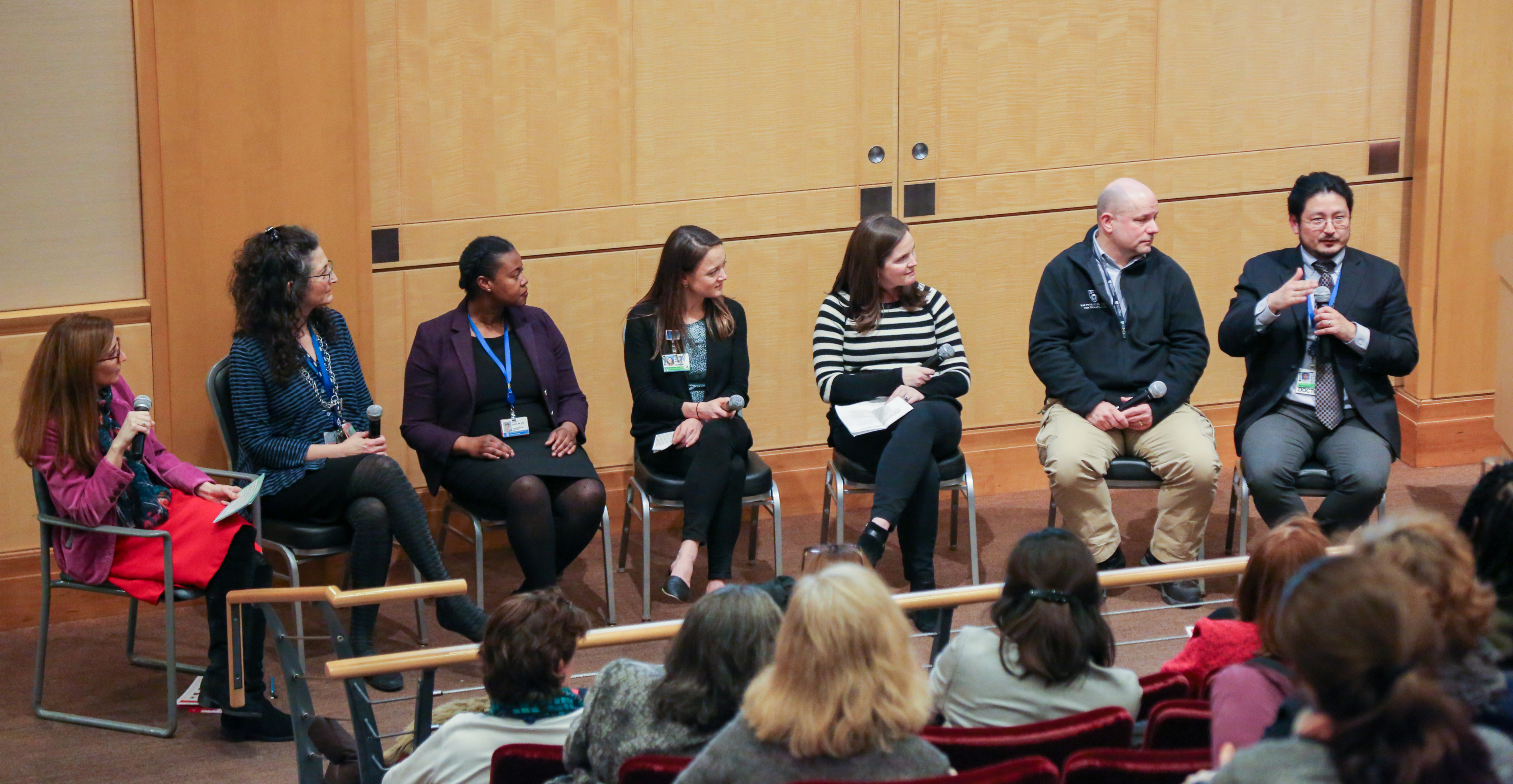
In this Q&A with Brigham Bulletin, Paula Squires, MBA, SHRM-SCP, SPHR, senior vice president of Human Resources, and Tim Ewing, PhD, vice president of Employee Diversity, Inclusion and Experience, share more about this survey and the importance of staff participation.

Why are we conducting another Brigham Experience Survey?

PS: Two years ago, staff provided candid input through the Brigham Experience: Culture, Diversity & Inclusion Assessment that identified opportunities to build a more transparent, diverse, inclusive and innovative culture. As a result, we introduced new values and guiding principles, and launched numerous programs designed to support our entire community in establishing a more collaborative and inclusive culture.

As we continue to evolve, we need to understand the current state of our workplace and culture. This new survey will supply us with critical information to guide the next phase of our culture journey.

What is employee engagement, anyway?

TE: Employee engagement is the extent to which an employee has an emotional connection to their job, colleagues and organization. High rates of engagement are correlated with high job performance and patient satisfaction. In other words, engaged employees demonstrate extraordinary effort to help their organization succeed.

How is this survey different from the previous assessment?

PS: Our initial survey provided a first look at the state of our culture. For this engagement survey, we are asking staff to share their assessment of our progress over the last two years and help identify our next set of priorities.

Why should staff participate?

TE: Your voice matters. We have over 20,000 members in our community, each of whom brings a valuable, unique perspective. To obtain the most accurate, comprehensive view of what is going well and where we need to focus our efforts, we need a large percentage of staff to complete the survey.

To make the survey as accessible as possible, it will be available in English, Haitian Creole, Portuguese and Spanish. We will also provide assistance for staff members who need language support or access to a device on which to take the survey. More details about this will be communicated in the coming week.

Is this survey really confidential?

PS: Yes. Hospital leadership will not know which staff members have completed the survey. We are working with Press Ganey — a third-party, external vendor — to conduct the survey. They will send each staff member an individual link to participate in the survey, and they will receive your responses directly.

After the survey closes, Press Ganey will provide aggregated reporting so that hospital leadership will be able to see summaries, trends and group results when five or more employees in a group participate. Individual responses will not be shared.

Where can staff find more information?

TE: Speak with your manager or visit PikeNotes for additional resources.

Brigham Honors Black History Month

Observed each February, Black History Month celebrates the achievements of African Americans and their contributions to the nation’s history. In partnership with the Brigham’s Center for Diversity and Inclusion and the Brigham chapter of the Association of Multicultural Members of Partners (AMMP), this month the hospital’s digital signage will feature several slides highlighting African Americans’ contributions to science and medicine, locally and nationally.

Poussaint Visiting Lectureship, Feb. 25

Harvard Medical School’s Office for Diversity, Inclusion and Community Partnership will host the 2019–2020 Alvin F. Poussaint, MD, Visiting Lectureship, featuring HMS alumnus and innovator Charles Bridges, MD, ScD, who will present “Blacks in Science, Engineering and Medicine: An Imperative to Accelerate Achievement and Optimize Opportunity.” Tuesday, Feb. 25, 3–4 p.m., at HMS’ Countway Library of Medicine, Minot Room, 10 Shattuck St. Reception to follow. RSVP by Thursday, Feb. 20, at surveymonkey.com/r/AFPlecture2020.

Research Lab Safety and Compliance Fair, Feb. 27

Hosted by the Brigham Research Institute, the annual Research Lab Safety and Compliance Fair features representatives from more than 15 departments who are available to answer questions and share updates on their latest initiatives. Each lab is required to send at least one member to the fair. Thursday, Feb. 27, 10 a.m.–noon, Hale Building for Transformative Medicine, first-floor café atrium. Learn more.

BEI Hosts Pet Therapy Day, Feb. 27

The Brigham Education Institute (BEI) invites faculty, staff and trainees to enjoy a visit with Brigham Buddies’ therapy dogs. Pet therapy allows individuals or groups to interact with a certified, trained and gentle animal for the purposes of comfort, relaxation and socialization. During a visit, attendees are invited to pet, cuddle, sit beside or talk to the therapy animal. Thursday, Feb. 27, 10–11 a.m., BEI Knowledge Center.


Home | PikeNotes

Seven panelists sitting in chairs

Panelists, from left: Nomi Levy-Carrick, Gail Levine, Cheryl Clark, Lindsey Wu, Kerry Quealy Son, Bill Theisen and Joji Suzuki

The first time Dawn Shreve reached out for help, she was a scared and confused teenager struggling to cope with a series of disorienting changes at home, including her parents’ divorce and the death of her grandmother.

At age 12, she smoked marijuana for the first time. Soon, she was using it every day to dull her distress. It wasn’t long before Shreve, previously an honor roll student, began struggling academically and acting out at home. Her parents urged her to see a counselor, but it took time for her to warm up to the idea.

Eventually, she made an appointment. Despite feeling overwhelmed and vulnerable, she hoped it would start a healing process. Instead, Shreve said, she was shuffled between various therapists and psychiatrists who made her feel judged and powerless.

“They never listened, so I stopped talking,” she said.

That experience stayed with Shreve throughout her teens and 20s — discouraging her from trusting the health care system again even as her need for support only grew. She started misusing other substances, including prescription painkillers and alcohol, and experienced addiction, relapse, intimate partner violence, the death of two children and several other traumas.

Dawn Shreve

Dawn Shreve shares her story.

Today, she is nearly 11 months sober, backed by a robust support network and filled with hope. Shreve — who shared her powerful story of recovery and resilience as the keynote speaker of the Brigham’s fifth annual V-Day event on Feb. 6 — said she would not be where she was today without the compassionate, expert care she received at the Brigham’s Bridge Clinic, which provides rapid access to multidisciplinary care for patients with substance use disorders.

“Seeking their help was one of the best decisions of my life. They believed in me when I did not believe in myself,” she said. “My providers don’t judge me for who I was but rather look towards the future. They focus on what and who I can be, not who I used to be.”

The event, “Caring for Survivors of Interpersonal Violence with Complex Medical Needs: Fostering Resilience,” was among the hundreds held worldwide this month to honor V-Day, a movement aimed at raising awareness about violence against women and girls.

A New Approach

Following Shreve’s remarks, a panel of multidisciplinary experts reflected on what providers can learn from her story and how they can best deliver trauma-informed care more broadly.

Joji Suzuki, MD, director of the Division of Addiction Medicine in the Department of Psychiatry, said Shreve’s early experiences underscored the need for providers to become well-versed in motivational interviewing, a clinical technique for accomplishing behavior change in patients by evoking their own desire to and reasons for change that align closely with principles of trauma-informed care.

“Earlier on, clinicians did care but they didn’t know how to express that care other than being punitive and coercive because that was the definition of ‘helping,’” Suzuki said. “We’ve evolved to a place where we acknowledge that coercive strategies can be useful in certain situations, such as emergent and acute situations. But for the most part, it has to be about empowering patients to make the choices they would like to make and giving the choice back to them.”

We care. Period. logo

Lindsey Wu, MD, a hospitalist and director of the Integrated Teaching Unit, agreed that all patients, and especially those with a trauma history, need to have “a voice and a choice” in their care plan.

Bill Theisen, RN, nurse case manager for the Integrated Care Management Program in Care Continuum Management, also emphasized that providers need to exercise patience and flexibility when caring for patients with complex needs and backgrounds. “It takes a long time sometimes for people to feel safe enough to tell you some of the things that are really underlying all the challenges,” he said.

Jeffrey Katz, MD, MSc, a member of the V-Day Planning Committee and director of the Orthopaedic and Arthritis Center for Outcomes Research in the Department of Orthopaedic Surgery, offered the event’s closing remarks and invited attendees to reflect on the discussion’s themes of patient empowerment.

“As employees in a health care institution, it’s our privilege to nurture and bear witness to the resilience of survivors of interpersonal violence, and it’s also our responsibility to take care of these survivors with compassion,” he said.

View a webcast recording of the event.

In honor of Valentine’s Day, Brigham Bulletin is spotlighting two couples whose affection for their work at the Brigham is outmatched only by their love for each other.

Chance Encounter in the MICU Leads to Love

Jessie Brain and Mary Montgomery with their daughter Cora

From left: Jessie Brain and Mary Montgomery enjoy a recent vacation in Lisbon, Portugal, with their daughter, Cora.

Mary Montgomery, MD, was a first-year fellow in the Division of Infectious Diseases when she received a page for what would become one of the most significant patient consults in her career, although not quite for the reason you might expect.

In 2013, she was called to the Medical Intensive Care Unit (MICU) to provide her perspective on a patient with persistent fevers. The unit was familiar to Montgomery in several respects. In her third year of internal medicine residency, she worked the overnight shift in the MICU. During that time, she grew close to one of her colleagues, Jessie Brain, MSN, FNP-C, RN, CCRN, a critical care nurse in the unit since 2008.

When Montgomery returned to the unit for the consult, Brain was among those caring for the patient. More than a year had gone by since the two last saw each other, but their initial spark was quickly rekindled and they began dating soon after.

“Luckily, the patient was on droplet precautions, so the masks somewhat hid our mutual blushing,” Brain joked.

They were married in Newport, R.I., in 2017.

Today, Montgomery is an attending physician in Infectious Diseases who specializes in caring for patients with HIV. Brain continues to practice in the MICU and recently earned her family nurse practitioner degree, with hopes of becoming a palliative care nurse practitioner.

As a couple, their shared clinical experiences have enriched their marriage and strengthened their bond.
“Mary truly understands the intricacies and complexities of caring for critically ill patients. At the end of an emotionally challenging day, it is such a relief to come home to someone who understands what it is like to lose a patient,” Brain said. “The other interesting piece that emerged is I feel like I have a unique insight into the immense challenges of being an intern or resident in the ICU. This has sparked an interest in improving the physician-nurse relationship and learning how we can work more cohesively while respecting one another’s autonomy.”

In all respects, they hold each other in high regard.

“I admire Jessie’s unwavering and immense compassion for her patients and their families. She truly devotes all that she has to lessening their suffering both from the disease and also from the anxiety and worry that so often accompanies illness,” Montgomery said. “She is also an incredible wife and mother, and I feel so lucky that our paths just happened to cross.”

Brain described her admiration for Montgomery’s ability to form trusting relationships with patients and her exceptional skill as an educator and mentor to the next generation of health care professionals.

“I love meeting medical students Mary has taught because their faces immediately light up, and they often say, ‘She is one of our absolute favorite professors,’” Brain said. “It melts my heart every time.”

In 2018, the couple celebrated the birth of their daughter, Cora, at the only place they could imagine doing so — the Brigham.

“There was no question where we were going to deliver our daughter, and our experience with the Antepartum, Labor & Delivery and Postpartum staff at BWH could not have been better,” Brain said. “We were grateful the staff treated us like every other patient, as we knew next to nothing about what it was like to have a baby, despite our professions. We also felt safe and respected as an LGBTQ couple, for which we will be forever grateful.”

‘Truly a Brigham Romance’

Masanori and Elena Aikawa

Masanori and Elena Aikawa

When Elena Aikawa, MD, PhD, arrives each morning at the Center for Interdisciplinary Cardiovascular Sciences (CICS), there is one non-negotiable part of her daily routine: Before she even goes to her office, removes her coat or puts her belongings down, she pokes her head into the office across the hall to say good morning to her colleague, research collaborator and husband, Masanori Aikawa, MD, PhD.

It’s one of the countless expressions, big and small, of love and appreciation that the couple shares in their lives and work together. Whether they’re collaborating side by side in two labs, celebrating a scientific breakthrough or comforting one another after a grant-funding setback, the Aikawas describe their personal chemistry as their greatest professional asset.

“We trust, respect and inspire each other,” Elena said. “We are each other’s muse.”

Masanori added: “We have different personalities, but a shared value — innovation. We have always wanted to do something new rather than follow in others’ footsteps.”

The two first met in 1995 as early-career investigators when their mentors — Peter Libby, MD, and Frederick Schoen, MD, PhD — suggested they collaborate on a project. Masanori, then a fellow, was studying how lowering dietary cholesterol can reduce plaque buildup and inflammation in the arteries. He needed someone who could conduct histological analysis, which involves examining sections of tissue under specialized microscopes. Elena, a pathologist by training, was just the person for the job.

One day while looking at a cross-section of an artery, Elena excitedly called over Masanori to show him something she identified. He was immediately wowed by her skill, expertise and passion for discovery.

“She’s really good at realizing something others miss,” Masanori said.

The two remained colleagues for several years, both saying they weren’t even thinking of romance as they continued to develop and conduct studies together — supporting and rooting for one another in their research endeavors and academic careers.

They married in 2003, with many Brigham colleagues, including their matchmakers, in attendance. “It’s truly a Brigham romance,” Masanori said.

Today, Masanori is the founding director and Yoshihiro Miwa Associate Chair of CICS, a collaborative effort between the Brigham and Kowa Company Ltd., a Japanese company whose focus includes pharmaceuticals. He is also the principal investigator of the Brigham’s Center for Excellence in Vascular Biology.

In addition to her role as co-director of CICS, Elena holds two leadership roles in the Brigham’s Division of Cardiovascular Medicine: director of the Heart Valve Translational Research Program and associate head of the Section of Cardiovascular Life Sciences. She is also a professor of Medicine at Harvard Medical School.

While some couples might be reluctant to entwine their personal and professional lives so closely, the Aikawas can’t imagine it any other way.

“Sometimes we’ll go to New York to see a performance at the Metropolitan Opera House, and we purposefully drive so that we can have more time together and talk in the car,” Elena said. “At work, we even miss each other if one of us is giving a talk and not in the office that morning.”

Valentine’s Day at the Brigham: Fun Facts from The Shop on the Pike

  Florist Ellen Cummings starts prepping for Valentine’s Day a week in advance, ordering spools of ribbon, themed vases, more than 600 long stem roses and double the shop’s regular selection of flowers.

  The gift shop’s average daily sales double in the days before the holiday.

  Most popular sweets for sweethearts at the Brigham that week? Godiva boxed chocolates.

  Another Valentine’s Day best-seller at the shop are mugs with hearts — anatomically correct designs, of course.

2 Comments

Brigham Neuroscience Day

Join the Brigham Research Institute and the Department of Neurology in celebrating groundbreaking neuroscience research across the hospital. Walter Koroshetz, MD, director of the National Institute of Neurological Disorders and Stroke, will be the keynote speaker. Thursday, March 19, 8 a.m.–2:30 p.m., in the Hale Building for Transformative Medicine. To learn more and to submit an abstract for the poster session in advance, visit bwhresearch.org/neuroscienceday.

Know the Line

Brigham Health’s Know the Line campaign is designed to address and prevent workplace harassment. The program, developed as a result of feedback from the Brigham Experience: Culture Assessment Survey, is an essential step in creating a culture of respect, civility and inclusion. Know the Line includes policy changes, education and training, an enhanced process for complaints and investigations, expanded resources and support, and ongoing monitoring. Learn more.

2019 Novel Coronavirus Preparedness

The Brigham and Partners HealthCare are closely monitoring the 2019 Novel Coronavirus (2019-nCoV) outbreak, first detected in Wuhan, China. The situation continues to evolve, and a multidisciplinary team from the Brigham is collaborating to ensure the hospital is ready to respond if there is a need to care for patients with a suspected or confirmed 2019-nCoV infection. Additional information and resources for clinicians are available at BWHPikeNotes.org.

Nominate a Colleague for the Brigham Way

Every day, members of the Brigham community go above and beyond for patients, families and each other. There are hundreds of ways, both big and small, that employees make the Brigham a better place for all who come through its doors. Share how you or one of your colleagues goes the extra mile, and your nomination could be featured on PikeNotes and TV screens across the distributed campus. Email your nominations to brighamway@bwh.harvard.edu. Learn more at BWHPikeNotes.org.


Home | PikeNotes


Fremonta Meyer talking with patient

Fremonta Meyer specializes in helping cancer patients navigate anxiety, depression, pain and other issues.

Where serious illnesses go, mental health issues often follow. Yet because medical care and mental health care are traditionally delivered separately, many people living with chronic or life-threatening diseases do not get adequate treatment for related emotional struggles.

Fremonta Meyer, MD, is a psychiatrist at the Brigham who specializes in helping cancer patients navigate anxiety, depression, pain and other issues. In addition to traditional therapy, Meyer prescribes psychiatric medications that won’t interfere with chemotherapy, immunotherapy or other treatments.

“No two patients are alike, but many start by focusing their energy on dealing with the physical side of their cancer,” she said. “The emotional piece usually hits later.”

Meyer and Elizabeth Farrell, LICSW, a social worker at Dana-Farber Cancer Institute, lead two support groups for women with metastatic breast cancer. For 90 minutes each month, the women discuss the burdens of cancer, including issues with medications and dealing with weight changes, nausea and chronic fatigue. They reflect on how unnatural it feels to learn how many months or years they have left to live, followed by the thrill or dread that comes with surviving that time estimate. At times, they share tips for accessing resources, including financial aid, and improving communication with their medical teams.

“These issues aren’t limited to cancer,” Meyer said. “Support groups like these have the potential to be transformative for autoimmune diseases, multiple sclerosis, HIV, substance use disorders and all the other tough diseases people live with, as well as for caregivers for those with other diseases, such as Alzheimer’s.”

Every woman in the group has become an expert, and they generously and confidently share their hard-earned wisdom. For long stretches of time, the conversation flows naturally between them with little prompting from Meyer and Farrell.

“Group therapy probably doesn’t improve survival rates,” Meyer said. “But evidence shows it significantly boosts patients’ quality of life, which for many patients is as or more important than length of life.”

This article originally appeared in Brigham Health magazine.


Update, April 25, 2023: This article was originally published on Feb. 6, 2020. As of November 2022, Heather Hirsch, MD, MS, NCMP, is no longer practicing at Brigham and Women’s Hospital. The Menopause and Midlife Clinic is currently led by Tara Iyer, MD.

To book a Menopause and Midlife Clinic appointment with Dr. Iyer, please call 617-732-9300.


During her fellowship training in women’s health, internist Heather Hirsch, MD, MS, NCMP, started to notice a gap in the health care system that seemed to defy logic. Menopause — despite being a condition that ultimately affects nearly half of the world’s population — was woefully misunderstood and, from Hirsch’s perspective, patients were often inappropriately treated or did not receive the comprehensive approach to care they deserved.

Meeting with patients at her former clinic in Ohio, she would listen as women described how they felt: dismissed, confused and frustrated.

“I really feel this is the most underserved area of women’s health,” said Hirsch, a passionate advocate for patient education who hosts and produces her own podcast, Women’s Health by Heather Hirsch. “I’ve made it my mission to care for women in menopause, an area that is often ignored or forgotten.”

Meanwhile, here at the Brigham, Kathryn Rexrode, MD, MPH, chief of the Division of Women’s Health, had come to a similar conclusion in recent years.

“We recognized that there was not a focused center of care at the Brigham for this very common condition in women,” said Rexrode. So, she tapped Hirsch to lead the Brigham’s new Menopause and Midlife Clinic, which will begin seeing patients in the coming weeks.

Located in the Fish Center for Women’s Health — a multispecialty practice at Brigham and Women’s Health Care Center, Chestnut Hill, at 850 Boylston St. — the new clinic will care for women experiencing perimenopause, menopause, conditions that can mimic menopause symptoms (also called pseudo-menopause) and other midlife women’s health issues.

“We hope to meet the needs of female patients at the Brigham as well as throughout the region with comprehensive care for menopausal symptoms,” Rexrode said.

Empowering Patients

The average woman enters menopause at age 51, and the symptoms she might experience are varied and often change over time, Hirsch explained.

“I always tell my patients that no one’s menopause transition is the same,” she said. “Menopause is not just hot flashes; women experience so many symptoms during this time of their lives. They can start seeing hair loss, weight gain, changing libido, brain fog, insomnia, vertigo and chronic diseases like diabetes. I also counsel patients about osteoporosis, breast cancer risk and mood disorders.”

Hirsch emphasized that so many of these symptoms can be safely and effectively treated, something she hopes to raise awareness about.

“We teach women a lot about puberty, preconception and pregnancy, and now postpartum is a very hot topic. But after that, women just fall off the map in terms of patient education,” she said.

“Mix in all the ways the media portrays women’s health at the end of their reproductive life, and no wonder it’s a time when many patients feel lost, frustrated and fearful — and a lot of that is unnecessary. Education and myth-busting have become big parts of my job.”

During a typical, 40-minute new patient visit, Hirsch will consult with patients to understand their symptoms and goals for care.

“For most of the time, I just listen — and that’s really the important part. I want patients to feel they are being treated with respect and autonomy,” she said. “Then I usually spend 10 to 15 minutes providing some education, and we’ll come up with a plan based on their top symptoms, priorities and medical history. We continue to meet and adjust that plan until we find whatever has achieved their health goals.”

In addition to looking forward to delivering this specialized care to patients, Hirsch, who joined the Brigham last fall, said she is excited to embrace the many opportunities for collaboration across Brigham Health.

“What I love about this field is that it’s so multidisciplinary,” she said. “It makes it so easy to collaborate on research, break down silos and interact with so many different types of clinicians. There’s almost no specialty in adult medicine that menopause doesn’t touch.”

For questions or to book an appointment at the Menopause and Midlife Clinic, call 617-732-9300, ext. 3, or email menopause@bwh.harvard.edu.

Sleep Health and Wellness Program: Upcoming Sessions

The Sleep Matters Initiative’s Sleep Health and Wellness Program is a nationally recognized sleep education program that builds on 15 years of Brigham-led sleep research. This one-hour wellness program covers sleep health, the dangers of fatigue and strategies for improving sleep and ending exhaustion. Upcoming sessions include dates in February, March, April and May; all begin at noon, and lunch will be provided. Free for Brigham faculty, staff and trainees. For more information, including registration details, visit BWHPikeNotes.org or email sleepmatters@partners.org.

Code Help Desktop Alerts Begin Feb. 3

Starting Monday, Feb. 3, all Brigham and Women’s Hospital workstations will receive a pop-up desktop alert through the Partners Employee Alert System when Code Help is activated. Code Help, a Department of Public Health mandate, is activated when the Emergency Department (ED) has exceeded capacity and a large number of boarders are awaiting inpatient beds. This measure will help ensure that all employees with specific duties during Code Help are aware of the ED’s status and can act accordingly. Learn more at BWHPikeNotes.org.

National Wear Red Day, Feb. 7

In celebration of the American Heart Association’s National Wear Red Day on Friday, Feb. 7, the Brigham invites faculty, staff and trainees to wear red clothing to work that day to raise awareness about cardiovascular disease. Send photos of you or your team wearing red on Feb. 7 to bulletin@bwh.harvard.edu. Photos will be featured on the hospital’s digital signage and BWHPikeNotes.org throughout the day.

Fire Up Your Big Health care Innovation, Feb. 11

The Brigham Digital Innovation Hub (iHub) will host a fireside chat and happy hour with Y Combinator (YC), an accelerator that has invested in and supported over 2,000 companies, including Airbnb, Dropbox and Reddit. Hear from YC partner Jared Friedman and visiting partner Uri Lopatin, MD, and find out how the fundraising landscape is predicted to change in the next decade. Tuesday, Feb. 11, 5–6:15 p.m., in the Marshall A. Wolf Conference Room in the Hale Building for Transformative Medicine, followed by happy hour at Puddingstone Tavern, 1592 Tremont St. Learn more and register.


Home | PikeNotes


Ron Walls, Betsy Nabel, and Scott Sperling standing next to portrait of Sperling

From left: Ron M. Walls, Betsy Nabel and Scott Sperling

On Jan. 15, leaders from the Brigham gathered to honor Scott Sperling, former chair of the Brigham Health Board of Trustees and current chair of the Partners Board of Directors, with a portrait unveiling in the Zinner Conference Center.

Sperling, co-president of Boston-based Thomas H. Lee Partners, joined the Brigham’s board in 2005 and was elected chair in 2014. He transitioned to his current role on the Partners board in 2018.

During his tenure as the Brigham’s board chair, Sperling led the hospital through an era of innovation and expansion, including the renovation and expansion of the Neonatal Intensive Care Unit, the opening of the Hale Building for Transformative Medicine and exceptional fundraising success through the Life.Giving.Breakthroughs. campaign.

As Brigham Health President Betsy Nabel, MD, shared during the portrait unveiling, “Scott is a visionary leader, brilliant strategist and trusted advisor who fostered a strong, progressive leadership team and inspired excellence across the entire Brigham organization.”

Home

Three Brigham staff members standing in Emergency Department

From left: Anna Meyer, Liam Hafter and Arabia Kopec debrief after a practice drill in the Emergency Department.

The Brigham is closely monitoring the 2019 Novel Coronavirus (2019-nCoV) outbreak that originated in China. The number of cases continues to grow rapidly worldwide — including five in the U.S. as of Jan. 30 — and more than 100 deaths have occurred in China. No confirmed infections have been reported in Massachusetts, but the situation remains fluid as public health authorities assess, surveil and attempt to prevent the spread of additional infections. Here are five things to know about the virus and the Brigham’s preparation and response efforts.

Symptoms can include fever, muscle pain, cough and shortness of breath.

Most cases of 2019-nCoV are mild, but some patients can develop very severe disease. Many details about the virus are currently unknown, including its level of contagiousness and how best to prevent transmission. Other coronaviruses, such as Middle East Respiratory Syndrome (MERS) and the Severe Acute Respiratory Syndrome (SARS), are thought to have spread mainly via respiratory secretions produced when an infected person coughs or sneezes, similar to influenza and other respiratory illnesses.

Brigham clinicians are screening for 2019-nCoV in the Emergency Department and at ambulatory sites.

Patients with a fever or symptoms of a lower-respiratory illness, such as coughing or difficulty breathing, and who have recently traveled in China are considered at risk for 2019-nCoV infection. For these patients, clinicians have been advised to institute strict isolation precautions (airborne, contact and eye protection) immediately and page the Biothreats attending physician on call (pager 30331).

Robust preparations are underway at the Brigham.

The Brigham has substantial experience evaluating and caring for patients with possible MERS, another type of coronavirus. A multidisciplinary team is collaborating to ensure the hospital is ready to respond if there is a need to test or provide care for patients with possible 2019-nCoV infection. Recent activities include:

  • Updating screening protocols to rapidly detect patients with possible 2019-nCoV infections
  • Partnering with Massachusetts General Hospital to add a Best Practice Advisory into Epic to flag patients with possible 2019-nCoV
  • Educating providers about what to do if they are concerned a patient may have 2019-nCoV
  • Updating the Brigham’s Infection Control plan for Emerging Respiratory Viruses to include 2019-nCoV
  • Working with Materials Management to ensure adequate stock of personal protective equipment and laboratory supplies

Additional preparedness efforts are ongoing.

The multidisciplinary team is conducting drills on the identification and rooming of patients, developing training materials on safe application and removal of personal protective equipment, and planning for contingencies in case the Brigham receives a large number of 2019-nCoV patients.

New guidance issued on travel to and from China.

The U.S. Centers for Disease Control and Prevention (CDC) has issued a new warning recommending that travelers avoid all nonessential travel to China. Partners HealthCare has modified its travel policy and issued updated travel guidance for those working for Partners and its affiliated institutions, including the Brigham. Effective Jan. 30, Partners has suspended all work-related travel to China. Similarly, all work-related visits by individuals from CDC-defined Level 3 areas, which now include all of China, have been canceled. The CDC may identify other countries and locations as Level 3 areas at any time.

Employees are strongly encouraged to avoid nonessential personal travel to China and any other Level 3 areas until further notice. Those who travel to these locations will be furloughed for 14 days upon their return date and must complete Occupational Health Services’ (OHS) Returning Travel Activity Survey. OHS will review the survey results and determine an appropriate return-to-work date.

Visit BWHPikeNotes.org for more information and the latest updates.

Home

1 Comment

AMMP Celebrates Volunteers, Jan. 27–31

To honor the contributions of volunteers across the Mass General Brigham system, the Brigham chapter of the Association of Multicultural Members of Partners (AMMP) invites all volunteers to stop by the Office for Sponsored Staff and Volunteer Services for a special appreciation gift during the week of Jan. 27. Volunteer Services has relocated to the fourth floor of One Brigham Circle. For questions, contact AMMP at bwhammp@partners.org.

LGBTQ Health Care Webinars

Help the Brigham earn recognition as a leader in LGBT Health Care Equality by viewing a webinar from the Human Rights Campaign Foundation’s Healthcare Equality Index Trainings about patient-centered care for LGBTQ patients. Understanding and respecting the diverse perspectives, needs and concerns of our patients are vital to providing the highest-quality care. The deadline to complete the training is Thursday, Jan 30. Learn more.

V-Day Event, Feb. 6

The fifth annual event honoring V-Day will take place on Thursday, Feb. 6, 4–5:30 p.m., in Bornstein Amphitheater. V-Day is a celebration of female empowerment and is held to recognize, and begin to remedy, issues of violence against women and girls. This year’s discussion will focus on the treatment of patients with complex medical needs who have experienced trauma. It will also be webcast. Learn more.

Discover Brigham: Call for Sessions and Demos

The Brigham Research Institute is launching a call for proposals to ensure Discover Brigham includes the topics and issues most relevant to the Brigham community. Researchers, clinicians and staff are invited to submit ideas focused on research and/or clinical innovation for sessions and/or demos at the annual event. Proposals are due Monday, March 2. To learn more, visit bwhresearch.org/discover-brigham.


Home | PikeNotes