Posts from the ‘Uncategorized’ category

As the Practice Manager in the Center for Child Development at 221 Longwood, I’d like to share how amazing our security and parking team members are.  

Despite an incredibly challenging year, I am warmly greeted by Marilyn, our security guard, every single day. Her positivity continues to give me a reason to smile. Everyone who supports 221 is incredible, and I feel lucky to come to work every day.  

I often think about how our patients’ care experiences begin when they pull up to 221 Longwood Ave, and as such, I consider our parking and security staff to be invaluable members of our team. I am so thankful to work alongside a fantastic group of individuals.  

There is something very special in the air at 221 Longwood. 

Kristen Sullivan
Practice Manager, Center for Child Development 

This slideshow requires JavaScript.

On Monday, Dec. 27, Brigham welcomed a cohort of members of the Massachusetts National Guard to support non-clinical hospital operations and mitigate the staffing shortages that many departments are experiencing as a result of the rising rates of COVID-19 in the community over the last few weeks.

Their presence comes after Massachusetts Governor Charlie Baker’s decision to activate the National Guard to support hospitals across the state.

Guard members will primarily work in food services, serving patients meals and assisting staff with food preparation, as well as supporting the Emergency Department and patient transport.

In addition to the Brigham, the National Guard is supporting fifty-four other hospitals across Massachusetts. Troops will remain at Brigham until March 20, 2022, and will primarily be present in the evenings.

I am constantly impressed by the bravery of the ED doctors, nurses, technicians and care teams in the face of some really difficult challenges this year. The Emergency Department is the frontline of this pandemic, and between increased patient volumes, patient boarding and multiple COVID-19 surges, everyone continues to show up to work. I know they are exhausted, but they continue to come in every single day and provide patients with the best care they can.     

Catalina D. Gonzalez-Marques, MD, MPH
Department of Emergency Medicine 

1 Comment

During the first surge of COVID-19, my hard work was rewarded when I was selected to go to see the New England Patriots game in Florida. I got to fly in the Patriots’ private plane then watch their game. It was the experience of a lifetime, and a moment I will cherish forever.  

Maria Centeio
Environmental Aide II, Environmental Services 

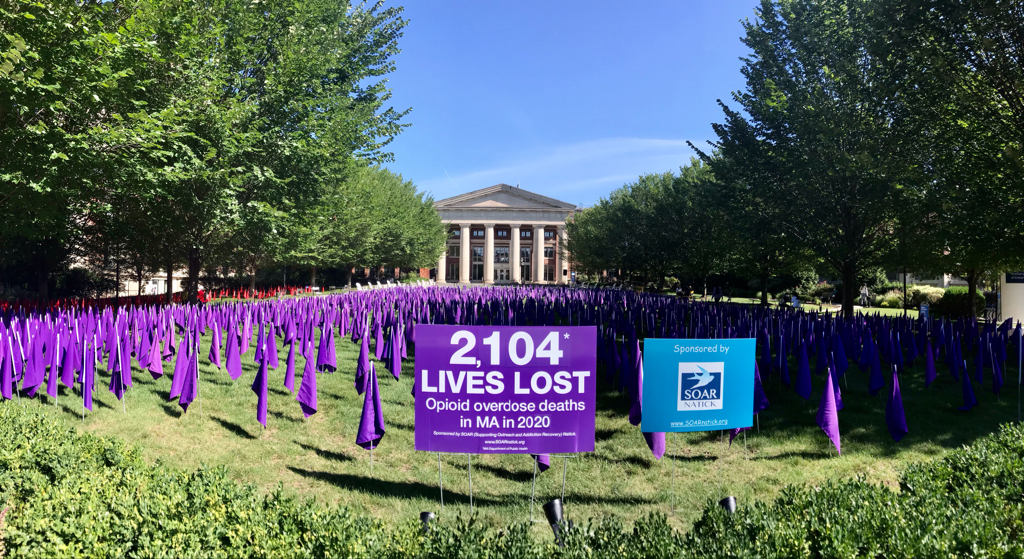
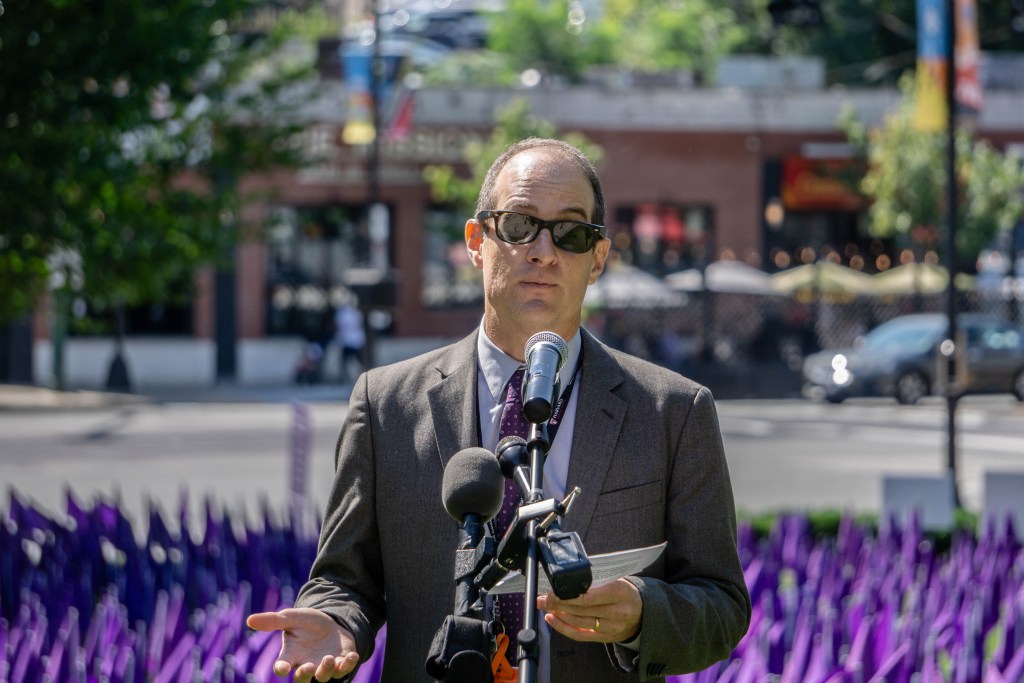
This year, we were honored to partner with SOAR Natick to sponsor their exhibit of 2,104 purple flags on the Stoneman Centennial Park to recognize National Recovery Month. Each flag represented someone who died from an opioid overdose in Massachusetts in the prior year. Several people from the hospital helped put up the exhibit, which was both heartbreaking and inspirational. The heartbreak was obvious: every flag we put up represented someone from our small state who had their life needlessly taken because of opioid overdose. These flags eventually covered most of the lawn to create a sea of purple: the color of recovery. The inspiration came from so many members of the community and hospital who came together not only to put up the exhibit, but to renew their commitment towards helping individuals struggling with opioid use disorder.   
Scott Weiner, MD, MPH
Department of Emergency Medicine 

1 Comment

We celebrated an extraordinary milestone in 2021 with the launch of the first human trial of a nasal vaccine for Alzheimer’s disease. This moment is both personally and professionally meaningful to me. I lost my mother to Alzheimer’s disease two decades ago. Even though I’m a neurologist, when she was diagnosed, I knew I couldn’t help her, and I knew we were going to lose her. So, I have seen firsthand the toll this illness has on affected individuals, and I’ve devoted my career to finding a way to prevent or slow the progression of Alzheimer’s disease. My lab has worked for nearly 20 years to lay the groundwork for a clinical trial of a new treatment that activates the immune system to treat disease. This year, we received approval to begin that trial, and in December of 2021, we administered the nasal vaccine to the first of sixteen participants. If clinical trials show that the vaccine is safe and effective, this could represent a treatment for people with Alzheimer’s disease or an early intervention for those at risk. We, of course, won’t know until we see the results, but it is gratifying and exciting to be on this journey. 

Howard L. Weiner, MD
Director of the Multiple Sclerosis Program, Department of Neurology 

Earlier this year, I had the opportunity to engage in deep conversations with nurses and interprofessional colleagues about the pandemic, stress and self-care for our podcast series on resilience. I learned so much from the wisdom and compassion that my colleagues shared when reflecting on their experiences coping with stress. I reflect on those conversations often and draw on the lessons that I learned from this incredible group of people. To properly care for our patients, we must first take care of ourselves and each other. I’m proud to be part of such a thoughtful and supportive community during these challenging times. 

Maddy Pearson, DNP, RN, NEA-BC 
Chief Nursing Officer, Senior Vice President of Clinical Services, Brigham Health 

I am so grateful to have assisted with putting together the Gratitude and Wellness Wall for staff. This interactive display on the Pike was a sacred place where we could all share self-care tips and how we have been making our days brighter during this difficult time. Seeing the wall fill with responses made my heart feel so full. I was proud to represent the Brigham community as I shared the story behind the wall on an episode of Chronicle. 
Kayla Methot, BSN, RN
Labor & Delivery nurse on CWN 5 

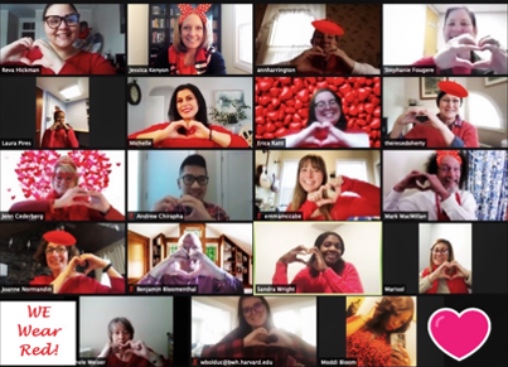
When an administrative team in cardiovascular medicine comes together to recognize women suffering from heart disease, it’s a beautiful and very proud moment for everyone involved. We were featured on e-boards throughout the hospital and continue to take great pride in our faculty’s efforts to improve the lives of others. Kudos to our then administrator, Jessica Kenyon, now executive director of the Department of Neurology, for inspiring us to come together to support our patients, each other, the American Heart Association and women nationwide. 

Jennifer Cederberg
Senior Administrative Assistant, Chief of Cardiovascular Medicine 

“Interpreter Services does it again!” 

“If only everything in life came with this level of high quality and reliable services…”  

“Many thanks for your care, help and empathy.” 

“Thanks for delivering top-notch service for our patients and providers.” 

“Your interpreting really made a profound impact here.” 

These are a few of the numerous appreciative messages we’ve received from our patients and Brigham colleagues over the past year. They are heart-warming and are the driving force behind our interpreters’ dedication and commitment to limited-English proficient (LEP) patients, who are disproportionately impacted by the pandemic. We take pride in our role in bridging the linguistic and cultural differences between our clinicians and patients, mitigating health disparities and achieving equity regardless of what language a patient speaks. In FY21, we completed over 164,000 interpreting and translation requests through face-to-face and remote modalities. These commentaries are our shining moments.  

Yilu Ma, MS, MA, CMI
Director, Interpreter Services Department  

At a time when so much misinformation circulates through the media about this pandemic, I am so proud to work at the Brigham, which has remained one of the most credible sources for COVID-19 related information cited throughout the world. We are so fortunate to receive this knowledge from bench to bedside in real-time from researchers and clinicians on the front lines of vaccine development. 

Bonnie Wheeler, CRA, MBA
Senior Research Administrator, Department of Orthopaedic Surgery 

Upon arriving at the Brigham, the first person to greet me was John Nyonnoh at the 15 Francis security desk. He stood, gave me a warm handshake and made me feel so welcome. He even told me about his family and showed me photos. His greeting reinstated everything I had heard about the Brigham: that everyone here is a family. This encounter made me feel incredibly lucky to be here. I’m immensely grateful that our patients, visitors, faculty and staff have such a terrific ambassador in John looking out for them. 

Robert Higgins, MD, MSHA
President, Brigham and Women’s Hospital
Executive Vice President, Mass General Brigham


One of my favorite moments from the past year was this fall’s employee recognition event, where staff had the opportunity to directly connect with and support our community organizations. We offered fall-themed treats to employees across the Brigham, who helped pay our thanks forward by casting their vote for one of three local, non-profit organizations to receive a $10,000 charitable donation from the Brigham in appreciation of their partnership. We were thrilled to select the Immigrant Family Services Institute (IFSI), an organization dedicated to supporting recent immigrants’ integration into the United States’ social and economic systems. We were also glad to provide $5,000 contributions to the runners-up, City Life/Vida Urbana and Mattapan Food & Fitness Coalition. Regardless of the organizations chosen, I hope that this event strengthened our connections to the communities we serve. 

Bernard Jones, EdM
Vice President, Value-Based Care, Public Policy and Administrative Operations 

Much of my team on Thorn 13 worked remotely in 2021, but I remember one particular day when more of us happened to be in the office than usual. Being with my colleagues again meant so much to me. The opportunity to be together in person, share our stories, and smile — even under our masks — felt deeply meaningful to all of us. I draw so much of my inspiration from the incredible people I have the privilege of working with every day. I hope in the year ahead we can all find ways to connect as a community. It’s hard when many of us are in different places, working remotely or on different schedules, but it’s heartwarming to be together when we have those opportunities. 

Allison Moriarty, MPH 
Vice President, Research Administration and Compliance 

I am a proud member of the Brigham’s thriving Physician Assistant (PA) community. In the last two years, I have been floored by our collective devotion to patients, academia and one another during the trying times that the COVID-19 pandemic has led. We’ve observed no shortage of clinicians going above and beyond during this period, but my most heartfelt moments have been amongst my colleagues, the PAs. Spanning across every medical specialty, I’ve witnessed PAs dedicating themselves to COVID-19 education in preparation to cross-cover areas in most need during the surge. As we enter yet another wave of COVID-19 with the Omicron variant, I have no doubt of our advanced team’s capabilities. It has been an honor to work alongside such incredible humans with a shared commitment to exceptional, selfless and equal care for all, a mission we all stand behind. 

Alexis Liakos, PA-C
Associate Chief Physician Assistant, Division of Infectious Diseases 

This past year was so challenging for so many. Brookside hosted COVID-19 testing and vaccine clinics and did our best to support our teams and meet our patients’ healthcare needs. We also wanted to recognize that in the midst of it all, Brookside turned 50! We celebrated by hiring an artist, Laura DeDonato, to create a mural that reflects who we are and who we’re becoming. Our staff created a vision through a few brainstorming sessions, and Laura made it all come to life. It was an exhausting year for all, but one that brought us closer together. As always, a shout-out to the Brookside team for being the best! 

Margaret Jolliffe
Executive Director, Brookside Community health Center 

On Dec. 1, we welcomed Robert Higgins, MD, MSHA, as the new Brigham president and the executive vice president of Mass General Brigham.

Higgins joins us with a breadth of experience at world-renowned academic medical centers. Most recently, he was the surgeon in chief, William Stewart Halsted professor of surgery and the director of the Department of Surgery at Johns Hopkins University.

Last week, Higgins joined the Brigham community for an All Staff Forum, where he reflected on his background, answered questions from staff and described his overarching visions for the future.

Getting to Know Dr. Higgins

Prior to joining us here at the Brigham, you were at Johns Hopkins University, and before Hopkins, you were at the Ohio State University Medical Center. Can you talk more about your career to date?

RH: I was recruited by Johns Hopkins from the Ohio State University to lead the Department of Surgery. I’m a cardiothoracic surgeon by training and a transplant specialist by focus, so it was a rare opportunity to lead the entire department of surgery, including all specialties.

We were very productive during the time I was there. We hired 61 new faculty, and I’m proud to say we hired twenty-two women and nine underrepresented minorities in various leadership and early career roles. We also focused on our academic mission, increasing research initiatives by about one hundred percent with NIH-funded investigators and helping build a clinically-integrated network of services in transplantation and cardiovascular care across six hospitals.

We also did a lot of work in diversity, equity and inclusion. As many may be aware, I was the first person of color to hold a leadership role at Hopkins in one hundred and thirty years. During my time there, we recruited faculty and staff across the school of medicine to make it a more culturally diverse and inclusive environment, and I’m proud of the partnerships and initiatives we developed.

You also served as a volunteer in the Army Reserve Medical Corps for 13 years. Can you reflect on your time in the reserves?

RH: My dad was a physician in the Navy. Unfortunately, he was killed in a car accident when I was young, and I knew he had work to do that he could not finish. Following in my father’s footsteps motivated me to pursue a career in medicine. But I was also inspired by his service to our country. My mom taught us that as young people, we had a responsibility to serve the communities that we reside in. One way to give back to my community was to serve in the military, and that led me to join the Army Reserve Medical Corps.

What attracted you to the Brigham and this role specifically?

RH: As a young person, I was aware of the extraordinary legacy of clinical care, research and innovation, particularly in cardiovascular and transplant medicine here at the Brigham. It’s a world-class institution. So, when I found out I had been nominated for this opportunity, I was floored. I wasn’t sure I’d be a candidate for such an extraordinary job. But in considering the opportunity, my experiences led me to believe that I could succeed here and that there were so many wonderful people with outstanding commitments to this program. I’m a bridgebuilder, a collaborator and someone who works well with other people, and I think those are some of the qualities that led me to get this job.

I’m honored to come to Boston and lead the Brigham and Mass General Brigham communities. I still have to pinch myself. As avid sports fans, my kids say, ‘Dad, once again, you’ve outkicked your coverage!’

Addressing COVID-19

Cheryl R. Clark, MD, ScD: During the pandemic, our research community stepped up to support clinical colleagues working on the front lines. What is your vision for how our clinical and research communities can continue to work together to face and surmount other significant challenges

RH: It’s clear that the Brigham and all of its affiliate organizations have stepped up in remarkable ways with drug trials and clinical care. They’ve undoubtedly transformed the way we address this pandemic. Going forward, we’ll have to continue innovating and collaborating to tackle this next set of challenges. Our science and research programs will help us identify what challenges to expect next and develop the future generation of vaccines or public health initiatives. The research community serves as global leaders in our ongoing battle with COVID-19, and I’m excited to support that.

Christine Murphy PMHCNS-BC, CARN-AP, Program Director, Psychiatric Nursing Resource Service: What is your perspective on employee wellness and resilience? The pandemic and the current high patient volume we are experiencing have been so difficult for our care teams. How can we do more to take care of each other? 

RH: The first and most important part is recognizing how much our workforce has sacrificed and how appreciative we are of their efforts. While words are nice, actions speak louder than words, so we’re going to try to do everything we can to recognize all of our employees committed to providing excellent patient care.

Ultimately, we need to be empathetic and compassionate to one another, just as we treat our patients. These are challenging times, and we’re going to try some creative strategies to increase morale and let people know that they are appreciated.

Building a Better Future: Higgins’ Goals for the Brigham Community

In some of your past roles, you’ve been vocal about the importance of bringing more diversity to healthcare leadership roles. How do you intend to continue your work in this space?

RH: While working in cardiovascular medicine and transplantation, it became clear to me that not only did we have healthcare disparities, but that we faced a lack of leadership development among people of color. So, I took it upon myself to improve the pipeline by teaching young students at the college, medical school, residency and faculty levels to help them promote their careers through sponsorship and mentorship.

I plan to promote the same opportunities at the Brigham. Not only will we try to eliminate healthcare disparities, but we’ll also work to create a more diverse, inclusive and multicultural workforce.

This work isn’t just for minorities by minorities. It’s for all of us to champion and create a more inclusive environment, so everyone contributes to that success. In academic settings, it’s about enhancing and enriching the pipeline. I think diversity makes us better in terms of the patient care we provide and the ideas we generate. If we diversify our experiences and approach to solving problems, we’ll be better healthcare providers.

As you look to the future, what is your vision for our organization?

RH: I’m hopeful that despite the challenges we face—the pandemic, workforce challenges, access and equity issues—that we will continue to lead in academic medicine. If we focus on our mission of providing great patient care, innovation and research, and creating a more diverse and multicultural workforce, we can continue to do great things. I recognize our staff is fatigued due to the current circumstances, but I’m hopeful we can maintain our view of what we’re here for: outstanding academic leadership.

I’m confident we won’t lose sight of the forest through the trees and can still lead the healthcare enterprise around the world. I’m excited about that future, knowing the journey will be difficult and that it’s a challenge at this moment in time. But, as my mom would say, pressure makes diamonds. The Brigham is a jewel in the crown of the American healthcare system.

Timmy, pictured with his wife and daughters at Spaulding Rehabilitation, attributes a large part of his recovery to the Brigham’s staff and to the staff at Spaulding Rehab.

On Saturday, July 24—a day many refer to as “the nicest of the summer”—Timmy Allen, Birchland Park’s Middle School principal, was happily vacationing on Cape Cod with his family. He had just returned from a morning jog on the beach when he began to feel pain in his chest. Chalking it up to heartburn, Allen insisted he was okay, despite his face growing progressively paler.

“I assumed something was wrong with my appendix. I had always been told my cholesterol was great, and that I have the heart of a runner,” said Allen.

Out of caution, Allen asked that his daughter go to their neighbor’s house and tell them he needed to go to the emergency room. His neighbor and longtime friend picked him up, driving roughly 100 yards before Allen’s heart attack began. Recognizing Allen’s symptoms, his neighbor immediately began aggressive CPR.

Bystanders ran home to use their landlines to call 911, as there was no cell service. A nearby nurse soon relieved the neighbor, who continued compressions until the ambulance arrived.

Paramedics took Allen to Falmouth Hospital. However, upon arriving, staff immediately transferred him to Cape Cod Hospital. On a mere coincidence, a Brigham anesthesiologist, Dirk Valermann, MD, who occasionally worked at the local hospital during the summer months, happened to be across the street eating lunch. Valermann quickly returned to work and sedated Allen, so a cardiologist could insert a stent to open his artery.

Even with this procedure, it soon became clear that they did not possess the equipment and expertise needed to save Allen’s life. He needed to go to Boston.

Arriving at the Brigham

Allen was immediately airlifted to the Brigham, where he would remain for 40 nights. After landing, doctors quickly decided Allen needed to go on ECMO, a form of life support for patients facing respiratory failure. Doing this, however, required his family’s consent and Allen’s family could not be found.

Katherine Keast, a nurse in Shapiro 9 East, the medical cardiac ICU, urgently began assisting her coworkers with searching for the family. She asked staff for their phone numbers and called their hotel, looking to speak with them in any way she could.

“I finally reached out to a security guard because we knew the hotel they were staying at,” said Keast. “I explained the story to him and said we are so desperate to find this family. He ran to the hotel in the middle of the night to find them.”

As it turns out, Allen’s family had no cell service in their hotel that night and woke up to a slew of missed calls, certain they awaited bad news. Doctors, however, were able to arrange for emergency consent to place Allen on ECMO.

Even after being placed on ECMO, Allen took several more turns for the worst before beginning his recovery. Each time Allen developed a new complication, his nurses ramped up care, doing everything in their power to support him and his family.

“We played calming music. We asked the family what his favorite show was. We tried to create as therapeutic of an environment as possible, said Keast. “It was truly a blood, sweat and tears situation.”

Allen’s wife, parents, sister and brother-in law spent many long nights in the Brigham waiting room, anxiously awaiting updates from his care team. During this time, they bonded deeply with Brigham staff, communicating with Allen’s nurses through drawings on a whiteboard in his hospital room, and forming close relationships with floor personnel.

“There were so many people at the Brigham who mean so much to my family,” said Allen. “There’s a receptionist named Yvonne, and she is someone who my whole family fell in love with. Every day when they were coming to see me, she would give them all a fist bump. And that attention from Yvonne mattered a lot.”

While Allen remained unresponsive, his physicians and nurses worked around the clock, keeping his family in the loop every step of the way.

“If I learned anything about doctors from this experience, it’s that half their job is being brilliant providers,” said Allen. “But then the other half is communicating in a way that’s helpful. Dr. Edelman was such a good communicator with my family. He was realistic and honest, but also optimistic, loving and empathetic. The impact he had on my family was truly amazing.”

After a tumultuous few weeks, things started looking up. Allen was finally getting better.

“When we got to extubate him, I called the family and told them that even though it was after hours, we’d made a special disposition and two of them could come see him,” said Keast. “It was such an emotional moment.”

A Renewed Faith in Medicine

Allen attributes a large part of his recovery to the care he received from Brigham’s clinical and support staff. Without the care of physicians, like James Kirshenbaum, MD, who expressed his honor to take Allen on as a regular patient after recovering from his heart attack, Allen doesn’t believe he’d be where he is today.

“I had about 1,000 things go right for me while at the Brigham,” said Allen. “And I needed all 1,000 to go right to survive this, so I’m really lucky.”

Allen and his family are not the only ones moved by his incredible recovery. Keast shared how his case transformed her and her colleagues’ perceptions of medicine, restoring their passion for their jobs.

“On the heels of the last two years, this story really renewed all of our faith in medicine. We were burnt out from the pandemic, and Tim restored our faith in what we do here.”

Upon reflecting on Allen’s case, Keast spoke to how Brigham clinicians make care like this happen.

“Collaborative care is something that is hugely important at the Brigham, and something I’ve seen in my 18 years working here. I started here making less than minimum wage as a volunteer and worked my way up to the bedside. From every aspect, I’ve always seen that collaborative care. People here really do care about every patient who walks through the door.”

1 Comment

On Dec. 6, the Brigham’s Connors Center for Women’s Health and Gender Biology held their annual research showcase, with this year’s theme being, “Intentional Inclusion of Representative Populations in Clinical Research.”

Keynote speaker, Karen Costenbader, MD, MPH, Department of Rheumatology, Inflammation, and Immunity, and director of the Brigham Lupus Program, has dedicated her career to addressing health disparities among individuals with lupus.

An illness that predominantly impacts women of color, lupus is a chronic autoimmune disease that occurs when immune cells—which typically help the body fight infection—instead attack healthy cells and tissues. While there is no cure for lupus today, clinical research remains imperative to understanding the disease and developing viable treatment options.

Costenbader recently spoke with the Brigham Bulletin about why lupus disproportionately affects women of color, why minorities are often underrepresented in clinical research and what we can do to address these health equity challenges.

What motivated you to study lupus?

KC: I first became interested in studying lupus when I was in medical school. The disease deeply fascinated me. An autoimmune attack on organs? Hearing about that intrigued me, and I wanted to understand the biological and genetic underpinnings of the disease.

I was also fascinated by the fact that it primarily affects young women. I wanted to know why it was impacting people my age.

In your presentation, you talked a lot about social determinants of health. Can you explain what those are and how they impact someone’s risk of developing lupus?

KC: In medical school, I learned that lupus was all about genetics. You inherit genes that give you a predisposition to developing this autoimmune disease. And while we’ve done enormous genome-wide association studies since then and are starting to get to the bottom of the genetic underpinnings of lupus, we didn’t appreciate the role that the environment plays in one’s susceptibility to this disease back then.

Today, we think that about 20 percent of your disease outcome is due to actual medical factors. The rest, however, have to do with social determinants of health, which are all the environmental factors that impact your health, like air pollution, smoking, obesity and stress.

These also include issues like access to care, preventive care delays and the quality of care one receives. Even things like your access to education, transportation, jobs and childcare are also associated with an influencing risk of developing lupus and poorer outcomes among those affected.

Many marginalized populations across the United States face increased exposure to adverse social determinants of health. And in this case, I think women, particularly women of color, are disproportionately susceptible to these factors

What barriers do lupus patients, specifically women and women of color, face to accessing treatment?

KC: There are significant barriers to accessing care for lupus among women and women of color. This is a bigger problem than just at the Brigham, and it’s a bigger problem than just lupus. Our country has very uneven access to medical care in general. So, many of the findings for people with lupus are probably also true for many other diseases. It’s really a larger problem that the United States must rectify.

In our work, we’ve studied people with lupus with Medicaid insurance. Medicaid is the federal state-administered program for people below the poverty line. We found vast, unexplained and horrible disparities in the quality and timeliness of care, and a lot of these are by race and socioeconomic status.

Racial minorities and those of lower socioeconomic statuses generally tend to receive lower-quality care, waiting longer to receive treatment from the time of diagnosis, and generally have less access to medical services altogether.

Why are minority populations often inadequately represented in clinical research trials, and how can we work to close these gaps?

KC: So that’s the hard part. Now that we recognize that these groups are very susceptible to developing lupus and that modifiable risk factors exist, we need to determine how to address them. One of the best ways to understand medical diseases is through clinical research studies and trials, and these require patient recruitment.

A lot of clinical lupus studies predominantly include white women. For example, the Nurses’ Health Study, a major research collaboration investing chronic illnesses in women, is 95 percent white. This study has provided a tremendous wealth of information about health and disease in women, but for diseases like lupus, we need to include the most affected populations, like women of color, in order to understand how to treat the disease among people most impacted by it.

There are many reasons why it’s been hard to involve representative populations in lupus clinical research. Even my own patients turn me down routinely when I ask if they would like to enroll in a research study. We had a two-day conference about issues in October 2019, and we talked about deep historical reasons, including distrust of academic medicine, that play a role in people’s unwillingness to participate in clinical research.

There are also major time concerns. People are busy; they don’t want to fight traffic or take time off from work to come in for extra visits, extra blood draws and questionnaires.

There’s also the idea that the people enrolled in these trials are the guinea pigs. In a randomized trial, not everyone gets the investigational treatment. Some people get the placebo, which is usually a drug known to work, but isn’t the one being evaluated. My patients will say, well, if you think I should get the medication, just give it to me, and if you think I shouldn’t, don’t give it to me. Usually, we don’t know which is best, as that’s the reason we are doing the trial, but patients may not be comfortable with the chance that they may not receive the experimental treatment.

Does the Brigham have any programs to help increase underrepresented groups’ recruitment in clinical research?

KC: It does, and there are a lot of projects underway. For example, our research group and the Mass General Brigham Biobank have merged to do outreach to every socio-demographic group. We’re trying our best to enroll diverse populations into those larger studies. But it’s also a time investment. We need to build trust and get out in the community. We have community outreach and engagement activities through the lupus center and the Brigham has an increasing number of programs and organized health equity initiatives as well.

What more can we do to increase representation in clinical research?

KC: I think we also need to focus on medical education and physician training, weaving cultural competency into medical school curriculums to improve physician-patient relationships.

We’ve learned from previous research that improving care often translates to improving research. Many past studies have shown that the most critical factor in determining whether someone will be amenable to participating in a research study is their bond with the person who introduced it.

If patients trust the provider who suggests the trial or study, they will be much more receptive to participation. So, I think that putting time and attention into building these relationships is imperative to improving both clinical research recruitment and health outcomes among lupus patients.

Emergency Department physician Catalina González Marqués (left) becomes the first member of the Brigham community to receive the COVID-19 vaccine, given by Sarah Kirchofer (right) of Occupational Health Services.

One year ago today, in a historic moment, a group of Brigham staff eagerly gathered to watch as Catalina González Marqués, MD, MPH, became the first person in the Brigham community and one of the first physicians across the nation to receive a COVID-19 vaccine.

Vaccine administrator, Sarah Kirchofer, MSN, RN, NP-C, NE-BC, interim director of Occupational Health Services, smiled at Marqués after delivering the vaccine and said, “Welcome to history,” as the crowd erupted into applause.

Today, Dec. 16, marks the one-year anniversary of the COVID-19 vaccine rollout from the Brigham’s Hale Building for Transformative Medicine. Twenty-two months into the pandemic, the vaccines have provided a glimmer of hope and relief to healthcare workers and community members alike.

“It’s hard to find adequate words to express how grateful I am to the many Brigham employees who have worked to vaccinate our staff and patients during this past year,” said Karl Laskowski, MD, MBA, associate chief medical officer. “Their work has saved lives, and meant so much to all of us during this difficult time. We are so thankful for all they do.”

Since last December, hundreds of employees and volunteers have worked around the clock to administer thousands of doses of the vaccines to eligible staff and patients, often doing overtime and coming in over the holidays and on weekends. In the face of our constantly changing environment, Brigham clinicians, support and administrative staff have consistently gone above and beyond to address emerging challenges with compassion.

As we reflect on this milestone with gratitude, we recognize Brigham staff for their tremendous efforts to fight the ongoing pandemic.

“I am so proud of the team who made this all happen. It took a village, and we want to thank all who participated, including, but not limited to pharmacists, ambulatory capacity management, information systems and digital health, registrars, check-in staff, environmental services staff, vaccinators, occupational health and so many more,” said Julia Sinclair, MBA, senior vice president of Clinical Services. “I would like to give a special shout out of appreciation to the current leadership team who works tirelessly every day to support our employees and patients; Paula Kackley, MBA; Karl Laskowski, MD, MBA; Pam Cormier, MSN, RN, AHN-BC; Kelly Fanning, MBA; and Raj Patel, MD, MPH.”

The Centers for Disease Control and Prevention (CDC) now recommends that everyone age eighteen and older get a booster shot. Booster shots are available at clinics across the Boston area, like CVS and Walgreens, and eligible employees may schedule their booster shot appointment at a Mass General Brigham vaccine clinic via COVID Pass.

Longtime Brigham scientist and clinician, Christopher Williams, PhD, is headed to space. On what seemed to be an ordinary day, Williams had just finished dropping his daughter off at daycare when he received a call from an unknown number. Williams was floored to be greeted by the Chief of the NASA Astronaut Office with special news: he’d been selected as 1 of 10 members, out of 12,000 applicants, to join the 2021 NASA Astronaut Candidate Class.

As far back as he can recall, Williams has been fascinated by space. In fact, it’s what inspired him to become a physicist in the first place. Williams has dreamt of becoming an astronaut since he was a child and held this ambition close to him throughout his career. However, it was only after applying to NASA that he began to see a path for this dream to become a reality.

“As a kid, neither of my parents nor anybody in my immediate family was in science. But as far back as I can remember, I dreamt of becoming a scientist and an astronaut,” said Williams. “I was fascinated by the idea that we can use science to solve challenging, seemingly impossible problems. I feel privileged that I can help use my knowledge of science and physics to help patients fight cancer and this is something that NASA’s space program inspired me to do.”

Williams graduated from Stanford University with a bachelor’s degree in physics. He then pursued a PhD in physics at the Massachusetts Institute of Technology with a research focus in astrophysics. As a board-certified medical physicist, he completed his residency training at Harvard Medical School before joining the Brigham as a clinical physicist and researcher in the Department of Radiation Oncology.

“We are thrilled that Chris has joined join the 2021 NASA Astronaut Candidate Class,” said Daphne Haas-Kogan, MD, chair of the Department of Radiation Oncology. “We always knew that Chris would change the world for the better. His brilliance, insightfulness, and collegiality are out of this world in more ways than one.”

While being an astronaut and scientist are objectively different career paths, Chris recognizes key attributes he’s gained as a scientist that will allow him to succeed at NASA.

“I think my experience at the Brigham has set a great foundation for what I’ll be doing as an astronaut. At the Brigham, I lead a very tight-knit and multidisciplinary team of radiation therapists, physicians, physicists and nurses in radiation oncology. We all work together in a high-stakes environment to deliver radiation to our patients. So, I see a lot of parallels in that experience and the types of teams I’ll be working on at NASA.”

Williams is set to leave the Brigham on December 17th and begin his space training this coming January. He’ll spend the next two years in basic training and then become eligible for various flight assignments, such as conducting research at the International Space Station. While his time at Brigham will soon come to an end, his passion and commitment for solving scientific problems have only grown stronger. He hopes to weave his scientific pursuits and clinical expertise into his career at NASA.

“I’m excited about all the things I can learn at NASA, not only about physics and astronomy, but also medicine and the human body. Going beyond Earth’s orbit, I’d love to gain a better understanding of space radiation and how we can better protect ourselves against that.”

Do you have a memory from the past year that made you proud to be a part of our Brigham community?

Across our system, we have the brightest hearts and minds providing compassionate care, pursuing innovative breakthroughs and supporting one another.

To highlight the work of our remarkable community, staff are invited to share their brief reflection for “Moments from Our Hearts,” a special year-end feature in Brigham Bulletin.

Submit your contribution and a related photo before Dec. 22 by completing this form.

Joseph Thibodeau is no stranger to adversity. After overcoming stage four lymphoma, battling graft-versus-host disease and later, having both his legs amputated due to an infection, Thibodeau has discovered firsthand the value of resilience.

Equally important, however, are the blood transfusions he has been receiving for the past ten years.

Thibodeau is one of millions of Americans whose health depends on regular blood donations. In the wake of the COVID-19 pandemic, blood donorship has decreased by 10 percent and is at the lowest it has been since 2015, according to the American Red Cross.

“We need to get the word out about how dire the need is and also help people understand that donating blood is a very safe and well-tolerated procedure,” said Maureen Achebe, MD, MPH, clinical director of Hematology for the Dana-Farber Brigham Cancer Center.

Thibodeau’s story is testimony to the fact that even the most active, self-sufficient people can find themselves in need of blood donations. After working as a banker for 20 years and running a mom-and-pop convenient store with his wife, Kathleen, Thibodeau retired to raise beef cattle on the 150 acres of land the couple owns in Vermont. Only shortly after this, however, Thibodeau was diagnosed with lymphoma and began undergoing treatment in 2003.

When the lymphoma relapsed for the third time in 2011, Thibodeau was referred to Philippe Armand, MD, PhD, an oncologist at the Brigham, who determined that Thibodeau would need a stem cell transplant to survive.

While the transplant cured Thibodeau’s lymphoma, it also led him to develop graft-versus-host disease, or GVHD, an auto-immune disease in which a donor’s cells attack the recipient’s cells.

To combat the effects of GVHD, Thibodeau began receiving regular blood transfusions at the Kraft Family Blood Donor Center. At first, Kathleen passed the time waiting by reading or going for a walk outside. Then, it occurred to her: she, too, had the power to make a difference in someone’s life.

“I thought, ‘You know what, I really want to donate,’” she said.

Today, Kathleen is a regular blood donor and is committed to spreading awareness about the ongoing need for donors. Donating whole blood takes about an hour and can be done every two months, while donating platelets takes a couple hours and can be done every two weeks. In either case, what may look like a minor inconvenience could save someone’s life.

“It’s very important that people donate blood,” said Thibodeau. “It would help so many people out—not just people with cancer, but people who were in car accidents or people with low blood counts.”

Achebe said that the pandemic has created an upsurge of medical problems, making the need for blood even greater. The fear of contracting or spreading COVID-19 drove many people away from donating blood; the problem, she said, is that most of these regular donors have still not returned, despite it now being safe to do so.

“You don’t think to do it until you know someone who needs it,” Thibodeau said.

Today, he continues to visit the Kraft Family Blood Donor Center once every two weeks, where he undergoes photopheresis, a blood-filtering procedure that he began receiving in 2017.

Some would be discouraged by the recurring four-hour drive from their home in Vermont to the Brigham. The Thibodeaus, however, continue to look for the silver lining in every situation.

To break up the long drive to the hospital, Kathleen said they spend the night at their son’s home in Princeton, Mass., where he lives with his wife and two children on a horse farm.

“They are the delight of our life,” said Kathleen.

Now, Thibodeau can play with his grandchildren and do yard work with his tractor, using his prosthetic legs. He said the ongoing treatments and his family’s support give him strength.

“It doesn’t keep him down,” said Kathleen. “We just go forward.”

Last week, the Brigham community joined festivities grounded in gratitude and kindness. Employees across our main and distributed campus locations enjoyed fall-themed treats and helped pay our thanks forward by casting their vote for one of three local, non-profit organizations to receive a $10,000 charitable donation from the Brigham in appreciation of their partnership.

“It’s critically important that we express gratitude for the work that our colleagues do, as well as for the work of organizations to ensure our communities and all of their members, particularly those who would benefit the most from our support, thrive,” said Bernard Jones, EdM, vice president, Value-Based Care, Public Policy, and Administrative Operations. “Our Brigham family lives and works in these very same communities and we are thrilled to combine the recognition of our employees and investing in the work of amazing organizations.”

A Great Outcome for All

After a day of voting and counting, the ‘winner’ was determined: Immigrant Family Services Institute (IFSI). The runners-up, City Life/Vida Urbana and Mattapan Food & Fitness Coalition, will each receive $5,000 donations from the Brigham.

Dedicated to supporting new immigrants and refugees, IFSI provides access to foundational resources, including housing, food, health, academics, employment, advocacy work and legal services. The Brigham most recently collaborated with IFSI when immigrant populations and refugees from Haiti were struggling with the transition from home to here.

“We’re excited about the work IFSI has done and even more thrilled that staff want to recognize them and their suite of services,” said Claire-Cecile Pierre, MD, associate chief medical officer and vice president of Community Health.

The IFSI, which acts as a one-stop immigration navigator service, was a critical, on-the-ground partner with the Brigham during COVID-19 testing and vaccination in Mattapan earlier this year.

“The Brigham is doubling down on being a better neighbor and supporter of the communities we serve,” said Jones. “I’m grateful the Brigham community engaged in this shared, participatory exercise that has great outcomes for three local organizations.”

The Gift of Hope

When staff from the IFSI learned they had been selected for the $10,000 donation, they passed along messages of thanks to share with the BWH.

“IFSI is so grateful to be chosen by the Brigham community for such a gift. Every day, we welcome so many new families who need help, from food and clothing to shelters. Every gift brings hope to our families,” said Geralde V. Gabeau, MPH, executive director of the IFSI.

Rev. Dieufort J. Fleurissaint, of the IFSI, offered his heartfelt gratitude as well.

“This financial assistance comes at a crucial moment and will be extremely beneficial to support IFSI in its commitment to helping the Haitian migrants’ transition into their next phases in America.”


Promoting Supplier Diversity This Holiday Season

Looking to purchase a holiday gift for your colleagues or loved ones? Through the Mass General Brigham Supplier Diversity Program, we are excited to announce that the following local, diverse businesses from our nearby Boston neighborhoods are available as suppliers in eBuy:

    • Final Touch with Class (Roxbury)
    • Frugal Bookstore (Roxbury)
    • Shanti Indian Cuisine (Roxbury)
    • Soleil Boston (Roxbury)
    • Fresh Zen LLC (Dorchester)
    • Sweet Teez (Dorchester)
    • Fresh Food Generation (Dorchester)
    • Ay’ A Africa Boutique (Dorchester)
    • Dona Habana (Boston


While doing some gardening in their backyard earlier this year, Yazmine, 30, turned to her partner, Mayron, 25, with an idea about their upcoming wedding.

The local couple, who were expecting their first baby this October, had planned to get married next year on Sept. 24, 2022. Organizing a wedding and welcoming a baby in the same year seemed too ambitious, Yazmine had originally thought. But that day in the garden, she changed her mind.

“I just felt like, why wait?” she said. “We wanted our son to be born into a marriage, so I said let’s just get married at City Hall on the same date this year, Sept. 24, and then do a larger celebration next year.”

They excitedly started making plans for an intimate ceremony with Yasmine’s immediate family and to record the event for Mayron’s relatives in Brazil.

But then during a regular appointment with her obstetrician on Sept. 23, Yazmine received some unexpected news. Her doctor recommended that she be induced that afternoon after Yazmine reported she hadn’t felt the baby move as much recently. By the morning of Sept. 24 — the very day they planned to be exchanging vows — they were at the Brigham with the potential for a different monumental moment in their lives to occur.

“I was like, whoa! I wasn’t due for another three weeks, but everything happens for a reason,” Yazmine said. “What’s funny is that we didn’t choose the 24th as our wedding date for any particular reason, but all of a sudden it had the potential to be the date of both our baby’s birthday and our wedding day.”

To help the couple fulfill their original plans, members of their care team and other staff on the unit sprang into action to organize a festive wedding ceremony.

The father of the bride hurried to the couple’s home that morning to pick up her wedding dress and Mayron’s suit. OB/GYN resident Gregory Woods, MD, officiated the ceremony that evening.

Nora Scharf, MSN, RNC-EFM, nursing director for the Center for Labor and Birth, said the care team was delighted to support the couple as they celebrated their love and growing family.

An ‘Indescribable Feeling’

“Our compassionate Labor and Delivery staff quickly brought the idea to my attention of having their wedding on the L&D unit prior to the unexpectedly early birth of their baby,” she said. “The staff were thrilled and excited to help facilitate their wedding ceremony. The joy this sort of event brings to everyone working is tremendous. We are accustomed to the joys of childbirth, but to add a wedding to our day is extra special.”

The ceremony was a success. However, Yazmine’s baby decided he didn’t want to take a backseat to his parents’ joyous moment. And it wasn’t until the evening of Oct. 18 that the couple’s son, Kaleb Gabriel, came into to the world.

Yazmine expressed their gratitude for the outstanding care they have received.

“It means a lot to us that they would do this wedding for us, and the nurses were so nice and accommodating with everything else, too,” she said. “They had really positive attitudes and never made us feel like we were being a nuisance or bothersome about anything. They were genuinely happy to be on this journey with us.”

The happy couple met last year while working at a restaurant together — starting out as colleagues and then friends before their feelings for each other blossomed.

“Once we got to know each other, we realized we had a lot in common, especially our goals and what we wanted in terms of raising a family,” Yazmine said.

In January, Yazmine had a hunch she was pregnant and told Mayron she was going to pick up a pregnancy test at the drugstore. She surprised him later that day with the result, presenting him with a card containing a heartwarming message in his native language, Portuguese — with help from Google Translate — and a jewelry box containing the testing dipstick showing a positive result.

“She told me, ‘Close your eyes. I’ve got a surprise for you,’” Mayron recalled. “When I saw it, I was so surprised and excited. What she did was so sweet.”

This past week, after a short stay in the Brigham’s Neonatal Intensive Care Unit, Kaleb Gabriel arrived home to culminate the couple’s whirlwind journey.

“It feels second-nature to have him home,” Yazmine said. “It’s really an indescribable feeling to be a parent. We look forward to this wonderful journey and give thanks to the doctors and nurses that took extra care of our baby in the NICU after birth.”

Boston 25 News recently covered this story. You can view the segment here.


Maureen Zuzevich, recruitment program manager for the Kraft Family Blood Donor Center, was heading home last year from a blood drive she had coordinated at Gillette Stadium when she was overcome by nausea. She quickly pulled over to the side of the road.
It was May 2020 — the first wave of the COVID-19 pandemic was in full swing. Zuzevich’s mind started racing as she sat in her car, overwhelmed by a sudden onset of coughing, vomiting and feeling feverish.

“I called my husband and said, ‘Jim, I’ve been sick. You’d better not come near me when I get home. I think I’ve got COVID,’” Zuzevich recalled.

It was a reasonable assumption — one that her primary care provider agreed with when they spoke by phone later. But when a COVID-19 test came back negative, Zuzevich and her provider didn’t know what to make of the results. It must be an error with the test, they decided.

But it wasn’t a mistake. Zuzevich retested multiple times and got the same result: negative for COVID-19. Imaging suggested she might have pneumonia, but the antibiotics and steroids she was prescribed did nothing to alleviate her illness. On the contrary, her health continued to deteriorate.

“I’ve never called in sick to work in my life, but I felt so terrible that I had to,” she said. “After two weeks of this, I really had not been myself. I just looked at my husband and said, ‘Take me to the Brigham. Something is wrong.’”

That decision, Zuzevich and her family would soon learn, saved her life. And Zuzevich, who has spent the past 25 years recruiting blood and platelet donors, would find herself on the other side of that relationship as she experienced firsthand how vital it was to have a robust blood bank for patients in need — patients like her.

‘I Called Them My Angels’

In the Emergency Department, Zuzevich’s care team discovered what was causing her to feel so sick: She was in severe, acute kidney failure. Zuzevich was stunned.

“Up until then, I never had any major health problems, and there was nothing like this in my family history,” she said. “I remember them telling me that if my husband hadn’t brought me in that Friday, I might’ve died by Sunday.”

Due to shifting bed capacity needs during the peak of the pandemic, Zuzevich was transferred to Brigham and Women’s Faulkner Hospital, where she underwent a kidney biopsy and was started on antibiotics. Her condition, however, continued to worsen, and her care team still didn’t know why.

Meanwhile, a Brigham pathologist was working to unravel the mystery. Helmut Rennke, MD, director of Renal Pathology, successfully identified the root cause of her illness: two extremely rare, life-threatening autoimmune disorders.

One was anti-glomerular basement membrane (anti-GBM) disease, also known as Goodpasture syndrome, which was causing her immune system to mistakenly attack healthy kidney tissue. Only one in 1 million people are diagnosed with it each year. The other disease, ANCA (anti-neutrophil cytoplasmic antibodies) vasculitis, causes white blood cells to attack small blood vessels in the body — damaging blood vessels and causing tissue swelling. It is also rare, affecting an estimated one in 50,000 people each year.   Both the anti-GBM and ANCA antibodies are “autoantibodies,” meaning that they are specific for normal human proteins. In Zuzevich’s case, these autoantibodies had caused severe, diffuse inflammation in greater than 90 percent of the renal filters (“glomeruli”) that had been sampled in her kidney biopsy.

The severity of her disease and the advanced care it required prompted Zuzevich’s care team to transfer her back to the Brigham’s main campus. Staff were waiting in the ambulance bay to bring her for an emergency plasma exchange to remove the anti-GBM and ANCA autoantibodies from her bloodstream.

“I was told that they [Transfusion Medicine staff] stayed late. I recognized the faces that were there waiting for me,” Zuzevich said. “It’s emotional even thinking about it. I called them my angels.”

Gratitude for the Gift of Life

Zuzevich remembered watching the dark brown, sludgy plasma leave her body as the transfusion began. Based on her work with the Kraft Center, she knew it meant a grave amount of toxins had built up in her body. Healthy blood plasma is typically yellow.

She would spend the next three weeks hospitalized at the Brigham, undergoing kidney dialysis, treatment with immunosuppressive medications, and a total of 14 plasma exchange treatments. She also benefited enormously from the support of the Brigham “KidneyPal” program, a multidisciplinary Nephrology and Palliative Care team, as she adjusted to the realities of dialysis. As her health and kidney function improved, she was discharged and transitioned to outpatient dialysis, with the occasional need for whole blood transfusions.

Although her kidneys sustained considerable damage — to the point that Zuzevich may eventually require a kidney transplant — their function recovered enough that she was able to discontinue dialysis last fall.

“Quite miraculously, Maureen is getting better, and I’m optimistic she will continue to improve,” said David Mount, MD, associate chief and clinical chief of Renal Medicine and director of Dialysis Services, who led the multidisciplinary team caring for Zuzevich. “Patients with anti-GBM disease with the severity of her renal inflammation and with the degree of her acute renal failure at presentation usually remain dialysis-dependent, with ‘end-stage’ kidney disease. What made the difference here was the aggressive, multi-pronged therapeutic approach, using high-dose prednisone, rituximab, cyclophosphamide and an extended course of plasma exchange.”

He continued, “I think it also speaks to the outstanding collaboration with our Renal and Medicine colleagues at the Faulkner, our wonderful Renal Pathology division, the dedicated team at the Blood Bank and our innovative KidneyPal program. Everybody pulled together to make a rapid diagnosis, give her the highest possible chance of recovery and support her during this difficult period.”

Reflecting on the care she received, Zuzevich struggled to find words to express her gratitude to her care team.

“The Brigham and Dr. Mount saved my life. I think if I went anywhere else, I wouldn’t be here today,” she said. “Really, every single person who cared for me was amazing. The love and compassion they gave me — it’s overwhelming. I can’t thank them enough.”

And as blood banks around the country, including the Brigham’s, face continued shortages, Zuzevich said she is especially touched by the anonymous whole blood and plasma donors for their gift of life.

“It just hit home for me — right at my heart. I’m so grateful to our donors, even more than I was before,” she said. “I remember when I was receiving a blood transfusion, I looked up at the bag and took a picture of it with my phone. I sent it to my friends at the Blood Donor Center and said, ‘Keep on collecting, girls.’”

All blood products donated at the Kraft Center directly benefit patients at the Brigham and Dana-Farber Cancer Institute. To donate whole blood or plasma at the Kraft Center (open seven days a week), schedule an appointment online, email BloodDonor@partners.org or call 617-632-3206. Walk-ins are also welcome. View a calendar of upcoming blood drives open to the community.

October is recognized nationally as Domestic Violence Awareness Month. With the help of the Center for Community Health and Health Equity (CCHHE), the Brigham recognizes this month as Interpersonal Violence Awareness Month to raise the visibility of not only domestic violence but also all forms of violence and trauma that occur in communities, homes and workplaces.

Everyone has the right to feel safe from violence, but the unfortunate reality is that many people do not — and often suffer in silence. Staff from CCHHE, Southern Jamaica Plain Health Center and Brookside Community Health Center recently teamed up to help educate the public about interpersonal violence and how to receive support. View the videos in English and Spanish (below) to learn more about this urgent public health issue affecting every community.


While this month brings additional visibility to the topic of interpersonal violence, the CCHHE provides year-round support for survivors, their loved ones and the local community through Passageway and the Violence Recovery Program. Brigham experts also regularly host and participate in educational programs, including a recent Mass General Brigham Diversity Dialogues webcast, “Caring for Vulnerable Patients: Survivors of Interpersonal Violence and People Who Are Homeless.”

If you or someone you know is experiencing abuse, caring and confidential support is available. Contact Passageway at 617-732-8753, Monday–Friday, 8:30 a.m.–5 p.m. For evenings and weekends, please call the Brigham page operator at 617-732-6660 and ask to page the Emergency Department/on-call social worker.

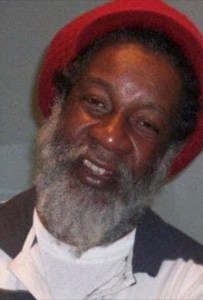
David Reid

The Brigham community mourns the loss of David Reid, an Environmental Services aide, who died Sept. 8. He was 64.

A member of the Brigham community for an extraordinary 47 years, Mr. Reid most recently was responsible for clinical administrative areas along the Ground Pike, where he worked during the evening shift to provide a clean, safe and welcoming environment for patients, families and staff.

Mr. Reid was remembered by colleagues for his kind and open heart, outstanding dedication to the Brigham and wholehearted commitment to helping anyone in need.

“David was such a generous and humble person,” said Felix Berrios, a supervisor in Environmental Services. “He was always willing to extend his hand when we needed it to make things happen. We will all miss him as a colleague, and some of us will also miss him as a true friend. His legacy will live on through all the great work he did.”

Cislyn Ferguson, an Environmental Services aide, was a colleague of Mr. Reid’s for more than two decades and cherished the warmth and camaraderie he brought to their work.

“He always made jokes and made me laugh,” she said. “He was kind and respectful. If I asked him to help me with something, he was always there for me. He will be missed.”

Jean Dalmeus, evening operations manager in Environmental Services, recalled how he and Mr. Reid laughed often at inside jokes they shared and would miss Mr. Reid’s friendship, sense of humor and love of his Jamaican culture.

“David was the most dedicated employee in our department. It broke my heart to lose him, but he did not go alone. A part of us went with David the day God took him home,” Dalmeus said. “In life, we loved him dearly at Brigham and Women’s Hospital. In death, we love him still. In our hearts, David holds a place no one could ever fill.”

Yodit Mebrahtu Gebreyesus, an Environmental Services aide, said the heartbreak and grief she felt over Mr. Reid’s passing was tempered only by the fond memories they shared over the years.

“David helped me in more ways than I can describe. He wouldn’t just do something for me — he would teach me and give me genuine opportunities and a learning experience,” Mebrahtu Gebreyesus said. “David was far more than a mentor. He was a beloved friend.”

In an obituary honoring Mr. Reid’s life and legacy, his loved ones reflected on Mr. Reid’s passion for education, debate, religion and current events. He earned his bachelor’s degree in education and history from the University of Massachusetts Boston.

“David was deeply committed to the Rastafarian religion and the teachings of Marcus Garvey,” they wrote. “He thought deeply about current events and found ways to analyze, interpret and explain how Biblical history relates to world events. He always found a parable to describe everyday situations. A favorite was, ‘A patient man rides a donkey.’”

Mr. Reid is survived by his siblings Hubert Reid, Pauline Alexander, Derrick Reid, Franklyn Reid, Sharon Reid-Worrell and Jodie Williams; his cousin, Avia Reid; and many loving nieces, nephews, grand nieces, grand nephews, relatives and friends in England, Canada, Jamaica and the United States. He is predeceased by his siblings Lurline Daley, Roland McBean and Cecil Barrington Reid, and his parents, Lebert and Muriel Reid.

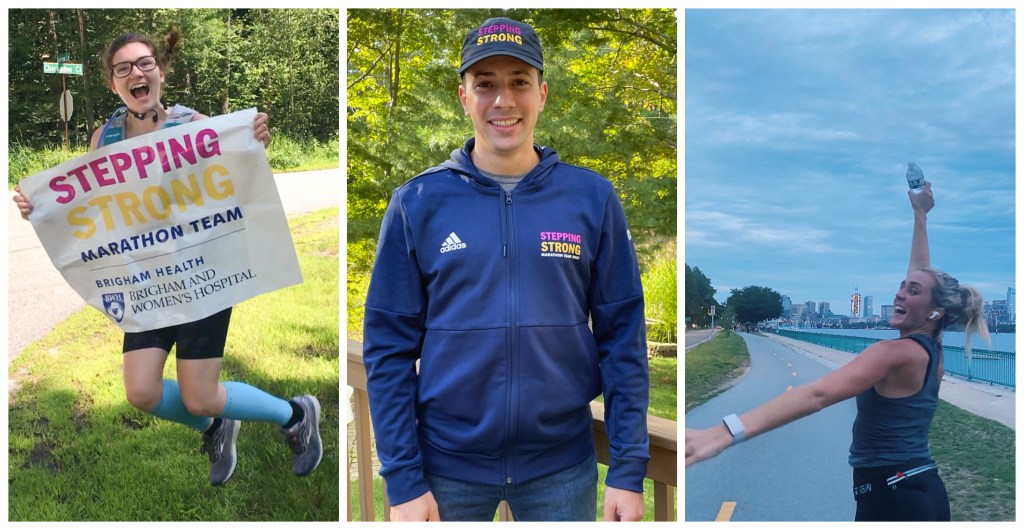
From left: Stepping Strong runners Meghan Jerome, Jonathan Custodio and Emily Dugan

In celebration of the 125th Boston Marathon, Brigham Bulletin is highlighting the stories of three members of the Brigham’s Stepping Strong Marathon Team. Comprising more than 100 runners, the Stepping Strong team will follow the historic Boston Marathon route on Oct. 11 for the in-person race or complete a virtual marathon, completing a 26.2-mile route of their choice Oct. 8–10 — all in support of The Gillian Reny Stepping Strong Center for Trauma Innovation at the Brigham.

About Stepping Strong

Established nearly eight years ago, The Gillian Reny Stepping Strong Center for Trauma Innovation has evolved from one family’s bold response to a personal tragedy to a thriving, multi-institutional, multidisciplinary hub that is transforming the continuum of trauma care — from prevention to treatment to rehabilitation — for civilians and military heroes who endure traumatic injuries and events. You can advance this critical work by supporting the Stepping Strong Marathon Team. Click here to meet members of the team or make a gift. Learn more about the center at BWHSteppingStrong.org.

Daughter of Ewing Amputee: ‘My Mom Inspires Me to Keep Going’

When Meghan Jerome, 22, attempted her first half-marathon a few years ago, she hit a point familiar to many long-distance runners: pure exhaustion.

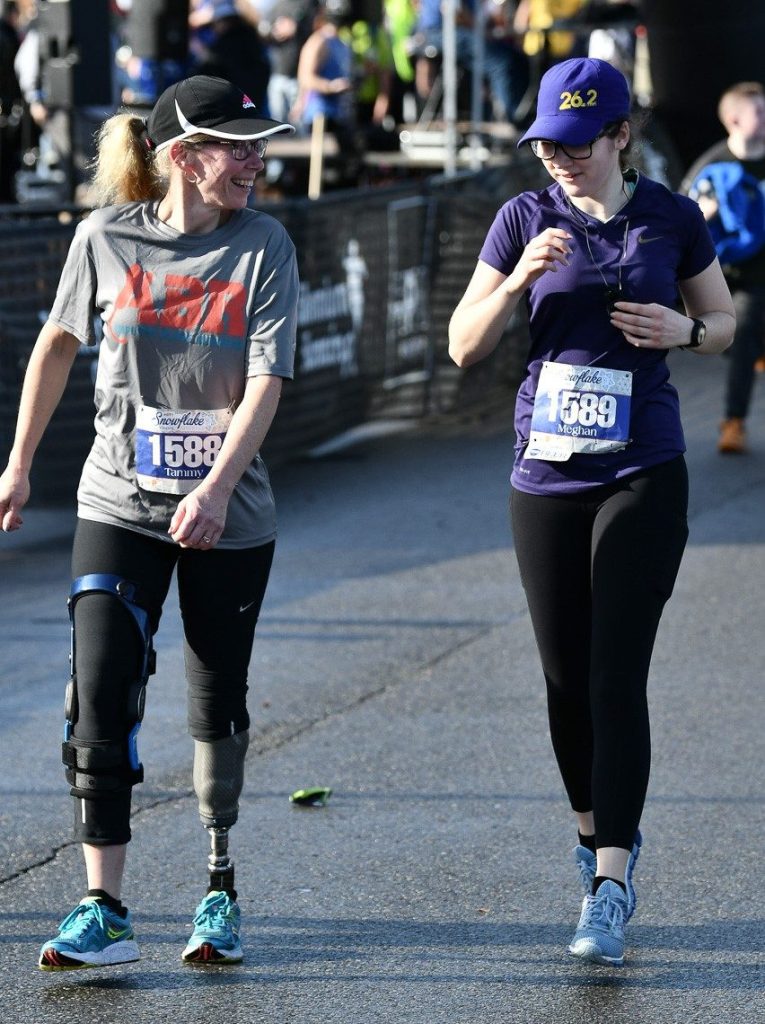
From left: Tammy and Meghan Jerome compete in the 2020 Snowflake Shuffle 5K in New Hampshire.

As her legs went heavy and her pace slowed down, a thought popped into her mind: “It doesn’t matter how fast you are. It matters who you’re strong for.”

It became her mantra.

There was no question for Jerome, a kindergarten teacher from Bedford, N.H., about who would inspire her to rally her strength that day and complete the race: her mother, Tammy, who underwent the Ewing amputation at the Brigham in 2017 after living with chronic pain and infections in her left ankle for years. Since the amputation, Tammy has used a robotic prosthetic capable of acting like a natural limb to get back on her feet and resume her active lifestyle, including running and skiing.

Now, as Jerome prepares to complete a virtual Boston Marathon in Londonderry, N.H., on Oct. 9, that mantra is still fresh in her mind — as is her mother’s perseverance and optimism.

“My mom inspires me to keep going. Thinking about her and her experiences, I’ve been able to understand how fortunate I am to be able to run,” Jerome said. “It’s hard. It pushes my body to the limit. Growing up, I never loved running, and even now, thinking that I’m going to run 26.2 miles is insane to me. But knowing that I can physically do it is not something I take for granted.”

For Jerome, completing a virtual Boston Marathon is less about the race itself and more about the cause she and her family are so passionate about: supporting the Stepping Strong Center for Trauma Innovation.

“Running for Stepping Strong is an incredible experience because it’s an opportunity to give back to an organization that has given so much to us,” Jerome said. It’s changed our lives. It’s given my mom hope to get out there, be active again and live life to its fullest. They really took us in as part of their family.”

And while Jerome is currently focused on this upcoming race, she already has her next goal in mind: running a Boston Marathon with her mom by her side.

A Devastating Aneurysm Jeopardized His Ability to Walk — But Not His Resolve

Jonathan Custodio, 33, woke up in the Brigham’s Neuroscience Intensive Care Unit (ICU) last year with little to no memory of what had just happened. His care team explained that he had experienced an aneurysm in his spinal artery — an exceedingly rare, sudden and life-threatening event. He had arrived at the Brigham via MedFlight and was rushed into emergency surgery.

Custodio’s doctor gently explained to him that he might never walk again. He struggled to comprehend what he had just heard as he realized he felt no sensation below his diaphragm.

“I don’t know if it immediately sank in, but you hear that news and don’t fully understand the vastness of how it’s going to change your life until days, weeks and months later,” said Custodio, a software engineer from Barnstable. “I was scared. There was a lot of uncertainty.”

Jonathan Custodio trains near his Barnstable home.

That sense of looming despair was soon eased by the compassionate care he received at the Brigham while he recovered.

“What I really remember from those moments is the kindness of my nurses and doctors. They kept me at peace, and I was able to stay positive in those first few days in the ICU,” Custodio said. “The nurses, in particular, were just wonderful. They were more than nurses in that moment — they were caregivers.”

Because he was hospitalized during the height of the COVID-19 pandemic, the hospital’s visitor policy at the time meant that Custodio could not have his family and friends by his side.

“Those nurses stood in for the family and emotional support that I needed,” Custodio recalled. “For them, I know it was a normal day at work, but for me it was the worst days of my life — and they were there for me.”

One of his nurses, Lisa D’Amore, RN, mentioned that she was a runner on the Stepping Strong Marathon Team. While the idea of walking, let alone running a marathon, seemed like an impossibility at the time, Custodio said that conversation planted an idea in his head.

“I thought, if I ever get better, I’m going to run the marathon for these nurses,” he said.

Through the hard work of rehabilitation, Custodio regained his strength and function — graduating from moving to walking to, yes, running. As soon as he could, he applied to the Stepping Strong team and will participate in the in-person Boston Marathon on Oct. 11.

“After you get discharged from the hospital, you go off and live your life, and the people who cared for you have no idea what happens,” he said. “I would love for my nurses and doctors to know that all their hard work — and all they went through with COVID — made a massive difference for me. It’s my way of thanking them and showing that hope is a critical component of healing.”

‘A Nurse Knelt Down Beside Me and Said, “I’m Going to Be with You the Whole Time”’

A few years ago, Emily Dugan said she made the ill-fated decision to stop taking medication she had been prescribed to control the complex partial seizures she had been experiencing due to a small lesion in her brain.

She was feeling fine, after all, and thought that maybe the symptoms she previously had weren’t even seizures.

Emily Dugan celebrates completing the 2021 Martha’s Vineyard Half Marathon.

That choice had terrifying consequences after Dugan went for a run with a friend on the Esplanade last year.

While driving home, Dugan suddenly felt uneasy. She experienced a familiar, dream-like “aura” — a feeling that used to occur before her partial seizures.

She started to slow down and pull over. Within seconds, she began seizing. Her car struck a telephone pole. A bystander called 911, and Dugan was rushed to a nearby emergency room before being transferred to the Brigham.

Dugan, now 24, and her family first learned about the growth in her brain six years prior. Then, it was about the size of a pea, and initially she didn’t experience any symptoms besides headaches, which doctors weren’t even sure could be attributed to the lesion. Specialists she was seeing near her Rhode Island home were comfortable with the family’s decision at that time to simply monitor the growth.

By the time of her incident last year, however, the situation had changed dramatically.

“That was a turning point in all of this,” said Dugan, an investor relations professional living in South Boston. “My doctors said surgery was the next step because this lesion had grown significantly and was now causing full-blown seizures.”

Dugan first spent a week at the Brigham undergoing electroencephalogram (EEG) testing — which detects electrical activity in the brain using a web of electrodes attached to the scalp — so that her care team could observe the nature of her seizures in a safe, controlled environment. She then met with Brigham neurosurgeon Linda Bi, MD, PhD, and was deeply impressed with her expertise and compassion.

“This was such an overwhelming experience, and I felt comfortable with Dr. Bi from the moment we met,” she said.

Dugan decided to proceed with the 12-hour surgery last November. Due to COVID-related visitor restrictions at the hospital at the time, her family could not accompany her to the pre-operative area.

“It was terrifying. Brain surgery is probably one of the most invasive things a person can go through,” she said. “But I remember — and it even makes me tear up now — laying in the area before I was going into the Operating Room, and a nurse knelt down beside me and said, ‘I’m going to be with you the whole time.’ It was the motherly presence I needed.”

Dugan was discharged two days later and made a promise to herself — that she would run the Boston Marathon to thank her care team. On Oct. 11, she will fulfill that promise by competing in the in-person marathon as a member of the Stepping Strong Marathon Team.

“I was overwhelmed with gratitude when I got home from the hospital,” she said. “I also wanted to prove to myself — after everything I’ve been through over the past six years — that if you set your mind to something, you can do it. I want to prove to myself that I can cross that finish line.”

Earlier this month, the Brigham updated its Emergency Response Plan to transition from use of the phrase active shooter to armed intruder to better describe the broader range of potential threats health care facilities might encounter — as not all threats are limited to a specific weapon, such as a firearm.

As Mass General Brigham institutions continue integrating the use of plain language into their emergency communication platforms and systems, particularly the Employee Alert System (EAS), the Mass General Brigham Security Council and Emergency Preparedness Committee made the recommendation to update language in our preparedness policy around active shooters.

It is important to note that while the hospital’s Armed Intruder Emergency Response Plan has been updated to reflect the new terminology, there have been no changes to how staff should responds to an armed intruder situation.

Brendan Russell, executive director of Emergency Medicine and Emergency Preparedness, said while the language change is subtle, it better reflects the scope of potential threats. Russell and his team continually monitor the literature and work with external partners, including law enforcement, to keep the hospital’s emergency response plans and alerts up to date with current best practices.

Kevin Slattery, director of Brigham Police and Security, said it is important for all staff to be trained in how to respond to a report of an armed intruder while at work, regardless of their role.

“We want to familiarize our staff with the possibility of an intruder using a variety of weapons in an attack and incorporate it into our training,” Slattery said. “The term armed intruder better defines an armed assailant, whether it be with a firearm or something else. The possibility that weapons other than firearms may be used by armed intruders is an important part of our training, preparation, activation and response to armed intruder incidents.

In addition to the emergency response plan update, the Brigham’s armed intruder preparedness training video (formerly the active shooter video), emergency response guidebooks, and emergency response posters have been updated to reflect the new terminology. All staff are required to watch the video and complete a knowledge check as part of this year’s HealthStream required coursework. HealthStream courses must be completed by Monday, Jan. 3, 2022.

If you have an emergency response guidebook (red flipbook) or emergency response poster in your location, please contact Emergency Preparedness at BHEmergencyPreparedness@bwh.harvard.edu for an updated version.

If you have questions or concerns, please contact Emergency Preparedness or speak with your manager or supervisor.

Sign Up for the Employee Alert System

Emergency Alert System messages are a critical part of our emergency preparedness and response efforts, ensuring all staff can be immediately alerted about potentially life-threatening situations and other time-sensitive emergency incidents that could arise in our facilities. For instructions on how to subscribe to our Emergency Alert System, please visit The Pulse.

Rebecca Kibazo-Gasque

The Brigham community mourns the loss of Rebecca Kibazo-Gasque, appointments administrator for Faculty Affairs in the Department of Medicine, who died Sept. 9 following an illness. She was 66.

A member of the Brigham community for five years, Ms. Kibazo-Gasque played an essential role in onboarding hundreds of faculty, fellows and residents in the Department of Medicine. She oversaw the process for clinical and academic appointments, credentialing and promotions, and she helped physicians and researchers across multiple divisions navigate the complex preparation of materials, timelines and other procedures.

Ms. Kibazo-Gasque “truly loved and believed in her work, and approached every day with good humor, an eagerness to learn and the willingness to lend a helping hand,” several Department of Medicine leaders expressed in a message to faculty and staff.

“The nature of her role demanded a sharp focus and keen attention to detail, earning her the nickname ‘Hawkeye’ from a close colleague, Nancy Beattie,” wrote Colleen Curry, executive administrator, Nicole Casey, senior administrative director for Academic Affairs, and John Spiers, senior manager for Faculty Affairs. “Because of her work, these physicians and scientists are able to care for patients, conduct innovative research, teach and learn, and serve our communities. Her patience made her a great teacher, and we know many benefited from her mastery of the appointment process.”

Maura Haverty, faculty affairs and fellowship coordinator for Psychosocial Oncology and Palliative Care at Dana-Farber Cancer Institute, reflected on how Ms. Kibazo-Gasque went out of her way to help others with unwavering kindness, patience and authenticity.

“When I started in my current role in 2019, Rebecca took me under her wing and met with me to go over the entire appointment process. Since day one, Rebecca was a huge support to me, and we would speak weekly if not daily,” Haverty said. “Rebecca always stayed patient with me as I learned the ins and outs of the appointment process. Sometimes, she would just call to check in on me.”

Ms. Kibazo-Gasque was also cherished by colleagues for her bright spirit, contagious laugh and genuine warmth.

“From the start, Rebecca exhibited a confident and colorful personality with an eagerness to learn. She was a great team player — always willing to jump in and help,” said Torria Barkley-Joyner, credentialing administrator for Faculty Affairs. “She was a compassionate person who sincerely cared about others.”

Barkley-Joyner reflected on how Ms. Kibazo-Gasque opened her heart to friends and colleagues — lovingly sharing stories and news about her family, including the recent birth of her granddaughter, and cooking food native to her home country of Uganda. She would often bring in those delicious dishes for colleagues to enjoy.

Will Hammell, writer/editor for the Department of Medicine, said the joyfulness that Ms. Kibazo-Gasque radiated never failed to lift the spirits of those around her.

“Beyond her professionalism, the warmth and energy that she brought to our team will be deeply missed,” Hammell said. “She often rounded through our cubicle neighborhood, sharing funny stories and tasty snacks, and her hearty laugh and exuberant exclamations always enlivened our quiet corner of the office.”

Ms. Kibazo-Gasque’s zest for life was simply magnetic, agreed Katherine Vega, program manager for the Gastroenterology Fellowship in the Division of Gastroenterology, Hepatology and Endoscopy.

“Before the pandemic struck, I found myself visiting her at her cubicle to review letters and forms and came to realize how personable she was,” Vega said. “After this awful year in which we all were working remotely, we decided to communicate via phone so as not want to lose our one-on-one communication, which was so important to Rebecca and myself. Rebecca will be greatly missed.”

Ms. Kibazo-Gasque is survived by her daughter and son-in-law, Sheila and Benjamin Marshall; her granddaughter, Maya Marshall; and many beloved siblings, extended family members and loved ones.

2 Comments

Shelly Anderson takes a moment during the virtual all staff forum to thank staff for their contributions, teamwork and dedication as the Brigham manages an unprecedented demand for acute care.

As the Delta variant continues to fuel a new wave of COVID-19 cases in the region and the Brigham experiences an exceptionally high demand for patient care, getting vaccinated and complying with Mass General Brigham’s mandatory vaccination policy have become more urgent than ever, hospital leaders emphasized during a virtual all staff forum on Sept. 23.

The mandatory vaccination policy requires all Brigham staff working on site and remotely, as well as POIs and contractors working on site, to complete two steps by Friday, Oct. 15: Receive the COVID-19 vaccine and document their vaccine status at vaccinecheck.massgeneralbrigham.org, unless approved for a medical or religious exemption. Effective Sept. 29, compliance includes receiving at least one dose of the Pfizer or Moderna series, on the condition that employees schedule their second vaccine at the recommended interval, complete the vaccination series by Nov. 12 and document their vaccination status for each dose.

Employees who fail to meet these requirements by the deadline will be placed on unpaid administrative leave and lose Epic and computer access, and those who remain noncompliant will face termination of employment. As of Sept. 30, 93 percent of Brigham employees had received the full vaccine course and documented their vaccination status.

Recent changes in COVID Pass now show staff their compliance status upon completing attestation, and managers have a new paper form that staff can use to support offline employees in the consent process.

Sunil Eappen, MD, interim president and chief medical officer, took a moment at the beginning of the forum to speak directly to unvaccinated staff and express his concern for their safety and well-being.

“I’m concerned and worried about the folks who haven’t been vaccinated yet,” Eappen said. “That’s not only because I care about you and want you to get the vaccine, but I also don’t want to lose you as an employee. We do such incredible, important, great work here. I hope that you get your questions answered and move forward to get the vaccine by Oct. 15.”

Michael Klompas, MD, MPH, hospital epidemiologist, underscored the protections that vaccines offer, even in the face of the highly transmissible Delta variant. Across Mass General Brigham, 67 percent of hospitalized patients with COVID-19 are unvaccinated, he noted. At the time of the forum, there were 94 inpatients with COVID-19 across the system.

Paula Squires, MBA, SHRM, SCP, SPHR, senior vice president of Human Resources, thanked staff for their dedication to maintaining a safe environment.  “Thank you all for your outstanding service — not only supporting each other during this really challenging time but also your commitment to keeping each other, our patients and visitors safe,” she said. “That commitment really is the focus of our COVID-19 vaccination policy.”

Meeting ‘Unprecedented Demand’ for Care

Shelly Anderson, MPM, executive vice president and chief operating officer, and Charles Morris, MD, MPH, deputy chief medical officer, provided an update on how the Brigham is meeting exceptionally high demand for patient care and managing inpatient capacity.

Anderson noted that hospitals throughout Eastern Massachusetts, including the Brigham and other Mass General Brigham institutions, are experiencing similar pressures and acknowledged the burdens placed on both health care systems and staff.

“We have an increase in patient demand for acute care services that we’ve never seen before. It’s less about COVID, but that’s still a major part of it,” Anderson said. “I know there’s a deep appreciation for all of our care teams and everyone who’s working to support them and our patients.”

Compounding this challenge is the fact that patients are sicker — requiring more advanced care — and length of stay has increased, as well, Morris explained.

“We’re all used to working hard and seeing lots of patients, but this is unprecedented demand, and we know it’s asking an enormous amount from you,” he said.

Anderson highlighted several ways the Mass General Brigham system is confronting these issues, including increased staffing and looking for ways to “level load” to make full use of capacity across the system — a lesson learned from the early days of the pandemic.

Within the Brigham family, leaders are also looking at short-, mid- and long-term approaches to increasing bed capacity at both the main campus and Brigham and Women’s Faulkner Hospital. In addition, teams are looking at ways to use resources more efficiently during times of extreme census, as well as to identify alternative care pathways and improve patient progression.

Morris also noted several strategies the Brigham is exploring to relieve some of the pressure on clinical services, including how to better manage transfers and expand use of the Home Hospital program.

“Having our care teams work harder and faster is not part of the strategy,” Morris said. “We know you are all working as hard as you can, and I see our role as helping to support you provide that care. We are all ears, so please feel free to reach out and let us know how we could support you better.”

Other Updates

Leaders also shared several other updates during the forum:

  • The launch date of Where We Work, Mass General Brigham’s program for hybrid and remote work, has been postponed to Monday, Nov. 1.
  • Staff will need to complete three actions by Friday, Nov. 12: Receive and document their seasonal flu shot, make their 2022 benefits selections for Open Enrollment and complete compliance training via HealthStream.
  • Visitors from The Joint Commission are expected to conduct their triennial accreditation survey this fall. Surveyors will observe patient care, conduct interviews with staff, review policies and more. To prepare, visit the Continual Readiness page on PikeNotes for resources and tips.

Inspired by the Japanese practice of shinrin-yoku, or “forest bathing,” forest therapy is a guided outdoor healing practice that is now available to Brigham medicine residents and members of the Department of Medicine, thanks to an initiative spearheaded by internist Susan Abookire, MD, MPH, FACP.

“Unlike a hike or guided nature walk aimed at identifying trees or birds, forest therapy relies on trained guides, who set a deliberately slow pace and invite people to experience the pleasures of nature through all of their senses,” Abookire explained. “It encourages people to be present in the body, enjoying the sensation of being alive and deriving profound benefits from the relationship between ourselves and the rest of the natural world.”

Knowing her colleagues face considerable stress, Abookire began offering forest therapy sessions in Jamaica Plain’s Arnold Arboretum to medical residents with support from Joel Katz, MD, director of the Internal Medicine Residency Program. The program has expanded to include offerings for faculty in the Department of Medicine as part of an initiative run by the department’s well-being project, co-sponsored by Nancy Shadick, MD, MPH, director of Faculty Well-being, with support by the Brigham and Women’s Physicians Organization.

The health benefits are numerous and include physiological, psychological and cognitive performance benefits. “Stress can raise the level of the hormone cortisol. Long-term stress and chronic elevations in cortisol play a role in high blood pressure, heart disease, headaches and many other ailments. But studies show levels of cortisol may decrease after a walk in the forest,” Abookire said. “And you don’t need to spend all that much time in nature to reap the benefits. Just 20 minutes a day can make a big difference.”

Those who have participated in Abookire’s forest therapy sessions agree. “The experience of forest therapy reduced my acute stress, but more importantly, it awakened my spirit and I left feeling more focused and invigorated,” said one faculty member after a recent forest therapy experience.

It has also been very well received by the medical residents. One remarked, “I found it refreshing, relaxing and thought-provoking, and I thoroughly enjoyed the experience.” Another said, “After the walk, I felt more relaxed, full of new ideas and memories, more connected to the landscape and happier.” And another observed, “You don’t know you need this, but you do.”

The benefits go beyond health and well-being. Abookire has developed a program based on forest therapy sessions to teach leadership and systems, and to build community. “For our colleagues, the benefits to time spent in nature are wide reaching,” she said. “Those benefits can translate to patients and other staff in the hospital. I hope we can continue to expand the program in the near future so that others may benefit.”

Rows of purple flags planted on a lawn

Approximately 2,100 purple flags adorn the lawn in Stoneman Centennial Park, each one symbolizing a life lost to an opioid overdose in Massachusetts in 2020.

Some details in this story have been changed to protect patient confidentiality.

When an ambulance arrived outside the Brigham’s Emergency Department (ED) during a night shift, emergency physician Scott Weiner, MD, MPH, found a young patient inside who was unresponsive and whose heart had stopped beating.

“My colleagues and I worked for over two hours to try and save the patient, but were unsuccessful, and we lost them,” Weiner said. “When I told the family this tragic news and asked what happened, they explained the patient had relapsed and was using fentanyl.”

Fentanyl is a synthetic opioid that is 80 to 100 times stronger than morphine, according to the U.S. Drug Enforcement Administration. It accounted for over 80 percent of the opioid-related deaths in the country last year, according for the Centers for Disease Control and Prevention.

Weiner, who also serves as director of the Brigham Comprehensive Opioid Response and Education (B-CORE) Program, shared this story with colleagues and others during an event on Sept. 14 in Stoneman Centennial Park at 15 Francis St. to pay tribute to those who have lost their life to an opioid overdose, raise awareness about the services available across the Brigham family for those in need and recognize September as Recovery Month.

“We are sadly in the age of a syndemic, in which two epidemics are concurrently affecting the same population — COVID-19 and substance use disorder,” explained Weiner. “In addition to the lives lost from COVID-19, there were over 93,000 lives lost to overdose in this country, including over 2,100 lives lost to opioid overdose in Massachusetts.”

The Brigham now has a comprehensive approach to caring for patients with opioid use disorder, with programs targeted at prevention, treatment and innovation. That work needed to start with the acknowledgement, however, that patients’ first exposure to opioids often came from prescribers, said Sunny Eappen, MD, MBA, interim Brigham president and chief medical officer.

“Once we make the decision to prescribe opioids, we have a very systematic plan in place where we not only try to minimize the dose of the opioid but also the number of pills we give out,” Eappen said.

This led to the launch of the Brigham Bridge Clinic, which has been providing timely care for patients with opioid use disorder and other substance use disorders, while also inspiring innovation to combat the region’s opioid crisis since opening in 2018.

Scott Weiner speaks during the ceremony.

As Eappen, Weiner and others spoke to the crowd, a field of purple flags — 2,104 to be exact — created a colorful, yet mournful backdrop at Stoneman. Each flag planted in the grass at the park represents a person who lost their life to an opioid overdose in Massachusetts in 2020. Red flags are also planted at the site and represent lives lost in any year to substance use. The nonprofit organization Supporting Outreach & Addiction Recovery (SOAR) Natick sponsors the Purple Flag Project in local cities and towns each September.

“Although this exhibit is a somber reminder of tragedy, I also want it to be one of hope,” Weiner said. “We need an all-hands-on-deck approach to substance use disorder to ensure it is recognized as a disease in which we provide easy access to evidence-based treatment and in which we don’t stigmatize this disease because it is not a choice nor any individual’s fault. We must also share stories of success as well, to remind people that recovery is possible.”

‘Our Voices Matter’

Pablo Gonzalez, a recovery coach at the Brigham who is in long-term recovery himself, spoke at the event about the work he does to support and guide participants toward hope and recovery.

“Hope is the most important thing you can offer a person who is still using,” Gonzalez said. “What I love about my job is that I get to share my story with another human being who is suffering just like I was, and I get to see some of them get and stay substance free. That is the best feeling. Our voices matter — using our experience to promote recovery.”

Lisa Keefe, RN, co-chair of SOAR Natick and a staff nurse at Newton-Wellesley Hospital, said she was humbled to be a part of honoring someone’s life in such a “unique and powerful way” through the Purple Flag project. She hopes the display helps raise awareness about the enormity of the opioid epidemic.

Both grateful for the collaboration between SOAR and the Brigham, Keefe and Weiner are optimistic that the display will help break down barriers of stigma and shame attached to the disease.

“During National Recovery Month, we honor and remember those who we have lost, but also share hope that one year, hopefully soon, we won’t need to plant any more flags,” Weiner said.

The flags are on display at Stoneman through Sept. 25. To view the recording of the Sept. 14 ceremony, click here.  

For more information about recovery month, and to view a calendar of events, visit The Pulse.

Snapshots of emergency preparedness activities and disaster drills at the Brigham throughout the decades

Just two weeks after the Cuban Missile Crisis de-escalated in October 1962, staff at the Peter Bent Brigham Hospital — one of the predecessor institutions of Brigham and Women’s Hospital — hosted a mock disaster drill to simulate staff response to a mass-casualty event.

“Despite the fact that it had been three years since the last disaster drill, the efficiency of all the hospital personnel in deploying themselves and carrying out their duties was noteworthy,” the Brigham Bulletin reported at the time. “Even with the visiting Press Corps almost blocking the entrance way to the Emergency Ward, all ‘casualties’ were cared for in the triage unit within 20 minutes of their arrival.”

While the U.S. avoided disaster during the Cold War, the outcome would be different nearly 40 years later, when terrorists hijacked four commercial planes and launched a series of devastating terrorist attacks on Sept. 11, 2001.

The 9/11 attacks spurred a nationwide effort to strengthen and standardize public health emergency preparedness, with hospitals around the country — including the Brigham — developing new infrastructure to meet modern threats when the federal Hospital Preparedness Program launched in 2002.

While emergency preparedness efforts at the Brigham predated 9/11, it wasn’t until the attacks — which recently marked their 20th anniversary — that the hospital formalized its approach to emergency preparedness in a more structured way, explained Eric Goralnick, MD, MS, former medical director of Emergency Preparedness at the Brigham.

“9/11 really changed the face of health care preparedness in our nation,” said Goralnick, who in June transitioned to the roles of medical director of the Brigham Access Center and medical director of Network Development for the Department of Emergency Medicine. “When we’re in crisis, emergency management professionals are at the heart of it — acting as facilitators and working with departments and divisions across the enterprise to help solve problems. We’re always here.”

Scott Goldberg, MD, MPH, who succeeded Goralnick this summer as the Brigham’s medical director of Emergency Preparedness, said the Brigham’s Emergency Preparedness team continues to draw lessons from major events, including the COVID-19 pandemic, to further improve emergency management.

“COVID has highlighted the importance of using the expertise of the system to support preparedness and response efforts, and it has helped us refine our processes for patient surge and develop our High Consequence Infectious Disease plans,” said Goldberg, who also serves as medical director of Emergency Medical Services for Emergency Medicine. “But more than anything, COVID has helped bring our system together in its focus on emergency preparedness. Sharing successes, failures and lessons learned at the system level has made us stronger and better equipped to respond at the local level.”

In the wake of 9/11, hospitals began collaborating directly with public safety organizations — including police, fire and government officials — to prepare for bioterrorism attacks on civilians and natural disasters. Until then, these entities often did not coordinate until a disaster occurred, creating logistical challenges while in the throes of an emergency.

“We work with the Boston Healthcare Preparedness Coalition around load balancing patients so that no one hospital is disproportionately affected during a disaster,” Goralnick said. “The coalition continues to be the unit that we collaborate with during or in anticipation of any sort of event, whether it’s a snowstorm or a pandemic.”

Inclusive and Multidisciplinary

After 9/11, the Brigham’s Emergency Preparedness program initially focused on establishing centralized resources for tracking beds, managing personnel, creating multi-institutional communication systems and managing fatalities in the event of a disaster. The team also developed evacuation plans for various scenarios.

As ensuing high-profile disasters and mass-casualty events around the country highlighted new vulnerabilities — from Hurricane Katrina in 2005 to the H1N1 swine flu pandemic in 2009 — the Brigham team continued to refine and evolve its infrastructure to be ready for potential threats.

The strong foundation of training, citywide coordination and in-house planning the Emergency Preparedness team built up over the years helped the Brigham maintain its operations while navigating several disasters over the past decade, including the 2013 Boston Marathon bombings, the 2015 fatal shooting of Michael J. Davidson, MD, and, most recently, the COVID-19 pandemic.

“Our team has a deep background in emergency preparedness, and we continue to work toward a system-level readiness paradigm,” Goldberg said. “We take an inclusive and multidisciplinary approach to emergency preparedness and lean on the expertise of our rich tapestry of content experts. Recent examples include the expertise of some of the nation’s most recognized infectious disease leaders to help us respond to the COVID-19 epidemic.”

More recent innovations the team has adopted include the creation of the Brigham’s First Response and Assessment Team (FRAT), which rapidly brings together leaders from various departments to coordinate an emergency response for events ranging from a burst pipe to an IS outage to an armed intruder event.

In 2018, the team also spearheaded the transition from color emergency codes to plain language codes, which greatly reduce the risk of “code confusion” among staff while also providing untrained individuals, such as patients and visitors, with clear information about how to avoid potential danger.

Brendan Russell, executive director of Emergency Medicine and Emergency Preparedness, said the team’s partnerships with colleagues across the institution are essential to its effectiveness. In addition to achieving consistent participation on emergency response calls from multiple areas — including Ambulatory Services, the Department of Quality and Safety, Engineering, Environmental Affairs, Health Physics, Information Services, Infection Control, the Office of Strategic Communication, Nursing Administration, Police and Security, and Research Management — the team works with representatives from across the Brigham who serve on its Emergency Preparedness committee.

“Whether it is 9 a.m. on a Tuesday or 3 a.m. on a Saturday, we know with confidence that our teams will respond to the call to action and effectively address whatever situation we encounter,” Russell said. “Our official Emergency Preparedness team may be small, but everyone in the organization has a role to play in these efforts, and it is a pleasure and a privilege to partner with this wide and diverse group of leaders and staff.”

Witnessing wider engagement in emergency preparedness across the Brigham community has been a rewarding experience, Goralnick added.

“When I first came here, we’d have a few people show up to a drill,” he said. “Now, there are so many more people engaged, excited and passionate about the need for this work.”

Subscribe to the Emergency Alert System: Emergency Alert System messages are a critical part of our emergency preparedness and response efforts, ensuring all staff can be immediately alerted about potentially life-threatening situations and other time-sensitive emergency incidents that could arise in our facilities. For instructions on how to subscribe to our Emergency Alert System, please visit The Pulse.

Surgeon standing in front of medical equipment

“If you’ve taken a Hippocratic oath that you will do no harm and your mission in life is to end suffering, then the picture is very clear what to do,” says Ali Aziz-Sultan, MD, about the humanitarian crisis in his home country of Afghanistan.

Ali Aziz-Sultan, MD, chief of Vascular and Endovascular Neurosurgery, was only 6 years old when the Soviets invaded his home city of Kabul, Afghanistan, in 1979, but the terrifying sights and sounds of fighter jets flying overhead and people fighting in the streets are forever seared into his memory.

His once peaceful neighborhood became a warzone overnight. He and his family hid in their basement for days until the chaos outside settled down.

But even after the gunfire stopped, Aziz-Sultan’s parents knew they weren’t safe. Although they were physicians, their extended family was heavily involved in politics — a connection that made them targets. In the next few days, Aziz-Sultan’s family quietly gathered their belongings, swapped their Western-style clothes for traditional Afghan attire and arranged for a smuggler to get them out of the country.

In just a few days, they became war refugees — crammed into a pickup truck barreling through the rural mountains to Pakistan. Once there, they shuffled between different hotel rooms, each accommodation smaller than the last as their funds dried up. Eventually, the family used what remained of their cash to buy airfare to Germany, where they declared political asylum.

Four decades later, as he watches the deadly violence unfolding in his home country, Aziz-Sultan said his heart aches for Afghanistan’s people. At the same time, he said, it has been distressing to see the national focus shift from the massive humanitarian crisis to debates about politics.

“When you hear the narratives on TV, you forget that it’s a country with fathers, mothers and children,” Aziz-Sultan said. “They feel just like you and I do for our loved ones. They’re just like us.”

‘You See the Child That You Were’

Even after so much personal hardship, Aziz-Sultan says his family was incredibly fortunate. In Germany, his parents were contacted by two American physicians they had known who offered to sponsor them to come to the U.S. They relocated to Indiana and then Virginia, where the family of five shared a modest apartment with 13 relatives. Aziz-Sultan’s parents, once OB-GYNs with thriving medical careers in Kabul, found jobs at a local hospital as janitors.

“They never, ever complained. They were always very grateful, and I understand that now that I have children of my own,” Aziz-Sultan said. “Their mentality — being grateful and thanking God for things that we had instead of complaining — really stayed with me.”

Ever since accompanying his mother to work as a child, Aziz-Sultan dreamed of becoming a doctor one day himself. Thanks to the support of caring mentors, he gained acceptance into medical school and pursued a neurosurgery residency.

With a characteristic humility, Aziz-Sultan insists that it wasn’t a rare intellectual gift that led him to professional success. (He jokes that playing video games as a teenager equipped him with the skills needed for today’s high-tech surgical tools.) Instead, he points to the importance of mentorship, guidance, personal drive and leading with compassion.

“When somebody has a neurosurgical problem, it’s serious, and I can relate to people like that. I can empathize. I can hold a hand and be present to comfort people. That’s a skill set built on a life of hardship,” he said. “The best of people shines through the worst of conditions. You see it a couple of times and you always want to be there to help. You see the child that you were, the struggles that you had in those moments and the immense support people gave you. It becomes an honor to be in that space, and that’s what my patients are to me. That’s the privilege neurosurgery has given me.”

Aziz-Sultan sees his own identity as a refugee — having learned to blend into new cultures and communities as his family’s lives were uprooted time and again — as almost like a superpower. His experiences inspired a collaborative workstyle that has shaped the Division of Vascular and Endovascular Neurosurgery since he was recruited to lead it in 2013.

“This ability to see and respect different people allowed us to build teams from different subspecialties — including neurologists and radiologists — without any turf wars and with a focus on trust, honesty and compassionate, excellent human care,” he said. “And because of that, we were able to bring together very special people at the Brigham and build a center that, in my mind, is second to none.”

Giving Back

Since early in his career, Aziz-Sultan has traveled back to Afghanistan several times to volunteer his time as a neurosurgeon and deliver much-needed medical supplies to physician colleagues there.

When the COVID-19 pandemic struck, he began collaborating with Harvard’s Program in Global Surgery and Social Change to identify neurosurgical needs at hospitals throughout Afghanistan and ways to support them remotely. Their vision was to use mobile technologies to enable U.S.-based specialists to support their Afghan colleagues with virtual consults and other telehealth applications.

As the recent violence escalated, however, and Afghan physicians reported an urgent need for trauma-related supplies, their plans changed. The team reached out to the World Federation of Neurosurgical Societies and secured 20 high-end surgical kits for trauma patients — shipping them to strategically located public hospitals around the country they had previously identified through their earlier project. Now, Aziz-Sultan says, they are raising funds and working to get another shipment of medical equipment into the country.

“The entire future of this country is getting choked,” Aziz-Sultan said, reflecting on the urgency of their mission. “If you’ve taken a Hippocratic oath that you will do no harm and your mission in life is to end suffering, then the picture is very clear what to do.”

Despite the latest tragedies, Aziz-Sultan says there is reason for optimism.

“There is desperation, but I’m also hopeful. Afghans are some of the most resilient, genuine and caring human beings in the world. They’ve been hardened by war, but they’re also survivors,” he said. “I think with proper support of basic human needs and rights that maybe we can start to pave a different path.”

Patricia Reaser

The Brigham community mourns the loss of Patricia Reaser (Yetman), senior administrative director for the Division of Renal Medicine and the Division of Engineering in Medicine (EIM), who died of cancer on Aug. 26. She was 58.

A member of the Brigham community for 33 years, Ms. Reaser assumed her most recent role in 2007. Earlier in her career, she served in various administrative leadership roles in the Division of Aging, the Division of Preventive Medicine, the Venous Thromboembolism Research Group and the Joint Program in Nephrology.

Widely respected for her ability to solve seemingly any problem and beloved for her caring and kind spirit, Ms. Reaser was remembered by colleagues for the personalized, heartfelt approach that defined her every interaction.

“Patricia brought vast personal and institutional knowledge to everything she touched, and she possessed an uncommon intuition that made her extraordinarily effective. Top of mind for her, always, were the people at the heart of every objective,” said Joseph Bonventre, MD, PhD, chief of Renal Medicine and Engineering in Medicine.

“Patricia tirelessly advocated on behalf of physicians and scientists in her divisions to make their work more impactful, and she was never too busy to turn a challenge into an opportunity to help a colleague cultivate a new skill or inject a kind word or witticism into her day-to-day interactions,” Bonventre added. “Truly, she embodied everything that makes Brigham and Women’s Hospital exceptional.”

Kevin Giordano, MBA, FACHE, senior vice president of Clinical Services, described Ms. Reaser as a “thoughtful, balanced and measured leader” who possessed an astounding work ethic and passion for the institution’s mission.

“I remember sitting with her for many one-on-one meetings, and while we only had a few agenda items, we would regularly take the full time. She was always a rational bellwether for new ideas, and she was a wonderful sounding board for me, personally,” Giordano said.

Ms. Reaser forged trusting relationships with her team, enthusiastically giving her time and support to help anyone in need, said Kerry Conway, MPA, grants administrator for Renal Medicine and Engineering in Medicine.

“She was an amazing leader and mentor. She trusted her staff implicitly, which helped immensely to build their confidence in their own abilities,” Conway said. “Despite the fact that she had an incredibly demanding job, she always took the time to sit with staff one on one and explain something they were having trouble with or teach them a new skill. She handled every problem that came up calmly and gracefully — setting a tone for everyone to aspire to.”

Julian Seifter, MD, a senior nephrologist in Renal Medicine, also remembered Ms. Reaser as a leader who deeply cared for her colleagues’ personal and professional well-being and growth.

“Patricia was, above all, our friend. She enjoyed hearing about all aspects of our lives and our clinical, research and educational careers,” he said. “One had the feeling that the division was in the best of hands. Patricia had an intuitive sense of what you might need and had her hand on the pulse of the entire institution. Her steadiness, calmness, kindness, thoughtfulness and depth enriched all of our lives.”

Ms. Reaser’s warm and generous heart was not limited to work-related matters. Several staff fondly remembered how each December she would distribute scores of gift boxes filled with homemade baked goods — including cookies, brownies and other treats — to colleagues.

“Around the holidays, despite being enormously busy, Patricia always made individual gift boxes of homemade treats for all the staff that were not only delicious but looked like they’d been made by a professional baker,” said Michele Sobel Ramos, senior administrative assistant for the two divisions’ chief. “When one colleague who was diabetic was working with us, Patricia made her a special box of sugar-free, homemade treats. I think a lot of us saw it as quintessentially Patricia — meticulous, considerate, generous, tasteful, well-executed and superhuman time-management skills.”

Ms. Reaser is survived by her husband, Robert Yetman, her mother, brother, nieces and nephew, as well as many extended family members, friends and loved ones.

Clinical staff member prepares a vaccine

Licensed practical nurse Alex Cellucci prepares a vaccine in the Travel Clinic, a specialized clinic at the Brigham that helps patients protect themselves from infectious diseases before traveling abroad.

A middle-aged woman about to embark on a daunting business trip to France, a recent college graduate preparing to trek the Great Wall of China with his friends, a young man flying home to visit his family in India — these are just a few examples of the kind of situations that nurse practitioner Catherine Franklin, NP, DNP, encounters every week at the Brigham’s Travel Clinic.

Located in its new location in Lung Center C at 15 Francis St. and operated by the Division of Infectious Diseases for more than a decade, the Travel Clinic provides vaccinations, prescriptions and practical travel advice to adult patients as they prepare for their next adventure.

“It’s really exciting to be with people who are planning the trip of a lifetime or reuniting with family,” said Franklin, who began working at the Travel Clinic in 2019. “A lot of what we do in Infectious Diseases is care for people who are sick, and this is typically a joyful visit.”

Prior to the onset of the pandemic, the clinic was open three to four days a week but temporarily closed during the COVID-19 pandemic due to safety concerns and the rigid travel restrictions. As people now become more comfortable traveling again, Franklin said there has been a recent rise in the number of patients reaching out for appointments — some celebrating the lift of COVID-related travel bans with spontaneous vacations, visiting family they have been separated from since the onset of the pandemic,  and others  preparing for now approved international business trips.

“It is interesting that, since we have reopened, many people are planning African safari vacations,” said Franklin.

The Travel Clinic is now staffed weekly by Franklin, who also serves as the nurse practitioner team manager for Infectious Diseases, and Alex Cellucci, LPN, a float licensed practical nurse who supports several specialty clinics.

Cellucci administers each of the recommended vaccines, monitors patients for potential reactions, updates their documentation and answers any additional questions they may have.

“I enjoy helping our patients feel equipped, educated and supported so that they can feel confident and safe traveling,” she said. “We’re also protecting our community here by ensuring travelers are not bringing back a disease we wouldn’t otherwise see in this area.”

Protecting Travelers from Hidden Health Risks

The Travel Clinic strives to help patients embarking on their journeys to prepare for any potential health risks, including insect-borne diseases, food- and beverage-borne diseases, sexually transmitted diseases, sun poisoning, traveler’s thrombosis and now COVID-19.

Nurse in front of computer

Travel Clinic nurse practitioner Catherine Franklin points out information about malaria risk in Kenya.

Fortunately, the Travel Clinic offers patients protective measures against all of these and more, including immunizations for typhoid fever, hepatitis A, yellow fever, Japanese encephalitis and rabies.

“Whether you’re planning a cruise down the Amazon, an African safari, a trek in the Himalayas or something more prosaic, the Travel Clinic stands ready to assess your health needs and provide recommendations regarding any necessary vaccinations, medications and other common-sense measures to protect you during your trip,” said Daniel Kuritzkes, MD, chief of the Division of Infectious Diseases.

To ensure the highest form of protection, Franklin said that patients are encouraged to schedule appointments at the Travel Clinic at least two to four weeks in advance of their departure and to come prepared with their vaccine records, an itinerary of their trips and a list of any questions they may have.

Although the Travel Clinic is currently only operating on Monday afternoons, the team anticipates it will expand access to offer appointments multiple days a week, depending on the progression of the pandemic. The clinic also offers counselling services on the latest situation with COVID-19 to educate people on the prevalence of the virus at their destination and the necessary precautions they can take.

‘You Learn About the World’

While many patients come to the Travel Clinic seeking a vaccination, others are solely interested in receiving sound advice, whether it be on airport security, the risk of high altitude or concerns about travelling while pregnant.

“The Travel Clinic has always been important, but I think now, as more people are traveling again as some COVID restrictions have been lifted, we offer a really essential service in being able to talk through all the risks of traveling and to make sure that people are as protected as they can be from preventable illnesses,” said Mary Montgomery, MD, of the Division of Infectious Diseases.

As she delivers this guidance and care, Montgomery said she enjoys the rewarding glimpses into people’s lives, learning about the incredible places they’ve been and the stories they have accumulated along the way.

“It makes me extremely jealous,” Montgomery said with a chuckle. “I’m here in Boston in the winter while patients are preparing to go to Cambodia and Vietnam and Singapore, but I love learning about the travelers and their lives and their interests. Working for the Travel Clinic, you learn about the world.”

“Behind the Scenes at the Brigham” is an ongoing series that provides a glimpse of the people whose everyday contributions help make the Brigham a world-class institution. Is there a team you’d like to see featured? Send your ideas to bulletin@bwh.harvard.edu.

Man standing next to painting

John Gamache, standing next to a portrait he recently completed of renowned neurosurgeon Harvey Cushing, MD

Two years ago, John Gamache was recovering in his hospital room at the Brigham when a nurse stopped by to ask if she could get him anything. A cup of ginger ale would be great, he told her. She brought it to him and set it on a nearby tray.

Gamache picked up the cup with his left hand and held it steady while his daughter, who was visiting him, watched in awe. As he brought the cup to his lips, she took a photo to commemorate the occasion. Such a seemingly simple act was, in fact, a remarkable feat for Gamache, who had been living with an intractable essential tremor for about 50 years. The condition is a movement disorder that causes a person’s hands to shake without their control.

Until this point, holding any item steady was impossible for Gamache. While eating and drinking presented their own frustrations, Gamache, a professional portrait artist, had been most devastated by the increasing difficulty he encountered when bringing a paintbrush to canvas as his tremor worsened with age.

“For a whole year, I didn’t paint. It was just too much,” he recalled. “It was depressing and stressful.”

Gamache’s celebratory sip of ginger ale took place shortly after he had undergone a novel procedure developed at the Brigham known as a focused ultrasound thalamotomy — a treatment technique that uses sound waves and imaging technologies to precisely target brain tissue without any incisions. After four rounds of treatment, the tremor in Gamache’s left hand nearly vanished.

“My life is art. I’m alive again,” Gamache said. “I’m happy painting, and that’s all I do now.”

His procedure was performed by a large, multidisciplinary team led by Rees Cosgrove, MD, director of Epilepsy and Functional Neurosurgery in the Department of Neurosurgery, and Sarah Christie, PA-C, chief physician assistant in Neurosurgery, with colleagues in Neurosurgery and Radiology.

As a token of gratitude for his life-changing outcome, Gamache painted a portrait of Cosgrove and shipped it to the Brigham from his Florida home.

Cosgrove was so impressed by his patient’s skill — and touched by his kind gesture — that he commissioned Gamache to paint a reproduction of a portrait of the late Harvey Cushing, MD, founding chair of the Brigham’s Department of Neurosurgery and celebrated worldwide as the “father of neurosurgery.” The original work, painted by impressionist artist William James in the early 20th century, is on display in Harvard’s Fogg Museum.

On Aug. 24, as part of his annual trip from Florida to the Brigham for a follow-up appointment, Gamache transported the painting by car and presented the completed Cushing portrait to Cosgrove and E. Antonio Chiocca, MD, PhD, chair of Neurosurgery.

“While we have a few memorabilia from Cushing’s time, there was no centerpiece in the department acknowledging his legacy,” Cosgrove said. “We’ve wanted to get a portrait of Cushing done for some time, and I thought that John did such an amazing job on my portrait. It became this lovely arc of stories over 100 years — from the father of neurosurgery being here at the Brigham, to focused ultrasound being developed at the Brigham, to John having such a successful outcome with focused ultrasound, to him using his restored function to paint this wonderful portrait of Cushing, which will be displayed in a place of honor.”

‘I Felt Like Family’

For Gamache, who trained as a realistic representational artist, taking on an impressionist reproduction was a new challenge of his skills. Ultimately, it took more than a year for Gamache to feel satisfied with the finished product, which measures the same dimensions as the original work: 34 inches by 46 inches.

portrait of Harvey Cushing

A closer look at Gamache’s portrait of Dr. Cushing, which is a reproduction of a painting currently on display in Harvard’s Fogg Museum

“I’m a stickler for things. I make my art perfect,” he said. “I’ve never done impressionist painting before.  The original artist used a little brush on a lot of his painting, especially on the face and the detail on the hands. I tried to replicate that technique to make it like the master copy.”

Nailing those painstaking details would have been even more challenging if his tremor were still an issue. Gamache recalled how the condition first emerged in his 20s. The shaking was mild at first, and he still found he could paint comfortably. It worsened over the years, and by his late 50s, it had become disruptive to his life. At age 62, he retired with disability from his job as a creative director and designer. Tasks like using a computer, picking up a glass or dialing a phone number felt impossible.

When he attempted to paint, Gamache tried using his other hand — which also has a tremor — to steady the one holding the brush. It didn’t prove successful.

Growing increasingly frustrated and demoralized, Gamache spent the next decade researching possible treatments and trying to enroll in clinical trials in Florida. After failing to find a local option, he looked to his home state, Massachusetts, and learned about the Brigham’s focused ultrasound program.

During his first meeting with Cosgrove, Gamache said he was immediately impressed by his care team’s commitment and compassion.

“Dr. Cosgrove spent over an hour with me in his office,” Gamache said. “I felt like family. I felt almost like I was at his home.”

Seeing patients like Gamache get back to doing what they love with the help of innovative procedures like focused ultrasound is one of the greatest rewards of this work, Cosgrove says.

“It’s no-touch brain surgery. This remarkably innovative technology can restore basic functions like writing, eating and combing your hair or brushing your teeth, all the way up to the highest functions of making beautiful art,” Cosgrove said. “That’s why we’re all here.”

David Clark

Last summer, 73-year-old David Clark passed through the doors of Brigham and Women’s Hospital in a wheelchair. The use of a mobility device was relatively new to him — and necessitated by the debilitating back pain he had been living with for the past year due to a condition called spinal stenosis, which causes the spinal canal to narrow and puts pressure on nerves in the lower back.

Clark was determined to do whatever was necessary to feel better and walk again. A few months later, he would achieve exactly that on the day he was discharged from the hospital.

His path to healing started when he met with Michael W. Groff, MD, vice chair of Neurosurgery, director of the Spinal Neurosurgery Program and co-director of the Brigham Comprehensive Spine Center, to discuss the option of lumbar fusion spine surgery — a procedure considered high-risk due to Clark’s history of heart disease.

Today, almost entirely pain-free and able to walk again, Clark said he looks back at that initial conversation with gratitude and amazement toward the expertise he encountered at the Brigham.

“The difference the surgery made is like night and day,” said Clark. “I still have a little pain, but if I have this for the rest of my life, then I can live with that happily.”

Clark’s experience with spinal stenosis began two years ago with a mild soreness in both of his hips. Within a few weeks, the pain intensified and began to creep into his legs and lower back. Clark visited his primary care doctor, who referred him to a physical therapist. Still, the pain persisted, and Clark’s frustration grew.

“I’d go to the supermarket, and I’d have to lean on the cart,” said Clark. “Eventually, I couldn’t walk at all.”

The Power of Teamwork

Upon realizing the severity of Clark’s condition, Groff determined that lumbar fusion spine surgery was an appropriate option and scheduled the procedure for July 2020. As Clark and his family were preparing for his scheduled operation, COVID-19 continued to spread across the globe. Clark not only had to prepare himself for his recovery, but he also had to protect himself from the virus.

Unfortunately, a few weeks before the surgery, his procedure was postponed due to the pandemic. Clark used over-the-counter medication to try to manage the pain and went for long drives with his wife.

In the meantime, his care team became increasingly concerned about the fact that Clark had low ejection fraction, meaning a limited supply of blood pumped from his heart, a condition that had led him to undergo a heart ablation procedure and receive an implanted defibrillator at the Brigham in 2015.

To ensure they were proceeding with the utmost caution and care, Groff and his colleagues decided to postpone the procedure again while they reevaluated his case. Ultimately, with input from experts across multiple disciplines, the team developed a strategy to safely perform the surgery.

Although Groff said some institutions would have been reluctant to proceed with such a complex surgery, he strongly believed that the Brigham had the resources and expertise to move forward with confidence.

“We were able to get a very precise sense, not only of exactly what the issues were with respect to Mr. Clark’s heart function, but also a clear idea of what to do to address them and how he would respond to treatments that might become necessary during the procedure,” said Groff.

Groff said Clark’s experience is a testament to the multidisciplinary approach the Brigham prides itself in, drawing from experts in cardiology, neuro-anesthesia and spinal neurosurgery.

“We were pleased to check on all of Mr. Clark’s heart and vascular issues, make sure they were stable before surgery and be available throughout his procedure,” said Andrew Selwyn, MD, of the Division of Cardiovascular Medicine, a member of the surgical team. “The team approach for comprehensive care works very well.”

Linda Aglio, MD, MS, of the Department of Anesthesiology, Perioperative and Pain Medicine, who was closely involved in Clark’s surgery, echoed Selwyn’s sentiment.

“Our collective approach encourages medical and surgical specialties to coordinate with each other to achieve the best overall clinical excellence possible for our patients,” she said.

A New Chapter

When the five-hour procedure was complete, Clark woke up weary but eager to begin the next chapter of his life. After four days in the hospital, Clark and his care team determined he was ready to go home. Despite some lingering soreness, he exited the hospital by walking through the doors of the Brigham on his own, his wife by his side.

In the following months, Clark participated in weekly physical therapy sessions to regain his physical strength, as well as cardiac rehab to protect his cardiovascular health — a strenuous but worthwhile practice, he said.

At the end of August, Clark and his wife of 22 years will move to Georgia to be near family. He looks forward to feeling the sun on his back as he strolls down the street, no longer hindered by the pain he once knew so intimately — but instead propelled by his own strength.

From left: Jerison Peguero, Martin Amador, Luis Hernandez and Andres Arias

Luis Hernandez, manager of the Hale Building for Transformative Medicine’s parking garage, was just starting his workday on Aug. 17 when he saw a worrisome scene on the second level of the garage: a car at the entry gate had smoke coming from its hood. He called over his Valet Services colleague Martin Amador, who came running out of the nearby staff breakroom when he saw the state of the vehicle.

“I thought maybe it overheated,” said Amador, who hurried over to the car with Hernandez to notify the driver and suggest that she turn off her car or put it in neutral so that they could push it out of the way.

She misunderstood and tried to restart the engine instead.

“Suddenly, I saw flames coming out of the hood,” Amador said, recalling how thick, black smoke quickly filled the garage as the fire grew. “It was really scary. I thought the car was going to explode.”

Amador, a member of the Valet Services team for over four years, and Hernandez, who has been with the team for 22 years, reacted quickly. Amador grabbed a nearby fire extinguisher and pulled the fire alarm, while Hernandez helped the driver exit her vehicle. Hernandez called Brigham Police and Security and escorted the driver upstairs and outside the garage to safety.

Amador tried to dampen the flames with the fire extinguisher, but the fire showed no signs of letting up. He rushed down to the third level of the garage to get help from two Valet Services colleagues, Andres Arias and Jerison Peguero, and grab additional fire extinguishers.

The team of four were able to diminish the fire somewhat while Boston Fire Department (BFD) was en route to the scene, but they quickly recognized the safest thing to do next was evacuate. Amador, Arias and Peguero directed other vehicles and pedestrians away from the scene, while Hernandez checked the area to ensure no one was trapped in the garage.

“I believe that if you are in charge, you are the last person to go out,” Hernandez said.

During the emergency, Police and Security staff quickly mobilized to evacuate the building and conduct traffic control around Fenwood Road and Vining Street. Staff from Patient and Family Relations, Nursing Administration and other departments assisted with the evacuation. Within minutes, firefighters arrived and extinguished the flames. No known injuries resulted from the event.

Kevin Slattery, director of Police, Security and Parking, commended the team for their response.

“The four valets’ quick response, teamwork and actions to attempt to extinguish the fire as the car was in flames while BFD was responding helped to prevent a much larger impact to the safety of our patients, employees and visitors and reduced the extent of property damage,” Slattery said. “The operator of the car was able to exit the vehicle uninjured.”

Brian Murray, director of VPNE Parking Solutions, said he was “humbled and incredibly proud” of the bravery and dedication his team demonstrated.

“They have this commitment inside them — they’re ready to respond to anything,” Murray said.

7 Comments

Map of Haiti with heart

For more than a decade, the Brigham has partnered with health care colleagues in Haiti to improve the island nation’s fragile health care infrastructure through medical education, operational guidance and emergency assistance. In collaboration with Partners In Health (PIH), Brigham faculty and staff have worked alongside Haitian colleagues on disaster relief efforts and long-term projects aimed at strengthening the country’s health care system.

In the wake of the magnitude 7.2 earthquake that struck Haiti on Aug. 14, Brigham Bulletin spoke with Joia Mukherjee, MD, MPH, of the Brigham’s Division of Global Health Equity and PIH chief medical officer, about what this latest tragedy means for the country.

Haiti has experienced several devastating events in a short window of time — a worsening pandemic, a wave of political violence and now another tragic earthquake. What do we know about the situation on the ground there right now?

Joia Mukherjee

Joia Mukherjee

JM: What we know is that all of these tragic factors intersect. The constitutional crisis, which has led to widespread protests and violence, has made the response to COVID more difficult. Haiti was among the last countries in the world to receive the vaccine, just vaccinating some health workers only a couple of weeks ago. There is limited oxygen or ICU beds in the country, and Haiti, like other countries, is experiencing a surge based on the Delta variant.

The unrest was further exacerbated by the assassination of the president on July 7. And the combination of roads made impassible due to political violence, plus a beleaguered health system inundated by surging COVID, has made even getting an accurate assessment of the destruction of the recent earthquake very difficult.

How does the fallout from this earthquake compare to the earthquake that struck Haiti in 2010?

JM: The 2010 earthquake was particularly devastating because it hit a very densely populated, urban area — one many times larger than the area currently affected by the quake. But the advantage for the Haitian people was their proximity to air and seaport, allowing materials and staff to be transported. In addition, major roads out of Port-au-Prince meant that other areas could be used to attend to the sick.

We do not know yet what the scope of this tragedy will be, and while it is likely to be smaller, it will be very significant.

What do these events mean for Haiti’s health care infrastructure?

JM: Many decades of political manipulation from within and outside of Haiti have led to the hollowing out of the institutions within Haiti to respond to crisis. However, after the 2010 earthquake, Zanmi Lasante, the Haitian sister organization of Partners In Health, with the government of Haiti built a large tertiary care hospital, University Hospital Mirebalais, which has trained over 70 surgeons and hundreds of internists, pediatricians, family and emergency medicine doctors, and advanced nurses.

Doctors from the Brigham’s Department of Medicine, Department of Emergency Medicine and Department of Orthopaedic surgery have provided significant support of these training programs, as has the Dana-Farber Cancer institute and Boston Children’s Hospital.

As a result, highly trained Haitian specialists have been dispatched to the affected area to respond to the crisis and help reinforce the public facilities in the region.

How else are Brigham faculty and staff helping support the people of Haiti at this time?

JM: Faculty from several departments are already involved supporting our colleagues on getting needed supplies in countries and making plans to send physicians and nurses to support our Haitian colleagues.

As you mentioned, the COVID vaccine only recently became available in Haiti. How do we expect recent events to affect vaccination efforts and the trajectory of the pandemic there?

JM: The number of vaccines was very small — just 500,000 doses (that is, enough for 250,000 people) for a population of 13 million people. These first vaccines when to health workers and some vulnerable people.  It is unclear how the earthquake will disrupt the vaccination efforts of these groups. What is clear, however, is that Haiti needs millions of doses — not only to combat the virus in general but also because the displacement of people due to this earthquake will cause more COVID transmission.

Clair Beard

The Brigham community mourns the loss of Clair Beard, MD, vice chair of the Division of Genitourinary Radiation Oncology in the Department of Radiation Oncology and director of the Testicular Cancer Center at the Dana-Farber Brigham Cancer Center, who died unexpectedly on July 31 while on vacation with her family in Vermont. She was 62.

A member of Brigham community for 20 years, Dr. Beard established herself as a leading expert in treating not only testicular cancer but also prostate, bladder and penile cancer — caring for patients and families with extraordinary skill and compassion. Gifted with a sharp mind, meticulous eye for detail and near-encyclopedic knowledge of men’s genitourinary (GU) cancers, Dr. Beard was the person colleagues frequently consulted for clinical guidance. These traits also made her a natural teacher, her colleagues noted, as she freely shared her experience and wisdom with trainees and peers alike.

“In the clinic, she was always a fountain of wisdom on how to treat every rare and obscure GU scenario because she had done it all,” said Paul Nguyen, MD, vice chair of Clinical Research and leader of the Genitourinary Disease Center in Radiation Oncology.

Daphne Haas-Kogan, MD, chair of Radiation Oncology, agreed. “Dr. Beard gained a reputation for being adept at handling the most difficult cases for which there was no textbook answer,” she said.

Notably, Dr. Beard’s pioneering research and bold advocacy helped reshape the standard of care for early-stage seminoma, a form of testicular cancer that had historically been treated with radiation therapy. Dr. Beard was concerned that this approach put patients at unnecessary risk for developing a secondary cancer. Her research, leadership and influence contributed to national guidelines that established surveillance as the new standard of care.

Neil Martin, MD, MPH, clinical director of Radiation Oncology, underscored how much Dr. Beard’s passion for delivering the safest, highest-quality care transformed the care and management of patients with these cancers.

“She was a fierce advocate for doing the right thing, always,” Martin said. “Men at low risk of recurrence of cancer were routinely being treated with radiation that, over decades, could lead to significant medical problems. She helped bring some of these toxicities to light and showed us that we could treat successfully if the disease returned. She collaborated nationally and internationally to spare many men unnecessary radiation.”

Colleagues noted that Dr. Beard’s heart shone just as brightly as her mind. Known for her warmth, kindness, humor and caring friendship, Dr. Beard was well-known for the loving support she extended to others during all of life’s milestones.

She frequently helped celebrate joyful moments by planning office baby showers, helping with wedding planning and surprising co-workers with thoughtful gifts. She was also there in the difficult times, offering sage advice during a setback or accompanying a colleague to medical appointments when they were diagnosed with cancer.

“Dr. Beard’s investment in celebrating special moments in her colleagues’ lives and helping them with their personal challenges helped foster the strong sense of well-being and connectedness within the department,” Haas-Kogan said. “She inspired us all to be just a little kinder, more thoughtful, more gracious and more warmhearted.”

Colleagues fondly recalled how Dr. Beard inspired them personally and professionally with her vibrant spirit, clever wit and free-spirited nature.

“I always looked up to Clair. She was truly ahead of her time — whether it be in fashion, the latest trends or even her radiation prescriptions,” said Kelly Scholl, RT(T), chief radiation therapist for Dana-Farber Brigham Cancer Center at South Shore Hospital. “She always told the funniest stories, shared recipes and spoke about her family. Clair was the type of person that you looked up to. As a therapist and friend, I always wanted her to see the best of me.”

Dr. Beard is survived by her husband, James (Jamie) Read; their daughter, Anna Rose; her mother, Barbara Beard; her brother, Bruce Beard Jr.; and her sister, Sarah Beard Buckley, as well as many extended family members, friends and loved ones.

Clutter begone! The Brigham’s summer Tag and Snag program, which ran June 28–July 16, offered a convenient way for departments and units to identify broken or unwanted equipment, furniture and supplies on the main campus for removal or recycling.

Improperly stored items in care areas, labs, corridors and other public areas are not only unsightly, but they also impede operational efficiency and present safety hazards and compliance risks.

Thanks to its successful summer launch, Tag and Snag will remain an ongoing program on the main campus, with support from Environmental Services. Departments and units can continue to submit Tag and Snag requests using the Brigham @ Its Best tool.

Tag and Snag’s summer program played a pivotal role in readying the hospital for its upcoming Joint Commission accreditation survey. Now, it will be part of a larger initiative known as Tower Refresh, which is designed to declutter areas and optimize workflows in the Braunwald Tower and across the main campus, and will be one of several programs the Brigham is pursuing to improve inventory management.

Here are a few fun facts about this summer’s Tag and Snag program:

Infographic


From left: Courtney Ortiz Miller, Alison Magruder, Tiffany Moncur and Levi DeLuke

Each summer, the Brigham welcomes a new class of Deland Fellows in Health Care and Society. This one-year administrative experience prepares early-career professionals to be leaders of health care institutions. Fellows work closely with a member of the senior leadership team who serves as their mentor.

Levi DeLuke, MS, MBA

Levi DeLuke

Hometown: Vancleave, Mississippi

Executive mentor: Kevin Giordano

Previous role: Graduate Research Fellow at Amgen

What drew you to the Brigham? After graduate school, I was aiming to work in a hospital as part of a career transition from medical devices and startups. The Deland Fellowship was the perfect opportunity to learn and gain hands-on experience working in multiple aspects of hospital operations.

What projects are you looking forward to working on? I’m particularly looking forward to projects that will allow me to gain a better understanding of the daily operations of the hospital. Initially, I’ll be working on projects in the hospital’s Central Processing Department and another related to ambulance transport, which I find interesting as a prior EMT.

Fun fact about you: I used to be a beekeeper!


Alison Magruder

Alison Magruder, MBA

Hometown: St. Louis, Missouri

Executive mentor: Julia Sinclair

Previous role: Strategic Planning Analyst at Montefiore Health System

What drew you to the Brigham? The opportunity to work with and learn from so many amazing people dedicated to providing world-class care to patients.

What projects are you looking forward to working on? I’m looking forward to working across a variety of departments and functions to learn more about how the Brigham (and Mass General Brigham more broadly) operates. Specific interests include the intersection of clinical operations and strategy, but my list grows longer with each conversation.

Fun fact about you: Here are two: I have 27 first cousins. In my free time, I enjoy playing soccer.


Tiffany Moncur, CSSGB, MS, MBA, PMP 

Tiffany Moncur

Hometown: Nassau, Bahamas

Executive mentor: Tom Walsh

Previous role: Anatomic and Pathology Supervisor at Quest Diagnostics

What drew you to the Brigham? The Brigham provided me with the opportunity and the environment to not only learn and grow at an academic medical center, but also to challenge myself in utilizing my skillset and knowledge to work on problems and seek solutions that are beneficial for patients, the community, employees and the organization.

What projects are you looking forward to working on? There are ample projects that Brigham has in the pipelines, and as I continue to learn more about Brigham and Mass General Brigham, the project areas I would like to work on continue to expand. However, as of now, I am looking forward on working on projects within the inpatient setting, projects involving diversity, equity and inclusion; analytics, planning, strategy and improvement, clinical IS; human resources; operations; and finance.

Fun fact about you: My fellow sorority sister Shirley Chisholm once stated that “service is the rent that you pay for room on this earth.” Therefore, once given the opportunity, I volunteer with my sorority, Delta Sigma Theta, Inc., as well with the Bahamas and American Red Cross. I also spent a summer and winter break in Ocotal, Nicaragua, where I volunteered at the Centro de Salud, the Technical Institute and the women’s shelter. In addition, I enjoy spoken word, a fun game of dominoes, outdoor activities and jazz, and I love collecting vinyl records (first vinyl record bought was Billie Holiday).


Courtney Ortiz Miller, MS, MBA

Courtney Ortiz Miller

Hometown: Enfield, Connecticut

Executive mentor: David McCready

Previous role: Senior Clinical Research Coordinator for Spine Orthopedics at the Hospital for Special Surgery

What drew you to the Brigham? The Deland Fellowship provides an opportunity to explore my personal interests in health care. Combine this with the fact that the Brigham is in the Mission Hill/Roxbury neighborhood of Boston and with its integration with Brigham and Women’s Faulkner Hospital, I figured I would be in a good position to get more involved and explore the intersection of health care and community work.

What projects are you looking forward to working on? Initiatives that aim to address and improve behavioral health, community health, social determinants to health and health equity. Additionally, areas I would like to possibly work with include neurology, psychiatry, surgery and emergency medicine, among others.

Fun fact about you: I love the beach, and I enjoy boxing in my free time.


Sajjad Khan (front center), with his three children (back, from left): Seema, Kashfia and Sajeed

For 69-year-old Sajjad Khan, every breath is a reminder of the lung transplant that saved his life. An active father of three and successful banker, Khan had never worried about his health. But when walking up the stairs suddenly became an exhausting endeavor about three years ago, Khan knew that something wasn’t right.

Even after visiting his primary care doctor in Leominster and receiving a CT scan, it was unclear what was causing his difficulty breathing. His condition progressed rapidly, making everyday activities like getting dressed, combing his hair and walking feel like insurmountable tasks.

In March 2020, Khan was referred to the Brigham, where he met with Nirmal Sharma, MD, director of the Lung Transplantation Program. A renowned expert in pulmonary transplantation, Sharma and his colleagues quickly determined that Khan had progressive idiopathic pulmonary fibrosis, a chronic disease that causes scar tissue to build up in the lungs for an unknown reason. To save Khan’s life, they would need to act quickly and prepare for a lung transplantation.

The lung transplant team expeditiously evaluated Khan and listed him on the lung transplant waitlist. As Khan and his family anxiously waited, leaning on each other for support, Khan’s right heart began to fail — a result of the pulmonary fibrosis. In order to stabilize Khan’s condition, Sharma and Hari Mallidi, MD, the Surgical Director of Lung Transplantation, admitted Khan to the Brigham so that he could receive respiratory and cardiac support through an extracorporeal membrane oxygenation (ECMO) machine, that supports the patient’s heart and lungs when they can no longer perform these functions sufficiently on their own.

For Khan, the 48 hours that followed were testament to the power of both medicine and his family’s enduring hope. Shortly after Khan’s breathing stabilized on the ECMO, he received news that they had received a lung donor offer for him.

“It gave me my second life,” said Khan. “I never thought in my life that I could survive this, but I did.”

In August, he underwent a six-hour surgery — performed by a large, multidisciplinary team led by Antonio Coppolino, MD, a member of the Lung Transplant Program — to replace his old, scarred lungs with new donor lungs. When Khan woke up from the surgery, weak and disoriented, he said he could barely lift his finger or make out the faces of the people around him. After five days of recovery in the hospital, his memories and mental clarity began to return. When he sat up, he noticed that his oxygen tank — which he’d spent months relying on — was no longer by his side.

“I asked my nurse, ‘Where is my oxygen?’ and the nurse said, ‘You don’t have an oxygen tank.’ I said, ‘Excuse me, what?’ She said, ‘Yes. Ever since you had the operation, you haven’t needed an oxygen tank because your oxygen levels are absolutely fine.’ I was just amazed,” Khan recalled.

Despite the pervasive uncertainty and fear that characterized this stage of Khan’s life, his gratitude can be felt in the way he talks about the Brigham.

“Everyone was just so nice, helpful and caring in a way I’ve never seen in my life,” said Khan.

Khan, who was born and raised in Bangladesh, said he hopes that his positive experience encourages others from diverse backgrounds and minority communities to feel confident that the Brigham is a place where all patients receive world-class care.

“We perform transplants for patients from all walks of life,” noted Sharma, “and we continually strive to create an environment where everyone feels welcome.”

Khan’s new lungs have granted him the freedom to live each moment to the fullest. This means being active again and spending more time with his family.

“Within 30 hours, he was up and about. He’s back to his old self,” said his daughter Kashfia Khan. “This surgery saved his life, and we could not be any more grateful or feel any more blessed.”

Looking toward the future, Khan hopes to return to Bangladesh to visit his elder sister, who he said is like a mother to him.

“Now, I can do anything,” said Khan. “I’m talking and laughing again. It is unbelievable. I am back to living my normal life.”

The Delta variant — a newer and more contagious version of the SARS-CoV-2 virus — made headlines this summer when it was found to be responsible for a cluster of COVID-19 cases originating in Provincetown over Fourth of July weekend. Public health officials have confirmed the Delta variant is now widely circulating throughout the U.S.; it’s behind a sharp increase in infections locally and nationally among unvaccinated people and even some vaccinated individuals.  

Hospital Epidemiologist Michael Klompas, MD, MPH, recently spoke with the Brigham Bulletin about what we’ve learned so far about the Delta variant.

Michael Klompas

What’s the biggest concern with the Delta variant?

MK: The key thing about Delta is that it’s much more contagious compared to prior versions of this virus. To quantify that, we look at how many people on average someone with COVID infects.

With the original version of the virus that came out of Wuhan, China, each person infected two and a half people on average. The version that caused Europe’s first wave brought that up to about three people. Then the Alpha variant — which affected the United Kingdom this spring and hit Michigan pretty hard — infected an average of four to five people. Delta is even more contagious, infecting about five to eight people on average after exposure.

What makes Delta so contagious?

MK: Someone infected with Delta has much, much more virus inside their body compared to the prior variants. It’s simply far more successful at reproducing.

When there’s more virus, two things happen. The first is that it’s more likely to lead to severe disease. The second is that it’s more likely to spread.

Every time someone infected with Delta exhales, they’re putting out that much more virus — maybe a thousand times as much compared to Alpha. More virus means that it will take more time and distance for the amount of virus to dissipate to safe levels and more potential for enough virus to get around a poorly fitted mask to cause infection.

How is Delta affecting our inpatient census at the Brigham?

MK: We’re seeing an increase, but we’re nowhere near the census we had back in March and April, nor what we experienced over the winter. It is also much, much lower compared to what we saw during the initial spring surge in 2020.

However, cases are still rising, and I think we are still in the early upward-swing phase of this Delta outbreak. So, we do expect our inpatient census to continue to gradually rise.

Does vaccination protect against Delta?

MK: Yes. We know that the mRNA vaccines, Pfizer and Moderna, are active against Delta. They remain very effective overall, particularly against severe disease, but they’re a little less effective against mild disease and less effective compared to their protection against prior variants. Whereas we had 95 percent protection against Alpha, with Delta it comes down to about an 88 percent level of protection.

What we are learning about Delta is its capacity to generate very high viral loads gives it the opportunity to overwhelm the vaccine and cause infection, which can lead to a vaccinated person feeling pretty lousy for a couple of days. But it’s very unusual for a vaccinated person to require hospitalization or die from infection. This variant basically seeks out the unvaccinated population, which is where it is so successful at spreading.

Fortunately, we’re the second-most vaccinated state in the country, and I think this is why the rise of cases overall, and especially hospitalizations, in Massachusetts is not as severe as it is in other parts of the country. Still, one-third of our state’s population — and one-quarter of adults — are not yet fully vaccinated and thus especially susceptible to getting infected.

What did we learn from the Provincetown cluster?

MK: That outbreak is tied to at least a thousand cases so far, nearly all caused by Delta. The Massachusetts Department of Public Health published a nice analysis on about 450 of these cases, and what we learned is that 75 percent involved fully vaccinated people. Of that population, 80 percent developed symptoms. Four of those fully vaccinated people were hospitalized. Thankfully, nobody has died at this point.

In addition, we’ve learned that the viral burden in those vaccinated people is the same as it is in unvaccinated people, and it’s high — meaning that these individuals can transmit the virus to other people.

Are there differences in how Delta affects vaccinated and unvaccinated people?

MK: Yes. The first difference is their period of contagiousness. For the first few days of infection, the amount of virus in a vaccinated person and an unvaccinated person is high and similar. But after that time, the vaccine really kicks in and brings that viral load down rapidly and aggressively. What that means is that that while you are highly contagious during an initial phase of your illness, a vaccinated person is not going to be contagious for as long as an unvaccinated person.

The second difference we see is with symptoms. A vaccinated person will get symptoms around 70 percent of the time whereas that figure is 90 percent for an unvaccinated person. Vaccinated people can get a fever, but about half as often compared to an unvaccinated person. They might get a cough, but about one-third as often and a little bit less for a sore throat. Interestingly, a runny nose may be more common in the vaccinated population.

What’s very important is that the serious symptoms — shortness of breath, hospitalization and death — are highly unusual in a vaccinated person.

Mass General Brigham recently updated its mask guidance for employees. Can you please summarize the changes?

MK: Yes, we no longer permit fully vaccinated employees who are less than 6 feet apart in non-clinical areas to remove their masks. All employees, regardless of vaccination status, must wear a mask (a) at all times in all clinical and public areas of the hospital, and (b) any time they’re within 6 feet of another person, even in non-clinical areas, including conference rooms, workrooms and breakrooms.

It’s a concerning time. There’s a lot of COVID right now in the U.S., and there’s a lot here in Massachusetts as well. Vaccinated people, unfortunately, are still susceptible. If you’re fully vaccinated, you’re very unlikely to get sick enough to be hospitalized or die, but you might have a bad flu-like illness for a couple of days, and you can transmit it to other people. Please be careful. Wear a well-fitting mask. Distance yourself. Make sure you have good ventilation in indoor spaces and avoid dense crowds.

20 Comments

From left: DO IT Challenge winners Brandon DiGiacomo, Jessica Meiley (with Mark Zhang of iHub) and Gwenn Lanouette (with Chen Cao of iHub), who each received an iPad Mini for their winning idea.

From difficult paper processes to tiresome technology-based tasks, last year’s DO IT Challenge — short for Decreasing Operational Inefficiencies Together — revealed a wide range of opportunities to improve clinical, research and administrative workflows using digital technology.

The DO IT Challenge invited Brigham staff to help identify the most inefficient, cumbersome or redundant work-related tasks they wrestle with daily that could be solved with digital technologies.

Hosted by the Brigham Digital Innovation Hub (iHub), the challenge prompted 160 employees to share 237 ideas by the end of the 20-day submission period. More than 80 percent of the ideas came from front-line staff, and about half of the submissions involved improvements with the hospital’s electronic health record system, Epic.

From that pool of ideas, iHub recently announced two winning projects: one focused on removing a data-entry redundancy in Epic and another that will digitize the process for conducting annual performance reviews. In addition to having their pain point tackled, winners were awarded an iPad Mini.

“DO IT was really a crowdsourced campaign. It was going to be successful or fail based on the engagement of the community, and what we saw in terms of participation and submissions far exceeded our expectations,” said Mark Zhang, DO, MMSc, medical director of the iHub.

The winning projects were selected following a review of all ideas by five multidisciplinary committees and a focus group of more than 30 managers from across the Brigham. While the crowdsourcing-based challenge ended in March 2020, the process for reviewing and selecting winning projects was paused while the hospital responded to the COVID-19 pandemic.

In addition to addressing the two winning initiatives, iHub leaders said that two-thirds of the total submissions are or will continue to be addressed through staff education or smaller-scale solutions.

Orthopaedics technicians Gwenn Lanouette, MS, ATC, LAT, CES, OTC, and Jessica Meiley, ATC, OTC, of Rehabilitation Services, were named joint winners for identifying a redundant process in Epic when entering ICD-10 codes, which are used for medical billing. When ordering medical equipment for patients, Lanouette and Meiley noticed that the system prompted them to locate and input the code twice — an unnecessary and time-consuming process.

As a result of their submission, staff from the iHub partnered with Brigham IS and the enterprise Digital Health eCare team to remove the redundancy so that the ICD-10 code now only needs to be entered once.

“What’s interesting about this project is that Gwenn and Jessica sent in their submissions separately — signaling this was a redundant piece of busywork that was clearly painful enough that multiple people brought it up,” Zhang said. “This is a perfect example of a problem DO IT was created to solve.”

Fellow DO IT winner Brandon DiGiacomo, MA, SHRM-CP, a Human Resources (HR) business partner, submitted his idea for transitioning to a fully digital performance review system after witnessing firsthand how manual the existing process was for all parties involved — leading to inconsistencies and errors.

“Working closely with our HR Business Partner team and our HR Operations team, it became clear that the performance appraisal process caused many headaches for both HR and our managers across the hospital,” DiGiacomo said. “I was inspired to submit this idea after being in multiple meetings in which managers were frustrated. They said the performance appraisal was submitted to HR; however, HR did not have a copy of the review. After these meetings, I began to think about how our current process can be improved.”

HR is currently piloting a fully digital system for conducting and submitting performance reviews, without any need for printing, scanning or emailing documents.

DiGiacomo said it was rewarding to know that hospital leadership was receptive and responsive to feedback from front-line staff.

“It made me very excited to learn the hospital would address this issue,” he said. “I believe the more we can use technology for automation, the more opportunity there is for improvement in the systems and processes we use today.”

James A. Brink

James A. Brink, MD, joins the Brigham as chair of the Department of Radiology on Sept. 13.

In addition to serving as chair of the department at the Brigham, Brink will also assume the role of chief of Enterprise Radiology at Mass General Brigham, overseeing the newly established enterprise radiology service. He will also continue to serve as radiologist-in-chief at Massachusetts General Hospital, a position he assumed in 2013.

In a message announcing the appointment to all staff, Brigham Interim President and Chief Medical Officer Sunil Eappen, MD, MBA, and Brigham and Women’s Physicians Organization (BWPO) President Giles Boland, MD, described Brink as a “collaborative and committed leader” who has worked closely with Brigham Radiology leadership over the past several years.

“His depth and breadth of experience make him uniquely positioned to build on the synergies that have already been created between the Brigham and Massachusetts General Hospital and to partner with radiology leaders across the system to build an enterprise radiology service,” Eappen and Boland wrote. “Under his leadership, teams across this service will work to implement best practices through clinical integration, with a focus on reducing variation and ensuring the best possible experience and outcomes for our patients.”

A physician and electrical engineer, Brink earned his medical degree from the Indiana University School of Medicine and completed his residency and radiology specialty training at Massachusetts General Hospital. He served as chair of Radiology at Yale School of Medicine for seven years prior to joining Massachusetts General Hospital, and he is a past president of the American Roentgen Ray Society and the American College of Radiology. He has received numerous national and international awards for his academic contributions and leadership in radiology.

Brink succeeds Catherine S. Giess, MD, who has served as interim chair of Radiology for the past year following Boland’s appointment as president of the BWPO in 2020. Geiss will continue to serve in this capacity until the leadership transition on Sept. 13.

Brigham and Women’s Hospital earned a spot once again on U.S. News & World Report’s list of Best Hospitals, being named No. 14 on the magazine’s 2021 Honor Roll rankings. The Honor Roll is a distinction awarded to 20 hospitals in the country that deliver the best care for the most serious or complicated medical conditions and procedures.

The Brigham was ranked in 11 of the 15 specialties rated by U.S. News. The Brigham ranked fourth in cancer with Dana-Farber Cancer Institute as the Dana-Farber Brigham Cancer Center. Gynecology also ranked fourth, Rheumatology was fifth and Cardiology & Heart Surgery was 10th. Additionally, the Brigham earned the publication’s highest distinction of “high performing” in 16 of the 17 most common, serious and complicated medical conditions and procedures.

“It is wonderful to be acknowledged with these rankings, as they are a true testament to the dedication and talent of our Brigham community,” said Sunil Eappen, MD, MBA, interim president and chief medical officer. “But what I am most proud of is the exceptional and compassionate care that we deliver to our patients and their loved ones by upholding our shared values — We Care, We’re Stronger Together, We Create Breakthroughs and We Pursue Excellence.”

U.S. News’ Honor Roll rankings are based on a point system derived from a nationwide evaluation of nearly 5,000 medical centers in 15 adult specialties and 17 procedures and conditions.

Several other Mass General Brigham institutions were also honored on the annual list. Massachusetts General Hospital received the No. 5 spot on the Honor Roll, and three other Mass General Brigham hospitals — McLean Hospital, Spaulding Rehabilitation Hospital and Mass. Eye and Ear — were also recognized for national excellence. McLean Hospital was ranked No. 2 in the nation for psychiatry, and Spaulding Rehabilitation was ranked No. 3 for rehabilitation. Mass. Eye and Ear ranked second for ear, nose and throat care, as well as and fourth for ophthalmology.

The complete listing can be found online and will be published in the magazine’s August issue as part of its 2021–22 Best Hospitals Guide.

By the Numbers: Rankings by Specialty