Posts from the ‘patient care’ category

Tegan and Khang Nguyen with their daughter, Ruby

Wooden footstools donated by students from Dedham High School are supporting new moms at the Brigham in more ways than one.

Crafted by a woodworking class, the footstools are available for postpartum patients to use while breastfeeding during their maternity stays in the Mary Horrigan Connors Center for Women and Newborns (CWN).

“Using a nursing stool can relieve stress you might experience on your shoulders, back and neck when you’re breastfeeding,” said Jennifer Riley, RN, IBCLC, a lactation consultant. “Many new moms are breastfeeding several times a day, and we want to do whatever we can to ensure they have maximum support while nursing.”

Many mothers who have just given birth often try to breastfeed by sitting in a chair in their hospital room, Riley said. This can be uncomfortable for some patients because their feet might not completely touch the floor, making them feel unstable. The wooden footstools help to eliminate that issue, Riley explained.

New moms usually need to breastfeed at least 10 to 12 times a day, Riley said. 

The department previously had a limited number of wooden footstools available.

Riley said she was overjoyed when she saw the stools being delivered to CWN a few weeks back.

“We were all very touched that the students took the time to build these for our patients,” Riley said. “This was such a kind and much-appreciated gesture. We can’t thank the students and instructor enough for their generous donation.”

Sitting in a chair while holding her newborn daughter, first-time mom Tegan Nguyen said using the footstool has made a big difference in her breastfeeding experience. Before heading home later that afternoon with baby Ruby, Nguyen and her husband, Khang Nguyen, MD, were looking online to see if they could purchase a similar stool for their home.

“It can be difficult to sit and learn to breastfeed after just giving birth, but the stool has made me feel much more comfortable and relaxed about the whole process,” said Nguyen. “My husband has even been using it to rest his feet while he holds Ruby in the chair.”

Lise Carolyn Johnson, MD, medical director of Well Newborn Care in the Department of Pediatric Newborn Medicine, was first introduced to David Haluska, the woodworking instructor at Dedham High, a few months ago by a pediatrician who rounds at the Brigham. Johnson said the project was the perfect way for the Greater Boston community to get closer to the Brigham community.

“The community is literally supporting our patients with these footstools,” Johnson said. “For new moms to succeed at breastfeeding, they need not only education but also the support of their care team, their family members and the community. Every time I see the stools, I think back to the students who created them. I hope they know that their donation means so much to us.”

Otolaryngologist Eduardo Corrales examines a patient during a multidisciplinary clinic held weekly in the Neurosciences Center.

The doctors – yes, both of them – will see you now.

Several hundred patients with pituitary or skull base tumors have benefited from a new collaboration between the Department of Neurosurgery and the Division of Otolaryngology that brings specialists from both areas to the bedside and clinic. 

In addition to combining their expertise and experience, they have become physically closer as well. Over the past several months, the Neurosurgery team restructured its clinical space in the Building for Transformative Medicine (BTM) to better serve this group of patients. This includes installing equipment used by otolaryngologists, also known as ear, nose and throat (ENT) specialists, in a few of the Neurosciences Center’s exam rooms.

On Mondays, neurosurgeons see patients in the Neurosurgery clinic while surgeons from Otolaryngology, which part of the Department of Surgery, hold their clinics in adjoining suites. This format enables joint visits – scheduled or spontaneous – with both specialists in the same location at the same time. The setup provides a better overall experience for patients, said neurosurgeon Ian Dunn, MD.

“A patient may come to the Neurosurgery clinic for an appointment, and, after reviewing a case, we realize having one of our ENT specialists join us would be ideal,” Dunn said. “That can happen in real time rather than after scheduling a visit in another two weeks. It can be difficult for patients to return for multiple appointments, so we’re trying to deliver everything on site at once.”

The two teams are in the process of formalizing their collaboration to establish the Center for Pituitary and Skull Base Surgery in the BTM, said Dunn, who will direct the new center.

“Working alongside each other rather than independently – and combining our collective experience from literally thousands of surgeries – results in better care for our patients,” Dunn said.

Overlapping Anatomy and Expertise

The joint team focuses on removing tumors located at the interface of the brain and the head/neck region, such as those in the pituitary gland, mid-face, deep ear canals, eye sockets or cheek bones. Examples of these include pituitary adenomas. which grow in the pituitary gland, and acoustic neuromas, which affect nerves in the inner ear that control balance and hearing.

“The anatomic intersection of neurosurgical disease and ENT-based pathologies is a natural fit for this type of collaboration,” said Ravindra Uppaluri, MD, PhD, chief of the Division of Otolaryngology.

From left: Otolaryngologist Eduardo Corrales and neurosurgeon Edward Laws in the Neurosciences Center clinic

“If there is a part of the procedure that involves a neurosurgical component, having neurosurgeons participate is critical,” he added. “Likewise, if neurosurgeons are working in an area outside of the brain, ENT expertise is as valuable. It’s a brilliant collaborative approach.”

The collaboration also includes radiation and medical oncologists and ophthalmologists, since some patients may have unique ophthalmic or auditory complications, or may need radiation or chemotherapy.

A major component of the joint surgical effort includes an emphasis on minimally invasive approaches, including transnasal endoscopic surgery, where surgeons take advantage of the anatomy of the sinuses and use image guidance to remove tumors through the nose.

“This endoscopic technique has come to be the major approach to some of these difficult tumors, and we now do almost all of these surgeries in conjunction with our ENT colleagues,” said Edward Laws, MD, director of the Pituitary and Neuroendocrine Program in Neurosurgery.

Physical therapist Caitlin Guzy supports patient Luis González during his physical therapy session in the clinic’s new space.

Sunlight, street-level visibility and greater privacy – these are just a few upgrades providing a better experience for Ambulatory Rehabilitation Services patients, families and staff in the department’s new clinic in the Shapiro Cardiovascular Center.

Formerly located on the ground-level Pike at 45 Francis St., Rehab Services’ outpatient team began seeing patients in its new main campus space on Oct. 23. The department relocated to the first-floor area of Shapiro formerly occupied by the Great Living Café.

While the previous location used curtains to separate patient areas, the new clinic space contains five private exam rooms. Frosted glass on the windows ensures patient privacy for the Francis Street-facing open treatment and gym space.

“The new rehabilitation space is wonderful,” said patient Luis González, who has been receiving physical therapy at the Brigham following surgery. “I like how there is so much natural light. It’s nice to be able to look out the windows when I’m doing my therapy. I enjoy every minute when I’m here. I’m feeling better each time I come for therapy, thanks to the great therapists who spend time working with me.”

In addition to providing a better overall experience, the exam rooms will enable the department to expand its service line at the main campus to provide pelvic floor and lymphedema care soon, said Reg Wilcox III, PT, DPT, MS, OCS, who was recently named executive director of Rehab Services. Until now, pelvic floor care was only available at the department’s other ambulatory clinics: 850 Boylston St. and the Brigham and Women’s/Mass General Health Care Center in Foxborough.

The relocation to Shapiro offers other benefits for patients. Aside from being easier to find, the new space is more centrally located within the hospital – and closer to other clinics Rehab Services patients often visit when they come in, such as the Orthopaedic and Arthritis Center, Wilcox said.

“We provided excellent care in the old space, but this new location offers many opportunities to better serve our patients and staff in a convenient and expanded healing environment,” he said.

Wilcox, who has been with the department for 17 years, said one of his short-term goals as the new executive director is ensuring the Rehab Services team uses the new space effectively to meet the needs of patients seeking ambulatory rehabilitation care on the main campus.

Patients from Orthopaedics, Rheumatology, the Neurosciences and Internal Medicine and Primary Care are often referred to Rehab Services for outpatient care. As patient volume in those areas grows, it is important that Rehab Services is well-positioned to serve those patients, Wilcox said. This new space will assist with those plans.

“My big strategic goal is to have rehabilitation resources and staff, both ambulatory and inpatient, in the places they need to efficiently and effectively meet the needs of patients,” he said. “It’s about providing the right care for the right patient at the right time in the right location.”

The clinic’s former space at 45 Francis St. – also vacated by Orthopaedics and Rheumatology when they moved into the Building for Transformative Medicine last year – will be used in the upcoming Emergency Department (ED) expansion. A construction project expected to last several years, the ED expansion will add 30 patient rooms, larger trauma bays, a second CT scanner and areas dedicated to oncology and behavioral health patients.

Brigham Health’s Strategy in Action: Exceptional Experience

Learn more about our strategic priorities at BWHPikeNotes.org.

Tower 14AB staff

BWH is pursuing Magnet designation to be formally recognized for the everyday excellence, teamwork and innovation demonstrated at the Brigham. Magnet is the highest recognition given by the American Nurses Credentialing Center for health care institutions providing exceptional patient care.

BWH submitted a body of evidence in April that demonstrates how the hospital meets the Magnet model. The Brigham will be notified in the coming months whether it has met the requirements for a site visit. During a site visit, which would take place in early 2018, appraisers speak with employees, patients and families about the quality of care provided.
As part of this journey, BWH Bulletin will regularly share examples of projects and initiatives that reflect our commitment to quality, safety, collaboration and innovation in care to ensure that all staff are aware of how we meet the criteria for Magnet.

Goal for the Day, Goal for the Stay

  • Tower 14AB staff wanted to increase patient engagement in developing plans of care to ensure patient-centeredness.
  • An interprofessional team was formed to evaluate bedside rounding practices.
  • The unit-based nursing practice council developed a “Goal for the Day/Goal for the Stay” card and implemented a process to engage patients and their families in completing the card each day.
  • Using “Goal for the Day/Goal for the Stay” cards to guide beside rounds has increased patient and family engagement in the development of plans of care and enhanced care team communication and collaboration.

Magnet Exemplary Professional Practice (EP) Standard 4

CAR T-cell therapy uses T cells (illustrated above) from a patient’s own immune system to attack cancer.

What if the key to a cure for cancer is already inside our own bodies?

Scientists at BWH and Dana-Farber Cancer Institute have asked that question over the past several years as they studied an immunotherapy – that is, a treatment that uses a person’s own immune system – for adult cancer patients.

Now, following a successful clinical trial and recent approval from the U.S. Food and Drug Administration (FDA), Dana-Farber/Brigham and Women’s Cancer Center (DF/BWCC) is one of a few locations nationwide certified to offer the first chimeric antigen receptor (CAR) T-cell therapy for a form of non-Hodgkin lymphoma.

CAR T-cell therapy, like all forms of cancer immunotherapy, seeks to sharpen and strengthen the immune system’s inherent cancer-fighting powers. It involves giving patients modified versions of their own immune system’s T cells – white blood cells that help protect the body from disease.

“Treating patients with CAR T cells has been one of my most exciting professional experiences, and the FDA approval of this therapy offers hope and optimism to a subset of patients whose other treatments have failed them,” said Caron Jacobson, MD, medical director of the Immune Effector Cell Therapy program at DF/BWCC. “It is extremely rewarding to be able to offer a new therapy to patients who had virtually no other options just 12 to 24 months ago.”

Clinical Trial Demonstrates Safety, Effectiveness

The drug, known as Yescarta (axicabtagene ciloleucel), was developed by Kite Pharma and can be used to treat adults with refractory aggressive B-cell non-Hodgkin lymphoma.

Over the past couple of years, Jacobson and her team have been testing Yescarta in a clinical trial at DF/BWCC, the only facility in the northeast that was part of the trial.

The FDA ruling is based on the results of this nationwide trial, which showed the therapy to be safe and effective. Of the 101 patients who received Yescarta, 82 percent responded to the treatment, with 54 percent having a complete response to therapy. Thirty-six percent of patients remain in complete remission six months after treatment.

“This therapy requires just a one-time infusion for patients, and the results are evident within one month,” Jacobson said. “It is our goal as clinicians to help patients and improve their quality of life. Seeing these patients return to work, their families and their livelihoods so quickly is an important reminder of how far we have come. It is also inspiration for the work we still need to do.”

The initial clinical trials of CAR T-cell therapy have involved pediatric and adult patients with blood-based cancers such as leukemia, lymphoma and multiple myeloma. Based on the therapy’s success so far, CAR T-cell therapy trials are now opening for certain types of solid tumors as well.

“The successful development of CAR T-cells as a therapy for cancer is a testament to the progress we have made in understanding how our immune system is regulated and how cancer evades the immune system,” Jacobson said. “It is a perfect example of how basic science research can fuel clinical progress. Now we need to take what we can from the clinic back to the laboratory to make this therapy even better.”

Brigham Health’s Strategy in Action: Advanced, Expert Care
Learn more about our strategic priorities at BWHPikeNotes.org.

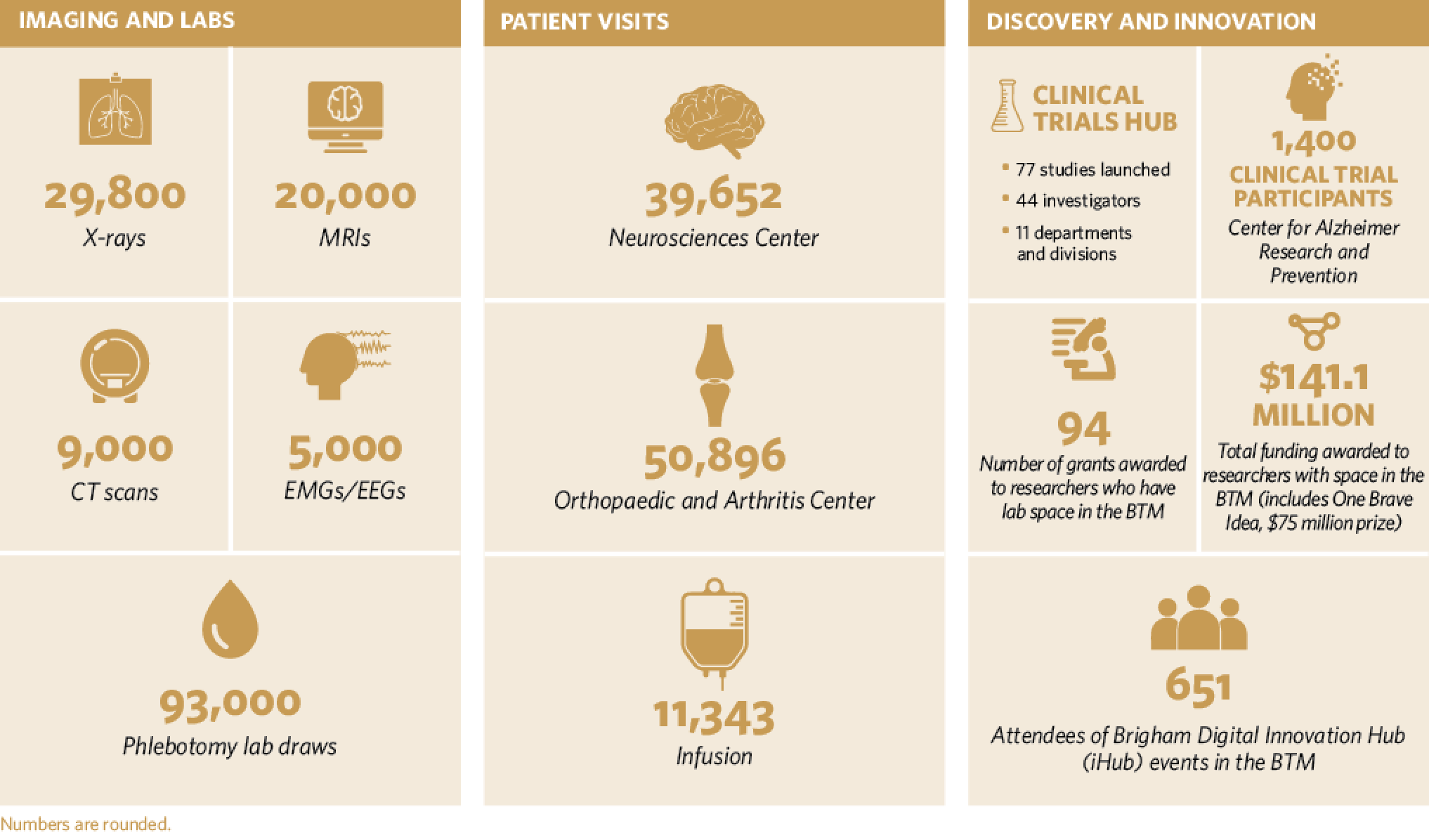
The Building for Transformative Medicine (BTM) opened its doors to patients last October as a hub for state-of-the-art labs, outpatient clinical space and advanced imaging facilities. Located at 60 Fenwood Road, the building brings together researchers and clinicians from across multiple disciplines with a shared vision for collaboration, acceleration and translation of laboratory discoveries into novel treatments for patients.

Here’s a look at the BTM’s first year, by the numbers, as of Sept. 30, 2017:

National Physician Assistant (PA) Week is held every October to honor physician assistants’ substantial role in improving health. PAs are involved in nearly every facet of care at BWH.

Chioma Tomlinson

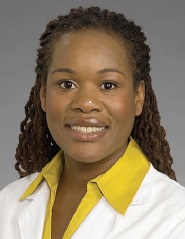
Chioma Tomlinson, MMS, PA-C II, who practices Internal Medicine and Primary Care at Brigham Circle Medical Associates, is one PA making a difference in the lives of patients, colleagues and trainees.

“Having had the good fortune of watching Chioma practice and teach medical trainees, I’m struck by how effective she is at immediately establishing rapport,” said Charles Morris, MD, MPH, associate chief medical officer and an attending physician at Brigham Circle Medical Associates. “She was the first PA in our practice, so she often was introducing not only herself in the exam room but also her profession. Her ability to quickly forge a connection is a skill at which she excels and then leverages to provide a superlative level of care.”

In this Q&A, Tomlinson shares why she loves her job and her commitment to helping educate the next generation of PAs.

What’s your favorite part of your work?

CT: Our team-based approach. It’s a pleasure for me to get to know many of our patients almost as well as their physician does. This dynamic helps us provide better continuity of care. It’s a privilege to be there as someone who can step in and is as invested in the patient’s overall health as their physician when issues arise that need immediate attention or that require frequent visits.

Why did you choose primary care?

CT: I value the relationships we have with our patients in primary care. Our ability to consistently provide quality care for any number of medical and/or psychosocial issues is often tethered to our ability to establish caring and trusting relationships. One example is management for illnesses such as hypertension and diabetes. Staying healthy for these patients often requires not only regularly taking medication but also making significant lifestyle modifications. I try to find common ground and talk to patients about how we can help them live their best lives.

You’re also a preceptor. What do you enjoy about educating PA students?
CT: I love what I do and enjoy sharing that fulfillment with students. I’m fortunate in that I teach students from a few local programs. It’s a nice opportunity to give back to the community that has given me so much. It’s inspiring to remember how much we learn during those didactic years and how stressful – but exciting – that time can be. I also like challenging students to think through the many ethical and professional issues in medicine and how they impact our practice as PAs.

What’s your advice for new PAs and PA students?

CT: It’s important for all of us to make sure our profession stays strong by honoring those who came before us, supporting those around us and fostering those who come after us. I encourage PAs to find a meaningful way to stay active in our community. Teaching, publishing, advocacy or trailblazing new opportunities are just a few examples of ways to stay engaged. Lastly, take pride in the fact that we’re part of a larger medical community with the common goal of providing the best care for our patients.

Ashley and Zachary Thompson had planned to get married with a low-key courthouse ceremony on Oct. 10, one month before the couple expected to celebrate the birth of their son. But baby Jack, it seems, did not want to miss the party, arriving just a few days before his parents intended to say “I do.”

Thanks to a BWH nurse, Ashley and Zack were still able to say their vows on Oct. 10, albeit in an unanticipated setting – the Brigham’s NICU – and with a very special “best man” in their arms.

Shortly before Ashley’s C-section on Oct. 6, Matt Medina, MSN, RNC-OB/EFM, a nurse in the Center for Labor and Delivery, learned about the engaged couple’s situation. Medina, who is also a lay minister, offered to perform the ceremony before their son was born, but the couple had not yet obtained their marriage license.

On Oct. 10, Medina was in a nurse midwifery class in Springfield when he received a text message from the Labor and Delivery nurse-in-charge that Ashley and Zack had their marriage license and wanted Medina to officiate the ceremony that day.

In between an exam and his other classes, Medina was in contact with staff from the NICU, Spiritual Care Services and the Center for Patients and Families to ensure everything was ready for the celebration.

That evening, the couple and Medina gathered in Jack’s room in the NICU, which was decorated for the occasion by NICU nurses. Holding her newborn son in one arm, Ashley joined hands with Zack as Medina pronounced them husband and wife.

“I’m so excited to have been connected to you both during the unexpected delivery of this handsome little man,” said Medina during the ceremony. “Our meeting and our connection is a perfect reminder to cherish and savor those serendipitous moments that come up. As your love grows, remember to follow these moments that will write the story of your life. Spontaneity is one of the many seeds of a strong marriage.”

Suzanne Fernandes, MSN, RN, nurse director of the Growth and Development Unit and Special Care Nursery, noted that the ceremony would not have been possible without Medina going above and beyond for the couple.

“Not only did Matt help bring Jack into the world, but he also united his parents in marriage. It was beyond the call of duty and exemplified the true art of nursing,” she said.

Ashley described the experience as unforgettable, thanking Medina and the Brigham for “helping our dreams come true” as a family.

“Being able to hold Jack in our arms as Zack and I committed to forever together was something so unbelievably special,” she said. “It’s a moment we will cherish for the rest of our lives.”

Brigham Health’s Strategy in Action: Exceptional Experience
Learn more about our strategic priorities at BWHPikeNotes.org.

2 Comments

From left: Carmina Erdei, Michalia Root, Lianne Woodward (seated), Pamela Dodrill, Jennifer Benjamin and Nicole DePalma

Critically ill newborns often spend the first several months of their lives in the Neonatal Intensive Care Unit (NICU) at BWH. After hospital discharge, these vulnerable patients remain at risk for ongoing complications, yet providers have no formal mechanism for continuing care or tracking the progress of patients and families during this formative period. A new center opening at the Brigham is poised to change all of that.

Located at 221 Longwood Ave. and scheduled to open in the coming weeks, the new Center for Child Development will provide a comprehensive, team-based approach to outpatient care of infants and children at risk for developmental delay and/or ongoing medical problems following NICU discharge.

The center encompasses three discrete, but intertwined, areas of focus: the Research Suite, led by Lianne Woodward, PhD, director of Research in the Department of Pediatric Newborn Medicine; the NICU Follow-up Program, run by Jennifer Benjamin, MD, attending neonatologist and infant follow-up specialist; and the Feeding Program, directed by Pamela Dodrill, PhD, NICU feeding therapist.

The new center at BWH will advance the department’s vision to provide long-term support for NICU patients and families by addressing clinical needs and filling gaps in research. The latter will allow Pediatric Newborn Medicine to track and analyze the short- and long-term outcomes of the care provided in the NICU and identify ways to improve care delivery in the future.

“Our responsibility as care providers for this fragile patient population is not only to provide the highest quality of medical and developmental care during their NICU hospitalization, but also to ensure that ongoing issues at the time of discharge are addressed for the long term,” Benjamin said. “We need to learn from our own patients, which will allow us to optimize the care we provide to future NICU babies and families.”

Holistic, Patient-Centered Care and Research

BWH neonatologists will identify which infants in the NICU will be best served at the center, with appointments in the Follow-up Program typically occurring every four to six months during the child’s first three years of life.

“We not only focus on the assessment and management of a child’s developmental progress at regularly scheduled intervals, but we also evaluate other areas of concern, including overall growth and nutrition, behavior management and social and family issues, such as parental well-being,” Benjamin said.

According to Dodrill, depending on an infant’s needs, there may be a clinical assessment to identify feeding issues, monitor related therapies, measure infant growth and recommend interventions to improve feeding and nutrition.

In addition to the care of infants and toddlers, the longer-term goal of the center is to create opportunities for wider family support, such as providing in-center access to a mental health specialist and/or social worker who can help families directly with any difficulties they may be experiencing.

On the research side, Woodward said investigators will now be able to track the outcomes of NICU babies from discharge through early childhood. The initial areas of focus include the influence of early nutrition, maternal mental health factors and brain injury during the neonatal period on a child’s brain and behavioral development.

Specifically, Woodward said the suite offers opportunities for state-of-the-art evaluations of a child’s cognitive, language, behavior and motor development, in addition to family assessments.

In combination with the new neuroimaging research platform in the Brigham’s Building for Transformative Medicine, the opportunities to study the effects of pregnancy complications and early neonatal risk on children’s long-term brain and behavioral development is immense, Woodward said. “This will open up collaboration and partnership opportunities not only within the center but across the hospital and country, all of which will be key to our success.”

Woodward said she’s excited about what the new space will offer to patients, families and staff.

“A major focus in our design was to make this a very child- and family-friendly space,” Woodward said. “From the beginning, we had a vision to create a center that was developmentally supportive. Every decision was made with our patients and families in mind. We can’t wait until we can officially open our doors and begin offering these services.”

Brigham Health’s Strategy in Action: Advanced, Expert Care
Learn more about our strategic priorities at BWHPikeNotes.org.

There are two main areas of personal satisfaction that have been afforded to me while at the Brigham.

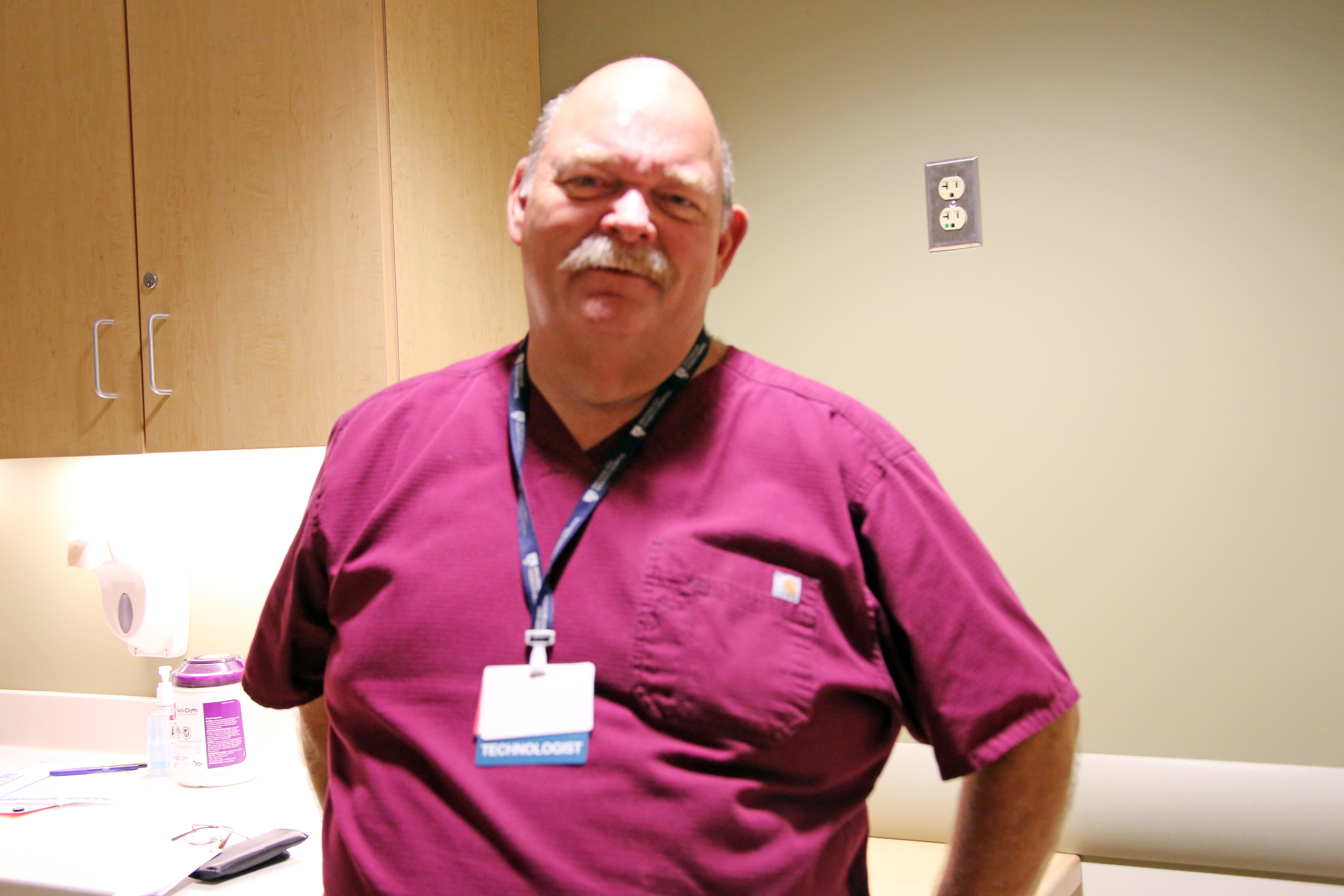
MRI exams may be unpleasant or even frightening experiences for patients – either due to the unknown, claustrophobia or a prior negative experience. A special experience occurs when a patient or family member smiles and comments that they are happy that you are once again performing their exam. This is accomplished by simply, as the Patriots would say, “doing your job,” which is maintaining a professional atmosphere where the patient feels comfortable and protected, and providing images that are of diagnostic quality for the clinicians.

I have also enjoyed being able to observe the transformation of a student technologist assigned to our area into a professional technologist, fully competent and prepared to safely attend to the needs of the patient.

Kenneth Kinser, BS, RT (R) (CT) (MR), MRI Technologist, Department of Radiology

1 Comment

Bill Churchill watches the IntelliFill robot sort syringes – one of the many innovations implemented in the Pharmacy under his leadership.

I’ve been at the Brigham for nearly 43 years, starting as an intern at the Boston Hospital for Women. My three proudest accomplishments with the incredible Pharmacy team reflect our deep commitment to improving patient safety through innovation and interdisciplinary collaboration. Our pioneering work has made care safer for patients at BWH and around the world. 

  1. The introduction of clinical pharmacists to patient care areas. Previously, pharmacists worked primarily in the pharmacy. I made it my goal for pharmacists to be available to physicians, nurses, patients and families on the units, and many people have told me how much this change advanced the care of our patients.
  2. The advent of electronic medication administration record (eMAR) and barcode verification systems. We were the first hospital in the world to implement two-dimensional barcode scanning, which changed the way we dispensed and administered medications. Because of our pioneering work, we made care safer for patients worldwide.
  3. The transition to computerized physician order-entry (CPOE). Previously, we used paper records, charts, orders and medication profiles. CPOE, which allows us to electronically enter medication orders and physician instructions, was a major change in how patients were cared for, starting in the early 1990s. Many hospitals around the country implemented CPOE at that time, but it was a complex transition. We were one of the few hospitals that did it successfully.

Bill Churchill, MS, RPh, FMSHP, Chief Pharmacy Officer

1 Comment

Win Thurber overcame a severe medication allergy thanks to a novel treatment he received at BWH.

The following is an excerpt from “Mastering Vigilance” in the summer issue of Brigham Health magazine. View the complete issue at magazine.brighamandwomens.org.

Win Thurber’s trip to the Brigham from his home in Alabama was a last resort.

For eight years, Thurber, 75, had been successfully treated for a recurrence of non-Hodgkin’s lymphoma with the cancer drug rituximab, and was enjoying an active life as chairman and CEO of an international shipping company.

During his treatment, however, other aspects of Thurber’s health began to deteriorate. He couldn’t walk. He needed supplemental oxygen to breathe. Baffled by this sharp decline, Thurber’s physicians recommended he go to Boston to see specialists at BWH.
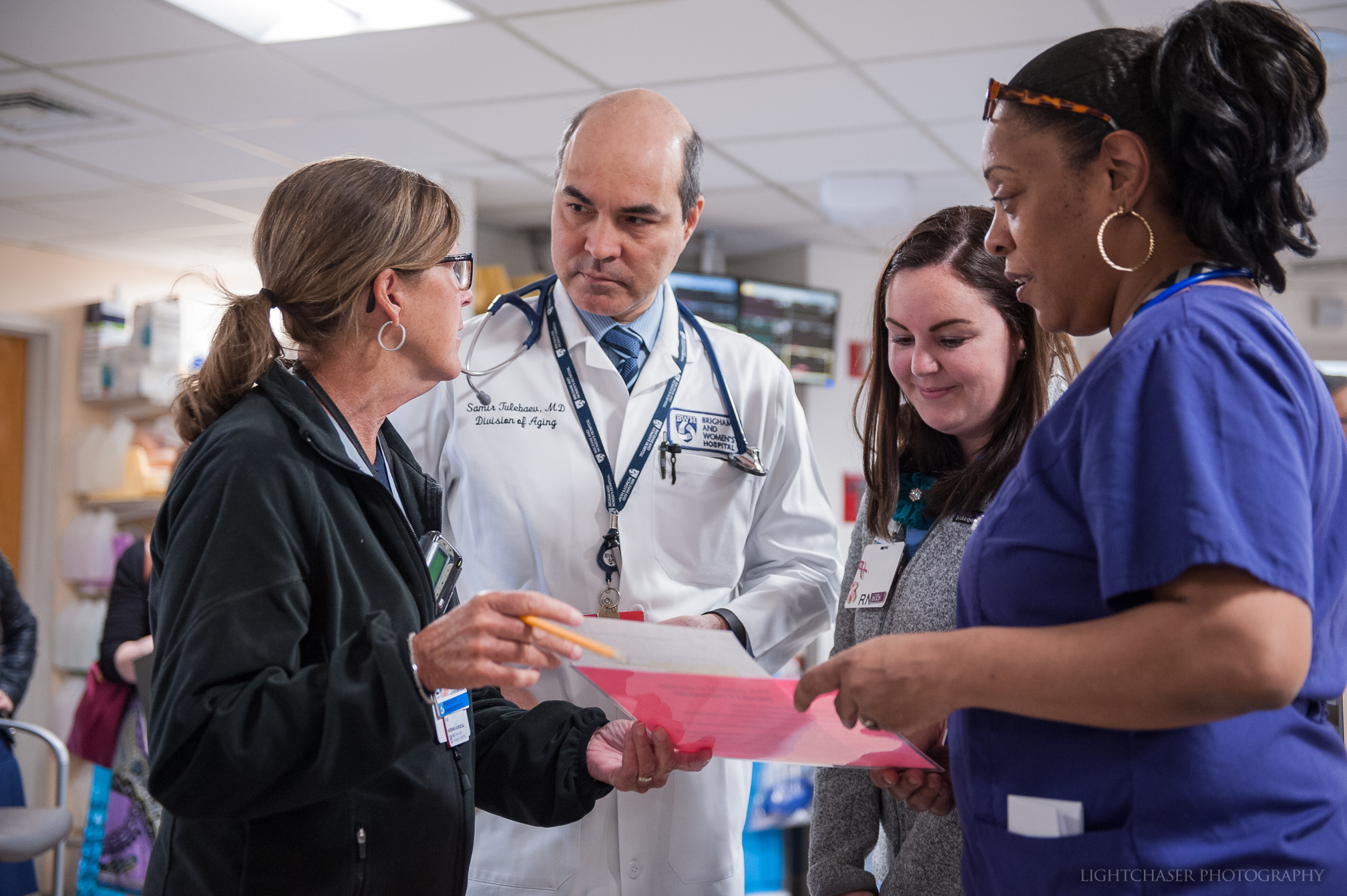
“The day I met Win, he was on oxygen, in a wheelchair and extremely weak,” said Mariana Castells, MD, PhD, director of the Drug Hypersensitivity and Desensitization Center in the Division of Rheumatology, Immunology and Allergy. “Some doctors thought it was a recurrence of his lymphoma. Some thought he had a connective tissue disorder.”

But after testing Thurber’s blood immunoglobulins, providers saw that rituximab – his chemotherapy – was actually what was causing his immune system to fail, Castells said.

Up to 10 percent of people worldwide suffer from allergic reactions to drugs, with symptoms ranging from rashes to anaphylaxis, a life-threatening reaction that can cause difficulty breathing and swelling of the face, throat and tongue. While allergies to foods, insect stings and latex can also cause anaphylactic shock, reactions to medications are the deadliest form of allergy in the United States.

‘This Treatment Saved My Life’

After Thurber’s B cells – and his cancer – were destroyed by rituximab, he needed an immediate revival of his immune system with an infusion of a blood plasma called gamma globulin.

For most people, the infusion goes smoothly, but Thurber developed a rare, life-threatening anaphylactic response to it.

“His body rejected the infusion since his immune system was so compromised. He had a severe allergic reaction,” Castells said.

His care team had to act quickly. The first step was to convince Thurber never to take rituximab again.

“I didn’t like the idea because I thought that’s what was keeping me alive by keeping my tumor at bay,” Thurber recalled. “But Dr. Castells warned, ‘No, it’s going to kill you because you have no immune system.’”

Next, Castells’ team desensitized him to gamma globulin with a sophisticated method of progressive injections of increasing doses over several hours to reach the target dose without allergic reactions. Once his body recovered, he resumed his cancer drug.

Each year, Castells’ team desensitizes 300 to 400 patients with drug allergies. Like Thurber, many of these patients come from far outside the Boston area.

A trailblazer in her field, Castells created a new model for desensitization for antibiotic allergies in her laboratory in the 1990s. Since then she has translated it to medications for cancer and autoimmune diseases, as well as insulin for diabetes. Desensitization treatments are still not the standard of care, so Castells travels worldwide teaching the techniques to others.

Thurber needs continued monthly infusions of gamma globulin using a strict drug administration protocol. Castells worked with an allergist in Alabama on a treatment plan so Thurber can safely receive infusions close to home. He began this regimen in 2010, and his tumor has not returned.

“This treatment saved my life,” Thurber says. “Now, I work full time, run and exercise like I used to, travel on a regular basis, and do everything I want in life.”

Video extra: Cancer survivor Win Thurber and his physician, Mariana Castells, MD, PhD, describe Thurber’s harrowing allergic reaction to medication and how he is thriving today.

Interprofessional collaboration is embedded in the culture of Magnet-designated institutions.

Perhaps the only thing more surprising than hearing Queen’s “Bohemian Rhapsody” play on Tower 8CD, the Burn, Trauma and Surgical Intensive Care Unit, was the visual that accompanied it: a patient dancing to the song in the hallway with one of her nurses, Michelle Andronaco, BSN, RN.

The patient had experienced a traumatic injury that required a long hospital stay. As she got to know her patient better, Andronaco learned she loved to dance and move – making it especially disheartening to be off her feet for so long.

As the two went on daily walks around the floor to help the patient rebuild her muscle tone, Andronaco made an unexpected proposal one day to help lighten her patient’s spirits: “Let’s go dancing this time and make it more fun,” she said. The patient readily agreed, and with the aid of a smartphone and a walker, they shimmied down the hallway that day with laughter.

Moments like this are just one example of the many ways BWH staff contribute to a culture focused on achieving outcomes that matter to patients and families while providing the highest-quality care in the safest environment.

These characteristics also reflect what it means to be a Magnet-designated hospital, the highest recognition given by the American Nurses Credentialing Center (ANCC) for health care institutions providing exceptional patient care. BWH is pursuing Magnet designation to be formally recognized for the everyday excellence, teamwork and innovation demonstrated at the Brigham.

As part of this journey, staff are invited to contribute to an interactive display in the 75 Francis St. lobby by sharing how they exemplify four hallmarks of Magnet institutions – high-quality patient care, clinical excellence, innovations in professional practice and interprofessional collaboration – in their daily work. Stickers provided at a nearby table encourage staff to write about how their role exemplifies one or more of those categories.

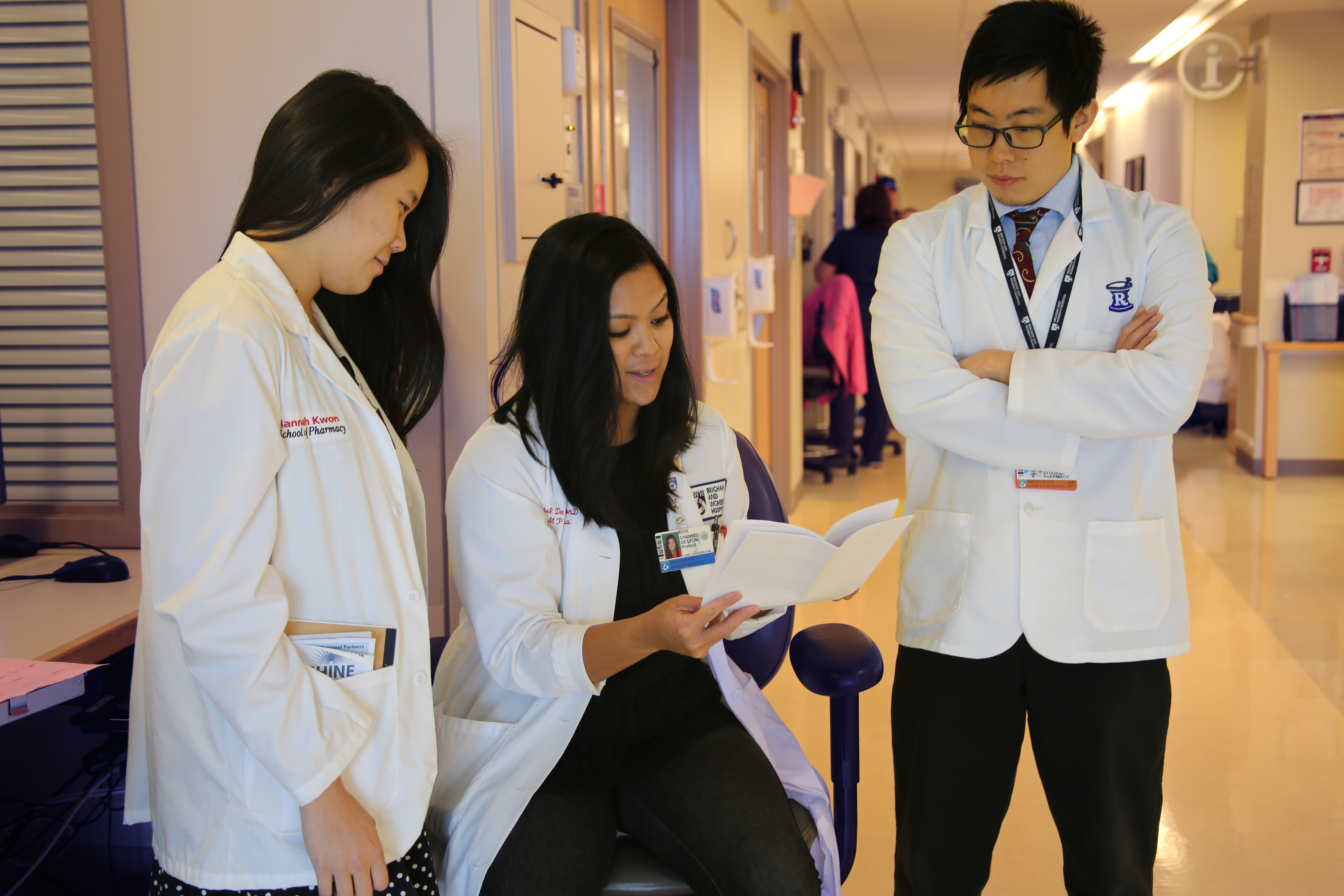
In addition, BWH Bulletin recently asked staff from across the institution to reflect on how their role demonstrates the hallmarks of Magnet.

Andronaco said that, as a nurse, all four hallmarks play a role in the work she does every day to provide compassionate care and contribute to an environment that helps patients heal both physically and emotionally.

“Nurses are the constant at the bedside. We help all the teams come together, keep the lines of communication open and even take time to make our patients smile,” she said.

While the Magnet Recognition Program’s roots are in nursing, Magnet designation honors the work and culture of an entire institution.

Mohamed El-Dib, MD, director of Neonatal Neurocritical Care in the Department of Pediatric Newborn Medicine, said that innovation and interprofessional collaboration are at the foundation of his work as a physician and researcher.

“I work with a skillful and passionate multidisciplinary group, using cutting-edge technology,” El-Dib said. “We proudly work with families to provide the best care for sick infants and to help them reach their ultimate neurodevelopmental potential.”

Monique Cerundolo, MA, BCC, staff chaplain in Spiritual Care Services, also said interprofessional collaboration is tightly woven into her role.

“Chaplains collaborate as members of the clinical team to make BWH a welcoming, safe and hopeful place,” Cerundolo said. “As the Hispanic chaplain, I work closely with Hispanic social workers to provide culturally sensitive spiritual and emotional care to patients and families in their native language.”

All staff are invited to visit the new Magnet wall display in the 75 Francis St. lobby, near the Emergency Department, choose a sticker from the table and share reflections. If you work at an off-campus location and would like to participate, email your contribution to Steph Synoracki at ssynoracki@bwh.harvard.edu.

Justene and Ryan Spitz, with their daughter, Kinsley

Justene and Ryan Spitz of Dorchester know exactly how precious an umbilical cord blood donation can be.

Seven years ago, Justene’s brother-in-law was diagnosed with acute lymphocytic leukemia, an aggressive form of cancer that causes the bone marrow to produce an excess number of white blood cells called lymphocytes. A bone marrow or stem cell transplant offered the most promising outcome. To his family’s relief, he received the call that they had been waiting for: He had been matched for a stem cell transplant, thanks to an anonymous umbilical cord blood donation.

“My brother-in-law is in remission. His life was saved because of cord blood,” Justene said.

Umbilical cord blood, often referred to simply as cord blood, is rich in blood-forming stem cells, which can renew themselves and grow into mature blood cells. Stem cells are used in transplants for patients with leukemia, lymphoma and other life-threatening diseases. After a baby is born, these cord blood cells can be collected, preserved and later used to provide a lifesaving stem cell transplant for a patient in need. If a mother declines, does not qualify to donate or the donation cannot be completed for logistical reasons, the umbilical cord and stem cells it contains are discarded as medical waste.

Justene, 33, honored the gift of life her brother-in-law received years ago by donating her own cord blood at BWH earlier this month – coinciding with National Cord Blood Awareness Month – when the couple welcomed their third child at the Brigham.

The Cord Blood Donation Program, jointly operated by BWH and Dana-Farber Cancer Institute (DFCI), became Boston’s first public cord blood program when it launched in 2009. Since then, 6.6 percent of the units banked at BWH – a total of 75 units – have been used for stem cell transplants. That may sound like a small amount, but it’s actually more than twice the national average, said Deborah Liney, associate director of the Cord Blood Donation Program.

“Stem cells derived from cord blood are used in transplants at Dana-Farber, and our colleagues use them at Boston Children’s Hospital. We know firsthand how important a stem cell transplant is for these patients and the potential it has to save their lives,” Liney said.

Getting the Word Out

Nearly 5,000 patients have consented to donate cord blood since the Cord Blood Donation Program launched – an achievement Liney attributes to the support of clinical teams in the units who have proactively reached out to the program’s staff to identify eligible patients.

“Nursing plays an especially big role in the success of our program, from remembering to page us when a baby is being delivered to reminding the obstetrician that the patient is donating cord blood,” Liney said.

Although their offices are at DFCI, collection specialists often maintain a physical presence in BWH Labor and Delivery so that they’re immediately available when needed, said Yen Huynh, one of DFCI’s two cord blood donation specialists.

A number of circumstances affect whether a collection can ultimately be banked. A small umbilical cord may not contain enough blood to meet the minimum volume required by Duke University’s Carolinas Cord Blood Bank, which the BWH program partners with.

Even in those cases, however, the samples can often be used in research, Liney said. Over the past eight years, the program has distributed almost 850 units of cord blood to researchers at the Brigham and elsewhere.

Often, the barrier to collection is timing. Babies don’t always arrive during normal business hours, which is when the collection specialists work. To help capture some of those evening and weekend donations, some BWH physicians have been trained to perform a cord blood collection when specialists aren’t available.

One of those providers, Ashley Ackerman, MD, of the Department of Obstetrics and Gynecology, said most patients are receptive to donating after hearing how cord blood could be used. A strong advocate for the program, Ackerman was eager to get involved and support the collection specialists whenever she is on service.

“A cord blood donation is an amazing gift, and this program opened up a really nice opportunity for patients and staff to help make that possible,” Ackerman said.

Brigham Health’s Strategy in Action: Improve Health
Learn more about our strategic priorities at BWHPikeNotes.org.

Barbara Gottlieb (center) reviews care plans with Harvard Medical School trainees Blanca Morales Temich and Alma Onate Munoz.

On June 6, Brigham Health added “LGBT Health” as a clinical interest in 65 providers’ profiles in the Physician Directory. The listings – the first wave of a phased rollout – will enable LGBT patients to easily find clinicians who have demonstrated an understanding of and sensitivity to their health concerns.

While many LGBT patients have positive experiences with their care providers, those who have experienced discrimination or inappropriate comments often avoid seeking care, said Pothik Chatterjee, MBA, chair of the Brigham Health LGBT & Allies Employee Resource Group. Flagging specific providers as specialized in LGBT health can help patients feel more confident about the quality of care they receive, he noted.

“It can be challenging for anyone to navigate the health care system. That is especially true for LGBT patients, particularly transgender patients, some of whom have had negative experiences or received inadequate care. Transgender patients in particular are placed in a vulnerable situation when they are addressed by the incorrect pronoun in the doctor’s office or exam room,” said Chatterjee. “With this effort, LGBT patients can identify providers at the Brigham who have competency, experience and interest in LGBT health.”

Becoming ‘A Better Clinician for All My Patients’

The initial rollout targets specialties where demand is greatest: Emergency Medicine, Endocrinology, Infectious Disease, Internal Medicine and Primary Care, Obstetrics and Gynecology, and Surgery. The project will expand to Psychiatry, Social Work and more.

Providers in the pilot group were asked to complete a survey indicating whether they have LGBT patients, feel knowledgeable about LGBT health and have completed, or would be willing to complete, a training program about LGBT health. Clinicians had to respond “yes” to all three to be listed as an LGBT Health provider.

One of those providers is Barbara Gottlieb, MD, a primary care physician at Brookside Community Health Center, who eagerly completed the survey. Striving to make patients feel safe and comfortable, Gottlieb has sought out educational resources and training opportunities around LGBT health over the years.

“As a provider, I need to make sure I’m aware of what patients need based on evidence, not assumptions or stereotypes,” she said. “What I’ve learned over the years is that educating myself about how to improve care for one patient population that may be underserved or have special needs makes me a better clinician for all my patients.”

The effort was spearheaded by the LGBT Health Work Group, led by Robert Barbieri, MD, chair of Obstetrics and Gynecology; Giles Boland, MD, FACR, chair of Radiology; Jessica Dudley, chief medical officer of the BWPO; Richard Gitomer, MD, vice chair of Primary Care; and leaders from the employee resource group.

“Brigham Health clinicians are enthusiastic about providing a welcoming and safe care environment for all of our patients, which include members of the LGBTQ community,” Barbieri said. “I am confident many more skilled Brigham Health clinicians will add LGBT Health to their Physician Directory listing.”

The initiative is one of several aimed at improving the experiences of LGBT patients, visitors and employees. In addition, new signs outside of single-stall restrooms show unisex icons – depicting a man and woman – to indicate anyone may use them. Previously, single-stall bathrooms were reserved for either men or women. More than 50 restrooms will have the new signs by the end of summer.

To learn more about how clinicians can add LGBT Health to their Physician Directory listing, email bwhclgbt@partners.orgView the list of providers specializing in LGBT Health.

Brigham Health’s Strategy in Action: Exceptional Experience
Learn more about our strategic priorities at BWHPikeNotes.org.

Channel De Leon (center) chats with pharmacy students Hannah Kwon and Ryan Fan on Shapiro 8W before seeing patients.

When Channel De Leon, PharmD, BCGP, joined the Integrated Care Management Program (iCMP) four years ago as a senior pharmacist – and the program’s only pharmacist – one thing quickly became apparent to her. There wasn’t a way she could manage 3,000 medically complex patients on her own, especially given that an average iCMP patient takes 17 medications.

De Leon realized the best way to expand the breadth of the program and enhance patient care was to bring pharmacy students on board and teach them about enhancing transitions of care. In partnership with BWH Pharmacy Services, she began training students from Northeastern University and the Massachusetts College of Pharmacy and Health Sciences in 2014.

Since then, dozens of pharmacy students have completed rotations with De Leon. The students have contributed to improving medication reconciliation and adherence, helping patients save thousands in out-of-pocket costs and resolving hundreds of medical discrepancies at critical transitions of care.

For patients with complex medical conditions or multiple co-morbidities, navigating the health care system can be a challenging experience. The goal of iCMP is to help patients stay healthy through proactive care coordination and interdisciplinary support. In addition to a pharmacist, the iCMP team includes registered nurse care coordinators, social workers, community resource specialists and community health workers – all of whom work closely with a patient’s primary care physician.

“Having students as part of the program means there is more time to provide education directly to patients about their medications, and this is also a great learning experience for students before graduating,” De Leon said.

Lower Medication Expenses, Better Health

Pharmacy students on the team have a lot of face-to-face conversations with patients about medication management. Students counsel patients about their medications and assess barriers to medication adherence.
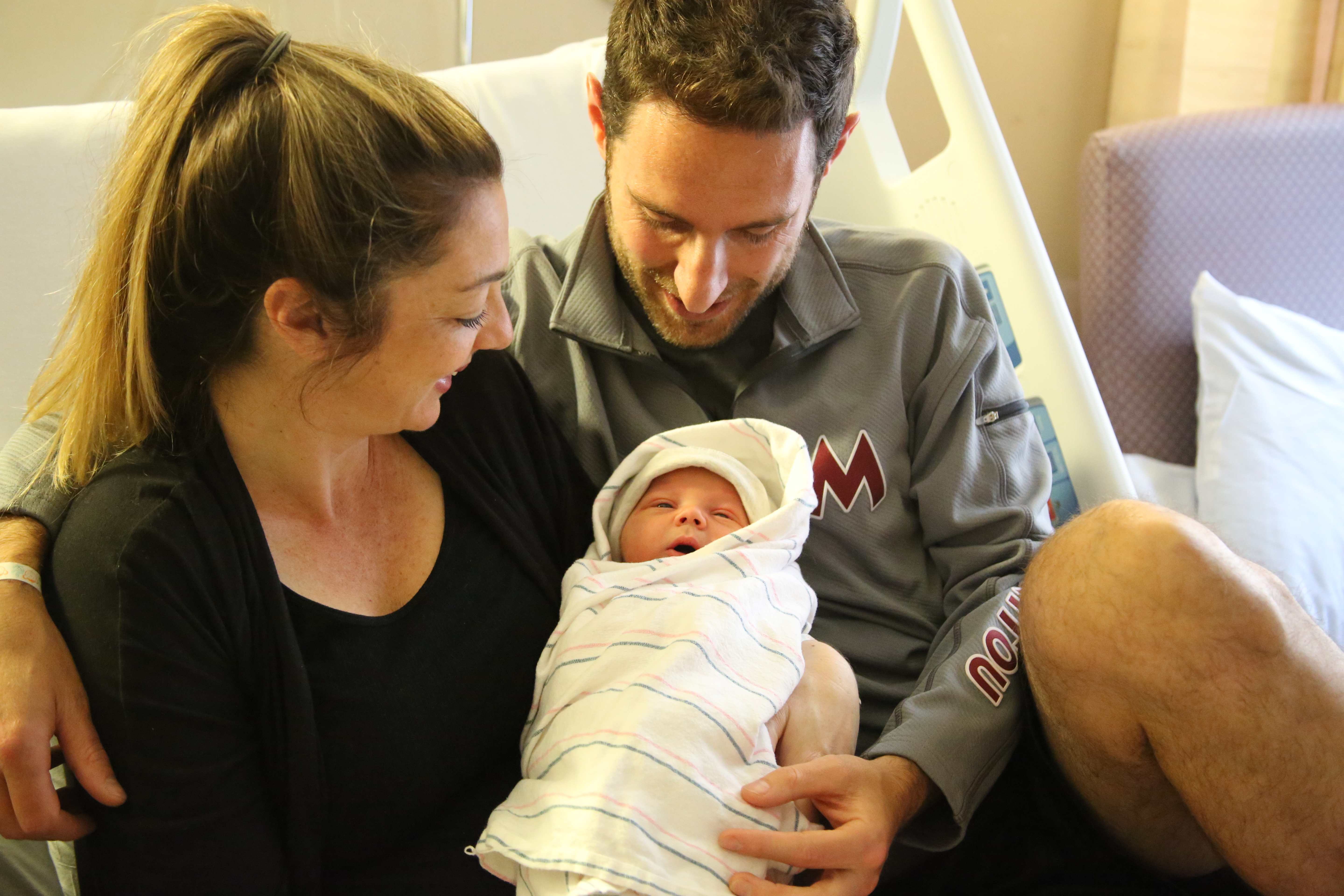
“A big factor is the cost of certain medications. We teach patients about insurance deductibles and look for resources that will help patients access the medications they need,” De Leon said.

If a patient goes home from the hospital on a new medication, the student ensures it’s affordable for the patient and, if not, works to resolve the issue prior to discharge. This process avoids gaps in treatment and unexpected out-of-pocket costs upon discharge. One student recently helped a patient save more than $10,000 in out-of-pocket costs by identifying a different insurance plan with better coverage for the patient’s specific medications.

The program is mutually beneficial to students and patients. Magie Pham, PharmD, who completed a rotation with De Leon last fall and graduated from Northeastern’s pharmacy program in May, said the skills she learned at BWH were invaluable to her training.

“While you’re in pharmacy school, you think to yourself, ‘I have to study and memorize all of these drugs,’ but communication is an equally key skill on a day-to-day basis,” Pham said. “Channel gave us guidance on everything from how to appropriately email someone to how to best communicate with patients. I never felt lost.”

Pham was among the group of pharmacy students who helped host a Medicare Part D Fair at BWH last fall. During the event, patients were paired with a student who walked them through the various Medicare D plans and identified the most affordable options based on the patient’s medication list and pharmacy preferences. By the end of the fair, students had helped patients collectively save nearly $7,000 in out-of-pocket costs.

De Leon hopes to offer the fair again this year and send students into community settings, such as senior housing complexes, which are more convenient to many patients.

Incorporating pharmacy students into iCMP has enabled the program to extend the reach of its pharmacy services, which are vital to safety and quality of care, said Lisa Wichmann, MS, RN, ACM, NC-BC, nursing director of Ambulatory Care Coordination.

“In some of our specialized programs, such as the End-Stage Renal Disease Program, Channel and her students review the medications for opportunities to reduce polypharmacy (the use of multiple drugs or more than are medically necessary) and enhance medication safety,” Wichmann said. “They’ve been able to make recommendations about simplifying the medication regime taken by some of our high-risk patients.”

As a corporal in the U.S. Army, Purple Heart recipient Brandon Korona faced missions with bravery and honor. Four years after suffering a traumatic injury while serving in Afghanistan, he’s calling on those same values as the second patient to undergo an experimental amputation of his lower left leg to prepare it for a robotic prosthetic under development in collaboration with the Massachusetts Institute of Technology.

The procedure and robotic prosthetic, known collectively as the Ewing Amputation, are expected to remedy the chronic pain that Korona, 26, has struggled with as a result of his injuries. In addition, he hopes his experience will help pave the way for other wounded veterans.

The six-hour procedure was performed by Matthew J. Carty, MD, director of BWH’s Lower Extremity Transplant Program in the Division of Plastic Surgery, and Eric Bluman, MD, PhD, of the Department of Orthopaedic Surgery, at Brigham and Women’s Faulkner Hospital in April.

“Brandon was a great candidate for this procedure,” said Carty. “He’s young and motivated, and he served his country with bravery. We expect that this surgery and robotic prosthetic will give him a higher level of function and comfort than what is typically delivered with a standard below-the-knee amputation.”

If the procedure is successful, Korona’s brain will interact with the robotic prosthetic once it is in place, which is expected to occur within the year. This will enable him to perform complex actions and feel sensation, neither of which is possible with a traditional prosthetic.

The surgery connects the leg’s front and back muscles at the point of amputation. This preserves the link these opposing muscles normally have in a healthy leg. Sensors implanted in the muscles will send signals to the brain when the amputated leg moves. The goal is for the brain to power the robotic prosthetic.

‘The Right Decision’

In 2013, Korona, then 22, was injured in Afghanistan when the convoy he was riding in encountered a 250-pound improvised explosive device. His left leg and right ankle were severely injured.

In the months and years that followed, Korona underwent several surgeries and therapies to try to repair his injuries and relieve his chronic pain, but none were successful. A traditional amputation seemed like his last option – that is, until he was introduced to Carty, who told him about the Ewing Amputation. Carty had performed this pioneering procedure for the first time last July on patient Jim Ewing.

Korona and his wife, Chelsea, were overjoyed there was an option that could one day allow him to get back to doing things he loves, such as running and working out.

“We know this decision is the right decision now – for me, for us and for the rest of our lives,” Korona said.

The Gillian Reny Stepping Strong Center for Trauma Innovation at BWH is funding this research and Korona’s clinical care.

Looking Ahead

Since his surgery, Korona has been building his strength and engaging in physical rehabilitation at the Boston VA Healthcare System’s West Roxbury medical center. He’s also working toward a bachelor’s degree and plans to earn a master’s degree as well.

Korona has also been busy cheering on his favorite sports teams, including the Boston Celtics. During a playoff game last month, he was recognized during the team’s Heroes Among Us program, which honors people who have made an overwhelming impact on others.

Brigham Health’s Strategy in Action: Advanced, Expert Care
Learn more about our strategic priorities at BWHPikeNotes.org.

1 Comment

Opioid-related deaths: Massachusetts / Source: Massachusetts Department of Public Health

Opioid use disorder and opioid-related overdoses continue to devastate communities and families across the U.S. In Massachusetts last year, the severity of the crisis prompted policymakers to enact legislation to set limits on clinical opioid prescription and to establish screening systems to identify high-risk individuals.

To support this legislation and develop additional best practices, Partners created the Opioid Steering Committee, which includes representatives from the Brigham Comprehensive Opioid Response and Education (B-CORE) program at BWH.

A major component of this initiative has been the development of new functionality in Partners eCare to help providers document a patient’s history with opioids, educate patients about potential risks associated with opioid use and evaluate a patient’s risk factors for developing a substance use disorder.

BWH providers can use these tools to easily view opioid-related patient information and compliance requirements as well as document patient conversations regarding the appropriate use of prescription opioids.

Safe opioid-prescribing practices are fundamental to mitigating opioid abuse in our community, said Scott Weiner, MD, MPH, of the Department of Emergency Medicine and director of B-CORE.

“This crisis is affecting the entire country, and Massachusetts is definitely no exception,” said Weiner, who presented on the topic at the BWH Town Meeting on May 25. “As a group, we spent a lot of time thinking about how we can make opioid prescribing more uniform and evidence-based across the institution. We found that there are a lot of ways that Epic can help us achieve this.”

Partners’ Opioid Steering Committee, along with hospital leadership, continues to identify ways to support providers in managing medications, educating patients and safely treating acute pain. Partners and Brigham Health are also working closely with local communities and the state government to treat and prevent addiction.

Learn more at partnersecare.partners.org/opioid.

Rachel and Jason Miller cradle their newborn son, Greyson.

Rachel and Jason Miller had an extra special reason to celebrate the birth of their first child, Greyson, when he arrived two days early on May 14 – just in time for Mother’s Day.

Rocking Greyson in her arms in the Connors Center for Women and Newborns on Monday, Rachel described the process of giving birth as tiring but magical.

“Life has changed in ways we never could have imagined,” Rachel said with a wide smile. “We can’t stop staring at Greyson.”

Sitting with Rachel on her hospital bed, Jason said he felt as if he was in a “dreamland” with his family of three.

“It’s fitting that a first-time mom got such a special gift on Mother’s Day,” Jason said. “I’m incredibly proud of her. Every day will be Mother’s Day in our house.”

When Rachel went into labor, she called her mother, Nancy Presseau, to give her an update. Presseau, who lives in California, took a red-eye flight and arrived at the Brigham an hour before Greyson, her first grandchild, was born.

The day was especially heartwarming for Nancy because she was also born on Mother’s Day.

“Before I booked my ticket, I was running in circles around my house because I was so excited,” Nancy said. “I couldn’t wait to hold Greyson in my arms for the first time. It’s a feeling you can’t describe.”

Both Rachel and Jason praised the teams who cared for Rachel and Greyson. Every time a new care provider walked into the room, Jason would make a note of their name in his phone so he could remember to thank each of them personally.

“Everyone has been awesome,” Jason said. “Rachel, Greyson and I appreciate everything they are doing for us.”

BWH Employee Welcomes Third Child

After coming to the hospital twice on Saturday believing she was in labor – only to learn that both events were false alarms – Danielle Garlinger knew the next morning was the real deal when her contractions began. She was ready to deliver her baby.

Upon arriving at the Brigham’s main entrance around 6:40 a.m. on Mother’s Day, she was wheeled into the hospital and, within five minutes, was introduced to her new baby girl, Charlotte.

“I still can’t believe she’s here,” said Garlinger, a senior revenue analyst in the Brigham and Women’s Physicians Organization. “Charlotte arrived with quite a little kick.”

This is Garlinger’s third child. Due on May 30, she said it was clear Charlotte didn’t want to wait another second to make her entrance to the world.

Garlinger said delivering her daughter on Mother’s Day was a wonderful surprise, and she looks forward to sharing the story with Charlotte when she’s older.


Staff, patients and advocates celebrate the unveiling of a new memorial honoring organ and tissue donors.

A new memorial on the second-floor mezzanine was recently unveiled to honor organ and tissue donors whose gift of life has resulted in critically needed transplants for BWH patients.

The memorial, depicting a tree of life on the wall, was revealed during a brief ceremony on April 11 as part of the Brigham’s activities commemorating Donate Life month. Kathleen Gallivan, SNDden, PhD, director of Spiritual Care Services, led a prayer to express appreciation for and remembrance of all donors.

“The tree represents rebirth, as an organ or tissue donation gives someone a new chance at life,” said Galen Henderson, MD, medical director of Neurocritical Care and the Neuroscience ICU. “I hope people passing by look at it and recognize the Brigham’s history of saving lives with transplantation and the importance of signing up to be a donor.”

More than 119,000 people in the U.S. are on the national transplant waiting list; the number of registered donors is only a fraction of that, according to the U.S. Department of Health and Human Services.

Brad Biscornet, 44, a firefighter and emergency medical technical from Tyngsborough who received a heart transplant at BWH in 2007, attended the unveiling.

“There is no possible way anyone can pay due tribute to the sacrifices that these donors made, but the Donate Life memorial is one small way we can show our gratitude as transplant recipients,” Biscornet said.

Meryl Galaid Sokolski sings the final note during her World Voice Day performance.

The Division of Otolaryngology held a concert for staff, patients and visitors in Cabot Atrium for World Voice Day on April 14.

“Voices are really what allow us to make impressions. They’re the first thing we notice when we meet people,” said Thomas Carroll, MD, director of BWH’s Voice Program. The practice provides care and therapies for patients with voice or airway conditions.

On World Voice Day, voice health professionals worldwide hold concerts and other events to celebrate voices and raise awareness of vocal health. Among those who performed at BWH this year was Meryl Galaid Sokolski, an Otolaryngology patient and Boston-area professional singer and actor. Whether she is afflicted with a cold or laryngitis, Galaid Sokolski has found her BWH care team to be accessible, comforting and responsive to her needs as a patient and performer.

“Any actor will tell you that it’s devastating when you’ve got a 28-show run and realize you’re getting sick,” she said. “The team in the Voice Program is always available, and they never minimize any issues that I have. That’s really key as a performer – to have a care team take you seriously and want to help the best they can.”

During the concert, Galaid Sokolski sang Judy Garland’s “The Trolley Song” and Fats Waller’s “Keepin’ Out of Mischief Now.”

Also performing that day was the female barbershop quartet Intuition, whose members are Susan Kapur, Dianne Nitzschke, Kelly Winnick and Jennifer Winston, MS, CCC-SLP, a speech language pathologist in the Voice Program. They sang The Chiffons’ “One Fine Day,” followed by Garland’s “Zing Went the Strings of My Heart” and “Somewhere over the Rainbow.”

The show concluded with a group performance by four BWHers from the Voice Program: Carroll and Winston, along with Jessica Taylor, a program coordinator, and Chandler Thompson, DMA, MS, CCC-SLP, coordinator of Voice Services. Together they sang “Dona Nobis Pacem,” which translates from Latin to “Give Us Peace.”

Brigham Health’s Strategy in Action: Exceptional Experience
Learn more about our strategic priorities at BWHPikeNotes.org.

This slideshow requires JavaScript.

Inside the newest wing of BWH’s neonatal intensive care unit (NICU), Emily Chang began to decorate her son Bennett’s space so it felt more like home. She taped a small poster on the wall above his crib that included photos of Bennett over the course of his almost 90-day stay in the NICU.

Chang said moving into the new NICU on April 11 felt like a “breath of fresh air.” She thanked her son’s care team for all they’ve done to care for Bennett and for making his transition a smooth one.

“Our care team in the NICU has treated Bennett like he’s one of their own children,” Chang said. “The care Bennett has received at the Brigham has been top-notch. This hospital is very invested in ensuring patients get the best care possible.”

Bennett was among the 19 infants and their families who moved into the newly expanded NICU as their beds were relocated during the second phase of the unit’s transformation earlier this month.

The NICU is being renovated and expanded in three phases to provide state-of-the-art care for premature and sick infants who are admitted to BWH. The project began in July and is expected to conclude in December.

During the second phase, two areas were expanded. Nine beds in the intensive care unit (ICU) opened, as well as 13 beds in the Growth and Development Unit (GDU), with one being an overnight room for parents. The design of the Brigham’s NICU is suited to babies’ changing developmental needs as they grow; the GDU provides the most therapeutic environment for infants who are beyond the acute medical stage.

Construction for the project’s final phase began this month; it will result in seven more GDU beds and 10 additional ICU beds.

During last week’s move, babies were transported one at a time, with teams of staffers guiding each crib or isolette to the new unit, located across the hall on the sixth floor of the Connors Center for Women and Newborns.

Carmina Erdei, MD, medical director of the GDU and a neonatologist in the Department of Pediatric Newborn Medicine, commended the multidisciplinary team involved in ensuring a smooth and efficient move-in day.

“The families and the staff were overjoyed, as this wonderful, new space offers rich opportunities for family-centered developmental care,” Erdei said. “The new GDU will help staff provide the best care not only to infants, but also to their families.”


Brigham Health’s Strategy in Action: Highest-Quality, Safe Care
Learn more about our strategic priorities at BWHPikeNotes.org.

1 Comment

Alma Tambone on a recent training run with the Stepping Strong team

This is the final installment in a weekly series profiling runners participating in this year’s Boston Marathon on behalf of BWH.

Although Alma Tambone doesn’t remember being in BWH’s NICU as an infant, she’ll never forget that the expert care she and her twin sister received as premature newborns saved their lives.

Born at 29 weeks, Tambone and her sister, Linsey, arrived three days after their mother was admitted to BWH. The sisters required constant medical attention, as their organs were still undeveloped. They had been given a 50 percent chance of survival. But thanks to the advanced care they received at the Brigham, today Tambone and her sister are healthy, thriving 24 year olds who live, respectively, in Boston and New York.

“Our mother was first brought to the local hospital in Winchester, but after she had arrived there and was assessed, they rushed her to BWH due to the severity of her premature labor,” Tambone said. “BWH was the only option, having the highest level of care for premature babies. It was a scary time for her, but she was relieved and comforted by the reputation and the staff of BWH.”

To show her appreciation for the hospital that cared for her and her family, Tambone will run the Boston Marathon as a member of BWH’s Stepping Strong Marathon Team on Monday, April 17.

Tambone has long enjoyed running, but this will be her first marathon. She acknowledged that the training and dieting regimens have been new challenges. Though she’s gradually increased her mileage since November, her body is still adjusting to the physical toll of long-distance running.

“I’ll run at least four times a week – usually three, six, nine, or 12 miles – and I’ve been increasing that distance” she said. “Once I hit 20 miles, I step back a little bit. You run 20 miles one day and don’t feel it until a week later at the gym.”

To keep up with the physical demands of training, Tambone and other runners on the Stepping Strong Marathon Team have also been following dietary plans, which include a spike in caloric consumption during meals to keep up with the training.

“Training for the marathon is the hardest thing I’ve ever done, but I’ll never forget the camaraderie of the team and the people I’ve met throughout the process,” she said. “It’s been an amazing experience, and I wouldn’t change it for the world.”

To learn more about the BWH marathon program, visit crowdrise.com/steppingstrongboston2017.

Jim and Jennifer Davis

This is the final installment in a weekly series profiling runners participating in this year’s Boston Marathon on behalf of BWH.

Jim Davis was a mile into last year’s Boston Athletic Association 5K when suddenly he couldn’t breathe. The last thing he remembered was hearing his wife, Jennifer, who was also running in the race, call out for help.

“I knew something was wrong,” said Jim, a professor from Utah. “I thought I had been fighting a cold a week or so before the race, but it ended up being much worse.”

Jim was rushed by ambulance to Massachusetts General Hospital, where doctors discovered that four major arteries in his heart were 75 percent blocked. Two days later, on Marathon Monday, he underwent heart surgery.

The events of that weekend were supposed to play out much differently for the pair who met on a blind date almost four years ago. They had planned to run the 5K together that Saturday, and then Jennifer was set to run her 16th consecutive Boston Marathon on Monday.

“We were so excited, but then everything changed in the blink of an eye,” said Jennifer, a commercial interior designer and long-time runner. “We went from hearing the cheers from the crowds along the route to hearing sirens.”

Jennifer ended up not running the 2016 Boston Marathon. Instead, she watched the race on TV from her husband’s hospital room – an image Jim says he’ll never be able to forget.

“I saw the pain in Jennifer’s eyes as she sat there watching the elite runners take off,” he said. “I wanted nothing more than for her to run. She should have been there. It breaks my heart she ended her string of consecutive Boston Marathons because of what happened to me.”

Before surgery, Jim, who wore Jennifer’s Boston Marathon bib as he was wheeled into the operating room, made a promise to his wife that they would run together in the 2017 Boston Marathon. And that’s exactly what they will do on Monday, April 17.

While researching different teams they could join for the 2017 race, Jennifer and Jim said they were inspired to run with BWH’s Stepping Strong Marathon Team after learning more about the mission and work of The Gillian Reny Stepping Strong Center for Trauma Innovation.

Jim said he wants to run to help raise awareness of the center and everything it does to inspire hope and transform outcomes for civilians and soldiers who have suffered traumatic injuries and events. He also felt a personal connection to BWH, as one of his care providers, Sanjay Divakaran, MD, was a BWH Cardiovascular Medicine fellow doing a rotation at MGH at the time of Jim’s surgery.

“Being in Boston for the Marathon literally saved my life,” said Jim, who will run his first Boston Marathon this year. “I received care in the greatest city for health care in the world. I want to run to save the lives of others. Running with the Stepping Strong team is an absolute honor.”

The couple has run several races together, including a marathon at Mount Kilimanjaro in Tanzania, Africa, but participating in the Boston Marathon together will be something they’ll forever cherish.

Describing the Boston Marathon as the “Super Bowl of races,” Jim is looking forward to crossing the finish line holding Jennifer’s hand.

“Running together is the best part of our lives,” Jim said. “Running Boston with Jennifer is a dream come true. I’m so much happier when I’m running alongside her. It means the world to me that in just a few short days, we’ll be back in the city that saved my life.”

To learn more about the BWH marathon program, visit crowdrise.com/steppingstrongboston2017.

From left: Frannie Carr Toth and her son, Michael, reunite with obstetrician Daniela Carusi, who delivered Michael at BWH.

Following an ultrasound appointment 24 weeks into her second pregnancy, Frannie Carr Toth tried to process the information she just received: a diagnosis of placenta accreta, a rare but serious condition that occurs when the placenta embeds too deeply in the uterine wall. The complication carries a high risk of severe bleeding during delivery.

Carr Toth was closely monitored throughout the rest of her pregnancy by her obstetrician, Daniela Carusi, MD, MSc, of the Department of Obstetrics and Gynecology, and a multidisciplinary care team at the Brigham. However, the severity of the accreta – that is, how deeply embedded the placenta was – would not be known until the baby was born.

“It was really scary. I was worried about my life and my baby’s life,” Carr Toth said.

After experiencing several episodes of bleeding shortly before her scheduled caesarean section, she lost half of her body’s blood volume during delivery. But thanks to a lifesaving surgery, expert care and the well-stocked blood bank at BWH, Carr Toth and baby Michael are now healthy and at home with their loved ones.

Hoping to encourage more people to donate blood and platelets, Carr Toth shared their story during the Brigham’s third annual Accreta Awareness Blood Drive, hosted by the Kraft Family Blood Donor Center at Stoneman Centennial Park on April 7.

“I put so much of the credit on Dr. Carusi and the team’s shoulders, but also among the big heroes in this story are the nameless donors who took it upon themselves to give blood, and I wish I could personally thank them,” Carr Toth said.

Placenta accreta affects about one in 500 pregnancies in the U.S., and it is more likely to occur in women who have had a prior C-section or uterine surgery, said Carusi, who specializes in treating mothers with the condition. During childbirth, the placenta typically separates from the uterus. In patients with placenta accreta, there is a high risk of severe bleeding when the placenta cannot detach. A C-section is required to deliver the baby safely; even so, mothers can still experience life-threatening blood loss.

“Pregnancy and delivery, which is usually such a normal and exciting time, can be very dangerous for some women,” Carusi said. “Having providers who are trained to take care of this – and having blood banks that are ready to respond – are really essential to keeping mothers safe.”

Blood banks nationwide have faced a blood shortage since last May, said Malissa Lichtenwalter, supervisor for donor recruitment at the Kraft Center. Drives like the one held for accreta awareness and individual donations are vital to keeping BWH’s blood bank stocked, she said.

Carr Toth noted another reason she feels grateful to receive care at BWH. Although placenta accreta results in a hysterectomy for most women, Carr Toth’s C-section was performed using a novel technique called “hybrid surgery” that enables some patients, including her, to avoid a hysterectomy. In this collaborative procedure, interventional radiologists embolize – that is, temporarily block – blood flow to the uterus as soon as the baby is delivered.

“I knew that it might not work out, but I wanted to try,” Carr Toth said. “I put my trust in the team, and we emerged from this worst-case scenario with best-case outcomes.”

Carr Toth said her overall experience as a Brigham patient has reinforced that she and her family came to the safest, most compassionate place to receive care.

“I felt like I was given all the information I needed and empathetic, wonderful care,” she said. “When I needed to be admitted, everybody from triage to labor and delivery to the antepartum floor just made me feel so well taken care of.”

Brigham Health’s Strategy in Action: Advanced, Expert Care
Learn more about our strategic priorities at BWHPikeNotes.org.

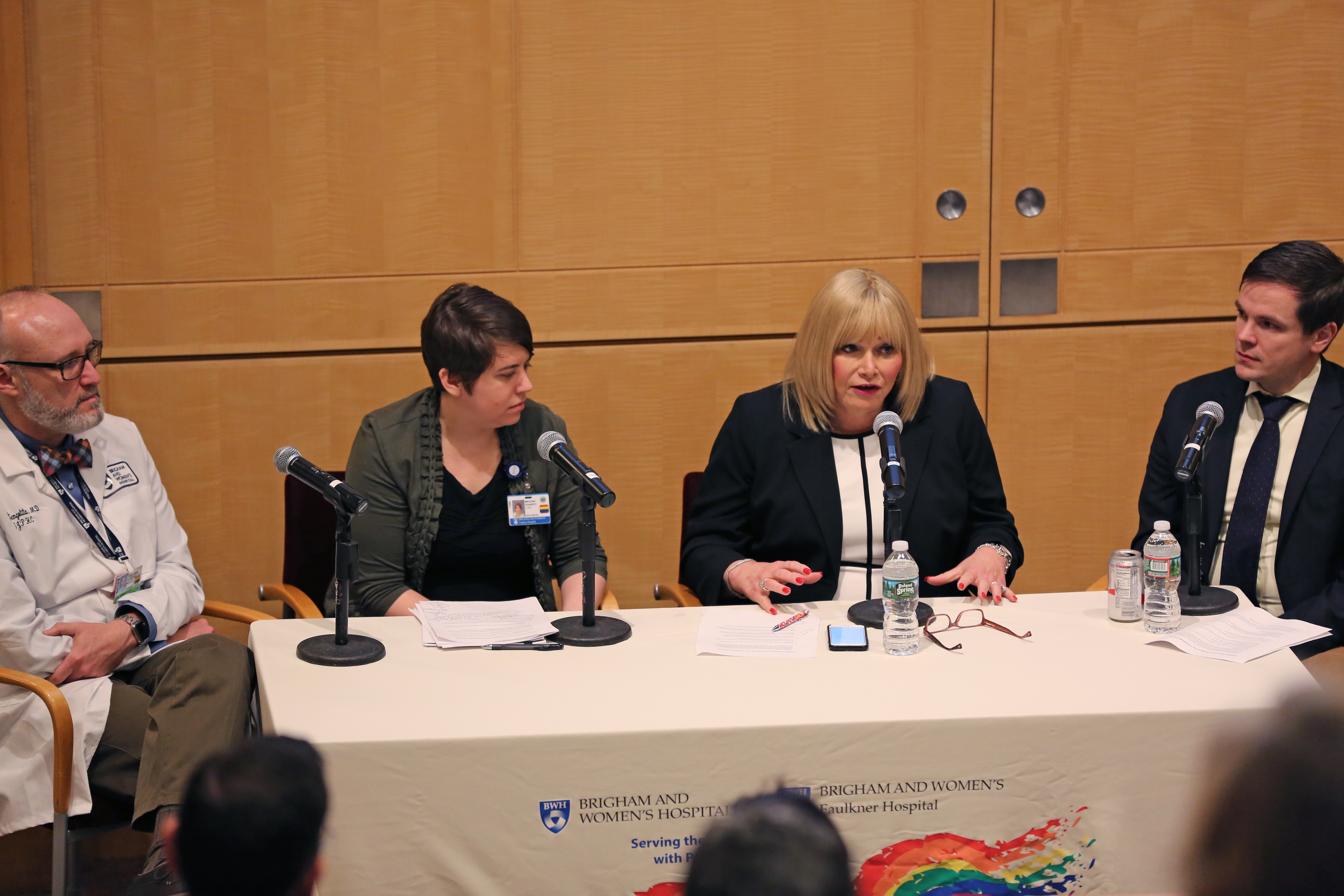
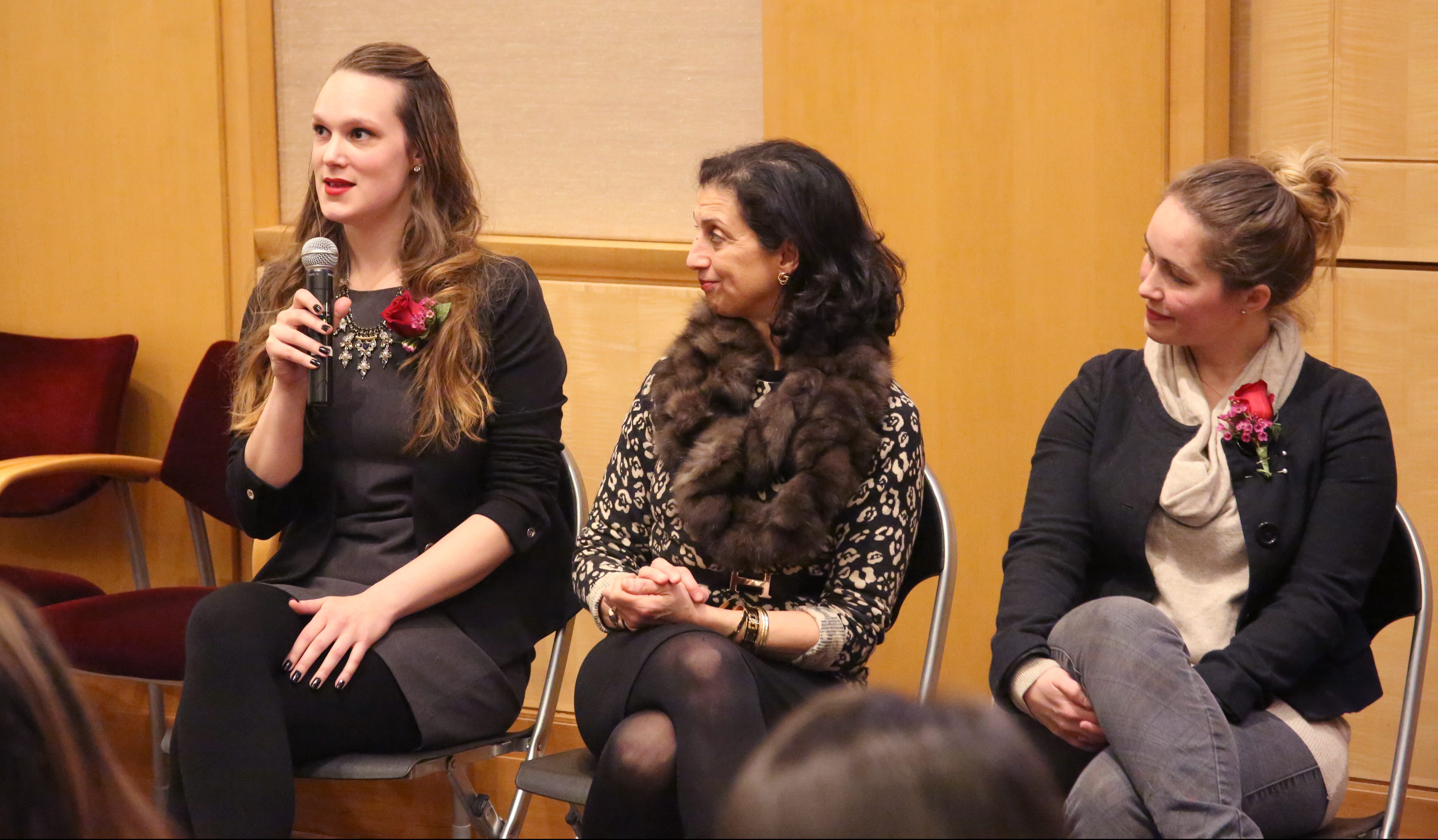
From left: Juan Jaime de Zengotita, Meghan Doherty, Erica Tobias and Ole-Petter Hamnvik

After Erica Tobias finished filling in an intake form for her first endocrinology appointment at a clinic in Western Massachusetts, she delivered the paperwork to the practice assistant with a small, but important, request: “My name is Richard, but if there is some way you could refer to me as Erica, I would appreciate it,” she said.

Tobias had recently begun to live as a transgender woman. Sitting with her sister in the clinic’s waiting room, Tobias felt relieved and grateful. She had finally found the strength to accept and address the lifelong uncertainty she had felt about her gender identity.

Then, a nurse came into the clinic’s waiting room: “Richard?” she called out.

Although possibly unintentional, the mix-up felt insensitive, Tobias recalled. It’s also a scenario many transgender patients encounter – and one that may discourage them from accessing health care – said Tobias and other speakers during a panel at BWH about transgender health issues on March 29.

“The thing that’s most important to me as a patient is to be treated with respect and dignity,” said Tobias, 62, a transgender advocate and retail beauty manager.

The event, “Tackling Disparities in Health Care for Transgender Patients,” was co-sponsored by Brigham Health’s LGBTQ Patient Family Advisory Council (PFAC) and LGBT & Allies Employee Resource Group as part of National LGBT Health Awareness Week 2017. In addition that day, the Human Rights Campaign named BWH and BWFH as 2017 Leaders in LGBT Healthcare Equality, marking the ninth year the institutions have received the honor as part of a national survey.

“Because LGBTQ people are regularly discriminated against in employment, relationship recognition and insurance coverage, they are more likely to get sick and less likely to be able to afford vital health care,” said panel moderator and PFAC member Gary Bailey, MSW, ACSW, a professor at Simmons College.

Education, Support and Advocacy

Health care providers play a vital role during the transition process – the time period during which someone starts to live according to their gender identity, rather than the one assigned to them at birth – panelists said. This creates many opportunities for discussion and education about sensitivity and health concerns.

“In my journey to become Erica, the health care that I’ve received along the way has been so important, starting with my primary care physician, who practices at Brigham and Women’s in Foxborough,” Tobias said. “Educating people, including health care providers, and making them comfortable is the direction we need to go.”

Ole-Petter Hamnvik, MB, BCh, BAO, MMSc, an endocrinologist in the Division of Endocrinology, Diabetes and Hypertension, said he makes it a point to discuss transgender health issues with medical students, residents and fellows during their training. This process often includes meeting a transgender patient who is willing to share their experiences, which can be a powerful moment for trainees, Hamnvik said.

Speakers also discussed the need for more targeted health care for transgender patients. Tobias said that during her transition, she would have loved to receive all of her care at BWH but had to seek some services – including facial feminization surgery, large-volume electrolysis hair removal and sexual assignment surgery – from as far away as Chicago and Scottsdale, Ariz., because they were not offered locally.

Panelists said discussions are underway about launching a dedicated clinic at BWH to address the health needs of transgender patients. Several groups are also working on ways for patients to easily identify which clinicians have expertise in LGBT care.

“As providers, we have the capacity to influence the health care system through our own actions and advocacy, and I think the work we’ve seen here at the Brigham demonstrates that,” said Juan Jaime de Zengotita, MD, medical director of Southern Jamaica Plain Health Center.

Newlyweds Walter Long and Valerie Akins-Long

When Walter Long moved into his new home in Roxbury a few years after completing a tour of duty as a U.S. Navy machinist during the Vietnam War, someone across the street noticed.

That someone was the mother of Valerie Akins, who was then 26 years old, single and recently back home after a relaxing vacation with friends in the Bahamas. “A nice-looking gentleman moved in across the street,” her mother casually noted.

It was a warm spring day when Akins went to sit on her mother’s porch and enjoy the weather. She caught the eye of that handsome gentleman from across the street.

“I want to meet that gal,” Long recalled thinking. He walked over to say hello. It was the start of nearly four decades of love and partnership.

They postponed marriage; life always got in the way, explained Akins, now 65. But together they celebrated times of joy – including the birth of their son, Jonathan, now 30 – and faced challenges. The most poignant of those was when Long, now 69, was diagnosed with terminal metastatic bone cancer. He was recently admitted to the Brigham to receive care as the disease progresses.

Wanting to make the most of their time together, Long and Akins (now Akins-Long) married in the family room on Tower 10B on April 3. Family, friends and members of Long’s care team gathered for a wedding ceremony performed by Bishop Enos Gardiner, MA, BCC, of Spiritual Care Services, and filled with scripture, song and loving vows.

“I give this ring to you with all the love in my heart that I have,” Long said to Akins, speaking from a hospital bed wheeled into the room for the ceremony. “And I give this ring with appreciation to have a woman like you who stood by a guy like me for more than 30 years, for all the tough times and the all good times. You were always there. You believe in me, and I believe in you.”

Through tears, Akins pledged her love in return as she slipped a wedding band on Long’s finger: “Walter, I give you this ring to show all the love I have for you and all the love I’ve ever had.”

After reading from the book of Genesis and leading the room in prayer, Gardiner said it was his privilege to witness and perform the ceremony.

“God has caused them to stay together in spite of any challenges – and that’s what real love will do,” he said. “When the storm comes and the wind blows, when you feel like giving up, there is something known as ‘stickability,’ and they have that.”

Other BWHers who helped organize the ceremony were Farah Abellard, MSN, RN, charge nurse; Pauline Brunache, patient care assistant; Ruth Delfiner, of Spiritual Care Services; and Jennifer Lopes, unit coordinator.

The bride’s sister, Fern Seay, an administrative assistant in the Division of Maternal-Fetal Medicine, attended the wedding and described the couple as inseparable.

“They’ve been together forever,” Seay said. “When you see Val, you see Walter. You see Walter, you see Val. You just associate them together all the time.”

The newlyweds said they were deeply grateful to the Brigham for the exceptional care that its staff has provided – medically and emotionally.

“Walter has been a patient of Brigham and Women’s for so long. He really likes this hospital, so we came here when he needed care,” Akins-Long said. “They take excellent care of us.”

Assistant Nurse Director Laurie Rotondo takes notes during a call in the Brigham Health Access Center.

The new Brigham Health Access Center, launched at midnight on April 1, centrally manages referrals to the Brigham’s Emergency Department (ED) and inpatient units. Its goal is to facilitate timely, high-quality and safe patient transfers in just one phone call.

A team of nurses and transfer access coordinators triage transfer requests from area hospitals. The center’s staff ensures patients are sent to the most appropriate location for care, whether that is the ED or an inpatient unit at BWH or BWFH.

“Our goal is to provide a seamless process for our referring facilities and physicians to get easy access to Brigham Health. A centralized approach really simplifies the process for our care partners in the community,” said Sheila Harris, executive director of the Brigham Health Access Center and Patient Access Services.

The Access Center was formed to make the transfer process more efficient, in light of growing transfer volume at BWH in recent years.

Previously, personnel in the ED and Admitting operated independently from each other. For example, ED flow managers handled requests for transfers, but that model posed challenges. Primarily, flow managers had limited insight into bed availability across the institution, Harris explained.

“Based in Admitting, the Access Center team uses a centralized approach to review real-time information about inpatient bed availability,” she said.

In addition, handling transfer requests was just one of many duties for the flow manager on a given shift. If he or she was on another call or had stepped away, the delay might prompt the outside hospital to hang up and try another facility.

“By having a knowledgeable, experienced and caring staff dedicated solely to transfers 24 hours a day, seven days a week, we are enabling more patients to access the high-quality care that Brigham Health is known for,” said Eric Goralnick, MD, MS, medical director of the Brigham Health Access Center and Emergency Preparedness.

All calls to the Access Center are recorded, and surveys are sent to referring providers to gather feedback, with the aim of identifying ways the center can continually improve the transfer experience. In the future, the team hopes to incorporate telemedicine as another tool for receiving transfers.

Ali Salim, MD, chief of the Division of Trauma, Burns and Critical Care, said he looks forward working with the center.

“This is a phenomenal opportunity to ensure that patients are transferred to us efficiently and smoothly,” Salim said. “It will undoubtedly benefit our patients and our community care partners.”

Brigham Health’s Strategy in Action: Timely Access
Learn more about our strategic priorities at BWHPikeNotes.org.

Atul Gawande discusses incremental care during Quality Rounds.

How does medicine do its greatest good: through heroic interventions or steady, long-term incremental care?

BWH surgeon Atul Gawande, MD, MPH, spent more than a year trying to answer this question. His observations and reflections serve as the basis of an article he recently penned in The New Yorker. On March 9, the renowned surgeon, author and researcher spoke to BWHers about the topic during a Quality Rounds presentation, “The Heroism of Incremental Care,” in Bornstein Amphitheater.

In his talk and essay, Gawande discussed the value of “incremental medicine,” or gradually improving health over long periods of time.

“We have a certain heroic expectation of how medicine works,” he said. “We devote vast resources to intensive, one-off procedures, while starving the kind of steady, intimate care that often helps people more.”

Gawande interviewed physicians at the Brigham and observed patient appointments. He highlighted the work of Elizabeth Loder, MD, MPH, chief of the Division of Headache and Pain at BWH and BWFH, who sees patients at the John R. Graham Headache Center at BWFH, and Asaf Bitton, MD, MPH, and Katherine Rose, MD, of Brigham and Women’s Advanced Primary Care Associates.

Gawande followed the care of a patient seen by Loder for chronic migraine headaches. For four decades, the patient had suffered debilitating pain from migraines, and no clinician had been able to help.

“He’d seen every kind of doctor imaginable — neurologists, primary care physicians, holistic healers — he tried everything,” Gawande said. “I wanted to know what Dr. Loder does that gives her the ability to solve very difficult-to-solve problems. What does she do that’s different than what any of these other people had done for this patient? When I went in to observe, I thought to myself, ‘She must have some secret sauce.’”

But Gawande learned there was no secret recipe. Loder wasn’t pioneering a novel procedure or prescribing experimental drugs. Her “secret” was three years of regular visits to see what worked and, equally important, what didn’t. Loder eventually cured the man’s headaches.

What struck Gawande most was that Loder’s measured, long-term approach to care was so different from the way he functions as a specialist who’s focused on the “heroic save” during an acute intervention.

The Value of Relationships

Incremental care has had a significant role in lowering mortality rates, improving health outcomes and reducing medical costs, Gawande said. He noted, however, our health care system does not sufficiently value services that improve people’s lives over the long term.

“No one ever asks me to hurry up in the operating room,” Gawande said. “But, in the clinical setting, you wonder how many people you can see in an hour.”

When he interviewed physicians at Brigham and Women’s Advanced Primary Care Associates, he heard repeatedly that the relationships between them and their patients provide the most value in health care.

“When you see the same physician over time, you are much more likely to have a lower threshold for picking up the phone or coming in when you have a symptom that bothers you,” he said. “If you don’t know people in the system, there is a much greater likelihood that, if you’re feeling sick, you’re going to wait until it’s pretty bad.”

Studies have shown that when a patient knows a physician is easily available by phone or email, that alone leads to a longer life. Over time, these physicians are also integrating complex information about a patient’s medical history.

On the other hand, there often isn’t time during an intervention, such as a surgery or emergency, to discuss all of the external factors that contribute to a patient’s outcome.

“Dr. Loder, working with this patient, could understand over time what his insurer would cover versus other insurers,” Gawande said. “And that turns out to be just as important as having the right answer to whether or not you can get them the medicine they need or what the side effects from medication are.”

Looking Ahead

As science and medicine advance, and as people live longer, it will become evident that “life is a preexisting condition waiting to happen,” Gawande said. In other words, many people will be diagnosed with a chronic condition or disease at some point in life. Incrementalists can help patients manage those problems proactively, thereby lowering the chance that more expensive, high-risk procedures or complications arise later in life.

“We’ve actually reached the point where the value of incremental care has exceeded the value of interventionist care,” he said.
The value clinicians can create by getting ahead of health problems, rather than waiting for them to get worse, has risen and will continue increasing over the next decade, Gawande added.

“It’s now apparent that we can either give up on what has become an antiquated set of priorities and shift our focus from rescue medicine to lifelong incremental care,” he said. “Or we can leave millions to suffer and die from conditions that, increasingly, can be predicted and managed. This decision isn’t a bloodless policy choice; it’s a medical emergency.”

View the webcast.

From left: Matt Kyller, Kelli Jones Kyller, Sarah Jones and Ryan Jones

From left: Parents Matt Kyller and Kelli Jones Kyller, and parents Sarah Jones and Ryan Jones, with their newborns. Matt and Sarah are siblings, as are Kelli and Ryan.

It’s safe to say the Jones and Kyllers’ family tree has more intersecting branches than most, with its roots coming from two sets of siblings who married their spouse’s sibling. Two more joyful, overlapping and improbable branches sprouted recently when each family celebrated the birth of a child on the same day at the Brigham.

Kelli Jones and Matt Kyller met while they were students at the College of the Holy Cross in Worcester. In the run-up to their 2009 wedding, Kelli’s younger brother, Ryan Jones, also a Holy Cross alum, was introduced to Matt’s younger sister, Sarah Kyller. Ryan and Sarah fell in love, marrying four years later.

Last year, sisters-in-law Sarah and Kelli – now Kelli Jones Kyller – learned they were pregnant at the same time, with due dates a week apart. Despite being a family whose lives were interwoven in many ways, both moms were stunned by this latest twist, especially after delivering their babies less than 12 hours apart from each other.

“Ryan kept saying we were all going to be in the delivery room at the same time, but we thought, ‘No way is that going to happen,’” said Matt.

But Ryan was adamant throughout the pregnancy that the babies would be born the same day – even predicting correctly that Sarah would give birth a week early.

“I was just convinced that we’d be here at the same time,” he said. “Our families are already pretty close, so this works out for everyone.”

‘This Is Actually Going to Happen’

Ryan double downed on that assertion when the Easton couple welcomed their second son, Colin, to the world that February morning. The Jones grandparents were driving home after visiting Ryan, Sarah and Colin at BWH when they got the phone call: Kelli’s water had broken.

“I just started hysterically laughing,” Kelli said. “I was like, ‘Matt, I think this is actually going to happen.’”

The Milton couple’s third daughter, Reagan, was born that night.

Both moms and babies also have been cared for by some of the same providers, including obstetrician Lisa Lampert, MD, of New England OB/GYN Associates, and pediatrician Lise Johnson, MD, chief of the Division of Newborn Pediatrics. Lampert shared another special link with the families: She is a Holy Cross alum, as well.

“It was a first for me to deliver cousins on the same day and fun that we also all had that Holy Cross Crusader connection,” Lampert said.

The two families recovered on the same floor in the Connors Center. It was comforting to have each other nearby, as a snowstorm had prevented most of their family and friends from visiting that week, Matt said. In addition, Matt and Sarah’s dad, Michael Kyller, MSN, RN, CCRN, CNS-AC, is a nurse educator in BWH’s Cardiovascular Diagnostic and Interventional Center, which made it easy for him to visit.

The couples’ other children, all of whom were born at the Brigham, are excited to welcome home a new sibling and cousin each, Sarah said.

“We’re used to doing a lot of stuff with our siblings and families, so it doesn’t really seem that weird to us,” Matt said. “But then you think about it, and it’s exciting. It was really nice to have our family here.”

4 Comments

For Pam Vigil, receiving a get-well message from New England Patriots placekicker Stephen Gostkowski made the team’s Super Bowl victory that much sweeter.

Since Jan. 30, Vigil, a dedicated Patriots fan, has been recovering at BWH after suffering a brain aneurysm at the Patriots Super Bowl send-off rally at Gillette Stadium. Before Vigil could cheer on the players as they headed to Houston for Super Bowl LI, she collapsed and was transported by med-flight to BWH. She underwent emergency brain surgery, performed by neurosurgeon Ali Aziz-Sultan, MD, and a multidisciplinary team.

“It was my first time attending one of the rallies, and I was so thrilled to be there,” said Vigil, who lives in Franklin with her husband, Brian, and their sons, Zach and Nick. “I never miss a game, so it was very important for me to be there. But before I could see the buses pull away with the team members inside, I started to feel sick. I don’t remember anything after that.”

The following Sunday, Vigil was able to cheer on the Patriots from her hospital room with Brian by her side and witness history in the making as the team won their fifth Super Bowl championship title since 2002.

After hearing Vigil’s story, Michael Ferchak, RN, of the Neurosciences Intensive Care Unit, wanted to help lift her spirits.

“Pam is a strong person who has been through so much in the last few weeks,” Ferchak said. “While she was dealing with a life-threatening situation, she constantly maintained composure and dignity. I wanted to see if there was anything we could do to cheer her up because she’s an inspiration to me.”

Ferchak spoke with Shaun Golden, BSN, RN, CNRN, nurse director of the Neurosciences ICU, about ways they could support Vigil beyond her medical needs.

Thanks to the New England Patriots, the Brigham surprised Vigil and her family with a get-well greeting from Gostkowski. BWH’s Office Services team provided a laptop so that she could watch the video from her hospital room.
It was an emotional moment to witness, Golden said. “It’s wonderful that the players take time out of their busy schedules to acknowledge their fans,” he said. “I am proud of my colleagues for working together to pull this surprise off for one of our patients.”

Holding her husband’s hand as she viewed the message on repeat, Vigil said this video was “the best medicine” she could have asked for. “Whenever I think back to this year’s Super Bowl, I think about all of the amazing people who worked tirelessly to save my life,” she said.

The family has watched recordings of the Super Bowl game a few more times to relive what they call “one of the best games in football history.”

“The Patriots owed Pam that win,” Brian said. “Pam is one of the strongest people I know. No longer do we only say, “‘Go Pats.’” Now it’s, “‘Go Pam, go Pats.’”

From left: Brian and Pam Vigil, with their sons

From left: Brian and Pam Vigil, with their sons

4 Comments
Rachel Ovaginian shows her son, Cameron, a valentine made for them by a donor from the Kraft Family Blood Donor Center.

Rachel Ovaginian shows her son, Cameron, a valentine made for them by a donor from the Kraft Family Blood Donor Center.

More than 100 donors from the Kraft Family Blood Donor Center at BWH and Dana-Farber Cancer Institute sent their love and well wishes to babies and their families in the Brigham’s NICU this Valentine’s Day.

Donors came to the KFBDC on Feb. 10 and 11 to sign Valentine’s Day cards for NICU patients and families, as well as for pediatric patients receiving care at Dana-Farber’s Jimmy Fund Clinic. The event culminated with a blood and platelet drive at the center on Feb. 11.

BWH nurses distributed the cards – along with handmade ones the unit’s staff had also created – to families on Valentine’s Day.

The holiday season between November and December is a popular time for giving back, but the need for blood and platelet donation is constant, said Justin Solle, blood donor recruiter with the KFBDC.

“We look at Valentine’s Day as a way to connect with our younger patients and get our donors more involved,” Solle said. “The donors give blood and platelets, and they don’t always see the outcomes of the great work they’re doing. This is another way to bring them a little closer to that.”

From left: V-Day speaker and survivor Kalie responds to a question alongside panelists Soheyla Gharib and Ramsey Champagne.

From left: V-Day speaker and survivor Kalie responds to a question alongside panelists Soheyla Gharib and Ramsey Champagne.

“What’s wrong?” It’s a natural opening question when trying to find out why a patient is in distress.

But those two words, which many patients would find harmless, can cause those who have experienced trauma to shut down during an appointment if they interpret it as judgmental or accusatory, according to speakers who participated in BWH’s second annual event honoring V-Day, held Feb. 10 in Bornstein Amphitheater.

The insight was one of many shared at this year’s event, titled “A Trauma-Informed Care Approach to Treating Campus Sexual Assault Survivors.” During the program, a sexual assault survivor shared her story, followed by a panel discussion with experts from BWH and Harvard University. The event was among the hundreds that took place around the world that day as part of V-Day, a movement aimed at raising awareness about violence against women and girls.

Getting patients who have experienced trauma to feel comfortable opening up to their provider is a slow, gradual process – and one that doesn’t always result in a complete picture, explained panelist Annie Lewis-O’Connor, NP, PhD, founder and director of BWH’s Coordinated Approach to Recovery and Empowerment (C.A.R.E.) Clinic. Establishing trust starts with creating a dialogue that “seeks to understand what happened to you, not what is wrong with you,” she said.

“Sometimes, health care providers feel like they have to ask very pointed questions and get the whole story,” said Lewis-O’Connor, who co-chairs BWH’s V-Day Committee with Jeffrey Katz, MD, MSc, of the Division of Rheumatology, Immunology and Allergy. “What we’ve found out is all the patient needs to tell me is, ‘I’ve had something really bad happen, and I need help.’ And in their time and way, they can share as little or as much as they’re comfortable with.”

Nomi Levy-Carrick, MD, MPhil, of the Division of Medical Psychiatry, agreed that caring for survivors requires a different way of thinking.

“Sometimes what we think is empathic – because of our backgrounds or the way we’ve been taught to speak – actually doesn’t come across that way to other people,” she said. “I am learning every week about how, in different contexts, we can engage different people in ways they feel safe.”

Understanding the Needs of Survivors

What providers and patients say – and how they say it – is only the starting point, speakers said. Patients who have experienced sexual assault may not want to be touched or change into a robe, requiring adjustment to the traditional physical exam.

Kalie, a volunteer at the Boston Area Rape Crisis Center and sexual assault survivor (who used only her first name), said she had a lot of anxiety about seeking care from her primary care provider to address medical concerns resulting from the assault. Her therapist referred her to a clinician who had been trained in trauma-informed care – an approach that recognizes the multiple symptoms and effects of trauma, incorporates that knowledge into practice and procedures, and avoids actions that may retraumatize the patient.

“It was a weight off my shoulders to walk into a room with a doctor and know that if I had a panic attack or got triggered, she wouldn’t be confused by that,” she said. “I could say, ‘This is an injury I’m concerned about,’ and she wouldn’t make me explain in detail how it happened.”

BWH provides trauma-informed care training to any interested staff, Lewis-O’Connor said. The hospital is also a designated Sexual Assault Nurse Examiner (SANE) facility, with Emergency Department nurses specially trained to collect evidence after a sexual assault.

Other panelists at BWH’s V-Day event were Ramsey Champagne, MA, a community advocate at Harvard’s Office of Sexual Assault Prevention and Response, and Soheyla Gharib, MD, chief medical officer at Harvard University Health Services and co-founder of BWH’s Women’s Health Center. The panel was moderated by Mardi Chadwick, JD, director of Violence Intervention and Prevention programs at BWH.

Speaking directly to members of the audience, Kalie thanked providers for wanting to understand the needs of patients like her.

“It’s little things that make a big difference – a slight tweak in language that makes the appointment feel less accusatory and more like you want to know my story,” she said. “You have no idea how it feels to know that I can walk into this hospital and you, as an organization, are supportive of survivors and women’s health. That would make me feel better about coming here and telling another survivor to come here if they needed services. That’s a big deal.”

To learn about training opportunities in trauma-informed care, contact Annie Lewis-O’Connor at aoconnor@partners.org or 617-525-9580.

1 Comment

Tears began to fall from Pat Lopes’ eyes as she gently placed a stethoscope on Brian Wade’s chest.

“I can hear it,” exclaimed Lopes, as she leaned in closer to Wade. “That’s Manny’s heartbeat. I can hear my son’s heart beat.”

Lopes, of Hyannis, met Wade, the recipient of her son’s heart, for the first time at the Brigham last month. It was an emotional gathering that both had hoped would someday come to fruition.

After suffering from advanced heart failure for several years, Wade got the call last Valentine’s Day that a donor heart was available.

“I wanted to meet Manny’s mother and his family so I could personally thank them for this extraordinary gift of life,” said Wade, of Portland, Maine. “While I feel so fortunate that I was able to receive a new heart, I’m also sad that it means someone had to die. I’ll never forget that my heart beats because of Manny. I’m forever grateful that I am here today, thanks to one person’s decision to become an organ donor.”

Pat Lopes embraces Brian Wade, the recipient of a donor heart from her late son, Manuel Lopes III.

Pat Lopes embraces Brian Wade, the recipient of a donor heart from her late son, Manuel Lopes III.

For more than an hour, Lopes and Wade, along with their families, talked in a private meeting space in the Shapiro Cardiovascular Center. Lopes, her husband, Manuel, and stepdaughter, Kimberly Lopes-Costa, shared stories about Manny. Wade, who came with his wife, Celeste, son, Travis, and close friend, Lisa Alexander, spoke about what his life has been like post-transplant.

Manuel (Manny) Lopes III died at age 42 due to medical complications stemming from a drug addiction he battled for many years. His mother described her son as the type of man who was always willing to help others. His decision to become an organ donor was an extension of his generous spirit, she said.

“He had a profound love for his family and friends,” Lopes said. “His sense of humor and smile could light up a room. He was genuinely a kind-hearted person who would give you the shirt off his back.”

During the meeting at BWH, Lopes shared photos of Manny with Wade. Manny’s stepsister showed the Wade family a tattoo on her arm, which depicts an electrocardiograph showing a snapshot of Manny’s heartbeat.

“I am happy to know that my brother’s heart still beats,” Lopes-Costa said.
The families also chatted with Michael Givertz, MD, medical director of the Heart Transplant and Mechanical Circulatory Support Program, who was part of Wade’s care team.

Givertz said while all transplants are special, Wade’s case was especially memorable because he received his heart on a day that symbolizes love.
“Notifying someone that a donor heart is available is one of the most amazing calls we get to make to patients,” Givertz said. “It’s wonderful that these two families could meet so close to the first anniversary of Brian’s transplant.”

“I’m just glad to be here and to be doing well. Every day is a good day for me,” Wade said. “My entire perspective on life has changed since I received my new heart. I wake up every day thankful that I am still here. I want Manny’s family to know that I think about them and Manny often.”

StrategyIcon_WordpressBrigham Health’s Strategy in Action: Exceptional Experience
Learn more about our strategic priorities at BWHPikeNotes.org.

A BWH care team of nearly 30 people helped a New Hampshire mom deliver healthy quadruplets last week. The babies – two boys and two girls – are staying in the NICU for several more weeks as they grow bigger and stronger. Parents Corrie Cook and Keith Cook, who also have a 3-year-old son, were shocked but elated when they first learned their family of three would become a family of seven. The quadruplets arrived within minutes of each other, each weighing about 3 pounds. View a photo album of the Cook’s quickly growing family.

Monica Bharel speaks at the first Opioid Grand Rounds at BWH.

Monica Bharel speaks at the first Opioid Grand Rounds at BWH.

The number of opioid-related deaths in Massachusetts has increased fourfold over the past decade, with data showing that five people in the state die every day due to an opioid overdose. Behind these staggering statistics are patients, families and communities struggling to get the help they need, and clinicians have an opportunity to help fill that gap, said Monica Bharel, MD, MPH, commissioner of the Massachusetts Department of Public Health, during BWH’s inaugural Opioid Grand Rounds on Feb. 2.

The event, sponsored by the Brigham Comprehensive Opioid Response and Education (B-CORE) program, kicked off a bimonthly speaker series about issues around the prevention and treatment of opioid use disorder.

Data is playing an important role in how the state is responding to the opioid epidemic, with the goal of analyzing it in a way that provides specific guidelines for frontline clinicians, said Bharel.

Getting to that point involves pulling information and seeking out experts from multiple sources, ranging from hospitals to law enforcement. Among the more revealing findings has been the overlap between a sharp increase in opioid-related deaths since 2014 and the presence of fentanyl at the time of death. Fentanyl is a powerful synthetic opioid that is 50 to 100 times more potent than morphine. Nearly three out of four people who died from an opioid overdose in Massachusetts between 2015 and 2016 had fentanyl in their system.

“We’re talking about the numbers in a big picture today, but it’s important to know that behind each one of these is an individual, family and community, and this disease has such profound impacts,” Bharel said.

This is not the first opioid-related epidemic the country has endured, but it has been the deadliest, mainly due to the widespread presence and potency of fentanyl, Bharel said. Another difference this time: Most people who die were introduced to opioids through the use of prescription painkillers, she said.

Focusing on Prevention, Education and Treatment

Prevention and education – for patients and prescribers – are key to turn those trends around, Bharel said. At the Brigham, B-CORE recently developed guidelines and best practices to educate prescribers about new laws related to prescribing, ways to help prevent addiction and where to direct patients seeking treatment.

Another major focus statewide has been removing the stigma associated with addiction and  changing the way it’s viewed, by the public and providers alike, “from a choice or moral decision somebody makes to a medical illness” that should be properly treated, Bharel said. If communities and health care providers regarded opioid use disorder the same way as other life-threatening illnesses, it would change patient outcomes, she added.

“I would really urge us, in terms of what we can do within the medical system, to take a deep look at why we treat substance use disorder so differently,” Bharel said.

One example of that is the proactive distribution of naloxone, a fast-acting medication that reverses an opioid overdose. New laws have made it available more broadly – at BWH, it can now be obtained without a prescription from the Outpatient Pharmacy and is carried by Security officers – but Bharel’s hope is that it’s also provided to patients at the same time they’re prescribed an opioid.

Even if the patient isn’t at risk for developing an addiction – most opioids are prescribed to people over 50, whereas most opioid-related deaths occur in people under 44 – the patient may live with someone at higher risk who has access to those painkillers, she said.

“When we start to decrease the number of deaths, individuals suffering from substance use disorder can get an opportunity to receive treatment and recovery. And unlike something like chronic alcoholism, we have an antidote when someone is acutely at risk for fatal overdose,” Bharel said. “If this was a blood pressure medicine, we would all be using this all the time, so I urge us to think about ways we can enhance the use of naloxone throughout our communities.”

The next Opioid Grand Rounds is March 23, 8-9 a.m., in Carrie Hall. David Kelly, RN, a nurse who developed opioid use disorder and underwent recovery, will share his story.

David Levine

David Levine

When patient William Terry, MD, was randomly selected to participate in a pilot study to receive care at home instead of being admitted to BWH, he didn’t think twice about signing up.

“When it comes down to it, no one wants to be sick and in the hospital,” said Terry, an administrator in BWH’s Center for Interdisciplinary Cardiovascular Sciences. “If participating in the pilot meant that I could receive the same level of care that I would get in the hospital in the comfort of my own home, I was absolutely on board.”

For two months last year, David Levine, MD, MA, a physician and researcher in the Division of General Internal Medicine and Primary Care, and co-principal investigator Jeff Schnipper, MD, MPH, piloted “The Home Hospital” project at BWH and BWFH. The pilot sought to compare the cost, quality, safety and experience of hospital-level care at home to traditional hospitalization. Levine received the Brigham Research Institute’s $100,000 BRIght Futures Prize for the project in 2016, which will enable him to expand the pilot this year and further study its outcomes.

Twenty-one adult patients participated in Levine’s randomized, controlled trial. The patients, who had to live within 5 miles of the Brigham in order to participate, sought treatment at the BWH or BWFH Emergency Department (ED) for infections, heart failure, asthma exacerbation or chronic obstructive pulmonary disease (COPD). The ED determined that they required admission, but before being admitted, eligible patients could enroll in the study and be randomly selected for either the home hospital or traditional inpatient admission.

The Home Hospital Model

At home, patients received visits from home hospital physicians Levine and Kei Ouchi, MD, MPH, and nurses Amy Costa, RN, Janet James, RN, Kathleen Melville, RN, and Peter Murphy, BSN, RN. All patients receiving care at home were given a tablet that allowed them to directly and confidentially communicate with their care team.

Once a patient’s health improved, he or she would be considered discharged from the Brigham – a judgment made using the same clinical criteria for discharging that BWH uses for inpatients. Research assistants Jeff Medoff, Apexa Patel and Natasha Thiagalingam were also part of the pilot.
While some procedures will always need to be performed in a hospital setting, there are cases where home may be the best place for patients to receive care and recover.

“We believe receiving care at home puts the patient first, improves patient experience and reduces costs,” Levine said. “For many conditions, a home hospital will transform our concept of safe, high-quality and cost-effective care.

Murphy, of Partners HealthCare at Home, said the pilot’s findings reinforced the fact that patients can still be supported by their care team from their own homes.

“When you’re at home with a patient, you are entirely focused on them in their own home environment,” Murphy said. “The whole person is right in front of you. You are able to help identify what they need in order for them to heal at home, while also encouraging them to be independent. I feel very fortunate that I was able to contribute to the advancement of this bright idea.”

Looking Down the Road

Levine plans to re-launch the project this spring. This time, they will accept a broader range of patients with different conditions and including other types of providers in the care teams. In addition, the project will be better integrated with Partners eCare.

“It has been an enormous privilege to work on this project with forward-thinking colleagues,” Levine said. “It impacts every part of the hospital and has allowed us to push the boundaries of how we care for patients.”

From left: A young patient at Southern Jamaica Plain Health Center is cared for by Regina Harvey and Erica Santiago.

From left: A young patient at Southern Jamaica Plain Health Center is cared for by Regina Harvey and Erica Santiago.

High-quality care encompasses a broad range of priorities: meeting and exceeding clinical standards, maintaining excellence, providing an exceptional patient experience and helping achieve better outcomes. To reaffirm the Brigham’s commitment to these areas, BWH is seeking Magnet designation, which honors an institution for quality patient care, clinical excellence and interprofessional collaboration.

“Magnet designation has become a trusted symbol of excellence in patient care nationally and internationally,” said Betsy Nabel, MD, president of Brigham Health. “It’s meaningful to patients and family members who are deciding where to receive care, as well as to prospective employees who are looking for a hospital that stands out among its peers.”

While the Magnet Recognition Program’s roots are in nursing – the program is run by the American Nurses Credentialing Center (ANCC) – it honors the work and culture of an entire institution. BWH’s next step in the process occurs April 1, when a team from Nursing and Patient Care Services will submit an application package consisting of 75 examples that illustrate how the hospital meets or exceeds each of the 49 standards in the Magnet model.

Examples of the evidence BWH is submitting include the development and implementation of a falls prevention toolkit, a program at the Southern Jamaica Plain Health Center designed to educate patients about diabetes self-management and improve health outcomes, and “Goals for the Day, Goals for the Stay” cards used on Tower 14 ABCD to document the patient’s goals and ensure all staff are aware of them.

“The evidence for Magnet has become increasingly powerful. The quality of patient care, nursing excellence, innovations in professional practice and interprofessional collaboration are all much stronger in Magnet-designated hospitals,” said Mary Lou Etheredge, MS, RN, PMHCNS-BC, executive director of Nursing Practice Development, interim associate chief nurse for medical nursing and BWH co-program director for Magnet.

Only 8 percent of hospitals in the U.S. are Magnet-designated, with three in Boston (Massachusetts General Hospital, Dana-Farber Cancer Institute and Boston Children’s Hospital). The Joint Commission considers Magnet as a way to provide consumers with benchmarks to measure quality of care, and U.S. News & World Report uses the designation as a primary competence indicator to rank the best medical centers.

“We’re excited about continuing the journey toward obtaining Magnet designation, as it will help us demonstrate and confirm what we know to be true here at BWH: that our care and quality are unsurpassed,” said Chief Quality Officer Allen Kachalia, MD, JD.

At the core of the Magnet model is a focus on outcomes: evidence illustrating the impact of structures and processes on patients, families, staff, the organization and the community.

“It’s not just that you have good structures and systems in place, but that you also have the outcomes to prove that you have a low fall rate or that you have a low rate of hospital-acquired pressure ulcers, for example,” said Rosemary O’Malley, MSN, MBA, RN, associate chief nurse for the Emergency Department, Neurosciences, Orthopaedics, Gynecology, Central Resources and Strategic Practice Initiatives, and BWH co-program director for Magnet.

Following submission of the evidence this spring, BWH will be notified three to six months after acceptance whether the hospital has been selected for a site visit. If selected, BWH will receive dates for a site visit. During the visit, appraisers from the ANCC will speak with employees, patients and families about the quality of care provided at the Brigham. One to two months after the site visit, the ANCC Commission on Magnet will decide whether BWH has achieved Magnet designation.

StrategyIcon_WordpressBrigham Health’s Strategy in Action: Highest-Quality, Safe Care
Learn more about our strategic priorities at BWHPikeNotes.org.

From left: Edward Boyer, Peter Chai, Timothy Erickson and Susan Farrell

From left: Edward Boyer, Peter Chai, Timothy Erickson and Susan Farrell

Traditionally, when a patient arrives at the BWH Emergency Department (ED) with a possible poisoning or overdose, the care team calls the Regional Center for Poison Control and Prevention based at Boston Children’s Hospital. A clinical toxicologist – a health care professional with specialized knowledge of the adverse effects of drugs and other chemicals – provides guidelines and advice to the care team on how to best treat the patient.

This year, the Brigham will bring its own medical toxicologists directly to the bedside to share their expertise and care for patients facing adverse effects from medications, drug overdoses and substance abuse issues, thanks to a new division within the Department of Emergency Medicine: the Division of Medical Toxicology.

“Toxicology has been a well-known subspecialty for 20 years or more,” said Michael VanRooyen, MD, MPH, Emergency Medicine chair. “We’re taking a new twist on it through the addition of biotechnology and oncology toxicity research. The division will provide an innovative and unique way of looking at emergency toxicology.”

In addition to providing direct clinical care in the ED and inpatient units, the team will also educate clinical teams and trainees, provide staffing for the Regional Center for Poison Control and Prevention at Boston Children’s Hospital and pursue a variety of toxicology research, including biotechnology research that can share insights on medication compliance.

BWH emergency medicine physician, educator and medical toxicologist Susan Farrell, MD, EdM, is part of the new division, as well as medical toxicologists Edward W. Boyer, MD, PhD, and Peter Chai, MD, MMS, who both recently joined BWH from UMass Medical School in Worcester. Their expertise includes adverse drug events, toxicity, drug interaction and poisoning, and drug overdose. Medical toxicologist Timothy Erickson, MD, who joined BWH last September, serves as division chief. His areas of interest include the study of environmental toxins, venoms and the development of poison control centers in low-resource settings globally.

Once the new clinical service is up and running, medical toxicologists will follow and discuss the management of patients, says Chai. Not only will the bedside service provide personalized care for patients who are poisoned, but it will also help to reduce length of stay and decrease costs. Two examples of how medical toxicologists can achieve this: identifying which patients need to be observed, rather than admitted, and recognizing a poisoning early enough to provide an effective antidote.

Medical toxicology also encompasses opioid abuse, and clinicians have an important role to play in combating the opioid epidemic, says Boyer. “In general, we have to be much more cognizant of how we prescribe medications,” he said. “Research shows that writing somebody an extra handful of medications can have downstream effects on patients and families for decades. Understanding how patients use medications and the ways in which they take them has become ever more important in last few years.”

As director of Academic Development for Emergency Medicine, Boyer is also charged with growing the academic pipeline of new research in the department, toxicology-related and otherwise.

The expansion of Emergency Medicine into toxicology also includes plans to support cancer patients who are dealing with toxicity issues from chemotherapy and other medications. The initiative, which is expected to launch next year, will provide emergency care for cancer patients, as well as care coordination and palliative care for all cancer patients with toxicologic issues.

“We have a personal mission to help cancer patients, and our relationship with DFCI puts BWH at the cutting edge of how to care for them quickly and compassionately,” said Erickson.

Ash Nadkarni demonstrates a virtual visit in her office at 850 Boylston St.

Ash Nadkarni demonstrates a virtual visit in her office at 850 Boylston St.

When Ash Nadkarni, MD, of the Department of Psychiatry, was offered the opportunity to start seeing some patients through virtual visits, she jumped at the chance.

For patients with medically complex conditions, getting to a behavioral health appointment can be physically challenging. As one part of her practice, Nadkarni provides psychiatric care for patients with inflammatory bowel disease through BWH’s Crohn’s and Colitis Center. The ability to follow up with select patients in this group through the use of technology such as video conferencing on a computer or mobile device wasn’t just a matter of convenience – it was also about having compassion for patients’ physical limitations.

“A lot of times, these patients are medically ill, and appointments in person can be uncomfortable for them,” said Nadkarni, one of about 200 clinicians participating in the Brigham’s telehealth initiative. “Virtual visits really give them improved access to care.”

The telehealth program at BWH, launched in early 2015, uses web-based and video technologies to connect patients and providers in virtual visits. Now in the process of wrapping up its pilot stage, the initiative has facilitated about 600 virtual visits among outpatient clinicians in various specialties. Today, BWH clinicians collectively see approximately 10 to 20 patients per week through virtual care. That is expected to climb to 100 per week over the next year as the program expands.

The program has several goals, according to Adam Licurse, MD, MHS, Telehealth medical director.

Telehealth provides more timely access for appointments, as providers don’t need exam room space and can fill a last-minute cancellation slot with a virtual visit on short notice. And because there is no need to drive, park or sit in a waiting room to see a provider, patients may find virtual visits to be more convenient and therefore are more likely to keep their appointment. The expected result of all this: improved patient outcomes and reduced costs of care.

“Virtual care is becoming a vital clinical service, and the initial successes of our pilots have empowered us to expand these efforts across the Brigham in the coming years,” Licurse said. “By offering several telehealth tools across the clinical spectrum, we hope patients can access care in whatever way works best for them – whether they’re at home, work or a clinical setting. Combined with the right level of in-person care, virtual care can be a better option for many patients, and we look forward to delivering this type of care to more patients locally, nationally and internationally, and meeting the needs of new populations as our programs grow.”

For the Right Patients, at the Right Time

The program initially engaged departments whose providers saw patients with conditions that required frequent follow-up visits and infrequent physical exams, and who lived in Massachusetts but had difficulty coming to their provider’s office, Licurse said. Candidates for the pilot were further narrowed down to patients with inflammatory bowel disease, diabetes during pregnancy, mood disorders, hypertension, ischemic heart disease, prostate disease and airway disorders.

BWH’s telehealth initiative has since expanded to include e-visits to provide urgent care for patients with common, acute symptoms. Patients can submit text-based inquiries through a patient portal, and if their symptoms match the covered conditions, a clinician will typically respond within a day.

“For certain common and irritating symptoms, seeing one’s provider in the office is often less important than obtaining a speedy and reliable answer,” Licurse said. “From early experiences, we know that a 15-minute office visit for urinary symptoms or a cough can be done in less than five minutes through this program.”

For Nadkarni, virtual visits are like other tools available to clinicians—such as the Patient Gateway online portal—to help provide greater access for patients. Since initially piloting the technology with patients referred from the Crohn’s and Colitis Center, she has expanded her use of virtual visits to other patients in her practice.

“One of the things I realized was that virtual visits are useful not exclusively for some patients, but for all patients at certain times,” she said. “For some patients, it takes so much time to come in—some have to take a half-day off of work, which can be a huge inconvenience. It can also be challenging for patients with young children to find child care so they can come to an appointment.”

Although the conversations a patient has with a psychiatrist can be sensitive and sometimes difficult, the trust and intimacy such discussions require isn’t diminished when they take place through a webcam, Nadkarni says.

“Patients tell me they feel heard because I’m looking directly at the screen for the whole appointment,” she said. “There’s no question that when the doctor is beside you and treating you there, that’s a human element that cannot be replicated by virtual visits. But when we use virtual visits appropriately, for the right patients at the right time, that experience isn’t lost.”

StrategyIcon_WordpressBWHC’s Strategy in Action: Timely Access
Learn more about our strategic priorities at BWHPikeNotes.org.

From left: Nurse practitioner Lara Coakley listens to patient Amy Prince’s heart during a recent appointment.

From left: Nurse practitioner Lara Coakley listens to patient Amy Prince’s heart during a recent appointment.

On an almost weekly basis, Mandeep R. Mehra, MD, medical director of BWH’s Heart and Vascular Center, can count on receiving a certain type of email in his inbox. It contains a photo shared by a smiling patient who is now enjoying life after receiving a ventricular assist device (VAD) at BWH to treat end-stage heart failure.

Celebrating the success of these patients, some of whom previously relied on support for mobility due to a weak heart, is just one example of the commitment to patient-centered care in BWH’s VAD Program. That culture, as well as excellence in safety and quality of care, earned the program a recertification of accreditation from The Joint Commission (TJC) last month – the 30th successful review since 2009.

“What I’m most proud of is the absolute diligence to patient-centered care by our team,” Mehra said.

From left: Patient Amy Prince practices hooking up a backup VAD device, with help from BWH nurse Krysten Montoya and Amy’s father, Don Prince.

From left: Patient Amy Prince practices hooking up a backup VAD device, with help from BWH nurse Krysten Montoya and Amy’s father, Don Prince.

During its most recent review, TJC surveyors referred to BWH’s VAD Program as “a poster child” in the field. Surveyors applauded the program’s comprehensive clinical and nonclinical services, supported by the highest-quality specialists for each role.

“It is obvious this is very much a vested team whose actions speak louder than words,” according to one TJC surveyor. “Your patients and families speak very highly of you all.”

While Amy Prince, 42, of Maine, was recently recovering from surgery after receiving a VAD implant, the seamless coordination among her providers and their compassionate care left a lasting impression on her and her parents, Don and Jeanne Prince. Seeing Amy’s nurses stay after their shift ended to ensure a safe handoff as the next nurse came on duty was one of many acts that made the family feel more at ease during a stressful time, Don said.

“The way they orchestrated each team was amazing to see,” Jeanne said. “There was a willingness of everyone to help no matter what the task was, and people just stepped up. I didn’t perceive it as them just doing their job.”

Amy agreed, recalling that her care providers made her feel empowered to ask questions or address concerns.

“That was huge. They were always happy, friendly and knowledgeable,” Amy said. “Everyone here genuinely cares.”

Multidisciplinary teamwork among the program’s clinical and nonclinical staff – the latter of which includes roles such as financial counselors and equipment managers – is vital to improving the lives of VAD patients, said Michael M. Givertz, MD, medical director of BWH’s Heart Transplant and Mechanical Circulatory Support Program.

“Patients with end-stage heart failure have different challenges, so their care is often highly individualized,” Givertz said. “That requires a team with the capability of providing a high level of care while also being able to focus on a patient’s specific needs – whether those are medical, surgical, psycho-social, nursing-related or nutritional.”

Taking a holistic approach to caring for VAD patients is essential, agreed Lara Coakley, FNP, an outpatient nurse practitioner. That means not only monitoring a patient’s recovery from surgery, but also providing education on self-care and checking in on their home life, sleeping habits and exercise routines.

“We look for ways we can make improvements in their total care – not just their cardiac care,” said Coakley, who sees patients at BWH’s Watkins Cardiovascular Clinic, as well as at Spaulding Rehabilitation Hospital and remotely via video conferencing.

Looking ahead, the program aims to reduce morbidity, shorten patients’ length of stay and serve more patients, Givertz said. Improved quality of life and functional capacity are also key to optimizing VAD care, he added.

“With our new surgical director, Dr. Steve Singh, there’s growing excitement about the outcomes we’ve been able to achieve and, given the size of this team, the bandwidth we have to offer this type of therapy to greater numbers of patients,” Givertz said. “In addition, the Brigham remains at the forefront of innovation in VAD technology, which will continue to drive the field forward.”


StrategyIcon_WordpressBWHC’s Strategy in Action: Highest-Quality Safe Care
Learn more about our strategic priorities at BWHPikeNotes.org.

BRIGHAM AND WOMEN'S FAULKNER HOSPITAL PLASTIC SURGEON MATTHEW CARTY OPERATES ON PATIENT JIM EWING TUESDAY JULY 20 2016I have the privilege of observing firsthand the many triumphs – and, sadly, occasional tragedies – that occur across this amazing institution every day. For me, the common in these experiences is the way each person who commits to our precious mission genuinely cares for our patients, their families and one another.
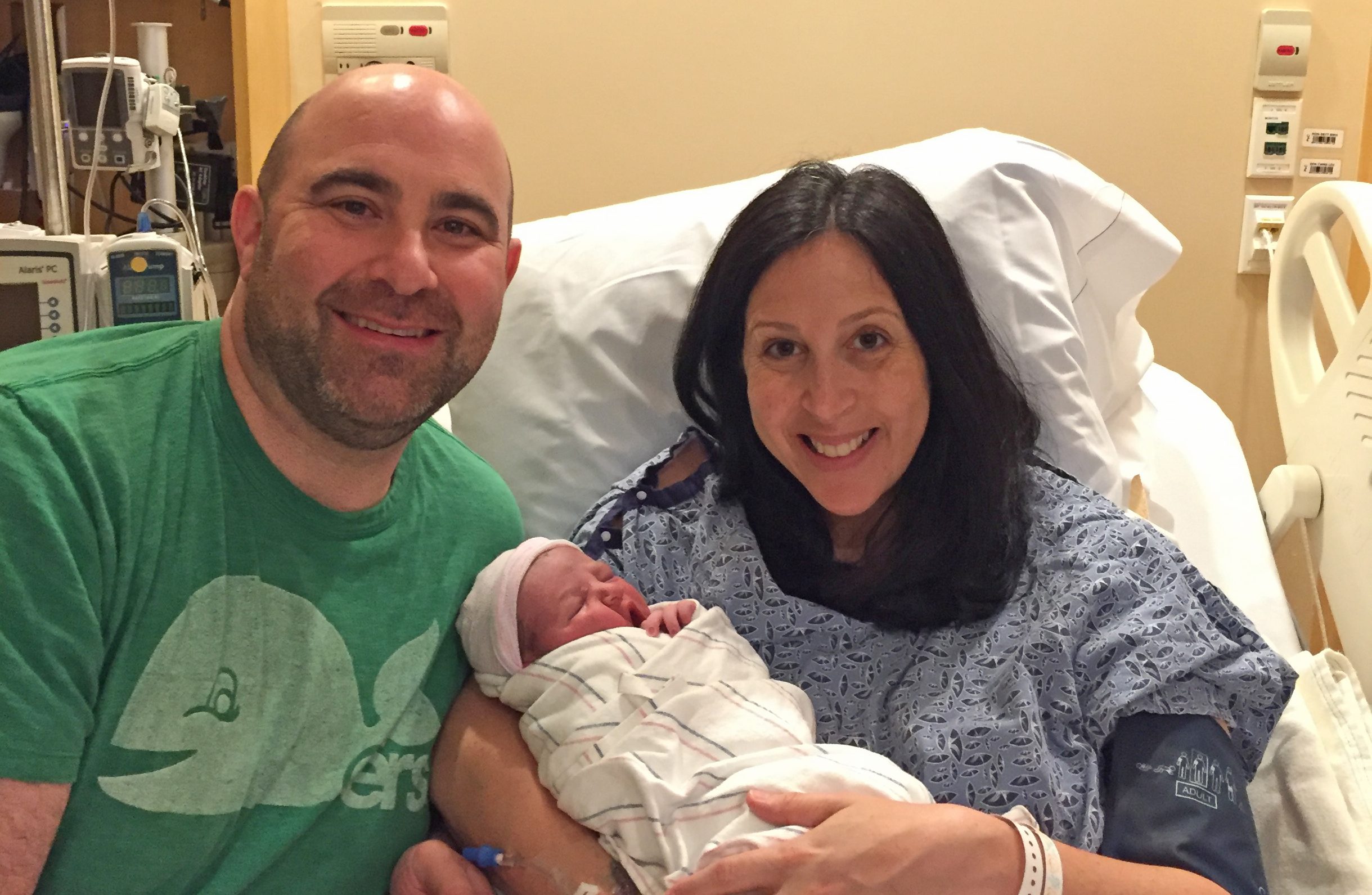
As I reflect on the lives saved, wounds healed, illnesses cured, babies nurtured, innovations developed and the mysteries of science uncovered, it’s the people involved and the relationships they forge that truly touch my heart. One such shining moment occurred this summer, in an OR at BWFH, as Dr. Matt Carty was getting ready to perform a first-of-its-kind amputation. As the patient was about to be anesthetized, Dr. Carty stopped, took the patient’s hand, looked into his eyes and said a few quiet words to him. The patient quietly responded, and as the embrace lingered, I realized I was witnessing in that moment what for me typifies the Brigham Way. It wasn’t about roles or credentials or expertise – it was about human connection and one individual doing everything possible to improve the life of another.

Erin McDonough, MBA
Senior Vice President, Chief Communication Officer, BWHC

ruiz

A shining moment in 2016 was when I had a patient come in asking for a medication refill. After I helped place the medication refill, he asked if I could call the Pharmacy to see how much it would cost out of pocket. As an immigrant, he had difficulty navigating the health care system. He was also scared because he had lost his health insurance. I know how it feels to not have health insurance and have a serious condition, so I told him to hold on one moment.

I ran to another side of my center and grabbed a good prescription health insurance card that one of our nurse practitioners has in her exam rooms. I gave him instructions, advising that I have used it before, so I know it works. BWH does not accept that insurance plan, so we sent the prescription to his local pharmacy. With this coverage, we saved him 80 percent on the medication.

As he was leaving, he told me that God sent me to him to help. He had been worried how he would pay for his prescription and asked if he could pray for me. I stood there and realized that just going a little out of my way can help one person more than we can imagine. I did not do it for recognition. I did it because I put myself in his shoes and know that some things cannot be controlled, and all we can do is move forward and wish for the best. I always say that I come to work to make a difference in one person’s life a day. If I can help at least one person, my job is done. Thank you, Brigham, for bringing out the best of me!

Kimberly Ruiz
Medical Assistant II, Phyllis Jen Center for Primary Care

walls

I’ve had the privilege of witnessing many shining moments at the Brigham throughout 2016, but one that stands out for me is attending the Heart & Vascular Center’s recent event honoring some of our heart transplant recipients and the milestones they have achieved.

I can’t properly describe the emotions I experienced as I listened to the remarkable narratives of patients who have been living with a donor heart for two decades or more. I can rarely remember feeling more proud than when they described what they referred to as a “second chance at life,” reciting their most meaningful experiences – marriages, anniversaries, graduations, and the birth of grandchildren.

A particularly poignant moment occurred when a donor’s mother shared the story of the unbreakable bond  she has formed with the man who received her son’s heart in 2007. There wasn’t a dry eye in the room when she spoke about what it meant to her family to be able to meet the donor recipient and listen to her son’s heart beat once again.

The event and the patients’ reflections were powerful reminders of why we are here and why each of us has chosen to work in health care. Coming together across disciplines and in many roles, we are able to give people the most precious gift of a second lease on life.   That is the Brigham way.

Ron M. Walls, MD
Executive Vice President and Chief Operating Officer, BWHC

levin

When I was pregnant with my first daughter, I was terrified of the labor and delivery. I like to have control over as much as I can, and childbirth seemed like the least amount of control I would ever have. But I knew I would be at the best hospital and that the doctors would take amazing care of me. Little did I know, it was the nurses who would impact my experience most of all.

The majority of my labor was 7 p.m.-7 a.m., coinciding with nurse Jennifer Mosaheb’s shift. Jenn was phenomenal. She meant business, but cared for me delicately. She was never flustered or rushed, and her overall demeanor allowed me to let her be in control. I delivered my daughter at 7:15 a.m., and I think I hugged Jenn before I held my daughter! I said to her, “I can totally do that again. I’ll see you in 18 months!”

I kept in touch with Jenn, sharing photos of my growing girl, and when I became pregnant nine months later, I told Jenn that she needed to be by my side again.

The days leading up to my second delivery were once again anxiety-ridden. Facing another childbirth experience, I was convinced it could not go as smoothly as my first – that seemed like it would be too lucky. And I had a young toddler at home who had no idea what was in store. I kept in touch with Jenn daily, hoping she would move her shift if needed.

I ended up with a 9 a.m. appointment on May 24 to get induced, so I sent Jenn a note and assumed I wouldn’t see her. Surely, I’d have the baby by 7 p.m., and I thought she probably wasn’t scheduled to work. But 7 p.m. came with no baby, and in walked Jenn. She was just as calm, cool and collected as the first time, and three hours later, she helped me welcome baby girl No. 2.

How lucky was I to not only have two healthy babies, but also to have the same amazing person bring them into this world? Jenn was such an important part of my experience becoming a mom – the two most shining moments in my life.

Rebecca Levin
Assistant Vice President, Strategic Events and Planning, Development

1 Comment
From left: SAGE team members Arjun Rangarajan, Joshua Lakin, Adam Schaffer, Rebecca Berger, Rachelle Bernacki, Catherine Arnold and Rebecca Cunningham

From left: SAGE team members Arjun Rangarajan, Joshua Lakin, Adam Schaffer, Rebecca Berger, Rachelle Bernacki, Catherine Arnold and Rebecca Cunningham

Death is an uncomfortable topic, even – and often especially – for clinicians, whose first priority is to improve health.

But avoiding discussions about goals and preferences in serious illness is a disservice to patients. An innovative program at BWH aims at improving the quality of care for such patients by encouraging earlier conversations about their personal goals and values, as well as fostering a better understanding of their prognosis.

“We recognized that some patients were dying without ever receiving the palliative care services they needed,” said Joshua Lakin, MD, a physician in the Division of Adult Palliative Care at Dana-Farber/Brigham and Women’s Cancer Center. He believes this was largely due to the fact that conversations between providers and patients about long-term care goals were happening too infrequently, and when they did occur, they were often very late in the illness course.

In response to a need to promote these “goals of care” conversations, an interdisciplinary leadership team representing Social Work, Palliative Care, the Hospitalist Service and Population Health Management formed the Speaking About Goals and Expectations (SAGE) program. The team used the Serious Illness Care program, originally created by Ariadne Labs – a joint initiative of BWH and Harvard Medical School – as a framework for a training program to help physicians engage hospitalized patients in discussions around their goals and values, and incorporate patients’ wishes across all aspects of care. The program earned a 2016 Success Story Award from Press Ganey last month.

“The idea is to get doctors to ask patients about their goals in a big picture view of their illnesses,” said Lakin, a member of the SAGE team.

“What are their worries? If their conditions worsen, what can they not live without? We strive to help patients receive long-term care that aligns with their values and preferences, and ensure that all providers involved with their care are part of these conversations.”

The SAGE team has trained 83 percent of the 35 hospitalists it initially identified as eligible for training. The team plans to complete more trainings within that group and expand the program to other departments.

COMMUNICATING GOALS OF CARE

The two-and-a-half-hour group training sessions cover communication skills and best practices for talking with patients about long-term goals related to their care. Participants have the opportunity to practice these discussions with medical actors who play the roles of patients. SAGE instructors provide feedback and offer ways for trainees to better promote and talk about goals of care.

Adam Schaffer, MD, a hospitalist in the Division of General Internal Medicine and Primary Care, completed the training and is now a champion for the program.

“The simulation with the actors is incredibly valuable,” Schaffer said. “Having these types of conversations can be intimidating because it’s something physicians often receive minimal training for. Practicing with an actor really helped me gain confidence.”

Physicians who complete the training continue to receive support from SAGE’s interdisciplinary leadership team, including clinical social worker Catherine Arnold, MSW, LICSW. Arnold lends her expertise to doctors who may experience difficulty in keeping these conversations moving forward. She also ensures information is shared across transitions of care so that ambulatory and post-acute providers understand patients’ goals for their treatment after discharge or upon readmission.

“Some cases can be more challenging than others, which really emphasizes the importance of an interdisciplinary approach. Our physicians know they can always come to me for support interacting with patients and their families,” Arnold said.

Heart transplant recipient Patrick Sullivan and Patti Campbell, the mother of his donor

Heart transplant recipient Patrick Sullivan and Patti Campbell, the mother of his donor

Although Patrick Sullivan grew up in Connecticut cheering for the New York Yankees, there will always be a special place in his heart for the Boston Red Sox.

Sullivan, of New Britain, Conn., received a heart transplant at BWH in 2007 after suffering from heart failure for 16 years. These days, he can be found sporting a navy blue Red Sox cap in honor of his donor, Andrew Campbell, who was an avid fan. The hat was given to Sullivan as a special gift from his donor’s mother, Patti Campbell, of Portland, Maine, and Andrew’s two siblings.

“I have a Red Sox heart and a Yankees soul,” Sullivan said. “Whenever I wear my Sox hat, I know Andrew and his family are with me. There aren’t words to express my gratitude to them.”

On Nov. 29, Sullivan and 17 other heart transplant patients – most of whom have been living with a donor heart for two decades or more – gathered to celebrate their milestones. They were joined by family, friends, Brigham staff and the mothers of two organ donors, including Campbell. Hosted by the BWH Heart & Vascular Center, the event, “Heart Transplantation Milestones: Longevity and Experience,” also commemorated the 700-plus heart transplants that have been performed at BWH to date.

“It’s not every day we can come together to celebrate longevity, success, resilience and life – you and your families all represent those things,” said Mandeep R. Mehra, MD, medical director of the Heart & Vascular Center, to the transplant recipients and donor families. “You’re extraordinary.”

‘It Takes a Village’

During the event, Mehra and Michael Givertz, MD, medical director of the Heart Transplant and Mechanical Circulatory Support Program, discussed the history and future of the field. BWH performed the first and second heart transplants in New England in 1984.

The Brigham has also implanted nearly 430 ventricular assist devices, treated more than 13,000 patients with heart failure and introduced many new medications and devices for patients with advanced heart disease. All these achievements are the result of BWH’s culture of excellence in multidisciplinary care, which includes collaboration among Anesthesiology, Perioperative and Pain Medicine; Cardiac Surgery; Cardiology; Nursing; Perioperative Services and others.

“It takes a village to care for our patients,” Givertz said. “Reaching a milestone of performing 700 heart transplants at BWH wouldn’t be possible if it weren’t for the teams from several different departments and specialties who come together every day to care for some of our most vulnerable patients. We’re all in this together.”

Throughout the evening, guests, who came from as far as Bermuda, talked about life after transplant. A slideshow of photos that patients and families submitted showed different milestones that they have experienced, such as running a marathon or celebrating the birth of a grandchild, thanks to the gift of a new heart.

David Hirsowitz said that receiving a heart transplant in 1992 has enabled him to celebrate many wedding anniversaries with his wife and watch his children graduate high school and college.

Carol Shay, who received a heart transplant 21 years ago, takes pleasure in the everyday activities she’s able to do: yard work, walks around her neighborhood and, especially, visits with her seven great-grandchildren.
Cardiac surgeon Steve Singh, MD, surgical director of Heart Transplant and Mechanical Circulatory Support, said it was inspiring to be surrounded by so many patients who’ve been given a second chance at life and thrived for so long. While the availability of any donor organ is difficult to predict, hearts are especially rare, he said.

“It is remarkable to see these patients use their precious gift to accomplish so much with their lives and make new, positive memories with their families,” he said. “The history and success of this program is a testament to the dedication of the institution and to the multidisciplinary surgical, ICU and medical teams that have cared for these patients over the past few decades.”

Nurse Practitioner Debbie Page, APRN-BC, was thankful to see many of the patients she’s cared for at the event. She said one of the best parts of her job is staying in contact with her patients and their families. She frequently receives family photos and invitations to birthday parties, weddings and cookouts.

“Being able to care for a patient in a cardiac surgical ICU when I was a younger nurse to seeing a patient thrive post-transplant after more than 20 years is a remarkable thing,” Page said. “That’s what is really important to me – seeing patients reach important milestones and be happy in life. It makes my job so special.”

At the conclusion of the event, Campbell spoke about her experience as the mother of an organ donor.

“I want all recipients to know what a true gift you are. Whether you’ve met your donor family or not, please know that you are thought of every day,” Campbell said. “I know my son would be proud that, in the end, he gave life to those in need. I cannot put into words how much it has meant to my family and I that we were able to meet Patrick and listen to Andrew’s heart beat once again. It’s a moment I will always hold close to my heart.”

From left: Lynn Nichols, LICSW, panel moderator; Kristen Vella Gray, PA-C; Derek Monette, MD; Annie Lewis-O’Connor, PhD, NP-BC, MPH, FAAN; Isabel Checa, MSW; Deborah Jordan, MSW, LICSW

From left: Lynn Nichols, LICSW, panel moderator; Kristen Vella Gray, PA-C; Derek Monette, MD; Annie Lewis-O’Connor, PhD, NP-BC, MPH, FAAN; Isabel Checa, MSW; Deborah Jordan, MSW, LICSW

When an African-American transgender woman arrived at Brigham and Women’s Emergency Department (ED), she showed signs and symptoms of domestic violence, sexual assault and human trafficking.

Race, gender and exposure to trauma were all key considerations as staff prepared to provide her with the best possible care. A panel of five BWHers recounted the patient’s story at Schwartz Rounds on Nov. 8, reflecting on the case as an example of the challenges facing transgender patients who have been sexually abused and the providers who are caring for them.

One challenge the team encountered was in filling a prescription for post-exposure prophylaxis (PEP) medication to prevent HIV infection. When the patient arrived in the ED, she was identified in Partners eCare as male, but under her insurance provider, she was listed as female.

While this error may seem like a simple one to resolve, the care team discovered that it could not easily be changed in Partners eCare without a proof of gender by legal photo ID. Kristen Vella Gray, PA-C, of the Department of Emergency Medicine, made multiple phone calls to registration in order to fix the mistake and was able to successfully get the patient’s prescriptions processed quickly due to the time-sensitive nature of the PEP medication.

If a BWH patient requests that their gender be changed in their medical record, proper legal documentation should be presented to a registration representative.

Another challenge the team faced was in finding a shelter that would be a safe place for a transgender woman of color.

“Safety is not just about being safe from your abuser,” said Isabel Checa, MSW, from Passageway, the Center for Community Health and Health Equity’s domestic violence intervention program. “Safety is many different things.”

Checa noted that there is a lack of domestic violence shelters in the area and across the country that are trans-specific or trans-friendly. Therefore, shelter staff and those staying at the shelter may not provide a safe and welcoming environment or be prepared to provide the type of care and support needed.

The Passageway team found an out-of-state shelter and referred the patient there. Ultimately, the patient left because of concern for her own safety and biases that she experienced at the shelter. She was not able to maintain contact with her BWH care team because her cell phone was broken, eliminating any opportunity for follow-up care.

Annie Lewis-O’Connor, PhD, NP-BC, MPH, FAAN, nurse scientist and founder and director of the Coordinated Approach to Recovery and Empowerment (C.A.R.E.) Clinic at BWH, did not meet the patient, but she did consult with the team on using a trauma-informed care model while the patient was in the hospital.

Trauma-informed care is built on understanding how exposures to trauma, whether intimate partner violence or other forms of intentional violence, and whether as an individual or as a member of a marginalized group, affects access and delivery of care for survivors. Lewis-O’Connor spoke about the team’s empathetic, forward-thinking and compassionate approach to caring for this particular patient, meeting her where she was by giving her the care she needed when she needed it.

“We can take lessons learned from this patient and others like her to help us be better care providers,” said Lewis-O’Connor.

Carrie Braverman, LICSW, a social worker in the Department of Care Coordination and founding chair of the Brigham and Women’s Health Care LGBT and Allies Employee Resource Group, noted the importance of provider education in caring for this patient population.

“As providers striving not only for excellent patient care, but also social justice and the betterment of communities, we have a responsibility to educate ourselves about individuals who identify as trans and non-binary,” says Braverman. “This includes an understanding and comfort with appropriate language, creating safe spaces, and knowing the specific care needs both from a physical and mental health perspective.”

If you are caring for a patient of suspected intimate partner violence, here are some resources that may help:

From left: Stefan Tullius, Edward Coppinger, Eileen Coppinger and Anil Chandraker, MD, medical director of Renal Transplantation, who presented on the future of kidney transplants at the event

From left: Stefan Tullius, Edward Coppinger, Eileen Coppinger and Anil Chandraker, MD, medical director of Renal Transplantation, who presented on the future of kidney transplants at the event

For most patients with end-stage renal disease, a kidney transplant from a living donor offers the best possible treatment for failing kidneys. Last month, BWH’s Kidney Transplant Program honored both donors and recipients at its inaugural Living Donor Appreciation Night, which focused on the life-changing impact of a living donation.

“Patients with a living kidney donor can be transplanted healthier and more quickly, and the transplanted organ remains viable for almost twice as long when compared to a kidney from a deceased donor,” said Stefan Tullius, MD, PhD, FACS, chief of the Division of Transplant Surgery and surgical and program director of Kidney and Pancreas Transplantation. “That is why it is so important that we recognize the wonderful gift that our living donors have provided.”

During the keynote address, Massachusetts state Rep. Edward Coppinger described how receiving a kidney from his sister, Eileen Coppinger, at BWH last year changed his life. The siblings celebrated the one-year anniversary of the transplant by running a five-mile road race together. They also ran a 10K race together in August to raise money for the New England Organ Bank.
“After the transplant, my energy level and my life changed for the better,” Coppinger said.

Following the formal program, attendees – including some from as far as Mississippi and Florida – reunited with their BWH caregivers and swapped stories with fellow patients.

“My gift has now given my dad almost eight years of a good quality of life,” said Joseph Chamberlain, Jr., who donated a kidney to his father in 2009. “I am very honored to be a part of this wonderful, memorable and emotional event.”

The Brigham has a rich history of living kidney donation. The late Joseph E. Murray, MD, completed the world’s first successful human organ transplant here in 1954.

BWH is building on this legacy of excellence and innovation with the founding of the new Brigham and Women’s Living Donor Center, opening in 2017. The center, part of the Kidney Transplant Program, will provide enhanced services to living kidney donors, including more education about transplants and assistance in navigating the donation process. It will also help patients in need of a kidney transplant to identify living donors.

Jim Ewing is a trailblazer – in every sense of the word.

A devoted rock climber, Ewing, 52, of Maine, is listed in guidebooks as the man behind several “first ascents,” a climbing term referring to the first time a route is completed and mapped out. He recently charted new territory yet again – this time as the first patient to undergo an experimental surgical procedure to amputate his lower left leg and replace it with a robotic prosthetic.

Two years ago, while rock climbing with his family in the Cayman Islands, Ewing suffered a devastating fall that sent him plummeting 50 feet, resulting in numerous injuries. Although his initial wounds eventually healed, he was left with chronic pain in his foot and ankle. Every step was excruciating.

When it became clear that no further surgeries or therapies would make the pain stop, Ewing began doing his own research. None of the physicians he met with would consider amputation – until he met Matthew J. Carty, MD, director of BWH’s Lower Extremity Transplant Program in the Division of Plastic Surgery.

“Within just a few minutes of meeting Dr. Carty, I was deeply impressed by his bedside manner,” said Ewing, who shared his story during a Nov. 21 press conference alongside Carty, who led the surgical team that performed the amputation at BWFH in July. “He was incredibly thorough and compassionate in a way I hadn’t seen in most other surgeons. He was listening to me.”

Carty has collaborated with the Massachusetts Institute of Technology (MIT) Media Lab Center for Extreme Bionics to develop a pioneering approach to amputation that would allow a patient’s brain to interact with a robotic prosthetic, resulting in increased mobility and sensation. The project was the inaugural winner of the 2014 BWH Stepping Strong Innovator Award.

Tyler Clites, representing MIT, and Audrey Epstein Reny, whose family founded The Gillian Reny Stepping Strong Center for Trauma Innovation, also spoke at the press conference. The center funds the Innovator Award, as well as other clinical and research efforts to advance trauma care.

“Our family understands profoundly what it is like to have life as you know it change in an instant,” said Epstein Reny, whose daughter, Gillian, was injured in the 2013 Boston Marathon bombing. “When we heard Jim’s story, we desperately wanted to help him get back to enjoying his life’s passions, including climbing. We are so proud he is the first patient beneficiary of a Stepping Strong innovation. It’s almost beyond words to see our family’s vision turn into hope for Jim.”

While other areas of medicine have experienced extraordinary breakthroughs, amputations have not evolved in 2,000 years, Carty said. If successful, this new procedure – which has been named the Ewing Amputation – will represent a major innovation in the field.

“We believe Jim’s progress will allow us to reframe the way we think about limb loss,” Carty said. “Traditionally, amputation has often been seen as a failure – the surgical equivalent of throwing in the towel to the ravages of trauma, disease or bad luck. By reinventing the way amputations are performed, we hope to elevate them to the status of another form of limb salvage, one designed to restore as much function as possible.”

When the foot flexes under normal conditions, muscles on the front and back of the leg work in concert – one muscle stretches as the other contracts. These muscles communicate such movements to the brain, allowing us to walk, run and move in other ways without much thought. Traditional lower-limb amputations sever this connection.

The Ewing Amputation preserves these relationships via a pulley system to maintain the link between the muscles. As a result, sensors implanted in the muscles will send signals to the brain when the leg moves. The aim is for the brain to power the robotic prosthetic Ewing will use as part of a clinical trial. This new approach to amputation is expected to restore more natural movement, control and sensation to amputees.

Jim Ewing scales an indoor climbing wall after his amputation.

Jim Ewing scales an indoor climbing wall after his amputation.

Although Ewing is still early in his recovery, “he has demonstrated movement abilities and perceptions far beyond what we typically witness in patients with standard amputations,” Carty said. If successful, the same procedure could be applied to an amputation of an arm or hand, as well.

As for Ewing’s climbing career, he is scaling the walls of indoor climbing gyms with less pain and renewed confidence – even without a prosthetic – thanks to the first-of-its-kind procedure.

“Climbing is what I’ve been doing for most of my life, so I feel like I have my life back,” he said.