Posts from the ‘patient care’ category

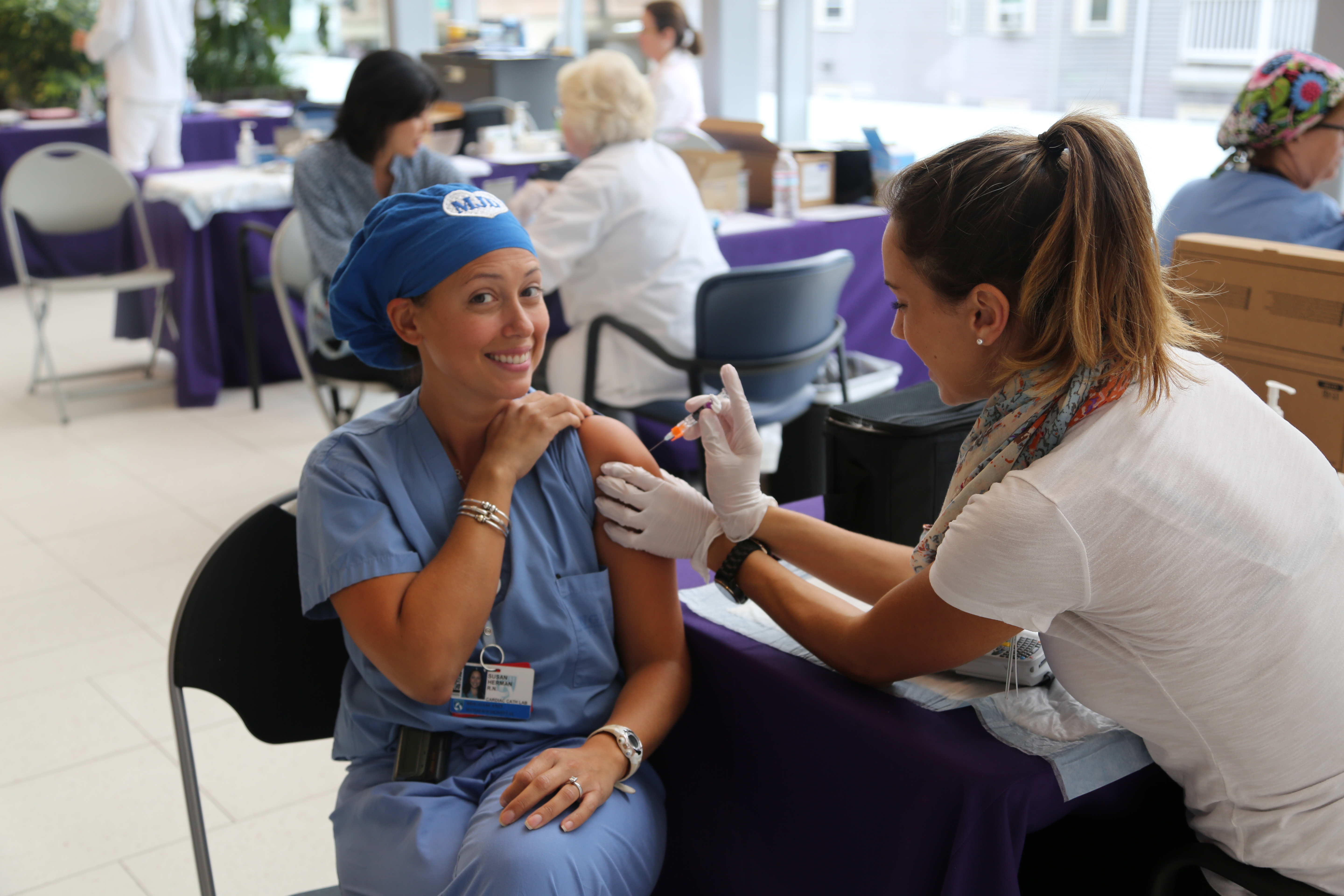
Susan Herman, a staff nurse in the Cardiac Cath Lab, receives her flu vaccine earlier this flu season.

Susan Herman, a staff nurse in the Cardiac Cath Lab, receives her flu vaccine earlier this flu season.

With the implementation of a new flu policy at BWHC in 2015–2016, the employee vaccination rate has risen more than 12 percent from last season, with 89 percent of employees being vaccinated to date—the hospital’s highest employee vaccination rate ever recorded.

“Our flu vaccination rates are a testament to the remarkable commitment of our staff to the health and wellness of all who come through our doors,” said BWHC President Betsy Nabel, MD. “Thank you for all you do on behalf of our patients, their families and each other, not just during flu season, but always.”

Carin Bennett-Rizzo, MS, ANP-BC, COHN-S, director of BWH Occupational Health Services (OHS) and a member of the BWHC Flu Vaccination Task Force, credits managers and staff for helping to make this year’s hospital-wide flu vaccination program the most successful yet.

“BWHC had an extremely positive year related to increasing flu vaccination rates and decreasing the percentage of staff that declined the vaccine,” she said. “Our community worked together to better protect patients, families, staff and visitors from the spread of flu.”

For this flu season, BWHC made changes to its annual flu policy, requiring that BWH and BWFH personnel who are not vaccinated for influenza for any reason, including a medical reason, wear a surgical or procedural mask while they are in patient-care areas during flu season. In past years, despite education and improved vaccine access, overall employee vaccination rates were stuck at 75 to 80 percent.

The mask requirement is in addition to the Massachusetts state requirement that all employees must attest to either receiving flu vaccine or declining to be vaccinated. The end date for this flu season will be determined by BWH Infection Control based on state and local incidence of flu.

To date, 14,154 BWHC personnel have been vaccinated through OHS, the Peer-to-Peer program or their own provider; 1,610 people, or roughly 10 percent of employees, have declined vaccination. Last year, about 12,000 people were vaccinated, and 3,155, or 20 percent, declined vaccination.

BWH offered several flu clinics this season for employees, and flu vaccinations continue to be available through OHS.

Karen Fiumara, PharmD, BCPS, director of Patient Safety and a task force member, said that the vaccination rate rose thanks to employees putting patients first and managers ensuring their employees were in compliance with the policy.

“I could not be more proud of the incredible progress we made,” Fiumara said. “What amazed me most is seeing how everyone came together to contribute to the success of the program. So many people have made extraordinary efforts to make the vaccine available and put the policy into operation. The task force is so thankful to employees who were vaccinated.”

Michael Calderwood, MD, MPH, of BWH Infection Control and the Division of Infectious Diseases and a member of the task force, said while the effectiveness of the flu vaccine can vary from year to year, flu vaccination typically reduces influenza incidence by 50 to 75 percent. He also said that, even when the vaccine is not a perfect match, those who are vaccinated and get influenza can have less severe illness.

The task force has begun working on plans for the 2016–2017 flu season and needs your input. Click here to participate in an anonymous survey. If you haven’t received flu vaccination, you can schedule your appointment by calling OHS at 617-732-6034. Learn more.

Many of BWH’s incoming residents, along with staff and guests on Match Day

Many of BWH’s incoming residents, along with staff and guests on Match Day

When fourth-year Yale School of Medicine student Aileen Wright opened her Match Day letter on March 18 and learned that she would be joining BWH’s Internal Medicine Residency Program, she was overwhelmed with emotion.

“The Brigham has been my family for a while,” said Wright, who began her career as a research assistant here. “I am so excited to begin this next chapter at an institution that means so much to me.”

Wright is one of about 150 medical students from around the country who received the good news on Match Day that they will begin their residency at BWH this summer.

IMG_0032

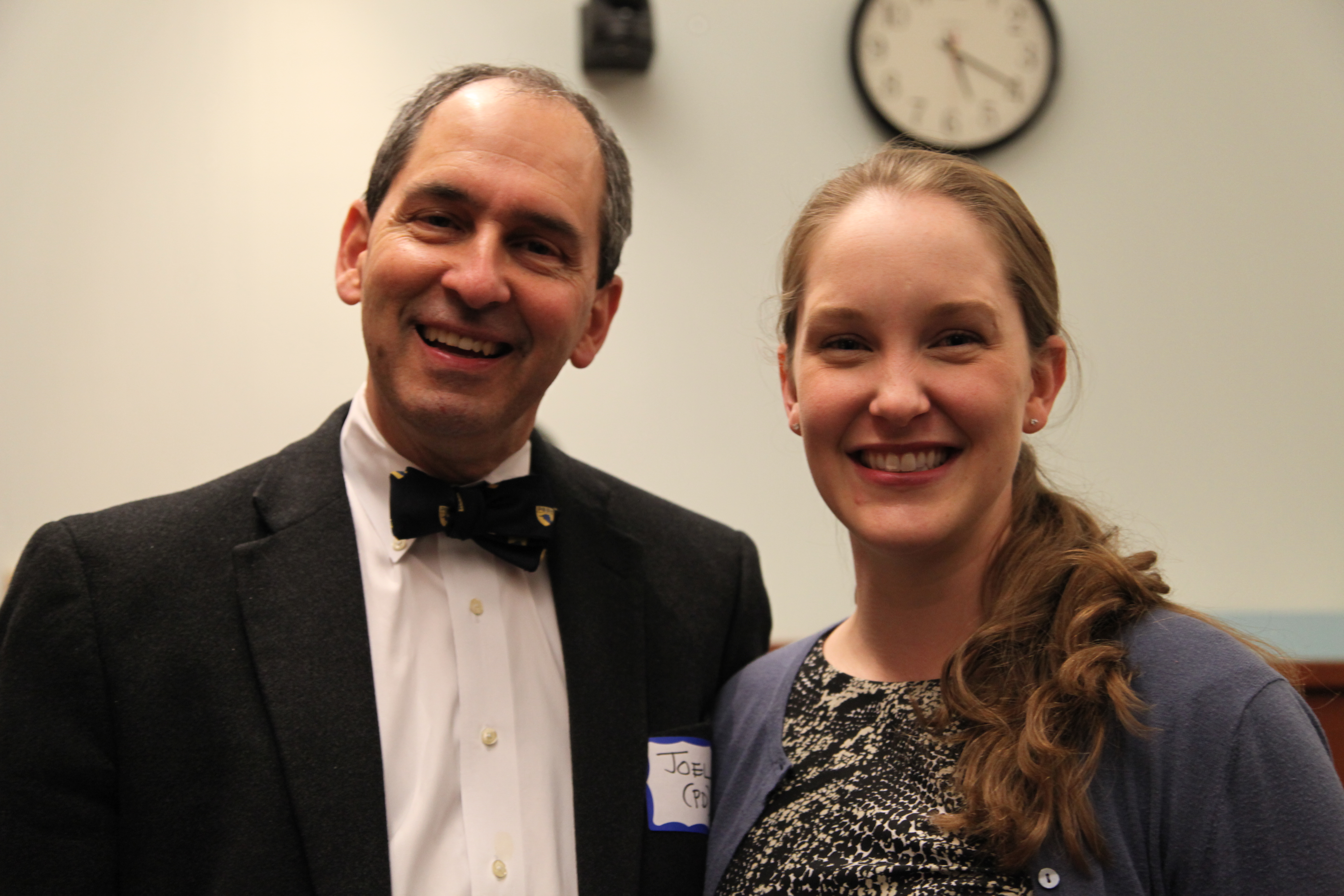
Internal Medicine Residency Program Director Joel Katz with incoming resident Kay Everett

During BWH’s Internal Medicine Residency Match Day celebration in Carrie Hall, Joel Katz, MD, program director, and other BWH physicians and current residents welcomed those newly matched students who are local and reflected on their Match Day memories.

Katz, who will oversee his 17th cohort of first-year residents at BWH this year, said he fondly remembers his own Match Day in 1991. He encouraged the incoming residents to appreciate how much their first year of training will influence their careers.

“It’s wonderful to be able to welcome so many talented, altruistic, hard-working and enthusiastic students to the Brigham as they are about to launch onto their tracks and divide into many directions to make the world a better place,” Katz said. “Each year provides its own excitement. I am looking forward to working with the next class a few short months from now.”

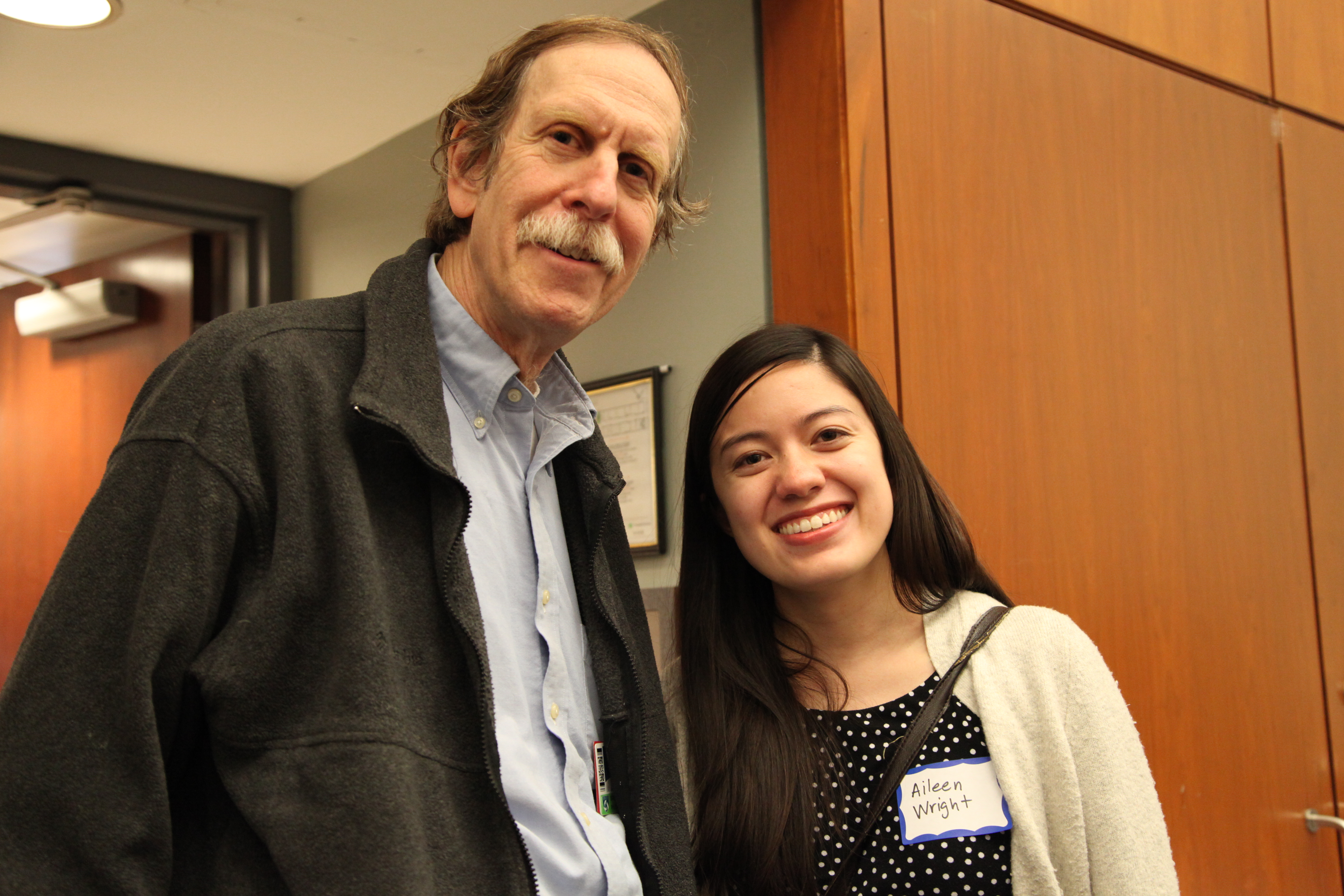
Aileen Wright with BWH primary care physician Gordon Schiff

Incoming resident Aileen Wright with BWH primary care physician Gordon Schiff

The newly matched students congratulated each other with high-fives, hugs and handshakes. The students hail from medical schools including Harvard Medical School (HMS), University of California, San Francisco, and Northwestern University.

Scott Elman, a fourth-year HMS student who matched into BWH’s Internal Medicine-Dermatology training program, described Match Day as surreal.

“Opening up the envelope, I didn’t really understand the emotions that were going to flood me until I saw ‘Brigham and Women’s Hospital’ printed on my letter,” said Elman. “I’ve known for so long that this is where I want to be. Today’s celebration at the Brigham is so telling of the type of family that exists here. It makes me even more excited to begin my residency.”

Additionally, BWH’s Surgical Residency Program matched 23 new residents in general surgery, plastics, urology, thoracic surgery, anesthesia, radiology and interventional radiology. The students will join BWH from medical schools around the country, including HMS, Mount Sinai and Brown University.

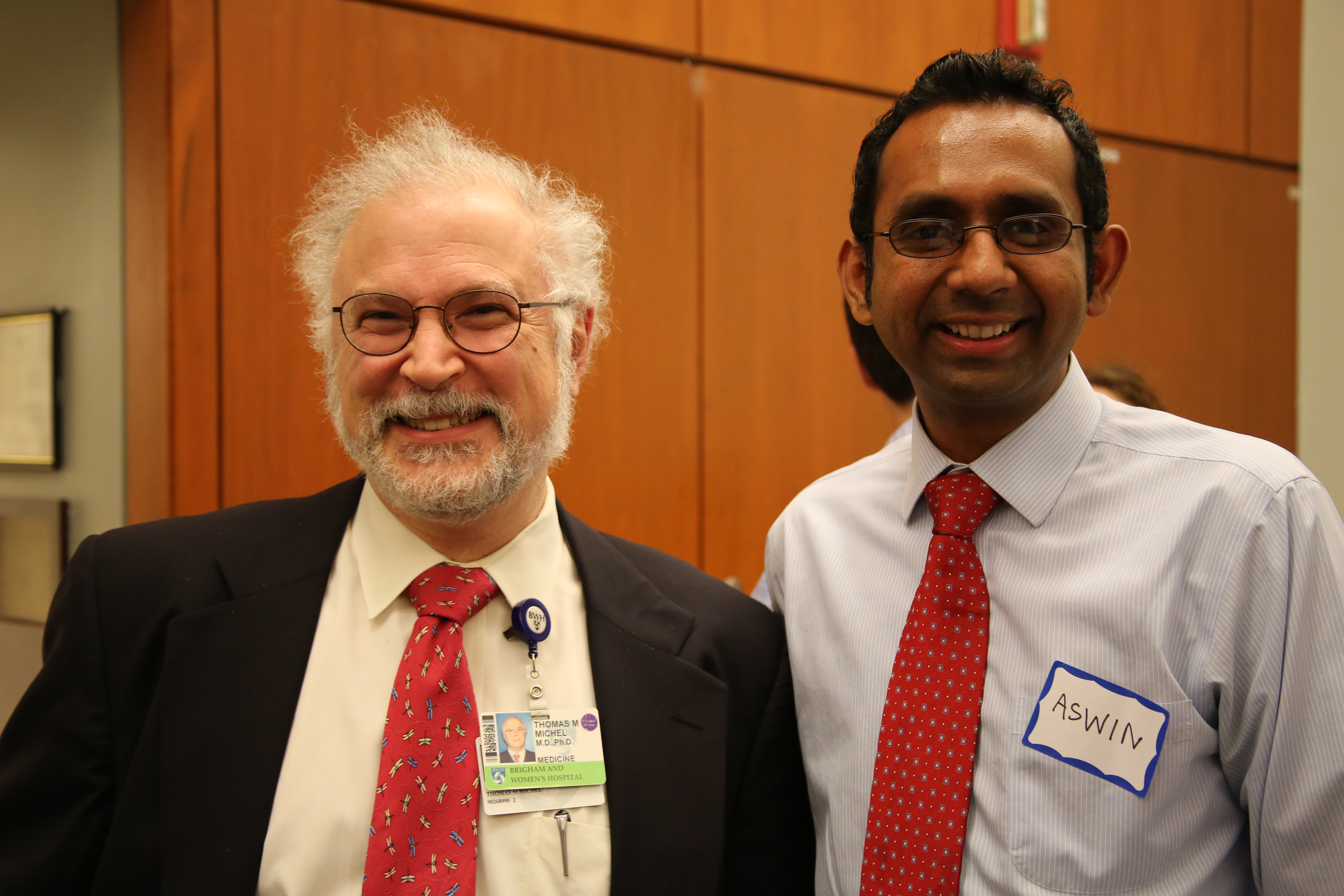
Thomas Michel (at left), cardiologist and co-director of the Leder Human Biology and Translational Medicine Program, with incoming intern Aswin Sekar

Thomas Michel (at left), cardiologist and co-director of the Leder Human Biology and Translational Medicine Program, with incoming resident Aswin Sekar

“Match Day is one of the most exciting days of the year,” said Surgical Residency Director Doug Smink, MD, MPH. “It is the culmination of months of interviewing by both programs and applicants. One of the best parts of my job as a program director is calling the students who matched with us on Match Day. To hear the excitement in their voices is fantastic. I can’t wait for our new class to arrive.”

Listen to more reflections on Match Day in the audio clips below.


Incoming resident Kay Everett discusses opening her Match Day letter to discover she matched at BWH.

Joel Katz shares some of the goals of training new physicians at BWH.

Incoming resident Aswin Sekar talks about his ties to BWH and his excitement to match here.

Joel Katz reflects on his own Match Day experience.

Michael Charness

Michael Charness

BWH’s Michael Charness, MD, was playing in a piano trio in San Francisco nearly 35 years ago when he noticed some trouble controlling his hand. As a neurologist, he eventually discovered the root of the problem; his excessive playing caused him to develop cubital tunnel syndrome, a condition in which the ulnar nerve, or “funny bone,” becomes pinched, causing hand weakness, numbness or tingling.

Pinched nerves resulting in carpal tunnel or cubital tunnel syndrome are common among musicians, Charness says, and sprains and strains from repetitive use can lead to bigger issues like tendonitis. While surgery fixed his problem and allowed him to return to the piano bench, Charness realized there weren’t many resources available to musicians on how to avoid or treat injuries while playing their instruments.

“At the time when I was starting to see musicians as patients, a survey showed that about 75 percent of symphony orchestra musicians had to take time off because of an injury,” said Charness. “That was a wake-up call to me that this was a prevalent problem.”

When Charness moved to Boston and joined BWH in 1989, he established the Performing Arts Clinic in the Department of Neurology. The clinic, which meets on Saturdays, provides highly specialized evaluation and care for musicians with performance-related injuries and disorders. Although Charness primarily treats pianists, string players and guitarists, he’s seen a wide variety of other types of musicians, ranging from bagpipe players to someone who plays the charango, a tiny guitar made from an armadillo shell. Most patients who come to his clinic show the same types of injuries—pain, numbness and tingling of the hands, wrists, shoulders or neck—most often resulting from overuse.

“Many musicians aren’t as mindful about taking breaks as runners, for example; I’ve seen musicians who sometimes play two to three hours in a row without taking a break,” Charness said. “Taking a five-minute break every 20 to 25 minutes would make a big difference.”

Charness always asks patients to bring their instruments to clinic appointments so he can observe their technique and see the instruments in action; a piano is also available close by. Before suggesting surgery, Charness sees what changes can be made to the instrument to prevent the injury from recurring. If the best option is to stop playing, Charness will help map out a therapy schedule, as well as an idea of when the patient can begin to play again.

Music has been a part of Charness’s life since he started playing piano as a 10-year-old. After playing in a piano trio, Charness married a professional musician and raised children who all play instruments. The family once played between 15 and 20 concerts each year. Although his children are now grown and busy with their own lives, Charness and his wife continue to perform together.

“I think performing arts clinics do better when the practitioners who are treating musicians are musicians themselves,” he said. “Not only do they understand something about the mechanics of playing and the demands that are placed on musicians, but they also understand the loss when a musician can’t play—where they risk losing not only their livelihood, but also what makes their lives rich.”

Stephanie Caterson

Stephanie Caterson

BWH plastic surgeon Stephanie Caterson, MD, originally went to medical school with the goal of becoming an astronaut. She studied aerospace engineering in college and graduate school, but it wasn’t until medical school that she discovered that she loved medicine and surgery as well—so much so that she went on to a residency in general surgery.

“Many astronauts who are physicians don’t actually complete a residency program,” said Caterson. “They graduate from medical school and then go straight to the astronaut program. But I felt like I wouldn’t be an effective astronaut or physician if I didn’t do a residency because that’s where you learn how to really be a doctor. Medical school is like learning a new language, but residency is when you submerge yourself in a new country and become fluent.”

During her residency, Caterson met an inspiring plastic surgeon who divided his time between reconstruction and cosmetic surgery and encouraged her to specialize in plastics.

“I thought it was amazing that a woman with breast cancer could fall asleep for a mastectomy [the surgical removal of one or both breasts] and wake up with a full breast reconstruction,” said Caterson. “It was such a silver lining.”

Plastic surgery and the path of an astronaut did not align, so Caterson decided to apply for a plastics fellowship and the astronaut program after her general surgery residency and see what transpired. A few months before Caterson started her astronaut program application, NASA closed the program due to a shuttle disaster. So she continued her path to plastic surgery, which would include a microsurgical breast reconstruction fellowship.

Pushing the Envelope to Provide Better Options

Since joining BWH in 2007, Caterson has been a champion of new options for breast cancer patients seeking breast reconstruction. She began the hospital’s deep inferior epigastric perforator (DIEP) flap program, which marked its 1,000th procedure late last year. In 2009, plastic surgeon Matthew Carty, MD, joined the team, and he and Caterson have since done the majority of DIEP flaps together.

“It’s a complex operation, and it’s very different than most plastic surgery procedures,” said Caterson. “There are always two attending surgeons in the room working on different areas of the body; it’s almost two separate operations that meld together.”

The DIEP flap procedure uses a patient’s abdominal tissue—skin, fat and blood vessels, which together are called a “flap”—to create a new breast after a mastectomy. It is the most common type of flap procedure performed at BWH. The flap is transferred to the chest, where the surgeon, aided by a microscope, attaches the tissue’s blood vessels to the chest blood vessels and reconstructs the breast.

The biggest difference between DIEP flaps and other types of flaps, such as transverse rectus abdominis (TRAM) flaps, is that the DIEP flap preserves the patient’s abdominal muscle, and in turn, abdominal strength. The procedure also lessens the likelihood of a hernia, shortens recovery time and produces a more natural-looking breast and slimmer appearance of the stomach.

A Deeper Look at the DIEP Flap Team

For the first few years after Carty joined the DIEP flap team, he and Caterson performed about 100 DIEP flaps per year. In 2012, former BWH resident Jessica Erdmann-Sager, MD, came back to the Brigham after completing a fellowship in breast microsurgery, and in 2013, Eric Halvorson, MD, another expert in breast microsurgery, joined the team, doubling its capacity to perform these intensive surgeries.

“Between the four of us, we have been able to ramp up the program, and now we’re doing more than 200 flaps a year,” said Caterson. “The Brigham has been very supportive of us and of this procedure for patients.”

Caterson is quick to emphasize that the success of her program is a team effort and the superior results could not be delivered by one person alone. From preoperative evaluation to postoperative care, the DIEP flap team includes staff from the Weiner Center for Preoperative Evaluation, Department of Surgery, Department of Anesthesiology, Perioperative and Pain Medicine, Operating Room and floor nurses, scrub techs, coordinators, residents, nurse practitioners, physician assistants, physical therapists and more recently, Radiology staff. Caterson has been working with Radiology resident Tatiana Kelil, MD, who is using CT volumetric imaging and 3-D printing to improve breast reconstruction. Using CT images, a model of the patient’s healthy breast can be 3-D printed and used in the OR as a cutting guide to help reshape and contour the tissue flap.

“Residents are an essential part of these complex microsurgical cases, so there is a huge opportunity for teaching in a controlled environment, which I love,” said Caterson, who started a microsurgery skills lab for residents several years ago. “Residents in most other plastic surgery programs who are interested in offering DIEP flaps usually go on to a microsurgery fellowship. However, due to BWH’s high DIEP flap volume, our residents are able to take that skill and perform DIEP flaps right after graduating from residency.”

Keeping Patients at the Forefront

Caterson says that her patients continue to motivate and inspire her as she performs the delicate and complex DIEP flap procedure, which has an average recovery time of six weeks.

“They are women who have been through the devastation of breast cancer, and we have the privilege of helping them feel whole again,” said Caterson, who sees each of her DIEP flap patients at least once per year for follow-up. “I’m grateful that they put their lives in our hands. We make every decision based on the questions, ‘What care would I want a loved one to receive?’ and ‘What is the safest approach for each individual patient?’ Our entire DIEP flap team has this same approach, which gives our patients the highest quality of care.”

BBF_back_72dpi

A rendering of the Brigham Building for the Future, which will open this fall

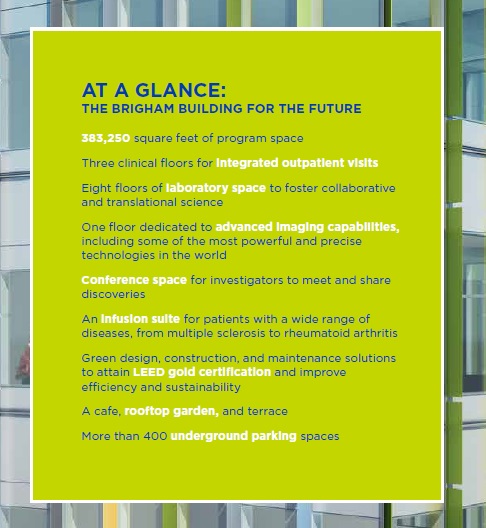
The Brigham Building for the Future (BBF), opening this fall, will be home to research labs and ambulatory clinics dedicated to the neurosciences, orthopaedics, immunology, rheumatology and musculoskeletal health. Clinical and research teams from across BWH’s campus will come together in the 12-story building to collaborate and accelerate the translation of laboratory discoveries into novel treatments for patients.

BWH Bulletin asked for your questions about the new state-of-the-art building and talked with Lani Kuzia, project manager for Real Estate, to find the answers. Here they are below:

What is the address of BBF?
BBF is located at 60 Fenwood Road.

When will various teams be moving in?
With the first patients scheduled to be seen on Oct. 3, the first move is set for Sept. 30. There will be staggered move-ins through March 2017, but all clinical teams will be moved in before the end of October 2016.

What are the plans for patient parking?
Patients able to do so may self-park in the BBF’s underground garage, which contains 150 spaces for patients. They may also leave their car with BWH’s valet service on the second level of the BBF underground garage or at 75 Francis St. for valet parking.

Will people be able to access BBF directly from the Mission Park Garage without having to go outside?
No, there will not be indoor access from the Mission Park Garage to the BBF; however, BBF is just a few steps away from the garage.

Will there be any inpatient beds in the new building?
No. The building will consist of eight floors of research laboratory space and three floors for outpatient clinical visits.

Will there be any food options in the new building?
There will be a cafe in the BBF operated by BWH and Sodexo, a hospitality company.

Are there any public spaces that employees will be able to reserve?
There will be public conference space that employees will be able to reserve as meeting space through the Audio/Visual Resource Scheduler (at BWHPikeNotes.org).

Are there any “green” features in the new building?
The building will incorporate a number of innovative, environmentally friendly features, including a roof garden to reduce storm water runoff and a co-generation power plant that will enable BWH to make enough electricity to power about 80 percent of the BBF’s and Shapiro Center’s electrical needs. The power plant, which was built in Germany, is a natural gas-fired engine that will supply the building with electricity and steam. The BBF has been designed to achieve the environmentally friendly Leadership in Energy and Environmental Design (LEED) Gold certification.

What other innovative features will be part of BBF?
Six highly-sophisticated MRI and CT machines will comprise the BBF’s state-of-the-art underground imaging facility. One of the MRI machines, the 7-Tesla, is the most powerful MRI machine in the world and one of only a few of its kind available to clinicians and researchers. The MRI provides extremely detailed images of metabolic pathways in the brain.

BBFstats

Were any patients or family members of patients involved in the design of the building?
Martie Carnie, BWH’s senior patient advisor, was involved in the planning and design of the building from the beginning, sharing insights from the patient and family perspective with BWH Real Estate and Facilities staff and building architects.
“We talked about what kinds of resources and information would be helpful to patients at the front desk in patient waiting areas and how the front desk should be set up for an easy approach for patients,” said Carnie. “We also discussed clear signage for patients, traffic flow, the use of media in waiting areas and colors for building finishes. It’s important for people to know that the patient and family voice was incorporated.”

Will there be employee tours of the new building?
Employee tours will be available in September for day, evening, night and weekend staff. Dates and more details about tours and celebrations will be forthcoming.

Do you have a question about the BBF? Share it with bwhbulletin@partners.org. Stay tuned for additional stories about the BBF in the coming months in the print and online Bulletin, and view BWH Clinical & Research News’s BBF series.

6 Comments

BobBrachBWH and the Department of Neurosurgery mourn the loss of Robert F. Brach, PA-C, who passed away suddenly earlier this month. He was 59.

Mr. Brach, of Brighton, worked as a physician assistant (PA) at BWH for 16 years, most recently in inpatient Neurosurgery, which included the Neurointervention Service. Prior to that, Mr. Brach was a PA for Spinal Neurosurgery, caring for both inpatients and outpatients. His colleagues described him as gentle, kind-hearted and reliable.

“Bob’s patients loved him and felt very safe and cared for by him,” said Kai Frerichs, MD, director of Endovascular Neurosurgery/Interventional Neuroradiology. “He was very devoted, easy to work with and a gentle soul. This is a big loss for all of us. We were fortunate to have had somebody like him on our team for so long.”

Sarah Christie, PA-C, chief PA for Neurosurgery, worked with Mr. Brach for the past six months. “Bob was kind, warm and welcoming to me,” she said. “He was a great member of our team and really listened and responded to patients’ concerns.”

When Jessica Logsdon, MHA, PA-C, interim director for BWH PA Services, joined BWH Neurosurgery as a new graduate in 2005, Mr. Brach was one of the first people with whom she worked.

“Bob was thorough and detail-oriented, and he got along so well with everyone across all disciplines,” she said. “He was a staple on our service. He was a genuine person and a pleasure to work with. In a fast-paced, high-stress environment, he was always one to keep calm.”

Added Mary Pennington, RN, nursing director on Tower 10CD and 12B: “Our nurses and patient care assistants always felt very comfortable asking Bob for help. They were constantly checking in with him. He was an important part of our team and our family; his presence mattered. We feel his absence greatly.”

Meghan Prentiss, PA-C, worked with Mr. Brach for 11 years, most recently on the Neurosurgical floors. “He was such a fixture in our department, always pleasant, kind, patient and put the care of his patients before all else,” she said. “I will miss him and will remember him with his ubiquitous cup of coffee, quiet smile and gentle ways.”

In addition to BWH, Mr. Brach had also worked as a PA at New England Baptist Hospital, Carney Hospital and Quincy Medical Center. He started his career as a paramedic for an ambulance service company in Colorado and at Denver Health Medical Center. He was the first paramedic in the state of Colorado to be certified in pediatric advanced life support.

Mr. Brach graduated from Northeastern University’s Physician Assistant Program and received his bachelor’s degree in English from St. Olaf College in Minnesota.

Mr. Brach enjoyed research and writing and had published several articles in PA journals. His writing interest was cerebrovascular disease. He also enjoyed travel, scuba diving and underwater photography.

He is survived by his sister, Christie Rewinkel, of Denver.

Giorgio Giatsidis

Giorgio Giatsidis

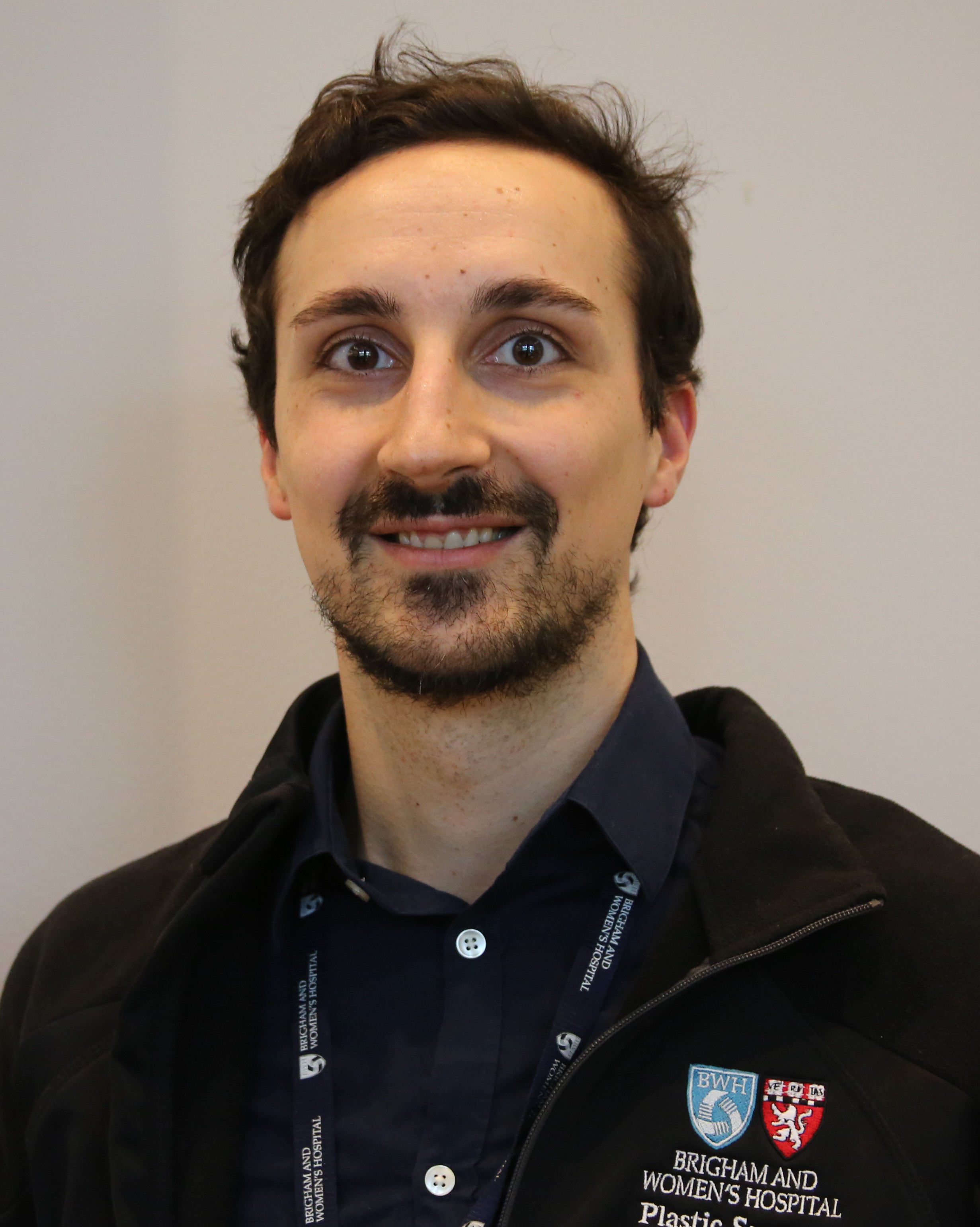
Researcher Giorgio Giatsidis, MD, of the Department of Surgery, is running this year’s Boston Marathon as a member of the BWH Stepping Strong Marathon Team. His motivation: honoring patients affected by traumatic wounds.

“My patients are my life,” said Giatsidis. “I wanted to run the Boston Marathon to pay tribute to anyone who has ever suffered from a traumatic wound and to raise awareness of innovative research and clinical programs at BWH that are helping to advance trauma healing.”

Giatsidis, a native of Milan, Italy, is a plastic surgeon who specializes in reconstructive and aesthetic surgery. He’s also a researcher, who is currently focused on trauma-related issues and, in particular, methods to reconstruct damaged soft tissues and improve the chance of tissue survival.

After hearing Boston Marathon bombing survivor Gillian Reny’s story of hope and perseverance, Giatsidis was inspired to raise funds to advance trauma research and clinical care. Giatsidis says he has enjoyed the challenge of training for his first marathon and getting to know his teammates. Come race day, he’s excited to run along the historic route and witness the energetic crowds cheering runners on.

“Throughout my career, I’ve had the opportunity to assist a large number of patients affected by trauma,” said Giatsidis. “It has meant so much to me to be able to support them and help them get back to their lives. When I’m running on Marathon Monday, I’ll be thinking about Gillian and all of the other patients who have experienced trauma. These stories are what drive me to be a better physician, researcher and person.”

To learn more about the BWH Marathon Program, visit BWHMarathonProgram.org.

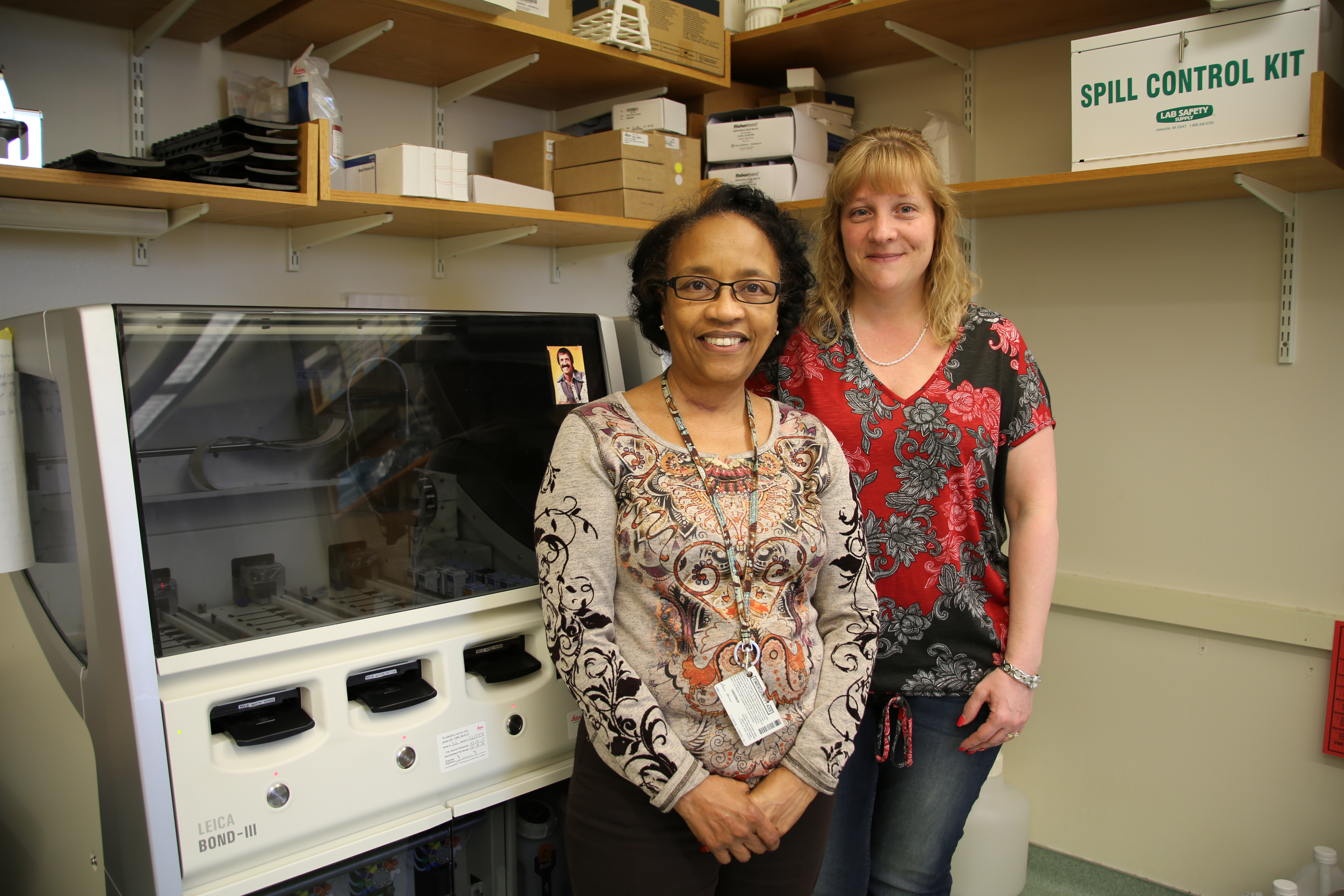
From left: Histology supervisor Donna Skinner and Teresa Bowman, with the team’s staining technology

From left: Histology supervisor Donna Skinner and Teresa Bowman, with the team’s staining technology

On March 10, BWH labs recognized National Histotechnology Day and the role histotechnologists play in patient care and research.

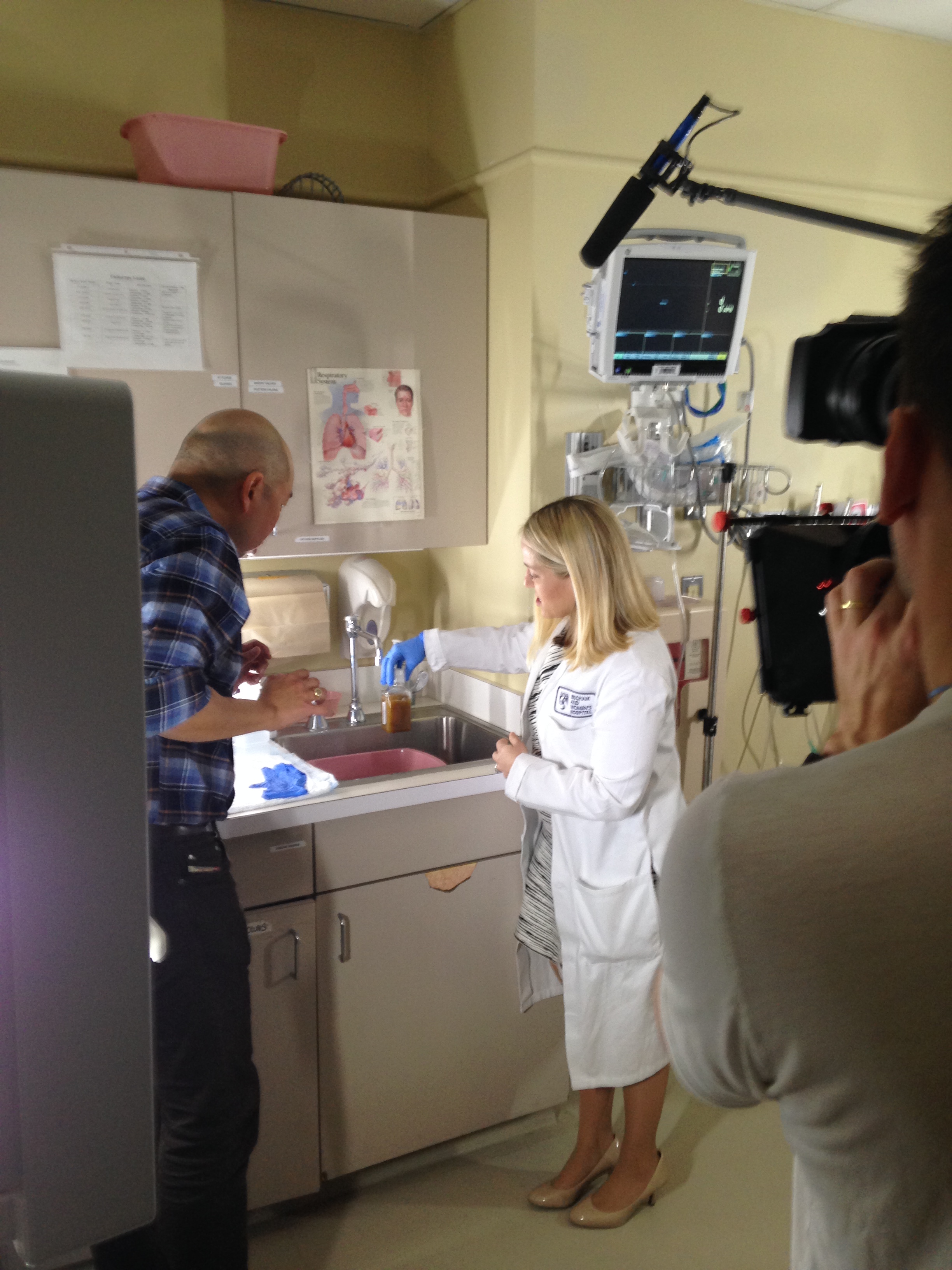
Using tissue samples from patients, plants or preclinical models, histotechnologists process, slice and stain samples for pathologists. In a clinical setting, these stains can help to diagnose cancers and other disorders in patients, while other tissue samples help with research.

“We are proud that our work contributes directly to patient care,” said Teresa Bowman, manager of the Specialized Histopathology Lab, which is directed by Jon Aster, MD, PhD.

The National Society of Histotechnology started celebrating the work of histotechnologists four years ago, as there was no existing day or event drawing attention to their work. For Pathology labs, where dedicated technicians sometimes work seven days per week and through holidays, the day of national recognition serves as a positive way to highlight the role they play in patient care.

Each day, the Specialized Histopathology Lab can process and stain anywhere from 20 to 150 tissue samples, depending on demand, and the team typically processes more than 4,000 cases each year. While most of the samples are research-related, the lab also tests preclinical samples for drug efficacy and assesses different types of treatment.

There are five primary steps to histotechnolgy. First, technicians must examine and trim tissue samples to fit on the slides and then place them in chemical solutions to prevent decomposition. Next, the water is removed from the tissue and substituted with wax to provide support, after which the sample is embedded into a larger block of wax. The block of wax and tissue are then placed on an instrument called a microtome, where small sections are cut to form a thin ribbon. These sections of ribbon are placed on slides for observation. Finally, the slides are stained with different dyes to identify cell structures, antibodies or other structures that will help a pathologist or researcher make a diagnosis.

“A lot of people will tell you it’s an art form and that not everyone can do it,” says Bowman. “The tissue can be dry and tissues with disease can be more difficult to section, so you have to have some patience and take the time and finesse to get a good section.”

Although the role histotechnologists play may fly under the radar of most patients, Bowman is proud of the work the lab completes day in and day out.

“The clinical diagnosis and the satisfaction of getting a tough stain to work are the most rewarding parts of the job,” Bowman said. “Although some people don’t know we are here, we are an important part of the diagnostic process.”

BWH’s inpatient S.A.F.E. Response program—which stands for Spot a threat, Assess the risk, Formulate a safe clinical response and Evaluate the outcome—is an evidence-based inpatient clinical response for preventing, managing, de-escalating and responding to events. The scope of this work includes any interaction with a patient or visitor in which a BWH staff member experiences a threat to his or her personal safety or the safety of another employee. To build upon this program, ambulatory staff are working to adapt and implement the workplace safety program in BWH’s outpatient settings.

For the past few months, S.A.F.E. Response Ambulatory chairs Cindy Peterson, executive director of the Brigham and Women’s/Mass General Health Care Center and Brigham and Women’s Health Care Center at 850 Boylston St.; Danika Medina, MPA, RN, ambulatory nurse director; and Sonali Desai, MD, MPH, medical director of Ambulatory Patient Safety, have worked to define the Ambulatory S.A.F.E. approach in charge and scope, with the help of Andrea Shellman, MHSA, senior patient safety consultant in the Department of Quality and Safety.

The next step is to establish a steering committee. More information will be shared as development of the approach progresses.

Michael McKenery

Michael McKenery

When Michael McKenery, BSN, RN, a clinical research nurse in BWH’s Center for Alzheimer’s Research and Treatment, stepped on the bus to go to work one morning last month, he didn’t realize he would end up coming to the aid of a local high school student onboard.

The crowded bus was on its way to the Longwood Medical Area when McKenery noticed a young passenger who was standing near him begin to fall and convulse. He and another nurse on the bus were able to reach the student before she fell completely and slowly lowered her down to the ground, protecting her head from injury.

“The whole incident lasted about 10 to 15 seconds; she came to very quickly but was disoriented and scared,” said McKenery, who also works in BWH’s Infusion Center. McKenery then asked the student questions to reorient her, such as if she knew the name of the president and the day of the week.

When she was ready, the student sat up with McKenery’s help. He called her mother, learning that she had no history of seizures. The bus driver, who had pulled the bus over to the side of the road, called the student’s school to ensure that a police officer could meet her at her bus stop and take her to the school nurse. McKenery, who was an EMT before becoming a nurse and is currently pursuing a master’s degree in adult geriatric primary care, said he was relieved the student was ultimately fine.

“What Michael demonstrated is that being a Brigham nurse is not a job, but rather a way of living and being in world,” said Jackie Somerville, PhD, RN, FAAN, chief nursing officer and senior vice president of Patient Care Services. “Michael is a great ambassador for our practice beyond our walls.”

Mehra Golshan

Mehra Golshan

The use of contralateral prophylactic mastectomy (CPM)—the surgical removal of a breast unaffected by cancer as part of the course of treatment for breast cancer—more than tripled from 2002 to 2012. However, according to a new BWH study, there has been no evidence of a survival benefit for patients who receive CPM compared to patients who receive breast-conserving surgery, which removes part of the breast tissue but not the entire breast.

Researchers note that while CPM may have a survival benefit for patients who are at high risk of developing breast cancer, such as those with a genetic mutation, the majority of women undergoing CPM are at low risk for developing breast cancer in the unaffected breast. Data show that women who are diagnosed with cancer in one breast are increasingly unlikely to be diagnosed with cancer in the other breast.

“Our analysis highlights the sustained, sharp rise in popularity of CPM and the mounting evidence that this more extensive surgery offers no significant survival benefit to women with a first diagnosis of breast cancer,” said senior author Mehra Golshan, MD, distinguished chair in Surgical Oncology at BWH. “Patients and caregivers should weigh the expected benefits with the potential risks of CPM, including prolonged recovery time, increased risk of complications, cost, the possible need for repeat surgery and effects on self-image.”

Researchers analyzed data from a group of nearly 500,000 women with a stage-one to stage-three breast cancer diagnosis in one breast and followed them from 1998 to 2012. Patients undergoing breast-conserving surgery, unilateral mastectomy—the removal of one breast—and CPM were compared. Nearly 60 percent underwent breast-conserving surgery, 33.4 percent underwent unilateral mastectomy and 7 percent underwent CPM. Overall, the proportion of women undergoing CPM increased from 3.9 percent in 2002 to 12.7 percent in 2012. When compared with breast-conserving therapy, no significant improvement in survival was found for women undergoing CPM.

Importantly, CPM may be indicated for women with BRCA1/2 mutations, a strong family history of breast or ovarian cancer or a personal history of mantle field radiation during childhood. A significant number of younger women are actively choosing CPM over conservative surgery, but only about a third of women who opt for CPM have one or more of these risk factors. Surveys of women suggest that a desire to minimize breast asymmetry and improve overall appearance through increasingly available and expanding reconstructive techniques may influence a decision to undergo CPM. Specifically, research shows that rates of reconstruction in CPM patients increased from 35.3 percent to 55.4 percent during the study period.

“Women with unilateral breast cancer undergoing CPM continue to report a desire to extend life as one of the most important factors leading to their surgical decision,” said Golshan, who is also the medical director of International Oncology Programs at Dana-Farber/Brigham and Women’s Cancer Center. “Understanding why women choose to undergo CPM may create an opportunity for health care providers to counsel women about surgical options, address anxieties, discuss individual preferences and ensure peace of mind related to a patient’s surgical choice.”

From left: BWH employee Shauntéa Turner with Community Academy of Science and Health senior Lisea Scales

From left: BWH employee Shauntéa Turner with Community Academy of Science and Health senior Lisea Scales

On March 11, local high school students had the opportunity to shadow BWH employees and learn about various jobs in the medical field during the 21st annual Job Shadow Day.

Hosted at BWH by Workforce Development, Job Shadow Day is a city-wide initiative of the Boston Private Industry Council that connects local youth and adults with education and employment opportunities.

BWHers from across the institution, including the Office for Sponsored Staff and Volunteer Services, Department of Medicine, Primary Care and Radiology, were paired with students from local schools in Boston for a half-day of shadowing and learning.

During a tour of the hospital with Shauntéa Turner, program and training coordinator for Sponsored Staff and Volunteer Services, Lisea Scales, a senior at Community Academy of Science and Health in Dorchester, talked about her desire to pursue pulmonary nursing someday. Scales said she learned a lot about the field after taking care of her father, who suffered from chronic obstructive pulmonary disease before passing away.

“My dad motivated me to help others,” Scales said. “I was in charge of changing his oxygen tanks and tubes. To have the opportunity to participate in Job Shadow Day and learn more about the hospital is very important to me.”

In Radiology, Victoria Glassman, director of Education, reviewed X-ray images with Sergio Molina, a junior at Josiah Quincy Upper School in Boston, and spoke with him about the field. Molina hopes to one day become an MRI technologist.

At Brigham and Women’s Primary Care, Longwood, which opened its doors last June, Ferlisa Comas, a senior at Margarita Muñiz Academy in Jamaica Plain, and Mahogany Northcross, a junior at Josiah Quincy Upper School, received a tour of the practice from Medical Director Larissa Nekhlyudov, MD, MPH. The students spent the rest of the morning learning about the practice’s team-based approach by shadowing providers, nurses and medical assistants. Comas hopes to pursue nursing, and Northcross hopes to become a pediatrician.

View a photo gallery from this year’s Job Shadow Day.

Twice per month, BWH conducts unannounced mock codes that enable clinical and non-clinical staff, including BWH’s Code Blue teams, to practice clinical skills. The Mock Code Program, which was created in 2004, is also critical to helping BWH identify potential latent patient safety issues across the hospital.

Emergency Medicine’s Charles Pozner, MD, medical director of the Neil and Elise Wallace STRATUS Center for Medical Simulation at BWH, and his team conduct these unannounced drills in varying areas of the hospital.

“We perform mock codes to identify latent safety threats that we can then address before they result in a clinical problem,” said Pozner. “We’re trying to answer questions such as, is our equipment well-placed and functional? Are the right people on the code team? Do local responders understand their role and those of their team during low-frequency events?”

These twice-monthly mock codes require the full attention of all responding and local employees. Following each mock code, a short debriefing session is conducted to reinforce appropriate care, and a report is generated to ensure that identified system problems are addressed by local and hospital leadership.

“If you find yourself involved in a mock code, we ask that you approach the process with the same effort with which you would care for an actual patient,” said Pozner.

Meryn Boraski

Meryn Boraski

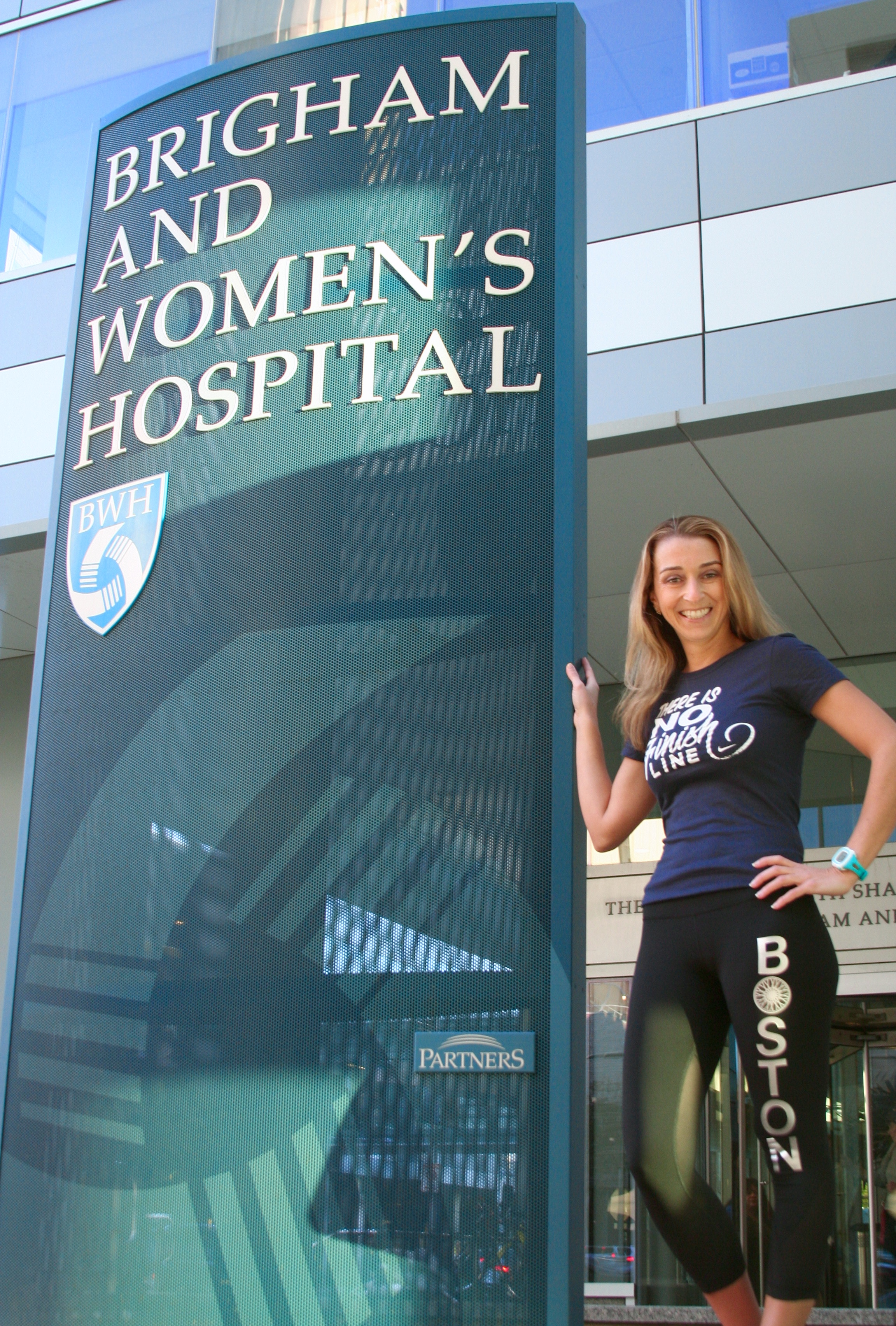
When Meryn Boraski, CRNA, a nurse anesthetist in the Department of Anesthesiology, Perioperative and Pain Medicine, runs her first marathon this April, she’ll be paying tribute to her late grandmother and honoring BWH for inspiring her to become a nurse.

When Boraski was in high school, her grandmother was treated for ovarian cancer at BWH. Her grandmother’s time at BWH introduced Boraski to the profession of nursing.

“I made a promise to myself to return to the Brigham and do something to give back to patients in the same way that the staff here did for my family,” said Boraski, who is part of BWH’s Life.Giving.Breakthroughs. Marathon Team.

As a first-time marathoner, Boraski is trying to balance the physical demands of the race with the mental challenge of staying focused for 26.2 miles. While some training days have proven difficult—including an 18-mile run with a wind chill of minus 5—Boraski credits the team’s camaraderie as one of the reasons why she’s enjoyed her training so far.

“It’s been a really positive experience,” Boraski said. “Everyone has a unique and beautiful story as to why they’re running, and it is inspiring to hear these stories.”

In addition to training together during long runs and hill workouts, BWH Marathon team runners have also been instructed about nutrition, including what to eat before, during and after runs. Thanks to this advice, Boraski says chocolate milk has become her favorite post-race staple in helping with muscle recovery.

As for Marathon Monday itself, Boraski says she is excited to see the cheering fans along the route, especially her parents and brother.

“I look forward to representing BWH that day and being able to give back to the hospital that I so dearly love,” she said.

To learn more about the BWH Marathon Program, visit BWHMarathonProgram.org.

To better align BWH’s patient safety, risk management and quality programs with BWHC’s strategic priorities, BWH Risk Management and Clinical Compliance are transitioning to BWH Quality and Safety, under the leadership of Allen Kachalia, MD, JD, chief quality officer and vice president for Quality and Safety.

Transitioning to Quality and Safety will be Susan Wante, MS, RN, director of Risk Management, and Kelly Doorley, MS, RN, director of Clinical Compliance, who will both report to Kachalia.

Through this alignment, the work of Risk Management and Clinical Compliance will be integrated into a structure that allows for both areas, along with patient safety, quality and performance improvement, to be addressed in a more efficient and coordinated fashion.

“The many successful efforts we have initiated across the continuum of care will only be improved by establishing a closer working relationship between our risk and compliance leaders and staff and our quality and safety team,” Kachalia said.

Added Stan Ashley, MD, chief medical officer: “The coming together of these areas will also help to enhance efficiencies and create an optimal structure that can build upon a culture of safety and collaboration that can permeate throughout the organization.”

Nearly 2,000 books have been donated to the Brigham Baby Academy, a program introduced earlier this year that seeks to prevent language delays among NICU babies by ensuring they are read to at least once a day. NICU families are also discharged with several new books for parents to read to their babies at home. Members of the design firm Tsoi/Kobus & Associates recently delivered a generous donation of books to the NICU and Department of Pediatric Newborn Medicine. To make a donation of your own, bring a new or gently used book to the Connors Center for Women’s Health security desk on the Lower Pike, or visit giving.brighamandwomens.org/nicu-reading-program.

1 Comment
Sarbattama Sen

Sarbattama Sen

Inflammation is part of the immune response, allowing the body to heal from injury, but uncontrolled inflammation can stress or damage the body. Diet is known to play a role in inflammation in adults, but exactly how a woman’s diet during pregnancy may affect inflammation and, in turn, her health and the health of her baby, is not well understood.

A new study led by BWH researchers uses the Dietary Inflammatory Index (DII) to score a woman’s diet during pregnancy and measure the influence of diet on both inflammation during pregnancy and on maternal and infant outcomes before and after childbirth. The team found that more pro-inflammatory diets are associated with lower rates of breastfeeding and lower-than-expected birth weight in certain groups.

“As health care providers for pregnant and post-partum women, we often think about and advise women on diet in the conventional sense of calorie and macronutrient intake, but we haven’t paid much attention to dietary inflammation,” said Sarbattama Sen, MD, a neonatologist in BWH’s Department of Pediatric Newborn Medicine. “By focusing on the elements of diet that may be linked to inflammation, we’ve been able to tease out certain outcomes associated with a more pro- or anti-inflammatory diet.”

The DII focuses on the nutrients that are found in different food items and uses evidence from previous studies to assign an inflammatory score to each food component. Previous studies in non-pregnant adults have found that some food components—such as caffeine, as well as trans, saturated and monounsaturated fats—have a pro-inflammatory effect, while others—such as vitamin A, beta carotene, fiber and magnesium—have an anti-inflammatory effect. Using these data, past researchers were able to assign foods an inflammatory score.

In the current study, 1,808 participants in Project Viva, a study of expectant mothers in Massachusetts that began enrollment in 1999, completed food questionnaires in the first and second trimesters of pregnancy, which were used to create individualized DII scores for the women. Higher scores indicated a more pro-inflammatory diet and lower scores indicated a more anti-inflammatory diet. A blood sample was drawn from each participant in the second trimester, and two markers of inflammation—C Reactive Protein (CRP) and white blood cell count—were measured. The team also collected information on women’s pre-pregnancy body mass index (BMI).

Participants who had higher DII scores also had higher CRP levels. Women who had higher BMIs before pregnancy tended to have higher DII scores and also higher CRP levels.

Researchers also looked at a number of pregnancy outcomes. Among women who reported that they initiated breastfeeding, women who had a more pro-inflammatory diet had a lower likelihood of successfully breastfeeding their child past one month of age. Obese women who had a more pro-inflammatory diet were also more likely to deliver a baby who weighed less than would be expected at a given gestational age. Researchers did not observe an association between dietary inflammation and other maternal or infant outcomes such as gestational diabetes, preeclampsia, maternal weight gain during pregnancy or cesarean-section delivery.

“We have known for some time that excessive inflammation is associated with adverse health outcomes in adults,” said Sen. “But there have been few studies investigating the role of inflammation in pregnancy, when both the health of the mother and the fetus are at stake. We hope that this work opens the door for more investigation of the role of inflammation in important pregnancy outcomes such as fetal growth and breastfeeding.”

Michael Zinner and his grandchildren at the dedication event

Michael Zinner and his grandchildren at the dedication event

On Feb. 29, members of the BWH community gathered for a special event in honor of Michael Zinner, MD, chair of the Department of Surgery, who is moving on after a luminous 22-year career at BWH to become the chief executive officer at Miami Cancer Institute at Baptist Health South Florida.

In honor of his many contributions to BWH, the Shapiro Conference Center has been renamed and dedicated as the Michael J. Zinner, MD, Conference Center, which includes the Zinner Boardroom and Zinner Breakout Room. Zinner is the son-in-law of Carl Shapiro and the late Ruth Shapiro, for whom the Carl J. and Ruth Shapiro Cardiovascular Center is named, in honor of the family’s generosity to BWH.

“The Shapiro and Zinner families are longtime leaders in our Brigham community, supporting our precious mission and advancing our life-changing work,” said BWHC President Betsy Nabel, MD. “Their exceptional vision, compassion and generosity are an inspiration to us all.”

Under Zinner’s leadership, the BWH Department of Surgery achieved many firsts in transplantation, pioneered minimally invasive cardiac surgery and bariatric surgery techniques and established the Advanced Multimodality Image Guided Operating (AMIGO) suite to redefine the future of surgery.

Of Zinner’s many successes, one of the most enduring was his vision in founding the Dana-Farber/Brigham and Women’s Cancer Center, which, in close partnership with the Dana-Farber Cancer Institute, enables BWH to bring its expertise to cancer patients. This collaboration became very personal to him when his late wife, Rhonda S. (Ronny) Zinner, was diagnosed with cancer. She passed away in 2014.

Prior to her passing, Mrs. Zinner was a dedicated supporter of BWH who served as a longtime member of the Board of Trustees and President’s Advisory Council. In her role as president of the Carl and Ruth Shapiro Family Foundation, she oversaw many transformative gifts to BWH, including the naming of the Carl J. and Ruth Shapiro Cardiovascular Center.

Bulletin_3_11

BWHC President Betsy Nabel addresses attendees at the Zinner Conference Center renaming and dedication. Inset: Ronny Zinner

In honor and memory of Mrs. Zinner, the Shapiro Bridge has been renamed and dedicated the Rhonda S. Zinner Bridge. Together, the Zinners have left an indelible mark at BWH.

“Mike and Ronny’s tremendous contributions and legacies will continue to thrive within the walls of our institution,” said Nabel.

Reserving the Center for Meetings

Booking instructions for the center remain unchanged and can be completed online through A/V’s Resource Scheduler. The two rooms, the Zinner Boardroom and Zinner Breakout Room, can be used separately or together as a main conference space or as overflow space for a larger event.

The Zinner Boardroom, in particular, is intended for high-level meetings that include in-room technology requiring an A/V technician to be on hand to control the systems from a booth. The Zinner Breakout Room was designed to be a self-service meeting space. The equipment inside the room, such as the Partners PC, laptop connection and LCD projection screens, can be operated after a brief training by A/V. Users can sign up for training or request A/V services by emailing bwhaudiovisual@partners.org.

Marcelo DaSilva

Marcelo DaSilva

Marcelo DaSilva, MD, an associate surgeon in the Division of Thoracic Surgery, is running his first Boston Marathon as a member of the Brigham and Women’s Hospital Marathon Program to pay tribute to his friend and colleague, the late Michael J. Davidson, MD.

“I’m honored to have the opportunity to run for BWH and for Mike,” DaSilva said. “To me, running in the name of a loved one is extremely powerful. I know that’s what motivates me every time I lace up my sneakers and head out on a course.”

DaSilva is running in this year’s Boston Marathon as a member of the “Running to Remember Dr. Michael J. Davidson” team, which is part of the Brigham and Women’s Hospital Life.Giving.Breakthroughs. Marathon Team. The team is raising funds to establish the Michael J. Davidson, MD, Endovascular Fellowship, which will offer support for cardiothoracic surgeons who have completed their formal residency training and are seeking to enhance their surgical skills in transcatheter valve techniques. The fellowship will provide direct experience using novel and less invasive solutions for complex cardiac patients.

DaSilva, who joined BWH in 2008, described Davidson as a talented surgeon and educator. He said by establishing this fellowship, BWH and health care institutions around the country will be able to continue training the best physicians.

“That’s what Mike would have wanted,” he said. “He was a visionary who was ahead of his time in how he thought about cardiovascular surgery. Like so many of us, Mike wanted to make a difference in people’s lives, and I am pleased that this fellowship will help us do just that.”

DaSilva isn’t new to the racing scene; he’s previously run nine other marathons, including Chicago and New York City. He’s looking forward to passing the cheering crowds, running up Heartbreak Hill and crossing the finish line. Meditation is what gets him through some of the hardest parts of races, he says.

“Running a marathon can be compared to performing surgery, meaning that it takes a lot of determination, training and physical and mental endurance to cross the finish line or complete a case,” DaSilva said. “It’s an amazing feeling to run among thousands of other participants knowing that they all have a reason for running. I know Mike will be with the Brigham team in spirit on race day.”

To learn more about the BWH Marathon Program, visit BWHMarathonProgram.org.

1 Comment
From left: Kathryn Rexrode, YiDing Yu, Ritu Gill, Lesley Solomon and Esther Rhei

From left: Kathryn Rexrode, YiDing Yu, Ritu Gill, Lesley Solomon and Esther Rhei

At a recent panel discussion featuring female physician innovators, Esther Rhei, MD, a breast surgical oncologist at BWH and the Dana-Farber Cancer Institute, said she considers herself a newcomer to innovation. As medical director of the BWH Breast Center, one of Rhei’s greatest challenges has involved discussions with patients about what their breasts will look like after certain types of surgeries since it’s impossible for patients to truly envision how they would look post-surgery. Rhei wanted her patients to have this knowledge in making such an important decision.

Rhei pitched the problem to provide a way for patients to envision their bodies post-surgery at a Brigham Innovation Hub (Brigham iHub) Surgery Innovation Series event in 2014. The Brigham iHub team is now working with Rhei to create a database solution.

“You don’t have to be a longtime innovator or know everything about putting an idea into practice to get the ball rolling,” Rhei said. “Lesley Solomon and her team supported this idea every step of the way.”

During a panel discussion on Feb. 26, female physician entrepreneurs Rhei, radiologist Ritu Gill, MD, MPH, and YiDing Yu, MD, a graduate of BWH’s Internal Medicine Residency program who is now chief innovation engineer at Atrius Health, talked about their paths to innovation at BWH.

As part of its seminar series, the Center for Faculty Development & Diversity’s Office for Women’s Careers (OWC) hosted the discussion, which was moderated by Kathryn Rexrode, MD, MPH, faculty director of the OWC.

Solomon, executive director of Brigham iHub, offered tips for success in entrepreneurship and spoke about the benefits of working with Brigham iHub. 

Solomon said that in a 2013 Brigham iHub survey, 72 percent of clinicians stated that they had health care improvement ideas but didn’t take steps to move those ideas forward due to funding, time and lack of clarity on next steps.

“In developing Brigham iHub, we realized that we needed to create a support structure so that people knew where to go when they had an idea,” Solomon said. “Our vision is to disrupt traditional medicine, reinvent health care and unleash your knowledge and expertise so that we can foster innovation at all stages.”

During the panel, Gill, who is currently working on developing a tool to identify and characterize actionable lung nodules—small masses of tissue in the lung that are sometimes cancerous—told attendees to think big and never underestimate themselves.

“The word ‘impossible’ is not in my dictionary,” she said. “If a problem comes up, I figure out a way to tackle it. I encourage all of you to think outside of the box and believe that anything is possible.”

Many Distinguished Clinician honorees from BWH Neurology, with Department Chair Martin Samuels (sixth from right)

Many Distinguished Clinician honorees from BWH Neurology, with Department Chair Martin Samuels (sixth from right)

Last month, BWH held its inaugural Distinguished Clinician Recognition Ceremony, honoring 45 esteemed clinicians from across the hospital. The Distinguished Clinician title is bestowed on a select group of the hospital’s most accomplished physicians who carry forward the Brigham’s rich tradition of outstanding patient care.

“You give generously of your time and your spirit, and you invest in the physical, social and emotional well-being of our patients,” said BWHC President Betsy Nabel, MD. “Your accomplishments reflect what we consider to be truly at the heart of medicine: clinical excellence in concert with humanity, caring and concern.”

The inaugural recipients were selected based on their local, regional or national recognition as an outstanding clinician; an established reputation as a “physician’s physician,” the kind of clinician a colleague would choose for his or her family; and their exceptional contributions in education, scholarship, administration or community service.

After remarks by Chief Medical Officer Stanley Ashley, MD, and Nabel, the awards were presented to recipients by Robert Barbieri, MD, chair of the Department of Obstetrics and Gynecology, Joseph Loscalzo, MD, PhD, chair of the Department of Medicine, and Martin Samuels, MD, chair of the Department of Neurology.

Here are the 2016 Distinguished Clinician awardees:

Department of Anesthesiology, Perioperative and Pain Medicine

Hugh L. Flanagan, Jr., MD

Department of Dermatology                                   

Mitchell H. Rubenstein, MD

Department of Emergency Medicine

Joshua M. Kosowsky, MD                                                          

Department of Medicine                                                           

Dale Adler, MD

Peter Banks, MD

Carolyn B. Becker, MD

Christopher H. Fanta, MD

Norton Greenberger, MD

James Kirshenbaum, MD

James H. Maguire, MD

Stuart Mushlin, MD

Patrick T. O’Gara, MD

Paul E. Sax, MD

Julian L. Seifter, MD

Marshall A. Wolf, MD

Beverly Woo, MD

Department of Neurology                                                                        

Anthony Amato, MD

Don C. Bienfang, MD

Tanuja Chitnis, MD

Kirk Daffner, MD

Barbara A. Dworetzky, MD

Steven K. Feske, MD

Galen V. Henderson, MD

Elizabeth Loder, MD, MPH

David Pilgrim, MD

Allan H. Ropper, MD

Lewis Sudarsky, MD

Thomas Walshe, MD

Patrick Wen, MD

Department of Neurosurgery 

Ossama Al-Mefty, MD

Edward R. Laws, MD

Department of Obstetrics and Gynecology

Ross S. Berkowitz, MD

Raymond J. Reilly, MD

Department of Orthopaedics

Scott D. Martin, MD

John Wright, MD

Department of Pathology                                                                                          

Christopher Fletcher, Dm, MD, FRCPATH

Geraldine S. Pinkus, MD

Helmut G. Rennke, MD

Department of Psychiatry

John A. Fromson, MD

David Gitlin, MD

Department of Radiation Oncology

Anthony D’Amico, MD

Harvey J. Mamon, MD, PhD

Department of Surgery

Sary F. Aranki, MD

David C. Brooks, MD

Department of Pediatric Newborn Medicine

Linda J. Van Marter, MD, MPH

Phil De Jager

Phil De Jager

A team of investigators at BWH and the National Institute of Neurological Disorders and Stroke (NINDS) has launched a study of individuals at risk for multiple sclerosis (MS), called the Genes and Environment in Multiple Sclerosis (GEMS) project. By focusing on first-degree family members of MS patients, researchers seek to better understand the sequence of events that leads some people to develop the disease. Their work also sets the stage for developing and testing interventions that may block the onset of MS.

“Early detection of MS means the possibility of earlier treatment, which could delay the accumulation of disability,” said co-senior author Phil De Jager, MD, PhD, who directs the Program in Translational NeuroPsychiatric Genomics at the Ann Romney Center for Neurologic Diseases at BWH. “Our long-term goal is to map out the sequence of events from health to disease in order to identify and intervene early in individuals at high risk for MS.”

The GEMS study leverages the outreach efforts of patient advocacy groups such as the National Multiple Sclerosis Society, social media such as Facebook and electronic communication to recruit first-degree relatives (parent, sibling or child) of people who have been diagnosed with MS. More than 2,600 family members have been recruited from across the U.S. Family members can interact with the study through its Facebook page, where updates on the project and MS-related news are shared. The study, which will ultimately enroll 5,000 first-degree relatives, will continue for the next 20 years.

“This first report from the GEMS study is important because it shows that we can recruit the large number of family members that is necessary to perform a well-powered study of MS risk factors,” said lead author Zongqi Xia, MD, PhD, of the Department of Neurology.

Upon enrollment in the study, participants completed a web-based questionnaire about their medical and family histories, environmental exposures and more. Participants also submitted a saliva sample for DNA extraction.

Although first-degree relatives are 20 to 40 times more likely to develop MS than the general population, their risk is still low; researchers estimate that of 10,000 first-degree relatives, only about 62 will be diagnosed with MS over five years. Having a means to predict who is most at risk for developing MS not only provides an opportunity for early intervention, but also makes clinical trials for new treatments more feasible since the incidence of MS is low in the general population.

In their preliminary analysis, researchers tested a method to calculate an individual’s risk of MS and identified a subset of family members that may have a higher risk of developing MS than the average family member. This risk score could help design long-term studies of higher-risk individuals.

“This report is an important first step,” said De Jager. “We do not yet have a tool that we can use clinically to predict MS. To develop such tools and a platform for testing strategies to prevent the disease altogether, we are expanding GEMS into a larger collaborative study that will accelerate the progress of discovery and bring together a community of investigators to overcome this important challenge.

“Overall, the risk of MS remains very small for most family members,” said De Jager. “The most effective therapies for MS will ultimately be those that prevent its onset, as halting inflammation and disease progression is much more difficult once the disease has become established.”

Jessica Whited with an axolotl salamander

Jessica Whited with an axolotl salamander

Jessica Whited, PhD, has fond memories of exploring the outdoors when she was younger—catching crayfish with her sister and studying butterflies and moths with her mother. Now a researcher in BWH’s Regenerative Medicine Center, Whited devotes her days to understanding limb regeneration in a species of salamanders and how research on these creatures might one day help humans suffering from limb loss.

Could you tell us about your work and how it could help patients one day?

My work is devoted to understanding limb regeneration in axolotl (Mexican) salamanders. The salamanders I study have legs that look and function very much like human limbs. They can completely regenerate these limbs, even as adults.

Millions of Americans are currently living with the consequences of having a major limb amputation, some of which are due to injuries and a rising number of which are due to diseases, including diabetes and peripheral artery disease—a condition in which plaque builds up in the arteries and reduces blood flow to the limbs. I believe that if we want limb regeneration in humans to become reality, we’ll only get there if we first understand how nature has solved this problem, which is why we’re studying salamanders.

How did you get interested in this field?

From an early age, my mother taught me how to identify, catch and display butterflies. I remember making my big score of a perfect tiger swallowtail on the ashes of our previous night’s campfire at the age of five. I also vividly remember going with my sister to a nearby creek to catch crayfish with our hands and coffee cans. I attribute my love of nature, which eventually gave rise to my interest in science, to these early experiences outdoors.

My grandfather, who was afflicted with peripheral artery disease, underwent a series of amputations starting with a few toes and culminating in his foot before he eventually died of the condition. This was my first encounter with the disease. I hope that someday our work will help people with this condition.

Tell us more about what it’s like working with salamanders.

Working with axolotls is a ton of fun and also a lot of work. They are permanently aquatic, which means we devote a great deal of time to keeping them clean and their water in good shape. We have hundreds of axolotls at all life stages.

Many species of salamanders can regenerate limbs. We work on axolotls specifically, though, because they have a generation time—the time between birth and when they can have babies—of nine months, which is shorter than many other salamanders.

What types of genetic tools are you working on developing?

In collaboration with the Broad Institute of MIT and Harvard, we are making a map of all of the genes that get turned on or off during regeneration and which are specific to the regenerating part of the leg. We’re also mapping how this changes over time, with respect to specific kinds of cells.

In your opinion, why is BWH a good fit for your research?

BWH is a premier medical center. In orthopedic surgery, people are getting joints replaced and fractures fixed every day. It’s exciting to be a part of extending that outlook into the research domain, because doing research is how we make progress so that conditions that have no great treatment now might become treatable someday. Additionally, in a hospital, there’s the feeling that what you’re doing in the lab could have a double benefit—besides just pushing the boundaries of human understanding and satisfying curiosity, what you’re doing might actually help people someday.

Peggy DolanBWH, the Department of Nursing and the Levine Cardiac Intensive Care Unit (LCU) mourn the loss of Margaret “Peggy” Dolan, RN, who passed away on Jan. 19 after battling an illness. She was 65.

A nurse for more than 40 years, Ms. Dolan, of Weymouth, was a graduate of St. Clare High School in Roslindale and earned her nursing degree from Newton Junior College. She worked at BWH for more than 28 years, most recently in the LCU. 

Known for her generosity, sense of humor and unwavering devotion to BWH, Ms. Dolan was a hard worker who always strived to provide the highest-quality care for her patients and to be a mentor to her colleagues.

“She gave so much of herself to others,” said Jeanne Praetsch, MS, RN, CCRN, nurse educator for Tower 12A and 16CD. “Peggy was a wonderful and compassionate nurse who provided excellent care and advocated for her patients for many years. She also knew how to have fun and laugh, even through some of life’s most difficult trials.”

Jessica Hayes, BSN, RN, CCRN, also of the LCU, looked up to Ms. Dolan and appreciated her friendship.

“She was the epitome of kindness and was always willing to help others,” Hayes said. “Peggy was someone I could always turn to. I’ll miss laughing with her and learning from her.”

Paul Sedgwick, BSN, RN, CCRN, former LCU nurse-in-charge, worked closely with Ms. Dolan. He described her as a tireless worker who cared deeply for her family and colleagues.

“She would help any of her coworkers, regardless of the situation,” he said. “I could call Peggy any time of day and ask if she could come into work. She always said yes and magically appeared 30 minutes later. Her passing is a big loss to the BWH community. One of the greatest gifts in life is friendship, and I have received hers.”

Ms. Dolan is survived by her son Michael Dolan and his wife, Kerrie; son Matthew Dolan and his wife, Jennifer; grandchildren Joshua, Nikolas, Patrick and Kaylee; sister, Ellen Hann; brother Robert Stuke and his wife, Suzanne; brother John Rowell and his wife, Lorraine; brother Michael Rowell; and many friends and colleagues.

From left: Alex Hannenberg and James Rathmell

From left: Alex Hannenberg and James Rathmell

Earlier this month, BWH’s Department of Anesthesiology, Perioperative and Pain Medicine hosted a series of events to celebrate Physician Anesthesiologist Week, including a discussion with BWH’s Beverly Philip, MD, director of Ambulatory Anesthesia and the Day Surgery Unit, and Massachusetts Society of Anesthesiologists President Sheila Barnett, MD, as well as an ice cream social. Department Chair James Rathmell, MD, and past American Society of Anesthesiologists President Alex Hannenberg, MD, also came together for a conversation about advocacy, the perioperative surgical home, research challenges and the evolving scope of anesthesiologists’ daily practice.

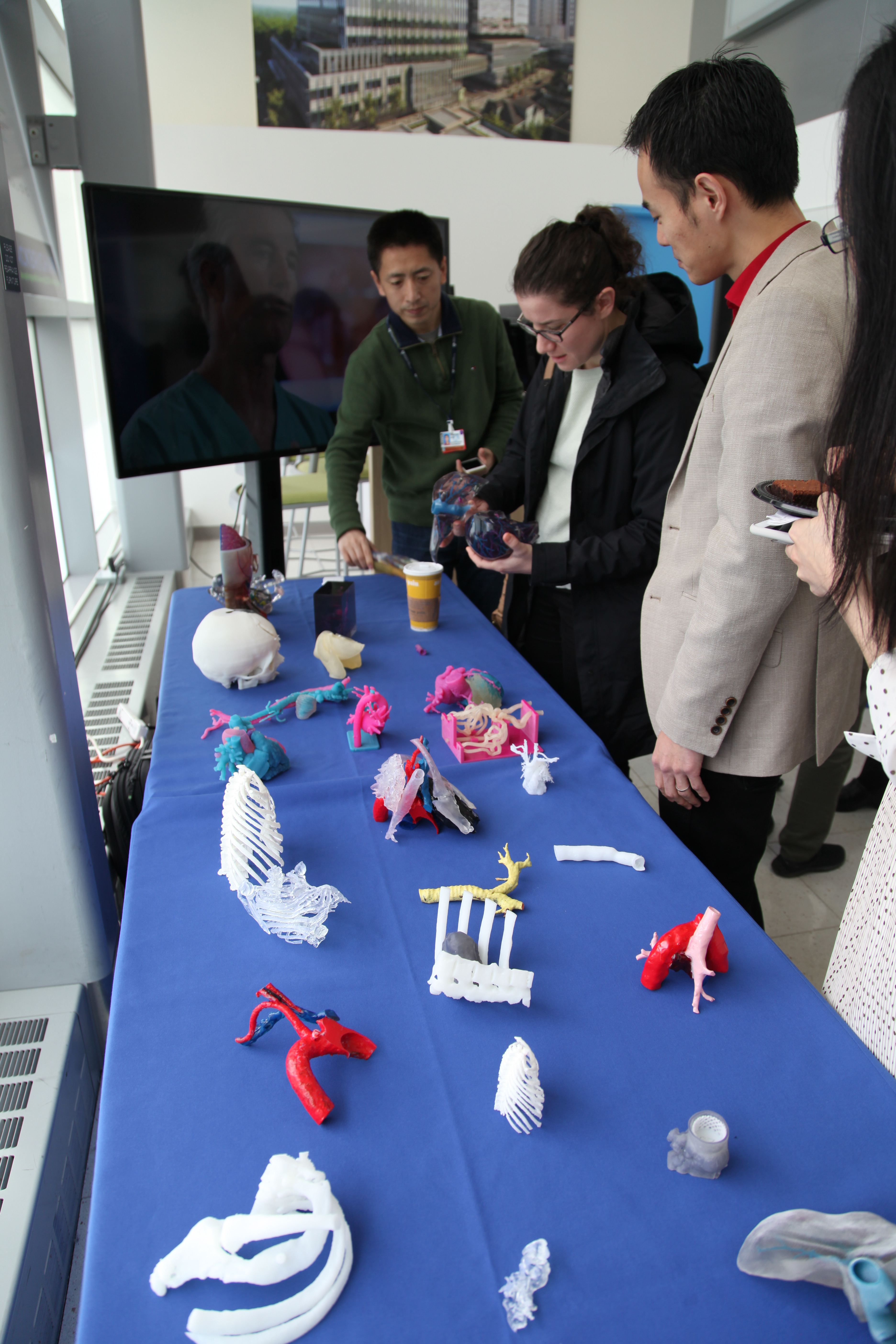
3-D Printing in Healthcare Fair attendees take a look at 3-D printed models after the event.

3-D Printing in Healthcare Fair attendees take a look at 3-D printed models after the event.

From the auto and fashion industries to snack foods and retail, 3-D printing has sparked innovation in a variety of industries, especially health care. 3-D printing—the process of making a three-dimensional object from a digital model—is no stranger to BWH labs and clinics, as attendees learned at the 3-D Printing in Healthcare Fair, held earlier this month.

Co-sponsored by the Center for Surgical Innovation (CSI) and the Brigham Innovation Hub (Brigham iHub), the event featured brief presentations from seven Brigham and guest speakers who incorporate 3-D printing technology into their clinical care and research. More than 80 attendees sat in on the presentations, which were held outside of the Brigham iHub’s space in the Shapiro Center, and later met with speakers and examined 3-D printed models on display in the Brigham iHub’s space.

“With an expanding role in health care and research, 3-D printing is helping to create new innovations in patient care,” said Yolonda Colson, MD, PhD, executive director of the CSI and thoracic surgeon. “Having surgeons, physicians, scientists and engineers all working in a hospital setting helps to fuel this innovation.”

Radiologist Ritu Gill, MD, MPH, associate director of Surgical Imaging in the CSI, organized the event with the help of Radiology resident Tatiana Kelil, MD. Gill shared how her team is using 3-D printed models for thoracic surgery planning and how she and her team have designed customized implants and plates to treat rib fractures more efficiently.

Donald Annino, MD, DMD, of the divisions of Otolaryngology and Head and Neck Surgery, highlighted 3-D printing’s usefulness in jaw surgeries, for which traditional approaches can be limited. Surgeons can print custom reconstruction plates to precisely fit the particular curvature of a patient’s jaw, which reduces operating time and promotes better healing.

BWH is home to several 3-D printing resources, including the 3-D Slicer, a free desktop application built for medical image computing. Steve Pieper, PhD, of the Surgical Planning Lab, explained that this software facilitates the use of 3-D printing in areas such as image-guided surgery and quantitative imaging.

Seung-Schik Yoo, PhD, of the Department of Radiology, and E.J. Caterson, MD, PhD, of Plastic and Reconstructive Surgery, also presented at the event.

Tell us how you’re using 3-D printing technology in your area in the comments below.

David Torchiana

David Torchiana

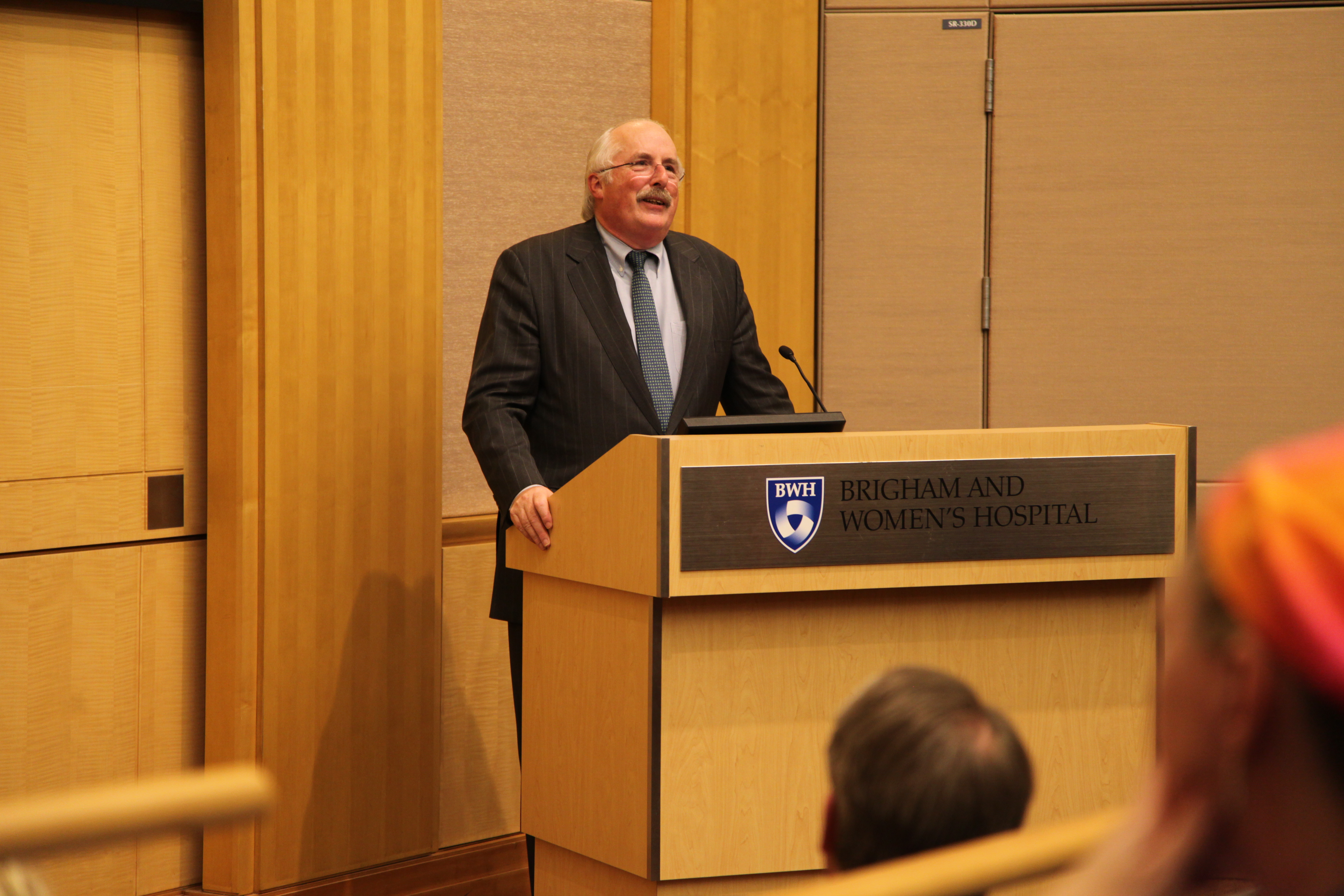
David Torchiana, MD, president and CEO of Partners HealthCare, visited BWH last month to deliver a presentation called “A Century of Public Reporting, from Codman to Today” as part of BWH’s Quality Rounds lecture series.

Torchiana spoke about the influence of the late Ernest Codman, MD—a pioneering Boston surgeon and Harvard Medical School graduate born in 1869—on the quality improvement movement in health care. Codman believed that every hospital should follow all patients after discharge to see if their treatment was successful, and if it wasn’t, hospitals and clinicians should find out why in order to improve care for future patients. In 1913, the American College of Surgeons appointed Codman to lead a committee on hospital standardization, which in the 1950s evolved into The Joint Commission, the world’s leading accreditation authority for hospitals.

Torchiana explained the importance of reporting quality measures to the public—including its ability to improve patient care and help the public make informed health care choices—as well as some of the challenges, including mass media’s sometimes incomplete interpretation of what is reported.

Blood donors Julia Sinclair and David Read, of DFCI, both participated in the recent Blood Drop Challenge.

Blood donors Julia Sinclair and David Read, of DFCI, both participated in the recent Blood Drop Challenge.

When the Kraft Family Blood Donor Center (KFBDC) launched a blood drive competition to benefit patients earlier this year, BWH and Dana-Farber Cancer Institute (DFCI) leadership challenged each other to see which team could make 24 blood or platelet donations first.

Julia Sinclair, MBA, senior vice president of BWH Clinical Services, participated in the competition because all donations made at the KFBDC directly benefit BWH and DFCI patients. She said she hopes the first competition will inspire additional colleagues to participate as well.

“It was important for me to do something that would make a difference in the lives of our patients, many of whom rely on these donations for life-saving care,” Sinclair said. “The competition was fun because our team supported each other the whole way.”

In total, 43 leaders contributed 28 units of whole blood, which benefits roughly 56 patients, and 28 units of blood platelets—cells in the body that help control bleeding and bruising—which will help 28 patients.

The competition, called a Blood Drop Challenge, is a way for the BWH and DFCI communities to make a difference in the lives of patients. While DFCI completed its donations first, Malissa Lichtenwalter, supervisor for donor recruitment at the KFBDC, said the patients are the real winners.

“We had several first-time blood and platelet donors and past donors who jumped back into the donor pool,” Lichtenwalter said. “These donors demonstrated commitment and generosity. We hope this challenge will help inspire others to continue the spirit of donation.”

Staff who are interested in competing are encouraged to form their own teams—for example, by department or unit—and donate blood and platelets at the KFBDC. Teams can either challenge each other or participate on their own. The KFBDC is available to help create a team or place people on teams if needed. All team members will receive gift cards to b.good restaurant after completing the challenge.

To sign up or learn more, email mlichtenwalter@partners.org, or call 617-632-3355.

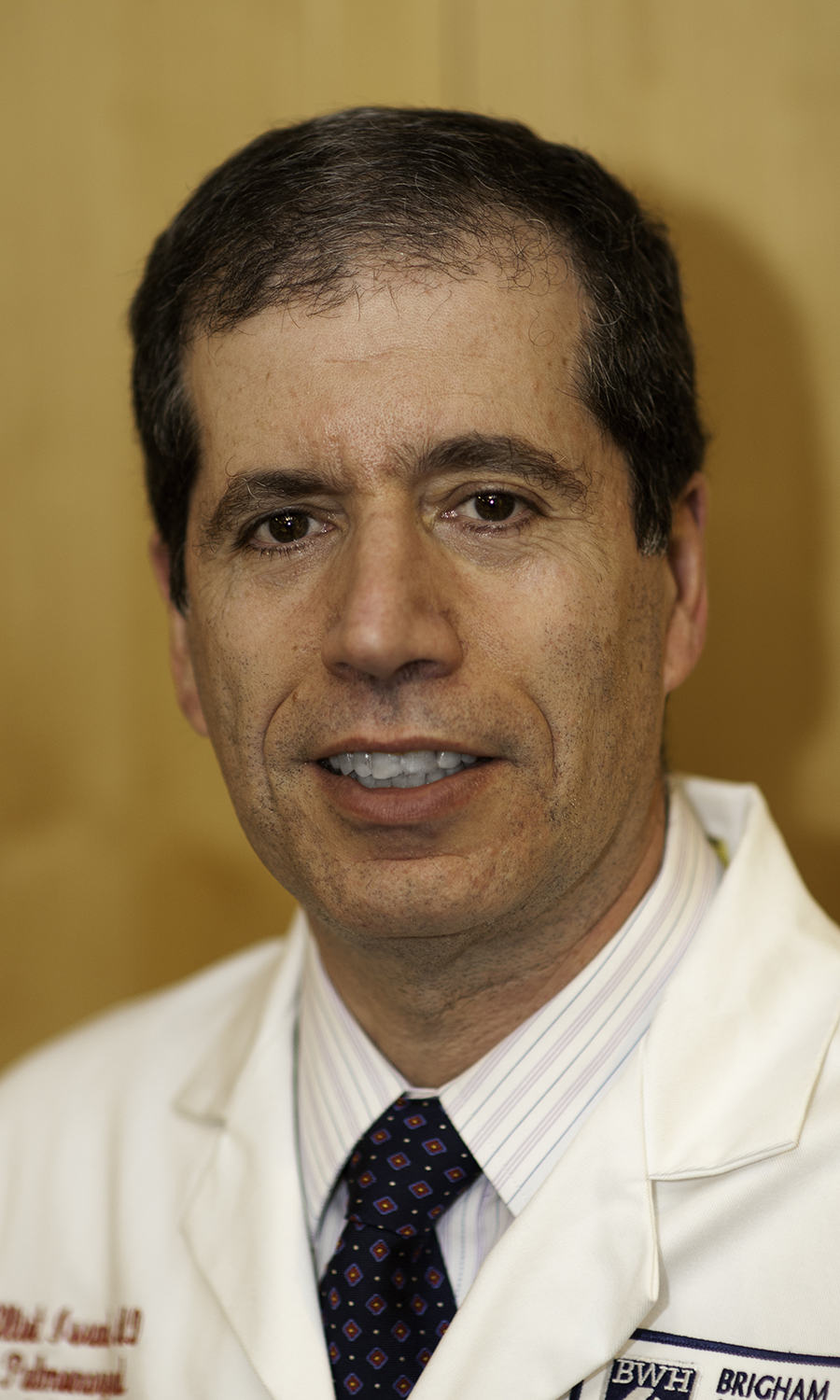
Elliot Israel

Elliot Israel

More than 25 million people in the U.S. suffer from asthma. Asthma attacks, also known as exacerbations, lead to days lost from work or school, impact people’s quality of life and account for 50 percent of asthma health care costs.

“African-Americans and Hispanic/Latinos bear a disproportionate share of morbidity and mortality with two to three times the death rate from asthma as Caucasians,” said Elliot Israel, MD, director of Clinical Research in BWH’s Pulmonary Division. “Despite the introduction of national guidelines for asthma treatment, the gap between these groups and white people has been stagnant at best or widening.”

For his work to address this problem, Israel recently received a $13.9-million, five-year funding award from the Patient-Centered Outcomes Research Institute (PCORI)—an independent nonprofit authorized by Congress in 2010. PCORI’s mission is to improve the quality and relevance of research available to help patients, clinicians and policy makers make informed health decisions. The organization funds comparative effectiveness research (CER)—research that compares existing health care interventions to determine which work best for which patients and which pose the greatest benefits and harms.

Israel says that patients with asthma typically use a reliever inhaler, often called a puffer, to ease symptoms such as wheezing or being out of breath. One way to prevent exacerbations is by using another puffer called an inhaled corticosteroid, or ICS, each day. However, many asthma patients don’t do this; they often feel well enough without it or worry about overusing a medication they don’t believe is necessary.

Israel is investigating a new strategy that presents an alternative to using an ICS inhaler every day. With this approach—called the Patient Activated Reliever-Triggered Inhaled CorticoSteroid (PARTICS) strategy—patients use the ICS inhaler at the same time they use their reliever puffer. Israel’s study is the first attempt to test the effectiveness of the strategy in real-world situations.

“In small studies in controlled situations, the PARTICS strategy has been shown effective at controlling asthma and preventing exacerbations,” said Israel. “We don’t yet know if PARTICS will work in real-world situations.”

The study, called the Patient Empowered Strategy to Reduce Asthma Morbidity in Highly Impacted Populations, seeks to find out if the PARTICS strategy, in addition to provider education, reduces exacerbations among African-American and Hispanic/Latino adults better than provider education alone.

The study will recruit 1,200 African-American and Hispanic/Latino participants 18 years or older with asthma who are using an ICS or who have had an exacerbation in the past year. Their physicians will receive supplemental training about how best to treat asthma. Patients will be randomly chosen to follow the PARTICS strategy in addition to receiving education-enhanced care for asthma, or to receive provider-educated care only. Both groups will complete monthly questionnaires for 15 months. The research team will compare the number of exacerbations in both groups to determine which treatment strategy works better and will also look at days lost from work, symptoms and asthma control.

Notably, two groups of patients from impacted populations have been contributing to the study design, implementation and recruitment by taking part in regularly scheduled conference calls and in-person meetings.

“We are excited to be able to test an approach that is patient-centered and that we believe will help reduce the burden of asthma,” said Israel.

From left: Ellen Golden, Hanni Stoklosa and Jasmine Grace Marino

From left: Ellen Golden, Hanni Stoklosa and Jasmine Grace Marino

Though it may seem like a faraway issue, human trafficking—defined as the recruitment, acquisition, harboring or transporting of adults or children by improper means such as force, fraud or deception, with the aim of exploiting them for profit—happens here in the U.S., including in Boston.

On Feb. 12, BWH hosted an event in honor of V-Day, a global movement dedicated to ending violence against women and girls. The BWH event featured a compelling presentation by a survivor of human trafficking, followed by a panel discussion of how trauma-informed care can better identify and heal survivors of violence and human trafficking. Of the 21 million victims of human trafficking around the world, up to 88 percent report having interacted with a health care provider during the time they were being trafficked.

Survivor and advocate Jasmine Grace Marino was once one of these victims. During the five years when she was being trafficked, Marino had many appointments with her primary care physician at another hospital, but the physician never noticed the signs or the danger she was in, which included brainwashing, violence and the threat of violence by her trafficker.

“Human trafficking is hidden in plain sight,” said Marino, who, at 19 years old, first met the man who would become her trafficker. He paid her attention and treated her like a girlfriend at first, said Marino, who had experienced sexual violence in the past. “We were both coming out of a broken system.”

Marino has since founded a nonprofit called Bags of Hope, which provides basic needs and resources to women who are victims of trafficking.

“Human trafficking victims present in many clinical settings, including emergency medicine, OB/GYN, psychiatry, and primary and urgent care,” said panelist Hanni Stoklosa, MD, MPH, an attending physician in the Department of Emergency Medicine and a member of the Division of Women’s Health. “Health systems need to develop frameworks to better care for this highly vulnerable population.”

Annie Lewis-O’Connor, PhD, NP, founder and director of the BWH Coordinated Approach to Recovery and Empowerment (C.A.R.E.) Clinic, highlighted the importance of trauma-informed care—an approach to patient care that recognizes the presence of trauma symptoms in patients and acknowledges the role that trauma has played in their lives. She also shared some of the new approaches she and her C.A.R.E. Clinic staff are using to engage patients in their care, such as texting patients to check in on them between appointments.

“Each visit with a patient is an opportunity to act in a trauma-informed way,” said panelist Eve Rittenberg, MD, medical director for Primary Care at the Fish Center for Women’s Health. “That patient-clinician relationship is at the core of what patient care should be.”

Ellen Golden, MSW, LICSW, Emergency Department lead social worker, also lent her expertise to the panel, which was moderated by Paula Johnson, MD, MPH, executive director of the Connors Center for Women’s Health and Gender Biology and chief of the Division of Women’s Health.

Partners institutions are leaders in hospital-based federally funded medical research, with nearly $730 million from the National Institutes of Health (NIH) alone in 2015. Research is a key element of the overall Partners mission, in addition to patient care, education and community health.

“Having research as a part of our mission offers important societal and patient benefits,” said Partners President and CEO David Torchiana, MD. “Offering our patients access to the latest advances in medical treatment is dependent on allowing our researchers to better understand and fully appreciate the clinical applications of new developments.”

Integrating research and clinical care. At Partners, there’s a perfect storm brewing that could bring to reality the vision of personalized or precision medicine. Its elements include Partners eCare, the Partners Biobank and the Partners Big Data Commons—a data platform anchored by the Partners Research Patient Data Registry.

Partners Chief Academic Officer Anne Klibanski, MD, said the key to pulling these elements together is the robust electronic health record (EHR) that Partners eCare offers. “We have been able to integrate a number of initiatives and research tools through the Partners Big Data Commons. For example, patients who have enrolled in the Partners Biobank are linked to their health care data from the EHR and other research data—things like information on lifestyle, environment and family history. We’re getting ready to include imaging information in the Big Data Commons as well.”

An added bonus comes in the form of genomic data that further links research with patient care. Last year, investigators across Partners institutions, in collaboration with the Broad Institute, received two four-year grants totaling $12.3 million from the NIH as part of the Electronic Medical Records and Genomics (eMERGE) network; grantees will study approaches to combining genomics and EHRs such as Partners eCare. Researchers will analyze genetic data from the 25,000-plus samples in the Partners Biobank, looking for variants that could impact clinical diagnostics and care. The study will also evaluate how this information can be provided to patients and their physicians so it can be used to support diagnosis, treatment and even prevention.

“This could include anything from identifying when a patient might be a candidate for a specific therapy to identifying when a genetic variation might result in adverse effects from a proposed therapy,” said Klibanski.

Direct patient engagement: The new research frontier. In the past, patients were contacted by their primary care physician (PCP) if they were eligible to participate in a research study. (Even before this step, the researcher had to contact the PCP, explain the study being conducted and ask if any of his or her patients might be eligible.) Occasionally, highly motivated patients might search the internet to find out about clinical trials for which they might be eligible.

All that will change with Partners eCare. When the new system is fully implemented across Partners, patients will have access to a research portal where they can enroll to be contacted by investigators working in areas that relate specifically to them. In addition, patients may be able to help define what some of the endpoints of a research project might be.

“Having patients’ perspective—knowing what would be meaningful to them as an outcome of a research project—is new and exciting territory,” said Klibanski. “Our capabilities in so many areas, including bioinformatics, genomics, data analytics and IT, are escalating rapidly and converging.”

NICU nurse Sandra Borgerson, with baby Noah and mother Toni Johnson-Lewis, on the day of Noah’s discharge

NICU nurse Sandra Borgerson, with baby Noah and mother Toni Johnson-Lewis, on the day of Noah’s discharge

For 158 days last year, Toni Johnson-Lewis and her husband, Ron Lewis, made the NICU their home. Most of their days and nights were spent watching over their son, Noah, who was born prematurely at 22 weeks gestation, weighing less than a pound. Now, more than a month after Noah and his family headed home together, Johnson-Lewis said her son is making great strides. 

“Noah had a 10-percent chance of survival,” said Johnson-Lewis, who works in Research Management for Partners HealthCare. “But he was a fighter and wanted to be here. We relied on our faith and never gave up hope that our miracle would make it through this. We’re excited he’s on the road to good health.”

Weighing more than 15 pounds now, Noah is being weaned off of supplemental oxygen, achieving milestones and “growing like a weed,” Johnson-Lewis said. He receives frequent visits from visiting nurses and specialists and sees doctors at Children’s Hospital Boston for weekly check-ups.

Baby Noah on the day of his discharge from BWH

Baby Noah on the day of his discharge from BWH

While coming home and taking care of Noah on their own was a major adjustment, Johnson-Lewis and Lewis say they are grateful to the BWH NICU staff who educated them about caring for their medically fragile baby.

“We’ve received so much support from the NICU team since the first day Noah was there,” Johnson-Lewis said. “Many of Noah’s primary nurses have checked in on us since discharge to see how he’s doing and to make sure we know how to take care of him in every way. It’s a good feeling knowing they still care about him.”

Noah at home, celebrating his half-birthday

Noah at home, celebrating his half-birthday

Sandra Borgerson, RN, took care of Noah for the duration of his stay in the NICU and updated his parents about his progress as often as possible. She said it’s rewarding caring for babies during their most critical time in the NICU up through their discharge.

“It was a pleasure taking care of Noah and his family,” Borgerson said. “I look forward to seeing more photos and hearing updates on his progress.”

Earlier this month, the new parents celebrated Noah’s 6-month birthday with family and friends. Johnson-Lewis said it was wonderful to be able to mark this major milestone.

One exciting part of the family’s new routine at home is reading books to Noah each night before bed, a practice that started in the NICU, where staff encourage families to read to their babies daily through a new program called the Brigham Baby Academy. The goal of the reading program is to expose babies to a rich word environment to promote language acquisition and expression. Studies have shown that frequent exposure to meaningful auditory experiences reduces some of the stress of being in the NICU and aids in a child’s brain development.

Baby Noah at home

Baby Noah at home

Carmina Erdei, MD, a neonatologist in the Department of Pediatric Newborn Medicine, said she feels fortunate to have had the opportunity to care for Noah and his family. During his stay in the NICU, Erdei often talked with Noah’s parents about the benefits of reading to their infant.

“It was a rollercoaster ride, with many ups and downs during the 158 days Noah spent with us, during which I had many opportunities to share happy moments, provide care and offer guidance during challenging times,” Erdei said. “I am delighted to hear that Noah is thriving and making great progress at home. Noah’s story is one of perseverance, dedication and faith, and I am grateful to him and his family for allowing me to be part of it.”


Phyllis Jen Center for Primary Care

Phyllis Jen Center for Primary Care

BWHers from departments across the distributed campus donned all shades of red on Feb. 5, National Wear Red Day, to raise awareness of women’s heart health. Since the American Heart Association launched the “Go Red for Women” campaign in 2004, the first Friday each February is meant to bring attention to heart disease, the number one killer of women in the U.S. 

View the full gallery of employee photos.

Earlier this month, more than 60 iron workers gathered on Shattuck Street to meet and cheer on 7-year-old Ava, who is undergoing radiation therapy at BWH and is also a patient at Dana-Farber/Boston Children’s Cancer and Blood Disorders Center. The iron workers—who call themselves Ava’s Army—surprised Ava with her own banner on Shattuck Street, facing the windows of a Boston Children’s Hospital building.

1 Comment
Jessica Allegretti speaks with BBC reporter Giles Yeo about FMT.

Jessica Allegretti speaks with BBC reporter Giles Yeo about FMT.

When Jessica Allegretti, MD, MPH, was a resident, she cared for a patient with inflammatory bowel disease (IBD) whose words ended up shaping the path of Allegretti’s career.

The patient told Allegretti that she would not consider surgery to treat her IBD—which is defined by chronic inflammation of the digestive tract—unless she could get a fecal microbiota transplant (FMT) as part of her treatment. FMT is currently being tested in more than 90 research trials as a potential treatment for a variety of diseases and conditions, including IBD.

Presently, the only clinical application of FMT is to treat patients who have experienced three or more episodes of C. difficile (C. diff) or for patients who do not respond to antibiotics. C. diff is an infection that causes symptoms ranging from diarrhea to life-threatening inflammation of the colon. During FMT, fecal matter from a healthy stool donor is instilled into the colon of a patient through a colonoscopy to displace disease-causing bacteria and fight the infection.

As a medical resident, Allegretti didn’t know about the procedure, but after she researched it, she became immediately interested in the potential of FMT as a possible therapy for IBD.

“At the time, it was viewed as almost science fiction,” said Allegretti, who treats patients and performs clinical trials as part of BWH’s Division of Gastroenterology, Hepatology and Endoscopy. “In 2013, the first controlled trial came out in the New England Journal of Medicine showing that FMT was extremely effective at treating C. diff, and it took off from there.”

As a first year fellow at BWH, Allegretti helped to found the hospital’s FMT program, with support from her mentor and Crohn’s and Colitis Center Director Joshua Korzenik, MD, as well as Endoscopy Center leadership and the Division of Infectious Diseases. She is currently the only clinician at BWH who performs FMTs and does three to five of these procedures each week, a rate that has been increasing exponentially in the past four years. At the Brigham, one FMT yields a 95-percent success rate of curing C. diff (compared to the reported success rate in scientific literature, which is about 90 percent). Many other major academic medical centers also offer FMT.

Each patient who is a candidate for FMT goes through a detailed consent process, during which Allegretti discusses what to expect. From there, OpenBiome—a nonprofit stool bank—sends the frozen stool sample, which Allegretti instills into a patient via colonoscopy. Patients go home right after the procedure, similar to a routine colonoscopy.

“We know if it’s worked within 72 hours; the response is quite quick,” she said. “The symptoms of loose bowel movements or diarrhea go away and remain away. We provide counseling for patients to avoid unnecessary antibiotics, which are a big part of what’s driving C. diff infections.”

In addition to time in the clinic, Allegretti is involved in several clinical trials, including one that is testing the effectiveness of a single FMT in improving liver inflammation among patients with primary sclerosis cholangitis—a chronic disease that slowly damages the bile ducts. She also recently worked on a dose-finding study of fecal capsules, learning that lower doses are just as effective as higher doses when it comes to curing C. diff. She is beginning work on a study that will look at the use of FMT to treat obesity, which will include an initial transplant via colonoscopy and oral capsule maintenance therapy.

Though fecal capsules are not appropriate for all FMT candidates, Allegretti believes they are the future of FMT.

“Capsules allow us to not only offer FMT to a broader patient population in a more timely and cost-effective manner, but they let us do better research,” she said. “For example, for chronic disease, one FMT is not going to be enough, but with capsules, we can provide the maintenance therapy that is needed.”

Allegretti says the most rewarding aspect of this work are the results.

“Some patients with C. diff suffer for years and are ostracized by family and friends or they feel they can’t leave their houses,” she said. “They have an FMT and feel better almost immediately. There is nothing more rewarding than seeing these patients break the cycle of recurrent C. diff. FMT is not going to be a cure-all for all diseases, but it allows clinicians and researchers to better understand the role bacteria play in many gastrointestinal diseases and to make more sophisticated, targeted therapies. It’s an exciting therapy to be able to offer and study.”

Ron M. Walls

Ron M. Walls

Since becoming executive vice president and chief operating officer of Brigham and Women’s Health Care in January 2015, Ron M. Walls, MD, has set his sights on working with BWHC President Betsy Nabel, MD, to steer the institution through the nation’s troubled health care landscape. As founding chair of the Department of Emergency Medicine at BWH, Walls is more than prepared for the task.

“Running a hospital, as is the case in Emergency Medicine, requires everyone to have shared goals,” said Walls, who was Emergency Medicine chair for 21 years. “You need to create a plan based on those shared goals and be willing to execute it, even when you have incomplete information. You need to know when to hold the course, even when others are uncertain, but also when to reassess and to have the courage to change the plan if it’s not right.”

In his current role, Walls’s renowned leadership, composure and strategic expertise gained a broader focus: two hospitals, two ambulatory care centers, more than 160 outpatient practices, more than 18,000 employees and a growing number of national and international affiliations. He is inspired by the institution’s storied legacy of turning obstacles into opportunities.

“The Brigham has accomplished so many firsts in health care, like the first human organ transplant and the discovery that aspirin can prevent heart attacks,” he said. “We need that kind of vision and determination to develop the new competencies and courage to launch the next era of academic medicine.”

Walls faced a number of challenges in his first year. Last February’s snowfalls established new records and crippled access to ambulatory services, eventually costing millions of dollars in lost revenue. The BWHC-wide deployment of Partners eCare from May through the end of the year was one of the biggest health IT implementations in Epic history and required outstanding effort from thousands of personnel across the system. On top of this, changes in the external payer environment presented new barriers to achieving financial success and required extensive planning to confront.

As fiscal year 2016 began in October, it was clear that new management systems were essential if BWHC was to continue to generate the margin required to meet its research, education, community service and clinical care missions. With the support of senior leaders and chairs, Walls initiated a new program of “active asset management” to allow BWHC’s many providers to make more effective and efficient use of facilities, providing better care for more patients. The program will fine-tune or redesign, as needed, oversight and management of all key areas, including operating rooms, procedural areas, inpatient beds, ambulatory specialty and primary care access, among others. Teams have begun work in these areas, and a weekly meeting of several department chairs with senior administrative and clinical leaders provides timely analysis and tactical planning to improve performance. 

As his team pursues new business models and efficiencies, Walls draws on his Emergency Medicine successes to drive progress. During his tenure as chair, the department grew from four board-certified emergency physicians to more than 50, and annual patient volume more than doubled, from 38,000 to more than 80,000. The department was completely redesigned and rebuilt, implementing new and innovative care programs.

But the growth came at a cost. While quality and safety metrics were excellent, the clinical space for such high patient volume was undersized by nearly 50 percent, resulting in patient wait times of more than an hour and satisfaction ratings as low as the sixth percentile nationally.

To address this, Walls led an 18-month redesign to improve value and efficiencies at every step of the patient journey. By 2011, more than half of the department’s patients were in a bed within nine minutes of arrival, and patient satisfaction soared to the 99th percentile nationally.

These victories inspire Walls to lead BWHC toward future breakthroughs.

“In the beginning and in the end, it is all about people,” he said. “We are extraordinarily fortunate to have the absolute best talent here: in the administrative leadership team, in our chairs, among our care providers and researchers, and throughout our entire system. That, really, is the secret to success.”

Screen Shot 2016-02-05 at 9.53.55 AMPartners Urgent Care opened its first urgent care center last year in Brookline’s Coolidge Corner. Two additional centers opened this past December at 11 Mt. Auburn St. in Watertown and 71 Needham St. in Newton.

Partners Urgent Care is a collaboration between Partners and MedSpring Urgent Care—a national urgent care provider that focuses on delivering excellent medical care, convenient service and value to patients. In addition to the Boston-area sites, MedSpring operates more than two dozen urgent care centers in Austin, Chicago, Dallas-Fort Worth and Houston.

The centers offer patients affordable, high-quality health care alternatives to emergency rooms. They also support primary care physicians whose patients need non-emergency care after normal office hours.

“We had 15 patients on our first day,” said Julia Sinclair, MBA, senior vice president of Clinical Services at BWH and executive administrator of Partners Urgent Care, referring to the Coolidge Corner location. “The average daily volume in September was 29 patients per day; by December, it was 47 patients per day. We are hearing that patients appreciate the comfort of the facility, as well as the convenience, both in terms of location—it’s right in front of an MBTA Green Line stop—and efficiency—they appreciate being able to be seen quickly.”

Partners Urgent Care centers provide medical care to adults and children over 1 year old. Physicians are on-site from 9 a.m. to 9 p.m. every day, including weekends and holidays. Providers treat a wide range of illnesses and injuries, from coughs and colds to cuts and broken bones. All centers are equipped with digital X-ray and on-site lab capabilities in addition to occupational health services. Also offered are amenities such as free Wi-Fi, snacks and beverages and children’s activities.

Walk-ins are welcome and same-day appointments are available. Patients covered by most commercial and public insurance plans can be seen at any Partners Urgent Care location. The center is open to everyone, however, not just existing Partners patients.

All locations are operated under the clinical and quality oversight of Partners HealthCare, BWH, MGH and MedSpring. Patients who require follow-up can receive care elsewhere within the Partners system or be referred back to their primary care physician or another health practice or community health center.

Partners Urgent Care expects to open additional centers in Eastern Massachusetts in the coming year. For more information, visit partnersurgentcare.org.

Karen Reilly

Karen Reilly

Karen Reilly, DNP, MBA, RN, nurse director for the Cardiac Intensive Care Unit (CCU)/Medical Cardiology inpatient units, has been named associate chief nurse of Cardiovascular, Thoracic and Surgical Acute and Critical Care Nursing Services, effective Jan. 25.

Reilly’s career at BWH spans 23 years and has included such roles as nurse-in-charge in the Medical Cardiology Intermediate Care Unit for 14 years and most recently as nurse director of Shapiro 9/10 for the past nine years. Reilly also served as nurse manager of Tower 12ABCD and the Cardioversion Program.

As nurse director, Reilly led staff on hospital-wide initiatives including the planning and opening of the Shapiro Cardiovascular Center. Her skilled leadership has helped her teams achieve prestigious awards, including the American Association of Critical Care Nurses Silver Beacon Award in 2013 and 2014. Reilly has been chair or co-chair of multiple Department of Nursing and hospital committees, including the Nursing Coordinating Committee and the Emergency Response Committee, which have led to improvements in patient care. Her research explored the impact of reflective practice on the nursing practice environment.

Reilly received her BSN from Saint Anselm College, her MBA in health care from UMass Boston and her DNP from Simmons College. Mary Lou Etheredge MS, RN, PMHCNS-BC, has been serving in the interim role of associate chief nurse.

Paul Sax

Paul Sax

BWH Bulletin recently sat down with Paul Sax, MD, clinical director of the Division of Infectious Diseases, to learn more about the Zika virus.

Can you tell us about the Zika virus, including its symptoms and how it is spread?

Zika virus is a tropical infection spread by mosquitoes. It’s been known since the 1940s, but it only recently entered the Western Hemisphere. The largest outbreak so far has been in Brazil, but it has now been observed throughout much of South and Central America and the Caribbean. When symptomatic, the illness tends to be mild, with some people noting fever, headache, rash, joint aches and red eyes; 80 percent of people have no symptoms at all.

The reason Zika is getting much attention is that the infection in pregnant women may lead to a potentially serious complication in their babies called microcephaly. Babies with microcephaly have abnormally small heads and may have multiple neurologic problems as well. As a result, it is potentially a very severe condition, though some children with microcephaly have mild or no impairment. The reported rates of microcephaly in Brazil have recently increased 20- to 30-fold; it’s not clear if this is related only to Zika or whether a greater awareness of the problem has led to increased reporting of microcephaly. Probably both are contributing.

Does Zika virus cause microcephaly?

This has not been proven, but the association is strong enough that the Centers for Disease Control and Prevention (CDC) has made a recommendation that women who are pregnant or trying to become pregnant should not travel to countries where Zika virus transmission is occurring. These countries include Mexico and many in South and Central America, such as Costa Rica, as well as some of the Caribbean islands, including Puerto Rico and the Dominican Republic. The list is being updated frequently, so women who are pregnant or planning to become pregnant should consult the CDC website before traveling. The World Health Organization (WHO) has given the Zika virus the same designation as it did for Ebola: a public health emergency.

Should people who are not pregnant or trying to become pregnant also avoid these countries?

There is no reason for U.S. travelers to avoid going to places where Zika virus transmission is occurring if they are not pregnant and not trying to become pregnant. As mentioned above, four out of five people who are infected develop no symptoms at all; many who do experience a mild viral-like illness.

Do you expect Zika virus to spread in the U.S.?

Yes. The mosquito that most efficiently transmits Zika virus is the Aedes aegypti mosquito and can be found in the southern U.S., specifically in Florida and the Gulf states. This type of mosquito doesn’t find its way much north of that. A reason that Zika transmission in the U.S. will likely be of smaller magnitude is that we have greater resources to control mosquitoes than many tropical countries and far more widespread air conditioning. Still, I have little doubt that there will be cases of Zika virus in this country affecting those who have not travelled to countries with Zika virus transmission, but it seems unlikely there will be an epidemic anywhere near the scale we’re seeing in tropical countries. The cases so far in the U.S. have been related to travel or, in very rare instances, sexual transmission.

Who is being tested for the virus?

The patients for whom testing is recommended are pregnant women who have had an illness consistent with Zika virus and who have traveled to a region where Zika transmission is occurring. Testing must first be cleared by the Massachusetts Department of Public Health; it is then being done at CDC. There is no local testing yet, but I expect there will be more widespread testing in the future. It is recommended that all pregnant women who have traveled to these regions notify their providers and have fetal ultrasound monitoring; this is commonly done here anyway.

Can people become re-infected by the virus?

Much is still not known about Zika, but if it is like many other viruses, the first time the infection occurs is most likely the period of greatest vulnerability. Indeed, many viral infections induce lifelong immunity, and second infections are rare. Once an infection becomes widespread in a community, many of the first infections happen during childhood, and hence women of childbearing age would already be immune. This is one theory why the association between Zika and microcephaly had not been noted in Africa.

If people travel to one of the countries where Zika virus transmission is occurring, is there anything they can do to protect themselves?

The best prevention is to try to minimize mosquito bites. Recommended measures include residing in air-conditioned settings as much as possible, use of insecticides at all times and wearing long pants, long sleeves and hats. There is excellent specific information on how to avoid mosquito bites on the CDC website.

Learn more on the CDC website.

4 Comments
Mark Andersen

Mark Andersen

Mark Andersen, MHA, MS, has been appointed interim chief information officer (CIO) for BWHC, as of Jan. 4. The appointment will ensure continued progress of Partners eCare implementation while the search for a permanent CIO continues.

Andersen joins BWHC from the University of Virginia (UVA) Health System in Charlottesville, where he served as interim chief technology and health information officer. A skilled and collaborative leader, he has a proven track record in health care information technology consultation and management, and brings extensive experience in integrating IT and innovation to support clinical operations. He joined UVA as interim chief technology and health information officer shortly after the launch of Epic at UVA’s 700-bed hospital, where he led the organization through a successful stabilization effort, effectively resolving issues related to resource management, training and data mining.

As senior vice president and chief information officer at Yale New Haven Health System, Andersen led the selection, contract and implementation process for the transition to Epic from multiple legacy systems. Prior to that, he was vice president of Management Systems and Technology at New York Presbyterian/Columbia University Medical Center and was director of Revenue Management for the Dallas-based Epic Healthcare Group.

Andersen earned his MHA at The Ohio State University and his MS in industrial engineering/health systems engineering from the University of Missouri. He began his health care career as an occupational therapist, and his commitment to patients and the highest-quality patient care has been a driving force throughout his career.

From left: LCU nurses Dina Sousa, Joan Morgan, Irene Cooper, Gail Slotnick, Karen Reilly, Kathleen Ryan-Avery, Teana Gilinson and Laura Rossi

From left: LCU nurses Dina Sousa, Joan Morgan, Irene Cooper, Gail Slotnick, Karen Reilly, Kathleen Ryan-Avery, Teana Gilinson and Laura Rossi

Last month, the BWH Heart & Vascular Center and Division of Cardiovascular Medicine celebrated a major milestone: the 50th anniversary of the Levine Cardiac Intensive Care Unit (LCU). Members of the center and division, as well as the broader BWH community, gathered in Bornstein Amphitheater on Dec. 17 to reflect on the highlights of the LCU’s 50 years and hear from guest speaker John Rutherford, MB, ChB, FRACP, former co-director of the LCU who is now at the University of Texas Southwestern.

“The LCU is a crown jewel of our clinical services and academic training programs,” said David Morrow, MD, MPH, LCU director. “If there is one unifying theme for this celebration, it is that the rich history of the LCU rests in its people and partnerships.”

When the LCU first opened in February 1965 at Peter Bent Brigham Hospital, it was one of a handful of novel, specialized coronary care centers that would revolutionize both the care and survival of heart attack patients. The unit was specifically designed, equipped and staffed to monitor heart rhythm and resuscitate patients experiencing fatal arrhythmias. It was outfitted with electrocardiographic monitors for continuous heart rhythm surveillance, alarms to alert staff of rhythm disturbances and highly trained coronary care nurses prepared to intervene during cardiac arrest. Much of Rutherford’s presentation highlighted the critical importance of nurses’ insight and knowledge from the unit’s earliest days through the present.

“The unit continues to lead the way in caring for the most complex, critical cardiac patients and training the next generation of world leaders in the field,” said Rutherford.

From left: LCU Directors, past and present, Gregory Curfman, John Rutherford, David Morrow, Joseph Alpert and Elliott Antman

From left: LCU Directors, past and present, Gregory Curfman, John Rutherford, David Morrow, Joseph Alpert and Elliott Antman

Rutherford also detailed the far-reaching impact of the unit’s physicians and former directors, including Samuel Levine, MD, the  unit’s namesake, Bernard Lown, MD, Elliott Antman, MD, and Peter Libby, MD, and highlighted the staff’s commitment to keeping patients and families at the forefront.

“We stand on the shoulders of giants, and I hope the past 50 years forecast our future,” Morrow said.

sheffer_photoBWH and the Division of Rheumatology, Immunology and Allergy mourn the loss of Albert L. Sheffer, MD, who died Dec. 22.

During his 50-year career at BWH, Dr. Sheffer, of Weston, provided compassionate care to thousands of patients with allergic and immunologic diseases, as well as training and mentorship to more than 100 fellows. He conducted innovative clinical research to create or expand treatment options for conditions such as allergic rhinitis, bronchial asthma and hereditary angioedema. For the latter condition, he developed a prophylactic therapy that reduced spontaneous flares. Dr. Sheffer also discovered what proved to be the most common form of physical allergy elicited by exercise. Thanks to his concern for his patients and a thorough exploration into this phenomenon, exercise-related anaphylaxis remains a well-recognized form of physical allergy to this day.

Born in Lewistown, Penn., Dr. Sheffer graduated from Franklin & Marshall College and George Washington University Medical School. He completed his internal medicine and pulmonary training at the University of Pennsylvania Graduate Hospital, an allergy/immunology fellowship at Temple University Hospital and a post-doctoral research year at the Rockefeller Institute.

He joined Harvard Medical School in 1964 and Peter Bent Brigham Hospital in 1966. Soon after, he and K. Frank Austen, MD, established the Allergy Clinic and the Allergy Training Program. His trainees went on to hold leadership positions in the specialty. Dr. Sheffer engaged in private practice from 1969 until 1993, when he became a full-time staff member at BWH, serving as the director of Allergy until 1998.

“Shef’s passion to understand mechanism so as to more effectively alleviate symptoms for his patients was accompanied by unwavering attention to both basic and translational possibilities,” said Austen.

A pioneer in emphasizing the science underlying asthma and allergic disease, Dr. Sheffer was past-president of the American Academy of Allergy, Asthma and Immunology (AAAAI), the first chair of the expert panel that generated the National Heart, Lung, and Blood Institute’s (NHLBI) Guidelines for the Diagnosis and Treatment of Asthma, and co-chairman of the first Global Initiative for Asthma Committee. He also served on the United Nations Technical Options Committee. He received the Distinguished Service Award from NHLBI, as well as the Distinguished Clinician’s Award from the AAAAI. He and Austen were co-recipients of the first annual Mentoring Award from the AAAAI for their contributions. He was also elected to the American Association of Physicians based on the importance of his discoveries.

“Dr. Sheffer cared passionately about the education of his fellows,” said Joshua Boyce, MD, the current Albert L. Sheffer Professor of Medicine and associate chief of Rheumatology, Immunology and Allergy at BWH. “He was a selfless and dedicated physician and mentor who modeled exemplary clinical care for all of us.”

Dr. Sheffer was also a longtime donor to BWH and a member of both The Hippocrates Society and The President’s Pillar Society.

He is survived by his wife, Barbara Sheffer; children Andrew Sheffer, Susan Sheffer, Peter Sheffer and wife, Mary, and Linda Larabee and husband, John; grandchildren Emma, Bea, Will and Jack Sheffer, Matthew Larabee, and Katherine Larabee Tuttle and husband, Samuel Tuttle. 

A memorial service will be held on Saturday, Jan. 30, at 11 a.m. at the First Parish Church, 349 Boston Post Road in Weston. In lieu of flowers, contributions may be made to the Albert L. Sheffer, MD, Fellowship Fund for Allergic Diseases (giving.brighamandwomens.org/sheffer), Development Office, BWH, 116 Huntington Ave., Third Floor, Boston, MA 02116.

Beatrice Trotman-Dickenson 2 of 2BWH and the Department of Radiology mourn the loss of Beatrice Trotman-Dickenson, MBBS, who passed away on Dec. 3 after a short illness. She was 57.
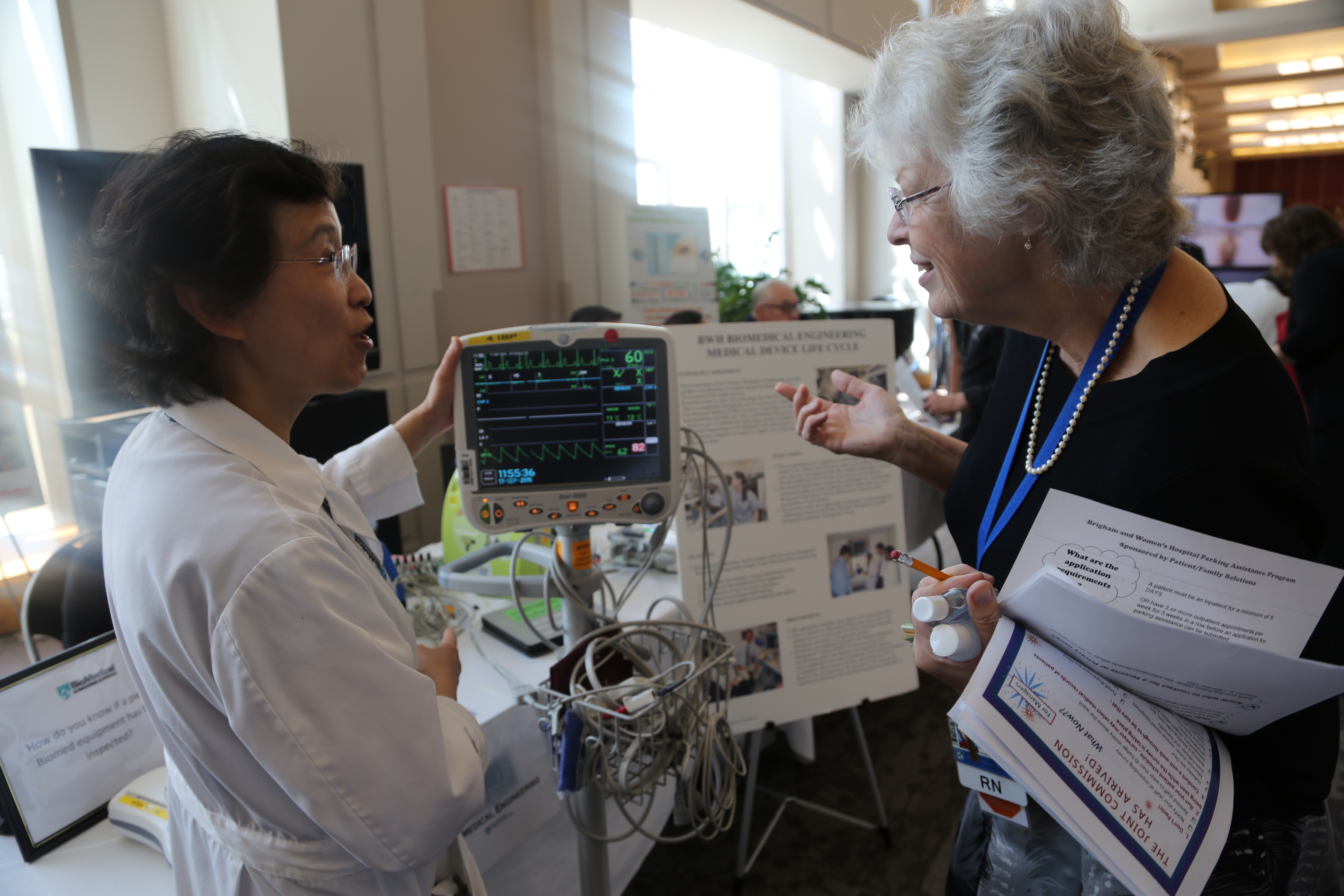
Dr. Trotman-Dickenson, of Wellesley, was a radiologist at BWH, director of the Thoracic Imaging Fellowship Program and an assistant professor of Radiology at Harvard Medical School. She had worked at BWH since 1998.

Born in Edinburgh, Scotland, Dr. Trotman-Dickenson earned a bachelor of science in Psychology at the University College London and her medical degree at the University College Hospital Medical School in London.

“Beatrice was brilliant,” said manager and friend Andetta Hunsaker, MD, of Radiology. “She was a fabulous colleague because she was a team player who rose to excellence and inspired us all to be outstanding.”

As a radiologist, Dr. Trotman-Dickenson worked with many physicians throughout the organization, discussing cases and results of patient scans.

Elliot Israel, MD, of the BWH Pulmonary and Critical Care Division, worked with Dr. Trotman-Dickenson since she joined BWH. He said it was very important to her that she made the time to share her knowledge with others.

“She exemplified what it means to be a physician,” Israel said. “She always strived to go the extra mile to help a patient and provide the best care. We were very lucky to have her at the Brigham.”

Francisco Marty, MD, of the BWH Division of Infectious Disease, says he appreciated Dr. Trotman-Dickenson’s willingness to teach others and her ability to make someone smile.

Even during her illness, Beatrice always found the humor in the situations she faced,” Marty said. “She touched so many people’s lives. She’s someone who everyone knew, respected and loved.”

Dr. Trotman-Dickenson enjoyed teaching residents and speaking at conferences.

When she wasn’t working, she was fond of spending time with family, playing tennis, skiing and keeping up with the latest pop-culture news.

“She was well-respected by her peers, always knew how to brighten someone’s day and cherished her family,” Hunsaker said.

Dr. Trotman-Dickenson is survived by her husband, Leo J. Hermacinski; son, Max; daughters, Alexandra and Anna; parents, Sir Aubrey and Lady Danuta Trotman-Dickenson; brothers, Dominic Trotman-Dickenson and Casimir Trotman-Dickenson; and many nieces, nephews and friends.

Memorial donations can be made to Horizons for Homeless Children, 1705 Columbus Ave., Boston, MA 02119.

BWH Security recently welcomed two additional community service officers to the team. Olga Davidson and Ryan Cotter join Ryan Carvalho, who began in the community service officer role last year. The addition means that there is now a dedicated officer for all three shifts.

Community service officers patrol all inpatient units in the Tower, Connors Center for Women and Newborns and Shapiro Cardiovascular Center for the entirety of their shift, serving as a resource for BWH’s care teams. The officers are available to answer questions about security and functions and to test systems and equipment, including panic buttons.

Bob Donaghue, operations manager for Security and Parking, said BWH has been working to increase the Security team’s visibility on campus after an in-depth assessment of BWHC’s security program by Healthcare Security Consultants, Inc., last year. The BWH community service officer program was created as a result of the assessment.

“After a successful pilot phase, we are very grateful that these two new positions have been created,” Donaghue said. “These officers make great additions to our Security team and to the hospital, and they will be an excellent resource for all staff.”

Staff should report safety concerns by telling a manager or calling Security at 617-732-6565. For non-urgent concerns, email BWHSafety@partners.org.

From left: Ameera Cluntun and Samantha Majcher treat a mock trauma patient in STRATUS.

From left: Ameera Cluntun and Samantha Majcher treat a mock trauma patient in STRATUS.

From practicing IV placement and CPR to managing a difficult airway or a complicated multi-system failure, the Neil and Elise Wallace Simulation, Training, Research and Technology Utilization System (STRATUS) Center for Medical Simulation at BWH offers a variety of training to meet the needs of staff and trainees throughout the hospital, as well as beyond BWH.

In January, the STRATUS Center was re-accredited by the American College of Surgeons (ACS) as a comprehensive training institute. The ACS, which sets standards for how surgical education and training should be offered, lauded the center’s scope of educational programs, curriculum development and resources for delivery of effective education as among the best in the nation.

Physicians, nurses, physician assistants, residents, fellows, students and other clinicians from all specialties use the center for simulation-based educational programs, either as part of individual skills training programs or as part of a Graduate Medical Education training program. Recently, outside groups have traveled to the STRATUS Center from across the U.S., as well as from Saudi Arabia, Brazil, Colombia, China, the United Arab Emirates, India and parts of Europe.

The center, which prides itself on being service-oriented, offers curriculum experts and simulation specialists, as well as state-of-the-art equipment and an operating room (OR) that is a replica of a BWH OR. Through a one-way mirror, faculty and technicians can watch the activity inside and regulate a mannequin’s vitals, breath sounds, pulse and blood flow for simulation exercises.

“In addition to being a local and international leader in clinical education, STRATUS has been on the cutting-edge of simulation-based assessment, research and process improvement,” said Charles Pozner, MD, medical director of STRATUS. “It also has a robust research program, publishing more than 130 manuscripts over the last decade, including the first scientific investigation employing simulation in the New England Journal of Medicine. Hospital departments also use STRATUS to introduce or assess clinical processes to improve patient safety.”

Programs can be one of several formats:

Scenario-based simulations. Participants are presented with a clinical scenario and asked to manage the situation. Vital signs and other physiology can be altered to meet the needs of learners or the team’s actions. Post-scenario debriefing enables the faculty to interactively deconstruct the case with participants, providing an engaging learning environment.

Skills trainings. Expert faculty hosts these sessions, intended to teach a specific surgical or medical skill such as knot tying, tissue dissection, IV line placement, lumbar puncture and airway management.

System and quality assessment. These sessions mimic scenarios that involve emergency preparedness, such as Ebola preparedness training and mock codes, so staff can develop and reinforce best practices.

Assessments. Participants are evaluated on a particular skill set by completing competency exercises. BWH mandates that all clinicians who insert central lines pass a standardized assessment using mannequins at STRATUS before performing the procedure on patients. 

Non-technical skill development, such as collaboration and communication among teams, are also of the utmost importance to STRATUS. “Learning how to communicate and understand each other’s thought processes is essential,” said Pozner. “In times of high stress, even experts have gaps in knowledge. Collaboration helps clinicians to find the answers they need.”

Added Sheldon Singh, operations manager: “We help clinicians develop and hone their clinical skills, striving to provide a great experience so that patients can have the best experience possible at BWH and beyond.”

From left: Xiaojie Liu, of Biomedical Engineering, and Brenda Griffin, of Nursing, at BWH’s Joint Commission Readiness Fair last September.

From left: Xiaojie Liu, of Biomedical Engineering, and Brenda Griffin, of Nursing, at BWH’s Joint Commission Readiness Fair last September.

One surveyor from The Joint Commission (TJC) stated that “the heart of health care beats at the Brigham.”

Others lauded Watkins Clinic staff for “outstanding work and documentation” and their strong knowledge around process.

When a surveyor asked Liljana Zheku, a unit coordinator on Shapiro 9 East, about the purple sticker on her ID badge and if she was required to get the flu shot this season, Zheku responded by saying that she received flu vaccine because it protects patients and employees. The surveyor was impressed by this and later praised Zheku at a debriefing session.

Through these interactions and observations and many others, BWH showcased its commitment to patient safety and excellent care during TJC’s 2016 review, which was conducted earlier this month.

“We want to extend our sincere gratitude to the many people across our institution who helped us prepare for this visit,” said BWHC President Betsy Nabel, MD, on behalf of leadership. “Your commitment to our patients and families are evident across our distributed campus every day, always guided by our mission of delivering the highest standard of care to everyone we serve.”

During their five-day visit, surveyors used the tracer methodology, a means of evaluation in which surveyors select a patient and use that individual’s record as a roadmap to assess an organization’s compliance with certain standards and its systems of care and services. Surveyors visited many locations across BWH, from the Emergency Department, NICU, Tower and Shapiro Center to Pharmacy, Food Services and ambulatory practices, including Foxborough and Brookside Community Health Center.

Surveyors were eager to learn more about BWH’s Centering Pregnancy Program—a partnership between the Center for Community Health and Health Equity and the Midwifery Service that combines health assessment, education and support in a group setting for women receiving prenatal care at three BWH obstetric sites. Surveyors were also interested in BWH’s primary care population health management efforts and were impressed with Pharmacy’s management of a complication of heparin therapy—a blood thinning treatment—and the cost savings associated with this initiative.

One of TJC’s responsibilities is to make sure hospitals abide by Centers for Medicare & Medicaid Services (CMS) conditions, including physical environment, which TJC refers to as “life safety and environment of care.” In the environment-of-care evaluation, the surveyor team found BWH’s standards overall were “excellent.” However, with nearly 3 million square feet of buildings on campus, some of which are older facilities not designed for today’s medical equipment demands, 13 minor issues were observed in the inpatient Tower in particular. These issues—which included oxygen cylinders not in their holders, and carts, equipment or beds temporarily positioned in front of electrical panels and medical emergency shut-off valves—resulted in a finding that will require correction and a return visit by a TJC surveyor to confirm compliance. This finding does not impact BWH’s CMS certification or TJC accreditation.

“With the help of Engineering and Support Services, BWH has a mitigation plan in place; in fact, many of the issues were corrected as they were identified,” said Kelly Doorley, director of Clinical Compliance. “We will correct all of these issues within the 45-day timeframe. We appreciate all of your support in ensuring we stay compliant.”

The flags outside 45 Francis St., lit by electric candles on the evening of Jan. 20

The flags outside 45 Francis St., lit by electric candles on the evening of Jan. 20

On the morning of Jan. 20, the BWH community and members of the Davidson family gathered to honor the life and legacy of Michael J. Davidson, MD, one year after his passing.

The tribute began outside of 45 Francis St., where members of the BWH Security team guided Davidson’s children in raising and then lowering the BWH flag to half-staff. Davidson’s wife, Terri Halperin, MD, and her mother joined BWH staff—many wearing MJD pins and blue surgical caps with the initials MJD—to hear reflections from BWHC President Betsy Nabel, MD, and moving renditions of the National Anthem and “Somewhere Over the Rainbow,” sung by Mark Anderson, IT project manager for the Department of Medicine.

“Today is about finding comfort in our memories of Dr. Davidson and in reflecting on the indelible impact he had on so many lives,” Nabel said. “What has given me strength and hope this past year are the stories from Michael’s patients and their loved ones about his kindness. Let us all strive to emulate his unwavering compassion to uplift the hearts of others. I believe that this is the most fitting way for us to carry forth his legacy and express our gratitude for all that he gave in his short time on earth.”

At the end of the ceremony, attendees left electric votive candles at the base of the flagpole, which remained there through the night, casting a hopeful light in honor of Davidson.

Later that morning, staff joined Davidson’s patients and their families, colleagues and Halperin in Bornstein Amphitheater for a celebration of his life and legacy.

During the service, attendees heard from Davidson’s patients; his former assistant Mishel Burgos, lead surgical coordinator of BWH Cardiac Surgery, who gave a reading; Halperin and Nabel. Attendees also viewed videos featuring moving testimonials from patients and reflections from his friends and colleagues.

Captain Lou Buonadonna, a patient of Davidson’s, spoke about his relationship with “Dr. Mike,” who performed a life-saving valve repair surgery in 2011 that enabled Buonadonna to continue his career as a pilot. It also gave him precious time with his family, including his wife, three children and three grandchildren.

“Michael had my heart in his hands, and I am so grateful to this day that I came into his care,” said Buonadonna, who wore his pilot uniform as a tribute to Davidson. “I love Dr. Mike very much, and my thoughts and prayers will be with him, Dr. Halperin and their children forever. If there were more people in this world as kind, caring, compassionate and gifted as Dr. Mike, it would be a better place.”

Halperin concluded the service with reflections on what her husband valued most: his family, friends and colleagues, and the patients and their loved ones who entrusted him with their lives.

“There’s something so special about holding someone’s heart in your hands,” she said. “Michael truly felt it was an honor and a privilege to operate on the heart. It takes an enormous amount of trust on the part of a patient to put your life in a surgeon’s hands.”

View a recording of the service.

This week’s Safety & Security Corner features information about the ability to institute access control in the Shapiro Cardiovascular Center. As always, if you see something, say something. Staff should report safety concerns by telling a manager or calling Security at 617-732-6565. For non-urgent concerns, email BWHSafety@partners.org.

In the past few months, BWH has been working to enable access control (the selective restriction of access) in the Shapiro Cardiovascular Center. Once in effect, all Shapiro doors with access control will be locked every day from 9 p.m. to 6 a.m. During this time, all employees will need to swipe their ID badge to gain access to the building and units. This plan makes the Shapiro Center consistent with how security is managed on the rest of the main campus from 9 p.m. to 6 a.m. Next week, Shapiro staff will receive a communication with details on this process and a go-live date.

The plan also includes the ability to enable access control for the entire Shapiro Center or on a unit-by-unit basis if needed.

Michelle Morse leads an interactive educational session for Haitian clinicians.

Michelle Morse leads an interactive educational session for Haitian clinicians.

Haiti has just one neurologist for 10 million citizens, but the burden of neurological disease there is enormous, say BWH’s Aaron Berkowitz, MD, PhD, and Louine Martineau, MD, of the University Hospital in Mirebalais in Haiti.

Since BWH helped the University Hospital open in 2013, Martineau has regularly consulted on his neurologic patients with Berkowitz, who leads BWH’s Global Neurology Program. “By opening an outpatient clinic in communication with Dr. Berkowitz, we have created a way to manage patients with neurologic problems,” said Martineau.

To address the larger problem, Berkowitz and colleagues are launching Haiti’s first neurology training program. Initial seed funding will allow them to train two neurologists over the next two years.

“With further investment in the fellowship, we hope to train a few neurologists every year,” said Berkowitz. “These neurologists will serve different regions of the country so patients can get the care they need from local providers.”

Along with colleagues at Partners In Health and Equal Health—nonprofits connected with the University Hospital and BWH—Berkowitz will train the first two neurology fellows, and mentor them to train the next class and become the program’s core faculty.

“Watching the first class of residents support and guide the next, evolve as phenomenal clinicians and begin to dream of the impact they can have on health in Haiti is fantastic,” said Michelle Morse, MD, MPH, assistant program director for BWH’s Internal Medicine Residency and an advisor to University Hospital’s medical director.

The team hopes the fellowship will become a self-sustaining neurology residency program so that patients can get the care they need closer to home.

“The neurology fellowship at University Hospital in Mirebalais will plant the seeds for neurology in Haiti going forward,” said Berkowitz.

Added Morse: “Mirebalais will give us incredible evidence to share with the world on how to go from one neurologist serving a large population to many neurologists. Then we can begin to address the global burden of neurologic disease in earnest.”

Aaron Berkowitz teaches clinicians in Haiti.

Aaron Berkowitz speaks with clinicians in Haiti.

3 Comments
James Rathmell stands by two of many photographs he has taken.

James Rathmell stands by two of many photographs he has taken.

BWH Bulletin recently sat down with James Rathmell, MD, chair of the Department of Anesthesiology, Perioperative and Pain Medicine, to discuss his first seven months at BWH, his goals for the department and how his diverse interests in medicine and photography have shaped his career path. An established leader in pain medicine, Rathmell joined BWHC in June 2015.

What initially attracted you to BWH?

I spent the last 10 years at MGH, and when this opportunity arose, the chance to stay in the Harvard system and to join one of the best hospitals in the country was an opportunity I couldn’t pass up. This department has a great long history of being one of the best training grounds for anesthesiologists in the country. It was an opportunity to join all of these great innovators here at the Brigham.

What early goals did you have for the department?

Interim chair Bhavani Kodali, MD, did an excellent job of keeping the department stable and moving forward, which is always a challenge during an interim period. The first three months, I was meeting everyone and learning. At the 90-day mark, I made the first changes, which largely involved getting everyone working in the same direction.

My vision is broadly about creating the next generation of innovative anesthesiologists—the people who go on to practice anesthesiology and pain management and define how it is practiced across the U.S. and around the world. We want to continue to train those people, something the Brigham has done for many decades. We also have several extraordinary labs that are doing groundbreaking research; now we need to develop the next tier of young and mid-career researchers who go on to build their own labs.

Increasingly in health care, there’s an administrative and leadership piece as well, and we want to develop the next generation of anesthesiologists who are going to be leading Operating Rooms (ORs) and ICUs and pre-operative assessment centers.

How have you seen the field change over your career?

Anesthesiology has changed dramatically. One example is that we’ve gone from a specialty where the vast majority of anesthesiologists spend the majority of their time in the OR, either directly administering anesthesia or supervising other providers giving anesthesia, to a good proportion of faculty spending the majority of their time outside of the OR. About 50 percent of the work we do now is outside of the OR.

How has anesthesiologists’ role across the continuum of care changed?

Anesthesiologists’ role has become more prominent. We’re involved in the continuum of care from the decision to perform surgery all the way through recovery. We’ve become critical members of the team who enable surgeons to do what they do in the safest possible fashion.

Dr. Rathmell talks more about anesthesiologists’ role on the care team.


How and when did you first become interested in the field?

I went to medical school to be an oncologist. One of my passions is photography, and so as I got into my second and third years of medical school, I became very interested in ophthalmology and actually started an ophthalmology residency. During intern year, I realized that I liked taking care of people who are sick, but you largely don’t take care of systemic illness in ophthalmology. I switched to anesthesiology because I loved pharmacology, and I never looked back. That was 28 years ago.

Dr. Rathmell offers advice for medical students and residents struggling with their choice of specialty.


Can you describe your research?

I’m a clinical researcher, so I’m involved with clinical trials all the way from phase 1 (first-in-human) through post-marketing studies on drugs and sometimes devices. In the past five years, my research has focused on using image guidance to safely place needles for pain treatment.

Does your love of photography influence your work as a clinician and hospital leader?

I do all of the cover design and images for the journal Anesthesiology, so I am constantly thinking about how to present complex information in a way that gets the message across clearly and visually. I often bring photos or illustrations into the education realm, too. When I learn new techniques and teach others, I use those same visual skills.

How do you decide which photos will be featured on the cover of the journal?

I read the issue and try to take something out of it that we can illustrate visually. The November issue (see image at right) featured a new survey comparing the demographics of anesthesiologists 10 years ago vs. today. The survey was nationwide and takes into account gender, age, ethnicity, type of practice, etc. I wanted to illustrate that diversity, and what came to mind was our beautiful lobby at the Brigham. I wondered, could I get a large group from the department together and photograph them in the lobby? Collaborating with professional photographer and artist Diemut Strebe, we gathered everyone in the lobby late one Friday afternoon. Diemut had the brilliant idea of scattering everyone across the lobby, which gave the image a wonderful effect. Our department is extremely diverse, and I thought the cover would speak to the diversity across anesthesiology. It worked, and the department loved it.

Can you talk about the importance of mentorship?

In each phase of my career, mentorship has been critically important. I think that each phase or task that you have to accomplish requires a unique mentor, and I’ve had many mentors over the years. A good mentor helps guide you through and then celebrates when you are successful.

What do you want the rest of the BWH community to know about the department?

You have this incredible group of physician innovators who are great team members and facilitators. We can be very innovative no matter what you’re doing across medicine—from clinical care to education to research to leadership. Come find us; we’re good teammates.

We asked Dr. Rathmell if he enjoys teaching medical students and residents.


What is Dr. Rathmell’s favorite book?