Posts from the ‘patient care’ category

henske

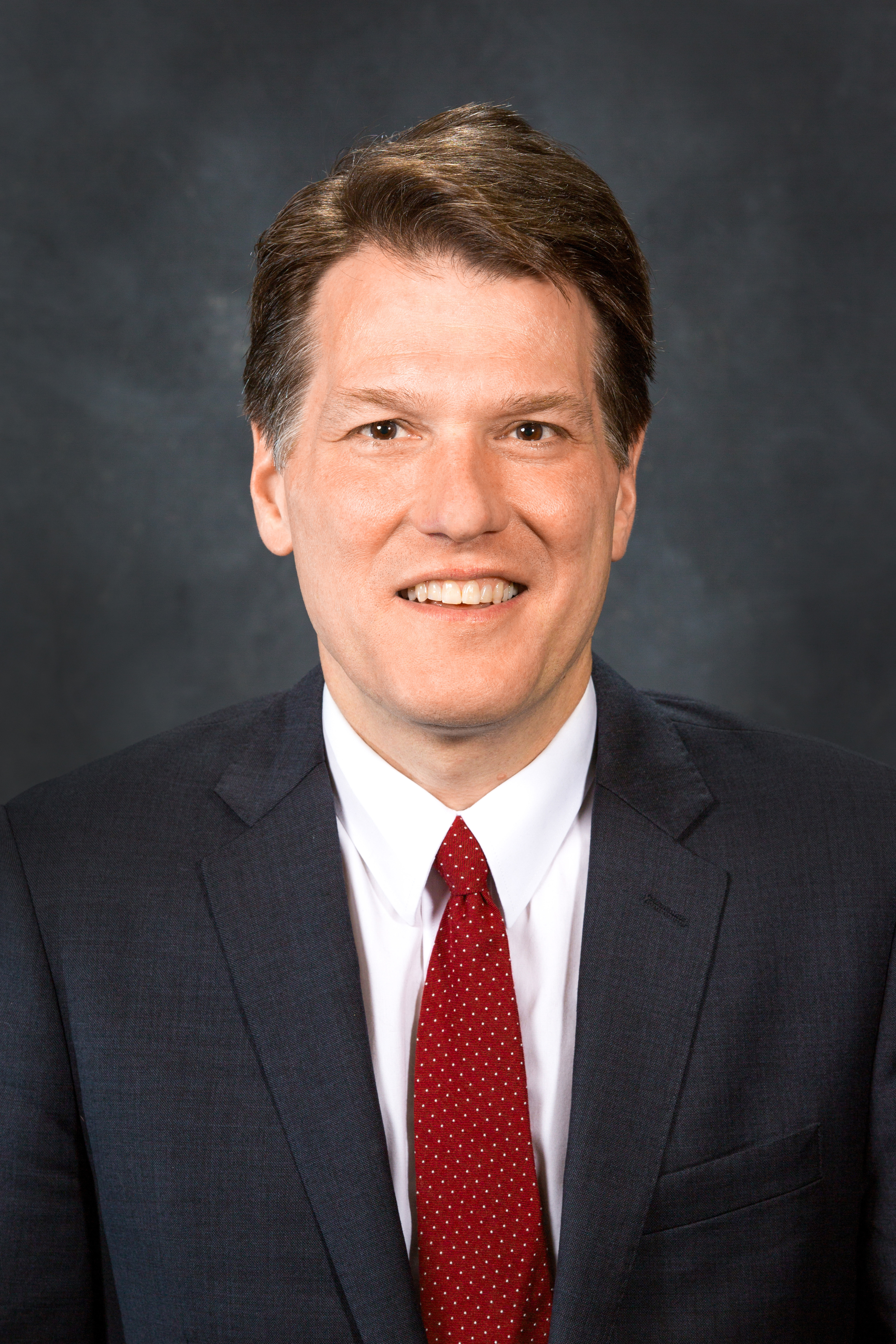
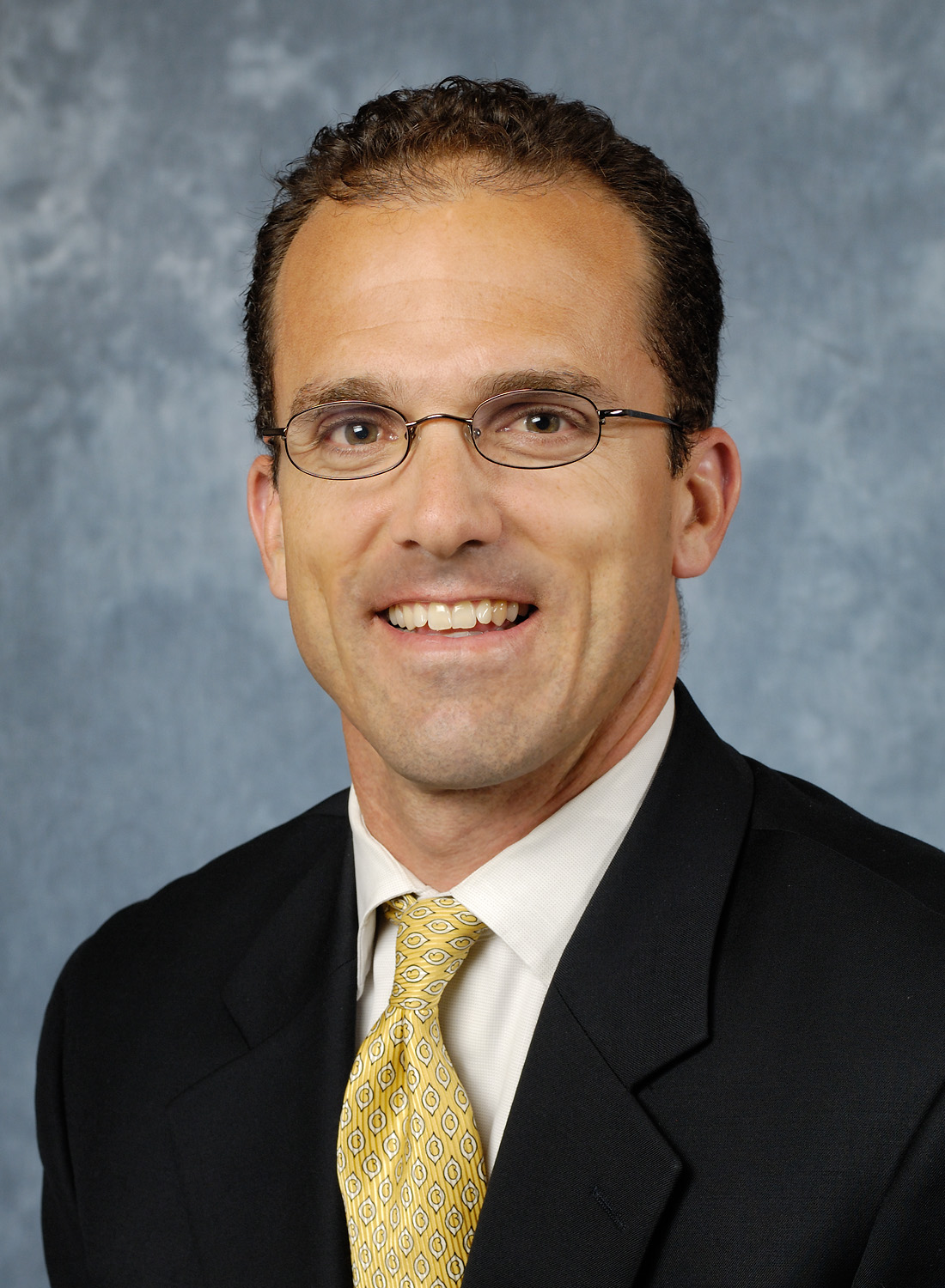
Elizabeth Henske

When Elizabeth (Lisa) Henske, MD, began her research on the rare, progressive lung disease lymphangioleiomyomatosis (LAM), the genetic mutations that caused the disease were unknown.

Henske helped change that; her discovery of mutations that cause one form of LAM accelerated the field. The pace of discovery in the decade since has been rapid, with the results of a recent clinical trial suggesting that a drug known as rapamycin may be able to help keep LAM in check. But Henske has her eyes on the end goal: a cure for LAM.

“Our team can achieve breakthroughs,” said Henske, who is the director of the Center for LAM Research and Clinical Care at BWH and works closely with Lung Research Center collaborators David Kwiatkowski, MD, PhD, Souheil Y. El-Chemaly, MD, MPH, and Carmen Priolo, MD, PhD. “We want to achieve additional breakthroughs in a five-year timeframe or even sooner.”

In patients with LAM, smooth muscle cells grow abnormally, invading the lungs, blood and lymph vessels. These cells have the ability to grow uncontrollably in the lungs. As they do, they destroy the delicate alveoli (air sacs) of the normal lung, which can lead to lung collapse, shortness of breath and even death.

LAM occurs almost exclusively in women and can appear “sporadically” in otherwise healthy women or in women with another disease known as tuberous sclerosis complex (TSC). Up to 80 percent of girls diagnosed with TSC will go on to develop evidence of lung destruction from LAM as adults.

Henske recently received a $5 million gift from Gregg and Molly Engles to establish the Lucy Engles TSC/LAM Medical Research Program at BWH, which will focus on TSC and LAM research. The new program is named after the Engles’ 3-year-old daughter.

According to Henske, the gift comes at a pivotal moment.

“With this gift, we will take the very strong foundation of knowledge about the functions of the TSC genes and use that knowledge to develop more effective treatments, including treatments that can essentially eliminate LAM,” she said.

Henske’s research has the potential to impact the care of patients with other diseases of the lung. Understanding how LAM destroys the lungs may lead to new insights into diseases such as emphysema, and learning how LAM cells spread to the lungs could shed new light on how cancer cells spread.

Henske is optimistic about what the new gift from the Engles family will allow her team to accomplish.

“With BWH’s new Lung Research Center, our well-established Clinical LAM Center and a strong research base in LAM and TSC, we are poised to translate basic discoveries into better treatments and a cure for LAM,” said Henske. “We have lots of questions to pursue but also tremendous optimism and the right team to advance this field.”

Elizabeth Donahue

Elizabeth Donahue

Since the opening of Brigham and Women’s Primary Care, Longwood, located at 800 Huntington Ave., board-certified family nurse practitioner Elizabeth Donahue, MSN, RN, NP-C, has been accepting new patients. (See related story)

“This is an incredible opportunity for me to care for community members and hospital employees,” said Donahue, who, as part of her new role, has taken on oversight of the interdisciplinary team supporting her panel of patients. “I am grateful to practice to the full extent of my education and hope that my work demonstrates to other nurses what potential exists in our field.”

With a primary care physician shortage in Boston and across the country, the rise of nurse practitioners offers/* additional capacity in caring for patients. BWH’s ultimate goal is to enhance its primary care offerings to provide patients—both community members and employees alike—with more options and better health outcomes.

“The goal of primary care is to take care of the whole patient,” said Jackie Somerville, PhD, RN, chief nursing officer and senior vice president for Patient Care Services. “Similarly, nursing practice is focused on truly knowing patients, so nurse practitioners are well-positioned to be part of this evolving model for primary care.”

“Nurses and nurse practitioners have a proven track record of positive outcomes and patient satisfaction,” said Stephanie Ahmed, DNP, FNP-BC, nursing director of Ambulatory Care. “Having nurse practitioners serve as primary care providers is a cost-effective way to deliver high-quality patient-centered care.”

The practice at 800 Huntington plans to gather data and measure the effectiveness of the new care model.

“I’m looking forward to working with our patients and providing them with comprehensive, holistic care,” said Donahue. “Similar to the primary care vision, our nursing model is also focused on developing a relationship with the patient and learning the social and psychological factors that can affect their health.”

Added Joseph P. Frolkis, MD, PhD, Primary Care vice chair: “Elizabeth is well-versed in the model of a medical home. She understands the importance of innovation, care redesign and working in a team-based context. She continues the tradition that began at Brookside Community Health Center to have a nurse practitioner on staff who has his or her own panel of patients.”

At Brookside Community Health Center—one of BWH’s two community health centers—family nurse practitioners Christy Sullivan, FNP, MPH, Linda Foxworthy, FNP, and Cecilia O’Malley, FNP, also care for their own panel of primary care patients.

Donahue, who earned her master of science from the Connell School of Nursing at Boston College, previously served as family nurse practitioner at Massachusetts General Hospital. She is a member of several professional organizations, including the American Academy of Nurse Practitioners and the Massachusetts Coalition of Nurse Practitioners.

Prem

Prem Shekar

Prem Shekar, MBBS, MS, MCh, FRCSEd, a renowned cardiothoracic surgeon in BWH’s Division of Cardiac Surgery, was appointed chief earlier this spring. He was also appointed surgical director of BWH’s Heart & Vascular Center.

“Highly skilled and respected, collaborative and a truly caring surgeon, Prem will be an excellent leader for our continuing work to further strengthen the Heart & Vascular Center vision,” said Michael Zinner, MD, chair of the Department of Surgery.

Shekar’s clinical and research interests include surgery for hypertrophic cardiomyopathy—a disease in which the heart muscle becomes abnormally thick—and surgical correction of aortic root and mitral valve disease in patients with Marfan’s syndrome and other connective tissue disorders. He is also interested in minimally invasive valve surgery and radiation-induced heart disease, as well as conventional surgery. He is well-known among his colleagues for his thoughtful approach to complex cases.

Shekar is involved in clinical outcomes research and has published numerous papers. He was the principal investigator in the CIMIT-funded Hybrid Cardiovascular Operating Room project and the site principal investigator for the HeartMate II Pivotal trial, which investigated the role of a novel ventricular assist device as a permanent therapy for patients with advanced heart disease who are not candidates for transplantation.

Shekar joined BWH in 2001 as a cardiothoracic surgical fellow and became a faculty member in 2004. He has served in leadership roles in the division, including interim surgical director of the Integrated Cardiovascular Services Program and surgical director of the BWH Patient Progression initiative.

He received his medical degree from Bangalore University, India, and completed his postgraduate training at the Command Hospital–Indian Air Force and Jawaharlal Institute of Postgraduate Medical Education and Research in India. He completed advanced cardiothoracic fellowships at the Fremantle Hospital and Royal Adelaide Hospital in Australia and at BWH. He is also a fellow of the Royal College of Surgeons of Edinburgh.

Shekar succeeds John G. Byrne, MD, who resigned as chair in May.

“John’s leadership and experience, which encompass the broad spectrum of cardiac surgery, have been instrumental in the transformation of the Heart & Vascular Center,” said Zinner. “His commitment upon his arrival to BWH was to focus on enhancing the collaboration and teamwork between Cardiology and Cardiac Surgery. He achieved that goal, helping to establish a patient-centric, integrated-care delivery system.”

Byrne will continue to assist BWH in its ongoing efforts to strengthen relationships with community cardiac surgery programs.

Longwood Primary Care

The Brigham and Women’s Primary Care Associates, Longwood, team. (Not all are pictured.)

On June 22, BWH’s newest primary care practice, Brigham and Women’s Primary Care Associates, Longwood, opened its doors at 800 Huntington Ave. Just a few blocks from BWH’s main campus, the practice is a patient-centered medical home, meaning that patients will experience an innovative approach to team-based care when they step inside.

The multidisciplinary team currently consists of internists Mustafa Khaled, MD—who speaks Spanish, Arabic and Portuguese—Erika Pabo, MD, MBA, Sonja Solomon, MD, and nurse practitioner Elizabeth Donahue, NP, (see related story on page 3) all of whom care for their own panel of patients. Longwood Medical Director Larissa Nekhlyudov, MD, MPH, who comes to BWH from Harvard Vanguard Medical Associates, will begin seeing patients in September.

“Our hope is to welcome a diverse patient population to our practice from the local community and from BWH and encourage them to be active participants in their care,” Nekhlyudov said.

The team also includes Wendy Alcantara, LPN, Irma Valsamakis, LICSW, Elizabeth Decossa, MA, Adriana Paranhos, MA, Jennifer Allen, PharmD, practice manager Sheyla Aponte and practice assistants Ruth Rodriguez and Jennifer Fields. The practice is hiring additional clinicians, including a nutritionist, with the goal of having a fully staffed practice in about a year.

“BWHC and the entire Partners system understand and support the reality that we need to invest in creating new practices that reflect our best thinking about team-based care,” said Joseph P. Frolkis, MD, PhD, vice chair of Primary Care. “In addition to continuing to offer care to our local community, we are excited that we are also able to provide care to another important part of this community: our employees.”

The practice seeks to build a strong network of specialty providers from BWH and develop effective ways for the team and these specialists to communicate about patient care. This will include inviting specialists to visit the site, in person or virtually, to meet the team and learn more about the practice. The team will also work closely with BWH inpatient clinicians to ensure a smooth transition following hospital discharge.

The practice seeks to fill a gap as the need for primary care providers increases.

“It’s on the team’s shoulders to do the best job it can at preventing unnecessary utilization, so we can improve care and drive down costs,” said Frolkis.

Partners’ goal is to have all BWH and BWFH primary care sites certified as patient-centered medical homes by the National Committee for Quality Assurance (NCQA) by 2018. Currently, three BWH practices are recognized by the NCQA as patient-centered medical homes: Brigham and Women’s Advanced Primary Care Associates, South Huntington, Brigham and Women’s Primary Care Associates, Newton Corner, and Southern Jamaica Plain Health Center.

Similar to other primary care practices, the Longwood practice is incorporating medical students and residents, and two residents have already followed Solomon, their preceptor, from the Phyllis Jen Center.

“Whether or not trainees eventually go into primary care, it’s important to expose them to this evolving model of care delivery that is becoming increasingly common at a national level,” Frolkis said.

To learn more or make an appointment, call 857-307-2200. View photos of the new practice.

Bill Salkin2

BWH mourns the loss of Bill Salkin, CPhT, of Pharmacy Services, who worked at BWH for more than 35 years. He died June 11 at the age of 59.

For the past 15 years, Mr. Salkin was responsible for ensuring the code carts on each of the patient floors were fully stocked with necessary medications, equipment and supplies to be used when caring for a patient who goes into cardiac arrest.

William Churchill, MS, RPh, chief of Pharmacy Services, said Mr. Salkin had been a fixture in the department and was affectionately known throughout the hospital as “Mr. Code Cart.”

“I had the pleasure of working with Bill for 35 years and always knew him as a hard-working and loyal Pharmacy team member and someone who I trusted to get the job done,” Churchill said. “I never had to worry knowing that Bill was at the helm of our code cart program.”

Before shepherding the program, Mr. Salkin worked as a Pharmacy technician and a receiver and purchasing agent in the department.

“Once I got to know Bill, I knew our friendship would be lifelong,” said Karen Kelley, Pharmacy purchasing manager. “He was a very adventurous and independent person.”

She says she will miss his quirky sense of humor and hearing stories about his travels.

In addition to his Pharmacy work, Mr. Salkin was a member of the Emergency Response Committee at BWH.

Karen Griswold, MBA, RN, BWH’s lead Patient Safety consultant, said Mr. Salkin was a dedicated member of the committee over the years: “His work was central to the success for the code cart program and key to our work as a committee. His vast knowledge and unique humor will be sorely missed.”

Hallie Greenberg, MS, BSN, BC, a nursing educator at BWH, always looked forward to seeing Mr. Salkin walking around BWH: “He was a caring man who always had a kind word and code cart to lend.”

Pharmacy supervisor Angela Triggs said she’ll miss Mr. Salkin’s presence and warm smile.

“He fulfilled his job above and beyond expectations, and he always put patients first.”

When Mr. Salkin wasn’t working, he enjoyed traveling, taking photographs and honing his audio engineer skills.

A memorial service for Mr. Salkin will be held on Tuesday, June 30, at 3 p.m., in Carrie Hall. All are welcome to attend.

2 Comments

Daniel Garza

BWH mourns the loss of Daniel Garza, a practice assistant in the Center for Chest Diseases and the Infectious Disease Clinic. He died unexpectedly on June 7 at the age of 35.

Mr. Garza’s friends say he lived life to the fullest and focused on the important things in life.

“Daniel and I started working at BWH within weeks of each other,” said Jessica Valentin, of the Center for Chest Diseases. “He was my best friend and was always there when I needed to laugh or a shoulder to cry on. Daniel was a big part of my everyday life; he was someone who listened without judgment and always gave honest advice on any situation. He was a cheerful and positive spirit to be around, always sharing a joke, funny story or one of his made-up sayings.”

Valentin added that Mr. Garza brought joy to many people’s lives with his upbeat comical personality.

“He was genuine and sincere and made sure his friends felt valued, important and loved by him,” she said.

Brandi Couto, LPN, of the Infectious Disease Clinic, was also a close friend and colleague of Mr. Garza.

“I wish I could share with BWH the many memorable moments I shared with him,” she said. “We all had our special moments with Daniel; many of them involved laughing, dancing or singing.”

Mr. Garza was dedicated to furthering his knowledge. He received his bachelor’s degree in foreign languages from the University of Montevallo, as well as a certificate in medical interpreting from the Harvard Pilgrim Health Care Foundation. Outside of BWH, his interests included food, football and karaoke.

“Daniel was an important part of our team, on whom I could always depend for help,” said BWH psychiatrist John Grimaldi, MD. “I will miss his smile and caring ways.”

Mr. Garza is survived by his parents, sisters and brother, and other family members and friends.

IMG_5559

Lindsay Blacquier

BWH’s Critical Care Forum regularly brings together clinicians from the multidisciplinary team to share different perspectives on important critical care topics. The most recent forum on June 11 focused on a patient care process that requires especially intensive collaboration: extracorporeal membrane oxygenation, also known as ECMO.

A specialized intensive care technology that is used when a patient’s lungs or heart aren’t working on their own, ECMO is a groundbreaking method that provides hope for the sickest cardiovascular and pulmonary patients. Patients who are in respiratory failure, awaiting or recovering from a heart or lung transplant or suffering from temporary, life-threatening conditions may be candidates for ECMO. The ECMO machine acts as a lung to deliver oxygen into a patient’s blood, keeping the patient stable and eventually enabling them to recover and breathe on their own. ECMO was first pioneered by Robert Bartlett, MD, a graduate of BWH’s surgical training program, while he was a fellow at BWH and Children’s Hospital.

In the past two years, ECMO has saved the lives of more than 50 patients. In 2014, BWH ranked in the top fifth percentile in the nation for survival rate of both cardiovascular and respiratory patients treated with ECMO.

“This extraordinary accomplishment is no small feat, particularly given that the average person who is treated with ECMO has a mere 20 percent chance of survival,” said Phillip Camp, MD, co-director of the BWH ECMO program, during the forum.

The process requires expert input from disciplines including nursing, anesthesiology, respiratory therapy, hematology, surgery, pulmonary, cardiology, pharmacy and others. Additionally, any patient receiving ECMO must be surrounded by six patient care professionals at all times—four nurses and two respiratory therapists.

“At the beginning, we had so many questions about ECMO,” said Lindsay Blacquier, RN, of Tower 11C, the Thoracic ICU. “It’s rewarding to look back and see how far we’ve come in two years.”

Peter Burrage, MD, PhD, a critical care fellow in the Department of Anesthesiology, Perioperative and Pain Medicine, also gave an overview of some recent advances, including how the care team uses trans-esophageal echocardiography (TEE)—a type of heart ultrasound—in conjunction with ECMO.

“TEE allows for real-time visualization of the heart and can help the care team safely deploy the ECMO circuit, monitor patient recovery and quickly detect complications for patients on ECMO,” said Burrage.

Cindy Scribner, whose life was saved by ECMO last year, joined care providers at the forum and shared her perspective as a patient.

Scribner was diagnosed with idiopathic pulmonary fibrosis, a disease that causes scarring in the lungs and in her case, led to lung failure. ECMO took over the work of breathing for her while she waited to receive a lung transplant at BWH.

“The nurses and doctors at BWH were always there for me and made me feel very special,” said Scribner, who attended the forum with her husband and three small children. “I’m very thankful for their care and wouldn’t be alive today if it weren’t for ECMO.”

Today, Scribner is healthy and strong, and enjoying her time at home with her family, whom she credits with helping to keep her stay positive during her treatment.

Marshall Wolf

Marshall Wolf, Photo credit: Stu Rosner

After an esteemed 52-year career of caring for patients with the highest standards of excellence and selfless dedication, Marshall Wolf, MD, emeritus vice chairman for medical education at BWH, has decided to retire from his clinical practice on Sept. 30.

In Wolf’s honor and with the strong support of his patients, the Department of Medicine is establishing the Marshall A. Wolf MD Master Clinician Educator Program at BWH. Wolf will become the inaugural incumbent.

The program will ensure that medical students and residents have direct contact and individual mentoring opportunities with the hospital’s highly regarded senior teachers, including Wolf. Faculty who participate in the program will hold bedside teaching rounds and conferences, serve as role models and clinical coaches, and advise the department and hospital on educational matters. Wolf served as director of BWH’s Medical Residency Programs from 1972 to 2000.

“So many of us have had the privilege of learning from Marshall over the years,” said Joel Katz, MD, Internal Medicine Residency director. “We are profoundly grateful that he has agreed to remain a presence as our inaugural master clinician educator, sharing his gifts with us and future generations of trainees.”

Known as the “dean of medical residency program directors,” Wolf has shaped the careers and professional identities of more than 2,000 physicians, including more than 1,000 who now hold full professorships at the country’s leading medical schools. His graduates are also leaders of many initiatives to improve health care, including the Indian Health Service, the World Bank and the Robert Wood Johnson Foundation.

BWHC President Betsy Nabel, MD, met Wolf in 1981 when he hosted a dinner at his house to welcome interns, including Nabel, into BWH’s Internal Medicine Residency Program. She said Wolf’s vision and passion guided the program to become one of the finest in the world.

“His alums have made a profound impact on medicine in leading institutions around the world,” Nabel said. “While Dr. Wolf is a renowned and rigorous educator, gifted leader and skilled clinician, perhaps what is most remarkable about him is the compassion and warmth he brought to everyone he touched at the Brigham. Throughout his 52 years of dedicated service, he mentored and nurtured long-lasting relationships with his colleagues, patients, trainees and alumni, knitting together our Brigham family.”

Wolf looks forward to spending time with his wife of more than 50 years, Katie, and their children and grandchildren. He is especially grateful that he will also be able to “continue teaching and learning at BWH,” he says.

Q. What should I do if I have a safety concern while riding a Partners shuttle?

A. Please notify the shuttle driver if you have a concern or if there is a situation that makes you uncomfortable. Shuttle drivers have radios that they can use to call for assistance when needed. By speaking up, employees play an important role in hospital safety, which extends beyond hospital walls and includes our shuttles.

Q. Why does BWH require staff to have their last name on our ID badges?

A. Hospital policy requires first and last name (as well as credentials) on ID badges to be accountable to our patients, who entrust us with their most personal information, their health, and in many cases, their lives. “We believe that patients have the right to know who is treating them, and simply having a first name is not sufficient, nor is it in keeping with the standard of professional practice in the health care industry,” said Ron M. Walls, MD, BWHC executive vice president and chief operating officer. “That said, we are asking our security consultants to review this policy in addition to others as we examine all aspects of hospital safety and security and look for opportunities to improve.”

Employees are encouraged to always speak up about any concerns by telling a manager, calling Security at 617-732-6565 or emailing BWHSafety@partners.org.

Amy 3 - Final

Amy Jackson

Amy Jackson, former program manager of BWH’s Department of Surgical Services, has been named director of the department.

In this role, Jackson is responsible for the planning and execution of administrative functions within Surgical Services, with a focus on operational initiatives across all perioperative services. She also manages a wide range of surgical projects, programs and initiatives across the distributed campus. Jackson works collaboratively with physicians, nursing and administrative staff across all perioperative areas and the surgical department.

Working in partnership with BWH leaders, Jackson will help in the design, development and implementation of systems and processes that improve patient safety and operating room efficiency. She is the liaison between BWH and BWPO practices in development and execution of onsite BWH surgical programs, as well as at BWFH and the Day Surgery Unit in Foxborough.

In 2011, Jackson joined BWH from McLean Hospital as a systems analyst for Surgical Services.

She received her master’s degree in medical informatics from Northwestern University and her bachelor’s in Spanish language and literature and European cultural studies from Brandeis University.

For two former NICU preemies and their family, BWH was a home away from home for nearly the first year of their lives.

In July 1987, twin sisters Justine and Alexandra Bryar were born at BWH at 25 weeks gestation, each weighing only three pounds. For months, their parents visited the NICU daily to be with their newborn girls, with their then-six-year-old brother in tow.

“There was a little family that formed around us,” said Justine, referring to the physicians and nurses who not only provided life-saving care but also comforted the family throughout their journey.

Despite their struggles at birth, Justine and Alex grew into healthy “rough and tumble little girls” and the closest of friends, they said. Years later, they have both rejoined the Brigham family in new ways—Justine as an assistant director for BWH Development and Alex as a primary care medical assistant at BWFH. Alex dreams of becoming a nurse and working in the NICU someday.

“We’re really thankful to not have any health issues,” said Alex. “I think our experience as preemies has given us a positive outlook on life physically and mentally. Nothing really stops you.”

Justine and Alex are extremely grateful to BWH for their care.

“My sister and I would not be here if somebody hadn’t funded research for the NICU and saved our lives,” said Justine.

Sportsmen

From left: Matt Fishman, of Partners; Wanda McClain; Maisha Douyon Cover, director of Health Equity Programs at BWH; Toni Wiley, of Sportsmen’s Tennis and Enrichment Center; State Senator Linda Dorcena Forry; and Paul Ridker

On June 9, the Brigham and Women’s Center for Community Wellness, Dorchester, opened its doors at the Sportsmen’s Tennis and Enrichment Center at 950 Blue Hill Ave. in Dorchester.

The center’s goal is to make wellness programs available to the community, helping to improve nutrition and promote cardiovascular and overall health. Wellness programs and a fitness center will be free for all residents of Dorchester, Mattapan and Roxbury. The Sportsmen’s Tennis and Enrichment Center has been providing academic and social programs for the youth and families of Boston’s most underserved neighborhoods since 2008.

At the center’s open house, BWH’s Paul Ridker, MD, MPH, director of the Center for Cardiovascular Disease Prevention at BWH and vice-chair of the Sportsmen’s Tennis and Enrichment Center, and Wanda McClain, vice president of Community Health and Health Equity, spoke about BWH’s commitment to community health and the importance of this new health resource. Local and state officials, including Lieutenant Governor Karyn Polito; Sportsmen’s Executive Director Toni Wiley; and others also attended the event.

“To be successful, prevention of heart disease, stroke and diabetes must start in community settings,” said Ridker. “Prevention has to be done where people live, play and work. We are delighted to be partnering with Sportsmen’s Tennis and Enrichment Center in Dorchester to bring exercise and wellness opportunities to our neighbors.”

The vision for the center has been several years in the making. Funding and building of the space were made possible with the support of friends in the community, including AstraZeneca, the Commonwealth of Massachusetts, Amelia Peabody Charitable Trust, Mabel Louise Riley Foundation, Partners HealthCare, the U.S. Tennis Association New England and others. Classroom furniture, seating and computer stations were donated by Red Thread of Boston. Other groups, including BWH’s own Materials Management, also donated supplies to the center.

In addition to resources for weight management, diabetes control and smoking cessation, the center will also offer health screenings and regular exercise classes. Health professionals will provide services and information through forums, discussions, classes and hands-on demonstrations about cardiovascular wellness, diet and exercise. Wellness events and health services, run by a registered nurse, will soon begin and will be integrated with fitness activities. The center will also host free adult basic education (GED) courses, as well as financial literacy and home ownership workshops.

The Sportsmen’s Tennis and Enrichment Center programs include tennis instruction and recreational play for youth of all levels from kindergarten through grade 12, as well as college readiness programs, social development programs and Volley against Violence—a partnership with the Boston Police Department that brings youth together for free tennis, life skills and mentoring.

Learn more at sportsmenstennis.org.

Rathmell

James Rathmell

James P. Rathmell, MD, MS, has joined BWHC as chair of the Department of Anesthesiology, Perioperative and Pain Medicine.

“Dr. Rathmell is a thoughtful and collaborative leader and a deeply devoted clinician and researcher who brings a depth of experience that will enrich our anesthesiology service and benefit the patients we serve,” said BWHC President Betsy Nabel, MD.

Rathmell is an established leader in pain medicine who has directed much of his time to the care of patients with acute, chronic and cancer-related pain. He has been recognized for enhancing medical education for physicians and trainees through teaching in the classroom, strengthening continuing medical education activities and publishing original research and textbooks. His research will focus on emerging pain treatments and the evaluation of the safety and effectiveness of specific interventions for pain.

Rathmell comes to BWHC from Massachusetts General Hospital, where he was executive vice chair and chief of the Division of Pain Medicine and the Henry Knowles Beecher Professor of Anesthesia at Harvard Medical School. At MGH, Rathmell guided the Center for Pain Medicine to become a successful patient-centered clinical operation, as well as a top-tier fellowship training program.

Among other local and national leadership roles, Rathmell serves as a director for the American Board of Anesthesiology and recently served on the National Institutes of Health Interagency Pain Research Coordinating Committee’s National Pain Strategy taskforce.

He received the Resident/Fellow Teaching Award from the American Society of Regional Anesthesia and Pain Medicine for his role as teacher and mentor; the Bonica Award from the World Institute of Pain for clinical excellence and education; and the Phillipe M. Lippe Award from the American Academy of Pain Medicine for outstanding contributions to the social and political aspects of pain medicine.

Rathmell received his medical degree and master’s in biochemistry at Wake Forest in Winston-Salem, N.C. He completed his internship, residency and research fellowship at Wake University Baptist Medical Center. Rathmell succeeds Bhavani Kodali, MD, who has been interim chair of the department since September 2014, when Charles Vacanti, MD, stepped down as chair.

From left: Christopher Fanta; Elaine Carter, of MGH; Jacqueline Rodriguez-Louis; Margaret Reid, of the Boston Public Health Commission; Margie Lorenzi, of Boston Children’s Hospital; and Nancy Rodriguez-Sheridan, of Brookside Community Health Center

From left: Christopher Fanta; Elaine Carter, of MGH; Jacqueline Rodriguez-Louis; Margaret Reid, of the Boston Public Health Commission; Margie Lorenzi, of Boston Children’s Hospital; and Nancy Rodriguez-Sheridan, of Brookside Community Health Center

Each spring, members of the Partners Asthma Center present the “Learn and Teach About Asthma” course, an opportunity for health care providers across Boston and the surrounding area to listen to lectures and participate in activities about asthma and related lung diseases. This year’s event on May 30 at the Reggie Lewis Athletic Center marked the 10th anniversary of the course.

“We had a diverse audience this year, including many nurses, respiratory therapists and medical assistants from a variety of hospitals, community health centers, schools and other organizations, which made for a great program,” said Jacqueline Rodriguez-Louis, MPH, MEd, program leader for Community Outreach at the Partners Asthma Center, who planned the event with BWH pulmonologist Christopher Fanta, MD.

The Partners Asthma Center—a collaboration between allergists and pulmonologists at BWH and other Partners hospitals—is focused on providing outstanding care for patients with asthma and developing new knowledge to help improve asthma treatment options. The goal of the course is to help allied health care providers improve care for their patients by becoming better informed about asthma and more well-versed in explaining the disease and its treatment options to their patients. The course included discussion of the underlying biology of asthma, asthma triggers in the home and resources that providers can share with their patients to minimize their exposure to these triggers.

“It’s so important to let professionals know what’s available in their community so they can share these resources with the people who need them,” said Rodriguez-Louis. “Asthma rates tend to be higher in lower-income neighborhoods, so it’s especially important for residents of these communities to know what resources exist.”

Added Fanta: “Our Learn and Teach course is unique in two ways: it provides asthma education for allied health care professionals who often do not have teaching programs made available to them, including community health workers, medical assistants and day care providers. And it is offered simultaneously in Spanish and in English, making possible quality education for medical personnel who learn best in their native language rather than in English.”

Rodriguez-Louis was thrilled with the turnout of this year’s event. She said the most rewarding aspect has been working with community partners and participants over the years to provide an asthma management program that will make a difference for patients.

Pathology resident Carolyn Glass takes part in this year’s annual research celebration.

Pathology resident Carolyn Glass takes part in this year’s annual research celebration.

Members of the BWH Department of Pathology come from a variety of backgrounds and specialties, but are united by the conviction that a deeper understanding of the causes of a patient’s disease will help transform a patient’s treatment.

The paths of Lynette Sholl, MD, and William Lane, MD, PhD, to the department and their current research interests illuminate the important work unfolding in the field today and the efforts underway at BWH to propel pathology forward.

A New View of Lung Cancer

Lynette Sholl, MD, began her residency at BWH just as the field of genetics was beginning to transform the understanding and treatment of lung cancer. A year earlier, while Sholl was an intern in medicine at the University of Pennsylvania, she had been part of a case that illustrated how urgently such transformation was needed. She remembers taking care of a woman with metastatic lung cancer. Sholl and her team had heard about a few cases of success treating such patients with a new kind of drug, but when they gave the patient the drug, she developed complications. No one knew how the drug worked or if it would help this patient.

“We had so little information to go on at the time,” said Sholl.

The following year though, thanks to studies from the Dana-Farber/Brigham and Women’s Cancer Center and elsewhere, Sholl and others learned why the drug worked so well in some patients. They could also now better predict which patients would respond well to the drug.

At the 2015 Department of Pathology Annual Research Celebration held in May, Sholl described PROFILE, an initiative to help capture and record information about the genetic causes of cancer into a database. Sholl and her colleagues have analyzed data from the first year of cases, which includes information from the tumors of 3,700 people.

“We’re beginning to appreciate the complexity of the genomics of cancers of the lung and other organs; even within a population of patients who have the same genetic mutation, their response to treatment is very different,” said Sholl. “There’s a lot of nuance there.”

Resources like PROFILE may help Sholl and other researchers and clinicians further refine and personalize the diagnosis and treatment of patients.

Lynette Sholl is working to help capture and record information about the genetic causes of cancer.

Lynette Sholl is working to help capture and record information about the genetic causes of cancer.

Blood Type Predictions

As director of Clinical Lab Informatics and assistant director of the Tissue Typing Lab, William Lane, MD, PhD, sees the potential of advances in genomics to transform the method for determining people’s blood type. Classic typing methods involve mixing a sample of a person’s blood with known antibodies. If a specific antigen—a sugar or protein molecule on the surface of red blood cell—is present, “clumping” will occur. In addition to the well-known A, B and O blood group antigens, there are hundreds of other antigens that can also trigger a response. Sequencing could allow blood banks to routinely and accurately determine all possible blood group antigens.

“This would allow us to go beyond the current standard of matching most transfusions for just the ABO and RhD antigens,” said Lane. “Using precision medicine, we have the ability to better match blood donors and recipients up front. This could allow us to prevent new antibodies from forming in a recipient, which should result in reduced transfusion complications.”

Lane works closely with Heidi Rehm, PhD, of the Department of Pathology, and Robert Green, PhD, of the Division of Genetics, to leverage data from participants who have had their genomes sequenced through the MedSeq project. He envisions a day when sequencing will become routine and blood type will be determined more accurately.

“We want to be able to give people the blood that they are least likely to react negatively to,” he said. “With a curated database of blood group information, automated prediction software and advances in sequencing, we are getting closer to that goal.”

View photos from the 2015 Department of Pathology Annual Research Celebration here.

From left: Paul Farmer, Walton Fellows Jasmine Valcourt and Arklin Dumeny, and David Walton

From left: Paul Farmer, Walton Fellows Jasmine Valcourt and Arklin Dumeny, and David Walton

Thanks to the newly formed Walton Global Health Administration Fellowship, two finance administrators from Haiti recently had the opportunity to strengthen their leadership skills at BWH and Partners HealthCare.

For six weeks this spring, Arklin Dumeny and Jasmine Valcourt participated in a combination of didactic classroom sessions, interviews, rotations and mentoring sessions to broaden their managerial skills. Dumeny is a budget officer at Zanmi Lasante, which is Partners In Health’s (PIH) sister organization in Haiti, and Valcourt is an accountant at Zanmi Lasante and Hôpital Universitaire de Mirebalais (HUM), Haiti’s 300-bed teaching hospital.

Last spring, BWH donors Marjorie Benton and Diane and Al Kaneb created the fellowship with the goal of strengthening the administrative health care infrastructure in Haiti.

The fellowship was named in honor of David Walton, MD, MPH, of BWH’s Division of Global Health Equity, to recognize his dedication to building HUM following the 2010 earthquake. Walton has been addressing medical needs in Haiti since he first visited the country as a research assistant to Paul Farmer, MD, PhD, chief of the Division of Global Health Equity, in 1999.

“Hospital leadership in Haiti as well as leaders at BWH, Partners and PIH want to ensure administrators have the skills needed to support Haiti’s teaching hospital and its infrastructure,” said Jennifer Goldsmith, MS, MEd, administrative director for the Division of Global Health Equity, who accompanied the fellows during their time in Boston. “The new program will help make this goal a reality.”

With initial program funding secured for two years, the hope is that additional funding will be raised in order to continue the program beyond that time. In addition to building upon managerial and leadership skills of participants, the fellowship will strengthen the relationship among the institutions.

While at BWH, Dumeny and Valcourt met with many BWHers, including Lance Rachelefsky, an administrative director in BWH’s Department of Medicine, who spoke about the day-to-day operations of primary care clinics and reflected on the importance of providing excellent patient care in a respectful manner.

“Arklin and Jasmine were extremely thankful for the opportunity to learn about the work that we do here,” Rachelefsky said. “It’s always nice to talk about the successes and challenges of management and operations with others in the same field.”

The fellows will take their knowledge back to Haiti and create projects in their institutions that have potential to positively impact HUM and Zanmi Lasante. They will return to Boston in September for additional shadowing opportunities across Partners and to seek feedback about their projects.

Leo Buckley, executive director of business operations for Nursing and Patient Care Services, also met with the fellows during their time in Boston. He said although BWH is miles away from HUM and Zanmi Lasante, the three institutions share a common vision of providing the best care to patients in the safest environment.

“I am very lucky to have met our BWH and Partners colleagues,” said Valcourt. “This program has helped me increase my knowledge of the field and develop new skills, and will help me to improve the system in which I work.”

Helene Langevin

Helene Langevin

A new monthly series hosted by the Osher Center for Integrative Medicine is bringing practitioners together from different disciplines to discuss how they treat patients using both alternative and traditional medical practices.

Since March, practitioners from across BWH, Harvard Medical School (HMS) and the greater Boston area have presented a different clinical case during the Osher Center’s Integrative Medicine Grand Rounds series, held in Bornstein Amphitheater. Presenters walk attendees through the roles that conventional and integrative medical modalities play in helping to treat a patient’s condition. Many cases demonstrate the role of mind-body medicine and how emotional, mental, social and spiritual factors can influence physical health.

The center is a collaboration between BWH and HMS that seeks to enhance human health, resilience and quality of life.

“We want practitioners across different disciplines to communicate, and that’s why we created a forum where these conversations can be held,” said Helene Langevin, MD, director of the Osher Center. “One of our goals is to really engage the audience in our discussions.”
The first grand rounds session featured a case involving a patient with severe back pain and sciatica—a pain that originates along the sciatic nerve, which extends from the back of the pelvis down the back of the thigh. The patient’s chiropractor, Matthew Kowalski, DC, of the Osher Center, and neurosurgeon John Chi, MD, MPH, of the BWH Department of Neurosurgery, spoke about how integrative therapies, including acupuncture, yoga-based massage and movement-based therapy, resulted in rapid improvement and full functional restoration for the patient after a month.

Another major goal of the series is to invite experts from integrative medicine centers around greater Boston to speak and educate their colleagues and others about their patient cases.

Last month, practitioners from the Crohn’s and Colitis Center at BWH and the Benson-Henry Institute for Mind Body Medicine at MGH spoke about a male patient suffering from Crohn’s disease and how he relied on mind-body medicine to manage his condition.

Together, Langevin and Darshan Mehta, MD, MPH, medical director at the Benson-Henry Institute at MGH and associate director of education at the Osher Center, organized the series as a way to raise awareness of how integrative medicine in clinical care is helping patients get better.

Mehta said it has been wonderful to see people from various departments and specialties attend the sessions and think critically about the benefits of mind-body medicine.

“There are very few settings in which you can hear providers from conventional medicine as well as complementary and alternative medicine talk to each other about patient cases,” Mehta said.

Donald Levy, MD, medical director of the Osher Clinical Center, located at 850 Boylston St. in Chestnut Hill, said he’s pleased with how the sessions have been going so far. He believes using multidisciplinary approaches to treat patients is the future of medicine.

“Good medicine requires cooperation,” he said. “Having a health care team come together from different areas and talk through a patient’s case with one another is the healthiest kind of medicine.”

To learn more about the Osher Center’s Integrative Medicine Grand Rounds and see an upcoming schedule, visit oshercenter.org.

Richard Fernandez

Richard Fernandez

Richard W. Fernandez, MBA, joined BWH in May as senior vice president of Ambulatory Services.

With a keen focus on high-quality, coordinated and accessible care, Fernandez directs the clinical, academic and administrative activities within Ambulatory Services, spanning multiple specialties and Primary Care across the distributed campus. He works with BWH’s ambulatory staff and leadership to improve and enhance patient and referring physician access and drive new initiatives to improve care and the patient experience. He also partners with the departments of Dermatology, Medicine, Psychiatry and Neurology, and supports the Neurosciences and Lung Center service lines.

“Ambulatory Services is a critical component of our patient access, care redesign and patient affordability work and integral to the overall success of BWHC’s strategic plan,” said BWHC President Betsy Nabel, MD. “Rich’s extensive experience, proven leadership and thoughtful vision will allow us to accelerate progress in these key initiatives.”

Fernandez began his career at BWH as a Deland Fellow and project manager for the President’s Office before becoming the administrative director for the Department of Emergency Medicine. After leaving BWH, he remained in the Partners family as a practice administrator for Partners Community Healthcare, Inc. (PCHI), the forerunner to the Partners Community Physicians Organization.

Fernandez most recently served as interim chief administrative officer of Carney Hospital at Steward Health Care’s Hospital Division. Prior to that, he was senior vice president and chief operating officer for Steward Medical Group, Steward Health Care’s 600-member physician organization. Fernandez was also vice president of Ambulatory Operations and Primary Care for Cambridge Health Alliance.

He earned his MBA at Temple University and his BS from the University of North Carolina at Chapel Hill.

On the morning of May 30, shortly after 5 a.m., the switch was officially “flipped,” and teams in many patient care and administrative areas began documenting in Partners eCare for the very first time. Just two days later on June 1, BWHC’s ambulatory clinics and outpatient departments started their day with the brand new system.

“It was really a remarkable event when we brought the system live at 5:11 a.m.,” said Ron M. Walls, MD, BWHC executive vice president and chief operating officer. “Everyone in the Command Center applauded as we surged forward into this new era.”

On the long-awaited weekend, the hospitals were abuzz with excitement and anticipation. Clinicians huddled together around computers and workstations sharing their knowledge and asking questions. Super-users provided, and continue to provide, “at-the-elbow” support. The Command Center established at the Dana-Farber Cancer Institute (DFCI) was a hub of activity, with hundreds of people monitoring the launch and providing assistance around the clock.

“The support has been great,” said Christopher MacIver, administrative director of General Surgical Specialties. “Super-users were here bright and early, jumping in and sitting down with some of the physicians before they started clinic and helping administrative staff. People have been really good about sharing their best practices, experience and tips.”

The single go-live for BWHC—which includes BWH and BWFH, two ambulatory care centers and more than 160 ambulatory practices—is the largest in Epic’s history. After two-and-a-half years of rigorous planning, drills, analysis and practice on the part of more than 13,000 employees, Partners eCare is finally here.

“This is a monumental milestone in the history of BWH, BWFH, Partners and DFCI,” said BWHC President Betsy Nabel, MD. “From training to troubleshooting to taking on new roles as Partners eCare leaders, you have ensured that we are prepared. We are incredibly proud of your dedication, coordination, ingenuity and patience.”

The roll-out has gone smoothly so far, with some expected challenges, such as user access and issues with label and wristband printing. There were also issues with radiology orders, results and scheduling in both ambulatory and inpatient areas and delays in transcription. Focused Partners eCare teams have been working on these issues and have resolved a significant number. Following go-live, new tip sheets were also created to address specific issues.  Staff should refer to the daily Epic update emails for more information on the status of these issues.

Since go-live, the Service Desk has logged more than 10,000 tickets for BWHC and has already closed about half. The Service Desk team will continue working 24/7 to resolve issues as quickly as possible.

“It’s very exciting to see this organization come together to problem-solve, support each other and work together,” said Shelly Anderson, vice president of Strategy Implementation. “Partners eCare will create the foundation and the ability for us to integrate clinically not only within the Brigham but across Partners and our broader network as well.”

BWH Human Resources and executive assistants have been offering a variety of activities to help relieve the stress of go-live—from traveling carts of goodies and an ice cream social to chair massages and expanded food options, including local food trucks. A full schedule of events for the BWH main campus can be found at BWHPikeNotes.org.

“The Brigham is already a great place,” said Float Pool nurse Nadia Raymond, RN. “This is going to make it even better.”

Added Susan Langill, RD, LDN, Food Services director: “When the first diet order came across the new system at BWH, Food Services supervisor Roxanne Noseworthy was so excited she said, ‘I’ve been waiting 16 years for this!’”

This slideshow requires JavaScript.

This past week, 12 new panic buttons were installed on inpatient units that requested them. BWH now has more than 300 panic buttons in various locations for use in a situation that requires an immediate response from Security.

If you believe that your location needs a panic button, please talk with your manager or director and ask them to be in touch with BWH Security for an evaluation.

If you have a question, concern or suggestion related to hospital safety and security, please talk with your manager or supervisor or write to BWHSafety@partners.org. This email address was established two weeks ago to provide staff with a central place to share concerns, such as the need for additional panic buttons, and receive a response.

“When everyone is vigilant and speaks up about safety, we have a force of 17,000 people helping to ensure that BWH is a safe and secure place for all who come through our doors,” said Ron M. Walls, MD, BWHC executive vice president and chief operating officer.

From left: Jeff Blackwell, Amy Jackson, Sheila Harris and Amy Miller

From left: Jeff Blackwell, Amy Jackson, Sheila Harris and Amy Miller

On May 18, OR Scheduling became the first area to go live with a Partners eCare launch in advance of the hospital-wide implementation. Thanks to the dedication of teams in the OR, Endoscopy, Labor and Delivery, Patient Access Services and many other staff, the transition was smooth, and it reaffirmed that BWHC is ready for the upcoming go-live at BWH, BWFH and Dana-Farber/Brigham and Women’s Cancer Center on May 30.

Beginning Friday, May 29, at 9 p.m., many BWH and BWFH applications will be in a special downtime state in preparation for Partners eCare implementation. During this downtime, users will notice that certain applications are unavailable, while others are available with limited functionality. Users are required to exit their applications no later than 9 p.m. and follow each hospital’s documented Cutover downtime procedures. All work (including clinical documentation) not saved by 9 p.m. may not save or be sent to the expected locations.  Even though an application may be available and viewable during downtime, there will be no updates of Admitting, Ordering, Results or Charge data, and possibly other data during downtime for BWHC, DFCI and Partners at Home.

Keep your Computers and Printers Powered On

Additionally, please do not shut down your Partners laptops, computers or printers beginning now through go-live. To log off at the end of each day, simply click the yellow lock on the taskbar at the lower right of your screen. Please note that personal laptops or workstations connecting remotely via VPN do not need to be kept on.

Users are asked not to attempt to enter Epic until explicitly instructed to do so at approximately 5 a.m. on Saturday, May 30.

View a tip sheet on the BWHC Placemats & Application Inventories.

Partners eCare Timeline

timelinefinal

Extra vigilance is required to ensure BWHC provides the safest care for patients as employees become familiar with Partners eCare. Employees can communicate potential safety issues or concerns involving Epic or new workflows immediately by calling the dedicated service desk at 857-307-4600. For more information, you can also visit partnersecare.partners.org/safety.

Here are five ways you can help ensure patient safety during and after go-live:

BWHC_See_Something_Flyer_FINAL

thumbnail3What will my patients know about the launch of Partners eCare at BWHC?

This is one of the questions on the minds of staff across the hospitals as May 30 approaches. Many are concerned about how to inform patients that the usual process and documentation for care and check-in may take extra time and could cause some delays in both inpatient and outpatient settings.

A thorough communication plan has been put in place in order to make patients aware of the implementation, focusing on two key messages: “It’s Partners eCare, and it’s here.”

“Patients and families need to know what Partners eCare is—our new electronic health record—and that we are using it as of May 30,” said Vicki Amalfitano, vice president of BWH Marketing and Planning, who partnered with David Goldberg, director of Marketing and Public Affairs at BWFH, and clinical leadership throughout the hospitals to develop consistent communications materials for patients.

Special banners will hang in the hospital lobbies, and messages will also be displayed on the Community Connects televisions, the televisions in inpatient rooms and on posters outside of inpatient units and outpatient practices before, during and after go-live. These messages will also emphasize three important benefits Partners eCare offers patients:

  • One secure electronic health record that will make care safer and more efficient and eliminate the need to repeat medical history and other information in most instances
  • An improved Partners Patient Gateway that makes it easier for patients to communicate with their clinical team about medical needs, appointments, prescription refills and referrals
  • Simplified billing, with the introduction of One Patient Bill, which replaces multiple bills for one episode of care, and an easy online payment option

“People will know from the prominent banners, posters and television screens that something is different when they walk into the hospital during the first week of go-live,” said Amalfitano.

On the ambulatory side, patients have received a letter and an email via Partners Patient Gateway in advance of go-live. Practices have been informing patients about the change as they schedule appointments that will take place shortly after Partners eCare implementation.

Talking points have been developed for units and practices to use as a guide in communicating with patients and families about delays or unanticipated challenges due to the implementation of Partners eCare and service recovery.

Resources:

You will need to be on the Partners network to view these resources.

OlymBICS competitors race to finish their relays.

OlymBICS competitors race to finish their relays.

Speed and skill were the name of the game on May 1, as dozens of BWH residents faced off in the OlymBICS, a one-time competition in navigating the depths of the Brigham Integrated Computing System (BICS) before it is retired with the implementation of Partners eCare.

“On your mark, get set, go,” exclaimed Mary Montgomery, MD, one of the chief medical residents, who was sporting a blue “BICS” T-shirt specially made for the occasion. Within seconds, four teams made up of chief residents, seniors, juniors and interns huddled together at computers inside the Mayer Room at DFCI and worked their way through three relays. The relays consisted of such tasks as ordering difficult-to-spell medications and printing patient information forms, all of which used mock patient information.

The fastest team to complete the three relays was the junior resident team. After being declared OlymBICS champions, teammates celebrated the win by eating BICS-themed cake and taking photos with their trophy—a small blue wooden chair decorated with Bic pens.

On May 30, BICS and other legacy systems will be retired as BWH goes live with Partners eCare. The OlymBICS event was organized by David Rubins, MD, and Paula Chatterjee, MD, internal medicine residents, as a last hurrah for BWH’s original clinical information system, which launched in 1993.

Before the event began, teams were greeted by special guest Jonathan Teich, MD, of Emergency Medicine, one of the original founders of BICS.

Teich said when BICS was first implemented, the founders received their share of negative feedback. Now, many years later, he said it’s nice to see that people have grown to love the computer system.

“We tried very hard to make BICS something that was important for clinical care and easy to use for staff,” he said. “Now, we get to watch our baby BICS ride into the sunset. It has been a great 22 years.”

Regarded as one of the most functional systems in the health care industry, BICS combines clinical, administrative and financial computing services at BWH. It includes a vast range of hospital data and applications, including computerized provider order-entry, longitudinal medical records, operating room scheduling and automated inpatient summaries. BICS has achieved great success in helping to reduce adverse medical events, improve patient safety and increase cost savings. Partners eCare will take us to the next level as an integrated system across Partners with the opportunity to engage patients in their own care.

Ron Walls and Kelly Santomas, Clinician Engagement team nursing director for Partners eCare

Ron Walls and Kelly Santomas, Clinician Engagement team nursing director for Partners eCare

One patient, one record, one team, one statement.

After extensive review, planning, design and configuration, and more recently, training and readiness sessions, BWHC will make this goal a reality with the implementation of Partners eCare, which officially goes live on Saturday, May 30.

Partners eCare will integrate clinical, administrative and revenue systems across Partners HealthCare into one comprehensive system over the course of the next five years. BWHC is the first entity to fully implement Partners eCare, which is part of BWHC’s population health management strategy and will improve the way BWHC delivers care to patients across BWH, BWFH and Dana-Farber/Brigham and Women’s Cancer Center.

“Planning and preparing for Partners eCare have taken years of hard work, dedication, coordination and patience on the part of thousands of staff,” said BWHC President Betsy Nabel, MD. “From training to troubleshooting to taking on new roles as Partners eCare leaders, you have all ensured that BWHC is ready for go-live on May 30. I am so proud that BWHC will soon be able to deliver even better and more coordinated care across our system.”

O’Neil Britton, Partners eCare chief health information officer, and Betsy Nabel at Partners eCare training

O’Neil Britton, Partners eCare chief health information officer, and Betsy Nabel at Partners eCare training

BWHC staff have been integral to the design of the Partners eCare system, with hundreds attending design and validation sessions with other staff throughout Partners to discuss their workflow processes and challenges with current clinical systems. Some groups will be part of the electronic medical record for the first time when Partners eCare goes live—such as Chaplaincy, which will be known as Spiritual Care—providing a more complete record for patient care.

Once live, Partners eCare will assist physicians, nurses, health professionals, administrators and front-line staff in delivering more seamless, coordinated care across all Partners settings and providers, while enabling our patients and families to more actively engage as partners in their care. The revenue side of Partners eCare offers important benefits to our patients, with a simplified billing process that replaces multiple bills for one episode of care.

“The energy that the entire institution has exhibited as we prepare to roll out the new Epic system has been inspiring,” said Ron M. Walls, MD, BWHC executive vice president and chief operating officer. “We remain focused on its purpose—advancing the quality and safety of our care by providing a more seamless patient experience.”

On the days leading up to and after go-live, nearly 500 BWHC, Epic and Partners eCare staff will be working from a dedicated Command Center, ready to respond to any issues that may arise. Conversion work—including 9 million automated conversion items and 20,000 manual conversion items managed by 10 teams—has been ongoing for weeks. This will ensure that all patient data is readily available in Partners eCare the morning of go-live as the legacy systems are retired and assume a “view only” format—a truly remarkable feat.

Shelly Anderson, vice president of Strategy Implementation, offered words of advice for the last days leading up to and during go-live: “Use the tools we have provided, focus, be as rested as possible and stick together,” she said during the 30-day readiness session in May. “Be patient with your colleagues and help each other when you can. This isn’t simply new technology, but rather, a new way of working. Every Epic client says that once you are through the initial days, it is all worth it and you will really like the new system.”

Sign Up for Epic Matters

As Partners eCare go-live rapidly approaches, staff will receive additional communications with helpful resources, tips and reminders to help prepare for implementation. Please sign up for the Partners eCare at BWHC Epic Matters e-newsletter.

MFCDA recipients Liza Colimon (at left) and Monik Jimenez (at right) with Office for Women’s Careers Faculty Director Kathryn Rexrode

MFCDA recipients Liza Colimon (at left) and Monik Jimenez (at right) with Office for Women’s Careers Faculty Director Kathryn Rexrode

At BWH’s annual Minority Faculty Career Development Award (MFCDA) Grand Rounds, hospitalist and social epidemiologist Cheryl Clark, MD, ScD, spoke about health inequalities faced by minority populations in the U.S. using the lens of aging.

Throughout the years, various departments have hosted the grand rounds featuring a speaker who is a past recipient of the award — this year, the Department of Medicine hosted. The MFCDA program, founded in 1996, provides financial support to early-career underrepresented minority physicians and scientists at BWH, with the goal of increasing their presence across the institution. The five-year $100,000 award is given to two underrepresented minority faculty members annually.

This year’s recipients, Liza Colimon, MD, of the Department of Obstetrics and Gynecology, and Monik Jimenez, ScD, SM, of the Department of Medicine, were presented with their awards by Robert Handin, MD, of the Hematology Division.

Clark, who is a faculty member of the Division of General Medicine and Primary Care and the director of Health Equity Research and Intervention at BWH’s Center for Community Health and Health Equity, reviewed strategies for promoting equity in mid-life and elder groups. She also emphasized what individuals can do in a health care setting to address inequities.

Clark illustrated the ways BWH is making a difference through emerging interventions to address social inequities through social partnerships and strategic planning. She also highlighted BWH neurologist Jennifer Lyons, MD, who provides multidisciplinary, coordinated care to improve access for patients with neurologic infections. For example, Lyons gives enhanced phone access to patients to help manage urgent issues. Having access to this kind of communication with their doctors has saved many patients from making an unnecessary visit to the emergency room.

“It is an important part of all of our collective work to implement strategies that improve opportunities and reduce inequities for the diverse communities we serve,” Clark said.

The MFCDA awards are sponsored by the Center for Faculty Development & Diversity and funded by the President’s office and academic departments.

Next week’s issue of BWH Bulletin, which will be on newsstands Friday, May 22, will be dedicated to Partners eCare (PeC), our new Epic-based electronic health record system.

As May 30, PeC’s go-live date, rapidly approaches, staff will receive more communication with resources, tips and reminders to help prepare for PeC implementation. If you will be using PeC, please sign up for the “Partners eCare at BWHC Epic Matters” e-newsletter by visiting BWHPikeNotes.org.

You can also attend Quality Rounds, “Coordinating Effectively Through an Epic Go-live: Command Center, Communication Structure and at the Elbow Support,” on Thursday, May 21, noon–1 p.m., in Bornstein Amphitheater, or watch via webcast at BWHPikeNotes.org.

Mohini Daya

Mohini Daya

Mohini Daya, MD, has joined Brookside Community Health Center as ambulatory practice medical director, which includes oversight of primary care.

In this role, Daya provides clinical leadership for the health center, supervises physicians, determines clinical policies, participates in BWH Primary Care planning and implementation of strategic initiatives, and provides medical leadership to Brookside’s community health efforts. She is also a primary care physician who cares for pediatric and adult patients at Brookside.

Before joining BWH, Daya cared for patients at East Boston Neighborhood Health Center and Winthrop Health Center. She also served as a clinical instructor, teaching first- and second-year medical students at Boston University School of Medicine.

She has a strong interest in working with underserved populations, practice transformation and harnessing the power of the electronic medical record (EMR) to help enhance the care that BWH provides to patients. She has experience working with the EpicCare Ambulatory EMR.

Daya graduated from the University of Miami School of Medicine in 2002 and completed her training in Internal Medicine and Pediatrics at the Wayne State University/Detroit Medical Center in 2006. She earned her BS in biochemistry and chemistry from the University of Miami.

From left: Elizabeth Fenton-Diggins, El Hassania Chafi, Joyce Johnson and Luz Solano

This year, four BWHers who exemplify compassion and cultural awareness were honored with Lotus Awards in recognition of their commitment to teamwork and fostering a culture of diversity and inclusion at the hospital.

“Inclusion is about making everyone feel accepted and valued for who they are,” said Jackie Somerville, PhD, RN, chief nursing officer and senior vice president of Patient Care Services, as she opened the second annual Lotus Awards ceremony in Bornstein Amphitheater. “We strive to make BWH a place where all patients, families and staff feel welcome and cared for. That is the cornerstone of all we do.”

The recipients of this year’s Lotus Awards are Elizabeth Fenton-Diggins, RN, staff nurse in Obstetrics and Gynecology; El Hassania Chafi, patient care assistant on Tower 7D; Joyce Johnson, MS, RN, nurse director on Tower 15CD; and Luz Solano, population health manager for BWH Primary Care/Central Population Management Program.

“I believe that cultural awareness and sensitivity make a big difference in the health outcomes that our patients achieve,” said Solano. “When we work to serve patients using their own language or customs, patients stay better connected to their care teams and are empowered to be active participants in their own health management.”

These sentiments were echoed in the nominations for each awardee.

Katie Fillipon, MS, RN, OCN, nursing director on Tower 7ABD, nominated Chafi for the award. “Hassania always goes out of her way to make a special connection with patients and families and understand their specific needs,” she said. “Her kindness puts people at ease.”

After receiving her award, Fenton-Diggins said: “It is a privilege to have worked at the Brigham for 38 years, caring for the women in our practices. I have laughed and cried with my patients, and we have learned from each other how to adapt and integrate our different cultures.”

For Johnson, interacting with patients from all over the world who travel to BWH for surgery is “a dream come true,” she said. In her role as a director, Johnson also focuses on mentoring nurses from multicultural backgrounds to enhance workforce diversity and ensure BWH reflects the communities it serves.

The Lotus Awards were established last year by the departments of Nursing and Patient Care Services to recognize staff who promote excellence, diversity, teamwork and inclusion at BWH. Instrumental in leading this work is the Diversity and Inclusivity Committee, co-chaired by Shelita Bailey, director of the Office for Sponsored Staff and Volunteer Services, and Martha Jurchak, PhD, RN, director of the Ethics Service.

Christian Arbelaez, MD, MPH, of Emergency Medicine and faculty director for the Office of Multicultural Careers, gave a moving keynote speech.

“Whether we deliver care in Dorchester or Haiti, we do so in a respectful and dignified way,” he said. “I am humbled and honored to be able to provide compassionate care to vulnerable patients every day.”

mainimage

Bruce Levy, Shaf Keshavjee and Raphael Bueno

BWH has long been renowned for its exceptional pulmonary medicine and thoracic surgery care, research and teaching. Last week, the hospital announced the start of a new chapter in lung services, with the formal launch of the Lung Center—BWH’s newest center of excellence—and the Lung Research Center, part of the Brigham Research Institute.

Together, the two centers will enable BWH to provide the highest level of personalized care by bringing the latest advances in the prevention, diagnosis and treatment of lung disease directly to patients.

“The Lung Center is focused on our patients and is structured to foster communication and teamwork, facilitate collaboration between departments and services, and enhance our existing areas of strength,” said BWHC President Betsy Nabel, MD. “We look forward to watching the Lung Center harness the entrepreneurial spirit of many staff and disciplines to further improve the patient care experience within BWH and in collaboration with our colleagues at the Dana-Farber Cancer Institute.”

Several events celebrating the launch took place last week, including Pulmonary Grand Rounds and Thoracic Surgery Grand Rounds, featuring guest speaker Shaf Keshavjee, MD, professor and chair of the Division of Thoracic Surgery at the University of Toronto, director of the Toronto Lung Transplant Program, and surgeon-in-chief of University Health Network.

Keshavjee spoke about ex vivo repair of organs for transplantation, an innovative therapy that provides the ability to evaluate donor lungs outside of the body before transplantation. The therapy improves organ quality and makes lungs that were previously unsuitable safe for transplant. Ex vivo repair has the potential to increase the pool of lung donors.

On May 6, BWH lung researchers and clinicians celebrated the launch of the Lung Research Center with an inaugural event featuring a keynote address by Jeffrey M. Drazen, MD, of the Pulmonary Division at BWH and editor-in-chief of the New England Journal of Medicine. Drazen shared stories from a research career that has spanned more than 30 years and included personal anecdotes about key figures and discoveries that have helped transform the care of asthma patients. After the keynote, clinicians and researchers were invited to attend a poster session in Cabot Atrium.

In addition, BWHers from the Lung Center, Pulmonary and Critical Care Medicine and Partners Asthma Center gave a hands-on presentation about asthma to children and their families at the Roxbury Tenants of Harvard Community Center in recognition of World Asthma Day.

Under the leadership of Raphael Bueno, MD, chief of the Division of Thoracic Surgery, and Bruce Levy, MD, chief of the Division of Pulmonary and Critical Care Medicine, supported by a multidisciplinary organizing committee, the Lung Center is poised to lead BWH into the next generation of advances in pulmonary and thoracic care.

The mission of the Lung Research Center is to highlight the exciting current research activities of lung researchers at BWH and to encourage future advances in our understanding of lung biology and disease.

The research center will connect BWH’s outstanding researchers in lung health and disease to accelerate discoveries and quickly bring them to the bedside. Bueno and Levy, along with Ed Silverman, MD, PhD, chief of the Channing Division of Network Medicine, will co-direct the research center’s efforts to conduct scientific research that helps us better understand, treat and prevent lung disease.

Five-year-old Carmen at a recent check-up.

Five-year-old Carmen at a recent check-up.

When Niurka Pitts’s daughter, Carmen, was born at only 25 weeks, she had to be seen by pulmonologists, neurologists and gastroenterologists, to name just a few of the specialists. Carmen weighed only 1 pound and 11 ounces and measured 12.5 inches.

“She was very tiny and a very sick baby,” said Pitts.

Pitts, who is a family support specialist for the BWH NICU and a patient partner for Brigham and Women’s Family Care Associates at Brigham and Women’s Faulkner Hospital, spent months in the NICU with her baby.

She relied on her primary care physician Frances “Kitty” O’Hare, MD, now part of Brigham and Women’s Family Care Associates, for support. She discovered that O’Hare was also a pediatrician and one who specializes in caring for children with chronic illness. O’Hare joined Brigham and Women’s Family Care Associates after Martha Eliot Health Center in Jamaica Plain closed to adult patients.

“I knew her and already had a relationship with her,” said Pitts. “When I learned she could care for my daughters as well, it was an easy decision.”

In addition to treating Pitts and her daughter, O’Hare also cares for Pitts’ Spanish-speaking parents and her husband at the practice, which is a unique family-centered approach to primary care.

Pitts says she is grateful that she and her family can all receive care in one place. “I’m very busy. My child has complex medical issues, my parents have their own medical issues and I work two jobs, so I don’t have a lot of time to navigate around.”

Today, Pitts’s daughter is healthy and well. “She is a five-year-old doing everything that a five-year-old should be doing at her age.”

Physicians at Brigham and Women’s Family Care Associates are currently accepting new pediatric patients. To make an appointment for your child, call 617-983-7025 Monday through Friday, 8 a.m.-5 p.m. Appointments are conducted in English or Spanish.

Brigham Way Luncheon

BWHC President Betsy Nabel, MD, at far left, joins a group of Brigham Way honorees from Tower 15 at a recent luncheon celebration. To learn more about the Brigham Way or to nominate a colleague, visit BWHPikeNotes.org.

Jean Marie Carabuena prepares medication before a patient’s C-section.

Jean Marie Carabuena prepares medication before a patient’s C-section.

Having a baby is one of life’s most memorable experiences, and the planning efforts of the multidisciplinary care team are vital to making it a joyful one for each family.

“The entire care team must be prepared for both the likely and unlikely scenarios to ensure that it’s a positive experience,” said Jean Marie Carabuena, MD, director of High-Risk Obstetric Anesthesia.

That is especially true for patients with complex conditions who are planning to deliver a baby. BWH cares for obstetrical patients with heart conditions who are part of the Boston Adult Congenital Heart (BACH) Service, a joint program of BWH and Boston Children’s Hospital. Many years ago, children born with congenital heart disease didn’t survive into adulthood, but as treatment options improve, they are not only surviving, but having families of their own, too.

BWH Bulletin recently featured a story about 29-year-old Chelsea Phaneuf, who remained in the hospital for weeks receiving care and monitoring while she waited to give birth and undergo heart valve replacement surgery. Thanks to every member of her care team, Phaneuf and her baby girl, Aria, are home and doing well.

In a case like Phaneuf’s, planning for multiple scenarios weeks in advance of the delivery and surgery is critical, as is coordinating the input of multiple services who may need to be involved in the care of mother and baby.

“For patients with complex conditions, communication and planning are essential. Coordination of care is necessary in anesthesiologists’ role as crisis managers,” said Carabuena, who coordinated the team’s obstetrical anesthesiology care for Phaneuf.

Anesthesiologists are uniquely qualified to assist in this key role. In addition to delivering medications that keep patients comfortable during surgical or obstetrical procedures, anesthesiologists ensure a patient’s normal physiology is maintained. They are specially trained to place advanced monitors that quickly identify if something is wrong and then treat the patient accordingly.

“From our perspective in anesthesiology, we naturally assume this integrative role on a daily basis when it comes to coordinating and executing the care of complex patients,” said Jennifer McSweeney, MD, who has been a member of the Cardiac Anesthesiology Service for five years and coordinated care for Phaneuf on behalf of this team. “Our cardiac team has expertise in looking at the finer details in developing cohesive and comprehensive plans for high-risk cases and planning for contingencies.”

Obstetrical patients with congenital heart disease present several challenges during the physiological changes that occur during labor and delivery. Anesthesiologists are part of the care team discussions in determining which cardiac monitoring is necessary, providing a plan for pain relief during delivery and after, and making contingency plans, should cardiac surgery be needed. In that case, perfusionists would play a major role in putting the patient on cardiac bypass.

“As cases get more complex, it’s a challenge to figure out how to integrate all of everyone’s collective individual knowledge and experience across these subspecialties and align strategies as a team towards a common goal,” said McSweeney. “It takes teamwork, good communication and mutual respect to provide the highest quality of care for our patients.”

John Fox, MD, senior member of Cardiac Anesthesiology, praised both McSweeney and Carabuena. “They are excellent clinicians and compassionate physicians, but above all, they are consummate team leaders and team members who keep the patient’s well being at the fore of team discussions,” he said.

For Carabuena, every obstetrical patient is special, and to be instrumental in ensuring their safe and comfortable delivery is gratifying. “Patients may not always remember their anesthesiologists’ names, but they do remember our faces and voices,” she said.

She and McSweeney both say they will certainly remember Phaneuf and her family.

Sharon Levine

Sharon Levine

Imagine waking up in a hospital intensive care unit for the first time after suffering from a major health event, such as cardiac arrest.

It can be a frightening experience for a patient, especially if they are intubated and hooked up to various monitors and other equipment, says Sharon Levine, BSN, RN, a nurse in BWH’s Cardiac Intensive Care Unit (CCU). “I see the look of confusion on my patients’ faces,” said Levine, who has been an ICU nurse for 34 years. “They come to us critically ill and have no idea how they got here. The last thing they may remember is being at work or with their family. It’s scary for them.”

Levine said many patients, especially those who have been intubated, experience hallucinations or delirium while in the CCU. Studies have shown that patients can have symptoms of post-traumatic stress disorder when they go home, which can be complicated by their inability to remember their time in the hospital.

“Regardless of their age, patients tell me that they remember hearing staff talking to them, but that none of it made sense at the time,” she said. “Some patients remember yelling and doing things that were very out of character for them.”

With an obligation to make patients feel safe and secure, Levine set out to find a way to help patients remember their time in the CCU — from admission to discharge.

After reviewing research and learning how a diary helped ICU patients and their families in Europe, Levine wanted to introduce a similar intervention at BWH.

In July 2014, the CCU diary research project known as, “The Patient’s Perspective of the ICU,” got underway when Levine and five colleagues: Karen Reilly, MBA, RN, Kathleen Ryan Avery, MS, RN, CCRN, Melanie Nedder, BSN, RN, Paul Sedgwick, BSN, RN, CCRN, and Caroline Galligan, RN, received a grant to study its benefits. Levine also received a Mary Fay Enrichment Award in 2014 for her implementation of the diary.

Patients intubated for 48 hours or more in the CCU, along with their family members, are encouraged to participate. Nurses and family members can enter information about the patient’s experience into the diary, such as how their day went and why they were hooked to certain equipment. Neither a patient’s prognosis nor lab results are recorded in the journal.

Once a patient transfers from the CCU, Levine follows up with them and their family members to ensure they would like to continue participating. She then connects with the patient two months after discharge to discuss how the diary has helped in their recovery.

Levine said she has received positive feedback from patients and families, many of whom have expressed that the diaries have helped to fill in a lot of lost memories from their time in the CCU.

“I enjoy taking care of patients, and this project has been extremely rewarding,” she said.  “It has added a new dimension to my nursing care.”

3 Comments
Jeff Sorrell and Kristi Sorrell Noone

Jeff Sorrell and Kristi Sorrell Noone

Kristi Sorrell Noone, of Westwood, Mass., says that ladybugs have been a sign of good luck ever since her brother, Jeffrey Sorrell, recovered from a difficult heart surgery. When a ladybug appeared in her kitchen in January, she knew something good was about to happen again.

“A week later I got the call that my kidney was a match for a man in New York, and my brother Jeff would be receiving a kidney from a woman in Connecticut,” said Sorrell Noone.

The brother and sister are now part of kidney chain 357, the country’s largest multi-hospital kidney transplant chain, which includes four BWH patients—two donors and a pair of recipients. The chain includes 64 other patients from 26 hospitals around the country. Chains like this enable living donors who are not a match for their loved ones to donate to a stranger, and in return, receive a matched kidney for their loved one.

Stefan G. Tullius, MD, PhD, chief of Transplant Surgery, said that the four chain 357 surgeries performed at BWH wouldn’t have been possible without the help of a multidisciplinary team made up of transplant coordinators, surgeons, anesthesiologists, nephrologists, nurses, administrators and many other team members.

Before chain 357, Tullius said BWH had participated in what is now the second-largest kidney chain in the U.S., as well as approximately three to five smaller paired kidney exchanges each year.

Sorrell, of Wellesley, Mass., began experiencing symptoms of kidney disease eight years ago. He started dialysis treatment in 2012 and became eligible for kidney transplantation in 2013.

His family and close friends began screenings to find out if they were eligible to donate a kidney either directly to Sorrell or as part of a chain of donors and potential recipients, but none were a match. The siblings entered the National Kidney Registry in fall 2014.

“It was not long before we found out my sister would be a match for another person within this network,” he said. “Soon after, I got a call from BWH and found out that a match had been found for me within this network as well,” he said.

Sorrell and his sister had their surgeries at BWH on the same day in January.

Daisy Flemming and her husband, Edward, of Newton, were the other BWH patients involved in chain 357. In 1991, Flemming was diagnosed with IGA nephropathy—a kidney autoimmune disease. However, it wasn’t until 2013 when her kidney function showed signs of serious decline, and she began dialysis.

Edward volunteered to donate his kidney to his wife, but because their blood types weren’t compatible, he donated to someone else in chain 357 instead. Flemming received a kidney from another donor in the chain.

Flemming thanked all of the donors who participated in the program and everyone who provided support, including her clinicians.

“You have made it possible for me to see my two children through adulthood,” she said.

2 Comments
Sashank Prasad

Sashank Prasad

A third-year medical student who felt apprehensive about starting clinical rotations said he was instantly reassured when he met BWH neurologist Sashank Prasad, MD.

“He was extremely kind and immediately welcomed me onto the team,” wrote the student in a nomination letter.

On May 11, Prasad will be awarded the 2015 Bernard Lown Award for Excellence in Teaching during the Daniel D. Federman Teaching Awards celebration at Harvard Medical School.

The award was established in 2009 to celebrate physicians who are outstanding clinical leaders and recognize the significant role that education plays in BWH’s mission.

Bernard Lown, MD, for whom the award is named, is a renowned senior physician at BWH, professor emeritus at Harvard School of Public Health and a Nobel Peace Prize recipient. He has devoted more than 50 years to the practice of medicine and has transformed the practice of cardiology. Lown continues to inspire physicians, educators and students today.

Prasad has been a member of BWH’s Department of Neurology since 2010. In July, he will assume the roles of chief of the Division of Neuro-Ophthalmology and associate program director for the Harvard BWH/MGH Neurology Residency Program. He received nominations for the Lown Award from residents and students, all of whom highlighted his teaching abilities and drive to help others achieve their own goals.

“Dr. Prasad is known among residents as a gifted clinician and teacher,” wrote one nominator. “He is a source of wisdom and helpful insight. Simply observing his style of practice is a lesson in professionalism, humanism and intellectual command.”

Another nomination letter detailed Prasad’s patience and love of teaching the next generation of clinicians: “I’ve had the privilege of working closely with and learning from Dr. Sashank Prasad, and I can say, without hesitation or reservation, that he is one of the most inspirational, dedicated mentors I’ve interacted with to date.”

Prasad completed his medical training at the University of Pennsylvania, including fellowships in neuro-ophthalmology and cognitive neurology.

He says he’s extremely grateful to be the recipient of this year’s Lown Award.

“It is a real honor and privilege to be part of a community where clinicians and students at all levels are dedicated to the common goal of clinical excellence,” he said. “I am extremely fortunate to have so many gifted clinician-educators among my role models at the Brigham. I believe that teaching is among our most important missions.”

Beginning on Monday, May 4, a number of policies and manuals are moving from their current home on BWHPikeNotes.org, the hospital’s employee intranet, to a new policy manager system called MCN ellucid®.

Employees will be able to access these policies via the Partners Applications menu on their PC by selecting “Policies and Procedures” and then “BWH Policies and Procedures” as of May 4. The policies page on PikeNotes will also link to policies on ellucid®. The primary change that employees will see is that these policies are no longer searchable on PikeNotes via the policy search function.

Manuals that are moving from PikeNotes to ellucid® are the Administrative and Medical Staff Manual, Billing Compliance, Care Coordination, Emergency Department, Emergency Management (formerly Crisis Resource Manual), Health Information Services, Nursing Administrative Manual, Nursing CWN Clinical Practice Manual, Nursing Clinical Practice Manual, Nutrition, Perioperative Services, Pharmacy Policy and Procedure Manual, Radiation Therapy, Radiology, Rehabilitation Services, Respiratory Therapy, Southern Jamaica Plain and Transplant.

The new policy manager system provides policy owners with regular prompts on when policies go out of date and need to be updated.

Information Systems has created a re-direct for each of the links that will no longer be active on PikeNotes, so that employees who have certain policies bookmarked can still view the policy via the same bookmark.

Contact Lauren Mazzone at lmazzone@partners.org with questions.


Screen Shot 2015-04-30 at 3.47.08 PM

When Sujeeta Silwal left Nepal in 2002 to go to college in America, her parents and brother remained at home in Kathmandu, the South Asian country’s capital. On April 25, she was terrified as she saw footage of the devastation from a 7.8-magnitude earthquake that has claimed the lives of more than 5,000 people and injured more than 10,000.

Silwal, who conducts kidney research for BWH’s Physiologic Research Division in the Department of Radiology, finally got through to her family and learned that they were safe but have been living outside in the aftermath of the earthquake.

“It’s not safe to go back inside because of the aftershocks,” she said.

Silwal is now trying to help those in Nepal who have been displaced and need assistance.

“Nepal was already a poor country, and now this disaster has brought even more challenges and health issues,” she said.

Silwal feels a responsibility to her native country and the friends and family she left behind to help them regain safety and ensure they have basic supplies, such as food and water.

Two other members of the BWH community were at a hospital in Achham, Nepal, about 200 miles from Kathmandu, at the time of the earthquake. While the hospital felt the earthquake, no one was injured and no damages were reported there. Duncan Maru, MD, PhD, and Dan Schwarz, MD, MPH, both of the Division of Global Health Equity, were working with a partner organization of the division called Possible. The nonprofit has provided high-quality, low-cost care to more than 225,000 patients through a public-private partnership with the Nepali government. Following the earthquake, both Maru and Schwarz headed to Kathmandu to assist in relief efforts.

Scott Halliday, a research assistant in the Division of Global Health Equity and impact project manager for Possible, is working on communications and channeling support between U.S. and Nepal-based efforts. Schwarz’s twin brother, Ryan Schwarz, MD, MBA, of the Division of Global Health Equity, has also been working closely with Possible on logistics and coordination of resources.

The Harvard Humanitarian Initiative’s (HHI) Kobo Toolkit, a real-time data collection and sharing system hosted by HHI and BWH, is the preferred data collection tool for the United Nations Office of the Coordination of Humanitarian Affairs to coordinate data collection and sharing across NGOs. HHI is the humanitarian arm of Harvard University, founded in 2005 by BWH physician Michael VanRooyen, MD, MPH, interim chair of BWH’s Department of Emergency Medicine.

“Quickly collecting reliable information in a humanitarian crisis is a critical link to saving lives,” said VanRooyen.

HHI is also working with the Crisis Mappers Network to establish a map of needs in the region.

“I am continually inspired by the compassion of our Brigham community, particularly in times of need,” said BWHC President Betsy Nabel, MD. “Other members of our Brigham community are helping to bolster relief efforts from the United States. This is a monumental task, and I ask that you keep your colleagues, as well as the people of Nepal, in your thoughts and prayers.”

How to help

VanRooyen is directing anyone interested in supporting relief efforts in Nepal to the Himalayan Rescue Association.

“This is a small, local and very impactful organization,” he said. “They are excellent and will be there helping long after the crisis.”

Silwal has set up an online website for giving through Crowdrise called “Rebuild a Stronger Nepal.”

“I come from a country where we speak about karma, and I have had a very fortunate life,” she said. “I want to help those who are now in need.”

The American Nepal Medical Foundation is committed to strengthening the health care infrastructure of Nepal, and is leveraging its infrastructure to bring relief to earthquake victims.

The International Committee for The Red Cross has a team engaged in emergency response, in partnership with the Nepali Red Cross.

United Nations International Children’s Emergency Fund (UNICEF) is preparing two cargo flights with a combined 120 tons of humanitarian supplies for urgent airlift to Kathmandu for the nearly 1 million children in need of food, housing and other urgent relief.

Employees are encouraged to reach out to colleagues who have a connection to Nepal through family, loved ones or personal experience and remind them of resources that are available to them through the Employee Assistance Program (EAP).

“I hope our Brigham community can be a source of strength and support for those who have been impacted by this devastating disaster,” said Nabel.

bates-thumb

David Bates and Ronen Rozenblum

Though few in the field would argue that engaging patients in their care is not important, few have written about patient engagement with patients, instead of about them,” writes BWH’s Ronen Rozenblum, PhD, MPH, in a new book published this spring.

The book, titled “Information Technology for Patient Empowerment in Healthcare,” is one of the first to delve into the intersection of patient-centered care, patient engagement and health information technology, and includes the patient and family voice alongside those of health professionals. With instant access to health information via computers or mobile phones, patients are becoming better informed and more active participants in their care. At the same time, these technologies enable health care providers to partner with their patients, optimize quality of care, improve health outcomes and transform the health care system. Rozenblum calls this intersection “the perfect storm.”

Founding director of the Unit for Innovative Healthcare Practice & Technology and director of Business Development for the Center for Patient Safety Research and Practice at BWH, Rozenblum edited the book with BWH Senior Vice President and Chief Innovation Officer David Bates, MD, MSc, and Maria Adela Grando, PhD, of Arizona State University and the Mayo Clinic.

The book aims to provide a 360-degree perspective on information technology for patient empowerment by incorporating the diverse perspectives of patients and family members, clinicians, researchers, health care organization leaders, health information technology experts and others. It discusses the existing needs, challenges and opportunities for improving patient engagement and empowerment through health information technology, mapping out what has been accomplished and what work remains to truly transform care and fully engage patients in their care.

“Patients are more empowered to shape their own health care today than ever before,” said Rozenblum. “The book is about engaging patients and their families in new and innovative ways to support the management of their own health.”

As a leader in patient-centered care and research, BWH is using health information technology to engage patients and families in several ways. One example is the PROSPECT (“Promoting Respect and Ongoing Safety through Patient-centeredness, Engagement, Communication and Technology”) clinical research initiative, in which patients and their family members in the ICU and oncology units have access to a tablet at the bedside. Using the tablet, they are able to view their plan of care and goals, their schedule, medications and care team members. They are also able to send a question to their entire care team through a microblog messaging function.

“The notion is to change the way care is delivered,” said Bates.

BWH has also been a leader in the collection of PROMs, or patient-reported outcome measures, in which patients answer a series of questions using an iPad in the waiting room and then receive follow-up questionnaires. In addition to engaging patients in their care, PROMs help BWH collect data about quality outcomes that matter to patients, provide new insights into patient behavior and allow for better tailoring of care to specific patient groups.

“Engaging and partnering with patients are top priorities at the Brigham,” said Rozenblum.

Learn more about the book.

BWH clinical social worker Jeffrey Robbins with symposium host Meredith Vieira

BWH clinical social worker Jeffrey Robbins with symposium host Meredith Vieira

Originally established in 2011, the Harvard College Alzheimer’s Buddies (HCAB) program has grown from 10 participating student volunteers to 90 today, becoming one of the fastest-growing volunteer programs at the college.

As the co-founder and senior advisor to the program, Jeffrey Robbins, LICSW, a clinical social worker in BWH’s Department of Neurology, is excited to see the program expanding both here in Massachusetts and soon across the country, with the establishment of the National Alzheimer’s Buddies program. Gordon College in Wenham, Mass., has a chapter consisting of 20 volunteers called GCAB, and a chapter at Cal Poly Pomona in California (CPAB) is in the works through the new national nonprofit.

HCAB pairs Harvard undergraduates, many of whom are pre-med students, with Alzheimer’s patients living at Hebrew Senior Life, a skilled nursing facility in Brookline. Students visit their buddies every Sunday and participate in a variety of activities with them, such as playing board games, reading and chatting with them about the week.

“It’s amazing and inspirational to see a generation of college students who are so committed and put so much of themselves into this program, and to hear how it impacts them and touches their lives personally,” said Robbins.

The program is based off of a similar program Robbins co-founded in 1998 with a former BWH colleague, after his mother passed away from the disease. The program matched high school students with Alzheimer’s patients at local nursing homes.

Robbins trains all HCAB, GCAB and CPAB student volunteers, which includes information about the disease, as well as its mechanism and progression.

“The substantive part of the training is teaching students how to communicate effectively with people who have Alzheimer’s in the moderate to late stage of illness,” he said. “The vast majority of students have a personal connection to the disease.”

In addition to weekly visits, HCAB holds an Alzheimer’s symposium every other year, with the first one held in 2013. This year’s symposium, held April 18, featured a keynote address from Gov. Charlie Baker, a video message from Sen. Elizabeth Warren and presentations by Robbins and BWH neuropsychologist Dorene Rentz, PsyD, as well as many others. Journalist and talk show host Meredith Vieira joined as the symposium’s host for the second year. More than 200 people attended the symposium, which was held in Cambridge.

Chelsea Phaneuf with her family

Chelsea Phaneuf with her family

It’s not every day that a baby is born in the cardiovascular hybrid operating room at BWH, but a multidisciplinary cardiovascular and obstetrics team needed to be at the ready as 29-year-old Chelsea Phaneuf delivered her daughter, Aria, last month.

Phaneuf, who was admitted to the Shapiro Cardiovascular Center with a failing heart valve about a month before Aria’s arrival, praised the care teams who assisted. “All went smoothly with the delivery, and my heart did fine,” she said.

A week after Aria’s birthday, Phaneuf was headed back to the operating room, this time for open heart surgery.

Although the first sign of a problem with her heart occurred when she was just three months old, Phaneuf did not experience any issues until her early 20s, complicating her wishes to someday be a mother. She had been followed by a pediatric cardiologist after her pediatrician heard a slight murmur in her heart, getting through college and even playing soccer without a problem. At age 23, though, a routine echocardiogram—an ultrasound test that produces images of the heart—showed that her bicuspid valve had suddenly deteriorated and needed to be replaced.

At such a young age, Phaneuf was concerned about how the surgery would impact planning for a future family. The daily anticoagulants—blood thinning medication—required for patients who undergo a valve replacement with a mechanical valve are a risk to a developing fetus. Mechanical valves are preferred because they last several years longer than a tissue, or biological, valve, which does not require a person to take anticoagulants.

Phaneuf opted for a biological valve, and BWH cardiac surgeon Lawrence Cohn, MD, performed her surgery. She got married and had a son, Logan, who is now 21 months old. This year, in her second trimester of pregnancy with Aria, she began experiencing dizziness and shortness of breath.

Logan kisses his new baby sister

Logan kisses his new baby sister

“My cardiologist did an echocardiogram, and we saw that the valve had deteriorated very quickly,” she said. “I was referred to the Brigham for care by the high-risk obstetrics team, cardiology and Cardiac Surgery.”

Cardiac surgeon Prem Shekar, MD, who would perform Phaneuf’s second valve replacement surgery, said that her care required extraordinary teamwork among disciplines. “We needed extensive plans in place for several scenarios that could have happened related to her delivery and her heart condition,” said Shekar, adding that Phaneuf is one of few patients to deliver in the cardiovascular hybrid OR. “Fortunately, everything went smoothly with the delivery, and we were able to perform Chelsea’s valve replacement one week later.”

Kathy Economy, MD, of Obstetrics and Gynecology, cardiologist Anne Marie Valente, MD, and Pinak Shah, MD, director of the Cardiac Catheterization Lab, were the primary physicians involved in Phaneuf’s cases, but her care was made possible by an extensive multidisciplinary team including anesthesiologists, perfusionists, nurses, OR staff, pharmacists, administrators and many others.

Nursing and other team members also played an integral role as Phaneuf navigated the complexities of recovering from major surgery and caring for her precious newborn daughter. Her biggest concern was not being able to breastfeed Aria due to the medications she needed to take after surgery, but she found the support that she needed from her nurses.

“My nurses knew how important it was to me, and they helped wake me up to pump to keep my supply up, did research on the medications I was taking and checked with Pharmacy to see if they were safe for the baby,” said Phaneuf, who tried to take as few pain medications as possible. “To have everyone behind me and in my corner helping me was incredible.”

Aria was able to stay with her mom in the Shapiro Center, and Phaneuf’s husband, John, remained close by during their stay, spending some nights in a local hotel and some in her room to care for mother and baby. A week after Phaneuf’s surgery in early April, she and John were excited to bring Aria home to Belchertown, Mass., and rejoin Logan.

“I am looking forward to being a family of four under one roof,” she said. “I felt so well taken care of at the Brigham, and I am thankful that I met so many caring people who wanted what was best for me and my family during this time.”

Learn more about BWH’s Pregnancy and Cardiovascular Disease Program.

One hospital. Three teams.

On April 20, 103 runners laced up their sneakers and donned their Brigham tanks to complete the 119th Boston Marathon for causes close to their hearts.

Members of BWH’s Life.Giving.Breakthroughs. and Stepping Strong Marathon teams trained through rain, sleet and an abundance of snow and raised more than $750,000 to transform the future of medicine for patients and families in Boston and around the world. Running to Remember Dr. Michael J. Davidson team runners—most of whom were friends and colleagues of the late BWH cardiac surgeon Michael Davidson, MD—formed the team earlier this year to run in their friend’s memory and honor his legacy at BWH. The team raised more than $82,000, all of which will go to the Davidson Family Fund, which supports the four children of Davidson and his wife, Terri Halperin, MD—Kate, Liv, Graham and Mikaela.

Ty Velde, who was part of the Life. Giving. Breakthroughs. team, ran to give back to the hospital that saved his newborn son’s life almost seven years ago. He beat his personal goal of 3 hours and 15 minutes by a few minutes, despite Monday’s rain and cold temperatures. He said he was inspired by Gillian Reny’s encouraging words at a pasta dinner held for Brigham Marathon runners the night before. Reny, a 2013 Boston Marathon bombing survivor, received life-saving care at BWH after the bombings and established the Stepping Strong Foundation and Marathon team with her family to fuel innovative research and clinical programs to advance trauma healing.

“She told us to ‘step strong,’ and I kept using that as my mantra to stay motivated throughout the Marathon,” said Velde.

Sarah Wolter, a former NICU baby, also ran for the Life. Giving. Breakthroughs. team and says she enjoyed feeling the spirit of the city on such a special day. It was her third time running the Boston Marathon. In 1989, her father ran as part of Team Stork to support BWH and the NICU.

Screen Shot 2015-04-23 at 1.57.25 PM

Charles Nyman, MD, associate director of Interventional Cardiac Anesthesiology, and Danny Muehlschlegel, MD, MMSc, director of Cardiovascular Anesthesia Research, ran for their friend Davidson and described feeling highs and lows during the race.

“The outpouring of support was phenomenal,” said Nyman. “It is a testament to how much Mike meant to the Brigham family.”

Derek Hibbard, part of the Life. Giving. Breakthroughs. team, ran to support innovation at BWH. His mother died from cancer when he was a teenager, so he was inspired to support a cause that will hopefully one day find a cure, said his wife Lesley Solomon, MBA, Brigham Innovation Hub executive director.

“It was great to be part of a team that was there supporting me all the way,” said Hibbard.

Since 1998, BWH has raised more than $6.6 million through its Marathon program, making a difference in the lives of patients and families for generations to come.

BWHC President Betsy Nabel and BWH physician Sonali Desai

BWHC President Betsy Nabel and BWH physician Sonali Desai

Partners eCare (PeC) training is in full swing for BWHC. Staff have been visiting the PeC center in downtown Boston for intensive hands-on training sessions with the Epic system. PeC trainer Bashar Alabi guided a recent class through a variety of exercises within sections of the Epic inpatient electronic health record system. Learn more at partnersecare.partners.org.

Amy Miller, chief medical information officer for Inpatient Clinical Services, and O’Neil Britton, Partners eCare chief health information officer

Amy Miller, chief medical information officer for Inpatient Clinical Services, and O’Neil Britton, Partners eCare chief health information officer

This slideshow requires JavaScript.

BWH wishes the Stepping Strong, Life.Giving.Breakthroughs. and Running to Remember Dr. Michael J. Davidson Marathon teams and all runners a healthy and strong race on Marathon Monday. Congratulations on all of your hard work, fundraising efforts and training. Your BWH family will be cheering for you on April 20!

From left: Chandler Thompson, Jessica Taylor, Jayme Dowdall and Thomas Carroll perform together at one of two BWH World Voice Day celebrations.

From left: Chandler Thompson, Jessica Taylor, Jayme Dowdall and Thomas Carroll perform together at one of two BWH World Voice Day celebrations.

Members of BWH’s Division of Otolaryngology came together to perform a special concert for the BWH community on April 14 in honor of World Voice Day. An international celebration and awareness day for the human voice and the power it gives us, World Voice Day is held annually on April 16.

“It is wonderful to come to work every day and care for people who love to do something that you love to do—sing,” said Thomas Carroll, MD. Carroll is the director of the division’s Voice Program, which provides coordinated care and innovative therapies to patients with voice and airway conditions, including voice professionals, performing artists and patients with complex medical and surgical conditions.

The performance, which was held in Cabot Atrium, included classical pieces, as well as more modern songs by Adele and James Taylor, accompanied by pianist Rob Bezubka. Laryngologist and Voice Program Co-Director Jayme Dowdall, MD, speech pathologist and Voice Program team member Chandler Thompson, DMA, MS, CCC-SLP, and Otolaryngology practice assistant Jessica Taylor, MM, all performed solos, as well as a final song together with Carroll.

In addition to the performances, speech pathologist and Voice Program team member Maxine van Doren, CCC-SLP, and medical interpreter Marta Solis spoke about vocal health. Division Chief Jo Shapiro, MD, also provided a welcome and introduction.

The Division of Otolaryngology provides comprehensive medical and surgical services for diseases of the head and neck, including the management of diseases of the ears, hearing disorders, ear infections, nasal and sinus problems, sleep disorders, swallowing disorders, voice pathology and disease, tumors of the head and neck, and plastic and reconstructive surgery.

The most basic definition of a voice problem is having a pitch, loudness or vocal quality that draws attention to itself rather than to what the speaker is saying. A voice problem may also include pain, discomfort or fatigue while speaking.

“The voice is so much of who we are,” said Dowdall. “We want people to know that they don’t have to suffer from vocal problems.”

As part of its World Voice Day celebration, BWH also held an event on April 16 featuring musical performances by the Voice Program team members and BWH patients, including Broadway actor Josh Franklin.

To learn more about the program, visit www.brighamandwomens.org/voice.

From left: Elazer Edelman; Gina Vild, Harvard Medical School chief communications officer, who welcomed attendees to the event; Jeff Karp and Conor Evans

From left: Elazer Edelman; Gina Vild, Harvard Medical School chief communications officer, who welcomed attendees to the event; Jeff Karp and Conor Evans

“To succeed you must fail, often.”

This phrase is often given as advice on how to thrive. At last month’s High-Tech Med Talk, part of Harvard Medical School’s “Mini-Med School Series,” BWH cardiologist Elazer Edelman, MD, PhD, and biomedical engineer Jeff Karp, PhD, along with MGH’s Conor Evans, PhD, confirmed that the adage is true, especially in the age of high-tech innovation.

Edelman, director of the Harvard-MIT Biomedical Engineering Center, moderated the event. He began by explaining that innovation in the world of medicine is not a straight and fast road, despite how good the final product may look. The barriers researchers and physicians encounter every day are huge. For example, the amount of funding the government allocates to innovation every year is negligible. Through extensive research and novel thinking, Edelman’s team has developed a stent-based drug delivery system that has helped decrease cardiovascular disease sixfold over the past 40 years.

Karp shared information about one of his projects, which is seeking to find solutions for clinicians who treat young children with heart conditions. Using a viscous glue that repels water—inspired by the secretion of slugs and snails—Karp and his team developed a patch that can be applied to repair a blood vessel or cardiac tissue. During a pilot study with the patch, it was too small and slipped off; however, his team scraped up remaining glue to seal the wound. It then functioned perfectly, “failing” and yet ultimately leading to success.

“As we encounter challenges, we approach them the same way and expect a different outcome,” said Karp. “We have been educated out of being creative, and we must break free from the repetitive process and relaxed state our brains gravitate towards.”

Karp and his team have developed a company called Gecko Biomedical, which is pursuing this technology to simplify surgical procedures, specifically minimally invasive surgery. “This has the potential to replace sutures and staples in many procedures,” he said.

Evans, a chemist at MGH’s Wellman Center of Photomedicine, has been trying to solve problems using photomedicine—or the interaction of light and tissues—since he joined the center in 2010. Photomedicine involves the study and application of light to develop innovative medical products or new approaches to providing patient care—such as the virtual biopsies and SMART bandages Evans is working on. The noninvasive virtual biopsy creates a 3-D image using a scanned light beam, while SMART bandages can map oxygen concentrations in skin burns and other wounds. The liquid bandage glows green when the tissue is oxygenated and red when there is less oxygen.

“A lack of oxygen, called hypoxia, can trigger a host of problems depending on where it occurs,” said Evans. “In the skin, low oxygenation leads to the formation of ulcers and chronic wounds, which are difficult to treat and heal. Oxygenation levels within wounds are predictive for how quickly a wound will heal, and low oxygenation is indicative of poorly healing wounds or disease. Unfortunately, we really have no simple-to-use tool that clinicians and patients can use to assess skin oxygenation. A bandage that can measure oxygenation in skin would give doctors, nurses and patients a ‘window’ into their wounds to detect problems in wound healing so that they can receive accurate, prompt care.”

Both Evans and Karp talked about how they have written many unsuccessful grants, which has only motivated them further. Through persistence and assembling multi-disciplinary teams, they have been able to turn those failures into successes, creating the perfect recipe for achievement.

To learn more about the series or to register to attend upcoming talks, visit hms.harvard.edu/news/longwood-seminars. Read more stories about discovery, clinical impact and breakthroughs in BWH Clinical & Research News.

Katey Mirch

Katey Mirch

Katey Mirch, a physical therapist at BWH, is running this year’s Boston Marathon and raising funds for trauma care and research as a member of BWH’s Stepping Strong Marathon team.

Many of her patients have severe disease-related and traumatic limb injuries. After working with Gillian Reny, who nearly lost her life when she was injured by the 2013 Boston Marathon bombings, Mirch reconnected with the Renys when Gillian underwent a second surgery last year.

“Gillian was so motivated and had such a positive attitude throughout,” said Mirch. “In fact, all of the Boston Marathon survivors were wonderful to work with.”

steppingstrongMirch says she is honored to be running with the team this year—“for Gillian, for the other Marathon survivors and for the many patients I will have the opportunity to care for in the future.”

Having run five other marathons—in Disney World, Chicago, Nashville and Hyannis and the Boston Marathon in 2011—Mirch knows how to stay motivated during training.

“I love training with the BWH team,” she said. “The energy is great, but what really gets me inspired is thinking about my patients, many of whom would benefit from improved limb reconstruction techniques. Working with them makes me love what I do.”

She added: “As a runner and physical therapist, this cause is very close to my heart.”

Learn more about Mirch and the rest of the team at crowdrise.com/brighamwomensboston2015.

Ranga Papanna

Ranga Papanna

Ranga Papanna, MD, is running his first marathon on April 20 as a member of BWH’s Life.Giving.Breakthroughs. Marathon Team for two reasons: to raise awareness about the obesity epidemic and to celebrate turning 40.

“I’ve never run a marathon before, so I’m very excited to take on a new challenge,” said Papanna, a hospitalist in BWH’s Department of Medicine, whose 40th birthday was last November. “I feel fortunate to be able to run with the BWH team and to be a participant in this world-renowned race.”

With a mission to transform the future of medicine for patients and families in Boston and around the world, BWH’s Life.Giving.Breakthoughs. Marathon Team is dedicated to raising awareness of all disciplines and disease areas at BWH.

Papanna, who began working at BWH in 2012, said that fundraising for the BWH team has given him the opportunity to spread awareness about the benefits of lifestyle modifications, including a healthy diet and physical activity.

“These changes can prevent obesity and its complications, such as diabetes, high blood pressure, stroke and heart attack,” said Papanna. “By running, I hope to create more public awareness and help fund research and educational activities at BWH geared toward preventing obesity.”

Papanna says he is inspired to run by the dedication of the entire BWH community in supporting the hospital’s mission and helping to achieve the kind of life-giving breakthroughs for which the Brigham is known. He is also motivated by his colleagues who ran in previous years.

Although this winter in Boston was grueling, Papanna said he has been able to stay on track with training thanks to his support system of family, friends, fellow teammates and the team coach.

“I’m so humbled by this whole experience,” he said. “I’ve come to realize that running a marathon takes so much discipline. I’m looking forward to hearing the crowd cheer us on and crossing the finish line with my BWH family.”

Learn more about Papanna and the rest of the team at crowdrise.com/brighamwomensboston2015.