Posts from the ‘patient care’ category

Jessica Sauls (far right), of Information Systems, with respiratory therapists Gabriella Andrade (at left) and Jane Bartholomew in the eCare information center

Jessica Sauls (far right), of Information Systems, with respiratory therapists Gabriella Andrade (at left) and Jane Bartholomew in the eCare information center

Across BWH, BWFH and the Dana-Farber Cancer Institute, more than 14,000 employees are preparing for the go-live of Partners eCare (PeC) on May 30.

With about two months left before implementation, BWHCers are sharing their thoughts about their training experiences and what they are most looking forward to about PeC—from better coordination and streamlined processes to improved efficiency and communication.

Several Respiratory Care Services staff at BWH have attended super-user training, and many others have been practicing in the Epic “playground,” a practice version of BWHC’s PeC system, where employees can log in from a Partners workstation, practice skills and become more familiar with the system. Some staff have also participated in “test drives” at the PeC information center at BWH, getting the experience of completing activities in the medical record using a typical scenario.

Marshall Wolf, internist and emeritus vice chair for Medical Education, with Sally Carlson, Partners eCare communications lead

Marshall Wolf, internist and emeritus vice chair for Medical Education, with Sally Carlson, Partners eCare communications lead

“Because Epic is so data-rich, it will help with our quality assurance,” said Keith Hirst, MS, RRT, manager of Newborn Respiratory Care. “We will be able to obtain better data to improve upon our patient care outcomes.”

Respiratory clinical coordinator Carol Spada, RRT, got a glimpse of the new way to keep track of extracorporeal membrane oxygenation (ECMO) patients’ vital signs and monitor the ECMO pump while attending a “playground” session.

“I couldn’t wait to share it with the other ECMO specialists in our department,” she said.

Paul Nuccio, director of Pulmonary Services, added: “One of the things I am thrilled about is the fact that my staff will no longer need to double and triple document. Having one system that can capture everything will be amazing. The Epic system, from what I have seen thus far, will be so much more complete; we will no longer have to piece together information from several different systems. I am convinced that once the dust settles and we are all familiar with the new system, we will all look back and wonder why we didn’t do this sooner.”

Read highlights from other departments in the latest issue of BWH Heart & Science, on newsstands now and available at bwhheartandscience.org.

BetsyandNihed

BWHC President Betsy Nabel with Nihed Riahi

For five days last month, Nihed Riahi, MD, PhD, a general practitioner in Tunisia, visited Boston and shadowed BWHC President Betsy Nabel, MD, as part of the George W. Bush Institute’s Women’s Initiative Fellowship.

Over the course of her stay, Riahi was able to tour the hospital, attend various meetings at BWH and talk with Nabel about her work as a physician in Tunisia, a country on the Mediterranean coast of North Africa.

“Dr. Nabel is warm, friendly and a real example to follow,” said Riahi, who recently completed her medical studies at the Faculty of Medicine of Tunis at the University of Tunis El Manar.

Riahi is interested in improving the quality of health care and services in the poorest areas of her country. She is also a volunteer for the International Federation of Red Cross and Red Crescent Societies, the world’s largest humanitarian organization.

The Women’s Initiative Fellowship was established in 2012 to enhance the leadership skills of women around the world. With a focus on empowering women, the fellowship provides important mentorship opportunities to participants, pairing each fellow with a prominent American woman in a similar field to serve as her mentor for one year.

After Riahi’s visit to BWH, she will keep in touch with Nabel by phone and email.

Nabel said she’s delighted to have this opportunity to work with Riahi over the next year, offering guidance and advice as Riahi grows as a leader and achieves her goals.

“My own career path has been profoundly impacted by incredible mentors who have helped to guide me, and I am so pleased to have an opportunity to share my experiences and insights with Nihed as she begins to shape her career,” Nabel said. “Mentorship is often a two-way street, and I am also learning a great deal from Nihed about the practice of medicine in her country. I admire her dedication to achieving her goal of helping people in need in Tunisia.”

WIFPartners Innovation is sponsoring the inaugural World Medical Innovation Forum April 27–29 in Boston. Each annual forum will focus on one clinical field. In 2015, that’s neuroscience, and several BWH leaders and experts in the field will be presenting,  including BWHC President Betsy Nabel, MD, Antonio Chiocca, MD, PhD, Atul Gawande, MD, MPH, Alexandra Golby, MD, Dennis Selkoe, MD, Howard Weiner, MD, David Silbersweig, MD, Jeffrey Golden, MD, Nathalie Agar, PhD, Charles Czeisler, MD, PhD, and Clemens Scherzer, MD. Ann Romney, for whom the Ann Romney Center for Neurologic Diseases at BWH is named, will also be speaking.

“This year, we’ll be exploring approaches to diagnosing and caring for neurologic and psychiatric disorders, such as multiple sclerosis, Alzheimer’s disease, Parkinson’s disease, depression, schizophrenia, autism, stroke and sleep disorders,” said Chris Coburn, vice president of Partners Innovation. “We’ll also hear about game-changing diagnostic tools and therapeutic interventions, including genome editing, gene therapy, neuro-stimulation, neuro-regeneration, population management, neuro-imaging and novel biomarkers.”

Learn more about the event. A special Partners HealthCare employee rate of $499 is being offered.

BWH Heart & Vascular Center leaders join BWHC leadership, clinicians and guests at the recent Heart of the Future event in Bornstein Amphitheater.

BWH Heart & Vascular Center leaders join BWHC leadership, clinicians and guests at the recent Heart of the Future event in Bornstein Amphitheater.

On March 5, BWHers gathered in Bornstein to reflect on a year of accomplishments, a legacy of transformational innovation and the bright future of the Heart & Vascular Center (HVC).

The second annual “Heart of the Future” event included an annual recap of the HVC delivered by Mandeep Mehra, MD, medical director of the HVC, and David McCready, senior vice president of Surgical and Procedural Services. Mehra and McCready reviewed the HVC’s mission and values and described how the HVC is trying to collectively leverage institutional and departmental resources to develop a patient-centric, integrated-care delivery system embraced by transformational and innovative medicine. The two highlighted the success of BWH faculty in furthering that vision through major clinical trials, global leadership, academic and clinical innovations. They closed by focusing on the HVC programmatic initiatives for 2015 that emphasize high-impact procedure oversight, easy patient access and navigation, inpatient care redesign, enhanced reputation and coordination of philanthropic initiatives.

BWHC President Betsy Nabel, MD, later introduced the first annual Kenneth L. Baughman, MD, Master Clinician lecture honoring the memory of Baughman, who served as director of the Advanced Heart Disease and Cardiac Transplantation Program at BWH and helped establish the platform on which cardiovascular clinical care is based at BWH.

“Ken was a model and inspiration,” said Nabel, who then introduced Delos Cosgrove, MD, president and CEO of the Cleveland Clinic, as the first visiting professor for the lecture. Cosgrove shared his views on transforming health care in today’s ever-changing medical landscape, including insights and statistics from the Cleveland Clinic, as well as a moving video on empathy and patient care.

Mehra then transitioned the focus of the event to the recently celebrated 30th anniversary of New England’s first heart transplant, which took place at BWH in 1984. Lawrence Cohn, MD, and Gilbert Mudge, MD, who played pivotal roles in the historic operation and many transplants since then, shared memories and successes from the program’s three-decade history. The two celebrated a special guest in attendance, Michael Winot, BWH’s longest living heart transplant recipient who will be celebrating the 30th anniversary of his transplant on September 25.

Expanding on Cohn’s recollection of BWH’s program launch and first procedure, Mudge detailed his experiences with Michael Winot and his family later that year. Mudge also read a heartfelt letter from BWH’s second heart transplant recipient, Matthew Shelales, who was 16 years old at the time he received his transplant in 1984. Mudge described how he received an unfinished letter from Shelales in 2006, a month after he died. The letter included an autobiographical list of what the young man was able to do because of the surgery that saved his life, including going back to school and falling in love.

Senior cardiac surgeon Prem Shekar, MD, brought the program to a close with a moment of silence to honor BWH cardiac surgeon Michael J. Davidson, MD, and his legacy of compassionate, patient- and family-centered care.

View the webcast.

Debbi Murphy (at right in front) on the way to the start of a 21-mile run with other members of BWH’s Life. Giving. Breakthroughs. and Stepping Strong Marathon teams.

Debbi Murphy (at right in front) on the way to the start of a 21-mile run with other members of BWH’s Life. Giving. Breakthroughs. and Stepping Strong Marathon teams.

Debbi Murphy, a registered nurse and certified clinical research coordinator, is running this year’s Boston Marathon on April 20 to give back to the hospital that treated her when she was diagnosed with a meningioma, a type of brain tumor.

A member of this year’s Life. Giving. Breakthroughs. Marathon Team, Murphy isn’t new to the racing scene; she’s run a half-marathon, a number of 5K and 10Ks and participated in a marathon relay team.

“This year, I really wanted to run with BWH, and I am so honored to be part of such an awesome elite Marathon team,” she said. This will be her first Boston Marathon.

In 2001, Murphy had a routine eye exam that revealed a tumor. Thankfully, it was benign, and she underwent brain surgery at BWH. This year, she learned that she had two new meningiomas.

“I received such great care at BWH, so when I found out the tumors had returned, I was comforted knowing I would once again be in such good hands,” she said.

Murphy is doing most of her Marathon training in Maine where she lives, but she has joined Boston-based runners for a few long runs in advance of Marathon Monday, getting up as early as 4 a.m. to make the drive to Massachusetts.

Learn more about Murphy and the team at crowdrise.com/brighamwomensBoston2015.

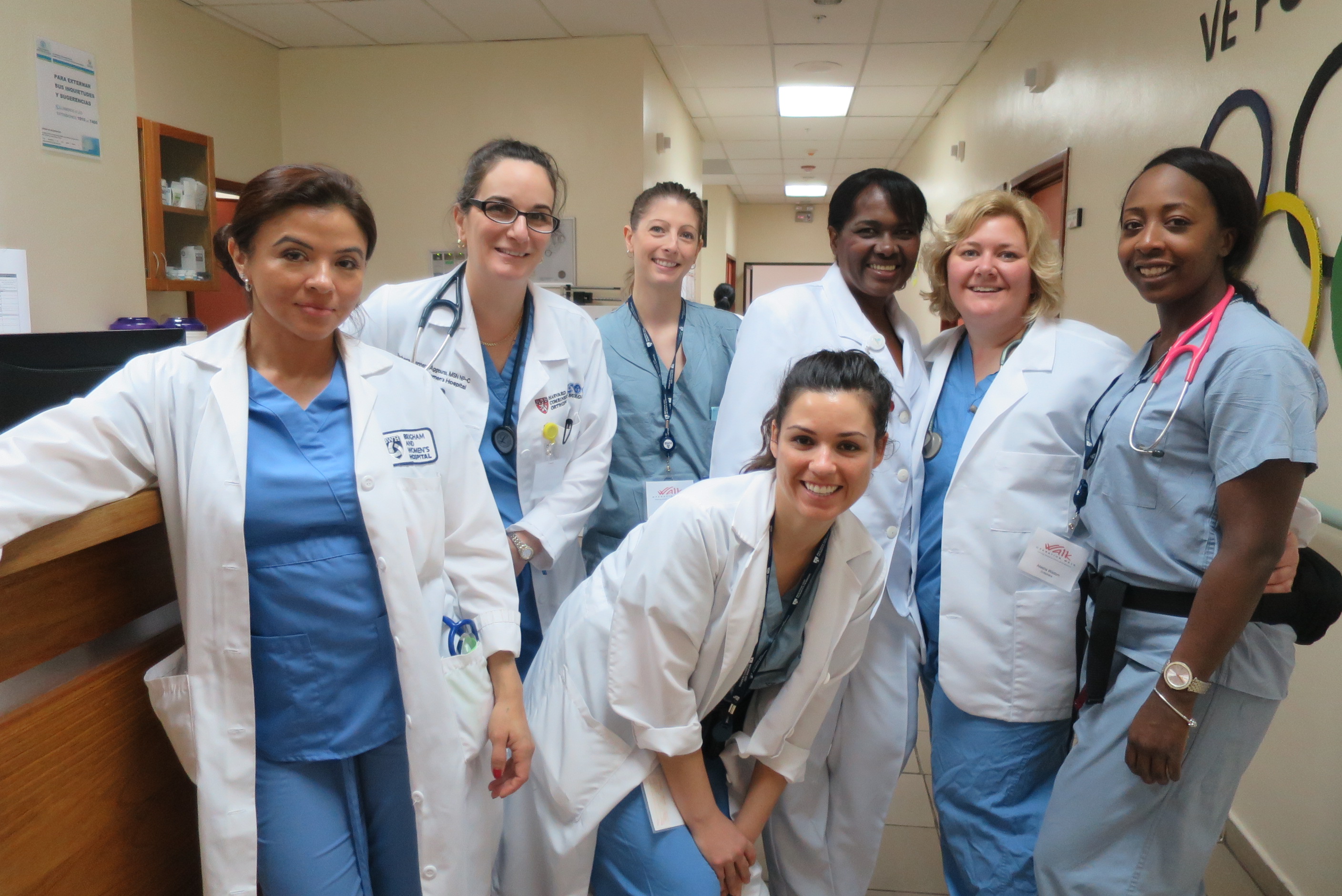
Nurses from BWH, BWFH, MGH and the Dominican Republic who participated in this year’s mission take a group photo.

Nurses from BWH, BWFH, MGH and the Dominican Republic who participated in this year’s mission take a group photo.

For five years following a traumatic injury, 20-year-old Abel Rodriguez, of the Dominican Republic, experienced excruciating pain in both of his hips, forcing him to walk hunched over with crutches. Xiomara Concepcion, a 34-year-old woman suffering from rheumatoid arthritis and bilateral knee pain since adolescence, required a wheelchair to get around.

Rodriguez and Concepcion are among 39 patients whose lives were transformed last month when they received joint replacements, thanks to Operation Walk Boston.

For one week in March, a team of more than 50 volunteers, including surgeons, anesthesiologists, nurses, physical therapists and operating room staff traveled to the Hospital General de La Plaza de la Salud in Santa Domingo for Operation Walk Boston’s eighth mission. The BWH-led team performed 56 knee and hip replacements. Additionally, 58 volunteer medical students from the Dominican Republic cared for patients as part of the team’s goal of educating the next generation of health care professionals in the country.

“Never in my nursing career have I witnessed patients with a greater appreciation for life and understanding of the importance of faith, family and diligence in accomplishing goals,” said Christina Foley, RN, an Operation Walk volunteer and staff nurse on Tower 12A. “They are nothing short of incredible and remind me of why I chose to become a nurse.”

Abel Rodriguez’s hips were replaced during this year’s Operation Walk mission.

Abel Rodriguez’s hips were replaced during this year’s Operation Walk mission.

Since 2007, under the leadership of BWH Chair of Orthopedic Surgery Thomas S. Thornhill, MD, Operation Walk Boston has been performing knee and hip replacements free of charge for patients suffering from arthritis and joint disease. To date, the team has helped more than 300 patients in the Dominican Republic.

BWH’s Roya Ghazinouri, PT, DPT, MS, chief operating officer for the team and strategic program manager for the BWH Center for Healthcare Delivery Science—a new research center focused on care delivery—said one of the highlights from the trip was seeing patients test out their new hip and knee replacements. The theme of this year’s mission was “Ve por el Oro,” or “Go for the Gold,” and several patients received gold medals by completing physical therapy tasks, such as walking up and down stairs just days after surgery. Some patients made rapid progress and were even able to climb the stairs on the day of their surgery.

“Although our patients face severe disabilities, they are always so motivated and grateful from the moment we arrive,” Ghazinouri said. “It’s amazing to know that our team is able to make such an impact on so many lives.”

This year’s team also held clinics for patients who received joint replacements in previous years.

Jeffrey Katz, MD, MSc, a BWH rheumatologist and director of research for Operation Walk Boston, has participated in seven missions with the team. He said it’s wonderful to connect with former patients and learn about what they’ve been able to accomplish post-surgery.

“The returning patients have regained so many dimensions of their lives that they had lost,” he said. “They are working, dancing, playing with grandchildren, walking on the beach, playing sports and much more. They are incredibly grateful for their newfound mobility.”

To learn more about Operation Walk Boston, visit operationwalkboston.blogspot.com. View a photo gallery from this year’s trip.

Michael Fraai (left) and Luis Soto

Michael Fraai (left) and Luis Soto

BWH’s Luis Soto and Earl West recognize the importance of giving back. Since 2006, they have been facilitating the donation of outdated BWH beds, bedside tables and other equipment in working condition to hospitals in need in Haiti, Somalia, the Dominican Republic and elsewhere.

When hundreds of hospital mattresses were being replaced with updated versions in 2008, Soto, director of Environmental and Central Transport Services, and West, Central Transport manager, decided that instead of sending all of the old but usable mattresses to collect dust in storage, greater good could be done with them. Soto contacted the International Medical Equipment Collaborative (IMEC), a foundation that facilitates the donation of useable medical equipment to impoverished countries worldwide, and helped BWH donate more than 500 mattresses to the nonprofit organization.

BWH has also donated mattresses, beds, stretchers and various medical supplies to a public hospital in one of the poorer sections of Santo Domingo. Soto was able to visit the hospital in the Dominican Republic a few months after the donation. Seeing others take so much pride in using BWH equipment was remarkable, he said.

Soto and West have also worked to send beds, stretchers and wheelchairs that were no longer being used at BWH to a hospital in Somalia. After the donation was delivered, BWH received a heartfelt letter from hospital staff expressing their gratitude.

“Something that may be obsolete to you can have a lot of value to someone else,” said Soto. “We want to donate items that we can no longer use but that are in good working condition to people in need of these resources.”

Soto is grateful to those across BWH’s departments and disciplines who have helped him make the donations a reality over the years, including Michael Fraai, MS, CCE, director of Biomedical Engineering; Julia Sinclair, MBA, MHA, senior vice president of Inpatient Services; Enrique Genao, Environmental Services supervisor; Lani Kuzia, assistant project manager for Real Estate; and Andy Madden, former director of Materials Management, who is now at the Dana-Farber Cancer Institute.

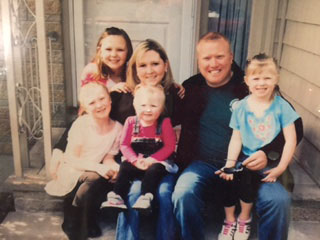
Cindy Scribner with her family

Cindy Scribner with her family

Cindy Scribner is certain she wouldn’t be alive today if it weren’t for the blood donations she received when a special technique, called extracorporeal membrane oxygenation (ECMO), took over the work of breathing for her failing lungs.

After battling idiopathic pulmonary fibrosis, a disease marked by scarring in the lungs, the wife and mother of four from Pelham, N.H., suffered respiratory failure last year and needed to be placed on ECMO at BWH before receiving a lung transplant.

ECMO is an intensive care technology that is used when a patient has a condition that prevents the lungs or heart from working on their own. An ECMO machine, or membrane oxygenator, takes over the work of the heart and lungs temporarily and acts as a lung to deliver oxygen into a patient’s blood, allowing a patient’s damaged lungs or heart time to rest and recover.

Susan Lagambina, assistant director of Respiratory Care Services, said the technique is an extremely advanced technology that acts as a bridge, either to a transplant or until the lungs or heart can function on their own again. Reasons patients need to go on ECMO include severe cases of pneumonia or other infections, or trauma, such as a car accident.

Since BWH began using ECMO two years ago, almost 60 patients have benefited from the technology.

Anesthesiologist David Silver, MD, who works on the ECMO service as a co-medical director, said while patients are on ECMO, a large quantity of their blood volume is circulating outside of the body to the artificial lung, meaning the patient’s blood volume needs to be replaced often.

The ECMO service is overseen by Silver, along with Phillip Camp, MD, of Thoracic Surgery, Gerald Weinhouse, MD, of BWH’s Pulmonary Division, and Gregory Couper, MD, of Cardiac Surgery.

While on ECMO, Scribner experienced severe but common bleeding complications because she had to take a blood-thinning medication for nearly two months. This meant she needed more blood, which is where the Kraft Family Blood Donor Center at BWH and Dana-Farber Cancer Institute came in.

While on ECMO, Scribner received 161 units of blood, which is equivalent to roughly 161 pints—an incredible amount, considering the average person has 10 pints of blood in his or her body.

“The combination of blood donations and ECMO kept me breathing and alive,” Scribner said. “I had such a positive experience at the Brigham.”

Without the Blood Donor Center, Silver said the ECMO program wouldn’t exist, as it has become one of the largest users of blood across the hospital.

Today, Scribner is feeling healthy and strong. She comes back to BWH to speak with current ECMO patients and visit her care team. She wishes she could personally thank every blood donor for taking the time to make a difference.

“By donating blood, you are saving so many lives,” she said. “I am very thankful.”

Paulette Downs, RRT, an ECMO specialist, was part of Scribner’s care team. She, along with other ECMO specialists who took care of Scribner, hosted a blood drive in her honor late last year. She said to see Scribner, who is thriving and enjoying every day with her family, is reason enough to become a blood and organ donor.

“Cindy has been an incredible inspiration to our ECMO program and the human spirit,” Downs said. “Her determination and will to live have never ceased to amaze me. Despite all of her complications, she remained positive.”

To learn more about donating blood, call the Kraft Family Blood Donor Center at 617-632-3206, or email BloodDonor@partners.org.

Read a related story about respiratory achievements at BWH, including ECMO and the original iron lung, which was first used at BWH predecessor institution Peter Bent Brigham Hospital.

While the pillars of Partners HealthCare’s strategic initiative revolve around care redesign and patient affordability, the strategy encompasses all aspects of the Partners mission: patient care, teaching, community health and research.

In the world of research, Partners is the country’s largest non-university-based not-for-profit private medical research enterprise. In 2014, total research expenditures were more than $1.4 billion, about half of which was funded by the National Institutes of Health and other federal agencies. Research at Partners encompasses bench research, patient-centered research conducted at Partners hospitals, clinical trials of new drugs and devices, and health services and research about various diseases.

Every day in research labs across Partners, investigators are working to discover new treatment options, medical devices and technology to improve the lives and outcomes of patients. But getting those discoveries from bench to bedside is complicated, to say the least.

Enter Partners Innovation, a group of experts in company creation, IT commercialization, licensing, patenting, funding and business development, among other areas. Partners Innovation works closely with Brigham Innovation Hub to help clinicians and scientists move ideas forward for possible commercialization.

“We work collaboratively with staff to bring their breakthroughs to the commercial markets whether they stem from laboratory research, care delivery or management systems,” said Chris Coburn, vice president of Partners Innovation. “Our goal is to deliver the unique attributes developed by Partners innovators into products and services that can benefit patients and reduce the cost of care. We bring deep expertise in every phase of discovery, application and commercialization.”

Successful industrial enterprises take great science and innovators matched with exceptional business collaborations. Here is one example from the Brigham:

CoStim Pharmaceuticals emerged in 2011 from work being done at BWH related to immunotherapy—the treatment of disease by inducing, enhancing or suppressing an immune response—in the laboratory of Vijay Kuchroo, DVM, PhD, of the Ann Romney Center for Neurologic Diseases. The therapies enabled doctors to regulate a patient’s immune system to attack the infection or pathogen while not becoming overactivated. In just two years, CoStim developed a pipeline of antibody agents for the treatment of cancer and chronic viral diseases and was acquired by a major pharmaceutical company in 2014.

“Working with innovators, thought leaders, entrepreneurs and industry, our job is to enable commercialization of the amazing work done by Partners scientists and investigators,” said Coburn.

Partners Innovation is sponsoring the inaugural World Medical Innovation Forum in Boston April 27–29, which this year will focus on neuroscience. Learn more at worldmedicalinnovation.org.

innovationforum

Ty Velde with his wife, Ronit, and their son, Liam

Ty Velde with his wife, Ronit, and their son, Liam

Ty Velde has run a lot of races over the years—14 consecutive Boston Marathons and 28 marathons overall, to be exact. But participating in this year’s Boston Marathon holds special meaning for the husband and father of two.

On April 20, Velde, of Needham, will lace up his sneakers and set out on the 26.2-mile course as a member of BWH’s Life. Giving. Breakthroughs. Marathon Team. He’s running for BWH because it’s an opportunity to give back and thank the hospital that saved his newborn son’s life almost seven years ago.

“If it wasn’t for the Brigham, we might not be the family we are today,” Velde said. “This is a great opportunity to be aligned with an organization that had a major impact on my life personally.”

In 2008, after a 10-mile training run in preparation for the Chicago Marathon, Velde returned home to find a note taped to his front door. His wife, Ronit, 29 weeks pregnant with their first child, wrote that she had been taken to BWH by ambulance after experiencing excessive bleeding. Velde quickly collected some belongings and headed to the Brigham.

Liam-Running

Like his father, Liam Velde loves running.

While he was extremely worried about the health and well-being of his wife and unborn child, Velde knew there was no better place to be treated than BWH. They learned from doctors that Ronit had suffered a placental abruption, a somewhat common but very serious pregnancy complication in which the placenta separates from the uterine lining.

After spending 10 days in the hospital, Ronit was able to go home and rest. At exactly 37 weeks, they returned to BWH for the joyful arrival of their son, Liam.

Velde said that he and Ronit were struck by how compassionate, caring and supportive their entire care team was at BWH.

“We were scared and unsure,” he said. “They were confident and in control. They assured us that everything would be OK.”

Today, Liam is a healthy and energetic six-year-old who loves running, playing hockey and cheering on the Boston Bruins. He’s also a big brother to 4-year-old Keira.

As for race day, Velde can’t wait to run with his team and wave to his family, who will be cheering from along the route.

“BWH has touched not only my family and me but also countless others,” he said. “The work the hospital is doing to advance the future of medicine is truly amazing.”

Learn more about BWH’s Boston Marathon team.

For fourth-year Harvard Medical School (HMS) student Shekinah Elmore, medicine has played a major role in her life since she was a child.

Diagnosed with cancer at a young age, Elmore said her own experiences with illness and the fact that she had access to great care inspired her to become a doctor.

“I wanted to pass my positive experiences with medicine along to others,” said Elmore, who, on the eve of Match Day, flew back from Rwanda, where she had been working to treat cancer patients. “It has been quite a journey but well worth it.”

Elmore, along with 73 other promising medical students from around the country, received the good news on March 20, this year’s national Match Day, that she was accepted into BWH’s Internal Medicine Residency Program.

Beginning in July, after graduating from their respective medical schools, the new physicians will begin their graduate medical training at BWH, while providing care to patients and learning from senior residents, faculty and staff.

This slideshow requires JavaScript.

During BWH’s Match Day celebration in Carrie Hall, BWHC President Betsy Nabel, MD, along with Joel Katz, MD, director of the Internal Medicine Residency Program, and other BWH faculty and current residents welcomed the new interns into the Brigham family and congratulated them on finding their match.

“Today is a banner day for our hospital,” Katz said. “We are fortunate to have attracted some of the most spectacular and inspiring medical students from around the country. I hope our new residents enjoy the experience, find productive mentorship and focus on becoming the best doctors possible.”

During the reception, the newly matched students high-fived and hugged each other and their new colleagues, with wide smiles.

Matthew Lawlor, a Boston University medical student, said his dream came true when he opened his letter and saw “Brigham and Women’s Hospital.”

“This is what I’ve always wanted,” he said. “The Brigham is a phenomenal institution that excels in all the things I’m interested in. I’m so proud to be here, and I can’t wait to get started.”

wordcloud

Newly matched medical students who will join BWH this summer hail from the many medical schools above.

1 Comment

Earlier this month, BWH Bulletin shared a story about how the Brigham and Women’s Physician Organization (BWPO) is working to redesign clinical care, improve quality and decrease costs. One of the ways it’s doing this is through the BWPO Care Redesign and Incubator Startup Program, or BCRISP.

“We’re trying to engage our clinicians to come up with great ideas,” said Karl Laskowski, MD, assistant medical director of the BWPO, who oversees BCRISP. “We don’t have all the answers, but people on the frontlines do. We wanted to put a structure in place where we could succeed in helping these projects prove their value.”

Established in 2013, BCRISP encourages teams of frontline clinicians to submit proposals for projects that improve quality of care and reduce health care costs. More than 100 proposals and 16 project pilots later, BCRISP has led to $1.2 million in total medical expense savings.

The latest round of BCRISP projects, called BCRISP 2.0, includes 10 projects, all of which began last summer and have since been designed and implemented at BWH. The groups will share their successes later this month at an event open to all employees.

“All of the projects are so innovative and exciting,” said Elizabeth Cullen, senior project manager of Care Redesign for the BWPO.

Led by Jay Schuur, MD, MHS, and Michelle Lin, MD, MPH, of Emergency Medicine, and Christine Dutkiewicz, RN, MSN, CCM, Care Coordination nursing director, one project focuses on identifying patients who are the most frequent users of the Emergency Department (ED). The goal is to reduce their ED visits by better coordinating care with their primary care physicians and care team. A community health worker provides social support and manages patients’ care, including checking in on them by phone and arranging home visits. The project also includes acute care plans, engagement with ED providers and a pager notification to alert the ED team when one of these patients comes to the ED.

Pharmacists Amrita Chabria and Lina Matta have spearheaded another project, creating a system for delivering medications to the patient bedside before discharge. This avoids delays for patients who need to begin taking their medications immediately. The project also offers education about medications at the bedside and seeks to help patients avoid hospital readmissions. Patients are able to transition more easily after discharge since critical medications are in their hands before they leave the hospital.

In Obstetrics and Gynecology, Louise Wilkins-Haug, MD, PhD, Carolina Bibbo, MD, and Sarah Little, MD, developed a twin initiative project to reduce the number of ultrasounds and avoid unnecessary C-sections for expectant mothers of twins. The project created two websites—one for patients and one for providers—with educational videos to help patients and physicians start thinking about delivery earlier during the pregnancy. An interactive portal was also created for patients to log into and submit their questions.

All 10 pilot projects will be presented in Carrie Hall on Wednesday, March 25, from 2 to 4 p.m. All are welcome to attend.

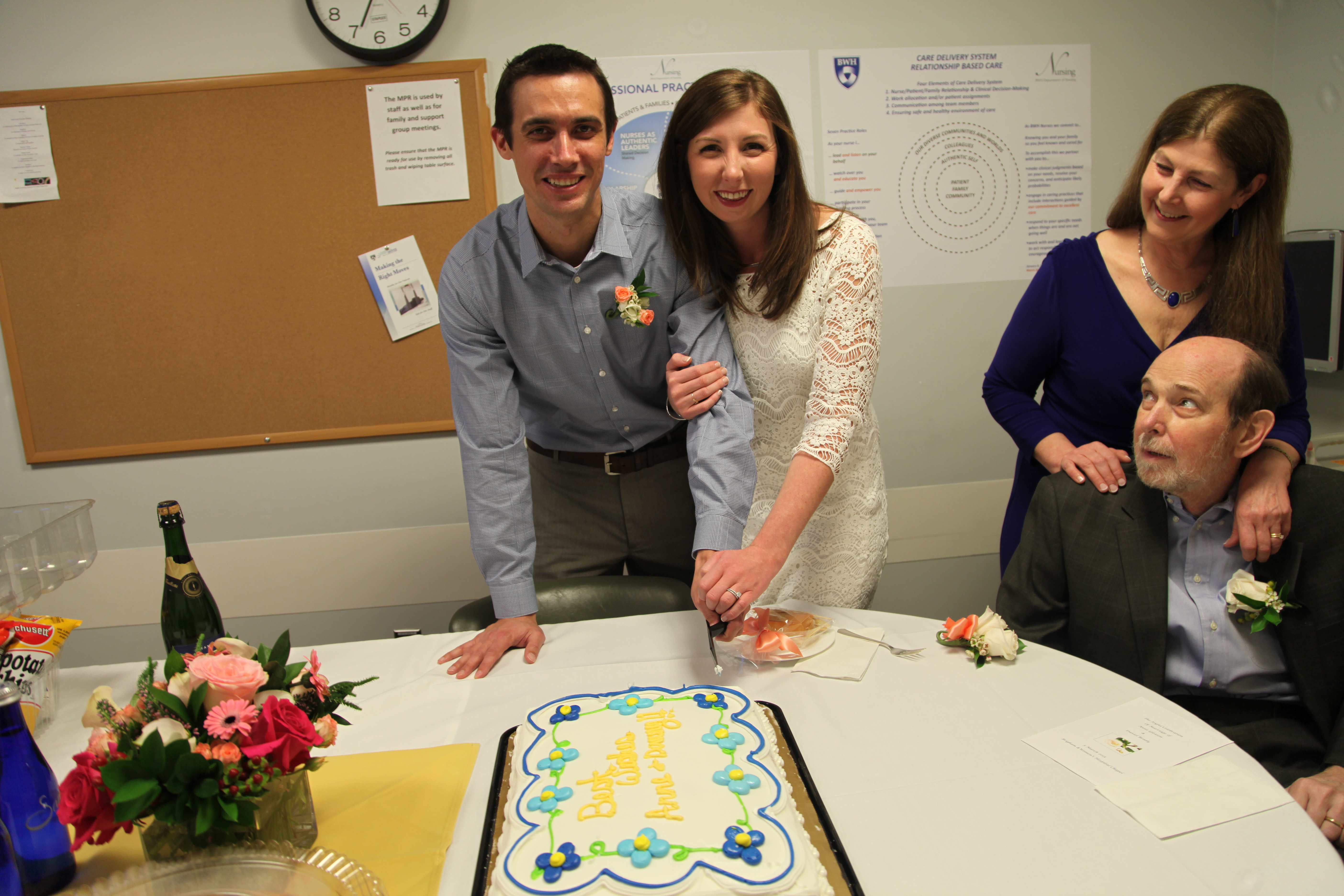
From left: Debbie and James Gleason with daughter, Anne, and son-in-law, Danny Brady, during their wedding ceremony at BWH.

From left: Debbie and James Gleason with daughter, Anne, and son-in-law, Danny Brady, during their wedding ceremony at BWH.

On March 5, just three days before his passing, James Gleason was able to walk his daughter, Anne, down the aisle during an intimate wedding ceremony in the BWH Chapel.

After gathering enough strength, Gleason was also able to attend his daughter’s formal wedding with family and friends on March 7, and walk her down a much longer aisle, as planned. He passed away peacefully at home the next day.

Gleason’s wife, Debbie, and Anne recently shared a letter with BWH and Dana-Farber Cancer Institute caregivers and friends to thank them for all they did to care for their loved one during the last three years. Here is an excerpt from the letter:

“Everyone from the Emergency Department to the chaplains, Thoracic Surgery and Palliative Care teams and, in a very special way, the nurses on 11B, took the time to listen to us, understand our priorities and collaborate with us on a plan to give dad and our family truly the best and most holistic care possible,” wrote Anne.

“When Danny and I decided to exchange vows in the Chapel on March 5, you threw us a truly beautiful wedding, complete with flowers, programs, a photographer and videographer, party favors, and a delicious cake and lunch. It was an incredible celebration, which gave our parents a chance to meet, share stories and laugh. In walking me down the aisle and thoroughly enjoying that day, dad was able to relax and gather strength for Saturday. . . . It is with both joy and sorrow that we extend our most sincere gratitude to all of you.”

The newlyweds cut their cake, as the Gleasons look on.

The newlyweds cut their cake, as the Gleasons look on.

Cheryl Welp and Chris Johnson

Cheryl Welp and Chris Johnson

Time was running out for Lynn resident Chris Johnson. He had been suffering from kidney failure, and without a donor, he didn’t have much longer to live.

More than 1,000 miles away in Indiana, registered nurse and administrator Cheryl Welp had been planning to donate a kidney to a woman in Tennessee, but the timing wasn’t right for the woman to undergo a transplant. The woman shared a story she had seen on Facebook about Johnson, who was in desperate need of a kidney, and encouraged Welp to consider donating to him instead.

“I was so touched by Chris’ story that I knew I wanted to help,” Welp said. “The idea that you can save another person’s life is pretty amazing.”

While at BWH for testing to ensure her kidney would be a good match, Welp was able to meet Johnson, and both of their surgeries were scheduled for March 5.

Days later, Welp sat in Johnson’s hospital room to spend time with him and his family.

“Chris is one of the most precious people I have ever met,” Welp said. “He’s my brother now.”

Stefan G. Tullius, MD, chief of Transplant Surgery, said it has been amazing to see Welp and Johnson’s friendship blossom throughout this process.

“It’s wonderful we have people like Cheryl in this world who are able to change the lives of transplant recipients,” Tullius said.

Johnson said he owes it to Welp and the world to pay it forward. He plans to focus his energy on recovery and make it his personal mission to find a kidney for the woman in Tennessee, who made the donation possible by connecting Welp with him.

BWH President Betsy Nabel participates in a recent Partners eCare test drive in the eCare information center with Adam Landman, chief medical informatics officer.

BWH President Betsy Nabel participates in a recent Partners eCare test drive in the eCare information center with (from left) Adam Landman, chief medical informatics officer, Allen Smith, BWPO president, and Sally Carlson, communication lead for Partners eCare at BWHC.

With the implementation of Partners eCare (PeC) just about two months away, staff understandably have questions about go-live and how BWHC will ensure a smooth transition during this monumental change. Shelly Anderson, vice president of Strategy Implementation, sat down with BWH Bulletin to tackle some of the most commonly asked questions about eCare.

I am scheduled for training in early April. Will I be trained on “the real” system?  What if I forget what I’ve learned by the time we go live?

Yes. You will be trained on the actual system that we will use beginning May 30. Once trained, staff will be able to practice in the Epic “playground,” a practice version of our build. You can log in at your convenience, practice skills and become more familiar with the system. The playground is accessible from Partners workstations, and you will receive information about logging in after you complete your training courses. In addition, we have developed “test drives” at the eCare Information Center by the Shapiro bridge so that you can get the experience of completing activities in the medical record using a typical scenario.

I have order sets and templates that I use every day.  Will I be able to import those into Epic?

Yes. In May, we will offer personalization labs, which include approximately two hours of focused attention on setting up Epic Smart Texts, Smart Sets and customizing the system to your preference. Our goal is to ensure that all staff can be as efficient and comfortable with the new system as quickly as possible. More information on signing up for a personalization lab will be provided soon.

What happens if I don’t pass the training competency test?

We will support every user and leave no one behind. The PeC training team will work with you on additional training as needed.

What will happen if I have questions or problems during go-live?

We have more than 400 application and content experts from PeC, Epic and BWHC, who will prioritize and solve issues as quickly as possible. A dedicated Help Desk will also collect tickets from super-users and individuals who are experiencing issues with the system, integration, workflow or other concerns. Additionally, BWHC has developed a plan to understand themes that are emerging in these issues and share important information with everyone on a consistent basis. We are completely committed to supporting problem-solving needs and resolving issues during go-live and in the weeks following.

What if there are patient safety issues?

We are working very closely with BWHC safety experts to learn from other institutions that have already implemented Epic. The experts will be working side-by-side with us to ensure we are all aware of any potential safety issues and that we can respond to these issues, should they arise, immediately and effectively.

Do we have enough workstations?

Yes. During our preparation, we worked with other hospitals that use Epic to get a sense of the needs. We will have plenty of workstations for staff to use during the course of treating patients. It is important that we use the workstations in exam rooms and patient rooms in addition to mobile workstations that we have added to supplement them.

What should I be telling my patients when we go live?

We are developing some materials to help with patient communication and will distribute these prior to go-live. There will also be service recovery directions in case there are situations in which we have delays, for example, and are unable to meet our usual service standards. What we have learned from other institutions is that patients have been very understanding during the transition period.

How will we know how the implementation is going overall?

Communications will be shared with the entire BWHC community through multiple channels to keep you informed about major issues, resolutions and the general status of implementation.

What happens after go-live?

For the first four weeks, our command center will support us in resolving any issues that arise. Then, we will begin to transition many of these requests to BWHC management.

What can I do to make sure I’m ready?

Attend training and practice afterward. If you are a super-user, be diligent about practicing so that you can provide the best possible support to your colleagues. Please implement workflow changes that you have been informed of in advance of go-live on May 30. Also, be patient and supportive of your colleagues as we all undergo significant changes in the way we do our daily work. Lastly, don’t give up! Every Epic client says that once you are through the initial hours and days, it will all be worth it and you will really like the new system.

Angioplasty involves inflating a balloon in a clogged artery to help widen the artery (center image). It is often combined with the placement of a stent (far right image) to decrease the artery’s chance of narrowing again.

Angioplasty involves inflating a balloon in a clogged artery to help widen the artery (center image). It is often combined with the placement of a stent (far right image) to decrease the artery’s chance of narrowing again.

Approximately 600,000 angioplasty procedures are performed annually in the U.S. Heart patients often undergo balloon angioplasty procedures to open a blocked artery and may have one or more stents implanted to keep the artery open. Three Partners hospitals—BWH, MGH and North Shore Medical Center (NSMC)—perform heart procedures that require balloons or stents for the treatment of blocked coronary arteries.

As part of Partners’ commitment to improve patient affordability by seeking savings and efficiencies while maintaining quality, a team worked to reduce spending on balloons and stents used as part of angioplasty and similar procedures. Each year, Partners spends more than $4 million on these products:

  • Balloon catheters to open blocked arteries (Partners uses more than 6,000 coronary balloons each year.)
  • Drug-eluting (coated) and bare-metal (uncoated) stents, which prevent coronary arteries from narrowing again following angioplasty (Partners uses more than 3,200 stents a year.)

The challenge was to lower costs with the three major vendors and suppliers of these devices.

A Partners Materials Management team worked with representatives from the cardiovascular labs at BWH, MGH and NSMC. The lab representatives provided guidance on all of the vendor products, best practices in patient care and their own current and future needs.

With some patient affordability projects, Materials Management has recommended consolidating its purchasing to a single vendor. But in this case, “because the technology is constantly changing, we wanted to continue to have access to products from all the major vendors,” said Beth McDonald, MBA, BSN, a member of the advisory group for the project and executive director of Surgical and Procedural Services at BWH.

With data from the lab advisors, Materials Management was able to negotiate with all three major suppliers to achieve the lowest prices possible. The resulting contracts put Partners among the 10 percent of customers in the U.S. who get preferred pricing, saving nearly $850,000.

In a study published in The Lancet on March 10, researchers from BWH reported that patients with a genetic sensitivity to warfarin—the most widely used drug for preventing blood clots—have higher rates of bleeding during the first several months of treatment. These patients benefited from treatment with a different anticoagulant drug. Analyses from the TIMI Study Group, which has conducted numerous cardiovascular disease clinical trials since its founding in 1984, suggest that using genetics to identify patients who are most at risk of bleeding, and tailoring treatment accordingly, could offer important safety benefits, particularly in the first 90 days of treatment.

“We were able to look at the data of patients from around the world who were being treated with warfarin and found that certain genetic variants make a difference for an individual’s risk for bleeding,” said Jessica Mega, MD, MPH, a cardiologist at BWH, senior investigator in the TIMI Study Group and lead author of the paper. “For these patients who are sensitive or highly sensitive responders based on genetics, we observed a higher risk of bleeding in the first several months with warfarin, and consequently, a big reduction in bleeding when treated with the anticoagulant drug edoxaban instead of warfarin.”

Warfarin has been in clinical use for 60 years. Genetics has been thought to influence an individual’s sensitivity to the drug, and the FDA label for warfarin notes that genetic variants in two genes can help determine the right warfarin dose for an individual. But a conclusive link between variation in these two genes and bleeding had only been debated.

Researchers used data from the ENGAGE AF-TIMI 48 trial, an international trial in which patients with atrial fibrillation—an irregular, often rapid heart rate—received either a high dose of edoxaban, a lower dose of edoxaban or warfarin to prevent blood clots from forming in the heart and leading to stroke. TIMI investigators were able to observe important connections between genetic differences and patient outcomes. The trial represents the largest study of this kind to date and included nearly three years of follow-up with participants.

In ENGAGE-TIMI 48, patients were randomly assigned treatment and followed over time. The research team divided 14,000 study participants into three categories based on genetic makeup: normal responders, sensitive responders or highly sensitive responders. During the first 90 days, sensitive and highly sensitive responders who received warfarin experienced significantly higher rates of bleeding compared to normal responders. As a result, during this early time period, edoxaban was more effective than warfarin at reducing bleeding in sensitive and highly sensitive responders.

“These findings demonstrate the power of genetics in personalizing medicine and tailoring specific therapies for our patients,” said Marc Sabatine, MD, MPH, a cardiologist at BWH, chairman of the TIMI Study Group and senior author of the paper.

Warfarin remains the most common anticoagulant in part due to economics and availability, but several novel oral anticoagulants have entered the market. Edoxaban received FDA approval for stroke prevention in atrial fibrillation earlier this year based on the results of the ENGAGE AF-TIMI 48 trial.

To address health care cost growth, BWHC is redesigning care to provide more value to patients, including improved outcomes, higher-quality care and lower costs. BWPO Chief Medical Officer and BWHC Vice President of Care Redesign Jessica Dudley, MD, led a Quality Rounds presentation last month to share the various BWPO projects that are doing just this—from Partners eCare and the integrated Care Management Program (iCMP) to projects that facilitate patient engagement and more.

“While national and state governments are very focused on identifying approaches to controlling health care costs, we as providers are uniquely positioned to identify opportunities to improve efficiencies and outcomes for patient care,” said Dudley. “Through our efforts in population health management, we have been investing in the infrastructure and developing programs to improve outcomes while also reducing medical expense trend.”

Rebecca Cunningham, MD, iCMP medical director, provided an update about the program, which is a key strategy of population health management that focuses on BWHC’s highest-risk patients. As part of the program, nurse care coordinators collaborate with patients’ primary care teams to help manage every aspect of their care.

The result is a nurse-led multidisciplinary care team that provides better care coordination for patients in order to improve health outcomes and reduce preventable hospital admissions. So far, more than 3,000 patients have been engaged in the program, which is supported by a multidisciplinary team of nurses, social workers, psychiatrists, pharmacists and community resource specialists. The program is measuring health care utilization and costs, as well as patient and provider experience. With the support of this enhanced care team, hospital admission rates for iCMP patients decreased by 18 percent from 2013 to 2014.

During the presentation, Adam Licurse, MD, MHS, BWPO assistant medical director and a primary care physician at Brigham and Women’s Advanced Primary Care Associates, South Huntington, also spoke about the medical neighborhood, which links primary care, specialists and other providers into one coordinated team. The defining features of the medical neighborhood are eReferral and Team Care. The first is a web portal in which primary care physicians can send referrals to any ambulatory BWH specialist—an effort to ensure the patient is seen by the right specialist in a timely manner and prevent patients from leaving the BWHC family for specialty care. Until eReferral, there hadn’t been a standardized hospital-wide system that coordinated referrals.

Similarly, Team Care provides physicians with a portal to ask each other questions about a patient’s care before a referral is made, potentially avoiding unnecessary referrals.

Satisfaction about the referral process jumped from 21 percent to 69 percent from 2013 to 2014 among the specialties piloting eReferral and Team Care, which includes Orthopedics, Gastroenterology, Neurology and others.

Licurse also shared some of the ways BWHC is improving patient engagement, leading to improved decision-making and increased self-care at home. BWHC has been a leader in the collection of PROMs, or patient-reported outcome measures, in which patients answer a series of questions using an iPad in the waiting room and then receive follow-up questionnaires. In addition to engaging patients in their care, this helps BWHC collect data about quality outcomes that matter to patients, provides new insights into patient behavior and allows for better tailoring of care to specific patient groups.

Additionally, an online video software program called Vidscrips allows clinicians and other staff to easily record short informative video “prescriptions” that are specific to certain diseases or patient populations. Patients are able to watch the videos whenever they have questions related to their condition or information their clinician has shared. Vidscrips, along with virtual video visits, which the BWPO is also piloting across a number of departments, may allow for improved patient self-management in between care episodes and higher patient satisfaction.

Karl Laskowski, MD, MBA, BWPO assistant medical director, shared an update on the BWPO Care Redesign and Incubator Startup Program (BCRISP), an initiative established in 2013 in which teams of frontline clinicians submit proposals for projects that improve quality of care and reduce health care costs. BCRISP projects have focused on a variety of topics, including bedside medication delivery, Emergency Department observation of atrial fibrillation and innovative clinical pathways in lung cancer. More than 100 proposals and 16 project pilots later, BCRISP has led to $1.2 million in total medical expense savings.

Read more about the latest round of BCRISP projects in BWH Bulletin later this month.

Patient Donna Murphy and her son, Jason

Patient Donna Murphy and her son, Jason

Approximately 1 in 50 people in the U.S. have an unruptured brain aneurysm—a weak bulge or ballooning in a blood vessel in the brain. Most aneurysms are small and rarely cause symptoms, unless they rupture.

Though a rupture is relatively rare, affecting about 30,000 people per year in the U.S., the blood from a ruptured aneurysm can damage brain tissue and increase pressure on the brain that can be life-threatening.

Often aneurysms are not detected until they rupture, but sometimes they are seen on imaging tests or diagnosed if they grow large enough to put pressure on areas of the brain and create symptoms, like headaches or visual disturbances.

For many patients, an open surgery, in which an aneurysm is clipped to prevent rupture, or a minimally invasive procedure in which coils or stents are used to fill the bulge, are good options. But for some patients, including BWH patient Donna Murphy, neither option would work, due to the type of brain aneurysm or the possibility of complications. For this group of patients, a new technology, the WEB Aneurysm Embolization System (called WEB for short), offers a solution.

“This is an exciting new treatment for challenging ruptured and unruptured aneurysms for which other therapy options—such as open surgery or an endovascular procedure—are not ideal,” said BWH neurosurgeon M. Ali Aziz-Sultan, MD.

Last month, Aziz-Sultan and his team used the newest FDA-approved version of WEB as part of a clinical trial to treat Murphy’s aneurysm. The procedure was performed in a hybrid endovascular neurosurgery suite at BWH, a first of its kind in the U.S., where both open and closed surgical procedures can be performed.

The WEB device is made of dense mesh constructed from a large number of extremely fine wires, and was customized to the exact size of Murphy’s aneurysm. Once inserted, the device fills the aneurysm completely to disrupt the inflow of blood and prevent it from rupturing.

Before performing the surgery, Aziz-Sultan 3-D printed Murphy’s brain, including her aneurysm, and practiced on the model, providing a personalized approach.

Murphy, who lives in Fall River, says she is back to her regular routine and feels relieved that she no longer has to worry about her aneurysm rupturing.

“The whole process was unbelievable,” said her son, Jason. “I am so grateful for what the care team did for her.”

The procedure was done as part of a study called WEB Intrasaccular Therapy Study (WEB-IT), which is approved to enroll 139 patients at up to 25 sites in the U.S., Canada and Europe. The study will evaluate the WEB device for the treatment of both ruptured and unruptured aneurysms.

3 Comments
From left: Victor Dzau, Vikram Patel and Paul Farmer

From left: Victor Dzau, Vikram Patel and Paul Farmer

Around the globe, about 10 percent of pregnant women and 13 percent of women who have just given birth experience a mental disorder, mostly depression, according to the World Health Organization. In developing countries, the percentages are even higher—about 16 percent and 20 percent, respectively. In addition to the suffering this causes for women themselves, their children’s growth and development may also be negatively affected.

Earlier this month, BWH held a special medical grand rounds, the 2015 Victor Dzau Lecture in Global Health Equity, on maternal mental health in low- and middle-income countries and potential ways to make a sustainable difference. Global health luminaries—including Institute of Medicine President Victor Dzau, MD, former chair of BWH’s Department of Medicine; Paul Farmer, MD, PhD, chief of BWH’s Division of Global Health Equity; and Howard Hiatt, MD, the division’s first deputy chief—and others gathered in Bornstein Amphitheater for the talk, which was presented by psychiatrist and researcher Vikram Patel, MSc, MRCPsych, PhD, FMedSci. Incoming Partners In Health CEO Gary Gottlieb, MD, MBA, also attended.

As co-director of the Centre for Global Mental Health in the London School of Hygiene and Tropical Medicine, Patel’s work spans child development and disability, adolescent health and mental disorders in low-resource settings. During his introduction, Farmer called him “the most important researcher in the world in academic psychiatry today.”

Patel shared some staggering statistics. For example, infants in Goa, India, whose mothers were experiencing depression after birth were three times more likely to have cognitive delays compared to babies whose mothers were not depressed.

Two of the challenges of improving maternal mental health in developing countries are a lack of understanding of mental health disorders and a lack of mental health specialists. To solve this, Patel outlined a promising approach of training community members to provide mental health interventions, empowering ordinary people to care for others. It has already led to a 40-percent reduction in depression among mothers in Goa, where Patel’s work has been based for much of the year.

“Our hypothesis is that if we intervene early, there are real catch-up benefits for mothers and children,” said Patel. “For children to develop in good health, we have to address maternal mental health and the many factors that affect it.”

Patel is part of a group developing India’s first national mental health policy, which seeks to narrow the treatment gap for mental disorders.

Adil Haider

Adil Haider

Adil Haider, MD, MPH, describes his role as director of BWH’s Center for Surgery and Public Health as his dream job. A prominent health services researcher and trauma surgeon, Haider has trained in the fields of surgery and public health, and his passion for both helped lead him to the Brigham.

The Center for Surgery and Public Health is a joint program with Harvard Medical School and the Harvard School of Public Health, founded in 2005 by Executive Director Michael Zinner, MD, BWH Surgery chair. Its mission is to advance the science of surgical care delivery by studying effectiveness, quality, equity and value at the population level, and to develop surgeon-scientists committed to excellence in these areas.

Haider recently shared his insights with BWH Bulletin.

Your research on disparities in patient outcomes forces us to confront our biases. What did you find when you looked at the data?

Implicit bias or unconscious preference—the attitudes or stereotypes that may affect our interactions—is not something you would typically associate with my area of medical practice (trauma surgery). But there are plenty of disparities in terms of patient outcomes in fields such as cancer care, where early access to care may differ. But what could possibly explain differences in outcomes after trauma surgery?

In our first paper on the subject, we found differences in outcomes for children after surgery; minority children had worse outcomes in their ability to eat, talk and walk after having an injury than white children. When we looked at a larger database of adults, we found that for black patients, risk of death after surgery increased by about 20 percent, and for Hispanic patients, risk went up by 50 percent.

We all knew something was going on; we wanted to understand why.

What accounts for these disparities?

I believe that people don’t go into trauma surgery or any other field of medicine to treat people differently, but individuals may have an unconscious preference without even realizing it.

That’s why we started looking at unconscious bias as one of several potential mechanisms. We raised this as a question, and we’re now trying to answer it.

Are there other mechanisms that might explain differences in patient outcomes?

An additional mechanism we’re studying are differences in empathy. How we relate to a person based on how they look may influence the degree and extent of our involvement in their care. We are trying to quantify that. We are also looking at mindfulness—the difference between telling someone to “eat more fruits and vegetables” before sending them on their way and inquiring about their home environment and community to understand their ability to access fresh produce. By getting to know my patients, I’ve learned so much about myself.

How did you become a trauma surgeon with an interest in public health?

When I was 6 years old, I wanted to be a trauma surgeon because of a TV show called “Trapper John,” a spinoff from “MASH” about this guy who could fix anything. Later on, I also understood the impact of public health, which is why I pursued a master’s of public health degree right after medical school.

During my trauma fellowship, I went to Africa and spent many nights operating nonstop. I loved it and thought I was making a big difference and began to make plans to work overseas. But when I got home to Baltimore, my mentor said, “You don’t need to go to Africa to take care of people who could use your help. They are right here.” I started getting to know my patients better. And that’s when I started thinking about disparities and solutions to eradicate them.

Why did you accept the position of kessler director of the Center for Surgery and Public Health?

Meeting the team here was extremely inspiring; everyone cares about making a difference, and we have the right combination of resources and will to truly have an influence on the art and practice of surgery to impact the health of millions, from Boston to Botswana. Our institution’s history is also extremely compelling; the founding documents of the Brigham proposed building a hospital for patients who are in indigent circumstances. That’s our founding principle, and it’s reflected in so many of the hospital’s priorities. BWH’s commitment to global equity and surgery extends from President Betsy Nabel, MD, throughout the institution. The opportunity to lead a center charged with doing this work felt like a true calling, and I’m thrilled to have been chosen to do it.

Clinical trial recruitment is a major challenge in biomedical research. Nearly 80 percent of clinical trials fall short of enrollment timelines, and recruiting patients is costly. But Patient Gateway, an online portal accessed by more than 500,000 patients, offers an opportunity to overcome this challenge, said Joshua Di Frances, Strategy and Innovation project manager for the Innovation Hub and Brigham Research Institute.

Di Frances and his colleagues Daniel Solomon, MD, MPH, and Joel Weissman, PhD, have been working to develop a mechanism that will easily allow patients to find out about and enroll in clinical trials through Patient Gateway. Known as Partners HealthCare HOPE (Health Online for Patient Enrichment), the new tool will enable patients to see all current IRB-approved research studies in relevant health areas, request to participate in them and receive health information specific to those areas. Patients will be able to access HOPE through a Quicklink on the Patient Gateway homepage and select “I’m interested” to learn more about specific research studies and access information about certain conditions.

HOPE will begin with research studies in four focused health areas: arthritis, cardiovascular disease, depression and diabetes, a list that will expand in the coming year. An initial roll out is planned for early spring. Clinical investigators are encouraged to add their trials on the HOPE platform by submitting their protocols here. They can also contact Joshua Di Frances with any questions.

From left: Panelists JoAnn Manson and Paula Johnson

From left: Panelists JoAnn Manson and Paula Johnson

Earlier this month during the Dr. Lawrence H. and Roberta Cohn Forums’ inaugural event, “Women and Heart Disease: What You Don’t Know May Kill You,” BWH experts raised awareness of women’s heart health and shared a number of small steps that women of all ages can take to stay healthy.

In the U.S., heart disease is the leading cause of death in women and is deadlier than all forms of cancer combined. However, by exercising moderately for about 30 minutes a day, maintaining a heart-healthy diet and weight, and not smoking, women can significantly reduce their risk of heart disease, stroke, type 2 diabetes and even dementia.

“It’s never too late to start making important lifestyle changes to lower your risk,” said JoAnn Manson, MD, DrPH, chief of the Division of Preventive Medicine at BWH, at the forum, which was held at the Harvard School of Public Health (HSPH). “Once you know the risk factors and how modifiable and preventable the disease is, there’s so much you can do to reduce your own risk.”

Manson, along with Paula Johnson, MD, MPH, executive director of BWH’s Connors Center for Women’s Health & Gender Biology; Frank Sacks, MD, professor of Cardiovascular Disease Prevention in the Department of Nutrition at the HSPH; and Stephanie Mohl, senior government relations advisor at the American Heart Association, discussed how heart disease symptoms in women can vary from those experienced by men. Additionally, women’s symptoms, such as shortness of breath and extreme fatigue, are often overlooked. There are also certain disorders in pregnancy, such as preeclampsia and gestational diabetes, that put women and their children at risk for heart disease.

Johnson discussed how heart disease should be evaluated across a person’s lifespan, not just when someone starts to experience symptoms. She also explained that some groups of women are at a higher risk of developing the disease, such as African-American women.

Most importantly, experts stressed that in addition to advancing the science, women need to get as much information as they can about the disease, listen to their bodies and take action to reduce their risk.

“Information is power; knowledge is power,” Manson said.

View the webcast.

What questions do you have about Partners eCare and its implementation? Send your questions to BWHBulletin@partners.org, and they could be featured in an upcoming Bulletin Q&A.


In preparation for the Partners eCare (PeC) launch at BWHC on May 30, BWHC’s PeC team recently hosted the first in a series of interactive presentations that explore some of the significant changes the new system will bring to how BWHers work.

“We’re excited for the implementation of Epic and expect great things for patients and providers across Partners,” said Ramin Khorasani, MD, vice chair of Radiology, during the presentation in Bornstein Amphitheater earlier this month. “At the same time, we know how much work is still ahead, both before and after go-live, to ensure we reach the best outcomes.”

Screen Shot 2015-02-26 at 2.33.14 PMPeC, BWHC’s new Epic-based electronic health record system, will assist physicians, nurses, health professionals, administrators and frontline staff in delivering more seamless and coordinated care across all Partners settings. It will also enable patients and families to more actively engage in their own care since patient care documentation will be done at the bedside.

eCare

Ramin Khorasani

The session included a live demonstration of the workflow for ordering and scheduling radiology exams in the new system, followed by a lesson on documenting at the bedside.

Michelle Kennedy, a practice administrator in Orthopedics who frequently orders radiology tests, attended the presentation so she could learn more about how the system will improve her daily workflow. She said the demonstration was easy to follow, and she found the flow of scheduling an exam through Epic to be seamless.

With PeC, the radiology order entry process will begin and end in Epic, which will eliminate discrepancies that currently occur because two different systems are used.

Later in the presentation, BWFH nursing staff, who have been piloting “just in time” bedside documentation, shared lessons learned and tips on maintaining and improving meaningful interaction with patients. “Just in time” documentation refers to documenting notes directly into a patient’s electronic health record while in the patient’s room, as opposed to documenting on paper later.

Currently, nurses across BWHC do not perform all of their documentation in patient rooms. Instead they use workstations on wheels that are brought into rooms or document using workstations outside of patient rooms. When PeC goes live, most computers will be located in patient rooms, which will enable care providers and patients to go over care plans together in real time.

BWFH nurses involved in the pilot reported that they were able to answer patients’ questions quickly and easily because information about their care was readily available inside the room. Nurses could document information without interruption; there was no need to leave it to memory or write a note on paper.

Lynne Morrison, RN, a BWFH nurse director, and her team emphasized the importance of making patients feel comfortable with bedside documenting by standing at the computer so they can frequently make eye contact with patients. So far, Morrison said patients have shared that they feel nurses are listening carefully and documenting history accurately.

View the PeC Spotlight Series webcast. Learn more about PeC here.

In addition to their vital work at home, BWH anesthesiologists are making an impact on patient care, education and research across the globe—from Haiti and the Dominican Republic to Rwanda and beyond. Attending anesthesiologist Emily Nelson, MD, and Monica Sa Rego, MD, clinical director of the Department of Anesthesiology, Perioperative and Pain Medicine—who volunteered together in Haiti following the 2010 earthquake—recently shared some of these efforts with BWH Bulletin.

Medical Missions

Since 2008, Team Heart has traveled to King Faisal Hospital in Rwanda’s capital city of Kigali to perform lifesaving cardiac surgeries for people suffering from rheumatic heart disease. Each year, the team has performed more than a dozen successful heart valve surgeries per trip, a life-changing experience for those who receive surgery and an eye-opening one for volunteers.

J. Danny Muehlschlegel, MD, MMSc, FAHA, director of Cardiac Anesthesia Research, is part of a team of BWH anesthesiology attendings and residents, cardiac surgeons, perfusionists, nurses and pharmacists who volunteer for the mission. From beginning to end, the anesthesiologists provide the integral service of preparing patients for surgery, monitoring and administering anesthesia, and ensuring a stable recovery.

In addition to patient care and coinciding with the mission, Muehlschlegel is working on the RECHARGE (Rheumatic Heart Disease Genetics) Study. One component of the study is to see if genetic variants among Rwandan teens and young adults are associated with the development of heart valve lesions. He and his colleagues will examine 400 Rwandan patients with early onset severe rheumatic valve disease using next-generation sequencing.

In a similar vein, Operation Walk Boston has helped patients with arthritis and joint disease in the Dominican Republic get back on their feet through knee and hip replacement surgeries since 2007.

Nelson first joined Operation Walk as a resident at BWH, with anesthesiologist Mercedes Concepcion, MD, whom Nelson calls “the mother of global anesthesia.”

Every year, three anesthesiology attendings and two residents from the department participate in the mission, along with surgeons, pharmacists, nurses, physical therapists and technicians.

“Whenever you practice in a country that doesn’t have the same resources as we have here, it makes you more humble and appreciative of what we have,” said Sa Rego. “When you work in other countries, you become more flexible and better able to adapt to many different clinical situations.”

Added Nelson: “Operation Walk is not only a medical service trip, but we’re helping to improve the systems there and exchange ideas, so clinicians in the Dominican Republic can better care for patients on their own after we leave.”

Harvard Global Anesthesia Initiative

This year, anesthesia leaders at Harvard Medical School-affiliated hospitals have established the Harvard Global Anesthesia Initiative to support and develop anesthesia trainees and faculty committed to improving anesthesia access and safety in under-resourced settings. From short-term mission team members to future leaders in the field, the initiative seeks to help anesthesiologists hone the cognitive and technical skills necessary to make a sustainable impact in underserved populations around the world.

“The main thing that we try to teach residents in global health work is that it’s about collaboration,” said Nelson. “It’s about helping to enable local practitioners to take care of the population they’re serving as best as they can. Instead of asserting our way of doing things on local practitioners, it’s about an exchange of ideas and listening to our colleagues abroad who have a lot to teach us in terms of caring for patients with limited resources.”

Matt Kynes, MD, a fourth-year BWH anesthesia resident, co-founded the initiative and is helping to plan its first workshop, which will take place Saturday, Feb. 28, at BWH. Participation is open to residents and staff with interest in global health. It will consist of simulated clinical scenarios, teaching, case-based discussions and hands-on demonstrations.

“I think it’s fantastic that so many people in our department are concentrating on global anesthesia,” said Nelson. “There has been continuity in our presence and commitment to serving folks in under-resourced settings over the years, as well as a strong commitment by our interim Chair Bhavani Kodali, MD, and past leadership to enable and support people doing this work.”

Interested in learning more or participating in the Harvard Global Anesthesia Workshop? Email epnelson@partners.org. You can also learn more about Operation Walk Boston and Team Heart.

Screen Shot 2014-09-11 at 9.52.56 PM

Through the PROSPECT initiative, patients and their caregivers in the medical intensive care and oncology units have access to a patient portal using a bedside tablet computer.

Patients’ concerns while in the hospital can range from medical—wanting to talk about lung scan results or needing help with nausea medication—to more personal, such as hoping to watch the Patriots game.

Patients generally have better experiences when they understand and are actively engaged in developing their plan of care, feel their care team members are attentive to their needs and concerns, send them a consistent message and treat them as people rather than patients.

A multidisciplinary team is promoting a culture of patient-centeredness by bringing new tools to patients and their team of providers that enhance communication and teamwork, and ensure the best patient experience possible. “We believe that the work we are doing now will transform how we deliver care in the 21st century,” said Anuj Dalal, MD, FHM, a hospitalist at BWH.

Through the PROSPECT (“Promoting Respect and Ongoing Safety through Patient-centeredness, Engagement, Communication and Technology”) initiative, patients and their caregivers in the medical intensive care and oncology units have access to a patient portal using a bedside tablet computer. From the patient portal, they are able to view their plan of care, schedule, medications, test results and care team members. They can establish goals, communicate concerns and preferences, and provide feedback to providers in real-time. They are also able to send a question directly to their entire care team through a novel messaging platform—a patient-centered “microblog”—that is integrated into the patient portal and providers’ workflow.

“Patients really want to be able to ask questions when they are ready, and sometimes that means when they are alone and have had an opportunity to process the information they received from their care team,” said Patti Dykes, PhD, RN, senior nurse scientist and program director of Nursing Research. “Through this tool, the patient can submit a question or concern, and the care team will review it, have a discussion and come back and address it with the patient—usually in person.”

In this way, providers are intimately connected to their patients so that they can deliver the type of care that patients truly want.

Martie Carnie, of the BWH Patient and Family Steering Committee, says that the tool is proving useful for patients. “It’s very helpful in giving patients some control over their care, and it makes them feel better connected,” she said. “It’s important for them to know that somebody really cares and is listening.”

Behind the scenes, the care team members have access to the microblog messaging tools that enable them to receive the patient’s questions and have a secure and confidential discussion among themselves. This feature brings all members of the team together virtually and replaces the clinical conversations that currently happen in silos via email and traditional paging among several care team members. The messaging tools are also available on a mobile app, which providers find handy when they are on the go.

“Why not use a single forum, where everyone can view the same conversation and be on the same page?” said Dalal. “The patient-centered microblog ensures that everyone is part of every discussion, and that leads to better communication and better care.”

By giving patients more access to their care team and more awareness of their medications and plan of care, the study is also striving to minimize preventable harm and reduce unnecessary resource utilization.

“We believe that one of the main ways to eliminate preventable harm is to partner with patients and provide them with tools that have the information they need to engage in their care and communicate with us,” said Dykes. “PROSPECT is helping patients and their care team stay on the same page and help the patient progress through the hospitalization.”

Since the study launched last July, more than 250 patients and caregivers have participated. Of all the features on the patient portal, most patients particularly like the ability to view their test results and medications, pose a question and see who all the members of their care team are.

“PROSPECT has helped us establish a culture of patient-centeredness,” said Dykes.

PROSPECT has been ongoing thanks to a $2 million grant from the Gordon and Betty Moore Foundation and support from BWH. To learn more, visit http://www.partners.org/cird/PROSPECT/Index.htm, or email prospect@partners.org.

Phillip and Jaclyn Nanof with their son, Brigham

Phillip and Jaclyn Nanof with their son, Brigham

Whenever heart transplant recipient Phillip Nanof and his wife, Jaclyn, tell someone their son is named Brigham, it sparks a conversation.

“My overall experience at BWH was so positive, so we felt it was fitting to name our first-born after the hospital that saved my life,” Nanof said. “I wouldn’t be here without the good fortune of receiving a heart.”

During fall 2008, Nanof, then 27, fell ill suddenly. After being treated for pneumonia at a local hospital, Nanof’s condition worsened, and he was diagnosed with severe heart failure, complicated by multiple blood clots in his lungs. He was eventually transferred to the Shapiro Cardiovascular Center at BWH and listed for a heart transplant in April 2009.

After spending several weeks at BWH, unsure if he would ever get better, Nanof received a call one evening in May 2009, informing him that a heart was available. His transplant surgery took place the following day.

Michael Givertz, MD, medical director of the Heart Transplant and Mechanical Circulatory Support Program, explained that Nanof’s underlying heart problem was idiopathic dilated cardiomyopathy, or an enlarged weakened heart. While the cause is unknown, Givertz said a viral illness or genetic predisposition may have contributed to his condition.

The Heart Transplant and Mechanical Circulatory Support Program at BWH is the oldest and largest in New England. Since performing the first successful heart transplant in New England in 1984, BWH has performed more than 670 transplants. In the past five years, BWH has performed an average of 18 heart transplants per year.

Nanof, now a vice president at State Street Corporation in Boston, said he feels fortunate to have been given a second chance at life. About a year after his transplant, Nanof met his wife, and they were married in July 2013. Baby Brigham, who they call “Brigs” for short, was born last May. While Nanof’s health journey hasn’t been easy, he said it would have been impossible without help from his strong support system of family and friends.

“I’m extremely lucky,” he said. “There are a lot of ways this could have worked out. I’m very thankful to BWH and my donor for this extension of life.”

Added Surgical Director Gregory Couper, MD: “The greatest gratification cardiac surgeons get from performing heart transplants is seeing patients return to a full lifestyle. Phillip is a great example of someone who was able to regain his health and resume the activities he enjoyed before experiencing heart failure.”

Early this year, Partners HealthCare will launch a new venture with MedSpring Urgent Care to open and operate a number of urgent care clinics in eastern Massachusetts over the next five years. The new venture will be known as Partners Urgent Care.

Urgent care centers offer a cost-effective, time-saving alternative for conditions that are not severe enough to require an emergency room visit. Across the U.S., more than half of all emergency room visits are for non-emergency conditions that could be safely treated in an urgent care setting.

“Through our urgent care centers, we can improve community access and offer affordable health care alternatives closer to people’s homes,” said Partners Chief Clinical Officer Gregg Meyer, MD, MSc.

The new urgent care centers will have physicians on-site from 9 a.m. to 9 p.m. daily, including Saturdays and Sundays. Patients will be seen on a walk-in basis, or they can schedule advance appointments. The urgent care sites will ultimately link with Partners eCare, facilitating coordination of care between the sites and other physicians involved in a patient’s care. Care at Partners Urgent Care will be covered by all public and commercial insurance plans. Physicians practicing at Partners Urgent Care will be hired and credentialed by the Partners/MedSpring joint venture, meeting the same standards employed by BWH and other Partners hospitals.

Partners operates four urgent care centers in Foxborough, Danvers, Waltham and at MGH in Boston. These and other centers like them provide walk-in, non-emergency outpatient care for a wide range of medical conditions, such as asthma and allergies, flu-like symptoms or abdominal pain, minor trauma, including sprains and lacerations, and other general common conditions. Many urgent care centers also provide lab tests, digital X-rays, vaccines and physicals.

John Saltzman

John Saltzman

Recognized for its quality of service, the expertise of its faculty and the contributions it has made to international teaching in digestive endoscopy, BWH’s Endoscopy Center was recently designated for the second time as a Center of Excellence by the World Endoscopy Organization (WEO).

“Our goal is to train physicians and fellows to become leaders in the field,” said John Saltzman, MD, director of the BWH Endoscopy Center and chair of educational affairs for the American College of Gastroenterology. “We choose physicians who have the drive to make lasting contributions to the work we do every day to care for our patients.”

Endoscopy is a nonsurgical procedure that is used to examine and treat issues inside a person’s digestive tract. The Endoscopy Center at BWH offers inpatient evaluations, outpatient evaluations and treatments for disorders of the esophagus, stomach, small bowel, colon and the biliary/pancreatic system.

The WEO Centers of Excellence are a select group of endoscopy units that are chosen from around the world. BWH was one of 16 Centers of Excellence to be designated this year. The designation, which lasts through 2020, also comes with the expectation that the centers will consider ways that they can collaborate with one another to advance research and teaching.

Saltzman, who was named director of the center in 2006, said he has been building educational programs, including the advanced Endoscopy Fellowship, a specialized program designed for physicians looking for a comprehensive therapeutic endoscopy training program and for those interested in pursuing an academic medical career.

The BWH Endoscopy Center sponsors several major endoscopy courses, including those in Boston, Utah and Bermuda. The center’s leadership for the last 10 years in an international live endoscopy course, the New England Boston International Live Endoscopy Course, also contributed to it being designated as a Center of Excellence.

The course, designed for gastroenterologists, surgical endoscopists, gastroenterology fellows and nurses, includes simultaneous live viewings of endoscopic procedures being performed at hospitals including BWH, Beth Israel Deaconess Medical Center, Massachusetts General Hospital and Boston Medical Center. The course employs a wide range of internationally renowned endoscopists, including Saltzman and other members of his team.

Describing his team as a “powerhouse of innovative ideas,” Saltzman said team members also teach various courses each year to clinicians around the country on different endoscopy techniques, such as reducing weight endoscopically. The team is also devoted to research in areas including management of gastrointestinal bleeding and new endoscopic devices.

One technique that Saltzman is especially excited about is being brought to BWH from Japan by physician Hiroyuki Aihara, MD, PhD. Endoscopic submucosal dissection has been applied in Japan primarily to treat gastric (stomach) cancers. The technique, which can be performed in the colon, esophagus or stomach, is used to remove gastrointestinal tumors that have not entered the muscle layer.

Aihara is a recognized expert in the performance of endoscopic submucosal dissection of the colon and previously spent two years at BWH in a research position before joining the center in a clinical role earlier this month.

“Hiroyuki is bringing with him a skill that is new to the U.S.,” Saltzman said. “He knows this technique at an advanced level, and we are excited to begin to employ it here to improve patient care.”

At left, from left: Diego Martinez, Donna Ward, Patty Bryan and Eugene Dziedzic, of the Hybrid Interventional Obstetrical Surgery Team, which received a PIE award. At right: PIE award recipient Ciola Bennett, of BWH Care Coordination, poses with Partners President Gary Gottlieb and Betsy Nabel.

At left, from left: Diego Martinez, Donna Ward, Patty Bryan and Eugene Dziedzic, of the Hybrid Interventional Obstetrical Surgery Team, which received a PIE award.

More than 100 individuals from BWH, the Brigham and Women’s Physicians Organization and Dana-Farber/Brigham and Women’s Cancer Center were honored last month during the 19th annual Partners in Excellence (PIE) Awards. Additionally, 601 members of 44 project teams were recognized, all nominated by their peers. Awardees spanned departments and teams including Environmental Services, the BWHC Ebola Virus Disease Working Group, the Surgical ICU Translational Research Team and many more.

PIE_2

PIE award recipient Ciola Bennett, of BWH Care Coordination, poses with Partners President Gary Gottlieb and Betsy Nabel.

BWHC President Betsy Nabel, MD, shared words of gratitude and pride with the recipients, highlighting their “vital role in fulfilling our precious mission by providing high-quality care, pushing the boundaries of science, training the next generation of health care leaders and serving our local and global communities.”

Recipients and guests also heard from BWH NICU nurse Kate Higgins, BSN, RN, a 2013 PIE award recipient. Higgins shared her extraordinary story of accompanying a NICU family as they moved back to Colorado with their newborn and helping them get settled. A former NICU baby herself, Higgins left attendees with the advice that hard work and dedication will always make a difference. The ceremony concluded with a reception in the Pod B Cafeteria.

f9e5bbe315a723c6eae16301caa5d42e_large

For two days in December, more than 2,000 people throughout the Partners system took part in the Partners eCare (PeC) Enterprise Premiere, an up-close look at how the new Epic-based electronic health record system will work.

BWH and BWFH will be the first hospitals in the system to fully implement PeC, with a go-live date scheduled for May 30. During the next five years, the enterprise-wide health information system will integrate all clinical, administrative and revenue systems across Partners.

BWHers who attended the viewing shared their thoughts on the premiere:

“PeC is going to change most aspects of how we care for patients at BWH. It will enable us to share information that has previously existed in silos, allow us to better engage our patients in their own care and help us to better assess and improve the care that we provide through enhanced data accessibility. It also will help us make the care across our various sites—and the patient experience as they move across those sites—more seamless.”

Amy Miller, MD, PhD, Chief Medical Information Officer, Inpatient Clinical Services

“I think the final build reflects a lot of hard work and compromise across the various institutions and Epic. We will surely have some growing pains upon implementation; however, I’m entirely confident BWH will adapt quickly and in almost no time, we’ll find ourselves working more efficiently and with a more comprehensive and accessible medical record.”

Evan Blaney, MD, Clinical Staff, Anesthesiology, Perioperative and Pain Medicine

“The demo I saw at the premiere highlighted a very smooth process to follow a patient from one episode of care to the next. The build has tried to make it very intuitive for clinicians to know what information is needed and when. The admission and discharge navigators were a great example of this. A lot of work has been done to support our clinicians’ workflows and ensure we get the right information to care for our patients. I love the fact that certain data elements remain from encounter to encounter and within an admission as well. This eliminates the need to ask the patient the same questions every time a new clinician meets them. We can now validate the data with the patient instead of starting from scratch. This will make our patients feel like they are known to us.”

Anne Bane, MSN, RN, Nurse Director, Clinical Systems Innovations

“‘Interdisciplinary’ will be more than just a concept; it will be reality with PeC. Interdisciplinary is the only effective approach to identifying issues and providing care to our complex patients and their families. In other words, interdisciplinary care is our mission, and PeC will help us achieve it.”

Vincent Vacca, MSN, RN, CCRN, Nurse Educator, Neuroscience ICU

“Nearly all details of the transition have been considered. I am impressed with the extent to which all the varying teams of the hospital have worked together to learn how one another functions. Although there is bound to be discomfort initially, and hiccups will be inevitable, the software is indeed impressive and will serve as an excellent platform for the next generation of patient care.”

David Preiss, MD, PhD, Clinical Staff, Anesthesiology, Perioperative and Pain Medicine

“I think in the beginning, it will take time to adjust, but over time the efficiencies will become evident.”

Sarah Thompson, MSN, RN, Clinical Nurse Educator, Tower 15CD

View a video about the premiere at partnersecare.partners.org/premiere.

Foxborough’s Urgent Care Center team (pictured) recently received a Press Ganey award.

Foxborough’s Urgent Care Center team (pictured) recently received a Press Ganey award.

BWH was recently announced as a 2014 Press Ganey Guardian of Excellence Award winner for Patient Experience in Urgent Care.

On Jan. 22, the Guardian of Excellence Award was presented to the Urgent Care Center (UCC) team at Brigham and Women’s/Mass General Health Care Center in Foxborough by present and past UCC Medical Directors Calvin Brown, MD, and Chris Baugh, MD, MBA.

To qualify for this award, an organization must rank in the top 95th percentile in overall patient experience ratings based on Press Ganey’s quarterly reports during the course of the award year, which was from May 2013 to April 2014. Press Ganey is a survey vendor that focuses on health care performance improvement solutions and performs analytics for partnered health care organizations.

“This award is a wonderful testament to how we approach patient care and truly value the overall experience that patients have when they walk through our doors,” said Brown. “It never ceases to amaze us how everyone continues to uphold such high standards in the face of increasing patient volume and complexity.”

Added Cynthia Peterson, MBA, executive director of Brigham and Women’s/Mass General Health Care Center: “This national recognition from the well-regarded Press Ganey organization is further proof that BWH has one of the best urgent care teams in the nation. The Foxborough UCC team has enthusiastically embraced the award.”

The BBF has reached its full size at 11 floors and 620,000 square feet.

The BBF has reached its full size at 11 floors and 620,000 square feet.

The Brigham Building for the Future (BBF) might look like a ghostly figure right now as tarps covering the soon-to-be walls of the steel structure flap in the wind, but behind the cloth, the 11-story translational research and clinical space is transforming into something spectacular every day.

With the final piece of steel placed on the building in December and the addition of an extra floor, the BBF has now reached its full height, which is a significant milestone, says lead architect Tom Sieniewicz, a partner at NBBJ architecture firm in Boston. Work is also being done to complete the underground parking garage.

The BBF, a 620,000-square-foot building scheduled to open in fall 2016, will include research laboratories, outpatient clinical space, a state-of-the-art imaging facility and a conference and teaching center. It will also house a co-generation power plant built in Germany—a natural gas-fired engine that will supply the building with electricity and steam.

Another major underground component will be the imaging facility. Inside the space, crews are currently building vibration isolation pads, which are massive blocks of concrete that will be used to ensure that the six highly-sophisticated MRI and CT machines maintain separation from the building structure and produce precise images.

An underground tunnel that connects the imaging facility and BBF to the Shapiro Cardiovascular Center is also being constructed. A bridge that will offer a public connection over Fenwood Road is being built and will also link the BBF to Shapiro and the rest of BWH via the second-floor Pike.

Steve Dempsey, director of Planning and Construction at BWH, said BWH was able to fund an additional floor with unused project funds that were left over as a result of effective design and cost projection efforts. Also, because the building was shorter—by a half floor—than the proposal approved by the city, adding an extra floor was an option.

Dempsey said the additional floor, which will house faculty offices, helped the project team go a long way toward aligning faculty, staff and researchers inside the BBF. He and his team have had discussions with all of the clinical and research groups that will practice and study inside the BBF and know who will be on which floors and in what locations.

Designed to achieve the environmentally friendly Leadership in Energy and Environmental Design (LEED) Gold certification, the building will feature a roof garden to reduce storm water runoff, a system that cleans and reuses storm water for mechanical equipment, the co-generation plant and other “green” aspects.

Vinnie McDermott, vice president of Finance and Real Estate for BWHC, said the project has proceeded remarkably well, which is a testament to the efforts of many people.

“The BBF will provide a platform for collaboration of clinical and research talent, investigating leading-edge discovery and providing innovative clinical care to our patients across the region, nation and world,” he said.

By springtime of this year, the building will be fully enclosed and transformed visually. This is when additional crews will be called in to work on the inside of the structure.

Screen Shot 2015-02-05 at 2.31.50 PM