Posts from the ‘education’ category

Members of the colorectal surgery team and others at BWH have seen major improvements in patient outcomes after implementing the “Enhanced Recovery After Surgery” protocol for various procedures.

Members of the colorectal surgery team and others at BWH have seen major improvements in patient outcomes after implementing the “Enhanced Recovery After Surgery” protocol for various procedures.

Sometimes the biggest improvements begin with the smallest of changes.

Since the summer of 2014, a group of BWH anesthesiologists, surgeons, nurses and other staff involved in colorectal surgery and recovery have come together to implement an “Enhanced Recovery After Surgery” (ERAS) protocol. The protocol’s seemingly small changes—such as giving patients a carbohydrate-rich drink before surgery, precisely managing fluid delivery during surgery and mobilizing the patient sooner—have added up to major improvements in patient outcomes and quality of life.

Patients who are on the ERAS pathway have lower rates of complications after surgery. Cardiac events have dropped by as much as 90 percent, while surgical site infections have fallen by 66 percent. Patients are well enough to leave the hospital an average of two days earlier than their counterparts.

“The results we’ve seen are phenomenal,” said Ron Bleday, MD, section chief of the Division of Colorectal Surgery. “As clinicians, it’s encouraging to see our patients benefiting from these changes. This is good for us and for our patients—everyone wins.”

Achieving these outcomes is what makes the work so rewarding, said Matthias Stopfkuchen-Evans, MD, of the Department of Anesthesiology, Perioperative and Pain Medicine.

“Anesthesiologists often fly under the radar, but with ERAS, we see the tremendous effect that we can have on patients’ outcomes,” Stopfkuchen-Evans said.

He and Bleday came together in 2012 to discuss how to reduce complications after surgery, with Stopfkuchen-Evans sharing ideas he had heard at a conference about how anesthesiologists could help ease recovery for patients. Bleday had ideas about reducing IV fluids delivered during surgery to help improve patient outcomes, and the two began to implement the ERAS protocol for colorectal surgery. BWH is among just a few academic medical centers in the nation implementing this protocol for various procedures.

Putting the Ideas into Practice

Nurse educators Sarah Thompson, MSN, RN, of Tower 15CD, and Elizabeth Doane, MSN, RN, of 15AB, were involved from the start. Along with Lauren Wolf, MSN, RN, of the Post Anesthesia Care Unit, and nurse practitioners from the Weiner Center, they developed a checklist to keep track of multi-disciplinary responsibilities that span preoperative, perioperative and postoperative care.

“We’ve seen that the patients on the ERAS pathway have less pain, less nausea, fewer complications and go home sooner,” said Thompson.

Patients first hear about ERAS at their surgeon’s office and receive additional information during their preoperative visit at the Weiner Center. One aspect of the pathway that usually pleasantly surprises patients is that instead of fasting for 12 hours before surgery, they are given a clear liquid drink that is rich in nourishing carbohydrates and electrolytes. After surgery, patients report less nausea and vomiting. The carbohydrate drink also reduces metabolic stress, which helps speed recovery.

During surgery, the amount of IV fluid an anesthesiologist administers is carefully calibrated using a doppler monitor that helps tailor fluid replacement to each patient. Too much fluid can lead patients to gain more than the average of 4.4 pounds, causing them to feel bloated and waterlogged. This may also lead to complications and slower recovery.

After surgery, patients are supported while they sit up in bed and dangle their feet over the edge of the bed. They are given sips of water and can often advance to a regular diet on their first day after surgery. They also receive gum, as chewing it prepares the gastrointestinal track to digest food. 

The ERAS team engages patients in their recovery process and recommends they keep a log (in addition to what the clinical team documents) of what they are eating and drinking and their pain level. “Our patients feel so good so fast that they are sometimes surprised when we tell them they are well enough to leave—the log helps them to see the progress they are making,” Wolf said.

ERAS began on a trial basis with 40 elective surgery patients, increasing to 70 as the team started to see promising results. The team compared their recovery to that of patients who had received similar colorectal surgeries prior to ERAS.

“After the first 70 patients, we saw a decrease in the length of stay by one-and-a-half days. Their bowel woke up a day to a day-and-a-half faster so that they were eating a regular diet. Surgical site infections and cardiac complications dropped by two-thirds,” said Bleday.

Bleday described the science behind these impressive results: Administering less fluid means less swelling, allowing the immune system to get to the site of a wound faster and promote healing. Extra fluid can also put stress on a person’s heart, sometimes leading to arrhythmias. Decreasing the fluid administered during an operation can avoid placing this stress on the patient.

All colorectal surgery patients are now on the ERAS protocol.

“ERAS is all about applying evidence to what we do every day, and there’s so much we stand to gain from that,” said Stopfkuchen-Evans. “We’ve been able to bring different disciplines together to put this into place, and that kind of collaboration is what we’ll need to continue expanding the practice of ERAS at the hospital.”

Expanding ERAS

Urology began implementing ERAS about a year ago for patients undergoing radical cystectomy and urinary diversion (the removal of the bladder) for bladder cancer. This is a procedure commonly associated with long hospital stays, primarily due to delayed bowel function. Mark Preston, MD, MPH, of Urology, says that his team began seeing dramatic reductions in length-of-stay of approximately two days for these patients after beginning the ERAS protocol.

“ERAS helps patients to heal faster and may decrease the risk for infections, fluid overload and cardiac complications,” he said.

Expanding and adapting this approach for other surgical patients is the next step—and hospital leaders are working hard to make it happen. With the support of the Department of Quality and Safety, other teams are already adopting ERAS-inspired pathways, including Gynecology Oncology, Surgical Oncology, Plastic Surgery and Trauma. These teams are piloting the pathway for certain procedures, with a goal of expanding it to others once they’ve seen some initial success.
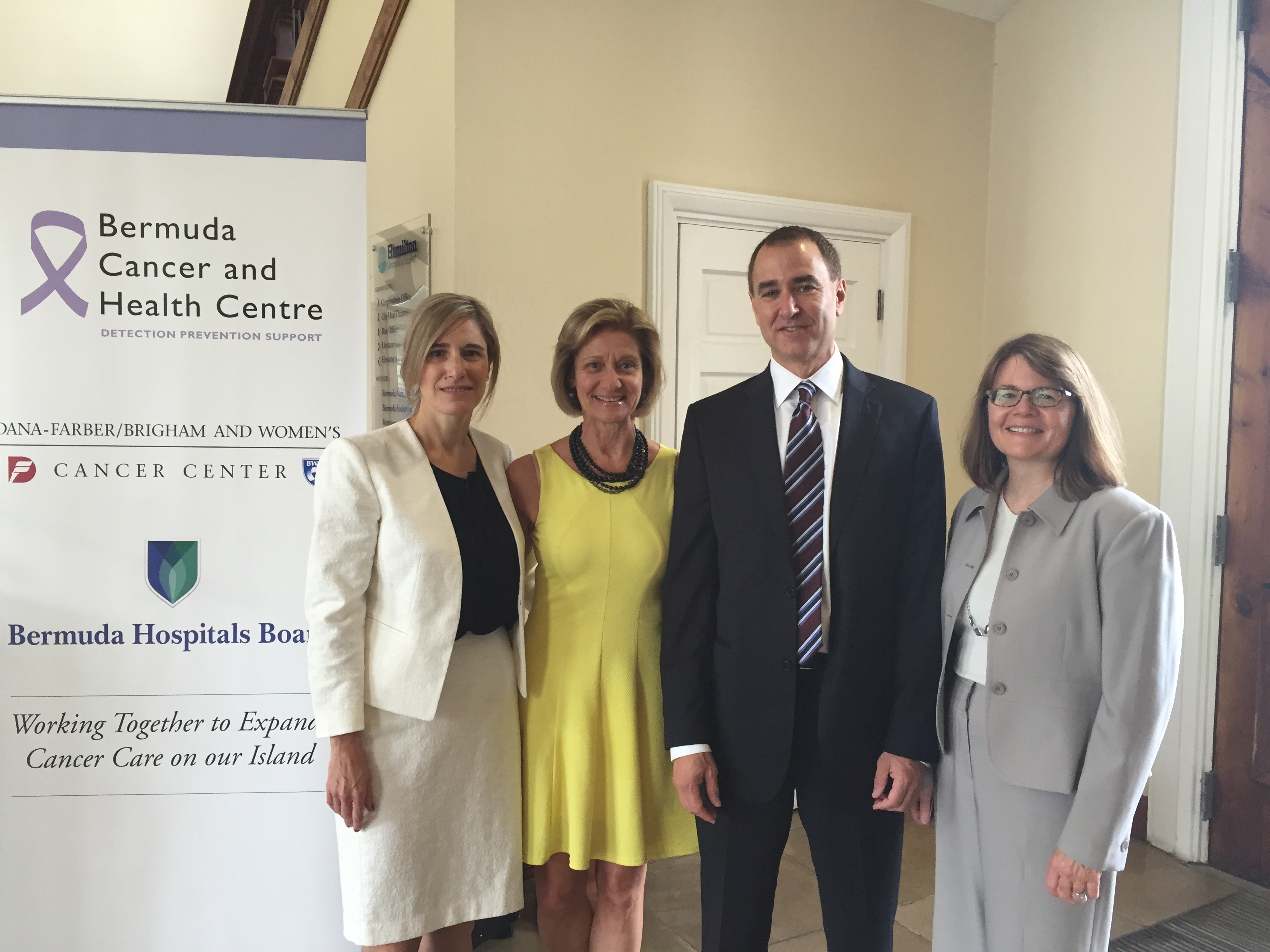
Radiation Oncology’s Rose Damaskos, sr. director of Clinical Planning and Development, and Tatiana Lingos, MD, network director; Mark Davis; and Ann Egan, director of business development at DFCI.

Radiation Oncology’s Rose Damaskos, senior director of Clinical Planning and Development, and Tatiana Lingos, MD, network director; Mark Davis; and Ann Egan, director of business development at DFCI

In the last 18 months, the newly formed BWHC Business Development team has been busy assessing potential collaborations with organizations around the world that will enable the hospital’s unique expertise to benefit countless patients in new ways. These relationships are also an important means of generating new sources of revenue, a vital part of BWHC’s institutional strategy to help ensure financial stability at a time when health care organizations are faced with constant pressures to cut costs.

Mark A. Davis, MD, MS, executive director for Strategic Initiatives and Business Development, gave BWH Bulletin an inside look at the work that he and Chief Business Development Officer Steven Thompson, MBA, are doing to help BWH promote both “mission and margin” objectives.

How do you determine which relationships are right for BWH?

We are a charitable, mission-based organization that puts patients first. We apply the same principles when we decide how to work nationally and internationally. The opportunities we participate in must improve the way our collaborators deliver care to their patients, share best practices and research protocols and, if needed, transfer highly complex patients to BWHC. These guiding principles exemplify our joint mission and margin approach to growth.

Can you provide an example?

As a result of our relationship with Bermuda Cancer and Health Centre, construction is underway for the island’s first radiation oncology facility. This means that residents of Bermuda will no longer need to fly elsewhere to receive treatment. Our world-class Dana-Farber/Brigham and Women’s Cancer Center Radiation Oncology group, as well as their expert colleagues in Oncology and Urology, are working closely with clinicians on the island to ensure the best possible care is delivered at this new facility. Patients with the most complex needs who cannot receive local treatment can be seamlessly transferred to DF/BWCC for the highly specialized care we provide here.

Do you ever decline opportunities for collaboration?

Absolutely. Each opportunity must be aligned strategically with BWHC’s priorities for the future. Deals that are a no-go may seem fantastic on paper in every way except one—they’re not consistent with our mission.

You mentioned Bermuda. Where else are we forging relationships?

Our Pediatric Newborn Medicine team is exploring the development of a program focused on high-risk fetal and newborn medicine in Florida. We are also now entering the first phase of work with the Evergrande Health Industry Group in China, which will be building a hospital that will be the flagship of a new health care system. Additionally, we are considering a number of other opportunities in various places, including Asia, the Middle East and South America. In many cases, these potential partners wish to build or augment their local capabilities.

Tell us more about the relationship with Evergrande.

Evergrande is the second-largest real estate group in China, and it recently expanded into health care. Evergrande leaders approached us about joining as strategic advisors to help guide them as they seek to ultimately build a network of hospitals and web-based patient support systems.  This includes new technologies that will enable BWHC staff to remotely provide second opinions on complex medical conditions to patients through their local physicians.

Why is collaborating with a real estate group the right fit for BWH?

We are actually working with the health care company that is part of that group. The relationship utilizes their experience with development in China and our expertise in health care delivery and research to improve health in China. There’s a real need to advance the health care system in China. It’s not uncommon to see hundreds of patients lined up to literally spend just a minute or two seeing a doctor. They get a quick opinion, and the doctor has to move on because of that tremendous volume of patients. We want to be part of a relationship that will help evolve that system with committed local collaborators. We’ve had very open conversations with Evergrande leadership about the purpose of our agreement before we began. We both agreed that BWHC’s role is to help them create a system of hospitals grounded in evidence-based practices.

Who from BWH will be involved?

Our administrators, physicians, nurses, scientists and many other staff will have the opportunity to teach and learn as this relationship evolves in many elementsacademic, clinical development and appropriate transfer of patients to BWHC. We will have a true exchange of ideas and visits with health care professionals from China as the next phases of work get underway. I have no doubt that each side will learn from the other.

What opportunities are there for research?

When Evergrande builds its first hospital, the plan is to construct a co-located research facility. You can imagine the tremendous innovation that will result. The diagnostics and therapeutics will be cutting-edge. We will be working closely with the hospital and leading academic institutions in China on research and clinical care.

How can people get involved with the work you’re doing?

Given the talents of our staff here at the Brigham, we want to involve as many people as possible. The idea of business development is to harness the creative ideas of all of our talented staff members, along with our collective national and international contacts, and build relationships that advance our mission while supporting our margin. I encourage staff to reach out to me directly with ideas and questions.

What are you most excited about?

I’ve been at BWH for almost 20 years, and this is truly an extraordinary time. We are limited only by our ability to think differently. The traditional ways of operating give us a foundation upon which to build, but now is the time to evolve our approach so we can ensure the Brigham will thrive and continue to advance health for generations to come.

Lawrence Cohn

Lawrence Cohn

Eugene Braunwald, MD, founding chair of the TIMI Study Group in BWH’s Division of Cardiovascular Medicine, shared that when he first met Lawrence H. Cohn, MD, in the mid-1960s, he knew that Dr. Cohn was “headed for greatness.” BWHC President Betsy Nabel, MD, said that Dr. Cohn taught her that “holding a patient’s heart in one’s hand was a privilege.” Former trainee and friend Tomislav Mihaljevic, MD, chief executive officer of Cleveland Clinic Abu Dhabi, described him as “Larry the Lion.”

During a memorial event held April 11 at Boston Symphony Hall, friends, family members, trainees and colleagues came together to honor the life and legacy of the late Dr. Cohn, who was part of the Brigham family for more than 45 years. Dr. Cohn, who was the Virginia and James Hubbard Chair in Cardiac Surgery at Harvard Medical School and former chief of BWH’s Division of Cardiac Surgery, passed away in January. The event began with Tony Bennett’s song “I Left My Heart in San Francisco,” one of Dr. Cohn’s favorites.

“Larry was the consummate physician, educator and academician,” said Nabel. “But what he cared about more than anything were his patients, and he expected the same from his trainees.”

A world-renowned expert in the field of valve repair and replacement surgery, Dr. Cohn performed more than 11,500 cardiac surgical operations during his esteemed career. He also trained more than 150 residents and fellows.

Dr. Cohn and his wife, Roberta, high-school sweethearts, were married for 55 years. In 2008, they established the Cohn Library at BWH—a collection of some of the earliest editions of books and papers about cardiac surgery and cardiology.

“He was the protector of the history of his field and of the Brigham’s history,” said Dale Adler, MD, executive vice chair of the Department of Medicine.

Dr. Cohn was also a lover of the arts, as well as a competitive tennis player. Close friend and tennis doubles partner Peter Banks, MD, director of the Center for Pancreatic Disease at BWH, shared stories of their friendship and tennis matches, as well as Dr. Cohn’s devotion to his family.

Daughters Jennifer Cohn and Leslie Bernstein closed the event with a moving tribute, recounting their father’s love for numbers—especially 11—his support and guidance throughout their lives, and his adoration of grandchildren Carly, Rachel and Cameron.

“Our father truly cared about the person behind each surgery,” said Jennifer. “His life is a testament to how much of an impact a person can make.”

Read Dr. Cohn’s obituary in Bulletin to learn more about his career, and view a recording of the event.

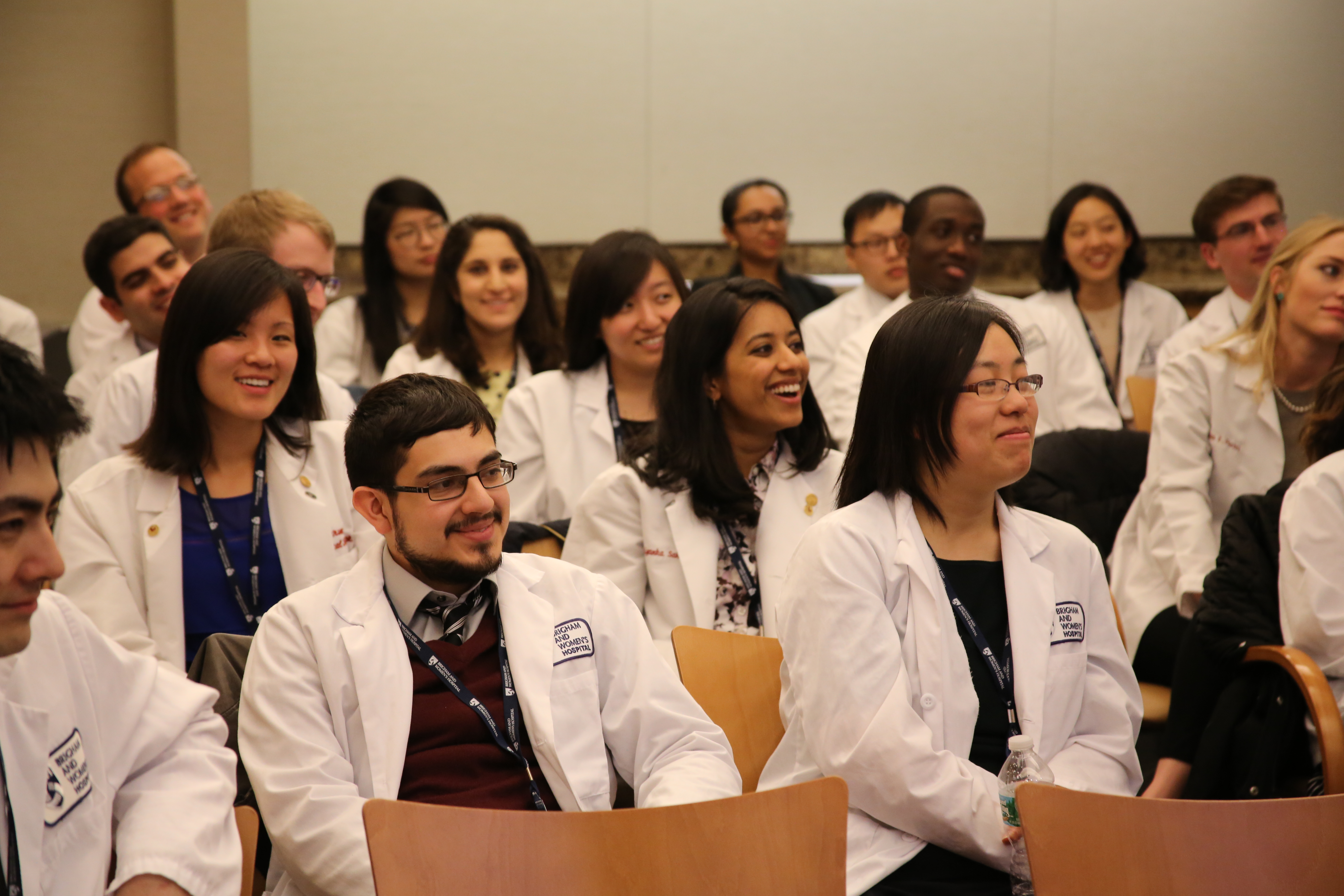
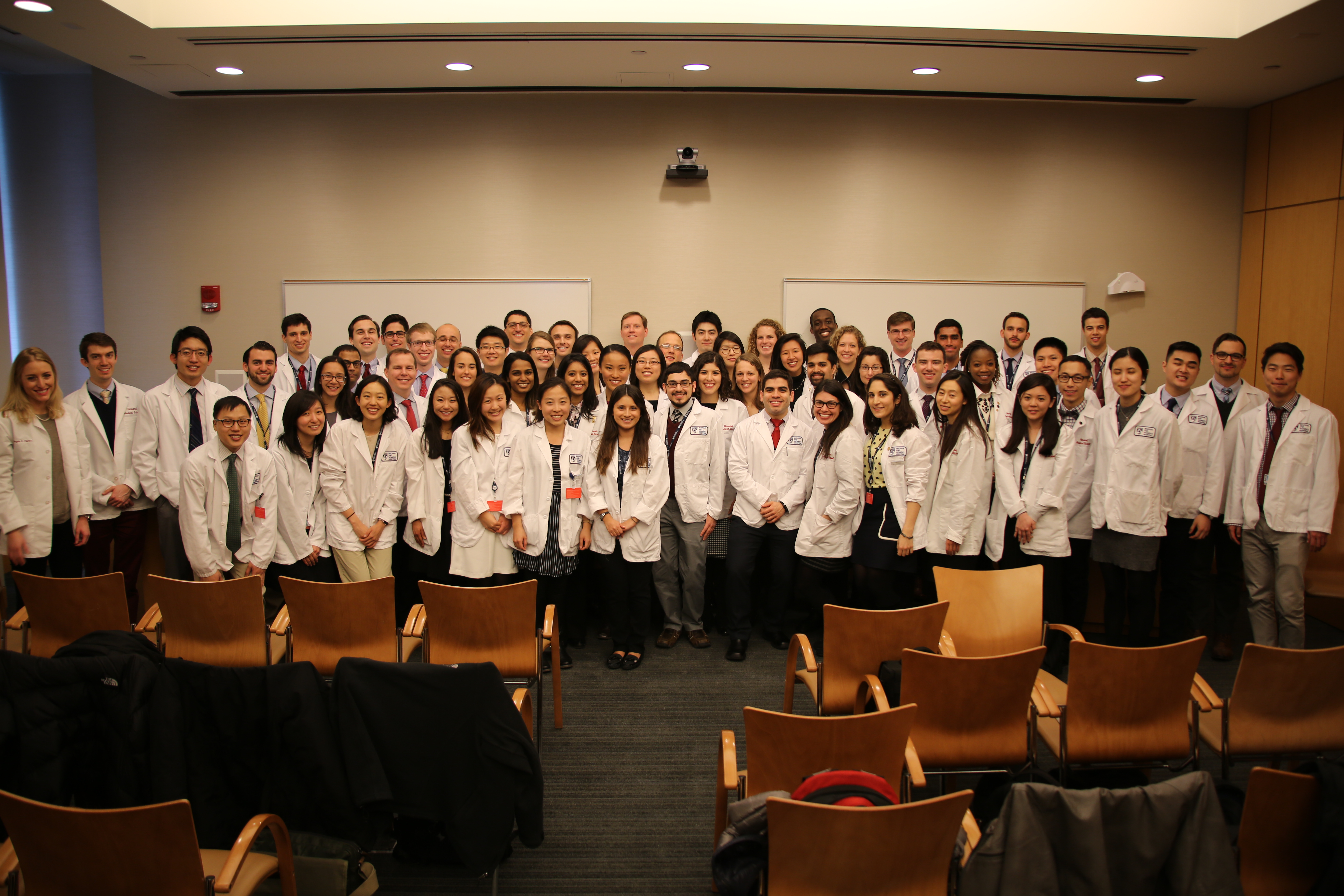
Third-year Harvard Medical School students attend an orientation day at BWH before beginning their clinical rotations.

Third-year Harvard Medical School students attend an orientation day at BWH before beginning their clinical rotations.

It’s a busy morning in the BWH Emergency Department (ED). A 23-year-old woman walks in with abdominal pain. A third-year Harvard Medical School (HMS) student on her Surgery rotation is asked by her resident to perform an initial evaluation of the patient.

“What should you do? Do you follow the instructions and meet the patient, or do you need a resident or intern to accompany you?” asked Erik Alexander, MD, an endocrinologist and director of Medical Student Education at BWH, during a mock case discussion with 59 third-year HMS Principal Clinical Experience (PCE) students.

These questions and many others were presented to students during a day-long orientation this month that was designed to prepare students for their first year of clinical rotations at BWH.

“The goal of this case discussion and others is to walk students through scenarios that they’ll most likely encounter as early as tomorrow,” Alexander said.

Implemented by HMS in 2008, the PCE is a 12-month integrated program comprised of one- to three-month clinical rotations through the departments of Medicine, Surgery, Obstetrics and Gynecology, Neurology, Psychiatry, Radiology and Newborn Medicine, as well as Pediatrics through a partnership with Boston Children’s Hospital. In addition to directly observing and learning in an inpatient care environment during what is known to be medical students’ most demanding year, students also receive yearlong mentoring, consistent feedback and experience in ambulatory care settings.

Students are assigned to a faculty mentor at HMS for the year and paired with a BWH resident physician. They work alongside other residents and attendings as part of the patient care team. The experience enables students to immerse themselves in the specialties they are rotating through and gain a better understanding of different disciplines and the multidisciplinary nature of medicine.

During the mock case discussion, students also learned what to do if a patient does not speak English and how they should answer questions from a patient’s family member, for example.

Obstetrics/Gynecology Clerkship Director Nicki Johnson, MD, and Kathleen Wittels, MD, director of Student Programs for the Department of Emergency Medicine, participated in the mock case discussion and guided students through answers to several questions, including what to do when a patient calls a medical student “doctor.”

“You want to clearly and calmly explain to the patient that you are a third-year medical student, who is part of his or her care team,” said Johnson. “If the patient continues to call you doctor, it’s important not to overcorrect them.”

During the orientation, students also participated in a hospital scavenger hunt and attended a meet-and-greet dinner where they met their resident “big siblings.”

HMS student Anji Tang, who will begin her rotation in the Department of Surgery later this year, has spent the past year working in a research lab at BWH. Tang said she’s looking forward to transitioning to a clinical role and learning as much as she can during the next year.

Third-year student Eugene Vaios, whose first rotation is in the Department of Medicine, says he appreciated the opportunity to ask questions and learn more about the different types of situations he may soon encounter.

“Today was a fantastic learning experience,” Vaios said. “I feel a lot more prepared and confident going into my rotation. It was wonderful hearing from expert physicians throughout the day and taking in everything they had to teach us. I can’t wait to get started.”

HMS2

Third-year HMS students

The Accreditation Council for Graduate Medical Education (ACGME) established the Clinical Learning Environment Review (CLER) program to assess and improve the learning environment of the country’s teaching hospitals. CLER emphasizes hospitals’ responsibility for the quality and safety of its environment for learning and patient care. These site visits occur approximately every 18 to 24 months at each institution.

Last month, BWH hosted its second CLER site visit. Over two and a half days, CLER site visitors conducted walking rounds, observed resident end-of-shift handoffs and met with senior leaders, program directors, faculty, patient safety and quality officers, and residents and fellows.

“The site visitors remarked on the wonderful conversations they had with nurses, interns, residents, fellows, faculty and program directors during their visit,” said Deborah Mulloy, PhD, RN, CNOR, associate chief nurse of Quality and the Center for Nursing Excellence.

CLER site visits began in 2012 with several goals, including gaining a better understanding of how well graduate medical education is incorporated into a teaching hospital’s quality and safety activities. During a typical ACGME institutional site visit, site visitors spend a significant portion their time delving into hospitals’ written policies and procedures. In contrast, during CLER site visits, site visitors have the opportunity to walk around patient care units and engage in conversations with residents, fellows, faculty, nurses and other frontline staff in their actual work environment. Group meetings provider further opportunities for site visitors to better understand how residents, fellows, program directors and faculty view the learning environment.

“Residents are so intricately involved in frontline care; it’s essential that their voices are heard, which is part of the value of these visits to help us assess how well we are accomplishing this,” said John Co, MD, MPH, Partners director of Graduate Medical Education.

With CLER site visits, site visitors are looking at how hospitals are creating a strong learning environment in the areas of patient safety, quality improvement, care transitions, supervision, duty hours and professionalism. The CLER site visit does not affect hospitals’ accreditation status; instead, site visitors provide feedback in a report several weeks after the visit, allowing institutions to identify strengths and areas for improvement.

“The visitors told us they were impressed by the enthusiasm and dedication of faculty, trainees and nurses around creating a safe learning environment,” said Co. “There was a lot of discussion about Partners eCare, too, and recognition that we’re doing some things to improve in the areas of safety reporting and teaching quality improvement principles.”

Co says the visitors also praised the Center for Professionalism & Peer Support for being a valuable resource for faculty and residents, as well as BWH’s Housestaff Safety and Quality Council, which is comprised of a group of residents and fellows who work closely with Chief Medical Officer Stan Ashley, MD, Chief Quality Officer Allen Kachalia, MD, JD, and Co to engage housestaff on improving quality and safety at the Brigham.

Suzanne Koven

Suzanne Koven

On April 1, BWH clinicians and researchers from across the hospital gathered in the Zinner Conference Center for a special program that explored the role of narrative—any kind of writing that tells a story—in medicine and how physicians can better know their patients by listening to their stories.

Sponsored by the Center for Faculty Development & Diversity and the Brigham Education Institute (BEI) and organized by Christy Di Frances, PhD, MA, the morning featured an engaging presentation by Suzanne Koven, MD, an assistant professor of Medicine at Harvard Medical School (HMS) and writer-in-residence and primary care physician at Massachusetts General Hospital.

“We lose something if we don’t acknowledge that the fundamental tool we have as clinicians is finding out and understanding our patients’ stories,” said Koven. “Getting to the story makes all the difference between diagnosing and not diagnosing, between healing and not healing.”

Koven’s presentation was followed by breakout workshops on fiction and poetry writing, scientific storytelling and close reading, which is the careful interpretation of a brief passage of text.   

Poetry in Medicine Workshop

Medicine is not only about writing but reading as well, poet Gregory Abel, MD, MPH, MFA, an oncologist at Dana-Farber Cancer Institute and assistant professor of Medicine at HMS, shared with a group of participants in a workshop on reading and writing poetry.

During the one-hour session, poems with themes in medicine written by famous poets, such as Anne Sexton and Jane Kenyon, were read aloud and examined for content, technique and style.

The workshop concluded with a writing exercise in which participants wrote about a time leading up to an event that affected them. Participants shared their drafts with a partner, and partners then wrote what they thought happened next, illustrating the narrative significance of differing points of view.

Close-Reading Workshop

“Oh I suppose I should” are the opening words of William Carlos Williams’s poem “Le Médecin Malgré Lui” and also served as a writing prompt for those who attended a close-reading workshop led by Koven and Andrea Wershof Schwartz, MD, MPH, of BWH’s Department of Medicine. Schwartz began the workshop by reading Williams’s poem aloud and then inviting participants to closely examine the phrases and words Williams used and share their reactions.

Koven then led the group in a five-minute writing exercise, instructing participants to begin with the same opening line as the poem and write continuously for five minutes before sharing the results with the group.

“This kind of writing is highly desired,” said Koven, noting that publications such as The New England Journal of Medicine and The New York Times are interested in personal essays by clinicians.

creative writing workshop

Author and Simmons College professor Lowry Pei, PhD, MA, led participants through a discussion of Richard Selzer’s short story “Four Appointments with the Discus Thrower,” noting areas where Selzer exercised restraint and lets readers make their own judgments. Pei emphasized how, with such storytelling, the key is to dramatize rather than explain everything.

Scientific-Storytelling Seminar

Rafael Luna, PhD, author of the book “The Art of Scientific Storytelling” and program director for Senior Faculty Promotions in the Office for Faculty Affairs at HMS, described how to incorporate the elements of narrative craft into scientific manuscripts. He challenged the audience to think about how to capture seven years of work in the seven words of a paper’s title and noted that even the most complex scientific studies can have conflict and resolution, a beginning, middle and end, and a protagonist, which can be in the form of a protein, pathway or process.

To learn more about the CFDD’s work and offerings, visit cfdd.brighamandwomens.org.

Many of BWH’s incoming residents, along with staff and guests on Match Day

Many of BWH’s incoming residents, along with staff and guests on Match Day

When fourth-year Yale School of Medicine student Aileen Wright opened her Match Day letter on March 18 and learned that she would be joining BWH’s Internal Medicine Residency Program, she was overwhelmed with emotion.

“The Brigham has been my family for a while,” said Wright, who began her career as a research assistant here. “I am so excited to begin this next chapter at an institution that means so much to me.”

Wright is one of about 150 medical students from around the country who received the good news on Match Day that they will begin their residency at BWH this summer.

IMG_0032

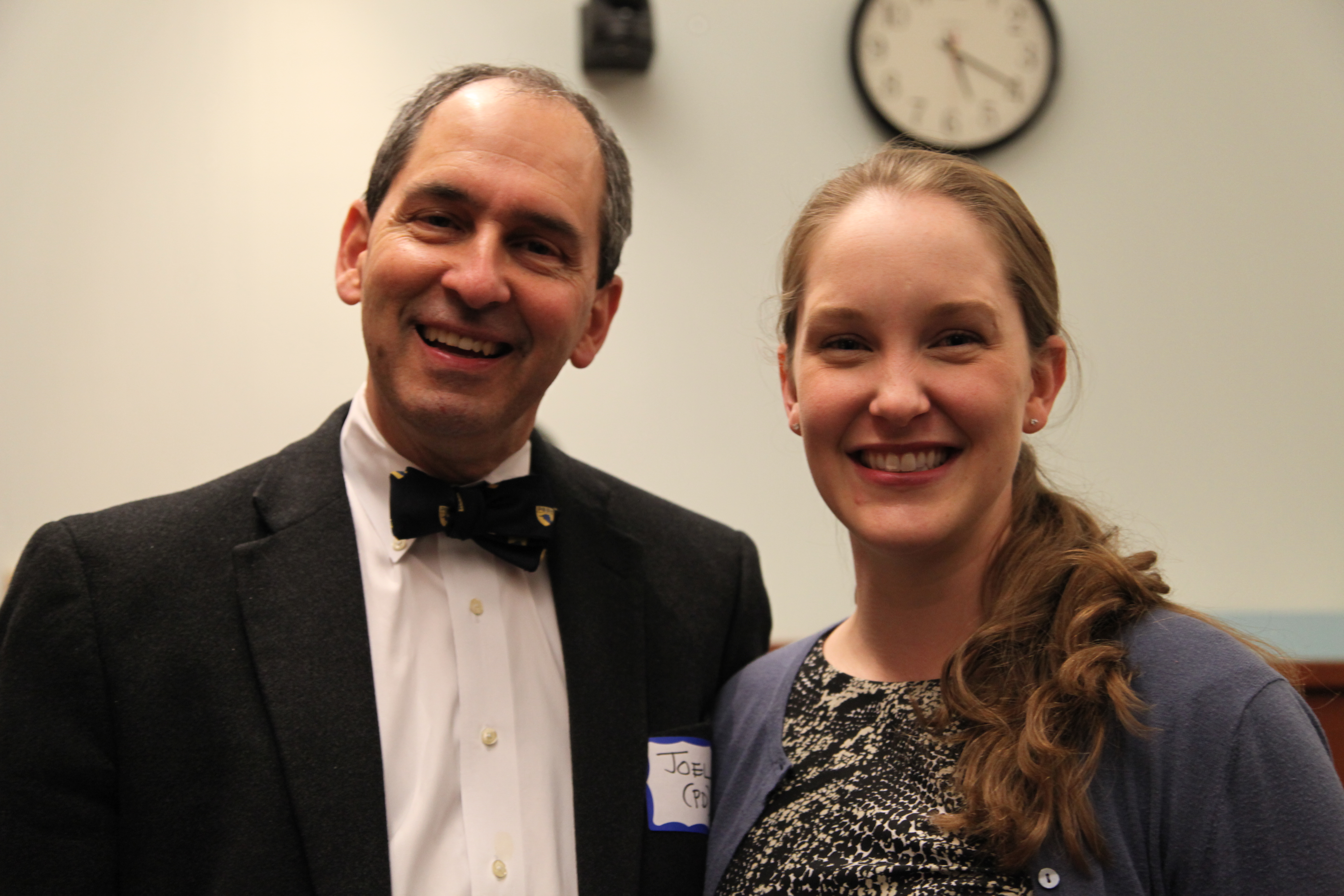
Internal Medicine Residency Program Director Joel Katz with incoming resident Kay Everett

During BWH’s Internal Medicine Residency Match Day celebration in Carrie Hall, Joel Katz, MD, program director, and other BWH physicians and current residents welcomed those newly matched students who are local and reflected on their Match Day memories.

Katz, who will oversee his 17th cohort of first-year residents at BWH this year, said he fondly remembers his own Match Day in 1991. He encouraged the incoming residents to appreciate how much their first year of training will influence their careers.

“It’s wonderful to be able to welcome so many talented, altruistic, hard-working and enthusiastic students to the Brigham as they are about to launch onto their tracks and divide into many directions to make the world a better place,” Katz said. “Each year provides its own excitement. I am looking forward to working with the next class a few short months from now.”

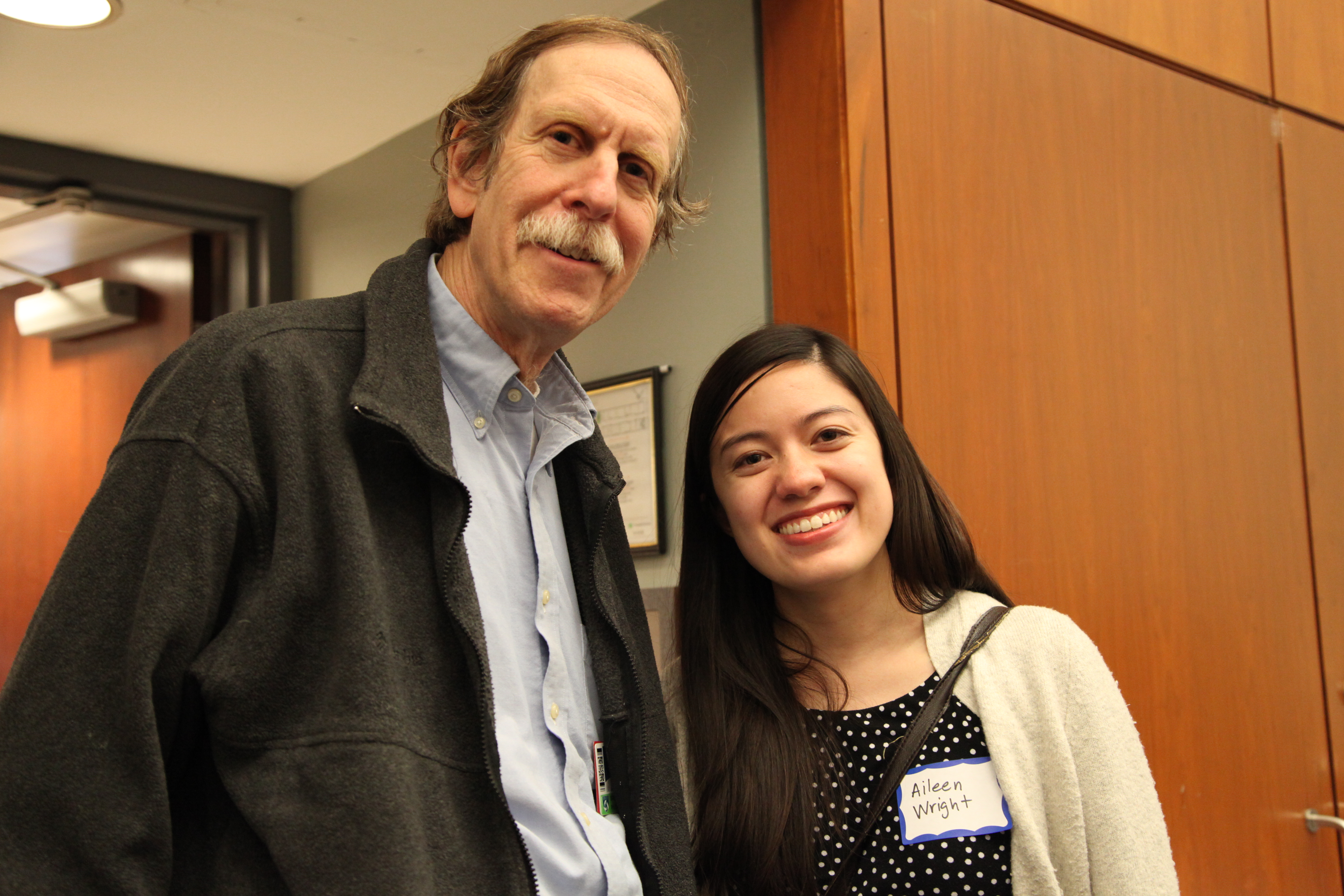
Aileen Wright with BWH primary care physician Gordon Schiff

Incoming resident Aileen Wright with BWH primary care physician Gordon Schiff

The newly matched students congratulated each other with high-fives, hugs and handshakes. The students hail from medical schools including Harvard Medical School (HMS), University of California, San Francisco, and Northwestern University.

Scott Elman, a fourth-year HMS student who matched into BWH’s Internal Medicine-Dermatology training program, described Match Day as surreal.

“Opening up the envelope, I didn’t really understand the emotions that were going to flood me until I saw ‘Brigham and Women’s Hospital’ printed on my letter,” said Elman. “I’ve known for so long that this is where I want to be. Today’s celebration at the Brigham is so telling of the type of family that exists here. It makes me even more excited to begin my residency.”

Additionally, BWH’s Surgical Residency Program matched 23 new residents in general surgery, plastics, urology, thoracic surgery, anesthesia, radiology and interventional radiology. The students will join BWH from medical schools around the country, including HMS, Mount Sinai and Brown University.

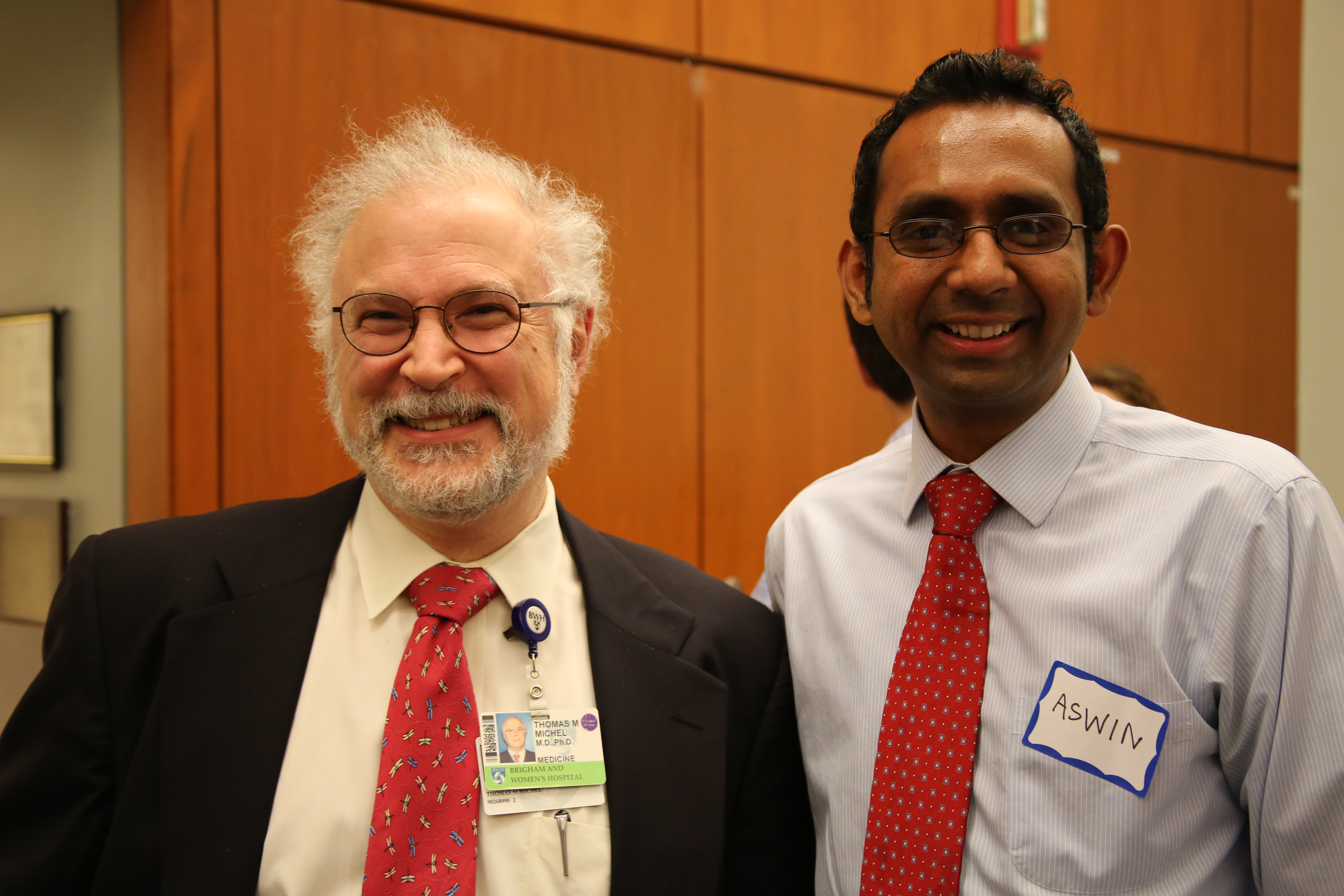
Thomas Michel (at left), cardiologist and co-director of the Leder Human Biology and Translational Medicine Program, with incoming intern Aswin Sekar

Thomas Michel (at left), cardiologist and co-director of the Leder Human Biology and Translational Medicine Program, with incoming resident Aswin Sekar

“Match Day is one of the most exciting days of the year,” said Surgical Residency Director Doug Smink, MD, MPH. “It is the culmination of months of interviewing by both programs and applicants. One of the best parts of my job as a program director is calling the students who matched with us on Match Day. To hear the excitement in their voices is fantastic. I can’t wait for our new class to arrive.”

Listen to more reflections on Match Day in the audio clips below.


Incoming resident Kay Everett discusses opening her Match Day letter to discover she matched at BWH.

Joel Katz shares some of the goals of training new physicians at BWH.

Incoming resident Aswin Sekar talks about his ties to BWH and his excitement to match here.

Joel Katz reflects on his own Match Day experience.

Stephanie Caterson

Stephanie Caterson

BWH plastic surgeon Stephanie Caterson, MD, originally went to medical school with the goal of becoming an astronaut. She studied aerospace engineering in college and graduate school, but it wasn’t until medical school that she discovered that she loved medicine and surgery as well—so much so that she went on to a residency in general surgery.

“Many astronauts who are physicians don’t actually complete a residency program,” said Caterson. “They graduate from medical school and then go straight to the astronaut program. But I felt like I wouldn’t be an effective astronaut or physician if I didn’t do a residency because that’s where you learn how to really be a doctor. Medical school is like learning a new language, but residency is when you submerge yourself in a new country and become fluent.”

During her residency, Caterson met an inspiring plastic surgeon who divided his time between reconstruction and cosmetic surgery and encouraged her to specialize in plastics.

“I thought it was amazing that a woman with breast cancer could fall asleep for a mastectomy [the surgical removal of one or both breasts] and wake up with a full breast reconstruction,” said Caterson. “It was such a silver lining.”

Plastic surgery and the path of an astronaut did not align, so Caterson decided to apply for a plastics fellowship and the astronaut program after her general surgery residency and see what transpired. A few months before Caterson started her astronaut program application, NASA closed the program due to a shuttle disaster. So she continued her path to plastic surgery, which would include a microsurgical breast reconstruction fellowship.

Pushing the Envelope to Provide Better Options

Since joining BWH in 2007, Caterson has been a champion of new options for breast cancer patients seeking breast reconstruction. She began the hospital’s deep inferior epigastric perforator (DIEP) flap program, which marked its 1,000th procedure late last year. In 2009, plastic surgeon Matthew Carty, MD, joined the team, and he and Caterson have since done the majority of DIEP flaps together.

“It’s a complex operation, and it’s very different than most plastic surgery procedures,” said Caterson. “There are always two attending surgeons in the room working on different areas of the body; it’s almost two separate operations that meld together.”

The DIEP flap procedure uses a patient’s abdominal tissue—skin, fat and blood vessels, which together are called a “flap”—to create a new breast after a mastectomy. It is the most common type of flap procedure performed at BWH. The flap is transferred to the chest, where the surgeon, aided by a microscope, attaches the tissue’s blood vessels to the chest blood vessels and reconstructs the breast.

The biggest difference between DIEP flaps and other types of flaps, such as transverse rectus abdominis (TRAM) flaps, is that the DIEP flap preserves the patient’s abdominal muscle, and in turn, abdominal strength. The procedure also lessens the likelihood of a hernia, shortens recovery time and produces a more natural-looking breast and slimmer appearance of the stomach.

A Deeper Look at the DIEP Flap Team

For the first few years after Carty joined the DIEP flap team, he and Caterson performed about 100 DIEP flaps per year. In 2012, former BWH resident Jessica Erdmann-Sager, MD, came back to the Brigham after completing a fellowship in breast microsurgery, and in 2013, Eric Halvorson, MD, another expert in breast microsurgery, joined the team, doubling its capacity to perform these intensive surgeries.

“Between the four of us, we have been able to ramp up the program, and now we’re doing more than 200 flaps a year,” said Caterson. “The Brigham has been very supportive of us and of this procedure for patients.”

Caterson is quick to emphasize that the success of her program is a team effort and the superior results could not be delivered by one person alone. From preoperative evaluation to postoperative care, the DIEP flap team includes staff from the Weiner Center for Preoperative Evaluation, Department of Surgery, Department of Anesthesiology, Perioperative and Pain Medicine, Operating Room and floor nurses, scrub techs, coordinators, residents, nurse practitioners, physician assistants, physical therapists and more recently, Radiology staff. Caterson has been working with Radiology resident Tatiana Kelil, MD, who is using CT volumetric imaging and 3-D printing to improve breast reconstruction. Using CT images, a model of the patient’s healthy breast can be 3-D printed and used in the OR as a cutting guide to help reshape and contour the tissue flap.

“Residents are an essential part of these complex microsurgical cases, so there is a huge opportunity for teaching in a controlled environment, which I love,” said Caterson, who started a microsurgery skills lab for residents several years ago. “Residents in most other plastic surgery programs who are interested in offering DIEP flaps usually go on to a microsurgery fellowship. However, due to BWH’s high DIEP flap volume, our residents are able to take that skill and perform DIEP flaps right after graduating from residency.”

Keeping Patients at the Forefront

Caterson says that her patients continue to motivate and inspire her as she performs the delicate and complex DIEP flap procedure, which has an average recovery time of six weeks.

“They are women who have been through the devastation of breast cancer, and we have the privilege of helping them feel whole again,” said Caterson, who sees each of her DIEP flap patients at least once per year for follow-up. “I’m grateful that they put their lives in our hands. We make every decision based on the questions, ‘What care would I want a loved one to receive?’ and ‘What is the safest approach for each individual patient?’ Our entire DIEP flap team has this same approach, which gives our patients the highest quality of care.”

Twice per month, BWH conducts unannounced mock codes that enable clinical and non-clinical staff, including BWH’s Code Blue teams, to practice clinical skills. The Mock Code Program, which was created in 2004, is also critical to helping BWH identify potential latent patient safety issues across the hospital.

Emergency Medicine’s Charles Pozner, MD, medical director of the Neil and Elise Wallace STRATUS Center for Medical Simulation at BWH, and his team conduct these unannounced drills in varying areas of the hospital.

“We perform mock codes to identify latent safety threats that we can then address before they result in a clinical problem,” said Pozner. “We’re trying to answer questions such as, is our equipment well-placed and functional? Are the right people on the code team? Do local responders understand their role and those of their team during low-frequency events?”

These twice-monthly mock codes require the full attention of all responding and local employees. Following each mock code, a short debriefing session is conducted to reinforce appropriate care, and a report is generated to ensure that identified system problems are addressed by local and hospital leadership.

“If you find yourself involved in a mock code, we ask that you approach the process with the same effort with which you would care for an actual patient,” said Pozner.

Michael Zinner and his grandchildren at the dedication event

Michael Zinner and his grandchildren at the dedication event

On Feb. 29, members of the BWH community gathered for a special event in honor of Michael Zinner, MD, chair of the Department of Surgery, who is moving on after a luminous 22-year career at BWH to become the chief executive officer at Miami Cancer Institute at Baptist Health South Florida.

In honor of his many contributions to BWH, the Shapiro Conference Center has been renamed and dedicated as the Michael J. Zinner, MD, Conference Center, which includes the Zinner Boardroom and Zinner Breakout Room. Zinner is the son-in-law of Carl Shapiro and the late Ruth Shapiro, for whom the Carl J. and Ruth Shapiro Cardiovascular Center is named, in honor of the family’s generosity to BWH.

“The Shapiro and Zinner families are longtime leaders in our Brigham community, supporting our precious mission and advancing our life-changing work,” said BWHC President Betsy Nabel, MD. “Their exceptional vision, compassion and generosity are an inspiration to us all.”

Under Zinner’s leadership, the BWH Department of Surgery achieved many firsts in transplantation, pioneered minimally invasive cardiac surgery and bariatric surgery techniques and established the Advanced Multimodality Image Guided Operating (AMIGO) suite to redefine the future of surgery.

Of Zinner’s many successes, one of the most enduring was his vision in founding the Dana-Farber/Brigham and Women’s Cancer Center, which, in close partnership with the Dana-Farber Cancer Institute, enables BWH to bring its expertise to cancer patients. This collaboration became very personal to him when his late wife, Rhonda S. (Ronny) Zinner, was diagnosed with cancer. She passed away in 2014.

Prior to her passing, Mrs. Zinner was a dedicated supporter of BWH who served as a longtime member of the Board of Trustees and President’s Advisory Council. In her role as president of the Carl and Ruth Shapiro Family Foundation, she oversaw many transformative gifts to BWH, including the naming of the Carl J. and Ruth Shapiro Cardiovascular Center.

Bulletin_3_11

BWHC President Betsy Nabel addresses attendees at the Zinner Conference Center renaming and dedication. Inset: Ronny Zinner

In honor and memory of Mrs. Zinner, the Shapiro Bridge has been renamed and dedicated the Rhonda S. Zinner Bridge. Together, the Zinners have left an indelible mark at BWH.

“Mike and Ronny’s tremendous contributions and legacies will continue to thrive within the walls of our institution,” said Nabel.

Reserving the Center for Meetings

Booking instructions for the center remain unchanged and can be completed online through A/V’s Resource Scheduler. The two rooms, the Zinner Boardroom and Zinner Breakout Room, can be used separately or together as a main conference space or as overflow space for a larger event.

The Zinner Boardroom, in particular, is intended for high-level meetings that include in-room technology requiring an A/V technician to be on hand to control the systems from a booth. The Zinner Breakout Room was designed to be a self-service meeting space. The equipment inside the room, such as the Partners PC, laptop connection and LCD projection screens, can be operated after a brief training by A/V. Users can sign up for training or request A/V services by emailing bwhaudiovisual@partners.org.

Many Distinguished Clinician honorees from BWH Neurology, with Department Chair Martin Samuels (sixth from right)

Many Distinguished Clinician honorees from BWH Neurology, with Department Chair Martin Samuels (sixth from right)

Last month, BWH held its inaugural Distinguished Clinician Recognition Ceremony, honoring 45 esteemed clinicians from across the hospital. The Distinguished Clinician title is bestowed on a select group of the hospital’s most accomplished physicians who carry forward the Brigham’s rich tradition of outstanding patient care.

“You give generously of your time and your spirit, and you invest in the physical, social and emotional well-being of our patients,” said BWHC President Betsy Nabel, MD. “Your accomplishments reflect what we consider to be truly at the heart of medicine: clinical excellence in concert with humanity, caring and concern.”

The inaugural recipients were selected based on their local, regional or national recognition as an outstanding clinician; an established reputation as a “physician’s physician,” the kind of clinician a colleague would choose for his or her family; and their exceptional contributions in education, scholarship, administration or community service.

After remarks by Chief Medical Officer Stanley Ashley, MD, and Nabel, the awards were presented to recipients by Robert Barbieri, MD, chair of the Department of Obstetrics and Gynecology, Joseph Loscalzo, MD, PhD, chair of the Department of Medicine, and Martin Samuels, MD, chair of the Department of Neurology.

Here are the 2016 Distinguished Clinician awardees:

Department of Anesthesiology, Perioperative and Pain Medicine

Hugh L. Flanagan, Jr., MD

Department of Dermatology                                   

Mitchell H. Rubenstein, MD

Department of Emergency Medicine

Joshua M. Kosowsky, MD                                                          

Department of Medicine                                                           

Dale Adler, MD

Peter Banks, MD

Carolyn B. Becker, MD

Christopher H. Fanta, MD

Norton Greenberger, MD

James Kirshenbaum, MD

James H. Maguire, MD

Stuart Mushlin, MD

Patrick T. O’Gara, MD

Paul E. Sax, MD

Julian L. Seifter, MD

Marshall A. Wolf, MD

Beverly Woo, MD

Department of Neurology                                                                        

Anthony Amato, MD

Don C. Bienfang, MD

Tanuja Chitnis, MD

Kirk Daffner, MD

Barbara A. Dworetzky, MD

Steven K. Feske, MD

Galen V. Henderson, MD

Elizabeth Loder, MD, MPH

David Pilgrim, MD

Allan H. Ropper, MD

Lewis Sudarsky, MD

Thomas Walshe, MD

Patrick Wen, MD

Department of Neurosurgery 

Ossama Al-Mefty, MD

Edward R. Laws, MD

Department of Obstetrics and Gynecology

Ross S. Berkowitz, MD

Raymond J. Reilly, MD

Department of Orthopaedics

Scott D. Martin, MD

John Wright, MD

Department of Pathology                                                                                          

Christopher Fletcher, Dm, MD, FRCPATH

Geraldine S. Pinkus, MD

Helmut G. Rennke, MD

Department of Psychiatry

John A. Fromson, MD

David Gitlin, MD

Department of Radiation Oncology

Anthony D’Amico, MD

Harvey J. Mamon, MD, PhD

Department of Surgery

Sary F. Aranki, MD

David C. Brooks, MD

Department of Pediatric Newborn Medicine

Linda J. Van Marter, MD, MPH

From left: Alex Hannenberg and James Rathmell

From left: Alex Hannenberg and James Rathmell

Earlier this month, BWH’s Department of Anesthesiology, Perioperative and Pain Medicine hosted a series of events to celebrate Physician Anesthesiologist Week, including a discussion with BWH’s Beverly Philip, MD, director of Ambulatory Anesthesia and the Day Surgery Unit, and Massachusetts Society of Anesthesiologists President Sheila Barnett, MD, as well as an ice cream social. Department Chair James Rathmell, MD, and past American Society of Anesthesiologists President Alex Hannenberg, MD, also came together for a conversation about advocacy, the perioperative surgical home, research challenges and the evolving scope of anesthesiologists’ daily practice.

Ron M. Walls

Ron M. Walls

Since becoming executive vice president and chief operating officer of Brigham and Women’s Health Care in January 2015, Ron M. Walls, MD, has set his sights on working with BWHC President Betsy Nabel, MD, to steer the institution through the nation’s troubled health care landscape. As founding chair of the Department of Emergency Medicine at BWH, Walls is more than prepared for the task.

“Running a hospital, as is the case in Emergency Medicine, requires everyone to have shared goals,” said Walls, who was Emergency Medicine chair for 21 years. “You need to create a plan based on those shared goals and be willing to execute it, even when you have incomplete information. You need to know when to hold the course, even when others are uncertain, but also when to reassess and to have the courage to change the plan if it’s not right.”

In his current role, Walls’s renowned leadership, composure and strategic expertise gained a broader focus: two hospitals, two ambulatory care centers, more than 160 outpatient practices, more than 18,000 employees and a growing number of national and international affiliations. He is inspired by the institution’s storied legacy of turning obstacles into opportunities.

“The Brigham has accomplished so many firsts in health care, like the first human organ transplant and the discovery that aspirin can prevent heart attacks,” he said. “We need that kind of vision and determination to develop the new competencies and courage to launch the next era of academic medicine.”

Walls faced a number of challenges in his first year. Last February’s snowfalls established new records and crippled access to ambulatory services, eventually costing millions of dollars in lost revenue. The BWHC-wide deployment of Partners eCare from May through the end of the year was one of the biggest health IT implementations in Epic history and required outstanding effort from thousands of personnel across the system. On top of this, changes in the external payer environment presented new barriers to achieving financial success and required extensive planning to confront.

As fiscal year 2016 began in October, it was clear that new management systems were essential if BWHC was to continue to generate the margin required to meet its research, education, community service and clinical care missions. With the support of senior leaders and chairs, Walls initiated a new program of “active asset management” to allow BWHC’s many providers to make more effective and efficient use of facilities, providing better care for more patients. The program will fine-tune or redesign, as needed, oversight and management of all key areas, including operating rooms, procedural areas, inpatient beds, ambulatory specialty and primary care access, among others. Teams have begun work in these areas, and a weekly meeting of several department chairs with senior administrative and clinical leaders provides timely analysis and tactical planning to improve performance. 

As his team pursues new business models and efficiencies, Walls draws on his Emergency Medicine successes to drive progress. During his tenure as chair, the department grew from four board-certified emergency physicians to more than 50, and annual patient volume more than doubled, from 38,000 to more than 80,000. The department was completely redesigned and rebuilt, implementing new and innovative care programs.

But the growth came at a cost. While quality and safety metrics were excellent, the clinical space for such high patient volume was undersized by nearly 50 percent, resulting in patient wait times of more than an hour and satisfaction ratings as low as the sixth percentile nationally.

To address this, Walls led an 18-month redesign to improve value and efficiencies at every step of the patient journey. By 2011, more than half of the department’s patients were in a bed within nine minutes of arrival, and patient satisfaction soared to the 99th percentile nationally.

These victories inspire Walls to lead BWHC toward future breakthroughs.

“In the beginning and in the end, it is all about people,” he said. “We are extraordinarily fortunate to have the absolute best talent here: in the administrative leadership team, in our chairs, among our care providers and researchers, and throughout our entire system. That, really, is the secret to success.”

From left: LCU nurses Dina Sousa, Joan Morgan, Irene Cooper, Gail Slotnick, Karen Reilly, Kathleen Ryan-Avery, Teana Gilinson and Laura Rossi

From left: LCU nurses Dina Sousa, Joan Morgan, Irene Cooper, Gail Slotnick, Karen Reilly, Kathleen Ryan-Avery, Teana Gilinson and Laura Rossi

Last month, the BWH Heart & Vascular Center and Division of Cardiovascular Medicine celebrated a major milestone: the 50th anniversary of the Levine Cardiac Intensive Care Unit (LCU). Members of the center and division, as well as the broader BWH community, gathered in Bornstein Amphitheater on Dec. 17 to reflect on the highlights of the LCU’s 50 years and hear from guest speaker John Rutherford, MB, ChB, FRACP, former co-director of the LCU who is now at the University of Texas Southwestern.

“The LCU is a crown jewel of our clinical services and academic training programs,” said David Morrow, MD, MPH, LCU director. “If there is one unifying theme for this celebration, it is that the rich history of the LCU rests in its people and partnerships.”

When the LCU first opened in February 1965 at Peter Bent Brigham Hospital, it was one of a handful of novel, specialized coronary care centers that would revolutionize both the care and survival of heart attack patients. The unit was specifically designed, equipped and staffed to monitor heart rhythm and resuscitate patients experiencing fatal arrhythmias. It was outfitted with electrocardiographic monitors for continuous heart rhythm surveillance, alarms to alert staff of rhythm disturbances and highly trained coronary care nurses prepared to intervene during cardiac arrest. Much of Rutherford’s presentation highlighted the critical importance of nurses’ insight and knowledge from the unit’s earliest days through the present.

“The unit continues to lead the way in caring for the most complex, critical cardiac patients and training the next generation of world leaders in the field,” said Rutherford.

From left: LCU Directors, past and present, Gregory Curfman, John Rutherford, David Morrow, Joseph Alpert and Elliott Antman

From left: LCU Directors, past and present, Gregory Curfman, John Rutherford, David Morrow, Joseph Alpert and Elliott Antman

Rutherford also detailed the far-reaching impact of the unit’s physicians and former directors, including Samuel Levine, MD, the  unit’s namesake, Bernard Lown, MD, Elliott Antman, MD, and Peter Libby, MD, and highlighted the staff’s commitment to keeping patients and families at the forefront.

“We stand on the shoulders of giants, and I hope the past 50 years forecast our future,” Morrow said.

sheffer_photoBWH and the Division of Rheumatology, Immunology and Allergy mourn the loss of Albert L. Sheffer, MD, who died Dec. 22.

During his 50-year career at BWH, Dr. Sheffer, of Weston, provided compassionate care to thousands of patients with allergic and immunologic diseases, as well as training and mentorship to more than 100 fellows. He conducted innovative clinical research to create or expand treatment options for conditions such as allergic rhinitis, bronchial asthma and hereditary angioedema. For the latter condition, he developed a prophylactic therapy that reduced spontaneous flares. Dr. Sheffer also discovered what proved to be the most common form of physical allergy elicited by exercise. Thanks to his concern for his patients and a thorough exploration into this phenomenon, exercise-related anaphylaxis remains a well-recognized form of physical allergy to this day.

Born in Lewistown, Penn., Dr. Sheffer graduated from Franklin & Marshall College and George Washington University Medical School. He completed his internal medicine and pulmonary training at the University of Pennsylvania Graduate Hospital, an allergy/immunology fellowship at Temple University Hospital and a post-doctoral research year at the Rockefeller Institute.

He joined Harvard Medical School in 1964 and Peter Bent Brigham Hospital in 1966. Soon after, he and K. Frank Austen, MD, established the Allergy Clinic and the Allergy Training Program. His trainees went on to hold leadership positions in the specialty. Dr. Sheffer engaged in private practice from 1969 until 1993, when he became a full-time staff member at BWH, serving as the director of Allergy until 1998.

“Shef’s passion to understand mechanism so as to more effectively alleviate symptoms for his patients was accompanied by unwavering attention to both basic and translational possibilities,” said Austen.

A pioneer in emphasizing the science underlying asthma and allergic disease, Dr. Sheffer was past-president of the American Academy of Allergy, Asthma and Immunology (AAAAI), the first chair of the expert panel that generated the National Heart, Lung, and Blood Institute’s (NHLBI) Guidelines for the Diagnosis and Treatment of Asthma, and co-chairman of the first Global Initiative for Asthma Committee. He also served on the United Nations Technical Options Committee. He received the Distinguished Service Award from NHLBI, as well as the Distinguished Clinician’s Award from the AAAAI. He and Austen were co-recipients of the first annual Mentoring Award from the AAAAI for their contributions. He was also elected to the American Association of Physicians based on the importance of his discoveries.

“Dr. Sheffer cared passionately about the education of his fellows,” said Joshua Boyce, MD, the current Albert L. Sheffer Professor of Medicine and associate chief of Rheumatology, Immunology and Allergy at BWH. “He was a selfless and dedicated physician and mentor who modeled exemplary clinical care for all of us.”

Dr. Sheffer was also a longtime donor to BWH and a member of both The Hippocrates Society and The President’s Pillar Society.

He is survived by his wife, Barbara Sheffer; children Andrew Sheffer, Susan Sheffer, Peter Sheffer and wife, Mary, and Linda Larabee and husband, John; grandchildren Emma, Bea, Will and Jack Sheffer, Matthew Larabee, and Katherine Larabee Tuttle and husband, Samuel Tuttle. 

A memorial service will be held on Saturday, Jan. 30, at 11 a.m. at the First Parish Church, 349 Boston Post Road in Weston. In lieu of flowers, contributions may be made to the Albert L. Sheffer, MD, Fellowship Fund for Allergic Diseases (giving.brighamandwomens.org/sheffer), Development Office, BWH, 116 Huntington Ave., Third Floor, Boston, MA 02116.

From left: Ameera Cluntun and Samantha Majcher treat a mock trauma patient in STRATUS.

From left: Ameera Cluntun and Samantha Majcher treat a mock trauma patient in STRATUS.

From practicing IV placement and CPR to managing a difficult airway or a complicated multi-system failure, the Neil and Elise Wallace Simulation, Training, Research and Technology Utilization System (STRATUS) Center for Medical Simulation at BWH offers a variety of training to meet the needs of staff and trainees throughout the hospital, as well as beyond BWH.

In January, the STRATUS Center was re-accredited by the American College of Surgeons (ACS) as a comprehensive training institute. The ACS, which sets standards for how surgical education and training should be offered, lauded the center’s scope of educational programs, curriculum development and resources for delivery of effective education as among the best in the nation.

Physicians, nurses, physician assistants, residents, fellows, students and other clinicians from all specialties use the center for simulation-based educational programs, either as part of individual skills training programs or as part of a Graduate Medical Education training program. Recently, outside groups have traveled to the STRATUS Center from across the U.S., as well as from Saudi Arabia, Brazil, Colombia, China, the United Arab Emirates, India and parts of Europe.

The center, which prides itself on being service-oriented, offers curriculum experts and simulation specialists, as well as state-of-the-art equipment and an operating room (OR) that is a replica of a BWH OR. Through a one-way mirror, faculty and technicians can watch the activity inside and regulate a mannequin’s vitals, breath sounds, pulse and blood flow for simulation exercises.

“In addition to being a local and international leader in clinical education, STRATUS has been on the cutting-edge of simulation-based assessment, research and process improvement,” said Charles Pozner, MD, medical director of STRATUS. “It also has a robust research program, publishing more than 130 manuscripts over the last decade, including the first scientific investigation employing simulation in the New England Journal of Medicine. Hospital departments also use STRATUS to introduce or assess clinical processes to improve patient safety.”

Programs can be one of several formats:

Scenario-based simulations. Participants are presented with a clinical scenario and asked to manage the situation. Vital signs and other physiology can be altered to meet the needs of learners or the team’s actions. Post-scenario debriefing enables the faculty to interactively deconstruct the case with participants, providing an engaging learning environment.

Skills trainings. Expert faculty hosts these sessions, intended to teach a specific surgical or medical skill such as knot tying, tissue dissection, IV line placement, lumbar puncture and airway management.

System and quality assessment. These sessions mimic scenarios that involve emergency preparedness, such as Ebola preparedness training and mock codes, so staff can develop and reinforce best practices.

Assessments. Participants are evaluated on a particular skill set by completing competency exercises. BWH mandates that all clinicians who insert central lines pass a standardized assessment using mannequins at STRATUS before performing the procedure on patients. 

Non-technical skill development, such as collaboration and communication among teams, are also of the utmost importance to STRATUS. “Learning how to communicate and understand each other’s thought processes is essential,” said Pozner. “In times of high stress, even experts have gaps in knowledge. Collaboration helps clinicians to find the answers they need.”

Added Sheldon Singh, operations manager: “We help clinicians develop and hone their clinical skills, striving to provide a great experience so that patients can have the best experience possible at BWH and beyond.”

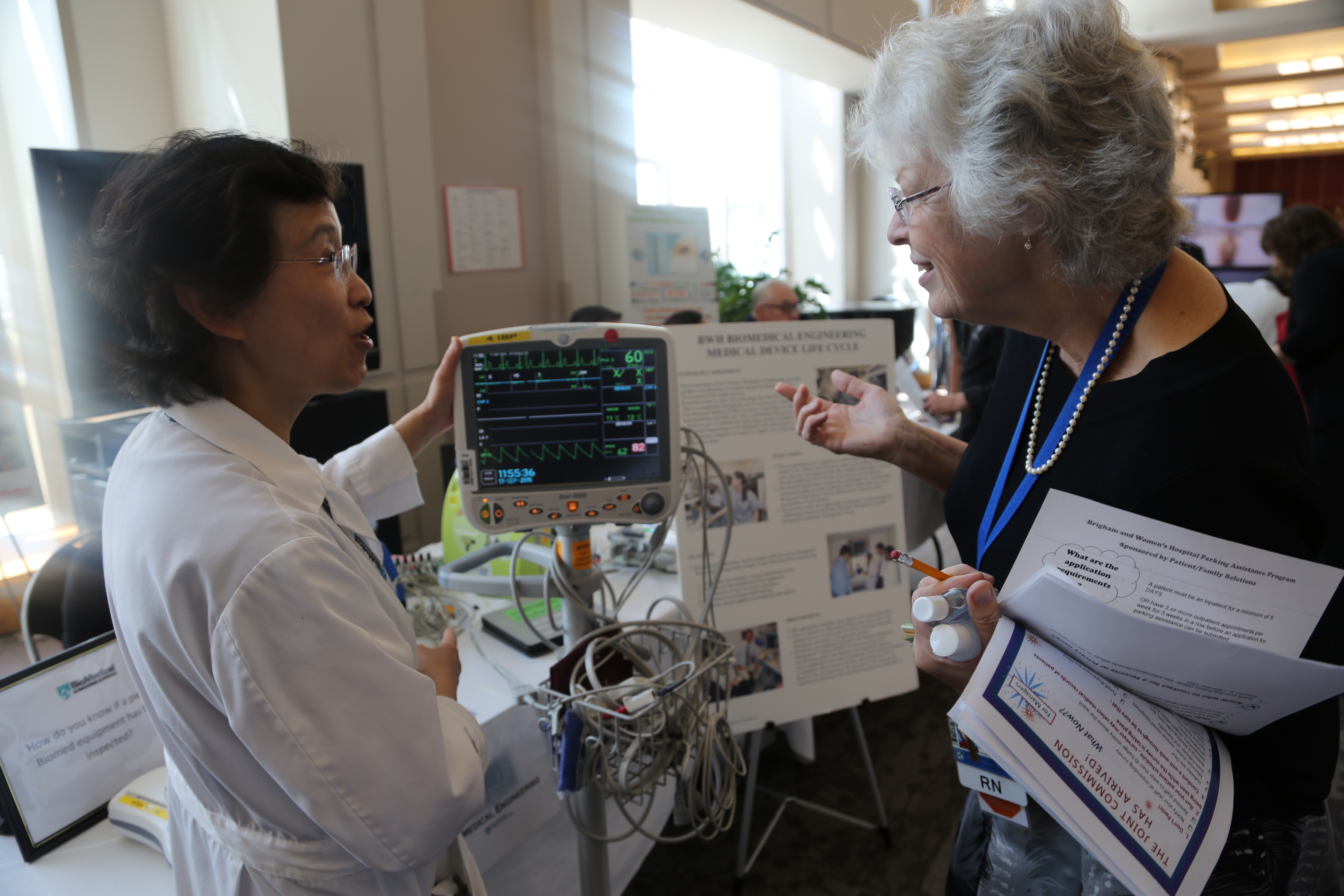
From left: Xiaojie Liu, of Biomedical Engineering, and Brenda Griffin, of Nursing, at BWH’s Joint Commission Readiness Fair last September.

From left: Xiaojie Liu, of Biomedical Engineering, and Brenda Griffin, of Nursing, at BWH’s Joint Commission Readiness Fair last September.

One surveyor from The Joint Commission (TJC) stated that “the heart of health care beats at the Brigham.”

Others lauded Watkins Clinic staff for “outstanding work and documentation” and their strong knowledge around process.

When a surveyor asked Liljana Zheku, a unit coordinator on Shapiro 9 East, about the purple sticker on her ID badge and if she was required to get the flu shot this season, Zheku responded by saying that she received flu vaccine because it protects patients and employees. The surveyor was impressed by this and later praised Zheku at a debriefing session.

Through these interactions and observations and many others, BWH showcased its commitment to patient safety and excellent care during TJC’s 2016 review, which was conducted earlier this month.

“We want to extend our sincere gratitude to the many people across our institution who helped us prepare for this visit,” said BWHC President Betsy Nabel, MD, on behalf of leadership. “Your commitment to our patients and families are evident across our distributed campus every day, always guided by our mission of delivering the highest standard of care to everyone we serve.”

During their five-day visit, surveyors used the tracer methodology, a means of evaluation in which surveyors select a patient and use that individual’s record as a roadmap to assess an organization’s compliance with certain standards and its systems of care and services. Surveyors visited many locations across BWH, from the Emergency Department, NICU, Tower and Shapiro Center to Pharmacy, Food Services and ambulatory practices, including Foxborough and Brookside Community Health Center.

Surveyors were eager to learn more about BWH’s Centering Pregnancy Program—a partnership between the Center for Community Health and Health Equity and the Midwifery Service that combines health assessment, education and support in a group setting for women receiving prenatal care at three BWH obstetric sites. Surveyors were also interested in BWH’s primary care population health management efforts and were impressed with Pharmacy’s management of a complication of heparin therapy—a blood thinning treatment—and the cost savings associated with this initiative.

One of TJC’s responsibilities is to make sure hospitals abide by Centers for Medicare & Medicaid Services (CMS) conditions, including physical environment, which TJC refers to as “life safety and environment of care.” In the environment-of-care evaluation, the surveyor team found BWH’s standards overall were “excellent.” However, with nearly 3 million square feet of buildings on campus, some of which are older facilities not designed for today’s medical equipment demands, 13 minor issues were observed in the inpatient Tower in particular. These issues—which included oxygen cylinders not in their holders, and carts, equipment or beds temporarily positioned in front of electrical panels and medical emergency shut-off valves—resulted in a finding that will require correction and a return visit by a TJC surveyor to confirm compliance. This finding does not impact BWH’s CMS certification or TJC accreditation.

“With the help of Engineering and Support Services, BWH has a mitigation plan in place; in fact, many of the issues were corrected as they were identified,” said Kelly Doorley, director of Clinical Compliance. “We will correct all of these issues within the 45-day timeframe. We appreciate all of your support in ensuring we stay compliant.”

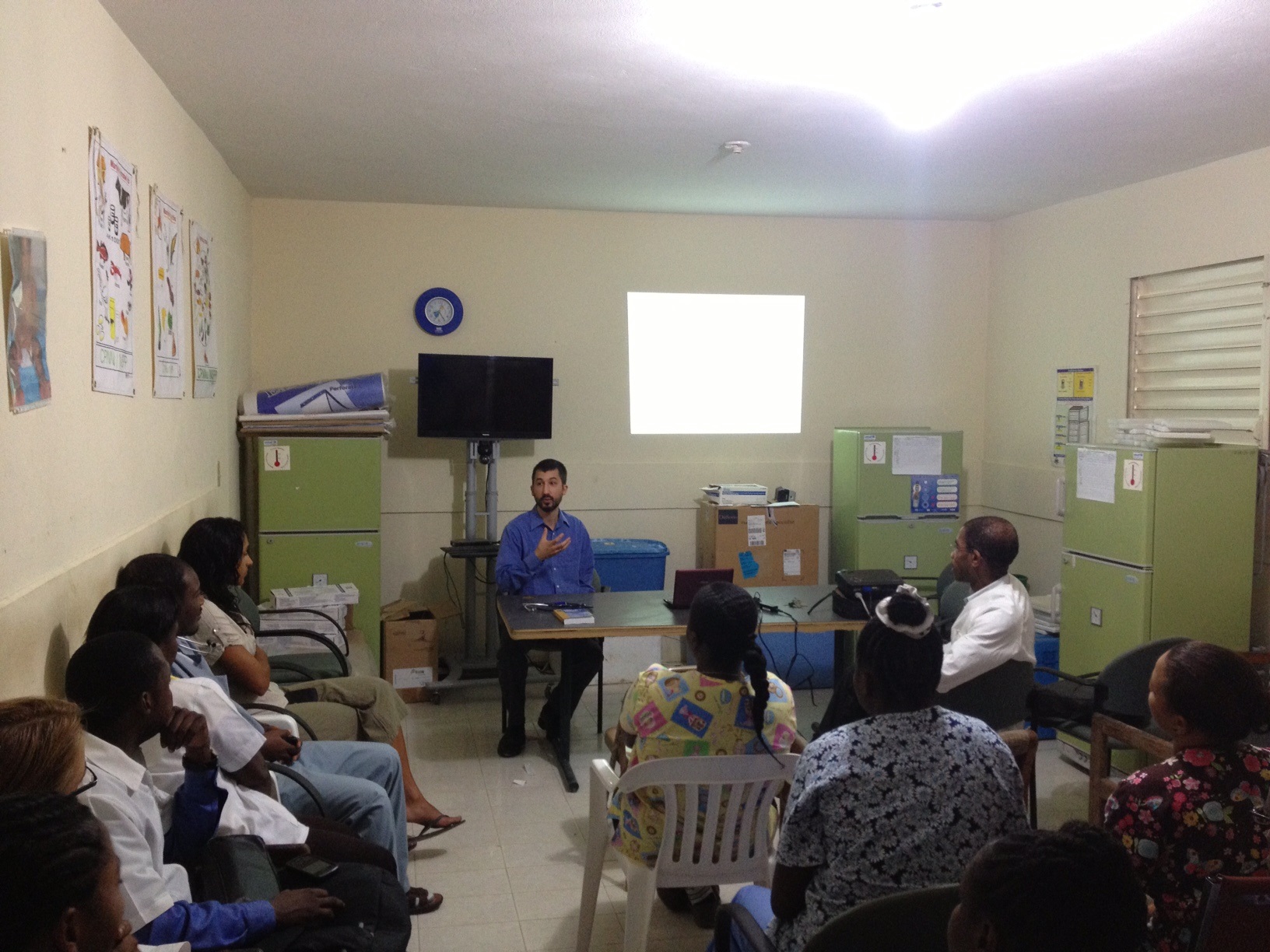
Michelle Morse leads an interactive educational session for Haitian clinicians.

Michelle Morse leads an interactive educational session for Haitian clinicians.

Haiti has just one neurologist for 10 million citizens, but the burden of neurological disease there is enormous, say BWH’s Aaron Berkowitz, MD, PhD, and Louine Martineau, MD, of the University Hospital in Mirebalais in Haiti.

Since BWH helped the University Hospital open in 2013, Martineau has regularly consulted on his neurologic patients with Berkowitz, who leads BWH’s Global Neurology Program. “By opening an outpatient clinic in communication with Dr. Berkowitz, we have created a way to manage patients with neurologic problems,” said Martineau.

To address the larger problem, Berkowitz and colleagues are launching Haiti’s first neurology training program. Initial seed funding will allow them to train two neurologists over the next two years.

“With further investment in the fellowship, we hope to train a few neurologists every year,” said Berkowitz. “These neurologists will serve different regions of the country so patients can get the care they need from local providers.”

Along with colleagues at Partners In Health and Equal Health—nonprofits connected with the University Hospital and BWH—Berkowitz will train the first two neurology fellows, and mentor them to train the next class and become the program’s core faculty.

“Watching the first class of residents support and guide the next, evolve as phenomenal clinicians and begin to dream of the impact they can have on health in Haiti is fantastic,” said Michelle Morse, MD, MPH, assistant program director for BWH’s Internal Medicine Residency and an advisor to University Hospital’s medical director.

The team hopes the fellowship will become a self-sustaining neurology residency program so that patients can get the care they need closer to home.

“The neurology fellowship at University Hospital in Mirebalais will plant the seeds for neurology in Haiti going forward,” said Berkowitz.

Added Morse: “Mirebalais will give us incredible evidence to share with the world on how to go from one neurologist serving a large population to many neurologists. Then we can begin to address the global burden of neurologic disease in earnest.”

Aaron Berkowitz teaches clinicians in Haiti.

Aaron Berkowitz speaks with clinicians in Haiti.

3 Comments
James Rathmell stands by two of many photographs he has taken.

James Rathmell stands by two of many photographs he has taken.

BWH Bulletin recently sat down with James Rathmell, MD, chair of the Department of Anesthesiology, Perioperative and Pain Medicine, to discuss his first seven months at BWH, his goals for the department and how his diverse interests in medicine and photography have shaped his career path. An established leader in pain medicine, Rathmell joined BWHC in June 2015.

What initially attracted you to BWH?

I spent the last 10 years at MGH, and when this opportunity arose, the chance to stay in the Harvard system and to join one of the best hospitals in the country was an opportunity I couldn’t pass up. This department has a great long history of being one of the best training grounds for anesthesiologists in the country. It was an opportunity to join all of these great innovators here at the Brigham.

What early goals did you have for the department?

Interim chair Bhavani Kodali, MD, did an excellent job of keeping the department stable and moving forward, which is always a challenge during an interim period. The first three months, I was meeting everyone and learning. At the 90-day mark, I made the first changes, which largely involved getting everyone working in the same direction.

My vision is broadly about creating the next generation of innovative anesthesiologists—the people who go on to practice anesthesiology and pain management and define how it is practiced across the U.S. and around the world. We want to continue to train those people, something the Brigham has done for many decades. We also have several extraordinary labs that are doing groundbreaking research; now we need to develop the next tier of young and mid-career researchers who go on to build their own labs.

Increasingly in health care, there’s an administrative and leadership piece as well, and we want to develop the next generation of anesthesiologists who are going to be leading Operating Rooms (ORs) and ICUs and pre-operative assessment centers.

How have you seen the field change over your career?

Anesthesiology has changed dramatically. One example is that we’ve gone from a specialty where the vast majority of anesthesiologists spend the majority of their time in the OR, either directly administering anesthesia or supervising other providers giving anesthesia, to a good proportion of faculty spending the majority of their time outside of the OR. About 50 percent of the work we do now is outside of the OR.

How has anesthesiologists’ role across the continuum of care changed?

Anesthesiologists’ role has become more prominent. We’re involved in the continuum of care from the decision to perform surgery all the way through recovery. We’ve become critical members of the team who enable surgeons to do what they do in the safest possible fashion.

Dr. Rathmell talks more about anesthesiologists’ role on the care team.


How and when did you first become interested in the field?

I went to medical school to be an oncologist. One of my passions is photography, and so as I got into my second and third years of medical school, I became very interested in ophthalmology and actually started an ophthalmology residency. During intern year, I realized that I liked taking care of people who are sick, but you largely don’t take care of systemic illness in ophthalmology. I switched to anesthesiology because I loved pharmacology, and I never looked back. That was 28 years ago.

Dr. Rathmell offers advice for medical students and residents struggling with their choice of specialty.


Can you describe your research?

I’m a clinical researcher, so I’m involved with clinical trials all the way from phase 1 (first-in-human) through post-marketing studies on drugs and sometimes devices. In the past five years, my research has focused on using image guidance to safely place needles for pain treatment.

Does your love of photography influence your work as a clinician and hospital leader?

I do all of the cover design and images for the journal Anesthesiology, so I am constantly thinking about how to present complex information in a way that gets the message across clearly and visually. I often bring photos or illustrations into the education realm, too. When I learn new techniques and teach others, I use those same visual skills.

How do you decide which photos will be featured on the cover of the journal?

I read the issue and try to take something out of it that we can illustrate visually. The November issue (see image at right) featured a new survey comparing the demographics of anesthesiologists 10 years ago vs. today. The survey was nationwide and takes into account gender, age, ethnicity, type of practice, etc. I wanted to illustrate that diversity, and what came to mind was our beautiful lobby at the Brigham. I wondered, could I get a large group from the department together and photograph them in the lobby? Collaborating with professional photographer and artist Diemut Strebe, we gathered everyone in the lobby late one Friday afternoon. Diemut had the brilliant idea of scattering everyone across the lobby, which gave the image a wonderful effect. Our department is extremely diverse, and I thought the cover would speak to the diversity across anesthesiology. It worked, and the department loved it.

Can you talk about the importance of mentorship?

In each phase of my career, mentorship has been critically important. I think that each phase or task that you have to accomplish requires a unique mentor, and I’ve had many mentors over the years. A good mentor helps guide you through and then celebrates when you are successful.

What do you want the rest of the BWH community to know about the department?

You have this incredible group of physician innovators who are great team members and facilitators. We can be very innovative no matter what you’re doing across medicine—from clinical care to education to research to leadership. Come find us; we’re good teammates.

We asked Dr. Rathmell if he enjoys teaching medical students and residents.


What is Dr. Rathmell’s favorite book?


All are welcome to share condolences and memories of Dr. Cohn in the comments section below the story.

BWH and the Division of Cardiac Surgery mourn the loss of Lawrence H. Cohn, MD, a pioneering cardiac surgeon and devoted educator, former chief of the Division of Cardiac Surgery and the Virginia and James Hubbard Chair in Cardiac Surgery at Harvard Medical School. He passed away Jan. 9 at the age of 78.

“Dr. Cohn believed that holding a patient’s heart in one’s hand was a privilege, and he was determined that those he taught would be worthy of that privilege,” said BWHC President Betsy Nabel, MD.

Added Michael Zinner, MD, chair of the Department of Surgery: “In his nearly 45 years at BWH, Dr. Cohn has left an indelible mark on the hospital, helping to position it as a leader in minimally invasive cardiac surgery and training scores of surgeons, many of whom have become national leaders in the field. He was a giant in the field of cardiac surgery and will be missed.”

Having performed more than 11,000 cardiac surgical operations, Dr. Cohn was a world-renowned expert in the field of valve repair and replacement surgery and minimally invasive heart valve surgery. His leadership was instrumental to many “firsts” at the hospital. In 1984, he was part of a team that completed the first heart transplant in New England at a time when very few medical centers in the country were performing such operations. In 1996, he led a team that replaced an aortic valve through a three-inch incision instead of opening the entire chest.

Eugene Braunwald, MD, founding chairman of the TIMI Study Group and former BWH physician-in-chief, was a mentor and close friend of Dr. Cohn. They worked together in the 1960s when Dr. Cohn was training at the NIH and again later at the Brigham.

“He was brilliant, one of the world’s top cardiac surgeons and had a great sense of humor,” said Braunwald. “He was very devoted to his patients and interacted closely with their families. He trained many of the most outstanding cardiac surgeons around the world; they came to the Brigham to train with him. He was a good personal friend, and we will miss him terribly.”

Called a “master of masters in cardiac surgery” by the Journal of Thoracic Disease, Dr. Cohn trained more than 150 residents and fellows at the BWH/Boston Children’s Hospital Program in Cardiothoracic Surgery. He helped to launch the careers of many surgeons who practice at major medical centers worldwide, including about 30 who went on to serve as division chiefs or department chairs.

“Dr. Cohn was a fantastic surgeon to watch and to learn from,” said Prem Shekar, MD, chief of Cardiac Surgery. “Training under Dr. Cohn was a life-changing experience for a surgeon.”

Born in San Francisco, Calif., Dr. Cohn earned his bachelor’s degree from the University of California, Berkeley, and his medical degree from Stanford School of Medicine. He completed his training at Boston City Hospital and the University of California, San Francisco Medical Center, and a fellowship at the National Heart Institute. Dr. Cohn joined the staff of BWH in 1971 and served as chief of Cardiac Surgery from 1987 until 2005. In 2000, he was awarded the first endowed chair in Cardiac Surgery at Harvard Medical School. Past leadership roles also include chair of the Brigham and Women’s Physicians Organization and director of the Cardiac Surgery Research Laboratory.

He published more than 500 peer-reviewed publications, 105 book chapters and 12 books, including the second, third and fourth editions of “Cardiac Surgery in the Adult,” the most referenced textbook in adult cardiac surgery today. Dr. Cohn’s clinical and research interests included reconstructive valve surgery, minimally invasive technology, adult congenital heart surgery and thoracic aortic pathology.

Dr. Cohn received numerous awards and accolades for his work as a physician, researcher and educator, including an honorary Masters of Medicine from Harvard and a Doctor Honoris Causa from the University of Paris. He also received the American Heart Association’s highest award, the Paul Dudley White Award.

In 2008, he and his wife, Roberta, established the Cohn Library—a collection of some of the earliest editions of books and papers about cardiac surgery and cardiology, donated by the Cohns to BWH.

“The library is an extremely valuable collection that is especially inspiring to young people in seeing how these fields have developed over the centuries,” said Braunwald.

Dr. Cohn’s generosity to BWH extended beyond the library. In addition to his own philanthropy and leadership as a founding member of the Hippocrates Society Committee, he was a tireless advocate for securing philanthropic support for research, education and innovative programs in cardiac surgery. With his leadership and passion, he helped raise funds for BWH’s minimally invasive valve repair and replacement program and outcomes research in cardiac surgery, as well as the establishment of a dedicated outcomes research fellowship program in the division.

Dr. Cohn was a board member of the Boston Symphony Orchestra and the Boys and Girls Club of Boston. He was also an active member of the Museum of Fine Arts and the Boston Historical Society and a former trustee of Massachusetts Financial Services. In his free time, Dr. Cohn was a competitive tennis player and avid golfer. He also enjoyed studying history, skiing, fishing and sailing. His family was extremely important to him, and he especially enjoyed spending time with his grandchildren.

He is survived by his wife, Roberta; daughters, Leslie Bernstein and Jennifer Cohn; son in-law, Stephen Bernstein; granddaughters, Carly and Rachel; and grandson, Cameron Ellis Cohn.

Information about a BWH memorial service will be forthcoming. Learn more about Dr. Cohn’s career by viewing a video.

45 Comments
From left: Susan, Robert and Hillary Davidson and Terri Halperin, outside the newly dedicated Michael J. Davidson, MD, Hybrid Operating Room

From left: Susan, Robert and Hillary Davidson and Terri Halperin, outside the newly dedicated Michael J. Davidson, MD, Hybrid Operating Room

On Dec. 16, hugs and smiles were exchanged as members of the BWH community and guests filled Bornstein Amphitheater for a special Department of Surgery Grand Rounds honoring the late Michael J. Davidson, MD.

“This is one of the more significant grand rounds this department can have, as it honors the life of our dear colleague and to me, a dear friend,” said Surgery Chair Michael Zinner, MD. “He has left an indelible mark on this institution.”

Davidson’s father, cardiologist Robert Davidson, MD, shared a few words at the beginning of the event, detailing his son’s interest in science and medicine from an early age, his visionary proposal of universal access to medical care as his 1992 senior thesis at Duke University, and his devotion to his family. Davidson’s wife, Terri Halperin, MD; mother, Susan Davidson; and sister, Hillary Davidson, were also present.

The keynote address, entitled “Caring Goes All the Way: A Talk to Honor Michael J. Davidson, MD,” was presented by Mark Rosenberg, MD, president and CEO of the Task Force for Global Health—an international organization that focuses on health system strengthening, immunization and vaccines, and neglected tropical diseases. Rosenberg, an expert on violence prevention who worked at the Centers for Disease Control and Prevention (CDC) for 20 years, talked about the role of research in preventing gun violence.

“Violence is a problem; it is not a part of life to be accepted,” said Rosenberg. He advocates for the use of the CDC’s public health model to address gun violence. The model consists of four parts: defining the problem, identifying causes, developing and testing prevention strategies, and assuring widespread adoption. Though the problem has been defined and the causes identified, a halt in gun violence research for the past 20 years, largely due to politics, has left the country with little information in terms of what prevention strategies work and how to apply them. Rosenberg is optimistic that gun violence research is starting to begin again and encouraged the BWH community to be leaders in the response.

Hybrid OR Dedication

Later the same morning, BWHers gathered in Shapiro—many wearing MJD pins and blue surgical caps with gold stars and the initials MJD on them in honor of Davidson—for the dedication of the Hybrid Operating Room (OR) as the Michael J. Davidson, MD, Hybrid Operating Room. With his bold vision for less invasive approaches for treating heart valve disease and his ability to bring together cardiology and cardiac surgery for the purpose of delivering better care to patients, Davidson was a driving force in establishing the Hybrid OR.

“Michael was steadfast in becoming a cardiac surgeon,” said Halperin. “He pursued an additional year in interventional cardiology because he was convinced that cross-training was the future. He was a visionary, and he was right.”

Added BWHC President Betsy Nabel, MD: “It is fitting that Dr. Davidson’s calling in medicine was the heart. He cared deeply for every patient who sought his help. No matter how busy he was, he had a way of making each one feel as though they were his only patient.”

Nabel read the words of a plaque that now appears inside the Hybrid OR with Davidson’s smiling photo: With heartfelt gratitude to Dr. Davidson for his incredible commitment to his patients and his profession, and in celebration of his legacy as an outstanding, compassionate, and innovative cardiac surgeon.

“Michael felt honored to work with an incredible team,” said Halperin. “The Brigham was his other family. He would be honored to have his name on the OR. He dedicated his life to the OR; it is only fitting that this room be dedicated to him.”

View a photo gallery of the events, along with recordings of Surgery Grand Rounds and the Hybrid OR dedication.

Save the Date

“Remembering Michael J. Davidson, MD: Reflections on His Life and Legacy” will be held on Jan. 20, at 10:30 a.m., in Bornstein Amphitheater. All are welcome to attend. Learn more at BWHPikeNotes.org.

From left: PIE Award recipients Jim McKinnon, Paula Barry, Therese Breen, Jonathan Santiago and Patrick Lally

From left: PIE Award recipients Jim McKinnon, Paula Barry, Therese Breen, Jonathan Santiago and Patrick Lally

More than 70 individuals from BWH, the Brigham and Women’s Physicians Organization and Dana-Farber/Brigham and Women’s Cancer Center were honored last month during the 20th annual Partners in Excellence (PIE) Awards. Additionally, 613 members of 38 project teams were recognized, all nominated by their peers. Awardees spanned departments and locations throughout the main and distributed campus.

BWHC President Betsy Nabel, MD, shared words of pride and gratitude with recipients, highlighting their work and dedication to the institution. “You fulfill our mission by providing the best care to our patients and their families, advancing our innovation and discovery through research, training the next generation of health care providers and leaders and serving our local and global communities.”

David McCready, senior vice president of Surgical, Procedural and Imaging Services, served as the ceremony’s emcee and shared his heartfelt thanks to recipients: “Quite simply, you are the reason that we are and will remain one of the finest hospitals in the world.”

Recipients and guests also heard from Paul Nuccio, MS, RRT, FAARC, director of BWH Pulmonary Services, a 2014 PIE award recipient. Nuccio asked attendees to take time to reflect on the positive impact they have on colleagues, as well as patients and families who look to BWH every day for support and healing.

During a special part of the program, the family of Christina Ruth, RN, a NICU nurse who passed away in October, accepted an individual PIE award on her behalf.

NICU nurse and friend Kerri Duggan, RN, spoke briefly about Ruth and her path to BWH, describing her as a “one-of-a-kind Brigham nurse.”

“Christina could instantly make a new mom comfortable leaving her most treasured gift in her hands,” Duggan said. “She could put a nervous father at ease through her genuine interactions and confidence. The way she connected with everyone who came across her path was truly one of her greatest gifts.”

The ceremony, which was held in Bornstein Amphitheater, concluded with a reception in Carrie Hall.

Michael VanRooyen

Michael VanRooyen

Interim Emergency Medicine Chair Michael VanRooyen, MD, MPH, has been appointed chair of the Department of Emergency Medicine at Brigham and Women’s Health Care (BWHC), effective Jan. 1.

VanRooyen has been serving as interim chair since Jan. 1, 2015, when Ron M. Walls, MD, assumed the role of BWHC executive vice president and chief operating officer. As interim chair, VanRooyen and the Emergency Department (ED) team have launched several new initiatives, including the integration of Partners eCare, the expansion of global partnerships and the design of an expanded ED with a new Oncology Emergency Care Unit, a plan set for completion in 2017. 

VanRooyen, who joined the Brigham in 2004 as an emergency medicine physician, is a professor of Emergency Medicine at Harvard Medical School and professor of Global Health at Harvard T.H. Chan School of Public Health. He co-founded and directs the Harvard Humanitarian Initiative (HHI), the largest academic and research center of its kind, focused on improving humanitarian strategies for relief in regions affected by war and disaster. He also founded and directs the Humanitarian Academy at Harvard (HAH), a Harvard-wide educational effort designed to advance humanitarian professionalism and develop the next generation of humanitarian leadership.

VanRooyen’s commitment to humanitarian work began long before he joined the Brigham family. Upon completing his residency in 1991, he began working with NGOs in conflict settings, such as Somalia, to advance emergency medical care. For the next two decades, he worked in some of the world’s most active conflict zones and disaster settings, including Sudan, Bosnia, Rwanda, North Korea, Iraq and Haiti. Through his work abroad, VanRooyen became further convinced that the field of humanitarian aid must create an evidence base and a professional pathway to advance quality and efficiency in the field.

Domestically, he worked with the American Red Cross to provide relief assistance at the site of the World Trade Center in New York on Sept. 11, 2001. He also helped to coordinate the American Red Cross public health response to Hurricane Katrina and worked with the Navajo and Apache tribes in Arizona and New Mexico.

“Dr. VanRooyen’s leadership and experience in the fields of global health and emergency medicine are unparalleled,” said Betsy Nabel, MD, BWHC president. “He is recognized by his colleagues as an outstanding leader with an unwavering commitment to emergency medicine, training the next generation of emergency medicine clinicians and providing superb compassionate care to patients and families. I look forward to a continued tradition of service to our mission in the department under his guidance.”

VanRooyen earned his MD from Wayne State University School of Medicine in Detroit and his MPH from the University of Illinois in Chicago.

BWHers Share Their One Shining Moments
BWH Bulletin’s year-end issue is a time to highlight BWHers’ proudest moments from the past year. We asked you to share one BWH-related memory from 2015 that was meaningful to you, and you offered touching stories about colleagues, patients, families, events and milestones that inspired you. We hope you enjoy these remarkable moments.

Nadia RaymondOver the past year, we have continued to promote our goal of strengthening Haitian health care by providing continuing education to health professionals in Haiti. One of the main focuses of our nursing team has been working on a research-based needs assessment regarding the attitudes and knowledge of Haitian nurses toward continuing education. One year ago, our team traveled to Haiti to conduct focus groups and administer surveys across Haiti at four different health care locations, including public and private hospitals. We have just finished analyzing our data and plan to submit to a peer-reviewed journal. This past November, we shared our results at the annual EqualHealth Conference in Haiti and presented a poster on our research. More than 85 Haitian nurses attended the workshop.

The over-arching goal of the Haitian health community is to learn, engage and work together and strengthen team-based care. The BWH community has been very supportive of our EqualHealth team, as well as our Haitian nurse partners—a true Shining Moment for us all.

Nadia Raymond, MSN, MHA, RN 
Nurse, Intensive Care Unit Float Pool

Annie Lewis-O’Connor, PhD, MPH, NP, FAAN
Senior Nursing Scientist, Founder and Director of the C.A.R.E Clinic

View all One Shining Moments


BWH’s HIV Program team

BWH’s HIV Program team

Paul Sax, MD, clinical director of the Division of Infectious Diseases and BWH’s HIV Program, says that a person diagnosed with HIV today can live a life measured in decades.

This is a marked improvement from when the HIV Program was first established in 1990, when the average life expectancy after being diagnosed with AIDS was one to two years.

HIV, which stands for human immunodeficiency virus, weakens the body’s immune system and can lead to acquired immunodeficiency syndrome (AIDS)—a chronic, potentially life-threatening condition that leaves the body vulnerable to other infections and cancers if not medically managed. Each year, World AIDS Day is held on Dec. 1 to unite people in the fight against HIV/AIDS, in support of those living with the condition and those who have died from it.

“There has been enormous progress in the prevention, diagnosis and treatment of HIV infection throughout the world,” said Sax, who joined BWH and the HIV Program in 1992. “Among the greatest advances in the history of infectious diseases is the transformation of a rapidly fatal disease into a treatable, chronic condition. Many Brigham clinicians and researchers have played a major role in moving the field forward through their work in both basic and clinical research, and the hospital has become a well-known center for excellence in HIV care.”

BWH’s HIV Program has been providing compassionate, multidisciplinary high-quality care since its earliest days 25 years ago. As part of the Division of Infectious Diseases, the program uses the medical home model to achieve its mission of optimizing health outcomes for people living with HIV and conducting innovative research to benefit these patients. The team recently celebrated at an anniversary gala, at which several patients shared their stories.

The program’s 800 patients—ranging from 18 years old to patients in their late 80s—mostly hail from the greater Boston area and reflect the diversity of the community BWH serves. This includes a higher proportion of women (35-40 percent) than Boston’s other hospital-based HIV programs.

Where the program was once charged with managing a very sick population of inpatients with HIV/AIDS, including providing end-of-life counseling, everything changed when HIV became treatable in 1996, says Sax. Hospital admissions declined substantially, patients started to live longer and the program’s outpatient clinic became much busier.

“I’m now following people much longer term,” said social worker Susan Larrabee, LICSW, who has been part of the team since it was founded. “If people take their medication consistently, having children and healthy families is a reality now, as is working full-time and having productive careers. It’s very exciting to have been there at the beginning and to see how the prognosis has changed. I now see our patients living fully with this diagnosis.”

In addition to counseling, testing and clinical care, the program provides patients with access to resources to manage HIV, social work services, assistance with home care, medication coverage, housing and insurance, information about community-based services and support groups and additional resources.

Along with Sax and Larrabee, the team consists of the Infectious Disease Clinic’s Sigal Yawetz, MD, Jennifer Johnson, MD, Lisa Cosimi, MD, Cameron Ashbaugh, MD, Dan Kuritzkes, MD, chief of the Division of Infectious Diseases, fellow Mary Montgomery, MD, Charles Dewan, RN, ARCN, Brandi Couto, LPN, Brian Kavanah, LPN, and David Kubiak, PharmD; social worker Carrie Braverman, LICSW; psychiatrist John Grimaldi, MD; dermatologist Adam Lipworth, MD; neurologist Jennifer Lyons, MD; gynecologist Khady Diouf, MD; and hematologist Aric Parnes, MD.

“We have an incredible collaborative team model here that patients immediately recognize and feel comfortable in,” said Larrabee. “Some patients feel shame when they come in for the first time, but they leave feeling cared for and hopeful. It’s apparent to other professionals who come here, too, that something special happens here. Working with our patients is such a privilege.”

The program is also committed to research, as well as educating and training the next generation of clinicians. In addition to his laboratory-based work, Kuritzkes is the director of the AIDS Clinical Trials Group, the largest network of HIV researchers and clinical trial units in the world. Lindsey Baden, MD, runs an HIV vaccine research program, and numerous faculty conduct HIV-related research in international settings. Additionally, each year, an Infectious Disease Clinic fellow rotates through the program, gaining a deep expertise in HIV and becoming an integral part of the team. Larrabee also shares her work and knowledge with the nearly 85 social workers in her department to help them stay informed about issues related to HIV.

To learn more about the program, email slarrabee@partners.org.

Guest speaker Heidi Behforouz (second from right), with the family of the late James Winshall—wife, Gail Levine, and children Dan and Lisa

Guest speaker Heidi Behforouz (second from right), with the family of the late James Winshall—wife, Gail Levine, and children Dan and Lisa

The eighth annual James S. Winshall Lectureship in General Internal Medicine was a homecoming of sorts for guest speaker Heidi Behforouz, MD, who attended Harvard Medical School (HMS), completed her residency and fellowship at BWH and later practiced in the Phyllis Jen Center and Division of Global Health Equity (DGHE).

Now an internist in Compton, Calif.; medical director of the LA County Department of Health Services’s Care Connections Program; and director of Innovations at Martin Luther King Outpatient Center in Los Angeles, Behforouz received a warm welcome back from a packed crowd of colleagues, former fellow trainees and others. (Behforouz remains affiliated with HMS and BWH’s DGHE.)

The lectureship is named in honor of James “Jamie” Winshall, MD, a beloved BWH primary care physician who died 10 years ago. Winshall’s wife, Gail Levine, MD, of the Department of Medicine, helps to organize the lecture each year.

“The reason we’re here today is Jamie’s impact as a primary care physician,” said Joel Katz, MD, director of the Internal Medicine Residency Program, during the Nov. 6 lecture. “He was an inventive community member, founder of the precursor to BWH’s hospitalist service and a gifted teacher and role-model. He had an eclectic taste in music, and I think we can all remember his cackle of a laugh.”

Behforouz, who worked with Winshall as an intern, has focused her career on the health issues of the urban poor. Committed to transforming primary care to better serve the needs of the most vulnerable patients, she founded Partners In Health’s Prevention and Access to Care and Treatment (PACT) project in Boston, which employs community health workers to advocate for the health and well-being of inner city residents infected with or at risk for HIV and other chronic diseases.

During the lecture, Behforouz discussed the unique role of community health workers in augmenting the patient-centered medical home model and reducing disparities and improving outcomes among the most high-risk patients. She drew upon recent patient cases and examples from the Mississippi Delta to Navajo Nation, where primary care resources tend to be more limited. She shared the story of one man who presented to her hospital in Compton with a simple sore throat, but was facing brain injury and alcohol use issues and had recently experienced a traumatic event with the police.

“The question is always: ‘What is a good primary care physician to do?’” said Behforouz. “There are so many forces that factor into health. If we don’t address the whole person, it is difficult for our patients to achieve health. We are spending increasing dollars and time on health care delivery, but are we addressing the root cause of this gentleman’s sore throat?”

This is where Behforouz believes community health workers come in, especially in resource-poor settings. Acting as guides, advocates and care facilitators, community health workers can increase patient engagement, provide social support and care planning, advocate for illness management support and much more.

Behforouz asked attendees to think about how the Brigham could be a pioneer in redefining health not only for patients here in Boston, but across the country and globe.

“How do all people reap the benefits of our advances?” she asked.

HAEMR2018_McCabe

Alexis McCabe

As one of the first female fighter jet pilots in the Marine Corps, BWH resident Alexis McCabe, MD, is used to thinking on her feet, a skill she says she’s grateful for as she trains to become an Emergency Medicine physician.

McCabe joined the Marine Corps in 1997 after graduating from college. She served 14 years on active duty, deploying to Iraq and Afghanistan in 2003 and 2005.

“All the men in my family served in the military,” McCabe said. “When I was graduating college, the law had just changed, and women were permitted to fly in combat. I wanted to serve, and I thought I would like to be a pilot.”

That initial interest eventually led her to become the first female Marine pilot to fly a F/A-18 Hornet combat jet off an aircraft carrier. Joining the military in 1997, she was commissioned as an officer and then began flight school. She received her wings in January 2001 and then underwent specialty training. “It was essentially residency for pilots,” she said.

After returning from her second deployment, McCabe did a tour in Pensacola, Fla., as a flight instructor. During that time, she decided that she wanted to pursue a second career in medicine, but with a limited science background (high school chemistry and geology 101), she needed the necessary prerequisites to apply to medical school and began taking night and weekend classes.

In 2010, McCabe started medical school at Tulane and served in the reserves. When she graduated in 2014, she knew that emergency medicine was the right specialty for her. “Nobody was surprised that I chose emergency medicine,” she said.

McCabe was thrilled to come to BWH for her training. “A good friend from medical school was training at BWH in Emergency Medicine, and I knew that if she liked the program, then so would I. After interviewing, I knew immediately this was my first choice.”

Added Eric Goralnick, MD, medical director of Emergency Preparedness: “Alexis is a dedicated compassionate physician who leads by example. We are so proud of her service to our community and our nation.”

When asked about the similarities between emergency medicine and flying a fighter jet, McCabe said: “Things move quickly, and you always have to be on your toes. You have to assimilate large amounts of information, picking out the most pertinent things and make a decision about what to do next almost simultaneously. You’re constantly reassessing as things can change in the blink of an eye. You have to always be ready for that.

“My previous career gave me experience in dealing with lots of different personalities, a skill I use in the Emergency Department every day,” she added. “And working as a team is also familiar. Everything in an airplane is team-based, and I know the importance of collaboration and bringing out the best in others. The ultimate goal is to get the aircraft airborne, complete the mission successfully and return safely. As the pilot, I’m only a very small piece of the puzzle.”

McCabe currently serves in the Individual Ready Reserves (IRR) and is in her second year of residency. Her husband is also a pilot, and together they have a 14-year-old girl and an 8-year-old boy.

1 Comment

On Oct. 26, BWHers gathered in Bornstein Amphitheater to celebrate the launch of the new Patient & Family Advisory Council (PFAC) for Gender and Sexuality, one of the first of its kind in the nation.

Consisting of patients, family members and employees who are patients, the council will focus on health care issues faced by LGBT patients, serve as a resource to staff and ultimately help improve the experience of all patients at BWH.

“The Brigham is a wonderful place,” said council member Barry Nelson. “Patients are looking to you as their care providers to have their best interests at heart and support their needs.”

Maureen Fagan, DNP, MHA, WHNP-BC, FNP-BC, associate chief nurse for the Connors Center for Women and Newborns-OB/GYN and executive director of the BWH Center for Patients and Families, spoke about the important role the council will play in collaborating with staff.

“Working together on issues of inclusivity is important for the BWH community and will help us learn and improve the care we provide to all patients,” she said.

From left: PFAC members Carrie Braverman, Maureen Fagan, Martie Carnie, Juan Jaime de Zengotita, keynote speaker Gary Bailey, Kevin Benisvy and Barry Nelson

From left: PFAC members Carrie Braverman, Maureen Fagan, Martie Carnie, Juan Jaime de Zengotita, keynote speaker Gary Bailey, Kevin Benisvy and Barry Nelson

The event included insightful remarks by Gary Bailey, DHL, MSW, ACSW, professor at the School of Social Work at Simmons College. He spoke about intersectionality, the study of intersections among forms of discrimination. Whether based on race, gender, sexual orientation, ethnicity, abilities or socioeconomic class, forms of discrimination can be interrelated and result in injustice and inequality.

“What is good for those whom society has placed at the margins is ultimately in the best interest of all of us,” said Bailey. “I commend Brigham and Women’s Hospital for responding to the needs of all patients and families by seeking to better understand LGBT health care concerns.”

Simmons College nursing students from Tower 15C, with their instructor Lisa Gillis, BWH staff nurse (far right)

Simmons College nursing students from Tower 15C, with their instructor Lisa Gillis, BWH staff nurse (far right)

Martie Carnie, BWH senior patient advisor, spoke about the importance of creating a positive and welcoming environment. “We can’t always control the outcome of a patient’s care or diagnosis, no matter how hard we try. But we can control the experience people have here by treating everyone who comes through our doors with the utmost dignity and respect,” she said.

Since 2008, PFACs have been working to create an environment that fosters patient- and family-centered care across BWH and BWFH. There are currently 16 councils comprised of 95 patient and family advisors who serve inpatient and ambulatory populations, using their experiences to help inform the relationship between patients, families and staff. Most of the councils are geared toward a specific line of service, such as cardiology or neurology. However, the Gender and Sexuality PFAC will support all departments.

The council hopes to establish resources for clinicians and other staff to help them learn how to be more inclusive of every patient they care for. The council also plans to design and implement a series of community-wide conversations to foster ongoing dialogue about inclusivity.

As part of the event, BWH launched a social media campaign, inviting staff and the public to come out as allies in support of the LGBT community.

The council is currently recruiting members. To join or recommend a patient, family member or colleague, or to ask the council a question, email Maureen Fagan at mfagan@partners.org.

From left: Juan Jaime de Zengotita, Martie Carnie, Carrie Braverman and Barry Nelson

From left: Juan Jaime de Zengotita, Martie Carnie, Carrie Braverman and Barry Nelson

Raymond Reilly

Raymond Reilly

A devoted teacher and role model, BWH gynecological surgeon Raymond Reilly, MD, has been training the next generation of surgeons year after year for decades.

A faculty member for 47 years, Reilly is the director of pelvic surgery at BWH. He served as the chief of gynecological surgery at the Peter Bent Brigham Hospital from 1975 to 1980, when the hospital merged with the Boston Lying-In Hospital and Robert Breck Brigham Hospital to form BWH.

Reilly works closely with BWH gynecological chief residents for six weeks in their last year to help them solidify the surgical skills needed to succeed in the field. Chief residents affectionately refer to this cherished time as the “Ray Reilly Fellowship Program.”

Reilly has worked with more than 500 residents during his time at BWH and is admired by younger residents, who look forward to working with him during their final year of residency.

“Legions of residents are grateful to Dr. Reilly for being a role model to whom they can aspire,” said Robert Barbieri, MD, chair of the Department of Obstetrics and Gynecology. “Additionally, surgical nurses set a high bar when they evaluate the surgeons they work with, and they greatly respect Dr. Reilly. I am deeply grateful for his help in making the Department of Obstetrics and Gynecology at the BWH one of the best in the country.”

Reilly says he values the idea of mentorship and takes pleasure in hearing about his trainees’ achievements during their medical careers. Many of Reilly’s former trainees have gone on to lead surgical departments at hospitals and universities across the country. One trainee performed the world’s first laparoscopic hysterectomy. Reilly says he is proud of the successes of his students, as well as BWH Obstetrics and Gynecology’s prominence as a national leader in the field. The department has placed second in the country in U.S. News & World Report’s specialty rankings for several years.

“Dr. Reilly is dedicated to ensuring that every person receives the best surgical care and recovers quickly from their surgery,” said Marikim Bunnell, MD, of Obstetrics and Gynecology. “Every day, he works hard to ensure that all nurses and staff caring for patients feel supported and enjoy their work. He was a team player in the surgical field before the team concept became the standard.”

In addition to surgical guidance, education and mentorship, Reilly also provides general wisdom and life advice to those he instructs.

“I feel that the biggest piece of advice I can give to residents as they depart the fellowship is that the most important thing in their lives is their family,” he said. “I tell them to always try to keep that in mind.”

Learn about the Raymond J. Reilly, MD, Innovation Fund.

Screen Shot 2015-10-08 at 1.28.09 PM

buzz of excitement filled the air as BWHers waited in Bornstein Amphitheater to learn the winner of this year’s BRIght Futures Prize at the end of the hospital’s fourth annual research day, formulated this year into Discover Brigham. The day combined BWH’s Research Day and Clinical Innovation Day of past years into one energizing and inspiring event showcasing the breadth and depth of research being conducted at BWH.

Nearly 15,000 people from all 50 states and 96 countries cast their votes for one of three finalists competing for the grand prize of $100,000 to fund their innovative work.

Just after 4:30 p.m., Wilfred Ngwa, PhD, of the Department of Radiation Oncology, was announced as the winner. Ngwa and his team have developed a powerful new technology designed to kill cancer cells that have spread to other parts of the body. The technology combines microscopic nanoparticles with medicine, packed into a tiny drone the size of a grain of rice.

“Thank you so much for this award,” said Ngwa, who acknowledged the other finalists and thanked his family members, who were in the audience. “I was born in Africa, where in many places we don’t have a word for ‘cancer.’ Through this campaign, we have been able to create a lot of awareness and education. I really appreciate what the Brigham has done for me; I cannot begin to express my joy.”

Listen to the family of Wilfred Ngwa, PhD, cheer and sing when he was announced as the winner.

The competition’s other finalists were Christopher Fanta, MD, of the Pulmonary Division, and William Savage, MD, PhD, of the Department of Pathology.

Hosted by the Brigham Research Institute (BRI) and Brigham Innovation Hub, Discover Brigham brought together the BWH and greater Boston health care communities to educate, inspire and foster collaboration around innovative science, technology and medicine. The Oct. 7 day-long event took place during Boston’s first HUBweek—a week celebrating art, science and technology in the city.

Earlier in the afternoon at a trauma research session, Bohdan Pomahac, MD, director of Plastic Surgery Transplantation, was announced as this year’s winner of the Stepping Strong Innovator Awards—a $100,000 grant to advance trauma research and care at BWH. More than 5,000 votes from all 50 states and 74 countries were cast for the competition.

Pomahac and his team have developed a portable machine that may be able to keep detached limbs—arms, legs, hands and feet—alive for half a day or possibly longer. Following traumatic amputation, detached extremities can currently only survive for four to six hours.

“Thank you very much to those who voted for us and a special thanks to the team,” said Pomahac, after accepting the prize. “Nothing could have happened without the hard work of our fellows and the rest of the team, who spent long hours in the lab analyzing results. It is a tremendous honor that we can take this further and push for new therapies for our patients and ultimately everyone.”

BWHC President Betsy Nabel, MD, made a surprise special announcement that competition finalists Su-Ryon Shin, PhD, of the Department of Medicine, and Omid Farokhzad, MD, of the Department of Anesthesiology, Perioperative and Pain Medicine, would also each receive $100,000, from her president’s fund, to pursue their work.

The Stepping Strong Innovator Awards competition was inspired by Gillian Reny, who was injured in the 2013 Boston Marathon bombings. Grateful to the BWH team that saved her life and helped her recover, Gillian and her family launched the Gillian Reny Stepping Strong Fund in February 2014.

Was the announcement made by President Betsy Nabel, MD, a surprise to the Reny family? Hear Audrey Epstein Reny and Steven Reny’s reaction to the Stepping Strong Innovator Awards announcement.

A second $100,000 Stepping Strong Innovator Awards grant will be distributed in a closed-door session later this year.

The Discover Brigham awards ceremony also recognized other members of the BWH research community for their outstanding contributions with Research Excellence Awards and BRI Director’s Transformative Awards.

View the list of award winners. View a photo gallery.

For Maria Mejias, a program assistant for the Women, Infants and Children Nutrition Department at Brookside Community Health Center, BWH has been more than a workplace for the past 20 years—it has been a second home.

“I love my job because I’ve developed excellent relationships with my co-workers, patients and their families in the last two decades,” she said. “It’s wonderful being able to come to work and see the different stages children experience in life as they grow and develop.”

Mejias and many other BWHers and guests gathered in the Joseph B. Martin Conference Center at Harvard Medical School on Sept. 21 to celebrate the dedication and achievements of employees during the 35th annual Employee Service Awards ceremony. The event honors employees who have worked at the hospital in increments of five years. Employees with five years of service through 40 years were honored this year.

Julie Celano, vice president of Human Resources, thanked employees for their service to the Brigham.

“You are the reason we are one of the very best hospitals in the world,” Celano said. “Your passion and commitment make an extraordinary difference in the lives of our patients, their families and our community.”

Added BWHC President Betsy Nabel, MD: “I want to thank each and every one of you for your outstanding contributions this year and every year. You are committed to making this hospital a true community—a place where you stay for years, strengthening your skills, building relationships and welcoming new members to our family.”

Nabel noted that this year’s ceremony held extra meaning for her as she is celebrating five years of service at BWH.

With noise makers in hand, hospital leaders recognized employees and recounted milestones and major events—both at BWH and around the world—that took place at each five-year interval. Leadership and attendees also danced along to snippets of chart-topping songs from those years.

View more photos from the event.

Screen Shot 2015-09-24 at 4.00.51 PM

The Boston Business Journal recently announced its 2015 Healthcare Heroes, recognizing those who have been steadfast in their commitment to improving the health and wellness of Massachusetts residents. Four members of the BWH community were named to the list of 14 recipients from across the city: Joel Katz, MD, Stephanie Shine, BSN, RN, Adam Landman, MD, MS, MIS, MHS, and Audrey Epstein Reny.

“Our BWH honorees are truly accomplished in their fields and have made a difference here at BWH, in the greater Boston community and beyond,” said BWHC President Betsy Nabel, MD. “We are proud that they have been recognized for their tireless efforts to advance the highest-quality patient care, innovative research, stellar education and community outreach.”

The award winners, listed by name and category below, were featured in a special section in the Boston Business Journal on Aug. 14.

Educator: Joel Katz, MD

Joel Katz

Joel Katz

As director of the Internal Medicine Residency Program, a general internist and an infectious disease specialist, Joel Katz, MD, has been responsible for training 170 residents each year for the last 15 years. Since becoming director in 2000, he has dedicated himself to creating a vision and infrastructure in order for residents to simultaneously achieve clinical excellence and establish themselves as productive innovators, researchers and leaders in internal medicine. He also co-created innovative courses that unite his greatest interests—fine arts and teaching. For example, the first-year Harvard Medical School preclinical course “Training the Eye: Improving the Art of Physical Diagnosis” features observation exercises at Boston’s Museum of Fine Arts to train students to look carefully for subtle clues in patients. The course has become a model for this type of cross-disciplinary medical humanities teaching throughout the U.S.


Non-Physician Provider: Stephanie Shine, BSN, RN

Stephanie Shine

Stephanie Shine

An expert clinician, innovative researcher, driven leader and compassionate caregiver, Stephanie Shine, BSN, RN, provides excellent care to infants, mothers and families in the NICU during what is often the most difficult time of their lives. She is the principal investigator of an innovative study called “Love at First Sight” that incorporates video conferencing into the NICU via Google Glass, allowing new mothers to see and hear their babies in real time through the eyes of their birth partner as they are recovering. The study addresses maternal-infant separation after birth, and to date, 250 mothers have been enrolled as participants.


Innovator: Adam Landman, MD, MS, MIS, MHS

 Adam Landman

Adam Landman

Adam Landman, MD, MS, MIS, MHS, BWHC chief medical information officer (CMIO) for Health Information Innovation & Integration, oversees BWHC’s clinical information technology innovation initiatives, including many projects related to Partners eCare. He has also developed mobile apps to securely capture and store clinical images and to improve electronic medication administration and reconciliation. Landman is also exploring how secure video can be used in the Emergency Department and elsewhere to capture details, including patient histories and assessments, faster.


Volunteer: Audrey Epstein Reny

Audrey Reny

Audrey Reny

On April 15, 2013, Audrey Epstein Reny stood at the finish line of the Boston Marathon with her family, including her daughter Gillian, who was critically injured during the bombings. Gillian was rushed to BWH, where a multidisciplinary trauma team saved her life and her legs. Out of gratitude, the Reny family established the Gillian Reny Stepping Strong Fund at BWH to fuel innovative trauma research and clinical care. Since establishing the fund in 2014, Audrey Epstein Reny has made it her life’s work to turn tragedy into hope for future trauma patients by raising funds and awareness about the field. In just 17 months, the Stepping Strong Fund has raised nearly $4.4 million, funded six researchers and engaged more than 7,100 people around the globe in the mission.

Longwood Primary Care

The Brigham and Women’s Primary Care Associates, Longwood, team. (Not all are pictured.)

On June 22, BWH’s newest primary care practice, Brigham and Women’s Primary Care Associates, Longwood, opened its doors at 800 Huntington Ave. Just a few blocks from BWH’s main campus, the practice is a patient-centered medical home, meaning that patients will experience an innovative approach to team-based care when they step inside.

The multidisciplinary team currently consists of internists Mustafa Khaled, MD—who speaks Spanish, Arabic and Portuguese—Erika Pabo, MD, MBA, Sonja Solomon, MD, and nurse practitioner Elizabeth Donahue, NP, (see related story on page 3) all of whom care for their own panel of patients. Longwood Medical Director Larissa Nekhlyudov, MD, MPH, who comes to BWH from Harvard Vanguard Medical Associates, will begin seeing patients in September.

“Our hope is to welcome a diverse patient population to our practice from the local community and from BWH and encourage them to be active participants in their care,” Nekhlyudov said.

The team also includes Wendy Alcantara, LPN, Irma Valsamakis, LICSW, Elizabeth Decossa, MA, Adriana Paranhos, MA, Jennifer Allen, PharmD, practice manager Sheyla Aponte and practice assistants Ruth Rodriguez and Jennifer Fields. The practice is hiring additional clinicians, including a nutritionist, with the goal of having a fully staffed practice in about a year.

“BWHC and the entire Partners system understand and support the reality that we need to invest in creating new practices that reflect our best thinking about team-based care,” said Joseph P. Frolkis, MD, PhD, vice chair of Primary Care. “In addition to continuing to offer care to our local community, we are excited that we are also able to provide care to another important part of this community: our employees.”

The practice seeks to build a strong network of specialty providers from BWH and develop effective ways for the team and these specialists to communicate about patient care. This will include inviting specialists to visit the site, in person or virtually, to meet the team and learn more about the practice. The team will also work closely with BWH inpatient clinicians to ensure a smooth transition following hospital discharge.

The practice seeks to fill a gap as the need for primary care providers increases.

“It’s on the team’s shoulders to do the best job it can at preventing unnecessary utilization, so we can improve care and drive down costs,” said Frolkis.

Partners’ goal is to have all BWH and BWFH primary care sites certified as patient-centered medical homes by the National Committee for Quality Assurance (NCQA) by 2018. Currently, three BWH practices are recognized by the NCQA as patient-centered medical homes: Brigham and Women’s Advanced Primary Care Associates, South Huntington, Brigham and Women’s Primary Care Associates, Newton Corner, and Southern Jamaica Plain Health Center.

Similar to other primary care practices, the Longwood practice is incorporating medical students and residents, and two residents have already followed Solomon, their preceptor, from the Phyllis Jen Center.

“Whether or not trainees eventually go into primary care, it’s important to expose them to this evolving model of care delivery that is becoming increasingly common at a national level,” Frolkis said.

To learn more or make an appointment, call 857-307-2200. View photos of the new practice.

Marshall Wolf

Marshall Wolf, Photo credit: Stu Rosner

After an esteemed 52-year career of caring for patients with the highest standards of excellence and selfless dedication, Marshall Wolf, MD, emeritus vice chairman for medical education at BWH, has decided to retire from his clinical practice on Sept. 30.

In Wolf’s honor and with the strong support of his patients, the Department of Medicine is establishing the Marshall A. Wolf MD Master Clinician Educator Program at BWH. Wolf will become the inaugural incumbent.

The program will ensure that medical students and residents have direct contact and individual mentoring opportunities with the hospital’s highly regarded senior teachers, including Wolf. Faculty who participate in the program will hold bedside teaching rounds and conferences, serve as role models and clinical coaches, and advise the department and hospital on educational matters. Wolf served as director of BWH’s Medical Residency Programs from 1972 to 2000.

“So many of us have had the privilege of learning from Marshall over the years,” said Joel Katz, MD, Internal Medicine Residency director. “We are profoundly grateful that he has agreed to remain a presence as our inaugural master clinician educator, sharing his gifts with us and future generations of trainees.”

Known as the “dean of medical residency program directors,” Wolf has shaped the careers and professional identities of more than 2,000 physicians, including more than 1,000 who now hold full professorships at the country’s leading medical schools. His graduates are also leaders of many initiatives to improve health care, including the Indian Health Service, the World Bank and the Robert Wood Johnson Foundation.

BWHC President Betsy Nabel, MD, met Wolf in 1981 when he hosted a dinner at his house to welcome interns, including Nabel, into BWH’s Internal Medicine Residency Program. She said Wolf’s vision and passion guided the program to become one of the finest in the world.

“His alums have made a profound impact on medicine in leading institutions around the world,” Nabel said. “While Dr. Wolf is a renowned and rigorous educator, gifted leader and skilled clinician, perhaps what is most remarkable about him is the compassion and warmth he brought to everyone he touched at the Brigham. Throughout his 52 years of dedicated service, he mentored and nurtured long-lasting relationships with his colleagues, patients, trainees and alumni, knitting together our Brigham family.”

Wolf looks forward to spending time with his wife of more than 50 years, Katie, and their children and grandchildren. He is especially grateful that he will also be able to “continue teaching and learning at BWH,” he says.

Sashank Prasad

Sashank Prasad

A third-year medical student who felt apprehensive about starting clinical rotations said he was instantly reassured when he met BWH neurologist Sashank Prasad, MD.

“He was extremely kind and immediately welcomed me onto the team,” wrote the student in a nomination letter.

On May 11, Prasad will be awarded the 2015 Bernard Lown Award for Excellence in Teaching during the Daniel D. Federman Teaching Awards celebration at Harvard Medical School.

The award was established in 2009 to celebrate physicians who are outstanding clinical leaders and recognize the significant role that education plays in BWH’s mission.

Bernard Lown, MD, for whom the award is named, is a renowned senior physician at BWH, professor emeritus at Harvard School of Public Health and a Nobel Peace Prize recipient. He has devoted more than 50 years to the practice of medicine and has transformed the practice of cardiology. Lown continues to inspire physicians, educators and students today.

Prasad has been a member of BWH’s Department of Neurology since 2010. In July, he will assume the roles of chief of the Division of Neuro-Ophthalmology and associate program director for the Harvard BWH/MGH Neurology Residency Program. He received nominations for the Lown Award from residents and students, all of whom highlighted his teaching abilities and drive to help others achieve their own goals.

“Dr. Prasad is known among residents as a gifted clinician and teacher,” wrote one nominator. “He is a source of wisdom and helpful insight. Simply observing his style of practice is a lesson in professionalism, humanism and intellectual command.”

Another nomination letter detailed Prasad’s patience and love of teaching the next generation of clinicians: “I’ve had the privilege of working closely with and learning from Dr. Sashank Prasad, and I can say, without hesitation or reservation, that he is one of the most inspirational, dedicated mentors I’ve interacted with to date.”

Prasad completed his medical training at the University of Pennsylvania, including fellowships in neuro-ophthalmology and cognitive neurology.

He says he’s extremely grateful to be the recipient of this year’s Lown Award.

“It is a real honor and privilege to be part of a community where clinicians and students at all levels are dedicated to the common goal of clinical excellence,” he said. “I am extremely fortunate to have so many gifted clinician-educators among my role models at the Brigham. I believe that teaching is among our most important missions.”

BetsyandNihed

BWHC President Betsy Nabel with Nihed Riahi

For five days last month, Nihed Riahi, MD, PhD, a general practitioner in Tunisia, visited Boston and shadowed BWHC President Betsy Nabel, MD, as part of the George W. Bush Institute’s Women’s Initiative Fellowship.

Over the course of her stay, Riahi was able to tour the hospital, attend various meetings at BWH and talk with Nabel about her work as a physician in Tunisia, a country on the Mediterranean coast of North Africa.

“Dr. Nabel is warm, friendly and a real example to follow,” said Riahi, who recently completed her medical studies at the Faculty of Medicine of Tunis at the University of Tunis El Manar.

Riahi is interested in improving the quality of health care and services in the poorest areas of her country. She is also a volunteer for the International Federation of Red Cross and Red Crescent Societies, the world’s largest humanitarian organization.

The Women’s Initiative Fellowship was established in 2012 to enhance the leadership skills of women around the world. With a focus on empowering women, the fellowship provides important mentorship opportunities to participants, pairing each fellow with a prominent American woman in a similar field to serve as her mentor for one year.

After Riahi’s visit to BWH, she will keep in touch with Nabel by phone and email.

Nabel said she’s delighted to have this opportunity to work with Riahi over the next year, offering guidance and advice as Riahi grows as a leader and achieves her goals.

“My own career path has been profoundly impacted by incredible mentors who have helped to guide me, and I am so pleased to have an opportunity to share my experiences and insights with Nihed as she begins to shape her career,” Nabel said. “Mentorship is often a two-way street, and I am also learning a great deal from Nihed about the practice of medicine in her country. I admire her dedication to achieving her goal of helping people in need in Tunisia.”

Nurses from BWH, BWFH, MGH and the Dominican Republic who participated in this year’s mission take a group photo.

Nurses from BWH, BWFH, MGH and the Dominican Republic who participated in this year’s mission take a group photo.

For five years following a traumatic injury, 20-year-old Abel Rodriguez, of the Dominican Republic, experienced excruciating pain in both of his hips, forcing him to walk hunched over with crutches. Xiomara Concepcion, a 34-year-old woman suffering from rheumatoid arthritis and bilateral knee pain since adolescence, required a wheelchair to get around.

Rodriguez and Concepcion are among 39 patients whose lives were transformed last month when they received joint replacements, thanks to Operation Walk Boston.

For one week in March, a team of more than 50 volunteers, including surgeons, anesthesiologists, nurses, physical therapists and operating room staff traveled to the Hospital General de La Plaza de la Salud in Santa Domingo for Operation Walk Boston’s eighth mission. The BWH-led team performed 56 knee and hip replacements. Additionally, 58 volunteer medical students from the Dominican Republic cared for patients as part of the team’s goal of educating the next generation of health care professionals in the country.

“Never in my nursing career have I witnessed patients with a greater appreciation for life and understanding of the importance of faith, family and diligence in accomplishing goals,” said Christina Foley, RN, an Operation Walk volunteer and staff nurse on Tower 12A. “They are nothing short of incredible and remind me of why I chose to become a nurse.”

Abel Rodriguez’s hips were replaced during this year’s Operation Walk mission.

Abel Rodriguez’s hips were replaced during this year’s Operation Walk mission.

Since 2007, under the leadership of BWH Chair of Orthopedic Surgery Thomas S. Thornhill, MD, Operation Walk Boston has been performing knee and hip replacements free of charge for patients suffering from arthritis and joint disease. To date, the team has helped more than 300 patients in the Dominican Republic.

BWH’s Roya Ghazinouri, PT, DPT, MS, chief operating officer for the team and strategic program manager for the BWH Center for Healthcare Delivery Science—a new research center focused on care delivery—said one of the highlights from the trip was seeing patients test out their new hip and knee replacements. The theme of this year’s mission was “Ve por el Oro,” or “Go for the Gold,” and several patients received gold medals by completing physical therapy tasks, such as walking up and down stairs just days after surgery. Some patients made rapid progress and were even able to climb the stairs on the day of their surgery.

“Although our patients face severe disabilities, they are always so motivated and grateful from the moment we arrive,” Ghazinouri said. “It’s amazing to know that our team is able to make such an impact on so many lives.”

This year’s team also held clinics for patients who received joint replacements in previous years.

Jeffrey Katz, MD, MSc, a BWH rheumatologist and director of research for Operation Walk Boston, has participated in seven missions with the team. He said it’s wonderful to connect with former patients and learn about what they’ve been able to accomplish post-surgery.

“The returning patients have regained so many dimensions of their lives that they had lost,” he said. “They are working, dancing, playing with grandchildren, walking on the beach, playing sports and much more. They are incredibly grateful for their newfound mobility.”

To learn more about Operation Walk Boston, visit operationwalkboston.blogspot.com. View a photo gallery from this year’s trip.

For fourth-year Harvard Medical School (HMS) student Shekinah Elmore, medicine has played a major role in her life since she was a child.

Diagnosed with cancer at a young age, Elmore said her own experiences with illness and the fact that she had access to great care inspired her to become a doctor.

“I wanted to pass my positive experiences with medicine along to others,” said Elmore, who, on the eve of Match Day, flew back from Rwanda, where she had been working to treat cancer patients. “It has been quite a journey but well worth it.”

Elmore, along with 73 other promising medical students from around the country, received the good news on March 20, this year’s national Match Day, that she was accepted into BWH’s Internal Medicine Residency Program.

Beginning in July, after graduating from their respective medical schools, the new physicians will begin their graduate medical training at BWH, while providing care to patients and learning from senior residents, faculty and staff.

This slideshow requires JavaScript.

During BWH’s Match Day celebration in Carrie Hall, BWHC President Betsy Nabel, MD, along with Joel Katz, MD, director of the Internal Medicine Residency Program, and other BWH faculty and current residents welcomed the new interns into the Brigham family and congratulated them on finding their match.

“Today is a banner day for our hospital,” Katz said. “We are fortunate to have attracted some of the most spectacular and inspiring medical students from around the country. I hope our new residents enjoy the experience, find productive mentorship and focus on becoming the best doctors possible.”

During the reception, the newly matched students high-fived and hugged each other and their new colleagues, with wide smiles.

Matthew Lawlor, a Boston University medical student, said his dream came true when he opened his letter and saw “Brigham and Women’s Hospital.”

“This is what I’ve always wanted,” he said. “The Brigham is a phenomenal institution that excels in all the things I’m interested in. I’m so proud to be here, and I can’t wait to get started.”

wordcloud

Newly matched medical students who will join BWH this summer hail from the many medical schools above.

1 Comment
Patricia Fuller-Murray, outside her new office in Shapiro

Patricia Fuller-Murray, outside her new office in Shapiro

Over the years, Patricia Fuller-Murray, a certified unit coordinator in the Shapiro Cardiovascular Center, had dreamed of going back to school. So in 2007, when she learned about Workforce Development’s (WFD) School at Work program, an on-site program that prepares employees for college, she eagerly enrolled.

Fuller-Murray is now a college graduate, having earned her bachelor’s of science in health care management with cum laude honors from Fisher College in 2013. She also recently received a promotion at work and is now a ventricular assist device (VAD) equipment coordinator. In this role, she supports patients in the VAD program by efficiently managing the procurement and tracking of their equipment and by having a deep knowledge of the device. She works closely with VAD program nurses, nurse practitioners, Biomedical Engineering and Watkins Clinic staff and cardiovascular service line leadership.

“Workforce Development is where I got my courage,” Fuller-Murray said. “Once you realize you can accomplish your goals, anything is possible. I finally did something I have wanted to do for many years.”

Starting this spring, WFD and Partners HealthCare are helping others accomplish their educational and professional goals with a new partnership with College for America—an accredited, nonprofit online degree program that is designed for working adults with busy lives. The partnership allows BWH and other Partners hospital employees to earn an associate or bachelor’s degree from Southern New Hampshire University. The program includes online projects in place of traditional lectures and courses, and can be done at employees’ own pace.

Additionally, the program is low-cost, at $500 to $2,500 per year for eligible employees after tuition reimbursement. Financial assistance is also available.

Partners works with managers and the college to ensure that the skills and competencies gained are relevant to employees’ daily work as vital health care contributors. More than 40 employees participated in a one-year pilot of the program, and many expressed how valuable and usable the skills gained have been.

The next College for America session begins April 1. To learn more or apply, visit go.collegeforamerica.org/partnershealthcare.

In addition to their vital work at home, BWH anesthesiologists are making an impact on patient care, education and research across the globe—from Haiti and the Dominican Republic to Rwanda and beyond. Attending anesthesiologist Emily Nelson, MD, and Monica Sa Rego, MD, clinical director of the Department of Anesthesiology, Perioperative and Pain Medicine—who volunteered together in Haiti following the 2010 earthquake—recently shared some of these efforts with BWH Bulletin.

Medical Missions

Since 2008, Team Heart has traveled to King Faisal Hospital in Rwanda’s capital city of Kigali to perform lifesaving cardiac surgeries for people suffering from rheumatic heart disease. Each year, the team has performed more than a dozen successful heart valve surgeries per trip, a life-changing experience for those who receive surgery and an eye-opening one for volunteers.

J. Danny Muehlschlegel, MD, MMSc, FAHA, director of Cardiac Anesthesia Research, is part of a team of BWH anesthesiology attendings and residents, cardiac surgeons, perfusionists, nurses and pharmacists who volunteer for the mission. From beginning to end, the anesthesiologists provide the integral service of preparing patients for surgery, monitoring and administering anesthesia, and ensuring a stable recovery.

In addition to patient care and coinciding with the mission, Muehlschlegel is working on the RECHARGE (Rheumatic Heart Disease Genetics) Study. One component of the study is to see if genetic variants among Rwandan teens and young adults are associated with the development of heart valve lesions. He and his colleagues will examine 400 Rwandan patients with early onset severe rheumatic valve disease using next-generation sequencing.

In a similar vein, Operation Walk Boston has helped patients with arthritis and joint disease in the Dominican Republic get back on their feet through knee and hip replacement surgeries since 2007.

Nelson first joined Operation Walk as a resident at BWH, with anesthesiologist Mercedes Concepcion, MD, whom Nelson calls “the mother of global anesthesia.”

Every year, three anesthesiology attendings and two residents from the department participate in the mission, along with surgeons, pharmacists, nurses, physical therapists and technicians.

“Whenever you practice in a country that doesn’t have the same resources as we have here, it makes you more humble and appreciative of what we have,” said Sa Rego. “When you work in other countries, you become more flexible and better able to adapt to many different clinical situations.”

Added Nelson: “Operation Walk is not only a medical service trip, but we’re helping to improve the systems there and exchange ideas, so clinicians in the Dominican Republic can better care for patients on their own after we leave.”

Harvard Global Anesthesia Initiative

This year, anesthesia leaders at Harvard Medical School-affiliated hospitals have established the Harvard Global Anesthesia Initiative to support and develop anesthesia trainees and faculty committed to improving anesthesia access and safety in under-resourced settings. From short-term mission team members to future leaders in the field, the initiative seeks to help anesthesiologists hone the cognitive and technical skills necessary to make a sustainable impact in underserved populations around the world.

“The main thing that we try to teach residents in global health work is that it’s about collaboration,” said Nelson. “It’s about helping to enable local practitioners to take care of the population they’re serving as best as they can. Instead of asserting our way of doing things on local practitioners, it’s about an exchange of ideas and listening to our colleagues abroad who have a lot to teach us in terms of caring for patients with limited resources.”

Matt Kynes, MD, a fourth-year BWH anesthesia resident, co-founded the initiative and is helping to plan its first workshop, which will take place Saturday, Feb. 28, at BWH. Participation is open to residents and staff with interest in global health. It will consist of simulated clinical scenarios, teaching, case-based discussions and hands-on demonstrations.

“I think it’s fantastic that so many people in our department are concentrating on global anesthesia,” said Nelson. “There has been continuity in our presence and commitment to serving folks in under-resourced settings over the years, as well as a strong commitment by our interim Chair Bhavani Kodali, MD, and past leadership to enable and support people doing this work.”

Interested in learning more or participating in the Harvard Global Anesthesia Workshop? Email epnelson@partners.org. You can also learn more about Operation Walk Boston and Team Heart.

John Saltzman

John Saltzman

Recognized for its quality of service, the expertise of its faculty and the contributions it has made to international teaching in digestive endoscopy, BWH’s Endoscopy Center was recently designated for the second time as a Center of Excellence by the World Endoscopy Organization (WEO).

“Our goal is to train physicians and fellows to become leaders in the field,” said John Saltzman, MD, director of the BWH Endoscopy Center and chair of educational affairs for the American College of Gastroenterology. “We choose physicians who have the drive to make lasting contributions to the work we do every day to care for our patients.”

Endoscopy is a nonsurgical procedure that is used to examine and treat issues inside a person’s digestive tract. The Endoscopy Center at BWH offers inpatient evaluations, outpatient evaluations and treatments for disorders of the esophagus, stomach, small bowel, colon and the biliary/pancreatic system.

The WEO Centers of Excellence are a select group of endoscopy units that are chosen from around the world. BWH was one of 16 Centers of Excellence to be designated this year. The designation, which lasts through 2020, also comes with the expectation that the centers will consider ways that they can collaborate with one another to advance research and teaching.

Saltzman, who was named director of the center in 2006, said he has been building educational programs, including the advanced Endoscopy Fellowship, a specialized program designed for physicians looking for a comprehensive therapeutic endoscopy training program and for those interested in pursuing an academic medical career.

The BWH Endoscopy Center sponsors several major endoscopy courses, including those in Boston, Utah and Bermuda. The center’s leadership for the last 10 years in an international live endoscopy course, the New England Boston International Live Endoscopy Course, also contributed to it being designated as a Center of Excellence.

The course, designed for gastroenterologists, surgical endoscopists, gastroenterology fellows and nurses, includes simultaneous live viewings of endoscopic procedures being performed at hospitals including BWH, Beth Israel Deaconess Medical Center, Massachusetts General Hospital and Boston Medical Center. The course employs a wide range of internationally renowned endoscopists, including Saltzman and other members of his team.

Describing his team as a “powerhouse of innovative ideas,” Saltzman said team members also teach various courses each year to clinicians around the country on different endoscopy techniques, such as reducing weight endoscopically. The team is also devoted to research in areas including management of gastrointestinal bleeding and new endoscopic devices.

One technique that Saltzman is especially excited about is being brought to BWH from Japan by physician Hiroyuki Aihara, MD, PhD. Endoscopic submucosal dissection has been applied in Japan primarily to treat gastric (stomach) cancers. The technique, which can be performed in the colon, esophagus or stomach, is used to remove gastrointestinal tumors that have not entered the muscle layer.

Aihara is a recognized expert in the performance of endoscopic submucosal dissection of the colon and previously spent two years at BWH in a research position before joining the center in a clinical role earlier this month.

“Hiroyuki is bringing with him a skill that is new to the U.S.,” Saltzman said. “He knows this technique at an advanced level, and we are excited to begin to employ it here to improve patient care.”

At left, from left: Diego Martinez, Donna Ward, Patty Bryan and Eugene Dziedzic, of the Hybrid Interventional Obstetrical Surgery Team, which received a PIE award. At right: PIE award recipient Ciola Bennett, of BWH Care Coordination, poses with Partners President Gary Gottlieb and Betsy Nabel.

At left, from left: Diego Martinez, Donna Ward, Patty Bryan and Eugene Dziedzic, of the Hybrid Interventional Obstetrical Surgery Team, which received a PIE award.

More than 100 individuals from BWH, the Brigham and Women’s Physicians Organization and Dana-Farber/Brigham and Women’s Cancer Center were honored last month during the 19th annual Partners in Excellence (PIE) Awards. Additionally, 601 members of 44 project teams were recognized, all nominated by their peers. Awardees spanned departments and teams including Environmental Services, the BWHC Ebola Virus Disease Working Group, the Surgical ICU Translational Research Team and many more.

PIE_2

PIE award recipient Ciola Bennett, of BWH Care Coordination, poses with Partners President Gary Gottlieb and Betsy Nabel.

BWHC President Betsy Nabel, MD, shared words of gratitude and pride with the recipients, highlighting their “vital role in fulfilling our precious mission by providing high-quality care, pushing the boundaries of science, training the next generation of health care leaders and serving our local and global communities.”

Recipients and guests also heard from BWH NICU nurse Kate Higgins, BSN, RN, a 2013 PIE award recipient. Higgins shared her extraordinary story of accompanying a NICU family as they moved back to Colorado with their newborn and helping them get settled. A former NICU baby herself, Higgins left attendees with the advice that hard work and dedication will always make a difference. The ceremony concluded with a reception in the Pod B Cafeteria.

The BBF has reached its full size at 11 floors and 620,000 square feet.

The BBF has reached its full size at 11 floors and 620,000 square feet.

The Brigham Building for the Future (BBF) might look like a ghostly figure right now as tarps covering the soon-to-be walls of the steel structure flap in the wind, but behind the cloth, the 11-story translational research and clinical space is transforming into something spectacular every day.

With the final piece of steel placed on the building in December and the addition of an extra floor, the BBF has now reached its full height, which is a significant milestone, says lead architect Tom Sieniewicz, a partner at NBBJ architecture firm in Boston. Work is also being done to complete the underground parking garage.

The BBF, a 620,000-square-foot building scheduled to open in fall 2016, will include research laboratories, outpatient clinical space, a state-of-the-art imaging facility and a conference and teaching center. It will also house a co-generation power plant built in Germany—a natural gas-fired engine that will supply the building with electricity and steam.

Another major underground component will be the imaging facility. Inside the space, crews are currently building vibration isolation pads, which are massive blocks of concrete that will be used to ensure that the six highly-sophisticated MRI and CT machines maintain separation from the building structure and produce precise images.

An underground tunnel that connects the imaging facility and BBF to the Shapiro Cardiovascular Center is also being constructed. A bridge that will offer a public connection over Fenwood Road is being built and will also link the BBF to Shapiro and the rest of BWH via the second-floor Pike.

Steve Dempsey, director of Planning and Construction at BWH, said BWH was able to fund an additional floor with unused project funds that were left over as a result of effective design and cost projection efforts. Also, because the building was shorter—by a half floor—than the proposal approved by the city, adding an extra floor was an option.

Dempsey said the additional floor, which will house faculty offices, helped the project team go a long way toward aligning faculty, staff and researchers inside the BBF. He and his team have had discussions with all of the clinical and research groups that will practice and study inside the BBF and know who will be on which floors and in what locations.

Designed to achieve the environmentally friendly Leadership in Energy and Environmental Design (LEED) Gold certification, the building will feature a roof garden to reduce storm water runoff, a system that cleans and reuses storm water for mechanical equipment, the co-generation plant and other “green” aspects.

Vinnie McDermott, vice president of Finance and Real Estate for BWHC, said the project has proceeded remarkably well, which is a testament to the efforts of many people.

“The BBF will provide a platform for collaboration of clinical and research talent, investigating leading-edge discovery and providing innovative clinical care to our patients across the region, nation and world,” he said.

By springtime of this year, the building will be fully enclosed and transformed visually. This is when additional crews will be called in to work on the inside of the structure.

Screen Shot 2015-02-05 at 2.31.50 PM