Posts from the ‘Uncategorized’ category

Photo collage of parents with baby

Left photo: Sarah and Benjamin Welch celebrate the birth of their daughter, Charlotte, on New Year’s Day; Right photo: Nurse Shayna Shaffer, RN, (far left) and obstetrician Carolyn Cline, MD, (far right) share a moment with the Welch family.

Baby Charlotte, weighing 8 pounds and 2 ounces, was one of the first babies born on New Year’s Day at the Brigham. Parents Sarah Welch, a senior physical therapist in Rehabilitation Services, and Benjamin Welch, welcomed their daughter into the world at 3:50 a.m.
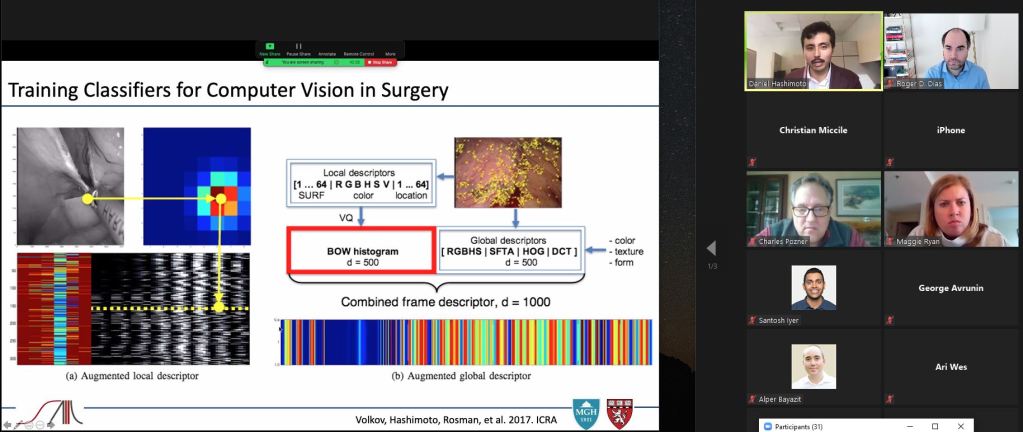
Daniel Hashimoto (upper left speaker), MD, of Mass General Hospital, presents on surgical data science during a recent virtual research seminar hosted by the STRATUS Center.

When the COVID-19 pandemic halted in-person educational experiences earlier this year, the Neil and Elise Wallace STRATUS Center for Medical Simulation didn’t view the loss of on-site interaction as a roadblock. Instead, the center’s leadership team saw it as an opportunity to expand STRATUS’ reach across the globe — adapting its faculty development and instructor trainings for a virtual setting and broader audience.

“This whole thing has really been a testament to the strength of the STRATUS Center and its team,” said Charles Pozner, MD, FSSH, the center’s executive director. “We had no clear anticipation of what might happen, but we were able to pull through and bring STRATUS to the world.”

STRATUS now offers a variety of virtual instructor development trainings, as well as monthly research meetings for medical professionals, instructors and scientists around the world through video conferencing and online collaboration platforms.

Going Global with Online Offerings

The monthly Human Factors & Cognitive Engineering Lab series was introduced pre-pandemic as a way for investigators to discuss their ongoing research projects. Originally, these seminars were intended as monthly in-person research meetings attended by Harvard Medical School students and Brigham researchers.

Since transitioning to an online format at the beginning of March, however, the Human Factors & Cognitive Engineering Lab meetings have expanded to include a global network of research professionals sharing innovative discoveries.

World map

A map showing the global reach of STRATUS’ monthly research seminars (click image to enlarge)

In just nine months, the research seminars have attracted more than 200 attendees from outside the Brigham, hailing from over 40 different countries, according to Roger Dias, MD, PhD, MBA, director of Research and Innovation at STRATUS.

The center has also been fortunate to have several international presenters at these seminars, lecturing on topics such as, “Formulating Qualitative Research Questions: When & How,” “Using Machine Learning to Assess Clinician Competence” and “Learning Analytics in Medical Education.”

Engaging Audiences

Moving to a virtual format has also helped usher the growth of instructor training, said Deborah Navedo, PhD, director of Education at STRATUS. Navedo believes instructor trainings have improved because virtual meetings are so accessible.

“While we have been creative in our hands-on training within the center to protect everyone’s safety around infection control, we are very excited to see that the move to video conferencing for training seminars has increased our visibility beyond our campus,” she said. “We now regularly attract global audiences to discuss best practices in facilitating simulation-based education, especially now that actual clinical settings have become more restrictive to learners.”

As the virtual offerings continue to expand, STRATUS leadership has worked to ensure that large, virtual meetings are just as engaging as in-person learning. Navedo said the team often focuses on making the meetings as interactive as possible by asking attendees questions, inviting them to submit their own and conducting role-playing activities.

“You can always tell if people are engaged based on the number of questions they ask,” Pozner said. “And, so far, it’s been very rewarding to see that a growing number of people feel STRATUS’ events add value to their lives.”

Given the two virtual programs’ continued success, STRATUS leaders expect to keep offering them even after the pandemic.

“It’s much easier to set aside time to log into Zoom than it is to hop on a plane and fly somewhere,” Pozner said. “Our position as a world leader in the virtual medical simulation space may have been spawned by COVID-19, but it will certainly outlast COVID-19.”

Did reading this year’s collection of One Shining Moment submissions in Brigham Bulletin inspire you to share your own? There’s still time to contribute! Simply use the comment box below to share a Brigham moment from the past year that you found touching, meaningful or made you feel proud to be part of the Brigham community.

Please note that comments on this page are moderated and will not immediately appear after clicking “Post Comment.” If you would like to submit a photo to accompany your submission, send it to bulletin@bwh.harvard.edu and a member of the Bulletin team will add it to your post.

2 Comments
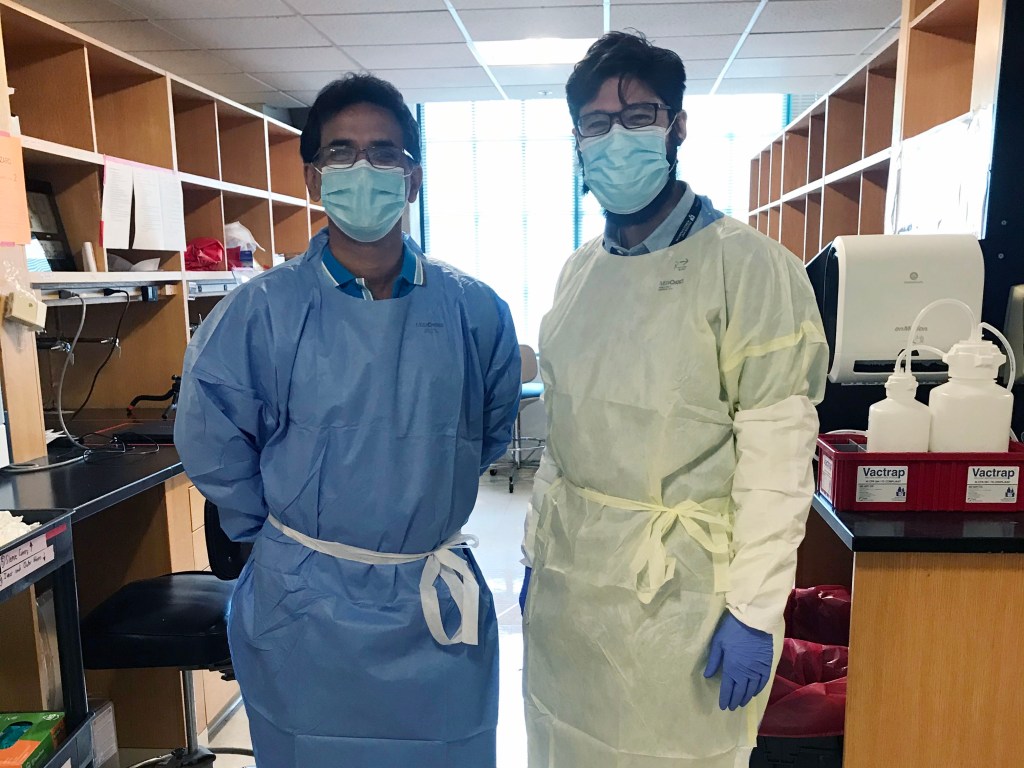
Two people in masks

From left: Trey Toombs and Rushdy Ahmad

With all the anxiety and uncertainty caused by the growing pandemic, I felt fortunate to have had the opportunity to support the diagnostics pillar of the MGB Center for COVID Innovation (MGBCCI) since its inception in late March. Working collaboratively with a large, diverse group of dedicated and talented people, both within the Harvard/MGB community and beyond, on solutions to this health crisis provided a much-needed sense of purpose and empowerment.

Responding to the critical need for the development and deployment of diagnostics for SARS-CoV-2, the MGBCCI crated a pipeline to identify and assess emerging technologies, clinically evaluate the most promising and funnel the best performing into implementation studies. The evaluations were conducted by researchers volunteering their time. However, as volunteers returned to work in their own labs, there was an urgent need to replace them. To lend a hand, a group of us who had worked on identifying and assessing technologies rolled up our sleeves and jumped into the lab. Not only was it a fantastic way to finally meet in person some of the people I had worked so closely with virtually, but it also was exciting to return to the lab after four years away from the bench.

Trey Toombs, PhD
Senior Program Manager, Brigham Research Institute

Home

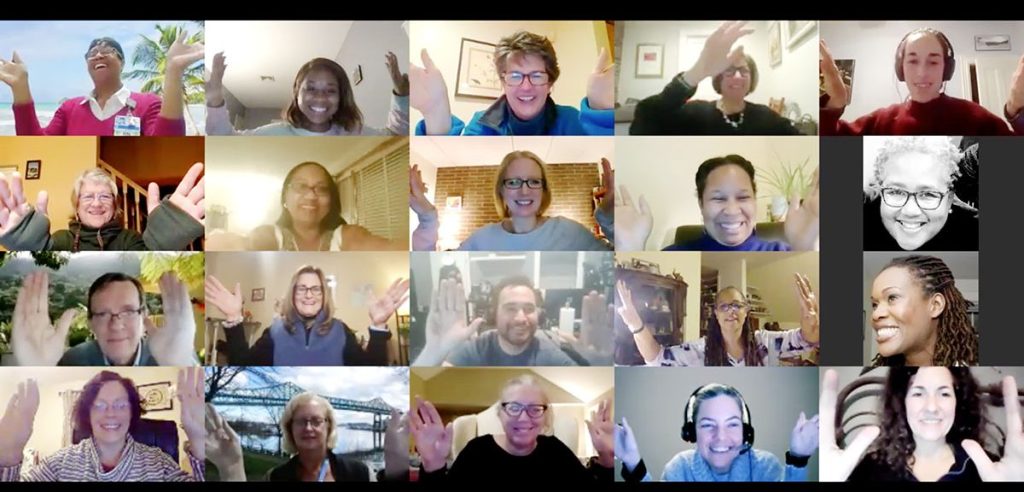
zoom call
The COVID-19 pandemic required all Brigham Health (BH) staff to develop new ways of communicating and working together across our common organizational boundaries. The BH COVID-19 Equity, Diversity and Community Health Response Team established in April engages staff across our system to assess and respond equity issues the COVID-19 pandemic and beyond. The group works to address the needs of patients, employees and our communities. Most recently, the meetings have focused on equitable vaccine distribution, virtual care access and the dramatic rise of food and housing insecurity.

It has been so inspirational to see the Equity Response team come together in the face of significant health inequities and racial injustices. The space created by this group has become extremely important in building understanding, relationships and mobilizing on action to advance equity.

At our twice monthly meeting, attendees hear important equity updates as well as participate in smaller group discussions. All staff are welcome to a space that feels safe, welcoming and honest. Participants consistently cite the importance of having their contributions valued and the power of connecting with staff across traditional boundaries. Group engagement is strong and racially diverse, with over 90 attendees at our last meeting. The team is led by Wanda McClain, Dr. Cheryl Clark, Michelle Keenan, Tracy Sylven and project manager RonAsia Rouse, and it is informed by a multidisciplinary and passionate group of “equity huddle” members. If you are interested in participating, please reach out to us!

Michelle Keenan
Senior Director, Health Equity and Social Innovation
Center for Community Health and Health Equity

RonAsia Rouse
Program Manager, Health Equity
Center for Community Health
and Health Equity

Home

On a recent night in the Emergency Department (ED), my Social Work colleagues Rebecca Moverman, Janna Levi and I were working to identify resources for a patient who had experienced domestic violence. She came to the ED with her young child, and we were determined to help them find a safe place to stay until the morning, when we could connect her with the Passageway program.

Between the three of us, we spent five hours trying to find an available shelter. Unfortunately, we could find not one to accommodate them.

After exhausting all other options, I spoke with the ED charge nurse, Cindy Nehiley. I cannot find the words to fully express how incredibly grateful I am that she was on shift that evening. She was extremely supportive, and I had no doubt that we were working together to find a safe place for this family to spend the night.

Cindy took the lead in speaking with the ED flow manager and nursing supervisor. She was able to get us all together on a call, where we spoke about what we had tried so far and the barriers we were unable to work through. With the nursing supervisor’s approval, the patient was able to stay the night in the ED with her child. And as one additional gesture of genuine kindness, Cindy assigned herself as the nurse to care for this patient and her little one.

This is what our work is all about. It is knowing that we are here to support our patients together as a team with compassion and empathy. It is not always easy, but, in the end, we do what is right for our patients and support each other every step of the way.

Andrea Johnson, MSW, LICSW
Director, Social Work

Home

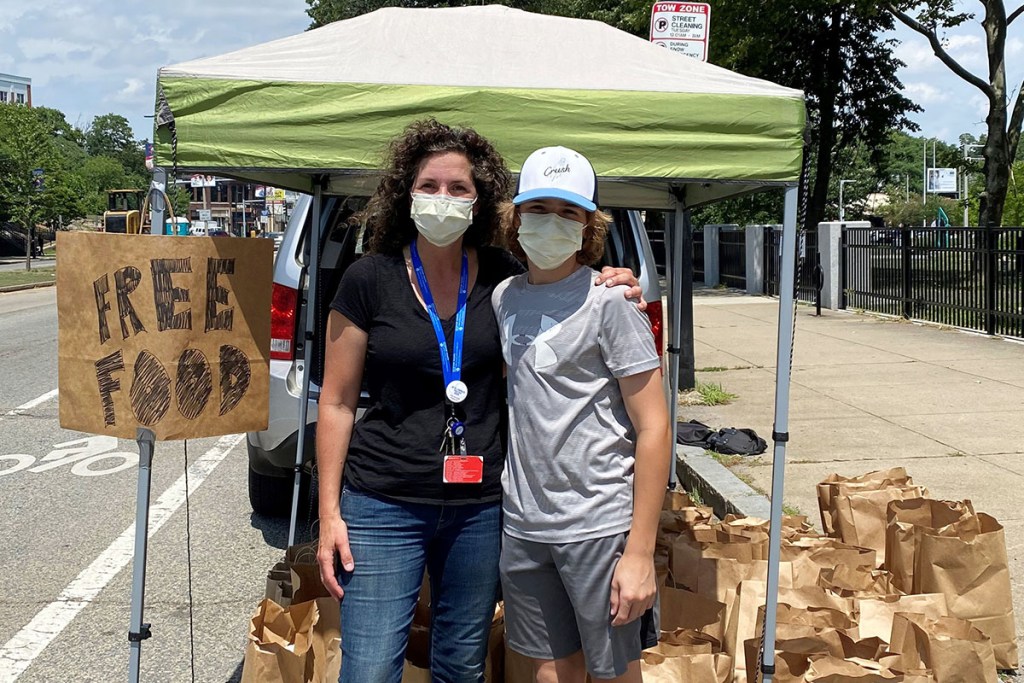
Two people masked

I had many proud moments at the testing sites, but the food distribution and care kits that we provided directly in the community were very moving and proud moments for me — especially because I was able to involve one of my sons (Cam, age 13) in the work and show him the importance of giving back.

Tracy Mangini Sylven, CHHC, MCHES
Director, Community Health and Wellness
Brigham and Women’s Faulkner Hospital

Home

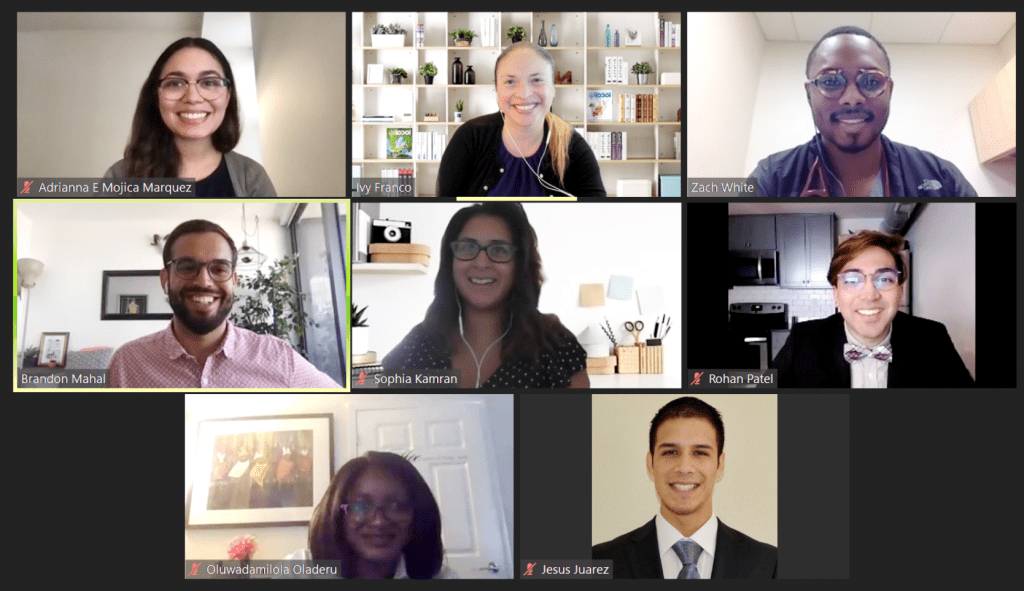
Zoom meeting

My shining moment took place in late July, when I had the privilege of welcoming our first cohort of students to the Radiation Oncology Intensive Shadowing Experience (RISE) program! The brainchild of Radiation Oncology medical residents Drs. Damilola Oladeru and Ivy Franco, the RISE program was launched in the summer of 2020 to offer virtual shadowing and educational experiences in Radiation Oncology to talented, underrepresented minority medical students.

Many of these students might not otherwise have had the opportunity to experience the radiation oncology specialty, especially in the current COVID-19 environment. Each student was paired with one to two radiation oncologists to shadow virtually over five days. The students participated in learning sessions with established curricula in pathology, radiation dosimetry and e-contouring. They joined our attendings and residents virtually for tumor boards and patient visits, were mentored by our physics staff in radiation planning, watched a live MR-based radiation treatment and prepared a capstone presentation.

Every member of our RISE team was essential, including administrative staff, residents, attending physicians, dosimetrists, physicists and radiation therapists. What a joy it was to see this screen of smiling faces from the inaugural group of RISE students and their mentors!

Daphne Haas-Kogan, MD
Chair, Department of Radiation Oncology
Willem and Corrie Hees Family Professor of Radiation Oncology

Home

Environmental Services staff

Photo credit: Susan Symonds/Mainframe Photographics

2020 was a year like no other. As the COVID pandemic spread and affected our community, our Facilities and Operation teams overcame the challenges with hard work, innovation and a safe care commitment to our patients, staff, visitors and each other. Many worked outside of their normally assigned duties, but whatever the task, they were there to help. As the course of treatments and safety protocols continued to develop, our staff were flexible and adapted to the changes. Each one of our teams — Central Transport, Engineering, Environmental Affairs, Environmental Services, Food Services, Materials Management, Police and Security, and Valet — gave it all every day. My shining moment has lasted for months and will continue until everyone is cared for and safe.

George Player, CPE, FMA
Vice President, Facilities and Operations

Home

My shining moment came as I oversaw a cardiac stereotactic body radiation therapy (SBRT) treatment in our Radiation Oncology unit in early December. The novel treatment uses radiation to noninvasively treat an abnormality that causes the heart to beat too rapidly. Although we have performed several of these cases in our department, this one was special.

We have a system called AVATAR that allows patients to watch videos while receiving radiation therapy. The treatment takes one hour, so the distraction of watching a video can help some patients lie still and avoid the need for anesthesia. That day, we were caring for a patient with cardiac SBRT who was feeling especially anxious, and we were able to use the AVATAR system to play Paul Blart: Mall Cop to keep the patient calm.

The attention to detail of our team — including simulation, planning, treatment, clinical monitoring and ensuring that our patient and his parents felt comfortable and supported — was remarkable. The case had added meaning because it was the last case planned by one of our medical physicist colleagues, Dr. Fred Hacker, who passed away days before the patient’s treatment. I was full of appreciation and admiration for our entire team for their professionalism and skill in delivering Fred’s last plan perfectly for this patient, despite shouldering the grief of losing a team member.

Ray Mak, MD
Department of Radiation Oncology

Home

Our One Shining Moment this year occurred on Braunwald Tower 5B. During the first COVID surge, 5B opened as a Palliative Care COVID unit for those COVID patients at the end of life. One day, we were asked if we could arrange a room for two friends and roommates to share their last days together. The rooms on 5B are private, so, at first, we didn’t think it would be possible. But we were able to identify one room that had the capacity for two beds and started working on the conversion. In eight hours — with the help of Engineering, Biomed, Environmental Services, IS and many others — we were able to transfer these friends into the same room. The nurses enjoyed caring for them as much as they enjoyed being together. Unfortunately, one of the friends did pass away while they were here, but one was able to be discharged home. Caring for these two patients was a bright spot in an otherwise scary time. I am so proud of our Brigham family for pulling together and making the impossible possible.

Lauren Willard, MSN, RN, OCN
Nursing Director, Braunwald Tower 5AB and 12C
Oncology and Palliative Care

Home

nurse wearing PPEAmid the immense suffering and loss during the pandemic, we have witnessed beautiful examples of compassion and human connection in every setting. I was especially moved by how nurses at the bedside comforted dying patients who were otherwise alone, without loved ones present during their final moments.
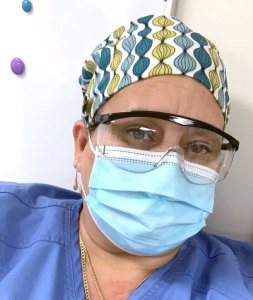
I am so thankful for the expert, compassionate care that nurses in every practice area have provided, whether that was at the bedside, in a clinic during a procedure or virtual appointment or on the other end of the phone line at our call center. The small gestures — holding a hand, sharing a kind word, following up to make sure someone was OK — made the biggest difference this year.

Maddy Pearson, DNP, RN, NEA-BC
Senior Vice President, Clinical Services, and Chief Nursing Officer

Home

nasal testing for covid

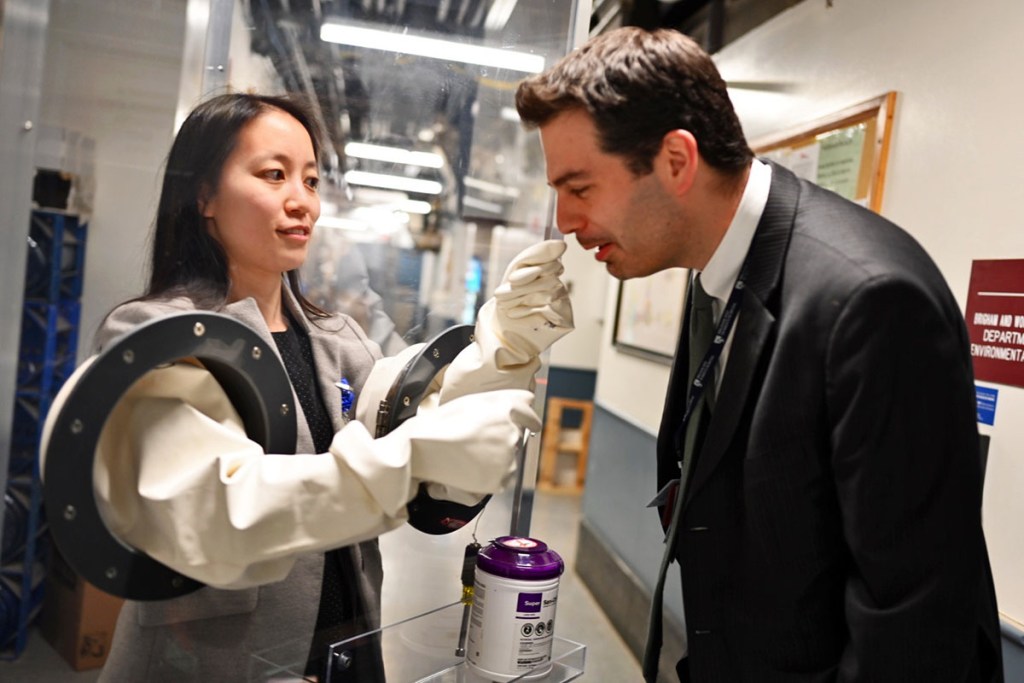
Former Deland Fellow Sherry Yu, MD, and Kevin Giordano demonstrate a COVID-19 nasal swab using a prototype of a B-PROTECTED testing booth.

Like many, my shining moment came during the spring, when our community was facing the incredible challenges posed by the surge of COVID-19. Really, mine are a series of moments, but with one consistent theme: our Deland Administrative Fellows. These fellows, usually fresh out of graduate school and early in their career, spend a year at the hospital providing leadership and support to initiatives across our operations, with projects ranging from implementing clinical process innovations to developing business plans for new programs or services. But in the face of this pandemic, our fellows — Dr. Sherry Yu, Susannah Rudel and Zeyad Tuffaha — had a very different kind of year and were transformed. Sherry was on the evening news, talking about the innovative testing booth she helped design; Susannah was helping lead large teams to ramp up testing for our patients and employees; and Zeyad was like the mayor of the Pike, scaling a distribution structure to deliver salads to staff. Our Deland Fellows are always inspiring and one of my favorite parts of working at the Brigham. Like all of us, they had a very special year, and I am grateful to have been able to witness it.

Bernie Jones, EdM
Vice President, Public Policy
Chief of Staff to the Executive Vice President and Chief Operating Officer

Home

Data dashboard

A daily snapshot of data the Analytics, Reporting and Insights team helped compile (click to enlarge)

As an organization, we are driven by data. Whether it be for our scientific research and breakthroughs, to the best treatments for our patients, to how we effectively and efficiently run our organization and make decisions about growth locally and abroad — data and facts inform these decisions, and I’ve always been grateful to work for an organization that operates in this manner. However, my One Shining Moment came this year as I saw our team of analytics resources within the Analytics, Reporting and Insights (ARI) team, which is part of the Analytics, Planning, Strategy and Implementation (APSI) department, come together and muster each of their unique and important talents of mining through troves of structured and unstructured data to provide meaningful insights to our Hospital Incident Commanders on a day-to-day basis as we navigated through this unprecedented and challenging surge of COVID-19 patients this spring.

As the leader of our analytics team, I observed them all quickly adapt to a new working environment (from home) and learn how to best engage with their colleagues and managers in this virtual environment. They were asked to dive into data we had not previously had experience with, such as the availability of ventilators and PPE. They quickly stood up dashboards and reports that would be refreshed — in some cases, in near real-time — to help our hospital administrators understand the influx of patients in our hospitals so they could make decisions about how many more ICUs we would need to plan for, what staff we needed to have available and the makeup of our patient population. Particularly important was understanding the shift in demographics as minorities were disproportionately affected by the pandemic, and we also had a need for more interpreters for our inpatient population.

These insights proved to be the navigation system that helped our senior leaders make day-to-day and intra-day decisions about managing testing capacity; identifying staff by role who tested positive for COVID-19 and facilitating exposure tracing; and, when we were ready for it, supporting recovery efforts as we restarted elective procedures, brought in our patients in an equitable way based on acuity and reopened our ambulatory clinics while managing volume to allow for adequate physical distancing and use of telehealth visits.

The dedication of our analytics team over these past eight months has been nothing short of remarkable in terms of the impact each and every one of these silent and steady leaders made on the Brigham. Their contributions helped us navigate from surge to recovery successfully, and their efforts will stand out to me throughout my career as a bright, shining moment.

Rob Forsberg, MBA
Executive Director, Analytics, Reporting and Insights
Analytics, Planning, Strategy and Implementation

Home

BernabelTengo 18 años trabajando para tan importante hospital como es el Mass General Brigham. He pasado por momentos difíciles, como las tormentas de nieve, donde a veces no podías llegar a la casa. Pero el más difícil es esta pandemia que nos ha tocado vivir, y a pesar de todo, seguimos fuertes y con una sonrisa de esperanza. Juntos somos fuertes. Feliz navidad. We are strong.
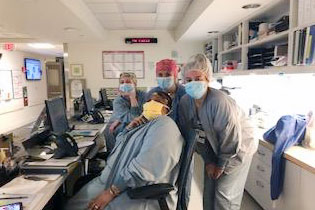
Rosis Bernabel
Unit Service Assistant, NICU

Home

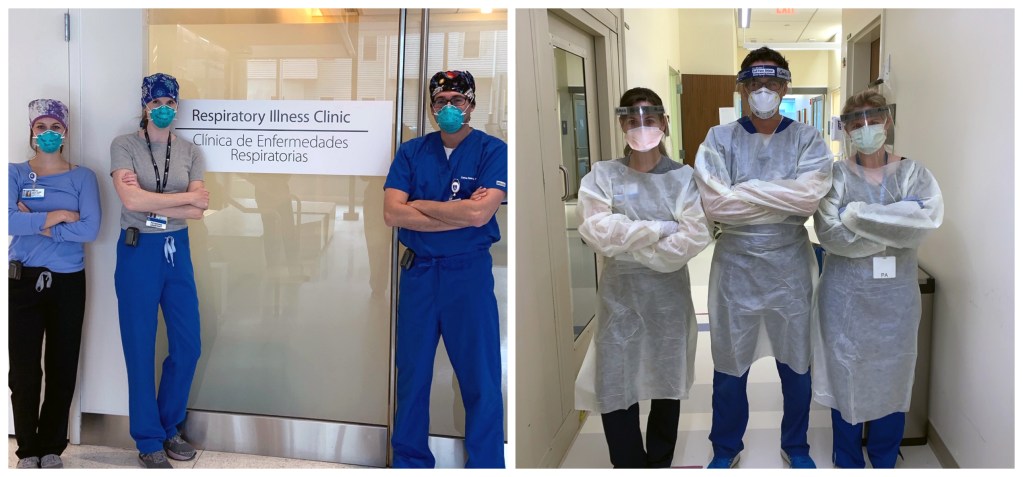
Physician assistants in PPE

I will never forget the way all our primary care leaders came together to stand up a respiratory clinic during the initial surge of COVID patients. This clinic would not have been possible without my dedicated primary care colleagues, several of whom are physician assistants (PAs), who worked tirelessly at the clinic to see patients and provide the best care possible during a very challenging and scary time.

Another shining moment from this past year for me was the amazing leadership and hard work shown by Cori Kostick, PA-C, and Alyson Bracken, PA-C, who were both instrumental in our community testing response. They were the clinical leads at our ambulatory testing sites, and their leadership made a difference in the lives of thousands of patients in our surrounding communities. Their contributions were truly inspirational.

Michele Elms, PA-C
Chief PA, Primary Care Center of Excellence
Communications Manager, PA Services

Home

Dr. Nabel
Rounding in the ICUs last spring, I was inspired by the compassion and commitment of our colleagues caring for COVID patients. What stood out for me were the many ways they put our patients first, from arranging video calls with family members to the simple act of holding a patient’s hand. In addition to tending to their intense medical needs, they also honored each patient’s humanity. These individuals are the embodiment of our mission and values, and they make me extraordinarily proud to be a member of our Brigham family.

Betsy Nabel, MD
President

Home

Brigham employeesThe Operating Room (OR) facilitators are a team in the Operating Room who organize and maintain the OR desk. When the pandemic hit us hard in the spring, every one of them showed up to work every day, ready to help the team. With no questions asked, they were there to help others carry the load of the stressors everyone was facing. They are an integral part of the Operating Room who give 100 percent every day. The pride they take in their work is inspiring. They work together to strengthen the culture. I am continually impressed with their work ethic and results they produce.

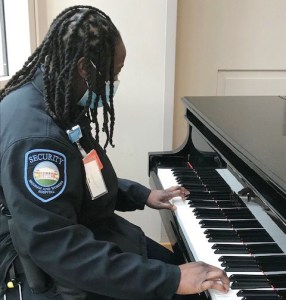
Heather M. Couture, MSM
Operations Manager, Perioperative Procedure Services

Home

It is hard to choose only one moment in 2020. Brookside, in collaboration with Southern Jamaica Plain Health Center and with the support of other primary care staff, provided COVID testing, social determinants of health screening, food resources and voter registration from May 20 through Nov. 5. In addition to serving our patients inside Brookside, our staff worked tirelessly outside at the testing site. They served our patients and the whole community with compassion, kindness, dedication and a collaborative spirit every day, rain or shine.

I am so proud of our leadership team and the Brookside staff — a million shining moments, rolled into one.

Mimi (Margaret) Jolliffe
Executive Director, Brookside Community Health Center

Home

people sitting at table in masks
My shining moment came each morning during the first surge of COVID-19. Our Incident Command meetings were fairly somber, marked by increasing case counts and plans to ensure our supplies of personal protective equipment were sufficient in the face of challenged supply chains, among the many challenges we faced on a nearly constant basis. But each meeting also included a report on the incredible work we were doing in our local communities to provide testing, perform social determinants of health screenings, provide food and care kits and, eventually, register people to vote.

The numbers rose each day — this time, in a good way. We counted the number of people we were able to help, all of whom were from among Boston’s hardest-hit neighborhoods and were receiving those services in their very own communities. I couldn’t be prouder of the incredible, multidisciplinary team leading those efforts and to be part of the amazing Brigham community behind them. In the face of so many unknowns and new hurdles to clear, this daily example of how we — as a Brigham community — can make a difference in our neighbors’ lives as we work toward our vision of a healthier community and a healthier world.

Shelly Anderson, MPM
Executive Vice President and Chief Operating Officer

Woman playing pianoShalaine Parker is a member of the Police and Security team who often plays the piano in the 45 Francis St. lobby while on break from her duties. I was there on a recent morning getting a coffee at Starbucks. It was a cold, gray November day, and when Shalaine sat down at the piano, I was startled by her incredible talent! Her music was beautiful and very soothing. I thanked her for brightening this dark day. I hope Shalaine is recognized for being a bright star at the Brigham!

Anne Watts, BSN, RN
Assistant Nurse Director, Perioperative Services

Home

On a particularly dreary Monday in November, I arrived at the grand entrance of 15 Francis St., harried and a bit discombobulated. The door was closed, and as fate would have it, the scanner would not read my ID badge that day. Ugh. As I made another attempt to scan my employee ID, out of the corner of my eye I saw another person tap their badge. I turned around and was relieved to see a familiar, friendly face as the door was opened by none other than Dr. Betsy Nabel. She insisted that I enter before her. This not only made my day but has boosted my morale ever since. Thank you, Dr. Nabel, for putting words into action: We are all in this together!

Patrick Lally
Retail Services Manager, Shop on the Pike
Materials Management

Home

interpreter services employees

As we reflect on the past year, we can proudly say we’ve kept our word — delivering the highest-quality, accessible interpreting and translation services to our patients, their families and our workforce. In FY 2020, we set a new record by helping over 131,000 patients. Throughout the pandemic, we teamed up with our Brigham colleagues, providing crucial interpreting services in-person, virtually and through technological innovations; we translated hundreds of documents and communications to support COVID testing sites, the implementation of hospital policies for hand hygiene, social distancing, visitations as well as COVID-related research. We’re a unique group of professionals and always there when needed.

Yilu Ma, MS, MA, CMI
Director, Interpreter Services

Home

two nurses in masksThroughout the almost two and a half months I spent as a nurse on Shapiro 9 West, our first COVID-19 ICU, I met an angel named Lisa Beal. Lisa was an ICU extender and a fellow empathetic soul who helped create one shining moment for our patient.

During a memorable shift, we facilitated an iPad call with his family and quietly wept together as we listened to them pour out their love to the man they called “Husband” and “Dad.” When it was clear he would not survive, Lisa agreed to enter his room with me and hold his hands. We never let go, and 45 minutes later, he passed beyond this world.

The empathy, respect and love that exuded from Lisa and our other COVID ICU nurses was a shining moment in an otherwise dark spring, and I am forever grateful to them.

Stephanie Grande, MSN, RN
ICU Nurse, Braunwald Tower 8CD
COVID ICU Nurse, Shapiro 9 West, March–June 2020

Home

Colleen Myers

I have worked as a postpartum nurse here at the Brigham for 33 years. I recently cared for a new mom and her sweet newborn daughter. As I always do, I asked her if she had a name for the baby. She told me the baby was named for her great-grandmother. She went on to say that, during her pregnancy, she had found a proclamation thanking her great-grandmother for her work as a nurse during the 1918 pandemic. She thought it was fate and had to be her daughter’s name. I agreed and shared with her that my own grandfather, on my father’s side, had died in the same influenza pandemic in Boston in 1918. My dad was 3 years old when his father died.

We talked about how, before this year, not many people had even heard about the 1918 pandemic or its tragedies and heroes. We talked about living through this present pandemic — as a pregnant, worried young mother and as an old nurse. I loved our talk and felt such a human connection to this patient that truly is the best part of my job as a nurse.

This year has challenged us all to dig deep to find some good, some meaning, some hope. I honestly find it every shift in my patients, in my co-workers, in each person I pass who is holding onto hope throughout these trying times. We both thought it was amazing that we, by fate, were randomly placed together to share our stories. We talked about the gifts of this year. This sweet little baby is one I’ll always remember.

Colleen Myers, BSN, RN, RNC-MNN, CCE
Nurse-in-Charge, CWN 8/9

Home

1 Comment
man in PPE

James Rathmell, MD

One day last spring, during the height of the first surge, I was in my office when I suddenly heard someone rummaging around in the supply closet down the hall. In normal times, I wouldn’t have noticed, as our floor is usually buzzing with activity. But these were not normal times. Most of the people I’d typically see had been working remotely for weeks, and non-clinical spaces like mine were looking desolate. Every little sound outside my door was a sign of life, so, craving human interaction, I eagerly put on my mask and went to see who was out there.

I was very surprised to find Dr. Jim Rathmell, our chair of Anesthesiology, Perioperative and Pain Medicine, frantically looking through the shelves of the supply closet. When I asked if I could help, he held out a handful of rubber bands and said he needed more.

There was an intensity and determination in his eyes that I wasn’t expecting — at least not over office supplies. But the reason for that soon became clear. When I asked why he needed them so urgently, Dr. Rathmell explained how the Brigham had received a shipment of masks that were unusable because the ear loops were defective. He was confident that they could be modified to be effective, if only he could find more rubber bands.

Our mask supply had been running low for weeks, with certain masks becoming scarce, and it was obvious that he desperately wanted to do whatever he could to keep his team safe. His earnestness took my breath away, and I walked back to my office with tears in my eyes thinking about how lucky I am to work alongside people who care so very much.

Erin McDonough, MBA
Senior Vice President, Chief Communication Officer

Home

On Dec. 16, the first group of eligible staff began receiving the vaccination for COVID-19. Brigham Bulletin recently asked several members of the Brigham community why they were looking forward to being vaccinated.


“I feel very fortunate to be in a position to receive this vaccine. As we are in the midst of another surge, I just hope distribution can occur fast enough to decrease further illness and fatalities. I feel comfortable receiving the COVID-19 vaccine because I am confident in the endless efforts and commitment of all who participated in developing it.”

— Cyndi Slater, BSN, RN, CCRN
Nurse-in-Charge, Post-Anesthesia Care Unit (PACU)


“If I believe it’s the right thing for society, then it’s the right thing for me and my family as well. I want to be beyond this epidemic as much as anybody else. I’m going on service later this month and will be taking care of COVID-positive patients, so I’m definitely looking forward to having this additional layer of protection.”

— Michael Klompas, MD, MPH
Hospital Epidemiologist


“I watch the news every morning and read a lot of the articles. I believe the vaccine is very safe, and I want to be the first in line to get it! Working in Environmental Services, we have gone through a lot — especially at the beginning of the pandemic — and it’s been very hard. I want to feel safer coming to work. I know the vaccine has some secondary effects, but I prefer to deal with those mild symptoms at home one day than to get COVID and possibly be on a ventilator in the hospital.”

— Vilma Vargas
Supervisor, Environmental Services
Connors Center for Women and Newborns


“I am very excited about starting the vaccines for all of our faculty and staff and view it as the ‘beginning of the end of the pandemic.’ Of course, I am also ready to get the vaccine personally as soon as I am eligible to receive it, based on Mass General Brigham (MGB) guidance. The FDA and CDC work and reporting, as well as our own Harvard and MGB review of the data, have given me confidence that the vaccine is safe and effective and made me ready to move forward. I don’t think I or others will feel completely comfortable until all of our families and friends can receive the vaccine, so we will have to remain careful and vigilant with our masking and distancing until that happens!”

— Sunil Eappen, MD, MBA
Senior Vice President, Medical Affairs, and Chief Medical Officer


“I have tremendous faith in the scientists, doctors, and public health officials who have helped create and facilitate the distribution of the COVID-19 vaccine. I look forward to being vaccinated for not only my own personal health but also for the health of my family, friends, patients and the wider community in which I interact.  Vaccines are about population-wide health. In getting vaccinated for COVID-19, I will be proud to be part of a widespread effort to reinvigorate community-wide physical health, emotional well-being and economic vitality.”

— Karen Lovely, PT, DPT
Senior Physical Therapist, Rehabilitation Services


“I am excited and extremely comfortable getting the COVID-19 vaccine because I believe it will be reassuring for my primary care patients to know that their doctor has personally gotten the vaccine and advocates that they should as well.  This is especially important for my older Vietnamese-American and Asian-American patients who may have a general distrust of vaccines to know that their Vietnamese-American doctor has received it. I also believe the vaccine will be another layer of protection for me against COVID-19.”

— David Duong, MD
Primary Care Physician, Phyllis Jen Center for Primary Care
Associate Physician, Division of Global Health Equity


“I plan to get vaccinated because I work with COVID-positive patients and need that extra protection. I was a little apprehensive at first, given it’s a new vaccine, but I feel that if the organization believes it’s safe for our physicians and other clinicians caring for our patients, then it must be safe. It feels good that we finally have something that offers hope of slowing or stopping this pandemic.”

— Marta Solis
Medial Interpreter, Interpreter Services


“I’m very excited and definitely plan on getting the vaccine when I’m able to. We’ve been in this pandemic for nine months, but somehow that nine months feels both like nine years and nine days. The current case numbers in our country have shown that social distancing and mask wearing isn’t enough. I believe that our way out of this pandemic and back to some form of normalcy is through a safe and effective vaccine. I’m excited that there’s a vaccine on the horizon and I’m excited for everyone and their communities to be able to receive it.”

— Bruce Bausk
Senior Research Assistant
Vaccine Research Team, Division of Infectious Diseases


“Like everyone, I’m relieved and elated that people will finally have access to a vaccine and I’m proud of the Brigham’s important role in getting us to this point. When it’s my turn (Wave D), I’ll be excited to get the vaccine. I’m also well aware that there’s still a lot of work to be done. Vaccine clinical trials are still underway, both to evaluate additional COVID vaccines and to continue the trials for the vaccines that have already been established. We still have a lot to learn about sustained immune response to COVID and these trials — and a number of other important research projects at the Brigham — will be critical to understanding that. We also continue to push the boundaries of diagnostic testing for COVID, both so that there will be a broader array of highly sensitive and specific testing tools accessible to as many people as possible and to provide the tools necessary to fully understand immune response to COVID.”

— Allison Moriarty, MPH
Vice President, Research Operations


“I am looking forward to receiving the vaccine. Based on our knowledge about the virus and long-term effects, I am hopeful that this will help decrease the spread of the virus. The vaccine will help us from getting seriously ill even if we get the virus. I think the benefits of receiving the vaccine outweigh the risks of this virus.”
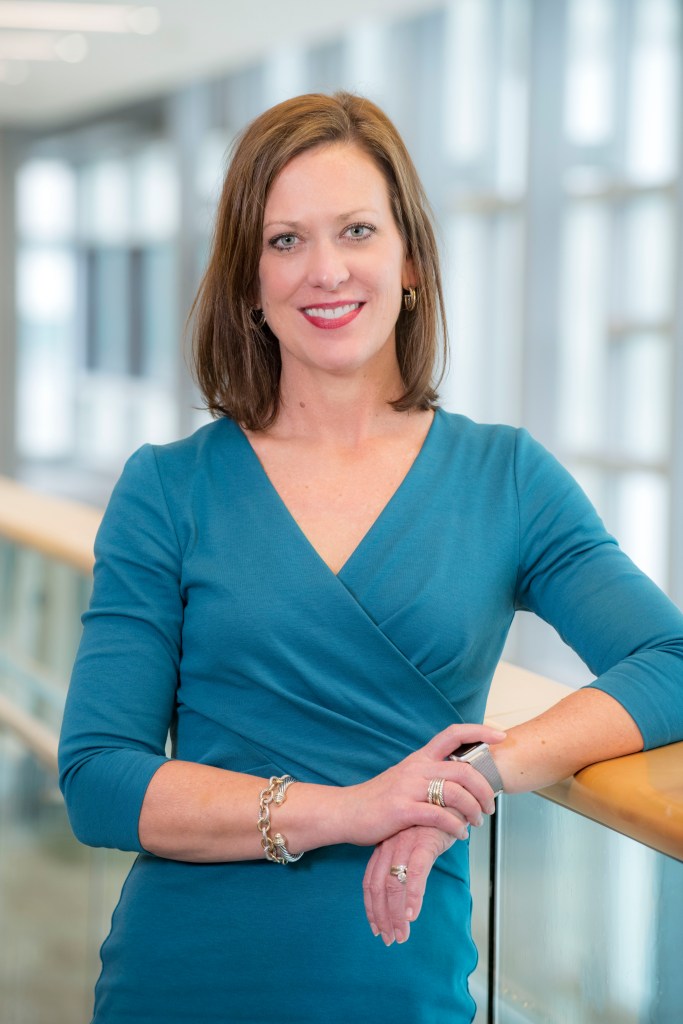
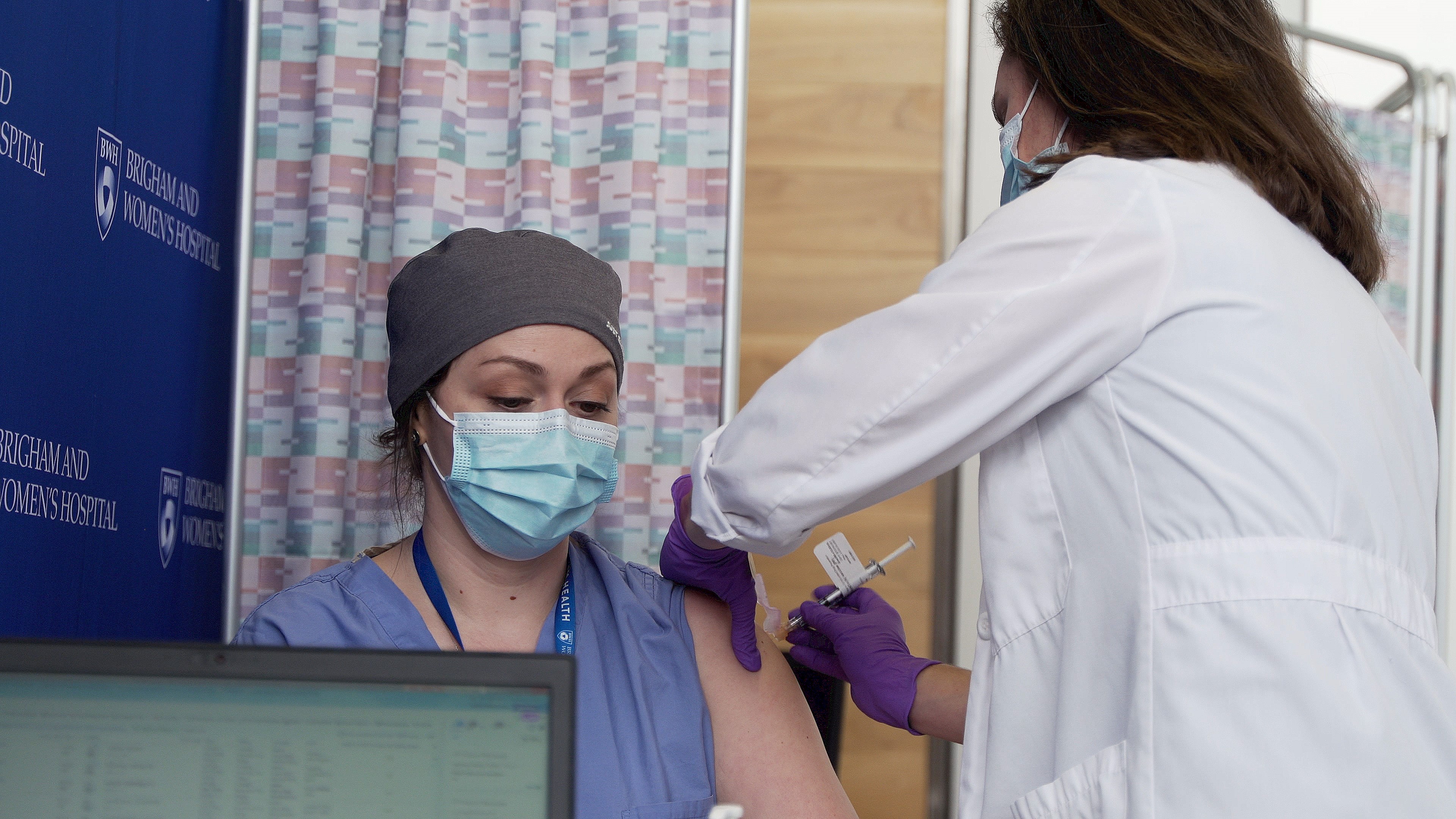
— Lisa Hyde-Barrett, RN
Staff Nurse, PACU


“My main motivation to get the COVID-19 vaccine is to help reduce the spread of the virus amongst our community. I also hope that by getting vaccinated I will be able to positively demonstrate the importance of taking care of our health and each other.”

— Nawal Nour, MD, MPH
Chair, Department of Obstetrics and Gynecology

Shelly Anderson

When Shelly Anderson, MPM, executive vice president and chief operating officer, considers the challenges and opportunities laid out before the Brigham, one objective stands out in her mind: balance.

During a time when so much remains fluid and uncertain — with each priority seemingly more urgent than the next — the need for equilibrium has never been greater, Anderson says. The Brigham community is working tirelessly to deliver expert care, create scientific breakthroughs, champion innovation, ensure quality and safety, advance equity, support staff well-being and maintain momentum on multiple other initiatives.

“COVID created an environment for us to try new things, fail quickly and move on to try something else,” she said. “That’s an approach that many of us found quite rewarding — a spirit of ‘why not?’ But I also think we have to find balance. The key is establishing a pace in which we bring new ideas into play without burning everyone out. We need boundaries as we think about how much we can do at one time.”

Although the pandemic has prompted Anderson to reflect on this approach more often during the first 60 days in her new role, it’s a mindset she has honed over 25 years as a leader in health care administration, strategy implementation and operations improvement. A member of the Brigham community for almost a decade, she previously served as senior vice president of Business Development and Innovation and chief strategy officer for Brigham Health.

As the Brigham community now confronts the simultaneous challenges of managing a second surge while rolling out the first COVID-19 vaccines to employees, Anderson said she thinks often of the emotional toll this year continues to take on staff, particularly those working on the front line.

“No matter how ready we are — and we are very much so — the stress that a surge causes on our front line is something that we, as leaders, see and appreciate,” she said. “It’s hard to find well-being in all of this, but it really comes back to our values. We’re stronger together. In addition to the resources that we’ll continue to develop and provide at an institutional level, as individuals we all need to support each other and be there for one another on a personal level.”

Staying Strategic

Health care delivery is a fast-paced environment, and the pandemic has only heightened the intensity of day-to-day operational challenges. While it may be tempting to allow crisis response to consume all attention and resources, it’s not conducive to short- or long-term success, Anderson explained.

“What has impressed me the most is how we’re balancing COVID operations with the new normal we established after the first surge,” she said. “While we continue responding to this pandemic and caring for COVID patients, we are also advancing our institutional goals.”

One of the non-COVID priorities Anderson is most excited about is the advancement of service lines — a strategy to coordinate and integrate clinical resources with a clear focus on what patients need and want.

“We’re bringing together different specialties to create an opportunity for our experts to deliver coordinated care for patients who have distinct needs,” she said.

Other priorities include addressing deferred maintenance needs and kickstarting master facility planning efforts, which will focus on modernizing the inpatient environment at the Brigham’s main campus and BWFH. Anderson said she is also eager to build on the Brigham Experience work to enhance both the employee and the patient experience. Another key area of focus: continuing to improve systemwide collaboration with colleagues across Mass General Brigham.

When reflecting on what has kept her at the Brigham for the past nine years, Anderson said it comes down to one simple takeaway — being part of an inspiring community.

“The Brigham is a remarkable place — filled with compassionate, dedicated and brilliant people — and I want to be a leader who ensures that our missions thrive,” she said.

Emergency Department physician Catalina González Marqués (left) becomes the first member of the Brigham community to receive the COVID-19 vaccine, given by Sarah Kirchofer (right) of Occupational Health Services.

A group of Brigham staff were among the nation’s first to be vaccinated for COVID-19 on Dec. 16 — marking a hopeful and eagerly awaited new chapter in the nearly year-long battle against the coronavirus pandemic.

Onlookers burst into cheers and applause as Emergency Department physician Catalina González Marqués, MD, MPH, became the first member of the Brigham community to receive the COVID-19 vaccine on Wednesday.

Nurse practitioner Elizabeth Donahue prepares a vaccine. Photo credit: James P. Rathmell

“Welcome to history,” Sarah Kirchofer, MSN, RN, NP-C, NE-BC, interim director of Occupational Health Services, told her after giving her the vaccine.

González Marqués said she was honored to be the first recipient.

“It’s our first sign of hope in a while. Cautious optimism, though — we still have a long way to go,” she said. “I’ve seen disproportionate suffering, being an ER doctor, and that’s been tough. I hope to encourage our community to get vaccinated because that’s incredibly important. But this is great news for everybody here. Everyone’s been working so hard.”

The vaccine, which was granted authorization for emergency use by the U.S. Food and Drug Administration, is given in two doses and has been shown to be 95 percent effective at preventing COVID-19.

“It’s been a really tough year. We have suffered and sacrificed so much, and this is our pathway to get back to some semblance of normality,” said Michael Klompas, MD, hospital epidemiologist. “This vaccine appears to be profoundly effective, so it will make a big difference in our lives and for society as a whole. I am proud that we, as a community of health care workers, are reaching this incredible milestone. It’s no coincidence, either. It’s due to the collective, hard efforts of everybody here.”

The Brigham began distributing the vaccine to staff on Wednesday as part of a soft launch of its COVID-19 Employee Vaccine Program, which rolls out formally on Dec. 17. In coordination with the Mass General Brigham (MGB) system, the vaccine will be made available in four waves to staff over the next two months, based on priorities set forth by the state.

Once the majority of one wave has been vaccinated, the next wave of eligible staff will be able to make an appointment as soon as the supply arrives.

Elizabeth Zambrano, a housekeeper in Environmental Services, receives the COVID-19 vaccine.

“This marks what we hope will be the beginning of the end,” Kirchofer said. “It’s a historic day, and I think everybody feels the excitement.”

The arrival of a vaccine also represents a point of institutional pride in the Brigham’s research community, whose contributions to science and innovation helped make this vaccine possible, said Allison Moriarty, MPH, vice president of Research, Administration and Compliance.

“Since the beginning of the COVID-19 pandemic, our research community has come together to lead and support clinical trials to evaluate vaccine candidates,” Moriarty said. “The urgency of COVID-19 has pushed us to discover faster ways to safely and effectively launch vaccine clinical trials, and the hard work and perseverance of everyone involved in these efforts have helped bring us to this historic moment.”

A Step Toward Safety

As a unit associate in Environmental Services working on CWN 5, Labor and Delivery, Tereza Pereira is among those eligible to be vaccinated in the first wave. Although initially apprehensive about a new vaccine, Pereira is now eager to receive it. Hearing from experts during a recent virtual forum for staff assured her that the vaccine is safe and effective, she explained.

“We have been waiting for this day to come,” Pereira said. “I remember being so scared in the beginning of the pandemic. I would be crying while I was getting ready for work. This virus has hurt a lot of people, including my family members. When I watched the virtual meeting, I saw the secondary effects of the vaccine are very minor — and they’re better than getting COVID.”

The vaccine’s most commonly reported side effects are soreness at the site of vaccination and mild flu-like symptoms, such as fatigue, headache, muscle pain, joint pain and chills. To ensure the safety of those who receive the shot, vaccinated individuals will be observed for 15 minutes, which is a standard when receiving a vaccine for the first time. Staff will also receive instructions for reporting any possible side effects they experience and steps they should take depending on the symptoms.

COVID ICU nurse Debelyn Leach, of Shapiro 9 West, becomes the first Brigham nurse to receive the vaccine.

As COVID-19 infections continue to rise in the community, the vaccine’s availability comes at a critical time, said Karl Laskowski, MD, MBA, associate chief medical officer for Ambulatory.

“To some degree, it is the light at the end of the tunnel that we’ve all been hoping for,” said Laskowski, one of the leaders organizing the employee vaccination clinics. “It feels great, but there’s still a long tunnel to travel. This vaccine is coming at the same time we’re seeing our cases rise and infections in the community going up, so there’s an urgency to get this done right and quickly.”

The current environment also means that staff, including those who are vaccinated, will need to continue strictly following the safety guidelines at work, home and in the community.

“Although we have data showing this is an effective vaccine, it’s not going to allow us to change our behavior — we’re still going to have to practice physical distancing, wear masks, not participate in large gatherings and not see friends outside our ‘bubble,’” Laskowski said. “But this is one step that gets us that much closer to being able to resume a more normal life.”

‘I Don’t Have My Fingers Crossed’

Getting the employee vaccine clinics ready while so many logistical details remained fluid — including when the vaccines would arrive and how many doses the Brigham would receive — was no small feat. It was accomplished through the collaboration of a large multidisciplinary team within the Brigham and across the MGB system, explained several clinical and administrative leaders involved in getting the clinics off the ground.

Michael Cotugno of Pharmacy Services transports the first shipment of vaccines.

Among the team’s top priorities has been making equity a key consideration in all aspects of vaccination availability and distribution.

“It is critically important to deliver the COVID-19 vaccine equitably, not just because it is the right thing to do but because it is the only way that we will beat this pandemic,” said Wanda McClain, MPA, vice president of Community Health and Health Equity. “It also ensures that Black, Latinx and others who have been disproportionately impacted by COVID are prioritized for vaccination. This puts into action our We Care value, and it builds trust by demonstrating that we are committed to protecting our most at-risk populations.”

Patient vaccine clinics are tentatively planned for the coming months, and preparations are well underway to identify vaccination sites in areas that reach a critical mass of patients, prioritize equity and meet the Pfizer vaccine’s requirements for ultra-cold storage.

“These are complex challenges, but we know how to come together and get things done. We’ve done it before with COVID testing sites and so many other instances before this pandemic because we’re stronger together,” said Kelly Fanning, MBA, vice president of Ambulatory Services. “Everybody is here focused on the mission — to serve our patients and our community. I’m confident that just the sheer will and expertise of the people in this organization will ensure we roll out these clinics with efficiency, safety and with equity at the forefront.”

John Fanikos, RPh, MBA, executive director of Pharmacy Services, agreed that the Brigham’s community commitment to excellence left no doubt in his mind that vaccine distribution would go seamlessly.

“The Brigham always stands out in these situations, and people perform like heroes,” Fanikos said. “I don’t have my fingers crossed. I don’t need to. I know it’s going to be a success.”

Teams across Mass General Brigham (MGB) and the Brigham have been planning to ensure we can effectively and safely care for patients during a surge. Our plans address how we will adjust our operations when patient levels reach 25 percent, 50 percent or 100 percent of our peak patient level during the initial surge — which at the Brigham was 197 inpatients.

This week, Jesslyn Lenox, MHA, RRT-NPS, AE-C, director of Pulmonary Services, and Brian Yorko, executive director of Inpatient and Clinical Services, share details about our plans for Respiratory Therapy (RT).

What are you anticipating will be the key challenges for Respiratory Therapy in a second surge? 

Jesslyn Lenox and Brian Yorko

Yorko: We anticipate that the No. 1 challenge for RT in this surge, like many patient care areas, will be staffing. The acuity level of ventilated COVID-19 patients is quite high. These patients require extra attention and time from our staff. At the same time, we expect to experience normal turnover and staff who are out due to illness. We need to make sure we have enough staff to safely care for our patients.

Lenox: To address this issue, we have proactively brought in travelers. There is a tremendous amount of competition for this staff, especially around the holidays. RT leadership evaluates our staffing situation daily and adjusts, as needed, to ensure patient needs are safety met.

What are the most important things all Brigham staff should know about the second surge plan for Respiratory Therapy?

Lenox: We have learned a tremendous amount this year about the impact this virus has on the lungs. That experience is helping us better manage patients that require ventilators. We have high confidence in our overall supplies, including our supply of mechanical ventilators. Thanks to collaboration at the MGB level, we have purchased dozens of new ICU ventilators for use across the system.

We have also seen evidence that providing noninvasive support, such as high-flow nasal cannula (HFNC) can potentially prevent 50 percent of the intermediate COVID patient population from requiring intubation and mechanical ventilation. This knowledge allows us to change our patient management strategy as appropriate.

Yorko: Interdisciplinary teamwork was key to the successful management of COVID patients in the initial surge, and it will be again this time around. RT will collaborate with nurse anesthetists, anesthesia, nursing, perfusion, as well as our physical therapy colleagues (to name a few!) to provide the best possible patient care in the intense environment of this second surge.

Getting a flu shot is more important than ever during the COVID-19 pandemic, as both the flu virus and the coronavirus that causes COVID-19 are expected to spread. The pandemic has also made the logistics of large-scale flu vaccination considerably more challenging. But these obstacles were no match for the dedication and collaboration of staff who led patient and employee flu clinics this fall — efforts that resulted in more than 18,000 flu vaccinations.

On the ambulatory side, a large multidisciplinary team — including staff in Ambulatory, Infection Control, Materials Management, Nursing, Partners eCare and Pharmacy — worked together to provide safe, efficient and convenient vaccination for more than 3,900 patients.

We care. Period. logo

“We would like to thank everyone involved in this effort to provide flu vaccination to our patients during a very difficult time. We are extremely proud of the outcomes we achieved,” said Pam Cormier, MSN, RN, AHN-BC, professional development manager in Primary Care, and Marie Morisset, senior consultant in Strategy Implementation, who co-led the ambulatory flu shot program.

From September through November, Occupational Health Services hosted its annual series of flu shot clinics for staff while continuing to support staff with COVID-related concerns and responding to the needs of the organization during this time. The team was backed by nearly 500 Peer-to-Peer vaccinators — nurses and other clinical staff able to administer flu shots.

“A huge thank you to our OHS staff and Peer-to-Peer vaccinators, who did a phenomenal job making this year’s flu shot campaign a success in the face of unprecedented challenges,” said Diane Griesbach, RN, ANP-BC, of Occupational Health Services. “Together, they vaccinated over 14,000 staff to keep our patients, colleagues and community safe.”

Here are a few additional highlights from this year’s flu shot programs:

Teams across Mass General Brigham (MGB) and the Brigham have been planning to ensure we can effectively and safely care for patients during a surge. Our plans address how we will adjust our operations when patient levels reach 25 percent, 50 percent or 100 percent of our peak patient level during the initial surge — which at the Brigham was 197 inpatients.

This week, Doug Carney, AIA, MBA, senior vice president, Real Estate, Facilities, and Operations, shares details about our plans for personal protective equipment (PPE).

What are the key lessons we learned during the initial surge that have influenced our planning for a second surge? 

Doug Carney

Carney: During the initial wave of COVID, we struggled with N95 masks, cleaning wipes of all kinds and, to a lesser degree, scrubs, gowns, gloves and surgical caps. This happened because the supply chain for things we normally use to keep our environment clean and safe was disrupted, and the demand for many of these items increased significantly. And it made a difficult situation even more stressful for our staff.

We’ve worked hard to be better prepared locally and as a system for a future surge. Over the summer, Mass General Brigham built an appropriate reserve of key materials based on our experience in the spring and extensive demand-scenario modeling. We’ve also worked to diversify our supply chain. As a result of this work, and agreements with national supply chains that have ramped up on-shore production, we believe we’ll have a consistent flow of the supplies we need most to deliver our Safe Care Commitment.

What are you anticipating will be the key challenges for PPE in a second surge? 

Carney: We have done everything we can to be ready for a second surge, and are confident that we have sufficient supplies on hand to last us into spring 2021. We are closely watching the global nature of the surge that is happening now, which has the potential to disrupt manufacturing and distribution.

What are the most important things all Brigham staff should know about the second surge plan for PPE?  

Carney: While PPE and supplies are limited resources, we are confident — based on our sophisticated modeling — that both our PPE and our critical supplies will last well into 2021, given expected use rates, assuming that we all follow our extended use and reuse policies.

That said, we have to be good stewards — together — of all these resources because we know that even though we have solid plans and contingencies, the unexpected can still happen.

Finally, we need to help each other. We all forget to wear our mask at times or slip in other ways; we’re human. Remind each other to be diligent and safe — and that it’s OK to laugh while doing this.

Foreground: Colleen Walker, a student intern in Biomedical Engineering, chats with emergency physician Christopher Baugh in the Emergency Department expansion area. Background: Molly Donahue, student intern in Biomed.

A project nearly five years in the making, the Emergency Department (ED) expansion celebrated a significant milestone this week when its newest pods opened for patient care on Dec. 1.

The opening marks the completion of the project’s first of three main phases. The conclusion of phase one expanded the ED’s footprint into a new space on the Lower Pike and added 39 beds. At the same time, the team has kicked off phase two by closing 29 beds in the ED’s original space to renovate that area.

The current net gain of 10 rooms will allow the ED to shift care-initiation activities that previously took place in the waiting room to patient rooms, while further reducing the density of patients and staff in the department during periods of extreme census. The project’s final phase will begin near the end of summer 2021, when two more of the department’s existing pods will be temporarily closed for lighter renovations.

The ED expansion area, prior to opening. (Click image to enlarge.)

Once completed, the expansion will increase the ED’s total capacity from 49 beds to 81 beds. By the end of the project, which is expected to conclude next fall, the space will contain a dedicated area for behavioral health patients and, eventually, a specialized oncology pod (the oncology pod’s opening date will be determined by the status of COVID-19 pandemic).

In recent years, the Brigham’s ED has regularly experienced a high census and significant inpatient boarding challenges, requiring staff to see patients in hallways and set up surge areas in the waiting room when beds are unavailable. The expansion will address many of these challenges while also creating a more modern space with new amenities that promote safety, comfort and healing. For example, the renovations will convert additional rooms to support negative-pressure airflow — a newer addition to the project — and replace curtained treatment areas with private, walled rooms for all patient care and confidential communications.

“Although we are not quite there with the completion of the first phase of this project, I am most excited that we will eventually have a department that is big enough to meet the needs of our community and minimize the amount of care taking place in nontraditional spaces, such as hallways,” said Brendan Russell, executive director of the Department of Emergency Medicine. “Careful and thoughtful planning, input from staff and tremendous collaboration between nursing, physician and administrative leadership have all been vital to this project’s success thus far.”

Christopher Baugh, MD, MBA, vice chair of Clinical Affairs in Emergency Medicine, said the team looks forward to being able to better serve patients and families through this expansion.

“The idea is to right-size our department for our current patient population, with the ability to accommodate a little bit of growth over time,” Baugh said. “One challenge we’ve faced has been remaining available to receive transfers because of how crowded the ED gets, so this expansion will help keep our doors open to the community — especially to those patients for whom it could be lifechanging to have access to the specialists in our hospital.”

Biomed staff install new monitoring devices in an ED patient room.

Anna Meyer, DNP, RN, nursing director for Emergency Medicine, noted the importance of multidisciplinary collaboration in the leadup to the recent opening.

“One component of this project that has been absolutely pivotal is the input we received from staff in a variety of roles across the ED,” Meyer said. “Everyone worked together to make this work shine. I am especially proud of our ED nurses’ outstanding contributions to this project — leading efforts to maximize the patient experience, enhance efficiency and create a more comfortable, healing environment.”

In addition to opening the new area, the ED has adopted a new naming convention for its five pods. Previously known as Alpha, Bravo and Charlie, the ED pods will now draw their names from well-known Boston streets: Berkeley (formerly Charlie), Clarendon (formerly Bravo), Dartmouth (formerly Alpha) and, in the new space, Exeter and Fairfield. A future intake area will be called Arlington.

To help familiarize staff with the new layout, the ED will feature a variety of wayfinding resources, including maps on the wall with “you are here” stickers. (View a map of the new ED layout. Mass General Brigham login required for access.) The ED’s business specialists will also be positioned at strategic points throughout the area to provide directions and answer questions.

The COVID-19 pandemic disrupted numerous facets of hospital operations throughout the year, and the ED expansion project was no exception. But, after multiple conversations with Infection Control, construction teams and local regulatory agencies, the project was permitted to continue. As a second COVID-19 surge bears down on the Greater Boston area, Baugh said ED staff will remain flexible and responsive to the institution’s needs in the coming months.

“We’re still currently on schedule for the project to be completed next year, but as we manage volume, we’re examining all our options,” Baugh said.

Helena Bisio relaxes in her Roslindale home after being discharged from the Brigham’s Home Hospital program.

After Helena Bisio, 98, was admitted to the Brigham for worsening heart failure, she feared she would spend the rest of her life in the hospital. More than anything, she wanted to be back in the comfort of her Roslindale home — relaxing in a cozy recliner and reading on her Kindle.

So, when Bisio’s care team came by her bedside to let her know she was eligible for the Brigham’s Home Hospital program, she was overjoyed to enroll.

“I just lit up,” she said. “The hospital’s good — don’t get me wrong — but your own bed is so much more comfortable. There’s nothing like being at home. Even though you’re sick, you can relax and know somebody’s taking care of you.”

The Home Hospital program provides select, acutely ill patients the opportunity to receive hospital-level care in the comfort of their home. Eligible patients, who must live within 7.5 miles of Brigham and Women’s Faulkner Hospital, can be enrolled via the Brigham’s or BWFH’s Emergency Department, inpatient units and outpatient clinics for issues such as infections and exacerbations of heart failure, asthma, chronic obstructive pulmonary disease and acute pancreatitis.

Discharged in late November after 13 days in the program, Bisio says she’s feeling stronger each day. She lost 20 pounds of fluid from her body, making it easier to move and breathe comfortably. Now, the great-grandmother of five is getting back to doing what she loves: playing Scrabble, connecting with her family and, of course, devouring more e-books on her Kindle. She’s also looking ahead, particularly to the upcoming birth her sixth great-grandchild.

“My experience with the home hospital was marvelous,” she said. “I’m so grateful that they gave me such loving, gentle care and attention. It was a wonderful team. They didn’t hurry anything — they spent so much time with me and didn’t leave until I felt ready. I just cannot say enough about how kind they all were.”

Thanks to recent changes in Medicare and Medicaid reimbursement, the Brigham’s Home Hospital program and others like it around the country are poised to make this type of home-based care accessible to even more patients.

On Nov. 25, the Centers for Medicare and Medicaid Services (CMS) issued a waiver for home hospital services, providing reimbursement for those services, which will allow more hospitals the flexibility to provide acute care services in the comfort of patients’ homes.

Prior to this change, the Brigham’s Home Hospital program was internally funded, which had limited its growth. With this new waiver, Medicare and Medicare will begin covering these services for eligible patients. The Brigham was one of nation’s first institutions to receive this waiver from CMS.

“This is such an exciting development because it is going to expand opportunities in a big way for patients eligible for this kind of care,” said David Levine, MD, MPH, MA, medical director of Strategy and Innovation for the Brigham Health Home Hospital program. “I think we are going to see home hospital programs sprouting up all over the country. It is going to be a huge paradigm shift in how we treat patients.”

Brigham hospitalist Robert Boxer, MD, PhD, medical director of Clinical Operations for the Home Hospital program, praised the waiver as a bold step by CMS that will support the expansion of existing home hospital programs and the development of new programs — bringing this patient- and family-centered care model to many more patients.

“Home Hospital is such an important option for our patients, particularly our older patients, just like Ms. Bisio,” said Boxer, who cared for Bisio during her recent illness. “At home, older patients are much less likely to become confused like they do in the hospital, which often then results in other complications and further deconditioning. At home, patients can move around much more freely than they are in the hospital, where they spend most of the time in bed and subsequently lose functionality they might never regain. Being at home also allows for a patient’s family to participate much more in the decision-making and post-discharge planning, which is particularly important now when hospitals need to restrict visitors.”

Brigham at the Forefront

Brigham faculty have been at the forefront of bringing these changes into effect — presenting their research and helping provide significant input to CMS into the waiver process, inclusion and exclusion criteria, and optimization of quality and safety.

We pursue excellence logoThe Nov. 25 announcement came shortly after Levine co-delivered a presentation to the CMS Innovation Center, joining other national leaders in the field to showcase research demonstrating the safety, quality and cost-effectiveness of home hospital care.

Among the evidence that inspired CMS officials to look at creating a waiver for home hospital services was a December 2019 study led by a team of Brigham investigators who conducted the country’s first randomized controlled trial of hospital-level care at home for acutely ill adults. They found that the cost of care was nearly 40 percent lower for patients cared for at home compared to those in the control group, who were admitted to the hospital. Home hospital patients had fewer lab orders, used less imaging and had fewer consultations. The team also found that home hospital patients spent a smaller portion of their day sedentary or lying down and had 70 percent lower readmission rates within 30 days than patients in the control group.

“Our research has shown that we can deliver hospital-level care in our patients’ homes with lower readmission rates, more physical mobility, and a positive patient experience,” Levine said. “During these challenging times, a focus on the home is critical. We are so encouraged that CMS is taking this important step, which will allow hospitals across the country to increase their capacity while delivering the care all patients deserve.”

‘A Gift’

As for Bisio, she is grateful to have access to a model of care that is both cutting-edge and intimately familiar.

“When I was young, doctors would come and check on us at home when we were sick. Never in my days did I think we would have something like this again,” she said. “It’s an amazing thing for people growing older to receive care in their home, especially now so they don’t have to go out and expose themselves to this awful coronavirus.”

Her daughter, Mary Ann Larocque, also expressed her appreciation for the thoughtful, compassionate and expert care the Home Hospital team provided her family.

“I would recommend this in a heartbeat,” Larocque said. “There are lots of things my mom is hopeful for now, and to see that shine in her face and her heart again — to me, it’s a gift.”

Members of the Garside family, from left: Hannah, Sadie, Barb, Bo (front), Ben and Ellie. (Photo taken while the family was living together this summer as a “quarantine pod.”)

Ellie Garside, 25, vividly remembers the night that her boyfriend, Logan Dunne, woke her up to say they needed to go to the hospital.

They were visiting her grandparents in Vermont and had just settled in after only one day in the summer sun. But a sudden cry from Logan drew them both back to reality. He had neuroblastoma, a cancer that forms in the body’s nervous system. And after a very long experience with the disease, Logan knew his blood-stained teeth and intense fatigue meant he needed a platelet transfusion urgently. They got up and hurried to Boston Children’s Hospital, about a two-hour drive.

The next day, he was back to his regular self. “It was as if nothing had happened,” recalled Ellie.

That was eight years ago.

About five months after their hospital visit, in January 2013, Logan died from neuroblastoma. And the memory of that “Summer of Logan” — the period before Logan’s health steeply deteriorated — motivates the Garside family to give lifesaving blood products regularly.

In the spirit of the Thanksgiving holiday, Ellie and four of her family members — her mother, Barb, and siblings Ben, Hannah and Sadie — will visit the Kraft Family Blood Donor Center to donate platelets on Nov. 29.

“It’s a way to honor Logan,” Hannah said. “Also, the opportunity to give something that can save other people is very special.”

A Family on a Mission

Platelets act as the body’s bandages, allowing blood to clot and wounds to heal. Cancer patients and other critically ill patients often require transfusions of healthy platelets because their blood does not clot properly. Platelets have a shelf life of just five days, which is why the need for donors is so great. Volunteer donors help ensure there is a sufficient supply for patients in need.

The Kraft Family Blood Donor Center provides lifesaving blood and platelets to patients at the Brigham and the Dana-Farber Cancer Institute.

“This year has been hard on so many, yet we still have so much to be thankful for. Around the holidays as people are looking to unite, the Kraft Center offers the chance for family and friends to come together, while socially distanced, to save lives,” Recruitment Program Manager of the Kraft Family Center, Molly McDermott said, “Hannah, who has a recurring appointment to donate platelets at the Kraft Center every other week, has always brought a donor or two in with her, so it comes as no surprise that we will get to meet the family this year, and we are so thankful.”

This Thanksgiving will mark Ben and Barb’s first time donating platelets, although they have both donated blood before. For the three sisters, this donation builds on a longstanding tradition. Hannah, a recent graduate of Boston College, reached a significant milestone not long ago: one gallon of platelet donations.

“In a way, it’s a celebration that we are all healthy enough to do this,” said Sadie, who’s been called a “platelet-tsunami” by Kraft Center staff who are familiar with her regular visits.

The Garsides have made donating fun. They text each other about how low — or in Ben’s case, how high — their blood iron is as a form of motivation. And they’re challenging each other to give as often and as much as they can through Barb’s 100-donation “Crocker Challenge” — a family challenge inspired by a 78-year-old family member who donated 100 times over the course of 60 years.

The family believes recruitment is just as important as their own mission to donate. This has become even more critical to them during the COVID-19 pandemic, when blood and platelet shortages have occurred across the U.S.

Ben, who attends college in North Carolina, works to raise awareness among his peers about the need for blood and platelet donations, often telling his friends, “You probably know someone who needs it, too.”

To schedule an appointment at the Kraft Family Blood Donor Center (open seven days a week), email BloodDonor@partners.org or call 617-632-3206.

Each year, Brigham Bulletin invites staff to share their “One Shining Moment” — a memory from the past 12 months that made you proud to be a part of our community — for inclusion in a special, year-end edition of Bulletin.

This year has been unlike any other. Despite facing unprecedented challenges, our Brigham community responded with courage, collaboration and compassion to support patients, their loved ones and one another.

These experiences brought the Brigham’s values to life — notably, that we’re stronger together. In celebration of this theme, Bulletin’s 2020 edition of “One Shining Moment” invites staff to contribute shining moments that show how we’re stronger together. Email your contribution to bulletin@bwh.harvard.edu (with a related photo if available) by Friday, Dec. 11. Submissions should not exceed 200 words.

A shining moment can be inspired by something big or small, as long as it is meaningful to you. To view last year’s collection of “One Shining Moment” submissions, click here.

Over the last three months, teams across Mass General Brigham (MGB) and the Brigham have been planning to ensure we can effectively and safely care for patients during a surge. Plans address how we will adjust our operations when patient levels reach 25 percent, 50 percent or 100 percent of our peak patient level during the initial surge — which at the Brigham was 197 inpatients.

This week, Paul Chen, MD, MBA, director of clinical operations, Department of Emergency Medicine, shares details about our Emergency Department (ED) plans.

What are you anticipating will be the key challenges for the ED if we get a second surge? 

Paul Chen, MD, MBA

Chen: During the first wave, we experienced a decline in ED patient volume related to the statewide lockdown. We don’t expect to have the same decrease during a second surge, so our biggest challenge will be caring for our COVID patients in addition to our non-COVID patients.

As the virus spreads across our communities, another key challenge will be keeping our caregivers and staff healthy so they can come to work and care for our patients. Fortunately, our personal protective equipment (PPE) supply chain appears to be in a better place, so we’re confident that with our PPE supply and protocols, we can protect our staff and patients.

What are the key lessons we learned during the initial surge that have influenced our planning for a second surge? 

Chen: During the first wave, the teamwork and resolve of the Brigham really shined through. We truly demonstrated that we’re stronger together, and this will serve us will in a second surge. We have also learned more about how to care for patients with COVID. We know more about effective treatments, and which patients need ventilators. We’ve also learned more about how the virus spreads and developed infection control strategies, for instance our masking and eyewear protocols. All of this knowledge will help us better care for our patients in a second surge.

What is most important for all Brigham staff to know about the second surge plan for the ED?  

Chen: The Emergency Department is the front door for many patients who come to the Brigham, and we are dedicated to providing the best care to all of our patients. The first phase of our ED expansion project will also come online in December, which will provide a significant improvement in the care environment. We’re confident that we are well coordinated with other departments across the hospital, which will allow us to continue to provide safe and compassionate care for all of our patients.

While the American Heart Association (AHA) 2020 Scientific Sessions took place in a dramatically different format this year — becoming fully virtual for the first time — one aspect remained the same: Brigham investigators were once again at the forefront of major cardiovascular trials, presenting findings with the potential to transform cardiovascular care.

The two studies highlighted below represent only a sample of the cutting-edge research Brigham experts in the field presented at the conference.

Remote, Personalized Care Program Improves Health

Long before the COVID-19 pandemic catapulted virtual care into the mainstream, Brigham cardiologist Benjamin Scirica, MD, MPH, and his colleagues saw an opportunity to help patients at high risk for cardiovascular disease better manage their blood pressure and cholesterol at home.

Benjamin Scirica

They started a program that relies on a team of navigators and pharmacists to help deliver personalized care remotely, using standardized treatment algorithms and digital solutions such as home blood pressure cuffs to adjust medications based on how a patient was doing.

Patients in the LDL cholesterol program saw an average decrease of 42 percent in their LDL cholesterol level (52mg/dl). Among the high blood pressure group, patients experienced an average decrease of 14 mmHg for systolic blood pressure and 6 mmHg for diastolic.

Navigators served as the face of the program. They communicated directly with patients, providing treatment recommendations and education until treatment goals were met. Pharmacists initiated and adjusted prescriptions for individuals based on clinical algorithms. The program was supervised by specialists, and primary care physicians were updated on all treatment changes.

“Our program demonstrates that we can remotely improve cardiovascular health through cholesterol and blood pressure control faster, more efficiently and with greater personalization than standard practice,” said Scirica, who presented the trial’s results on Nov. 17 with simultaneous publication in the journal Circulation. “And we see this as a transferable program — one that could be adopted in other health care settings. It could be applied to a broad range of clinical scenarios across our system and across the world, especially in places where health care resources may be scarce.”

Promising News for Patients with Diabetes and Kidney Disease or Heart Failure

Evidence supporting a new class of diabetes drugs known as sodium/glucose cotransporter 2 (SGLT2) inhibitors has been mounting. Now, two large clinical trials conducted by investigators at the Brigham add new information about the benefits for patients with diabetes and chronic kidney disease, as well as those with worsening heart failure.

Deepak Bhatt

In these paired trials — known by their acronyms SCORED and SOLOIST — teams of investigators led by Brigham cardiologist Deepak L. Bhatt, MD, MPH, evaluated sotagliflozin, a drug that helps the body eliminate blood sugar via urine and the digestive tract. Results of each trial were published in The New England Journal of Medicine and presented by Bhatt simultaneously at the AHA Scientific Sessions on Nov. 16.

In the SCORED trial, the drug reduced cardiovascular deaths, hospitalizations for heart failure and urgent visits for heart failure by 26 percent in patients with diabetes and chronic kidney disease. It also reduced heart attacks and strokes by 32 percent and 34 percent, respectively, among this group of patients. It is also the first trial of an SGLT2 inhibitor to show a beneficial effect on stroke.

In the SOLOIST trial, which looked at patients with different types of heart failure, sotagliflozin was linked to a 33 percent drop in cardiovascular deaths, hospitalizations for heart failure and urgent visits for heart failure. It is the first large randomized trial to show SGLT2 inhibitors are safe and effective for patients hospitalized with acute heart failure.

“It is now clear that most patients with type 2 diabetes and either kidney disease or heart failure should be on an SGLT2 inhibitor,” said Bhatt, executive director of Interventional Cardiovascular Programs at the Brigham.

Read more Brigham highlights from the AHA 2020 Scientific Sessions.

Aretha Shine Harris

Aretha Shine Harris

The Brigham community mourns the loss of Aretha Shine Harris, who passed away on Oct. 2 following an illness. She was 50 years old.

A member of the Brigham family for 25 years, Ms. Harris most recently worked as a housekeeper in the Dialysis Unit on Braunwald Tower 3, where she assisted staff, patients and visitors before taking a leave of absence due to her illness.

Ms. Harris was remembered by colleagues for her compassion, work ethic, warmth and love of family and friends.

“Aretha took so much pride in what she did every day by providing a safe and clean environment for our patients, visitors and employees” said Labina Shrestha, operations manager in Environmental Services. “She had a passion for her work, and she was respected and admired by her colleagues. Our team will always remember Aretha as a charming, vibrant, genuinely warm and wonderful individual.”

‘A True Friend’

Throughout her time working in the Dialysis Unit, Ms. Harris became friendly with many patients and staff, including Kevin Calderone, RN, a dialysis nurse and renal transplant coordinator. To Calderone, Ms. Harris was more than a colleague — she was a true friend.

“Working with Aretha was a complete pleasure,” Calderone said. “She was quick to laugh and easygoing. She was easy to talk with and someone I could always trust. Even though I never told her this, Aretha is one of the reasons why I worked on the Dialysis Unit for as long as I did. She will be missed.”

Clinton King, an aide in Environmental Services and a colleague of Ms. Harris for 24 years, recalled her kind, gentle nature and giving heart.

“We spent a lot of great time together both at work and outside of work,” King said. “She was like a member of my family. She was a very good-hearted person, and I always admired her because she never said ‘no’ to anything. She always gave open-heartedly to others and had a great laugh.”

Darlene Foley, RN, a nurse in the ambulatory Infusion Center, said it was a privilege to know Ms. Harris.

“When I was hired at the Infusion Center, I remember meeting Aretha and we got along from the very beginning,” Foley said. “I enjoyed her humor, and she always made me laugh. I looked forward to seeing her every morning. When the Infusion Center moved to the Hale Building for Transformative Medicine, I didn’t see Aretha as often as before, but we would always run into each other every so often and exchange news and a few laughs. I found comfort in knowing that, although I worked in another building, I always knew where to find her. She will always be in my heart.”

‘We Were Like Sisters’

A colleague of Ms. Harris’ for 17 years, Gail Appling, a practice secretary in the Dialysis Unit, considered Ms. Harris a member of her extended family.

“Aretha was the kind of person who drew you in with her humble personality and infectious laugh,” Appling said. “She was kind, caring and generous. As a colleague, Aretha was helpful to all in the Dialysis Unit. She could be seen helping a nurse, answering the phones or getting a hot blanket for a patient. Outside of work, she was the same way, always helping someone in need. Together, we enjoyed various social gatherings, such as flea markets, church, plays, picnics and parties. Aretha was like a sister to me. I miss everything about her.”

Maria De Brito, a unit associate in Environmental Services, described Ms. Harris as an “amazing human being.”

“We were always together and helping each other at work,” De Brito said. “We were like sisters. I still cannot believe she is gone. She has left a big void, and I will never forget her.”

Inacia Teixeira, a unit associate in Environmental Services, said Ms. Harris was one of the first people she met when she began working at the Brigham in 2000.

“She was a lovely person — a bright ray of sunshine,” Teixeira said. “Through the 20 years I’ve known her, we talked every day, especially over our morning coffee. I miss her terribly.”

Ms. Harris’ loved ones say that she never hesitated to spend time with her family and friends.

Her sister, Felicia Shine, who works at Boston Children’s Hospital and previously worked with Ms. Harris in Environmental Services at the Brigham, said she always enjoyed seeing her sister during meal breaks at work.

“Every day, we would meet up and have breakfast and sometimes lunch together,” Shine said. “That is something I am really going to miss.”

Ms. Harris’ colleagues celebrated her life in October with a memorial service in Carrie Hall.

Ms. Harris is survived by her son, Chris Harris, her daughter, Shirkira Harris; her sisters, Cynthia Brown, Felicia Shine and Wynette Shine; surrogate mother, Caroline Carroll; as well as several cousins and dear friends.

1 Comment

Multidisciplinary collaboration was a hallmark of the project, which culminated in staff from multiple areas deploying 320 new glucose meters throughout the Brigham in September.

In an exceptional demonstration of collaboration — built on 18 months of careful planning and coordination — a multidisciplinary Brigham team led the replacement of 320 glucose meters over a three-day period across the main and distributed campuses in September.

“So many different departments needed to work together to ensure a successful outcome,” said Kathleen Ryan Avery, MSN, RN, CCRN-K, nursing program director in the Center for Nursing Excellence and nursing representative for the project’s steering committee. “It was highly interdisciplinary and collaborative, and for me was the best part of working on this team. Everyone brought their expertise to help us think through the workflows, processes and opportunities for improvement in our practice.”

The rollout was part of a systemwide initiative to adopt the Abbott Freestyle Precision Pro glucose meter across Mass General Brigham (MGB). Using a single model will ensure consistent test result interpretation and improve efficiency with training, support and supply chain management across all MGB sites, explained Nicole Tolan, PhD, DABCC, associate medical director of the Brigham’s Clinical Chemistry Laboratory and medical director of Point-of-Care Testing.

“Many clinical staff practice at different sites across the system, so it’s important that we have a standardized approach to such a high-volume form of testing,” said Tolan, who co-chairs the MGB Point-of-Care Testing Subcommittee and was part of the Brigham rollout’s steering committee. “This project offered us the opportunity to streamline our approach to glucose testing across MGB by having everyone trained on the same system.”

The Brigham Glucose Meter Replacement Steering Committee, which led the local implementation, included leaders from across multiple areas to ensure all perspectives were considered in device selection and deployment.

“All members of the team were willing and able to help with any item, big or small,” said Gregory Kane, MPH, senior consultant for Strategy Implementation in Analytics, Planning, Strategy and Improvement, who was also part of the steering committee, along with Deirdre Fitzsimons, point-of-care coordinator in Clinical Laboratory Administration, and Ellen Goonan, MT (ASCP)SH, senior director of operations for Clinical Labs in Pathology.

A Collaborative Process

Staff input significantly influenced the selection process, the project team said. A series of vendor fairs in 2019 provided an opportunity for staff who use glucose meters regularly — including nurses, patient care associates, medical assistants and LPNs — to try out the different device models and provide feedback.

“Having end users participate in the vendor fair last year was so important to selecting the best device for patient care,” Ryan Avery said. “With one meter, staff showed us that it was difficult to push the button with gloves on. Another device came with multiple test strips in each vial, which some pointed out could increase waste.”

Kane emphasized the importance of communication and transparency during the evaluation process to ensure staff felt comfortable with the final selection.

“For this to happen, we needed to engage Nursing, the Clinical Lab, IS and Materials Management in the selection process so they could voice any concerns or thoughts from their respective areas,” Kane said. “The implementation of a medical device that is used in inpatient, procedural and ambulatory areas is a major feat. Cooperation across many different departments was critical for our success.”

The project team also coordinated clinical testing to see how the devices performed in a patient care environment. Patients who chose to participate in the trial received glucose testing with the former meters and the test devices. The results of those trials were another important factor in the team’s final decision.

“Laboratory staff and nurses did a lot of work collecting specimens to make sure we had good representation of different sites and units in our clinical evaluation,” Tolan said. “Whether a meter was being used in the MICU or the NICU, we wanted to make sure it worked well for everyone.”

Department of Pathology laboratory staff conducted validation testing on the meters being considered — carefully evaluating each candidate for usability, reliability and performance. After the Abbott meters were selected, laboratory staff continued to play a vital role in rolling out the new system.

“Even while they were responding to COVID, the laboratory did an amazing job validating the system and getting everything up and running quickly,” Tolan said.

Ultimately, teamwork was an essential ingredient to the project’s success.

“We couldn’t have done it without each other,” Tolan said. “We worked hard to be inclusive and capture feedback from every stakeholder. It was vital to us that everyone felt like they had a say in the process.”

Over the last three months, teams across Mass General Brigham (MGB) and the Brigham have been planning to ensure we can effectively and safely care for patients during a surge. Plans address how we will adjust our operations when patient levels reach 25 percent, 50 percent or 100 percent of our peak patient level during the initial surge—which at the Brigham was 197 inpatients.

This week, Kelly Fanning, MBA, vice president for Ambulatory Services and Patient Experience at the Brigham, shares details about our Ambulatory plans.

What are you anticipating will be the key challenges for Ambulatory Services if we get a second surge?

Kelly Fanning

Fanning: In a second surge, we will continue to see patients in the Ambulatory setting as clinically appropriate, whether they are COVID-suspected/positive or not. Our practices have been delivering care to all types of patients for some time now, so we are experienced at providing care safely.

We recognize, though, that some patients may be fearful about coming in for care in a clinical setting where we are also caring for patients with COVID-19. We’ll provide virtual care when it’s clinically appropriate and aligns with the patient’s desires and expectations. And we’ll maintain our current Safe Care Commitment protocols to ensure we can continue to safely see all patients in our clinical spaces.

What are the key lessons the Ambulatory team learned during the initial surge that have influenced Ambulatory’s planning for a second surge?

Fanning: During the initial surge, Ambulatory volume declined significantly. Virtual visits became a larger portion of overall care. Many members of our Ambulatory staff pivoted to support key COVID operations at the hospital and testing and scheduling sites. Their work was foundational in helping us operationalize key COVID processes.

We learned that we can both effectively deliver virtual care and rely on our Ambulatory staff to provide safe in-person care. These lessons have informed our Ambulatory second surge plan, which projects only a slight decline in the overall volume of care and significant virtual visit volume.

What is most important for Brigham staff to know about the second surge plan for Ambulatory Services?

Fanning: The Ambulatory surge plan maps out how we will maintain the ability to offer both in-person and virtual care for our patients, COVID-positive and otherwise. Building on the tremendous work our teams have done over the past few months, our plan lays out our policies and processes to ensure we consistently screen, clean and protect. Our leadership team will work to ensure our practices continue to have access to the necessary personal protective equipment (PPE), technology and guidance that supports them in executing this plan as COVID volume increases.

As we intend to continue Ambulatory care during a surge, we are mindful that this contributes to a staffing challenge for other groups who will not be able to rely on Ambulatory staff for help as they did during the initial surge. We are confident, though, that because of our shared goals and commitment to teamwork across the Brigham, we will continue to provide world-class care regardless of what COVID may bring.

From left: Atul Gawande, Vivek Murthy and Marcella Nunez-Smith

Three public health experts with Brigham connections were among those named to President-elect Joseph R. Biden Jr.’s Transition COVID-19 Advisory Board on Nov. 9.

Vivek H. Murthy, MD, MBA, a former Brigham hospitalist, and Marcella Nunez-Smith, MD, MHS, a former Brigham resident, will serve as two of the advisory board’s three co-chairs. Atul Gawande, MD, MPH, the Brigham’s Cynthia and John F. Fish Distinguished Chair in Surgery, will serve as a member of the team.

“We’re grateful for the service of the diverse team of medical and scientific leaders that the President-elect has called upon to guide our nation’s ongoing response to COVID-19, and we remain optimistic that their collective wisdom and expertise will accelerate progress toward controlling the pandemic in our country,” said Brigham Health President Betsy Nabel, MD, in a message to all staff announcing the news.

The COVID-19 Advisory Board consists of 13 leading public health experts and scientists who will advise President-elect Biden, Vice President-elect Kamala Harris and the transition team’s staff on the nation’s COVID-19 response.

“Dealing with the coronavirus pandemic is one of the most important battles our administration will face, and I will be informed by science and by experts,” said President-elect Biden in a statement. “The advisory board will help shape my approach to managing the surge in reported infections; ensuring vaccines are safe, effective, and distributed efficiently, equitably, and free; and protecting at-risk populations.”

During a webcast discussing the news, Biden said the advisory board will create “a blueprint” the administration can begin using as soon as Biden and Harris are sworn into office in January.

Murthy, who practiced at the Brigham before being named the nation’s 19th surgeon general, served in former President Barack Obama’s administration from 2014 to 2017. During that time, he oversaw the nation’s public health response to Ebola, Zika, the Flint water crisis and several natural disasters, with a focus on helping underserved populations.

Nunez-Smith is currently an associate professor of Internal Medicine, Public Health and Management at Yale University and associate dean for Health Equity Research at the Yale School of Medicine. Her research focuses on promoting health and health care equity for structurally marginalized populations.

Throughout Gawande’s career as a surgeon, a writer and public health leader, he has focused on improving health care delivery systems for the benefit of patients everywhere. To further that mission, he co-founded Ariadne Labs, which has established an entirely new area of research and innovation focused on developing simple solutions to reduce suffering and save lives.

Over the last three months, teams across Mass General Brigham (MGB) and the Brigham have been planning to ensure we can effectively and safely care for patients during a surge. Plans address how we will adjust our operations when patient levels reach 25 percent, 50 percent or 100 percent of our peak patient level during the initial surge, which at the Brigham was 197 inpatients.

This week, Kate Evangelista, DNP, CRNA, NEA-BC, associate chief nursing officer for Perioperative Areas, Hugh Flanagan, MD, executive medical director of Anesthesiology, Perioperative and Pain Medicine, and David Keyes, director of Administration and Finance, share details about our plans for the Operating Room (OR) and Procedural teams.

What are you anticipating will be the key challenges for OR and Procedural teams if we get a second surge?

From left: Kate Evangelista, Hugh Flanagan and David Keyes

Flanagan: Our goal is to continue taking care of our surgical and procedural patients throughout a second surge so that they do not need to delay access to care. We anticipate two challenges here. First, patients may be reluctant to come into the hospital for care due to fear of contracting COVID-19. Maintaining patient confidence will be very important. This is where our Safe Care Commitment can make a real difference.

Keyes: Second, we’ll be challenged by the need to balance our resources to care for COVID and non-COVID patients. We have specialized staff in the ORs and procedural areas who are well-equipped to take care of COVID patients, but are also essential for treating our surgical and procedural patients. We’ll work closely with our inpatient leadership team to accommodate both patient populations.

What are the key lessons we learned during the initial surge that have influenced our planning for a second surge?

Evangelista: The initial surge reminded us that the Brigham is full of brilliant, dedicated teams who are great in a crisis. Our surgical teams identified patients who needed to be treated as soon as possible. Our infection control experts helped us create improved protocols for taking care of those patients, regardless of COVID status. And our Materials Management team monitored supply levels to contribute to the safest possible environment for everyone in our community. We truly were stronger together.

Keyes: One of the reasons we decreased surgical volume during the initial surge was to conserve PPE. We are feeling more confident in our supply chain at this time. One of the things that was clear during the initial surge was how important it is to make decisions based on data and the advice of knowledgeable experts. This will be equally important during a second surge.

What is most important for all Brigham staff to know about the second surge plan for OR/Procedural?

Flanagan: Many of our patients need to come to the Brigham because of our expertise and the severity of their illness. Delaying care could be harmful to their health. So, our plan is focused on helping them feel safe enough to come for the surgery or procedure they need, and then deliver that treatment in a safe and caring environment.

Evangelista: Our surge plan includes robust and transparent communications at both the local and hospital level to reach out to our patients and staff to address their concerns and questions. It also includes protocols and competencies for patient care that were developed and refined during the initial surge. We are confident that this plan will enable us to safely care for our surgical and procedural patients should we experience another surge.

Medical students in the RISE program and Brigham radiation oncologists participate in a virtual discussion on underrepresented minorities in medicine.

For centuries, medical students have learned how to care for patients partly by observing physicians practice medicine in real time. Yet the COVID-19 pandemic has pushed health care into uncharted territory, forcing medical education programs to discontinue in-person rotations and no longer host visiting students.

Although this action has been vital to limiting the spread of COVID-19 and keeping the Brigham community safe, Brigham Radiation Oncology residents Idalid Franco, MD, and Oluwadamilola Oladeru, MD, became concerned it could have an unintended consequence by disproportionately affecting students who are from racial and ethnic populations that are underrepresented in medicine, relative to their numbers in the general population.

Typically, medical students can participate in “away rotations” — short-term learning opportunities at an outside institution — to gain experience in specialties not offered at their medical school. When the pandemic halted all travel, these opportunities vanished. For more competitive areas of medicine like radiation oncology, the repercussions were especially devastating.

“Our concern was that more than half of underrepresented minorities studying medicine don’t have an associated radiation oncology program at their medical schools,” said Franco. “If they weren’t able to travel and visit other hospitals or schools to learn, that was going to impact them and their ability to be competitive in this specialty.”

Currently, physicians who are underrepresented in medicine account for 7 percent of practicing radiation oncologists nationwide, according to the National Library of Medicine.

With the support of department leadership, Franco and Oladeru launched the Radiation Oncology Intensive Shadowing Experience (RISE) this fall to expand opportunities for underrepresented students in medicine during the height of the COVID-19 pandemic.

RISE is a week-long virtual program designed to introduce third- and fourth-year medical students to radiation oncology. During the week, students consult with an attending mentor over Zoom on a specific disease site, such as lung or breast cancer. Students also meet with a resident to prepare for a final presentation on what they have learned, which they deliver virtually to faculty at the end of the program.

“RISE embodies the Brigham’s commitment to not only discuss systemic inequities and social injustice but also to take action to address them,” said Daphne Haas-Kogan, MD, chair of Radiation Oncology. “Drs. Franco and Oladeru recognized a problem, devised a solution, gathered a team, inspired our department and executed their plan. The gratitude we feel for Dr. Franco and Dr. Oladeru’s thoughtful and brilliant execution of the program is immeasurable.”

‘A Tool to Broaden Opportunities’

The program is free and open to medical students from around the U.S. and Canada who identify as African American/Black, Latinx, Native American, Pacific Islander and/or Puerto Rican and have an interest in radiation oncology. To date, 14 students have completed the program.

RISE participants and Brigham radiation oncologists meet virtually. (Click image to enlarge.)

Among its first graduates is Adrianna E. Mojica-Márquez, a fourth-year medical student at the Universidad Central del Caribe SOM in Bayamón, Puerto Rico, who participated in RISE in early August.

“Being a Puerto Rican female student-doctor, I have encountered multiple hurdles during my training years. It is a field underrepresented by Latinos and women nationwide, and that’s why I considered the program to be special,” she said. “The RISE program presented itself as a tool to broaden the opportunities and knowledge from the radiation oncology specialty while being surrounded by underrepresented professionals that have been at the vanguard of the field.”

For students who attend a medical school that does not have a radiation oncology program, an in-person term or away rotation historically has been the only way to document interest in the field before applying to residency, said Oladeru. When COVID-19’s travel restrictions made these rotations essentially nonexistent, it put these students at a significant disadvantage for the next stage of their training.

“Normally, it’s sort of a checklist of things where you rotate at different places and get letters from different people. That’s sort of how the game is played,” Oladeru continued. “And so when things became all virtual, it looked like it could be easier for trainees, but there were still gaps.”

Although RISE is the first virtual shadowing program for underrepresented students in medicine at the Brigham, Franco said they’re looking to expand into other specialties soon. “It’s very transferable,” she said.

RISE recently received a Luther Brady Educational Grant from the American College of Radiation Oncology (ACRO) to assess the program’s outcomes and impact on trainees. Each year, this grant is provided to small educational projects that can be particularly hard to fund through standard research mechanisms. RISE was one of four projects to receive funding this year.

To learn more about the RISE program, visit bit.ly/HROP_RISE. For questions or assistance, contact RO_RISE@mgh.harvard.edu.

Environmental Services staff members Dania Mejia-Castillo (left) and Sandra Castro (right) are recognized by Brigham Health President Betsy Nabel (center) during Brigham Leaders Care rounds.

A new program called Brigham Leaders Care is enlisting hospital leaders to serve as Safe Care Commitment Ambassadors and promote behaviors that contribute to a safe environment.

Ambassadors volunteer to walk through the main campus for one-hour shifts and speak with staff, patients and visitors about proper masking, hand hygiene, physical distancing and clinician use of eye protection during patient encounters. They also resolve any issues in real time, such as helping someone locate a designated, safe dining area for a meal break or demonstrating the correct way to wear a hospital-issued mask.

“While every one of our employees should feel comfortable speaking up if they observe unsafe behaviors, we recognize that our leaders should be visibly modeling safe behaviors and helping others stay safe,” said Sunny Eappen, MD, MBA, senior vice president of Medical Affairs, chief medical officer and one of Brigham Leaders Care’s three executive sponsors. “Brigham Leaders Care delivers on our Safe Care Commitment in a very visible way. It truly ties into each one of our values.”

We care. Period. logo

During their shifts, leaders wear a teal button identifying them as a Safe Care Commitment Ambassador as they round on the Pike as well as patient areas, breakrooms, shared work spaces and elevators in the Braunwald Tower, the Shapiro Center, Connors Center for Women and Newborns and Hale Building. The program, which launched in September, will soon expand to select ambulatory locations.

To date, more than 120 leaders have participated in the program and collectively conducted 210 hours of rounding.

Among those who have participated is Kathy McManus, MS, RD, director of the Department of Nutrition, who recently completed her third shift as a Safe Care Commitment Ambassador.

“I think our Safe Care Commitment has brought us closer together. It shows that every member of our staff, no matter what their role is, is committed to safe care,” McManus said. “It sends a message to our patients, who may be considering whether they want to come in for preventive care or have elective surgery, that the Brigham a very safe place to be.”

Ambassadors enhance the Brigham Experience by delivering a warm welcome at entrances and assist with wayfinding needs and staff concerns. Feedback that staff have shared with Safe Care Commitment Ambassadors have inspired several improvements on campus, Eappen said.

Changes include opening new areas for meal breaks, such as the Anesthesia Conference Room, and installing decals with physical distancing outside the Shapiro employee entrance. The team continues to welcome all employee feedback, and staff are encouraged to share their Safe Care Commitment ideas with ambassadors or through Brigham @ Its Best.

Additionally, ambassadors recognize staff whose actions uphold the Brigham’s Safe Care Commitment. As a small gesture of appreciation, ambassadors may award staff a $2 voucher for the Garden Café or Coffee Connection at 45 Francis St. for their efforts to maintain a safe environment.

“During one of my rounds, I saw an Environmental Services colleague going above and beyond,” McManus said. “I thanked her for her dedication and hard work. You could see her eyes light up — she was so proud to be recognized for her commitment to safe care.”

Planning has been underway at the Brigham since the summer to ensure that we are prepared to respond to a second surge. In this new series, we will provide insights into our plans in a question-and-answer format. This week’s focus is inpatient planning and preparedness.

Over the last three months, teams across Mass General Brigham (MGB) and the Brigham have been planning to ensure we can effectively and safely care for patients during a surge. Plans address how we will adjust our operations when patient levels reach 25 percent, 50 percent or 100 percent of our peak patient level during the initial surge, which reached 197 inpatients at the Brigham.

This week, Kathryn Britton, MD, MPH, associate chief medical officer and vice president of Medical Affairs, Maddy Pearson, DNP, RN, NEA-BC, chief nursing officer and senior vice president of Clinical Services, and Tom Walsh, vice president of Analytics, Planning, Strategy and Improvement, share details about our inpatient care plans.

What are you anticipating will be the key challenges for our inpatient care teams if we get a second surge?

From left: Kathryn Britton, Maddy Pearson and Tom Walsh

Pearson: Let me start by saying that a second surge will be different from the first in a few key ways. We understand more about the virus now, and we’re planning to keep our operating rooms, procedural areas and ambulatory clinics open unless we have to close them by government mandate. So, challenge number one will be balancing the needs of our COVID and non-COVID patients while ensuring safety for everyone in our community.

Britton: In addition to supporting our COVID and non-COVID patients, as Maddy highlighted, supporting the wellness of our caregivers and other staff is our highest priority. Given how the surge is progressing, we believe we’ll have fewer COVID patients in the ICU than during the prior surge. But at high COVID census levels, we’ll be challenged to ensure we have sufficient staff in a few key areas.

What are the key lessons we learned during the initial surge that have influenced our planning for a second surge?

Walsh: Our key lessons were about the virus itself and the resources and behaviors that are critical to safely and effectively care for our patients. From an infection control perspective, we have a better understanding of the virus now. We know which supplies are critical and what additional safety measures are needed. We understand how important masking and eye protection, hand hygiene and distancing are for us to keep our environment safe. We can predict where we might see staffing challenges, and we’re able to better understand what our patients are experiencing and how we can help them. Our plan reflects all these learnings.

What is most important for Brigham staff to know about the second surge plan for inpatients?

Pearson: We have developed detailed plans for all levels of a potential second COVID surge with input and help from many of our colleagues throughout the organization. Our plans address all aspects of how we would respond, from where patients would be cared for and how we would care for them.

Britton: To ensure we can provide the best care for our patients wherever they are, we have proactively increased our staffing levels (where possible) and will refine our models to ensure we can adapt our staffing appropriately as our needs evolve. At the same time, our staffing plan strives to better balance patient care needs with provider wellness and our educational mission.

Walsh: And, of course, we are partnering with colleagues across MGB to ensure our system has a coordinated response to meeting the needs of patients who require ICU care.

Everyone has the right to feel safe from violence, but the unfortunate reality is that many people do not — and often suffer in silence.

October is recognized nationally as Domestic Violence Awareness Month. With the help of the Center for Community Health and Health Equity (CCHHE), the Brigham recognizes this month as Interpersonal Violence Awareness Month to raise the visibility of not only domestic violence but also all forms of violence and trauma that occur in communities, homes and workplaces.

Staff from CCHHE, Southern Jamaica Plain Health Center and Brookside Community Health Center recently teamed up to help educate the public about interpersonal violence and how to receive support. View the videos in English (above) and Spanish (below) to learn more about this urgent public health issue affecting every community.

While this month brings additional visibility to the topic of interpersonal violence, the CCHHE provides year-round support for survivors, their loved ones and the local community through Passageway and the Violence Recovery Program. Brigham experts also regularly host and participate in educational programs, including a recent Mass General Brigham Diversity Dialogues webcast, “Caring for Vulnerable Patients: Survivors of Interpersonal Violence and People Who Are Homeless.”

If you or someone you know is experiencing abuse, caring and confidential support is available. Contact Passageway at 617-732-8753, Monday–Friday, 8:30 a.m.–5 p.m. For evenings and weekends, please call the Brigham page operator at 617-732-6660 and ask to page the Emergency Department/on-call social worker.

Speakers participate in Zoom discussion

Clockwise from upper left: Betsy Nabel, Tim Ewing and Wanda McClain participate in a discussion during the summit’s opening session.

As a hiring manager, Jonathan Santiago has come to appreciate how one small word, “or,” could put new job opportunities within reach for people from disadvantaged backgrounds.

When positions require a college degree, they often discourage otherwise qualified candidates with relevant experience from applying. Some people might not have earned a degree due to socioeconomic barriers or personal challenges, said Santiago, who serves as the Brigham’s director of Materials Management.

Instead, degree requirements could be changed to a “degree or relevant experience” option. This is one way to build more equity into hiring and promotions, Santiago explained during a virtual panel discussion at the Brigham’s second annual Health Equity and Racial Justice Summit.

“Educational opportunities are not always there or readily available,” Santiago said during a session on advancing employee equity at the Brigham. “That ‘or’ will open the door for employees who may not feel comfortable applying due to a lack of educational background but who have the experience and commitment to succeed.”

Stronger Together Brigham Values Logo

The idea was one of the many explored during the full-day summit on Oct. 7. Participants discussed various ways the Brigham can address racism in policies and practices, as well as create more equitable systems. Talks also focused on using a racial justice and equity lens for all aspects of patient care, research, community outreach and education.

“Culture change happens when a critical mass of people can work together in the same direction,” said Tim Ewing, PhD, vice president of Employee Diversity, Equity and Inclusion, during the summit’s opening session. “Boston is an epicenter of excellent health care. We have the opportunity to be an epicenter for health and anti-racism.”

While the Brigham has made progress in these areas, speakers noted that the work never stops.

“COVID has laid bare and visible the inequities that have hidden in plain sight,” said Wanda McClain, vice president of Community Health and Health Equity.

Understanding the Issues

The summit’s nine workshops and panel discussions drew more than 600 virtual attendees. Keynote speaker Karilyn Crockett, PhD, the City of Boston’s first chief of equity, invited viewers to reflect on what it means to combat racism and inequity.

“How do you challenge yourself to undo the global legacy of anti-Black racism in your daily habits and beliefs? It starts by admitting that we have a problem,” Crockett said. “No question this summit is evidence that Brigham Health is doing that active and important work. The journey towards racial reconciliation and healing begins with believing that Black, indigenous, Latinx and Asian people have experiences, worth, skills, concerns and authority that should not just be considered but prioritized.”

Across multiple sessions, speakers emphasized the need to examine the current state of inequity. Understanding where gaps lie helps ensure responses are effective, experts said.

As one example, McClain highlighted the Brigham’s recent community health needs assessment. This tool is helping gauge the unique needs of patients and the community. So far, it has revealed that housing, economic opportunity and child care services are key determinants of a community’s collective health, McClain said.

During a discussion about confronting racism and structural inequities through research, Cheryl Clark, MD, ScD, a hospitalist and researcher in the Division of General Medicine and Primary Care, stressed the need for a community-engaged approach.

Slide from Zoom meeting

Ewing and McClain acknowledge and thank members of the summit’s Planning Committee.

“If we’re going to transform, we really have to understand what structural inequities look like on the ground. When we have that understanding, we can start to innovate what comes next,” said Clark, who also serves as director of Health Equity Research & Intervention in the Center for Community Health and Health Equity.

In terms of employee equity, achieving a fully inclusive culture at the Brigham will require an honest, unflinching examination of long-held norms, said David Verban, a senior diversity and inclusion consultant in the Office of Diversity, Equity and Inclusion.

“The Brigham culture was created by a dominant, white, medical-educated culture. For some people, it’s not a challenge to assimilate because they’re used to it,” Verban said. “Those who don’t fit those categories are tasked with an additional burden, and it’s a stressor to be expected to assimilate to a culture that is unfamiliar.”

‘Equity in Action’

Speakers also discussed the need to address health equity and racial justice issues outside the traditional scope of health care. For some providers, this has meant advocating on issues such as food scarcity and housing insecurity, which greatly affect health and well-being.

Earlier this year, the Brigham launched several initiatives to help those disproportionately burdened by the pandemic. These programs included virtual visits to make care more accessible; teams to address language barriers; and distribution of food boxes, care kits and diapers at community-based testing sites.

“This is equity in action,” McClain said.

Speakers also examined ways to shift the perspective on internal decisions. Last year, Environmental Services leaders began discussing a plan to offer their staff the chance to expand their skills and pursue advanced certifications. But it raised a question: Are we unintentionally paving the way for employees to leave for greener pastures?

The leadership team quickly concluded the benefits of supporting professional development far outweighed any potential consequences. Plus, it was simply the right thing to do, explained George Player, CME, FMA, vice president of Facilities and Operations.

Since Environmental Services launched the training program last year, about half of its 450-plus employees have achieved at least one of the two certifications for hospital and operating room cleaning. There has been no related departure of staff leaving for outside job opportunities.

“I would love to see everybody stay, but it’s most important to me that our employees succeed wherever they go,” Player said.

Taken together, all these examples demonstrate the importance of continuing to incorporate equity and anti-racism into every action, said Brigham Health President Betsy Nabel, MD.

“Health equity has always been important to our institution,” Nabel said during the summit’s welcome address. “But we haven’t gotten there. We need to own it. And, collectively, we have a lot of work ahead of us.”

Brigham @ It’s Best landing pageSee something that needs to be fixed to ensure we have a safe and clean environment? Have an improvement idea related to the Safe Care Commitment?

Be ready to share your comments in the moment by saving a shortcut to the Brigham @ Its Best app on your mobile device.

It’s easy!

Apple device users:

Open the Safari browser and type https://best.brighamandwomens.org, log in using your Partners ID, and then:

  1. Hit the ‘share’ button on the bottom panel – this is the box with the upward arrow.
  2. Then scroll down and select ‘add to home screen’
  3. On next screen, confirm ‘add’ in the upper right corner

iPhone Fix it Request Instructions

Android device users:

Open the Chrome browser, type https://best.brighamandwomens.org, and log in using your Partners ID. When you see the following pop-up window, click ‘Add’ to install the app.

Android Fix It Home screen

Watch this video to see how it works

Are you using a laptop or desktop? Continue to visit the site here.