Posts from the ‘Uncategorized’ category

The author Dr. Daniela Lamas (USA), New York, New York, September 25, 2107. Photograph © Beowulf Sheehan

Daniela Lamas

By day, Daniela Lamas, MD, is a pulmonary and critical-care physician at the Brigham, faculty at Harvard Medical School and serious-illness program researcher at Ariadne Labs. She is also working to start a clinic for intensive care unit (ICU) survivors. In her elusive off hours, she is a storyteller, with beautifully crafted language published in The New York Times and in her first book, You Can Stop Humming Now: A Doctor’s Stories of Life, Death and In Between.

A writer at heart, Lamas has skillfully balanced her passion for journalism and the written word with her medical career path since high school. Today, she aims to carve out more time for creative work while grappling with a burning question on behalf of her patients: What happens after survival?

Can you tell us about your writing background?
DL: It’s funny because writing has always been important to me, but I hesitate to call myself a writer, for some reason. It’s increasingly part of my day-to-day life, and I love reporting and telling stories. I’m generally a shy person, but having a story assignment gives me an excuse to talk to people. I worked on my high school newspaper and I was editor of my college’s daily paper, which I loved. I even took a little time off after college to work for a newspaper. Writing has been within me for as long as I can remember.

How did you find yourself on a medical career path?
DL: I’m from a family of a lot of physicians except for my mother, who was a ballet dancer. Ballet was inaccessible to me because I was not born a dancer myself, so I was inspired to pursue medicine. I went to medical school at Columbia University College of Physicians & Surgeons, where I also completed my internship and residency. Medical school was all about memorization, and I didn’t have much time or energy to write during my clinical years. I eventually returned to Boston for my subspecialty fellowship and research; I also did some freelance reporting during that time.

Where do your stories come from?
DL: Nearly all the stories I tell come from the hospital. I do a lot of personal writing about patients and their time in the ICU. On any given day, patient interactions spark multiple questions, which transform into shorter nonfiction memoirs. One of my goals is to write lay-friendly stories that are accessible to a wider audience. We often need to change the details per patient privacy requirements, but I still try to ensure the spirit of the person’s story is reflected in the final piece.

What inspired your book, You Can Stop Humming Now?
DL: Some of it is personally based and some of it is reported. The book is a compilation of essays illustrating what happens to a patient after surviving intensive care. As a physician, you’re trained to help your patients survive. I wanted to explore the idea of what happens after. This concept is interesting to me as a human being and as a doctor. People’s stories aren’t black and white. At any given time, there are 100,000 chronically ill patients in the U.S., and with modern medicine, many survive but face new obstacles. As many as one-third of all ICU patients suffer from post-traumatic stress disorder post-discharge, for example, and we don’t have a way of overseeing their mental and physical health once they leave our care. As medical advances progress, I think it’s more important than ever to initiate these delicate conversations with our patients and their families. Each patient deserves a comprehensive care plan no matter their condition or location.

How do you find time to write?
DL: Since my work is more research-based than clinical these days, I’m fortunate enough to expand my mornings, evenings and weekends to accommodate both writing and work. Looking ahead, I’m hoping to carve out dedicated writing time, though.

Do you have any advice for aspiring authors?
DL: If you want to write, just believe that even if what you are saying has been said before — and it probably has been — you have a unique viewpoint. As health care professionals, we are privy to so many moments of sadness, joy and grace. My advice to anyone looking to write is to just go for it.

Who are some of your favorite authors?
DL: From a medical standpoint, Atul Gawande, MD, MPH, is fantastic in his ability to translate his work into impactful stories. I also like Perri Klass, MD, a pediatrician writer in New York, and I have a penchant for Robin Cook’s medical thrillers.

What is the best part about writing?
DL: I really enjoy the process. I like the challenge of making a sentence work and the minutia it entails. I’m working to become a better writer now more than ever.

Any final thoughts?
DL: I feel lucky to have worked with colleagues who support and encourage my pursuit of non-research writing throughout my career. I couldn’t have gotten this far without them.
Run The B.A.A. 10K with the Brigham
The Brigham will once again serve as the exclusive charity partner of the Boston Athletic Association’s annual 10K road race. Walk or run to support any area of the Brigham’s mission. The race is Sunday, June 23, at the Boston Common. Bibs are available on a first-come, first-served basis. To register and learn more, visit BWHevents.org/10K.

Transition to Plain Language Codes: Name Updates
The Emergency Response Committee has modified the code names of the Emergency Airway Teams as follows: Anesthesia Airway Team is called for urgent or emergent respiratory compromise or respiratory arrest, replacing SART (Stat Anesthesia Respiratory Team). Surgical Emergency Airway Team is called for patients who may require an emergency surgical airway, replacing the Emergency Surgical Airway Team. Only the anesthesia attending, senior anesthesia resident, ICU attending or emergency medicine attending present at the bedside should initiate this code. No abbreviations will be used for these teams. Learn more.

Brigham Experience Focus Groups: Sign Up Today
This month, the Brigham will conduct 22 focus groups with faculty and staff. These groups are intended to facilitate discussion and input from across our organization about the cultural pillars that our culture squad has drafted. The Brigham is seeking participation from all levels of the organization for these one-hour focus groups, held March 11–27, and there are sessions scheduled at locations across our campuses and at times that will accommodate all shifts. To view the schedule and sign up, visit BWHPikeNotes.org.

Norovirus: What You Need to Know
Every year, the Brigham sees outbreaks of gastrointestinal illness consistent with norovirus infection in the Boston community. Norovirus can be easily spread between staff and patients and can lead to large outbreaks. Staff who develop symptoms of gastrointestinal illness (nausea, vomiting and/or diarrhea) must stay out of work for at least 72 hours after their symptoms are gone; this is a public health requirement. To learn more about norovirus and whom to contact with questions, visit BWHPikeNotes.org.

STAT Madness Voting Opens March 4
Two Brigham teams are among the 64 contenders that will compete in STAT Madness 2019 — a bracketed competition from STAT to find the most innovative research in the country. The first of six rounds of popular voting in the single-elimination contest begins Monday, March 4, at 12:01 a.m. Sign up now.


Ash Wednesday Service, March 6

There will be an Ash Wednesday service with distribution of ashes held Wednesday, March 6, at noon in Bornstein Amphitheater. Additionally, ashes will be available throughout the day in the Chapel on Tower 1. Chaplains will visit inpatient units to bring ashes to patients who would like them. For more information, call Spiritual Care Services at 617-732-7480.


2019 Partners Quality & Safety Symposium, March 8

The 2019 Partners Quality & Safety Symposium, “Quality Across the Continuum: Improving Care at Partners,” is Friday, March 8, 7:45 a.m.–4:30 p.m., at the Partners HealthCare campus at Assembly Row in Somerville. The symposium will include four simultaneous breakout sessions and two keynotes. Lunch will be included. Learn about the event and register.


Volunteers Needed: Stepping Strong Event with the Boston Celtics

The Shamrock Foundation and the Reny family are hosting a 50/50 raffle to benefit The Gillian Reny Stepping Strong Center for Trauma Innovation at the Brigham during a Boston Celtics game on Monday, April 1. Energetic volunteers are needed to help sell raffle tickets. Friends and family are welcome to volunteer. To sign up, or for more information, email aross10@partners.org or call 617-424-4318.

Jean Valk

Jean Valk

The Brigham and Department of Radiology mourn the loss of Jean Valk, director of Research Programs in Radiology, who passed away Feb. 16 following a sudden illness. She was 57.

Part of the Brigham family for 37 years, Ms. Valk is remembered as a devoted, supportive and thoughtful colleague and friend who worked tirelessly with her team to shepherd the department’s investigators and research administrators through grant preparations and applications.

“The day I got my first grant, she was the first person I called to share the news. She was one of those people who was always there to cheer you on,” said Clare Tempany, MD, vice chair of Research in Radiology, who had worked closely with Ms. Valk for more than two decades.

Colleagues in the department deeply admired — and depended on — Ms. Valk’s encyclopedic knowledge of the ever-evolving, highly complex grant-application processes of various funding agencies. On the cusp of a submission deadline, it was not uncommon to see Ms. Valk exchanging emails with investigators late into the evening as she continued helping them put the finishing touches on an application just moments before it was due.

“She didn’t want the investigator who excels at writing about their science to be struck down for funding because the font size on their application was wrong. Jean was really good with those kinds of details,” Tempany said. “She enjoyed helping somebody get over a hurdle. She would come in the next morning and proudly say, ‘We got it over the finish line!’”

Patti Goldberger, senior director of Research and Education in Radiology, said it was clear Ms. Valk loved her work and embraced any opportunity to support her colleagues.

“Her loyalty and dedication to not only the job but also the people she worked with were always so impressive to me,” Goldberger said. “She really enjoyed doing her part in whatever way she could.” In addition to her remarkable expertise in research funding, Ms. Valk was cherished by her colleagues for her composure and sense of humor in the face of any challenge that arose.

“No job was too big or too small. She handled everything with the same patience, politeness and gentle calmness,” Tempany said. “She was a true researcher’s friend in this whole adventure.”

In 2010, she was part of a team that earned a Partners in Excellence Award for establishing a collaborative relationship between Research Administration professionals at the Brigham and Partners HealthCare. By bringing the two groups together, Ms. Valk and her colleagues sought to not only combine their strengths but also enrich camaraderie.

Steven Seltzer, MD, FACR, chair emeritus of Radiology, said Ms. Valk will be deeply missed throughout the department and the Brigham community.

“Her lovely demeanor and calm, comforting style made her a wonderful colleague and a friend to many in our organization,” Seltzer said.

Outside of work, Ms. Valk enjoyed spending time with her family and was especially devoted to her daughter, Caroline. Her other hobbies and interests included reading and cooking.

Ms. Valk was predeceased by her husband, Hank Pahl. She is survived by their daughter, Caroline Pahl, her parents, siblings and in-laws.

Monica Batchelder (second from right) and Boao Evergrande staff view BEIH’s linear accelerator, which provides radiation therapy.

Monica Batchelder (second from right) and Boao Evergrande staff view BEIH’s linear accelerator, which provides radiation therapy.

Radiation oncology depends on precision and collaboration. These qualities enable physicians, physicists and radiation therapists to target cancer cells and preserve healthy cells. Through a collaboration with a new international hospital, Brigham faculty and staff are sharing their expertise in these areas to benefit patients with breast cancer in China.

For more than two years, a Brigham team has helped plan, build and operationalize a new radiation oncology department from the ground up at the Boao Evergrande International Hospital (BEIH) in affiliation with Brigham and Women’s Hospital. Located in the Chinese province of Hainan, it’s the first hospital to be designated “in affiliation” with the Brigham. It will specialize in oncology, initially focusing on breast cancer.

The team’s hard work came to fruition in January when the first cancer patient was successfully and safely treated at BEIH, with a radiation therapist and physicist from the Brigham on-site to advise local clinicians on patient care — advancing the Brigham’s visionfor a healthier world, locally and globally. In recognition of this milestone, the project team recently received a 2018 Partners in Excellence Award for its collaborative efforts.

Partnering Globally

The project team, which included nurses, information technology experts and leadership from the Department of Radiation Oncology, overcame several challenges, including language, distance (8,000 miles) and a 13-hour time difference. While team members made trips to Boao when needed, nearly all work was done remotely through email, calls and video conferences.

“This phenomenal radiation oncology team worked day and night with our partners at BEIH to bring the most advanced technologies and approaches to care to save lives of cancer patients in China,” said Mark Davis, MD, MS, vice president of Business Development and Medical Affairs for Brigham Health International and executive director of Business Development and Strategic Initiatives (BDSI) for the Brigham. BDSI, which is spearheading the collaboration with BEIH, partnered with Dana-Farber Cancer Institute to bring world-class cancer care to the new hospital.

The Brigham team worked closely with the BEIH department led by Liangfu Han, MD, PhD, chief physician for radiation oncology. “There was a real sense of collaboration with our Boao colleagues,” said Julia Wong, MD, radiation oncologist and lead physician on the project. “Every day, there was something new to figure out, but we embraced the challenge because of the opportunity we have to bring high-level cancer care to patients in this part of the country.”

Launching Breast Cancer Care

“We have very high standards of care, and we implemented the new technology in Boao in a very methodical way,” said Monica Batchelder, network director of Radiation Therapy Services, who was part of a group that spent two weeks on the ground in November to prepare for treating the first patient at BEIH. “To relay our patient-centered model of care and see it in practice on the other side of the world is very rewarding.”

A smaller team also participated in numerous “mock” case reviews with BEIH, another key aspect of training and preparation that allowed the Boao radiation oncology team to establish a detailed treatment plan.

“The biggest challenge was working with staff to improve the planning process for breast cancer treatment,” said Dan Cail, director of Network Physics Operations for Dana-Farber/Brigham and Women’s Cancer Center. “Technology has advanced so that we can deliver a high dose of radiation to the breast while sparing the heart and lungs, and we were able to show the Boao team how we improve the dose coverage while sparing normal anatomy.”

Brian McMasters

Brian McMasters

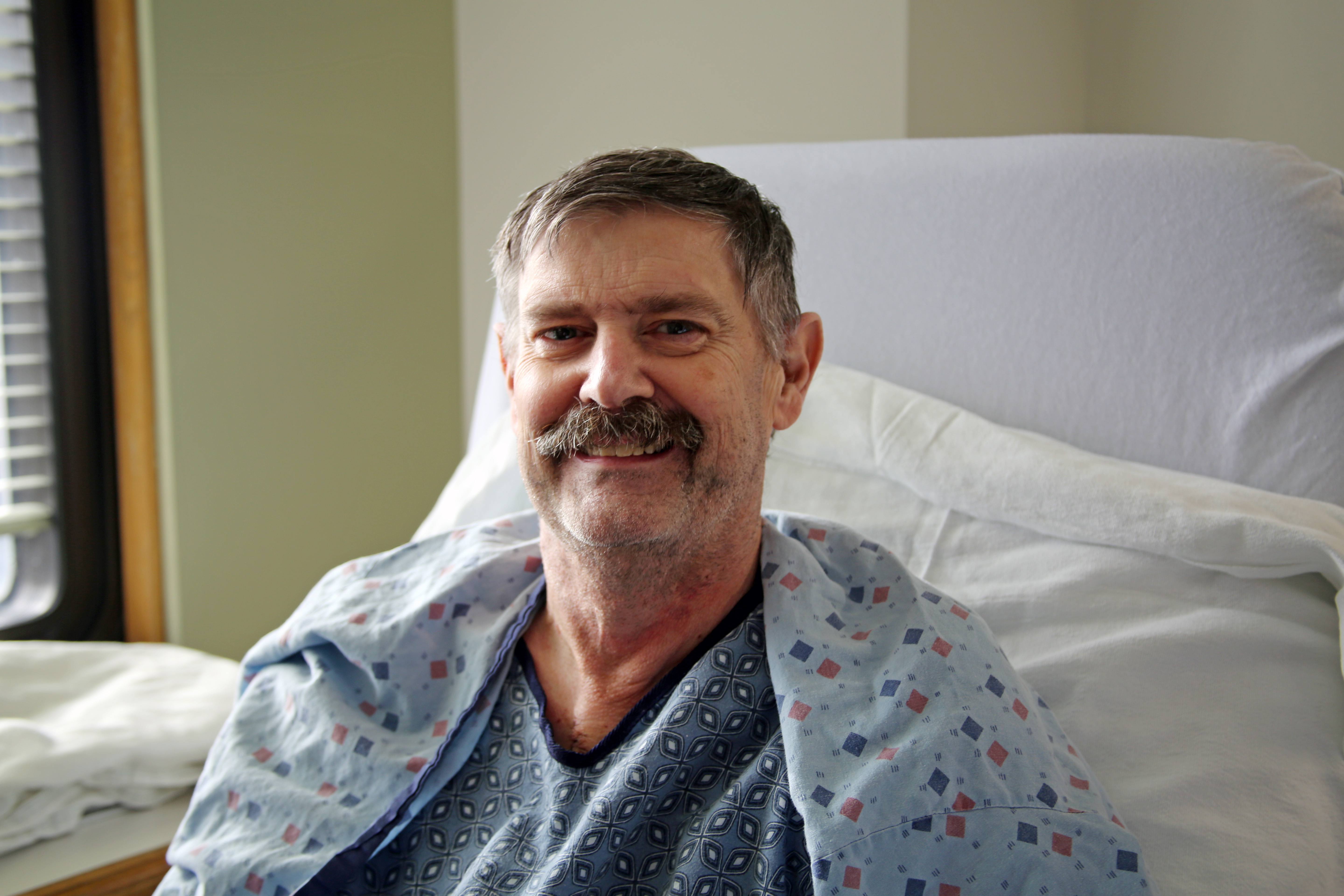
The Brigham has played an important role in the lives of Brian McMasters and his wife, Jane. For starters, their three children were born here. So, when doctors told McMasters he needed a double-lung transplant nearly 30 years after the birth of their first child, he didn’t think twice about where he wanted to have his surgery performed.

“I thought to myself, ‘What better place to get a new life than at Brigham and Women’s Hospital?’” McMasters said.

In January, he was admitted to the Brigham because his damaged lungs made breathing extremely difficult, depriving his body of vital oxygen. One day, after finishing his afternoon prayers in his hospital room, McMasters looked up and saw a doctor who was there to deliver the message he and his family had been waiting for: A compatible set of donor lungs was available for transplantation.

“I was elated,” said McMasters, a retired sergeant detective with the Boston Police Department. “It was a miracle — I was going to get my second chance at life.”

Hours later, the Braintree resident received his lung transplant, a life-changing milestone. His surgery was completed by a multidisciplinary team that included Antonio Coppolino III, MD, MSc, of the Division of Thoracic Surgery, Hari Mallidi, MD, FRCSC, section chief of Transplant and Advanced Lung Diseases in Thoracic Surgery, and Jeffrey Swanson, MD, of the Department of Anesthesiology, Perioperative and Pain Medicine.

For McMasters, the transplant resolved two serious, related lung conditions. The first was pulmonary sarcoidosis — a rare, debilitating inflammatory disease in which lung tissue becomes scarred or fibrotic, making breathing difficult and affecting the ability of the lungs to circulate oxygen. The other was pulmonary hypertension, a life-threatening condition McMasters developed because of the sarcoidosis. Like many patients with pulmonary hypertension, which causes high blood pressure in the arteries of the lungs and severe breathing problems, McMasters saw his health worsen over time.

The condition can potentially lead to heart failure. Prior to surgery, McMasters’ prognosis was not promising. His lungs were failing, and his heart muscles were weakening. He knew he wasn’t going to survive without a transplant.

But McMasters faced a race against the clock in another respect. If his health continued to deteriorate, he might become too sick to safely undergo the transplant surgery. Mallidi, who continues to supervise McMasters’ care post-operatively, said the team was relieved that the timing lined up and they could proceed with McMasters’ surgery when the donor lungs became available.

“As Brian’s lung disease progressed, he was no longer able to enjoy life,” Mallidi said. “It was gratifying to be able to help Brian. He has done very well initially after his lung transplant.”

‘A New Lease On Life’

After being home now for close to a month, McMasters says he feels stronger every day. He said he’ll pray for his donor and their family for the rest of his life because, without them, he might not have been able to look forward to his next chapter.

Valerie Durney, NP, CCTC, nurse practitioner on the Lung Transplant Program team, who met McMasters last August while he was being evaluated for a lung transplant, is thrilled McMasters is making great progress. She cared for him for several months to help him prepare for surgery and educate him about what to expect when he woke up with the ability to breathe without restriction.

“We are unable to predict when any patient is going to get ‘the call,’ so you need to be a cheerleader for them to stay positive,” Durney said. “No matter how scared Brian was, he was able to dig deep into himself to keep going, even when he was struggling physically.”

McMasters said he never would have been able to get through the past several years of his life, and certainly the last few months, if it weren’t for Jane — whom he described as his “rock” for their 36 years of marriage — and his multidisciplinary team at the Brigham.

“It’s an honor to be treated by world-renowned experts,” McMasters said. “I can’t say enough good things about my care team and what they did for me.”

McMasters continues to receive outpatient checkups at the Brigham as providers monitor his post-transplant progress. As his body gets stronger, he’s eager to resume everyday tasks — such as grocery shopping, taking walks and visiting the beach — which he hadn’t been able to do in years because of his poor health.

He’s also looking forward to meeting someone extra special who will be born later this year: his second grandchild. When McMasters first learned another grandchild was on the way, he wasn’t sure at the time if he’d ever have the chance to meet him or her.

“Now, it will be possible thanks to the Brigham and my donor,” McMasters said. “Thank you for my lungs and a new lease on life.”

Valentine’s Day arrived early for Asma and Eric Sunday, who celebrated their love this month in an unforgettable way. Within the same day, they got married and had a baby—and it all happened at the Brigham.

“It’s unbelievable and wonderful,” Asma said. “We still can’t believe we are officially married and have a son. We are overjoyed.”

Making it “official” is a key part of the Sundays’ story. In 2017, the couple held a wedding ceremony and reception in New York, but still needed to submit the documentation that would legally recognize their nuptials. After moving to Boston, they made several attempts to return to New York to submit their marriage papers, but busy schedules and life got in the way. Their goal was to have their marriage certificate issued in New York where they first met.

As Asma’s pregnancy developed, the Sundays realized they’d need to obtain their marriage license nearby in Massachusetts. They tried a handful of times to get to Boston City Hall but weren’t successful due to extenuating circumstances, including a snowstorm and a minor car accident. Still, they wanted to make sure their marriage was official before the baby arrived.

Knowing that time was running out, the couple had planned to go to City Hall at the end of January, but Asma was unexpectedly hospitalized at the Brigham two weeks ahead of her due date. She was diagnosed with oligohydramnios—a rare condition in which there is too little amniotic fluid in the uterus—and would need to be induced to safely deliver the baby. After being admitted, Asma knew that while they couldn’t get to City Hall, she and her husband would find a way to get married before becoming parents.

“We woke up and I said to Eric, ‘Oh, man. Babe, we still aren’t married,’” Asma recounted. “We said to each other, ‘Today’s the day.’”

‘Truly Amazing’

Thanks to several people at the Brigham, including Aliya Hirji, RN, a Labor and Delivery nurse, Jessica Marks, LICSW, an Obstetrics social worker, and staff from Spiritual Care Services, Asma and Eric were married right in Asma’s hospital room. And hours later, they celebrated the birth of their son, Ajai.

Hirji, whom Asma called her “wedding planner,” was excited when the Sundays asked if she could help make the ceremony happen.

“This was a very unique and special experience for me,” Hirji said. “I wish them the very best and congratulate them on two memorable occasions on one very special day; it was one to remember.”

Ann Marie Colletta, BSN, RN, who was the nurse-in-charge on the fifth floor of the Mary Horrigan Connors Center for Women and Newborns the day Asma was induced, said Hirji came to her with the Sundays’ request, and they both were inspired to help.

“I have been here for 30 years, and it’s the first time we’ve done such a thing on our floor,” Colletta said. “It’s a testament to how well the Brigham staff work together to make our patients’ and their families’ dreams come true.”

Looking back, the Sundays said how grateful they were to everyone involved at the Brigham who helped make the wedding ceremony happen so quickly.

“My husband and I believe it takes a village to raise our child, and we feel as though the Brigham is our extended village,” Asma said. “Everyone involved in our care there was truly amazing. We are so thankful.”

Following the ceremony, Rev. Joanna Olivetti, a chaplain resident in Spiritual Care Services, said it was such a blessing to meet the Sundays and help them celebrate their relationship. She was honored to be the one to marry them.

“Asma and Eric filled that hospital room with so many wonderful things: family, balloons, candy, happy hospital staff who gathered to witness the ceremony, and, most importantly, they filled it with love,” Olivetti said. “Thank you for sharing your joy with us, Asma and Eric.”

Eric said he appreciated all the support the Brigham offered to him and his wife as they completed two major milestones in their lives within such a short period of time.

“It’s a lesson learned—never leave things until the last minute,” Eric said as he and Asma shared a laugh about the whole experience. “One thing is for sure, though: We did get married.”

Members of the Blood Bank team

Members of the Blood Bank team

Do you ever wonder what happens after you donate blood?

Lifesaving whole blood donations are often directly transported to in-house laboratories, much like the Brigham’s Blood Bank, which is tucked away at the end of a long corridor alongside the Garden Café at 75 Francis St.

A high-performing transfusion service, the Blood Bank works with the Kraft Family Blood Donor Center to support multiple clinical services by preparing more than 50,000 blood products for Brigham and Dana-Farber Cancer Institute patients annually.

“What the team does here is integral to patient care everywhere,” said Richard Kaufman, MD, medical director for both the Blood Bank and Kraft Center. “Our technicians are extremely dedicated and have the best interest of the patient at heart; they understand what it takes to rapidly provide quality products, especially for trauma patients and those with acute blood needs.”

After the Kraft Center collects and draws whole blood, the Blood Bank manufactures it into red blood cells, platelets or plasma units, which are then tested, packaged, labeled, stored and issued. The lab also performs pre-transfusion compatibility testing and evaluates for antibodies against specific blood groups. This careful attention to quality and safety is particularly important for patients with compromised immune systems or complex illnesses.

“None of what we do could be accomplished without the generous and dedicated support of volunteer blood donors; their contributions are significant,” said Barbara Gramolini, a senior blood bank technologist with more than 40 years of service with the team. “We truly rely on donors and welcome them at any time, and we greatly appreciate their sacrifice and donation.”

Most individuals are eligible to donate blood and, under advisement of a health care provider, can safely do so every eight weeks. To donate at the Kraft Center, located at 35 Binney St., email blooddonor@partners.org or call 617-632-3206. Walk-in appointments are also available.

1 Comment
Mark Zhang headshot

Mark Zhang

Santosh Mohan headshot

Santosh Mohan

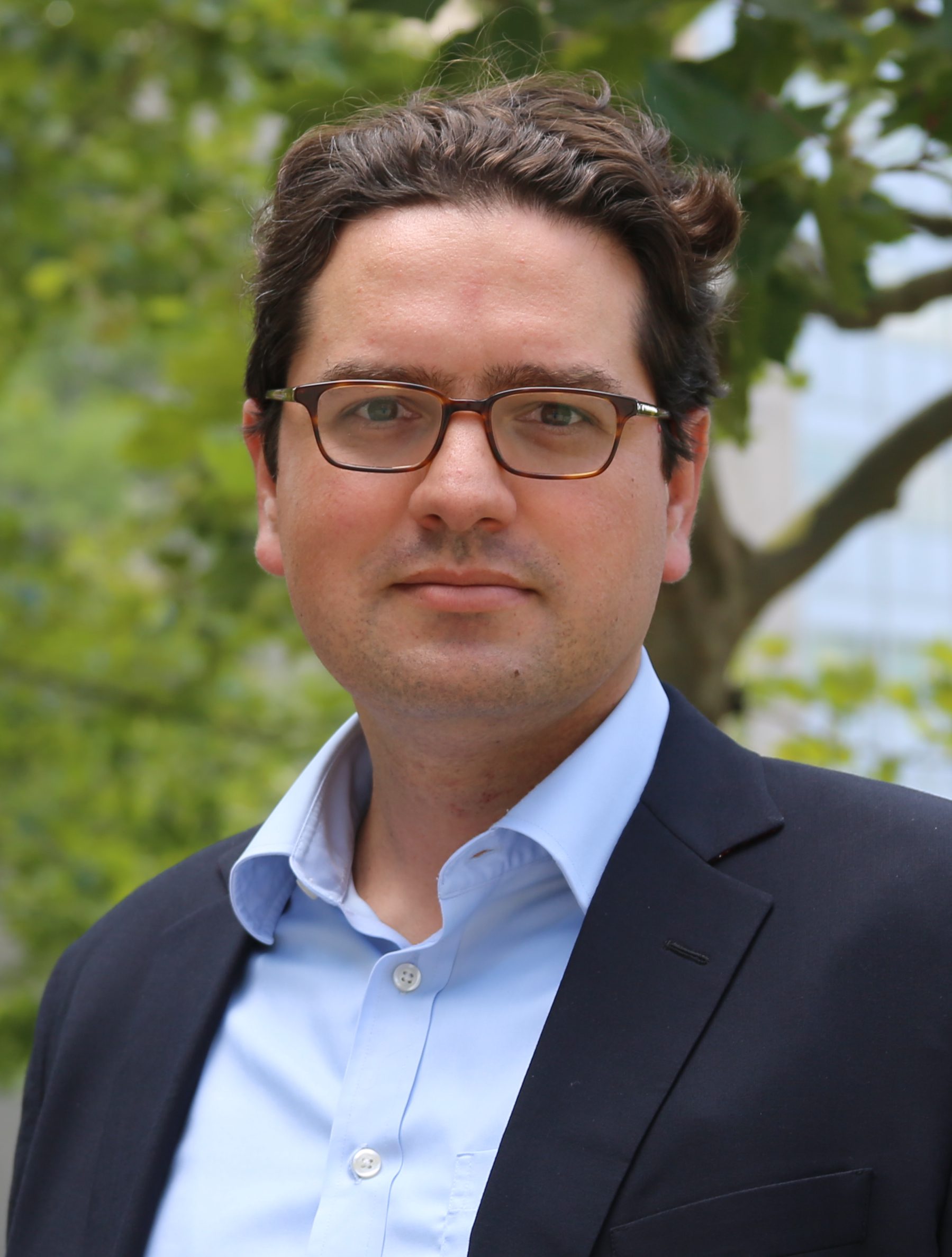
The Brigham Digital Innovation Hub (iHub) recently welcomed a new managing director, Santosh Mohan, MMCi, CPHIMS, FHIMSS, and announced the transition of Haipeng (Mark) Zhang, DO, as iHub’s medical director.

“iHub aims to drive the safest, most patient-centered and efficient care through the use, development, evaluation and commercialization of digital health solutions,” said Adam Landman, MD, Brigham Health chief information officer. “We are thrilled to welcome Santosh and Mark to the iHub team. They are both talented, accomplished leaders who will help us achieve these goals and continue to position the Brigham as a leader in the digital transformation of health care.”

In the new role of managing director, Mohan will continue growing digital health innovation at the Brigham by working with internal clinicians, researchers and staff to accelerate and commercialize their ideas and by identifying and piloting digital solutions for hospital-identified challenges.

Prior to joining the Brigham, Mohan most recently served as head of Platform and “More Disruption Please” Ecosystem at athenahealth. He has more than 10 years of health IT experience, including product management at Cerner, health IT consulting at The Advisory Board Company and executive consulting at Stanford Health Care.

Mohan holds a bachelor’s degree in bioinformatics from Vellore Institute of Technology in India and a master’s management degree in clinical informatics from Duke University’s Fuqua School of Business.

In his new role as medical director, Zhang will provide clinical perspective on projects that come through iHub and lead its overall strategy in collaboration with Mohan. With expertise in digital health innovation, Zhang serves as medical director for Digital Health Implementation at the Brigham and led the development and launch of the online tool FixIt, recently relaunched as Brigham at Its Best. Additionally, he is the founder and co-creator of the Palliative Care Fast Facts mobile application, one of the most widely used mobile reference applications in palliative care. He also co-founded Cake, a venture-backed company focused on advance care planning.

Zhang will continue to lead mobile experience and digital health implementation initiatives and serve as associate program director of the Partners Clinical Informatics and Innovation Fellowship and palliative care consultant at Dana-Farber Cancer Institute.

Zhang completed an internal medicine residency and a chief year at Allegheny General Hospital in Pittsburgh. He is a Harvard Interprofessional Palliative Care Fellowship graduate and the first Clinical Informatics and Innovation Fellowship graduate at Partners HealthCare. He earned a master’s degree in biomedical informatics from Harvard Medical School.

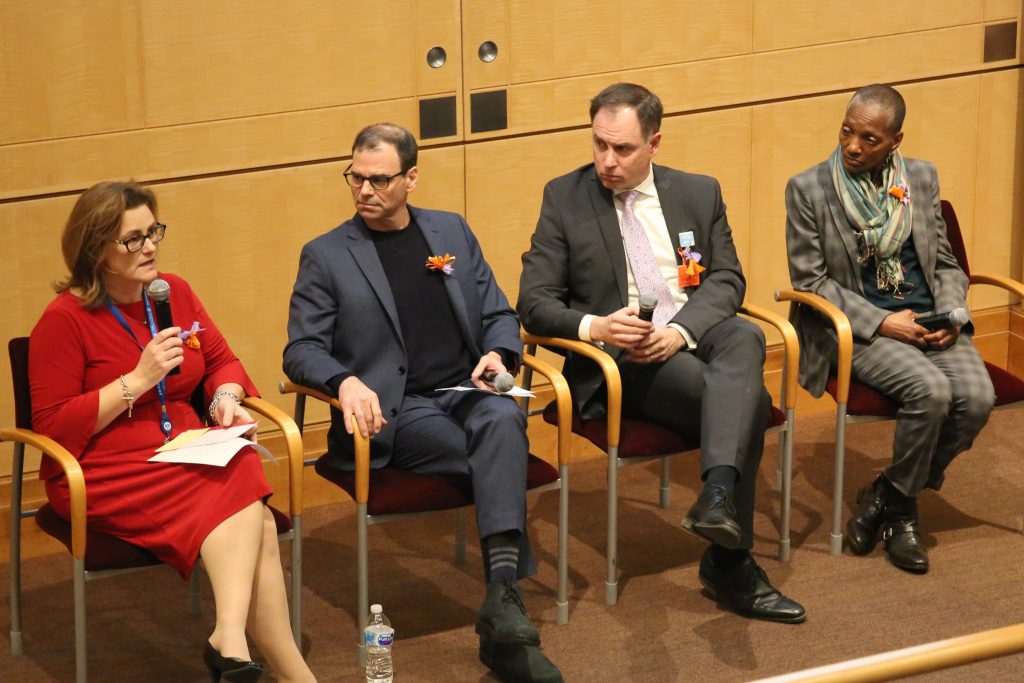
From left: Mardi Chadwick-Balcom, Matthew Miller, Charles Morris and Thea James participate in a panel discussion.

From left: Mardi Chadwick-Balcom, Matthew Miller, Charles Morris and Thea James participate in a panel discussion.

Should health care providers be screening patients for gun ownership? What happens if a patient screens positive? What is the link between firearm access and intimate partner violence? These were some of the thorny questions explored by clinicians, researchers and community health leaders from the Brigham and beyond who spoke at the hospital’s fourth annual V-Day event on Feb. 7.

Organized by the Brigham’s V-Day Planning Committee, the wide-ranging discussion, “Gun Violence and Intimate Partner Violence: Complex Intersections,” was among the hundreds of events held worldwide this month to honor V-Day, a movement aimed at raising awareness about violence against women and girls.

Data show that 4.5 million women in the U.S. report having an intimate partner threaten them with a firearm, and nearly 1 million have been shot or shot at by an intimate partner, explained Nora Lenhard, a research assistant in the Orthopaedic and Arthritis Center for Outcomes Research. One study also found that a victim of intimate partner violence is five times more likely to be by murdered when the perpetrator has access to a firearm, she added.

Nurse-scientist Annie Lewis-O’Connor, PhD, NP-BC, MPH, FAAN, founding director of the Coordinated Approach to Resiliency and Empowerment (C.A.R.E.) Clinic, said statistics like these underscore the importance of maintaining momentum on addressing gun violence and intimate partner violence as public health issues requiring multidisciplinary, innovative approaches to care.

We care. Period. logo

“In my career at the Brigham, I have not felt this degree of urgency nor the intentionality of the medical community as I currently do,” she said. “As an organization, our commitment to health equity through our newly articulated values is really palpable.”

Charles Morris, MD, MPH, associate chief medical officer, agreed that “the time is now” for the medical community to engage colleagues and patients on these issues. There is currently no clearly established best practice for firearm screening in a health care setting, and the Brigham is among many health care organizations across the country looking at how to best implement it, Morris added.

Speakers debated whether screening should be done indiscriminately—for example, among all primary care patients—or specifically with high-risk individuals, such as patients with a history of mental illness or gunshot wounds, and the health equity concerns the latter approach raises.
While there is a tremendous opportunity for providers to prevent harm by asking patients about the presence of firearms in their home, health care organizations are also wrestling with considerable barriers, Morris said.

“One of the biggest is what do you do if someone answers yes? It’s really complicated, and it depends mostly on where you are,” Morris said. “If you’re in the emergency room and screening a victim of firearm violence or a case where there’s an active threat, your response is going to be very different than if I am in my primary care clinic and, as a matter of course, I’m asking about seat belts and guns in the home.”

View a webcast recording of the event (Partners network access required).


Resources

If you or someone you know is at risk for interpersonal violence, help is available. The Brigham offers resources for providers, staff, patients and community members.

Passageway
617-732-8753

Support services for those experiencing abuse from an intimate partner

C.A.R.E. Clinic
617-525-9580
aoconnor@bwh.harvard.edu

Trauma-informed and patient-centered medical care for those intentionally harmed by violence or abuse

Violence Recovery Program
617-721-6034, pager 32063
violenceintervention@partners.org

Comprehensive services, including ongoing case management and support, for patients and families exposed to violent, intentional injury

C. Giovanni Traverso

C. Giovanni Traverso

For almost a century, patients with diabetes have relied on injectable insulin to manage their condition. And for nearly as long, researchers have pursued a way to orally administer insulin. While insulin injections can be lifesaving, they are unpleasant, cumbersome and increasingly expensive for patients, so health care providers often delay prescribing insulin injections in favor of less effective oral medications. A team of investigators from the Brigham, Massachusetts Institute of Technology and pharmaceutical company Novo Nordisk has pioneered a new approach that brings an oral formulation of insulin that can be swallowed rather than injected one step closer to the clinic.

With funding and in collaboration with scientists from Novo Nordisk, the team has developed a pea-sized, ingestible milli-needle that can inject insulin into the stomach lining in a porcine model. Their results were published this month in Science.

“When a drug is injected into the stomach wall, that drug can become distributed through the body very quickly. Moreover, we recognize that the stomach is insensitive to sharp pain and very tolerant of small, sharp objects,” said co-corresponding author C. Giovanni Traverso, MB, BChir, PhD, a gastroenterologist in the Division of Gastroenterology.

New Approaches to Drug Delivery

In designing their ingestible device, Traverso and colleagues had to overcome several challenges, including navigating extremes in pH, thick mucus layers, temperature and reliable orientation for the milli-needle to inject into the stomach lining.

The device, known as the self-orienting millimeter scale applicator (SOMA), is inspired by nature—specifically, the leopard tortoise, which can flip itself over when on its back. The SOMA’s optimized shape and density distribution allow the milli-needle to land in the stomach in the same orientation every time.

Approximately the size of a pea, the SOMA houses a needle made of insulin and its injection is controlled by a spring held in place by a sugar disc. The sugar disc allows for the humidity in the stomach to trigger the micro-injection; the solid insulin needle enables the delivery of a sufficient dose of the drug. Its size and material makeup are like ingestible devices previously approved by the U.S. Food and Drug Administration.

Upon testing the milli-needles with 0.3 mg of human insulin combined with a compound called poly(ethylene) oxide, the team found a marked decrease in blood glucose levels in animal models, similar to levels seen in the control group, which received insulin injections. The team saw no signs of tissue damage or abnormalities from the ingestible device, no signs of distress and no changes in feeding or stool patterns.

Researchers noted the SOMA worked only in animals in a fasted state. They also note that further research will be required to determine the chronic effects of daily gastric injections.

“While additional study is needed, the SOMA represents a platform with the potential to deliver a multitude of drugs. Our results are encouraging and justify further evaluation of this technique for the oral delivery of insulin and other drugs,” said Traverso.

1 Comment

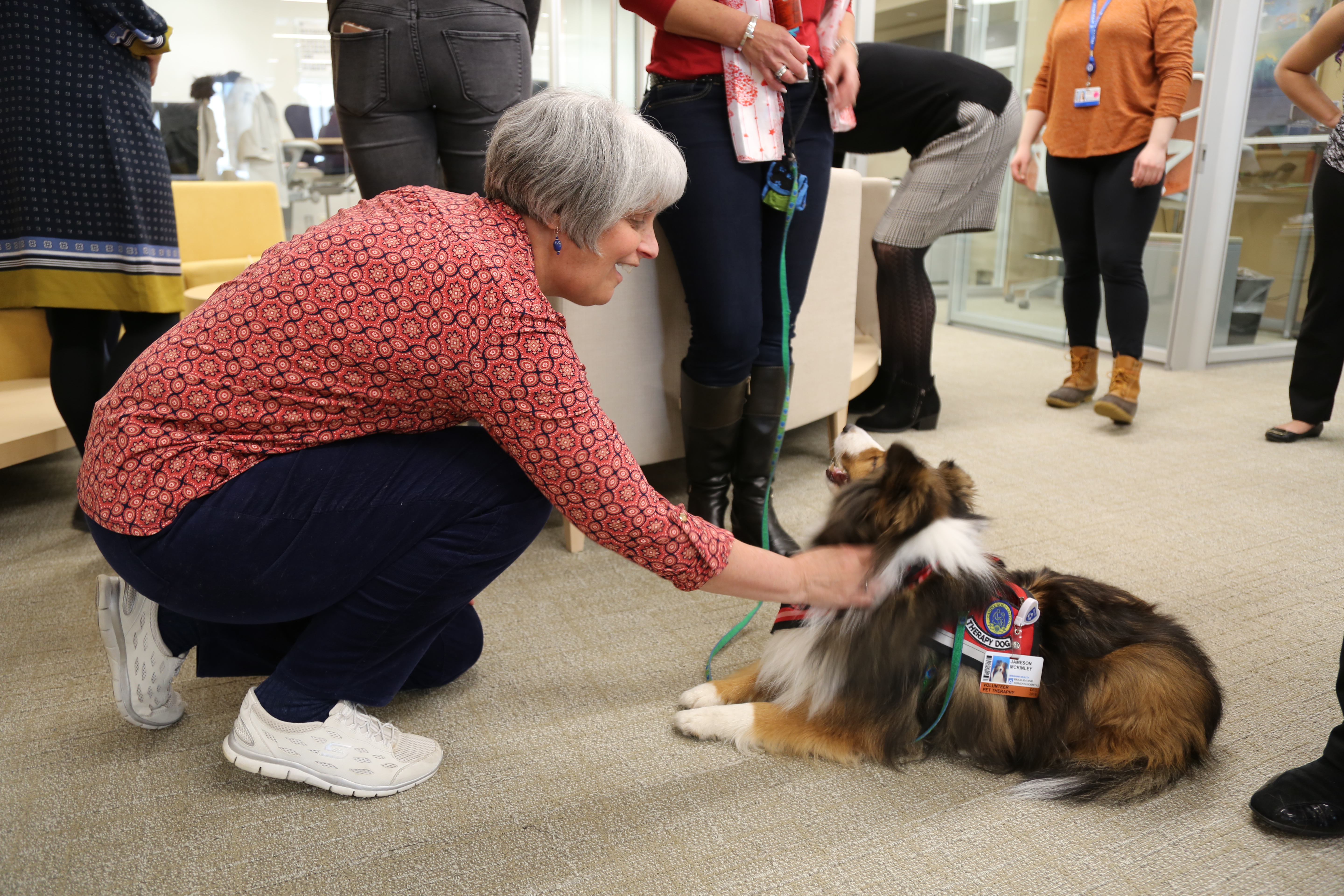
Brigham faculty and staff de-stressed with furry friends Jameson, a 2-year-old Shetland Sheepdog, and Oliver, a 7-year-old Golden Retriever, during a pet therapy session at the Brigham Education Institute (BEI) Knowledge Center on Feb. 13. Both Jameson and Oliver are certified therapy dogs and visit hospitals, schools and other places to provide comfort for anyone who would like to pet, talk to or otherwise interact with them. The next pet therapy session will be held Wednesday, March 13, 1-2 p.m., at the Knowledge Center. View the BEI calendar to learn more.

Partners Employee Alert System: Sign Up Today

Do you receive emergency notifications from Partners HealthCare? Sign up today to receive alerts from the Employee Alert System (EAS). The EAS is used to communicate important and urgent information across the Partners HealthCare system, including at the Brigham. The EAS offers the ability to customize notification preferences, such as via phone and email. Click here for instructions on how to update your notification preferences today.

Training Opportunity: Unconscious Bias, Feb. 26

Human Resources invites faculty and staff at all levels to attend a training program that explores our unconscious bias and how we can “get conscious” about our daily decisions of who we hire, who gets medical treatment and how we treat one another. Tuesday, Feb. 26, 9–11 a.m., in the Ledge Room, 4-002B, at One Brigham Circle. For more information, email fdiaz2@partners.org or click here.

Discover Brigham Entry Deadline Extended to March 5

The Brigham Research Institute has extended its open call for demos, sessions and ideas for Discover Brigham to Tuesday, March 5, 11:59 p.m. All research and clinical innovation themes are welcome, but submissions must focus on work being done at the Brigham. Discover Brigham will be held Thursday, Nov. 7. For more details on how to apply, visit bwhresearch.org/discover-brigham.

‘The Week in Photos’: Share Your Snapshots

What’s happening in your corner of the Brigham? Share your photos of work-related celebrations, events, presentations and more with The Week in Photos. Email your submission to BWHBulletin@partners.org. Note: Any photos with patients must have proper consent. Be mindful of private information that could inadvertently appear in the background of your photo.

Jing Luo headshot

Jing Luo

The cost of lifesaving medicines has skyrocketed in the U.S. over the past two decades. This is especially true for newer, analog forms of insulin medications—synthetic insulin products that mimic what the body produces naturally—and particularly for patients with insufficient drug coverage.

In 2015, CareMore Health, an integrated health delivery system and subsidiary of health insurer Anthem, piloted an intervention to switch members from analog to less expensive human insulin. After analysis, Brigham investigators found the switch was associated with a negligible increase in blood sugar levels.

“The change was so small that I do not believe it’s clinically meaningful or relevant,” said corresponding author Jing Luo, MD, MPH, of the Program On Regulation, Therapeutics, And Law (PORTAL) in the Division of Pharmacoepidemiology and Pharmacoeconomics.

“We also found this switch was not associated with serious hypoglycemic or hyperglycemic events and improved economic outcomes for patients and the health system.”

Luo, who also serves as a Brigham physician at the Phyllis Jen Center for Primary Care, and his team conducted a study of more than 14,600 older adults with type 2 diabetes participating in a Medicare Advantage plan. The team compared outcomes for more than 980 participants who switched from analog to human insulin to a comparative group of participants who did not switch.

Evaluating the Intervention Results

Before the intervention, the average hemoglobin A1c level for participants was 8.46 percent (which is within the American College of Physicians’ recommended range for most adults with type 2 diabetes), and it decreased at a monthly rate of 0.02 percent. When the intervention began, hemoglobin A1c levels saw a minor bump of 0.14 percent. A year after the intervention was implemented, there were no significant differences in changes in hemoglobin A1c levels.

We create breakthroughs. It's in our DNA logo.

In addition, the research team analyzed rates of serious clinical adverse events related to blood sugar changes. They found no significant differences in rates of serious events of either hypoglycemia or hyperglycemia when patients switched medications.

In terms of economic outcomes, 89 percent of filled insulin prescriptions were for analog insulin products before the intervention.

After the year-long implementation period, 70 percent of insulin prescriptions were for human insulin products.

“These results add to a growing body of literature suggesting that human insulins may result in similar clinical outcomes compared with insulin analogs for many patients with type 2 diabetes,” said Luo. “Our study provides real-world evidence from clinical practice that should reassure patients, providers and payors that it may be possible to switch to an older, less expensive insulin to reduce costs while preserving quality of care.”

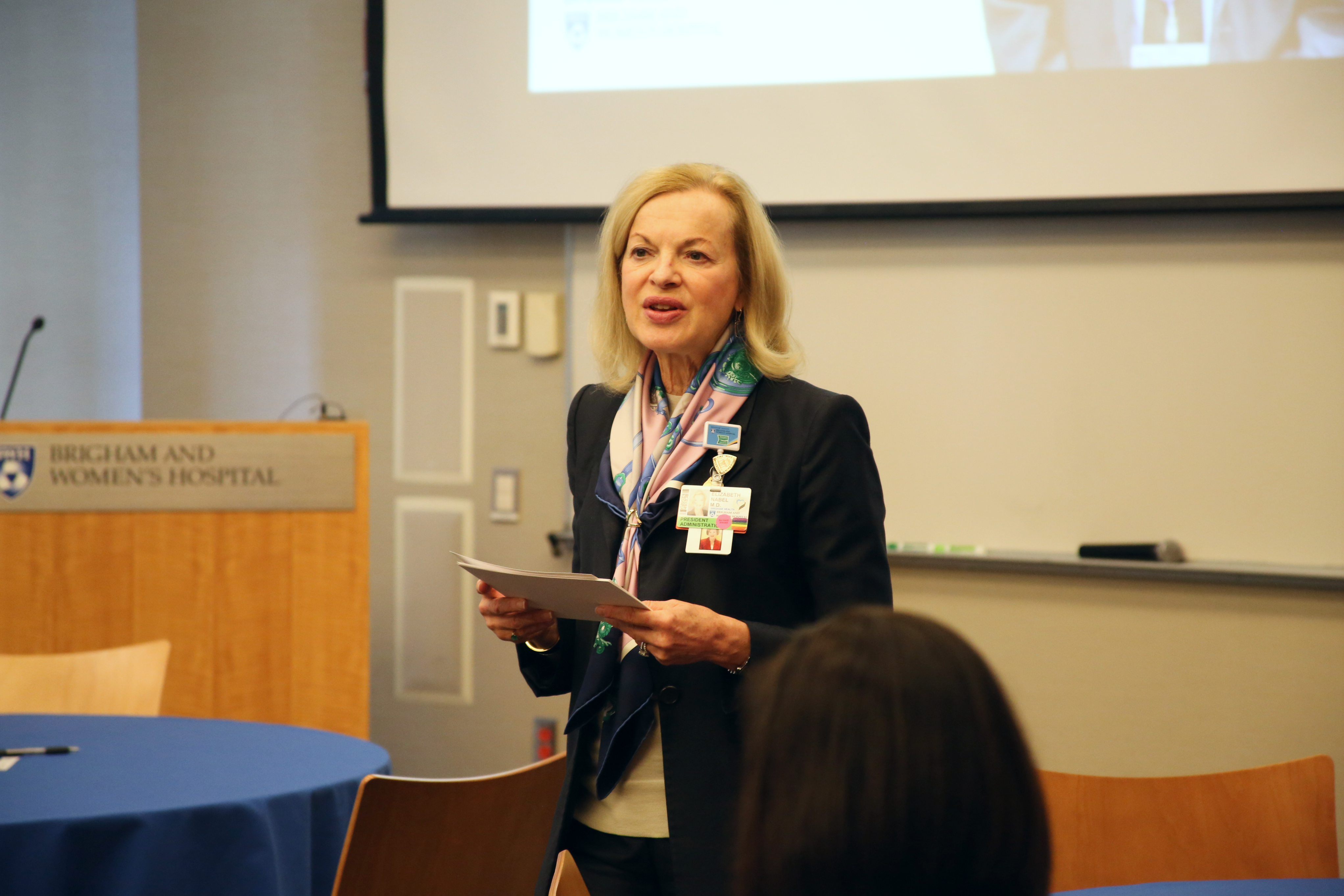
A group of faculty and staff were honored for exemplifying the Brigham Way during a luncheon with Brigham Health President Betsy Nabel, MD, hosted in the Zinner Breakout Room on Feb. 5.

The event, held quarterly, celebrated the many ways in which members of the Brigham community go above and beyond to care for patients and their families, visitors and each other.

We pursue excellence logo

Among those recognized was Mohamed Warsame, a concierge in Police and Security, for creating a welcoming environment for patients, families and staff by making it a priority to greet everyone with a warm smile.

Medical Intensive Care Unit (MICU) nurses Marjorie Rogers, BSN, RN, CCRN, and Karen Meyers, RN, and Maria “Paula” Brito, a unit associate from Environmental Services, were nominated for their thoughtful, attentive care of a patient faced with homelessness. The trio offered the patient clothing from their own homes and a warm pair of shoes.

“It really touches my heart hearing about all the ways that you go above and beyond to make the Brigham the best place to work and receive care,” Nabel told honorees. “You help make the Brigham a truly special place.”

If you see an individual or team going above and beyond their responsibilities to help a patient, visitor or colleague, nominate them for the campaign by emailing TheBrighamWay@partners.org.


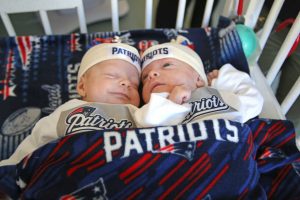
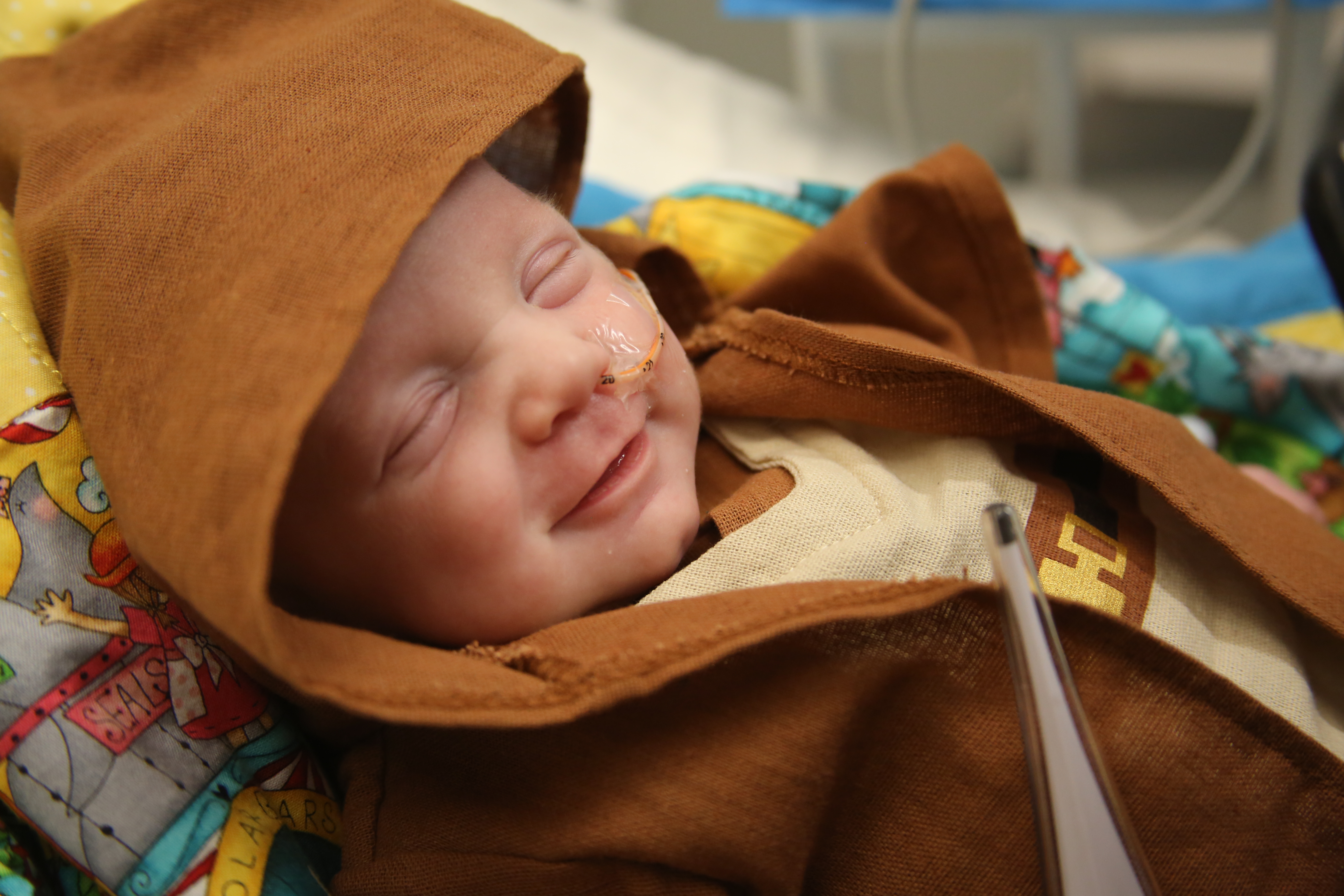
On Jan. 31, two of the Brigham’s tiniest patients geared up to cheer on the New England Patriots in Super Bowl LIII.

Twin brothers Benjamin and Samuel, who were patients in the Brigham’s Neonatal Intensive Care Unit (NICU), cuddled up next to each other as they wore Patriots onesies and hats made and donated by NICU nurse Karen Smith, RN. Smith also made two Patriots blankets for the babies, who were discharged from the hospital the following day. The twins’ mother, Wendy Samaha, PAC, a physician assistant in Thoracic Surgery at the Brigham, couldn’t wait to get them home in time for the Super Bowl last Sunday.

A rendering shows the future location of a Brigham Health/Partners HealthCare and South Shore Health System clinical site in Quincy.

A rendering shows the future location of a Brigham Health/Partners HealthCare and South Shore Health System clinical site in Quincy.

On Feb. 7, Brigham Health/Partners HealthCare, FoxRock Properties and South Shore Health System announced their intention to provide community-based health care in Quincy.

The former Ross parking garage in Quincy Center will be redeveloped to include a 200,000-square-foot building that will serve as the future location of the South Shore Health System and Brigham Health/Partners HealthCare initiative. Additionally, South Shore Health System plans to open a primary care practice this summer at 1495 Hancock St.

“This collaboration builds on our longstanding clinical partnership with South Shore Health System to ensure that the expert specialty care we provide is accessible in the community,” said Brigham Health President Betsy Nabel, MD.

Gene E. Green, MD, MBA, president and CEO of South Shore Health System, agreed.

“As the leading community health care provider on the South Shore, we must meet our patients and families where they need us the most—in their community and close to home,” he said. “That’s exactly what we’re committed to doing in Quincy, building a world-class health care facility and expanding on our already strong relationship with the people who live and work there.”

From left: Kelley Bradshaw observes participants Johanna Younghans and Marie Koch during a recent cooking and nutrition class.

From left: Kelley Bradshaw observes participants Johanna Younghans and Marie Koch during a recent cooking and nutrition class.

A skillet sizzles as chopped onions and bell peppers sautée with olive oil on the pan. Earthy aromas of cumin and garlic fill the air as spices are added. While the ingredients then gently simmers in tomato sauce, several eggs poach in the mixture until firm. In about 15 minutes, the shakshuka—a savory breakfast dish with roots in North Africa and the Middle East—is ready to serve.

This isn’t a scene from a restaurant or café. Rather, it recently took place in the Hale Building for Transformative Medicine in association with a pilot program for pregnant women that combines dynamic cooking demonstrations with educational discussions about nutrition.

Developed through a multidisciplinary collaboration between faculty and staff in the Brigham’s outpatient obstetrics and nutrition clinics, with support from the Food Services team and a local chef, the program aims to make healthy eating more accessible for expectant mothers and their families.

“Many patients, and not just pregnant women, are intimidated when we say half your plate should be colorful vegetables,” said principal investigator Susan Hellerstein, MD, MPH, of the Department of Obstetrics and Gynecology. “Oftentimes, they have tried a limited number of vegetables and do not know how to prepare them and make them taste delicious. The goal of our program is to help them put what we advise into practice.”

‘It Was Amazing’

Currently a five-week program for pregnant women in their second or third trimester, the 60- to 90-minute lunchtime classes have a fluid tempo.

During a recent session on breakfast foods, participants helped sautée onions for the shakshuka (view the recipe) while chef Eva Katz, a contributing editor at America’s Test Kitchen, prepared and added the remaining ingredients. Once the dish was set to simmer, attendees took in a brief, interactive presentation on healthy breakfast choices by Kelley Bradshaw, MS, RD, LDN, CDE, outpatient clinical manager of the Brigham’s Nutrition and Wellness Service. Once the discussion concluded, participants returned to the cooking area to taste the fruits of their labor. After a few bites, they learned about and sampled the next recipe on the agenda: overnight oats (view the recipe).

Noelia Purroy, 38, a participant in the program, has always enjoyed cooking and embraced the opportunity to learn new recipes, expand her palette and obtain a better understanding of her nutritional needs during and after pregnancy.

“I’m originally from Barcelona, so I was interested in discovering new kinds of foods that I don’t usually cook,” said Purroy, a post-doctorate researcher at Dana-Farber Cancer Institute in her third trimester of pregnancy. “For instance, the other day I discovered spaghetti squash. I had never tried it before, and it was amazing.”

Purroy said that while she had been familiar with some pregnancy specific guidance, she appreciated the in-depth discussions around intake of various nutrients, such as fiber, protein and carbohydrates.

“There’s a lot of practical information you can incorporate into your everyday life,” she said.

The Physical Act of Cooking

Bradshaw agreed the classes’ blended, hands-on approach to cooking and nutrition make the lessons especially engaging and effective.

“It’s one thing for me to talk about nutrition theoretically and provide a handout with some ideas, but when we’re combining that education with the physical act of cooking, you absorb the information so much better,” she said. “And we know from data that if people home-cook their meals, they tend to eat less salt and sugar, smaller portions and healthier foods overall.”

All recipes are designed to be affordable—feeding a family of four for $10 or less—and flexible in terms of ingredient substitutions. Additionally, each class covers food safety concerns during pregnancy and dietary guidance to avoid complications, such as preeclampsia, or conditions often exacerbated by pregnancy, such as acid reflux. The discussions also focus on appropriate weight gain during pregnancy.

During this portion of the pilot, Hellerstein and her colleagues are studying the feasibility of hosting this type of a program in a hospital and the optimal conditions for doing so, such as the time and duration of the classes. If successful, the team is interested in studying the relationship between program participation and health outcomes.

“We’re trying to expand upon the idea that pregnancy is a time when women are motivated to learn about and adopt lifestyle changes to improve their health and the health of their baby,” Hellerstein said. “We want to help patients view nutritional guidelines not as limitations but as parameters for making delicious, colorful and healthy meals.”

The next study cohort of Cooking and Nutrition in Pregnancy begins Wednesday, March 13. To learn more, call 617-732-9354.

Thanks to Labor and Delivery nurse Denise Giller, RN, and many of her generous colleagues, each baby born at the Brigham in February will receive a knit red hat in honor of American Heart Month.

Kathryn and Tom Flinn’s newborn daughter, Reese, was the first baby this year to be gifted one of the approximately 500 hats that Giller and colleagues knitted or crocheted for their tiny patients. The total number of hats correlates to the estimated number of infants delivered at the Brigham each month.

“This is a wonderful gift, and we feel fortunate we could be here to learn more about this great cause,” Kathryn said. “This is our third baby born at the Brigham, so to be able to take home a hat that is made by staff is special and means a lot to us.”

The project is part of the national Little Hats, Big Hearts program, led by the American Heart Association (AHA) in connection with the Children’s Heart Foundation to raise awareness of heart disease and congenital heart defects. Volunteers knit and crochet red hats for babies born in February; the AHA then cleans, packages and delivers the hats to participating hospitals for distribution to patients and their families.

This was the second year the Brigham participated in the initiative, which Giller spearheaded. She said seeing the collection box fill up in the Mary Horrigan Connors Center for Women and Newborns (CWN) filled her heart with joy.
We care. Period. logo

“To have the support from my colleagues, as well as my family and friends and other generous volunteers, means everything to me,” Giller said. “I am proud to work with so many dedicated professionals and am thrilled we could be part of the project together once again.”

She added that an especially gratifying part of the project has been seeing the enthusiasm of its participants.

Colleagues would stop her in the hallway at work and update her on their knitting progress.

Giller even taught two nurses how to knit so that they could donate red hats, too: “It was an amazing team effort, and I am grateful for every single hat that was made.”

Giller’s colleague and friend, Nicole Baker, RN, also a Labor and Delivery nurse at the Brigham, has been participating in the project with Giller for the past two years. Baker knits the red hats in memory of her grandfather who passed away from heart disease.

“Each red hat, for me, is a celebration of life: a new baby, a person living with heart disease or a loved one who has passed away, and it is a reminder to know and be aware of the risk of heart disease,” Baker said.

Christopher Camire, senior communications director at the AHA, stopped by the Brigham recently with a few of his colleagues to meet Giller and thank her for her contributions to the project. He said the fact that she and her colleagues came together to produce 500 hats shows how dedicated the Brigham community is to raising awareness of congenital heart defects.

“We’re incredibly grateful to them and everyone at the Brigham for participating in Little Hats, Big Hearts and helping people live longer, healthier lives,” Camire said.

Also among the recipients this month were newborn twin brothers, Lucas and Owen Cushman. Their parents, Adam and Colleen, were elated to put the hats on their sons for the first time and thanked all the staff who donated their time: “These hats were homemade with love,” Colleen said.

1 Comment

Send a Singing Valentine

In collaboration with Voices Rising, a Boston-based women’s chorus, and the Shop on the Pike, the Brigham Health LGBT Employee Resource Group is bringing singing valentine quartets to the Brigham. A singing valentine, as well as optional packages with balloons and chocolate, can be purchased and sent to staff, departments and patients on the main campus. Valentines can be delivered on Thursday, Feb. 14, between noon and 8 p.m. To learn more and order a singing valentine, email lgbtbwhc@partners.org or visit an information table on the Tower 2 mezzanine on Tuesday, Feb. 12, 2–5:30 p.m., and Wednesday, Feb. 13, 11 a.m.–5 p.m.

Valentine’s Day Chocolate Tasting, Feb. 14

The Brigham Education Institute (BEI) will host a chocolate tasting to celebrate Valentine’s Day. The event will be held Thursday, Feb. 14, 2–3 p.m., at the BEI Knowledge Center on the Lower Pike. There will be a selection of chocolates from four different chocolate shops.

Urgent Need for Type-O Negative Blood Donors

The Kraft Family Blood Donor Center, which provides lifesaving blood and platelets to patients at the Brigham and Dana-Farber Cancer Institute, has an immediate need for Type-O negative whole blood donors. To schedule an appointment, email blooddonor@partners.org or call the Kraft Center at 617-632-3206. Walk-in appointments are also available. The center is located at 35 Binney St. Parking in the Dana-Farber garage will be validated for donors.

Young Professionals Host Coffee with Hospital Leaders, Feb. 14

The Brigham’s Young Professionals group welcomes Shelly Anderson, MPM, senior vice president of Strategy, Clinical Operations and Imaging Services, to its next coffee with hospital leadership. Anderson will discuss her career path and role at the Brigham and offer advice for young professionals. Thursday, Feb. 14, noon–1 p.m.,in the Hale Building for Transformative Medicine, room 10-004. Registration is required. Register here.

Start a B.A.A. 10K Team

The Brigham will again serve as the exclusive charity partner of the Boston Athletic Association’s (B.A.A.) annual 10K road race, which will be held Sunday, June 23, at Boston Common. Participate in this fun and rewarding event to support the important, mission-driven work performed across the Brigham. To learn more, join an information session on Thursday, Feb. 7, noon–1 p.m., in the Zinner Board Room. Pizza will be served. To RSVP for the information session, email bwhteam@partners.org.

Reminder: Brigham Flu Mask Policy in Effect

Personnel who have not received a flu shot—including those who have obtained approval for a medical or religious exemption—are required to wear a surgical or procedural mask in patient areas across the main and distributed campuses until the end of flu season. For more information, visit BWHPikeNotes.org.

V-Day Event, Feb. 7

The fourth annual event honoring V-Day will take place on Thursday, Feb. 7, 4–5:30 p.m., in Bornstein Amphitheater. V-Day is a celebration of female empowerment and is held to recognize, and begin to remedy, issues of violence against women and girls. This year’s panel discussion, “Gun Violence and Intimate Partner Violence: Complex Intersections,” will explore whether health care providers should screen for gun ownership, gun violence and interpersonal relationships, root causes of community violence and more. Learn more.

Save the Date: PIE Awards, Feb. 27

The annual Partners in Excellence (PIE) Awards ceremony will be held Wednesday, Feb. 27, at 2 p.m., in Bornstein Amphitheater. Seating is limited; priority seating in Bornstein will be reserved for individual and team leader PIE recipients. Team member recipients and colleagues may view a live webcast of the ceremony in Carrie Hall or via webcast.

From left: Nia Evans, Michael Curry, Kim Janey and Shelita Bailey

From left: Nia Evans, Michael Curry, Kim Janey and Shelita Bailey

Boston City Councilor Kim Janey has a special place in her heart for the Egleston Square branch of the Boston Public Library. Growing up with two working parents, she went there every day after school and found not only a welcoming, safe place to study but also a sense of community.

“The librarians there were like second moms to me,” Janey recalled, highlighting them as just one example of countless unsung heroes in our neighborhoods who serve their communities in ways big and small.

Janey shared the story during a panel discussion with other local civic leaders as part of the Brigham’s annual celebration of the life and legacy of the Rev. Dr. Martin Luther King Jr., which focused this year on “The Impact of Serving Others.” Moderated by Tim Ewing, PhD, vice president of Employee Diversity, Inclusion and Experience, the discussion highlighted the importance of linking service with community.

We care. Period. logo

“I think we really have to get back to—and I think we are getting back to—this notion that we are responsible for our sisters and brothers,” Janey said. “We are all better off when we understand our connectivity to others around us. We either rise together or we fall together.”

Fellow panelist Shelita Bailey, director of Workforce Development and Volunteer Programs at the Brigham, agreed that building personal relationships in a community is just as important as larger-scale political action.

“On my street, every child there knows that if you’re doing something that you’re not supposed to being doing, Miss Bailey is coming outside to talk to you,” Bailey said. “But that’s not expected anymore; people are afraid to talk to our children, and each other, and lend a hand. We can’t all be Dr. King, but we all have something to give, and we all have a way that we can reach out and be great in our own roles.”

Michael Curry, JD, senior vice president and general counsel of the Massachusetts League of Community Health Centers, said he felt called to service from a young age and, like others, drew inspiration from the examples he saw in his own community. His mother, despite facing the challenges of single parenthood and poverty, often gave clothing and food to neighboring families in their Roxbury public housing development.

This experience also ultimately shaped the focus of his service. As he entered adulthood, Curry said he better understood the context surrounding the racial, socioeconomic and health inequities he saw in the low-income, predominantly black neighborhood in which he grew up—and, notably, how that differed from the experiences of his white college classmates in Minnesota or the affluent family for whom his mother worked as a housekeeper in Chestnut Hill.

“I made a commitment in my time at Macalester College that I would come back and do this work, and, like Dr. King, I think it’s a calling. It’s an example that you give, and it becomes a lifetime passion,” Curry said.

Building Bridges

Speakers also underscored the importance of nurturing relationships with people with diverse backgrounds and identities.

“When we think about building community, we have to be ready for some hard work, and some moments will be easier than others,” said Nia Evans, co-founder and director of the Boston Ujima Project, a community-organizing and economic-development initiative supporting underserved communities of color. “We have to build bridges. If we don’t do that work, we won’t arrive at real justice or real peace.”

Ewing agreed: “It’s very easy to associate and connect with those whom we’re most comfortable, but the opportunities lie when we stretch ourselves to move beyond our comfort zones and go somewhere we haven’t been before.”

Janey shared her advice for achieving that. “There’s an approach that I’ve taken in my own neighborhood, which is this notion that you build bridges while the sun is shining, and you don’t wait for the storm come,” she said. “What I mean by that is it’s important to build these relationships while things are good. If you wait until there’s a dispute around a parking spot or the music’s too loud, it’s harder to have an ongoing relationship with someone.”

Katherine Gregory

Katherine Gregory, PhD, RN, was promoted to associate chief nursing officer for the Mary Horrigan Connors Center for Women and Newborns. She previously served as executive director for Women’s and Newborn Health.

In her new role, Gregory will continue to oversee antepartum, labor and delivery, midwifery, postpartum, neonatal intensive care, special care and the well-baby nursery, as well as lactation support and the obstetric nursing float pool.

Over the past year, she has helped advance collaborative governance within the Department of Nursing and improve access for obstetric and newborn patients by implementing twice-daily staff huddles. Additionally, she was a leader in the Brigham’s Baby-Friendly Hospital journey and site visit preparation. The Brigham received Baby-Friendly Hospital designation from Baby-Friendly USA last month.

Gregory continues to work as a scientist and research faculty member in the Department of Newborn Medicine. She was recently inducted into the American Academy of Nursing and secured National Institutes of Health funding for the milk microbiome project she is leading.

Gregory joined the Brigham in 2007 as a nurse-scientist while also a professor of Nursing at Boston College. Prior to that, she was a staff nurse in the neonatal intensive care unit at Crouse Hospital in Syracuse, N.Y., and New England Medical Center (now Tufts Medical Center) in Boston. She has also served as a research nurse at the Hospital of the University of Pennsylvania.

She holds a bachelor’s degree from Binghamton University, a master’s from the University of Pennsylvania and a doctorate from Boston College.

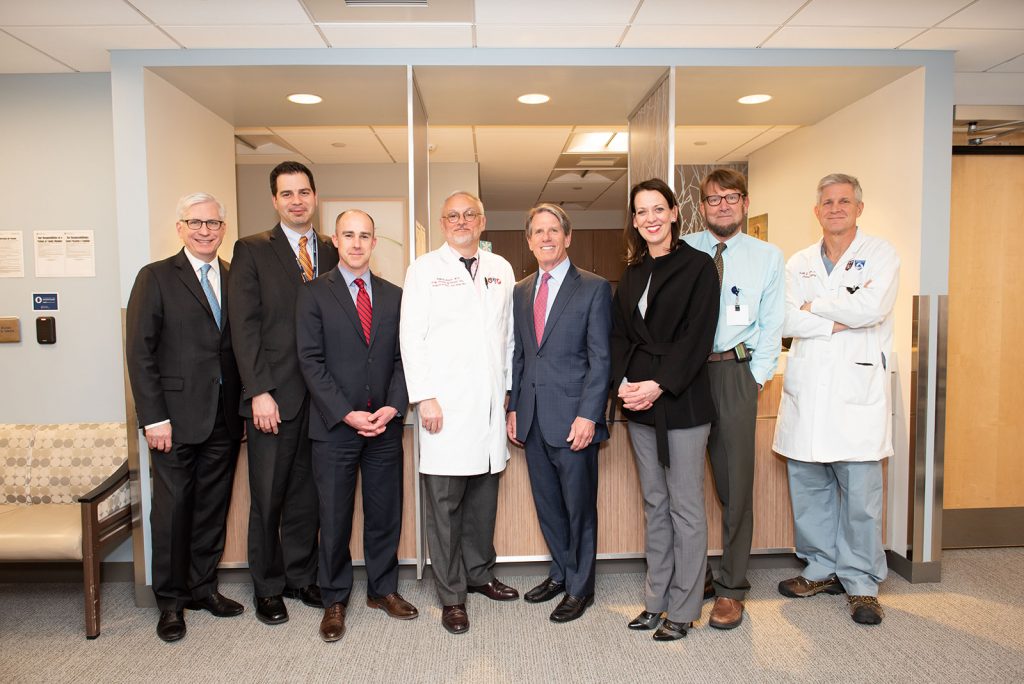
Brigham Health leaders gather for the Lung Center’s ribbon-cutting ceremony.

Brigham Health leaders gather for the Lung Center’s ribbon-cutting ceremony.

On Jan. 16, Brigham faculty and staff gathered for a ribbon-cutting ceremony for the hospital’s comprehensive Lung Center clinic, designed to support the delivery of collaborative, patient-centered and multidisciplinary care. It is one of the country’s first comprehensive lung centers.

“In addition to transformative lung care, we hope the new space will be a beacon of innovation in translational lung research and education,” said Raphael Bueno, MD, chief of the Division of Thoracic Surgery and co-director of the Lung Center.

As part of a newly consolidated system of services that welcomed its first patients in October, Lung Center C—the latest facility—is located on the Pike between the 15 Francis St. and 45 Francis St. entrances. Its proximity to the main ambulatory clinics for pulmonary medicine and thoracic surgery (Lung Center A and B), chest imaging and thoracic radiology has created a local suite of services that enhance the patient experience and facilitate clinical interactions across multiple disciplines to provide the most efficient, highest-quality care. Looking ahead, the team plans to add pulmonary function testing to the list of services provided near the new clinic.

Five years in the making, the clinic launch came to fruition following extensive planning, coordination and support among leadership, faculty and staff across several departments and teams. Among those who were instrumental was the Facilities team, which helped develop an inviting, comfortable and state-of-the-art care environment for ambulatory Lung Center patients.

“The new space represents the realization of cross-departmental collaboration that has required enlightened and deeply supportive efforts from our colleagues across the Brigham,” said Bruce Levy, MD, chief of the Division of Pulmonary and Critical Care Medicine and co-director of the Lung Center.

Snacks are essential fuel for students on the tennis courts at Sportsmen’s Tennis and Enrichment Center in Dorchester. Thanks to a new collaboration between the center’s after-school program and Paulette Chandler, MD, MPH, of the Phyllis Jen Center for Primary Care, these young athletes are enjoying and learning how to prepare snacks that are tasty, healthy and easy to replicate at home.

Held as monthly events through the Brigham and Women’s Center for Community Wellness at Sportsmen’s, the classes feature interactive cooking demonstrations with local chefs and discussions about nutrition.

Students who attended the program’s December class heard about the benefits of beans, legumes and seeds—including their ease of preparation, cost-effectiveness, environmental sustainability and nutritional value—and learned from Siva Kumar, executive chef of Walnut Grille in Newton, about how to make bean-and-avocado tostados with pico de gallo.

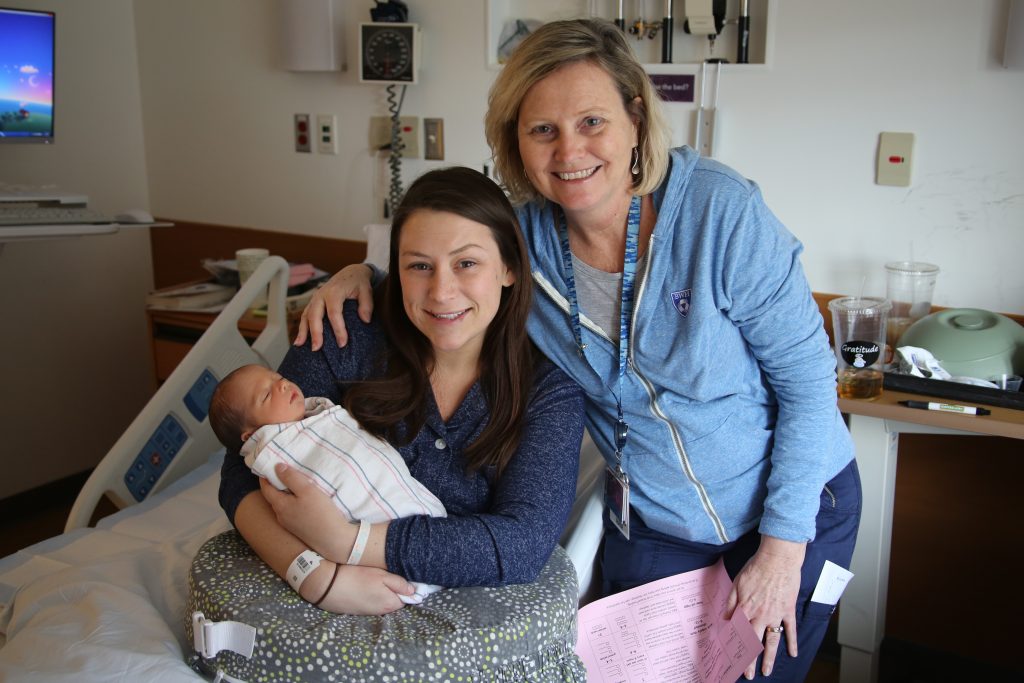
Chelsea Thomson (center) and baby Rio share a moment with nurse Maureen Kent while reviewing breastfeeding tips.

Chelsea Thomson (center) and baby Rio share a moment with nurse Maureen Kent while reviewing breastfeeding tips.

On Jan. 23, Brigham and Women’s Hospital was awarded Baby-Friendly Hospital designation in recognition of its exceptional evidence-based, patient-centered care and education around infant feeding practices.

Launched in 1991 by the World Health Organization (WHO) and the United Nations Children’s Fund (UNICEF), the Baby-Friendly Hospital Initiative recognizes hospitals and birthing centers that offer mothers the information, confidence and skills needed to successfully initiate and continue breastfeeding their babies or to safely feed with formula. This means ensuring a baby receives the right amount of formula to meet his or her nutritional needs, that formula is prepared without risk of contamination and that bottles are kept clean and sterile.

The Brigham is now among approximately 550 hospitals and birth centers nationwide that have received this prestigious designation from Baby-Friendly USA, the program’s accrediting body, following a site visit by assessors at the Mary Horrigan Connors Center for Women and Newborns last fall.

We pursue excellence logo

“This milestone builds upon our strong foundation of excellence in maternal and infant care, dating back to 1832 with the opening of our predecessor hospital, the Boston Lying-in, as one of the nation’s first maternity hospitals,” said Maddy Pearson, DNP, RN, NEA-BC, chief nursing officer and senior vice president of Patient Care Services. “With this new designation, we officially join other Baby-Friendly Hospitals in leading the way to ensure that mothers receive the information and support they need to safely and successfully meet their infant’s nutritional needs, whether that means breastfeeding, formula feeding or a combination of the two.”

The journey to receive Baby-Friendly Hospital designation has been propelled by the enthusiastic support of faculty and staff across the Connors Center, said Sue Bryant, MSN, lactation consultant and Baby-Friendly project lead.

“This has truly been a collaborative effort across multiple disciplines, and, in particular, this designation would not have been possible without the evidence-based practice change that our nurses embraced,” Bryant said.
Katherine Gregory, PhD, RN, associate chief nursing officer for the Connors Center, expressed her appreciation for the many people whose efforts helped the Brigham achieve this recognition.

“I am incredibly proud of our entire CWN and Brigham team who made the journey to our Baby-Friendly designation a success,” Gregory said. “It’s a celebration of our practice and the care we provide to mothers and babies at the Brigham.”

Baby-Friendly and Mother-Friendly

The Baby-Friendly initiative is rooted in two sets of guidelines developed by the WHO and UNICEF: “Ten Steps to Successful Breastfeeding” and “The International Code of Marketing of Breast-Milk Alternatives.” The former is a framework of evidence-based practices shown to increase breastfeeding initiation and duration. The marketing code defines how hospitals and birthing centers may obtain infant formula. To ensure infant-feeding practices and education are not affected by commercial interests, Baby-Friendly Hospitals do not receive free or discounted products from formula manufacturers.

Another core tenet of Baby-Friendly Hospitals is “rooming-in,” a practice that enhances mother-infant bonding by having the baby stay in the mother’s hospital room as much as possible. Rooming-in also gives mothers greater exposure to their baby’s feeding cues under the expert guidance of the care team. The Brigham’s nursery continues to be a resource for patients and families upon request and when medically indicated.

As with all types of care and education, patients and families are at the heart of every practice around infant feeding, Pearson said.

“It’s important to note that while the designation is called Baby-Friendly, we are equally committed to being mother-friendly,” she said. “We respect every woman’s choice about how to feed her infant and will do everything possible to support them while they are in our care.”

Bryant agreed: “We’re committed to helping families achieve the best start for all babies.”

Daily Safety Huddle participants commemorate the initiative’s first year with a celebration in the Zinner Breakout Room.

Daily Safety Huddle participants commemorate the initiative’s first year with a celebration in the Zinner Breakout Room.

On Jan. 8, Daily Safety Huddle attendees were welcomed into the Zinner Breakout Room with party hats, white, gold and blue balloons, a thank-you banner and cupcakes to mark the one-year anniversary of what has become a critical multidisciplinary meeting for bringing together teams across the hospital to swiftly identify and eliminate any barriers to patient care.

“It has been one year of very hard work, and I am sincerely thankful for all Safety Huddle members for prioritizing and elevating patient safety and care each and every morning,” said Charles Morris, MD, MPH, associate chief medical officer. “We’ve raised just over 800 issues during that time, the majority of which were resolved in one day. This remarkable accomplishment demonstrates the commitment we all have to pursuing excellence.”

From Medicine to Security, Pharmacy to Food Services, representatives from the Brigham’s many service lines and departments attend the brief stand-up meeting at 9 a.m. each weekday, fostering a sense of routine and teamwork.

“In addition to prioritizing patient safety and care, which are at the heart of everything we do, Safety Huddle has helped us create an environment of camaraderie, collaboration and inclusion where each staff member is encouraged to share updates and look to each other for assistance,” said Maddy Pearson, DNP, RN, NEA-BC, chief nursing officer and senior vice president of Patient Care Services.

Julia Sinclair, MBA, senior vice president of Clinical Services, also applauded the group for its leadership and teamwork.

“It’s rewarding and inspiring to see everyone come together to identify and problem-solve issues—from house-wide discharge plan barriers to service-specific wait times—each morning,” Sinclair said. “We’re looking forward to Safety Huddle 2.0, which will include even more service lines and continued collaboration with our Faulkner colleagues to ensure this meeting series continues to add value to our patients, visitors and staff.”

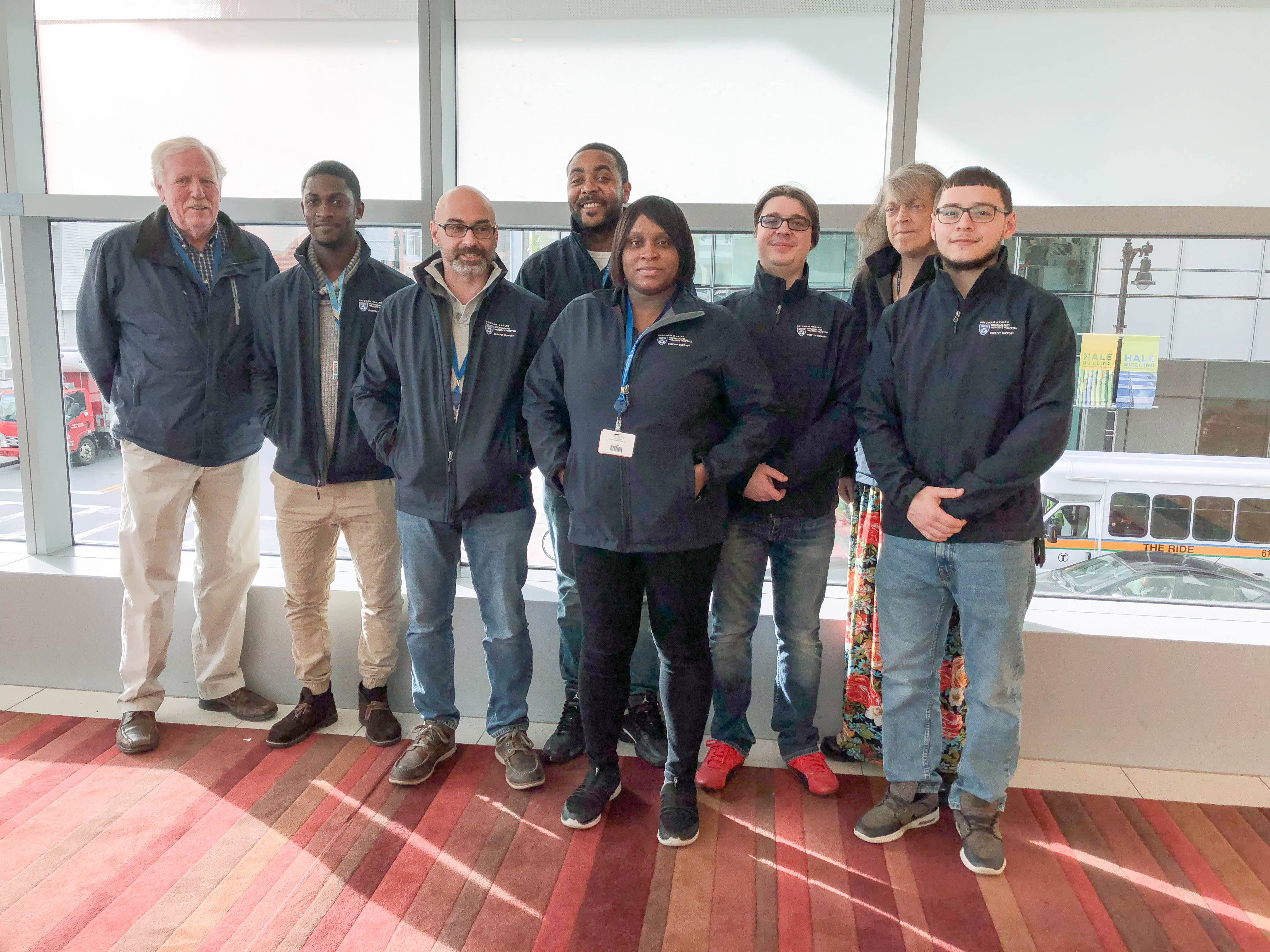
Members of the Brigham Health computer technician team

Brigham Health computer technicians

Following a system-downtime event on Dec. 5 that affected Partners HealthCare institutions, including Brigham Health, Bulletin takes an opportunity to spotlight the Brigham’s computer technician team and its rapid responsiveness to everything from broken keyboards to unexpected outages.

Part of the larger Brigham IS and Partners IS teams, computer technicians comprise 22 full-time staff who rotate in shifts to cover the hospital seven days a week, 7 a.m.–midnight, and are also available on call.

When thinking about who best to service up to 18,000 computers and laptops across the main and distributed campuses each year, Bob Daley, a manager in Information Systems, looks for a strong willingness to learn, an autonomous work ethic and exceptional customer service skills.

Daley, who mentors several early-career professionals each year, noted that some of his team started as high-performing Year-Up interns. Founded in 2000, Year-Up is a national organization that helps underserved urban young adults transition from minimum-wage positions to careers they’re passionate about in just one year.

Computer technicians are here to support the Brigham Health community. For a computer-related problem, call the Service Desk at 617-732-5927, or look for the team members rounding the Brigham in their navy blue shirts and jackets and ask for help.

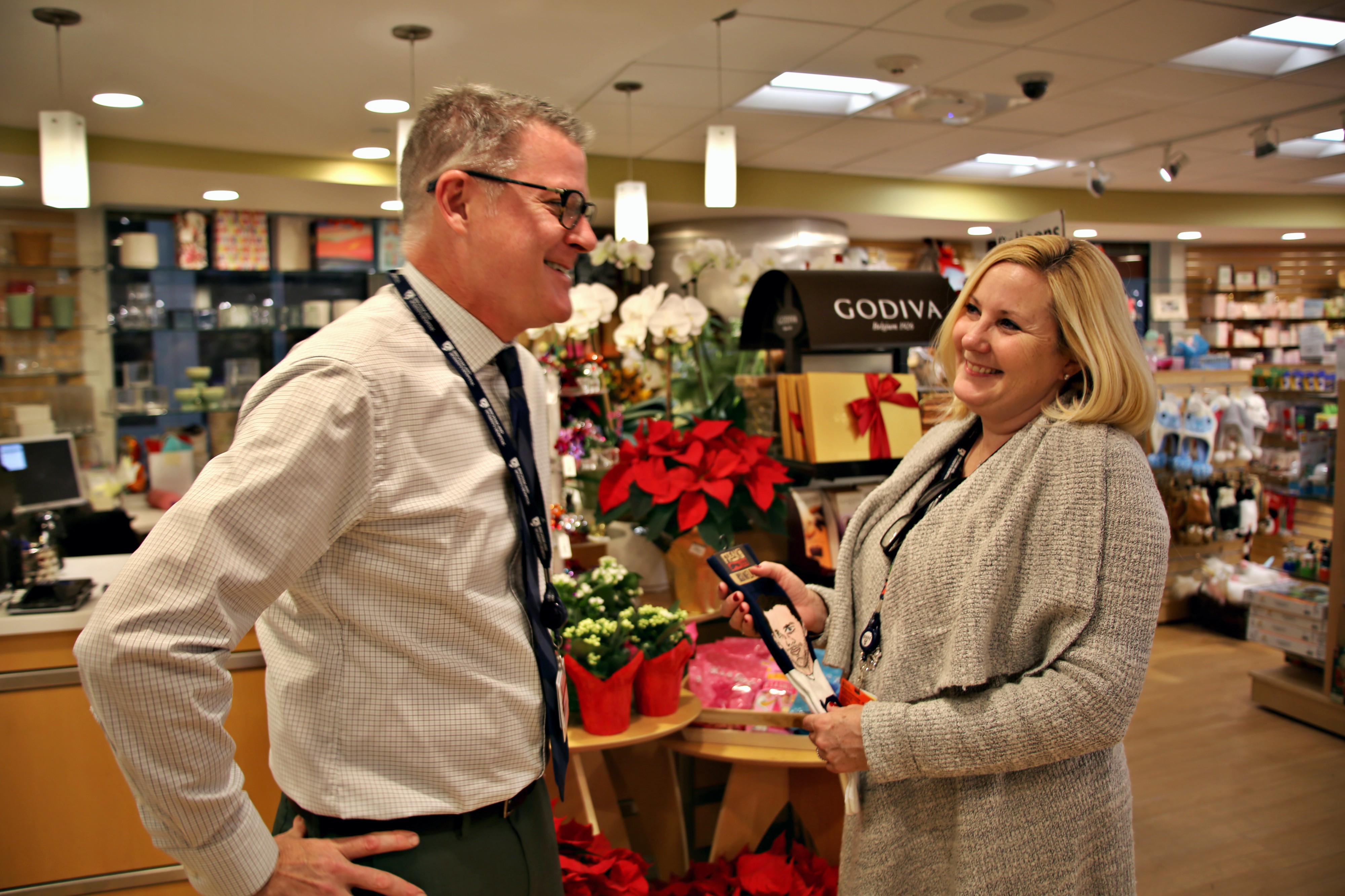
From left: Patrick Lally and Wendy Martinez chat in the Shop on the Pike.

From left: Patrick Lally and Wendy Martinez chat in the Shop on the Pike.

For the last decade, the Shop on the Pike has brought smiles to shoppers’ faces with whimsical and delightful inventory.

“I just love it here,” said Wendy Martinez, a senior administrative assistant in the Center for Advanced Heart Diseases and devoted customer of the shop and its previous incarnation for 18 years. “The team is amazing, and there are always new, fun items to explore.”

This month, the shop celebrates the tenth anniversary of its opening on the Tower 2 mezzanine.

“We are a part of the Brigham community and, over the years, we’ve become the place many people will turn to when they want to escape for a few minutes during their day,” said Patrick Lally, who has served as retail services manager of the Shop on the Pike since it opened. “It’s wonderful to see so many familiar faces visit our shop every day. Our customers are loyal, and they’re one of the biggest reasons I love working here.”

Lally said the best part of his day is when he hears customers laugh as they browse through merchandise. He knows many people are going through difficult times when they visit the hospital, so he and his team try to keep the atmosphere, and the merchandise, light and happy.

The Brigham’s original gift shop opened in 1944 and was located near the Emergency Department. Over the years, the Shop on the Pike has transformed from selling medical supplies, such as breastfeeding equipment, to more “gift shop”-type items, such as Brigham gear, greeting cards, toys, jewelry, candy and flowers. In addition, the shop carries necessity goods, such as toothbrushes, tissues, ibuprofen and phone chargers.

Store manager Gabina Gonzalez said working at the gift shop for the last 14 years has been an “amazing journey.”

“What we do is so much more than working behind the counter,” Gonzalez said. “Sometimes, we are the first people that patients and their families will visit when they come to the hospital. They rely on us not only for our merchandise but also for our friendship. For me, that means everything.”

Jonathan Santiago, director of Materials Management, congratulated the team on 10 terrific years: “The Shop on the Pike staff continue to go above and beyond to help customers find that special gift that will leave a moment of joy in someone’s heart.”

Lally said the staff’s commitment to exceptional service is a defining characteristic of the team. “We always go the extra mile to help our customers,” he said. “It’s who we are.”

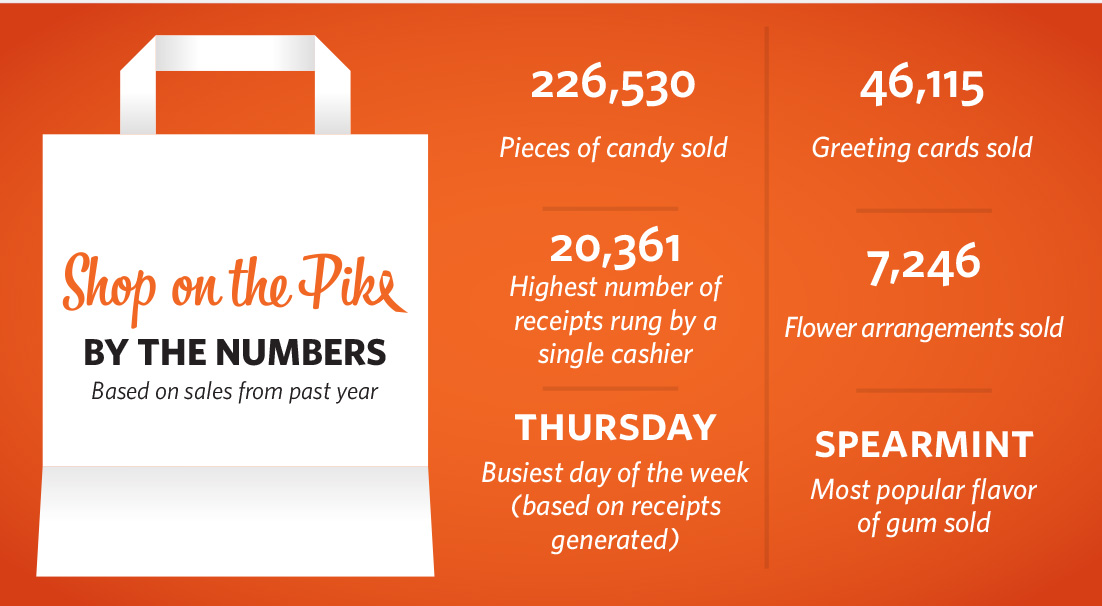
purchases in the shop by the numbers infographic

From left: Residents Maria Patanwala and Fabiola Molina join colleagues in rallying against changes to the public charge rule.

From left: Residents Maria Patanwala and Fabiola Molina join colleagues in rallying against changes to the public charge rule.

When he reviews the list of patients assigned to him in clinic each day, Internal Medicine resident Doug Jacobs, MD, MPH, begins to worry—but not about whether he can determine the correct diagnosis or treatment plan. As he cares for immigrant patients with complex health care needs, Jacobs fears their next visit might be their last at the Brigham.

That’s because proposed changes to a federal process known as the public charge rule threaten to affect the legal status of documented immigrants who access public benefits, including health care and food assistance programs.

When the government defined a “public charge” in 1999, the use of most public benefits was excluded from this determination. Changes proposed by the Trump administration this fall are expected to have widespread effects that could scare immigrants into declining benefits.

Jacobs, founder and first president of the Brigham’s House Staff Council, was among those in the Brigham community who voiced their opposition on the issue during a rally to support the Brigham’s immigrant patients, families and staff on Dec. 4.

Organized by residents, the event brought together Brigham Health leadership, clinicians, researchers, trainees and staff, who held posters declaring, “We stand with immigrants,” and chanted, “No to public charge!” in the Fish Rotunda at 15 Francis St.

“The choice between immigration status and insulin is a false dichotomy created by our government to torment our nation’s most vulnerable immigrants,” Jacobs told attendees. “This is not who we are at the Brigham, and this is not who we are in America.”

Historically, documented noncitizen immigrants, such as those with student or work visas, have been subjected to the public charge determination. This process allows the government to assess how likely an individual is to become dependent on the government for subsistence, and it uses this information to influence immigration decisions. Immigrants labeled as a “public charge” can be denied lawful permanent resident status (green cards) or entry into the U.S.

In the past, only cash-assistance programs like Temporary Assistance for Needy Families and Supplemental Security Income have counted toward the public charge designation. However, drastic changes have been proposed to expand the definition to encompass most public benefits—including Medicaid, the Supplemental Nutrition Assistance Program, Medicare Part D and housing assistance. If the rule is amended, an immigrant’s eligibility to obtain a green card could be jeopardized if he or she accesses these public benefits.

Brigham Health President Betsy Nabel, MD, expressed her firm opposition to the proposed changes both personally and as a physician, noting that she will submit a formal public comment on behalf of the Brigham to the Department of Homeland Security.

“We have always believed that access to health care is a basic human right. That’s been part of our values since our doors opened in 1913,” she said. “We also take pride in that we are an organization that welcomes everyone, and I want to underline and underscore ‘everyone.’”

Nawal Nour, MD, MPH, chief diversity and inclusion officer for faculty, trainees and students at Brigham Health, said that as an obstetrician and gynecologist, she has seen firsthand how the current political climate has distressed immigrant patients.

“‘Now what?’ is a question that many of my patients have been asking recently,” said Nour, who also serves as director of both the Ambulatory Obstetrics practice and the African Women’s Health Center at the Brigham. “It’s not, ‘Now what’s wrong with me?’ or, ‘Now what should I be doing with my medication?’ It’s, ‘Now what else is going to happen to us?’”

Reflecting on a recent appointment with a Somali patient who is pregnant, Nour said she worries about this growing distrust influencing how immigrant patients view the health care system.

“Here’s my real concern: If immigrant families lose confidence in us because of continued actions taken by this administration, already well-documented racial and ethnic disparities in care could be even further exacerbated,” she said. “We have worked so hard to achieve culturally competent care here at Brigham and Women’s Hospital. We now must go that extra mile to assure them of our commitment to them and their families, and that they should feel safe here—that they belong.”

Nabel thanked residents and attendees for demonstrating their support at the rally, urging everyone to continue making their voices heard before the public comment period ends on Monday, Dec. 10.

Comments can be submitted by visiting protectingimmigrantfamilies.org or bit.ly/ShareYourComment.

The Brigham community is invited to attend a Rally Against Public Charge to show support for our patients, employees and immigrant families in Boston and throughout the U.S. who could potentially be affected by proposed changes to the federal public charge policy. You can learn more about the proposal here.

At the Brigham, we embrace a culture of shared humanity and dignity, and we take pride in being an institution where everyone is welcome, regardless of immigration status. As such, we strongly oppose the proposed changes.

To read a message from Brigham Health President Betsy Nabel, MD, about the public charge proposal, click here.

The rally is Tuesday, Dec. 4, at 10 a.m., in the Fish Rotunda at 15 Francis St. It is expected to last 20 minutes. During the event, monarch butterfly stickers will be distributed to staff and visitors who attend. The monarch butterfly is a symbol of how migration is dignified.

As this is considered a public health issue, clinicians are encouraged to wear their white coats.

Your Input Needed: Brigham Health Compliance Survey

The deadline to complete the 2018 Brigham Health Compliance Survey has been extended to Monday, Dec. 31. The Compliance Office is conducting this brief, anonymous survey to assess the effectiveness of its internal compliance educational efforts and to measure employees’ awareness of the hospital’s ethical standards, compliance reporting methods and compliance program.

15 Francis St. Blood Drive, Dec. 5

The Kraft Family Blood Donor Center will host a blood drive on Wednesday, Dec. 5, 8 a.m.-3 p.m, at 15 Francis St. Donate blood aboard the Dana-Farber Cancer Institute/Brigham and Women’s Hospital Blood Mobile. All donations benefit patients at the Brigham and Dana-Farber Cancer Institute. Donors will receive a Kraft Center blanket. Photo identification is required. Schedule an appointment at tinyurl.com/15FrancisDec2018. For eligibility questions, email BloodDonor@partners.org or call 617-632-3206.

Training Opportunity: ‘True Colors,’ Dec. 13

Learn how to recognize and understand different preferences people have and what values drive them in their everyday interactions. This workshop will discuss how to “flex” your natural style and tendencies to work in harmony with others. Thursday, Dec. 13, 9-11 a.m., in Carrie Hall. To register, enroll via HealthStream or email BWHTraining@partners.org.

‘50 Years as Medical Educators,’ Dec. 21

Marshall Wolf, MD, and Stan Ashley, MD, will speak about changes and innovation in medical education. Hosted by the Brigham Education Institute, the talk is part of the six-part Growth and Promotion of the Medical Educator series, which aims at providing insight into career development, academic promotion and sustainable success as a medical educator. Friday, Dec. 21, 11 a.m.-noon, in the BEI Knowledge Center. To sign up, visit bei.brighamandwomens.org.

Peggy Duggan and a colleague from Jiangsu Province Hospital review a mammogram prior to a procedure there.

From left: Peggy Duggan and a colleague from Jiangsu Province Hospital review a mammogram prior to a procedure there.

China’s health care system is undergoing widespread changes as its government pursues a major reform effort to improve the quality of care. To comply with this mandate, hospitals are establishing partnerships with academic medical centers, including the Brigham.

Jiangsu Province Hospital (JPH), a 3,000-bed public hospital and teaching affiliate of Nanjing Medical University, and Brigham Health International have entered into an initial agreement focused on jointly assessing and planning for a potential longer-term collaboration—an initiative spearheaded by the Brigham’s Business Development and Strategic Initiatives (BDSI) group.

Nine Brigham faculty and staff members have traveled to JPH over the past two months to evaluate opportunities for cooperation in cardiovascular medicine, urology, renal transplant, breast surgery, radiology and pathology, as well as research.

Among those who participated in an initial joint-assessment program were Anil Chandraker, MD, medical director of Kidney and Pancreas Transplantation in the Brigham’s Division of Renal Medicine, who was introduced to the clinical care and research taking place in the transplant unit at JPH. After touring the inpatient and outpatient facilities and participating in several meetings, Chandraker said he gained a deeper understanding of the structure of the transplant program at JPH, which carries out approximately 80 kidney transplants annually, a volume similar to the Brigham.

“There is a substantial opportunity to work closely with JPH’s transplant unit, including potential cooperation in research,” Chandraker said. “Additionally, we’re interested in sharing our transplant coordinator model, which is so integral to our success but does not exist at JPH.” The coordinator is part of the Brigham’s multidisciplinary team approach, designed to improve quality of care before and after transplant.

Adam Kibel, MD, chief of the Division of Urology, observed several procedures while visiting JPH, as did Peggy Duggan, MD, breast cancer surgeon at the Brigham and chief medical officer of BWFH, who noted that one potential area for exploration at JPH is increasing the rate of breast-preserving surgery and breast reconstruction. Dale Adler, MD, cardiologist and executive vice chair of the Department of Medicine, saw the practice of cardiovascular medicine firsthand while at JPH earlier this month and was also able to evaluate opportunities for collaboration in research.

Radiology and pathology—in particular, teleradiology and telepathology—represent areas that hold promise for collaboration between JPH and the Brigham. Giles Boland, MD, chair of the Department of Radiology, and Karen Lemaire, MHA, executive director of Radiology, conducted an on-site assessment of challenges and future needs for outpatient imaging at JPH. Jeffrey Golden, MD, chair of the Department of Pathology, and pathologist Marisa Nucci, MD, met with their counterparts at JPH to determine potential opportunities for cooperation and innovation in clinical care, research and education.

During a visit to JPH, Mark Davis, MD, executive director of BDSI, presented at a grand rounds on international collaboration in health care and participated in meetings with JPH President Jinhai Tang, MD, and other hospital leadership.

Betsy Nabel takes questions during the recent Brigham town meeting.
On Nov. 28, Brigham Health President Betsy Nabel, MD, shared insights from the Brigham Experience: Culture, Diversity & Inclusion Survey and related focus groups during fall Town Meeting in Bornstein Amphitheater and via webcast.

Eric Goralnick headshot

Eric Goralnick

While emergency medicine physician Eric Goralnick, MD, is accustomed to sporting a clean-shaven look, he says it wasn’t a hair-raising decision to grow out his beard and mustache during November for a charitable cause.

Goralnick, medical director of Emergency Preparedness and the Brigham Health Access Center, pledged to forego shaving his facial hair for one month and fundraise for First Responder No-Shave November, an annual campaign that benefits the local nonprofit Home Base.

A partnership of the Red Sox Foundation and Massachusetts General Hospital, Home Base works to help military service members, veterans and their families heal from the invisible wounds of war, such as traumatic brain injury and post-traumatic stress. The organization operates the nation’s largest private sector clinic focused on caring for at-risk veterans and military families.

Now in its fourth year, the First Responder No-Shave November campaign was started by Massachusetts Bay Transportation Authority (MBTA) Transit Police Officer Kurt Power, U.S. Army veteran, Purple Heart recipient and former Home Base patient. Participants fundraise at least $100 and pledge to skip shaving to evoke conversation, raise awareness and break the stigma associated with behavioral health and neurological conditions among service members and veterans.

Goralnick said he was inspired to participate in the campaign based on his experiences both as a clinician and veteran; prior to his medical career, he served in the U.S. Navy as a surface warfare officer.

“We owe a debt to our veterans for their service,” Goralnick said. “Regardless of politics, they serve our citizens in challenging situations, and we should ensure that they are provided for and receive the same level of honor and care with which they serve us.”

Studies have found that service members and veterans are at increased risk for mental health concerns, which can be further complicated by substance use disorder. Compared to civilian adults, veterans are 1.5 times as likely to commit suicide, according to a 2018 report from the U.S. Department of Veterans Affairs.

Goralnick said his unfamiliar appearance this month has been an effective conversation-starter—providing many opportunities to raise awareness about the challenges military members and their families face.

He is also the campaign’s first and only physician to participate. The pledge is primarily taken up by police officers, firefighters, corrections officers, emergency medical technicians and paramedics across New England.

Power said he was deeply honored to have Goralnick show his support.

“Dr. Goralnick is not only saving lives on a daily basis as an emergency medicine physician, but he is also a Navy veteran helping us save the lives of American heroes as we work to combat veteran suicide,” Power said. “Doc, thank you so much for your service—you are truly an inspiration to all of us.”

Each year, staff are invited to share their “One Shining Moment” for inclusion in a special year-end edition of Brigham Bulletin.
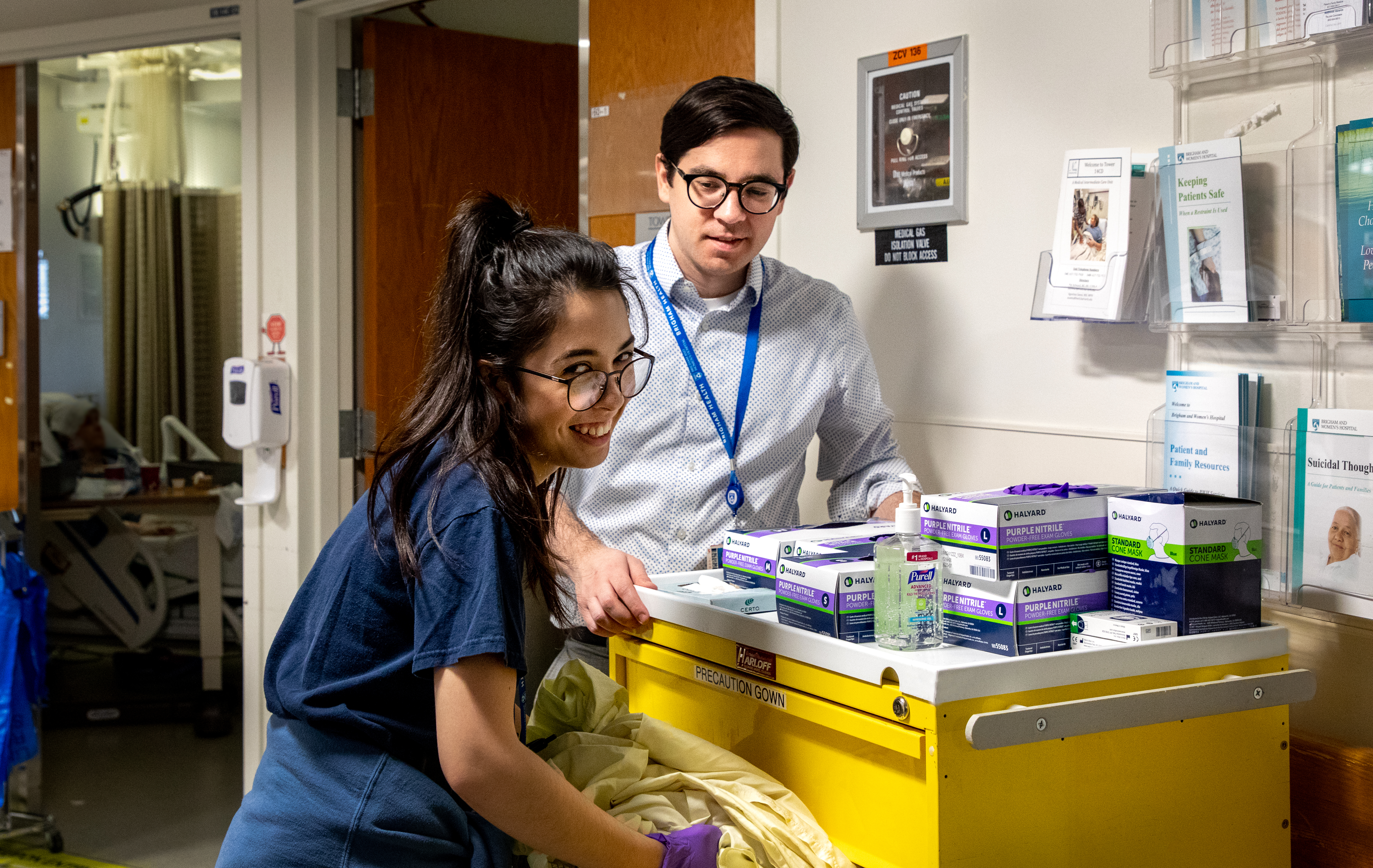
Do you have a Brigham moment or memory from 2018 that makes you proud to be a part of our community? Send your “One Shining Moment” submission and a related photo to BWHBulletin@partners.org by Friday, Dec. 14.

A shining moment can be inspired by something big or small, as long as it is meaningful to you. To view last year’s collection of “One Shining Moment” submissions, click here.

2 Comments

New Date: Town Meeting, Nov. 28

Join Brigham Health President Betsy Nabel, MD, at the next Town Meeting: An Open Forum for Brigham staff. The meeting will consist of updates on important issues, followed by an open forum for discussion and Q&A. Wednesday, Nov. 28, noon-1 p.m., in Bornstein Amphitheater.

George W. Gay Lecture Featuring Kwame Anthony Appiah, Dec. 6

The 2018 George W. Gay Lecture will feature Kwame Anthony Appiah, PhD, one of the most powerful thinkers in the world according to Forbes magazine. His lecture, entitled “The Politics of Identity, the Injuries of Class,” will speak to the most compelling social issues of the day, including morality, ethnicity, race, religion and identity. Thursday, Dec. 6, 5-6:30 p.m. in the Armenise Building D-Amphitheater at 210 Longwood Ave. Register online at bioethics.hms.harvard.edu.

Call for Applications: 2019 Essence of Nursing Award

Nominate a clinical nurse known for providing exceptional care, compassion and generosity to patients and their families for the 2019 Essence of Nursing Award. Applications must be received no later than Friday, Dec. 28 at 5 p.m. The application can be found on PikeNotes.

Knitters and Crocheters Wanted: Little Hats, Big Hearts

The Brigham is participating in Little Hats, Big Hearts, a nationwide program sponsored by the American Heart Association (AHA) and The Children’s Heart Foundation to raise awareness about heart disease and congenial heart defects. Volunteers are invited to knit and crochet red hats for babies born in February 2019. Finished hats can be dropped off in the designated collection box in the CWN-5 staff lounge until Friday, Jan. 11. For guidelines and more information, visit PikeNotes.

Joji Suzuki

Joji Suzuki

Each day, more than 130 people in the U.S. die as a result of an opioid-related overdose, according to the National Institute on Drug Abuse. Among the many clinicians grappling with this public health crisis is Joji Suzuki, MD, director of the Division of Addiction Psychiatry. In this abridged interview, originally published in Clinical & Research News, learn more about Suzuki’s passion for patient care, his perspective on the opioid epidemic and his take on motivational interviewing.

Q: What is driving the opioid crisis?

JS: Substance use disorder has been fragmented from standard medical care for years. If you had a drinking or heroin problem, a doctor would have probably told you that they don’t treat it and referred you to a community program, such as Alcoholics Anonymous, or detox. Patients across the country were told that whatever door they were knocking on was the wrong door. Mainstream medicine never really took responsibility for treating substance use disorders. Even today, if you go to a typical medical school, you’re taught very little about substance disorders.

Clinicians across the country are also faced with a dilemma on how to safely treat pain without over-prescribing and relying on opioids. At the Brigham, we are cognizant of this dilemma every day. It’s our job to care for each patient in a responsible and effective way, and to ensure that our staff is fully capable of managing pain safely. It’s also our job to determine how best to connect patients with appropriate treatment services and support.

Q: Where does the solution lie?

JS: The opioid crisis is a systemic problem. It’s about how we as states, agencies, medical schools and hospitals address substance use disorders as a system rather than as a single health care institution. Given the magnitude of scope, we cannot address the crisis alone. All parts of the system must play their part, and this crisis has exposed the deficiencies of our system. Right now, our national response has been too slow and too inadequate. A lot of people are trying, but many of the efforts are not coordinated.

Q: What behavioral health techniques do you use to help patients?

JS: I am a big proponent of motivational interviewing, which is a clinical approach that tries to accomplish behavior change by evoking from the patient his or her own reasons for and desire to change. Simply put, it’s the difference between listening to your patient versus telling them what to do. The traditional approach included a wise doctor and a novice patient, focusing solely on education, such as how to be healthy. While this approach is necessary when patients are acutely ill, this dynamic can lead to a wrestling match in patients struggling to change their unhealthy behaviors. The new approach focuses on an intricate, collaborative partnership – like a dance.

Read the full interview here. If you or someone you know would like to seek support for substance use disorder, contact the Addiction Recovery Program, an outpatient service in the Department of Psychiatry, at 617-983-7060, option 2.

From left: Benjamin Wallace and Clara Carleton of Materials Management swap out the older cloth gowns for disposable ones on Tower 14C.

Materials Management staff began stocking inpatient units and procedural areas with new, disposable isolation gowns – replacing the cloth, reusable ones previously worn – on Nov. 13. The rollout is part of a broader Partners 2.0 initiative to standardize products across Partners hospitals. Learn more about the transition on PikeNotes.

Jamaul Cinelli

Tucked away in the Brigham’s West Plaza is Linen Services, a small but mighty operation responsible for collecting, transporting and restocking all linens – including sheets, pillow cases, towels, wash cloths and hospital gowns – across the main hospital, the Shapiro Cardiovascular Center and the Hale Building for Transformative Medicine.

An integral member of this team is Jamaul Cinelli, who joined the Brigham 16 years ago. Today, Cinelli, known for his collaborative spirit and sense of humor, is responsible for single-handedly moving roughly 7,700 pounds of linens (15 large carts) each day.

“We could have blizzards, heat waves or high winds and Jamaul would be here, rain or shine,” said Therese Breen, a manager in Materials Management. “He’s done many overnights for us, and he doesn’t stay in one place very long; he’s a great person and a great resource for his peers.”

From the Operating Rooms to scrub machines and everywhere in between, Breen’s team moves more than 140 carts of linens daily, ensuring every nook and cranny in need of linens is fully stocked. Laundering occurs offsite through a third-party vendor, Angelica, in Somerville.

“Behind the Scenes at the Brigham” is a new monthly photo series in BWH Bulletin that provides a glimpse of the people whose everyday contributions help make the Brigham a world-class institution. Is there an individual or team you’d like to see featured in “Behind the Scenes at the Brigham”? Send your ideas to BWHBulletin@partners.org.  


Berit Lindell and Emma Aneshansley

From left: Berit Lindell and Emma Aneshansley

An exceptional experience starts long before a patient sees their provider in an exam room. Recognizing this, outpatient clinics in the Hale Building for Transformative Medicine (BTM) recently saw an opportunity to improve how appointment delays were communicated to patients in the waiting room – an initiative that has since resulted in meaningful gains in patient satisfaction.

Digital signage in the waiting rooms of the Hale BTM’s Neurosciences Center and the Orthopaedic and Arthritis Center now display hourly updates about delay times for individual providers. The technology was implemented first in the Neurosciences Center in late June, followed by the Orthopaedic and Arthritis Center in September.

Since then, the clinics have received direct feedback from patients and Press Ganey patient satisfaction scores praising the improved communication and transparency about delay times.

“Providers sometimes run behind, and often the delays are unavoidable. An earlier patient might have had a complex issue that required a longer visit, or a surgeon was unexpectedly called to the OR,” said Berit Lindell, a medical practice assistant in the Neurosciences Center who was involved in implementing the clinic’s displays. “Patients really appreciate knowing whether it’s going to be a 10-minute delay or a 60-minute delay so that they can plan their day a little better.”

Press Ganey surveys ask patients to rate how well a clinic informed them about delays. The Neurosciences Center’s patient satisfaction scores in this area hovered in the 80s in the months preceding the digital signage implementation. As of this October, the clinic achieved a score of 94.8. The Orthopaedic and Arthritis Center saw similar gains, rising from 73.1 a month before the project to 81.2 eight weeks later.

Emma Aneshansley, a senior practice assistant in the Orthopaedic and Arthritis Center who was involved in getting the digital displays launched there, said patients and staff alike value having delay times communicated in a clear, consistent way.

“The feedback has been wildly positive,” she said. “One thing that did surprise me was I thought that when patients saw their doctor was running particularly late, they would want to reschedule right away. More often than not, though, patients are really appreciative and say, ‘I’m so glad you told me,’ and then grab a coffee or sandwich while they wait.”

Integral to the project’s success has been the hard work of medical assistants and practice assistants who log into the system every hour to provide the latest updates for the clinics, Lindell and Aneshansley said.

“We’re a very busy clinic, and asking our staff members to take time out of their day to update a slide was not necessarily an appealing task,” Lindell said. “But everyone here recognized that if we’re all working on this, we’ll all be able to provide a better experience for not only our patients but also our staff.”

Jeffrey Taylor, MPH, executive director of Clinical Operations in the Hale BTM, said he was very proud of the teams for what they have achieved so far with the project. The next phase will focus on partnering with providers and clinic staff to reduce delays through improved workflows. “One of the biggest areas of focus across the Brigham is improving the patient experience, so this is one way that we’re doing it in the Hale BTM,” he said.

From left: Daphnee Souvenir, Allison Webster and Laurie Rotondo attend an open house for the Brigham’s new Hospitality Lounge.

Patients who have been discharged from an inpatient unit can relax in the new Brigham Health Hospitality Lounge while they wait for their ride to arrive.

Located inside the Patient Access Center at 75 Francis St., the Hospitality Lounge opened on Nov. 1. Designed to enhance the patient experience, it offers comfortable seating, warming blankets, beverages and snacks, puzzles, Wi-Fi, phone-charging stations, a TV and more. The lounge is open on weekdays and staffed by Brigham nurses. In addition to assisting discharged patients, the lounge is expected to help improve patient flow throughout the hospital by freeing up beds for patients awaiting admission.

Sheila Harris, executive director of Patient Access and Clinical Services, said the team involved in opening the lounge has been hard at work educating patients and staff about the space and its benefits.

“The space has been carefully designed to meet the needs of our patients who have been discharged but are waiting for a ride,” Harris said. “The opening of the space aligns with Brigham Health’s mission to provide timely access and deliver an exceptional patient and family experience.”

In the past, the Brigham used a “discharge lounge” on an as-needed basis, particularly when the hospital experienced a high patient census.

The Hospitality Lounge is open to patients who meet specific criteria at the time of their discharge to ensure a safe transition. Patients need to be alert, oriented and able to walk with minimal assistance. In addition, eligible patients include those without behavioral health conditions, pain management concerns or the need for precautionary measures, such as wearing a surgical mask, to help prevent the spread of infections, diseases and germs.

The team is currently piloting rounding on inpatient floors and speaking with patients who have been identified by their nurses as candidates for the lounge. If a patient chooses to wait for their ride in the lounge, a staff member from the Patient Access Center will escort them there.

Staff working in the lounge are also available to help patients in need of arranging transportation. Another perk for patients waiting in the lounge is that their ride may pull up to the main entrance instead of parking. A staff member from the lounge will then escort the patient outside.

Maddy Pearson, DNP, RN, NEA-BC, chief nursing officer and senior vice president of Patient Care Services, and Charles Morris, MD, MPH, associate chief medical officer, were involved in the planning efforts for the Hospitality Lounge. They agreed it is a terrific resource for patients, their families and the Brigham.

“The lounge helps us provide timelier care to patients who are waiting for the next available open bed on our busy inpatient units,” Morris said. “By offering a safe, comfortable environment for discharged patients who are otherwise ready to go and simply waiting for a ride, we can prepare a bed more quickly for the next person who needs it.”

Maria Murray, MM, BSN, RN, nurse director for Patient Access Services, noted the space was designed based on feedback from staff nurses on inpatient units.

“Opening the Hospitality Lounge has been a fantastic experience, as we’ve had the privilege to work with multiple departments to make the opening of the lounge a reality,” Murray said. “We are eager to receive real-time feedback from staff, patients and their families about how we can enhance the lounge and make it even better.”

Urgent Need for Type-O Negative Blood Donors
The Kraft Family Blood Donor Center is experiencing a severe shortage of Type-O negative whole blood. To donate, visit the Kraft Center at 1 Jimmy Fund Way or an upcoming blood drive and donate aboard the Dana-Farber Cancer Institute/Brigham and Women’s Hospital Blood Mobile. All blood and platelets collected at the Kraft Center and on the Blood Mobile benefit patients at the Brigham and Dana-Farber Cancer Institute. To schedule an appointment and to learn more, email BloodDonor@partners.org, or call 617-632-3206. View a list of upcoming blood drives.

Discover Brigham, Nov. 7
The Brigham Research Institute (BRI) hosts Discover Brigham, an annual event to educate and inspire collaboration around innovative science, technology and medicine at the Brigham. The event will feature roundtables, panel discussions, live demos and the presentation of the 2018 BRIght Futures Prize. Discover Brigham is free and open to the public. Wednesday, Nov. 7, noon-6 p.m. at various locations throughout the Brigham. Learn more and register at discoverbrigham.org.

Open Enrollment Ends Nov. 20
Open Enrollment is the one time per year when you can enroll or change your elections for medical, dental, vision, flexible spending accounts and life insurance, unless you have a qualified change in status. Between now and Tuesday, Nov. 20, staff can make their 2019 benefit elections through PeopleSoft. Visit BWHPikeNotes.org to learn more and view a schedule of upcoming information sessions and QuickStop events.

‘Remembering Leonard Nimoy,’ Nov. 29
The Lung Center will host a free screening of the documentary Remembering Leonard Nimoy: His Life, Legacy and Battle with COPD, which follows the experiences of the late actor Leonard Nimoy, best known as Spock in the Star Trek franchise, after his diagnosis chronic obstructive pulmonary disease (COPD). A panel discussion will follow. Thursday, Nov. 29, at the Joseph B. Martin Conference Center, 77 Avenue Louis Pasteur. Reception at 6 p.m. Screening begins at 7 p.m. To RSVP, call 617-732-5499 or email sevans1@bwh.harvard.edu.

Join Brigham Health President Betsy Nabel, MD, for the next Town Meeting: An Open Forum for Brigham Staff on Wednesday, Nov. 14, noon-1 p.m., in Bornstein Amphitheater. Receive updates on important issues, followed by an open forum for discussion and Q&A. Visit BWHPikeNotes.org to submit your questions or topics of interest in advance of Town Meeting. This event will be webcast for those who cannot attend in person, and there will be an opportunity for webcast viewers to ask questions during the event.

Per hospital policy, all Brigham personnel are required to receive an annual flu shot or approval for an exemption due to medical or religious reasons. The deadline to receive your flu vaccination is Thursday, Nov. 15. Occupational Health Services (OHS) will host flu shot clinics at the following times and locations:

Monday, Nov. 5-Thursday, Nov. 8
7 a.m.-3:30 p.m.
Tower 2 mezzanine (across from the Shop on the Pike)

Friday, Nov. 9-Tuesday, Nov. 13
6:30 a.m.-4 p.m.
Tower 2 mezzanine (across from the Shop on the Pike)

You can also obtain a flu shot through the Peer-to-Peer Program, by appointment at Neville House (617-732-6034), from your Partners primary care provider or another non-Partners source. Depending on where you receive your flu shot, you may be required to complete additional steps after vaccination to meet the policy requirements, as personnel are not able to self-attest in PeopleSoft. Learn more.

Failure to meet the policy requirements may result in corrective action, up to and including termination of employment.

Moritz Kircher

Moritz Kircher, MD, PhD, will join the Brigham as chief of the Division of Oncoradiology in the Department of Radiology on Dec. 1. In addition to his appointment here, he will serve as chair of the Department of Imaging and Radiology at Dana-Farber Cancer Institute (DFCI).  

A renowned physician-scientist with a background in imaging at the microscopic level, Kircher brings a wealth of clinical and research knowledge. His clinical expertise lies in abdominal and pelvic imaging, focusing on the evaluation of the liver, pancreas and biliary tree (the organs and ducts that make and store bile). As a researcher, he has pioneered techniques for using nanoparticles to detect cancerous and precancerous tissue with microscopic precision.

Kircher comes to the Brigham and DFCI from Memorial Sloan Kettering Cancer Center, where he is associate vice chair for Research in the Department of Radiology. Outside the clinic and lab, he is the founding chair of the Molecular Imaging in Nanotechnology and Theranostics Interest Group of the World Molecular Imaging Society and co-editor-in-chief of the journal Nanotheranostics. 

Kircher received his medical and doctorate degrees with highest honors from Humboldt University in Berlin, a medical school affiliated with Charité – Universitätsmedizin Berlin, one of Europe’s largest teaching hospitals. He presented his habilitation thesis at the Technical University of Munich. He completed his residency in diagnostic radiology at Beth Israel Deaconess Medical Center, where he was chief resident; a clinical body MRI fellowship at Stanford University in California; and his postdoctoral training in molecular imaging at Massachusetts General Hospital and Stanford University. 

Bram Wispelwey trains community health workers in Palestine.

Thanks to a new Global Health track in Hospital Medicine, hospitalists have the support they need to practice at the Brigham and work to improve health around the world.

The first cohort of three Global Health track physicians began at the Brigham in July, with projects supporting communities in Ethiopia, Guatemala and Palestine. In 2017, Peter Rohloff, MD, PhD, an attending hospitalist, established the track to expand opportunities for his colleagues to be a part of both the Brigham and the global health community.

“The vision for this track is to help junior faculty with a strong interest in global health take the next steps in advancing their careers,” said Rohloff, who is also the founder of Maya Health Alliance, a nonprofit that addresses the health care needs of Guatemala’s most impoverished communities. 

He added that the track helps clinicians connect with mentorship and development opportunities at the Brigham and have a clinical home at the hospital – a goal shared by the Division of Global Health Equity. Since its founding in 2001, the division has provided an anchor for faculty who wanted to work globally but remain active clinically and academically in the U.S. 

Among those in the first cohort of physicians on the Global Health track is Bram Wispelwey, MD, MS, who completed the Brigham’s Doris and Howard Hiatt Residency Global Health Equity and Internal Medicine earlier this year. When not practicing at the Brigham, Wispelway is caring for Palestinians and helping mend fractured health care systems in Palestinian refugee camps. 

To address the complex issues facing refugees in these camps – which lack dedicated local clinics or consistent access to affordable primary care – Wispelway helped launch and monitor a Community Health Worker program. This work aims to improve relationships and rebuild trust between physicians and patients, strengthen the health care delivery system and improve the health of refugee families. He now divides his time between the Brigham and Palestine.

Jennifer Goldsmith, MS, MEd, administrative director of the Division of Global Health Equity, helped establish the partnership between Hospital Medicine and the division. She described the global health track as “highly customizable to meet the needs and interests of individuals and to offer opportunities for global health research and field work, didactics and career mentorship.” 

“We’re delighted to work together to build on the mentorship and global health opportunities at the Brigham by creating this new career step,” Goldsmith said. 

Patients, families and staff in the neonatal intensive care unit (NICU) celebrated Halloween in spook-tacular style, thanks to the generous donation of about 100 costumes for babies in the unit. Costumes were donated by two families of NICU graduates and the nonprofit Project Sweet Peas.

1 Comment

Brigham Health LGBTQ & Friends ERG Event, Oct. 30
Join the Brigham Health LGBTQ & Friends Employee Resource Group (ERG) for its 2018 kickoff event. Meet colleagues, learn about upcoming events and initiatives, offer ideas and find out how to get involved. Lunch will be served, and free reiki sessions will be offered. RSVP here. Tuesday, Oct. 30, noon-1 p.m. in Carrie Hall.

Trauma Research and Innovation Symposium, Nov. 1
The Gillian Reny Stepping Strong Center for Trauma Innovation is hosting its annual symposium on groundbreaking advances in trauma research. Following the research presentations, the 2018-2019 Stepping Strong Innovator Awards will be presented. Thursday, Nov. 1, 2-7 p.m. in Bornstein Amphitheater. For more information, email nhacharya@bwh.harvard.edu.

‘From Bench to Boardroom,’ Nov. 2
Ever wonder how discoveries in Brigham labs make their way to startup companies? Find out during an expert panel and networking session, “From Bench to Boardroom: Tech Transfer and the Path to Entrepreneurship,” hosted by the Brigham Research Institute (BRI) and Massachusetts Biotechnology Council. Moderated by Frank David, MD, PhD. Friday, Nov. 2, 3-4:30 p.m. in the Zinner Breakout Room. Register at bwhresearch.org.

Register for Discover Brigham, Nov. 7
Hosted by the Brigham Research Institute (BRI), Discover Brigham is a free, annual event highlighting collaboration around innovative science, technology and medicine at the Brigham. The event will feature roundtables, panel discussions, live demos and the presentation of the 2018 BRIght Futures Prize. Wednesday, Nov. 7, noon-6 p.m. at locations throughout the Brigham. Learn more and register at discoverbrigham.org.

From left: Mariana De Coste Calla, Caryn Stewart and Allison Castino

Everyone has a right to feel safe from violence, but the unfortunate reality is that many people do not – and often suffer in silence.

October is honored nationally as Domestic Violence Awareness Month. With the help of the Center for Community Health and Health Equity (CCHHE), the Brigham recognizes this month as Interpersonal Violence Awareness Month to raise the visibility of not only domestic violence but also all forms of violence and trauma that occur in communities, homes and workplaces.

Join us in taking a stand against interpersonal violence and highlighting the resources available to patients, community members and staff. Between Oct. 24 and Oct. 31, all staff are invited to participate in a new campaign, “Hope Lives Here,” and show their support.

Click here to download and print a “Hope Lives Here” flyer, and share a photo of you and/or your colleagues holding it up. Email your submission to BWHBulletin@partners.org. You can also take a photo displaying the image on a computer monitor or mobile device screen. A gallery will be shared on PikeNotes and on the Brigham’s social media pages.

Do not take pictures of patients or visitors, and be mindful of sensitive information that can be inadvertently captured in your photo.