Posts from the ‘Uncategorized’ category

Standing on the roof of the Tower – 262 feet in the air, to be exact – Brigham leaders and staff watched in awe as a Boston MedFlight helicopter made its inaugural landing atop the hospital’s new helipad.

Braving the chilly temperatures and winds on the Tower roof, representatives from the Brigham, Boston Children’s Hospital (BCH), Boston MedFlight and members of the project’s design team came together on Oct. 16 to celebrate the completion of the helipad, which officially opened for use the following day.

Speakers congratulated the teams from the various institutions for their work over the last few years to plan, design and construct the new helipad, which will be used jointly by the Brigham and BCH. The landing site replaces the Brigham’s former helipad on the Mary Horrigan Connors Center for Women and Newborns (CWN).

The Brigham’s helipad provides emergency access to patients throughout New England and eastern New York State who need trauma care at the Brigham and BCH, accommodating approximately 500 medical flights each year.

Ron M. Walls, MD, executive vice president and chief operating officer of Brigham Health, thanked air transport and medical crews for their dedication, courage and lifesaving work to care for critically ill patients.

Photo credit: James Rathmell

“Thanks to the incredible work of Boston MedFlight, patients start that world-class continuum of care long before being placed in the helicopter, and it continues all the way through their experience here or at BCH,” Walls said.

The helipad was relocated to accommodate a building project at BCH that, upon completion, would interrupt the flight path to the CWN landing site. As an added benefit, the new helipad provides improved obstruction clearance for aircrafts, ensuring greater safety during landing and takeoff on the Tower. Crews began construction on the Tower roof last October.

Throughout the project, many teams and departments at the Brigham, BCH and Boston MedFlight collaborated to complete the relocation without disrupting patient care.

“It was an extraordinary effort, and I want to thank everyone who had a hand in making this construction project such a success,” said Steve Dempsey, executive director of Planning and Construction at the Brigham, noting that more than two dozen departments were involved in different aspects of the overall project.

Aside from the new location, there are a few other differences between the current and former helipads: The Tower landing site is 50 feet higher in elevation, driving a need for crews to raise two of the building’s service elevators by two stories to match its height. Additionally, the new helipad is larger than its predecessor. This expansion enables the Tower site to support the landing of a U.S. Coast Guard Jayhawk helicopter – a larger, heavier aircraft than MedFlight choppers – which the Coast Guard uses to conduct medical evacuations from offshore environments. The Brigham is the first Longwood Medical Area hospital with a helipad capable of accommodating the Jayhawk.

During the Oct. 16 event, Boston MedFlight showcased its newest helicopter, the Airbus H145, which provides significant safety and performance improvements and produces half the noise of older models. Guests attending the celebration also heard remarks from Lisa Hogarty, senior vice president of Real Estate Planning and Development at BCH, and Boston MedFlight CEO Maura Hughes.

“This helipad is representative of what both Boston Children’s Hospital and the Brigham do every day – providing incredible, lifesaving care,” said Hogarty.

View a photo gallery from the event.

Jeopardy with Senior Leaders, Oct. 23

Participate in a friendly game of Brigham-based Jeopardy and connect with colleagues and hospital leaders. Food will be provided. Tuesday, Oct. 23, 5-6:30 p.m., in the Zinner Breakout Room. Registration for the event is required. Register at tinyurl.com/BWHJeopardy.

Coffee Connection debuts Online Ordering

The Coffee Connection @45 Francis, located in Cabot Atrium at 45 Francis St., now offers online ordering Mondays through Fridays, 8:30 a.m.-3:30 p.m. Visit bwhcafe.catertrax.com and click “Order” to get started. After submitting their order and payment online, customers will receive an estimated pickup time and an emailed receipt. When picking up an order, proceed directly to the designated spot just past the cashier area at the Coffee Connection. Online orders will be labeled with the customer’s last name.

Respect in the Workplace, Oct. 25

Human Resources is hosting an interactive theater experience, “Respect in the Workplace,” demonstrating how to transform and improve daily workplace interactions. Actors from IBIS Consulting Group will perform scenarios covering macro- and microaggressions. Each scene will follow with a moderated audience discussion about what occurred and proposed solutions. Thursday, Oct. 25, 1-4:30 p.m., in Carrie Hall. To register, email BWHTraining@partners.org or enroll via PeopleSoft using course code BWHRES.

BRIght Futures competition: Vote Today

Do you want to have a voice in funding an innovative research project at the Brigham? Cast your vote in the 7th annual BRIght Futures Prize Competition, featuring three compelling projects with the potential to solve complex medical problems. Your vote will help decide which of the three projects will receive $100,000 toward their research. The winner will be announced at Discover Brigham on Nov. 7. To cast your vote and learn more, visit brightfuturesprize.org.

Matthew Buckley, a business specialist in the Emergency Department, poses for a photo with McGruff the Crime Dog – the National Crime Prevention Council mascot – during the Brigham’s Police and Security Fair on Oct. 12. Members of the Police and Security team hosted the event on the Tower 2 mezzanine, speaking with staff about the department’s services and distributing educational materials and giveaways. The fair was hosted as a kickoff to Healthcare Security and Safety Week, which is celebrated worldwide Oct. 14-20.

From left: Alice Maxfield speaks with David Doyle during a recent follow-up appointment.

For David Doyle, 54, taking in the flavors and aromas of food is more than his passion – as co-owner of several restaurants in Jamaica Plain, it’s also his livelihood. So when what seemed like unusually intense seasonal allergies caused his senses of smell and taste to diminish three years ago, Doyle grew concerned.

First experiencing severe nasal and chest congestion, he tried several over-the-counter allergy medications. Nothing worked – in fact, his symptoms worsened. Within a few months, Doyle not only felt miserable physically, but he was also devastated to find he could no longer smell or taste anything.

“I didn’t really want to eat because there was no joy in it,” Doyle said. “On a professional level, it was also really hard to work with these great chefs who would ask, ‘David, can you taste this?’ and all I could comment on was the texture.”

Hoping his symptoms would eventually subside, he continued taking allergy medications and pain relievers, even though their effects were minimal. It wasn’t until after suffering a frightening medical event that Doyle would learn the very medications he was taking to feel better were actually making him sick.

Doyle was on vacation with his family in Spain when he realized something was gravely wrong with his health. Suffering from a bad headache and congestion, he took some ibuprofen, a treatment he had used before without incident. This time, however, he began experiencing serious respiratory distress within a few hours and was rushed to a local hospital.

“My lungs were filled with fluid. I felt like I was suffocating,” Doyle said. “I had no idea what had prompted that reaction, but I was starting to suspect something had changed inside me.”

After returning home, he was referred by his primary care provider to Tanya Laidlaw, MD, director of Translational Research in Allergy in the Division of Rheumatology, Immunology and Allergy, who diagnosed him with aspirin-exacerbated respiratory disease (AERD). Triggered by a sensitivity to aspirin and other non-steroidal anti-inflammatory drugs (NSAIDs) like ibuprofen, AERD is a chronic condition that includes severe asthma and recurrent, fast-growing nasal polyps.

Also known as Samter’s Triad, the disease often strikes otherwise healthy adults and progresses rapidly. Its cause is unknown, and effective treatments are elusive.

“This is a disease that is really not well-known and is underdiagnosed,” said Laidlaw, who also serves as director of the Brigham’s AERD Center. “It requires a multidisciplinary approach, particularly between ear, nose and throat surgeons and allergists – specialists who don’t ordinarily talk to each other about patients with these symptoms. Without that communication, an ENT surgeon is unlikely to ask about an aspirin allergy, and an allergist doesn’t typically look for nasal polyps.”

Founded five years ago, the Brigham’s AERD Center brings together allergists, ENT surgeons and researchers to explore new treatments and improve the lives of patients with AERD. The center’s clinicians diagnose and treat hundreds of patients per year, and its investigators manage an international research registry of more than 1,000 people with AERD. Combined with its robust clinical trials program, these efforts make the Brigham’s AERD Center the largest clinical and research center for the disease worldwide.

“We have an incredibly collaborative relationship between bench scientists and those of us who see this disease in patients,” Laidlaw said. “We are all in constant communication. Every patient with an aspirin allergy seen by an ENT surgeon is likely referred to us. That proves education can solve the diagnosis gap. However, there is still an enormous need for broader awareness and research funding.”

Tasting Success

Upon returning home and beginning treatment at the Brigham, Doyle enrolled in a clinical trial at the AERD Center to initiate high-dose aspirin treatment, which involves administering increasing doses of aspirin to patients and closely monitoring them for the next several hours.

After starting this daily therapy and seeing only marginal improvement, Doyle underwent two surgeries to remove nasal polyps under the care of Alice Maxfield, MD, an ENT surgeon in the Department of Otolaryngology. A third procedure adjusted the blood flow in his nose to reduce inflammation. Within days of the last surgery, Doyle said he felt dramatically better.

Today, Doyle estimates he’s recovered about 90 percent of his senses of taste and smell, and his respiratory symptoms are largely under control. Although it was a long road, Doyle said he is deeply grateful for the expert, compassionate care he has received at the Brigham.

“I feel like my experience mirrors many others with AERD. It’s really frightening to develop symptoms that don’t make sense to you, so it was a huge relief just to know what was happening,” he said. “My hope is more clinical trials will shed light on not only the causes of this disease but also treatments for it.”

Shortly after recovering from his final surgery, Doyle and his family returned to Europe to vacation in Italy. It was on this trip that he realized his senses started to return. The first food he remembers tasting? Truffles.

Brigham Health’s Strategy in Action: Advanced, Expert Care
Learn more about our strategic priorities at BWHPikeNotes.org.

Now in its seventh year, the BRIght Futures Prize competition invites BWHers and the public to determine which of three Brigham investigators will be awarded $100,000 to support a groundbreaking research project designed to translate scientific discovery into clinical therapies.

Sponsored annually by the Brigham Research Institute (BRI), the BRIght Futures Prize supports BWH investigators as they work to answer provocative questions or solve vexing problems in medicine. The program exemplifies the Brigham’s strategic focus on advancing scalable innovation – research discoveries that can rapidly translate into clinical therapies for patients here and around the world.

“The BRIght Futures Prize has been absolutely instrumental in helping me bring my research forward to help real patients in real time,” said Ellen Bubrick, MD, of the Division of Epilepsy, who won last year’s competition. “It has allowed me to trial a very new and novel approach to refractory epilepsy, and thus paved the way to securing future funding for this technique. I am forever grateful to the BRI for this amazing opportunity.”

This year’s BRIght Futures Prize will be presented at Discover Brigham on Wednesday, Nov. 7. Learn more about the finalists in this issue of BWH Bulletin and cast your vote at brightfuturesprize.org.

“Making the Invisible Visible: Bringing Intimate Partner Violence into Focus”
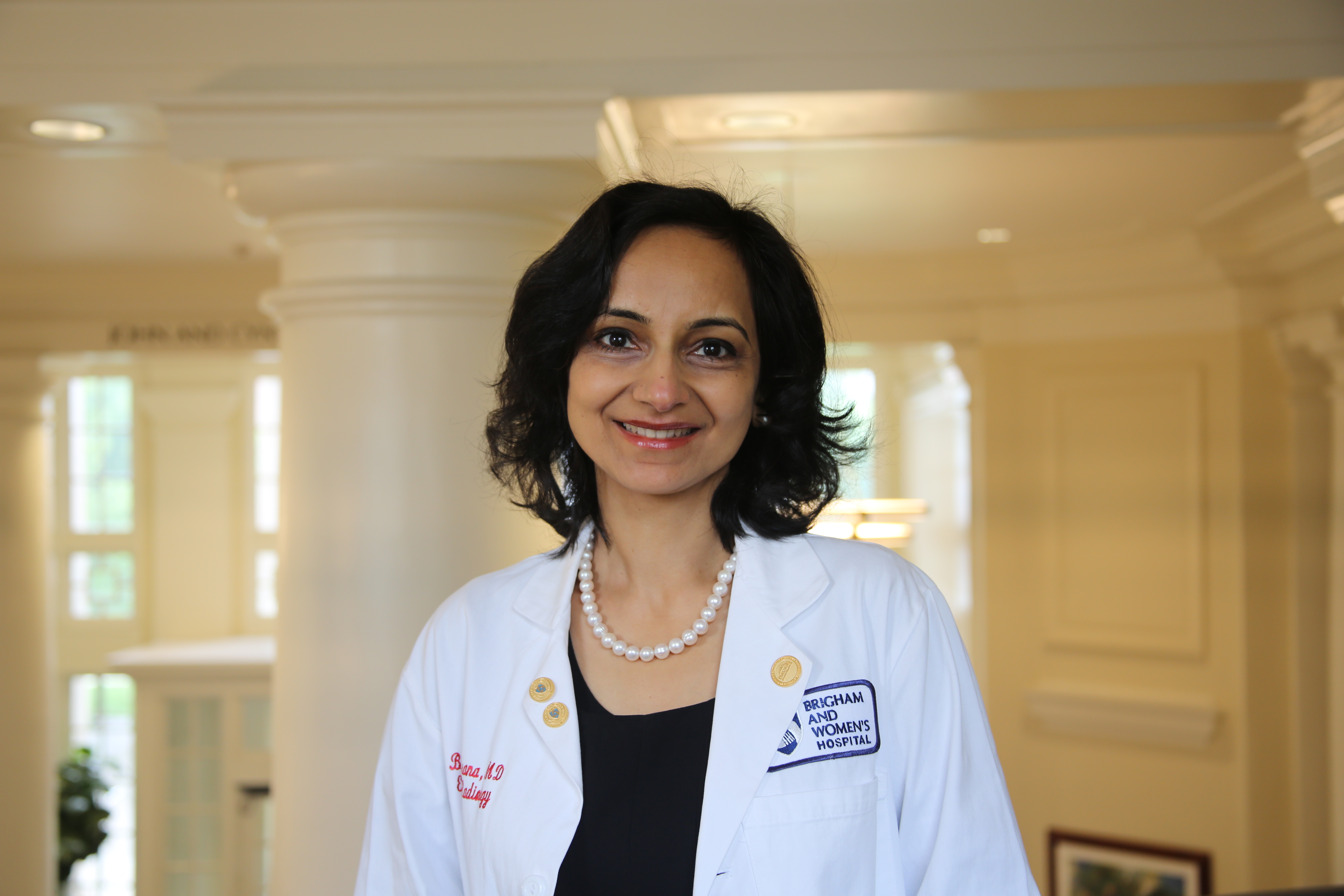
  Bharti Khurana, MD, Department of Radiology

“The Open Anatomy Project”
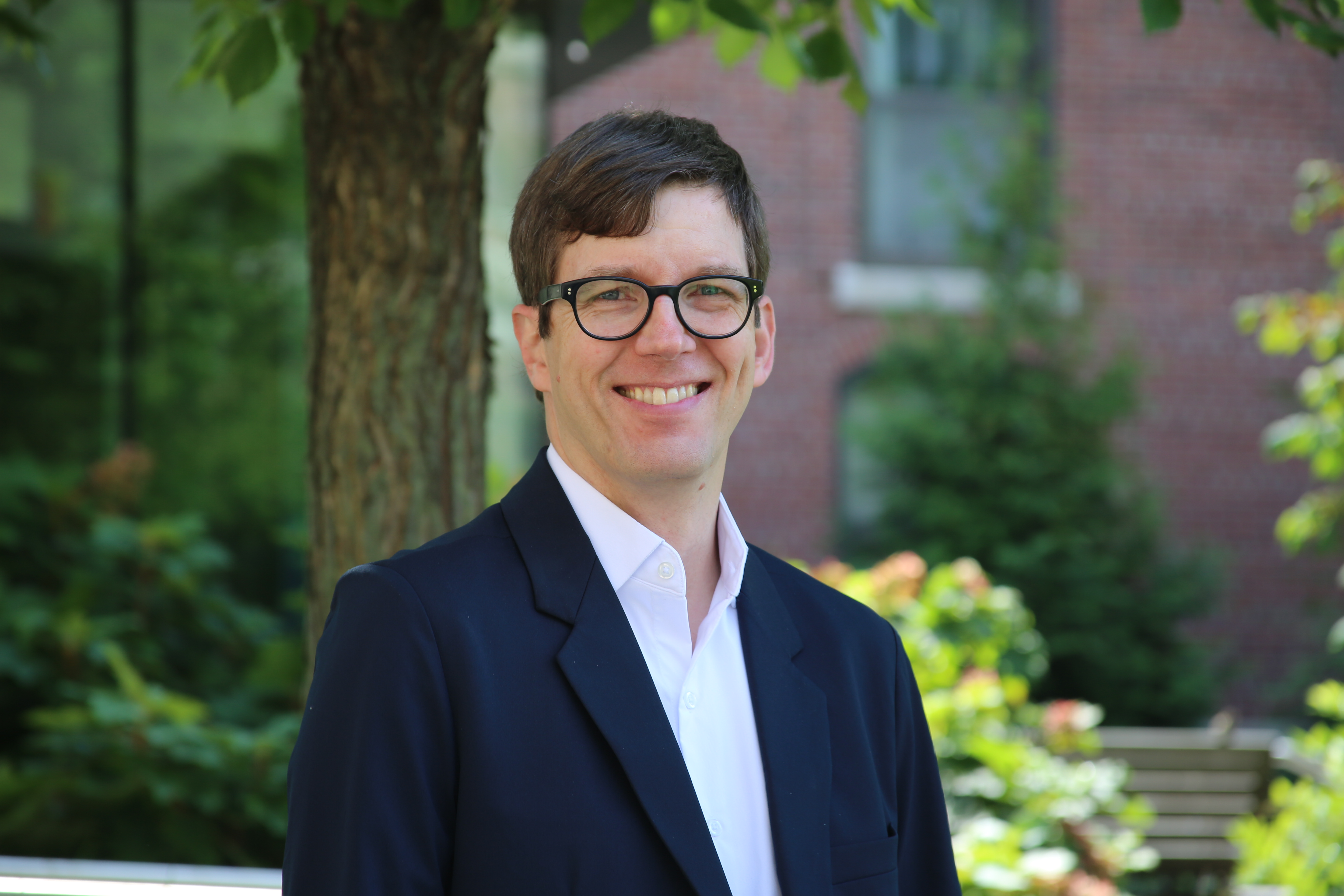
  Michael Hale, PhD, Department of Radiology

“Time to Heal Chronic Wounds”
  Morteza Mahmoudi, PhD, Department of Anesthesiology, Perioperative and Pain Medicine

Materials Management Week, Oct. 9-12
Did you know that there are five teams that make up BWH Materials Management? They are Audiovisual/Office Services, Linen, Shipping and Receiving, the Shop on the Pike and Supply Support. During Materials Management Week, BWHers will have the opportunity to meet staff from Materials Management at an information table and learn about how the teams support the Brigham. Oct. 9-12, 11 a.m.- 2 p.m., on the Tower 2 mezzanine, near the Shapiro Bridge.  

Police and Security Fair, Oct. 12
Celebrate the kickoff of International Association for Healthcare Security and Safety Week (Oct. 14-20), sponsored by the International Association for Healthcare Security and Safety, by attending the BWH Police and Security Fair. Members of the Police and Security team and bike patrol will be available to speak about the department’s work, provide educational materials and hand out giveaways. The mascot “McGruff the Crime Dog” will also make an appearance. Friday, Oct. 12, 10 a.m.-2 p.m., on the Tower 2 mezzanine, near the stairs leading to Dana-Farber Cancer Institute.

Arts in the Atrium, Oct. 15
Do you enjoy playing the piano or another acoustic instrument? Showcase your musical talent to colleagues, patients and visitors through Arts in the Atrium, which is looking for a BWH staff member who would be interested in performing at the bimonthly program. Arts in the Atrium begins Monday, Oct. 15, noon-1 p.m., in Cabot Atrium. For more information, contact Kelsey Craig at KCraig5@bwh.harvard.edu or 617-732-6584.

Don’t Delay: Get Your Flu Shot Today
All BWH personnel are required to receive an annual flu shot (or approval for an exemption due to medical or religious reasons; exempted personnel must wear a mask in patient areas for the duration of flu season). The deadline to receive your flu vaccination is Thursday, Nov. 15. All exemption requests must be submitted by Monday, Oct. 15. If you were approved for an exemption last year, you must reapply for one this flu season. Learn more. 

This year’s BRIght Futures Prize finalists are pursuing forward-thinking and inventive research to improve patient care. Each of the three finalists hopes to receive the $100,000 BRIght Futures Prize, which will be awarded at Discover Brigham on Wednesday, Nov. 7. Read about their work below, and vote for your choice.

Morteza Mahmoudi, PhD
Instructor, Center for Nanomedicine, Department of Anesthesiology, Perioperative and Pain Medicine


What problem are you trying to solve?

Non-healing, chronic wounds, such as bedsores and diabetic wounds, can create a wide range of devastating problems for patients and their families. The poor healing process of chronic wounds after trauma, surgery or acute illness affects millions of people worldwide. The death rate for patients suffering from chronic wounds is alarmingly high. For example, half of patients who have diabetic-related amputations will die within five years of the procedure. The associated costs – more than $30 billion annually in the U.S. alone – are another major issue. Despite extensive efforts in the development of therapeutic strategies, there is currently no effective treatment to heal chronic wounds. This is mainly because the proposed approaches use a single factor or cellular component to try to solve the complex problem of tissue repair.

What is your solution?

Chronic wounds have three main issues that obstruct the body’s normal healing process:

  • The absence of a suitable environment in which cells can easily travel, rapidly multiply and form new blood vessels
  • The rise of bacterial infection
  • Unbalanced and prolonged inflammation in the wound site

Our solution is to address all three issues with one wound-healing patch, which delivers several therapeutic factors to restart the body’s paused wound healing process. This patch contains a cocktail of biomolecules that can help cells reach the site of a wound and create new blood vessels. It also mimics most of the skin’s characteristics.

We plan to harness the power of nanotechnology – the science of the super tiny – to help heal wounds. The specific nanotechnology we are using includes nanofibers – fibers that are 1,000th the diameter of a single human hair. We can use these nanofibers to help newly immigrated cells feel at home and also release tiny particles that can alert the immune system to act when they detect infection in the wound site. Finally, we have a biomolecule to temper long-term inflammation and prevent negative consequences, such as scar formation.

How will your research project benefit people?

Based on what we’ve seen so far in our models and in early results for carefully selected patients who suffered from chronic diabetic wounds and bedsores, we are extremely optimistic that this approach can substantially reduce the pain and increase the survival rate of patients who are dealing with non-healing wounds. But we need to keep testing. That’s where the BRIght Futures Prize comes in. With funding from this award, we’ll be able to:

  • Test the patch’s healing capacity on other wounds
  • Monitor how effective it is at minimizing the risk of infection and consequent amputation
  • Increase the likelihood of successful translation of this technology into clinical practice.

If safe and effective, our patch would improve the lives of patients and their loved ones.

Collaborators and Affiliations

Several clinicians and bioengineers at BWH, Massachusetts General Hospital, Emory University, and Universidade de Santiago de Compostela


CAST YOUR VOTE
or read more about the other BRIght Futures finalists:

Making the Invisible Visible: Bringing
Intimate Partner Violence into Focus

The Open Anatomy Project

This year’s BRIght Futures Prize finalists are pursuing forward-thinking and inventive research to improve patient care. Each of the three finalists hopes to receive the $100,000 BRIght Futures Prize, which will be awarded at Discover Brigham on Wednesday, Nov. 7. Read about their work below, and vote for your choice.

Michael Halle, PhD
Investigator, Department of Radiology

What problem are you trying to solve?

Anatomy atlases – illustrated, annotated collections of anatomical knowledge – are a cornerstone of modern medical training and education. Doctors depend on them throughout medical school and their professional practice to guide critical medical decisions every day.

However, today’s anatomy atlases don’t live up to their full potential. Atlases can be very expensive and aren’t always translated into local languages, which limits their availability in countries or regions where medical training is desperately needed. Individual atlases from a single publisher also don’t reflect different expert viewpoints about our ever-evolving understanding of human anatomy.

What is your solution?

We are developing an entirely new type of anatomy atlas: An open, ever-growing, easily accessible library of anatomical knowledge built by a global community of expert physicians, researchers and illustrators. This online resource will be available to anyone, anywhere, for any purpose, for free.

We want to revolutionize the anatomy atlas the same way that Wikipedia revolutionized the encyclopedia. Our atlases are the product of the collective knowledge and experience of experts throughout the world, rather than relying on just a single medical authority. This approach will allow us to publish atlases created and edited by leading anatomists based on the latest high-resolution medical imaging. Our atlases can explain typical anatomy, normal variations, and even disease.

Anyone can access our atlases using an ordinary web browser, making them instantly available to practicing physicians, medical students and the public throughout the world.  What’s more, all the information in each atlas – including three-dimensional models of organs, medical images and descriptions – can be used as building blocks for new atlases and for new applications we cannot yet imagine.

We already have developed a core collection of atlases by medical experts from Brigham and Women’s Hospital, including a highly detailed atlas of the brain, available on the web at openanatomy.org. But this is just the start. We want the Open Anatomy Project to be home for the world’s most useful, accessible and up-to-date anatomy information.

How will your research project benefit people?                                

The Open Anatomy Project will deliver essential medical knowledge to places it’s needed most: regions of the world where traditional atlases are currently not available.

We have colleagues in the major teaching hospitals in Senegal, Mauritania and Mozambique ready to use our atlases and software tools to train the next generation of Africa’s doctors.

The BRIght Futures Prize will enable us to meet the teaching needs of our African partners. Working closely with them, we will adapt our atlases for their curriculum. We will translate our atlases, software and documentation for each country. And we will improve our software tools to work well in classrooms that don’t have access to high-speed internet.

This opportunity will allow us to make Open Anatomy widely available throughout the world.

Collaborators and Affiliations

Ron Kikinis, MD, founder and director, Surgical Planning Laboratory (SPL), Department of Radiology

Sonia Pujol, PhD, research scientist, SPL, Department of Radiology


CAST YOUR VOTE
or read more about the other BRIght Futures finalists:

Making the Invisible Visible: Bringing
Intimate Partner Violence into Focus

Time to Heal Chronic Wounds

This year’s BRIght Futures Prize finalists are pursuing forward-thinking and inventive research to improve patient care. Each of the three finalists hopes to receive the $100,000 BRIght Futures Prize, which will be awarded at Discover Brigham on Wednesday, Nov. 7. Read about their work below, and vote for your choice.

Bharti Khurana, MD
Director, Emergency Radiology Fellowship, Department of Radiology


What problem are you trying to solve?

Intimate partner violence (IPV), defined as physical, sexual or emotional violence between partners or former partners, is a critical public health issue and widely prevalent. One in four women and one in seven men have reported experiencing severe physical violence from an intimate partner in their lifetime in the U.S. IPV has both short- and long-term negative health consequences, and even childhood exposure to IPV has been linked to adverse mental and physical health effects in adults. Half of female homicides between 2003 and 2014 have been linked to IPV. Despite how often IPV occurs, many victims think they are alone, and cases can go unreported for decades.

The medical community could play a vital role in detecting IPV early and preventing its perpetuation. But IPV can be a very difficult subject to raise with a patient. Also, IPV happens mostly within the confines of the home and evidence is mostly elusive. Although questionnaires about safety have helped, the proportion of identifiable IPV cases to date only represents the tip of the iceberg. There is more that we as radiologists can do by looking specifically for early signs of IPV and providing opportunity to offer preventive services.

What is your solution?

We are creating new tools to empower clinicians to identify patients who are experiencing IPV. Our goal is to develop an integrated system that uses patterns derived from expert analysis of historical imaging and clinical data, detects and classifies injuries for their likelihood of being as a result of IPV, and automatically alerts clinicians if a patient’s injuries have low or high-risk probability for IPV.

To do so, we plan to use machine learning – that is, teach a computer program to recognize signs of IPV based on radiological and clinical findings from known IPV cases. This will give us a comprehensive picture and help generate a checklist to identify those most at risk. In addition, our multidisciplinary team will design conversational guides and training for social workers and clinicians to approach the patients who are identified as being at high risk for IPV but are not forthcoming.

How will your research project benefit people?

Intervening early means preventing adverse physical and mental consequences that result from IPV. With funding from the BRIght Futures Prize, we will be able to take the next step toward identifying radiological findings and clinical risk factors in patients with documented IPV.

Our goal is to give clinicians the tools, classification models, statistical evidence and alert systems for greater confidence and robustness in findings, empowering them to open a dialogue with their patients about IPV. We hope that this will have a ripple effect, changing the lives of patients and their families; strengthening the role of the medical community in identifying IPV; and breaking the silence around IPV in our society.

Collaborators and Affiliations:

George Dyer, MD, program director, Harvard Combined Orthopaedic Residency Program, Department of Orthopaedic Surgery

Annie Lewis-O’Connor, NP, PhD, founder and director of the Coordinated Approach to Recovery and Empowerment (C.A.R.E.) Clinic

Kathryn Rexrode, MD, MPH, chief, Division of Women’s Health

Steven Seltzer, MD, FACR, chair emeritus, Radiology

Giles Boland, MD, FACR, chair, Radiology

Marta Chadwick Balcom, JD, director, Violence Intervention and Prevention Programs, Center for Community Health and Health Equity

Hanni Stoklosa, MD, MPH, Department of Emergency Medicine

Mark Michalski, MD, executive director, MGH & BWH Center for Clinical Data Sciences (CCDS)

Katherine Andriole, PhD, director, Research and Operations, CCDS

William Berry, MD, associate director, Ariadne Labs

Mitchel Harris, MD, chief, Department of Orthopedics, Massachusetts General Hospital

Paul Tornetta, MD, chief, Department of Orthopedic Surgery, Boston Medical Center


CAST YOUR VOTE
or read more about the other BRIght Futures finalists:

The Open Anatomy Project

Time to Heal Chronic Wounds

13 Comments

Donors Needed: Blood Drive, Oct. 4
The Kraft Family Blood Donor Center will host a blood drive at 15 Francis St. on Thursday, Oct. 4, 8 a.m.-3 p.m. Donate blood aboard the Dana-Farber Cancer Institute/Brigham and Women’s Hospital Blood Mobile. All donations benefit patients at Dana-Farber Cancer Institute and BWH. Donors will receive a free Kraft Family Blood Donor Center lantern. To schedule an appointment, visit tinyurl.com/15FrancisOct2018. For eligibility questions, email BloodDonor@partners.org or call 617-632-3206. 

Physician Assistant Career Fair, Oct. 9
Meet with staff from various medical and surgical departments at BWH and learn about upcoming available positions as well as what it is like to be a physician assistant at the Brigham. Tuesday, Oct. 9, 3-5 p.m., on the third floor of the Shapiro Cardiovascular Center. For more information, email BWHPAServices@bwh.harvard.edu. 

Interpersonal Violence Grand Rounds, Oct. 16
In honor of Interpersonal Violence Awareness Month in October, survivor speaker Kerriann MacDonald, author of Good Enough: Based on True Events, will discuss about her experiences as survivor of intimate partner abuse as a teen and young adult. Tuesday, Oct. 16, 10-11:30 a.m, in the Zinner Breakout Room. Sponsored by Passageway and the Center for Community Health and Health Equity. 

Employee Flu Shot Deadlines Approach
All BWH personnel are required to receive an annual flu shot (or approval for an exemption due to medical or religious reasons; exempted personnel must wear a mask in patient areas for the duration of flu season). The deadline to receive your flu vaccination is Thursday, Nov. 15. All exemption requests must be submitted by Monday, Oct. 15. If you were approved for an exemption last year, you must reapply for one this flu season. Visit BWHPikeNotes.org for more information, including a schedule of upcoming flu shot clinics and instructions for documenting your vaccination status.

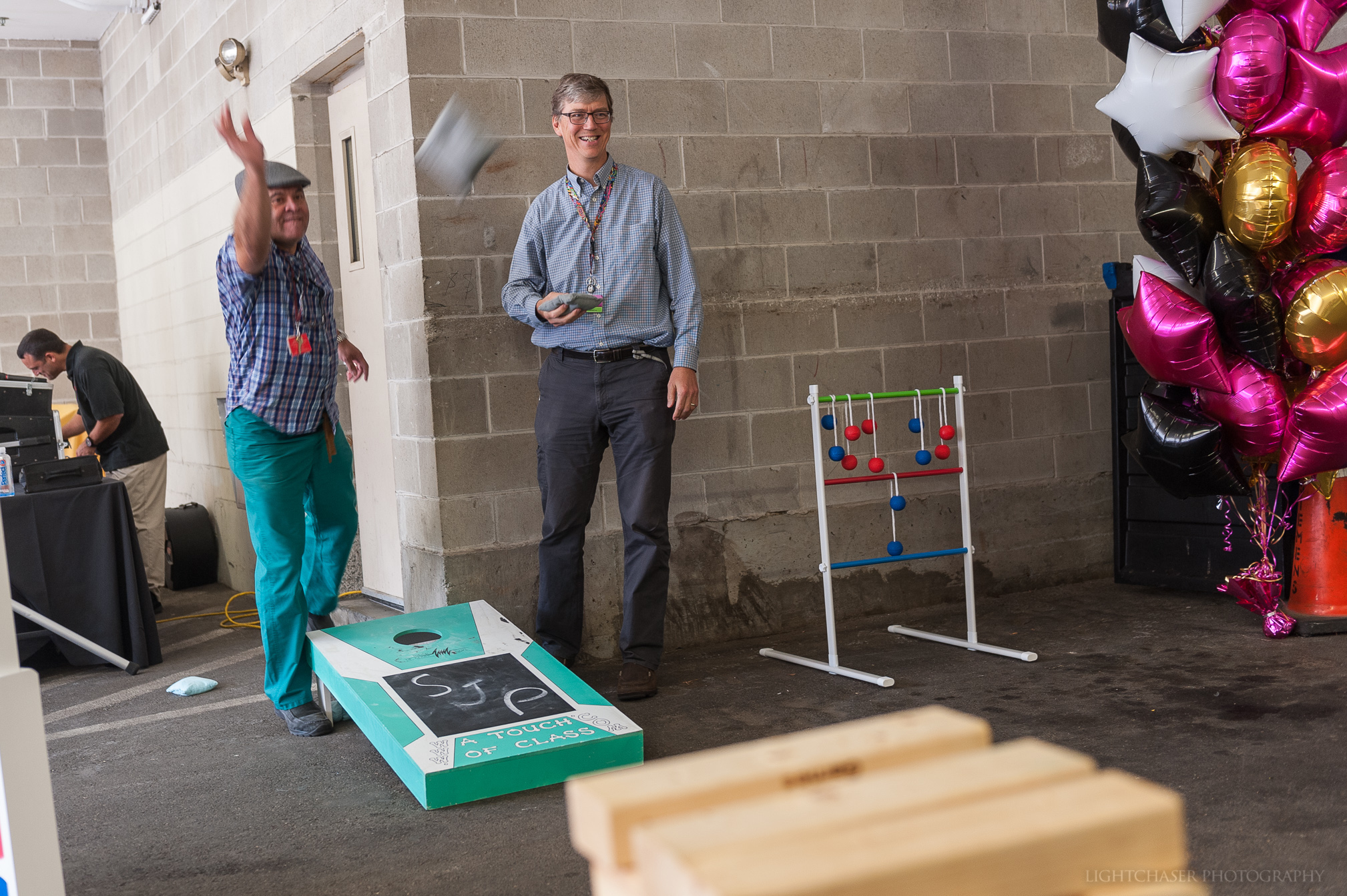
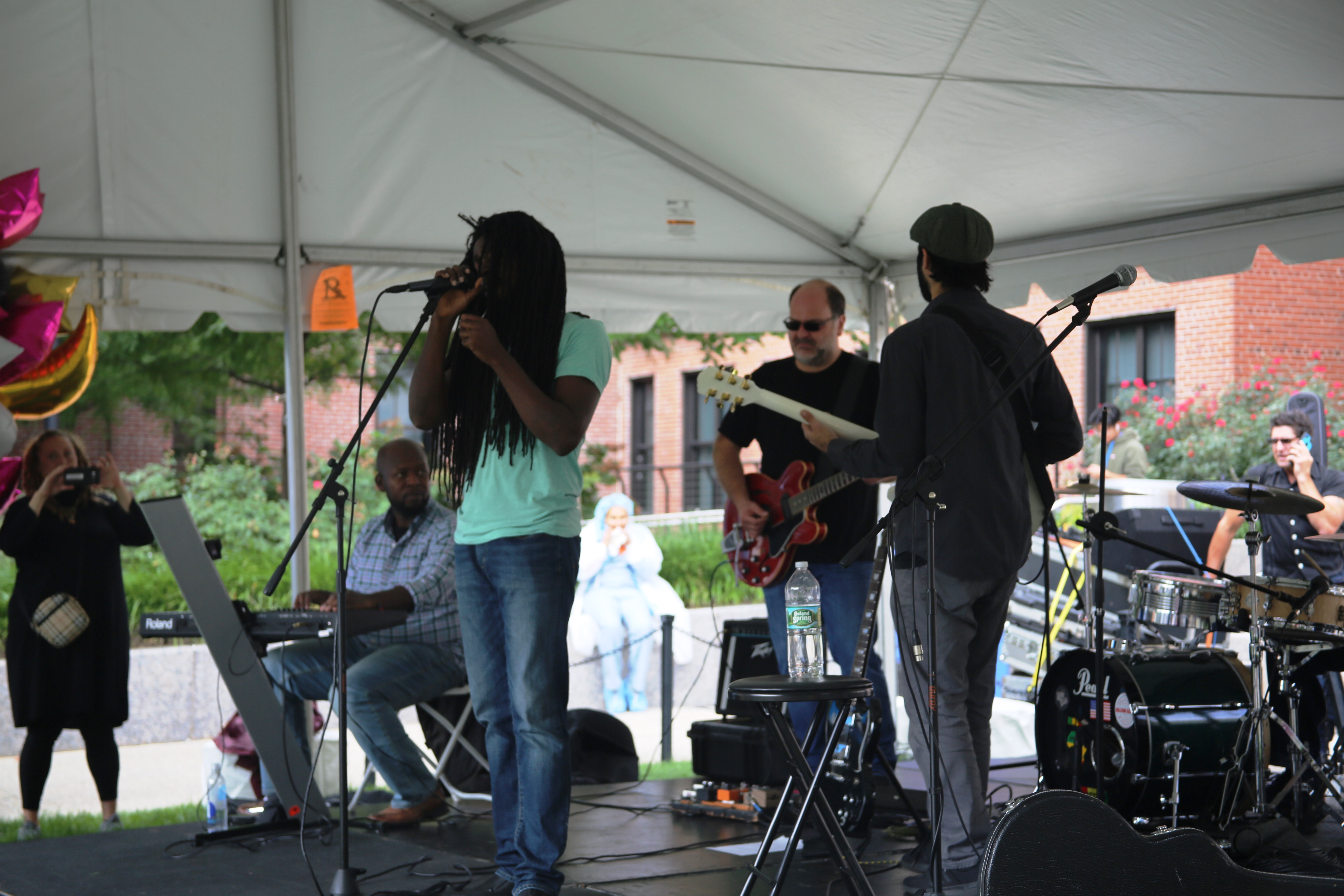
BWHers let loose at Brigham Block Party events across the main and distributed campuses Sept. 20-23. Featuring food trucks, lawn games, live music and more, the festivities celebrated staff for everything they do to support patients, families and each other.

BWHers let loose at Brigham Block Party events across the main and distributed campuses Sept. 20-23. Featuring food trucks, lawn games, live music and more, the festivities celebrated staff for everything they do to support patients, families and each other.

Brigham Health senior leaders and staff celebrate the opening of BWH’s first Mamava lactation suite with a ribbon-cutting ceremony.

On Sept. 27, a multidisciplinary group of BWH staff joined Brigham Health President Betsy Nabel, MD, to celebrate the Brigham’s first Mamava lactation suite. Offering a safe, private and convenient space for nursing mothers to breastfeed and pump breast milk, the modern suite is a self-contained unit equipped with a hospital-grade breast pump. It is located in the waiting area of the Mary Horrigan Connors Center for Women and Newborns, adjacent to the security desk on the Ground Pike. It is the first of its kind at a Boston hospital and is available to patients, their families, visitors and staff.

The 4-by-8-foot suite is wheelchair accessible and has two comfortable benches, a fold-down table, power outlets and a lockable door. It is meant for individual use and has room to accommodate mothers with babies and other children, as well as personal property. Nursing moms can locate and unlock the pod the Mamava app.

Khadda El Bouazzaoui and Geylor Espinal are among many BWHers recently honored for exemplifying the Brigham Way.

Geylor Espinal and Khadda El Bouazzaoui, members of the Valet team at BWH, are practically celebrities at the Brigham’s 75 Francis St. main entrance. Many patients and their families, visitors and staff look forward to Espinal and El Bouazzaoui’s familiar faces and warm greetings each time they come to the hospital. One patient described them as “rays of sunshine on many dark days.” 

Together, Espinal and El Bouazzaoui have been nominated to the Brigham Way campaign more than a dozen times – a record for the program – for going above and beyond to make BWH a better place for all who come through our doors. 

They, along with several other colleagues, were recognized earlier this week during a Brigham Way luncheon hosted by Brigham Health President Betsy Nabel, MD, in the Zinner Breakout Room. The event, held quarterly, honors the many ways in which BWHers care for patients and their families, visitors and each other.

“Thank you for exemplifying the Brigham Way every day,” Nabel told honorees on Sept. 25. “There are so many ways to show kindness to each other and make a difference. You each give your time, in your own ways, to help others, and for that I am truly grateful.” 

Nominations to the Brigham Way campaign can be submitted to the BWH Office of Strategic Communication on a rolling basis. Staff can nominate individual colleagues, as well as teams or themselves to the campaign. In addition, patients and their families can submit nominations. Recipients are photographed and work with a representative from Strategic Communication to create their Brigham Way phrase – one sentence that describes what working at the Brigham means to them. The phrases and photos are then shared with the Brigham community, as well as at the luncheon.

Raymond Anchan, MD, PhD, of the Department of Obstetrics and Gynecology, was nominated by a grateful patient, who, in a thank-you note to her care team, wrote: “Dr. Anchan was the quarterback of our family plan and each step forward brought us closer and closer to a success story.”

Stephanie Peña, service coordinator in the Bretholtz Center for Patients and Families, was nominated by her colleagues in the Center for Patients and Families for her willingness to go above and beyond to assist patients and their families. 

Edward Miller, a chef in Food Services, was nominated by Nabel after she received a note from an appreciative customer who is a fan of Miller’s cooking. The customer was pleased with Miller’s attentive service and hot, delicious meal from the Garden Café. 

And in an extraordinary example, Brandon Cooper and Caitlin Murphy, of Police and Security, were nominated to the campaign after they were among the first to respond to a Code Blue OB and helped deliver a patient’s baby outside the 75 Francis St. entrance this summer. 

If you see someone going above and beyond their responsibilities to help a patient, visitor or colleague, email your nomination to TheBrighamWay@partners.org. More information about the Brigham Way campaign is available on BWHPikeNotes.org. 

2 Comments

BWH hosted Brigham Block Party across the main campus on Sept. 20. BWHers gathered in Stoneman Centennial Park to enjoy food trucks, lawn games, live music and more. Festivities continued across the distributed campus at 850 Boylston St., Brigham and Women’s/Mass General Health Care Center (Foxborough), Brookside Community Health Center and Southern Jamaica Plain Health Center.

Send us your Brigham Block Party photos! Email photos to bwhbulletin@partners.orgNo patients should be in any photos without written consent. Be mindful of private information that could inadvertently appear in the background of your photo.

From left: John Jarcho, Natalia Berry, 2017 Nobel Prize winner Michael Rosbash, Thomas Michel and Bruce Koplan

A contingent of Brigham cardiologists attended the Ig Nobel Prize ceremony at Harvard University on Sept. 13, joining researchers from around the world to honor “achievements that make people laugh and then think.” The scientific theme of this year’s ceremony was “The Heart.” Awards at the event, a light-hearted parody of the formal Nobel Prize ceremony, are presented by past Nobel laureates.

While no BWHers took home an Ig Nobel this year, the Brigham has strong ties to the ceremony, hosted by the science humor magazine Annals of Improbable Research. Thomas Michel, MD, of the Division of Cardiovascular Medicine, serves as the event’s longtime “musical impresario,” performing with his accordion octet, the Boston Squeezebox Ensemble. Over the years, the musical group has consisted of several BWHers, with this year’s lineup of performers at the event including Natalia Berry, MD, John Jarcho, MD, and Bruce Koplan, MD, all of Cardiovascular Medicine.

Paul Sax

Since launching the HIV and ID Observations blog, Paul Sax, MD, clinical director of the Division of Infectious Diseases, has written hundreds of posts about infectious diseases (ID), medicine in general and various other not-so-medical topics. He recently celebrated the tenth anniversary of his blog, which has covered everything from baseball to HIV to wardrobes to the Zika virus. The blog has generated more than 2 million page views, with readers from all over the world.

In this abridged Q&A, Sax shares more about the project’s origins and what he enjoys about blogging. Read the full interview at BWHClinicalandResearchNews.org.

How did you begin the blog?

PS: When writing on the internet exploded around 15 to 20 years ago, I was reading an increasing amount of incisive, entertaining commentary about baseball, since baseball is one of my passions. To give you an idea about how long ago this was, this was back when ads used to include the phrase, “Visit us on the web!” with their URLs. Since I’m also very passionate about my field of medicine, I wondered if I could write something similar to this educational and fun baseball writing, only shifting the topic to infectious diseases.

I offered the idea to the Massachusetts Medical Society, the publishers of The New England Journal of Medicine. Fortunately for me, they agreed. Let the record show that they are much more famous for their flagship journal than my blog, but I’m happy to bask in in their glory.

How would you describe the tone of your blog?

PS: The tone is casual. I try to make it sound like a conversation rather than what’s published in medical journals. I always enjoy reading authors who take the work out of reading.

Plus, my family all knows that I’m a frustrated comedy writer, and the blog has provided a nice outlet for me. In college, I was one of the editors of the Harvard Lampoon, which is a training ground for many successful comedy writers. Yes, pursuing a career as a comedy writer would have been a very different path from medical school, and it honestly crossed my mind at the time. I don’t regret the choice I made. Medicine in general and ID in particular have formed a fascinating and rewarding career for me. But at least with the blog, I get the chance to be funny. Or at least to try to be funny.

Are there posts that have been particularly popular?

PS: I wrote a post about the greatest infection risks for people who inject drugs. I think the public perception remains that HIV and hepatitis C are the two biggest risks. But, in fact, they really aren’t; we have effective treatments for both of those infections, even a cure for the latter. So, I wrote about my experience having seen so many previously healthy young adults in the hospital with life-threatening bacterial infections and set it in the context of a discussion with my college-aged daughter. The post touched a nerve. It received widespread attention.

Other than that, posts about how doctors dress seem to be extremely popular. I also go to all the major HIV conferences and summarize them, and these summaries are broadly distributed on social media.

Do you engage in dialogue with your readers?

PS: Absolutely, and I enjoy it – the people who follow the blog seem to be a fantastic community, with a high proportion of ID and medical nerds. One of the early decisions we made was to have a moderated comments section, which means either the editor at Massachusetts Medical Society or I review the comments before they are published.

The geographic distribution of my readers has been a wonderful surprise. I wrote a post recently about when my dog was attacked at the local park by another dog, which had almost nothing to do with infectious disease. I was recently at the International AIDS Conference in Amsterdam, and an infectious diseases specialist from Mexico came up to me and said, “I’m so sorry about your dog.”

Is your dog feeling better?

PS: He’s fine now. I’m the one who’s still a wreck!

Interactive demonstrations at the ‘iHub Turns 5’ celebration showcase digital health innovation at the Brigham.

On Sept. 12, more than 200 clinicians, scientists, staff and entrepreneurs commemorated the fifth anniversary of the Brigham Digital Innovation Hub (iHub) during a celebration of innovation and digital advancement at BWH and beyond.

The half-day event, “iHub Turns 5,” featured panel discussions with BWH innovators, iHub alumni and senior leaders from the Brigham and Partners HealthCare in the Hale Building for Transformative Medicine.

Since 2013, iHub has helped innovators launch and advance projects focused on using technology to streamline hospital operations, improve care delivery and enhance the patient and employee experience. One example is the Brigham’s online wayfinding tool, which provides step-by-step directions for navigating the hospital. iHub members have also worked with Medumo, a startup co-founded by Internal Medicine and Dermatology resident Omar Badri, MD. The company’s flagship application – in use at the Brigham’s Endoscopy Center – delivers precisely timed reminders via email and text message to patients for various purposes, such as preparations for procedures.

“We are aspiring to drive the safest, most patient-centered and efficient care through the use, development, evaluation and commercialization of digital health solutions,” said Adam Landman, MD, chief information officer of Brigham Health.

Improving Lifesaving Care Through Innovation

During a panel highlighting current and former BWHers’ journeys from ideation to innovation, YiDing Yu, MD, shared her experience of working with iHub to grow a startup company from a single idea.

When she was a second-year Internal Medicine resident, Yu attended iHub’s inaugural hackathon five years ago wanting to solve a problem she had encountered firsthand, specifically the communication challenges care teams encounter when a patient is arriving via ambulance.

Due to privacy concerns, emergency medical service (EMS) responders can only transmit limited information about an incoming patient to hospital care teams over public radio channels. Yu wanted to develop a tool to bridge this gap – a technology that would provide emergency departments with timely information while protecting patient privacy.

Yu was determined to solve this problem, despite the fact that she had no experience starting a tech company. “All of us were first-time entrepreneurs. We had no idea what we were doing,” said Yu.

Yu’s application, Twiage, is now used by over 50 hospitals in 12 states. Its secure digital platform enables first responders and emergency departments to accelerate lifesaving care by sending real-time clinical data and location updates directly to hospital care teams. Yu said that while it was daunting to pivot her career path to focus on Twiage – she also practices medicine at Atrius Health a few hours a week – she believes in her startup.

Yu attributes part of her success to the support she has received from iHub and the larger Brigham community. “I came to the Brigham to train because of the culture here,” said Yu. “I think you have to be surrounded by people who support your passion – I have bosses and mentors who do that. They help ignite that fire in your belly.”

Yu was joined on the panel by Karen Fasciano, PsyD, a psychologist at BWH and Dana-Farber Cancer Institute, who discussed her work on banYAn, an app that helps young adults coping with cancer; Alexander Lin, PhD, director of the Center for Clinical Spectroscopy in the Department of Radiology, who launched a company called BrainSpec to make virtual biopsies a reality; and Scott Weiner, MD, MPH, of the Department of Emergency Medicine, who is working on several digital health projects related to the opioid crisis.

In addition to the speaking program, the celebration was a homecoming for many iHub alumni, including Lesley Solomon, MBA, who helped create iHub and was honored that evening with the inaugural Disrupting Medicine Award for her contributions and leadership.

Reflecting on iHub’s early days, Solomon said the Brigham had to chart new territory to get iHub off the ground: “You just have to go for it. You just have to start doing things.”

Update Your Address in PeopleSoft by Sept. 20
Open Enrollment for 2019 employee benefits will take place Oct. 29-Nov. 20. To ensure you receive the information you need to make the right decision for you and your family, log into PeopleSoft and verify that your home and mailing addresses are up to date. Any changes to your address should be made in PeopleSoft by Thursday, Sept. 20. To view your profile, visit ibridge.partners.org. Once logged in, click “myDetails” to check your addresses.

Attend the B-PREP Patient Forum, Sept. 22
The Breast Cancer Personalized Risk Assessment, Education and Prevention (B-PREP) Patient Forum is for women who are interested in understanding their risks for breast cancer. Led by breast cancer specialists from the Dana-Farber/Brigham and Women’s Cancer Center, this educational event will help you gain a better understanding of your breast cancer risk and provide you with options and strategies to reduce your risk. The event is free to attend and open to all staff, patients and families. Saturday, Sept. 22, 8:30 a.m.-12:30 p.m. at Dana-Farber Cancer Institute’s Yawkey Conference Center (306, 307 and 308), 450 Brookline Ave. To learn more and register, visit is.gd/BPREPForum or call 617-983-7343.

Learn More About AllWays Health Partners, Sept. 25
AllWays Health Partners, currently known as Neighborhood Health Plan, will administer employee health plans as of Jan. 1, 2019. Learn more about this transition, what the new brand means, new tools and more about the provider network by attending an informational session on Tuesday, Sept. 25, 12:30-1:30 p.m. in Bornstein Amphitheater. There will be a brief presentation, followed by a question-and-answer session and giveaways. This event will also be webcast. Visit BWHPikeNotes.org to learn more.

Take the 2018 Employee Transportation Survey
All BWH staff are encouraged to complete the Brigham’s 2018 Employee Transportation Survey. This brief, anonymous survey assesses how employees commute to work. Conducted in accordance with the Massachusetts Rideshare Regulation, the survey supports the state’s plan to reduce air pollution. Those who complete the survey will be eligible to win one of several prizes, including a Kindle Fire HD, free parking at BWH for one month or one of two American Express gift cards, valued at $50 and $100. Learn more at BWHPikeNotes.org.

In appreciation for and celebration of everything you do for our patients, their families and each other.

BWH Main Campus

Thursday, Sept. 20

11 a.m. – 4 p.m.
Stoneman Centennial Park, plus indoor events at 15, 45 and 75 Francis St., the Shapiro Cardiovascular Center and the Hale Building for Transformative Medicine

Festival featuring food trucks, lawn games, music, lunch and dessert stations, giveaways, local craft vendors and more.

15 Francis St. food trucks: Baja Tacos, Morrell’s BBQ, Papi’s Sopapillas, Roxy’s Grilled Cheese, Stoked Pizza, Trolley Dogs

45 Francis St.: Dessert station by Tower Catering

Miller Atrium, Shapiro Cardiovascular Center: Food stations by Tower Catering

11 p.m. – 2 a.m.
Cabot Atrium, 45 Francis St.

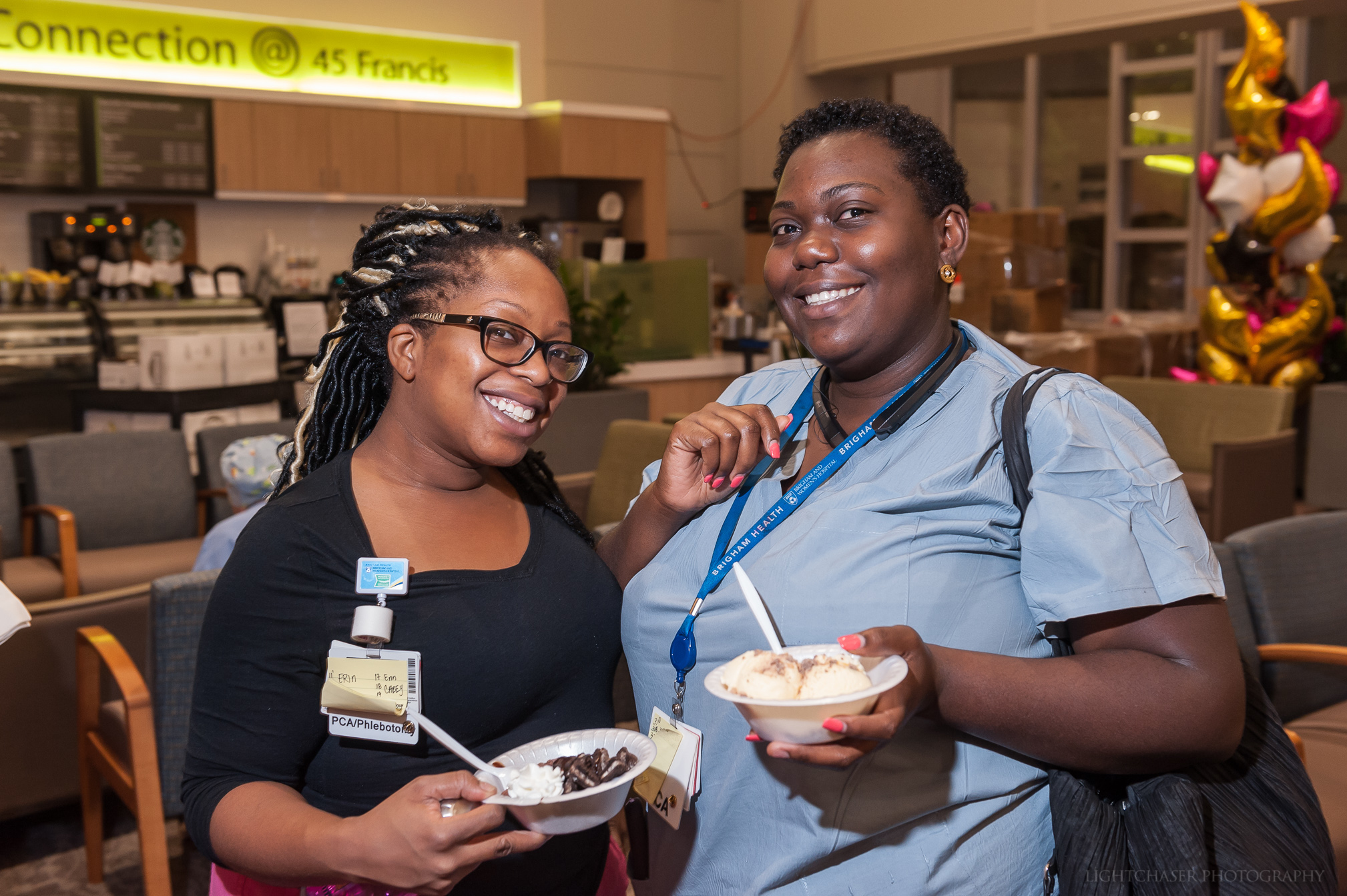
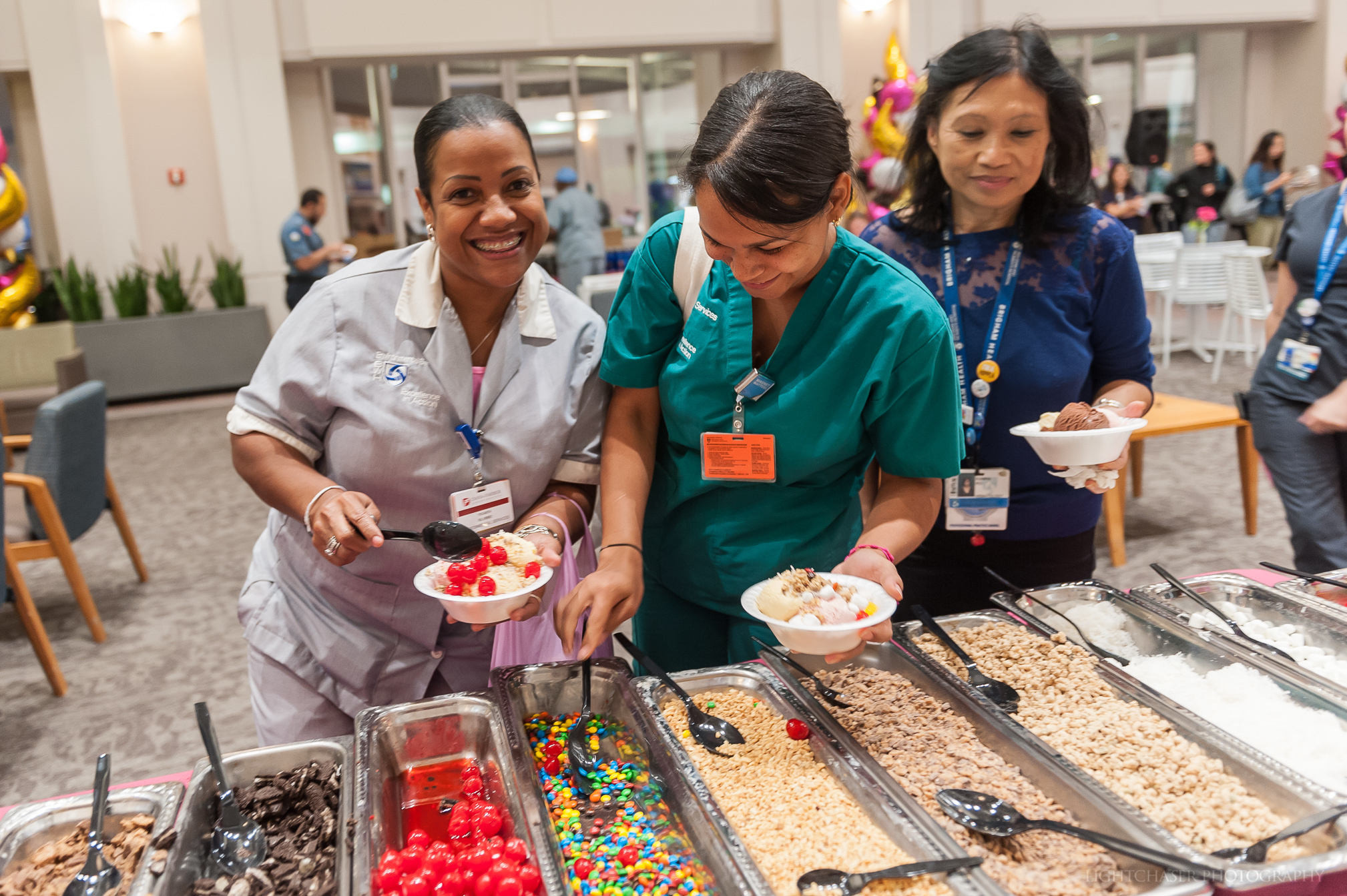
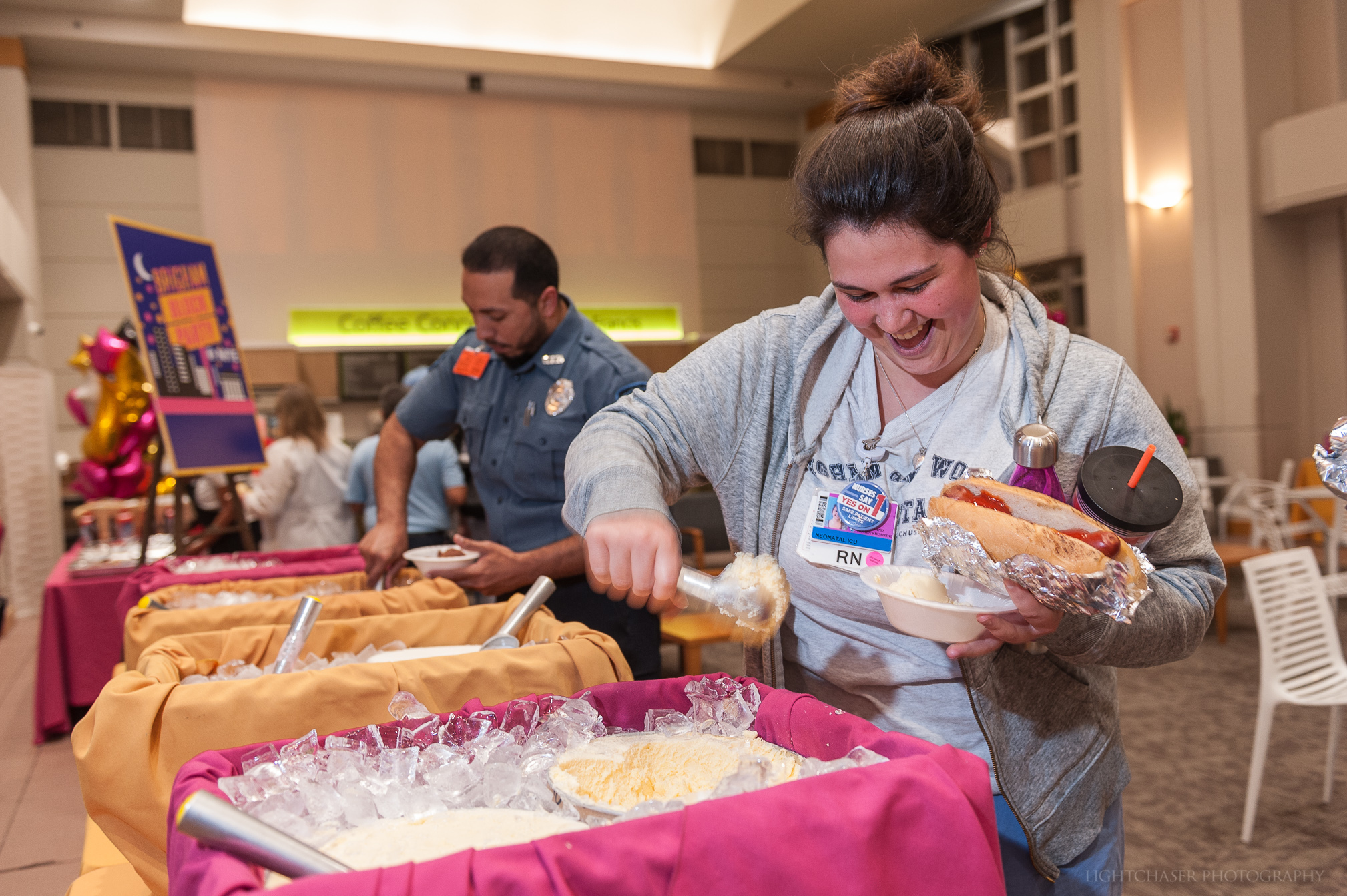
Featuring Trolley Dogs and Stoked Pizza food trucks, ice cream sundae bar by Tower Catering, beverages, local craft vendors and giveaways.

BWH Distributed Campus

Indoor and outdoor festivals featuring food, fun, music, giveaways and more

Wednesday, Sept. 19

Noon – 2 p.m.
Brookside Community Health Center


Friday, Sept. 21

Noon – 2 p.m.
Southern Jamaica Plain Health Center

11:30 a.m. – 2 p.m.
850 Boylston St.


Sunday, Sept. 23

11:30 a.m. – 2:30 p.m.
Brigham and Women’s/Mass General Health Care Center (Foxborough)

9 Comments

From left: Shristy Pyakuryal and Ron Walls take the Brigham’s hand hygiene pledge.

We owe to it our patients, their families and ourselves to always practice hand hygiene, especially before and after every patient encounter.

Here are five things to know about hand hygiene:

  1. Organisms that cause hospital-acquired infections are most frequently spread from one patient to another patient on the hands of health care workers. Hand hygiene is the single-most effective way to prevent this.
  2. To practice effective hand hygiene, wet your hands with clean, running water (warm or cold), apply soap, lather and scrub your hands for 20 seconds, rinse and dry. If you’re using hand sanitizer, such as Purell, apply the product to the palm of one hand and rub your hands together, including your fingers, until they’re dry.
  3. Purell is not drying to the skin; it is formulated with a combination of moisturizers designed to leave hands feeling soft.
  4. All staff must practice proper hand hygiene each time they enter and exit a patient room, regardless of whether staff plan to touch anything in the room. If your hands are full while entering or exiting a patient room, you must practice hand hygiene immediately after putting items down before contacting a patient or anything in the patient room.
  5. A critical part of practicing hand hygiene is our readiness to respectfully give and receive feedback to one another, supporting a culture of collaboration across our departments and disciplines. Whether you receive hand hygiene feedback from your supervisor, peer or another staff member, there is only one appropriate answer: “Thank you.”

Learn more about hand hygiene on PikeNotes.

Katy Kehoe

Katy Kehoe, MS, joined Brigham Health in July as practice administrator of the Fish Center for Women’s Health and the Osher Center for Integrative Medicine at Brigham and Women’s Health Care Center, Chestnut Hill, at 850 Boylston St.

Since starting in her new role, Kehoe has exercised her practice operations and management experience to set priorities for the Fish and Osher centers, connecting with providers and staff to identify challenges and opportunities across both clinics.

“Katy’s innate interest in learning makes her an effective leader,” said Cindy Peterson, MBA, vice president of Regional Ambulatory Operations and Business Development. “As soon as she began working at the Fish and Osher centers, Katy sought out one-on-one time with each staff member and provider to more deeply understand both practices. She walks the walk, showing both compassion for the patient and advocacy for her staff, and we are fortunate to have Katy as part of our Regional Ambulatory Operations team.”

Kehoe, who has extensive practice operations management experience, previously worked as deputy director at Charles River Community Health in Brighton. Prior to that, she was practice manager of Internal Medicine and Medical Specialties at Harvard University Health Services.

She received her master’s in health policy and management from the Harvard T.H. Chan School of Public Health and her bachelor’s in English literature from Dartmouth College in Hanover, N.H.

Phyllis Fabello

Phyllis Fabello, MHA, joined the Brigham this spring as practice administrator at Brigham and Women’s Health Care Center, Westwood.

She is responsible for the launch and ongoing operations of the Brigham’s newest ambulatory site, which is scheduled to open Monday, Oct. 1. Since her arrival, Fabello has assembled an experienced team and partnered with Ambulatory leadership to ensure patients have seamless access to Westwood’s array of specialties. In addition, she has played a major role in helping to bring a primary care practice, managed by the Partners Community Physicians Organization, to Westwood.

“Phyllis’ energy and enthusiasm, along with her deep understanding of practice management and her excitement for bringing Brigham Health to Westwood, make her a strong leader,” said Cindy Peterson, MBA, vice president of Regional Ambulatory Operations and Business Development. “We are delighted to have her as part of our Regional Ambulatory Operations team.”

Fabello has decades of practice operations management experience. She most recently worked at Wellesley Women’s Care in Newton, where she assessed staffing and process improvement and developed policies and procedures. Prior to that, she held similar roles at Community Eye Care in Lowell, Exeter Hospital in New Hampshire, Steward Health Care in Boston and several other health care organizations across Massachusetts.

She received her master’s in health care management from the University of Massachusetts Lowell and her bachelor’s in business management from Emmanuel College.

BWH Fantasy Football League Draft Party, Sept. 6
The BWH Young Professionals group is organizing a Brigham fantasy football league. New and seasoned fantasy football participants are encouraged to join. The league will kick off with a draft party on Thursday, Sept. 6, at the Baseball Tavern, 1270 Boylston St., Boston. If you would like to join the league but are unable to make it to the draft party in person, there is still an opportunity to participate. To join the league, email anoone1@bwh.harvard.edu before Sept. 6.

BEI B-Well Donut Day, Sept. 27
Visit the Brigham Education Institute’s Knowledge Center and start your day off right with coffee and a doughnut sampling from Union Square Donuts. Thursday, Sept. 27, 6:30-9 a.m. The Knowledge Center is located off the Lower Pike, near the Thorn elevators. For more information and to register, visit bei.brighamandwomens.org/bei-calendar.

Blood and Platelet Donors Needed
The Kraft Family Blood Donor Center is always in need of blood and platelet donors. Schedule your donation today and make a lifesaving difference for our patients. All blood and platelets collected at the Kraft Center and on the Blood Mobile benefit patients at the Brigham and Dana-Farber Cancer Institute. To schedule an appointment or learn more, email blooddonor@partners.org or call 617-632-3206.

Medication Disposal Kiosks Located at BWH
Do you have unused or expired medications? Safely dispose of any medications you no longer use by dropping them in the drug disposal receptacles at the main campus Outpatient Pharmacy, located at 45 Francis St., Monday-Friday, 9 a.m.-5:30 p.m., and the Outpatient Pharmacy at 850 Boylston St., Monday-Friday, 9 a.m.-4 p.m.

What’s happening in your corner of the Brigham? Share your photos of BWH celebrations, events, presentations and more with The Week in Photos gallery on PikeNotes. Email your submission to BWHBulletin@partners.org. Note: Any photos with patients must have proper consent. Be mindful of private information that could inadvertently appear in the background.

From left: Perla Tejeda, Glorimar Gonzalez-Raices, Britney Ifebhor, RonAsia Rouse, Donell Rankins, Khadijah Abdurrashid and Bamidele Osinubi

Left: Student Success Jobs Program (SSJP) interns and program staff visit the University of Massachusetts Amherst for a campus tour.

Each summer, SSJP brings students to tour college campuses around Boston and support their college-application process.

Photo submitted by Glorimar Gonzalez-Raices, MSW, LICSW.

Christina Mazzone

While technology plays an important role in protecting the Brigham’s network and devices from malware, phishing and viruses, BWH staff are an equally vital line of defense. Christina Mazzone, CISSP, information security officer for Brigham Health, spoke with BWH Bulletin about how BWHers can play an active role in these efforts.

How does the Brigham protect its data, devices and network?

CM: As a first line of defense, we regularly conduct information security assessments to understand what’s on our network, with the goal of understanding how secure our devices, tools and vendors are. In turn, that helps us better understand where the potential vulnerabilities could be in our environment. Then, through technology or new best practices, we work to make sure those systems are secure.

Why is it important for all BWH staff to remain vigilant about malware, phishing and viruses?

CM: If BWH staff are aware of how to protect data, both in their personal life and at work, then they can be good stewards in helping protect patient information in our environment.

It only takes one person opening an infected email or website to put others at risk. One click could lead to a virus or malware attacking a whole network of machines. I think of it like human viruses: It’s all about preventative care. If employees are diligent about looking out for malicious emails and making sure their devices are protected – like many of us do with immunizations for our bodies – then we can protect our network from becoming infected.

Click here to learn more about how to protect yourself from viruses, malware and phishing.

Are there issues that affect health care institutions in particular?

CM: Health care has a unique set of challenges because, at the end of the day, patient care and patient safety are the priority. Whereas other industries can often make automated, system-wide updates to their network without potentially affecting anyone’s safety, we are always mindful that any update we push out has the potential to disrupt patient care. We do a lot of our updates and fixes manually and incrementally so that we have more control. Additionally, some medical devices are incapable of running something like antivirus software, so we implement other controls to compensate and prevent hackers from taking advantage of that.

What is the most prevalent misconception about the role of information security?

CM: It is often seen as a barrier to getting things done, but that isn’t the case at all. We want to continue to enable our staff to move forward while also making positive steps around security. We’re not here to say no. We’re here to support you with creative solutions and help you do your job in the most secure manner.

Phishing 101: 5 Tips for Protecting Your Email

Phishing is the fraudulent practice of sending emails that are crafted to trick you into giving up sensitive information or performing an action, such as clicking a link or opening an attachment. It may even look like it comes from a trusted, familiar source like Partners HealthCare, Human Resources or a bank.

Here are five things you can do identify and fight phishing:

  • Be skeptical of emails from suspicious senders that are labeled “urgent” or rush you to take action.
  • If you receive a message that says you have a package being delivered when you aren’t expecting anything, it may be a phishing attempt.
  • Look out for spelling errors, odd formatting or being addressed as “dear sir or madam” in emails.
  • In the preview pane of Outlook, hover your mouse over the sender’s name to view their email address. Take note of whether it looks incorrect or unusual. For example, if the sender’s address comes from partners.com instead of partners.org or contains long strings of numbers and letters, then it is most likely a phishing attempt.
  • If you believe you’ve received a phishing email, highlight the message and click the “Report Phishing” button in the Outlook toolbar. You can also forward the message as an attachment to nospam@partners.org.

Earlier this summer, BWHers were invited to participate in a hospital-wide poll to help name an upcoming employee appreciation festival celebrating our BWH community. Winning the most votes was Brigham Block Party, which will feature multicultural food, music and more.

Save the Date, Sept. 20: The main campus Brigham Block Party will be held Thursday, Sept. 20. More details will be shared in the coming weeks about the celebration, including information about festivities for evening-shift staff and events planned for the distributed campus. Stay tuned to your BWH email and PikeNotes for the latest updates.

2 Comments

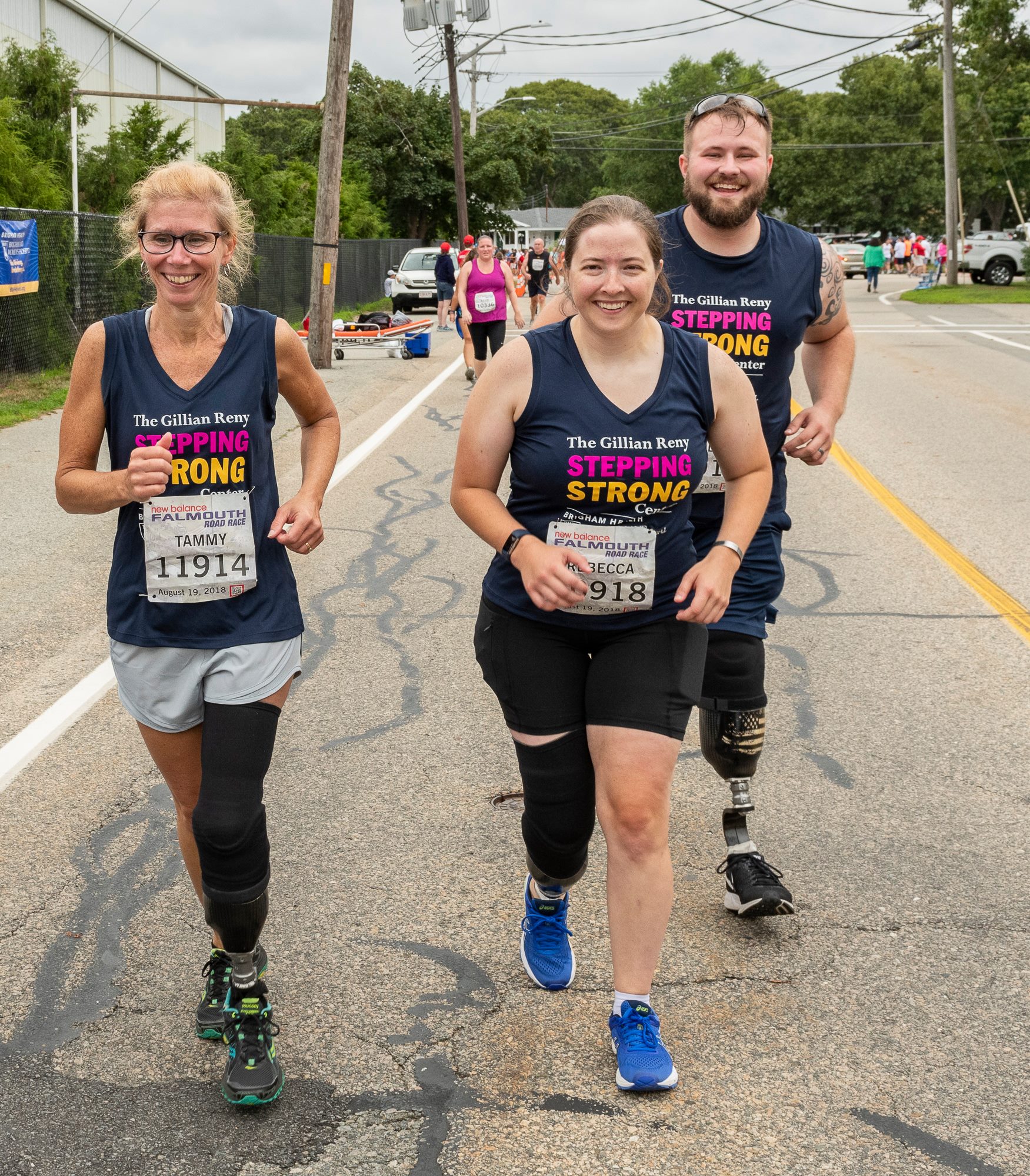
From left: Tammy Jerome, Rebecca Mann and Brandon Korona

It was a surreal moment for retired U.S. Army Sgt. Brandon Korona when he crossed the finish line of the Falmouth Road Race with two fellow amputees, Tammy Jerome and Rebecca Mann, earlier this month. All three are among the first patients to undergo a novel surgical amputation to repair injuries to their legs and relieve chronic pain they had experienced for years.

While they each had different reasons for having the first-of-its-kind procedure, known as the Ewing amputation, the trio has bonded over their shared experience. Korona said completing the seven-mile race alongside Jerome and Mann meant a lot to them all.

“We started as a team and finished as a team,” Korona said. “This was the pinnacle event since my surgery, and there was no doubt in my mind that I would finish. Together, the three of us motivated each other the entire way.”

On Aug. 19, Jerome, Korona and Mann participated in the 46th annual New Balance Falmouth Road Race in Cape Cod with 35 other runners in support of BWH, Brigham and Women’s Faulkner Hospital and The Gillian Reny Stepping Strong Center for Trauma Innovation. To date, the team has raised close to $28,000 to transform the future of medicine for patients and their families at the Brigham and around the world.

Taking the Next Step

First performed on Brigham patient Jim Ewing in 2016, with support from the Stepping Strong Center, the Ewing amputation is an experimental procedure that redefines the way a traditional amputation is done. If successful, this dynamic-model amputation will enable patients to perform complex actions and feel sensation by using building blocks in the body to allow their brain to interact with a robotic prosthetic developed in collaboration with the Massachusetts Institute of Technology (MIT).

Currently using traditional prosthetics, Jerome, Korona and Mann wanted to participate in the Falmouth Road Race together to give back to the hospital that gave each of them a life-changing opportunity.

For Mann, finishing the race showed her how far she’s come personally since her surgery last October. A retired chief warrant officer two in the U.S. Army, Mann said it feels good to participate in activities she loves, including walking and hiking.

“Nine months ago, I could barely walk because the pain in my foot was so bad,” Mann said. She had suffered a non-combat injury to her foot in 2014, and, up until her surgery, struggled with chronic pain as a result. “Thanks to the Brigham and Stepping Strong, I’ve been given the gift of my life back. This hospital will always hold a special place in my heart.”

Last August, Jerome underwent the Ewing amputation after suffering with chronic pain and infections in her left ankle for six years. Within four months of beginning to walk on a prosthetic, she began indoor and outdoor rock climbing, and she has completed four races, including the Boston Athletic Association’s 5K race with the Stepping Strong team. She said participating in the Falmouth Road Race was another way she could show others that amputation is not an end.

“For so many years, I have been held back from being able to be active with my family. Now, I may succeed at something or I may not, but I have been given the ability to try,” Jerome said. “This would not have been possible without the collaboration of BWH, Stepping Strong, MIT and my incredible medical team. I am grateful beyond words.”

Korona agreed, adding that completing the Falmouth Road Race, his first post-surgery race, is just the beginning of achieving bigger goals.

“Completing Falmouth told me I could do more now, and the goal is to push myself further than I have ever gone before because I’ve been given the gift of my life back,” said Korona, who aspires to participate in the 2020 Boston Marathon.

Sign Up for Brigham Experience Focus Groups
The next phase of the study of our Brigham culture involves focus groups in August and September. The findings from these hour-long focus groups will be summarized with the Brigham Experience: Culture, Diversity & Inclusion Survey results and shared across the organization this fall. The sessions run now through Wednesday, Sept. 26. No individual feedback will be shared at any time. Food will be served at each session. To view the focus group schedule and to sign up for a session, visit BWHPikeNotes.org.

BWH ‘Let’s Get Cooking’ Series Begins Sept. 6
The departments of Food Services and Nutrition will host a five-week cooking course to support healthy eating at home through cooking demonstrations, recipe tasting and nutrition education. Learn how to create delicious and nutritious meals from experts at the Garden Café. The program takes place at the Garden Café, 75 Francis St., on Thursdays from 4:30 to 5:30 p.m., Sept. 6-Oct. 4. Courses are free to attend and open to all.

Joint Commission Readiness Fair, Sept. 13
Joint Commission surveyors will arrive unannounced sometime between now and January 2019 for BWH’s accreditation survey. Visit Cabot Atrium on Thursday, Sept. 13, 8 a.m.-4 p.m., to learn more about the upcoming site visit and ways to prepare. Attendees can fill out a questionnaire at the event and be entered to win a prize. Click here to learn more about The Joint Commission and to review helpful tips and ways to prepare for the survey.

National Recovery Month events
September is National Recovery Month, which aims to increase awareness and understanding of mental health and substance use disorders and to honor those in recovery. BWH staff are invited to participate in several events throughout September to celebrate recovery and educate our community on the services available across Brigham Health for those in need. A kick-off event will be held Wednesday, Sept. 5, 5-7 p.m., on the Tower 2 mezzanine, featuring the debut of the “Boston Resilient” exhibit, the Brigham Health Anti-Stigma Pledge and a speaking program. Click here to view a full calendar of events.

From scales to IV pumps and everything in between, biomedical equipment technicians and clinical engineers in the Department of Biomedical Engineering are responsible for inspecting, testing, installing, maintaining, repairing and replacing approximately 26,000 devices used in patient care and research throughout the Brigham.

Above: Kevin Blizzard, a biomedical equipment technician, examines an infusion pump in the Biomed workshop in the Shapiro Cardiovascular Center. The team maintains more than 4,700 infusion devices across the main and distributed campuses.

Tori Wilmarth

Each summer, Brigham Health welcomes a new class of Deland Fellows in Health Care and Society, who participate in a one-year administrative experience that prepares early-career professionals to be leaders of health care institutions. Fellows work closely with a member of the senior leadership team who serves as their mentor.

This is the second in a two-part series introducing BWH Bulletin readers to this year’s Deland Fellows.

Name: Victoria (Tori) Wilmarth, MBA

Hometown: Andover, Mass.

Executive mentor: Melinda Upton, MS, vice president of Network Development

Previous role: I spent the past two years as a full-time MBA student at Cornell University and completed an internship at Intermountain Healthcare. Before business school, I worked for IBM as a life sciences consultant.

What drew you to BWH? Growing up in Massachusetts, I am certainly familiar with the Brigham’s reputation for clinical excellence. However, as I connected with people here, I was really impressed not only by BWH’s commitment to compassionate patient care, but also by the leadership team’s desire to innovate and push the organization to work collaboratively across disciplines to improve health and care delivery.

What are you looking forward to working on? The Deland fellowship offers fantastic exposure across Brigham Health. I am particularly excited to be involved in network development, population health and value-based reimbursement, and projects related to clinical operations and patient experience. I left consulting to make a difference for patients more directly, and I am glad to do so in various ways across Brigham Health.

Your dream job: I aspire to be in a hospital leadership role where I can help make health care easier for patients to navigate by improving interdisciplinary coordination and collaboration and managing organizational performance. I hope the fellowship will help me determine where I can best do this.

Fun fact about you: I enjoy exploring new places, hiking and spending time outside. The prettiest hike I have done was on a volcano in Arequipa, Peru. Also, I have a twin sister who is a veterinarian, and my mom is a physical therapist. Health care runs in our family.

‘iHub Turns Five’ Celebration, Sept. 12
This fall, the Brigham Digital Innovation Hub (iHub) celebrates its fifth anniversary with a half-day symposium, “iHub Turns Five: Celebration of Digital Health Innovation in Hospitals.” Past and present iHub innovators will share their perspectives, how iHub has evolved and what lies ahead. Wednesday, Sept. 12, 1:30-7 p.m., in the Hale Building for Transformative Medicine. To view the agenda and to register, visit ihubturns5.com.

PIE Awards: Nominate Your Colleagues
The Partners in Excellence awards program recognizes our star performers – those whose efforts have gone above and beyond over the past year. Individual and team nominations are being accepted. Team nominations should consist of 25 or fewer people. The deadline for submitting nominations is Friday, Sept. 14. Visit pulse.partners.org/pienominations to access the nomination form and to learn more.

Updates to Password Self-Service
Partners HealthCare is taking additional measures to safeguard our network, specifically with your Partners password. New rules will prevent you from using common terms as part of your password. These rules will apply on your next regularly scheduled password change. Learn more at BWHPikeNotes.org.

Westwood Health Care Center Opens, Oct. 1
Opening for care on Monday, Oct. 1, Brigham and Women’s Health Care Center, Westwood, is now accepting appointments for adult primary care and specialty care. Designed to meet the comprehensive needs of patients – from annual physical exams to management of complex medical conditions – the new, state-of-the-art Health Care Center provides a convenient setting and access to unparalleled Brigham and Women’s care. To schedule your appointment, call 1-877-WEST128 (1-877-937-8128). For more information, visit, brighamandwomens.org/westwood.

Linen handler Berona Joseph stocks a scrubs-dispensing machine on Tower 2.

While vending machines are typically associated with dispensing snacks, a similar system is used by hospitals around the country, including the Brigham, to distribute scrubs to staff.

BWH recently replaced its scrubs-dispensing machines with newer models that operate faster and improve inventory management – enabling staff to retrieve scrubs more quickly and from a continually well-stocked machine. The upgrade also added several machines outside the Operating Rooms (OR), which previously made scrubs available to staff on an open rack. Several return machines have also been installed throughout BWH for discarding used scrubs.

The new machines, called scrubEX, dispense a pair of scrubs in about four seconds. They are expected to save the Brigham money while also making scrub retrieval easier for staff.

Previously, staff had to carry and scan a separate barcode to obtain scrubs from the older machines. The new system is programmed to read a standard hospital ID badge. With one tap of a badge on the card reader, the machine dispenses a pair of scrubs in the individual’s preferred sizes, said Jonathan Santiago, director of Materials Management.

Additionally, prior to the upgrade, Materials Management’s Linens team was not automatically notified when the machines and racks were running low on certain sizes. The new system sends an alert to Materials Management when a machine needs to be restocked.

“Our new system is going to change the way our staff handle the scrub pick-up and return process,” said Santiago. “The scrubEX machines are lightning-fast and make the scrub-selection process a breeze. The new system will allow us to promptly provide staff with the appropriate clothing they need to fulfill their daily tasks.”

Santiago noted the upgrade was a collaborative effort with several groups, including Environmental Services, Information Systems and Office Services. It is also an initiative of Partners 2.0 – a system-wide effort to optimize efficiency across Partners HealthCare and achieve better health for patients.

Cost Savings

In addition to decreasing the amount of time it takes to receive a pair of scrubs, the new machines are expected to save the Brigham upwards of $400,000 a year in fees for unreturned scrubs.

BWH rents scrubs from an outside vendor, which delivers hundreds of clean scrubs each day and sanitizes used scrubs off-site. Each item in a pair of scrubs – top and bottom – contains a microchip the vendor uses to identify unreturned items. When scrubs are not returned to the vendor within 60 days, the Brigham is charged for each missing item.

With the new system, each staff member who wears scrubs will receive two or three credits, depending on where they work within the hospital. Each pair of scrubs “costs” one credit. When the scrubs are returned, the person gets that credit back. Santiago expects the return rate for scrubs to significantly increase with scrubEX.

The new system goes live Monday, Aug. 20, and Materials Management staff will be on hand to assist staff with operating the machines.

Five Facts About Scrubs: Brigham Edition

  • 1,536 sets of scrubs are supplied on an average weekday.
  • 915 sets of green scrubs and 480 sets of blue scrubs are delivered to the Brigham daily.
  • Each scrubEX machine can hold 128 sets of scrubs.
  • Green scrubs are used by OR staff.
  • Blue scrubs are used by staff in all other areas.

Partners HealthCare will move administration of its 2019 employee health benefit plans from Blue Cross Blue Shield to a Partners-owned health plan provider, Neighborhood Health Plan (NHP). Effective Jan. 1, NHP will change its name to AllWays Health Partners. This rebranding has no effect on benefits.

Below are answers to the three most frequently asked questions about the 2019 health plans:

Does this change who is “in-area” versus “out-of-area”?

The move to NHP will have no effect on who is considered in- and out-of-area for health benefit purposes. However, as Partners does each year, these definitions will be reviewed; if applicable, any updates for 2019 will be provided later this summer. Just like today, employees who live out-of-area will be able to see any provider in the NHP network and pay the Partners Preferred Network co-pay when they receive care. All plan design features will remain the same, except primary care office visit co-pays, which will reduce by $5.

Will I have to find new providers?

As of June 1, more than 95 percent of all providers seen by Partners employees are part of the NHP network. NHP is growing and investing in its future, and it’s actively working to increase its network. You can see if your providers are currently part of the NHP network by viewing an interim online directory at partnersdirectory.nhp.org. This tool also allows you to request NHP contact your providers about joining the network for 2019. Partners will be working to grow the network before Jan. 1, 2019.

Additionally, NHP is building a custom network of mental health and substance use disorder providers for Partners employee health plans. As part of this process, Partners is recruiting providers and establishing Partners-specific reimbursement and claim management processes.

What if I live in a state that does not accept NHP, if I am traveling and need medical care or I have a child who lives outside Massachusetts?

As they do now, Partners Select and Partners Plus cover you no matter where you are. Outside Massachusetts, the plans use Aetna’s national network, one the nation’s largest commercial health plans. All cards will have the Aetna logo on the back so that if you or your college-aged child live out of state or travel, you will have access to 1.2 million health care professionals, more than 690,000 physicians and over 5,700 hospitals. Emergency care is always covered, regardless of whether there is an in-network provider.
Learn more about this transition by visiting www.AskmyHRportal.com.

David Rosenwein

Each summer, Brigham Health welcomes a new class of Deland Fellows in Health Care and Society, who participate in a one-year administrative experience that prepares early-career professionals to be leaders of health care institutions. Fellows work closely with a member of the senior leadership team who serves as their mentor.

This is the first in a two-part series introducing BWH Bulletin readers to this year’s Deland Fellows.

Name: David Rosenwein, MPH

Hometown: Springfield, N.J. (Yes, I like the Yankees!)

Executive mentor: Tom Walsh, MBA, vice president of Analytics, Planning and Process Improvement

Previous role: I just completed my master’s in Public Health at Harvard T.H. Chan School of Public Health. Prior to going back to school, I was a manager in Care Access at Huron Consulting Group in New York, where I worked on projects related to scheduling optimization, physician template management, patient progression and surgical flow.

What drew you to BWH? While at Huron, I traveled to hospitals across the country to work on various projects. Inevitably, on every project a client would ask, “Well, how does the Brigham do it?”

The Brigham’s ability to be a national leader in the health care industry drew me to the organization. Becoming a member of this flagship institution and being part of the Brigham family is an opportunity I am very excited about.

What are you looking forward to working on? I am eager to learn from providers and professionals throughout the hospital to enhance my understanding of health care delivery and the overall health care system.

Your dream job: My dream job is to be a leader and innovator in a health care organization that actively strives to create a setting that is accessible, safe and manageable for patients to receive the highest quality of care at an affordable cost.

Fun fact about you: I went volcano boarding on an active volcano in Nicaragua, which was ranked as the second-scariest thing to do in 2014, according to CNN.

David McCready

David McCready, MBA, MHA, was selected as the next president of Brigham and Women’s Faulkner Hospital, effective Aug. 9. Prior to this appointment, McCready was senior vice president of Surgical, Procedural and Imaging Services, Facilities and Operations at BWH.

As president of BWFH, McCready will continue to work closely with the Brigham’s senior leadership team, including Brigham Health President Betsy Nabel, MD, and Executive Vice President and Chief Operating Officer Ron M. Walls, MD.

Since 2005, McCready has held a series of departmental and hospital-wide leadership roles in his tenure at the Brigham. In each, he distinguished himself in terms of vision, commitment to quality and demeanor, said Nabel and Walls in a message to BWFH staff announcing the news.

“David’s devotion to exceptional patient care combined with his extensive operational expertise and history collaborating with the Faulkner team make him the optimal person for this vitally important role,” Nabel and Walls said.

Prior to joining the Brigham, McCready held leadership roles at Boston University Medical Center, PricewaterhouseCoopers and Highmark Blue Cross Blue Shield.

He earned his master’s degrees and bachelor’s degree from the University of Pittsburgh.

Sign Up for Brigham Experience: Culture, Diversity & Inclusion Focus Groups

The next phase of the study of our Brigham culture will involve focus groups in August. The findings from these focus groups will be summarized with the recent Brigham Experience: Culture, Diversity & Inclusion Survey results and shared across the organization this fall. The sessions begin on Tuesday, Aug. 7, and continue through Thursday, Aug. 23. No individual feedback will be shared at any time. Click here sign up for a focus group session and to view the schedule. Food will be served at each session.

Lactation Team Hosts Information Table and Raffle: Aug. 2-3

In honor of World Breastfeeding Week, Aug. 1-7, BWH lactation experts will host an information table on the Tower 2 mezzanine on Thursday, Aug. 2, and Friday, Aug. 3, from 10 a.m.-12:30 p.m. Stop by to learn about the benefits of breastfeeding, speak with BWH lactation nurses and enter a free raffle to win a pillow or stool to be used while breastfeeding, among other prizes.

2019 Partners Health Plan Provider Directory Now Available

Last month, Partners announced that its 2019 employee health plans will be administered by Neighborhood Health Plan (NHP). Now, a new interim Provider Directory is available. The site, partnersdirectory.nhp.org, allows users to search for Massachusetts medical and behavioral health providers and includes information on finding providers located out-of-state. The tool also allows users to request that their current providers be added to the network before Jan. 1, 2019. For more information, visit BWHPikeNotes.org.

Help Name Our Employee Appreciation Event

In celebration of our Brigham community, an employee appreciation event featuring multicultural food, music and more will be hosted across the main and distributed campuses this fall. We need your help to name this celebration. Visit BWHPikeNotes.org to learn how to participate in an online poll and vote for one of five options or submit your own suggestion.

From left: Arash Mostaghimi and Kristina Liu record an episode of Topical: The Dermatology Podcast.

The path from clinical trainee to licensed physician may look daunting, but Kristina Liu, MD, MHS, and Arash Mostaghimi, MD, MPA, MPH, are here to help. These Brigham dermatologists have been using the power of podcasting to engage a much wider audience of trainees than traditional one-on-one mentorship allows.

Earlier this year, Liu and Mostaghimi launched Topical: The Dermatology Podcast, which features stories and advice for dermatology trainees. They have released 19 episodes and counting, sharing their tips and reflections on applying to residency programs, writing personal statements, avoiding burnout and more.

In this Q&A, originally published in BWH Clinical & Research News, Liu and Mostaghimi discuss their motivation for the podcast, their careers and their passion for educating the next generation of physicians.

When did you two start working together, and how was the podcast born?

KL: Arash and I have known each other for a long time. He interviewed me when I was applying for internships, and then we worked closely together on several research projects when I was a resident. We both had ideas about doing a podcast and would bounce ideas off each other all the time. One day I said, ‘Hey, I want to do a podcast,’ and it just formed organically from there.

What can listeners expect from the podcast?

KL: We’re pooling our knowledge and distilling it into sound bites as mentorship for medical students. We delve into aspects of the residency application and match process, which can be an overwhelming and confusing time. Some topics we’ve covered include personal statements, letters of recommendation and research, but we also address topics relevant to life in academia in general, including burnout, feedback and even personal finance.

AM: We’re beginning with educational content focused on trainees in dermatology, trying to pull back the curtain and address some of the myths and challenges. For example, many medical students think that the only way to get into a dermatology residency is to have a perfect, “one-size-fits-all” application. But we have a great diversity of applicants coming to dermatology from all different directions. We hope that the podcast will help people manage the demands of the job. We’ll start with that and hopefully, as our audience and skills expand, focus more broadly on academic medicine.

What has the reception to your podcast been so far?

KL: When we first started, it was a grassroots project. We told medical students and residents that we knew, and we were getting feedback from them. Since then, our listener base has grown. We seem to be reaching a wider audience; we had feedback from someone in Canada.

AM: And my mom likes it, so that must mean something, right?

Temporary 75 Francis St. Traffic Detour, Valet Relocation
Due to landscape improvement work, the 75 Francis St. entrance will be closed on Saturdays to vehicular traffic and valet operations, July 14-Oct. 27, between 7 a.m. and 7 p.m., each week. During this time on Saturdays, nonemergency vehicles will be directed to Fenwood Road, and valet operations will be available at the 45 Francis St. entrance. There is no change to pedestrian access. Pedestrians will be permitted to enter through the Emergency Department and main entrances.

Melanoma/Skin Cancer Screenings
BWH is teaming up with Dana-Farber Cancer Institute’s Blum Van, which offers free sun safety resources, information about skin cancer prevention and skin cancer screenings to the public (no appointment needed). Monday, July 16, 10 a.m.-2 p.m., at Nahant Beach in Nahant; Friday, July 27, 10 a.m.-2 p.m., at Nantasket Beach in Hull; and Wednesday, Aug. 1, 10 a.m.-2 p.m., at Carson Beach in Boston. Learn more.

Bands on Blackfan, July 19 and Aug. 16
Celebrate summer with great food and live music at Bands on Blackfan, hosted by the Medical Academic and Scientific Community Organization (MASCO). Thursday, July 19, and Thursday, Aug. 16, 11:30 am.-1:30 p.m., outside Blackfan Circle in the Longwood Medical Area. For more information, visit MASCO.org.

Save the Date and Call for Demos: Discover Brigham, Nov. 7
On Wednesday, Nov. 7, the Brigham Research Institute will host Discover Brigham, an event to educate and inspire collaboration around innovative science, technology and medicine at BWH. This event is free and open to the public. An interactive demo session at Discover brigham enables researchers to showcase their innovative work. The call for demos is now open online. The submission deadline is Wednesday, Sept. 12, at noon. Learn more at DiscoverBrigham.org.

Last month, BWH began transitioning four emergency color codes – Amber, Grey, Pink and White – to plain language codes.

Plain language codes provide a brief description of the situation and specific instructions for staff and, when appropriate, patients and visitors. This format greatly reduces the risk of “code confusion” among staff, while also providing untrained individuals, such as patients and visitors, with clear information about how to avoid potential danger, explained Chris Smith, MHA, MEP, senior manager of Emergency Preparedness.

Joint Commission Window Is Open
The Joint Commission can arrive unannounced anytime between now and January 2019. Regulations focus on quality and patient safety, and how patients are cared for each day should be reflective of that. Learn more.

Toner Cartridge Recycling Program
Toner ink cartridges without return address labels can be dropped off at any time (without boxes or any other packaging) at two designed drop-off areas on the main campus: the 20 Shattuck St. loading dock and the Hale Building for Transformative Medicine’s utility room, located adjacent to the service elevators on the ground floor. All toner that is packed with return address labels must be brought either to the BWH Mailroom, located on the Lower Pike, or a designated drop-off box. View a full list of drop-off locations.

Infection Control Reminder
All BWH employees, volunteers and affiliated non-employees must report to the Occupational Health Services (OHS) if they have symptoms of, or have been exposed to, an infectious illness/disease. State regulatory agencies require the hospital to keep a log of these incidents. Please contact OHS at 617-732-6034 to report these conditions before coming to work. Learn more.

Reusable Coffee Cups for Sale at Coffee Connection
The Coffee Connection in the 45 Francis St. lobby now sells reusable coffee cups. These cups, which cost $2, are washable, BPA-free and made from 100 percent recycled materials. Each time you bring your reusable cup to Coffee Connection and purchase a hot coffee or hot tea, you will receive a $0.25 discount. Your first fill of coffee or tea using the cup is included in the $2 price.

10K Raises $240K for Brigham Health

From left: David Miles, Meb Keflezighi, Desi Linden, Jen Hudak and Erik Hudak

Hundreds of runners representing BWH and BWFH took to the streets of Boston’s scenic Back Bay on Sunday, June 24, for the annual Boston Athletic Association (B.A.A.) 10K, presented by Brigham Health.

Spirits were high throughout the 6.2-mile course and at the BWH Team tent on Boston Common, with team members raising funds to advance expert care and groundbreaking research across Brigham Health while supporting causes near and dear to them. More than half the Brigham Health team comprised BWH and BWFH employees, a testament to their dedication for caring and curing.

As a special treat, Boston Marathon champions Desi Linden and Meb Keflezighi stopped by the team tent after the race.

Matthew Mosquera, MD, a resident in the BWH Department of Psychiatry, was inspired to run for the Addiction Recovery Fund at BWFH as a member of Team Narwhal. “Getting to meet former Boston Marathon winners Meb Keflezighi and Des Linden was an inspiring ending to a great day that will certainly keep us coming back for years to come.”

Many other runners represented patients and families who raised funds to express their appreciation for the profound impact the Brigham has had on their lives.

Michelle Beauchemin participated in memory of her late husband, Luke, who was treated for brain cancer at the Brigham, and to support the Brain Tumor Fund at BWH. “This event enabled me to not only honor Luke’s memory, but to also say thank you to everyone at BWH for the extraordinary love, care and support he received throughout his short battle with glioblastoma,” Beauchemin said.

BWH patient Jen Hudak ran to fundraise for the BWH Living Donor Center, honor her three living kidney donors and express her gratitude for her care. “I felt like I was at home and surrounded by 500 of my closest family members the whole morning,” said Hudak. “This was the most incredible experience, one that I know I will never forget.”

This year's race numbers

Save the Date: Bands on Blackfan, June 21
Celebrate the first day of summer with great food and live music at Bands on Blackfan, hosted by the Medical Academic and Scientific Community Organization (MASCO). The first of three events in the series is scheduled for Thursday, June 21, 11:30 a.m.-1:30 p.m., outside Blackfan Circle in the Longwood Medical Area. For more information, visit masco.org.

Lactation Rooms Available at BWH
Three employee lactation rooms are now open at the Brigham’s main campus. The rooms are located near the Operating Room on L1 of the Tower, in the Hale Building for Transformative Medicine and in the Connors Center for Women and Newborns. If you would like to request access to the rooms, please complete an online registration form or contact the Partners Employee Assistance Program (EAP) at 866-724-4327. Learn more.

Magnet Magic: Distributed Campus Luncheons in June
Last month, BWH received the prestigious Magnet designation from the American Nurses Credentialing Center. Upcoming Magnet celebration events will take place this month at Brookside Community Health Center, Brigham and Women’s/Mass General Health Care Center in Foxborough, Southern Jamaica Plain Health Center and Brigham and Women’s Health Care Center at 850 Boylston St. View the full schedule of events and to learn more about the celebrations.

Travel Tips from Information Security & Privacy Office
The Partners Information Security & Privacy Office is sharing several tips to keep you and your family safe and secure when traveling. Tips include what to do if your smartphone or laptop is stolen, information about using free Wi-Fi hotspots and reasons why you should turn off the Bluetooth feature on your device(s) when not in use. To read a full list of tips, including further guidance on traveling internationally, visit BWHPikeNotes.org.

Now more than ever, it’s increasingly difficult to spot fake or misspelled email addresses created to trick people into thinking they’re receiving messages from familiar companies, partners and vendors. To better protect our patients and staff against these threats, all emails received from senders outside the Partners network are now tagged with a red text box that says, “External Email – Use Caution.”

Launched in April, this tagging system is part of an ongoing Partners Information Security effort to reduce the likelihood of phishing – the most common and highly successful technique used to breach organizations, as well as individuals, around the world.

“Phishing is a real danger that affects all organizations, including large health care organizations, which is why it’s so important for Brigham Health employees to understand the ‘why’ behind the new red header,” said Adam Landman, MD, MS, MIS, MHS, chief information officer. “In addition to the widespread costs and scope, phishing attacks can expose private patient, employee and research data, as well as compromise technical and clinical systems, which may, in turn, cause life-threatening delays in treatment and care.”

According to the 2016 Ponemon Institute benchmark survey results, the average cost of a data breach for health care organizations  was estimated a more than $2 million. The institute also reported nearly 90 percent of health care organizations surveyed had a data breach between 2014 and 2016.

To combat this, the Partners Information Security team has employed multiple technologies, developed user awareness trainings and followed industry best practices. However, even with these measures, phishing messages continue to be a risk. Clearly identifying emails that are sent from outside the organization is a common practice in other organizations and was the next logical step to increasing user awareness of these potentially harmful messages at Partners HealthCare.

It’s important to note that an email message with this red label does not necessarily mean the email is malicious – only that the recipient should take caution before clicking any links or attachments included within the email. Some emails that are tagged with the red label may be from individuals you communicate with regularly for work-related purposes.
The IS team is closely monitoring the effectiveness of these tags and exploring alternate ways to clearly identify external emails to continually improve our ability to maintain a secure electronic environment.

If you think you have received a phishing email, do not open the message, click on any links or download its attachments. Highlight the email and click the “Report Phishing” button in your Outlook menu or “Forward as Attachment” – which can be found by clicking the “More” button next to the “Forward” button, and selecting “Forward as Attachment” – to nospam@partners.org. If you are unable to locate the “Report Phishing” button in Outlook, follow these directions.

For questions or additional information, email CISPO@partners.org, visit pulse.partners.org/ispo and read the tips below.

Tips to improve your experience with external email tagging:

  • Enable “Message Preview” in Outlook and increase the number of lines that are displayed below so you can preview the message without opening it.
  • Create folders and set inbox rules for external users with whom you collaborate frequently so their messages can be easily identified. To do so, click “File” then “Manage Rules & Alerts.”
  • Delete the external email tag from the body text when replying to external users.

The Curhan family, from left: Talia, Alexa, Justin, Joshua, Sharon and Gary

In honor of Father’s Day on Sunday, June 17, BWH Bulletin is recognizing a heartwarming crossroads between fatherhood and research for one BWH dad and his family.

Soon after BWH physician-investigators Gary Curhan, MD, ScD, and Sharon Curhan, MD, MSc, first met as students at Brown University, they came up with a simple but powerful dream: to work side by side as researchers and make a meaningful contribution to health care.

Now married for 35 years and with four children, little did they know at the time how close to home that shared goal would take them.

In 1987, their oldest son, Joshua, was born three months premature. His high-risk birth and complex medical needs resulted in a two-month stay in the Brigham’s Neonatal Intensive Care Unit (NICU), and newborn screening revealed a diagnosis of hearing loss – a condition he continues to live with today.

Their family’s experiences have inspired Gary and Sharon – both epidemiologists studying chronic conditions with the Channing Division of Network Medicine – to dedicate much of their research over the past decade to uncovering lesser-known causes of hearing loss, how to diagnose it earlier and ways to slow or prevent its progression.

In 2011, they co-founded the Conservation of Hearing Study (CHEARS) and have since co-authored over 20 papers highlighting environmental and lifestyle risk factors for hearing loss and tinnitus, a condition that causes chronic “ringing” in the ears when no noise is present. Their work has found that hearing health is influenced by pain reliever use; overall dietary patterns, such as the Mediterranean and DASH diets, as well as intake of fish, caffeine and certain vitamins; hormone use; heavy metals exposure; physical activity; waist circumference and more.

“If you ask the average person what causes hearing loss, they would likely say loud noises and rock concerts. We’re not saying those aren’t important, but there are several other modifiable risk factors that have been underappreciated,” Gary said. “Hearing loss has been part of our life since we had Joshua. We’re thrilled we’re able to give back and hopefully prevent hearing loss in both children and adults.”

Finding Their Mission

Sharon said their journey as a family has given them a deep appreciation for the importance of healthy hearing and the challenges people with hearing loss encounter in their daily lives and over the long term.

“When the opportunity arose to channel our passion for improving efforts toward prevention, earlier detection and management of hearing loss – in a way that combines our research training in medicine, neuroscience and epidemiology – with our firsthand experience as parents of a child with hearing loss, we knew we had found our mission,” Sharon said.

Joshua, now 31 and an elementary school teacher in Lexington, said he is touched by his parents’ commitment.

“I am truly humbled to see that my parents view my hearing loss as inspiration for their research, rather than something to hide,” Joshua said. “To me, it validates the significance of hearing loss and the effects it can have, and I believe the work they are doing toward identifying risk factors and strategies to prevent hearing loss is critical.”

While the Curhans’ devotion to hearing health is a family affair, Sharon and Joshua recently reflected on what they treasured most about Gary as a husband, father, physician and researcher in honor of Father’s Day.

“I am so lucky to have Gary as my partner in every aspect of life – whether it’s family, work, community involvement, traveling or riding our tandem bike,” Sharon said. “His devotion, integrity, insight, intellect, generosity and heartfelt commitment to the people he loves, the patients he cares for, and improving science and health are unparalleled.”

Joshua described his father as one of the kindest, most caring and driven people he has ever known.

“Upon discovering my hearing loss after birth, he and my mom strived to support me as much as possible – from investing in hearing aids to advocating for the best educational settings to spending hours upon hours working with me to improve my speech,” Joshua said. “His demeanor was always upbeat, his words encouraging and his outlook steadfastly positive. I truly would not be where I am without the endless love and dedication of my dad.”

Take The Brigham Experience Survey Today

The Brigham Experience: Culture, Diversity & Inclusion Survey invites staff across BWH, BWFH and the Brigham and Women’s Physician Organization (BWPO) to provide honest, anonymous feedback about our organizational culture. The participation goal is ambitious, aiming to have 75 percent of all Brigham Health staff complete the survey by Friday, June 22. To learn more about the survey, please visit BWHPikeNotes.org.

Bicycle Cages Available For Employees

There are several bicycle cages available on the BWH main campus for employees that allow riders to securely lock their bikes when not in use. The cages are available at the 5 Francis St. parking garage; the Hale Building for Transformative Medicine parking garage; and the Mission Park Garage. For more information and to sign up to use one of the bike cages, please stop by the Police, Security and Parking office, located on the Lower Pike, or call 617-732-5877.

Workforce Development Nursing Education Scholarship Program

Workforce Development is accepting applications for the 2018 Workforce Development Nursing Education Scholarship Program. The program awards up to $2,500 in an academic year to BWH noncontract employees enrolled in an accredited nursing bachelor’s/bachelor’s of science in nursing program. For more information, contact Workforce Development at 857-307-3738, or email bwhwfd@partners.org. The application deadline is Friday, June 29.

Register For The 2018 Healthcare Quality And Safety Conference

The annual two-day educational experience, hosted by Brigham Health and Harvard Medical School, is for clinicians and administrators who plan, manage and support quality and safety initiatives. Customize your learning experience by choosing from 29 practical breakout sessions that explore proven best practices for improving quality and safety. Monday, Oct. 15, and
Tuesday, Oct. 16, at the Sheraton Boston Hotel, 39 Dalton St. Visit quality.hmscme.com for more information.

BWH, the Brigham and Women’s/Mass General Health Care Center in Foxborough and the Department of Radiology mourn the loss of Karen Carten, RDMS, who passed away on May 22 following a sudden illness. She was 61.

Beloved for her warmth, thoughtfulness and joyful demeanor, Mrs. Carten was an ultrasound sonographer in Radiology and one of the first employees to join the team in Foxborough when the center opened nine years ago. She began her career at the Brigham in 1999 and previously worked at 850 Boylston St.

Cheryl Cullen, RTR, MR, lead radiologic technologist at Brigham and Women’s/Mass General Health Care Center, said it brightened her day to come in each morning and see Mrs. Carten’s friendly, warm smile.

“She always had a positive attitude — nothing ever brought her down,” Cullen said. “She saw every day as a gift, and that’s how she lived her life. No matter how busy things got at work, she never stopped smiling and enjoyed each day.”

Among their tight-knit team, Mrs. Carten was always the first to organize an outing or event celebrating colleagues’ personal and professional milestones, such baby showers or retirement parties, Cullen said.

“Karen was always looking to do things for other people,” she said. “She was the glue that brought us all together.”

Mrs. Carten was like a mother, sister, guidance counselor and best friend to everyone she met, said Jay Burke, chief radiology technologist at Brigham and Women’s/Mass General Health Care Center.

“In addition to her professionalism and dedication, she was so full of happiness,” Burke said. “You couldn’t help but feel close to her from the moment you met her.”

This was true of her relationships not only with co-workers but also patients, who adored her and would often request Mrs. Carten by name when scheduling an appointment, Burke added.

“Unlike an X-ray or an MRI, an ultrasound puts you in direct contact with the patient for the duration of the exam,” Burke said. “Karen always took the time to get to know her patients on a personal level and did everything she could to make them feel comfortable. By the time the exam was over, the patient was relaxed and chatting with Karen about family, children, work or whatever else had taken their mind off the illness.”

Julia Raymond, senior operations manager at Brigham and Women’s/Mass General Health Care Center, described Mrs. Carten as a wonderful, cherished member of the Foxborough family and said she will be deeply missed.

“Those of us who had the honor and great privilege to work with Karen will always remember her as a compassionate and caring professional, mother and wife,” Raymond said. “She was a well respected and valuable member of our team, and we struggle to comprehend this significant loss to our Foxborough family.”

Mrs. Carten is survived by her husband, Christopher, and their children, Ellie and Christopher, as well as a large extended family and many other friends and loved ones.

2 Comments

From left: Matthew Carty, Hugh Herr, Tyler Clites and Jim Ewing

In July 2016, Jim Ewing became the first person to undergo a fundamentally new kind of amputation procedure, as designed by a clinical team led by Matthew Carty, MD, of the Division of Plastic and Reconstructive Surgery, in collaboration with Hugh Herr, PhD, and his team from the Biomechatronics research group at the MIT Media Lab Center for Extreme Bionics. A paper published recently in Science Translational Medicine details the outcomes of the procedure and describes how Ewing benefitted from the innovation.

In its uninjured state, the human body is a dynamic machine comprising many moving parts that function in balance and enable us to perform complex movements — such as running and dancing — through the coordinated interaction of our brains and our muscles.

Traditional amputations disrupt this dynamic state. Lower limb amputees lose the ability to finely control the muscles in their residual leg and, more importantly, the ability to perceive where their limb is in space without looking at it. Without this intercommunication, actions such as walking on uneven ground or balancing on one leg become impossible. These limitations have, in the past, made it difficult for surgery to restore proprioception — the sense of the position, speed and rotation of a limb — in lower limb amputees.

“We are excited to see the results of this work in Jim’s ability to interface with the prosthetic to restore proprioception and perform complex movements, which are far beyond what we typically witness in patients with standard amputations,” said Carty, director of the Lower Extremity Transplant Program. “His progress is enabling us to transform limb salvage and leverage all that is technically possible to restore function.”

In the new publication, Carty and colleagues describe a method to restore proprioception after amputation, known as the agonistantagonist myoneural interface (AMI). Invented by researchers at the Center for Extreme Bionics at the MIT Media Lab, this method can send movement commands from the central nervous system to a robotic prosthesis. It also relays feedback describing movement of the joint back to the central nervous system.

The AMI involves a novel surgical approach in which muscle relationships are preserved within the amputated limb. Made up of two tendons that are surgically connected to allow one muscle to contract while the other stretches, the AMI allows an amputee to sense a prosthetic limb’s speed, location and more, based on feedback from a bionic joint.

The AMI was validated in extensive preclinical experimentation at MIT, prior to its first surgical implementation in a human patient at BWFH.

The MIT and BWH team evaluated Ewing’s ability to control and manipulate his prosthesis in free space, comparing responses for Ewing with those of patients who had received a traditional amputation.

The team found that Ewing performed better on a variety of tasks that required controlling the prosthesis, as compared to four subjects who underwent a traditional amputation. For instance, when climbing and descending stairs, Ewing could flex his prosthetic foot and place it on each step in a manner that he described as “automatic” while his counterparts could not.

Based on their findings, the research team hypothesizes that the AMI provides feedback to the patient that allows them to correct and adjust limb position, speed and rotation. Each time Ewing sought to move his phantom limb, he received confirmation of correct muscle activation as stretch receptors within the AMI muscles sent signals to his brain.

The current study has its roots in a research project that received initial funding in 2014, when Carty was selected as the winner of the inaugural Stepping Strong Innovator Awards granted by The Gillian Reny Stepping Strong Center for Trauma Innovation.

Betsy Nabel

Among several topics discussed during Town Meeting on May 24, Brigham Health President Betsy Nabel, MD, emphasized her personal and institutional commitment to advancing diversity and inclusion at the Brigham. “We start from a place of incredible strength: I know how committed, dedicated and loyal you are to our patients and to one another, and that’s really what defines us — what defines our culture — and we call that the Brigham Way,” Nabel said. “There’s always room for progress, and we want to make this the best place to work and seek care in Boston.”

BWHers are encouraged to share their thoughts on their broader experience about working here by taking the Brigham Experience: Culture, Diversity & Inclusion Survey, said Nabel and Paula Squires, MBA, SHRM-SCP, SPHR, senior vice president of Human Resources. Closing June 22, the survey is completely confidential, with the goal of receiving honest feedback from staff so that hospital leaders can improve the patient and employee experience, Squires said. More information about how to participate in the survey is available on PikeNotes.

Facilities Update

David McCready, senior vice president of Surgical, Procedural Services and Imaging, and Facilities and Operations, provided an update on construction projects currently underway, including the 30,000-square-foot primary and specialty care center opening this October in Westwood, known as “Westwood One.” Looking ahead, the construction team plans to add another wing (“Westwood Two”) to provide day surgery and imaging.

McCready also spoke about the helipad’s relocation to the Tower, noting construction is scheduled to conclude in October. In addition, construction of the expanded, redesigned Emergency Department (ED) — which will double the ED’s capacity with 30 new patient bays and create dedicated areas for behavioral health and oncology patients — is slated to begin early this summer.

Also highlighted at Town Meeting was the recent opening of the Bridge Clinic, an outpatient service in the Department of Psychiatry that helps patients with substance use disorder rapidly access treatment until placement in a long-term recovery program can be secured. Services include individual and group sessions, medication management and social services. To learn more about accessing care at the Bridge Clinic, contact BWHBridgeClinic@partners.org.

Click here to view a recording of the webcast.

From left: Liz Lopez, Dwaygth Guaman, Vasillios Tsiakanikas, Michelle Clarke, Manny Morse and Yamigza Torres

Reflecting on her 30 years of service at the Brigham, Gloria Rosario-Ruiz, an inventory controller in the Operating Room/Clinical Service Specialties Central Sterile Processing, can’t help but smile when she thinks about all the wonderful opportunities she’s been afforded during her time here.

“I feel proud to work at the Brigham,” Rosario-Ruiz said. “My favorite part about working here is knowing that no matter what I’m doing, all of it benefits our patients.”

On June 6, Rosario-Ruiz and hundreds of other BWHers were honored during the 38th annual Employee Service Awards ceremony. Attendees came together in the Joseph B. Martin Conference Center at Harvard Medical School to celebrate the dedication and achievements of those who have worked at BWH in increments of five years, from five to 50 years.

Hospital leaders kicked off the awards presentations by recounting milestones and events that occurred at each five-year interval.

The fun and upbeat presentation by eight senior leaders had the audience dancing in their seats and shaking noisemakers. Attendees tapped their toes to songs that were popular from each five-year interval, including Beyonce’s “Put a Ring on It,” and “Dance to the Music” by Sly and the Family Stone.

BWHers with 20 years of service or more shared heartwarming, fun or little-known facts about themselves that were read aloud by an announcer during the ceremony. Several honorees reflected on how memorable it was to meet their spouse at the Brigham or have their children here. Others shared meaningful milestones, ranging from obtaining their master’s in nursing to promotions and awards. Some of these stories were also shared in a video that was played during the ceremony.

Among those celebrating at this year’s ceremony was Martin Van Denburgh, an information systems manager in the Division of Preventive Medicine, who has worked at the Brigham for 40 years.

Betty Santini Rowe, MSN, RN, a nurse in the Division of Hematology, who was also recognized for 40 years of service this year, recounted one of her fondest Brigham memories: seeing how her colleagues came together during the Blizzard of 1978 to ensure patient care was uninterrupted.

Brigham Health President Betsy Nabel, MD, congratulated this year’s recipients and noted how proud she is of all that they do for patients, their families, our community and each other.

“Today we honor you — the heart and soul of the Brigham,” Nabel said.

Also congratulating employees was Paula Squires, MBA, SHRM-SCP, SPHR, senior vice president of Human Resources.

“It’s an honor to celebrate all of you today,” Squires said. “At times like this, I am struck by the power of a committed group of individuals to make a difference. You continue to inspire us with your passion and commitment to our precious mission.”