Posts from the ‘Uncategorized’ category

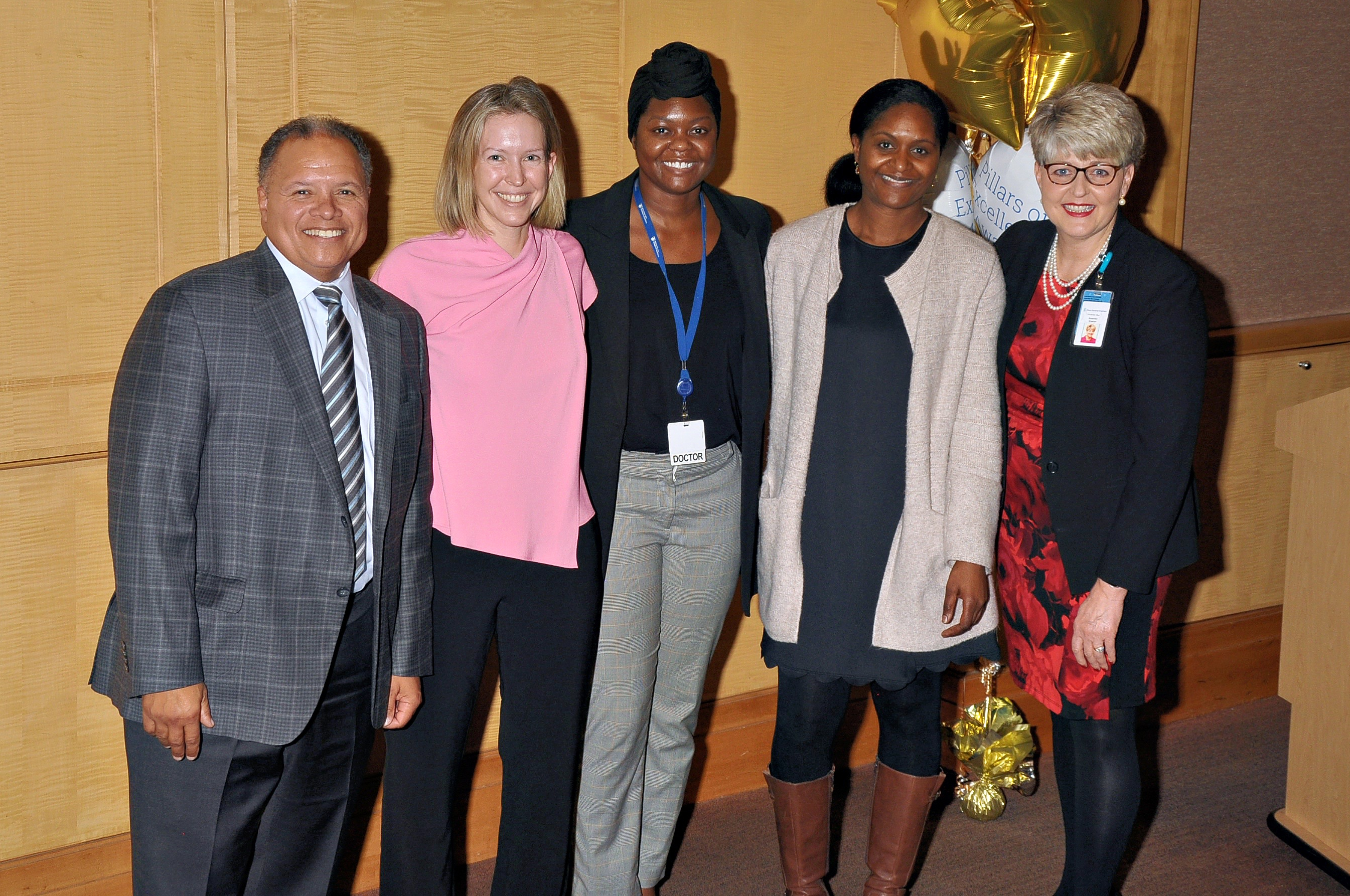
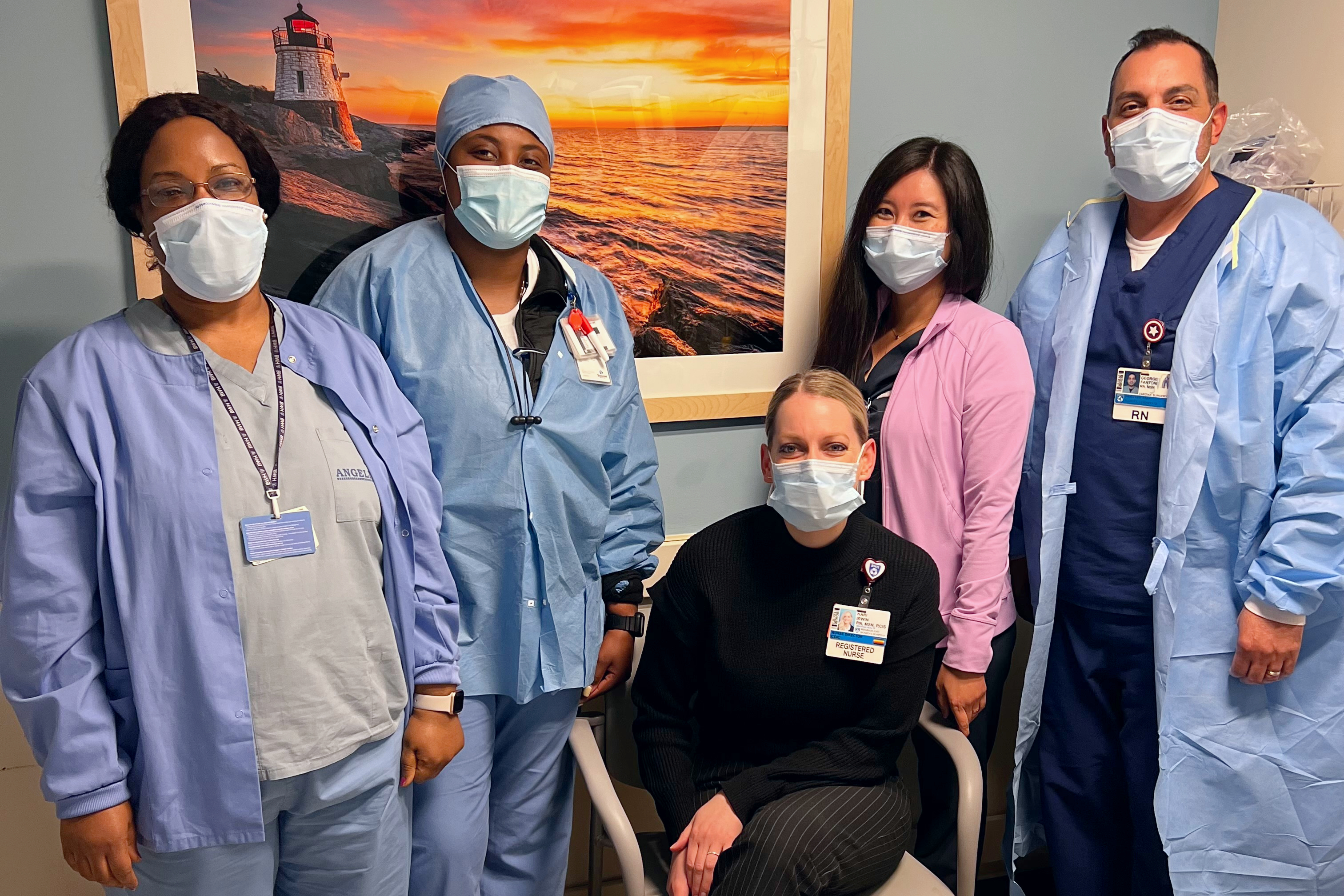
Brigham and Women’s Hospital was named one of the nation’s top hospitals by U.S. News & World Report in its 2023–24 “Best Hospitals” list and ranked first nationwide for Obstetrics and Gynecology for the second year in a row.

Each year, U.S. News performs a comprehensive, nationwide evaluation of adult specialties, recognizing the country’s leading hospitals and specialties and other high-performing hospitals that provide exceptional care. This year, U.S. News & World Report announced several changes to their methodology, including the elimination of ordinal ranking from this year’s Honor Roll. U.S. News will continue to publish ordinal rankings of the 15 specialties it evaluates and for specific regions.

The Brigham ranked in 12 of the 13 specialties it is eligible to be ranked in, and this year marked improvements in five specialties. In addition to the top ranking for OB-GYN, Dana-Farber Brigham Cancer Center ranked fifth in cancer, and BWH Rheumatology ranked fifth nationwide as well. Additionally, the Brigham earned U.S News’ highest distinction in 18 of the 21 common medical conditions and procedures that are evaluated.

“These rankings reflect the incredible commitment and talent of our Brigham community,” said Robert S.D. Higgins, MD, MSHA, president of the Brigham and executive vice president at Mass General Brigham. “And while it is always gratifying to be recognized in this manner, what fills me with the greatest pride is the exceptional and compassionate care we deliver to our patients and their loved ones every day by upholding our shared values.”

Nawal Nour, MD, MPH, chair of the Department of Obstetrics and Gynecology, said achieving this national recognition was especially meaningful given the current landscape surrounding women’s health.

“We are thrilled to be recognized as the top OB-GYN department in the country for the second consecutive year,” Nour said. “As we face sobering statistics nationally regarding women’s reproductive health and maternal mortality, we are proud of the incredible work of our team in not only providing excellent patient care but also working every day to protect the health of some of our most vulnerable patients. Our clinical care team ensures our high-quality, comprehensive care is tailored to each stage of the patient health journey.”

The annual ratings were developed to help consumers determine which hospitals provide the best care for challenging or complicated health conditions and for common elective procedures. They are based on a point system derived from a comprehensive nationwide evaluation of nearly 5,000 medical centers in 15 adult specialties and 21 procedures and conditions.

Across the system, Mass General Brigham hospitals continued to earn top honors. Massachusetts General Hospital also earned a spot on the Honor Roll of the best hospitals in the country once again. McLean Hospital was No. 1 in the nation in Psychiatry, followed by MGH at No. 2. Spaulding Rehabilitation ranked No. 2 in the nation for Rehabilitation, while Mass Eye and Ear ranked No. 4 in the nation for Ophthalmology and No. 7 for Otolaryngology. Our community hospitals continue to earn high marks in regional rankings.

Earlier this year, Mass General Brigham launched For Every Patient, a systemwide unified quality strategy that seeks to achieve the best possible outcomes for every patient. For Every Patient is a multi-year, evidence-based, data-driven effort that will provide high-quality care that is effective, safe, personalized and rooted in equity at every touchpoint, for every patient.

Additional details about the U.S. News & World Report ranking system can be found here. The complete listing of America’s Best Hospitals can be found here.


By the Numbers: 2023 Rankings by Specialty

*Brigham is not ranked in Ophthalmology or Rehabilitation. Mass Eye and Ear, which is tied to MGH for Honor Roll Purposes, ranked No. 4 for Ophthalmology. Spaulding, which is tied to MGH for Honor Roll purposes, ranked No. 2 for rehabilitation.
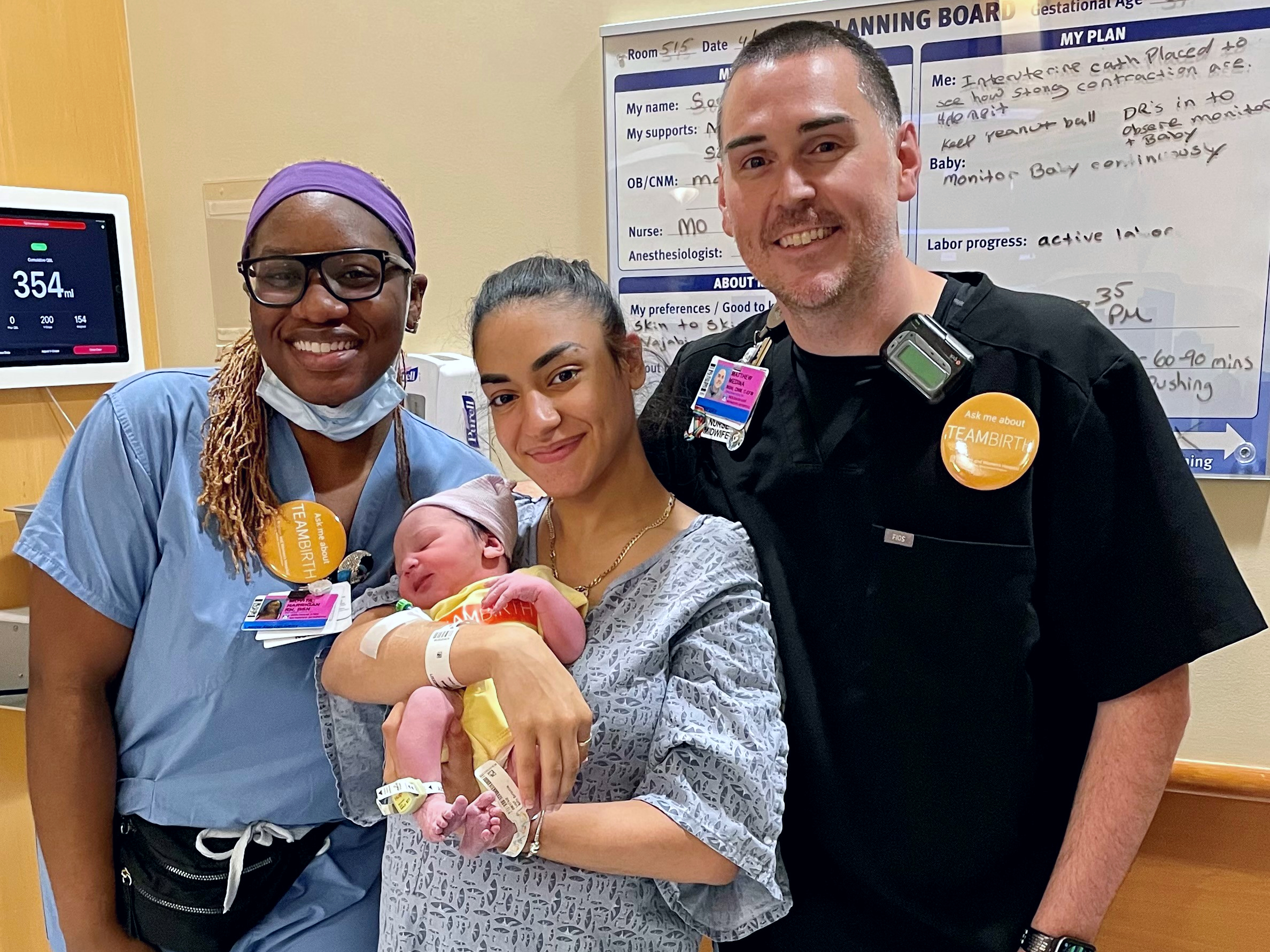
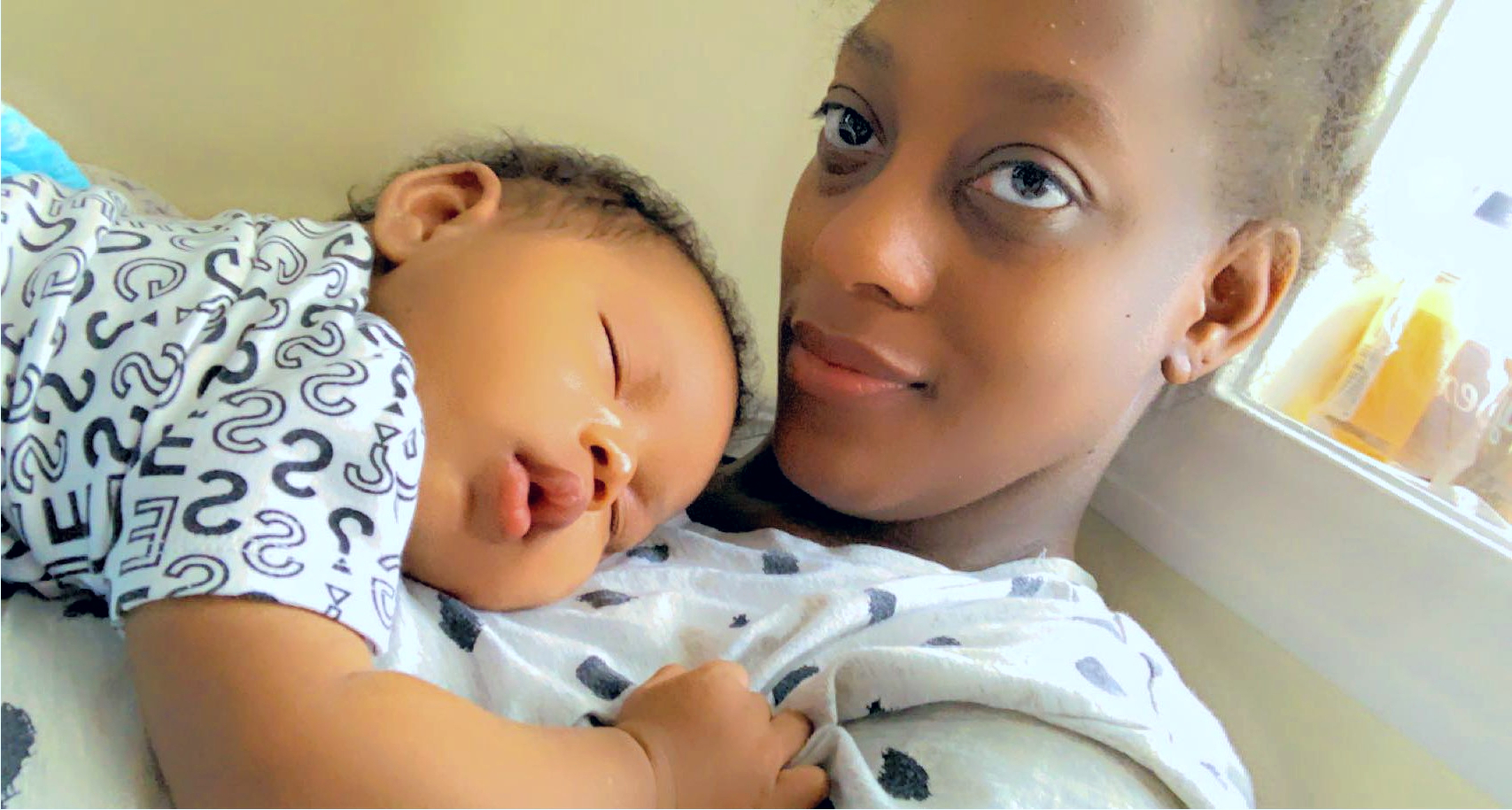
From left: Movita Harrigan, Soriannie Lugo, with son Elvin, and Matt Medina

When Soriannie Lugo gave birth to her son Elvin at the Brigham a few months ago, her care team ensured that she was at the center of the process. They asked about her preferences, wrote them on a whiteboard in her room and included her in regular huddles with all team members as she moved through labor.

Lugo was the first BWH patient to participate in TeamBirth, a national program designed to improve communication and patient-centered care.

“I had an amazing experience at the Brigham with TeamBirth, and I really felt involved in my care,” she said.

Brigham and Women’s Center for Labor and Birth launched the program in April to ensure that people giving birth and the clinicians caring for them have shared input and understanding into decisions during labor and delivery.

“We really want our patients to feel that they are part of the conversation and part of the process of their own health and delivery,” said Nawal Nour, MD, MPH, chair of the Department of Obstetrics and Gynecology (OB-GYN). “What makes TeamBirth so unique is it really puts patients at the center of the conversation. It all starts with the patient, and we’re there surrounding and helping them through the birthing experience.”

While patient- and family-centered care has long been a hallmark of many birthing centers around the country, including the Brigham, that model isn’t always implemented in a standard way. TeamBirth seeks to change that by creating a playbook for equity — one that hopes to dismantle barriers through best practices and empower clinical teams with the tools to reliably make every birthing patient an active participant in their care.

“There is national concern that current obstetrical birthing and midwifery practices are not uniformly respectful of the patient’s voice, so it’s important for the patient to have a say in the birthing process,” said Robert Barbieri, MD, FACP, FACOG, interim chief of Obstetrics and chair emeritus of Obstetrics and Gynecology and Reproductive Biology. “TeamBirth elevates the birthing person’s voice and elicits their preferences, symptoms and lived experiences to inform their care.”

For example, TeamBirth establishes clear structures around communication: The clinical team meets with the patient upon admission to understand their goals and concerns. When plans change or something needs to be clarified — be it for the physician, nurse, midwife, patient, partner or doula — it’s communicated to everyone at the same time.

“Communications may have become triangular and segmented in the past, with one conversation between the nurse and provider, a separate conversation between the provider and the patient and then another conversation between the nurse and the patient,” Nour reflected. “We want circular conversations where we’re all around the patient and making sure that they truly understand what is going on.”

Simple, Effective Interventions

TeamBirth is a project of Ariadne Labs, a joint center for health systems innovation at Brigham and Women’s Hospital and the Harvard T.H. Chan School of Public Health that aims to save lives and reduce suffering by creating scalable, systems-level health care initiatives.

“Miscommunication or insufficient communication among health care professionals is one of the leading causes of medical errors and patient harm,” said Karen Manganaro, DNP, RNC-OB, C-ONQS, clinical educator for the Mary Horrigan Connors Center for Women and Newborns. “TeamBirth helps to ensure that communication is clear and consistently includes the birthing person and their chosen support team, nurse and delivering provider.”

The program, which seeks to provide a safe and dignified birth for all, centers on including patients in all communications and decision-making. In addition to incorporating regular interdisciplinary team huddles with the clinical team and patient, an important component of TeamBirth is the use of a shared whiteboard in each patient’s room that documents the patient’s preferences and plan, as well as team members names and planned huddle times.

“TeamBirth makes care more patient-friendly and patient-focused,” said Barb Stabile, MSN, RN, RNC-OB/EFM, professional development manager of Obstetrics. “It increases patient understanding by adding plans and patient wishes and preferences to the birthing planning board — visible for patients and everyone entering the room.”

Since the launch of the program, this model of care is no longer a goal but a standard in the Center for Labor and Birth, said OB-GYN Katherine Economy, MD.

“TeamBirth has given a name, language and systematization to how we all want to practice and be our very best selves for our patients,” Economy said. “In doing that, it uplifts patient care and improves the quality of our own practice.”

Positive Outcomes

Although the program is in its early stages, the Center for Labor and Birth is monitoring outcomes and gathering patient feedback to measure success. Early data indicate patients report feeling more included, heard and respected.

Ariadne has reported positive results from trial periods at other hospitals, as well, including high rates of patients reporting clear communication and the opportunity to openly share preferences with providers, as well as a high rate of clinicians who felt the program improved care through enhanced communication, teamwork and shared decision-making. Ariadne has also seen significant reductions in maternal mortality and morbidity with TeamBirth.

The next step in the rollout is to scale the principles of the TeamBirth model to antepartum and postpartum units. In addition, leaders noted that the principles could be applied more broadly for patients in other areas.

“I think TeamBirth will revolutionize the way we include patients in their care,” said midwife Matt Medina, MSN, CNM. “It is really changing the way our patients feel empowered to communicate about their own care.”

In addition to elevating patient care, the project has been empowering for clinical teams in CWN.

“This program gives us additional tools to help us really put the patient at the forefront,” said OB-GYN Sarah Little, MD.

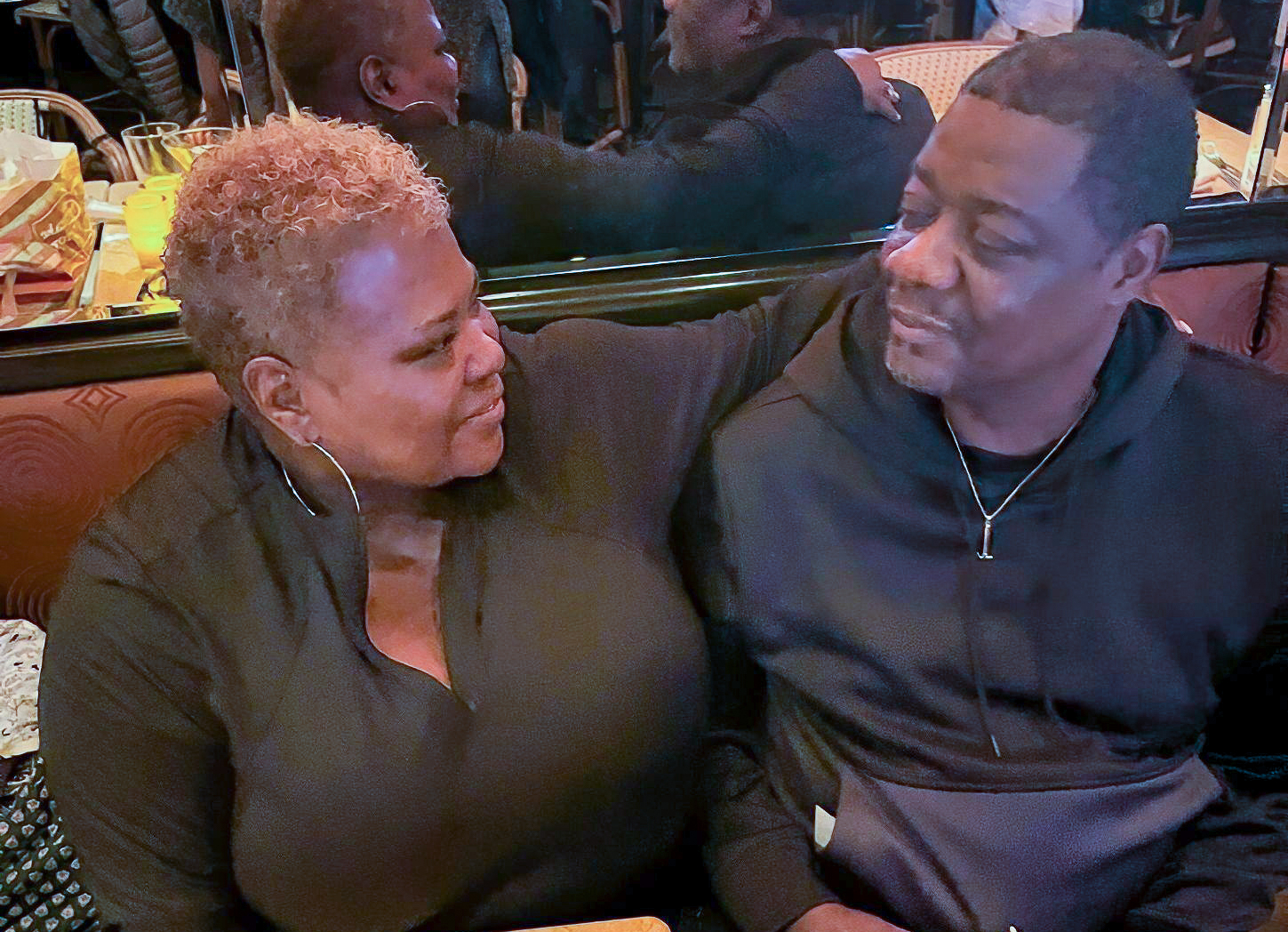
Brigham and Women’s Hospital mourns the loss of Lawrence “Larry” Jones, ambulatory practice manager in the Division of Endocrinology, Diabetes and Hypertension, who died June 13 after an extended illness. He was 63.

A member of the Brigham community for more than 15 years, Mr. Jones first joined as practice manager for the Department of Dermatology before transitioning to the Division of Endocrinology, Diabetes and Hypertension, where he worked for over 14 years in the division’s 221 Longwood Ave. clinic.

“Larry’s contributions to his practice, his division and the Department of Medicine have been numerous over his many years with us,” shared Ursula Kaiser, MD, chief of the Division of Endocrinology, Diabetes and Hypertension. “Through his wit, kind heart and affable nature, Larry made friends easily and established himself as a manager who was approachable and supportive and treated his staff like family. He cultivated fierce loyalty from his colleagues, who will miss him every day and reflect with fondness on his professionalism tempered by a bright and occasionally irreverent sense of humor.”

An invaluable member of the division, Mr. Jones is remembered by colleagues for his unwavering commitment to his work and team.

“Larry cared so much about his clinic and staff,” said Matt Woodman, practice manager of Endocrinology. “He was able to bring joy and laughter to the clinic while also maintaining a level of seriousness and dedication to make sure patients received the best care possible.”

Kaiser added that Mr. Jones loved coming to work.

“When introducing himself, he would always take care to expand on his areas and include ‘Endocrinology, Diabetes, Hypertension, Thyroid and Osteoporosis’ — a mouthful, but it reflected the immense pride he took in his work and his team,” she said.

Bernadette M. Donnellan-Tucker, director of the Department of Medicine, recalled that Mr. Jones always put his team first.

“He would always take the time to listen, and he was invested in each member of his staff,” she said. “He would want us to remember him for his loyalty, laughter and his friendship.”

In addition to his strong work ethic, Mr. Jones was his colleagues’ biggest supporter.

“I have had the privilege of working for Larry a little over 14 years, and Larry was such a great manager,” said Richelle Fernandes, practice coordinator for Endocrinology. “He was supportive of his staff and very loyal.”

Under Mr. Jones’s leadership, the division saw numerous critical improvements, from the expansion of its bone density service and rollout of a new bone station software to the implementation of Epic Scheduling Optimization.

“He enthusiastically championed the accomplishments of his clinical providers and staff and advocated daily for their success,” said Kaiser.

For all those he worked with, Mr. Jones was more than just a colleague.

“Larry was not just my manager but part of my family,” added Fernandes. “My children used to love coming into the clinic just to say hi to Larry and asked for him when he was out sick.”

Mr. Jones is celebrated for his exuberance and warmth.

“His upbeat and caring personality allowed him to connect with his staff so effortlessly,” Woodman said. “Even if you only knew him for a few months, it felt like he was a lifelong friend. He was extremely trustworthy, loyal, quick-witted and last, but definitely not least, stylish. I am grateful to have known Larry as a supportive manager, passionate co-worker and loyal friend.”

Outside of work, Mr. Jones loved cooking, spending time with family and friends, and enjoying art. Among his many memorable traits was his passion for fashion, colleagues shared.

“He always dressed with impeccable style and panache,” Kaiser said. “If the saying goes, ‘Dress for the job you want,’ one would look at Larry and assume he wanted to be a model. While that might have been his first career choice, we can say with certainty that he brought that same poise, polish and color to the Brigham, where he brightened the day of everyone he worked with.”

Above all, colleagues said, Mr. Jones brought out the best in those around him.

“To know Larry was to love Larry,” said Fernandes. “I am blessed to have had the opportunity to not only know Larry but learn from him and grow as a person because he had always encouraged me to be the best me possible. He is missed dearly.”

Mr. Jones is survived by his sister Sharon McCune and her husband, James; sister Michele Calautti; brother Stephen Jones and his wife, Julie; and several nieces and nephews, as well as many other loved ones.

1 Comment

“The scars in my stomach remind me how fortunate I am,” says Michael King, pictured with wife Julia and their son, Cole.

After a 2018 motocross race left Michael King in pain, he decided to visit his local primary care provider in Connecticut. There, his doctor made an unrelated discovery: King had multiple, non-cancerous masses on his liver. Because they were benign, the physician recommended keeping an eye on them but advised King not to worry.

That all changed in April 2022, when King was undergoing an MRI to see that the masses weren’t progressing. Imaging showed a new, more troubling concern: a tumor on his pancreas. Further testing revealed that King had a gastrointestinal stromal tumor (GIST), a rare type of cancer that affects the cells in the walls of the GI tract.

At his local hospital, his care team recommended major surgery — one that would leave him with potentially lifelong side effects. Then 43 years old and having just become a new father, King was reluctant to accept that as his only option.

As he and his family searched for alternatives, they came across Dana-Farber Brigham Cancer Center, where they encountered surgical oncologist Jiping Wang, MD, director of Minimally Invasive Gastric Surgery in the Division of Surgical Oncology. A specialist in treating liver, pancreas and gastrointestinal cancers and soft tissue sarcoma, Wang found that King was a good candidate for a new approach he has pioneered that uses robotic surgery to remove certain types of GISTs.

Called the TIRA procedure, it is designed for tumors located in a portion of the small intestine known as the duodenum or those near two major blood vessels in the chest, the aorta and vena cava. TIRA offered a far less-invasive and safer option for removing King’s tumor — and a better chance that he would see his baby son grow up.

A Safer Approach

GISTs are rare tumors that can develop in the digestive system, including the stomach, small intestine and colon. They are caused by mutations in the cells that control the growth of the gastrointestinal tract. Although GISTs are most common in people over 50 and rarely seen in younger adults, they can develop in people of any age.

The standard treatment for GISTs is surgery to remove the tumor. But for King, the location of his tumor and other complications made his situation more complex. Specifically, there was a considerable risk of puncturing the large, non-cancerous masses on his liver, which are known as hemangiomas.

“The liver hemangiomas made surgery more dangerous,” Wang explained. “They are like clusters of blood vessels, and if a surgeon inadvertently punctures one of them, it could be disastrous in terms of blood loss.”

The procedure that King’s doctors in Connecticut had initially recommended is known as the Whipple procedure, also called a pancreaticoduodenectomy. It involves removing the head of the pancreas, the duodenum, the gallbladder and part of the stomach. The remaining organs are then reconnected to allow for digestion.

A Whipple procedure is a major surgery that can take several hours to complete and requires a large incision in the abdomen. Recovery can last weeks, and patients may experience short- and long-term complications such as pancreatic leaks, digestive issues and diabetes.

Wang’s TIRA procedure, which stands for Transabdominal Inferior Retroperitoneal Approach, uses robotic precision to remove the tumor without the need for a large incision, repositioning of organs or the risk of major blood loss. Instead, the surgeon makes five small and strategic incisions that are about the size of a dime. Then, the surgeon removes the tumor along with a small amount of neighboring tissue without relocating any other organs.

This approach results in a faster recovery time and fewer complications for patients, Wang explained.

“I knew of the risk of performing a traditional Whipple, so I offered Michael the less-invasive option that would be safer in his case,” Wang said.

After a successful surgery, King was able to return home just a few days later. Today, he is cancer-free and back to running his landscaping company and enjoying life with his wife and their 17-month-old son.

“The scars in my stomach remind me how fortunate I am,” King said. “I’m thankful that I’ll still be around for my son.”

1 Comment

“Some patients have sold their homes to be able to afford pacemakers,” says Brigham electrophysiologist Jorge Romero, pictured second from right with a surgical team in Bolivia, where he and 14 others recently completed a mission trip to provide pacemakers to patients in need.

Heart disease is a leading cause of death in Bolivia. It is most prevalent among the country’s poorest communities, where many villagers develop heart complications from Chagas disease, a parasitic and potentially life-threatening illness that is spread primarily through contact with infected insects. For the past three decades, Brigham cardiologist David T. Martin, MD, has made it his mission to alleviate suffering among this vulnerable population.

Martin, vice chair for Network Development and Innovative Care Solutions in the Department of Medicine, has spent a week or two in Bolivia nearly every year since the early 1990s volunteering with local partners, cardiologists and hospitals to implant donated pacemakers for patients in need.

This June, he and a team of 15 colleagues returned from their latest trip — the first since 2019, as the program was paused during the height of the COVID-19 pandemic — to deliver pro bono, lifesaving care.

“One of the patients we saw is a lovely woman I first met in the ‘90s who is now on her fourth pacemaker,” said Martin. “Because of the pacemaker, she has been able to raise a family of children, and it’s made a huge, huge difference in her life. When you see that, it really gives you a sense of the incredible benefit that these people get from pacemaker treatment.”

Putting Cardiac Care within Reach

Most people with Chagas disease are infected as toddlers, but serious heart problems usually develop 10 to 20 years later, he said. Patients may present with dangerously low heartbeats in their 30s, 40s and 50s, although Martin said his youngest pacemaker patient ever was just 11.

According to Martin, as much as 50 percent of the Bolivian rural population is infected with this parasite. Most people get it from living in close proximity to livestock, and about 20 percent of those who are infected develop serious heart concerns. A pacemaker, a surgically implanted device that keeps the heart beating at a healthy rhythm, can mean the difference between life and death. But the cost is out of reach for most rural Bolivians.

“When people are living on less than $1 a day, a $1,500 pacemaker is just way more than anyone could afford,” Martin said.

Brigham cardiologist David Martin (fourth from left), pictured with colleagues on his most recent mission trip to Bolivia, has been involved in bringing pro bono care to the country since the 1990s. (From left: Matt Hink, Paul Harnish, Mary Lee Mattei, David Martin, Daniel Mattei, Carlos Matos, Lauren Rousseau, Jorge Romero, Mary Reid, Adelqui Peralta, Hugo Buhezo, Adolfo Añez, Gustavo Hernández, Katerin Cuellar and Juan Diaz)

“Some patients have sold their homes to be able to afford pacemakers,” said Jorge Romero, MD, director of Arrhythmia and Electrophysiology Research and associate director of the Ventricular Arrhythmia Program, who traveled to Bolivia with Martin on his recent trip. “When they are not lucky enough to have a house, they often die waiting for a device.”

Geography is another barrier for many Bolivians. For some, the nearest hospital is days away by walking and hitchhiking. However, thanks to a network of local physicians and community advocates, patients find their way to Martin’s clinic any way they can. This year, during the team’s weeklong stay, they implanted 36 pacemakers, checked on the pacemakers of previous patients and evaluated more than 200 new patients — a tangible boon to the community.

Making a ‘Very Visible Difference’

The team left with a waiting list of 13 patients for their next trip, which is planned for early 2024. Their work is supported by the Brigham, as well as by donations from pacemaker manufacturers and Martin’s patients in the U.S.

“A lot of what we do has been funded by grateful patients over the years,” he said. “We appreciate the support from everyone who has donated to this program.”

The program typically involves a team of about 15, including international physicians from countries such as Argentina, Colombia, Venezuela, the U.K. and Canada; technicians from the pacemaker manufacturing companies; and medical residents and fellows in training.

One such trainee on this year’s trip was Brigham cardiology fellow Ezimamaka Ajufo, MD, who said the experience was a positive one, professionally and personally. She was touched by the compassion the team demonstrated and the care everyone took to make sure she was working within her skillset and supervised appropriately.

The trip also helped solidify her interest in electrophysiology: “You really make a very visible difference in many people’s lives by giving them these devices,” Ajufo said.

Personally, she enjoyed making new connections. “It really brought together a diverse group of people who were unified in volunteering. It made for great cohesion and integrity. I got to know the group quite well and thought it was an incredible group of people.”

She hopes her experience will inspire others to consider international pro bono work.

“It opens up opportunities to engage with the wider medical community and gain more exposure to how health care works and how people live in different parts of the world,” she said. “And I think that can only be a good thing.”

“These strategies will move us past band-aid fixes and empower us to truly improve people’s health,” says Cheryl Clark, who was recently appointed executive director of a new, statewide health equity research institute.

Community health centers play a pivotal role in providing affordable, accessible care to underserved populations, many of whom experience poorer health outcomes due to systemic factors such as racism, poverty and other barriers. And yet, for the same reasons, these same patients are often excluded from medical research that could improve their health and well-being.

Brigham hospitalist and health equity researcher Cheryl Clark, MD, ScD, associate chief of the Division of General Internal Medicine and Primary Care, has spent her career working to change that narrative. Now, she seeks to advance that work further as the inaugural executive director of the Massachusetts League of Community Health Centers’ new Institute for Health Equity Research, Evaluation and Policy — a role she will maintain alongside her appointments at the Brigham and Harvard Medical School.

“Cheryl is an amazing health equity investigator. Her deep expertise in diversity, equity and inclusion, ground-level understanding of the needs of the community, and background in social science research make her an inspired choice for this role,” said Elsie Taveras, MD, MPH, chief community health equity officer for Mass General Brigham, which contributed a $1.5 million seed-funding grant to help establish the institute.

The Mass League of Community Health Centers serves as the unifying body for the state’s 52 federally qualified health centers and community health centers, which collectively serve 1 million patients in Massachusetts. Under Clark’s leadership, this new institute will advance what she calls an “emancipatory research approach” to ensure that science benefits communities who bear the greatest human costs of longstanding health inequities.

Clark recently spoke with Brigham Bulletin about her vision for building a healthier society for all.

There are many research institutes out there studying health equity. What is unique about this endeavor?

Cheryl Clark: This is the first time that an institute would be centered on community health centers statewide in Massachusetts to understand the research questions that matter most to them and provide the infrastructure to investigate those questions. That’s important for several reasons. In Massachusetts and across the country, community health centers are the primary place that people of color and people of different socioeconomic status groups receive primary care and dental care — and they get it regardless of ability to pay. When we focus our attention and energy on those populations, it reveals unmet needs that reflect structural racism and inequities.

We are going to be completely focused on ensuring the way we conduct research happens in partnership with people who are experiencing those inequities and prioritizes their experiences. That is unusual even in this field, and it’s what we’re trying to do differently.

You have described your approach as “emancipatory research.” What does that mean?

Clark: Part of what we are boldly doing is calling out and centering structural racism. We know that this is the root of many inequities we see because a lot of what challenges health status is unnecessary and unfair. Why do some of us have to go through so much to get assigned a primary care provider or get medications? Why is it that neighborhood safety and good schools aren’t part of everyone’s life? All of these things are choices that we’ve made socially, so part of what we say when we talk about an emancipatory process is establishing an equitable foundation for everybody.

The word emancipation, in many ways, evokes the experience of African Americans who were enslaved in the United States and what it looked like to change that fundamental relationship with people whose well-being and humanity were harnessed and exploited for the enrichment of some in society at their expense.

How does that translate into a research approach?

Clark: Emancipatory research is a process with a couple of pillars. One is that we really want to address and solve problems that are root causes of health inequities. The second is that people who have lived experience should be the ones prioritizing the topics of research. An important feature of community health centers is that their boards have patient representatives. Understanding the issues that influence health status and health care from the perspective of people who are living that experience is a critical part of being emancipatory. These strategies will move us past band-aid fixes and empower us to truly improve people’s health.

How do you think your career at the Brigham has prepared you for this expanded role?

Clark: I have had tremendous mentorship at the Brigham from folks in the history of our institution like Paula Johnson and JudyAnn Bigby, from phenomenal educators like Joel Katz and outstanding mentors like David Bates and Elizabeth Karlson. Having great mentors and educators has been a critically important part of my own development.

The openness and rigor of the work we do at the Brigham has also been an important part of my growth. We do strong science, and we are committed to seeing good actions come from that science. One tremendous example of this was the work we did during the COVID pandemic. I was part of the equity response leadership team during that time, and it really gave me a sense of the challenges that we face and just how capable we are rising to meet them.

You have been in the health equity field for a while. I’m sure you’ve witnessed hopeful moments of progress but also disappointments. What keeps engaged in this work and optimistic about its future?

Clark: It is important to recognize that this is a long journey. This is something that we’ve been grappling with even before the inception of the country, and we’ve seen change.

In terms of historic bright spots, I have gained a lot of inspiration and hope from health equity leaders who came before us. I have another project where we’re hearing the histories and stories of leaders who launched community health centers, including Dr. Aaron Shirley and Dr. Robert Smith in Mississippi, and other folks who were involved in the movement, even in Massachusetts, like Dr. John Hatch.

So, part of what keeps me going is just knowing the history — staying close to the narratives of activists who have come before us and knowing that you’re standing on their shoulders. I also take so much hope from everyday folks who are committing everyday acts of bravery as they live their lives, raise children, go to work and support each other.

People and our perseverance give me so much joy and hope. One of the really exciting things about the institute is that it’s going be a convening space — a place for people who share this passion so we can come together, talk, think and make things happen.

From left: Inpatient Departure Lounge ambassadors dana-Simone Furey and Crystal Echevarria

Victoria Meyer, 39, barely had time to sip her water before her ride pulled up outside 45 Francis St.

Within about 10 minutes of arriving at the Inpatient Departure Lounge, Meyer was ready to go home. The brief time she spent in the lounge — which is stocked with snacks, beverages, tablets, magazines, comfy chairs and other amenities — was a welcome respite after her recent hospitalization for epilepsy.

“It was nice getting coddled a bit after being stuck in a hospital bed for two weeks,” she said. “I felt welcomed. It was really a lovely transition. Honestly, had I known it was going to be such a nice sendoff, I would’ve held off on calling the Lyft so soon. That was the best discharge experience I’ve ever had.”

One of several initiatives developed to address the hospital’s capacity challenges, the Inpatient Departure Lounge opened in March with the goal of creating a patient-centered discharge process for all eligible inpatients being picked up by loved ones and caregivers or using the VPNE Care Van. Originally launched on a pilot basis with a handful of units, the lounge is now open to all inpatient units and recently surpassed its 700th patient served.

Every detail of the lounge — which is also equipped with a variety of specialized seating, hearing amplifiers, assistive devices and interpreter services — was designed to create an inviting, convenient and safe experience for patients and families as they leave the hospital, said Laura Smith, MD, senior medical director of Clinical Operations.

“A tremendous reason why the lounge has been successful is that it was developed with the right strategy: collaboration,” Smith said. “As a team, we worked together to create an experience centered on how patients would want to spend the last part of their hospital stay.”

A key attraction of the Departure Lounge: location, location, location.

Instead of navigating the hustle and bustle of the main entrance, family and friends who are picking up a patient from the Departure Lounge can drive up directly to 45 Francis St. and do not need to pay for parking. Patients are also able to see exactly when their ride arrives due to the lounge’s location, which features large windows looking out into the plaza. Drivers don’t even need to get out of their car; they can inform the valet whom they’ve come to pick up, and a lounge ambassador will assist the patient to the vehicle.

The team tracks various metrics for each discharge to the lounge. On average, patients using the Departure Lounge leave their hospital room 90 to 120 minutes faster than patients undergoing a conventional discharge, said Mark Galluzzo, MHA, lead process improvement consultant for Analytics, Planning, Strategy and Improvement.

“It can be so hard to coordinate a ride. Having the Departure Lounge made things go much smoother,” one patient shared in a feedback survey. “When I was discharged before, I would spend so much time just sitting in my room or waiting in a lobby alone before getting picked up. The Departure Lounge is a more thoughtful approach.”

The experience left a similar impression on another patient.

“The lounge was so much better — way less hectic than the 75 lobby,” they shared. “All my husband had to do was pull up to 45, and I was brought out to him by the nice ladies in the lounge.”

Feedback like that is an immense source of pride for Lynne O’Mara, PA-C, senior administrator of Inpatient Operations, who works closely with unit staff to support discharge workflows.

“It’s been incredible to see this work come together with high engagement from our staff, and its impact on our patients,” O’Mara said. “I am deeply grateful to our nurse directors, front-line champions, workgroup members and leadership team who have worked hard to make this possible.”

Patient and staff feedback have continued to play an important role in enhancing the lounge since its launch.

“With collaboration from various departments and feedback from patients, we were able to add a few additional items to the lounge early on,” said Jeremy Freitas, MBA, senior manager of Inpatient Services. “Adding a walker and a hip chair to assist patients are just a few suggestions that came from clinical staff and patient feedback that have made for a better patient experience.”

‘Your New Friend’

Upon their arrival at the Departure Lounge, patients are greeted by two warm, kind and gregarious lounge ambassadors: dana-Simone Furey and Crystal Echevarria.

From left: dana-Simone Furey helps Victoria Meyer carry her belongings from the lounge when her ride arrives.

“Though my official title is ambassador, I’m really just a buddy — your new friend who is here to spoil you until your ride comes,” Furey said. “I know not everyone is comfortable being doted on, so I like to tell patients, ‘Thank you for letting me help you today.’”

Furey, who started her career at the Brigham seven years ago as a patient transporter, described her approach as delivering customer care, not customer service. For her, that translates into using empathy and intuition to sense what would make patients most comfortable during their brief time in the lounge.

“Some patients come in and want to take that moment to decompress and be by themselves, while others open up and want to chat. For me, it’s about going with the flow and making sure they know whichever option they choose is totally fine,” Furey said. “It’s really important to me that patients feel they can make their own choices and that we are available for those conversations, as opposed to just saying, ‘What’s your name and MRN?’”

For Meyer, the compassion and personalized care she experienced in the Departure Lounge mirrors her experience with the Brigham as a whole.

“I have received the best health care at the Brigham that I’ve ever received, and I’ve been seeking neurological care since I was 2 and a half years old,” she said. “The guidance I’ve received from my neurologist, Dr. Paula Voinescu, has been life-changing.”

Furey said she feels privileged to contribute to patients’ experience at the Brigham and to leave them with a lasting impression of compassionate care.

“I may not be the person who conducts CPR on you, but I can hold your hand as you leave,” she said.

Many Perspectives Contribute to Lounge Success 

The Inpatient Departure Lounge may occupy a small space in the 45 Francis St. lobby, but it represents a much larger collaboration.

The new lounge builds on a previous concept, known as the Hospitality Lounge, and took inspiration for areas to improve based on a successful model at Massachusetts General Hospital.

“We are grateful to our colleagues at MGH, who shared valuable insights from their VPNE lounge, highlighting what our patients gain from system collaboration,” said Laura Smith, MD, senior Medical Director of Clinical Operations.

Alex Machajewski, MSN, RN, CNL, nursing director for Orthopaedics on Braunwald Tower 12BC, participated in the workgroup that shaped the discharge process. His unit was one of the first three to pilot use of the lounge, and he remains excited about its potential going forward.

“I think it has been an empowering process for the nursing staff. The lounge has shown to reduce our length of stay by almost two hours, and it has received very positive feedback from the patients as well as the staff,” he said. “I don’t see any cons to it, especially in a world where we need to improve patient throughput.”

An important contributor to the new lounge’s success has been shared ownership and partnership across multiple disciplines, said Lynne O’Mara, PA-C, senior administrator of Inpatient Operations.

“Our front-line providers — physicians and advanced practice providers — are critical to the discharge process, and their input has been highly valuable in both the design and operation of the Departure Lounge,” she said. “PAs and NPs, for example, are experts in hospital workflow and unit operations, which makes their contributions to process design imperative. Front-line providers identify patients ready for discharge, communicate with nursing colleagues about discharge timing and orders — all crucial steps in the Departure Lounge pipeline.”

1 Comment

Brigham and Women’s Hospital mourns the loss of K. Frank Austen, MD, founding chief of the Division of Rheumatology, Immunology and Allergy at BWH and the AstraZeneca Professor of Respiratory and Inflammatory Diseases, Emeritus, at Harvard Medical School. Dr. Austen died on June 23 at the age of 95.

A member of the Brigham community for more than 60 years until his retirement in 2022, Dr. Austen was physician-in-chief and chair of the Department of Medicine at the Robert B. Brigham (RBBH) Hospital, one of the three Harvard institutions that merged to form BWH in 1980. After the merger, he became chair of what was then the Department of Rheumatology at BWH until his appointment as chief of the newly formed Inflammation and Allergic Disease section within the Department of Medicine in 1994. Joshua A. Boyce, MD, succeeded him as section chief in 2011.

“Frank was instrumental in the creation of Brigham and Women’s Hospital and was a giant of an administrator, a scientist and a mentor,” said Boyce, who now serves as chief of the Division of Allergy and Clinical Immunology. “I think it is a fair thing to say that the Brigham as we know it would not have existed without Frank’s efforts as an industry leader and team builder.”

Publishing more than 700 original papers over seven decades, Dr. Austen was known for his rigor for data. His major contributions to the field of immunology include unraveling the complement cascade, being one of the original discoverers of slow-reacting substance of anaphylaxis (SRS-A), discovering how leukotrienes drive inflammation and furthering the understanding of the molecular and cellular biology of mast cells.

“I would not be exaggerating to say that Frank is one of a small handful of fathers of the entire field of immunology,” said Boyce. “He started in an era where the tools available to understand the immune system and its role in human disease were very rudimentary, and he pioneered work that led to important advances not only in our understanding of autoimmune and allergic diseases, but also in developing treatments for those diseases.”

In a 2012 oral history recording for The American Association of Immunologists, of which he was president from 1977 to 1978, Dr. Austen spoke about how being diagnosed and treated for severe paralytic polio in 1946 inspired his career path, his first publications in The New England Journal of Medicine on vascular collapse in polio and a lifelong passion for science.

“This polio business is a remarkable thread in my life,” Dr. Austen said at the time. “It’s what caused me to think seriously about medicine and become a quality student instead of a haphazard student. It allowed me to make the observations that ended up with my assignment to Walter Reed and to the introduction of immunology and it just profoundly influenced a lot of things in my life that turned out to be really good fortune.”

As a mentor, Dr. Austen trained more than 200 full professors at U.S. medical schools or equivalent institutions in Europe, four chairs of medicine, the three leaders of the largest asthma research programs in the U.K. and four presidents of the American Academy of Allergy, Asthma and Immunology.

“Frank probably trained more leaders in our specialties of rheumatology and allergy than anybody ever,” said Boyce. “He had a remarkable track record of training people who succeeded in the field, and, of course, those people all spawn their own mentoring tree — so, in many ways, this is an exponential mentoring legacy.”

Though his mentoring style evolved over time, Dr. Austen always found a way to instill confidence in his trainees so they could accomplish more than they ever thought possible.

“The first time I did an experiment that Dr. Austen had expressly told me not to move forward with, I received an unexpectedly good result,” recalled allergist Lora Bankova, MD, one of Dr. Austen’s last trainees at the Brigham. “He appreciated that I followed my scientific instinct and that I didn’t blindly follow what I was told to do. I will never forget his look of respect and shared mischief. His joy that I had broken free was genuine.”

Dr. Austen documented his advice in “Mentoring: An art and a responsibility” in the 2018 Journal of Allergy and Clinical Immunology, noting the importance of work-life balance: “Although research requires special dedication, foregoing life outside the laboratory can be counterproductive,” he wrote. “Family responsibilities provide stability and lots of joy, especially when one’s research is disappointing or tedious.”

Reflecting on his mentor’s passing, Boyce said it felt like losing a parent.

“During the 32 years I worked with Frank, it become more than just a mentor-mentee relationship,” he said. “He had a way of connecting with people, and, at the end of the day, he really had my back.”

Born and raised in Akron, Ohio, Dr. Austen earned a bachelor’s degree in chemistry from Amherst College and a medical degree from Harvard Medical School. He completed his internal medicine residency at MGH, where he was chief resident.

Dr. Austen is survived by his wife of 64 years, Joycelyn; four children; eight grandchildren; three great-grandchildren; and many more family members and loved ones.

1 Comment

Sociedad Latina, one of the program’s original 14 grantees, used funding to support a variety of youth programming, including a popular hydroponic gardening program that also incorporates lessons about food access, environmental justice and climate resiliency.

The recent conclusion of a six-year, $4.3 million grant program supporting community-based nonprofits in the Brigham’s five priority neighborhoods — Dorchester, Jamaica Plain, Mattapan, Mission Hill and Roxbury — marked an important moment in the Brigham’s community health and health equity work.

Launched in 2016 by the Brigham’s Center for Community Health and Health Equity (CCHHE), the BWH Health Equity Grant Program invited local nonprofits to apply for funding to support efforts that address community psychological wellness, employment opportunities and health inequity issues with a racial equity lens.  Although the CCHHE has directly supported community organizations over the years, this program marked the first time it opened funding opportunities more broadly through a competitive grant process.

Providing such grants to the community is mandated by the state of Massachusetts when a nonprofit hospital like the Brigham undertakes significant capital projects, as it did with the construction of the Hale Building for Transformative Medicine in 2016.

Originally selected from a pool of 86 applicants, 14 grantees were awarded three-year grants in 2016, totaling $1.9 million, with the goal to extend their reach and magnify their impact. Another three-year round of funding in 2019 awarded the additional grants, totaling $2.4 million to 10 organizations from the initial group to sustain their progress. As part of the grant program, the CCHHE collaborated with the UMass Donahue Institute to provide technical assistance and measure outcomes of projects that received funding.

“These organizations are embedded in different Boston communities and have relationships and trust built with their constituents that the Brigham doesn’t have,” said Madison Louis, interim director of Maternal and Child Health at the CCHHE. “By partnering with them, learning from and sharing technical expertise with each other, and providing financial support, we’re able to support community health efforts in ways we couldn’t without them.”

One recipient, the HEART (Health Education Action Research and Technology) Home Health Aide Support Program, provides home health aide training for entry-level employment, promotes networking among home health aides to reduce isolation inherent in their field and seeks to build a more diverse pipeline of health care professionals.

With support from the Health Equity Grant Program, HEART worked with 150 unemployed or underemployed participants between October 2016 and September 2022. As of today, facilitators remain in contact with more than 60 percent of their graduates.

“The six-year grant allowed us to sustain a network of people and build a community within the graduates,” said Alison Simmons, HEART’s project coordinator. “Long-term funding is really beneficial to build the program’s capacity to support people.”

Pivoting During the Pandemic

Collectively, the 10 grantees served 1,973 participants over the second three-year period, which overlapped with the onset of the COVID-19 pandemic in March 2020.

Not only did COVID-19 require grantees to redesign programming and explore new ways to support their communities, but it also reinforced an urgent need to address health inequities that worsened during the pandemic.

There were silver linings, though: Asked to reflect on the last six years of funding, many grantees said they found adding virtual programming made their work more accessible, and in many cases, more successful.

Among these initiatives was a project at Sociedad Latina — a Mission Hill-based nonprofit that seeks to cultivate the next generation of Latine leaders — which distributed at-home hydroponic gardening kits as part of its food access programming.

“This grant gave us the capacity to provide youth with intensive and detailed health education on topics such as inequities in health outcomes across different demographics, food deserts, hydroponics and nutrition,” Sociedad Latina staff shared in the report. “These lessons evolved into hands-on projects, including functioning hydroponics systems, nutritious community dinners and workshops for community members. Funding has led to an established hydroponics program within our organization that can be sustained and continued.”

The pandemic also deepened relationships between the grantee organizations: Several referred clients to other grantee groups, said RonAsia Rouse, interim director of Community Engagement at CCHHE.

“The relationship that each organization had with the hospital allowed them to connect with other organizations and band together to provide resources to their participants,” said Rouse. “These connections allowed the organizations to thrive and remain flexible, nimble and responsive to the ever-changing demands of the pandemic.”

“The experience I’ve gained has equipped me with tools and strategies for life,” says Josias Rodriguez-Ponde, pictured at center with Robert S.D. Higgins and Claire-Cecile Pierre, one of 25 graduates this year from the Student Success Jobs Program.

Fernando Medina Jr. remembers the day Brigham Youth Programs staff visited his eighth-grade classroom at the Maurice J. Tobin School to tell him and his classmates about a summer program at the hospital for rising freshmen like them.

“Being Latino and coming from Mission Hill — a neighborhood not known for its wealth or security but academics in regard to the many colleges that surround it, all while its native residents struggle to make ends meet — representation was something I didn’t truly understand the importance of initially,” he said.

That all changed when Medina was accepted into the Student Success Jobs Program (SSJP), which partners with seven Boston Public Schools to place high school and college students in paid internships in 40 departments across the Brigham.

A program of the Center for Community Health and Health Equity (CCHHE), SSJP introduces students to careers in medicine, science and other aspects of health care through year-round internship opportunities. The program also pairs interns with Brigham mentors, provides assistance with college and career preparations, and encourages leadership through student-led groups.

Medina, one of 25 high school seniors graduating from SSJP this year, ultimately went on to intern in the Psychiatry Neuroimaging Laboratory, where he worked on research projects investigating the potential relationships between socioeconomic status, depression, emotional recognition and psychosis. The experience inspired him to pursue a major in psychology as he heads off to college this fall.

This year’s graduates celebrate their recent milestone during a ceremony in Bornstein Amphitheater.

“Being a part of a program where I’ve been able to see individuals from similar backgrounds take on leadership positions in Brigham and Women’s has been motivating,” said Medina, who also went on to serve as vice president of the SSJP Student Committee. “A program that gives back to its community has not only increased my passion to learn but also given me a desire to uplift and educate those around me.”

Each year, SSJP recruits high school interns from diverse student populations that are underrepresented in health and science careers, and who have an interest in these fields, with a goal of creating employment and training opportunities in communities that have experienced historical disinvestment and structural racism.

As part of their experience, students are paired with supervisors who serve as mentors throughout their internship and often beyond. The program further supports students by providing access to academic resources, including tutoring and college scholarships, as well as wellness services, such as mental health support.

“We are extremely proud of our Student Success Jobs Program, which exemplifies our commitment to serving the local community and creating opportunities for the next generation of diverse health care professionals,” said Brigham President Robert S.D. Higgins, MD, MSHA. “Take a moment to talk with any one of these young people and the lasting impact of this program becomes immediately apparent. They have gained not only a tremendous professional experience, but, just as importantly, a network of mentors to guide them on their careers and the confidence to pursue their dreams.”

Josias Rodriguez-Ponde recalled how his participation in SSJP and the Brigham’s other youth programs — including Summer Science Academy and Project TEACH — helped him discover his own drive and purpose.

“The experience I’ve gained has equipped me with tools and strategies for life. I entered SSJP with nearly nothing under my belt, and I’m glad to say I’m leaving with technical skills involving data organization, using neuroimaging software and programming, just to name a few,” said Rodriguez-Ponde, who most recently interned with the Center for Brain Circuit Therapeutics. “My work in departments has also improved my work and business etiquette, as well as my ability to plan and strategically allocate time and resources towards a goal.”

The Brigham’s Youth Programs have an urgent need for mentors, and you have an opportunity to make a difference. 

  • Project TEACH: Mentor a rising 10th grader in your department for 10–15 hours per week for six weeks in July and August. The deadline to apply is Monday, July 10.
  • Student Success Jobs ProgramMentor a high school student (grade 10–12). Students work year-round (academic year and summers) for seven to 10 hours per week after school. Applications are accepted on a rolling basis.

All departments are encouraged to consider registering for at least one mentorship opportunity, which supports our United Against Racism strategy to increase the diversity of staff across all roles and disciplines.

Members of the SJPHC Dream Team, one of 37 teams supporting the Brigham in the B.A.A. 10K, gather for a photo at the race.

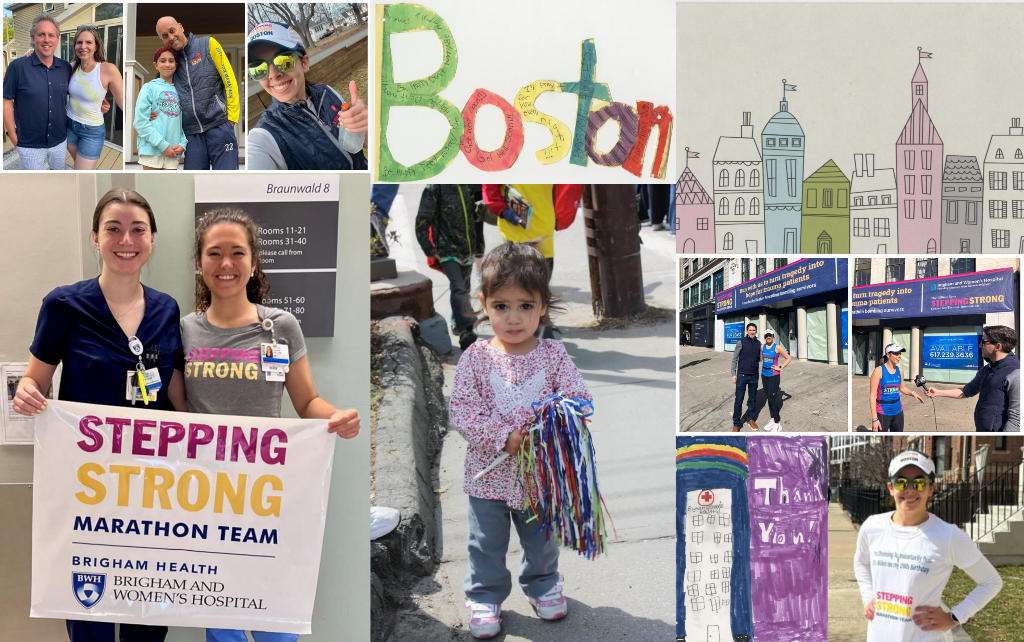
United by stories of hope, healing and healthier tomorrows, more than 450 people participated in the Boston Athletic Association (B.A.A.) 10K on June 25 to raise critical funds for Brigham and Women’s Hospital. The annual event — which draws thousands of athletes from around the world to Boston’s Back Bay — is presented by the Brigham, the race’s exclusive fundraising partner.

Athletes, including 172 hospital employees, from across 37 Brigham teams took part in the race either in person or virtually, raising more than $200,000 to fuel work that holds special meaning for them. While each had their own unique story, all were unified by a single goal: to support the Brigham’s mission.

For Martha Hernandez and Pivel Morton, MBA, their inspiration stems from their work at Southern Jamaica Plain Health Center (SJPHC), one of Brigham’s two community health centers. Hernandez, supervisor for Managed Care at SJPHC, and Morton, the center’s executive director, co-captained the SJPHC Dream Team, raising money and awareness for the center’s work to improve social determinants of health for patients and families.

“With the end of the COVID-19 Public Health Emergency, many families lost insurance and supplemental nutrition assistance benefits, and we are now seeing high cases of eviction,” Hernandez said. “Knowing that I have helped a family gain access to food, referred a patient to housing because they just lost their apartment or even assisted in enrolling them in a health plan brings me so much joy.”

Morton, whose participation this year marked her seventh B.A.A. 10K race, said the event continues to hold a special place in her heart.

“I run in recognition of SJPHC’s mission and commitment to racial justice and health equity, and to ensure we have the needed resources and organizing pathways to combat food insecurity, the housing crisis, transportation barriers and other social drivers of health,” she said. “This is true liberation, one race at a time!”

While each runner had their own unique story, all were unified by a single goal: to support the Brigham’s mission.

Brian McIntosh, RT(R), CRA, director of Radiology at Brigham and Women’s Faulkner Hospital, was also a return runner, continuing his tradition of raising money for the comprehensive breast fund for the Breast Imaging and Diagnostic Center at BWFH.  This year, McIntosh joined forces with Andrea Baxter, a young mom undergoing breast cancer treatment at the Brigham. Baxter was seeking to raise funds for the Breast Imaging and Diagnostic Center as well as awareness about the importance of routine mammograms in early detection. McIntosh was so inspired by Baxter’s story and courage, that he renamed his team Andrea Baxter’s Runners for Life. The team emerged as this year’s top fundraiser, raising more than $15,000.

“Meeting Andrea has given new meaning to the run,” said McIntosh, who captains the team. “I am very inspired by her courage to share her story, get her name out there and put a face to cancer.”

Also no stranger to the B.A.A. 10K is Elizabeth Matzkin, MD, a women’s sports medicine surgeon at the Brigham. Matzkin has led the Bone to Run team since 2016, when the Brigham first partnered with the B.A.A. on the popular race. Starting out small, Bone to Run has now grown to more the 30 teammates and is among the top fundraising teams—raising funds for research to help patients get back to doing what they love.

“I am a runner and love that I can participate in this event with family, friends, colleagues and patients to raise money for our sports medicine research,” said Matzkin, who is also co-leader of Women’s Sports Medicine for Mass General Brigham. “Our research focuses on mitigating injuries in our runners and athletes, and advancing surgical innovation and improvements in post-operative outcomes to keep our patients in motion. The donations not only support this research but also indirectly support our student researchers to gain experience and mentorship.”

Interested in starting a team, joining an existing one or getting more involved in next year’s race? Sign up for email reminders here.

Just four days after experiencing a life-threatening aortic aneurysm rupture, Bob LaGasse walks his daughter, Ali, down the aisle on her wedding day.

In celebration of Father’s Day, Brigham Bulletin is highlighting a heartwarming tale of love and family made possible by the extraordinary contributions of a multidisciplinary care team.

Bob LaGasse, 76, was being transported to the intensive care unit of a New Hampshire hospital when he saw a surgeon waiting for him in the corridor. It had been a long, difficult day — one that started when Bob went to his local emergency room after experiencing excruciating abdominal pain.

“We’ve got news for you,” the surgeon told him. “We’ve got to take you to Boston.”

Bob shook his head. “I can’t do that,” he responded. Seeing the surgeon’s eyes widen in surprise, he added by way of explanation, “My daughter’s getting married on Saturday.”

If he didn’t go to Boston, the surgeon explained gently but firmly, Bob and his family would have much graver concerns. That’s because Bob had suffered a ruptured abdominal aortic aneurysm — a life-threatening event that occurs when the lining of the body’s largest artery, the aorta, weakens and bursts. The results are often catastrophic, as blood flow to the major organs becomes disrupted and fills the abdomen. Even with timely treatment, only half of patients who make it to a hospital survive.

After learning just how serious his condition was, Bob didn’t need further convincing. Soon, he was on a medical helicopter en route to the Brigham. His wife, Diana, followed by car.

Thanks to the extraordinary efforts of a specialized, multidisciplinary care team — and effective collaboration with colleagues at Parkland Medical Center in Derry, N.H. — Bob not only survived and recovered in a matter of days, but he was also discharged in time to walk his daughter, Ali, down the aisle as planned on April 22.

“It was just so emotional — every piece of it,” says Bob, reflecting on what it meant to be able to attend and participate in his daughter’s wedding.

“At the ceremony, our friends brought me to the edge of the lawn in a wheelchair and helped me stand up. I grabbed her arm, and then gave her a hug and a kiss before giving her away to her future husband,” Bob recalled. “It was almost overwhelming. It was just so emotional — every piece of it. I didn’t sit back down until they turned and walked to the altar together.”

For Ali, it was a memory made even sweeter knowing all that her father overcame to be by her side.

“Having your dad walk you down the aisle is something every girl dreams about on their big day,” said Ali, who also enjoyed a father-daughter dance with her dad during the reception. “When we were walking down together, I kept saying to him, ‘You’ve got this, Dad — only a little farther.’”

Mohamad Hussain, MD, PhD, of the Division of Vascular & Endovascular Surgery — who led the multidisciplinary surgical team that performed an endovascular repair of the rupture — reflected on how gratifying it is to contribute to such a heartwarming outcome.

“As a doctor, this is what we strive for — the hope that our patients can live their lives to the fullest, even after such a catastrophic situation,” Hussain said. “Seeing Mr. LaGasse be able to go home and attend such a major event in their family’s life — his daughter’s wedding — was such a joy, and we were all very happy to play a role in that.”

Despite the terrifying circumstances that brought them to the Brigham, the LaGasse family said every part of their experience made them feel like they were exactly where they needed to be.

“We were just astounded. I felt in my heart that everybody took care of us,” Diana said. “From the valet who was so welcoming and allowed me not to think about parking, to the person at the front desk who showed me how to find the elevators, to the nurse who called me while Bob was in surgery just to let me know where he was — every single person did something to the best of their ability to achieve this remarkable outcome.”

Bob said his experiences as a patient left a similar impression.

“When I was in the Operating Room, there was a woman standing by me and holding my hand. She was so gentle, kind and calming,” he remembered. “Dr. Hussain came to my room the night after surgery, and I said to Diana, ‘This wasn’t a medical call. This was a personal call.’ He came down to see how we truly were.”

Collaboration and Compassion

From left: Mohamad Hussain and Bob LaGasse

Bob first sought emergency care when he began experiencing crippling abdominal pain one afternoon. But after several exams, clinicians couldn’t identify a major concern and discharged him.

“We were home for probably about an hour or so when I went upstairs to clean up. I passed out while I was shaving in the bathroom,” Bob remembered.

Everything happened quickly after that. Diana called 9-1-1, and first responders rushed him back to Parkland Medical Center, where additional imaging revealed internal bleeding in his abdomen. His blood pressure was rapidly dropping.

It turned out that a prior aneurysm he had repaired a decade ago had failed, begun to leak and soon ruptured. The gradual progression is what made it difficult to diagnose initially, but it also likely helped save Bob’s life, Hussain explained.

“These patients usually have minutes to hours before a rupture becomes fatal,” Hussain said. “In cases like this, where the bleeding occurs slowly or sometimes stops for a little bit, there is more time for an intervention.”

Once doctors in Parkland received a clear understanding of the circumstances, they contacted the Brigham. Hussain was the vascular surgeon on call when the request for transfer arrived at 7:12 p.m. that Tuesday. By 11 p.m., Bob was in surgery at the Brigham. Two days later, he was ready to be safely discharged.

Teamwork was crucial to achieving such an impressive outcome, Hussain said. It started with the collaboration of clinicians at Parkland, including an emergency physician who FaceTimed with Hussain to review all the imaging while Bob was being transported — enabling the surgical, PACU and ICU teams to be fully prepared once he arrived.

Working closely in the Operating Room with vascular fellow Brittany Aicher, MD, anesthesiologist Derek Ho, MD, and a large multidisciplinary team, Hussain and colleagues performed a minimally invasive repair using a stent graft through small incisions in the groin.

The second important contributor to Bob’s outcome was the activation of the Brigham’s Code Aorta team, a collaboration between Vascular Surgery, Cardiac Surgery, Vascular Medicine, Radiology, Anesthesiology, Critical Care, Emergency Medicine, Nursing and allied health professionals to provide emergent evaluation and treatment of patients with acute aortic conditions, such as aortic rupture and dissection.

“A key component of the Code Aorta program is to facilitate rapid transfer of patients with acute aortic pathologies from regional health centers via the BWH Access Center to the Brigham to provide prompt surgical and medical care for these complex patients,” Hussain explained.

Ali, who works as a central sterile technician in a New Hampshire hospital and has cared for patients with ruptured abdominal aortic aneurysms, said she was especially impressed by how skillfully the teams worked together to deliver high-quality, compassionate care.

“There was one ICU nurse who was so kind and supportive. She stayed with us to explain everything about what had happened and how he was doing,” Ali said. “I think his amazing outcome was because of all the positive people around him.”

When reflecting on their family’s experience at the Brigham, Diana said one word came to mind: gratitude.

“It’s important for people to know that touch of the hand, that little smile or kind word, it doesn’t go unnoticed,” she said. “Everyone had their unique way of showing compassion, and it truly made a difference. Even if we didn’t have a chance to tell you that, I hope you know it matters — because it does.”

To support the health and well-being of families throughout Greater Boston, the Brigham’s Stronger Generations Initiative hosted a free “yard sale,” where, in partnership with community organizations, staff and volunteers distributed hundreds of items and resources to pregnant individuals and families with young children.

A program of the Center for Community Health and Health Equity, the Stronger Generations Initiative supports pregnant and postpartum individuals who deliver at Brigham and Women’s Hospital, as well as Greater Boston’s expectant and parenting families under the age of 25.

The event, hosted May 6 at BCYF Curtis Hall in Jamaica Plain, invited attendees to receive kids clothing, books, toys, snacks, school supplies, diapers, wipes, personal care items and more. The team also offered blood pressure screenings via the MGB Community Care Van and assisted interested families with accessing resources such as developmental screening.

Here are a few additional highlights from the event:

Brigham and Women’s Hospital mourns the loss of Martin A. Samuels, MD, founding chair emeritus of the Department of Neurology and the Miriam Sydney Joseph Distinguished Professor of Neurology at Harvard Medical School, who died June 6. He was 77.

A member of the Brigham community for more than 40 years, Dr. Samuels was recruited from the West Roxbury Veterans Administration Medical Center, where he started the neurology service in 1988, to build a new Division of Neurology at Brigham and Women’s Hospital. In 1994, this division was elevated to department status, and he formally became its founding chair. Over the next three decades, Dr. Samuels transformed what was once a small division within the Department of Medicine and catapulted it into one of the world’s premier clinical, research, and teaching programs in academic neurology.

“Marty was the founder of the department and its soul. He absolutely loved being a neurologist and was passionate about teaching the next generation, making sure we all knew the history of the department, honoring all his previous teachers and mentors, and attracting the most amazing, brilliant faculty and residents,” said longtime colleague Barbara Dworetzky, MD, chief of the Division of Epilepsy. “He was Brigham blue and loved carefully crafting the department. He was very proud of that.”

Dr. Samuels gained international acclaim as a masterful teacher-clinician and diagnostician, often credited with elevating the neurological examination to an art form by using the patient history and exam instead of lab tests and imaging — something he recently demonstrated before a live audience with consenting patients during his “Bench-Bedside-Bench” presentations.

“None of us wanted to give a lecture after Marty did because he was such a hard act to follow,” said Kirk Daffner, MD, chief of the Division of Cognitive and Behavioral Neurology.

A leading authority on the interface between neurology and general medicine, Dr. Samuels was also remembered for his skill at identifying and treating some of neurology’s most complex cases. His major field of expertise was the borderland of neurology and medicine: neurocardiology, neurohematology, neurogastroenterology, neurohepatology and neuronephrology.

A member of Harvard Medical School (HMS) faculty since 1977, he became a full professor of neurology in 1993 and was the first recipient of the HMS faculty prize for Excellence in Teaching. In 2013, he received an endowed professorship at HMS for his many accomplishments — choosing to have this prestigious title honor the memory of his parents, Miriam Joseph and Sydney Samuels.

He was also remembered for his affection for his beloved alma mater, Williams College.

“One of my most cherished memories is a weekend a couple of years ago when he and I were able to go to a Williams College women’s ice hockey game my daughter played in,” said Tracy Batchelor, MD, chair of the Department of Neurology. “Over that weekend, I could see in his eyes how much he adored the place. He used to say, ‘You don’t go to Williams for four years. You go to Williams for life.’”

As an academic, Dr. Samuels had an endless capacity to learn and embraced unconventional corners of neurology — studying “Voodoo death,” or death caused by fright or intense emotion. He created, led and taught in more courses at the American Academy of Neurology than anyone in recent history.

Colleagues emphasized, however, that he was far more interested in caring for others than amplifying his own successes. His most memorable trait was empathy, loved ones said. He cared most of all about relieving a patient’s suffering, whether it was emotional, psychological or physical.

“He taught us kindness was not a weakness. He taught us how to find joy and fulfillment in being a physician and that neurology is a privilege for the practitioner,” said Galen Henderson, MD, chief diversity and inclusion officer at the Brigham and a member of the Division of Neurocritical Care. “He created a sense of belonging. He taught us so many lessons about how to make people feel comfortable — that they belong and that they matter.”

Henderson recalled encountering Dr. Samuels as a medical student shortly after he had matched into what was then the Harvard-Longwood Neurology Training Program. Henderson attended a large educational conference in Washington, D.C., where Dr. Samuels had presented before an audience of 20,000 people.

“After the lecture, people rushed to the podium to take pictures with him. I was patient and waited because I just wanted to talk to him,” Henderson said. “When he was walking out, he happened to see me and call me out. He had only met me for my interview, but he remembered my name. That shocked me. I said to myself, this is a special person.”

Sashank Prasad, MD, program director of the MGB Neurology Residency, added, “Regardless of what the case was, Marty could find stories and lessons to add to the anthology of all that we learned from him.”

For many, he was more than a colleague and mentor.

“Marty was, first and foremost, the most stalwart friend an individual could have,” said Allan Ropper, MD, former executive vice chair of Neurology. “He was my brother.”

Vikram Khurana, MD, PhD, chief of the Division of Movement Disorders, shared similar reflections.

“In a town where brilliance and material achievement are sometimes valued above all else, Marty reminded us that magnanimity, kindness, generosity, and warmth really matter more than anything else,” Khurana said. “He gets to live through us. He will remind us that our greatest professional achievement will be through the legacy of the people we trained and touched.”

Dr. Samuels leaves behind not only a remarkable career practicing in a clinical and academic setting, but also a collection of publications including the book he first edited as a resident, Samuels’s Manual of Neurologic Therapeutics, as well as The Office Practice of Neurology, Hospitalist Neurology and several editions of Adams and Victor’s Principles of Neurology.

He earned his bachelor’s degree in biology from Williams College and his medical degree from the University of Cincinnati College of Medicine. He completed his internal medicine residency at Boston City Hospital, where he was chief resident, and neurology residency at Massachusetts General Hospital.  He was board-certified in neurology and internal medicine.

Dr. Samuels is survived by his wife, Susan Pioli; a sister, Carole Bilger; two children, Marilyn Sommers and Charles Samuels; three grandchildren; and many more family members and loved ones.

Burial services for Dr. Samuels will be private. The family is planning a celebration of life at a later date and thanks everyone for their support during this time.

26 Comments

From left: Alisa Goldberg, Hadine Joffe, Christy Turlington Burns and Nawal Nour

Pregnancy and childbirth can be one of the most joyous times in a woman’s life. It can also be one of the most perilous.

This was a reality that the 2023 Women’s Health Luncheon keynote speaker Christy Turlington Burns, MPH, experienced when she became a mother. Shortly after her eldest daughter’s birth in 2003, Turlington Burns experienced a life-threatening postpartum complication, losing liters of blood when her placenta had to be manually removed after it did not separate from the uterus on its own.

Turlington Burns survived and healed, thanks to the expert care she received in New York. She soon learned, however, that many women did not share her experience. Severe bleeding after childbirth is the leading cause of maternal deaths worldwide — an outcome that is largely preventable with access to high-quality care.

“That day — the day I became a mother — was also the day I became a global maternal health advocate,” said Turlington Burns. “It was unconscionable to me then that had I not had access to birth options, resources and quality, respectful maternity care, I might not have survived the birth of my daughter. And after 20 years, it continues to be unconscionable to me that geography, race and socioeconomic status can determine whether or not a woman survives pregnancy and childbirth.”

Turlington Burns, an international model who went on to establish the international nonprofit Every Mother Counts, shared her story and affinity for the Brigham with the hundreds of philanthropists, business leaders and women’s health advocates who attended the luncheon on May 19.

“There is an energy now to drive change around maternal health, but this isn’t new to the Brigham and Women’s Hospital community. While attention to this issue has waxed and waned, your hospital has remained committed to maternal health and dedicated to quality, respectful maternity care, like the midwifery model of care,” she said. “Maternal health advocates like me have so much to learn from your dedication, and we are fortunate to have you as allies — committed to ensuring a world where every mother counts.”

The annual fundraising event supports and showcases the groundbreaking work of the Mary Horrigan Connors Center for Women’s Health and Gender Biology, which strives to ignite change in women’s health by catalyzing research, advancing public policy and training the next generation of women’s health leaders. This year’s luncheon, hosted at the Omni Boston Hotel at the Seaport, raised nearly $950,000 to support the center’s mission.

“The Connors Center has been a driving force in real change in how women are cared for around the world,” said Robert S.D. Higgins, MD, MSHA, president of Brigham and Women’s Hospital and executive vice president at Mass General Brigham (MGB).

Hadine Joffe, MD, MSc, executive director of the Connors Center, reflected on all that the center has accomplished over the last two decades — noting that Connors Center scientists are pursuing trailblazing research in areas such as menopause and diseases that affect women at disproportionate rates.

“Our work is far from over, but if our past is any indication, I am filled with hope and optimism for all we can accomplish in the future,” Joffe said.

‘An All-Hands-on-Deck Situation’

In addition to its keynote speaker, the event featured a series of stirring presentations on the timely theme of “Reproductive Health: Advocacy | Education | Equity.”

This time last year, the future of reproductive health hung in the balance as the nation waited for the U.S. Supreme Court to deliver its decision in Dobbs v. Jackson. On June 24, 2022, the court overturned decades of federally protected abortion rights made possible by the landmark 1973 Roe v. Wade ruling, leaving it to each state to dictate its legality.

Among those who worried deeply about the implications of that ruling was Alisa Goldberg, MD, MPH, director of the Brigham’s Division of Family Planning and the Complex Family Planning Fellowship. One of the luncheon’s featured speakers, Goldberg reflected on her growing concerns about the consequences of Dobbs, which has disproportionately affected the most vulnerable and significantly worsened existing health inequities.

“Laws that restrict abortion harm women, and we need to change the direction this country is going,” she said. “When it comes to abortion access, we are in an all-hands-on-deck situation.”

To illustrate her point, Goldberg narrated the stark differences for a woman seeking an abortion in Massachusetts versus one who lives in Texas. While the former could quickly and easily obtain a medication abortion from any number of providers in the state, with the service covered by MassHealth, a woman in Texas would face a vastly more difficult, expensive, medically invasive and prolonged journey.

Noting that one in four U.S. women will have an abortion by age 45, Goldberg emphasized that an important step everyone can take is to help normalize abortion as essential medical care that must be accessible and affordable to all.

“Most people have a picture in their mind of who needs an abortion, and these images are usually rooted in stigma,” she said. “There are so many reasons why people cannot be pregnant right now. And when things go wrong, sometimes people who never imagined they would have an abortion find that they need one.”

Showcasing the Brigham’s broad commitment to health equity and OB-GYN care services for women, Nawal Nour, MD, MPH, chair of the Department of Obstetrics and Gynecology, highlighted several examples of how the Brigham is transforming reproductive care. Among those was the Brigham’s contributions to the first in-utero fetal brain surgery in North America, which builds on a 20-year legacy of leading the country’s premier program for fetal heart procedures.

Nour also highlighted the institution’s abiding commitment to eliminating inequities in women’s health and reproductive care through innovative programs such as Birth Partners, which provides free doula services to select Black and Indigenous patients through MGB’s United Against Racism strategy.

“We really do care about equity in health care,” Nour said. “When we talk about systemic racism in our hospitals and how we need to improve, this is one of those programs making a difference.”

Johanna St. Clair enjoys a manicure during the Bridges to Moms program’s recent “Day of Beauty” event.

The hum of hairdryers mixed with laughter and conversation in the Fishbowl Conference Room at 850 Boylston St. as it temporarily transformed into a beauty salon for patients enrolled in the Brigham’s Bridges to Moms program, which supports mothers and mothers-to-be who are experiencing or at risk of homelessness.

The “Day of Beauty/Día de la Belleza” event, held on May 10 in advance of Mother’s Day, sought to gift moms in the program a day of indulgence with free hairstyling, nail painting and makeup services. The program provided attendees a meal, live music and the opportunity to socialize while visiting each beauty station. Each woman also received a goodie bag with personal care items.

We care. Period. logoDuring the event, Brigham staff and “volunteer grannies” provided child care for attendees — cuddling, rocking and feeding their babies, as well as pushing strollers up and down the adjacent hallway — while mothers relaxed and enjoy the event.

“I feel like a princess today,” said Johanna St. Clair, 27, who was referred to Bridges to Moms by a social worker when she was 6 months pregnant and experiencing homelessness. “It was very nice and special to be pampered, which I think all mommies should have a chance to do.”

Founded in 2016 by Roseanna Means, MD, of the Division of Women’s Health, Bridges to Moms works to address gaps in five social determinants of health — housing, transportation, food security, personal safety and community resources — for women who are pregnant and facing housing insecurity.

Patients in the program receive support during the prenatal, peripartum and postpartum periods through the baby’s first birthday to monitor their health needs and address any systemic or institutional barriers that may affect the mother and her child. The team ensures each woman has a primary care provider so that any medical or mental health issues that arise during or after pregnancy can be addressed.

While the program initially focused on tangible necessities like housing, food and diapers, Bridges to Moms staff soon recognized an equally critical issue affecting women in the program: social isolation and loneliness.

“There’s a lot of shame in being poor and having to admit you need help,” Means said. “These are women who have sacrificed everything to have their babies. Yet, in so many ways, they still feel like they’re coming up short.  They don’t feel beautiful, loved and appreciated — or that they should even be congratulated for having this baby in the first place because a lot of people look down on women for having a baby in these circumstances.”

From left: Mayerlin Hernandez applies makeup to Nicole Nelson.

In addition to giving mothers an opportunity to enjoy some self-care, the Day of Beauty event was also designed to bring moms together for a chance to chitchat in a relaxed environment, swap parenting tips and find a community in each other.

“When I look around this room and see all the chatter and exchanging of experiences going on, I see those walls of shame, embarrassment and low self-esteem evaporating,” Means said. “They have a chance to just feel like moms, and they’re all really good moms — and now they can all see that they’re beautiful moms, too.”

St. Clair, whose baby is now 7 months old, named her son Promise in honor of her love and commitment to him.

“His name represents my promise to give him the life I didn’t get to have,” she said.

St. Clair said she cannot imagine where she would be without Bridges to Moms, which has provided clothing, diapers, a car seat, transportation to doctor’s appointments, support with housing services and other forms of assistance.

“It’s been difficult, but through the help we’ve been receiving and God, we’ll get through this,” she said. “Any woman who has the opportunity to get this resource — take the help. They are loving.”

Vendors at the Day of Beauty event all donated their time and services to support the program, Means said. Among those providers was makeup artist Mayerlin Hernandez, who is a Bridges to Mom patient herself.

Hernandez said she was referred to the program last November while she was 30 weeks pregnant and had sought emergency care after experiencing intimate partner violence. Her baby is now 2 months old and thriving, and Hernandez is living with her brother while she gets back on her feet.

Members of the Bridges to Mom team, from left: Carmen Peña, Fernanda Ortega, Roseanna Means, William Diaz and Edual Infante (with his daughter, Elianna). Not pictured: Lydia Marshall

“Even though it was an unfortunate situation that brought me to be connected to the program, I’m very grateful to have that support,” she said through a Spanish-language interpreter.

During a visit with Means earlier this year, Hernandez mentioned she was a professional makeup artist. When Means shared her idea for the Day of Beauty and asked if she would be willing to participate, Hernandez was excited to contribute and connect with other moms.

“It is just nice to be able to talk and share advice — what works for one mom and also to see what stages our babies are in,” Hernandez said. “Because I’m a first-time mom, something I struggle with, and assume other moms struggle with too, is you don’t really know what you’re doing, so it’s nice to meet other moms who are in the same situation.”

Each attendee also received a special Mother’s Day gift: a necklace with a heart that contained the word “Mom.”

“So often that voice in their head says, ‘You’re not a good person. You’re not a good mom. You’re not giving this child XYZ.’ We want them to know being a mom is a hard job,” Means said. “It’s hard for someone like me — a white, privileged person — and it’s even harder if you don’t have all those other resources. For them to overcome that, accept the help and move forward with their lives, I embrace and celebrate that. I never get tired of it.”

Learn more about the Bridges to Moms program and how to support it here.

1 Comment

“We have clinicians, teachers, researchers, entrepreneurs — all very accomplished people in our class, but no one talked much about their careers,” says Brigham cardiologist Kathryn Britton, who reflected on the family reunion-like atmosphere of the Internal Medicine Residency Program’s recent alumni reunion.

In early May, alumni of the Brigham’s Internal Medicine Residency Program, including some who began their intern year in the 1950s, finally came together to enjoy a much-anticipated and serially postponed reunion. Originally planned to coincide with the program director’s 20th year in 2020, the event was delayed several times due to the pandemic. On May 4, 2023, organizers welcomed 600 alumni, faculty and current trainees for a four-day celebration of their formative time in training and the Brigham’s legacy of collegiality and excellence in medical education.

“Generations of trainees came back to celebrate a shared experience that was likely the most important professional and personal development phase of their lives,” said former program director Joel T. Katz, MD, entering intern class of ’91.

Katz, who stepped down as program director in May 2022, was recognized during the reunion for his many contributions throughout his 22-year tenure. “I was personally less interested in the honoring-Joel events, although I graciously accepted them,” he joked. “To me, the headliner was the Brigham family.”

Indeed, the event felt to many attendees like a family reunion.

“I saw people who trained me, people I trained with and people whom I had trained — some I hadn’t seen in 20 years,” remarked Brigham cardiologist Kathryn Britton, MD, MPH, ’02. “We are all still deeply connected. Regardless of whether someone stays at the Brigham, this connection is forever.”

The Power of Connection

The weekend kicked off with a dinner for chief medical residents on May 4, followed the next day by a “Morning Report” led by master clinician educator and former program director Marshall A. Wolf, MD, ‘63. Class dinners were held on Friday night at various restaurants, private homes and the Omni Boston Hotel at the Seaport.

These intimate gatherings for residency classes 1950 through 2019 were a highlight for many attendees, including Britton.

“We have clinicians, teachers, researchers, entrepreneurs — all very accomplished people in our class, but no one talked much about their careers,” she shared. “We reminisced about how we supported each other through residency, and we talked about what’s going on now in our personal lives. What makes our training so special was always and still is the human connection — to our patients and to each other.”

Saturday’s agenda was packed with engaging content, including a keynote address by Brigham medicine residency alum and U.S. Surgeon General Vivek Murthy, MD, MBA, ’03, on America’s loneliness epidemic and the importance of rebuilding social connection and community.

“His talk was so personal, so bold, so insightful and so moving,” said Katz.

It was not lost on anyone that the weekend itself was a perfect example of the power of connection. At every event, attendees caught up, relived memories and forged new relationships.

“This event was a reflection that we share a common bond. Events like these are the antithesis of the fragmentation many experienced during the pandemic,” said Britton.

While those connections sparked many joyful moments, they also served as a salve for more poignant ones. During the reunion’s gala dinner on May 6, attendees viewed a video message from the late Paul Farmer, MD, PhD, ’91, filmed in 2020 for the original reunion date. In the recording, Farmer, who died suddenly in February 2022, shared reflections about his time as a trainee, including his friendship with Katz.

“I was moved to tears, frankly,” recalled Katz. “Paul and I were interns together, and he was a dear friend. I’m still heartbroken over his death.”

On Sunday morning May 7, the Residency and the Division of Global Health Equity held a breakfast with the global health equity graduates and faculty to honor Dr. Farmer, which wrapped up the weekend.

Shining Light on Thought Leadership

Following Murthy’s keynote was an educational symposium with four robust breakout sessions featuring thought leaders on artificial intelligence, health care economics, health equity and anti-racism, and advances in molecular therapeutics.

“It was amazing to see the impact our trainees have had on American medicine,” remarked Maria Yialamas, MD, ’98, who was appointed program director in January 2023. “Our trainees are what make this program special. They are so outstanding in the way they care for their patients and each other, and in their passion to make a difference on a larger scale. Marshall created that core ethos of the program, Joel carried it forward even more, and I hope to grow this legacy as much as possible.”

Next up was a “Distinguished Chairs in Medicine” Q&A between Luisa Paredes Acosta, MD, ’19, current chief resident, Bruce Levy, MD, ’88, current interim chair of the Department of Medicine, and the three past chairs: Eugene Braunwald, MD; Victor Dzau, MD, ’73; and Joseph Loscalzo, MD, PhD, ’78.

“Our chairs had advice for young learners, and they addressed important issues about the future of academic medicine and where the Brigham is headed,” said Katz. “It resonated with the audience in very strong ways.”

Passing the Torch

The gala also served as a symbolic passing of the torch from Katz to Yialamas.

“Part of the reason I stepped down is because I felt like young learners need more up-to-date educators,” Katz explained. “Maria is savvy and energetic, and she’s an educator for a new generation. I’ve learned so much from her and I know the residency will be in great hands with our brightest days ahead.”

Program directors past and present — Marshall Wolf (far left), Joel Katz (second from right) and Maria Yialamas (far right) — share a moment with Bruce Levy (second from left), interim chair of Medicine.

A few days later, Yialamas was in her office, thinking about her predecessors as she reviewed a proposal from residents on the role physicians must play in combatting climate change.

“Our trainees are brilliant and have a wonderful spirit of caring,” she said. “Joel was such an amazing leader in not only his support and mentorship of the residents, but also in anticipating and creating creative curriculum to meet the evolving needs of our residents and of society. I plan to continue to stay ahead of the curve by listening to the trainees, because that’s what makes this place so special.”

“I spend hours just looking at her in awe and saying, ‘Wow, you really are a miracle,’ says Kenyatta Coleman, pictured in the Brigham Neonatal Intensive Care Unit (NICU) with husband Derek Coleman and their daughter Denver, who became the first baby in North America to undergo in-utero brain surgery. (Photo: Andrew Lederman/Boston Children’s Hospital)

After having three children, Kenyatta Coleman was no stranger to weird pregnancy symptoms. But when she began experiencing an intense itching on her leg while 28 weeks pregnant with her fourth child, she knew something wasn’t right.

She called her local obstetrician’s office in Louisiana for guidance. It was probably pregnancy hormones, they told her, suggesting that she try some over-the-counter antihistamines for relief.

But a mother’s intuition told Kenyatta that it was more serious, and she insisted on being seen for an appointment.

It was a decision that would not only save her baby’s life but also lead them both to make history.

During that prenatal visit — which ultimately led to a diagnosis of cholestasis of pregnancy, a serious liver condition that can develop in the second or third trimester — her provider noticed something else. It appeared that Kenyatta was measuring smaller than expected, raising concerns about the baby’s growth and development. Her doctor recommended weekly ultrasounds and appointments to monitor Kenyatta and her baby more closely.

An ultrasound at 30 weeks revealed an enlarged fetal heart, as well as a rare and deadly blood vessel abnormality inside the baby’s brain. That same day, Kenyatta was referred to a maternal-fetal medicine specialist to confirm the finding.

About three weeks later, Kenyatta and her husband, Derek, were on a plane to Boston to participate in a clinical trial to treat their baby’s condition with in-utero brain surgery. Performed in March by a multidisciplinary team of specialists from the Brigham and Boston Children’s Hospital, it was the first procedure of its kind ever done in North America.

With seemingly impossible precision, the team repaired a high-flow vascular malformation deep in the baby’s brain while still in the womb. The benefits were almost immediately apparent.

Baby Denver was born two days later, safe and healthy.We create breakthroughs. It's in our DNA logo.

“We didn’t know if we’d be bringing our baby home. Now, here we are holding her in our arms and watching her meet her milestones,” Kenyatta said. “The outcome is mind-blowing. I spend hours just looking at her in awe and saying, ‘Wow, you really are a miracle.’ She fought to be here.”

The landmark procedure, which was described in a paper published in Stroke this month, was a collaborative effort by a team that included a maternal anesthesiologist, maternal-fetal medicine specialist, obstetrical radiologist, pediatric anesthesiologist and pediatric neuro-interventional radiologist. It was performed as part of a clinical trial performed with oversight from the U.S. Food and Drug Administration.

“In every fetal surgery, there are two patients — the baby and the mother — and caring for both the fetus and the mother is an important aspect of fetal procedures,” said co-author Carol Benson, MD, co-director of High-Risk Obstetrical Ultrasound and radiology director of the Vascular Laboratory at the Brigham. “You need to make sure that everything is aligned perfectly, and we couldn’t do anything without the precise communication and teamwork of everyone involved.”

Fellow co-author Louise Wilkins-Haug, MD, PhD, division director of Maternal-Fetal Medicine and Reproductive Genetics, who has been collaborating with Benson for 20 years on fetal cardiac procedures, also emphasized the importance of this approach for such complex and delicate interventions.

“There may be three or four people at the table, but behind them there’s another dozen or so people assisting, and even more outside of the operating room who have been thinking about this from all angles,” Wilkins-Haug said.

A Novel Approach

While still in the womb, Denver was diagnosed with vein of Galen malformation (VOGM), a rare condition that occurs when arteries in the fetus’ brain connect directly to veins instead of capillaries.

VOGM can lead to high-pressure blood flowing into the veins, causing widespread brain injury or severe loss of brain tissue. The current standard of care is to treat infants with VOGM after they are born, but in many cases, brain damage has already occurred. Additionally, because of the abnormally high blood flow, babies with VOGM often experience life-threatening heart failure soon after birth, in some cases leading to inability to survive more than a few days.

The novel approach used to treat Denver in-utero involved placing tiny metal coils into the blood vessels in her brain through a catheter — inserted into the womb through a needle via ultrasound — to slow the blood flow and reduce pressure in the veins. Before the procedure began, a pediatric anesthesiologist administered medication for pain relief and to prevent her from moving during the procedure.

Baby Denver, pictured in the NICU with maternal-fetal medicine specialist Louise Wilkins-Haug, who helped perform the landmark procedure, received tiny metal coils in her brain while in the womb to correct a fatal abnormality. (Photo: Andrew Lederman/Boston Children’s Hospital)

After she was born, Denver stayed in the Neonatal Intensive Care Unit (NICU) for four weeks as the team closely monitored her progress. Soon enough, she was off medication, eating normally and gaining weight.

Now 2 months old, Denver continues to do well, and her brain shows no signs of any negative effects from VOGM, said lead study author Darren B. Orbach, MD, PhD, co-director of the Cerebrovascular Surgery and Interventions Center at Boston Children’s Hospital.

“We were thrilled to see that the aggressive decline usually seen after birth simply did not appear,” said Orbach, who inserted the coils through a catheter during the procedure. “While this is only our first treated patient, and it is vital that we continue the trial to assess the safety and efficacy in other patients, this approach has the potential to mark a paradigm shift in managing vein of Galen malformation — where we repair the malformation prior to birth and head off the heart failure before it occurs, rather than trying to reverse it after birth. This may markedly reduce the risk of long-term brain damage, disability or death among these infants.”

While it is exciting to be part of a medical milestone, the greatest joy comes from seeing the impact on patients and families, said several members of the team.

“The malformation was growing so fast, but her brain was still OK, so this was a case where we could really help this little girl,” Benson said. “It’s very rewarding to know we are developing methods to help babies in ways that weren’t possible before.”

Having their unborn baby participate in an experimental surgery might give many parents-to-be pause, but the Colemans said they never once doubted they were making the best decision — one they say was guided equally by science and their strong religious faith as Baptists.

“We knew based on her scans that the size of the malformation, as well as how fast it was growing, meant that there was a very high chance of her going into immediate heart failure within the first two days of her life, so we were willing to do whatever was necessary,” Kenyatta said. “We’re deeply rooted in our faith, and because of that we had people praying for us and we were also praying together. We told the team from the beginning, we’re here for a reason.”

As Kenyatta and Derek soak up this precious moment with the latest addition to their family, they also hope their story shines a light on the importance of more third-trimester imaging to detect complications that develop late in pregnancy.

“I learned from my doctor later that I would have only had one ultrasound during my third trimester at 36 weeks,” Kenyatta said. “Based on the size of Denver’s malformation and what we knew about her heart function prior to the procedure, time was of the essence. Had we gone beyond 30 weeks, there is a possibility we might not have qualified for the intervention.”

How Did They Do It?

While the coiling part of the procedure itself only took 25 minutes, it was an achievement five years in the making.

In 2018, Orbach, an international expert in neurovascular diseases in children, approached Benson and Wilkins-Haug with a proposal to treat VOGM in utero, based on their expertise and two decades of experience in ultrasound-guided fetal cardiac interventions.

As part of their exhaustive planning, the team developed multiple 3D fetal-brain imaging phantoms and fetal skull-bone phantoms to simulate the procedure — an essential step that informed details such as where to place the needle, at what angle and the precise amount of pressure to use to enter the fetal brain without causing harm.

“You need to be lined up exactly for the needle insertion, so the majority of the time in the procedure is actually spent on positioning,” explained Wilkins-Haug, who was responsible for inserting the needle and monitoring both mom and baby. “The simulation ended up being remarkably true to reality.”

Benson, who provided the imaging necessary for the team to complete the intervention, said the case required a surprising amount of physical strength and coordination.

“With one hand, I was holding the baby’s head in position without moving for 25 minutes, while moving the ultrasound probe with the other hand as the intervention was occurring,” she said.

1 Comment

Brigham and Women’s Hospital mourns the loss of Koji Nakashima, MD, an associate physician in the Hospital Medicine Unit (HMU) and its associate director of Education, who died March 19 from advanced kidney cancer. He was 47.
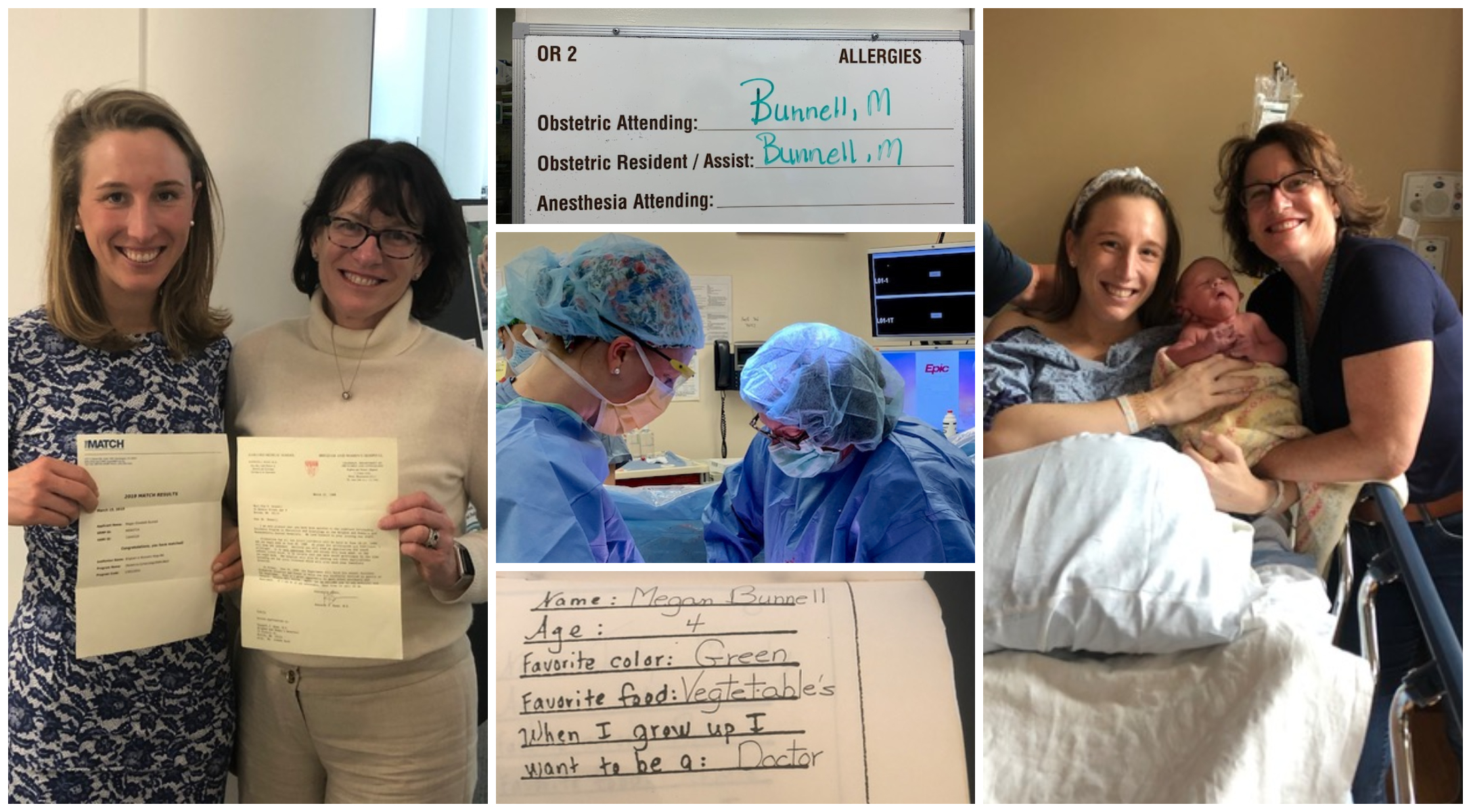
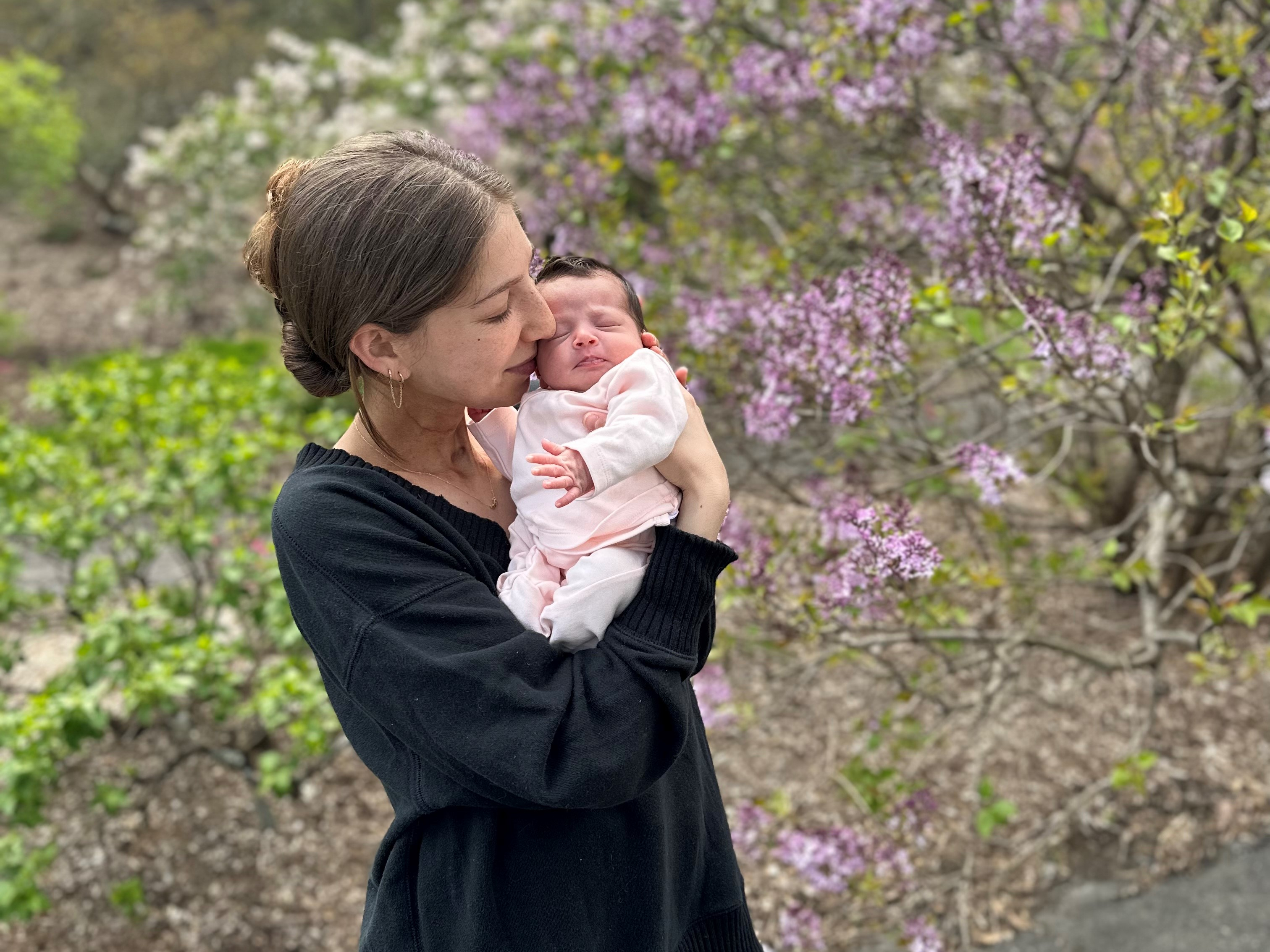
A member of the Brigham community for over 15 years, Dr. Nakashima cared for the thousands of patients and taught innumerable residents and medical students.

“Dr. Nakashima was one of the Hospital Medicine Unit’s most admired and accomplished clinical educators,” said Christopher Roy, MD, director of the Hospital Medicine Unit. “During his time with us, he mentored countless trainees, students and junior faculty. His approachable, laid-back style, kindness and gentle sense of humor immediately put students, house staff and colleagues at ease.”

For so many across the Brigham, Dr. Nakashima was a valued colleague and physician, revered teacher and a supportive mentor and adviser who was generous with his time.

“People sought him out for advice because he just listened, no matter how busy he was,” added Roy.

Johanna P. Baldassari, NP, of the Faulkner Advanced Clinician Team (FACT) service (part of the HMU), as well as chief advanced practice provider for BWFH, recalled that Dr. Nakashima taught her a great deal over the years since he first joined the Brigham.

“Koji was everything that you would want in a physician and a colleague,” she shared. “He was brilliant, compassionate, witty, incredibly efficient and a team player. He took the time to explain, teach and answer all my questions. I am grateful for all that he taught me over the years.”

Dr. Nakashima’s family instilled in him the value of service, and his career and work are a testament to this legacy. In 2009, he completed a combined Medicine-Pediatrics Residency at Brigham and Women’s Hospital and Boston Children’s Hospital and the Brigham’s Global Health Equity Residency Program. This experience provided him with the opportunity to work with Partners in Health (PIH) in Haiti, where he devoted many years of service, including the response to the January 2010 earthquake.

Koji worked with PIH in Haiti for a number of years on a variety of initiatives, including becoming an integral part of the emergency response to the 2010 earthquake and cholera epidemics, co-leading the establishment of physical rehabilitation services and supporting the Right to Care program for people with complex illness who needed treatment outside of Haiti. He and his wife, Erin George, CNM, PhD, a former member of the BWH Nurse Midwifery Service, also worked together in Haiti. Read more about their work with PIH in Haiti here.

In addition to his service and role as an inspiring educator and mentor, Dr. Nakashima is also remembered for his dedication to his family.

“What stood out to me was the clear and demonstrable way that Koji prioritized his role as a parent,” said Matthew Vitale, MD, associate director of the Hospital Medicine Unit and medical director of the Brigham’s Physician Assistant Clinical Educator (PACE) Service. “While he was a truly exceptional educator, an astute clinician and a thoughtful community member — in a place where people are faced with so many competing priorities — Koji very clearly had a deep anchor in his role of parent that foundationally drove his course. That was so clear to all of us around him. It was the guiding role for him that informed everything he did or didn’t do.”

He made a similar impression on Paula Goldman, MPH, division administrator of General Internal Medicine and Primary Care. “Koji was devoted to his family and his clinical effort,” she said.

Colleagues recalled that Dr. Nakashima went out of his way to make people feel appreciated and respected.

“He exuded kindness. It just radiated from his being,” said Baldassari.

Dr. Nakashima was admired for his wisdom, humanity, joy and generosity of spirit and heart.

“He truly appreciated the beauty in everyday life, finding hope and optimism even in the most difficult situations,” said Roy.

Goldman added, “He certainly saw the light that life can offer. It is so sad that he left this world way too early.”

Dr. Nakashima earned his master’s degree from Johns Hopkins School of Public Health and medical degree from Loyola University Chicago School of Medicine. He completed his residency in Medicine-Pediatrics and Global Health Equity at Brigham and Women’s Hospital. After residency, he became a faculty member of the Brigham’s Division of Global Health Equity before transitioning to the HMU in 2012.

Dr. Nakashima is survived by his wife, Erin, and daughters, Fiona and Bridget.

1 Comment

Megan Bunnell, chief resident in OB-GYN, follows in the footsteps of her mother, Mari-Kim Bunnell, a Brigham OB-GYN for 35 years.

For more than three decades, Mari-Kim Bunnell, MD, has been a member of the Department of Obstetrics and Gynecology, providing compassionate care to countless patients. This year, her daughter, Megan Bunnell, MD, is graduating from the Integrated Residency Program in Obstetrics and Gynecology at Brigham and Women’s Hospital and Massachusetts General Hospital — the very same program from which Mari-Kim graduated 35 years ago.

Mari-Kim describes the pride she feels for her daughter, saying, “It has been an absolute honor to train Megan and work with her as she begins her new journey as a BWH alumna.”

Megan was not always set on following her mom, but her path took her there.

“I grew up surrounded by medicine and doctors, and the meaningfulness of my parents’ work was always evident,” she said. “I knew I wanted to be involved in health care somehow, but it took me some time to find my own path.”

After a bachelor’s in anthropology, a master’s in genetic counseling and a roundabout journey to medicine, Megan is now a chief resident in the OB-GYN program, exactly where her mom started 35 years ago.

What makes this mother-daughter duo even more remarkable is their working relationship at the Brigham.

“It’s been fun to operate together, take care of the same patients and troubleshoot the same problems,” Megan said. “My mother is the best obstetrician I know, and I’m so lucky to have her as a mentor.”

But the mentorship goes beyond the professional. Megan, who recently became a mother herself, appreciates her mom’s guidance in navigating the challenges of balancing motherhood and a demanding career.

“Being a resident parent is hard, but having a mom who has worked full time her entire career has made my transition into motherhood more enjoyable,” she said. “I’ve gained a whole new level of appreciation for what she navigated in raising me and my brother.”

3 Comments

“Being a mother is nothing short of a miracle to me,” says Abbey Bergman, who recently celebrated becoming a mom two years after receiving lifesaving care at Dana-Farber Brigham Cancer Center.

In celebration of Mother’s Day, Brigham Bulletin is highlighting one patient’s remarkable path to motherhood and the care team who helped make it possible.

Abbey Bergman was convinced that the discomfort in her mouth was simply a canker sore. She was 27 years old and had been in good health all her life. What else could it be?

Something much worse, she would soon learn.

Over the next few months, the tender spot on her tongue grew more painful. It soon began to interfere with her work as a personal trainer as she interacted with clients. After an especially brutal day working a double shift and teaching eight classes, Bergman came home to her partner in excruciating pain.

“Let’s just go to the ER, have someone take a look and make sure it’s nothing serious,” she recalled telling him.

It was April 2, 2021, when Bergman arrived at the Brigham’s Emergency Department (ED).

“The doctor pretty much took one look in my mouth and saw I had cancer,” she said. “He said it was aggressive and to start treatment as quickly as I possibly could.”

Bergman couldn’t believe what she was hearing. The shock was so great that she doesn’t have clear memories of the rest of that night.

“This cancer ended up taking absolutely nothing from me,” Bergman says.

“Cancer was not something that had ever been on my radar. I was completely floored — really just in disbelief,” she remembered. “A nurse brought me pain meds and wrapped her arms around me. It was very kind, but it also made it clear how serious this all was.”

That visit ignited a rapid chain of events as Bergman and her loved ones quickly sought to understand her illness and treatment options. As a result of the collaborative, multidisciplinary and lifesaving care she received at Dana-Farber Brigham Cancer Center, she is now cancer-free.

“This cancer ended up taking absolutely nothing from me,” Bergman said.

In fact, a beautiful new chapter would soon unfold.

Exactly two years after she first stepped foot in the Brigham, Bergman would return to the hospital for a far more joyous occasion.

On April 2, 2023, at 37 weeks pregnant with her first child, she arrived at the Brigham for a scheduled labor induction. Her daughter was born the next day.

“Being a mother is nothing short of a miracle to me. After making it through the toughest years of my life, I was gifted my greatest love,” Bergman said. “It makes the fight completely worth it. I would do it all over again if I knew what the light at the end of the tunnel would look like.”

‘My Team Was Completely Confident’

Two years ago, that bliss was impossible to imagine.

Shortly after visiting the ED, Bergman had her diagnosis confirmed via imaging and biopsy: stage 4 head-and-neck squamous cell carcinoma, which develops in the mucous membranes of the mouth, nose and throat. It had originated on her tongue and was spreading quickly. It would be fatal if she didn’t act soon.

Within few days, she had an appointment with her new Dana-Farber Brigham Cancer Center care team, including medical oncologist Glenn Hanna, MD, head-and-neck cancer surgeons Eleni Rettig, MD, and Rosh Sethi, MD, MPH, and radiation oncologist Roy Tishler, MD, PhD.

From that first encounter, Bergman and her loved ones felt the icy grip of anxiety begin to thaw.

“My team was completely confident from day one that they were going to get me into remission,” Bergman said. “I felt a huge weight lifted off my shoulders just knowing how knowledgeable they were and seeing how much they cared about me. I think if they hadn’t been so positive from the very beginning, I would’ve had doubts about whether I could get through it. But they were so sure — it just translated onto me. I knew that I was in the best place possible to get the care I needed.”

Due to the aggressive nature of her cancer, Bergman would need to undergo surgery soon. Three weeks after her visit to the ED, she was in the operating room.

Over the course of the 10-hour procedure, Rettig performed a near-total glossectomy, or removal of the tongue, and bilateral neck dissection, which entails removing lymph nodes in the neck to prevent further spread of cancer. Next, Sethi reconstructed the tongue using soft tissue and blood vessels from Bergman’s thigh — a fleshier area of the body, making it the most suitable to build a piece of tissue known as a flap. Although it doesn’t possess the same muscular function as a tongue, the flap enables Bergman to speak and eat a normal diet.

Bergman (right), then seven months pregnant, reunited with Sethi (center) to share her story with best friend and Olympic gymnast Aly Raisman (left) during Harvard Otolaryngology – Head and Neck Surgery Grand Rounds in February 2023.

Knowing what the surgery would entail, Bergman spent the days leading up to her surgery creating recordings of her native voice.

“On a human level, these details are so gut-wrenching to think about,” Sethi said. “Abbey’s whole journey has been very inspiring and gratifying to see. Her case also reflects what we do so well: true multidisciplinary, patient-centered care. Of course, our first priority was curing her cancer, but we were also very mindful of her quality of life.”

As part of her recovery, Bergman worked closely with a nutritionist and speech-language pathologist while embarking on chemotherapy and radiation treatments.

“When it came to speech and swallow, they were very methodical — going step by step and making sure I wasn’t moving on too quickly and trying something I shouldn’t be,” Bergman said. “They really made sure I was taking the time to do what I needed to do to stay safe.”

Although her speech sounds different than it did prior to surgery, Bergman says she has not lost her voice.

“I’ve always been outgoing and social. I grew up in a loud Jewish family where everyone talks over each other,” she joked. “I thought I would end up being quiet and introverted after all this, but my care team really gave me the confidence to go for it. If I hadn’t had their support, I know I wouldn’t be as comfortable speaking as I am today.”

Elaine Burke, MS, CCC-SLP, senior speech-language pathologist, said it was humbling to witness such tremendous dedication and optimism.

“Abbey is a very special patient who will always stand out in my mind,” Burke said. “During swallowing therapy, I gave her many recommendations and challenges to help her get back to the least-restrictive diet. Abbey always came through with positive results, no matter how frustrating and laborious it was for her to upgrade her diet. I was so proud of her hard work. We shared tears and joy as we worked together.”

We care. Period. logo

In the coming months, testing would confirm that the team had achieved their goal: Bergman was in remission. The compassion her care team demonstrated was unlike anything Bergman says she has experienced in a health care setting.

“It was so clear how much they cared about me. They really took the time to get to know me and really weren’t treating me as a patient passing by,” she said. “From the second I met them, they held me up, answered every question I had, reassured me when I needed it and were honest about what to expect. Even to this day, everyone’s hugging each other. There’s so much love on my team.”

A Joyous Surprise

Women with cancer who wish to have children in the future are often advised to pursue fertility preservation, also known as embryo or egg freezing, prior to undergoing radiation or chemotherapy because some cancer treatments can affect hormones or organs involved in fertility and pregnancy.

Bergman says she always knew she wanted to become a mom, but the severity of her disease put her in a difficult position: Does she risk letting the cancer spread while taking the time to pursue egg freezing?

“They would have to retrieve the eggs from both ovaries at once because of how fast everything was happening, and it would’ve been so much more trauma on my body that we ended up not pursuing it,” she said. “Along with all these other physical changes, my partner and I had to accept the fact that we might not be able to have biological children, but obviously me staying alive was more important at that point.”

A little over a year later, Bergman and her fiancé were astonished to discover that she was pregnant.

After sharing the happy news with loved ones, she made another call right away.

“You can get past this and live a happy, fulfilled life, even with tons of physical changes, scars and differences,” Bergman says.

“I made sure my care team knew exactly what was going on, and they started monitoring me from there,” Bergman said.

Yael Hoffman Sage, MD, MPH, of the Division of Maternal-Fetal Medicine, cared for Bergman throughout her pregnancy, which was monitored more closely due to her cancer history.

“One of the things we were worried about due to her particular cancer treatment, which impacted her tongue, was her ability to sufficiently nourish herself during pregnancy,” Hoffman Sage said. “It’s a big job for a pregnant woman to grow a baby. Abbey was already a small person, so our initial concern was whether she would be able to gain enough weight. She worked so hard, had an extremely supportive partner and was 110 percent all in. She exceeded my expectations and did it with flying colors.”

It’s a misconception that women with a cancer history cannot or should not achieve a spontaneous pregnancy, Hoffman Sage explained.

“While it can be prudent to store eggs or embryos because we never know how cancer will affect the body, the truth is a lot of people do get pregnant easily, successfully and with healthy babies,” she said. “In Abbey’s case, her cancer treatment was focused on the head and neck. If she had undergone pelvic radiation, that would certainly change her risk factors. But since she had directed radiation therapy, we were less worried about effects on her ovaries or uterus.”

For Bergman, each day post-cancer — and into motherhood — shines brighter and brighter.

“The message I want to get to as many people as possible is that you can get past this and live a happy, fulfilled life, even with tons of physical changes, scars and differences,” she said. “There’s a way to come out of it as a success story. Keep on living.”

2 Comments

“It’s hard to believe I am walking around with someone else’s heart in me. I feel good and I am very thankful for the gift of life,” says Tony DiGiorgio, seated outside his Rhode Island home.

Tony DiGiorgio’s heart had been through a lot.

Since he was 37, DiGiorgio has had coronary artery disease, requiring extensive interventions and surgical procedures.

This year, the 68-year-old Rhode Island resident embarked on a hopeful new chapter when he became the Brigham’s first recipient of a donation after circulatory death (DCD) heart transplant.

“Everyone assured me that this was going to be a process that would catch on and expands the area from which they can draw donor hearts,” he said. “It turns out I got the first one here.”

A Game-Changing Technique

According to the Center for Organ Recovery and Education, most current heart transplants occur after brain death. These donors have experienced an irreversible loss of brain function, and the heart is kept beating only through mechanical intervention. Strict criteria must be met to be considered for transplantation.

A DCD heart transplant is a relatively new practice involving donors who do not meet full brain death criteria but have suffered injuries incompatible with life. These criteria, though still stringent, dramatically increase the availability of donor organs.

“Previously, a donor heart may come from as far as Atlanta for patients in Boston,” said Akinobu Ito, MD, PhD, surgical director of Heart Transplantation and Mechanical Circulatory Support, who led the multidisciplinary team that performed DiGiorgio’s transplant. “Now, donation after circulatory death could potentially extend that range to Texas and even to the West Coast. That’s allowing our candidates access to a greater geographic area and greater numbers of donors.”

The first DCD heart transplant in the United Sates was performed in 2019 and has rapidly grown in adoption since then.We pursue excellence logo

A key factor in DCD’s effectiveness is the use of the new technology that can circulate blood through the heart during transportation — allowing for donation across far greater distances.

After sustaining an unrelated infection that eventually traveled to his heart, DiGiorgio was referred to Brigham cardiologist Robert Giugliano, MD, ScM, who diagnosed him with heart failure.

“The whole experience of recovering from that — it was traumatic,” DiGiorgio recalled. “I went through it, and I’m glad that I did because it brought me to the Brigham and led me to where I am today.”

In February 2022, he was placed on the transplant waiting list. After almost a year, a compatible donor heart became available in January 2023, and DiGiorgio consented to being the Brigham’s first DCD heart transplant recipient.

“He was not a candidate for another bypass surgery or stenting that would be more typical of procedures we use to treat patients who have ischemia,” explained Michael Givertz, MD, medical director of Heart Transplantation and Mechanical Circulatory Support, who oversaw DiGiorgio’s treatment. “Because he didn’t have any of those traditional options available, he met the criteria for heart transplantation.”

In addition, most heart transplants are typically performed on people age 65 or younger, but DiGiorgio’s good health aside from his heart condition made him a candidate regardless.

“Mr. DiGiorgio might be 68 chronologically, but physiologically might still be considered in his late 50s,” Givertz said. “He’s someone who exercises regularly, takes good care of himself and doesn’t have other chronic medical conditions.”

A First in Brigham’s History

On Jan. 29, DiGiorgio’s transplant was successfully conducted by a surgical team led by Itoh that also included cardiothoracic surgeons Mohamed Keshk, MD, and Mark Cunningham, MD.

DiGiorgio and his wife, Janet, enjoy a recent outing together.

“The organization of the transplant, the timing and coordination of the donor, and the implant operation took over 24 hours to complete,” Itoh said. “This was a truly multidisciplinary effort and would not be possible without support from our colleagues in cardiac anesthesia, cardiac intensive care and cardiology.”

After DiGiorgio experienced some complications while recovering from surgery, his multidisciplinary team on Shapiro 6 administered lifesaving treatments and monitored him closely overnight. By the next day, his heart was functioning at a normal level.

“I couldn’t have asked for better care from the whole team,” DiGiorgio said. “I have gone through so much in my medical journey, and I have prevailed through so much in the past 30 years. How lucky am I that everything fell into place?”

Givertz and Itoh both noted DiGiorgio’s exceptional recovery and eagerness to get back on his feet.

“He’s doing so well in such a short period of time and he’s anxious to get started in cardiac rehab,” Givertz said. “In fact, I was ready to make a referral, and the nurses had to remind me that we don’t refer patients to cardiac rehab until three months after their heart transplant.”

DiGiorgio said he can’t wait to get back to living his life with full enjoyment. He currently is the head golf professional at a country club in Rhode Island, where he manages operations, tournaments and teaching. He hopes to go back to playing his favorite sport soon with his wife, Janet, once he’s physically able.

“It’s hard to believe I am walking around with someone else’s heart in me. I feel good and I am very thankful for the gift of life,” DiGiorgio said. “I’m going to retire at the end of the year, and hopefully we’ll have a few years of traveling in the future for us both. We’ve been through a lot. We — and this heart — deserve to live our lives.”

2 Comments

With backgrounds ranging from nursing to epidemiology to microbiology, the Brigham’s infection preventionists use their diverse and specialized expertise to keep patients, visitors and staff safe. The team includes (back row, from left) Angela Maguire, Elizabeth Blaeser, Amy Badwaik, (front row, from left) Saranya Seetharaman, Vineeta Vaidya and Ofelia Solem. Not pictured: Jennifer Elloyan, Meghan Holtzman, Celia Moses and Robert Tucker

Whether responding to a pandemic, collaborating to enhance safety protocols or investigating the source of a hospital-acquired infection, the Brigham’s dedicated team of infection preventionists in Infection Control uses their specialized and diverse expertise to help keep patients, visitors and staff healthy and safe.

Infection preventionists, whose backgrounds can range from nurses to epidemiologists to microbiologists, look for patterns of infection within a facility. From monitoring medical devices for cleanliness to ensuring isolation protocols are followed, the team is passionate about proactively preventing the spread of infection through evidence-based best practices.

But even in the most cautious environments, the world of microorganisms — which includes tiny germs such as viruses, bacteria, yeasts and molds — can still find its way in, sometimes in unexpected ways. When that occurs, the Brigham’s seven super-sleuthing infection preventionists are on the case, looking for clues and advising colleagues on the best ways to protect patients, families and staff.

“We do a lot of detective work to gather information, find connections and piece together what’s happening,” said Robert Tucker, MPH, CIC, FAPIC, Infection Control manager and lead infection preventionist at the Brigham.

Each of the Brigham’s infection preventionists specialize in a different area of the hospital, with one team member always on call to ensure safety standards are continually upheld. “We are responsible for monitoring 200 locations,” Tucker said. “While most of the activity takes place at the main campus, there’s a lot that happens all around.”

In addition, the team often collaborates closely with Dana-Farber Cancer Institute’s Infection Control team to address the unique concerns of oncology patients in the hospital.

Elizabeth Blaeser, MPH, CIC, is the infection preventionist responsible for overseeing the Brigham’s maternal and neonatal intensive care units. Her work involves managing infection control between mothers and their infants, which can often be more complex than other inpatient units.

“The mom-baby dyad presents a lot of interesting issues that you don’t typically see when you’re dealing with just one patient,” she said. “If the mom has MRSA (methicillin-resistant staphylococcus aureus), do we separate them and put the baby in isolation? Or do we assume the baby has MRSA and keep them together, knowing how important that bonding time can be to the family?”

Each infection preventionist specializes in a different clinical area. Elizabeth Blaeser, pictured above in the Neonatal Intensive Care Unit, focuses on managing infection control between mothers and infants.

In addition to responding to real-time events, Blaeser and other infection preventionists also frequently review past cases to identify opportunities to improve prevention strategies and reinforce protocols.

“It gives us fuel to drive home the importance of basic infection control practices,” Blaeser said.

A Dedicated Team

Although the team is small, their collaborative approach and shared expertise make the scale of their impact far greater than their size would suggest, Tucker explained.

“Everyone does a little bit of everything,” he said. “It’s a great way to grow their skills so everyone is knowledgeable in many areas and we can share best practices.”

Pamela Linzer, RN, PhD, NEA-BC, often works with the team in her role as associate chief nursing officer of Medicine and the Center of Nursing Excellence. She praised the dedicated assistance the infection preventionists provide to nurses and their patients.

“They do their best to understand the full scope of the issue before trying to solve it,” Linzer said. “They’re problem-solvers and they’re willing to listen to all aspects. They’re also very communicative and always make sure that our nursing community is part of the solution with them.”

Linzer recalled instances where the team used different approaches to educate nurses about best practices. For example, they brought in a guest speaker from California who discussed why patients should be bathed in a certain way to prevent infections.

The team also plays a pivotal role in employee-facing initiatives, such as For All the Lives We Touch, an ongoing campaign to reinforce hand hygiene across the organization.

“We look for systematic ways to make these processes more reliable and support staff while they are caring for our patients and their families,” Tucker explained.

A New Focus

With the onset of the COVID-19 pandemic, Tucker and Blaeser noted a major shift in their workload that has somewhat persisted three years later.

Stronger Together Brigham Values Logo

“I’d say 80 percent of questions and pages we get from staff now are about COVID,” Tucker said.

At the beginning of the pandemic, the infection preventionists immediately noticed an uptick in calls for assistance. Their pager surged far above the pre-COVID average of five pages per day.

“That went up to between 50 and 100 pages in a day once COVID started,” Tucker said.

Blaeser noted the team’s immense contributions during that time to extensive contact tracing, which involved identifying people who tested positive for COVID-19 and every care staff member and patient they came in contact with.

“I don’t think people realize how much work would go into every single COVID case,” she said. “There was a long time where every single person in the Brigham — ambulatory or inpatient, as well as employees who were diagnosed with COVID — had to be investigated by our team.”

Despite the challenges, infection prevention is a job that both Tucker and Blaeser said they deeply enjoy.

“We’re working with other people in the hospital to improve practices,” Blaeser said. “It’s intellectually stimulating, and we’re making a difference.”

To learn more about the Infection Control team, visit their page on BWH – Vitals (access restricted to internal network and VPN users).

As Earth Day arrives this year, the Brigham continues dedicated efforts to promote environmental sustainability, climate change awareness and advocacy. Since appointed to the role of medical director for Climate and Sustainability in 2021, Gregg Furie, MD, MHS, has overseen a breadth of climate initiatives at the hospital — from educating clinicians to promoting sustainable practices to advocating for change on a national level. Furie is also a Brigham primary care physician and a member of the Mass General Brigham Climate and Sustainability Leadership Council and a member of the Brigham Climate Action Council.

In anticipation of Earth Day, Furie reflected on the Brigham’s progress over the past few years, as well as exciting future initiatives.

Can you tell us about yourself and your role at the hospital?

Since beginning my role as medical director for Climate and Sustainability two years ago, my work has focused on three primary areas. One is preparing clinicians to address current and emerging health threats from climate change. The second is reducing the environmental impact of our hospital’s overall operations, with a large focus on our clinical operations. And the third is advocacy, so we, as health professionals, can use our voice and our understanding of the health impacts of climate change to influence policy that addresses the climate crisis.

What initiatives has the Brigham taken to reduce the environmental impact of its operations?

First, it’s important to mention that the Brigham and Mass General Brigham have been leading efforts to make health care more sustainable for decades. While we still have a lot of work to do, we have made impressive progress around energy efficiency and increasing the amount of renewable energy that we use to power our facilities.

One of our most important initiatives — which we hope to have complete by the summer of 2023 — is an assessment of Mass General Brigham’s environmental footprint, with a focus on greenhouse gas emissions, particulate matter pollution and water consumption. Once that footprint is fully developed, we can subsequently use it to inform ongoing sustainability work by allowing us to target our initiatives in areas that will have the greatest impact across the system.

Another initiative is called ‘Watching Our Waste,’ which initially started in the operating room (OR) at the Brigham and seeks to reduce the amount of material inappropriately disposed of in red medical waste bags.

Members of the Anesthesia Department are leading an initiative focused on reducing the use of certain anesthetic gases that have far greater heat trapping ability than carbon dioxide and make a significant contribution to health care’s climate impact. The initiative focuses on raising awareness of the climate impact of anesthesia and implementing interventions to support reduced use of the most environmentally deleterious gases.

These are just a few of the ongoing efforts that I think will be critical to minimizing the impact of our operations on the environment.

Could you tell us about the work that’s been done to address emerging health threats from climate change?

This work has been largely focused on education — we’ve hosted a series of grand rounds for a variety of clinical departments and divisions across the Brigham and have been developing a novel curriculum for the Internal Medicine (IM) residency program.

The resident curriculum is designed to teach trainees about climate change’s health impacts and how that influences the way they care for patients. We also help them understand the connection between their clinical decision making and treatment decisions to health care’s environmental impact.

In addition, building on our experience with the IM resident curriculum, we partnered with a few academic medical centers to develop Climate Resources for Health Education.  Housed within the Global Consortium for Climate and Health Education, this effort provides medical schools, schools of public health, residency training programs and others with access to free, evidence-based curriculum content related to climate change and health.

One aspect that the Brigham is focused on is reducing the environmental impact of supply chain logistics. How is that initiative progressing?

We recognize that our supply chain represents a substantial portion of our overall environmental impact. Locally, we’re working on increasing the amount of reprocessed, single-use devices that we use in our hospitals. We are also collaborating with the U.S. Healthcare Climate Council to encourage our suppliers to reduce the environmental impact of the products they manufacture and distribute.

Can you tell us about the advocacy work the Brigham is involved in?

Much of our work is focused on influencing public policy, both by working directly with policymakers and by providing testimony on climate-related legislation. We’re also developing a formal advocacy strategy around climate change, largely focused at the state level but also at the federal level. We’ve been involved in advocacy opportunities, like the recent Climate Action Campaign National Public Health Advocacy Week, to encourage federal policymakers to enact tougher standards around pollution.

Are there any climate initiatives or sustainability actions that you’re excited about in the Brigham’s future?

Mass General Brigham recently signed the U.S. Health Climate Pledge, which commits us to reducing our emissions by 50 percent by 2035 and achieving net zero by 2050. This was a really important step in providing a specific, science-based target that we are working to achieve. This will be supported by ongoing efforts to decrease emissions associated with the energy used to heat, cool and power our buildings. This could be transformational. Similarly, with the results of the ongoing environmental assessment we’ll be well positioned to develop a formal strategy for reducing our environmental impact.

1 Comment

Nawal Nour, MD, MPH, chair of the Department of Obstetrics and Gynecology, spoke to the Brigham’s continued commitment to excellence in women’s health in Bornstein Amphitheater and via webcast during State of the Brigham on April 13.

“In these extraordinary times — and some would say challenging times — in our world of health care and all around us, we are called upon as leaders to address many of these challenges,” said President Robert S.D. Higgins, MD, MSHA, during the spring 2023 State of Brigham on April 13, held live in Bornstein Amphitheater and via webcast.

Higgins kicked off the interactive forum by addressing questions and concerns surrounding the Brigham’s educational mission, emphasizing both his and the institution’s commitment to creating and sustaining a best-in-class educational experience for the next generation of physicians.

He also recognized the 10-year anniversary of the Boston Marathon bombing, thanking the Brigham community for their heroic response and inviting viewers to attend upcoming events that honor the victims, survivors and first responders from the 2013 terrorist attack.

Despite there being hurdles to overcome and wounds still to heal, Higgins said there were “any number of reasons to be hopeful for our future based upon our past.” He acknowledged recent milestones in Brigham history, including the 110th anniversary of the founding of the Peter Bent Brigham Hospital and the illustrious career and 95th birthday of immunologist K. Frank Austen, MD.

The Brigham’s extraordinary legacy in health care extends even further back to 1832, explained Higgins, when the Boston Lying-In Hospital, another of the Brigham’s predecessor institutions, opened its doors to women unable to afford in-home medical care. Higgins expressed his pride in the Brigham’s continued commitment to excellence in women’s health as he welcomed leaders in this space to speak about recent advancements in patient care, research and service to the community.

First to speak was Nawal Nour, MD, MPH, chair of the Department of Obstetrics and Gynecology, which is ranked #1 by U.S. News and World Report. She explained the importance of taking a holistic view of women’s health. “We do much more than deliver babies,” she said before describing their wide breadth of services and commitment to offering the highest quality, comprehensive, obstetric-gynecological care, while continuing to advocate for women’s health and reproductive justice and eliminate racial disparities in maternal mortality.

Nour shared exciting practice updates, including their foray into repairing vascular brain malformations in utero and their recent implementation of TeamBirth to improve maternal and neonatal outcomes. She said the department’s long-term goal is to be more innovative, utilizing enzyme therapy for rare inherited diseases and growth factors to correct maldevelopment.

Next to speak, Claire Cecile Pierre, MD, vice president of community health programs at Mass General Brigham, said there is important work being done outside the walls of the Brigham to keep women and girls healthy. Pierre shared results of recent group sessions with community partners that she, Higgins and others attended. “As we look at women’s health across ages and stages, there’s still more need for prevention and a focus on wellness, both physical and mental…so a lot of our work, therefore, focuses on starting early.”

Pierre thanked her many colleagues in the audience who have served as mentors to elementary and middle school students, as well as the Brigham’s community partners, who “keep us aware of what the needs are and make sure we design interventions that are inclusive.”

Addressing recent research advancements in women’s health at the Brigham, Vera Spagnolo, MD, PhD, scientific director of the Connors Center for Women’s Health and Gender Biology said, “We want to put out there a view of the health of women as not specifically and exclusively focusing on reproductive health, but also encompassing any condition and disease that affects women exclusively, predominantly or differentially.”

Spagnolo explained that The Connors Center is currently running 14 different research projects on female-specific and female-predominant diseases and conditions. “We’re all very proud of the great and compelling research that our hourlies and fellows are conducting. And really, it speaks to the great interest and commitment that the bigger community has in advancing women through research.”

Additional Updates

The State of the Brigham also featured updates from other hospital leaders about institutional areas of focus:

  • Paula Squires, MBA, SHRM-SCP, SPHR, senior vice president of Human Resources, briefed staff on HealthStream annual training compliance and provided information on dependent care verification, a one-time process for current employees to verify that only eligible dependents are enrolled in the hospital’s medical, dental and vision plans.
  • Daniel Morash, MBA, chief financial officer and senior vice president of Finance, provided a financial update, explaining that while it’s been a tough year so far, he is hoping operational improvements will help the hospital get back on track for the second half of the year to enable future investments in clinical care, research, education and community missions.
  • Shelly Anderson, MPM, executive vice president and chief operating officer, provided an update on ongoing capacity challenges and the many initiatives underway r to help address these challenges along the care continuum, including new pathways in the Emergency Department, collaboration amongst case managers, resource specialists and social workers on inpatient floors, and a pilot program that embeds special nurses into clinical care teams to focus on discharge planning.

View a recording of the event (access restricted to internal network and VPN users).

View the meeting materials of the event (access restricted to internal network and VPN users).

Brigham staff came together for a series of events to commemorate the 10th anniversary of the 2013 Boston Marathon bombings, honor those affected by the tragedy and reflect on how both the Brigham community and city of Boston were forever changed.

The weeklong event series, which culminated with the 2023 Boston Marathon on April 17, coincided with the City of Boston’s One Boston Day tradition, which seeks to spread kindness and care. In partnership with the Brigham, The Gillian Reny Stepping Strong Center for Trauma Innovation hosted several events to spotlight advances in trauma care and celebrate the resilience and strength of the people of Boston.

Among the week’s highlights was a panel discussion on April 14 with several staff and members of the Reny family, who shared memories and reflections on responding to the 2013 tragedy. The following day, marking 10 years since the 2013 bombings, the Brigham continued its annual tradition of raising the Hope and Healing flag, which is lowered each year after the last runner crosses the marathon’s finish line.

View the photo album here.

Sejal Shah, chief, Division of Medical Psychiatry, Brigham and Women’s Hospital, spoke to staff during a Boston Marathon Hope & Healing panel discussion on April 14 about overcoming adversity and ways to practice self-care during challenging times. View the video.

The exhibit contains artifacts from a time capsule created and sealed by leaders of the Peter Bent Brigham Hospital in 1963.

A new exhibit at the Brigham Education Institute (BEI)’s Knowledge Center celebrates the 110th anniversary of the Peter Bent Brigham Hospital (PBBH) — one of the three institutions that merged to form BWH in 1980 — by offering a glimpse into the past through words, photos and artifacts.

Curated by Hospital Archivist Catherine Pate in honor of the PBBH’s unofficial opening day on April 30, 1913, the exhibit revisits materials from a time capsule assembled and sealed as part of the PBBH’s 50th anniversary in 1963.

“The time capsule was opened in 2013 and its contents were displayed as part of the huge 100th anniversary event that year,” said Pate. “We thought it would be nice to revisit these materials for the 110th anniversary, especially for people who didn’t have a chance to see them in 2013.”

Contrasting the Old with the New

The time capsule includes letters penned by the hospital’s leaders in 1963 to their modern counterparts, as well as photos and relevant newspaper clippings. Pate has added other materials to the exhibit to help viewers understand the context of the display.

“A map of the hospital campus from 1963 was included in the time capsule, and I added a current drawing of what the campus looks like now, so it’s a nice comparison,” said Pate. “They also included a nursing cap and pin from 1963, and I added a photograph of the nurses wearing these items for illustration.”

For the exhibit, Pate also highlighted some interesting, and often amusing, quotes from the letters and paired them with photos of the hospital leaders who wrote them, including David McCord, hospital historian in 1963. “He imagines that in 2013, we would be traveling from the moon and talking to each other on ‘synophones,’” Pate said. “It was funny and predictive at the same time.”

An Honest Imagining of the Future

Letters also captured a feeling of optimism about the future of medicine. “The Brigham was about to perform its first liver transplant, and hopes for its success were high,” Pate said. “Today, liver transplants are very common. And yet, in 1963 this was all new to them.”

Some of the leaders also wrote frankly and honestly about the many hurdles the hospital faced in 1963, including acquiring the necessary land and funds for expansion. “They probably could never have imagined how far we’ve come,” said Pate. “But they initiated our growth by realizing that the era of small hospitals around Boston was ending, and we would ultimately better serve our patients as one, unified medical center.”

The letters also call attention to broader societal changes that have taken place over the past 50 years. “When Alan Steinert, president of the Peter Bent Brigham Hospital, wrote the letter to his 2013 counterpart, he addressed it ‘Dear Mr. President,’” said Pate. “This was significant because the person who opened his letter in 2013 was Betsy Nabel, MD, then president of the Brigham, who had a good laugh about that salutation.”

From left: Yi Yi Lu and Caitlyn DePaula engage with the multimedia exhibit.

Included in the exhibit is a video of the 2013 recipients of the letters reading them out loud, which viewers can listen to with headphones. For those who are curious to see the complete letters, Pate has included physical copies of the letters in a bin beneath the video.

As part of the festivities surrounding the time capsule’s original unveiling a decade ago, the Brigham community created a new time capsule to be opened in 2063.

Listening to a Piece of History

When asked about her favorite piece of the exhibition, Pate is quick to respond. “My absolute favorite is the recording of the musical play the staff put on in 1963 to celebrate the 50th anniversary of the PBBH,” she said. There’s a QR code at the exhibit that viewers can use to hear a sampling of the performance.

Creating a musical was not unusual for this time, remarked Pate. “It’s what people did for entertainment at the Brigham. Every year, they would use popular songs and change the lyrics to make a spoof of hospital life and their bosses,” she said. “It’s hard to imagine residents, interns and nurses having the time today to put together a musical.”

The 110th anniversary exhibit will remain on display through November 2023 at the BEI Knowledge Center, located on the Lower Pike in Thorn 127D.

Left photo: Michelle Wilcox, pictured with her brother, Michael Depferd, will run in honor of him and the Brigham care team who saved his life. Center photo: Surgeon Vivek Shah with his oldest daughter, Savannah, who was at the finish line when Shah ran the 2013 Boston Marathon. Right photo: Physical therapist Ally Martinis, who cares for patients with limb loss, will run in celebration of her patients and their resilience.

In celebration of the 127th Boston Marathon, Brigham Bulletin is highlighting the stories of three members of the Brigham’s Stepping Strong Marathon Team. Comprising 156 runners, the Stepping Strong team will follow the historic Boston Marathon route on April 17 — all in support of The Gillian Reny Stepping Strong Center for Trauma Innovation at the Brigham.

About Stepping Strong

Established in the aftermath of the Boston Marathon bombings, The Gillian Reny Stepping Strong Center for Trauma Innovation has evolved from one family’s bold response to a personal tragedy to a thriving, multi-institutional, multidisciplinary hub tackling the continuum of trauma care. From prevention and intervention to treatment and rehabilitation, the center’s mission is to transform care that will change outcomes for trauma survivors and their loved ones.

You can advance this critical work by supporting the Stepping Strong Marathon Team. Click here to meet members of the team or make a gift.

Michelle Wilcox

When pacing the halls of the hospital became too much for Michelle Wilcox, her feet led her outside. Wilcox had been at her brother’s side for the past two days after he was brought to the Brigham following a horrific car crash.

It was Oct. 11, 2021, the first and only time the Boston Marathon took place in the fall — a result of the marathon’s 2020 cancellation due to the pandemic. Wilcox, a fitness coach from Rochester, N.Y., walked until she encountered the runners. What she witnessed inspired her.

“I feel called to give back to the place that gave us our largest blessing,” says Wilcox, pictured with her brother.

“I hadn’t run in like 10 years, but I was like, ‘Oh, maybe I should run this marathon,’” Wilcox remembers thinking. “I shelved it because things were so crazy. But it was in the back of my mind.”

About 48 hours prior, she had received a call from her sister-in-law with the awful news that her brother, Michael Depferd, had been in a serious car accident on Cape Cod and transported by MedFlight to the Brigham. Ultimately, he was hospitalized for roughly two weeks as his care team worked tirelessly to save his life and help him heal from the injuries he sustained, including a collapsed lung and traumatic brain injury.

“I truly believed he wasn’t going to make it,” Wilcox recalled emotionally. “You wouldn’t in a million years think that somebody who had suffered that kind of trauma would recover. The doctors and the nurses were so amazing, and they gave us a lot of hope.”

Watching the runners stayed with her, and eventually blossomed into a real goal. Having learned about the Brigham Stepping Strong Marathon team during her visits with her brother at the Brigham, Wilcox knew it would be a wonderful way to honor her brother and support future trauma patients.

“I feel called to give back to the place that gave us our largest blessing,” Wilcox said. “I’m 100 percent convinced that if he had not gotten to the Brigham safely that night, he would not have made it.”

Now, 18 months since the accident, Depferd continues to heal and grows stronger each day. His resilience is a great source of inspiration to Wilcox, who is excited to see him cheering from the marathon sidelines.

“It’s a full-circle moment for our family to get to this point after what has been a really, really tough last year and a half,” she said.

Vivek Shah, MD

Ten years ago, orthopaedic surgeon Vivek Shah, MD, was a runner in the 2013 Boston Marathon — an experience that stays with him to this day.

“It certainly changed my life,” said Shah, director of Outpatient Arthroplasty at the Brigham. “My wife, my 18-month-old daughter, my parents and my sister were all waiting for me at the finish line. I feel immensely lucky that we were all unharmed.”

Savannah Shah, then 18 months old, awaits her father’s completion of the 2013 Boston Marathon prior to the bombings.

In the immediate aftermath of the bombing, Shah participated in the rescue of injured runners. While the sorrows of that day are still fresh in his memory, he added that Boston’s extraordinary response to the tragedy leaves as big an impression.

“This is an event that will never be forgotten here,” Shah said. “It reminds people what’s important.”

Between 2010 and 2017, Shah participated in a marathon annually. This year’s race will be his 10th and likely his last, he says. To prepare, he completes eight- to 10-mile training runs three times a week, waking at 4 a.m. to do them before work.

“I’m five years older than the last time I ran, and my body’s telling me that,” Shah said. “But I think it’s also more important to do it this year than any other year.”

Running for Stepping Strong is particularly meaningful to Shah as a surgeon, knowing that the work of the Stepping Strong Center funds innovative research and education to improve the outcomes of future trauma patients.

“The center supports amazing programs and research efforts,” he said. “It is gratifying to be an orthopaedic surgeon and see the impact at the institution where I work.”

Shah noted that he has avoided attending the Boston Marathon as a spectator since the bombings due to the intense emotions that day surfaces for him. But last year, he decided to bring his now 11-year-old daughter to the halfway point of the race and cheer for the runners — an experience he says was both healing and poignant.

“I told her that she was actually there on the day of the bombings, because now she’s old enough that she’s starting to read about the history of America,” Shah recalled. “I thought it was important for her to know that she was there.”

Ally Martinis, PT, DPT

Ally Martinis, PT, DPT, sees a direct line between her decision to participate in the marathon and her work as a physical therapist caring for patients who have experienced limb loss or amputation.

“They are my inspiration,” said Martinis, who works at the Brigham’s Foxborough Health Care Centers. “If I’m having a tough run, I think about how hard they work with me.”

Stepping Strong’s mission to advance trauma care and research resonated with Martinis, who is passionate about helping her patients achieve their goals and improve their quality of life.

“Of course I have to run for this team. This is perfect for what I do,” Martinis said. “It’s so motivating, and it means the world to me that I get to help raise money for this cause.”

“I felt very honored that this is the year I get to run for Stepping Strong,” Martinis says.

Having the opportunity to run this year was especially meaningful, Martinis added, as it marks the 10th anniversary of the Boston Marathon bombings. Even after so much time, she continues to see the impact of the tragedy on Boston and the significance of the anniversary for her patients.

“I felt very honored that this is the year I get to run for Stepping Strong,” she said. “Their work is very impactful for me because it’s going to help a lot of future patients hopefully get the care they need.”

In reflecting on her patients, Martinis said she is incredibly proud of their remarkable resilience and determination, and that the work she puts into training is entirely dedicated to them.

“For some of my patients, it’s difficult to go from a seated to a standing position, and if they do that five times in a session, we’re celebrating because that’s an accomplishment for them,” Martinis said. “I get motivation from how hard they work, and it just keeps me going.”

Martinis added that running this marathon is a way of expressing her pride in her patients and supporting work that will help improve the future of trauma care.

“I can only hope that me running for this specific cause shows them how much I care about their progress — not just here in physical therapy, but their goals in life and in the future,” she said.

Victoria Buckley is one of the nation’s few psychiatric occupational therapists working in an emergency department.

In the fast-paced environment of an emergency department, a simple bucket of ice can become a lifeline.

When a patient experiencing a behavioral health crisis is growing increasingly agitated, it’s the work done by psychiatric occupational therapist (OT) Victoria Buckley, MS, OTR/L, CCAP, CDVC, that guides her nurse colleagues in the Brigham’s Emergency Department (ED) to offer an ice bucket and invite the patient to briefly submerge their hand in it.

This simple act, also known as a cold plunge, has been shown to relax the body’s stress response and ease anxiety symptoms, especially during a panic attack or similar event.

Buckley — one of the nation’s few psychiatric OTs working in a general emergency department — stepped into her role last year as part of a pilot program launched in conjunction with the opening of the ED’s new behavioral health observation unit. As a member of the unit’s multidisciplinary team, Buckley seeks to help patients with symptom management and to learn techniques and skills to reclaim their lives.

“I’m very interested in patient empowerment and helping people learn effective coping skills so they can navigate their own recovery,” she said. “And this was an opportunity to come and start something brand new in the ED to see how we can help people when they’re in crisis.”

Navigating a mental health crisis can be an extraordinarily stressful ordeal, often prompting patients to seek emergency care — be it for treatment, safety or simply a supportive presence. Because there is a nationwide shortage of inpatient behavioral health beds, patients experiencing a serious behavioral health event are directed to emergency rooms and then often wait there until an inpatient bed at a psychiatric facility becomes available. These patients can “board” in the ED for days or even weeks as they await placement.

Emergency physician Dana Im, MD, MPP, MPhil, who serves as director of Behavioral Health for Emergency Medicine and oversees the behavioral health observation unit, said Buckley has significantly helped elevate care quality and safety with her specialized skills and depth of experience.

“Victoria has taught us techniques that can be calming, and we try those strategies first so we don’t get to a point where the patient is so escalated that they require more intensive interventions like physical restraint or medications,” Im explained.

Getting Patients Back on Their Feet

In her role as a psych OT, Buckley works directly with patients to understand their challenges and collaborate on solutions to address them together.

“Occupational therapy is looking at healing through doing activities. That might be a discussion, worksheets or planning a leisure schedule,” Buckley said. “The purpose is generally to make a structure out of somebody’s day that will work for them and keep them symptom-free. It’s very individualized.”

Nancy Kelly, MS, OTR/L, clinical supervisor of Occupational Therapy in the Department of Rehabilitation Services, said Buckley’s contributions are distinct and vital.

“Psychiatric patients are a unique subset of OT,” Kelly said. “Victoria helps patients with their coping skills, insight into their current problems, maybe their family issues and their psychiatric illness, and she really tries to find solutions for them.”

Buckley has 35 years of experience in behavioral medicine, most recently at Brigham and Women’s Faulkner Hospital. Her background informs her work and has also enabled her to quickly form trusting relationships with patients whom she has cared for previously in prior roles.

“A lot of the patients I see in the ED have known me in other settings over the years,” she noted. “In those cases, I’m pretty clear on what they might need, and I’m interested in what has changed in terms of what they need. Sometimes those people are much more receptive to talking with me.”

Each situation is different, and the process of psychiatric occupational therapy is about identifying what works for each person and giving patients the tools to return to their normal life, she explained. For a patient with depression, for example, treatments tend to focus on activities that engage the mind and body. On the other hand, a patient in an anxious or agitated state might benefit from calm music and dimmed lights.

“It is a stressful environment to work in,” Buckley acknowledged. “But I think what keeps me going is that I know I’m trying to make a difference.”

Addressing the Mental Health Crisis

The Brigham’s Psych OT Pilot Program is just one way in which the Brigham is addressing a nationwide mental health crisis that has only been worsened by the pandemic.

The ED Behavioral Health Pod, though designed in advance of the pandemic, seeks to bridge the gap with better support for patients awaiting placement in a mental health treatment facility. The eight-bed pod is known as Clarendon, part of a new naming convention for the six areas that make up the ED.  Those pods are now named after the Boston streets that are connected to the final stretch of the Boston Marathon — Arlington, Berkeley, Clarendon, Dartmouth, Exeter and Fairfield — in honor of the 2013 Boston Marathon bombing victims and first responders, including those in the Brigham’s ED.

The ED Behavioral Health Pod has been environmentally tailored to suit the needs of this patient population by providing safe and private space, with softer lighting and reduced noise. It is equipped with its own nursing station, medication room and a dedicated team of providers.

The ED is also currently inviting behavioral health patients who receive psychiatric OT care to participate in a research study to evaluate the program’s effectiveness.

“We’re interested in seeing what that data will look like,” Kelly said. “I’m very pleased that the Brigham is putting this kind of an emphasis on this patient population and that we were able to find somebody like Victoria.”

From what she’s seen, Buckley said psych OT has already improved outcomes for some patients.

“The response from patients has been very positive,” she said. “Some people have been able to go home instead of going to a psych hospital.”

Im said piloting the program and enlisting Buckley’s expertise have made the ED into a much safer and more healing place for these patients.

“She’s a fierce advocate for our patients,” Im said. “Her presence also helps underscore that behavioral patients require a unique set of skills that most emergency providers are not trained to do. Victoria has taught us how to better attend to our patients’ needs.”

Occupational Therapy Month is held every April to honor OTs substantial role in improving health and quality of life. In celebration of Brigham OTs, Brigham Bulletin is highlighting one of the institution’s many exceptional OTs.

4 Comments

Brigham emergency physician Morgan Broccoli captures this scene in İskenderun, Turkey, where she deployed with Team Rubicon to assist with disaster response after a devastating 7.8-magnitude earthquake struck the region.

On the morning of Feb. 6, Brigham emergency medicine physician Morgan Broccoli, MD, MSc, woke to the news that a 7.8-magnitude earthquake had hit Turkey and northwestern Syria. By noon, she was exchanging texts with other members of Team Rubicon, the humanitarian organization she has been involved with since 2021. A team was mobilizing, and they wanted to know if she could join.

Broccoli immediately replied: Yes. She had experience volunteering in Haiti after the 2021 earthquake and in Poland last year during Russia’s invasion of Ukraine. She also happened to be off for two days and had supportive colleagues in the Brigham’s Emergency Department who helped cover her six upcoming shifts. “Everyone in my department was amazing,” she said. “I was on a plane by 6 p.m. that same night.”

Remote Support Activated

As Broccoli headed to Turkey, several of her Brigham colleagues heeded the call to help in other ways.

“Coordination of humanitarian response efforts is complex,” explained Sean Kivlehan, MD, MPH, emergency medicine physician and director of the Emergency Health Systems Program at the Harvard Humanitarian Initiative (HHI). “On-the-ground personnel are needed to offer immediate aid, forge relationships and provide direct situational awareness while collecting key data. Remote support is important because it connects the various on-the-ground actors to ensure coordination and planning, and allows for the rapid aggregation and dissemination of data.”

As HHI’s representative to the World Health Organization’s (WHO) Global Health Cluster based in Geneva, Kivlehan works to strengthen all aspects of humanitarian response, particularly within the health sector. After the Turkey-Syria earthquake, the Health Cluster focused on sharing and analyzing data, as well as connecting health experts and partners in their networks to address urgent needs.

One of those experts was Brigham endocrinologist M. Furkan Burak, MD, who had both personal and professional ties to the country. In addition to being a native of Turkey, he served as ambassador to the U.S. for Turkey’s Ministry of Health (MoH). When the earthquake hit, Burak was devastated. “First, this is a humanitarian crisis. And second, I’m Turkish, so there I was, thousands of miles away from my country and my people. I felt helpless.”

“There I was, thousands of miles away from my country and my people. I felt helpless,” said endocrinologist M. Furkan Burak, recalling his initial reaction to the crisis in Turkey.

Advised by his friends and colleagues in Turkey not to come, Burak made the difficult decision to stay in Boston, where he leveraged his connections to serve as a local coordinator between Turkey’s MoH and the Turkish Consulate General in Boston. Providing support remotely, Burak connected with HHI and other contacts to distribute Turkey’s list of urgent health needs and ensure the right supplies were delivered to the right place as efficiently as possible.

Assessing the Needs

Broccoli and colleagues were some of the first to arrive in Turkey, where they found the country’s government requesting type 2 and 3 emergency medical teams (EMTs), which have surgical capacity as classified by the WHO, as part of their focus on the search-and-rescue effort. Team Rubicon is considered a type 1-mobile EMT, approved only to provide outpatient emergency and primary care.

“I found it remarkable that the entire world seemed to be in Turkey, wanting to help,” she said. “There were urban search-and-rescue teams from all over the world. There were also many non-governmental organizations waiting just outside the affected area to assist with medical, logistics and water, as well as sanitation and hygiene needs.”

Broccoli spent two weeks in the southern Turkish city of Adana, about 140 miles from the quake’s epicenter, where she provided the WHO with critical medical needs assessments. She attempted to travel to Syria to assist efforts there, but it was ultimately determined too unsafe. “I would have liked to do more, but the system was created for a reason,” she said.

That perspective resonated with Erica Nelson, MD, MPhil, MS, Brigham emergency medicine nocturnist and Team Rubicon’s deputy medical director, who supported Broccoli from the U.S.

“This is largely about rejecting a colonialist model of humanitarian aid,” she said. “We are not going to come in and tell you what you need, and we are not going to traverse your space without an invitation. The most effective response is when you support local infrastructure and local expertise.”

The day the earthquake struck, Nelson was putting in 60-hour weeks of clinical work in Navajo Nation through a partnership with the Indian Health Service. Even so, she managed to make time for all the backend work that is critical to any disaster response — advising on a variety of needs, including ethics, security, logistics and mobilization, and monitoring and evaluation.

Reflections in the Aftermath of Disaster

Now back at the Brigham, Broccoli, Nelson, Burak and Kivlehan have been reflecting on their recent experiences.

“Humanitarian crises, even with all of their tragedy, are remarkable for the good they bring out in society and are a reminder that while there is much work to be done, the desire to improve humanity is there,” Kivlehan said. “All of us humans are in this world together, and we need to work collectively to reduce suffering wherever it is found.”

Broccoli is currently involved in a large-scale trauma education project in Ukraine, and will continue seeking humanitarian response opportunities outside of the U.S. “While I enjoy helping offload the system in acute response, the more important work is to prepare countries to respond internally to their own disasters,” she said.

For Nelson’s part, she is now helping support a response to Cyclone Freddy in Malawi, working to support local health and WASH (water, sanitation and hygiene) infrastructure in Guatemala, and continuing to foster opportunities to build local capacity for disaster response.

Burak has a trip to Turkey planned in May, where he will visit the earthquake site and assess the mental and physical health needs of the area’s young people. He is also hoping the trip will help him further process his feelings. Since February, Burak has had flashbacks of carrying bodies after the 1999 İzmit earthquake, one of the country’s deadliest natural disasters.

“Witnessing that horrible scene as a child was what made me decide to be a doctor, because I didn’t want to feel helpless,” he said. “I know there are many things we will have to do in the days, weeks, months, years and decades ahead. We will be helpful.”

“This place is essential,” says longtime Performing Arts Clinic patient and violinist Judith Eissenberg, who brought her instrument to a recent appointment.

In 2008, violinist Judith Eissenberg received an invitation to perform Quartet for the End of Time, a piece whose haunting title evokes the conditions in which it was composed and premiered — in a Nazi prison camp during World War II, by French composer Olivier Messiaen while he was imprisoned there.

“It is the most fabulous piece, almost an hour long,” said Eissenberg, a chamber musician for more than 40 years and a professor of music at Boston Conservatory at Berklee.

Soon after rehearsals began, Eissenberg started to experience pain, numbness and tingling in her left arm. She pushed through the discomfort for the first concert, but during the next performance realized the issue was more serious than she had thought.

“I remember during the second concert seeing my bow do this really weird thing and my finger was sticking up in the air and shaking,” she said.

Eissenberg saw a sports medicine doctor and tried conventional physical therapy but did not see much improvement. A fellow musician referred her to neurologist Michael Charness, MD, founding director of the Brigham’s Performing Arts Clinic.

Established nearly 35 years ago, the clinic provides highly specialized care for musicians with performance-related injuries and disorders. The multidisciplinary team sees injuries including overuse injuries, musculoskeletal problems, such as tendinitis, hand, neck and other body pain, and neurological problems, including ulnar nerve entrapment, carpal tunnel syndrome, as well as movement disorders including tremors and focal dystonia (involuntary muscle spasms).

Surgery isn’t always required, but it can be beneficial for some patients. The clinic collaborates with the Hand and Upper Extremity Service in the Department of Orthopaedic Surgery for surgical treatments.

“Studies have suggested the overwhelming majority of symphony players will have an injury at some point in their careers,” Charness said. “The mechanics of their instrument may be contributing to their injury, so we can make modifications. We can sometimes help them by simply changing their time management and encouraging a break from practice every 20 to 25 minutes.”

Personalized Care That Strikes a Chord

Upon seeing Eissenberg for the first time in late 2008, Charness immediately recognized the source of her discomfort — in more ways than one. She had an ulnar nerve entrapment, a condition that occurs when a nerve that runs along the forearm becomes pinched, often due to repetitive movement. It is sometimes corrected with surgery to release the nerve, a procedure Eissenberg ultimately underwent at the Brigham in December 2008.

Part of the reason his patient’s symptoms were so familiar to Charness is that he is a musician himself, a pianist, who had suffered from ulnar nerve entrapment when he was a postdoctoral fellow at the University of California, San Francisco (UCSF) and played in a musical trio.

“I was fortunate the violinist in my trio at the time was a neurosurgeon who said, ‘I think you have an ulnar nerve entrapment. Let me fix it,’” Charness recalled.

Neurologist Michael Charness, the clinic’s founding director, is also a pianist.

That encounter shaped the course of his career.

After he healed from surgery, Charness started seeing musicians in the back of his UCSF lab who had their own hand and arm problems. The program became known as the Health Program for Performing Artists at UCSF. When he came to Boston in 1989, he started the clinic at Brigham and Women’s. Since then, the clinical team has grown to include Performing Arts rehabilitation specialists, including occupational therapist Kelly Belinsky, MS, OTR/L and physical therapist Joanne Bosch, MSPT, CHT, as well as neurologist Christopher Stephen, MD, FRCP, SM, physiatrist and hand specialist Scott Homer, MD and psychiatrist Samata Sharma, MD. The team’s three physicians are musicians, as well.

“It helps a lot to understand the precise nature of musicians’ movements, the postures they have to be in and the stresses they deal with,” said Stephen, also a pianist. “But with the incredibly complicated and dexterous things musicians can play come a lot of potential problems.”

The team’s vast personal and professional experience in performance-related injuries has given them a keen understanding of how best to care for this patient population and what matters most, Homer added.

“The act of jumping from provider to provider, looking for a reliable assessment, can be stressful and delay recovery — adding to the musician’s woes at a potentially high-pressure time in their careers,” he said.

‘Absolutely Essential’

For Eissenberg, getting back to performing after surgery wasn’t an easy feat, but it was one she was prepared to take on. She started practicing again for just one minute at a time, three times per day, and gradually built up her endurance for her next performance in March 2009. Charness assured her that while she wouldn’t be able play the whole concert during practice, she would make it through entire pieces.

“It was a prestigious concert, all Beethoven,” she said. “I got up there in March and we played it.”

Since then, Eissenberg has regularly returned to the Performing Arts Clinic to maintain her function and proactively address potential issues. It’s a message she passes onto her students at the Boston Conservatory, even referring some who report hand and arm pain.

“I just sent one of them to the clinic. He also started out with a sports doctor, but this is a different kind of sport,” Eissenberg said.

Just like athletes need specialized care, Eissenberg said musicians need the Performing Arts Clinic.

“This place is essential — absolutely essential,” she said. “I have my life back.”

Currently, the Performing Arts Clinic sees patients on Saturdays. The team hopes to add more providers to increase access and further research surrounding musician injuries.

“People are coming to us and saying, ‘How can I not lose my livelihood, my love of music, my love of playing?’” Charness said. “That really resonates with us.”

From left: Noelle Castilla-Ojo, Adam Beckman and Rebeca Vergara Greeno are among the 248 medical students who matched with a Brigham residency program this year.

Across the 18 Brigham residency programs participating in Match Day — when thousands of medical school students across the country discover where they will continue their medical training — 248 aspiring physicians matched at the hospital this year.

“We are so excited by our Match Day results and to welcome this amazing group of interns,” said Maria Yialamas, MD, director of the Brigham’s Internal Medicine Residency Program, which will welcome 77 interns this summer. “We are thrilled by the diverse backgrounds and interests of these talented physicians who will become health care leaders. The future is very bright.”

Yialamas added that 56 percent of this year’s class of Internal Medicine interns are women and 27 percent represent racial or ethnic identities that are underrepresented in medicine (URiM). Across all Brigham residency programs, 54 percent of matched interns are women and 21 percent are URiM trainees.

Current Brigham intern Sachit Singal, MD, said he looks forward to being there for his newest colleagues as they embark on the next stage in their training.

“As cliché as it may sound, the people that comprise ‘the Brigham family’ are its strongest asset, and it has been wonderful to become a part of that family over the past year,” he said. “As I transition into second year and begin leading medical teams, I aspire to cultivate an environment in which my interns feel safe, supported and confident to pursue their learning and growth as physicians, much like the environment I was given this past year.”

In celebration of Match Day 2023 on March 17, Brigham Bulletin spoke with three newly matched interns to hear what inspired their paths to medicine.

From Nursing Assistant to Doctor, Advocating for Patients All the Way

Noelle Castilla-Ojo’s path to becoming a doctor was inspired by her immigrant parents. “My mom was one of 12 kids growing up in the Philippines and didn’t go to college — not because she didn’t want to, but because she didn’t have the opportunity,” Castilla-Ojo said. “My parents always encouraged me to get an education and do something that would make me happy.”

It turned out that taking care of others is what makes her the happiest. When Castilla-Ojo was 3 years old, her mother, Conchita, who didn’t have access to health care, became a nursing assistant. “My mom took such great care of others, but she had no one to take care of her,” Castilla-Ojo said.

From left: Noelle Castilla-Ojo celebrates her match with her mother, Conchita.

Following in her mother’s footsteps, Castilla-Ojo worked as a nursing assistant in a memory care unit while in college at Northeastern University.

“I really enjoyed caring for people and giving them pieces of their life that they used to enjoy, like their favorite food or music or clothing,” she said. “That felt like a really important part of the care process.”

Seeking more leadership opportunities and the ability to have greater impact, Castilla-Ojo decided to pursue a medical degree and was accepted to Harvard Medical School (HMS), where she went on to co-found a geriatric outreach club that pairs students with residents at senior living facilities. Though originally conceived as a program focused on having students accompany the residents to their medical appointments, the club shifted its focus during the pandemic to remote outreach to help patients combat loneliness and social isolation.

On Match Day, with her mother and her partner, Justin, by her side, Castilla-Ojo opened her envelope and was overjoyed to find that she had matched into the Brigham’s Internal Medicine Residency Program.

“It felt surreal,” she said. “You think about matching the entire time you’re in medical school, and then it finally happens. All my cousins and aunts and uncles in Nigeria and the Philippines were all sharing pictures and celebrating along with me. I’m the first to attend college in the U.S., so this means so much to me, as well as to the many people who have bolstered me up to this point.”

Castilla-Ojo is excited to join the Brigham, a place she knows and loves.

“I wanted to become a doctor who does more than just prescribe,” she said. “When I did my primary rotations at the Brigham, I saw residents being praised for taking care of their patients in many ways other than just with medication. That’s the type of position I want to be in.”

She looks forward to learning best how to advocate for her patients.

“In this primary care program, there’s an emphasis on social justice. I’m excited to be mentored and do more work with health disparities within geriatrics,” she said. “I’m just really grateful for the opportunity, and I’m sorry in advance for all the questions I’m going to ask!”

Answering an Unexpected Call to Serve — from the U.S. Surgeon General

Adam Beckman describes his grandmother as one person who inspired him to pursue medicine. Trained as a social worker, she continues — in her 90s — to provide mental health care for her patients. She taught Beckman from an early age about injustices in the health care system and the responsibility to promote social justice.

“She taught me about healing relationships — about the power of using one’s voice to advocate for people left unheard,” Beckman said. “At the Brigham, I was pulled in by the way trainees talk about clinical care and the range of work they are doing to address the challenges of accessing needed medical care in America. Learning from them makes me honored and delighted to join the Brigham internal medicine and primary care community.”

Adam Beckman (right) walks with U.S. Surgeon General Vivek Murthy (left) in December 2021.

As an undergraduate, Adam got a taste of interdisciplinary work related to medicine and the role physicians can play. With the Global Health Justice Partnership at Yale University, he was part of a team working to improve access to hepatitis C medications among incarcerated populations.

“I was struck by the power of doctors, epidemiologists, lawyers and government officials working together to tackle a medical and public health crisis,” he said.

During medical school at HMS, Beckman had the unusual opportunity to again be part of such interdisciplinary work. He was asked by Brigham alum and U.S. Surgeon General Vivek Murthy, MD, MBA, to serve as a special advisor to the surgeon general during the thick of the COVID-19 pandemic. Beckman described taking a one-year leave of absence to work in the Biden-Harris Administration as both terrifying and a remarkable chance to serve.

Looking back, Beckman said working in government helped give him perspective on the role of clinicians.

“Federal government is — at its best — simply a lot of people working hard to make our country, our medical system and our public health infrastructure better,” he said. “I have met many medical students, residents and health care workers we would be lucky to have contributing to that work.”

As he prepares to begin his residency at the Brigham, Beckman is focused on learning to be part of a clinical team and become a highly skilled doctor, a journey he knows takes a long time. He sees the Brigham as a very special place to train for those roles.

“In many ways, what I am most looking forward to is meeting my co-residents and being part of this community,” he said.

Though unsure precisely where his path will go, Beckman hopes to follow in his grandmother’s footsteps.

“She has shown me that serving patients until the final years of one’s life can be deeply impactful and bring continuous joy,” he said. “I hope to experience that too.”

Driven to Care for the Vulnerable

Rebeca Vergara Greeno’s interest in medicine came from an unlikely place: a lack of exposure to medicine and doctors growing up. “My family didn’t have any health insurance for a period of time during my childhood,” she said. “I think I went to maybe one doctor, which is kind of a rarity. Luckily, I was a healthy kid.”

Unfortunately, not all her family members were so fortunate. Her close-knit family moved from Guatemala to Las Vegas when she was a child, and they all lived in the same apartment complex.

“I had the experience of seeing one of my uncles pass away from liver cirrhosis in his own home because he didn’t have health insurance and didn’t go to the hospital,” Vergara Greeno recalled.

She also watched her Norwegian-American mother struggle to access care for a curable type of skin cancer.

We care. Period. logo

“It was cheaper for her to go back to Guatemala than to pay out-of-pocket costs here in the U.S.,” she said. “It wasn’t until my mom finally qualified for health insurance through the Affordable Care Act that she was able to get proper treatment. Although I didn’t know it at the time, watching my family struggle with the many social factors that deter people from seeking medical care helped shape my earliest interest in medicine.”

Vergara Greeno’s desire to go into medicine was kickstarted in college when she started working as an interpreter in a free clinic.

“I saw a whole population of uninsured people who were dealing with many more issues than my family had, including not being documented,” she said. “That’s when I really connected with that patient population and felt like medicine was a place where I could be the most useful.”

She continued on that path in medical school at Yale School of Medicine, where she became one of the directors of a student-run clinic that served a large population of uninsured patients during the peak of COVID-19.

As an aspiring doctor, Vergara Greeno believes her experiences help her empathize with patients.

“I think I can connect and build trust with patients, but I also understand I can’t assume I know everything about a patient based on a shared culture or experience,” she said. “I try to ask open-ended questions and stay open to all possibilities.”

Vergara Greeno was ecstatic to learn she had been matched with the Brigham.

“There are a lot of things at the Brigham that really overlap with my interests, including their global health work in Guatemala,” she said. “There’s also a very strong primary care track where I can build on the knowledge that I have. My focus is on becoming a well-rounded primary care physician so I can give my patients the best care possible. And I think the Brigham is the best place to do that.”

From left: Liz Yates and Louis Nguyen

When Liz Yates, MD, MPH, began her surgical residency at the Brigham, she brought along her deep interest in climate change and desire to make a difference.

“I think climate change is going to have a big impact on resources and disparities in the future,” she said. “I wanted to help reduce our contribution to climate change as a systemic issue and a global problem.”

In 2020, Yates was paired with mentor Louis Nguyen, MD, MBA, MPH, vascular surgeon and vice chair for Digital Health Systems in the Department of Surgery, to investigate potential projects. Together, they developed and championed Watching Our Waste, an initiative to reduce the incorrect use of red medical waste bags in surgical and procedural areas.

Red bags are used in Operating Rooms (ORs) and other clinical areas of the hospital to safely dispose of materials that are saturated with blood or other biohazardous waste. However, they are often used incorrectly to dispose of lightly soiled gowns, gloves and similar items. This improper use carries a financial and environmental cost: Not only is red bag waste five times more expensive to process than regular trash, but it also releases more greenhouse gas emissions during processing. The higher costs occur because red bag waste is transported to a special facility in Rhode Island to be autoclaved — a process that uses high-pressure steam to sterilize materials — for decontamination before it can be transported to a separate waste-to-energy facility.

“The project developed as a kind of nexus of our two interests, and it’s been a really incredible collaboration,” Yates said. “We combined my background and education in climate change and climate science with Dr. Nguyen’s unique experience and expertise in behavioral economics, which is the approach we’ve leveraged to get people to change their behavior.”

Getting Buy-In

Although Nguyen understood that reducing red bag waste was a worthy goal, he knew that for the project to be successful they would need buy-in from incredibly busy staff who were focused on patient care. That’s where his background in behavioral economics came in.

“My contribution to the project was to turn Liz’s interest in the environment into something that was implementable and respectful of everyone’s primary jobs, which is taking care of patients,” he said. “We wanted to come up with a solution that made it easy for staff to make the right choice, but still preserved their autonomy. So, we came up with a set of systems that would benefit the environment and implemented them into the regular workflow.”

In designing the program, Nguyen and Yates involved all stakeholders, including clinical staff and leaders in Environmental Services and Infection Control, to incorporate their feedback and ensure any proposed changes would not compromise patient and staff safety.

Loay Kitmitto, director of Environmental Services, was an enthusiastic supporter. “Red bag waste is so much more expensive to process, and we knew that it was being used incorrectly,” said Kitmitto. “We had wanted to make these changes for a while, but it helped to have the backing of the physicians who are actually working on the floor.”

From the start, they also had the support of Gerard Doherty, MD, surgeon-in-chief. “Having senior leadership recognize that this is an important project was a great boost to our efforts, because it takes a team effort to make a difference,” said Nguyen.

Implementation Brings Positive Change

Behavioral economics is a research field that uses psychology and economics to understand why people and societies behave the way they do — particularly when it acts against their interests — and applies these insights to encourage the desired actions.

Using these concepts, the team devised a simple plan to reduce red bag waste in the ORs: Make access to red waste bins slightly less convenient than the regular trash bins.

“In most of these surgical areas, the red waste bins had been the most available and easiest to reach, making it easy to use them incorrectly,” Yates said. “Instead, we made the openings for those bins a little smaller and put them a little further away. So now, as a clinician, you have to consciously choose to use that red bin, rather than it being the default. This enables clinicians to make the ‘right’ choice more easily, without impeding their workflow.”

After its initial pilot in the ORs, the project has since been adopted in Cath Lab and other procedural areas in the hospital. Overall, red bag waste at the Brigham has dropped by 29 percent in the ORs post-implementation, with even larger reductions expected in other procedural areas.

“We’ve really reduced our red bag use in the Operating Rooms and have almost eliminated them in the Cath Lab, so that’s been really rewarding,” said Yates.

The team has also developed and implemented a tool to track how much waste each area of the hospital is producing, which had never been done before.

“Each month, I collect data from the hospital’s waste managers and vendors to track recycling, trash and compostables, and one of our team members builds it into a monthly dashboard,” Yates said. “Now we can actually see improvements, and we’re starting to break it down by each area of the hospital, so we can tell where the waste is coming from and how different areas of the hospital are changing over time.”

Expanding the Reach

The Watching Our Waste team is now rolling out other initiatives to reduce waste across the Brigham and other Mass General Brigham hospitals, such as BWFH and Salem Hospital.

When working on new projects, Yates said the team seeks to act as consultants.

“We never impose our perspectives or viewpoints on a clinical working space, but we do leverage our connections as clinicians with boots on the ground,” said Yates. “We go into a space, see the day-to-day activities and ask everyone who works there what they want improved. Then we come up with a few recommendations and get them approved by all leadership before we implement any processes. It’s really effective to get buy-in on the front end so that we don’t face much resistance with actual implementation.”

Both Yates and Nguyen said that one of the biggest wins for the project has been the positive feedback they’ve received.

“I think our greatest impact has been to help change the culture,” Nguyen said. “We let people know it’s good to think about environmental issues as a part of all the other things we do in the hospital, and we want to continue this approach of collaboration among different groups as a platform for further change.”

1 Comment

Allegra Campagna, pictured at Flathead Lake in Montana just a few months before experiencing a life-threatening cardiac event, is one of the first Brigham patients to undergo an innovative method of aortic bypass surgery for people with Marfan syndrome, which Campagna recently learned she has.

After getting up for work one morning in October 2021, 27-year-old Allegra Campagna experienced an excruciating chest pain unlike anything she had ever felt before.

“I had this ripping, bursting feeling I described as like a flower blooming in my chest,” she recalled.

Then a clinical psychology graduate student living in Washington state, Campagna enjoyed an active lifestyle filled with hiking, ballet and other exercise. She never imagined she might have a serious health condition at such a young age.

When her symptoms did not resolve, she went to a local hospital, where doctors discovered a ruptured aneurysm in her aorta, the body’s largest artery. She was quickly transported by air ambulance to a hospital in Spokane for emergency surgery and was later diagnosed with Marfan syndrome.

We pursue excellence logoThat turbulent and frightening day changed the course of Campagna’s life. Now, nearly a year and a half later, she is grateful to the multidisciplinary team of experts at the Brigham who performed a lifesaving, complex and innovative cardiac procedure that has set her on the path to healing and getting back to what she loves most.

Sudden Changes

Marfan syndrome is a genetic disorder that occurs in about one in 5,000 people and affects the body’s connective tissue, which are the fibers that provide support for and anchor the organs, as well as other structures in the body. The condition can cause complications in the heart, blood vessels, skin, lungs and bones, among other organs. If the aorta is affected, as in Campagna’s case, Marfan syndrome can become life-threatening.

“That was a whirlwind,” she recalled. “I went from pretty normal and healthy to, ‘You have this genetic condition that affects multiple areas of your body.’”

Although Campagna’s emergency surgery in 2021 succeeded in saving her life, her diagnosis required a complete lifestyle change and monitoring to prevent another episode. According to the Marfan Foundation, patients with Marfan syndrome are strongly recommended to avoid strenuous physical activity in order to avoid injuring their heart.

Shortly after moving to Boston in June 2022 to begin her final year of training for her clinical psychology program, Campagna had another health scare when she experienced severe abdominal pain one day. She went to the Brigham’s Emergency Department (ED), and a CT scan showed that she had a second aneurysm in her aorta.

After being cared for by the ED’s multidisciplinary Code Aorta team, Campagna was referred to cardiologist Rajat M. Gupta, MD, of the Heart and Vascular Center, and Kim de la Cruz, MD, FACS, FACC, FCCP, section chief of Aortic Surgery in the Division of Thoracic Surgery, co-director of the Aortic Disease Center, to determine the most appropriate treatment.

“In someone with her condition, we recommend surgery to address an aortic aneurysm before there’s a rupture,” Gupta said.

Detailed imaging shows the difference between Campagna’s enlarged aorta before surgery (left) and after the aneurysm was repaired (right).

De la Cruz evaluated Campagna for an open thoracoabdominal aortic aneurysm (TAAA) repair. The surgery involves replacing large portion of the aorta with a graft and reconnecting the smaller arterial vessels to the respective organs. In Campagna’s case, her aorta needed to be replaced almost completely from the chest to the abdomen, a section known as the thoracoabdominal aorta. Then, the blood vessels branching off it — which supply blood to organs like the liver, kidneys, stomach, intestines and lower extremities — needed to be reattached.

“The normal size of the aorta is about an inch wide. An aneurysm is any abnormal enlargement of the aorta. An aortic aneurysm needs surgery when it grows to over two inches,” de la Cruz explained. “In Allegra’s case, her thoracoabdominal aorta grew rapidly to about the size of a soda can, meeting criteria for repair. Otherwise, without repair, her aorta is in danger of bursting or leaking out blood, and that causes pain, organ damage and death.”

A Safer Approach

Because patients with Marfan syndrome have soft aortic walls, this extensive surgery is the best approach, de la Cruz explained. Patients without this complication are usually better candidates for endovascular repair, which is a minimally invasive procedure that involves inserting a graft through blood vessels in the groin.

Still, open TAAA repair is not without risks. Because of the complex nature of the surgery, the risk of paralysis, renal failure and death after surgery is high.

De la Cruz is an international expert in a version of the procedure known as TAAA repair with left heart bypass, which has significantly lower rates of complications. De la Cruz was recruited to the Brigham for his expertise in performing this procedure, which he learned in Houston from one of the world’s most experienced and leading experts in it, Joseph Coselli, MD, FACS.

What makes this form of TAAA repair safer for Marfan patients, yet also far more complex to perform, is that it uses a left bypass, rather than the standard full bypass, de la Cruz explained. This allows the operating team to transfer blood to other parts of the aorta not being worked on during the surgery. It results in far less bleeding, a reduced dose of blood thinners and a significantly lower rate of complications compared to the full bypass procedure.

The Brigham is the only hospital in New England to offer this approach.

“We’ve done four of these procedures in the hospital so far,” de la Cruz said, “and all of the patients have walked out of the hospital with good outcomes.”

Allegra Campagna (center) and her boyfriend, Kyle Schofield (left), share a moment with cardiac surgeon Kim de la Cruz (right) during a post-op visit.

Stronger Each Day

Although the prospect of heart surgery was daunting, Campagna said her team’s honest communication and patient-centered approach alleviated many of her worries. She underwent the procedure in November 2022.

“Dr. de la Cruz was really good at explaining what was going on,” Campagna said. “He had goals for every day — stabilize blood pressure, increase hemoglobin level — written on the whiteboard in my room, and it felt very collaborative. I really appreciated that.”

The surgery left Campagna with a scar across her stomach, left ribcage and back, and a painful healing process immediately after. Despite the initial challenges, Campagna said her strength continues to improve, and she remains grateful for the support of her loved ones.

“I know it sounds like cliche, but you definitely have your ups and downs,” Campagna said. “I have to remember that, on average, I’m doing a lot better than I was last week, and I’m doing better today than I was yesterday.”

Now four months out from surgery, Campagna must return for yearly follow-ups to ensure her heart and aorta remain in good condition. While she remains cautious about placing undue strain on her body as it continues to heal, she has been cleared to resume all the activities she enjoyed before, including hiking, walking and ballet.

Gupta expressed his admiration for Campagna’s optimism throughout her diagnosis and treatment.

“She’s just really a remarkable person who has been a pleasure to take care of,” Gupta said. “I think she’s been through a lot, yet she’s always had really good attitude and has been eager to get better and help others with Marfan Syndrome.”

Phelicia Cadet snuggles with her son, Kashden.

As a mother-to-be, Phelicia Cadet had one wish: a healthy pregnancy and birth.

Yet as an African American woman, Cadet and her baby were at disproportionately higher risk for complications during both of those events. When she gave birth to a healthy baby boy, Kashden, at the Brigham last spring, Cadet was relieved and overjoyed to experience exactly what she wished for — something she says she could not imagine achieving without the support of her doula.

“She was the other person who had my voice,” Cadet, 28, said of her doula, a person trained to provide physical and emotional support to pregnant patients and their loved ones before, during and after childbirth.

Although not medical professionals, doulas offer education, companionship, advocacy and guidance around prenatal care, labor and delivery, breastfeeding, infant care and more. Doulas also often serve as liaisons between a patient and their medical team, helping families communicate their goals and understand information about birth interventions, pain management and other aspects of their care.

“She was like a second family member for me,” Cadet said. “I could trust her, and I knew everything would be OK because I was in the hands of somebody who understood me, could guide me through this and would make sure I had a safe pregnancy and birth.”

Studies have shown that doula support is linked to improved outcomes for mothers and babies, including lower rates of unplanned cesarean sections (C-sections), but access to doula services is not equitable. Doulas are usually not covered by health insurance, and paying out of pocket can be expensive. A birth doula, for instance, can cost several thousand dollars — putting it out of reach for many of the patients who might benefit most.

Early in her pregnancy, Cadet was excited to learn from her Brigham obstetrician, Nicole Smith, MD, MPH, of the Division of Maternal-Fetal Medicine, that she was eligible to participate in a program that would pair her with a doula for free.

One of 19 pilots supported by Mass General Brigham’s (MGB) United Against Racism strategy, the program, called Birth Partners, seeks to address racial inequities in birth outcomes by improving access to doula care. Across MGB, Black patients are twice as likely to have an unplanned C-section compared to white patients. Additionally, Black, Latinx and Indigenous patients leave the hospital exclusively breastfeeding after giving birth less than half as frequently as white patients.

Currently in its second year, the Birth Partners pilot has funding to provide doulas to Black and Indigenous patients — populations deemed to be at the highest risk for complications — who are planning for a vaginal birth at the Brigham, Massachusetts General Hospital (MGH), Newton-Wellesley Hospital or Salem Hospital.

The program uses a monthly lottery system to match a select number of interested patients with doulas, and the team monitors participants’ C-section and breastfeeding rates, as well as patient experience metrics.

Although research has yet to pinpoint precisely how or why doulas affect birth outcomes, the benefits of their involvement in pregnancy, birth and postpartum periods are clear and measurable, Smith explained.

“There’s a lot of data that supports the utility of doula support and their efficacy in decreasing the risk of cesarean birth,” Smith said. “Doulas provide emotional and physical support, and they can become a communication bridge to help everyone understand the goals of the family.”

‘Like I Was Her Sister’

After learning she was eligible, Cadet eagerly enrolled in Birth Partners and was connected with longtime doula Ieshia Lee of Birthing Gently, one of two Boston-based doula agencies that partners with the program.

Lee served as Cadet’s doula for most of her pregnancy, as well as during her delivery and following the birth of her son. They continue to remain in touch, with Lee checking in to see how she and Kashden, now 9 months, are doing.

“Sometimes your role gets to be bigger than a doula,” says Ieshia Lee (left), who recently visited Cadet and her son at their home in Randolph.

“Sometimes your role gets to be bigger than a doula,” Lee said. “I wanted Phelicia to feel like I was her sister. I supported her with everything she was going through as a mother, pregnant woman and a human being.”

Without participating in the Birth Partners program, Cadet says she would not have been able to afford doula care. As a result of her experience, though, she feels strongly now that doulas should be covered for any patient who wants to work with one.

“Giving birth is not easy,” Cadet said. “Every woman in this world deserves to get this type of treatment and support.”

Ultimately, Birth Partners’ leaders hope that the program serves as a model for increasing access to doulas more broadly for all pregnant patients — something that may soon come to fruition.

MassHealth, the state’s public health plan, is exploring an expansion of benefits to potentially cover doula services for its members. If approved, the hope is that private insurers will follow suit, explained Allison Bryant, MD, MPH, senior medical director for Health Equity at MGB and an OB-GYN at MGH.

“It would be great for everyone to have access to a doula at no cost,” Bryant said. “The nature of our grant funding shaped the scope of our pilot so that we’re starting with groups who are at highest risk, but this is a fantastic intervention from which many patients could benefit.”

Smith agreed, adding that she hopes doulas become a routine presence in labor and delivery units everywhere.

“In many hospitals, there can be tension among providers when a doula is there, but I think our nursing staff and physicians are really quick to welcome innovation and consider novel approaches to advance birth equity,” she said. “Their embrace of this program has been a classic demonstration of why we provide great care at Brigham. It’s wonderful to work as part of a team who prioritizes patient- and family-centric care.”

Building a More Diverse Doula Workforce

A key component of Birth Partners is pairing patients with doulas who share their racial or cultural background.

“Doulas provide a bridge beyond language — in terms of the language that clinical teams use versus how patients and families speak to one another — and some of that can be sharing a lived experience,” said Allison Bryant, MD, MPH, senior medical director for Health Equity at MGB and an OB-GYN at MGH.

To grow and sustain the availability of diverse doulas, Birth Partners also funds a scholarship program to train aspiring doulas in partnership with Birthing Gently, a Boston-based doula agency that provides DONA International-approved doula training workshops.

In its first year, the program provided scholarships to 20 people, and has received funding to award scholarships to another 20 individuals to further create opportunities for aspiring doulas of diverse backgrounds, including race, ethnicity, language, sexuality and/or gender identity.

Among those who have been awarded the scholarship is Taylor Goyette-Frechette, LCSW, MSW, senior consultant for Education and Learning in the MGB Office of Diversity, Equity and Inclusion. As someone whose role consists of developing and implementing racial equity education for MGB’s workforce under the United Against Racism strategy, Goyette-Frechette says she jumped at the opportunity to apply.

After completing the training last fall, she was paired with her first patient shortly afterward. The patient had requested a doula of color, and Goyette-Frechette, who is Black, says she was humbled to be by her side throughout her pregnancy and birth.

“For me, it is so personal — being a Black woman, knowing the data, hearing stories like Serena Williams’,” said Goyette-Frechette, referring to the tennis star’s recent essay in Elle magazine detailing her life-threatening delivery and having her health concerns dismissed by her care team. “I feel that I can connect, support and find deep solidarity and community with other Black birthing people. Everything from our differences to the uncanny nuances of our similarities — having that understanding when a patient describes an experience they’ve had allows me to pick up on the subtleties of what they’re saying. These details are essential for healthy transitions through the prenatal, birth and postpartum periods.”

Formerly a project coordinator at Southern Jamaica Plain Health Center and domestic violence advocate for the Brigham’s Passageway Program, Goyette-Frechette says she considers doula work a natural extension of her career path.

“I see myself as a clinical social worker who develops trauma-informed, racial justice trainings for a health care system, where I now also have an opportunity to support people giving birth who have experienced the medical system as a place of harm, historically,” she said. “It just feels so right. It feels like where I need to be.”

To learn more about how to apply for the Birth Partners doula training scholarship, contact birthpartners@partners.org.

1 Comment

The Division of General Obstetrics and Gynecology Specialists Team — represented (center, from left) by Julianna Schantz-Dunn, Amaka Onwuzurike and Khady Diouf — were one of 27 teams honored during the 2023 Pillars of Excellence Awards by Brigham President Robert S.D. Higgins and Rosemary Sheehan, chief human resources officer for Mass General Brigham.

As a unit coordinator in the Medical Intensive Care Unit (MICU), Cedric Depestre is always at the ready, especially when an emergency occurs — a point not lost on his nurse colleagues, who regard him as a “phenomenal” team member known for his proactive support of unit staff and heartfelt commitment to patients and families.

“Cedric has been a phenomenal unit coordinator for the Medical ICU and excels at anticipating the nurses’ needs,” wrote a colleague who nominated him for a Pillars of Excellence Award for his outstanding contributions. “He demonstrates great organizational skills, helping ensure we are ready for each patient. Cedric is often the first face a family will meet when entering the MICU. Families are often dealing with the worst days of their lives, and he greets them with compassion and poise.”

Depestre was among the 61 individuals and 27 teams honored during the 27th annual Pillars of Excellence Awards ceremony, which returned to an in-person format for the first time since the COVID-19 pandemic began three years ago. This year’s awards were presented to honorees throughout the Brigham family, including those who represent our Dana-Farber Brigham Cancer Center.

“I’m thrilled to be with you here in person — a milestone after several years of entirely virtual events due to the pandemic,” said Robert S.D. Higgins, MD, MSHA, president of Brigham and Women’s Hospital and executive vice president at Mass General Brigham, during the event. “It’s truly inspirational to see the collaboration between different groups to achieve a common goal. As we say at the Brigham, we’re stronger together. Thank you for your dedication to our patients, to our community and to each other.”

Supporting Patients, Families and Each Other

Another nominee this year was Tramaine Sanders-Palmer, an administrative assistant in Engineering, who assumed additional responsibilities for her team during a period of transition in the department.

“Tramaine is the perfect example of a great team player. She is a reminder that our duties sometimes go beyond our role,” her nominator wrote. “She showed up on time, with a smile, never said no and got the job done. She was a tremendous support to our department, and we are truly thankful to have her on our team.”

Theresa Oduol, a research assistant in the Division of Pharmacoepidemiology and Pharmacoeconomics, was commended for her work to strengthen her division’s contributions to advancing diversity, equity and inclusion (DE&I). Through her role as a co-chair on the Department of Medicine Diversity Council’s DE&I Committee for her division, she increased the volume of applicants to the team’s summer diversity internship program by 444 percent, volunteered to serve as a mentor and internship coordinator, and hosts recruitment strategies for diverse talent in faculty positions, among a host of other DE&I work.

Theresa Oduol

When a new colleague who recently moved to Boston expressed her anxiety about being new to the city, Oduol reached out to other research assistants to create a welcome guide to Boston, covering everything from the housing market to dinner locales.

“It is an honor to know and to work with Theresa, and I aspire to be everything that she emulates and embodies,” her nominator wrote. “She is not only a co-worker but also a mentor.”

Nurse practitioner Callie Siegert, MSN, AGNP-C, team lead of the oncology-focused branch of the Palliative Care Consult Service, earned the most individual nominations this year of any honoree, with 10 colleagues writing to share their reflections on her selfless and unwavering dedication to patients, families and colleagues.

“She brings unique and special characteristics to her role and is the most flexible, dedicated person I work with on our clinical team on a regular basis,” one nominator wrote. “Every time I come to clinical service, she asks — despite having her own complex and busy workload — how she can help me, how my day is going and what she could be doing better.”

Outstanding Teamwork

Among the team honorees this year was the Employee COVID-19 Antigen Testing Kit Distribution Team, who were tasked with distributing test kits to staff when the first Omicron variant peaked in January 2022.

“From the beginning, all team members knew the goal and the impact this would have on ensuring our workforce felt safe during the height of another COVID wave,” their nominator wrote.

Faced with the immense task of distributing over 10,000 testing kits to employees as fast as possible, the team successfully leveraged an MGB QR-code scanning system that streamlined the process and allowed them to rapidly deliver the kits in less than two weeks.

“Like many efforts during COVID, all members who were involved in the employee antigen test kit distribution team took on the responsibility in addition to their normal ones during an already busy time,” the nominator wrote.

The Operating Room (OR) Central Processing Department (CPD) Biomedical Engineering Team was recognized for their remarkable collaboration to overcome challenges during a period of expansion and transition.

“They leveraged experience, energy, resolve, understanding and good cheer to provide stellar service during a markedly straining time,” their nominator wrote. “From resolving critical video integration errors to locating just the right screw size for repairing a surgeon’s reading glasses, OR-CPD Biomedical Engineering is always there to help — as a team.”

“He’s the love of my life,” says Rosemary Hale of her husband, David, who received a lifesaving heart transplant at the Brigham last year.

One year ago, David Hale, 63, could not imagine making plans for the future.

Born with a heart defect, David has been sick for most of his life. The combination of a ventricular septal defect — a hole between the bottom two chambers of his heart, which caused a heart murmur — and a weak heart muscle took a toll on his body once he reached his 20s and 30s.

“I was doing construction, and it got to the point that I just couldn’t function,” he recalled. “I couldn’t walk very far, and I was so tired all the time.”

After decades of medications, surgeries and other interventions as his health worsened, David was approved by his Brigham care team as a candidate for a heart transplant on Feb. 8, 2012. But the call that a donor organ was available seemed like it would never come, even as his condition continued to decline.

“I got to the point where I thought it wasn’t going to happen,” he said. “It was like I had no plans for tomorrow. I was living just a moment at a time.”

Exactly 10 years to the day after he was listed for a heart transplant, David received the call he had been waiting for — a donor heart was available — and received the gift of life through a heart transplantation at the Brigham on Feb. 8, 2022.

“It’s like life just started all over,” David said, reflecting on the first anniversary of his transplant. “It’s a blessing, but it’s not an easy blessing. You see so many people go through so much trouble, and knowing the donor had to die for you to live — you’ve got to work hard, but it’s worth it. I got a chance to see my granddaughter walk.”

‘It Makes My Heart Smile’

Their family’s experience gave his wife of 33 years, Rosemary, a whole new appreciation for her work as a platelet pheresis technician in the Kraft Family Blood Donor Center, which collects blood and platelet donations to support patients at the Brigham and Dana-Farber Cancer Institute.

Throughout his life, David required multiple blood transfusions as he underwent various procedures and treatments related to his illness. During one surgery, he received over 10 pints of blood.

“I’ve been working in blood services for 35 years, and even when you take blood from someone every day, you don’t see where it goes,” Rosemary said. “When he would receive a transfusion, I would always look at it and wonder, did I take it?”

She tears up when reflecting on the profound difference blood donors have made for their family.

“It just made me love my job more,” she said. “When someone comes in to donate blood or platelets, it makes my heart smile. I don’t know if they realize how important they are. Sometimes, I would love to get out in my community and shout, ‘Please donate blood!’ It makes me emotional because if it wasn’t for donors, he wouldn’t be sitting here today.”

Road to Recovery

When David’s health began worsening in his 30s, he underwent surgery in Connecticut to repair the hole in his heart — a condition that places stress on the heart and can cause heart failure.

While that first procedure brought some improvement, it also meant he had a number of medications to keep track of, and eventually his symptoms returned. After moving to Boston with his family, he began receiving care at the Brigham, where experts continued to monitor his health and, ultimately, recommended he undergo evaluation for a heart transplant.

“It was a total shock,” David said of that revelation.

In addition to the new uncertainty about his health, becoming a transplant candidate reshaped their lives in other ways. Because donor organs must be transplanted quickly to remain viable, David needed to be within a short driving distance to the hospital and notify the team in advance if he needed to travel.

Eventually, his care team recommended he receive a left ventricular assist device (LVAD), an implanted mechanical pump that supports heart function and blood flow in patients with heart failure. For some patients, including David, LVADs are considered a “bridge to transplant,” keeping the heart functional until a donor organ becomes available. A multidisciplinary team led by Hari Mallidi, MD, FRCSC, clinical director of the Cardiac Surgery Service in the Heart and Vascular Center, performed the procedure in 2018.

Again, the procedure improved his quality of life in many ways and brought new challenges as well.

“Our lives changed. He had to plug in at night, unplug during the day and walk around with a battery pack all day,” Rosemary explained, referring to the external power components that LVAD patients must keep charged at all times for the device to function. They lived in fear of a power outage striking their home.

After experiencing an infection at the LVAD site, David’s health declined again — to the point that he was moved to a higher-priority position on the transplant waiting list. A multidisciplinary team led by Akinobu Itoh, MD, PhD, surgical director of Heart Transplantation and Mechanical and Circulatory Support, performed the transplant last year.

Today, David continues to build his strength. Everyday activities, such as cooking a meal or taking a walk through the neighborhood, give him great satisfaction. And after years of staying tethered to Boston as they awaited that fateful call, David and Rosemary have booked their first vacation together in a decade, with plans to visit family in New Orleans this summer.

“It’s nice to just get out of the house, drive and not have people worried about me being by myself,” said David, who is also planning a solo trip to Oregon to visit his brother. “One day, it dawned on me that there are no tubes, no bells, no alarms going off. There was always something around the corner I had to worry about. It’s been a relief to leave all of that behind.”

His cardiologist, Garrick Stewart, MD, of the Division of Cardiovascular Medicine, said it has been rewarding to see David and Rosemary enjoy their happily ever after, particularly after so many ups and downs.

“He’s resilient and has tremendous support at home with his wife,” Stewart said. “Despite being sick enough to be on the heart transplant waiting list for a decade, he persevered.”

And as Valentine’s Day approached this month, Rosemary said she could not imagine a more beautiful gift than what David’s lifesaving transplant has given their family.

“He’s the love of my life,” she said.

To schedule an appointment at the Kraft Family Blood Donor Center, email BloodDonor@partners.org, call 617-632-3206 or visit kraftfamilyblooddonorcenter.org. View a calendar of upcoming community-based blood drives.

6 Comments

“I am incredibly proud of this team,” says Kari Irwin (seated at center), nursing director of the L2 PRU, of the staff who make up the unit’s new overnight team, which includes (standing from left) Guirlande Sanon, Laurie Dervil, Giselle Chalk and George Fantoni.

Located in the lower levels of the Shapiro Cardiovascular Center, the L2 Procedural Recovery Unit (PRU) cares for patients immediately after they have undergone Cardiac Catheterization Lab (Cath Lab), Electrophysiology (EP) and Interventional Radiology procedures. Although many patients can be safely discharged from the 29-bay patient preparation and recovery area shortly after their procedure, others require additional monitoring and care.

Historically, any patient who needed post-procedure care past 10 p.m. was transported to an inpatient bed in the Shapiro Center. Why? Because until six months ago, the L2 PRU was a daytime unit. But upon seeing an opportunity to help alleviate some of the hospital’s ongoing capacity challenges while ensuring patients receive excellent care, a multidisciplinary team worked together last year to open six beds overnight on L2 PRU for post-procedure recovery patients with less than a 23-hour stay.

Since launching in late August, the L2 PRU has cared for nearly 350 patients overnight who otherwise would have been placed in an inpatient bed in Shapiro.

Kari Irwin, MSN, RN, the unit’s nursing director, spoke with Brigham Bulletin about what these changes have meant for patients, families and staff.

What prompted the decision to open L2 PRU overnight?

Kari Irwin: Some of our cardiology outpatients need to stay for an extended recovery phase, or they just need an extra set of eyes on them overnight. We care for them immediately post-procedure, and before going live with our overnight care, they would typically go up a Shapiro bed.

The capacity challenges have been very difficult, so over the past year and a half, the Brigham leadership team reached out to explore options for providing the same level of care that we would on an inpatient floor in another location.

We want to keep those beds available upstairs for patients who need more extensive inpatient care while ensuring our shorter-stay patients continue to receive great care. As we thought more about it, we realized, who best to care for these patients than the staff who are very familiar with these procedure types? It’s their bread and butter. They know the cases in and out.

How did you put the overnight team together?

Irwin: It was really important that we found a designated team to care for these patients, and that started with a search for two new charge nurses overnight. They cover Monday through Friday, overlapping one day of the week, which is great because we can share ideas and learn from each other. From there, we hired the rest of the team — four nurses and two patient care associates (PCAs). We also have relationship with the Periop Float Pool, which helps support us through sick calls or time off.

Everyone on the team has experience in cardiology or critical care, which was also very important because there’s a spectrum of acuity that we see after patients come out of procedures. Before we opened, I worked very closely with the charge nurses to make sure they had the resources they needed.

It’s been about six months since the overnight service launched. How is it going so far?

Irwin: I am incredibly proud of this team, and they continue to impress me with their care and knowledge. They really just have all the answers. The level and quality of care they provide is no different than any other location in the hospital. We see these patients from when they walk in the door in the morning before their procedure to when they go home, and our team knows them well.

We have capacity for up to six patients right now. That may not seem like a lot, but these patients come out of very complicated procedures and the nurses are working closely with them overnight to facilitate their recovery — getting them to walk and eat earlier, making sure their labs and testing are completed, and ensuring anything else is addressed before discharge.

Have there been notable changes from the patients’ perspective?

Irwin: We changed the culture of the patient care experience. We’ve been able to put a conditional discharge program in place, which is a nurse-driven discharge that allows patients to leave as early as 6 or 7 a.m. if they meet certain clinical criteria.

We found that patients really enjoy knowing they can leave early. They don’t want to wait for their providers to round on them upstairs if that is the only thing keeping them here. We provide them with a to-go breakfast, and most patients and families are happy to get ahead of the morning traffic if they can.

Was there any other memorable aspect of this project for you?

Irwin: When you are part of such a big change like this, there are so many details to consider before going live. One of the great experiences I had was working with all of the different departments to identify and cover all of those needs. It wound up being really fun getting to work with wonderful colleagues in departments like Food Services, Biomedical Engineering and Linen Services — people I never would have had an opportunity to meet if it wasn’t for this project. Everyone came together to make this work.

What do you think that says about the culture of the Brigham?

Irwin: I think that we truly are one big family trying to do the best and right things for our patients. You can tell that the underlying theme is that patients really do come first.

Despite implementing several proactive measures to protect facilities from the bitter cold that descended on Boston Feb. 4–5, the extreme weather conditions pushed the hospital’s infrastructure past its limit in many areas, as seen above in the A Building, where teams worked tirelessly over the weekend to mitigate flooding from burst pipes.

Karen Fiumara, PharmD, was rounding through the hospital on Saturday night, Feb. 4, to check on areas affected by the record-breaking cold in Boston that weekend. When she opened the door to an office in the A Building she had visited earlier in the day, she couldn’t believe her eyes.

Just hours prior, the same space was filled with several inches of standing water and littered with debris after ceiling tiles had collapsed under the weight of a water leak. It was one of more than 75 areas across the Brigham where extreme weather conditions caused burst pipes, overhead sprinkler malfunctions, outdoor equipment failures and other damage to facilities.

Fiumara, who served as the first of two incident commanders after the Hospital Incident Command System (HICS) was activated in response to the campus-wide event, encountered a dramatically different scene when she returned that evening.

“It was like a fairy had been there and waved a magic wand,” said Fiumara, vice president of Patient Safety. “What our Engineering, Environmental Services, Environmental Affairs, Police and Security, VPNE, Infection Control and many other teams accomplished that night — I don’t even understand how they did it. The work they did in such a short time to identify and minimize the damage that had occurred was simply unbelievable.”

Sarah Tsay, MPH, director of Emergency Preparedness, was left with a similar impression after witnessing how staff responded to the challenging series of weather-related events.

From left: Claudia Molina, Digna Candelario and Maria Gonzalez Baez (foreground) and Jean Honorat (background) of Environmental Services, pictured above in OR 16, were among the staff who responded to more than 75 areas affected by last weekend’s record-breaking cold.

“It was nothing short of Herculean,” she said. “Looking back at this event, I’m just overwhelmed by how extraordinarily professional, thoughtful and dedicated all of these groups were to maintaining patient safety.”

A deep freeze and strong winds descended on New England starting late on Friday and into Saturday, with Boston temperatures reaching a low of minus 10 degrees and frigid winds making it feel like minus 37 degrees at one point on Saturday.

In anticipation of the strain the weather would place on facilities, the Brigham’s Engineering team proactively took several measures to minimize the impact. Even so, the extreme conditions of that weekend pushed infrastructure past its limit in many areas, and multiple teams worked nonstop on Saturday and Sunday to mitigate multiple, simultaneous issues as they arose.

“One of the most challenging types of events to manage in an emergency response is one like this that’s dynamic and rapidly unfolding,” said Scott Goldberg, MD, MPH, medical director of Emergency Preparedness and director of Emergency Medical Services for the Department of Emergency Medicine. “The team was trying to keep track of all that was happening and respond to new events at the same time.”

Despite the challenges, the hospital remained fully operational throughout the weekend with minimal impact to patient care on the main campus — a reflection of the teamwork and dedication of everyone involved, said Loay Kitmitto, director of Environmental Services.

“It is in our DNA to rise up and respond in these situations,” said Kitmitto, whose team worked tirelessly to remove water and debris, as well as clean and sanitize affected areas. “It makes me smile knowing how committed we all are to providing the very best care to our patients, no matter the circumstances.”

As a result of the many teams’ collaborative, swift and skillful response, the hospital did not need to cancel or reschedule any surgeries or procedures, nor were any patients discharged due to the event.

Sean Gouvin, who recently joined the Brigham as director of Engineering, said it was humbling and affirming to be part of such an extraordinary effort.

“As a new person to the organization, it was pretty remarkable to see how all the teams came together,” he said. “Minimizing disruptions to patient care was our No. 1 priority. Considering what we were facing, to have the successful outcome we did — I was really taken aback. Everyone here cares about this place.”

Rapid Response

The first sign of problems became apparent around 5 a.m. on Saturday, when a nurse administrator reported that several areas of the hospital were experiencing significant temperature fluctuations. A few hours later, staff in the Infusion Center in the Hale building reported a foul odor, later discovered to be caused by a malfunctioning air handler on the building’s roof that had failed due to the cold. Staff quickly mobilized to transport patients to Braunwald Tower 3D so they could continue receiving infusion treatments.

While that response was underway, reports started rolling in of sprinklers releasing water in the Emergency Department and first floor of Shapiro Cardiovascular Center due to burst pipes. From there, the pace and volume of incidents increased rapidly, and teams in Incident Command and throughout the hospital worked tirelessly to triage the events.

“We didn’t know where the next thing was going to happen,” Fiumara recalled. “We were responding and planning in parallel, and that was difficult, but I had the good fortune to be working with so many smart and capable colleagues, including Rob Munroe of Emergency Preparedness. He is the most articulate, unflappable, organized, clear thinker you would want by your side as incident commander.”

Stronger Together Brigham Values Logo

As new leaks and failures were discovered, Engineering teams contained and repaired the damage with exceptional speed, skill and precision, Gouvin said.

“Our mechanical, electrical and plumbing infrastructure is one of the heartbeats of this organization. To know that our Engineering crews were able to keep our critical, life safety infrastructure running when these systems were severely compromised is a testament to the experience these folks have in understanding the complexity of these systems,” he said.

Kevin Slattery, director of Police, Security and Commuter Services, reflected on the teamwork and dedication his staff demonstrated, with the weekend’s response co-led by Larry Nialetz, deputy chief of Field Services and Exterior Operations, and Peter Kelly Jr., deputy chief of Distributed Campuses, Communication and Training.

“So many members of our department stepped up and went above and beyond to support each other and the hospital in these emergency situations. Many officers, supervisors and managers came in from home to help. They worked extra shifts to ensure we had sufficient staffing to get through this crisis,” Slattery said. “We received assistance from our colleagues in Valet, who also went above and beyond — taking on additional responsibilities to help us manage the situation.”

Before Police and Security supervisors arrived on scene on Saturday night, Lead Officer Sal Pontes managed the team’s response. Amid unpredictable and potentially disastrous circumstances, Pontes demonstrated exemplary professionalism and composure, Nialetz said.

“Upon our arrival, Officer Pontes was able to accurately brief us on the current status of the floods, and he was able to position other officers in strategic locations where pipe bursts were continuing to happen, as well as respond to the various scenes throughout the hospital, guiding our Engineering Department to the locations,” Nialetz said.

The sub-zero cold snap also created challenges across the distributed campus. Brigham and Women’s Harbor Medical Associates clinics in South Weymouth had to close on Monday, Feb. 6, so that Environmental Affairs and operations teams could assess and address the resulting water damage and other potential safety issues.

“The Harbor operations leadership team, led by Regional Director of Operations Kris McCue, jumped in on Sunday to contact and reschedule nearly 600 patients for Monday to a different Harbor location,” said Cindy Peterson, MBA, vice president of Regional Ambulatory Operations and Business Development.

‘This Is What We Train For’

In her seven years at the Brigham, Labina Shrestha, MM, T-CHEST, operations manager of Environmental Services, has never seen this severity of flooding at the hospital but always knew her team would be ready to respond to an event like this.

Douglas Lafata-Hernandez, lead environmental service aide, removes water from the 75 Francis St. lobby.

“This is what we train for,” said Shrestha. “We came together to support one another, with the goal of making sure the spaces were safe and clean for our patients and staff. Our team members were self-motivated, and they empowered one another to do their very best. It was wonderful to see how much pride they all took in their work, no matter the task.”

Robert Seeley, MS, CSP, Environmental Health and Safety manager, and Jon Boyer, ScD, CIH, director of Environmental Affairs, assessed affected areas to identify potential hazards in the environment and advised on the steps needed to make areas safe again.

“The scale of this event was larger than almost any facilities event I’ve seen here at the Brigham, but in a way, our role was not so different from what we do every day,” Boyer said. “We come when people call us to provide collaborative, competent services around risk management, health and safety. Rob was the first on the scene for our team and did a great job providing detailed, measured information at points when our critical knowledge and skills were necessary.”

The timing of the weather event — a weekend — also created challenges. Although facilities teams brought on additional staff in anticipation of possible issues, it quickly became clear that more operational support was needed as the situation became more complex. Colleagues from across the Mass General Brigham system heeded the call for help, along with staff from CBRE, a commercial real estate vendor.

“We were able to call on our colleagues at the system level, including project managers to help keep track of incidents and additional engineers to relieve staff who had been working nonstop and needed to rest,” Goldberg said.

And while repairs are still ongoing, the extraordinary weekend response made all the difference as more employees, patients and visitors returned to the main campus on Monday.

“For me, one of the most rewarding parts of this entire event was showing up on Monday morning,” Goldberg said. “Besides a whole bunch of dryers, it felt like business as usual.”

Top left photo: Members of the OR team, from left: Jack Sharpe, Scottie Fosberg, Deborah Colwell, Barbara McDermott (seated), Barbara Clark, Gloria Charles, Carol Richard (seated) Ian Grey, Mark Johnson and Rosemarie Maddi (seated). Top right photo, from left: Gloria Charles assists Lawrence Cohn in preparing the patient while John Collins and Richard Shemin inspect the donor heart. Bottom photo: Lawrence Cohn, John Collins, Richard Shemin and Gilbert Mudge received engraved Playmate coolers in celebration of the 1984 event.

History was made on Feb. 2, 1984, when Boston’s first heart transplant took place at the Brigham. The patient was Gerald Boucher, 43, a pharmacist from South Hadley. 

“The first heart transplant helped bring divergent specialists together,” said Gilbert Mudge, MD, who started the Brigham heart transplant program. “For the first time, people began to say that the hospital was truly bigger than the sum of its parts.”  

In honor of American Heart Month, the Brigham community is reflecting on what this historic milestone meant to the Brigham and the field of medicine. 

“I remember that day and the following weeks,” said one respondent in a post on the Brigham’s Facebook page about the first heart transplant. “Regardless of where you worked at BWH, there was excitement.” 

In a 2006 Brigham Bulletin story, the late Lawrence Cohn, MD, former senior cardiac surgeon, who participated in the first heart transplant, reflected on the historic event. 

“There weren’t many heart transplant teams in the country,” Cohn said. “We had the right team, the right enthusiasm, the right support from the hospital and the right patient.”  

The Brigham’s Heart Transplant and Mechanical Circulatory Support Program is the oldest and largest in New England. Since performing the first and second successful heart transplants in New England in 1984, the program has completed more than 600 transplants. Instrumental to that success is the passionate and experienced multidisciplinary team. 

“I was one of the nurses in the ‘cardiothoracic’ surgery ICU that cared for him. Exciting times!” said another respondent in a Brigham Instagram post about the first heart transplant.  

Another commenter recalled when the helicopter transporting the donor heart landed at nearby Wentworth Institute. Former Brigham cardiothoracic surgeon Richard Shemin, MD, was there to collect the heart in a Playmate cooler. Later, Shemin, Cohn, Mudge and John Collins, MD, received engraved Playmate coolers in celebration of the milestone. 

“A step forward for mankind,” said another respondent.  

1 Comment

Peter Pushor, 73, says he is overjoyed to be in good health and resume his active lifestyle, including going ice fishing this January (pictured above), thanks to the lifesaving care he received at Dana-Farber Brigham Cancer Center.

One night in November 2016, Peter Pushor woke up to use the bathroom. But when the 73-year-old retiree living in northern Maine tried to go back to bed upstairs, he found himself struggling to walk.

“I realized I was awfully weak, and I couldn’t take more than four or five steps,” said Pushor, who was widowed and living alone at the time. “I knew something was really, really wrong.”

He dialed 9-1-1 for the first time in his life and was taken to a hospital in Bangor. After several exams, Pushor learned he had advanced esophageal cancer.

That discovery was the first time Pushor would confront cancer, but it would not be his last. He ultimately overcame two bouts of complex, life-threatening cancers, thanks to the expert care he received at Dana-Farber Brigham Cancer Center (DFBCC).

“There are no signs of any problems today,” said Pushor, whose care team continues to monitor him but has otherwise declared him cancer-free. “It’s just a miracle to be where I am today.”

Choosing Hope

Shortly after Pushor began radiation therapy and chemotherapy in Maine for esophageal cancer, it became clear a surgical intervention was necessary. He was referred to Scott J. Swanson, MD, a Brigham thoracic surgeon and director of the Minimally Invasive Thoracic Surgery Program.

“I was so positive that I was going to beat this,” recalls Pushor, pictured above in 2019 after overcoming his first bout with cancer.

“I was so thankful and grateful to be with Dr. Scott Swanson,” Pushor said. “At the time, I was aware that he was probably the best surgeon in the country.”

To remove Pushor’s cancer, Swanson and his team performed an esophagectomy — surgical removal of the esophagus — an extensive and complex procedure with a difficult recovery process.

Due to the nature of his surgery, Pushor could not eat solid foods while he healed in the Surgical Intensive Care Unit, requiring a surgical feeding tube to meet his nutritional needs during his post-operative recovery. He credits the care and treatment he received at the Brigham with helping him regain his strength.

“This is where I started to realize that if I want to get out of here and get well, I need to do exactly what they’re telling me to do: Get up on my feet,” Pushor said.

Next, he participated in a yearlong clinical trial for an immunotherapy drug beginning May 2018 under the supervision of Swanson and Dana-Farber Cancer Institute’s Jeffrey Wisch, MD. Pushor remembered his medical team being cautious about optimism, given the severity of his disease prior to surgery, though his hope never wavered.

“I was so positive that I was going to beat this, and I felt so good,” he said. “Every day, I was feeling stronger and stronger, and every day there’s more and more appreciation for where I am and where I’m headed.”

Swanson added: “I think people underestimate how helpful that is to somebody’s outcome, when they can come in positive, strong and in good shape.”

Five years after the initial 9-1-1 call, Pushor’s care team declared him cancer-free. But little did he know that cancer would soon become part of his life again.

A Surprising Discovery

In June 2021, Pushor noticed one of his lymph nodes in his throat was swollen to the size of a pencil eraser. He was referred to Danielle Margalit, MD, MPH, of the Department of Radiation Oncology, and Rosh Sethi, MD, MPH, of the Division of Otolaryngology, who confirmed Pushor had cancer again. Although the tumor was in a similar location to his first bout with the disease — this time at the base of his tongue — it was a different cancer entirely.

We pursue excellence logoFollowing a biopsy and laryngoscopy, Sethi determined that the neck mass contained squamous cell carcinoma — the most common type of head and neck cancer. It was caused by human papilloma virus, better known by its acronym HPV. Although more commonly associated with cervical cancer in women, HPV can also lead to oral and oropharyngeal cancer in both sexes.

Pushor’s care team partnered with him to determine the best treatment plan, which ultimately consisted of 33 radiation treatments from June through July 2021, a process that essentially meant Pushor lived in Boston during that period.

“He was very knowledgeable in terms of thinking through what for him personally would make the most sense,” Sethi noted. “He really trusted us, which is a difficult thing to do when you have cancer in your life and a prognosis in someone else’s hands.”

His previous experience with cancer in the same area of the body was something Margalit said she had to account for in planning his treatment.

“I had to make sure that when I treated his lymph nodes in his neck that I didn’t overlap from where he’d had radiation before,” she said. “Because if there’s too much radiation where it overlaps, it can cause dangerous side effects.”

Despite the rigor of his treatment, Pushor maintained hope throughout the ups and downs of the process.

“It’s almost like a roller coaster,” he said. “You’d have a few days where you’d be worn down and fatigued, and then you’d kind of come out of it to almost normal feelings, and then it was up and down for several months. But here I am today.”

Pushor and his wife, Debbie, whose unwavering support he says played a direct role in his recovery, enjoy a Red Sox game at Fenway Park in June 2021 while in Boston for his medical care.

Cared for ‘as a Patient and a Person’

Pushor was considered cured after recent scans and blood tests showed no cancer in his throat. He is now in the monitoring phase, which entails a visit with his medical team every few months.

In addition to his constant optimism, Pushor credits the support of his family and friends as well as his faith for getting him through his ordeal.

“My wife was there beside me, helping me with every step all the way,” he said. “I attribute my positive attitude to my routine that she kept me on — made sure I was up to date with all my pills, supplements, fluids and food — to keep me strong. She was a big factor.”

Pushor emphasized how grateful he is to DFBCC for the care he received.

“They are truly, deeply concerned about you as a patient and as a person, and they want you to be comfortable and are there for you,” Pushor said, “I just can’t say enough good about them.”

Nowadays, Pushor is back home in northern Maine, where he spends time outdoors and enjoys his retirement.

“It’s so enjoyable to get out, be around people and go snowmobiling, ice fishing and to the festivals that they do here,” he said. “It’s so much to look forward to, and I’m so thankful to be where I am health-wise. I love it.”

Brigham nurse Luciana Henderson (bottom row, far left), who was treated for leukemia at Dana-Farber Brigham Cancer Center, is one of several patients featured in a new marketing campaign highlighting the center’s personalized care.

While her peers were enjoying a relaxing Thanksgiving break during their senior year of college, Luciana Henderson, BSN, RN, spent hers wracked with anxiety in a Connecticut emergency department.

“I remember having to check in, and they ask you why you’re there. I had to say, ‘I think I have leukemia,’” recalled Henderson, who had been advised by her doctor to seek emergency care after some concerning blood test results. “I was 20 years old. It was really numbing to say.”

Two days later, she had a bone marrow biopsy to confirm the cancer diagnosis and genetic testing to identify what might be causing the disease. As Henderson and her family awaited the results, their local oncologist recommended that Henderson’s sister get tested to see if she could be a potential donor for a bone marrow transplant, in the event Henderson needed one. As it turned out, her sister was a perfect match.

Once the genetic testing results revealed a mutation linked to leukemia, Henderson’s local oncologist referred her to Dana-Farber Brigham Cancer Center (DFBCC), where experts reviewed the findings and recommended that she undergo a bone marrow transplant as soon as possible.

Those decisions not only saved Henderson’s life, but also reshaped the course of it. Now a Brigham nurse in Medical Oncology on CWN 7, Henderson chose the nursing profession based on her own experiences as at DFBCC patient. The personalized, expert and compassionate care she received years ago continues to inspire her nursing practice today.

“As a patient, I just felt like my team was so on top of it. They listened to me and my family, and everyone was so nice and caring. It really made such a difference for us,” said Henderson, who has been in remission since undergoing chemotherapy and a bone marrow transplant with her sister’s donated stem cells.

Now, she is also one of several patients featured in a new DFBCC marketing campaign highlighting the center’s highly specialized, personalized and patient-centered model of care. Launched on Jan. 23, the campaign seeks to bring patients’ faces and voices to the forefront through advertisements on local television, streaming media, radio, digital channels, outdoor structures and social media, as well as content on Dana-FarberBrigham.org.

“As we were developing the campaign, we heard time and time again about the incredible compassion and deep expertise of our clinical teams and the many ways in which they tailored care plans to meet the needs of their patients — not only their clinical needs but their social and emotional needs as well,” said Lori Schroth, vice president for the Office of Strategic Communication. “We’ve worked hard to capture that sentiment and hope it reflects the pride we have for the incredible work of our teams who care for patients and families affected by cancer.”

Not one to seek the spotlight, Henderson acknowledged it has been surreal to hear from friends, family and colleagues when they see her in one of the campaign spots. But she added that she was more than willing to overcome that discomfort if it gives hope to even one person.

“I actually hate attention, and now people are texting me every time they see me on TV,” she laughed. “My whole thing is we need to bring awareness, and when you see a success story, it can be really helpful — including for nurses, as we often see people when they are very sick.”

Henderson also hopes sharing her story will shine light on the importance of the National Marrow Donor Program and encourage more people to consider providing a lifesaving marrow or blood stem cell donation.

Despite her newfound status as a local celebrity, Henderson said she feels the utmost humility and gratitude for the opportunity to deliver the same level of compassionate care she once received.

“I’m truly honored to do this work — having patients share their life with you when in their most vulnerable moments and being able to listen to them, care for them and help their families,” she said.

Matthew Medina and Anissa Dickerson share a moment after the screening of Call Jane, a film about abortion access in the 1960s that was co-written by Brigham physician Roshan Sethi.

It was no coincidence that Matthew Medina, MSN, CNM, RNC-OB/EFM, attended the opening night of Call Jane last October.

The independent film, which stars Elizabeth Banks and Sigourney Weaver, chronicles the story of the Jane Collective — an underground network established in Chicago in the late 1960s to help women access abortions at a time when the procedure was outlawed and stigmatized in much of the United States.

A nurse midwife at the Brigham, Medina cares for pregnant patients, making the subject of the film especially close to his heart — particularly in the wake of the U.S. Supreme Court’s decision to eliminate the constitutional right to abortion in its Dobbs. v. Jackson ruling in June 2022.

Yet there was another factor that inspired him to buy tickets for Call Jane: the film’s special connection to the Brigham. Its screenplay was co-written by Roshan Sethi, MD, a Brigham radiation oncologist who splits his time between patient care and a career in Hollywood as a writer and director.

After the lights came back on in the Hingham theater where Medina and his husband watched the film, they were approached by another moviegoer. “Thanks for being here,” she told them. “We’ve gotten though it once, and we’ll get through this again.”

For Medina, the next steps were clear.

“I knew this film had to be shared with our community and knowing it was created in part by our BWH family made it that much more important,” he said.

He reached out to a colleague, Deborah Bartz, MD, MPH, associate director of Family Planning and director of Education for the Mary Horrigan Connors Center in Women’s Health and Gender Biology, to think about how they could celebrate the film and its message with the Brigham community.

Bartz suggested they align the effort with the 50th anniversary of Roe v. Wade, the Supreme Court ruling that had established abortion as a constitutional right on Jan. 22, 1973, until the court’s reversal of it last summer.

In collaboration with Sethi, both Bartz and Medina organized a screening of Call Jane at the Brigham on Jan. 23 as a celebration of Roe and an opportunity for the Boston abortion care community to come together in support of patients, families and each other.   

“The Dobbs decision was a blow — a personal blow for those of us who are pregnancy-capable and a professional blow for those of us who work daily to protect access to safe, legal abortion,” Bartz said. “This event was truly meant to be a therapeutic moment to bring us all together to celebrate, voice, vent, rage and reflect in a safe, shared space. The 50th anniversary of Roe v. Wade is a momentous occasion that we could not let slip by unnoticed.”

‘Called to Serve’

Sethi, who co-wrote Call Jane in 2016 with screenwriter Hayley Schore, was touched to see his Brigham colleagues mobilize this effort in support of patients and providers.

“It took many, many years for the movie to get made and the investment and hard work of so many people. It was an incredible gift seeing it hit theaters in October 2022 but an even greater privilege to screen at Brigham and Women’s with my colleagues and the people who are doing the work celebrated by the film,” Sethi said. “I’m really grateful to Dr. Bartz and Matthew Medina for spearheading the event.”

The screening was followed by a multidisciplinary panel discussion with Bartz and several other clinical and research experts in abortion care: Anissa Dickerson, MSN, MPH, CNM, director of Boston Medical Center’s Refugee Women’s Health Clinic; Deb Campbell, BSN, RN, a Labor Delivery and Family Planning nurse; Alisa Goldberg, MD, MPH, director of Family Planning; and Liz Janiak, ScD, MSc, MA, a social and behavioral scientist at Harvard Medical School and the Harvard T.H. Chan School of Public Health.

Medina, who also serves as chair of the Massachusetts section of the Association of Women’s Health, Obstetric, and Neonatal Nurses, a co-sponsor of the event, encouraged health care professionals to use their platforms to tell lawmakers that abortion is an essential component of reproductive health care that can save a person’s life or protect their health.

“Having this event, watching this movie — it is a reminder that we have been called to serve a population that has often had to suffer silently. We will continue to fight for healthy, safe and comprehensive OB-GYN care,” he said.

1 Comment

Celebrating patient-focused, quality-based and mission-driven highlights across our Brigham community


Download the PDF


Table of contents:


Patient and Family Care

By the Numbers:

  • 43,985 inpatient admissions
  • Cared for 1,583 international patients.
  • Radiology teams supported 330,168 diagnostic procedures and 12,877 interventional procedures.
  • Surgical teams completed 39,056 cases.
  • Conducted 2.8 million outpatient visits (including virtual visits).
  • Care teams delivered 6,802 babies.
  • Patients left 215,499 positive comments in feedback surveys.
  • Interpreter Services provided ~185,000 interpreting sessions, supporting nearly 15,000 requests from the Emergency Department.
  • The Patient and Family Relations team supported 6,648 patients and their loved ones.

Emergency Department Expansion Goes Live

After seven years of planning, approvals and a building process that included continued construction during the pandemic, the Brigham’s expanded Emergency Department opened 30 beds, a new trauma suite, a dedicated area for behavioral health patients and additional emergency imaging capabilities in May.

Brigham OB-GYN Ranks #1 in U.S.

In recognition of the exemplary patient- and family-centered care that our Department of Obstetrics and Gynecology delivers, U.S. News & World Report named the Brigham the nation’s #1 hospital for Obstetrics and Gynecology. This recognition accompanied the news that the Brigham once again earned a spot on U.S. News’ Best Hospitals Honor Roll for 2022–23.
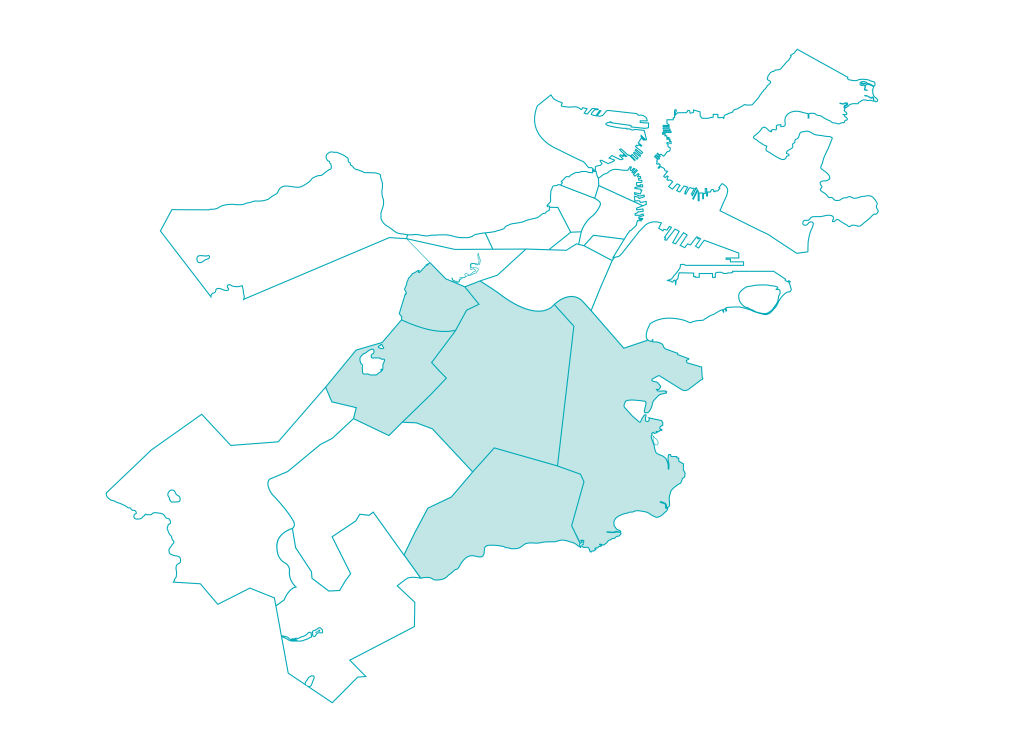
Quality Excellence

  • Earned The Joint Commission’s Gold Seal of Approval for Hospital Accreditation.
  • Named a Top Teaching Hospital by The Leapfrog Group.
  • Received an “A” Leapfrog Hospital Safety Grade in fall 2022, marking the 10th time the Brigham earned this national distinction.

Supporting Our Community

By the Numbers:

  • 9,200 bags of food and 11,000 meals were distributed through Community Health Vans.
  • 26 high school seniors graduated this year from our Student Success Jobs Program, which annually pairs around 100 Boston students with year-round, paid internships in over 60 departments across the Brigham.
  • 508 new referrals to the Passageway Program, which supports patients, employees and community members who are experiencing abuse from an intimate partner.

Collaborating to Better Serve Boston Residents

As part of our 2022 Community Health Assets and Needs Assessment, the Brigham participated in a citywide collaborative to jointly identify and address the most pressing health issues facing Boston residents. Guided by input from residents and local organizations in the Brigham’s five priority neighborhoods — Dorchester, Jamaica Plain, Mattapan, Mission Hill and Roxbury — we are partnering with community stakeholders to eliminate health inequities.

Meeting with Community Leaders

Understanding the communities we serve — including what matters most to residents — is essential to improving community health and well-being. To that end, in 2022 we organized five community meetings and tours throughout the Brigham’s priority neighborhoods, connecting with over 60 community-based organizations and partners. A community meeting held in June at the Immigrant Family Services Institute in Mattapan is pictured above.

Research and Innovation

By the Numbers:

  • More than 2,000 active clinical trials in fiscal year 2022 (FY22).
  • Published more than 9,300 research papers in 2022.
  • 5,241 research employees in FY22.
  • 35 investigators named to Clarivate’s 2022 Highly Cited Researchers list, a prestigious “who’s who” of influential researchers
  • The Brigham was ranked #2 among independent hospitals for National Institutes of Health (NIH) research funding in 2022. The Brigham and Mass General have been ranked in the top three hospitals in terms of NIH support for more than 25 years.
  • The Brigham earned $787 million in research revenue in FY22, which includes funding from basic science grants, clinical trial agreements, donor gifts directed toward research and other sponsored research activity.

Brigham Researchers Work to Solve the Mystery of Long COVID

Brigham investigators are leading efforts to better understand the long-term effects and prolonged symptoms of COVID-19, the condition known as long COVID. In March, the Brigham led the launch of the Boston COVID Recovery Cohort, a consortium of six sites in Greater Boston participating in a nationwide study of people with long COVID. Brigham researchers also developed an ultrasensitive test to detect miniscule amounts of protein from the virus that causes COVID-19 and found evidence these proteins linger in patients with long COVID.

Landmark Clinical Trial Delivers on the Promise of Heart Failure Drugs

Last summer, physician-scientists from the Brigham presented new evidence that drugs originally developed to treat type 2 diabetes may benefit a wide range of patients experiencing heart failure. Brigham investigators helped lead the largest clinical trial to date on a broad range of patients with heart failure, finding that a class of drugs known as SGLT2 inhibitors provided protection from cardiovascular events.

 

Education

By the Numbers:

  • 600 medical students
  • 1,500 residents and fellows (1,000 residents and 500 fellows)
  • 200+ training programs
  • 60+ college and university partnerships

Elevating the Next Generation of URiM Physicians

The Brigham was proud to welcome another diverse incoming class of residents in 2022. Across all medical and surgical residency programs, nearly one in four (24%) of this year’s incoming interns are underrepresented in medicine (URiM) trainees. One of the many ways we recruit diverse talent for our training programs is through participation in events like the 2022 Annual Medical Education Conference (pictured above), where Brigham residents spoke with medical students about our programs.

Nurse Residency Program Achieves Accreditation

Our Nora McDonough Nurse Residency Program — which provides a yearlong, comprehensive orientation to help nurses develop their skills and grow in their practice with a supportive cohort — achieved accreditation as a Practice Transition Program from the American Nurses Credentialing Center for demonstrating excellence in transitioning nurses to new practice settings. With this milestone, the Brigham is one of 220 nurse residency programs worldwide with this accreditation.

Supporting Our Mission

The generosity of our donor community fuels many aspects of our work. Here are a few highlights from our Development Office:

  • Raised $188 million in FY22 to support clinical care, research, education, capital improvements, the Brigham Fund and more.
  • Hosted 35 donor engagement and recognition events, including 17 Distinguished Chair celebrations.
  • Held 38 donor fundraising events, including 25 community fundraising events and the inaugural Brigham Caregivers Classic, benefiting the Caregivers Fund, which provides resources to celebrate, support and unite our health care workers.

To learn more, visit bwhgiving.org.

President’s Message

I am extraordinarily proud of all that we accomplished in 2022 to deliver expert and compassionate care, drive research and innovation, train tomorrow’s health care professionals and care for our communities.

Of course, last year was not without its challenges. Like nearly every health care organization, we carried out our mission in the face of capacity constraints, staffing shortages and significant uncertainty in the world around us. Even as we continue to endure these challenges, I am filled with optimism because I know we are weathering the storm together — as one Mass General Brigham community. And we are accomplishing that by doing what we always do: keeping our patients and their families at the center, so they receive a consistently exceptional experience.

With so much change in health care, we cannot stand still. Mass General Brigham must become the integrated academic health care system of the future, and here at the Brigham we have made critical contributions to achieving this vision. By helping launch enterprise
services in Emergency Medicine, Radiology, Anesthesiology, Pathology and Cardiovascular Medicine/Surgery, we are ensuring more patients and their families have greater access to world-class, equitable care. This past year we also celebrated another enterprise milestone: the launch of the Mass General Brigham Gene and Therapy Institute, our first systemwide research center.

We are so fortunate to have the most dedicated, creative and compassionate teams shaping the future of health care. Even with such an incredible legacy behind us, I am confident that our best is yet to come.

Robert S.D. Higgins, MD, MSHA
President, Brigham and Women’s Hospital
Executive Vice President, Mass General Brigham

From left: Charlene Hollins and Nadia Raymond present at the Jan. 10 Diversity, Equity and Inclusion Town Hall.

Work to dismantle racism and advance health equity often occurs without addressing an important gap — an institutional culture in health care that has caused employees to feel pressured to accept discriminatory, disrespectful or abusive behavior from patients and visitors.

That must change because maintaining a safe, inclusive and caring environment for all means valuing the employee and patient experiences as equally important, Brigham leaders emphasized during the Diversity, Equity and Inclusion Town Hall on Jan. 10.

“We want to ensure every member of our team — our workforce — and every patient and family member who walks through the doors of the Brigham and Mass General Brigham is treated equitably, with compassion and respect,” said Robert S.D. Higgins, MD, MSHA, president of the Brigham and executive vice president at Mass General Brigham.

Stronger Together Brigham Values LogoLast October, Mass General Brigham announced a systemwide Patient/Family/Visitor/Research Participant Code of Conduct policy, which defines appropriate conduct for patients, families, visitors and research participants and provides a model for workforce members to respond to disrespectful, discriminatory, hostile or harassing behaviors.

The policy, developed as a systemwide effort through Mass General Brigham’s United Against Racism strategy, represents “a new paradigm” in health care that affirms the intersection of employee and patient experiences, explained Normella Walker, MA, CDP, executive director of Employee Experience in Diversity, Equity and Inclusion and the Office of Mediation, Coaching, Ombuds and Support Services.

The policy does not circumvent our institutional commitment or our legal obligation to provide high-quality care to patients, but rather provide an avenue to ensure our workforce is supported.

“There’s this idea that you just have to ‘put up with disrespect for the sake of the patient, but what we’ve been doing is tacitly condoning bad behavior,” Walker said. “If we’re going to create a culture that feels good for everybody, that culture also has to include a positive experience for our employees.”

Kevin Slattery, director of Police, Security and Commuter Services, shared how staff can use the S.A.F.E. Response framework to address inappropriate or abusive behavior. S.A.F.E. is an acronym, with each letter representing a step in the process: Spot a threat, assess the risk, formulate a response and evaluate the outcome.

The Brigham’s S.A.F.E. Response framework provides a consistent approach for responding to challenging interactions with patients or families in inpatient and ambulatory settings. When a S.A.F.E. Response is initiated, a multidisciplinary team comes together within 15 minutes, including representatives from the care team, Police and Security, Quality and Safety, Patient and Family Relations and others as needed.

“The employee should not feel like they are left alone to address this by themselves. We want to make sure they have all the support they need,” Slattery said.

The S.A.F.E. Response framework is not intended for a rapidly escalating situation where there is an imminent threat of violence, Slattery emphasized. In those situations, staff should call Police and Security at 617-732-6565.

‘Equity Is the Only Acceptable Goal’

Additionally, several clinical leaders shared updates during the forum on how the Brigham is advancing health equity in patient care. Speakers highlighted examples of how the Brigham is committed to ensuring every one of our patients and their families have the best experience — one defined by high-quality care and compassion.

Regan Marsh, MD, MPH, medical director of Quality, Safety and Equity, discussed how domain teams of health equity leaders work in collaboration with unit-based teams to systematically advance racial justice and equitable care delivery.

Charlene Hollins, DNP(c), MSN, APRN, FNP-C, nurse administrator at the Brigham and a nurse practitioner for Mass General Brigham Urgent Care, highlighted several initiatives the Emergency Department has undertaken to deliver equitable care, including the department’s Anti-Racism and Trauma-Informed De-escalation Training Program.

Nadia Raymond, PhD, MSN/MHA, RN, regional nursing director for Southern Jamaica Plain Health Center, reflected on the joy and fulfillment that comes from working together to reshape health care systems so that they are equitable for all.

“Although we are keenly aware that much work is ahead of us, as a community we choose to see that as opportunities,” Raymond said. “Ultimately, this is creating a greater depth, meaning and humanity to our work in health care. Collectively, we are stating what my dear friend, the late Dr. Paul Farmer, once said: Equity is the only acceptable goal.”


Staff Resources

The Patient Code of Conduct seeks to maintain a safe, inclusive and caring environment for all. The following resources are available for staff who experience or witness inappropriate, discriminatory or abusive behaviors by patients, families or visitors.

Yuet Ming Lau Chan

Brigham and Women’s Hospital mourns the loss of Yuet Ming Lau Chan, an inventory coordinator in Materials Management, who died on Dec. 10. She was 55. 


Ms. Lau Chan joined the Brigham in 2008 and quickly established herself as an invaluable member of the Materials Management team. Colleagues remembered the immense care and attention she afforded her work — demonstrating an unwavering commitment to patients and colleagues.  


“She cared deeply, put everything she had into her work and took care of her floors like a protective mother,” said her manager, Damon Wallace.  


Wallace recalled how Ms. Lau Chan inspired others in the department to follow the standard of excellence she exemplified, a lesson he learned firsthand upon meeting her in 2009. 


“I soon came to know Ming as a force to be reckoned with, and she was very much a stickler for details and getting things right. I listened to Ming and learned her process, which was good training because she handled things the right way,” he said. “You knew you couldn’t let certain standards slide because Ming wouldn’t do that, so not wanting to let Ming down became synonymous with not letting the patients and staff down. I always appreciated that, as it helped me know the job better and Ming better as a person. She had a big heart.” 


As an inventory coordinator, Ms. Lau Chan oversaw supply needs for multiple inpatient floors and the Emergency Department for most of her career. In 2020, she shifted her responsibilities to support Materials Management’s STAT Room, an on-campus storeroom for backup supplies. As the hospital experienced a series of supply shortages during the pandemic, the importance of Ms. Lau Chan’s contributions grew tremendously, said Kenneth Shelton, area manager for Central Supply and Linen Services. 


“Basically, she created a job we didn’t know we needed,” Shelton said.


In addition to her strong work ethic, Ms. Lau Chan was a beloved friend and colleague whose kindness touched the hearts of many. 


“Ming is and always will be a great person — willing to help anyone, at any time,” said Roy Boone, materials handler. “She was the best of our department. No one will ever measure up to her.” 


Ms. Lau Chan is survived by her husband, Sair; her daughter and son-in-law, Eva and Deivid Mauricio; her sons, Stanley Chan and Kevin Chan; her daughter-in-law, Madelyn Ma; three grandchildren; five sisters and many other loved ones.


4 Comments

Doing whatever it takes to deliver patient-centered care. A lifesaving decision by two friends. A final act of exemplary compassion and kindness. These actions and qualities inspired a multidisciplinary committee to select two individuals and two teams — all of whom were previously nominated for the Brigham Way — for one-time spot bonuses in recognition of their extraordinary efforts.

The Brigham Way is an employee-appreciation campaign established to recognize staff who foster a culture of excellence, respect and professionalism by going above and beyond their duties to create an exceptional Brigham Experience for patients, families and colleagues.

All Brigham Way nominees are celebrated at quarterly luncheons with Brigham President Robert S.D. Higgins, MD, MSHA. Each calendar year, a Brigham Way Bonus Selection Committee recommends one individual and one team of five or fewer whose outstanding contributions are deserving of a one-time spot bonus. In recognition of an especially impressive collection of nominees this year, two individuals and two teams were selected to receive bonuses.

“Day in and day out, our fantastic staff make the Brigham a special place for patients, families and colleagues alike. We, the entire leadership team, are delighted to recognize these individuals and teams for their outstanding commitment to our mission. They exemplify what it truly means to live our values.”

Kristen Sullivan, a practice manager in the Department of Pediatric Newborn Medicine, said it was an honor to have her contributions recognized through the Brigham Way campaign and be named a recipient of the spot bonus.

“I have the privilege of working alongside exemplary physicians, allied health professionals, nurses and administrative leaders. It is their commitment to serving our youngest, most fragile patients and their families that truly inspires me,” she said. “I witness excellence in these folks every day, and it inspires me to go above and beyond for our patients. One of my favorite quotes is from Desmond Tutu, who says, ‘Do your little bit of good where you are; it’s those little bits of good put together that overwhelm the world.’”

Learn more about the 2022 winners in the words of their nominators:

Cardiac Sonographers, Echo Team

From left: Robert S.D. Higgins and Faranak Farrohi, chief cardiac sonographer, with honorees Amanda Murphy, Sylwia Marciniak, Brenda Docktor and Justin Cheng (not pictured: Samantha Hayes)

“This team of hardworking, compassionate and kind sonographers has been front and center since the pandemic. They stay late to finish the job, come in early and work voluntarily on weekends to support our Dana-Farber outpatient requests. Despite facing staffing challenges for two years, the team has gone above and beyond with a smile to support BWH and our patients.”

Yaguang Pei and Anand Somasundaram, Medical Dosimetrists, Department of Radiation Oncology 

From left: Anand Somasundaram, Tony Orlina, Yaguang Pei and Robert S.D. Higgins

“Yaguang and Anand saved the life of their friend and colleague, Tony Orlina, when they decided to check on him at home after he didn’t show up for work one day. As it turned out, Tony experienced a ruptured aneurysm and collapsed at his apartment, where he lives alone. They brought him to the Brigham Emergency Department, where he was rushed into emergency neurosurgery and received lifesaving care. Their friendship and story are so touching and truly exemplify what it means to care for one another!”

Helen Smith, Senior Access Facilitator, Patient Access

“Helen, who has worked here for over 40 years, worked diligently to make sure a man who spent over five weeks in the morgue had a place to be laid to rest. She went the extra mile to find the man’s next of kin and contacted a local funeral home to make arrangements. She truly embodies the standards of BWH. She was determined to make sure this patient’s loved ones were found and he could be laid to rest with dignity.”

Kristen Sullivan, Practice Manager, Department of Pediatric Newborn Medicine

“Kristen helps coordinate the Transition to Home program. Recently, Kristen faced administrative staffing challenges, and during this time she did it all. Kristen never lost her smile or her sense of humor, and was always willing to go above and beyond — assisting with cleaning patient rooms, setting up clinic staff for their day’s schedule changes, covering the NICU discharge rounds and going the extra step to make sure the families had all the resources they needed while at home, including going out of her way to pick up a special baby formula from a pharmacy outside of the area so a family could feed their baby until Supply Chain could send it to the BWH Pharmacy.”


If you know a colleague or team of five or fewer who go above and beyond to significantly enhance the Brigham Experience, consider nominating them for the Brigham Way. Nominations for the upcoming March luncheon are due Friday, Feb. 10. Those nominated by this deadline may be eligible for the 2023 one-time spot bonus.* For questions, contact BrighamWay@bwh.harvard.edu.

*Nurses in the collective bargaining unit are not eligible for the one-time spot bonus.

Over the past year, I have quickly become aware of how special our health care providers — including nurses, doctors and other care team members — are in taking care of our patients and their families. And now through personal experiences for me and my family, I further recognize the high-quality and compassionate care our organization provides. Recognizing what all of our patients and their families already know, our Brigham family delivers world-class care with outstanding compassion and dedication to our community and its well-being. Thank you for all that you do.

Robert S.D. Higgins, MD, MSHA
President, Brigham and Women’s Hospital
Executive Vice President, Mass General Brigham

I will always remember the purple flag day we had at 15 Francis St. to honor overdose victims in 2022 for Recovery Month. As a person in long-term recovery, for me it is about saving lives. I have lost not only family members to the disease of addiction but also a lot of good friends and participants.

Pablo Gonzalez, CARC
Senior Recovery Coach, Bridge Clinic