Posts from the ‘Uncategorized’ category

Man in hospital bed surrounded by smiling people

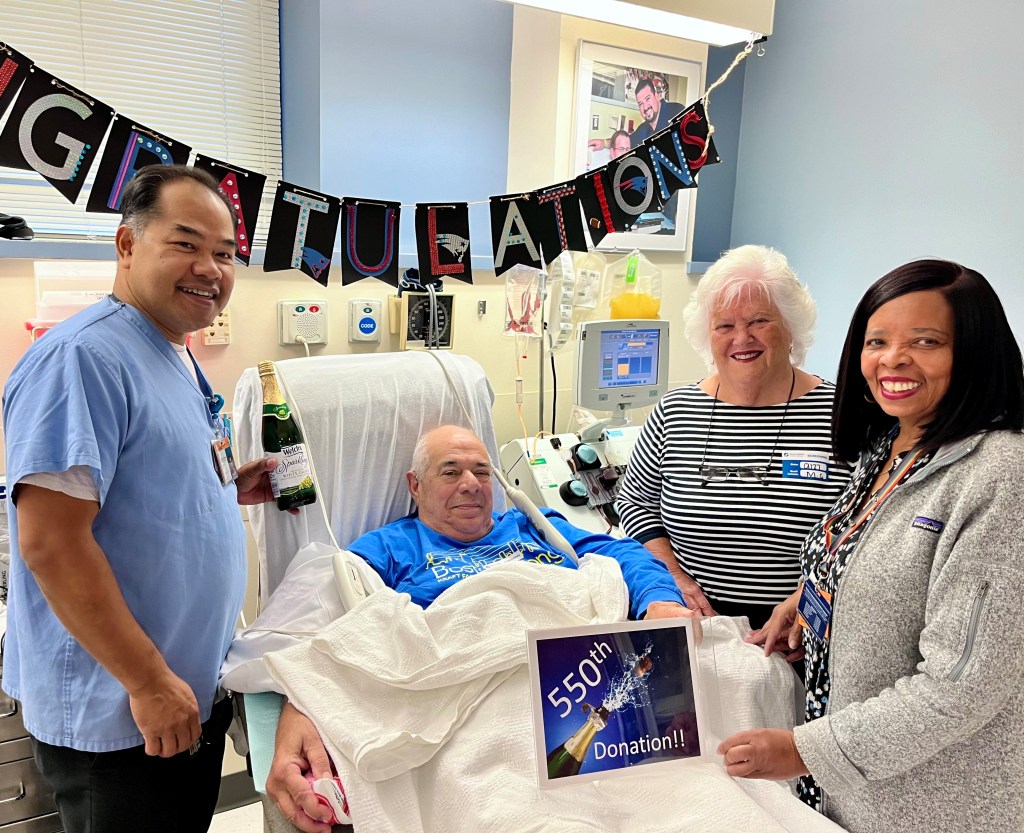
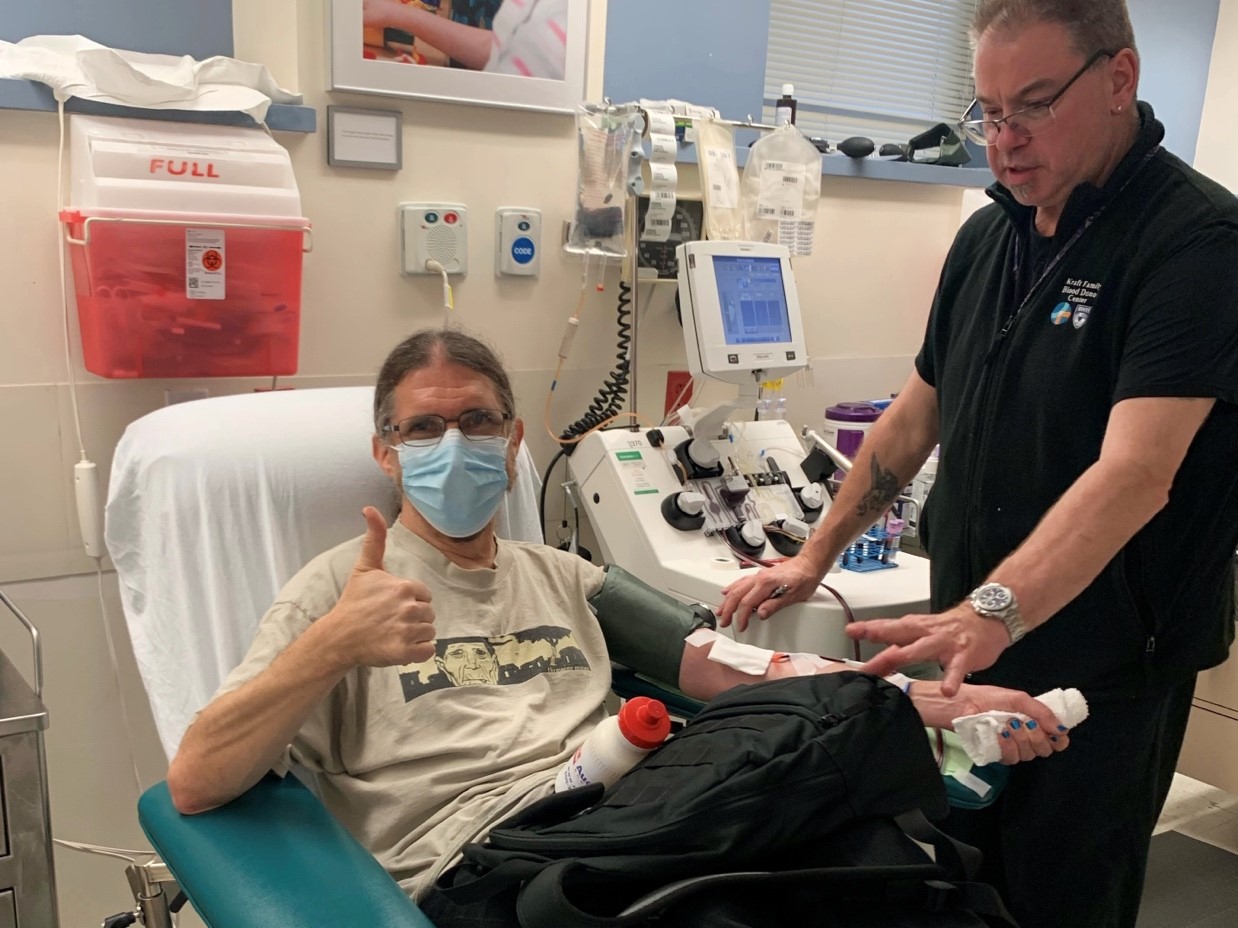
Ralph “Rocco” Russo (center left) celebrates his 550th blood platelet donation with his wife, Annemarie (center right), with members of the Kraft Center team, including Someth Em (left) and Marie Fleurant (right).

When his best friend’s then 14-year-old daughter was diagnosed with cancer in 1996, Ralph “Rocco” Russo said he gladly made his first blood platelet donation “because I needed to do whatever I could to help.”

The 77-year-old Marshfield grandfather, who has continued the practice for the past 27 years, recently celebrated his 550th platelet donation at Kraft Family Blood Donor Center which is celebrating its 40th anniversary providing lifesaving blood products to patients at Brigham and Women’s Hospital and Dana-Farber Cancer Institute.

Platelets act as the body’s bandages, allowing blood to clot and wounds to heal. Cancer patients and other critically ill patients often require transfusions of healthy platelets because their blood does not clot properly. Once donated, however, platelets have a shelf life of just five days.

“That’s why the need for donors is constant — and why donations on a magnitude like Rocco’s are so significant,” said Sean Stowell, MD, PhD, medical director of the Kraft Family Blood Donor Center and Transfusion Medicine at the Brigham.

It is estimated that Russo’s platelet donations, which he makes every other week, have amounted to 69 gallons of blood products and, consequently, contributed to saving 550 lives.

“I’ve been going to the Kraft Center for a third of my life, so it’s my second home. Everyone is so nice, and the donation process doesn’t hurt,” Russo said. “I know donating helps a lot of people, and it’s a walk in the park for me.”

Among the “many great people” Russo said he has met over the years is a man whose bone marrow cancer went into remission a few years ago following treatments that included an infusion of his type-O positive blood. In addition, Russo said he was touched that the celebration of his 300th platelet donation in December 2011 was attended by Nicole Sorensen, whose childhood illness inspired his activism so many years ago.

Sorensen, a chef in the food service industry, was studying to be a nurse when she passed away on May 17, 2012 — one day after her 39th birthday. Russo said he will continue to donate platelets “for as long as I’m able” in her honor.

“Rocco’s selfless dedication to helping others has always been deeply admired and appreciated,” said Molly McDermott, recruitment program manager at the Kraft Family Blood Donor Center. “His commitment — and that of all our donors — is especially important now to ensure that our patients may continue receiving essential medical care.”

Donors can make an appointment to give blood or platelets at the Kraft Family Blood Donor Center (open Tuesday through Sunday) by calling 617-632-3206 or emailing BloodDonor@partners.org. Walk-ins are welcome at the center, which is located at 35 Binney St.

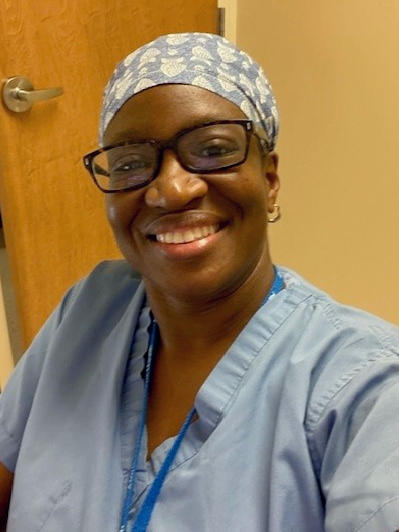
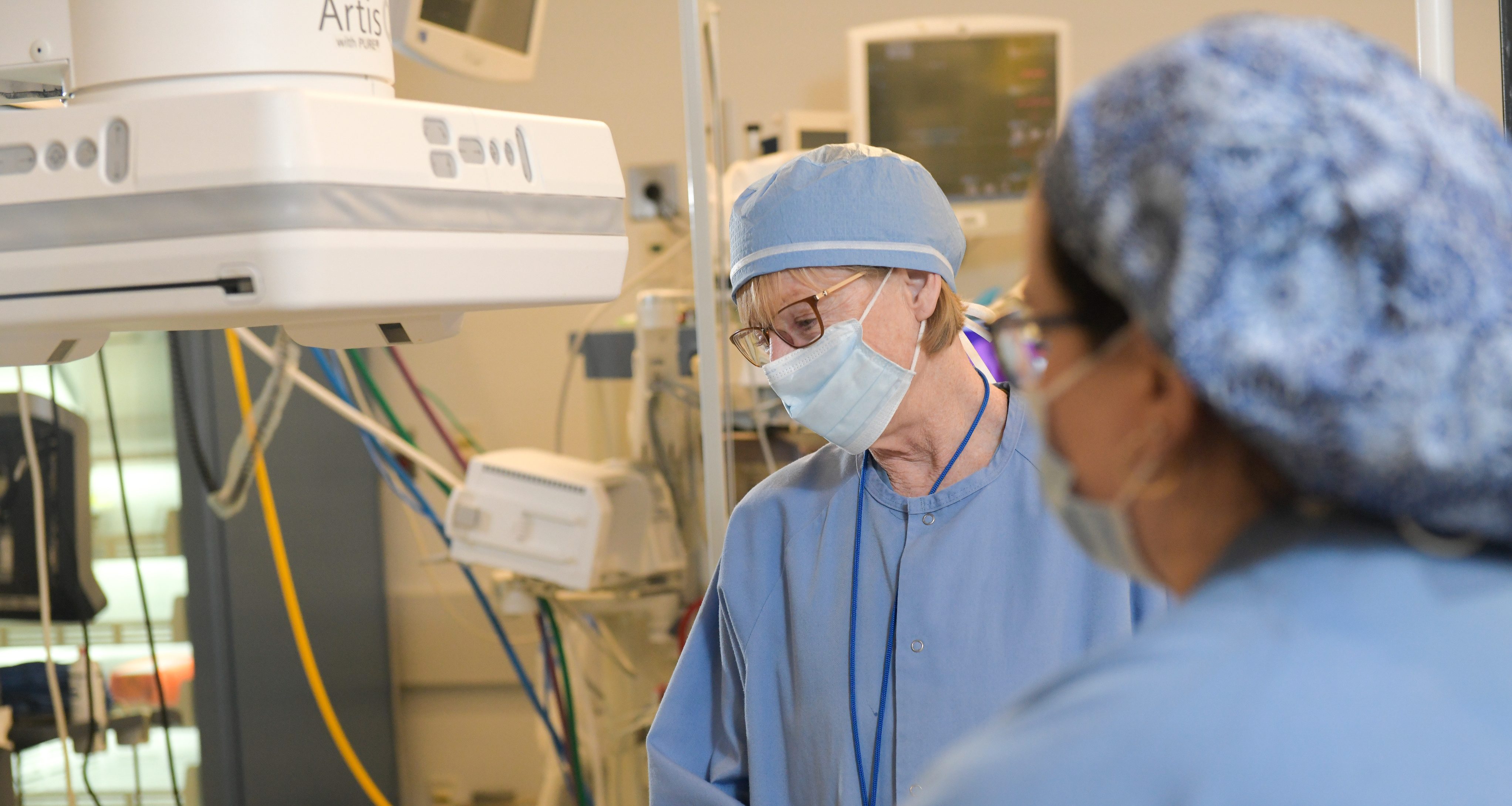
Staff from Braunwald Tower 8 come together for a group photo while working in the Post Anesthesia Care Unit.

When a water line broke in the Braunwald Tower last month, staff and leaders from numerous departments worked together calmly and with patients at the center of their response.

That’s what Katie Fillipon, DNP, RN, NEA-BC, interim chief nursing officer and senior vice president, Patient Care Services, noticed when she rounded a few hours later.

“Our patient care teams were at the side of every patient who was impacted, providing words of assurance and comfort to our most critically ill population and ensuring they were stable and comfortable,” Fillipon said. “They also alerted all of our patients’ family members about the event.”

The water line break caused significant amounts of clean water to leak into several areas of the Braunwald Tower in the early morning hours on Dec. 24, resulting in the full evacuation of patients from Braunwald Tower 7C and 8C, as well as partial evacuations of patients on Braunwald Tower 3, 4 and 6.

Thanks to the extraordinary efforts of several teams who worked rapidly under challenging circumstances, 29 patients were safely evacuated and relocated to other units in the hospital. The cause of the event was remediated quickly, and all water was removed from affected areas within a few hours.

Diane Tsitos, DNP, RN, nursing director of Braunwald Tower 8, the Burn, Trauma and Surgical ICU and Intermediate Care units, was in awe of how staff navigated the challenging situation to ensure patient care remained the top priority.

“The staff on 8D were amazing,” Tsitos said. “They moved eight patients, six of whom were on a ventilator and intubated and two other patients, all within 35 minutes. This speaks to the incredible teamwork they display each day.”

Tsitos also commended the Post Anesthesia Care Unit (PACU) and Extended Recovery Unit (ERU) teams for their hospitality — several patients who were evacuated from the Braunwald Tower were moved to the PACU or ERU for care during the flood and during repairs in the Braunwald Tower.

Nurse administrators Monique Terrio, MSN, MBA, RN, NE-BC, and Christopher Day, MSN, RN, were working the night of the water line break. They commented on the “exceptional and above and beyond” teamwork from all who were involved and thanked their colleagues for their collaboration and dedication to patient safety.

Several other areas of the hospital were also impacted, including the invitro fertilization (IVF) clinic, the rehabilitation department and the Bretholtz Center for Patients and Families.

The IVF Clinic team quickly began communicating with patients and arranging for care at alternate locations as appropriate.

“Our team has been incredible,” said Nawal Nour, MD, MPH, MBA, chair, Department of Obstetrics and Gynecology. “I was proud to watch how quickly they addressed the leak and made certain that every embryo was safe.” All frozen embryos and eggs remained safe during the event.

Many teams, including Engineering, Environmental Affairs and Environmental Services, have worked around the clock on clean-up efforts, partnering with Infection Control to evaluate and address potential safety and infection control risks in all affected areas. In addition, multiple outside vendors were brought in to help mitigate residual moisture and to expedite construction in the affected areas.

Jon Boyer, ScD, CIH, director of Environmental Affairs, and his team have been involved in many rapid responses and site assessments over the years. He said the only thing as impressive as the quick response of many teams to the water line break is the systematic multidisciplinary stabilization, recovery and repair of hospital operations, facilities and equipment that followed.

“Many teams deserve thanks for the great progress we’ve made towards the return to full operations in such a short time over the holidays,” Boyer said. “Although the incident has been difficult and disruptive, our collective dedication to patient care and each other has carried us through, yet again.”

Throughout the event, Fillipon and other leaders witnessed many heartfelt interactions among staff, patients and their families. One of the most impactful moments Fillipon observed was the way registered nurse Tiffany Alongi, PCCN, CCRN, TCAR, ACLS, BLS, of the Trauma, Burn and Surgical Critical Care Units, cared for a patient with acute delirium who did not speak English as their primary language.

“Tiffany was constantly assuring this patient,” Fillipon said. “When the daughter arrived minutes after the patient was transitioned, Tiffany welcomed her to the bedside, updating her with the events of the patient’s care, getting her a chair for her comfort and making her feel included in the care of this vulnerable patient.”

While repairs are still ongoing in some units, many of the impacted areas have returned to normal, a welcome sight for employees and patients alike.

“We want to express our tremendous gratitude to the many individuals who worked around the clock amid extremely difficult conditions to respond to this event,” said Scott Goldberg, MD, MPH, medical director, Emergency Preparedness. “Thank you for your dedication and commitment.”

George Player, CPE, FMA, vice president of Facilities and Operations, said that the Engineering team is taking steps to reduce future facility issues.

To reduce the risk and impact of future events, the team is proactively installing additional shutoff valves throughout pods in the Braunwald Tower that are under repair. The team is also doing a formal assessment of other piping systems and potential sources of leaks or other vulnerabilities and replacing parts of the system as part of the repair work.

Additional assessments are underway in other areas of the campus, including the Mary Horrigan Connors Center for Women and Newborns and an infrared review of other buildings to identify heat loss and outside air infiltration, which can lead to frozen and burst water pipes.

Fillipon said it was incredible to see staff come together for patients and their families.

“Despite the challenges, we saw the best of who we are as a Brigham community truly shine through,” Fillipon said.

Brigham and Women’s Hospital mourns the loss of Galen V. Henderson, MD, FNCS, chief diversity and inclusion officer for Faculty, Trainees and Students in the Center for Diversity and Inclusion (CDI) and neurocritical care physician in the Department of Neurology, who died Dec. 26 following a recent illness. He was 56.

Remembered as an esteemed physician and scientist, authentic leader, caring colleague and dedicated mentor, Dr. Henderson was a member of the Brigham community for nearly three decades. His long tenure, varied roles and selfless nature enabled countless individuals to benefit from his wisdom and kindness, colleagues said.

“It is said that a person’s life can be measured by the good they do — their compassion, integrity and positive influence on the world. By that standard, Dr. Henderson leaves behind an inspired and tremendous legacy, one that lives on in the thousands of patients, families, colleagues and mentees whose lives he touched,” said Robert S.D. Higgins, MD, MSHA, president of Brigham and Women’s Hospital and executive vice president at Mass General Brigham.

Dr. Henderson left a similar impression on longtime colleague Tina Gelsomino, MSW, senior director of the CDI.

“Galen was my friend, partner and collaborator — always sunny, eternally kind and miraculously unflappable,” she said. “His mind was limitless, and he had a heart of gold. The world was brighter and better because of him.”

After completing his residency in the Harvard-Longwood Neurology Training Program in 1997 and a fellowship in Neurocritical Care at the Brigham the following year, Dr. Henderson subsequently joined the Brigham’s Neurology department, where he became director of Neurocritical Care in 2001. During his 20-year tenure, the service grew from five to 20 beds and is now one of the busiest intensive care units (ICUs) at the Brigham.

In addition to being a leading expert and researcher specializing in cerebrovascular disease, critical care neurology and strokes, he was a trailblazer in his field as the nation’s first Black neuro-intensivist. He was also an assistant professor of Neurology at Harvard Medical School (HMS), where his research focused on clinical trials regarding treatments for stroke and cerebral hemorrhage.

“Galen was a trusted and cherished colleague in our department,” said Tracy Batchelor, MD, MPH, neurologist-in-chief and chair of Neurology. “He will be remembered for his kindness, his integrity, his devotion to his patients and his commitment to equity in all that he did.”

In recognition of his endless dedication to elevating opportunities for those who are underrepresented in science and medicine, Dr. Henderson was named interim chief diversity and inclusion officer at the CDI in August 2020. He was appointed officially to the role the following spring and ultimately helped usher in the most diverse classes of residents in the hospital’s history.

In a 2021 essay, Dr. Henderson wrote candidly about the joys of his career in medicine, as well as the complexities of being a Black male physician. From an early age, his family instilled in him the importance of becoming part of “the talented tenth,” a term coined by W.E.B. Dubois about college-educated Black men who would become the country’s next great leaders. For Dr. Henderson, fulfilling this calling became a lifelong mission, and one he attained through academic medicine, he wrote.

“I’m extremely proud to be a physician. I literally save lives every day. I know that I am making a contribution to society and I’m trying to prepare my shoulders for the next generation of people who don’t fit the stereotype of what a physician looks like,” he wrote. “I am part of the talented tenth. The question I ask you is, are you on your mission?”

Among those in the next generation whose careers he uplifted was neuro-oncologist Nicolas Gonzalez Castro, MD, PhD, who recalled first meeting Dr. Henderson as a third-year medical student at HMS.

“Galen was manning the neurology table at one of the residency programs’ showcases organized by the CDI. I was impressed that someone so senior and busy — by then he was already an assistant professor and director of the Neuro ICU — would spend a whole evening chatting with medical students,” Gonzalez Castro said. “From the beginning, I was struck by his approachable and caring demeanor, while also coming across as ceremonial and dignified. This helped him develop enduring relationships with trainees and colleagues, as well as helped him guide patients and families through very difficult decisions in the Neuro ICU.”

A Mississippi native, Dr. Henderson was a graduate of Tougaloo College, a historically Black college and university in Jackson, Miss., where he majored in chemistry. His earned his medical degree at Brown University’s Warren Alpert Medical School, which was also where he met his wife, Vanessa M. Britto, MD, MMSc, at a conference on Brown’s campus in 1989.

In addition to his work at the Brigham, Dr. Henderson was the founding deputy editor of Journal Watch Neurology, editor of Reprints in Stroke and the associate medical director of two federally designated organ procurement organizations. He received awards from three different U.S. secretaries of Health and Human Services for his contributions to the development of the Organ Donation National Collaborative.

Additionally, Dr. Henderson was a member of the Board of Trustees of Brown University and was the first alumni of the medical school to serve as president of the university’s Alumni Association. In 2014, he received the Brown Bear Award, one of the highest honors given for distinguished service to Brown University.

For all his academic achievements, however, colleagues emphasized that what they will remember most about Dr. Henderson is his warmth and humanity.

“Working with Galen has been an absolute highlight of my career,” said Morana Lasic, MD, co-interim CDIO and vice chair of Diversity, Equity, Inclusion and Belonging for the Department of Anesthesiology, Perioperative and Pain Medicine. “His brilliant mind, kind and generous spirit, wonderful sense of humor, infectious smile that filled a room with warmth, and impeccable fashion sense made every moment unforgettable. He made us all better, and I will miss him forever.”

For longtime friend and colleague Imoigele Aisiku, MD, MBA, chief of the Division of Emergency Critical Care Medicine and co-interim CDIO, his fondest memories of Dr. Henderson have little to do with their work as physicians.

“Galen was a man of many talents, and while his work and legacy are no doubt great, I want to share a simple moment of two grown men just enjoying and appreciating life on our routine busy ICU days,” Aisiku said. “The day I heard of the passing of Prince, Galen was on 9C and I was on 3C. I texted him in disbelief. We met on 3C, reminisced as we lost another icon and thought of how this would impact music. He and I were listening to a medley of Prince videos and quietly enjoying them on the ninth floor where no one could see us for a few minutes.”

Neurologist Carolyn Bernstein, MD, warmly recalled Dr. Henderson as an attentive friend and colleague whom she could always call upon for guidance.

“I’ve never met someone who was such an avid listener. Whenever I would sit and talk with Galen, I felt like whatever I was discussing was the most important thing in the world to him in that moment,” she said. “No matter what it was or who you were, he gave all of his attention and focus to you. Galen had time for everybody, and everybody was important to him.”

For Marilyn Dockery, unit coordinator on Braunwald 9CD, Dr. Henderson was not just a colleague but a mentor and friend. She will miss the times Dr. Henderson would sit beside her, sharing laughter and talking about life.

“Those moments were truly special,” said Dockery who has known Dr. Henderson for the past 25 years. “It’s comforting to know he found joy in life. His legacy is truly remarkable and will be remembered with gratitude.”

Dr. Henderson is survived by his wife, Vanessa Britto, MD, MMSc, as well as many friends and loved ones. Services will be held Sunday, Jan. 14, at 1 p.m. at Wickenden Chapel at Tabor Academy, 86 Spring St., Marion, MA 02738.

The Brigham is planning a memorial service to honor Dr. Henderson’s life and memory. Details will be shared on BWH-Vitals once available.

2 Comments

Pictured with Brigham President Robert S.D. Higgins are nominee winners, Kathleen Marquis and the Office Services/Audiovisual Team

Across the Brigham, staff demonstrate their dedication to patients, families and colleagues through actions that elevate the experience of all who come through our doors. The Brigham Way is an employee recognition campaign that celebrates those individuals and teams who go the extra mile to foster a culture of excellence, respect and professionalism.

Each quarter, the Brigham Way nominees are honored at a luncheon hosted by Brigham President Robert S.D. Higgins, MD, MSHA. At the end of each calendar year, a Brigham Way Bonus Selection Committee convenes to recommend who among the year’s nominees are most deserving of a one-time spot bonus.

This year, the nominee pool consisted of 276 staff members. Of all the nominees, one individual, Kathleen Marquis, PharmD, and one team, Office Services/Audiovisual Team, received this additional recognition for their extraordinary contributions.

“Colleagues like these exemplify the incredible dedication and resiliency of our teams. They truly are champions of our culture here at the Brigham. I’m so proud to recognize them in this way, and sincerely thankful for their work and efforts,” Higgins said.

Learn more about the 2023 bonus winners in the words of their nominators:

Kathleen Marquis, PharmD, Clinical Pharmacist, Allergy and Clinical Immunology

Marquis was nominated 11 times by different colleagues for the spring 2023 luncheon. Below are a few excerpts from those nominations:

“Kathleen is the hidden bridge between the pharmacy department, floor nurses and Allergy/Immunology consultants who facilitate every single allergy procedure (skin testing, challenge, desensitization) for Brigham patients. She is the undisputed expert that Allergy/Clinical Immunology faculty turn to for complex medication allergy questions, pharmacology and pathophysiology. She is a patient, thoughtful educator, mentor and expert that Allergy/Clinical Immunology fellows reach out to for crafting and reviewing plans of care for patients who require allergy testing and procedures — ensuring exceptional patient safety in every procedure. Kathy also goes above and beyond in her job every day to lead and educate inpatient and outpatient nurses, physicians and pharmacists, creating a multidisciplinary team in service of every patient’s unique Allergy/Immunology needs.” 

Another colleague wrote:

“Kathy plays a key role in providing Allergy/Clinical Immunology with guidance and access to critical resources for allergy testing and desensitization. She is always available, including nights and weekends, knowing that her knowledge and expertise play significant roles in how we care for our patients. Even among the clinical pharmacy staff, Kathy is known for her special expertise and professionalism. All of us in Allergy/Clinical Immunology know her as a wonderful colleague whose cheerful demeanor and dedication are truly awe-inspiring!”

Office Services/Audiovisual Team

The Office Services/Audiovisual Team was nominated by two different colleagues:

“I am enthusiastically submitting a nomination for the BWH Audiovisual team, who go above and beyond to enhance the Brigham Experience for patients and for staff. For our patients, the AV team has taken the initiative to create and implement media carts that patients can use to watch a movie, play video games or stream their favorite TV series. For staff, they have modernized many conference rooms with new AV equipment, finetuning each webcam and microphone setting to enable seamless communications in this era of hybrid work. For our Brigham community, both at BWH and at BWFH, the AV team makes possible the professional audio and video quality of each Town Hall livestream and recording, without which we would not be able to engage our employees in a combined in-person and remote setting. Altogether, the AV Team’s creativity, attention to detail and dedication to our mission are true representations of the Brigham spirit and Brigham Way.” 

Another colleague wrote:

“The A/V team is always an extraordinary partner to the Office of Strategic Communication, but they truly outdid themselves with their recent support amid some challenging circumstances. With extremely short notice, they stood up a live and unplanned webcast for the Brigham Management Group, and the next day provided essential guidance and expertise to the MGB Collaborative Media team in preparing a systemwide video message for all 80,000 employees. Our plan changed multiple times that morning, yet Angel and his team never seemed to break a sweat. They do whatever it takes to make things happen, and they do it all with a smile.”  

If you know a colleague or team of five or fewer who go above and beyond to significantly enhance the Brigham Experience, consider nominating them for the Brigham Way here. Nominations for the upcoming luncheon are now open. Those nominated may be eligible for the 2024 one-time spot bonus.

*For questions, contact BrighamWay@bwh.harvard.edu.

*Please note that nurses in the collective bargaining unit are not eligible for the one-time spot bonus.

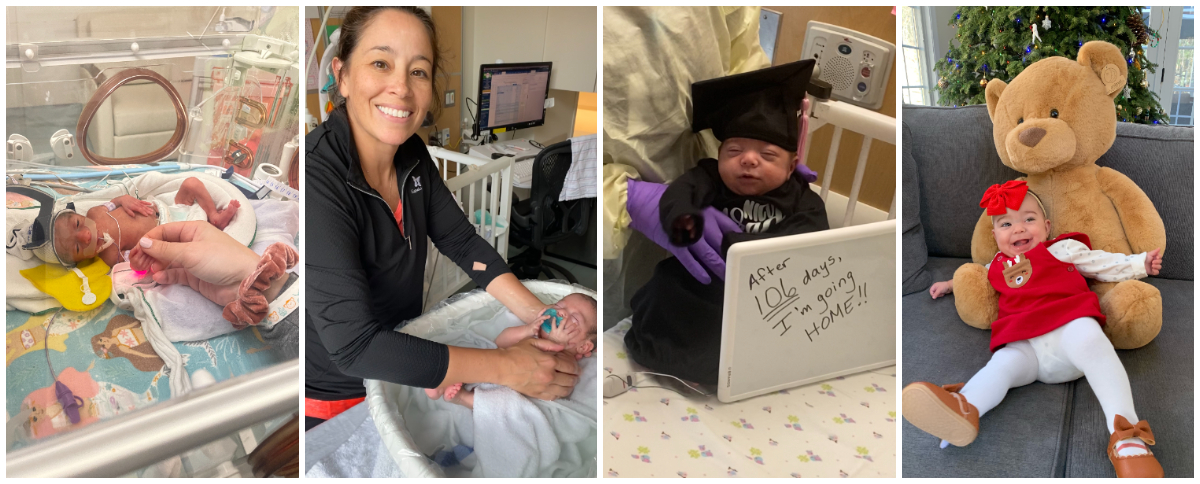
Baby Olivia, who weighed less than 2 pounds at birth, was among the first infants enrolled in the Brigham NICU’s Small Baby Program, which delivers highly specialized care to tiny preterm infants. Now 8 months old, she is thriving.

When Victoria’s water broke 23 weeks into her pregnancy, she knew that her daughter Olivia would likely arrive prematurely. Despite the frightening circumstances, Victoria, who was already planning to deliver at the Brigham, was reassured to know that she and her baby would be in the best hands in the hospital’s Neonatal Intensive Care Unit (NICU).

Olivia was born in April 2023 at 26 weeks and weighed 1 pound and 11 ounces, which classified her as a “tiny preterm infant.” Her birth happened to coincide with the launch of the NICU’s Small Baby Program, which specializes in caring for tiny preterm infants like Olivia. It is the first program of its kind in Massachusetts.

The program, which is dedicated to the care of infants born at 22 weeks’ gestation and up, or those weighing less than 1,000 grams (about 2.2 pounds), first took root in 2022. It brings together a team of multidisciplinary professionals including dieticians, respiratory therapists and pharmacists whose unique expertise provides very premature babies with the specialized care and monitoring they need to thrive.

In collaboration with the Department of Obstetrics and Gynecology, the Brigham NICU cares for more extremely-low-birthweight babies born in Massachusetts than any other hospital in the state.

For Victoria, a mother of three but first-time NICU parent, the special expertise and family-centered approach of the Small Baby team made the uncertainties of Olivia’s stay far more manageable.

“I thought it was awesome. She had a nutritionist, physical therapist and respiratory therapist,” said Victoria, who requested that only her first name be used. “There was always somebody we could speak with who specialized in a specific area and could really break it down in layman’s terms for us.”

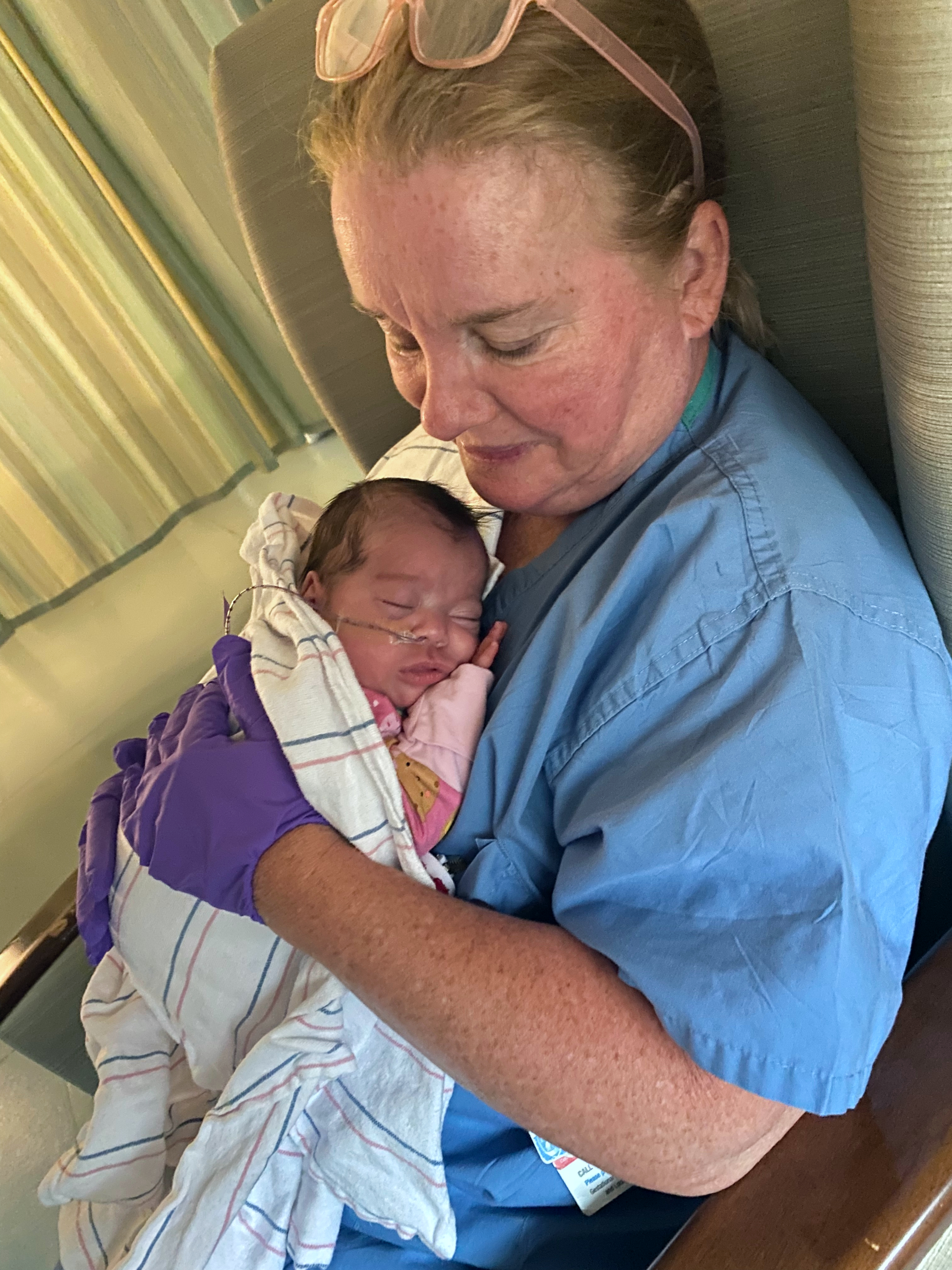
Baby Olivia snoozes in the arms of NICU nurse Kerri Duggan.

Elizabeth Flanigan, MD, MBA, MPH, chief of Clinical Operations in the Department of Pediatrics, said the NICU team saw an opportunity to elevate the care they already provided to very premature infants with a more standardized approach.

“We were actually already taking care of these babies. We just weren’t doing it in a focused way that treated these particularly small babies as a unique population who needs special attention paid to those differences,” Flanigan said. “The goal of the program is not only to have these babies survive, but also achieve the best possible outcomes and thrive within their families and communities.”

Personalized Care

One hallmark of the program is each baby receives a designated, primary neonatologist who is assigned 24 to 72 hours after birth and follows them for the entirety of their stay in the NICU — providing continuity for both the family and medical team.

“There are so many emotional ups and downs within the NICU course that a primary neonatologist really bridges not just the medical care but also that emotional, psychological care for the families,” said Elisa Abdulhayoglu, MD, MS, medical director of the NICU. “As the primary neonatologist, sometimes all you do is sit there and listen to the families express their concerns, frustrations, fears and hopes.”

While Olivia was in the NICU, Victoria visited her every day, a practice that also enabled her to build a close relationship with the care team.

“I owe everything to them. They took care of my daughter like she was their own,” Victoria said. “I was there every single day, all the time, and there was definitely a big, big level of trust there.”

Each interprofessional team caring for a tiny preterm infant in the program consists of a variety of specialists across multiple disciplines dedicated to delivering individualized care for both the baby and family. In addition to physicians and nurses, the team also includes respiratory therapists, nutritionists, physical therapists, occupational therapists, speech therapists, social workers, neonatal pharmacists and parent support specialists — all of whom come together to make the NICU experience as smooth as possible.

“The amount that we have to take into consideration for these tiny babies is enormous,” Abdulhayoglu said. “If you see the team on morning rounds with one of these babies, particularly in the first couple of weeks when the babies are so fresh and so critical, the amount of collaboration and attention to detail are incredible — all the calculators that are out, making sure that every last CC or one hundredth of a CC is counted for and appropriate.”

‘The Sky’s the Limit’

One year since the program’s launch, the team is now starting to see improvements in the outcomes of tiny preterm infants who are a part of the Small Baby Program. Flanagan said that not only are more babies surviving, but they are thriving with a low likelihood of long-term significant impacts.

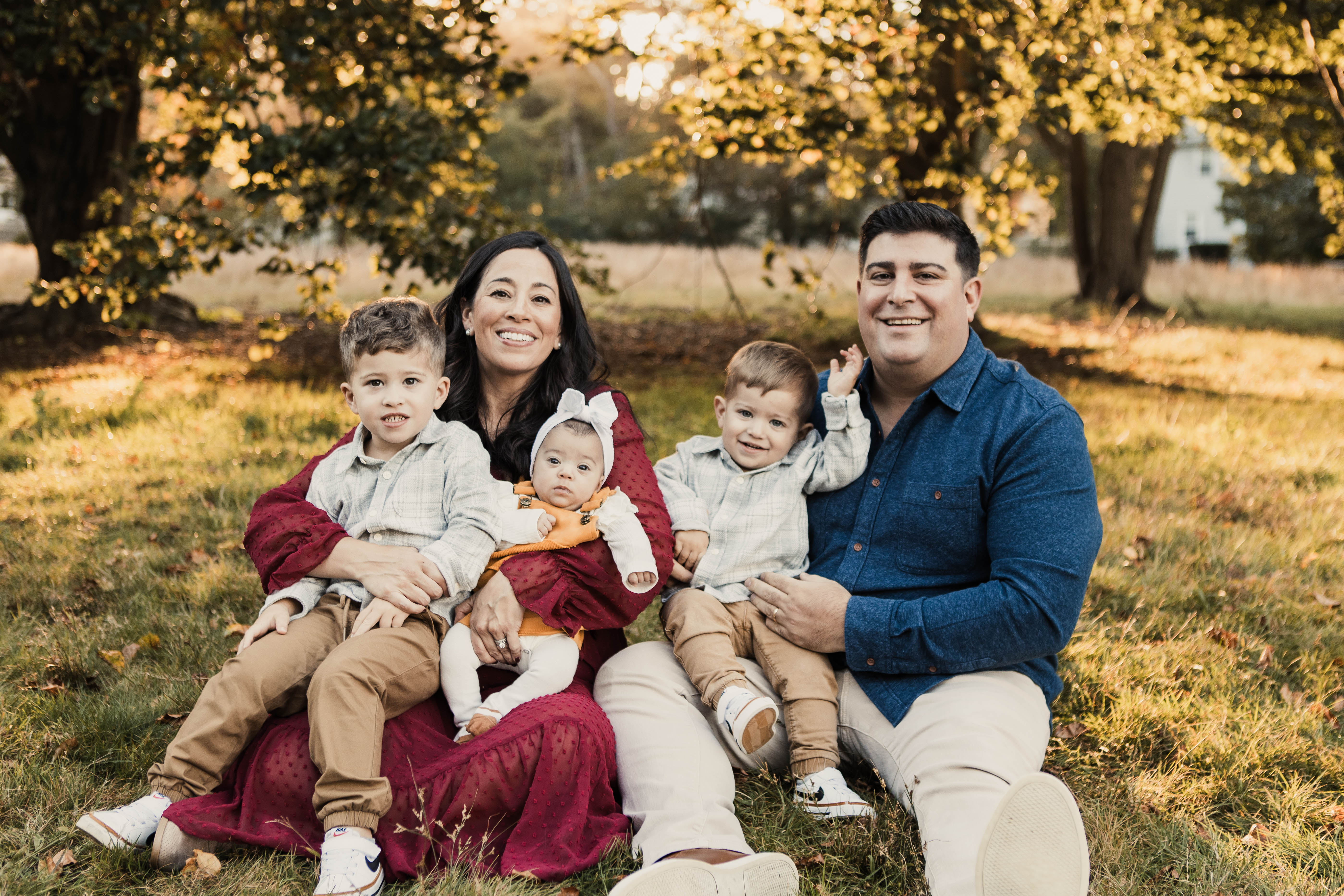
“They took care of my daughter like she was their own,” says Victoria, pictured above with her family, about Olivia’s NICU care team.

“The sky’s the limit on what these babies are going to achieve,” Flanigan said. “We have real optimism for how these babies are going to do in the future, and we see that optimism reflected in the families and the way they interact with their babies.”

After any baby is discharged from the NICU, their team continues to monitor their progress and support the family with the transition to home.

“Olivia’s had follow-up visits with various different specialists just to check in and see how she’s doing,” Victoria said. “I really appreciate that they don’t just discharge you and then that’s it.”

Olivia was discharged from the NICU after three and a half months with no need for breathing or feeding support –– just as “a little baby,” Victoria said. Now 8 months old, she’s hitting milestones for her corrected age, including rolling both ways, reaching and grabbing things with her hands, babbling, holding her head up and trying solids for the first time recently. Victoria continues to share these updates with members of Olivia’s NICU team.

Flanigan said the team’s collaborative approach and broad range of expertise are crucial to achieving outcomes like this.

“It’s kind of like if you’re going on a journey in the dark and you have a flashlight, every team member that comes in is adding another light source,” Flanigan said. “The path becomes clearer and clearer, and we’re really now getting to the point where whole path is being illuminated around this baby and this family.”

1 Comment
Did reading this year’s collection of Moments from Our Hearts inspire you to share your own? There’s still time to contribute! Simply use the comment box below to share a Brigham moment from the past year that you found touching, meaningful or made you feel proud to be part of the Brigham community.Please note that comments on this page are moderated and will not immediately appear after clicking “Post Comment.” If you would like to submit a photo to accompany your submission, send it to bulletin@bwh.harvard.edu and a member of the Brigham Bulletin team will add it to your post.

After a series of tough meetings with a colleague over a sensitive and conflicting issue, we could not agree and realized we likely wouldn’t. We left each meeting feeling worse than the last, making for a very unpleasant experience. Finally, after another one of these tense meetings, this colleague texted me separately and essentially said we can and should do better. It was a peace offering and a reminder that we don’t always have to agree on work matters, but we have to remember the human side of these interactions and that it doesn’t have to be personal.

It taught me a valuable lesson about “agreeing to disagree” and was an important reminder to give each other the benefit of the doubt because we’re all just trying our best to do what’s right and that no one is above an apology. Through their apology, this colleague showed grace and humility, which only increased my respect for them and completely changed our dynamic.

Moments like this remind me of the truly amazing people I work with. It’s the people here that make it so special.

Austeja Vidugiryte, MHA
Chief of Staff, Office of the Chief Operating Officer

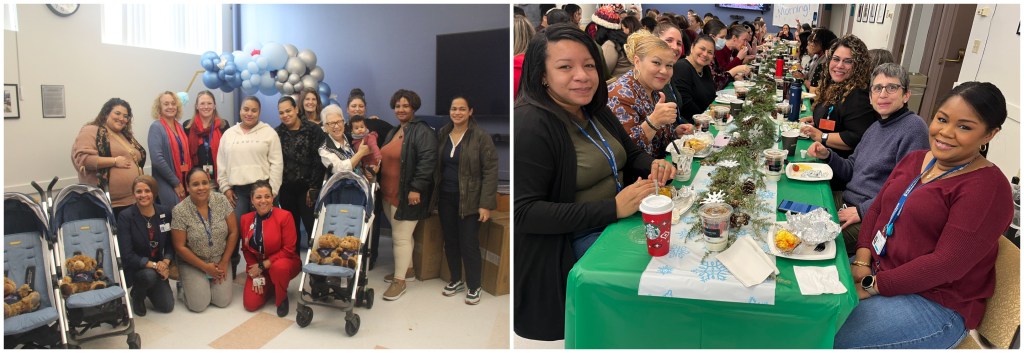
On Nov. 28, Brookside Community Health Center hosted patients and the Lawrence Guy Family Foundation for a stroller donation event. The foundation donated 40 strollers to Mass General Brigham health centers across Boston, including Brookside and Southern Jamaica Plain Health Center.

I am always grateful for donations to our patients at Brookside, but also want to give a shout out to our incredible staff and leadership team who ensured that patients were contacted, reminded and confirmed to attend the event. The Brookside team is outstanding!

Separately, thanks to another very generous donor, we were able to host an all-staff breakfast. What a wonderful way to show our gratitude to our staff for how hard they work each day.

Mimi Jolliffe, FNP, MPH
Executive Director, Brookside Community Health Center

Change is the only constant in health care, except for one important principle: our unwavering commitment to patients. It is because of that commitment to our patients that we quickly came together to begin planning the future of cancer care at Mass General Brigham. We now have the opportunity, as an integrated system and through an inclusive and collaborative planning process, to reimagine and design cancer care for the future in which we are truly the world leader in cancer care. As we head into 2024, I am excited to move forward with our planning work to be the leading comprehensive clinical and research cancer program of the future with patients at the center.

Giles W.L. Boland, MD
President, Brigham and Women’s Physicians Organization
Executive Vice President, Mass General Brigham
Philip H. Cook Distinguished Professor of Radiology, Harvard Medical School

Dr. Jonathan Leong, undeterred by a devastating diagnosis of a glioblastoma in 2017, was a beloved and dedicated intern in the Brigham’s Internal Medicine Residency Program until his untimely passing in 2019. Jonathan’s parents, Susanna Szeto and Joseph Leong, honored the memory of their late son by establishing the Jonathan Leong, MD, PhD, Resident Community-Building Dinner Series. They initiated this dinner series to create a stronger sense of community among the program’s first-year interns, carrying forward Jonathan’s spirit of camaraderie, love of food, and dedication to patient care.

This past November, we came together to celebrate the success of the program and to honor Jonathan’s enduring positive influence. Susanna and Joseph are pictured here, along with Internal Medicine Director Maria Yialamas, MD, past residents and close friends Daniel Pipilas, MD, and Timothy Churchill, MD, and me.

In this photo, we are gathered around a cross-stitch physician’s prayer, made and donated by Susanna. Since his passing, Jonathan’s parents have become close friends, and I am honored to have Susanna’s cross-stitch hung in the Medical Residency Office as inspiration to future clinicians.

Joel Katz, MD
Vice Chair of Education

I’m writing to share a heartwarming initiative that has blossomed from the collaboration between the Center for Child Development and Bridges to Moms. Together, we launched an effort to support high-risk, housing-insecure families discharged from our NICU. This holiday season, we wanted to bring joy and support to these incredible families by purchasing developmentally engaging toys and books, warm clothing, and gift cards. This is a story of community, empathy, and the power of collaboration at Brigham and Women’s Hospital.

At the Center for Child Development, we house several key programs, such as the Transition to Home Program and the NICU Follow-up Program, each designed to support high-risk NICU discharged families. Our center is staffed by an amazing multi-specialty team including physicians, psychologists, dieticians, occupational therapists, and speech and language pathologists. This team is deeply committed to nurturing all aspects of our families’ lives, ensuring they thrive well beyond our care. In collaboration with Bridges to Moms, we extend our support to those grappling with the added challenge of housing instability, thus amplifying our impact.

To support these families, we initiated “Operation Polar Bear.” This holiday drive is more than a collection of gifts; it’s a gesture of appreciation, love and support for our families shared between the two programs. We invited colleagues to participate in our gift-wrapping event, where we prepared the gifts and wrote holiday cards to these families.

Ultimately, we were able to support nine families, impacting 14 children (ages 3 months to 13 years) and 12 parents, shared between the Center for Child Development Programs and Bridges to Moms. We raised over $2,500, which went towards:

  • Age-appropriate books in Spanish, Haitian Creole and English
  • Developmentally supportive toys
  • Warm clothing
  • Gift cards

For me, and for our entire team at the Center for Child Development, there is an indescribable reward in being intimately involved in the lives of these families right from the beginning. My journey here at Brigham and Women’s Hospital has been marked by some of the most fulfilling and impactful work of my career. It is a privilege to witness and contribute to the early, crucial stages of these families’ journeys, and to see the positive differences we make every day. This initiative, “Operation Polar Bear,” is a testament to our collective passion and commitment to these families.

Kristen Jane Sullivan
Practice Manager,  Department of Pediatrics
Program Manager, Transition to Home

Continued research at the Brigham would be impossible without the contributions of postdoctoral fellows. The Brigham Postdoctoral Association (PDA) strives to foster a sense of community and celebrate the accomplishments of Brigham postdocs. In 2023, we at the PDA were thrilled to host several large events, with more than 100 members of our community in attendance. Events, such as those held during National Postdoc Appreciation Week and our Annual Holiday Party, are lots of fun and they provide an excellent opportunity for networking among the next generation of research scientists.

Stecia-Marie P. Fletcher, Ph.D.
Postdoctoral Research Fellow, Focused Ultrasound Laboratory, Department of Radiology
President, Brigham and Women’s Postdoctoral Leadership Council

On Nov. 16, The Gillian Reny Stepping Strong Center for Trauma Innovation hosted the sixth annual Trauma Research and Innovation Symposium at Brigham and Women’s Hospital. More than 100 attendees from the Stepping Strong network, BWH, MGB and community partners came together to honor advancements in trauma care since the Boston Marathon bombing tragedy ten years ago.

Throughout the event, scientists and clinicians spoke about their impact on trauma care over the past decade. Stepping Strong-funded researchers Indranil Sinha, MD, Nakul Raykar, MD, MPH, Shan Liu, MD, SD, and Justin Brown, MD, presented their projects that have revolutionized the field of trauma. A panel led by Eric Goralnick, MD, MS, with David Crandell, MD, Sophia Dyer, MD, Jonathan Gates, MD, MBA, and Matthew Carty, MD, discussed their experiences with the Boston Marathon bombings and how the panelists’ work has changed the landscape of trauma-related emergency response.

During the keynote presentation, Mass General Brigham Chief Preparedness and Continuity Officer Paul Biddinger, MD, served powerful remarks attesting to the impact of the Boston Marathon bombings on emergency management, as well as areas to continue to improve upon as tragic events keep happening.

At the conclusion of the event, we announced the 2023 Stepping Strong Breakthrough awardee, Nakul Raykar, MD, MPH, who received follow-on funding for his innovative project on civilian walking blood banks. Read more about Dr. Raykar’s project here.

Thank you to Dr. Biddinger, Dr. Raykar, and all our speakers for their dedication to trauma care. The Stepping Strong Center was honored to have had the opportunity to highlight this work and celebrate these accomplishments.

If you were unable to join us, you can watch the full symposium here.

From our Stepping Strong team to yours, we wish you a happy, healthy, and safe holiday season!

Giana Cofman, MBA
Marketing and Communications Specialist, The Gillian Reny Stepping Strong Center for Trauma Innovation

I will never forget when we heard the news of our ANCC Magnet re-designation with Maddy, Katie, the ACNOs and the team together in Bornstein on March 16.

Elaine Joyal, DNP, RN, NEA-BC
Nurse Director, Center for Nursing Excellence

I have been an employee at BWH for 28 years. I will always remember completing the medical imaging bachelor’s degree program at Regis College thanks to the support of my department and tuition reimbursement, and then being promoted to clinical manager in Diagnostic Radiology.

Angela Covington, BS, R.T.(R)
Clinical Manager, Diagnostic Radiology

My favorite Brigham moment of 2023 was celebrating our successful sixth annual Research Symposium with the rest of the Connors Center team.

Jacqueline McCormick
Program Coordinator, Mary Horrigan Connors Center for Women’s Health and Gender Biology

I love taking part in our annual Pink Patch fundraiser. The goals of this Pink Patch fundraiser are to increase awareness about the importance of early detection and prevention and to raise funds to benefit the Comprehensive Breast Center at Brigham. We exceeded our fundraising goal this year, raising $3,488!

Sabrina Mason
Administrative Assistant II, Police and Security

Leah and I graduated PA school together and have both been at BWH for over 11 years, working together in OB-GYN. It was nice to actually hang out together outside of work with our other department PAs.

Nicole Patton, PA-C
Chief OB-GYN Physician Assistant, Department of Obstetrics and Gynecology

Taking individual headshots and a group photo of our EP PA team on the steps of Harvard School of Public Health! We are grateful to all members of our team and our department chief for capturing this moment!

Tiffany Andrade German, PA-C, MS
Physician Assistant Lead, Cardiac Electrophysiology (EP)

This summer, our Student Success Jobs Program (SSJP) interns worked as scribes for PACE, completed additional research hours and gained valuable pre-PA experience working as PCAs on our medicine units. Jessica McCarthy, PA-C, on PACE has been instrumental in creating this program, along with a few other PACE PAs, including Sarah Fittro, Alyssa Menard and Liz Ransom acting as mentors. We discovered this fall that our SSJP interns have been accepted into PA programs! Amazing work accomplished by all!

Marissa Stein, PA-C
Associate Chief PA, PACE Service, Medicine

Shoutout to the 2023 PA Week Planning Committee for putting together a wonderful annual PA Week celebration event. This was our first in-person celebration since the pandemic! It was wonderful to see everyone gathering together from all different departments with smiles on their faces!

Marissa Cauley, PA-C
Senior Director, PA Services

I will always remember working the Boston Marathon medical tent with my fellow Sports Medicine PAs, as well as attendings, fellows and a research assistant from our team.

Courtney VanArsdale, PA-C
Physician Assistant, Sports Medicine/Orthopaedics

There were many memorable moments this past year, but two stand out most for me: the moment we received the news of our second Magnet designation in March and the moment a group of us representing our nursing community stepped onto the stage at the American Nurses Credentialing Center’s Magnet Conference in celebration of our designation in October.

These two instances were memorable because they represent so much more than a designation. They hold within them thousands of examples of relationship-based care, collaboration, innovation and dedication to our patients and their loved ones over the past four years, despite the many challenges we faced.

I’m always proud to be a member of the Brigham nursing community, and these two moments only reaffirmed how special this place – and all of our people – truly are.

Katie Fillipon, DNP, RN, NEA-BC
Interim Chief Nursing Officer and Senior Vice President of Patient Care Services

Having a mentor in your life can be transformational — something I am grateful to have experienced firsthand. Especially for those of us who come from backgrounds that are underrepresented in health care, it is no exaggeration to say a supportive mentor and sponsor can change the very course of your life and career.

To that end, one special moment for me this year was launching our Presidential Fellows Program. Designed to cultivate the next generation of diverse health care leaders, the program offers faculty a one-year fellowship centered on personalized leadership training, including coaching, networking and mentoring. Fellows are paired with mentors from across our system and will learn about models of effective leadership, negotiation techniques and conflict resolution.

Meaningful inclusion demands that we create an environment where everyone can thrive and no one feels isolated. It is a combination of many deliberate acts that we build upon through programs like this. I am so proud of and excited for our inaugural class of mentees, and I look forward to seeing the extraordinary heights they will achieve.

Robert S.D. Higgins, MD, MSHA
President, Brigham and Women’s Hospital
Executive Vice President, Mass General Brigham
The Elizabeth G. and Gary J. Nabel Family Professor of Surgery, Harvard Medical School

“In the beginning of this journey, we didn’t think we would be sitting around my table together. Yet there I was, hosting dinner like I always have,” says Sharon Matthews (far right), who was overjoyed to celebrate Thanksgiving with her family, including husband Rob (back) and granddaughters Nova, 20 months, and Brooklynn, 14 (front left and center), thanks to the lifesaving care she received at Dana-Farber Brigham Cancer Center.

Sharon Matthews was enjoying a cruise from Boston to Bermuda with her husband, Rob, in June when she started coughing up blood. She consulted her nurse friends, who encouraged her to get checked out as soon as she was back in Boston. So, when the ship docked a few days later, Matthews visited a local hospital. Doctors there said that although her cough was caused by dry air, her scans revealed something far more concerning: She almost certainly had lung cancer.

“I panicked,” remembered Matthews, who had quit smoking in 2008 and was otherwise in good health. “Practically all my family, including my mother and brother, died young of lung cancer, so I’ve had this fear of it my entire life. I thought, ‘Oh my God, here’s my death sentence.’”

Based on the advice of her nurse friends, Matthews solicited a second opinion from the Thoracic (Lung) Cancer Treatment Center at Dana-Farber Brigham Cancer Center. After new scans and a biopsy, oncologist Jacob Sands, MD, and thoracic surgeon Ealaf Shemmeri, MD, PharmD, confirmed that she had squamous cell carcinoma in the right upper lobe of her lung. They recommended surgery to remove the tumor as well as surrounding tissue and lymph nodes.

Despite the gravity of the situation, Matthews said she found comfort and reassurance in her team’s confidence and compassion.

“When I first met with Drs. Shemmeri and Sands, they explained how things have changed so much in the 25 years since my mom died,” she said. “They were so positive and assured me that everything was going to be OK.”

Still, Matthews was scared. She was 63, the same age her mother had been when she was diagnosed. In the weeks leading up to surgery, she settled matters at home and met with all her friends and family. “I spent my time preparing for what I thought would be the end of my life,” she said.

On Oct. 16, Matthews was relieved to wake up from surgery to good news: The specialized, multidisciplinary surgical team — which also included thoracic anesthesiologists Philip Hartigan, MD, and Stephanie Yacoubian, MD — successfully removed all of the cancer with minimally invasive robotic surgery.

Recovery and the Will to Overcome

While she had overcome her biggest hurdle, Matthews would face a difficult road to recovery. The day after surgery, she was diagnosed with chylothorax, a condition in which fluid from the lymphatic system leaks into the chest cavity.

“Sharon had a prior COVID infection that left her with scarring on the lung tissue and surrounding lymph nodes,” explained Shemmeri. “Chylothorax is a rare complication that occurs in about 2 percent of lung cancer surgeries when there is scarring in the lung tissue.”

After a more conservative approach did not seal the leak, interventional radiologist Matthew P. Schenker, MD repaired it with a percutaneous thoracic duct embolization — an advanced, minimally invasive procedure that uses imaging guidance to locate and close the leak.

Matthews was cared for on Braunwald Tower 11 for a total of 13 days. She credits the support of her family and care team for helping her through this time.

“Dr. Shemmeri was so dedicated and encouraging, and I probably had 20 or more nurses and personal care assistants caring for me,” she said. “There was something special about every single one of them. They held my hand, kept me busy, braided my hair, made sure I had a warm blanket and urged me to walk. I never really had to ask for anything.”

Those reflections resonated with Shemmeri, who visited Matthews at least once a day during her hospitalization.

On her discharge day, Matthews holds a handwritten message of thanks to staff that reads “Thank you Brigham and Women’s Hospital Thoracic Pod B.”

“We often highlight the science and innovation of this institution, but unwavering compassion is what drives each of us to aid patients like Sharon to excel in their battle with cancer,” she said.

‘Strong Like a Warrior’

After much hard work and countless laps around the unit to strengthen her lungs, Matthews was ready to go home with supplemental oxygen therapy.

“The whole time I was in the hospital, I knew I had to just keep moving,” she said. “I was walking 48 laps by the time I left. I was strong like a warrior, with this big tribe of family, friends and medical staff behind me, cheering me on.”

She will go back for a scan every four to six months for the next five years to ensure the cancer does not return.

“Dr. Shemmeri gave me a clean bill of health with no restrictions, so I’m going to move on with my life,” she said.

And this past Thanksgiving, that’s just what she did, celebrating with her husband, their three children, Michala, Mike and Molly, their grandchildren and extended family.

“In the beginning of this journey, we didn’t think we would be sitting around my table together. Yet there I was, hosting dinner like I always have, walking up and down stairs with no oxygen,” Matthews said. “My home was filled with family, love, laughter and a whole lot of gratitude. I’m a living example of hope.”

2 Comments
Man sitting on couch

Gerald Trusty relaxes in his new Charlestown apartment, which he obtained with the support of the Brigham’s housing intervention program after the building where he previously rented was sold.

Gerald Trusty, 64, had been living in the same Dorchester apartment for 20 years. It wasn’t a palace, but it was home.

“I was really comfortable there,” he said.

For Trusty, a crucial feature of the apartment was its first-floor location in a two-family building. He has a chronic lung disease and requires supplemental oxygen therapy 24 hours a day — a condition likely caused by his former profession as a chimney sweeper — and has difficulty using stairs. He also has other serious health concerns, including pulmonary hypertension and diabetes.

In his two decades at the Woodrow Avenue apartment, Trusty had lived under three different landlords. Then, one day in July 2021, his latest landlord informed him she was going to sell the building. At first, he wasn’t too alarmed. Each time the property’s ownership had changed hands, Trusty was able to negotiate a new tenancy agreement. He prided himself on being a responsible tenant, and his landlord assured him that she would find a buyer who would allow him to stay.

But things worked out much differently this time. Two weeks after the building sold in spring 2022, Trusty was stunned to receive a “notice to quit,” a legal document ending a tenancy agreement, from the new owner. Although it doesn’t signify an eviction, it can precede one if the tenant refuses to leave.

The timing couldn’t have been worse: Rents across the Boston area were soaring to historic highs, competition for apartments was fierce and Trusty was on a fixed income. His medical needs limited his choices for housing even further.

“I got into a panic. I’m thinking, what am I going to do?” he recalled. “The new owner said I could come back after he renovated it, but the rent would be tripled. I couldn’t afford it, and the rest of the market was blowing up. I couldn’t find something in my range that I could live in comfortably.”

It was then that a friend suggested he tell his doctor about his circumstances. Trusty was skeptical.

“I said, ‘What the heck can a doctor do for me in this situation?’” he remembered.

A whole lot, it turned out.

A New Chapter

After calling the Brigham’s Phyllis Jen Center for Primary Care, where he typically sees internist Juan Ramirez, MD, Trusty was referred to the Brigham’s housing intervention program, which works to identify and support patients who are at risk of eviction, living in unsafe or unhealthy housing conditions, or unhoused.

Launched in 2018, the program is part of a larger strategy in Brigham Primary Care to address social determinants of health (SDoH), a term for nonmedical conditions that influence a person’s health, such as housing, education, employment and transportation access.

With intensive support from the program, Trusty was able to remain in his Dorchester apartment while completing multiple applications for public and private housing, including several affordable housing lotteries. He was overcome with relief when he learned one of his lottery applications was selected. This past August, he moved into a gleaming new development in Charlestown.

“I love it. Everything here is brand new — the wood floors, stainless steel appliances, kitchen counters, everything. It’s so much better and has so much more space,” he said. “I’m on the second floor, but there are elevators, so I can just use my mobile power scooter to get wherever I need to go without any problems. It’s well set up for my situation.”

Bridget Faison, housing advocacy supervisor in Primary Care’s Social Care Team, worked closely with Trusty to help him navigate a complex web of housing and legal services to remain housed while he found a suitable home.

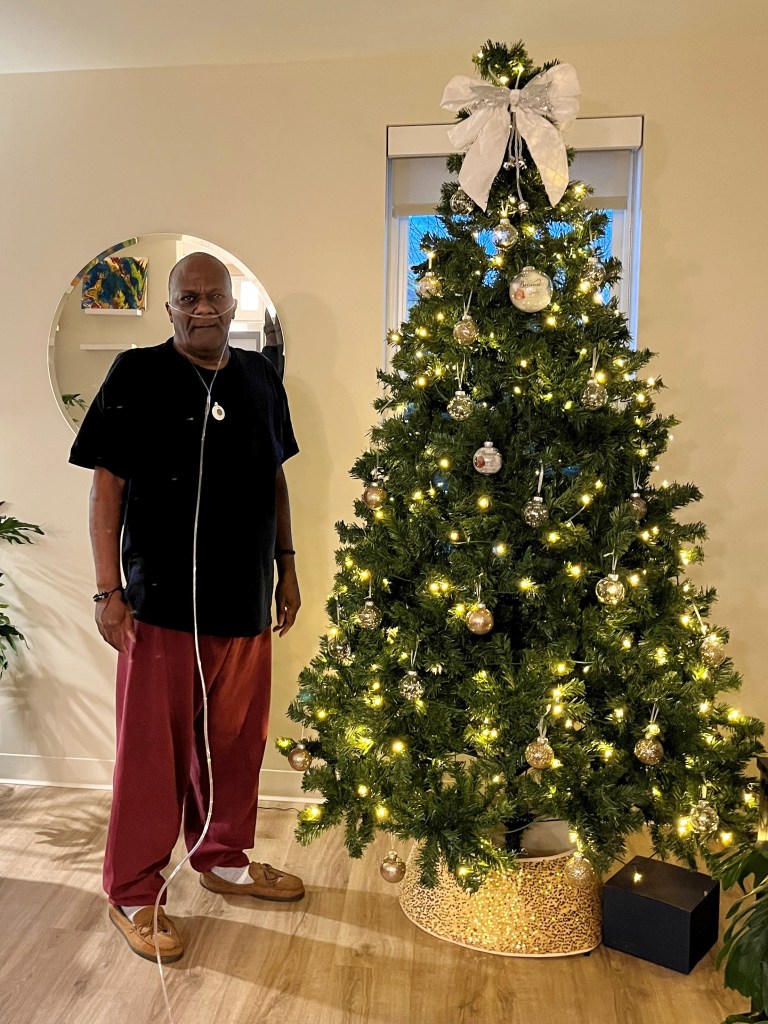
Man standing next to Christmas tree

“I never in my life thought the hospital has that much power to help you out in these situations,” says Gerald Trusty, who looks forward to celebrating his first Christmas in his new apartment.

“It’s important to me that I educate patients and empower them to be independent. If you can teach someone how to take care of themselves in this system, you’ve given them a whole lot more than housing,” she said. “It’s rewarding to see my patient’s face light up when they say to me, ‘Bridget, I completed an application and didn’t need you this time — but can you look at it?’”

While similar programs across the country target patients who are already unhoused, the Brigham’s approach stands apart with its sharp focus on prevention, said primary care provider MaryCatherine Arbour, MD, MPH, medical director of the Social Care Team, a multidisciplinary group in Primary Care that seeks to address SDoH through initiatives like the housing intervention program.

“Only 9 percent of patients who present with housing needs are homeless, and by the time they are homeless, their housing options are very limited,” she said. “Depending on the circumstances, when someone gets evicted, they may not be eligible for subsidized housing for two years, so eviction prevention is a huge area of focus for us and pretty unique in this space.”

Preventive Care in Action

Amid the current housing crisis in Massachusetts, such outcomes are hard won. They reflect the tireless commitment of the Social Care Team, whose community resource specialists, community health workers and housing advocates collaborate with clinical staff to help vulnerable patients with SDoH-related needs.

The Brigham’s 15 primary care sites all conduct SDoH screening annually for every MassHealth patient. Four of those practices have expanded the screening to all primary care patients.

Eligible patients are asked questions like “Do you have trouble paying your heating or electricity bill?” and “What is your housing situation today?” About half of patients screen “positive” for at least one SDoH question, meaning their response indicates they might be facing a nonmedical issue that could affect their health.

The state’s housing crisis is acutely evident in these screenings. One in three Brigham primary care patients who have been surveyed say they have housing needs. The burden is also shouldered inequitably, with Black and Hispanic patients being far more likely than white patients to report housing insecurity.

During the pandemic, the number of Brigham primary care patients referred to the Social Care Team increased tenfold, from 20 per month in 2020 to 200 per month in 2022. In 2023, it grew to 350 referrals per month.

Surging rents are only part of the story. Subsidized housing waitlists have ballooned as well. Since 2016, it has taken an average of three years for someone to come off the waitlist for subsidized housing in Massachusetts, according to HousingWorks, a Boston-based organization that tracks subsidized housing availability. Compare that to the 1990s, when the average wait for public housing placement was closer to six months.

“There is an avalanche of need, but there just aren’t enough resources,” Arbour said. “I treat patients with really complex medical issues, and housing is still the most complicated thing that I do.”

The team’s five housing advocates use a triage approach to sustainably manage what would otherwise be a crushing caseload. Referrals first go to community resource specialists, a larger group, who work to gather more information about the patient’s circumstances. Patients who are stably housed but may not be an in ideal situation, such as temporarily living with a relative, receive guidance on which resources and services are available to address their needs.

Patients who are at highest risk — such as someone facing imminent eviction — are prioritized to receive one-on-one, longer-term support from a housing advocate, who works directly with them until they are stably housed.

The specialized team works closely with patients to help them search and apply for housing, request reasonable accommodations due to medical needs, negotiate with landlords and building management, tour and evaluate properties for quality and safety, conduct mock interviews, learn how to budget and improve their credit score, and more. The program also relies on two medical-legal partnerships: one with MLPB, which conducts case reviews with Social Care Team members and provides expert guidance about patients’ rights and system responsibilities, and another with Harvard Law School’s Legal Services Center to provide patients free and qualified legal representation in housing court.

Making Gains

While apartment hunting may seem outside the scope of medicine, stable housing and the ability to achieve good health are closely linked, Arbour said.

“If people don’t have a safe and healthy place to live, there’s no way they can effectively engage in care,” Arbour said. “If my patient is missing appointments because they’re in housing court and stressed beyond belief because they’re going to be evicted in a month, they are not going to listen to me when I ask them to adjust their hypertension medication or focus on healthy eating — and who could blame them?”

Arbour and her team have measured some of these outcomes. One year after being enrolled in the program, participating patients had about 2.5 fewer primary care visits per year — a trend driven by reduced need for social work, behavioral health, psychiatry and urgent care visits.

The team’s analyses haven’t shown a connection between housing stability and other health-related improvements, such as reduced emergency department visits or better blood pressure control. It may be that one year is too short of a window to see a difference in these areas, Arbour said, acknowledging more study is needed.

Anecdotally, participating patients have expressed that having stable, safe housing has improved their physical and mental health. For some patients, their housing advocate’s unwavering support was a powerful force in itself. In one interview, a patient recalled how she was “tapped out” after struggling and failing to find housing. Her housing advocate encouraged her to keep going.

“She didn’t let me give up. She pressed. I pressed. And together, we definitely made them diamonds happen in my life again … and it all was because this woman helped me,” the patient said. “I love my hospital…. I’m a full-fledged, hardcore, dedicated patient.’”

For Trusty, who looks forward to celebrating his first Christmas in his Charlestown apartment, the support he received from Faison and the housing intervention program has been nothing short of a blessing in his life.

“To be honest, I don’t know where I would be without Bridget — probably in the streets,” he said. “I never in my life thought the hospital has that much power to help you out in these situations, and I am very grateful for all they did for me.”

1 Comment

Celebrating patient-focused, quality-based and mission-driven highlights across our Brigham community


Download the PDF


Table of contents:


Patient and Family Care

By the Numbers: Responding to increased demand for care

Hospitals across the U.S., including the Brigham, continue to receive more patients seeking care and requiring longer stays — resulting in bottlenecks throughout the health care system. On an average day in 2023, the Brigham’s medicine and surgical occupancy rate was 103 percent, amounting to 743 inpatients. Despite these challenges, we remained committed to caring for those who needed our world-class care, including the 6,386 transfers we accepted from other hospitals throughout 2023.

Teams across the Brigham have championed collaborative and innovative solutions to address this capacity crisis. In 2023, we admitted 233 patients to our Home Hospital program, which offers eligible patients the option to receive home-based, hospital-level care and reduce wait times in our Emergency Department.

Our Departure Lounge, which enables eligible patients to leave their hospital room 90 to 120 minutes faster while awaiting a ride in the comfort of the lounge, completed 1,658 discharges in 2023.

Since last January, 56 patients have been transferred back to community hospitals when they no longer require the level of care we provide — freeing up beds while better supporting patients and their loved ones who no longer need to travel to Boston.

To address obstacles that patients face leaving the hospital, we also began contracting for beds at local post-acute facilities, ultimately allowing 232 patients to be discharged to a reserved bed. And in April, Brigham and Women’s Faulkner Hospital broke ground on an expansion project that includes a five-story building that will add 78 inpatient beds.

Brigham, Boston Children’s Team Makes History with First In-Utero Brain Surgery to Fix Deadly Condition

(Photo: Andrew Lederman/Boston Children’s Hospital)

When Kenyatta Coleman went for a prenatal ultrasound 30 weeks into her pregnancy, she and her husband, Derek, were alarmed to learn there was a rare and deadly blood vessel abnormality inside their baby’s brain. Three weeks later, they were on a plane from Louisiana to Boston to participate in a clinical trial to treat the condition with in-utero brain surgery. Performed by a multidisciplinary team of specialists from the Brigham and Boston Children’s Hospital, it was the first procedure of its kind ever done successfully in North America.

With seemingly impossible precision, the team repaired blood vessels deep in the fetus’ brain while she was still in the womb. Baby Denver was born two days later, safe and healthy. She will celebrate her first birthday in March 2024.

BWH Achieves Magnet Redesignation

On March 16, hospital leaders and staff gathered in Bornstein Amphitheater and via webcast to hear the news that Brigham and Women’s Hospital (BWH) had been credentialed as a Magnet organization for the second time in a row. This national recognition by the American Nurses Credentialing Center is the gold standard of nursing excellence and patient care, and it honors the work and culture of an entire institution.

Brigham Establishes Department of Urology

On Oct. 1, BWH elevated its Division of Urology into a Department of Urology, marking the establishment of the institution’s first new clinical and academic department in a decade. Adam S. Kibel, MD — former chief of the division, the DiNovi Family Distinguished Chair in Urology at the Brigham and the Elliott Carr Cutler Professor of Surgery at Harvard Medical School — was named inaugural chair of the new department.

Quality Excellence

  • Became the first hospital in New England to earn the American College of Surgeons’ Geriatric Surgery Verification.
  • Recognized by The Leapfrog Group as a leader in quality and safety, as well as a Top Teaching Hospital.

Supporting Our Community

By the Numbers: Resources and services

  • 6,000 bags of food and 8,500 meals were distributed through Mass General Brigham (MGB) Community Health Vans
  • 200 children’s hats, gloves and pajama sets distributed through MGB Community Health Vans
  • 700 children’s books distributed through MGB Community Health Vans
  • 294 new referrals to the Passageway Program, which supports patients, employees and community members who are experiencing abuse from an intimate partner
  • 59 new referrals to Adelante, a collaboration between BWH and Beth Israel Deaconess Medical Center to assist current and former victims of human trafficking

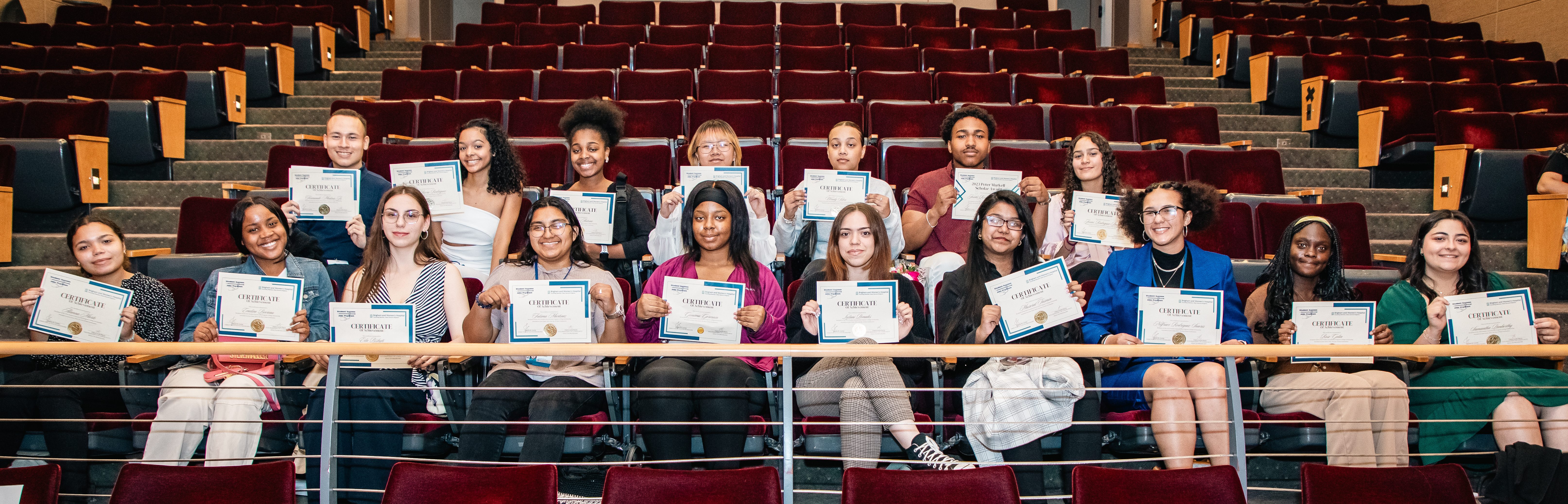
SSJP Closes Gaps, Boosts Opportunities for Boston Students

Education and economic opportunities are closely linked to health outcomes, yet access to them is not equitable. Since 2001, the Brigham’s Student Success Jobs Program (SSJP) has helped narrow that gap by partnering with seven Boston Public Schools to place high school and college students in paid internships in 40 departments. This year, all 25 seniors in the program graduated high school, and 92 percent began their first semester at college. Nearly all SSJP interns are students of color, and three out of four attend a high school where most students come from low-income households.

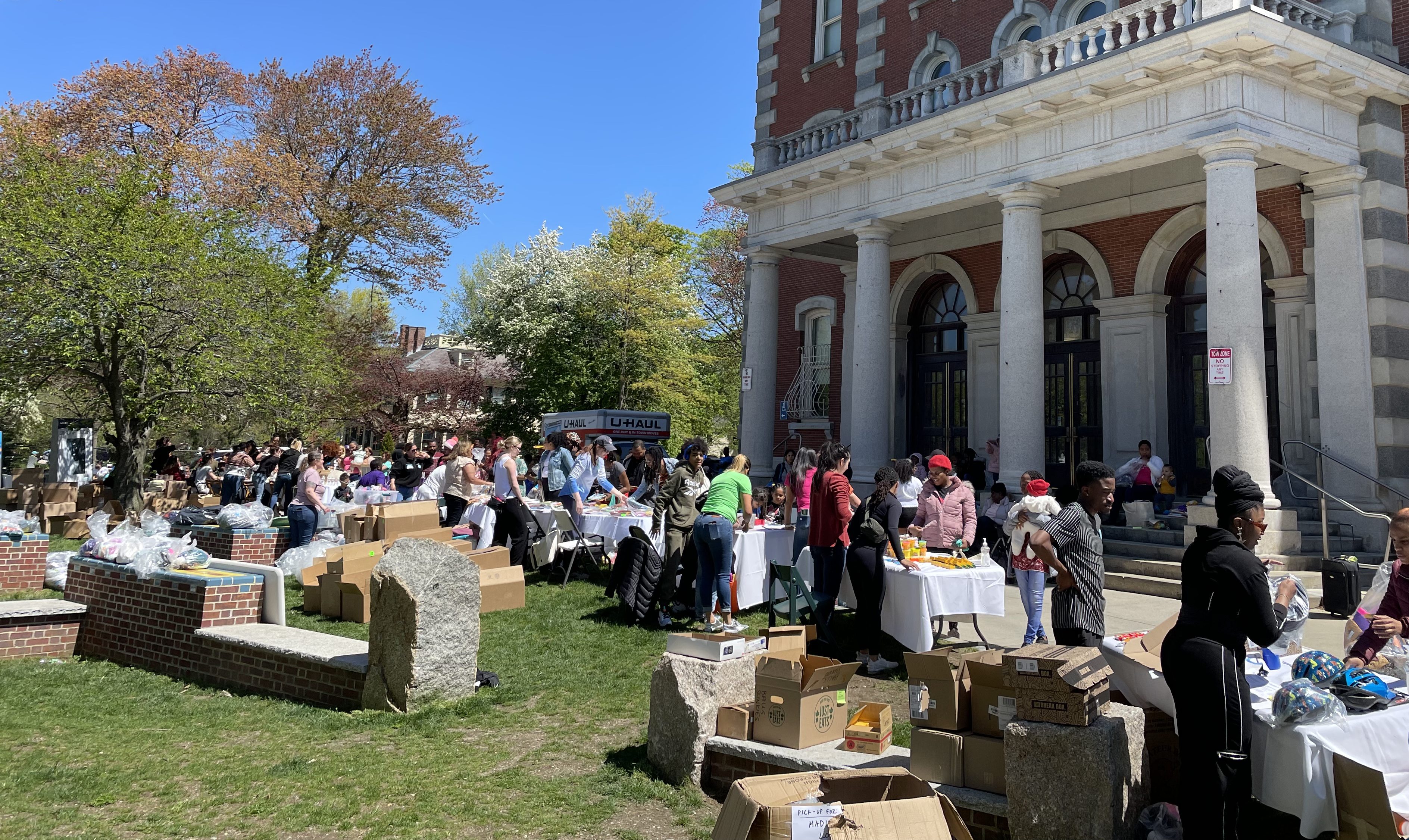
Free Community ‘Yard Sale’ Supports Local Families

The Brigham’s Stronger Generations Initiative partnered with community organizations, staff and volunteers to host a free “yard sale” to distribute hundreds of items and resources to pregnant individuals and families with young children. Hosted in May at BCYF Curtis Hall in Jamaica Plain, the event served 133 families, most of whom reside in the Brigham’s priority
neighborhoods. Volunteers gave out over 500 packs of children’s clothing, 500 diaper and pull-up packs, 550-plus books, 100 school-supply kits, 1,500 menstrual hygiene products and more.

Research and Innovation

By the Numbers: Fiscal year 2023

  • More than 2,100 active clinical trials
  • Published more than 9,500 research papers
  • 5,372 research employees
  • 42 investigators named to Clarivate’s 2022 Highly Cited Researchers list, a prestigious “who’s who” of influential researchers
  • The Brigham was ranked #3 among independent hospitals for National Institutes of Health (NIH) research funding in 2022. The Brigham and Mass General have been ranked in the top three hospitals in terms of NIH support for more than 25 years.
  • The Brigham earned $844 million in research revenue in FY23, which includes funding from basic science grants, clinical trial agreements, donor gifts directed toward research and other sponsored research activity.

New Institute Seeks to Illuminate Immune System’s Role in Disease

In May, the Brigham received the largest gift in its history — $100 million — from eminent biotechnology entrepreneur
Gene Lay, MS, DVM, to establish a new research institute dedicated to better understanding how immunology
and inflammation influence autoimmune diseases and cancer. Led by Brigham immunologist and principal investigator Vijay Kuchroo, DVM, The Gene Lay Institute of Immunology and Inflammation brings together some of the world’s most distinguished scientists from Brigham and Women’s Hospital, Massachusetts General Hospital and Harvard Medical School.

Novel Trial Gives Hope to Patients with Deadly Brain Tumors

Glioblastoma is an aggressive brain cancer that is notoriously resistant to treatment. A research team led by E. Antonio Chiocca, MD, PhD, chair of the Department of Neurosurgery, shared promising results from a phase one, first-in-human
clinical trial that might start to change that narrative. Using gene therapy techniques, Chiocca and colleagues reprogrammed a virus to target and attack glioblastoma cells. The study, published in October, showed that the therapy is safe and extended the survival of most patients in the 41-person trial.


Education

By the Numbers:

  • 400+ medical students
  • 1,450 residents and fellows (925 residents and 525 fellows)
  • 200+ training programs
  • 60+ college and university partnerships

Redefining Norms in Medical Education

As the post-pandemic era continued to reshape health care throughout 2023, the Brigham’s medical education programs recognized that the learning environment must also adapt to ensure the next generation of health care professionals — and the faculty who teach them — are best prepared for this new, complex landscape. With increased focus on hybrid education, innovative programming, work-life balance and competency advancement, many aspects of medical education were reimagined to ensure students and trainees receive the optimal balance of education and clinical experience.

Pictured above: Residents in General Medicine and Oncology services participate in “smear rounds,” which provides dedicated time for trainees to review their patients’ blood smear tests with a senior hematologist.

Simulation Lab Expansion Propels Nursing Education

In June, the Department of Nursing received a $5 million gift from the Chin Family Foundation to develop a nursing simulation lab in support of education, professional development and lifelong learning. In collaboration with the Center for Nursing Excellence and the Neil and Elise Wallace STRATUS Center for Medical Simulation, the Patricia A. Chin Nursing Simulation Lab at Brigham and Women’s Hospital will provide innovative programming and technologies to advance nursing practice at all stages of professional development. The gift will be used to expand the existing space and resources at STRATUS with the addition of two nursing-focused, high-fidelity simulation rooms and a multi-purpose conference room and debriefing room.

Presidents’ Message

When we look back on all that our Brigham community accomplished in 2023 to deliver high-quality and compassionate care, ignite discovery and innovation, educate the next generation of health care professionals and care for our communities, we are filled with a tremendous sense of pride in our incredible multidisciplinary teams.

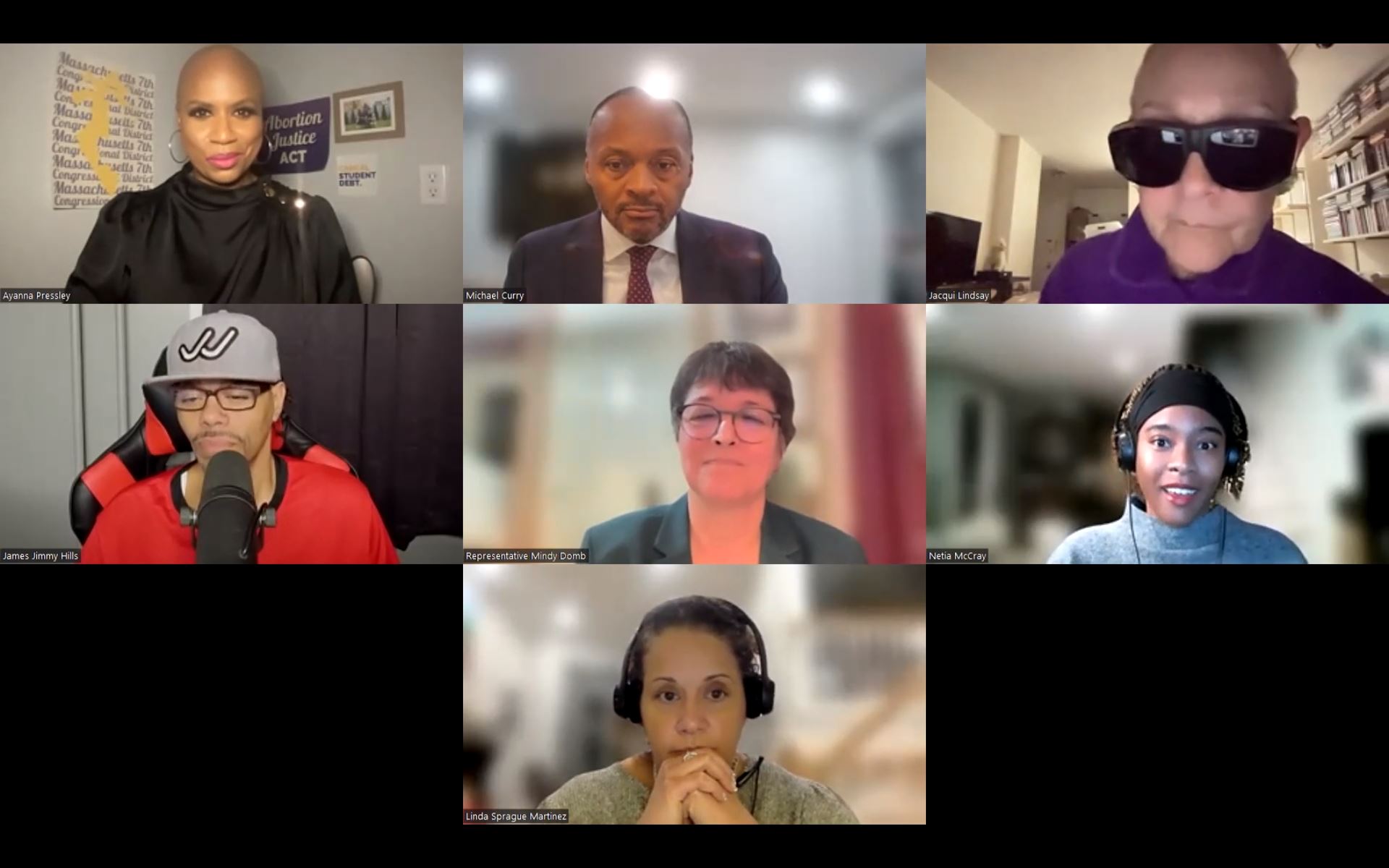
Health care is always changing, and with change comes opportunity. In the face of continued high demand for care, we have done extraordinary work as one Mass General Brigham community to embrace innovation and use our resources more effectively. The success and ongoing expansion of Healthcare at Home, a systemwide effort with roots in our outstanding Home Hospital program, superbly illustrates what real transformation looks like.

Additionally, amid the changing landscape of cancer care, we remain resolute in our commitment to continue delivering exceptional care to our patients with cancer and their families — now and in the future. The recent appointment of Daphne Haas-Kogan, MD, MBA, our chair of Radiation Oncology, as chief of Enterprise Radiation Oncology for Mass General Brigham, is an exciting early milestone in our journey to become the world’s leading cancer center.

More than anything, however, this year has underscored for us that what makes the Brigham a world-class institution are the people who work here. None of what we have accomplished would be possible without the dedication, professionalism and commitment to excellence that our multidisciplinary, interprofessional teams demonstrate each day. It is the physician assistant who makes sure that every question a patient has about their upcoming procedure is answered. It is the pharmacist whose encyclopedic knowledge of drug interactions ensures patient safety. It is the research assistant whose attention to detail in an experiment becomes crucial to its outcome. And so many, many more.

All that we faced this year has only strengthened our shared commitment to keeping the patients, families and communities we serve at the heart of everything we do.

Robert S.D. Higgins, MD, MSHA
President, Brigham and Women’s Hospital
Executive Vice President, Mass General Brigham
The Elizabeth G. and Gary J. Nabel Family
Professor of Surgery, Harvard Medical School

Giles W.L. Boland, MD
President, Brigham and Women’s Physicians Organization
Executive Vice President, Mass General Brigham
Philip H. Cook Distinguished Professor of Radiology, Harvard Medical School

The Costanzo family makes a special delivery to the NICU’s Brigham Baby Academy program.

Anthony Costanzo is a happy, healthy 3 year old who loves toy trucks and the children’s book Goodnight, Goodnight, Construction Site. Every time his father, Joe Costanzo, thinks of the book, he is reminded of the long days the Costanzo family spent in the Brigham’s Neonatal Intensive Care Unit (NICU) reading the story to a tiny, newborn Anthony.

Anthony was born at 24 weeks and five days gestation in May 2020, just months after the onset of the COVID-19 pandemic. Due to his very premature birth, Anthony was cared for in the NICU for four months. Joe and his wife, Adrianna Costanzo, could only visit him one at a time because of pandemic-era visitor restrictions.

During that time, the Costanzos found that regularly reading aloud to Anthony helped them bond as a family and offered a reprieve from the uncertainty that accompanies having a baby in the NICU.

“People would ask, what can we do to make it easy for you guys being there? We wanted Anthony to hear our voices, so friends and family would give us books to read to him,” Joe said.

The family recently donated over 300 books to the NICU to support the unit that did so much for them and to help other families find a similar sense of comfort.

“Reading was the way we would really connect with Anthony in times that we couldn’t hold him,” Adrianna said. “We could tell that if he was having a rough day and we came in to read with him, he would hear our voice and would calm down.”

That experience doesn’t surprise neonatologist Carmina Erdei, MD, who founded an early literacy and reading initiative at Brigham’s NICU known as the Brigham Baby Academy (BBA).

“Regular, daily reading routines since birth can help infant cognitive and language development later in childhood,” said Erdei, director of the NICU’s Growth and Development Unit.

The BBA partners with the national Reach Out and Read program to further spread the literacy message to families of infants in the NICU. The unit maintains a library of donated books that are available for use on the unit and gifted to families so they can begin reading to their babies as early as possible in life.

Given the extremely vulnerable nature of the NICU’s patient population and the initial uncertainty surrounding COVID-19 transmission in the early days of the pandemic, the BBA’s library was temporarily closed during the time of Anthony’s hospitalization. Still, the Costanzos quickly saw the value of the program’s mission as they read to Anthony during their visits with books from home.

As Anthony grew bigger and stronger, Adrianna and Joe noticed that he started looking at them and recognizing their voices while they were reading — an important and heartwarming milestone for any baby but also a “really special” moment, his parents said, after all they had been through.

Babies in the NICU have different experiences than babies who do not require such care right after birth. The sights, sounds, sensations and overall environment of a NICU can be stressful for infants. Research has shown that increased parent engagement and presence in an infant’s care not only provides tremendous comfort to babies, but it also leads to greater meaningful language exposure, which in turn is associated with improved language and cognitive skills in early childhood.

“Hearing the words from the stories that we would read to him helped Anthony come along with his speech and learn new words,” Joe said. “We’re seeing the benefits of it right now with the way he’s growing.”

These advantages go both ways, as parents also reap significant benefits from connecting with their children in this way.

“Reading with their baby can help create meaningful moments between parents and infants. It helps parents become more confident in their parenting skills and strengthens the parent-infant relationship,” Erdei said. “There is some evidence suggesting these routines can help enhance parental wellness, which is very important, particularly during a stressful time while their baby is hospitalized in the NICU.”

To help other families experience the same benefits of the reading program, Joe and Adrianna invited their friends and families to purchase children’s books for donation using an Amazon wish list the Costanzos created and shared on social media. Ultimately, the family received 332 books that they donated to the Brigham NICU on Nov. 6. Anthony, who is still an enthusiastic reader –– especially of Goodnight, Goodnight, Construction Site –– was there to help his parents drop off the books.

The Costanzos placed a sticker on the outside of each cover with a short message about their story and words of encouragement for fellow NICU families.

“As someone who’s three years on the other side of it, the journey is long, tough and emotional,” Adrianna said. “But you’ll come out the other end stronger. It’s only for a moment, and the moment will pass.”

The family hopes to make the drive an annual event and aims to double the number of books donated next year. The donation is a critical contribution to the Brigham’s BBA program, which Erdei said is working to expand so that each family can receive a new book every couple of weeks and build a “small library” by the time their baby is ready to leave the hospital.

“I hope that the parents will always remember reading that book to them –– just like I did with Goodnight, Goodnight, Construction Site,” Joe said. “When I read it now, I’ll think back to those rough times, and you look at your child, no matter what the situation is, and say, ‘Hey, my son or daughter is home with me right now, and I’m reading to them.’”

1 Comment

From left: Emily Ferenczi and Carolyn Bernstein teach third graders at the Tobin School about neuroscience during a visit in September.

Most third graders only meet with a doctor when they see their pediatrician, but 8 and 9 year olds at the Tobin School in Mission Hill receive the chance to interact with medical experts in another way. Since 2015, Brigham neurologists and neuroscientists have brought science to life in local classrooms through the Department of Neurology’s “Brain Science Is Cool” program.

Through interactive lessons and hands-on activities, Neurology faculty, trainees and Harvard Medical School (HMS) students teach key concepts in neuroscience in an engaging and age-appropriate way. During the hourlong session, Brigham neurologists refer to each student as a colleague.

“One experience like this can be life-changing for a child, and that’s my driver,” said Carolyn Bernstein, MD, FAHS, a neurologist specializing in headache medicine who developed the program with movement disorders neurologist Emily Ferenczi, MD, PhD, in partnership with the Brigham’s Center for Community Health and Health Equity.

The students aren’t diagnosing anyone, but by the time the visit is over, they can identify the location and function of the hippocampus in the sheep brain they’ve just dissected. They ask questions such as, “Why do I feel like I’m falling when I fall asleep?” — a phenomenon known as a hypnagogic jerk.

“We wanted to bring the fun and excitement of science to schools, especially those who might not have the resources to have additional science curriculum,” Ferenczi said. “They can aim for any kind of career, and they should know about the exciting things happening in science and medicine just around the corner from them.”

The first part of the curriculum consists of dissecting a sheep’s brain, identifying some parts of the brain and taking questions from the students. The second part is a guided experiment that teaches students to think like scientists.

The program continues to expand in response to increased demand and new topics of interest. This fall, Bernstein met with the Office for Community Outreach for Harvard Medical School to discuss opportunities to grow the curriculum and include HMS. This school year, Bernstein and her team will visit eight third-grade classrooms — the greatest number of sessions since the program started.

She also recently developed a fifth-grade curriculum, “Breathe Clean Air: About Lung Health and the Dangers of Vaping.” The teaching team includes an anesthesiologist, a research scientist and a pathology resident to educate students about what smoking and vaping does to their bodies.

New lessons are also developed for parents and guardians. In October, Bernstein and an integrative nutritionist previously affiliated with the Osher Center for Integrative Medicine ran a breastfeeding workshop. In December, the team plans to host a virtual course for families about how social media and mobile devices affect children’s developing brains.

Learning also goes both ways, noted Claire-Cecile Pierre, MD, vice president of Community Health Programs for Mass General Brigham, explaining that the “Brain Science Is Cool” program provides an important avenue for physicians to better understand and value the experiences of their patients.

“This program serves as an opportunity for us to recognize the rich and diverse expertise of people and communities who have been excluded over and over again based on race, ethnicity, immigration status or gender,” Pierre said. “For the trainees and medical students who join Dr. Bernstein, this is an introduction to community health that we hope will prompt them to look at every order, every medication and every treatment plan with the patient’s context in mind.”

U.S. Rep. Ayanna Pressley (top left) and Michael Curry (top center), president and CEO of the Massachusetts League of Community Health Centers, lead a discussion with community members and health equity leaders about policies to address long COVID in historically marginalized communities. This forum was the latest in the Boston COVID RECOVER Cohort’s Community Education Forum Series.

While much of the world has returned to life without COVID-related restrictions, not everyone shares this sense of normalcy. For people with the often-misunderstood condition known as long COVID, which disproportionately affects historically marginalized communities, the pandemic has led to lasting consequences.

At the forefront of the effort to understand long COVID and innovate effective treatments is the nationwide Researching COVID to Enhance Recovery (RECOVER) Initiative. Funded by the National Institutes of Health, the program brings together cohorts of patients, clinicians and scientists in hospitals throughout the nation who seek to understand, prevent and treat long COVID. The Boston COVID Recovery Cohort (BCRC) joins six local hospitals, including Brigham and Women’s, in a years-long effort to research the disease and populations most vulnerable to it.

In addition to the translational research these teams are conducting to characterize clinical long COVID, another vital partner of BCRC is its Community Partnership Table. One function of this community engagement group is to sponsor the Long COVID Community Education Forum Series. Through these regular virtual forums with local residents, a collection of Boston-area health equity leaders, health care providers and researchers — including several from the Brigham — have been sharing their insights about long COVID and making space for conversations about its diverse effects on individuals.

“Together with the BCRC Community Partnership Table, we are trying to effect change by educating the community, doing our best to bring care to the community and to vulnerable populations, and to try to learn from the community about their health care priorities and how conditions like long COVID are impacting them,” said Bruce Levy, MD, interim chair of the Department of Medicine, chief of Pulmonary and Critical Care Medicine, co-founder of the Brigham’s COVID Recovery Center and co-principal investigator of the BCRC with Ingrid Bassett, MD, MPH, of Massachusetts General Hospital.

Because it’s a relatively new condition, long COVID and its impacts are still the subject of global research. It’s estimated that at least 10 percent of people who have had COVID-19, even after being vaccinated, experience prolonged effects after recovering from the initial infection. Symptoms can include a wide range of new, returning or ongoing health problems — such as severe fatigue, cognitive difficulties and respiratory problems — and there is currently no test that can determine whether symptoms are a result of a prior COVID-19 infection.

Early RECOVER Initiative research showed Black and Latine people were disproportionately represented among adults requiring hospitalization for COVID. However, Black and Latine adults with severe disease had different post-infection symptoms than other patients, and further studies revealed most people diagnosed with the condition were white, non-Hispanic and likely to live in low-poverty areas. Researchers believe this is because long COVID is under-diagnosed in Black and Latine populations due to longstanding structural inequities and racism in health care, housing, education, employment and more.

“Many people in communities hard hit by COVID have not received any information about the symptoms of long COVID. Also, many clinicians may not have heard of long COVID or recognize the symptoms,” said Brigham hospitalist and health equity researcher Cheryl Clark, MD, ScD, associate chief of the Division of General Internal Medicine and Primary Care and an investigator on the RECOVER project. “That’s compounded by the fact that this is really an emerging field in terms of evidence-based treatments.”

Learning Together

Launched in March, the community education series aspires to change that.

The virtual forums cover a variety of topics, mixing presentations from experts with opportunities for participants to ask questions, express opinions and share stories. During the series’ first forum in March, experts shared data about how long COVID has affected different Boston communities. Since then, topics have ranged from accessing clinical support, dealing with grief and loss and, most recently, addressing policy changes — a key goal of the program, which brought together several policymakers, including U.S. Rep. Ayanna Pressley.

“We’re having people come together and not just listen, but actually transform and advance health equity and inform change,” said Jacqueline Rodriguez-Louis, MPH, MEd, program leader for Community Outreach in the Mass General Brigham Asthma Center, who has helped organize the forums. “It’s kind of like building a structure where you start with the foundation and then you build the other floors.”

Since the series’ launch, attendance has grown from around 40 for the first event to over 70 for the latest one. RECOVER leaders emphasized the importance of keeping long COVID at the forefront of public and health care discussions as conversations around the pandemic dwindle.

“My hope is that we can continue to keep the spotlight on this so that we’re learning together how to keep each other safe, how to keep each other healthy and how to build a more democratic society for all of us,” said Jacqui Lindsay, a local advocate, leader of the BCRC community engagement efforts and member of RECOVER’s National Community Engagement Group. “That’s what it’s going to take –– all of us working together and building a community in which we all belong and that will take care of what we need to achieve health equity.”

The team has made it a priority that community-based research doesn’t solely benefit researchers.

“Communities are not interested in being an outreach arm for a research project,” Lindsay said. “What communities want is to be real partners at the table to help define what research needs to be done to evaluate whether the project is successful.”

The Brigham RECOVER team hopes programs like this can build trusting partnerships with Black and Latine populations and communities, Levy said.

“Inclusion in research that focuses on the needs of vulnerable and marginalized communities can be viewed as an equity initiative, as Black and Latine populations are often under-represented in research; however, there have been unfortunate accounts of exploitation of minority and vulnerable subjects in past research projects. So, it’s well-founded mistrust that we need to earn back as research and health care leaders,” Levy said.

Part of building that trust is sharing information and data with the community that helped provide it.

“Yes, they were involved in the study, but what next? They can’t just wait for the publication. The majority of them, or a good portion of them, might not know where to look for the publication or even understand it,” Rodriguez-Louis said. “This is the next best thing — that they will be with communities of people going through this same thing and they get access to this new information.”

Learn more about the forum series and additional resources on long COVID.

Paul Anderson shares research highlights from the past year during State of the Brigham.

With more than 5,300 research employees, approximately 2,100 active clinical trials and as one of the country’s largest recipients of federal research funding, the Brigham continues to strengthen its position as one of the nation’s foremost academic research institutions, said Paul Anderson, MD, PhD, chief academic officer for Mass General Brigham (MGB) and interim chief academic officer for the Brigham.

“The state of research is extremely strong, as it’s been for a number of years now,” he said. “We have an extraordinary research engine across MGB, and the Brigham is a critical part of that.”

Anderson shared these highlights and others from the past year in research during the fall 2023 State of Brigham all-staff forum on Oct. 26, held live in Bornstein Amphitheater and via webcast.

For the past five years, the Brigham has consistently ranked second or third nationally in terms of total grant funding from the National Institutes of Health among independent hospitals, preceded by Massachusetts General Hospital as No. 1. Combined, the two institutions make MGB into a “research powerhouse” with $2.4 billion in research revenue, Anderson said.

But more importantly, he added, the Brigham remains a place where discovery and innovation are translated into hope for patients and families.

“One of the reasons our patients come to us is because they know if they have a condition for which there isn’t a good therapy, the trials to assess the next generation of new treatments for these conditions are underway here, and they’ll have access to them,” Anderson said.

One compelling example of this is the Gene Lay Institute of Immunology and Inflammation — established earlier this year with a $100 million gift from entrepreneur and philanthropist Gene Lay — which seeks to bring together investigators from the Brigham, MGH and Harvard Medical School to discover new therapies for patients with immune disease and cancer.

Artificial intelligence (AI) remains another large area of focus, Anderson said. One such project is exploring the use of ChatGPT to help physicians better manage and triage Epic In Basket messages. Another study is looking at whether the consented use of audio recording and AI technology during patient encounters can help reduce the burden of clinician notetaking and enhance the patient experience.

Anderson also highlighted the Brigham’s participation in the Broad Institute’s Center for Integrated Solutions for Infectious Disease. The multi-institutional research collaboration and fellowship program is working to develop new ways of tracking, understanding and treating emerging pathogens and infectious diseases.

With such a broad potential for impact, these innovative efforts and more underscore why increasing the reach, awareness and accessibility of the Brigham’s academic mission is critically important, said President Robert S.D. Higgins, MD, MSHA. “This is one of our special and defining features,” he said.

Additional Updates

The State of the Brigham also featured updates from other hospital leaders about institutional areas of focus:

  • Robert S.D. Higgins, MD, MSHA, president of the Brigham and executive vice president at MGB, and Kevin Giordano, MBA, FACHE, executive vice president and chief operating officer of BWH and interim president of BWFH, reiterated the Brigham’s commitment to delivering comprehensive, integrated cancer care now and in the future. Giordano noted that planning is underway to chart the Brigham’s path forward in cancer care, given Dana-Farber Cancer Institute’s recent announcement to collaborate with Beth Israel Deaconess Medical Center after the Brigham’s current agreement with them ends in 2028.
  • Daniel Morash, MBA, chief financial officer and senior vice president of Finance, provided a financial update, noting that the financial landscape remains challenging for hospitals across the U.S., including the Brigham. Morash explained how revenue the Brigham generates helps fund critical parts of the organization’s mission, including research, education, community health and care delivery for patients with no insurance or Medicaid.
  • Sonal Gandhi, MUP, vice president of Real Estate, Planning and Construction, shared updates about efforts to create state-of-the-art facilities across the Brigham family — including the new building at BWFH that will add 78 beds, the only project across Mass General Brigham to add capacity. Gandhi spotlighted recently completed projects to make areas such as the 45 Francis St. lobby seating area more inviting, as well as new campus dining additions such as Panera Bread and Carrie’s Cafe.

View a recording of the event (access restricted to internal network and VPN users).

“We spend a significant amount of time with the patient and the family, and there is a pure human dimension in that experience that is sometimes lacking in modern health care,” says geriatrician Samir Tulebaev, MD, pictured above with a patient on Braunwald Tower 15.

The U.S. population is rapidly aging. As of the 2020 Census, one in six people in the United States were 65 and older. At the Brigham, the proportion is even greater: About 40 percent of surgical patients are over the age of 65.

The ranks of aging Americans are only growing. By 2029, every member of the Baby Boomer generation will be 65 or older. And they all have one thing in common: They will need health care, and, on average, they are more likely to have worse surgical outcomes than younger people.

None of these facts surprise Brigham surgeon Zara Cooper, MD, MSc, director of the Center for Geriatric Surgery and Kessler director of the Center for Surgery and Public Health, who has devoted her career to understanding and improving palliative and geriatric care for older surgical patients.

Rather, what surprises her is how little attention and resources the medical system at large gives to making surgery safer and better for older adults. Take, for example, medical education.

“Residents really don’t get any formal training in this area. There are some questions around geriatrics in the qualifying exams for general surgery, and there are some chapters in the standardized textbook, but it’s not enough,” Cooper said. “I think in some measure that’s because we’re a youth-oriented culture, and the people who are most immediately affected by this are not necessarily the people who are providing the care or making the decisions.”

Changing the Status Quo

For more than a decade, teams across the Brigham have been working to change the status quo and elevate the quality and safety of geriatric surgical care through innovative, interdisciplinary and evidence-based processes tailored to the needs of older adult patients.

On Nov. 1, the American College of Surgeons (ACS) validated these efforts by recognizing the Brigham as a national leader in geriatric care with Level 2 Verification-Focused Excellence status in its Geriatric Surgery Verification (GSV) Quality Improvement Program.

The Brigham is the first health care institution in New England and the first hospital of its size nationwide to achieve GSV designation, which requires hospitals to meet 32 quality standards for a percentage of surgical inpatients aged 75 and above.

“I cannot emphasize enough how impressed the American College of Surgeons’ reviewers were with our collaboration, cohesiveness, leadership and the exemplary care that we give to our older patients,” Cooper said. “They had trouble finding areas for improvement.”

The Brigham’s Center for Geriatric Surgery — which seeks to improve and standardize perioperative care of geriatric patients across the hospital — meets GSV requirements throughout the Trauma and Emergency General Surgery, Orthopaedics and Ortho Trauma, Colorectal and Neurosurgery Spine service lines, as well as a pilot currently underway in Vascular Surgery.

“One of the most compelling outcomes of our program is that our interventions have reduced postoperative delirium in older adults,” said geriatrician and palliative care physician Rachelle Bernacki, MD, MS, director of Care Transformation and Postoperative Pathways. “That means patients have their surgeries and are back home as fast as possible, getting to do the things they love. And if they need a little extra support while they are in the hospital, we are there to help them.”

A Big SSTEP Forward

Some of GSV’s quality standards include geriatric-friendly patient rooms, life-sustaining treatment discussion for patients with planned ICU admission, geriatric vulnerability screens, interdisciplinary care for high-risk patients, and geriatric education of surgeons, advanced practice providers and nurses.

“It’s been a huge effort on the part of so many individuals to take these verification standards and integrate them in a meaningful way that not only improves patient care but is also streamlined operationally for clinicians and staff,” said Lynne O’Mara, MPAS, PA-C, clinical program manager. “The information that we seek when screening a patient needs to flow into the electronic medical record in a way that clinicians can see and effectively use, and then translate into notes and documents and make it actionable.”

Among the many efforts to improve care for older adults are the Geriatric Inpatient Fracture Service (GIFTs) and Geriatric Co-Management for Orthopedic Patients programs. Led by Houman Javedan, MD, clinical director of the Division of Aging, these programs are designed to make orthopaedic surgery safer for patients aged 70 and up.

Also at the heart of this work is the Superior Surgical Treatment for sEniors Pathway (SSTEP), an order set that encompasses pain management, mobility, sleep and nutrition for older adults and is now available for use across the hospital. SSTEP is focused heavily on ensuring providers put in the correct orders so nursing can provide the appropriate care to older adult patients. This was shown to improve outcomes, decrease delirium and lessen readmissions.

To date, approximately 600 surgical residents, fellows and physician assistants (PAs) have been trained in the utilization of the SSTEP order set. O’Mara, who helped launch SSTEP, has been providing training and geriatric education to all Brigham trainees and PA staff in Surgery and ICUs for the past eight years using SSTEP, in addition to orienting all new PA hires.

Nursing staff implement interventions as part of SSTEP, including geriatric nursing best practices, with an emphasis on early mobility and delirium prevention. Interprofessional care teams — including nurse care coordinators, social workers, pharmacists, physical therapists, occupational therapists and dietitians — optimize the patient’s care and discharge planning.

“In order to build a comprehensive geriatric surgery program that provides optimal, patient- and family-centered care in a meaningful way, it is critical to include diverse professional roles and disciplines, perspectives and levels of experience,” said Amy Bulger, MPH, RN, GERO-BC, CPHQ, director of Geriatrics Operations and co-chair of the Geriatrics Care Improvement Committee. “Our geriatric education, committees and pathways highlight the vital role each team member plays in the patient’s care. Throughout my career, I have advocated for the crucial role the interprofessional team plays, with the clear understanding that both the patient and the team members will benefit.”

Partnering with Patients and Families

Some older patients require more specialized care, and the Center for Geriatric Surgery has championed protocols that lead to better care for more vulnerable older patients.

“Older adults are not all the same. Some 75 year olds are still running marathons, and others may need a walker,” Bernacki said. “The treatment plans may need to be different, and we adjust our care plans accordingly.”

In the Brigham’s 21 outpatient surgery clinics and the Emergency Department, residents and medical assistants screen patients 75 and older for frailty using the FRAIL scale, a five-question assessment of fatigue, resistance, aerobic capacity, illnesses and loss of weight. If a patient scores a 3 or higher, they are considered frail. To determine whether a patient should have a consultation with a geriatrician, the patient must be deemed frail, have cognitive impairment or have dementia.

“We work tirelessly to match the resources we have with the patients who need their services the most and ensure that the system is set up to support the remainder of the geriatric patients,” O’Mara said.

Geriatricians conduct a comprehensive assessment of a patient’s health that does not just include the medical problem that prompted them to seek care. Goals of care are also discussed before surgery or before any significant intervention. Geriatricians speak with the patient and their family about what they expect from the treatment and what is important to them.

“More than half of what we do is preparing the family for what could happen to the patient in the hospital so that families are not alarmed or blindsided when the patient has delirium or another complication,” Cooper said. “It’s hard to see the people you love go through that.”

Prior to surgery, perioperative staff and surgeons conduct necessary screenings and ensure the patient’s plan of care is aligned with recommendations provided by Geriatrics and Anesthesiology through the Weiner Center for Preoperative Evaluation. After the procedure, PAs and residents place the patient on SSTEP and, depending on the patient’s frailty assessment, consult the Geriatrics team to follow the patient.

Teams continue to work closely to develop a safe discharge plan that aligns with the patient’s goals and provides guidance for caregivers to manage common geriatric vulnerabilities, such as falls and delirium.

“We spend a significant amount of time with the patient and the family, and there is a pure human dimension in that experience that is sometimes lacking in modern health care,” said geriatrician Samir Tulebaev, MD, of the Division of Aging. “Some portion of humanity is lost in trying to be too efficient, especially for older adults who cannot react very quickly. We spend time with patients, not only to seek out what problems they have or discuss goals of care, but to just talk to them and sit with them.”

Brigham and Women’s Hospital mourns the loss of Lauren Alessandro, BSN, RN, of Braunwald Tower 12BC, Orthopaedics, who was known for the compassionate way she cared for both her patients and colleagues. She died unexpectedly on Oct. 15. She was 37 years old.

“Lauren’s heart and soul will forever be woven into the fabric of BWH’s Department of Orthopaedic Surgery,” said Christina Foley, MSN, RN, of Tower 12BC. “The genuine compassion, fierce advocacy and intelligence she exhibited in her daily practice were unparalleled. Her legacy will live on in the hundreds of Brigham nurses who were lucky enough to have been mentored by her.”

Mrs. Alessandro, who earned her BSN from Regis College, was a member of the Brigham community for 10 years, during which time she formed deep connections with patients, families and colleagues on the Orthopaedics unit.

“If you were working alongside Lauren and she was not around, it was because she was busy providing her patients with the TLC and support that they needed,” said Alexander Machajewski, MSN, RN, CNL, nursing director of Tower 12BC. “She truly embodied what we describe as a ‘Brigham nurse.’ She is loved by many in Orthopaedics and will be greatly missed.”

Regina Riley, BSN, RN, of Tower 12BC, began her career on the unit working with Mrs. Alessandro. “Lauren was one of the most caring, attentive people I have ever worked with,” said Riley. “She was someone you could always go to when you had a question or needed help. She always put others’ needs in front of her own.”

Those qualities made Mrs. Alessandro a supportive preceptor for new nurses on the unit.

“When I walked into work, especially being a new nurse, I immediately felt comfortable when I saw Lauren,” said Katie Copeland, BSN, RN, of Tower 12BC. “She was so approachable, and no matter what she was doing or how busy she was, she’d stop to help you if you needed.”

Mrs. Alessandro spent abundant time with new nurses to answer questions and connect them with resources.

“She would do a deep dive to help you find answers if you were lost,” Copeland said. “She was there for me as charge nurse and personal support when my first patient, who started declining, eventually passed away. I don’t really want to imagine the rest of my day shifts without Lauren.”

Mrs. Alessandro’s care for her colleagues also included significant moments in their personal lives.

“When my sister’s boyfriend passed away a few years ago, Lauren reached out right away and wrote me the sweetest message,” said Kassidy Capillo, BSN, RN, of Tower 12BC. “And when I was pregnant, she went out of her way to find my registry and bought me a gift when she didn’t have to. She was a selfless, caring and thoughtful person.”

Coni Bernales, BSN, RN, of Tower 12BC, echoed these sentiments and reflected on how she had formed a connection with Mrs. Alessandro after just six months of working together.

“We shared many days in which we would all talk for hours,” Bernales said. “I hope she is somewhere better, and she’s remembering all the amazing things she lived and the great people in her life.”

Being an aunt was one of the joys of Mrs. Alessandro’s life, her colleagues say. “I will miss coming into work, seeing her smiling happy face and hearing stories about her nieces and nephews and how happy they made her,” said Riley.

Mrs. Alessandro is survived by her husband, Dennis Alessandro; parents Judith (Kinahan) and Dennis Macdonald; siblings Molly Lukas and her husband, Edward, Jillian Dubrow and her husband, Paul, and Brendan Macdonald and his longtime girlfriend, Regina Perez; in addition to many aunts, uncles, nieces, nephews, friends and loved ones.

In lieu of flowers, donations in memory of Mrs. Alessandro may be made to St. Theresa of Avila School, 40 St. Theresa Ave., West Roxbury, MA, 02132 or sttheresaschoolboston.com. All donations will be used to support a scholarship in her name (STA Class of 2000).

When Meghan Hopkins, pictured with husband Steven and daughter Aime in the Brigham NICU, joined the project team to bring infant swallow studies in-house, she never imagined her own family would benefit.

As clinical manager for Diagnostic Radiology at the Brigham, Meghan Hopkins, R.T.(R)(ARRT), and her colleagues had always cared for adult patients. Then, about two years ago, a multidisciplinary team from the Neonatal Intensive Care Unit (NICU) approached them to see if Brigham Radiology could begin performing swallow studies for babies in the unit.

Videofluoroscopic swallow studies are video X-ray exams used to visualize, in real time, what a person’s mouth and throat do when eating or drinking. These studies are an especially important diagnostic tool for NICU babies, who can have trouble swallowing milk or formula correctly but cannot communicate this to a caregiver. Young babies very rarely cough when they aspirate, or inhale, fluid into their lungs.

Until recently, Brigham NICU babies who needed a swallow study — about 10 percent of patients — underwent testing at Boston Children’s Hospital. This process included temporarily discharging the baby from the Brigham and transporting the baby, along with their nurse, their feeding team and often their family, to Boston Children’s. Once completed, the transport and admission process happened again in reverse.

While it was an important and valuable collaboration between the two hospitals, it was time-intensive and came with logistical challenges for Brigham NICU patients and families. Notably, scheduling options were limited to one or two slots per week. Additionally, the two hospitals use different electronic medical record systems, meaning test results were not immediately available to the baby’s care team. As a result, infants who needed swallow studies often stayed three to four days longer in the Brigham NICU than necessary.

“It was amazing to us — and a little shocking — when they told us about the delay in discharge for these babies,” Hopkins said. “Hearing that pulls at your heart. You think, how do we make this happen so that these studies can be done here?”

Feeding Specialist Pamela Dodrill views an infant swallow study.

From Idea to Reality

After many meetings, significant planning and the combined efforts of several teams — including Infection Control, Nursing, Pediatrics, Radiology and the Speech/Swallow/Feeding team from Rehabilitation Services — the Brigham began providing in-house NICU swallow studies in 2022.

These tests are now performed in Fluoroscopy on L1, with dedicated times available for NICU patients every weekday and capacity for up to 10 infant swallow studies per week. The initiative has been nothing short of a “huge success,” said Lorraine Downey Cuddy, MS, CCC-SLP, clinical supervisor for Speech and Swallow.

“We are able to get our babies the swallow studies they need in a more efficient timeframe, which in turn allows the feeding team the opportunity to recommend the safest mode of feeding for one of our most fragile populations,” she said. “We are now also providing better continuity of care. The same feeding specialists who follow our babies in the NICU are also the ones performing the studies, which results in a better overall NICU experience for our families as well.”

As department leaders worked out all the administrative details that needed to be coordinated — billing, coding and so forth — Radiology staff worked with feeding specialists from the BWH and Massachusetts General Hospital to understand how to perform swallow studies correctly and safely on infants.

Most notably, babies are placed in a special seat, similar to a car seat, that appears transparent in imaging while keeping the infant in a safe, supported position during the test. The baby is then fed liquid barium — a safe, sweet liquid that shows up on the X-ray.

Although infant swallow studies are commonly available in children’s hospitals, very few adult hospitals with NICUs offer them to pediatric patients, explained Dodrill, one of two clinical specialists on the NICU Feeding Team along with Katherine Gibson, MS, CCC-SLP, BCS-S, CNT.

“A lot of NICUs in adult hospitals have to send babies by ambulance for these tests,” she said. “We were lucky to have a bridge to Children’s and very appreciative of their partnership, but it’s not the same as having access any day you need it. You can also be more responsive if you’re the clinician who is both caring for the baby and completing the study.”

Having greater flexibility in scheduling means families are more likely to be able to attend the test and ask questions in real time. Additionally, the results are entered directly into the baby’s chart and become immediately available to the full care team.

From left: Radiology assistant Randy Czajkowski and lead technologists Chad Barrett and Brittany Teahan are part of the specially trained team who performs infant swallow studies.

All of these changes have elevated the experience of patients, families and staff, said Julie Cadogan, MSN, RNC-NIC, CNL, nursing director for the NICU.

“Everyone worked together to figure out how this was going to function safely and effectively,” she said. “We’re so pleased to know patients and families are benefiting from this initiative, which has also streamlined workflows for our nurses.”

An Unexpected Role Reversal

Hopkins witnessed the significance of these changes firsthand — and not only as one of several technologists who underwent special training to conduct these tests on infants. Just a few months after working behind the scenes to help bring the project to fruition, she found herself on the other side of it: as a mother with a baby in the Brigham’s NICU who needed a swallow study.

Her daughter, Aime, was born at 34 weeks gestation via emergency cesarean section after Hopkins experienced severe preeclampsia, a form of persistent and life-threatening high blood pressure that can occur during pregnancy. Baby Aime’s lungs were underdeveloped at birth, which, among other complications, led to feeding challenges during her 57-day stay in the unit.

After about two months in the NICU, Aime’s feeding specialist, Pamela Dodrill, PhD, CCC-SLP, BCS-S, CNT, recommended a video swallow study. That morning, Hopkins texted a Radiology colleague to let her team know they would be coming down to L1 that afternoon for Aime’s test.

“I had been on the clinical side of it before, and now I’m the parent watching my baby swallow barium on the screen. I was so anxious, just waiting for Pamela to give me the thumbs up,” Hopkins remembered. “But I knew it was all going to be OK— and fortunately it was — because we had the best people performing the exam.”

Katy Locke, MHA, R.T.(R)(ARRT), assistant clinical director for Diagnostic Radiology and the Lee Bell Center for Breast Imaging, said the experience of caring for Hopkins and her daughter reaffirmed for the entire 70-person team why this project deserved their time and attention.

“We all know how busy the NICU is, and doing these tests here allows them to discharge patients sooner. Everybody, of course, understood why that mattered, but when it impacted one of our own, it really drove home how important it is that we do this,” Locke said.

Baby Aime, who is now 5 months old, was discharged home this summer and is doing great, her mother said.

“She is such a smiley girl, and her laughter is the best thing ever,” Hopkins said. “We still come into the Brigham for the NICU Follow-up Program, and we recently saw two members of the feeding team. I gave her a bottle right in front of them, and they were so excited to see how big she’s gotten.”

Why Perform Swallow Studies?

Even to a trained professional, it can be difficult to determine if a newborn is aspirating milk or formula simply by observing a feeding session, Dodrill explained.

“Not only are they unable to tell you something doesn’t feel right, but we found in one research study we did with Children’s that only 5 percent of babies under 6 months will cough when they aspirate,” she said. “It’s because they take these tiny sips. Adults take in about 15 milliliters per sip, whereas babies only take 0.1 or 0.2 milliliters per sip. So, it’s not like a whole lot of liquid ends up in their lungs. It’s more like little sprays.”

Feeding specialists will recommend a swallow study when a baby is not progressing as expected, such as failing to wean from oxygen or a feeding tube despite hitting other milestones, Dodrill said.

“It’s often a subtle suspicion that something isn’t right,” she said. “In fact, we find 85 percent of the babies we bring for swallow studies are aspirating, but that doesn’t always mean we have to make them stop eating via breast or bottle. It often just means we have to change something about how they’re eating, such as using a slower-flow nipple, changing positions or thickening the liquid.”

Stephen Gisselbrecht (seated) gives a thumbs up as donor technician Don Marks (right) assists him with a platelet donation at the Kraft Family Blood Donor Center. As a gay man, Gisselbrecht had not been able to donate for the past 40 years.

Stephen Gisselbrecht, a research specialist in the Division of Genetics, first donated blood when he was in high school in the 1980s. But when he attempted to donate again in college, the situation had changed: After coming out as gay, he was no longer eligible because of his sexuality.

On Oct. 6, after over 40 years of being restricted from donating blood because of the Federal Drug Administration’s (FDA) ban on gay and bisexual male donors, Gisselbrecht found himself back in a donation chair at the Kraft Family Blood Donor Center. This came after the FDA changed its policy in May to reflect new data, allowing members of the LGBTQ+ community to donate blood.

The Kraft Center expressed strong support for the policy change and concluded the technical updates required to welcome previously ineligible donors in early October. Soon after learning about the new guidelines, Gisselbrecht was eager to donate and contacted the Kraft Center to see if it was ready to receive newly eligible donors.

“I’m just happy to be able to help out,” said Gisselbrecht, who became the center’s first new donor under the expanded criteria. “I hope it increased the amount of blood in the hospital’s supply.”

The FDA’s decision to restrict blood donations from men who have sex with men was implemented in 1983, soon after the HIV epidemic began in the U.S., when researchers found that blood transfusions could spread the infection from blood donor to recipient. However, in the years since, new knowledge about screening, prevention and treatment of the disease, along with emerging scientific data, proved that the restriction could be lifted.

“At the time, those restrictions made perfect sense,” Gisselbrecht said. “We have new technology now, and the blood supply is safe. It has been safe in countries all over the world for decades.”

In 2015, the FDA lifted the total ban on male donors who have sex with men and began to allow to donations if men attested to not having had sex with a man for the past 12 months. But a significant barrier still remained intact until recently.

Like many in the gay and bisexual community, Gisselbrecht said it was difficult seeing the need for blood donations but not being able to help, even though data showed that donations were safe.

Now, all blood donors –– including those donating at the Kraft Family Blood Donor Center –– will be screened using an individual risk-based questionnaire, which will be the same for everyone regardless of sexual orientation, sex or gender.

“This policy change is long overdue in welcoming everyone who wishes to contribute to our collective humanitarian mission,” said Richard Kaufman, MD, medical director of the Kraft Family Blood Donor Center and Transfusion Medicine at the Brigham. “The Kraft Family Blood Donor Center is proud to join the blood donation centers across the country in its commitment to treating all potential blood donors with equity and respect while ensuring a safe, sufficient blood supply for patients in need.”

Gisselbrecht urged people to donate blood and said he hopes the policy update makes prospective donors feel more welcome.

“I hope that it makes people feel less stigmatized,” he said. “Mostly, I hope it increases the blood supply because I work for a hospital, and we try to save lives here.”

All blood and platelet donations at the Kraft Family Blood Donor Center directly benefit patients at the Brigham and Dana-Farber Cancer Institute. Donors can make an appointment to give blood or platelets by calling 617-632-3206 or emailing BloodDonor@partners.org. Walk-ins are also welcome at the center at 35 Binney St., or find an upcoming blood drive in your local community.

Julia (McCatty) Collymore participates in an oral history interview at the Brigham Education Institute Knowledge Center.

Julia (McCatty) Collymore, NP, knew she wanted to be a nurse since she was 5 years old. But by the time she was ready to enter college, it was the 1950s — an era rife with racial discrimination and one that deprived Black people in the U.S. of legal protections guaranteeing equal access to education, employment and many other civil rights.

Despite the challenges Collymore expected to face as a Black woman entering the health care field, she was determined to make her dream a reality. In 1956, she did just that when she became the first Black person to graduate from the Peter Bent Brigham Hospital School of Nursing.

Established in 1912 on hospital grounds by famed nurse leader Carrie Hall, the School of Nursing reformed nursing education through its three-year academic curriculum focused on service, professionalism and scientific training. By the time the school closed in 1985, more than 2,600 nurses had graduated from its nationally acclaimed program.

Catherine Pate, Brigham’s hospital archivist, recently learned about Collymore, now 89 years old, through Peter Bent Brigham Hospital School of Nursing alumni historian Carol McGarigle and “immediately wanted to talk to her.”

“When Mrs. Collymore said she would love to talk to me too, I was delighted,” Pate said. “Getting her story into the BWH Archives helps fulfill a collecting priority that we have:  developing diversity and inclusion in the historical record.”

In a wide-ranging conversation about her life and career, Collymore recently visited the Brigham to participate in an oral history interview with Pate and Sasha DuBois, MSN, RN, NEA-BC, a nursing director at the Brigham and president of the New England Regional Black Nurses Association. A recording and transcript of the hour-long interview is available in Countway’s digital archives.

DuBois later said it was “an honor and a privilege to learn from such a trailblazer,” especially with knowledge that today’s advanced practice nurses “all stand on her shoulders.”

“Her nursing knowledge and her cultural wisdom were evident, and she used those skills to broaden her nursing scope and advance her career,” DuBois said. “Despite her humbleness, she experienced great achievements. She kept her patients at the center as her why, and she utilized her career to prioritize her family as her who. Lastly, a constant that was evident was that we must know our worth and never give up. We must never give up on our patients, we must never give up on ourselves, and we must never give up on our profession. We must push through. All of us must push through.”

Pate said the exchange between Collymore and DuBois — comparing their experiences as nurses, past and present — was the most memorable part of the interview for her.

“I learned about how things have changed and how they haven’t in the art of patient care, and that there is still work to be done to achieve equity, even after more than 50 years,” Pate said. “I hope people who view the interview feel the indomitable spirit of Mrs. Collymore, who approached her career in nursing with joy, humor and confidence — gleefully ignoring anyone who ever said to her, ‘No, you can’t.’”

‘Here I Am’

Collymore was born in the South End on July 30, 1934, to Jamaican immigrant parents. They urged their children to obtain an education and frequently asked them what profession they wanted to pursue.

“I was about 5 or 6 years old, and I said, ‘I’m going to be a nurse,’” Collymore remembered.

Her determination to enter nursing never wavered, even when her high school guidance counselor told Collymore she could be a licensed practical nurse, but not a registered nurse. While both roles are vital in health care organizations, including the Brigham, the registered nurse role requires additional education and has a wider scope of practice. With her sights set on her dream, Collymore said she “ignored” the counselor’s advice and went on to apply to three nursing schools.

From left: Sasha DuBois, Julia Collymore and Catherine Pate

However, despite passing their entrance exams, Collymore was rejected because they had reached their “quota for coloreds,” she recalled during the interview.

“So, my father said to me, ‘OK, you’re not going to sit around here and do nothing for this year until you reapply,’” Collymore said, “so I took classes at Boston University.”

After reapplying to several more nursing schools, she received her acceptance letter from the Peter Bent Brigham Hospital School of Nursing and immediately knew that it would be the right fit.

Throughout her time in nursing school, Collymore had no inkling she was the first Black woman to attend and remembered being treated no differently by her superiors and colleagues.

One exception to that occurred when a graduate nurse confronted Collymore, then a nursing student, on the first day she wore her nurse uniform. But with her characteristic grace and charm, Collymore brushed off the intrusion.

“She said, ‘What are you doing here?’ I just looked at her … and I said to her, ‘Well, I applied. I was accepted, and here I am.’ And that was it,” Collymore said.

During her time in nursing school, Collymore was eager to gain experience. She was one of the few in her class to jump on the opportunity to work in the emergency room and remembered bonding with police officers who patrolled Brigham Circle and ultimately made her feel safe.

“They would come in and sit with me,” Collymore said. “I had my protection.”

When Collymore graduated from nursing school in 1956, she worked as head nurse in Peter Bent Brigham Hospital’s anesthesia recovery room. In 1963, she became an operating room nurse at Mount Auburn Hospital, then a staff nurse at Boston Lying-in Hospital in 1968, and ultimately moved to Tufts University Health Services in 1972, where she remained on staff until her retirement in 1997.

Collymore displays mementos from her nursing school days.

In 1976, Collymore enrolled in a new program at the Brigham, where she spent a year training to be a nurse practitioner while continuing to work at Tufts. After obtaining her nurse practitioner certification, she sought out opportunities to earn extra income while her son was in college — first at an after-hours clinic at the Massachusetts Institute of Technology and then at Charles Circle Clinic, a former women’s health clinic in Back Bay.

During her nurse practitioner years at Tufts, Collymore cared for female employees in the university’s building and grounds department. She observed that many of the women, most of whom were immigrants with limited or no English proficiency, lacked regular access to health care and information. This inspired her to launch a women’s health class for them at Tufts.

“I talked to them and gave them handouts they could share with their children,” she said. “Somebody could interpret for them if they couldn’t understand.”

Later, DuBois reflected on what it was like to hear about all that Collymore achieved and overcame.

“Although we’ve made great strides in nursing, we still have a long way to go regarding equity and inclusion. Mrs. Collymore told a story about how one of her fellow students questioned her as to why she was there or how she got into the school. Unfortunately, that question still happens today as Black nurses’ competency is questioned, and it has to be proven rather than assumed. It doesn’t matter what credentials are on your badge. Today, we are still having to stand up in the face of doubt against bias,” she said. “Hearing Mrs. Collymore tell her story about her nursing journey was extremely encouraging and validating. She was and is a trailblazer in her own right, and she is someone who persevered to break barriers so that opportunities could be easier for nurses such as myself.”

2 Comments

“I don’t take anyone’s suffering lightly,” says Han na Park.

From a young age, Han na Park, MPAS, PA-C, witnessed firsthand what happens when people have negative experiences with health care: They stop using it.

Park saw that outcome play out in her own family after her uncle received substandard care following a biking injury. As a result, Park’s maternal grandmother began to distrust the health care system and avoided going to the doctor when she was sick or injured — instead preferring to treat herself with home remedies.

That early experience has shaped the way Park approaches her work leading a team of three physician assistants (PAs) who support the Cerebrovascular Service in the Brigham’s Comprehensive Stroke Center, which cares for patients who have experienced an ischemic stroke, burst aneurysm or other devastating conditions affecting blood vessels in the brain and spine.

Park says she knows how important it is to take the time to listen to patients and families, especially during what is usually an uncertain and emotional time.

“The family goes through so much when there’s a life-altering diagnosis. There’s a lot they need from us beyond medications, surgeries and clinical protocols,” said Park, clinical lead for the Surgical Section of the Comprehensive Stroke Center. “I don’t ever take anyone’s suffering lightly. While I may not be able to alleviate their suffering, I can be with them.”

Amid what can be one of life’s scariest moments, colleagues say Park is an oasis of calm and compassion.

“Although I am doing the surgical part, most of my patients rely on her for comfort, support and knowledge. I often find that she connects with our patients after hours and on weekends when they need her,” said Ali Aziz-Sultan, MD, chief of the Division of Vascular/Endovascular Surgery. “She often does these things without anybody knowing.”

Her dedication to helping others is “unparalleled,” he added. “She’s somebody that embodies service,” Sultan said. “She is one of the most inspirational people I’ve met in my life.”

Beyond her work at the Brigham, Park dedicates her free time to helping others. From being a per diem PA with Boston Health Care for the Homeless to volunteering with local youth groups to completing a recent mission trip to Peru, she says it all ties into what originally drew her to health care.

“I think my choices and motivations go back to my reasons wanting to be in medicine: to use it as a tool to fill a need of medicine across different populations,” she said. “It’s so humbling to have a patient’s trust and learn of their life stories and suffering in the moments of need.”

Sarah Christie, PA-C, chief PA for Neurosurgery, agreed that Park has an innate drive to care for others.

“Han na is just one of those people who is quiet in what she does, but she has such a depth of caring,” she said. “She goes out of her way to make sure all the details are attended to, all the right appointments are booked, all the right people on the team are communicating, and all patients have their questions answered. It is her core nature to be concerned and proactive.”

Park emphasized that she is just one member of a multidisciplinary team who all share a commitment to kindness, respect and humanity — toward patients, families and one another.

“Our team all has the same heart. Everybody is always looking for that ‘step two’ or ‘step three’ to go above and beyond. Sometimes it’s just a kind word or making sure a family’s doing OK,” she said. “It’s not an easy job, but it’s lighter when we all share the load.”

‘The Heart and the Backbone’

“Our team all has the same heart,” says Park, pictured second from left with colleagues Kendall Mehinagic (far left), Sophia Holmes (second from right) and McCaela Sullivan (far right).

Surgery is a world where dramatic outcomes often take center stage. But the day-to-day logistics that occur behind the scenes are equally deserving of praise and recognition, Sultan said, and Park has a rare combination of skills in that regard.

“Han na is the heart and backbone of this team, as well as the glue that holds us together,” he said. “She coordinates and engineers the logistics of all that goes on between the surgeons, patients, Operating Room, research protocols and more.”

As part of the hospital’s journey to achieve Comprehensive Stroke Center certification in 2017, Park was part of the team charged with developing processes to improve stroke care at the Brigham. She continues to play a key role in identifying ways to elevate quality, safety and access within the Cerebrovascular Service.

She is currently part of an interprofessional team working to enable patients who arrive at the hospital with a suspected stroke to be brought directly to the Interventional Neurosurgery Suite, bypassing the Emergency Department — a move that would accelerate access to lifesaving care while also alleviating demand for ED resources.

Although such an endeavor may sound simple, making it possible is a complex process. From getting the right electronic medical record workflows in place to acquiring a printer that can generate patient ID wristbands, there are countless details involved in transforming an idea into a new protocol — all of which require collaboration, Park explained.

“It entails working with a lot of different teams and looking at each different touchpoint to see where there are inefficiencies we can address,” Park said. “It’s not a one-person job.”

Physician Assistant Week is held annually Oct. 6–12 to honor physician assistants’ substantial role in improving health. In celebration of Brigham PAs and their involvement in nearly every facet of the care across the institution, Brigham Bulletin has highlighted one of the many exceptional physician assistants to cap off PA Week this year.

Urology faculty and trainees gather for a photo outside Harvard Medical School.

On Oct. 1, Brigham and Women’s Hospital will elevate its Division of Urology into a Department of Urology, marking the establishment of the institution’s first new clinical and academic department in a decade.

Adam S. Kibel, MD — current chief of the division, the DiNovi Family Distinguished Chair in Urology at the Brigham and the Elliott Carr Cutler Professor of Surgery at Harvard Medical School — will serve as inaugural chair of the new department. In this role, he will lead all clinical, research and teaching efforts for Urology across the Brigham family, including Brigham and Women’s Hospital and Brigham and Women’s Faulkner Hospital.

Historically at the Brigham, urology has been a subspecialty within the Department of Surgery. Urology has undergone significant expansion and innovation in the last 50 years, and this transition will bring Brigham urologic care in line with the current landscape of the field, hospital leaders explained in a message to all staff.

“By evolving the Division of Urology into a Department of Urology, we will create broader and more integrated clinical programs, enhance access to urologic care within our local communities and improve our patients’ experience by creating multidisciplinary centers of excellence tailored to their needs,” wrote Robert S.D. Higgins, MD, MSHA, president of the Brigham and executive vice president at Mass General Brigham (MGB), and Giles W.L. Boland, MD, president of the Brigham and Women’s Physicians Organization and executive vice president at MGB.

This transition reflects another notable trend in the field: the growing importance, quality and value of outpatient and community-based care.

“The majority of procedures are no longer performed in large tertiary care centers but in the clinic or in ambulatory care centers, and there is increased use of imaged-guided and medical therapies for the management of urologic disease,” Kibel said. “Even at our institution, which manages the most complex urologic problems, most of the growth has been at our community-based locations, such as Faulkner and Foxborough.”

In addition to supporting the growth of clinical operations, the transition to a department will help advance Urology’s research infrastructure, including its translational research laboratory and robust clinical trials program. With an already acclaimed residency program, which is combined with the Massachusetts General Hospital, Kibel and his team will work to develop additional Urology fellowships in subspecialty areas and integrate programs across MGB.

“Over the past decade, our faculty, trainees and staff have worked together to grow in every facet of care, research and academic medicine,” Kibel said. “I’m confident that this evolution from division to department is only the beginning, and we will continue to have a growing impact on the lives of our patients and all those we serve.”

From left: Resident physician Ritika Dutta, medical student Julia Foote, attending physician Vinod Nambudiri and resident Andrew Qi create a group poem together as part of a team-building exercise at the MassArt Art Museum in 2022. The group is surrounded by a colorful installation by Portuguese sculptor Joana Vasconcelos. (Photos by Corinne Zimmermann.)

What do Renaissance paintings and Mesoamerican sculpture have in common with treating blood clots and infections? More than you might expect.

For nearly 15 years, groups of physicians and nurses from the Brigham’s Integrated Teaching Unit (ITU) on Braunwald Tower 16AB have fostered interdisciplinary collaboration in a distinctly creative way: Once a month, they visit a local museum, where they work with Corinne Zimmermann, EdM, a museum educator, to interpret art together and participate in other teambuilding activities.

“When the facilitator asks for our perspectives on a piece of art, I might say something totally different than another nurse or doctor,” said nurse Chris Kayata, RN. “It really brings home that we each have a different view on things — whether it’s a piece of art or a patient. We are one medicine unit, but there’s not always one answer. There is an art to what we do.”

The program is one of several under the Department of Medicine’s Center for Visual Arts in Healthcare (CVAH), which provides visual arts education to clinicians, trainees and students to cultivate empathetic, resourceful and collaborative health care teams.

Foreground, from left: Residents Adewunmi Adelaja and Alberto Muniz Rodriguez, along with resident Alice Tzeng (background), participate in an art exercise at the Museum of Fine Arts earlier this year.

CVAH was established in 2022 to unify several pioneering arts-related programs at the Brigham, starting over 20 years ago with “Training the Eye: Improving the Art of Physical Diagnosis,” a Harvard Medical School course co-directed by Joel Katz, MD, who now co-leads the center with Brooke DiGiovanni Evans, EdM, director of Visual Arts Education.

By nurturing interprofessional team dynamics, the ITU museum program seeks to enhance the patient experience and help dismantle hierarchies between different clinical roles.

“Looking at art in a museum engages both our cognitive and emotional domains,” said hospitalist Mary E.L. Thorndike, MD, who helped establish the program in 2009 while serving as the unit’s then-medical director. “The workshops open up space for people to connect a little bit more with the emotional aspects of patient care.”

Moving Reflections

At the start of each month, an interprofessional ITU team of attending physicians, residents and nurses join Zimmermann at the museum for dinner, followed by two hours of activities there. These may include sharing a story about your name, participating in a guided conversation about a select piece of art, drawing together, creating and performing group poems, and a free-choice activity that invites reflection and stories.

Zimmermann’s exact curriculum varies each time, but her goal is always the same: “to help the group develop their team learning environment and culture early on.”

She uses an inquiry-based teaching method to engage beginner viewers of art. “As a facilitator, my job is to create a team environment of respect, openness and belonging where everyone feels welcome and nourished,” she explained.

Palliative medicine physician Andrew Lawton, MD, who has participated as an attending in several ITU museum workshops, said his favorite activity is the final one of the night, where everyone chooses a work of art that resonates with a joy or a struggle they’re currently facing in their practice.

“The facilitators do a really nice job of creating a safe space, so you feel comfortable sharing,” he said. “I always come away from the evening feeling more bonded with the team and with a deeper appreciation for the nuance, skill and lens each team member brings to the clinical work.”

Zimmermann, who recently co-authored a book featuring the ITU program, agreed that the “joys and struggles” activity is especially powerful.

“It’s pretty moving how vulnerable people are willing to be,” she said. “When people share their stories, you can feel the group just holding one another.”

Now under the leadership of Herrick (Cricket) Fisher, MD, current ITU medical director, the museum workshops continue to have a positive impact on individuals, teams and even patients, according to participants.

“I’m a big cheerleader for the program,” said Linda Delaporta, MSN, RN, NEA-BC, interim senior nurse director for the ITU, who regularly encourages her staff to participate. “It takes away the doctor-nurse hierarchy and increases the camaraderie of the multidisciplinary team. After participating in the workshop, we no longer look at each other as ‘the nurse,’ ‘the nurse director,’ ‘the intern,’ ‘the resident’ — we are all just people. You can feel the change. It’s palpable.”

Newlyweds and new parents Riley Sabol and Jeremy Genlot, pictured with son Jackson, share a moment after exchanging vows in the NICU. (Photos by Reginald Jolicoeur.)

Riley Sabol, 27, and Jeremy Genlot, 36, never wished for a large or lavish wedding. Both private people by nature, they just wanted a day to celebrate their love.

So, when they made plans to exchange vows in their newborn son’s hospital room in the Brigham’s Neonatal Intensive Care Unit (NICU) last month, they expected a no-frills event. They dressed casually for the day, anticipating that they would walk into an ordinary hospital room and maybe take a few selfies.

Instead, as they entered baby Jackson’s room on Aug. 28, they realized his care team had turned it into a makeshift wedding venue. The room was filled with thoughtful touches, including framed illustrations, matching necklaces with images of Jackson’s footprints, a “Just Married” banner and other décor. The windowsill was lined with vases of artificial flowers, a NICU-friendly spin on conventional wedding floral arrangements to protect babies in the unit with underdeveloped or compromised immune systems.

Jackson’s nurses had also dressed him in a tiny tux for the occasion, an Office Services staff member volunteered to serve as wedding photographer and Food Services arrived with a custom wedding cake topped with colorful macarons. Leading up to the big day, Spiritual Care Services and Social Work staff had worked behind the scenes to facilitate and expedite their marriage license application with Boston City Hall.

Executive sous chef Julianne Blanco delivers the couple’s wedding cake.

The couple was equally stunned and touched by all that was done for their family.

“It was perfect,” Sabol said. “I don’t think if we had a wedding out in the ‘normal world’ that it would’ve been nearly as special and important to us as this experience was. Jeremy and I were there for our love, and we also had the result of our love there — our child. We felt very blessed, honestly, that we were alive, and there’s nothing we wanted more than to be together.”

The close bond the couple have formed with Jackson’s care team made the event feel just as intimate and warm as a conventional wedding, Genlot said.

“We didn’t feel like we were surrounded by strangers,” he said. “Everyone who was there in the NICU at that moment felt like family and friends.”

NICU nurse Amanda Ahlquist, BSN, RN, said the experience was just as memorable for the multidisciplinary team of impromptu wedding planners.

Baby Jackson catches a nap during his parents’ nuptials.

“It was a special day in the NICU as we dressed Jackson in his tuxedo and transformed his hospital room into a beautiful space for his parents to get married. He has come such a long way over the past month,” she said. “It was amazing to be a part of their big day and help them all celebrate as a family.”

The harrowing circumstances that brought their family to the Brigham are partly what inspired the couple to tie the knot at the hospital.

As she neared the end of an otherwise uneventful pregnancy, Sabol was diagnosed with preeclampsia at 29 weeks. Preeclampsia is a form of persistent high blood pressure that can occur during pregnancy. It can be life-threatening, and it can only be cured by delivering the baby.

She was initially admitted to Newton-Wellesley Hospital, where she originally planned to deliver. Her condition worsened, however, and within three days she was transferred to the Brigham. Here, doctors diagnosed her with HELLP syndrome, a life-threatening complication linked to preeclampsia that causes red blood cells to break down, low platelets and liver damage. Within hours of their arrival, Sabol underwent an emergency cesarean section.

“Everything that happened really showed us how fragile and important every moment is,” says Riley Sabol.

The compassionate care they received left a profound impression on the family. Sabol recalled how one of her Labor and Delivery nurses, Shylee Stewart, BSN, RN, never left her side — staying with her for hours and accompanying Sabol to the obstetrical operating room. Jackson was immediately admitted to the NICU, where he continues to grow bigger and stronger each day under the expert care of his multidisciplinary team.

“From the second we got here, the whole hospital was amazing in making sure we felt safe,” she said. “During a traumatic time, we felt we weren’t alone.”

In the aftermath of all they had experienced, it became clear what they should do next, Sabol said.

“Everything that happened really showed us how fragile and important every moment is,” she said. “We felt like there was no reason to keep waiting to get married, and we wanted to do it where our baby was.”

Staff adorned Jackson’s room with NICU-friendly wedding decor for the big day.

Both are also service members in the U.S. Army. Sabol is an Army reservist, and Genlot is an Active Guard Reserve soldier. As they anticipate being stationed somewhere else soon, they also wanted to ensure their new family of three would remain together.

NICU social worker Sarah Coppenrath, LICSW, who helped plan the event, said it was an honor to support the family in this way.

“Within the NICU, we hold a privilege of being present during families’ most vulnerable moments,” she said. “A NICU wedding is not the anticipation of perfection that many hold; however, it was their family’s start, and there’s nothing more perfect than that. Thank you, Riley and Jeremy, for allowing us to bear witness to your love.”

The newlyweds say they are “beyond grateful” for all that the Brigham has done for them.

City of Boston Registrar Paul Chong officiates the ceremony.

“That’s not their job to plan a wedding, so it was very touching to see people go beyond what their main responsibility is — to provide medical care to our child — and make us part of the family in the NICU,” Sabol said.

Genlot agreed: “We met as strangers, we became friends, and we left as family,” he said.

The event beautifully reflected what patient- and family-centered care looks like in practice, said Patty Lee, MM, MTS, BCC, staff chaplain for the NICU.

“In a simple NICU hospital room — beautifully decorated by Sarah and Amanda, photographed by Reggie from A/V, with a cake hand-decorated by chef Julianne and united by Boston Registrar Paul Chong, who came all the way down from City Hall — I witnessed something magical that brought tears to my eyes: People coming together from all across the city and the hospital to celebrate how love always triumphs,” she said.

1 Comment

“It’s up to us to make sure that we have the diverse workforce of the future,” says Galen Henderson, speaking at the fall 2023 Diversity, Equity and Inclusion Town Hall.

When expressions like “anti-woke” permeate the public discourse, Anna Brown, JD, doesn’t get discouraged — just the opposite. It’s a sign of hope, she says.

“Sometimes change and progress can make people feel uncomfortable,” said Brown, senior vice president and chief diversity, equity and inclusion officer for Mass General Brigham, in responding to an audience question during the Brigham’s fall 2023 DE&I Town Hall. “The commitment here remains unchanged.”

It was a theme that resonated with others who attended and presented at the Sept. 7 forum, where leaders and staff strongly reaffirmed DE&I as a standing priority for the Brigham and across MGB, which will mark the third anniversary of United Against Racism this December.

“I’ve heard comments like, ‘Can’t we focus on other things?’ The answer is no. This is so important and crucial to who we are as a society and an organization,” said forum attendee Giles Boland, MD, president of the Brigham and Women’s Physicians Organization and executive vice president at MGB. “Only until we mean that and deliver on it can we truly say we are a holistic organization that cares for ourselves and our patients.”

Brown, who joined MGB earlier this year, discussed how leaders across the system and at individual entities are working to build a more diverse, inclusive and equitable environment for patients, staff and local communities.

“Looking at equity means finding what everybody needs, and the needs can be different for different groups,” Brown said.

Normella Walker, MA, CDP, executive director for the Office of DE&I and OMCOSS at the Brigham and vice president for Enterprise DE&I at MGB, highlighted the essential contributions of local DE&I committees and councils throughout the system.

“They really help us keep the pulse on what’s happening, cascade the work through the organization, solve problems and further our goals,” Walker said.

Employee resource groups (ERGs) — employee-led communities of staff who share common identities — also play a critical role in creating an environment where all staff feel safe and valued, she added.

“These are really important for employees coming from marginalized identities,” Walker explained. “There are spaces in our hospital where people feel very isolated — that don’t have a lot of diversity — so it’s valuable to have a group you can connect with, who you feel an affinity with and talk about what your experience is.”

Claire-Cecile Pierre advocates for the need to integrate community health into clinical research.

Reflecting on the U.S. Supreme Court’s ruling this summer reversing affirmative action in college admissions, Galen Henderson, MD, chief diversity and inclusion officer for faculty, trainees and students at the Brigham, emphasized the institution’s unwavering commitment to fostering a diverse, inclusive and supportive community for trainees.

“We plan to continue all our efforts. We know how important it is for society and our country to have diverse scientists as well as physicians,” Henderson said. “Patients have better outcomes when there are concordant practitioners, and that is really important. It’s up to us to make sure that we have the diverse workforce of the future.”

Applying an Equity Lens to Research

Later in the forum, presenters Claire-Cecile Pierre, MD, vice president of Community Health Programs at the Brigham, and Lindsey Baden, MD, vice president of Clinical Research at the Brigham, discussed the opportunities and challenges of uniting community health work with the academic research enterprise.

“Research is something we’re proud of, do so well and that transforms lives,” Pierre said. “But historically, we have, as a world of research, excluded people.”

Inclusive research takes more than enrolling participants from diverse backgrounds, Pierre explained. It also means applying an equity lens to every step of research, including which questions to investigate and how the study is designed and conducted, she added.

“There’s this question: ‘Is this research with us or on us? Are you studying us or asking us to help you discover something together?’” Pierre said.

The Brigham has a tremendous opportunity to build on the successes of investigators who have been championing and laying the groundwork for a more equity-informed approach, she added.

“This includes the incredible work of researchers who have, for decades, engaged with communities —including Valerie Stone, Cheryl Clark, Nadia Raymond, Abigail Ortiz, Pivel Morton and Bruce Levy — and great interest from centers and institutes like the Division of Preventive Medicine and the Connors Center,” Pierre said.

Reflecting on his experiences developing a COVID-19 vaccine, Baden noted one big lesson was the importance of collaborating with community health centers to achieve this goal. But to make this model sustainable and scalable, it will require individual investigators to adopt new ways of working — such as seeking and incorporating community feedback — and the research enterprise to develop the necessary infrastructure to support it, he added.

“We need to figure out who the champions are, the most important questions and how to lower the ‘activation energy’ to have those studies where patients are — not just at the main campus,” Baden said. “Community feedback must be incorporated, or else the research is not being thoughtful.”

Photo of smiling manBrigham and Women’s Hospital mourns the loss of Woualid Wahnon, a supervisor in Environmental Services, who died Aug. 20 after a sudden illness. He was 45.
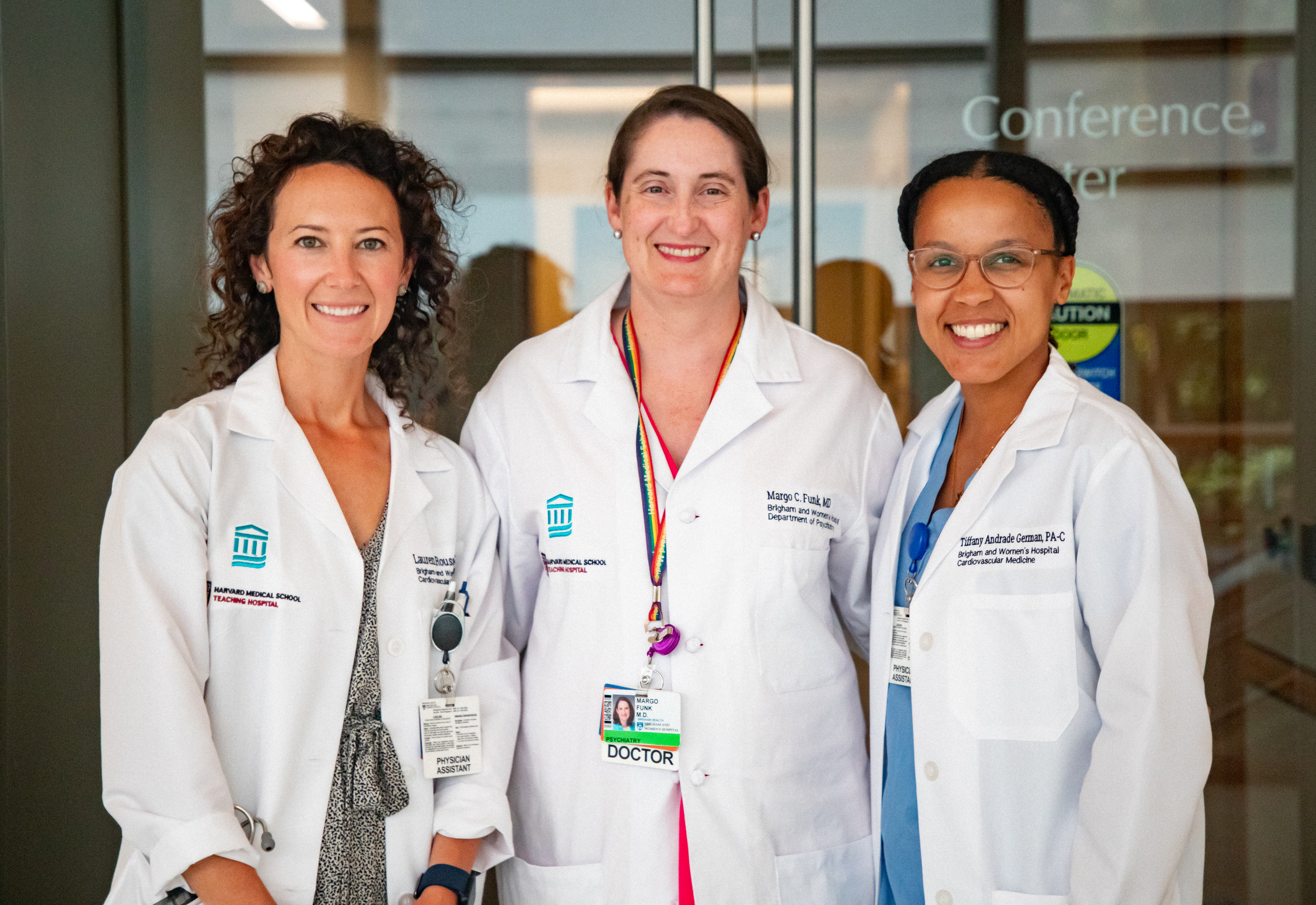
A member of the Brigham community for four years, Mr. Wahnon was part of the leadership team responsible for housekeeping and cleaning operations in the Braunwald Tower.

Remembered by many for the personal touch and positivity he brought to the workplace, Mr. Wahnon left a profound impression on his colleagues through both simple gestures and sincere concern for others’ well-being.

“I fondly recall the warm and comforting ‘Good morning, Francisca’ that Woualid used to greet me with every morning. It was truly a delightful way to start the day,” said Francisca Gomes, a Tower unit associate in Environmental Services. “The absence of this cherished routine leaves me with a deep sense of longing for his presence.”

His caring nature also touched the heart of colleague Teresa Gomes, a unit associate on his team.

“Each morning, Woualid would kindly address me by my name. If I looked down or had a sober expression, he asked me with genuine care why that was and would playfully encourage me by saying, ‘Lift up that face, Teresa,’” Gomes recalled. “I was always surprised by how he noticed when nobody else did. Woualid was that close to all his employees, and we miss him a lot.”

Mr. Wahnon was often the first to arrive during the team’s morning shift, and his warmth and optimism set the tone for the day, said Tereza Pereira, team leader in Environmental Services.

“Woualid was more than just a co-worker. He was a friend and beacon of positivity in in our workplace,” she said. “I’ll always remember his smile and unwavering support for everyone around him. His ability to brighten even the toughest of days was truly remarkable. There aren’t many people who can make a day feel different, but he had that gift.”

Supervisor Vilma Vargas agreed: “I have never met anybody like Woualid — so kind and respectful. He will be missed so much.”

Mr. Wahnon had a natural talent for putting others at ease with his reassuring manner, cheerful outlook and contagious smile, said Labina Shrestha, MM, T-CHEST, senior manager in Environmental Services.

“He was such a bright and humble person with heart of gold. Nothing was impossible for him. He always said, ‘I got this, Labina,’ and did an amazing job supporting employees’ and patients’ experiences,” Shrestha said. “He put his heart to his work and created a positive environment for all. He was always there for his team and thinking about how to make things better for them.”

No matter what challenge arose, Mr. Wahnon inspired others with his relaxed and composed approach, said Mohita Gurung, T-CHEST, an education specialist in the department.

“He was always calm and brought positive vibes,” she said. “He would say, ‘Mohita, relax. Everything will be fine. Don’t worry.’ I will miss him more than words can express. He was always very supportive and motivating to his co-workers and loved by all staff.”

Marie Brunache, a Tower unit associate, described Mr. Wahnon’s presence in her life as “a gentle touch of warmth and compassion,” one that will be deeply missed.

“Woualid possessed a remarkable ability to engage with his employees in a manner that transcended the ordinary,” she said. “His conversations were an art form — effortlessly coaxing enthusiasm and dedication among his team. In a world often consumed by the fast pace of life, his approach stood as a signal of how genuine connection and respectful leadership can leave an indelible mark.”

For many, Mr. Wahnon was a dear friend and mentor. For some, he was like family.

“Woualid’s significance in my life surpassed the bond of the mere supervisor. He was, in every sense, like a brother from another mother,” said Herminia Gomes, a unit associate on his team. “Each morning, he would say, ‘Good morning, Herminia. How are you?’ It still echoes in my ears — a simple gesture that I will miss forever. As I come to term with his absence, my heart aches with a profound sense of loss. His memory remains alive and vibrant, a testimonial to the profound impact he had in my life and the lives of those fortunate enough to know him.”

He left a similar impression on Carla Alves, also a Tower unit associate.

“Woualid was not only a supervisor. He was like a best friend and family member,” she said. “He taught me so many things in my life. I will miss him forever.”

Mr. Wahnon is survived by his mother, Filomena Fialho; his two children, Aliah and Waisha Wahnon; his brother, Yachine Wahnon; and many more family members and loved ones.

Three health care professionals pose for a group photo

Recognizing the unique mental health needs of patients with implantable cardioverter defibrillators, physician assistants Lauren Rousseau (left) and Tiffany Andrade German (right) launched a support group for patients in collaboration with cardiovascular psychiatrist Margo Funk (center).

Cardiac Electrophysiology physician assistant Lauren Rousseau, MPAS, PA-C, was accompanying a young patient to the Electrophysiology Lab when he posed a question she had never heard before: “Do you have any support groups for patients like me?”

Patients “like him” meant those with an implantable cardioverter defibrillator (ICD), a battery-powered device that is implanted in the chest and used to correct life-threatening heart rhythm disorders.

If someone with an ICD experiences a dangerously fast heartbeat, known as an arrhythmia, the device can deliver an electrical shock to restore the heart to a safe rhythm. While an ICD is a lifesaving device, for some patients it can also be life-altering, including the impact on their mental health. Intense fear of being “shocked” while in a vulnerable state, such as driving or showering, can lead to anxiety, depression and post-traumatic stress disorder.

When Rousseau considered the question from her young patient about support resources, nothing came to mind. “I’ll do some research and get back to you,” she told him.

That brief interaction led Rousseau and fellow Cardiac Electrophysiology physician assistant Tiffany Andrade German, PA-C, to establish a support group at the Brigham for patients with ICDs. To their knowledge, it is the only hospital-based group like it for ICD patients in New England. As part of this effort, they collaborated with Margo Funk, MD, MA, director of Cardiovascular Psychiatry, to offer a mental health resource during and after the support group session.

“When patients go home, they’re sort of on their own. We knew what the literature said, but personally I wasn’t appreciating the gravity of that immense change,” Andrade German said. “From carrying their baby to going to work, they’re trying to figure out all the activities they need to modify for safety. It’s a lot of transition, and it happens so quickly.”

Launched last November, the ICD support group has met only twice so far but is already filling a clear need. The first session attracted about 75 attendees, and the second, held in March, drew about 120 people.

Overcoming Isolation

The group is open to anyone with an ICD or considering one, including patients at other hospitals or health care systems. The two-hour sessions, which offer in-person and virtual attendance options, feature guest speakers and patient-led discussion groups moderated by an electrophysiology clinician or a behavioral health specialist. The team hopes to continue evolving the program based on patient feedback and to incorporate new features, such as affinity groups for attendees with similar demographics or life experiences.

“We have over 10,000 arrhythmia patients at BWH, which includes about 2,500 patients with defibrillators, and we realized we were doing them a disservice by not offering them this kind of resource,” Rousseau said. “Giving patients a platform where they can share their story and relate with each other has been really powerful.”

That was the case for one attendee, Kate, a mother of two in her 40s, who received an ICD at the Brigham earlier this year after learning she and her children carry a genetic mutation that can cause arrhythmogenic cardiomyopathy, an inherited heart muscle disorder that can result in potentially life-threatening heart rhythm disorders or heart failure.

Three weeks after her ICD procedure at the Brigham, Kate virtually attended the support group’s spring session. The featured speaker happened to be a mother of a child with an ICD.

“That was interesting for me because that may or may not be in my children’s future, depending on what their clinical course is,” Kate said. “It was also helpful to see a few other women who are around my age. When I was going to my appointments, I had noticed most of the patients in the waiting rooms were 20 to 40 years older than I am, so it was nice to see people I could relate to at my stage of life.”

Funk, who provides individual psychiatric care for patients with cardiovascular health concerns, explained that hearing from peers can be especially healing for people with an ICD.

“These patients experience a lot of isolation, and knowing you’re not alone can be huge,” she said. “Many patients who have received an ICD feel their life has completely changed, and they can struggle with redefining their identity. I’ve had several patients tell me they feel like they can really help people through this support group — that it gives them new meaning and begins to answer the question ‘why did this happen to me?’”

Poignant Reflections

While Kate has not experienced a cardiac arrest or an ICD shock, she sought out the support group and individual sessions with Funk to help her process everything she and her family have gone through.

“Being wheeled into the operating room was a lot to take in. Everyone was so professional, compassionate and doing what they needed to do, but I felt like a racecar pulling into a pitstop because everyone descended on me at once,” she said. “The rational part of my brain recognized I’m at one of the best hospitals in the world, under the care of a very highly skilled team of professionals who do this all the time, but my more primitive survival instinct was sounding alarm bells. I remember seeing the tray of instruments and realizing those are the tools they’re going to use to cut me open. I felt really vulnerable.”

Perspectives like this remind Andrade German, Funk and Rousseau why their work on this project matters.

“There is so much we can learn from patients that we don’t capture at the one-month post-op visit,” Andrade German said. “This support group provides an important outlet not only for patients but also for us to better understand their experience.”

As a patient, Kate said it is comforting to know her Brigham team is thinking about how to address the unique mental health concerns of cardiovascular patients.

“I appreciate that providers are thinking about caring for the whole patient beyond the surgical and medical pieces,” Kate said. “Getting an ICD is not like having your appendix removed — you do it and now it’s over. I had this surgery, and now every day I see the outline of this device in my body and know there’s a possibility I could get a shock. I am grateful these providers recognize that the care isn’t over when they discharge you from surgery.”

The BWH ICD Support Group’s next meeting is scheduled for Thursday, Sept. 28, 5:30–7:30 p.m., in the Zinner Breakout Room, 70 Francis Street, Boston, MA 02115. For more information, email bwhicdsupportgroup@mgb.org.

3 Comments
Community health worker and her patient

“I just love her,” says Yolaida Medina (right) about community health worker Franchesca Reynoso (left), who has helped Medina navigate resources to improve her health and well-being.

For much of her life, Yolaida Medina, 57, struggled to be healthy. At her heaviest, she weighed 297 pounds, and for years she had dangerously high blood pressure, a condition known as hypertension. She frequently got migraines, and her heart pounded furiously when she climbed the stairs to her third-floor apartment.

“My chest wanted to explode,” she said, recalling the sensation.

Medina faced barriers that made it difficult to prioritize her physical health. She sometimes didn’t have enough money to buy food and other necessities, and depending on public transportation for her medical appointments wasn’t always easy. For groceries, she tended to rely on her local corner store, which did not carry many nutritious options. And on the days when she was feeling overwhelmed, it became even harder to take care of herself.

Her high blood pressure was especially dangerous because she has a cerebral aneurysm — a weak spot in one of the brain’s arteries that could be deadly if it bursts. Hypertension significantly increases the chance of such a catastrophe occurring.

Today, life looks much different for the Roxbury grandmother. Her blood pressure is well-controlled, and she has lost more than 130 pounds. She started riding a bike, organized a local walking group, regularly sees a therapist, dabbles in gardening, shops for fresh produce and fish at the supermarket, and is in the process of qualifying for a first-floor apartment in her housing complex due to her medical needs. About a month ago, she quit smoking.

Medina says she was able to achieve these goals with the support of her primary care team at Brookside Community Health Center, who invited her in May to enroll in a three-month program to manage her blood pressure more easily, address health-related social needs and overcome barriers in accessing care.

As part of that effort, she was introduced to community health worker Franchesca Reynoso, who began visiting Medina at home, provided her a blood pressure cuff, showed her how to take readings by herself, helps track her progress and connects her with community resources.

The program is part of a larger strategy in Brigham Primary Care to address social determinants of health (SDoH), a term for nonmedical conditions that influence a person’s health, such as housing, education, employment and transportation access.

“It’s been a blessing. Everything is falling into place,” Medina said. “I tell my friends, ‘Go to the clinic and get an appointment with Franchesca. Ay, mami, she’s going to help you.’”

Data-Driven Interventions

Outcomes like this reflect the hard work and collaboration of several Brigham teams over nearly five years. The first SDoH screening pilot launched in 2018, and today all of the Brigham’s 15 primary care sites conduct this screening annually for every MassHealth patient. Four of those practices have expanded the screening to all primary care patients.

Eligible patients are asked questions like “Do you have trouble paying your heating or electricity bill?” and “What is your housing situation today?” About half of patients screen “positive” for at least one SDoH question, meaning their response indicates they might be facing a nonmedical issue that could affect their health. Food access is the most common concern; nearly half of patients disclose that they run out of food before they have money to buy more. One in three patients say they have housing needs.
“If you are facing a housing crisis and on the verge of being evicted, it’s going to be really hard to prioritize going to the doctor and monitoring your blood pressure every two weeks,” explained MaryCatherine Arbour, MD, MPH, medical director of the Social Care Team, a multidisciplinary group that seeks to address SDoH.

Consisting of community resource specialists, community health workers and housing advocates, the Social Care Team collaborates with clinical staff in Primary Care to help vulnerable patients navigate and access both health-related and community resources. In 2022 alone, more than 9,000 patients were referred to the Social Care Team for SDoH needs.

In February 2022, the team partnered with Population Health Management to analyze and interpret data from SDoH surveys alongside a trend they had observed in parallel: Black and Hispanic patients with hypertension were less likely to achieve blood pressure control than white and non-Hispanic patients with the disease.

After identifying the practices with the largest populations of Black and Hispanic patients — Brookside, Southern Jamaica Plain Community Health Center, 800 Huntington Ave. and the Phyllis Jen Center for Primary Care — the two teams developed a multipronged approach to reduce inequities in hypertension control, said Lisa Rotenstein, MD, MBA, medical director for Population Health.

In addition to the patient-facing components of the program, such as providing blood pressure cuffs and one-on-one community health worker support for eligible patients, staff also work behind the scenes to enhance care. Primary care providers, population health coordinators, pharmacists, community health workers and medical assistants regularly huddle to review individual patients’ cases and develop action plans. The Social Care Team is engaged if there is a patient who needs SDoH-related resources or support.

“By bringing population health data to the forefront, we can see vulnerabilities that can accompany poor hypertension control, such as having multiple co-morbidities, recent ED visits or difficulties engaging in care,” said Mary Merriam, RN, director of Population Health Management in the Center for Primary Care Excellence. “When we have the full landscape, we can zero in on the right interventions and identify patients who might benefit from working with the Social Care Team.”

Since the hypertension program’s launch last year, the teams report they have closed the gap in blood pressure control between Hispanic and non-Hispanic patients. Although rates have improved among Black patients, a disparity persists that the teams continue working to remedy.

Recognition of such inequities helped shape Mass General Brigham’s new strategy, For Every Patient, which articulates that all of MGB’s academic medical centers, community hospitals and clinical care sites will work together as one system to elevate the quality of care in ways that are proven to make the biggest difference. This includes achieving equity in blood pressure control, substance use overdose, C-sections for low-risk pregnancies and colorectal cancer screening and treatment.

‘You’ve Got This Aura’

Since enrolling in the program, Medina doesn’t worry about not being able to afford groceries. If her monthly food assistance gets used up too soon, she informs Reynoso, who brings her a supermarket gift card to bridge the gap before her benefits replenish. Every morning, Medina also receives a home visit from a nurse — a routine that immediately demonstrated its necessity after the nurse observed Medina was taking her blood pressure medication incorrectly and then educated her on the best way to take it.

Reynoso also stops by regularly to collect her vital signs, including her blood pressure, and enter them into Epic so that Medina’s primary care provider can stay updated. But her role is more than clinical. She was the one who helped Medina navigate the complexities of applying for a housing transfer. They sometimes go for a walk together. Often, she just listens as Medina catches her up on the latest happenings in her life.

“I really enjoy going above and beyond for my patients to get them what they need. It fills me up and gives me strength,” Reynoso said. “I think the patients really enjoy having us meet them at home, too. It creates a real connection and shows that we care — that they’re not just a number.”

Reflecting on the bond they have built, Medina affectionately put her arm around Reynoso.

“I just love her,” Medina said. “As soon as Franchesca came to my house for the first time, I just started telling her everything about my life. She consoled me, comforted me and laughed with me. I told her, ‘You’ve got this aura.’ I feel so comfortable with her.”

Erika Leon, a family partner for Stronger Generations, has helped approximately 30 migrant families from Latin America access essential resources.

In July 2022, a Venezuelan family with small children arrived at the Brigham’s Emergency Department (ED). They had no medical needs, but they did not know where else to turn. They were in desperate need of housing, food and other basic necessities.

It is a scenario that has played out repeatedly at emergency departments and shelters across Massachusetts over the past year as more than 7 million people have fled Venezuela due to severe poverty, hunger and political instability — a humanitarian crisis the United Nations estimates has become the second-largest external displacement event worldwide.

This crisis, along with a simultaneous wave of migrants from Haiti fleeing deadly gang violence and civil unrest in the island nation, recently prompted Gov. Maura Healey to declare a state of emergency and request urgent federal government assistance. As part of Mass General Brigham’s broader community health strategy, the system has deployed its care vans to help support the health care needs of migrants and is working with community partners to address health-related social needs.

When the young Venezuelan family came to the Brigham ED last summer, however, these developments hadn’t yet occurred. Shortly after their arrival, a social worker in the department decided to call Erika Leon, family partner for the Stronger Generations Initiative, a Brigham program that works to eliminate inequities in maternal and infant health outcomes by supporting pregnant individuals and parents under the age of 25.

“The social worker asked if I had supplies for this family, whose youngest child was just 16 months,” said Leon. She immediately jumped into action, gathering everyday necessities — clothing, diapers and wipes, toys and even gift cards to buy some groceries — and delivered them to the family.

Growing Needs

Soon after that first call, Leon started to get regular requests from the ED to assist other families from Venezuela, Mexico, Colombia and the Dominican Republic experiencing similar circumstances. Without Social Security numbers, they did not qualify for emergency housing, health insurance or other support from the state. Unhoused, they came to the ED looking for shelter, clothing and food.

“There were so many families facing the same challenges,” said Leon.

She stepped in to help fill the gaps where she could. Despite having a full-time job and a family of her own, Leon made it her mission to find creative solutions for these families with the limited resources at her disposal. She also knew she couldn’t do it alone.

“I began looking for other organizations that might help and connected with the Massachusetts Venezuelan Association,” Leon said. “One of their directors, Denise Rincon, has been very helpful in providing these families with food and helping to find them housing, so now when I have a new family in need, I reach out to them and other organizations for support.”

Although Leon has been able to cobble together resources to help these families with their immediate needs, she knows that infrastructure to support these families over the long term can truly make a difference. She sees the impact that Stronger Generations makes with young families and would like to see the same for all immigrant families.

“When I start working with families through Stronger Generations, they have absolutely nothing. And then two years later, with a little support, they have housing, a stable job and have learned English. It’s amazing,” she said.

Despite the long hours, Leon said she’s driven to continue the work because she sees what a difference it makes to the families she’s helping.

She also has a personal connection to this work. “My parents emigrated from Guatemala to the United States, and I know the struggles my own family faced,” she said. “I’ve always wanted to see a change in the health care system, not only for Latinos but for all people of color.”

While it was only a year ago that Leon was called to the ED to assist that first family, she has since helped more than 30 others. Because of her compassion and hard work, instead of spending their nights hungry and sleeping in a park, these families obtained food and a safe place to stay.

This spring, Leon was proud to learn that her work has not gone unnoticed. In April, she received a commendation for her work with these families from the Massachusetts House of Representatives at a ceremony in East Boston.

“When I learned about the honor, I felt very happy and almost in shock,” she said. “It is so exciting and energizing that the hard work I have been doing has been seen by others.”

Celeste Pardo (center) celebrates the completion of her final radiation therapy session with radiation oncologist Hesham Elhalawani and her mother, Nicole Pardo.

When asked about her cancer diagnosis and the innovative radiation therapy that helped her beat it, Celeste Pardo prefers to focus on the future. “I’m just looking forward to being in school full-time,” she said. “Some kids might feel differently because they don’t really like school, but once you have to skip it, you notice how much fun it is.”

Such insights are not unusual for 11-year-old Celeste, whose mother, Nicole Pardo, says she is quick-witted, honest and “does not hold back” her feelings.

In January 2023, Celeste was having trouble getting over a cough. With a history of cold-induced asthma, Nicole and Dan Pardo decided to bring their daughter to a pulmonologist at Dana-Farber/Boston Children’s Hospital for further evaluation. Testing confirmed there was a more serious diagnosis causing her persistent cough: high-risk pediatric Hodgkin’s lymphoma, a type of cancer affecting the lymphatic system that is more typical in teens and young adults than young children like Celeste.

Just one week after being diagnosed, Celeste began six cycles of chemotherapy infusions that kept her out of school for much of the remainder of fifth grade.

Though not all cases of pediatric Hodgkin’s lymphoma require radiation therapy after chemo, Celeste’s did. The Pardo family met with Brigham radiation oncologist Hesham Elhalawani, MD, MSc, to discuss this important next step in Celeste’s treatment. Working closely with Celeste’s hematologists at Dana-Farber/Boston Children’s Cancer and Blood Disorders Center — Andrew E. Place, MD, PhD, and Angela Feraco, MD, MMSc — Elhalawani recommended they treat Celeste using a technology called MR-LINAC, which allows patients to undergo imaging and radiation therapy simultaneously.

This combination of features is significant because organs move as we breathe and swallow, and even the smallest movement can affect the position of a tumor. Being able to see these movements in real time enables physicians to target treatments more precisely and minimize radiation exposure to healthy tissue.

In 2019, Dana-Farber Brigham Cancer Center became the first cancer center in New England to offer this novel therapy.

“We’re one of the national leaders in adaptive radiotherapy, of which MR-LINAC is just one example,” explained Daphne Haas-Kogan, MD, MBA, chair of Radiation Oncology at the Brigham. “Adaptive radiotherapy can accommodate changes in the patient’s body or changes in the tumor — minute to minute and day to day. It takes personalized radiation oncology to a whole new level.”

An Immediate ‘Yes’

Elhalawani — who partnered with radiation oncologist Veena Venkatachalam, MD, PhD, on Celeste’s treatment plan — explained to the Pardos that her cancer was in the front of her chest, between her continuously moving lungs and beating heart.

“We wanted to cure Celeste with the same efficacy of radiation, but with significantly lower radiation doses to the surrounding healthy tissues, especially her heart, lungs and thyroid gland,” he said. “MR-LINAC allows us to track the target in real time and turn on the radiation beam only when the tumor is within that target.”

Celeste and her sister, Annabelle, enjoy a trip to Disney World in celebration of Celeste completing treatment.

The decision to move forward with MR-LINAC was an immediate “yes” for the Pardos. The only challenge was that their 11-year-old would have to get inside a confining and loud MRI machine for a half-hour every day for 17 days straight, holding her breath during key moments for the best results. If she could do it, Celeste would become the youngest pediatric patient ever to be treated with the MR-LINAC at the Brigham.

Celeste was up for the challenge. She found things to help her to pass the time during treatments, such as talking with child life specialist Sydney Sanford, using noise-cancelling headphones and thinking about the trip to Disney World she would get to take when her radiation was complete.

“It doesn’t hurt at all,” Celeste said. “You might be a little bit startled when the noise comes on, but you don’t feel anything. You just have to try not to fall asleep — that’s how comfortable it is.”

Last month, Celeste completed her final treatment session on the MR-LINAC — a milestone she and her family have already celebrated with that trip to Disney World, as promised.

Elhalawani remains inspired by the entire Pardo family. “Childhood cancer is a very tough experience, and it often casts a shadow on the child and the parents. That was not the case for Celeste and her family,” he said. “Celeste was always smiling and joking, just so excited to advance science and share her story about her journey to a cure.”

As Celeste takes on sixth grade, her parents are helping to spread the word about the exciting new technology that has given them peace of mind about their daughter’s future. “The more kids who can use MR-LINAC and avoid long-term side effects, the better,” said Nicole. “It just requires a little bit of discipline.”

Haas-Kogan is encouraged by this feedback. “After this experience, we will try to standardize MR-LINAC for future pediatric patients,” she said. “Dr. Elhalawani will be one of the lead radiation oncologists in the world to spearhead this effort to expand MR-LINAC more broadly for kids and young adults who would benefit from it.”

From left: Jenny Caldwell and Richa Castellino

Each summer, the Brigham welcomes a new class of Deland Fellows in Health Care and Society. This one-year administrative experience prepares early-career professionals to lead health care institutions. Each fellow works closely with a member of the senior leadership team who serves as their mentor.

Jenny Caldwell, MBA

Hometown: Salt Lake City, Utah

Executive mentor: Sheila Harris, Vice President, Patient Access Services

Previous roles: Most recently, pharmacy technician supervisor at University of Utah Home Infusion Pharmacy. Prior to that, a pharmacy technician in the Outpatient, Inpatient, Operating Room and Investigational Drug Service pharmacies at Huntsman Cancer Hospital.

What drew you to the Brigham? The opportunity to work for a top-ranked, patient-centered, innovative health care organization committed to research, training and advancing clinical care initially drew me to the Brigham. Innovation at the Brigham — including the early adoption of computerized physician order entry (CPOE) and the electronic medication administration record (eMAR) and barcoding system — has had a significant impact on my career in pharmacy, and it excites me to work for an organization that continues to pioneer health care advancements. The unique structure of the Deland Fellowship provides me with broad exposure to the academic health system, fostering an environment for me to grow professionally and advance my career in a dynamic and evolving industry.

What types of projects are you looking forward to working on during your fellowship? My primary interests are patient access, health equity and value-based care initiatives. I am excited to help support the Patient Transfer and Access Center. In addition, I am looking forward to being involved in work surrounding system integration, strategic planning and executing strategies, and finance.

Fun fact about you: Within my family, I am known as the “faunt” (fun aunt) to six nieces and six nephews.

Richa Castellino, MBBS, MHA

Name: Richa Castellino, MBBS, MHA

Hometown: Pune, Maharashtra, India

Executive mentor: Mallika Mendu, MD, MBA, Associate Chief Medical Officer

Previous roles: After completing medical school in India, I worked as a primary care physician before moving into the administrative side of health care. I also worked as the senior clinical manager of a health tech start-up in India before starting graduate school at Cornell University. Most recently, I worked as an M500 Consulting intern at the University of Florida Health with the Anesthesiology Department.

What drew you to the Brigham? The commitment to providing high-quality care through research and education, clinical and administrative leadership, along with the focus on data and innovation drew me to the Brigham. I was looking for an opportunity to contribute to an organization that shares my dedication to the improvement of patient care, community health and health equity. The exceptional leadership team at the Brigham, along with the opportunity to work in the academic medical center and community hospital settings were also huge motivators for me.

What types of projects are you looking forward to working on during your fellowship? I am very excited about the opportunity to work with senior leadership to solve problems that the Brigham currently faces, specifically those relating to patient access. I am eager to work on improvement of access and capacity through efficient care continuum management and leveraging data, innovation, and technology to reduce length of stay. I am also excited to get more experience to the finance and strategy side of health care while working towards improving the quality of patient care.

Fun fact about you: I have a 10-year-old Labrador, Tammi, who is back in India, and I would give anything to have her in Boston with me.

Learn more about the Deland Fellowship in Health Care and Society by attending for an upcoming informational webinar on Tuesday, Aug. 29, 4–5 p.m., or Thursday, Sept. 7, noon–1 p.m. Register here.

Members of this year’s BRIDGE Summer Fellowship cohort celebrate their completion of the program. From left: Déjà Clement, Jeriel Garcia, Anadela Navarrete Gomez, Emily Afriyie, Mariana Bouchan, Nicholas Malone, Lauren Elvrum, Javier Huerta, Karina Garcia and Whitney Camille Ford

Tufts University chemistry student Emily Afriyie was curious about a career in infectious diseases, but she found it difficult to imagine how she might enter the field. That all changed when she was accepted into the Brigham Research in Infectious Disease and Global Engagement (BRIDGE) Summer Fellowship Program.

Now in its second year, the program provides a mentored research internship in the Division of Infectious Diseases to college students and recent graduates who are from racial or ethnic groups underrepresented in medicine and other health professions. Over seven weeks, students work closely with Brigham researchers and gain hands-on experience in basic science, clinical or translational research in infectious diseases and global health.

“I’ve always had an interest in infectious disease, but I didn’t know about the different pathways in research and clinical care as an infectious disease doctor,” Afriyie said. “This was a new door opened for me. It’s nice to know that there are people who can help you and who are rooting for you, especially when there are not many others who look like you in the room.”

This gap is exactly what the program seeks to address, explained infectious diseases specialist Sophia Koo, MD, a co-founder and co-director of BRIDGE.

“We have a pipeline problem in infectious disease where physicians and health care providers do not really reflect the demographics of the patients we serve,” Koo said. “Clinical outcomes and trust are improved when there is race and ethnicity concordant care. We want to improve diversity by creating this program to mentor students from underrepresented racial and ethnic backgrounds, many of whom are the first in their family to think about going to college or medical school.”

This year’s cohort comprised students who identify as Black, Latine, Native American and Mesoamerican. Koo hopes the nascent program, which hosted 12 interns this summer, can continue to grow and reach more students who may lack structured opportunities to pursue research.

“Disparities in pursuing health care careers are perpetuated when you don’t have exposure to a field, mentors who can write recommendation letters or connections with people who can support you to reach the next step,” Koo said.

Intriguing Research

Also among this year’s cohort was aspiring physician-scientist Javier Huerta, who is pursuing a master’s in public health at Oregon Health and Science University. His interest in medicine began when he was a pediatric surgery patient, and his mother had to navigate the complexities of the health care system as a single parent. Over time, his interest solidified as he conducted pediatric outcomes research and served as an HIV counselor.

“Being an HIV counselor really opened my eyes to how stigma can limit access to care in particular communities and motivated me to understand infectious disease and global health, which I had only studied through classes,” he said.

During his BRIDGE fellowship, Huerta worked with mentors Jennifer Manne-Goehler, MD, ScD, to study patient outcomes for Chagas, a tropical disease primarily affecting impoverished communities in Latin America, and MGH infectious diseases researcher Andrea Ciaranello, MD, MPH, on HIV outcomes.

“Chagas is a neglected tropical disease amongst neglected individuals who might not seek care because of fear, lack of insurance, stigma, language and literacy challenges,” Huerta said. “There’s so much room for improvement in health care system in the United States for these communities.”

Huerta enjoyed the program’s immersive experience, which enabled him to attend weekly lab meetings, work with other research assistants and receive quick feedback on his ideas.

“It was nice to directly apply the epidemiology skills I am learning through the MPH,” he said. “I was given the autonomy to come up with new research questions using the datasets we have. My mentors were very receptive.”

Intangible Benefits: Sustained Mentorship and Self-Advocacy

When selecting fellows from over 250 applications, the program’s leadership applied an equity lens to the process, understanding that applicants may have experienced barriers to conventional markers of success, Koo said.

“We try not to filter applicants based on grades or prior experience like many other programs,” she explained. “We look at interest in infectious disease. I would say the personal statement is the most important part.”

The program adapted its structure in other ways to be more inclusive. In response to feedback from students last year that the cost of living was difficult to manage, this year the BRIDGE program arranged for most of the students (apart from Boston locals) to be housed in dorms at the Massachusetts College of Art and Design. The setup also allowed students to bond outside of the program.

Huerta explains that the program’s leadership go above and beyond for the students, even sending regular check-in text messages. His research mentors also provided him with opportunities to publish his research and continue working remotely after the summer ends.

Likewise, for another participant, Anadela Navarrete Gomez, a recent University of California at Los Angeles graduate who studied biology and Chicanx studies, her BRIDGE mentors will serve as an important resource to guide her medical school applications.

“I applied to BRIDGE because I wanted to connect with physician mentors,” Gomez said. “The people I met really inspired me to keep pursuing medicine, and I hope to stay in touch with them as I approach the medical school application process.”

Often, the mentorship extends beyond professional support.

“I think a good mentor connects with the mentee in more ways than just professionally and really gets to know their needs so they can address their needs,” Huerta explained. “Mentees, especially when they are from underrepresented backgrounds, need mentors who are present. They host frequent check-in meetings, welcome questions and create a deeper connection with students.”

For Afriyie this looked like seeking out opportunities to shadow others in the lab and see patients with her mentor, Ann Woolley, MD, MPH, to build relationships beyond her research project.

“Being able to ask for the things you want to get out of a program is important,” Afriyie said. “Learning how to advocate for myself has made me stronger person.”

Mayerlin Hernandez, pictured with daughter Anmary, says she cannot imagine achieving her breastfeeding goal without the support of the Brigham’s Mama Sana program, which provides breastfeeding and nutrition counseling in Spanish.

Even from the early days of her pregnancy, Mayerlin Hernandez knew she wanted to breastfeed her baby. In preparation, she tried to immerse herself in the topic at home — reading articles and watching videos about breastfeeding positions, breast pumps to support lactation and other strategies to make the process go smoothly.

“I was always trying to educate myself,” she said. “Even though lactation is natural, you still have to learn.”

But, like many mothers, Hernandez encountered challenges with breastfeeding after the birth of her daughter, Anmary, at the Brigham in February. As she recovered from a cesarean delivery, she struggled to find a comfortable way to nurse her baby without aggravating the tender area around her incision. When her daughter latched to her breast to feed, it was unexpectedly painful.

As the breastfeeding experience Hernandez had envisioned seemed to evaporate before her eyes, she began to get discouraged. The challenges she experienced, however, are extremely common, and most women who wish to continue nursing can receive support from an international board-certified lactation consultant (IBCLC) or a certified lactation counselor (CLC) to help them and their babies work toward their goal.

But for patients who have limited or no proficiency with English — like Hernandez, who is a Spanish speaker — a language barrier can make breastfeeding support feel inaccessible or simply too overwhelming when their providers only speak English.

That dynamic shifted when Elena Padilla Garza, RD, LDN, CLC, a bilingual dietitian and certified lactation counselor, entered Hernandez’s hospital room and greeted her not with a “hello” but an “hola.”

“From the moment I first spoke with Elena — and I knew that she spoke Spanish and understood me — I felt very calm,” Hernandez said. “It wasn’t because the other providers didn’t want to help, but we had to wait for a tablet or a second person to come in to interpret.”

Padilla Garza’s presence in the room was no coincidence. She is part of the team supporting Mama Sana, a Spanish-language nutrition and breastfeeding program at the Brigham that seeks to improve breastfeeding support and health outcomes for Spanish-speaking birthing patients and their babies.

The program is one of several ways the Brigham seeks to deliver equitable care to patients with limited English proficiency, complementing an Interpreter Services team that provides interpreting in 30 languages to mothers throughout their pregnancy and clinical encounters with caregivers to ensure a healthy delivery.

“Breastfeeding is a unique clinical situation,” said neonatologist Sarbattama (Rimi) Sen, MD, director of Faculty Development in the Department of Pediatrics and a co-founder of the program. “There are so many physical as well as nonverbal cues that go into successful breastfeeding. The physical presence of someone who not just understands the language but also understands those cues serves an important purpose.”

Closing Gaps

The multidisciplinary program, whose name translates to “Healthy Mom,” was established in early 2022, but the conversations that inspired it go back several years prior.

“As we saw racial inequities and gaps in care become very evident during the pandemic, we determined it was going to be important to look at the data we had with respect to breastfeeding,” said fellow Mama Sana co-founder Anne CC Lee, MD, MPH, director of Global Newborn Health in the Department of Pediatrics. “We first noticed rates of exclusive breastfeeding were lowest among publicly insured patients. When we examined it further, we saw the rates were lowest of all among Hispanic Spanish-speaking populations.”

The contrast was startling: Upon discharge from the hospital after childbirth, about half of white non-Hispanic patients were exclusively breastfeeding. Among those who identified as Hispanic and Spanish-speaking, only about one in five were exclusively breastfeeding at discharge.

“There’s so much that can get lost in translation because the language you use for breastfeeding counseling is very niche,” says Elena Padilla Garza.

As the team investigated further, they found the disparity wasn’t due to cultural preferences.

“When you look at Hispanic women who come to the Brigham, about 80 percent express their desire to breastfeed at admission,” Lee said. “There was a large gap between what mothers wanted and the outcomes as they left the hospital.”

With backing from department leadership, Mama Sana was established to provide breastfeeding support in Spanish during and after pregnancy. The program seeks to provide “wrap-around” care, offering not just in-hospital lactation counseling in Spanish but also group prenatal classes and one-to-one postpartum support around breastfeeding and nutrition.

“Our interpreters are absolutely phenomenal, but what moms have told us is they don’t ask as many questions because they know it’s going to take more time to communicate,” Padilla Garza said. “With breastfeeding counseling, we also spend a lot of time on visual feeding cues, which are difficult for an interpreter to understand and convey if they’re participating virtually or on the telephone. In addition, there’s so much that can get lost in translation because the language you use for breastfeeding counseling is very niche.”

For patients with complex needs, Padilla Garza works closely with nurses and IBCLCs, who undergo more intensive training in clinical management of breastfeeding.

Despite Mama Sana’s limited resources — it currently functions as a consult service for patients considered to be at high risk for a poor lactation outcome — there are signs that the program is making a difference. Now, three out of four Spanish-speaking patients who give birth at the Brigham have access to Spanish-language lactation support. To date, Mama Sana has served more than 300 patients.

Culturally Concordant Care

Members of the Mama Sana team emphasize that language is only one part of the equation.

“There’s also the cultural piece,” explained Padilla Garza, who is originally from Mexico and has enjoyed the opportunity to learn more about different practices throughout Latin America. “We have many patients from the Dominican Republic, and a common myth there is that you should not have raw vegetables, avocado or coconut while breastfeeding, which is not supported by evidence and could affect the patient’s diet. If you’re not familiar with that culture, however, that’s not something you would think to mention or address.”

Lee added that having a care provider with a similar cultural background — a concept known as culturally concordant care — can help establish trust and confidence during a vulnerable time. This includes members of the clinical team, medical interpreters and other staff involved in patient care.

“Studies that have shown when caregivers speak the same language and come from a similar cultural background, patients feel they can trust them. They have a better therapeutic alliance,” Lee said. “Patients feel welcome and at home when those taking care of them understands them.”

As for Hernandez — who is continuing her breastfeeding journey with her now 5-month-old daughter — she hopes Mama Sana receives the resources it needs to grow so that more mothers can have the same experience.

“Sincerely, I would not be breastfeeding if Elena never visited me that second day in the hospital,” she said.