
Brigham Team Recognized for Role in Disaster Response
 When a major flood caused by a burst pipe forced the closure of the labor and delivery and neonatal intensive care units at Boston Medical Center (BMC) temporarily last year, the Brigham and several other hospitals stepped up to ensure patient care remained the priority.
During a Quality Rounds presentation in Bornstein Amphitheater last month, BMC clinicians spoke about the flood and reflected on the disaster response and lessons learned.
A critical piece to the emergency plan for BMC was the safe and timely transfer of patients out of the affected units to area hospitals, including the Brigham, for care. At the end of Quality Rounds, the Brigham was presented with an award from BMC in recognition of the assistance staff provided during the flood incident.
Karen Fiumara, PharmD, BCPS, executive director of Patient Safety at Brigham Health, said the Brigham teams that responded to this challenging situation were “nothing short of remarkable.”
“While continuing to safely care for their existing patients, they welcomed this group of BMC patients and their loved ones to the Brigham with open arms and provided them with exceptional care,” Fiumara said. “This was one of those amazing stories that makes you proud to be part of the Brigham community.”
Katherine Gregory, PhD, RN, associate chief nursing officer for the Mary Horrigan Connors Center for Women and Newborns, echoed Fiumara’s thoughts.
“The Brigham comes together in a crisis like no other, and we care—not only about our patients but also those across the city and region,” she said. “It was our privilege to care for the women and newborns who were affected by the BMC flood last year, and we stand ready to serve if called upon by our obstetric and newborn colleagues again in the future.”
 Last summer, faculty and staff were invited to share their impressions of the Brigham’s organizational culture through the Brigham Experience: Culture, Diversity & Inclusion Assessment survey, focus groups, interviews and more. The message was clear: Our foundation and our people are strong, and we have opportunity to do even better, together.
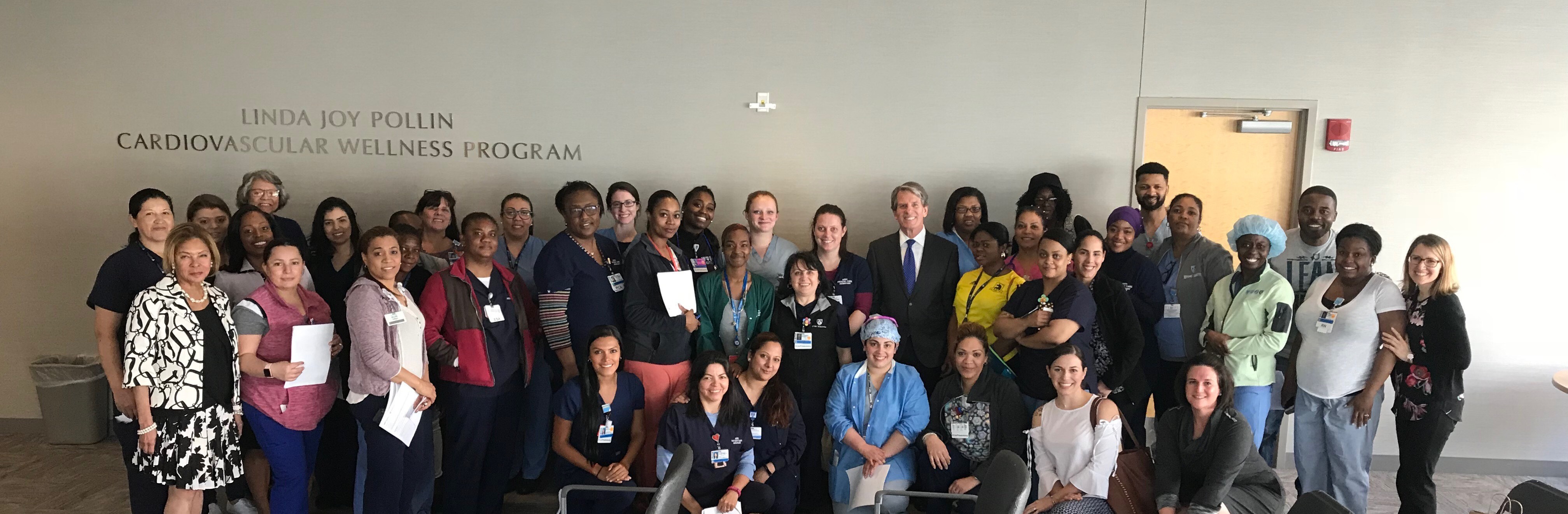 Many of you have already heard about the four amazing Brigham patient care assistants (PCAs) who received the inaugural Neskey Educational Opportunity Fund Scholarships, which provide full-tuition support to University of Massachusetts (UMass) Boston for PCAs who aspire to have a career in nursing. David and Sharon Neskey established the fund to honor the extraordinary care they received from a PCA here. As it turns out, the day we announced those four recipients was just one piece of what would become my One Shining Moment this year.
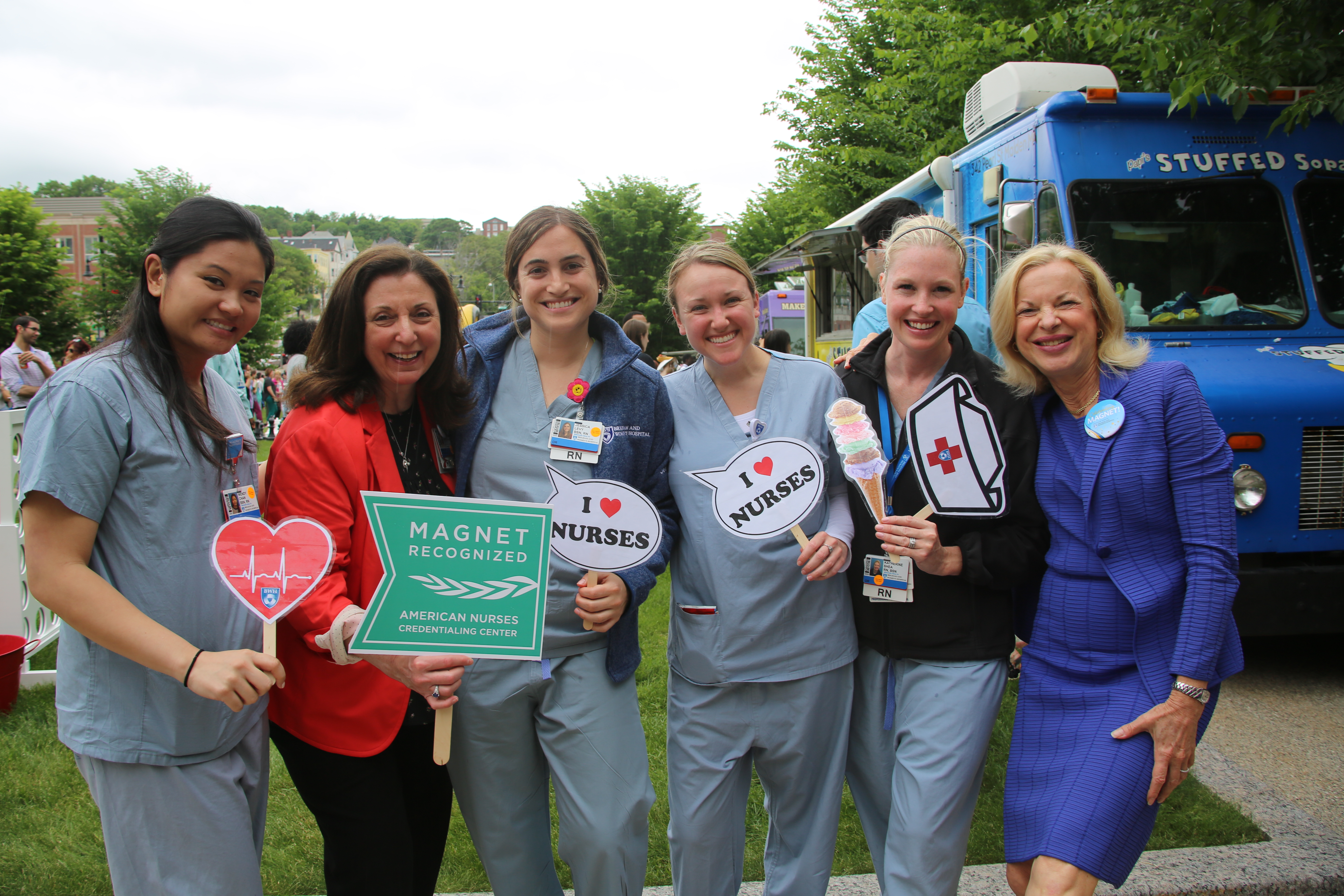 My One Shining Moment for 2018 represents the culmination of many shining moments for the Department of Nursing and our entire Brigham community. After a journey led by our clinical nurses that inspired pride about the exceptional care we provide, our patient outcomes and our interprofessional collaboration, we officially received the news that Brigham and Women’s Hospital achieved Magnet designation.
 By far, my shining moment this year was the day I reconnected with my primary nurse, Vivian Kelley, RN, after 39 years! Vivian helped save my life back in 1979, when I came to the Peter Bent Brigham Hospital for a bone marrow transplant. I had aplastic anemia (a rare and life-threatening blood disease) and spent two and a half months in an isolation room. Vivian was there at every turn—when I got my chemo and during the hundreds of hours that followed as I waited for my new immune system to mature. The photo in which I’m wearing a mask marks the day I went home. The other picture was taken when we reconnected this summer in Boston. Vivian moved to the West Coast a year after my transplant and continued practicing nursing until she retired. I credit Vivian’s intelligence, nursing skills and her calm, positive attitude for getting me through a terrifying time in my life. I’m so grateful we found each other again.
 Brigham Health’s Strategy in Action: Scalable Innovation
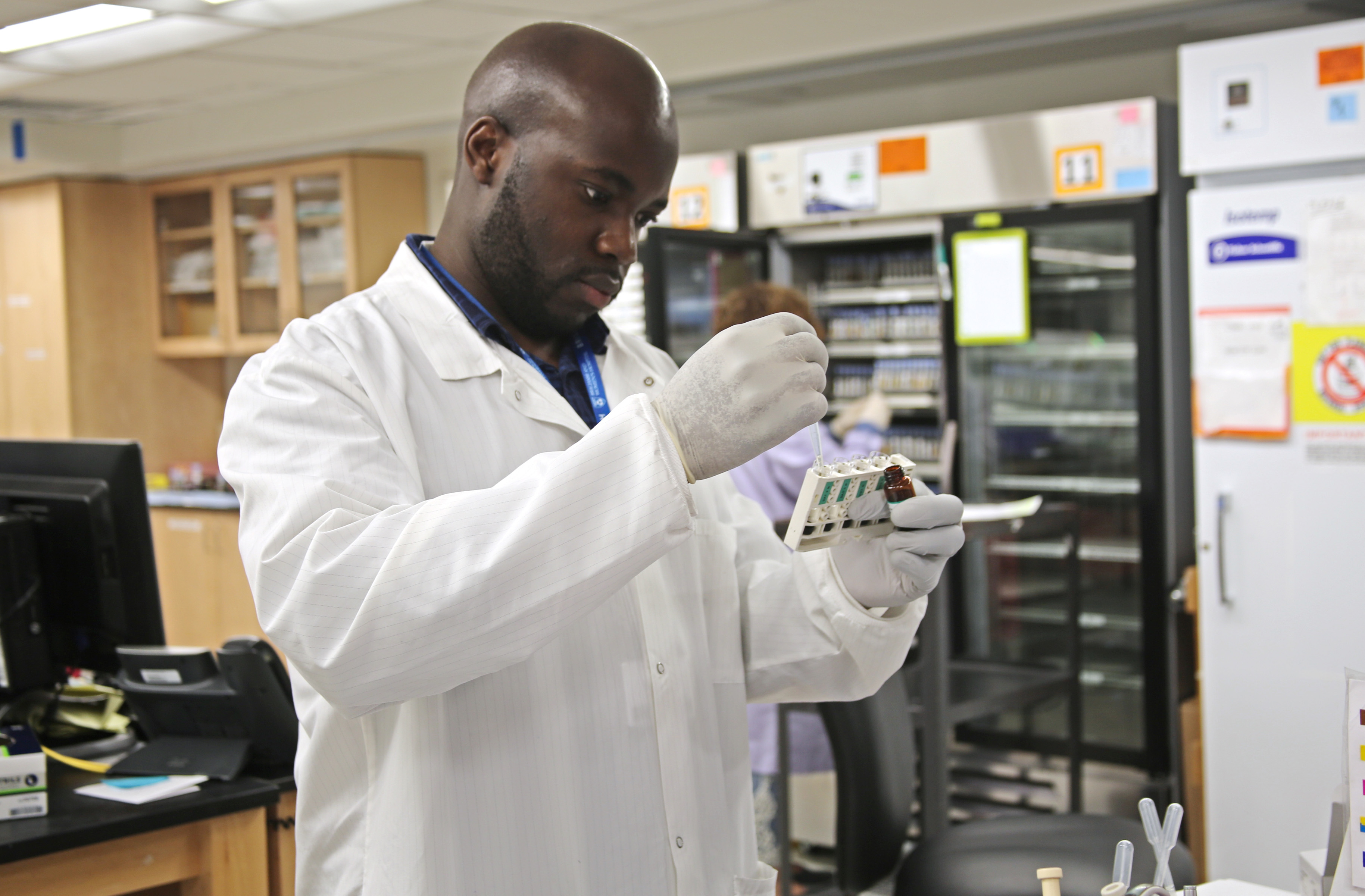
 “Our staff’s commitment to service excellence, professionalism and team spirit came through loud and clear to the surveyors,” said Milenko Tanasijevic, MD, MBA, vice chair for Clinical Pathology and Quality. “They go above and beyond for every specimen and demonstrate their dedication to our patients every single day, regardless of whether a survey is occurring.”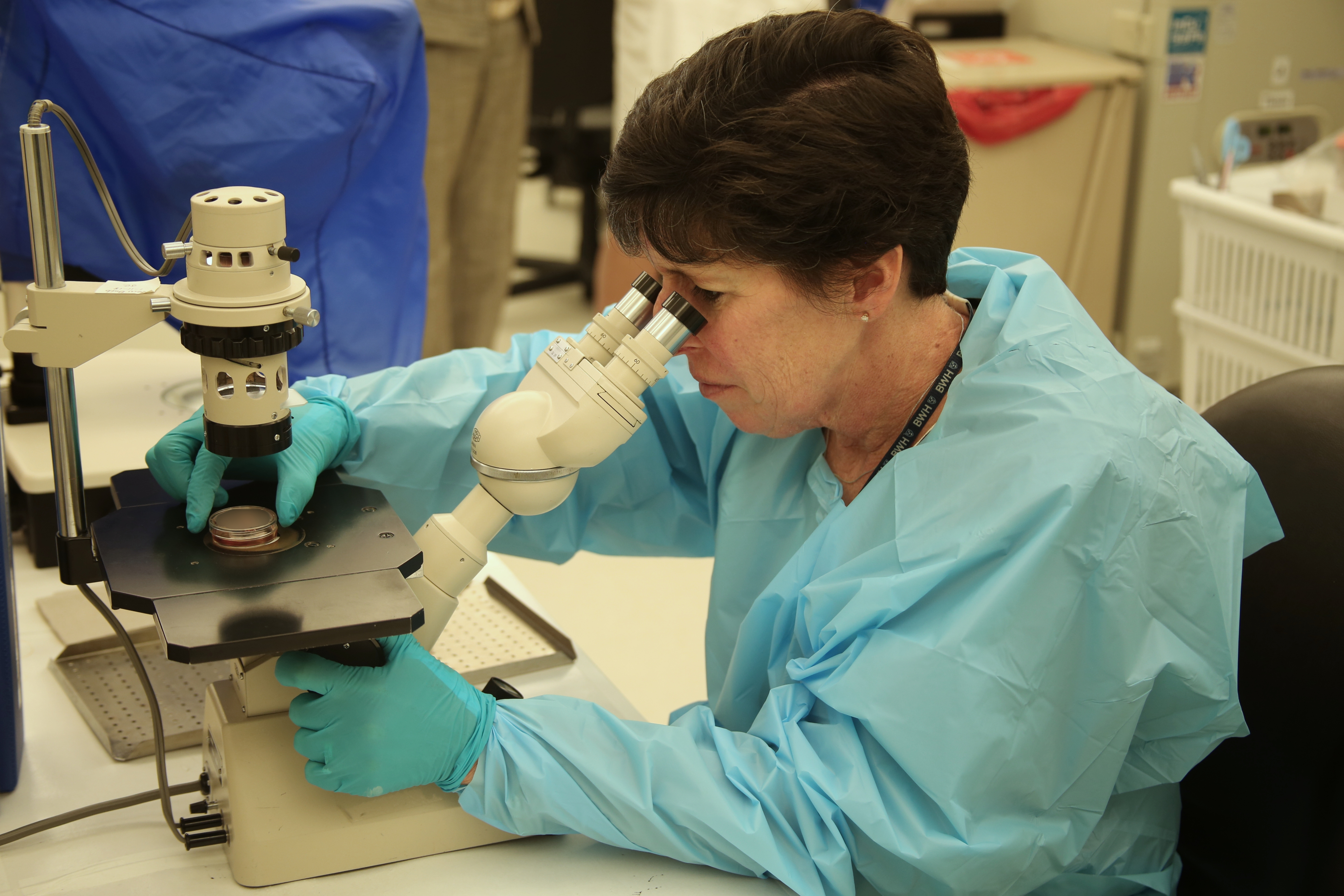

 Another PIE Award recipient was Johann Brown, a dosimetrist (radiation planning expert) in the Department of Radiation Oncology. Brown was nominated for his tireless efforts to ensure patients receive timely care.
 Seltzer expressed his appreciation during a ceremony celebrating the unveiling of his portrait in Bornstein Amphitheater on Nov. 17. The portrait honors his contributions in medicine, science and education as the fourth chair of the Department of Radiology, a position he held from 1997 to 2016.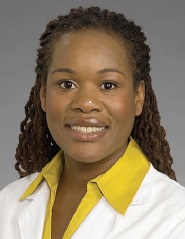
 You’re also a preceptor. What do you enjoy about educating PA students?
 “Bullying is symptomatic of a larger issue around inclusion and respect,” said Sabrina Williams, MBA, chief diversity and inclusion officer and interim vice president of Human Resources, who served as moderator for the Oct. 2 event.
 That nurse was John Solman, RN, who was one of eight Brigham nurses honored during the 17th annual Internal Medicine Nursing Awards on June 8. Residents established the awards to recognize nurses for their commitment to care and mentorship.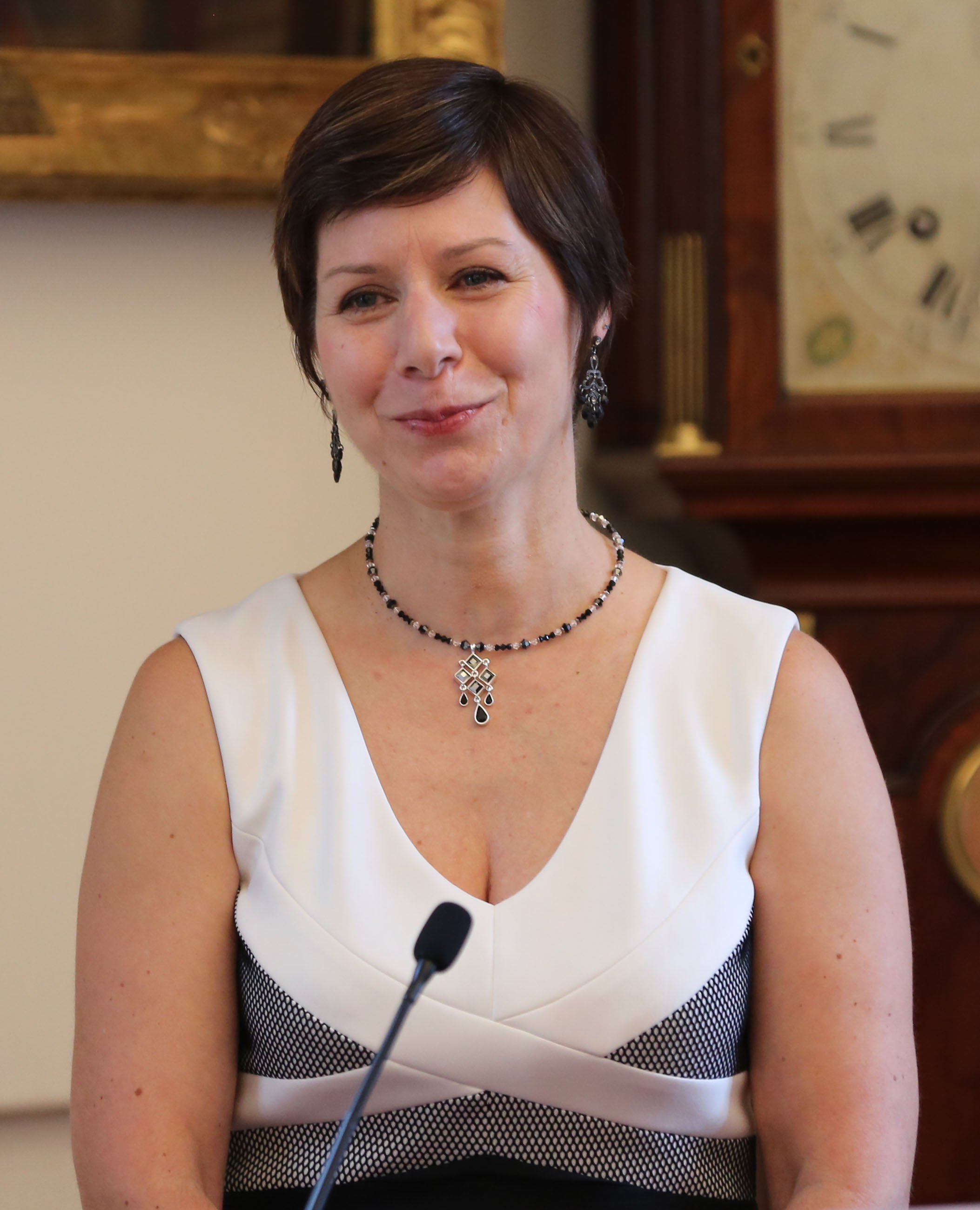
 “Daphne is a brilliant physician-scientist who cares deeply about her patients,” Nabel said. “She’s also a very thoughtful and collaborative leader who brings a depth of experience, not only in patient care, research innovation and teaching, but also administratively. The chemistry was a perfect fit.”
 Three BWHers received the